
Add GIZMOCHINA as Preferred Source on Google
Among the POCO F series, the POCO F9 Ultra is likely the model with the most “powerful” specs and the most well-rounded performance. It’s even pushing the boundaries of what a “flagship killer” phone can be. Snapdragon 8 Elite Gen 5, a 6.9-inch 185Hz AMOLED display, an 8050mAh battery, a 200MP main camera, a 5x periscope telephoto camera, and even a Bose-tuned 2.1-channel speaker system. On paper, this looks almost like a performance enthusiast’s wish list turned into a smartphone. But the POCO F9 Ultra isn’t necessarily an upgrade in every possible way. Compare it directly with the POCO F8 Ultra, and things become much more interesting. Some upgrades are substantial, but are there any details beneath the surface that are worth noting?
So rather than asking how impressive the POCO F9 Ultra specs are, there’s a much more important question: Do those bigger numbers actually make it a better phone?
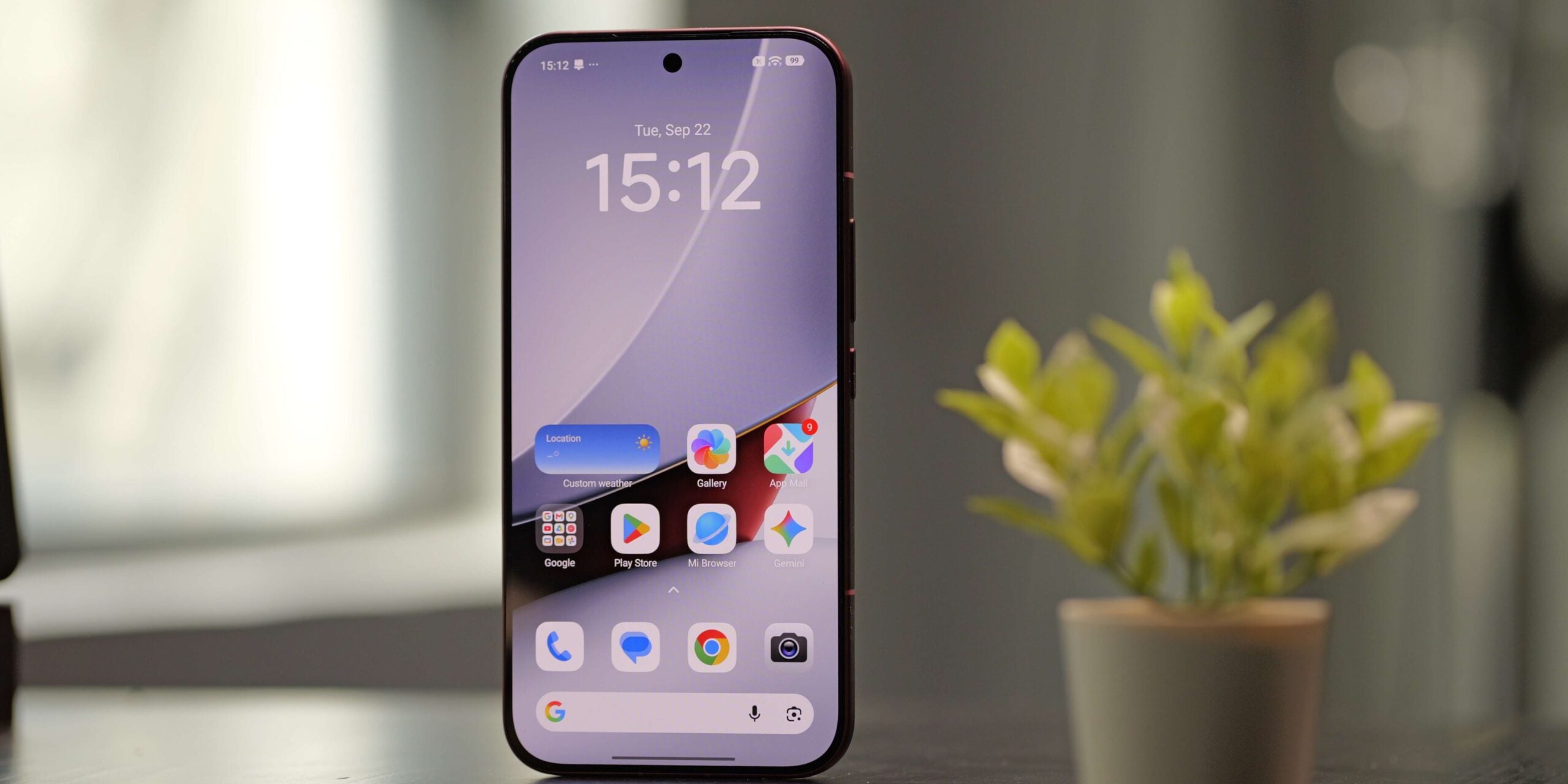
Snapdragon 8 Elite Gen 5: Flagship Performance With a Catch
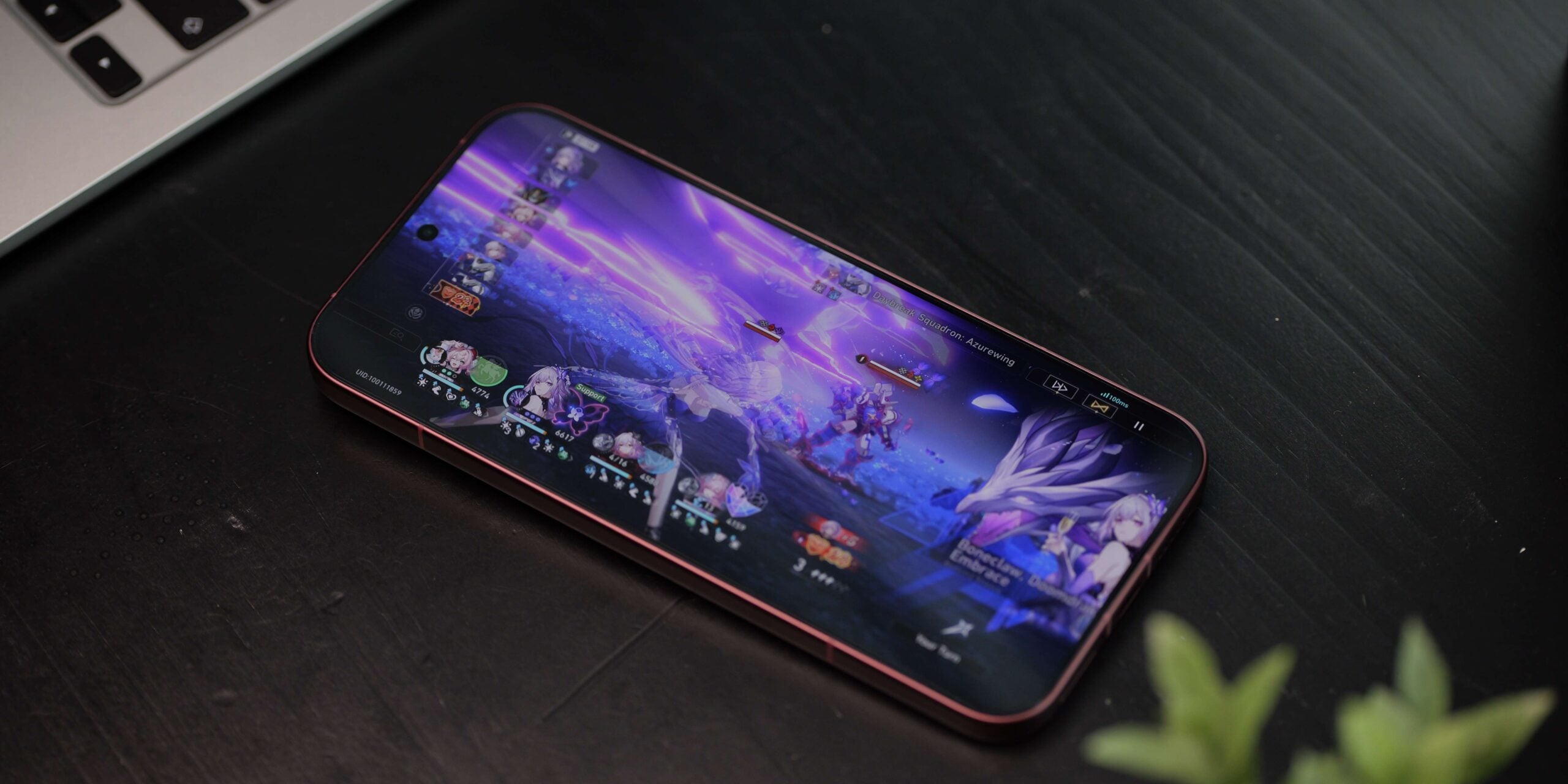
Performance is probably the least controversial part of the POCO F9 Ultra. It’s powered by Qualcomm’s Snapdragon 8 Elite Gen 5, so everyday performance isn’t really the question here. What matters more is sustained gaming performance, power consumption, and thermal management. POCO also pairs the chipset with its VisionBoost D8 chip, which handles features including AI Super Resolution and intelligent frame interpolation. And that’s where the headline 185FPS gaming claim comes from.
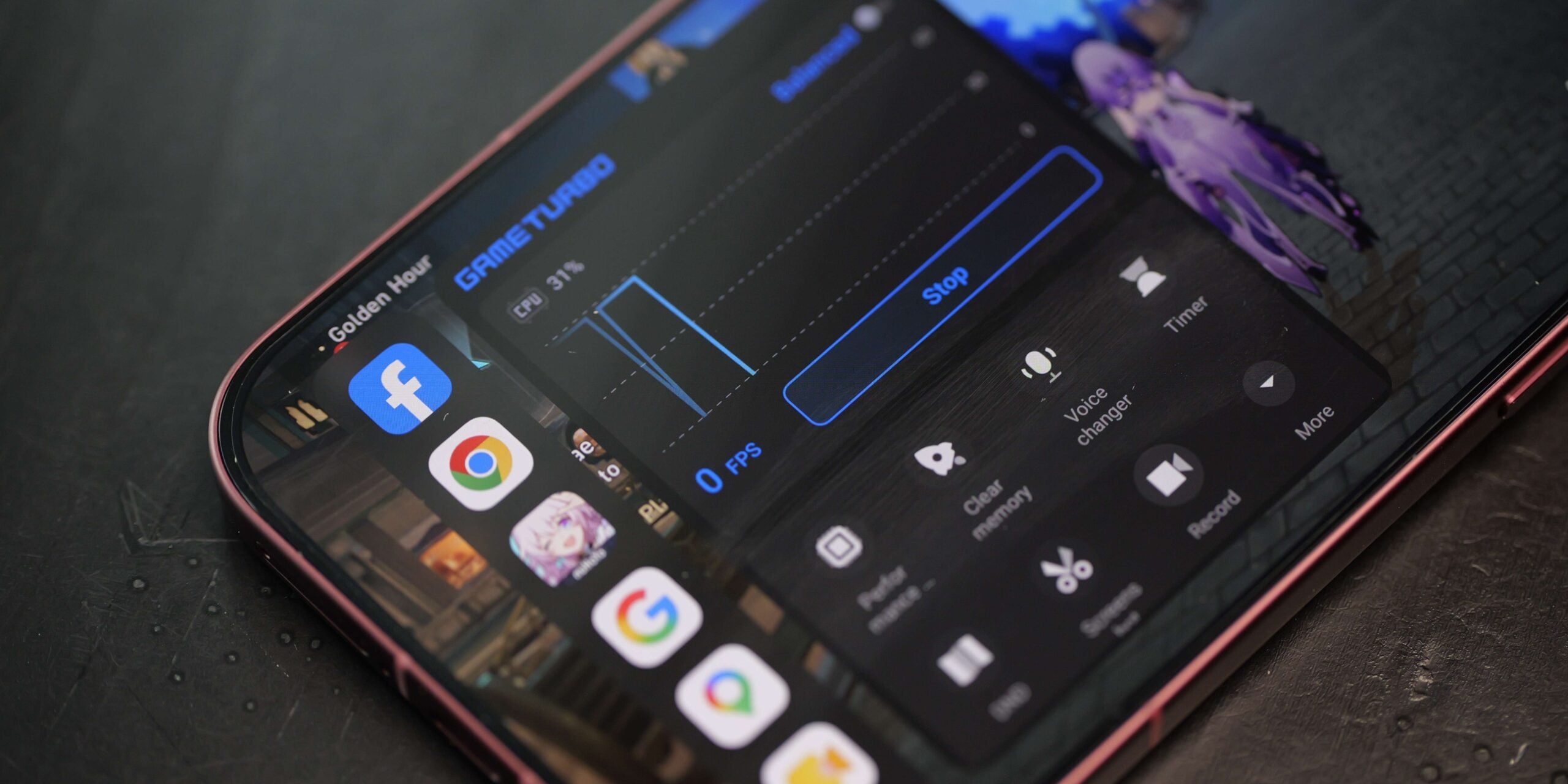
But there’s an important distinction to make. 185FPS doesn’t mean the Snapdragon GPU is natively rendering every supported game at 185 frames per second. Instead, frame interpolation generates additional frames between the frames rendered by the game. Combined with the phone’s 185Hz display, this can produce much smoother perceived motion without requiring the GPU to natively render 185 complete frames every second. That’s still useful, especially in fast-paced games. But image artifacts, latency, game compatibility, and sustained performance matter much more than the 185FPS number itself.
The POCO F9 Ultra clearly has the hardware for serious gaming. The more interesting question is how well it can maintain that performance after 20 or 30 minutes under load.
185Hz AMOLED Display: Fast Is Only Half the Story
The display is another area where POCO has pushed the numbers extremely hard. You get a large 6.9-inch HyperRGB AMOLED panel with a refresh rate of up to 185Hz, new M11 display technology, and a claimed peak brightness of 4,500 nits.
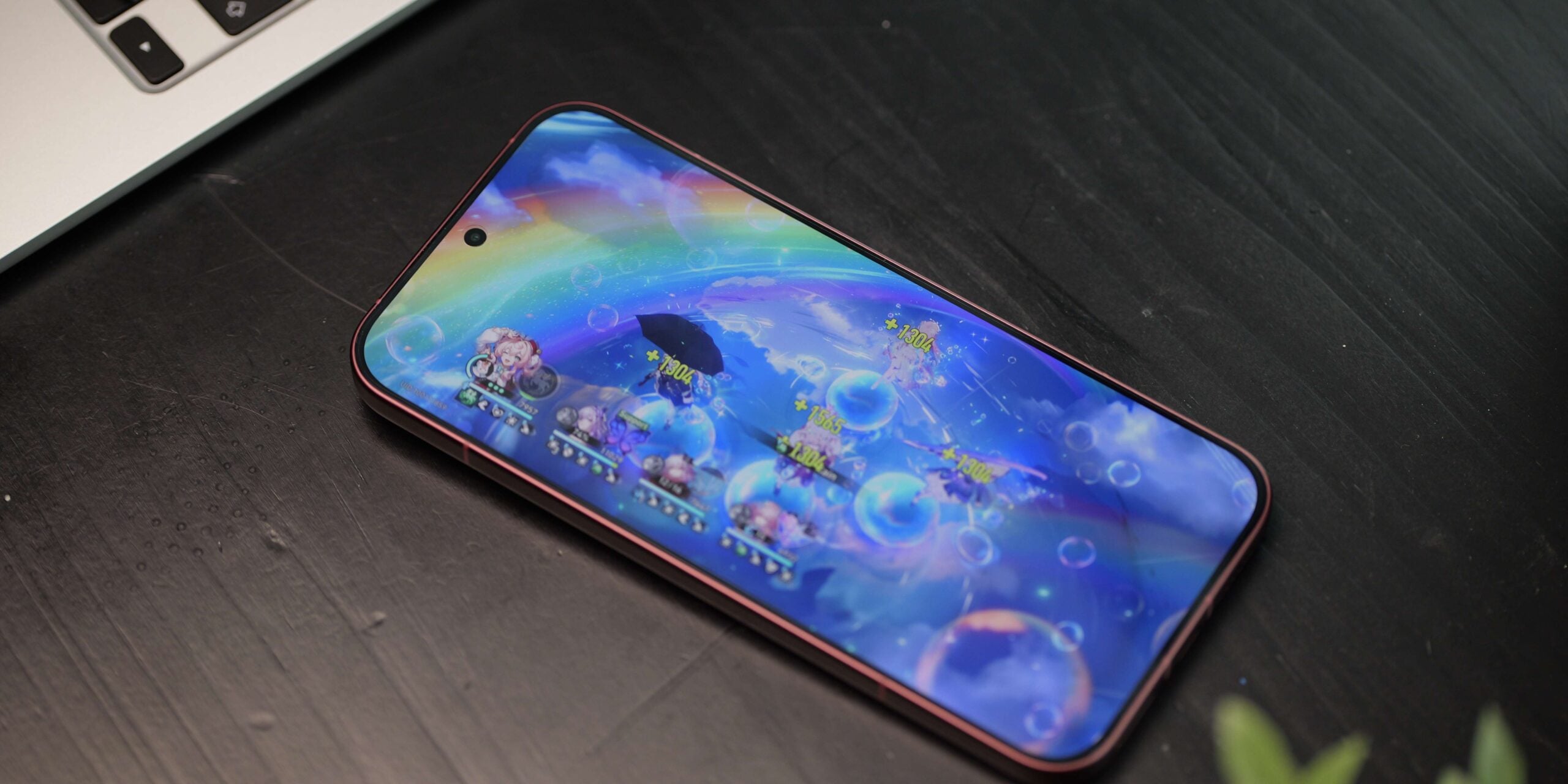
185Hz on a smartphone is excessive in the best possible way. But just like 185FPS gaming, it needs some context. Not every app or game will actually run at 185Hz. It’s the maximum refresh rate supported by the panel, while real-world refresh behavior depends on software and individual applications.
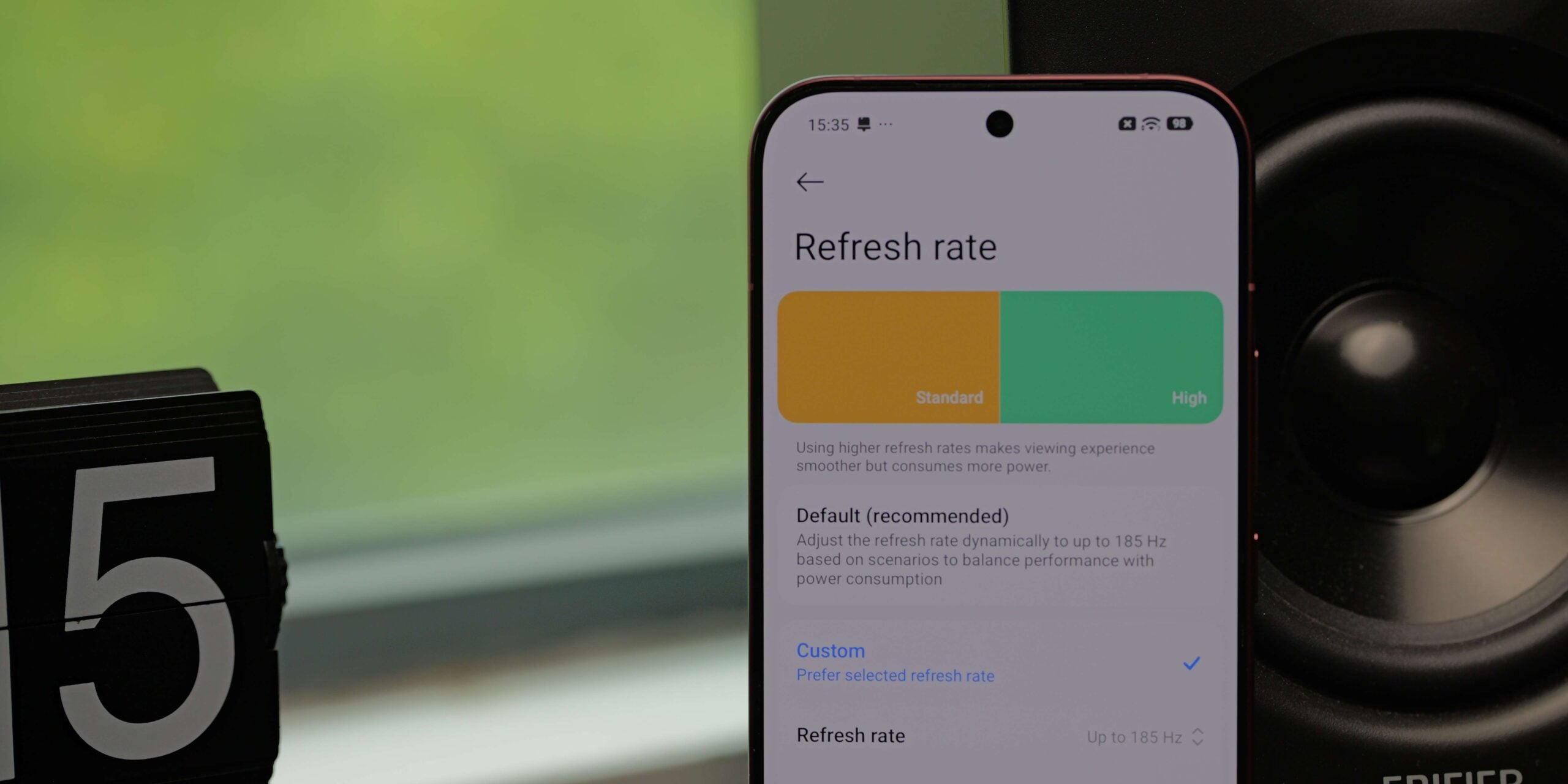
The same applies to that 4,500-nit brightness figure.

Peak brightness is achieved under specific conditions and shouldn’t be confused with sustained full-screen brightness during normal use. I’m actually more interested in image quality. The POCO F8 Ultra’s display already generated some debate, particularly when it came to video playback compared with displays used by competing flagship phones. So with the F9 Ultra, the important question isn’t simply whether the display is brighter or faster. It’s whether the new panel can combine high brightness and refresh rate with excellent color reproduction, shadow detail, and overall video quality.
At this level, “bright” and “fast” should already be expected. The actual image quality is what separates a good flagship display from a great one.
The 8050mAh Battery Might Be the Most Important Upgrade
Forget 185Hz for a moment. Forget 200MP. One of the most meaningful upgrades on the POCO F9 Ultra is much simpler: an enormous 8050mAh battery.
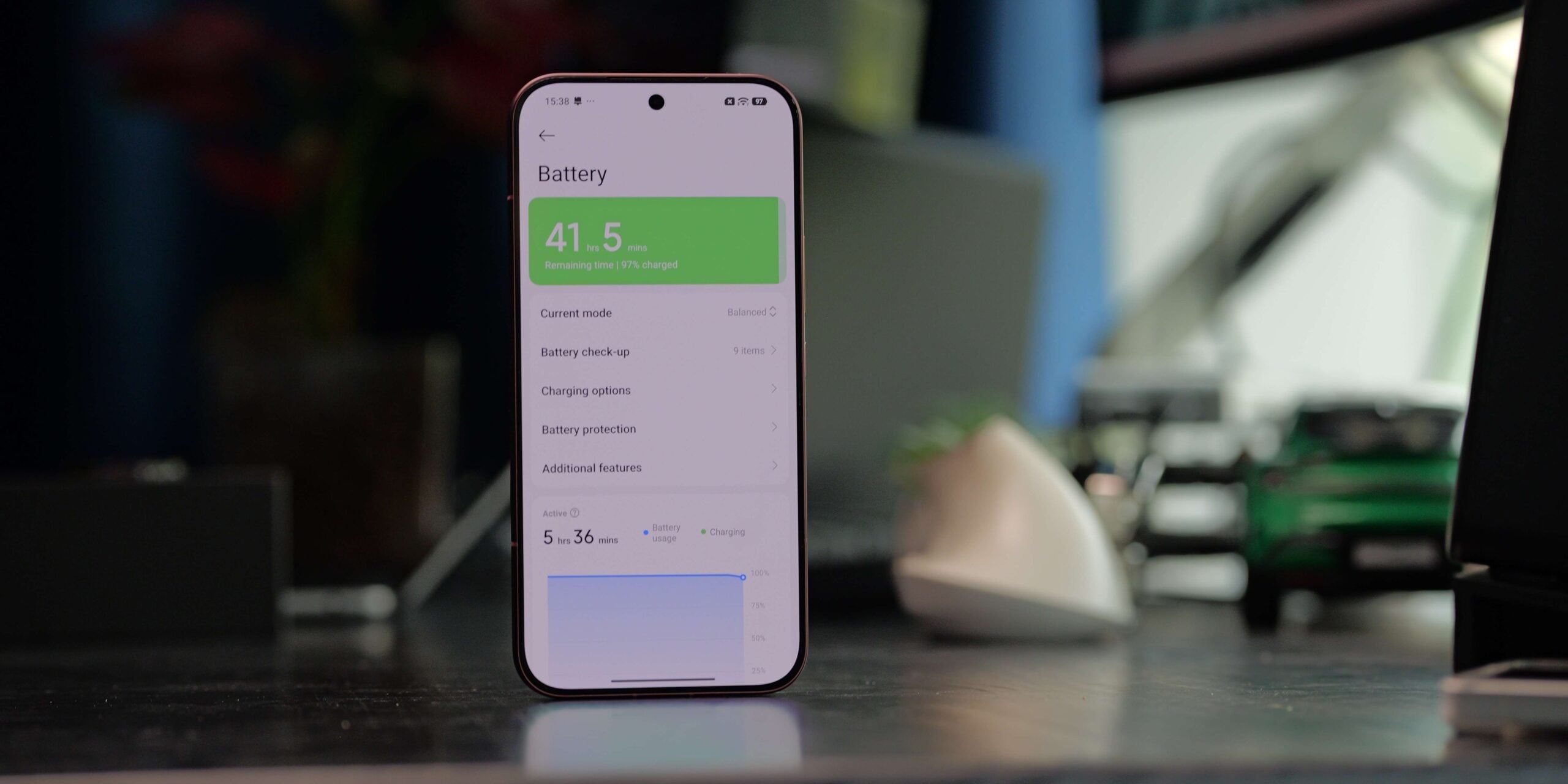
And this doesn’t require much explanation. A 6.9-inch display, flagship processor, high refresh rate, and gaming features such as frame interpolation can all consume a lot of power. Giving the phone a huge battery means you can actually use those features without constantly worrying about the battery percentage. There is, of course, a trade-off. A battery this large takes up physical space and adds weight. The F9 Ultra was never going to feel like a compact, lightweight flagship. Some people would rather have a lighter phone, even if that means sacrificing some battery capacity.
That’s a perfectly reasonable preference. But for this particular type of phone, I think POCO made the right choice. If you’re already building a massive 6.9-inch performance flagship, going all-in on battery life makes more sense than shaving off a few grams at the expense of endurance. The real question isn’t whether 8050mAh is too much. It’s whether you actually want a large phone built around this philosophy. If you do, the battery is one of the F9 Ultra’s strongest selling points.
Bose 2.1 Speakers: More Than Just a Marketing Gimmick?
The audio system is one of the most unusual features on the POCO F9 Ultra. Most flagship smartphones use conventional stereo speakers. The F9 Ultra goes further, combining its main speakers with a dedicated bass driver to create a 2.1-channel speaker system, with tuning by Bose. That’s genuinely unusual for a smartphone. The POCO F9 Ultra is closely related to the Redmi K100 Pro Max, so the K100 Pro Max gives us a useful reference for what this speaker hardware can actually do.
And the dedicated bass driver isn’t there just so POCO can print “2.1-channel audio” on the specification sheet. Bass is one of the hardest things for smartphone speakers to reproduce. There simply isn’t much internal volume available, which is why many phones can get extremely loud while still sounding relatively thin. A dedicated bass driver helps fill in some of that missing low-frequency energy. That becomes particularly noticeable with drums, explosions, game sound effects, and other content where a conventional smartphone speaker can lack weight.
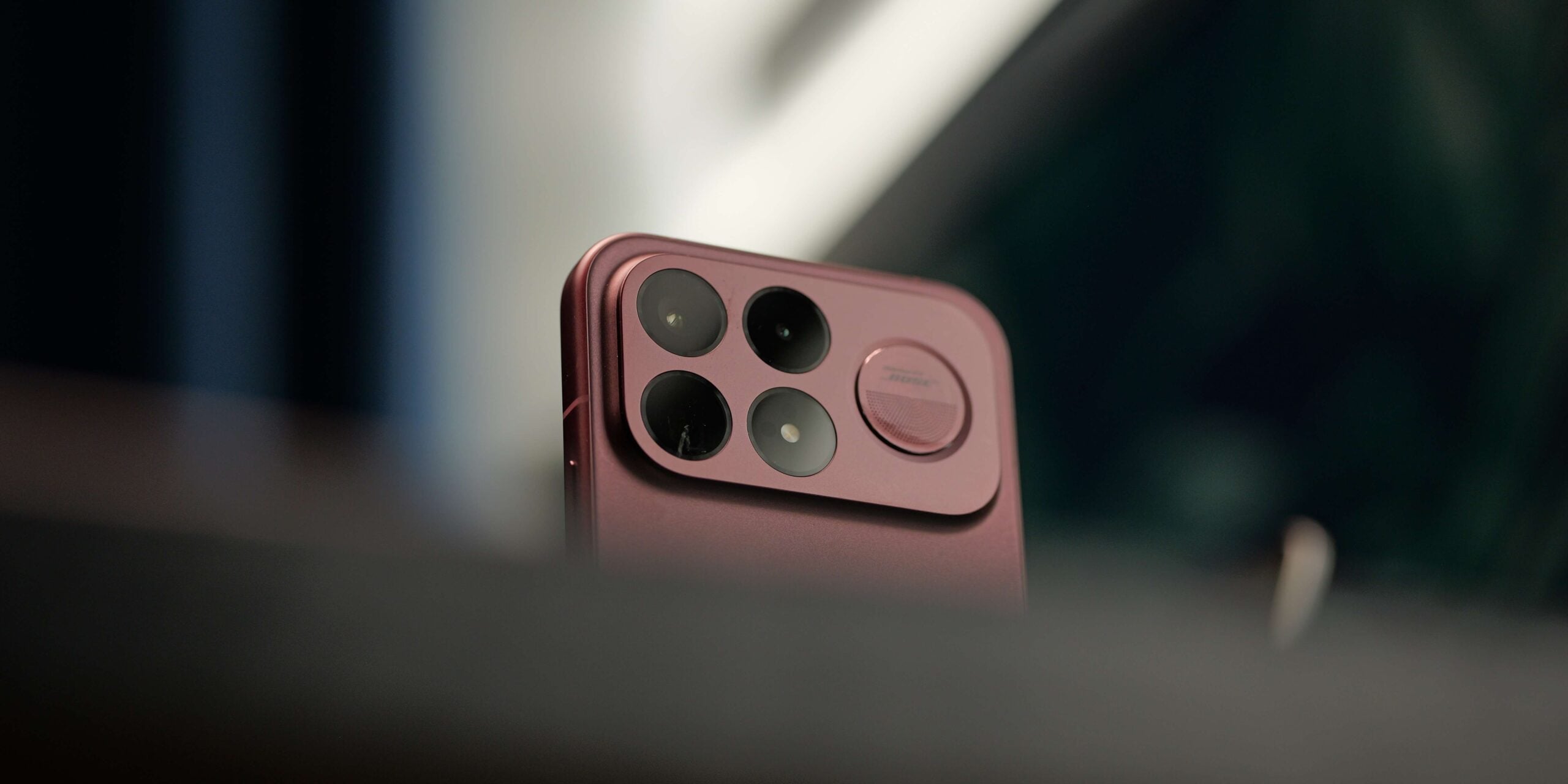
But let’s keep the word “subwoofer” in perspective. This is still a tiny speaker inside a smartphone. It isn’t going to produce the deep bass extension or physical impact of an actual subwoofer. The point is to improve an area where smartphone speakers are inherently limited, not somehow break the laws of physics. And I think that’s much more interesting than simply making a phone louder. Whether it’s unquestionably better than the POCO F8 Ultra is another question. Speaker size, acoustic chamber design, frequency response, and tuning all matter. Adding another driver doesn’t automatically improve everything.
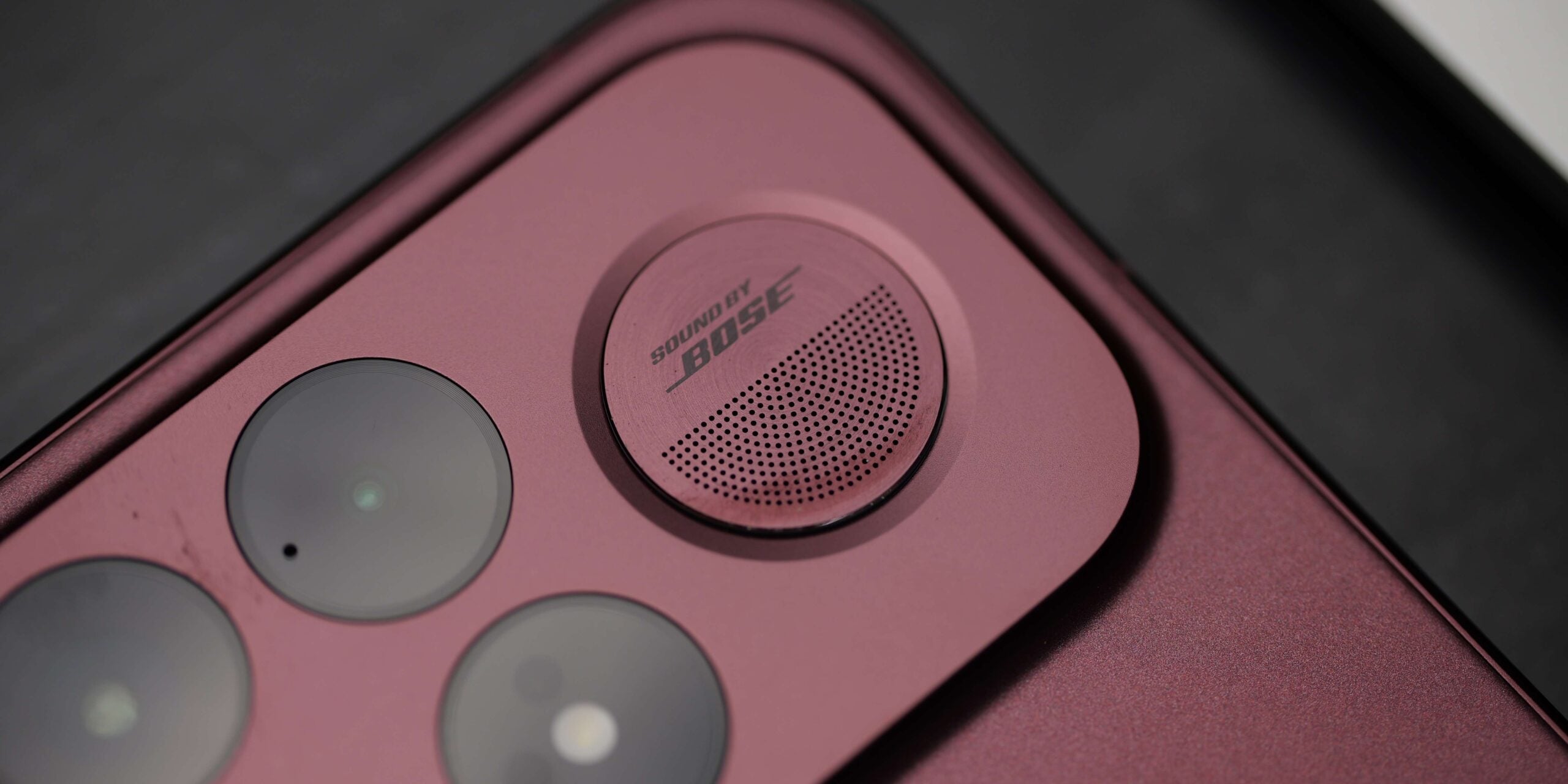
Still, the 2.1-channel design appears to be much more than a spec-sheet gimmick. If you frequently watch YouTube, play games, or listen to music through your phone’s built-in speakers, this could actually be one of the most underrated features of the POCO F9 Ultra.
200MP Main Camera: Bigger Number, Smaller Sensor
Now we get to one of the most controversial upgrades. The POCO F9 Ultra moves to a 200MP main camera. That’s a huge jump from 50MP on paper, and POCO naturally makes its first 200MP main camera one of the headline features of the phone. But megapixels don’t tell the whole story. The POCO F8 Ultra used a main sensor of roughly 1/1.31-inch, while the F9 Ultra moves to a smaller sensor of around 1/1.56-inch. So despite jumping from 50MP to 200MP, the physical sensor itself has actually become smaller. And that makes this upgrade much more complicated.
A 200MP sensor has obvious advantages in good lighting. It can capture enormous amounts of detail and provide significantly more flexibility for cropping. But increasing the number of pixels doesn’t magically increase the physical area available to capture light. In low light, indoors, or when photographing moving subjects, sensor area still matters. That’s why I wouldn’t simply call the POCO F9 Ultra camera a downgrade. But I also wouldn’t assume that 200MP automatically makes it better than the F8 Ultra.

POCO has essentially changed its approach. The F8 Ultra prioritized a larger sensor. The F9 Ultra puts more emphasis on resolution. Which approach produces better photos will ultimately depend on the scene, processing, optics, and final image quality.
The POCO F9 Ultra’s Biggest Problem Is the F8 Ultra
And this is where the F9 Ultra becomes complicated. Its biggest problem isn’t that it’s bad. It’s that the POCO F8 Ultra was already very good. If you’re upgrading from an older mid-range phone or performance-focused device, the F9 Ultra can be a substantial improvement. You get more performance, a huge high-refresh-rate display, an enormous battery, a periscope telephoto camera, and an unusual 2.1-channel speaker system. Put all of those things together and you have an extremely aggressive entertainment-focused flagship.
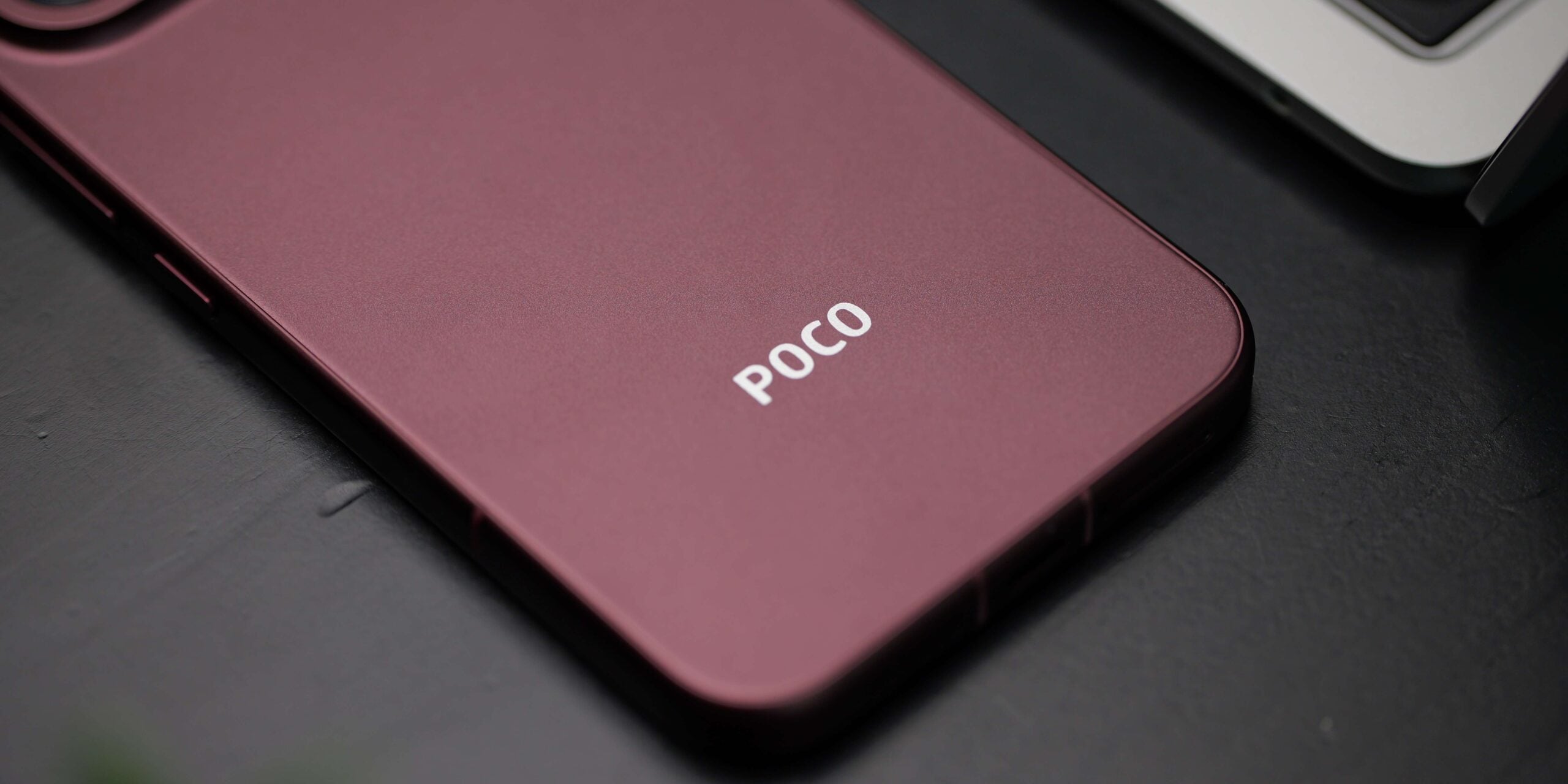
But if you already own a POCO F8 Ultra, the calculation changes. Performance is better, but the F8 Ultra was already fast. The display now goes all the way to 185Hz, but the real-world difference isn’t necessarily as dramatic as the numbers suggest. The battery is significantly larger. That’s one of the upgrades I think most users will actually notice. The new 2.1-channel speaker system is also genuinely interesting. But at the same time, the main camera sensor has become smaller. This isn’t a straightforward case of a new generation replacing the old one by improving everything.
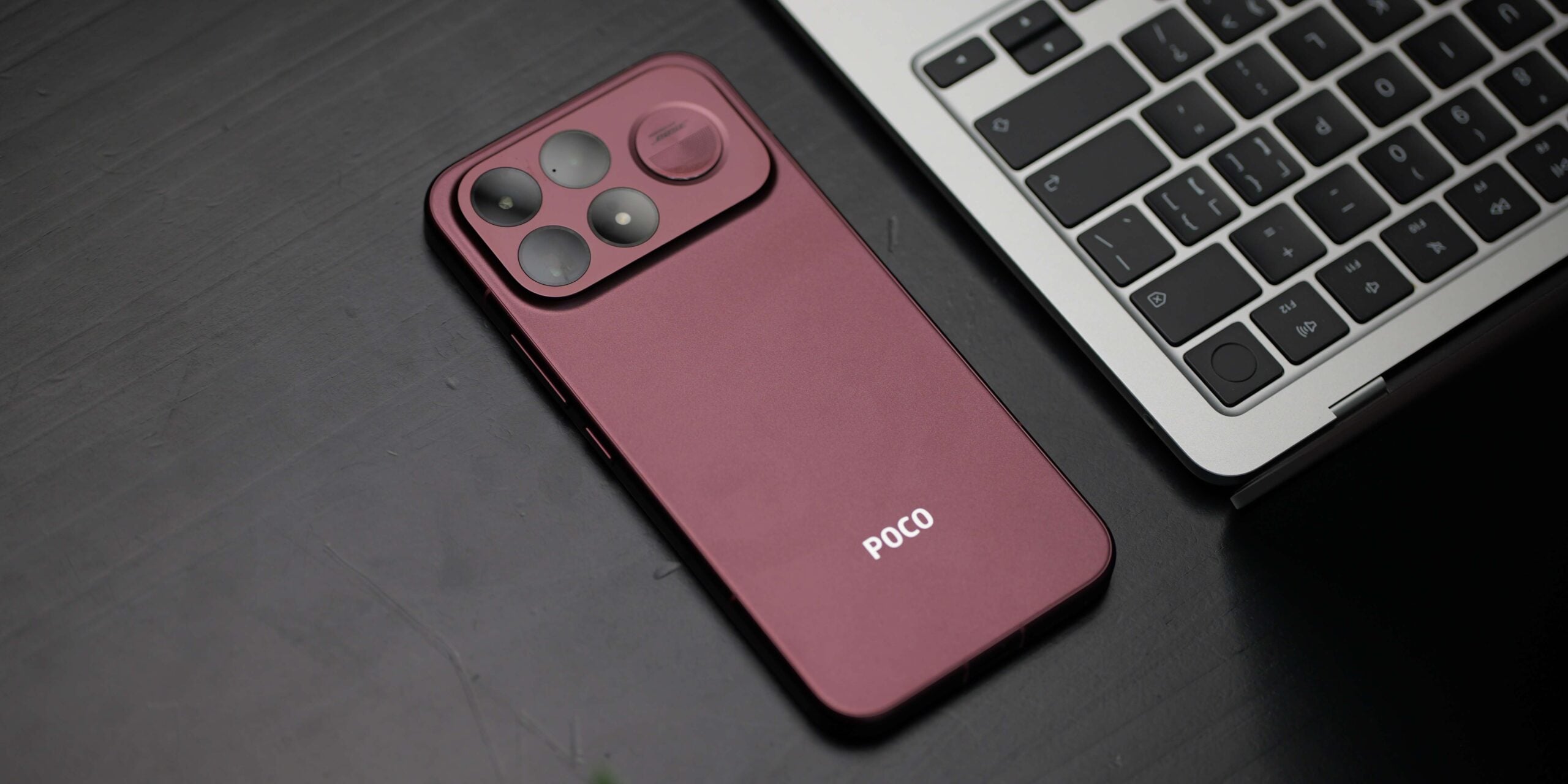
This is a shift in priorities. The POCO F9 Ultra places greater emphasis on performance, battery life, a large display, and the entertainment experience. If those features aren’t important to you, the F8 Ultra is still a good choice—it really depends on your budget.
Then There’s the Price
Historically, POCO’s formula has been easy to understand. Make compromises in a few areas, go extremely aggressive on performance, and keep the price significantly below conventional flagship phones. That made a lot of shortcomings easy to accept. The F9 Ultra changes that equation. Its hardware is becoming increasingly flagship-like. But so is its price. And once a POCO enters this territory, it isn’t competing only against the previous POCO anymore. Phones from OnePlus, OPPO, vivo, and other established flagship lines enter the conversation.
At that point, 200MP, 185Hz, and an 8050mAh battery still look impressive. But buyers also start asking different questions. How good is the camera compared with other flagships or even premium phones? How refined is the software? Is the phone too heavy? How useful is the ultrawide camera? And how long will the phone receive meaningful software support? This is the challenge facing the POCO F9 Ultra.
Even so, we remain very optimistic about this generation of the F series, especially the F9 Ultra, which has the potential to evolve from a challenger into a major player.
POCO F9 Ultra vs F8 Ultra: Should You Upgrade?
If you’re coming from an older phone and your priorities are straightforward — flagship performance, a big display, long battery life, gaming, video consumption, and excellent built-in speakers — the POCO F9 Ultra makes a lot of sense. Snapdragon 8 Elite Gen 5, a 185Hz AMOLED display, an 8050mAh battery, 5x periscope zoom, and 2.1-channel audio make for an extremely unusual combination. But if you already own a POCO F8 Ultra, I wouldn’t rush to upgrade just because you see “200MP” and “185Hz.” The larger battery is probably the most immediately useful improvement. If you are about shifting from other brands, the F9 Ultra is quite promising as a new option. It has no obvious drawback in mobile photography, high-demand entertainment, or battery life.
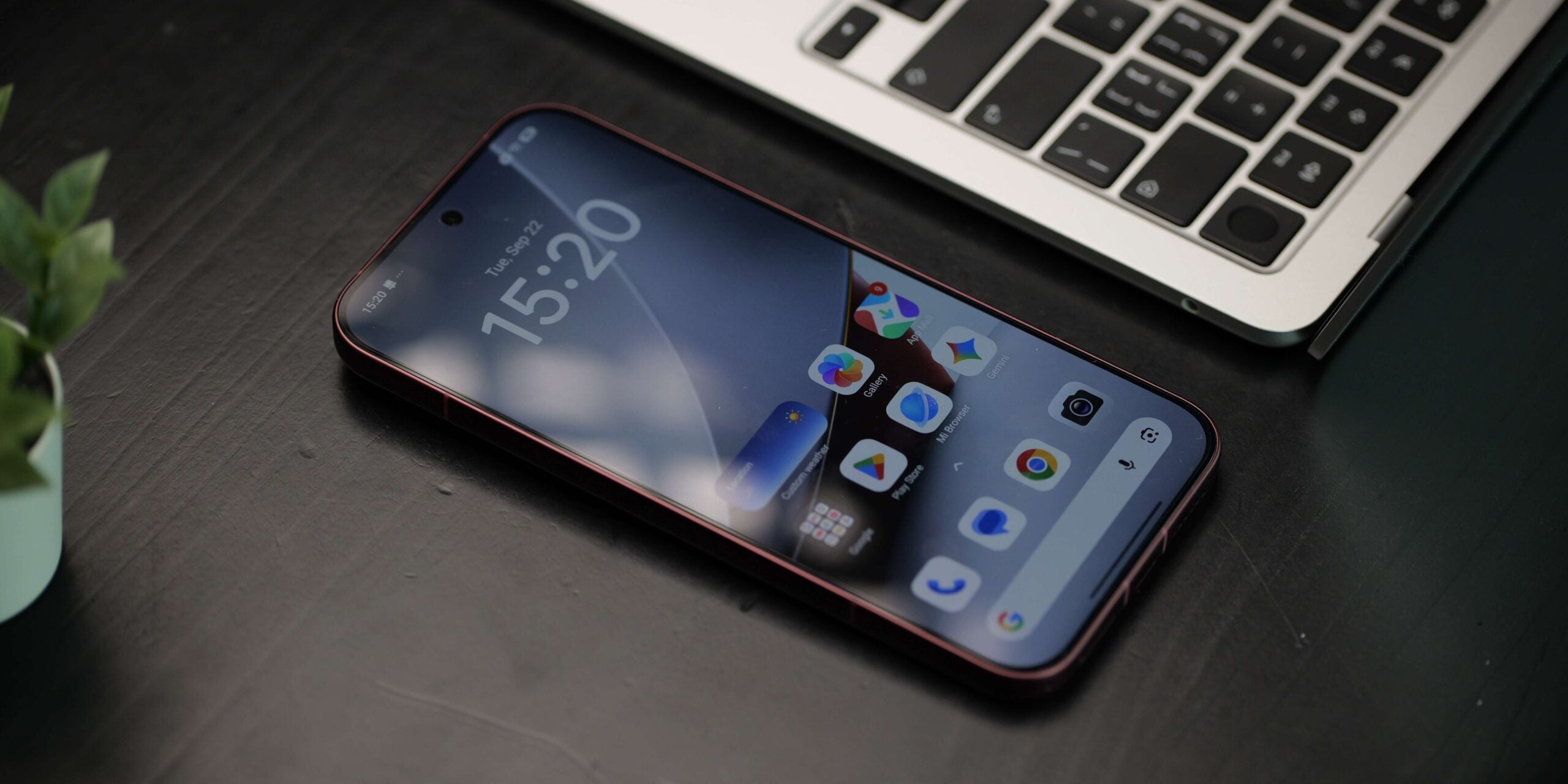
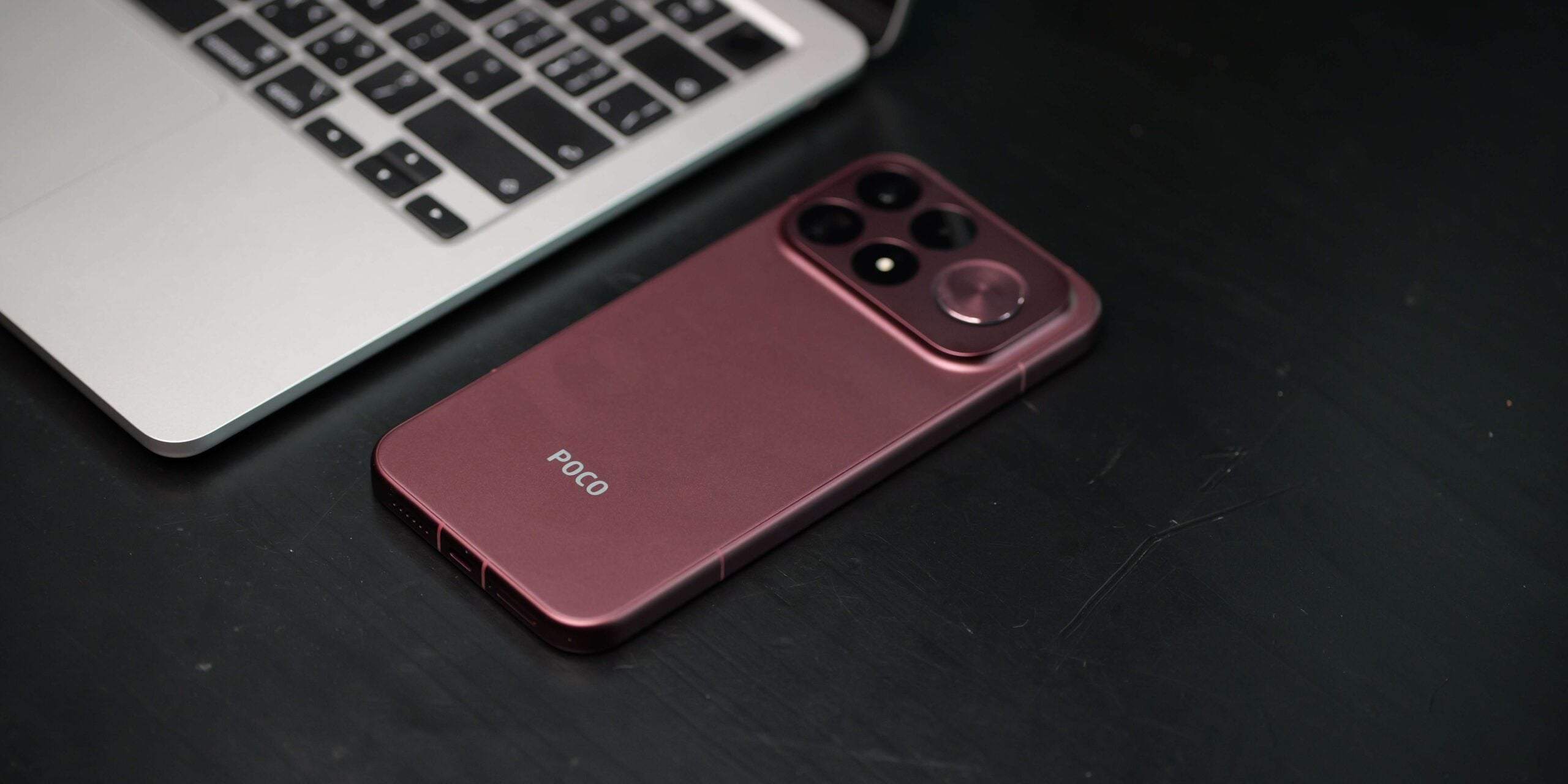
The new speaker system is genuinely interesting. Everything else is more complicated. Some things improve. Others simply change direction. And that’s ultimately how I see the POCO F9 Ultra. It isn’t a bad upgrade. In fact, the hardware is exceptionally ambitious. But POCO has reached an interesting point in its evolution. In the past, the question was: How much flagship hardware can POCO give us for significantly less money? With the POCO F9 Ultra, the question is starting to change: What does the F9 Ultra offer beyond bigger numbers? Perhaps being balanced or well-rounded is also a form of strength.

Comments