
Add GIZMOCHINA on Google:
As an Amazon Associate, Gizmochina earns from qualifying purchases. Links on this page may earn us a commission at no extra cost to you.
A lot of new smartphones have been released recently, and they basically represent the highest level of Chinese smartphones in 2026. Among all these Pro Max phones, there is one that I personally like the most. It doesn’t have an overly flashy design, but that doesn’t mean it hasn’t changed at all. Both the specs on paper and the price feel very reasonable to me. It has three 200MP cameras, which means it has already taken one step into Ultra territory. This is the Find X10 Pro Max, a rugged and durable camera flagship smartphone from OPPO.
Camera
Since its biggest selling point is these three 200MP cameras, let’s start with the cameras. It’s only natural for a Pro Max model to use new and excellent sensors for the main and telephoto cameras. But what’s quite rare is that OPPO has also equipped the Find X10 Pro Max’s ultrawide camera with a large sensor.
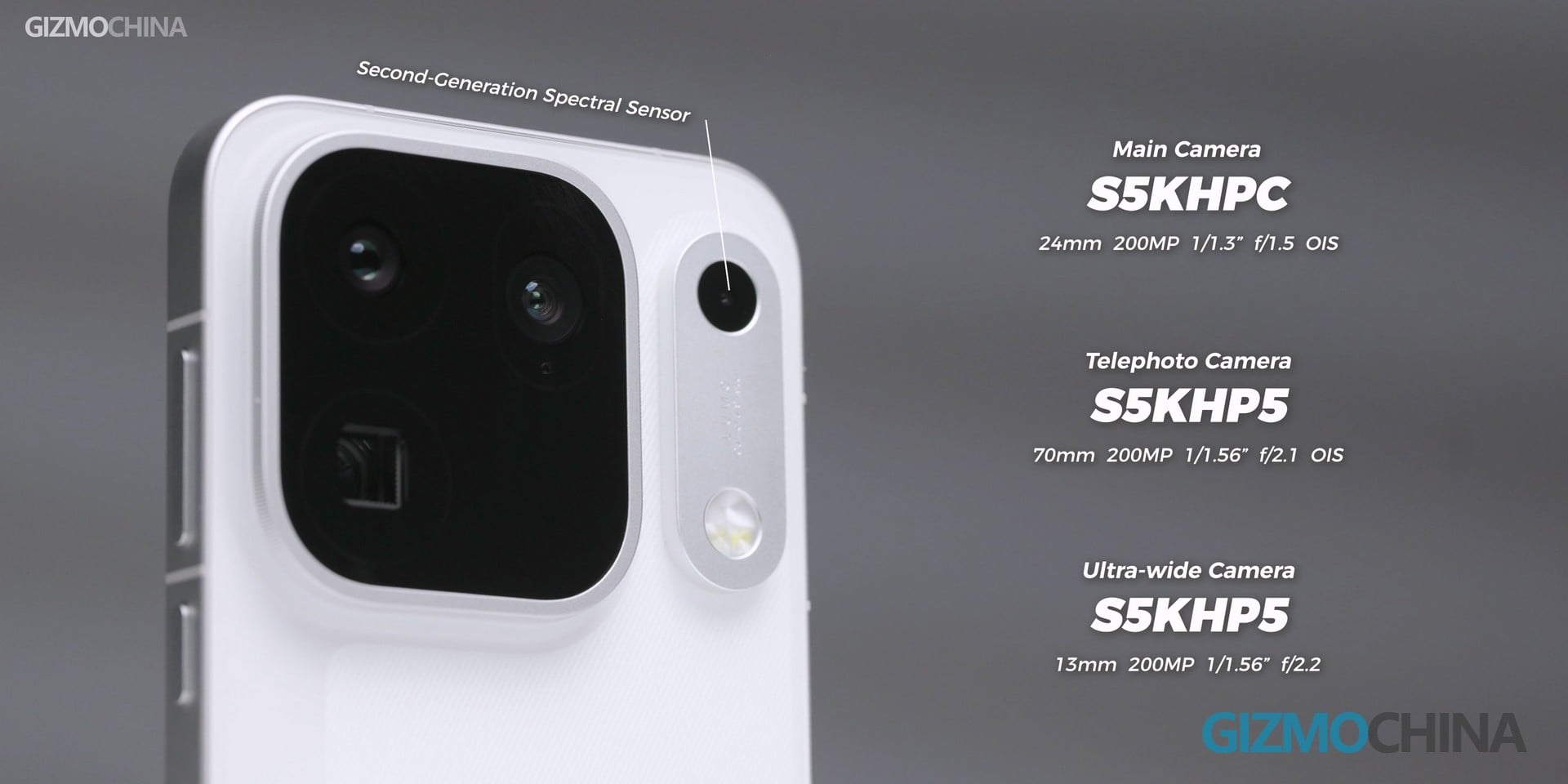
For those of us who love ultrawide shots or shoot a lot of video, this is enough to bring a tear to our eyes. We really haven’t seen an ultrawide camera this good in a long time. There is almost no purple fringing or lens flare, and even the field of view is incredibly wide. Especially when one of its competitors uses a 17mm lens, the ultrawide camera on the X10 Pro Max looks even better by comparison.

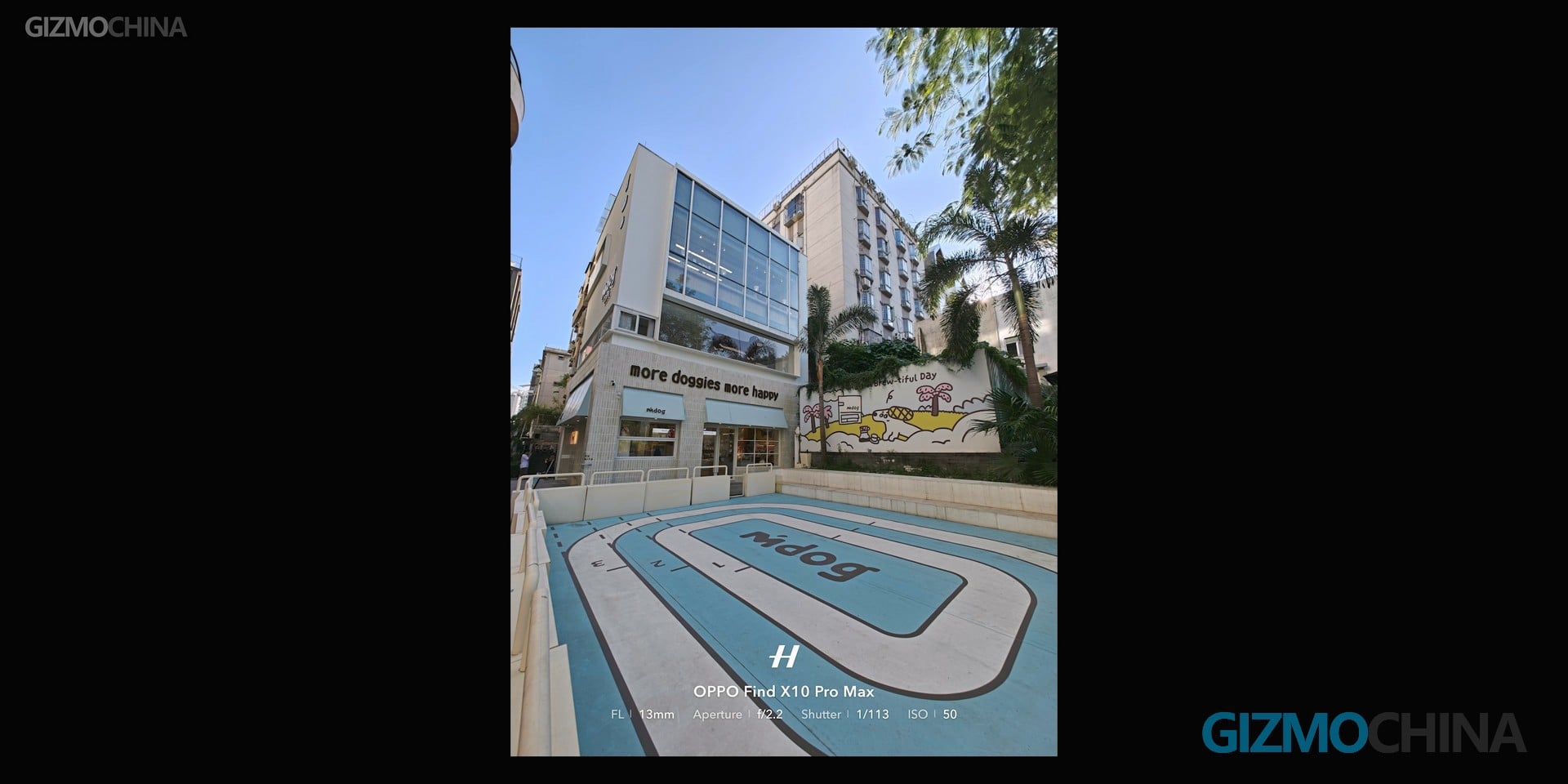
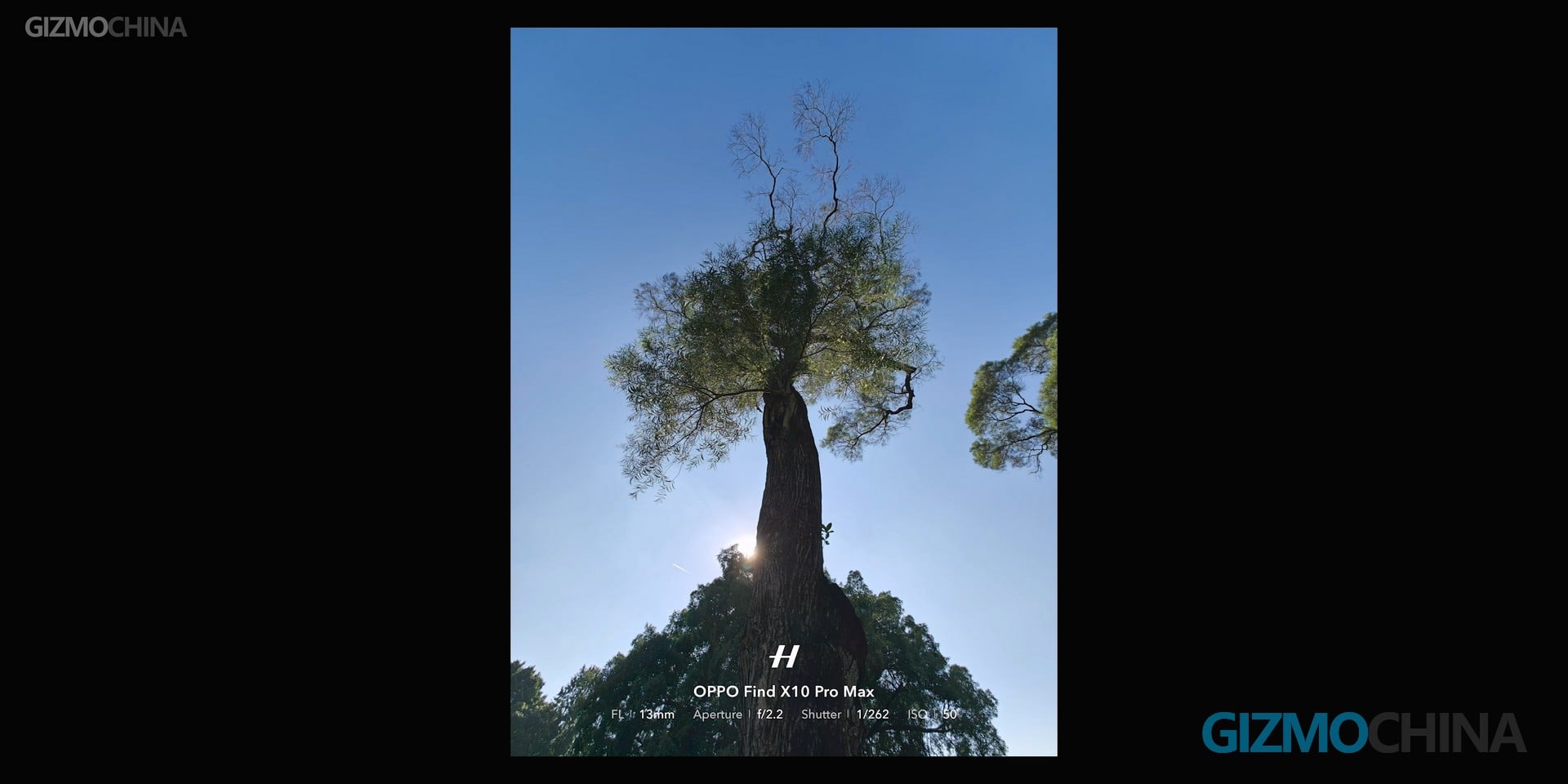

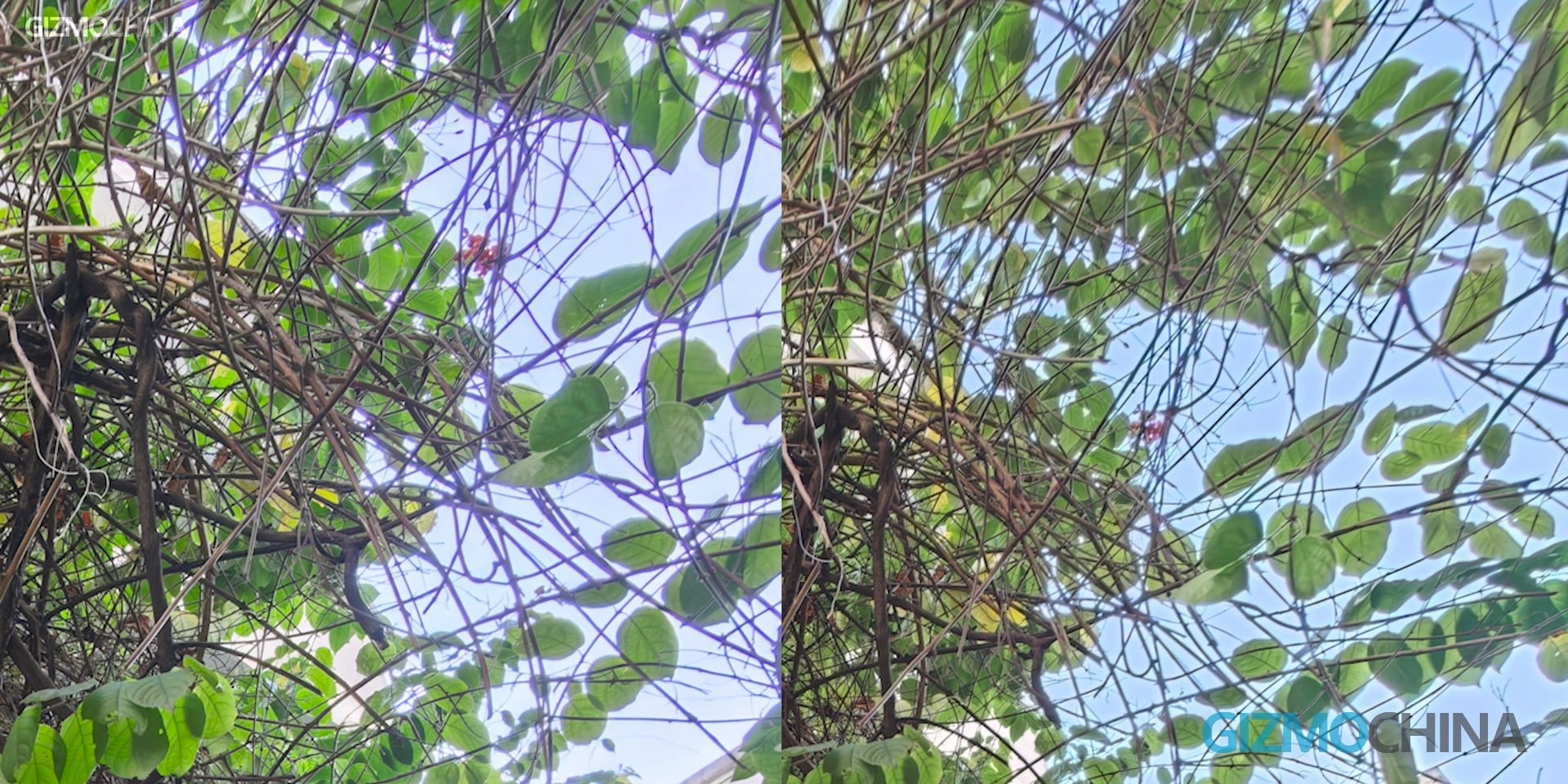


The strength of the ultrawide camera isn’t just noticeable in photos, but also in video recording. In my Xiaomi 18 Pro Max review, I already showed you the comparison between the two phones in low-light. But the difference isn’t only visible at night. You can also see it during the day.
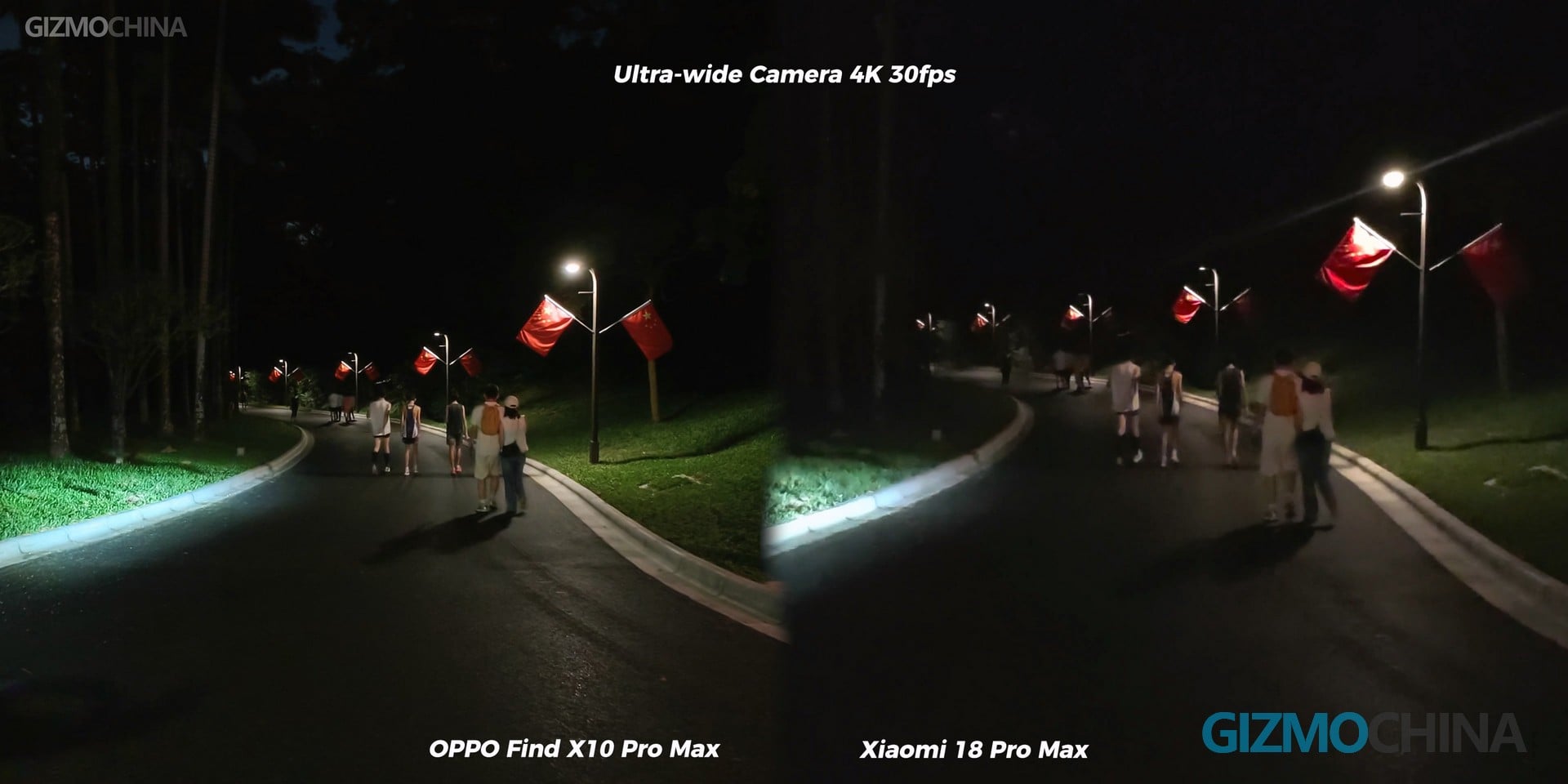
When you’re carefully comparing which phone has the better main camera video, the moment you switch to the ultrawide camera, the winner becomes obvious immediately. I think once you see this footage, you’ll realize just how important a good ultrawide camera is for video recording.
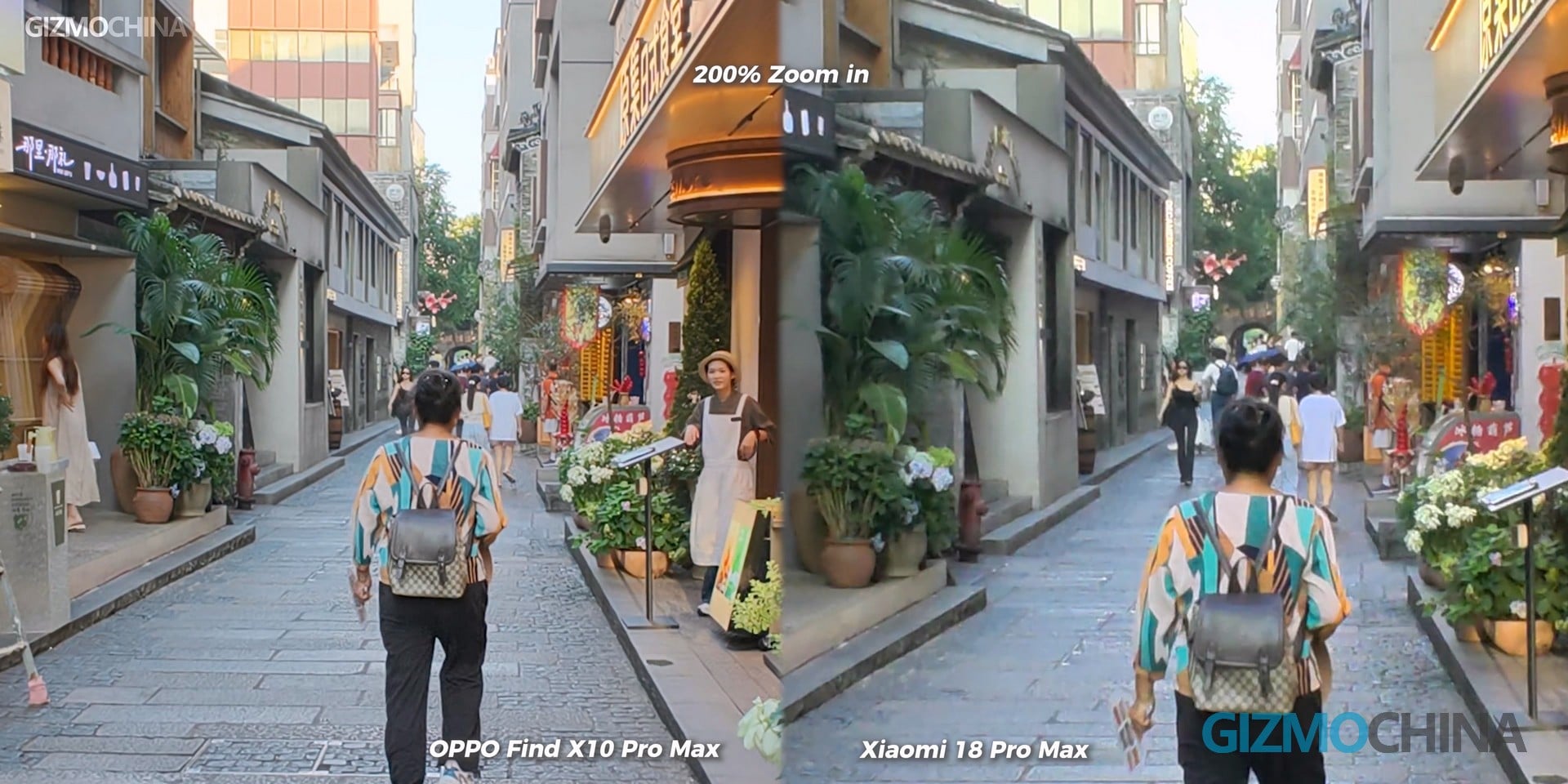
Although the main camera on the X10 Pro Max doesn’t use LOFIC technology, it does use other new technologies to improve its maximum dynamic range. Of course, when taking photos, you can use multi-frame processing for exposure bracketing, so the improvement in dynamic range may not be that obvious in still photos. But once you start recording video in a high-contrast scene, you can clearly see the improvement.



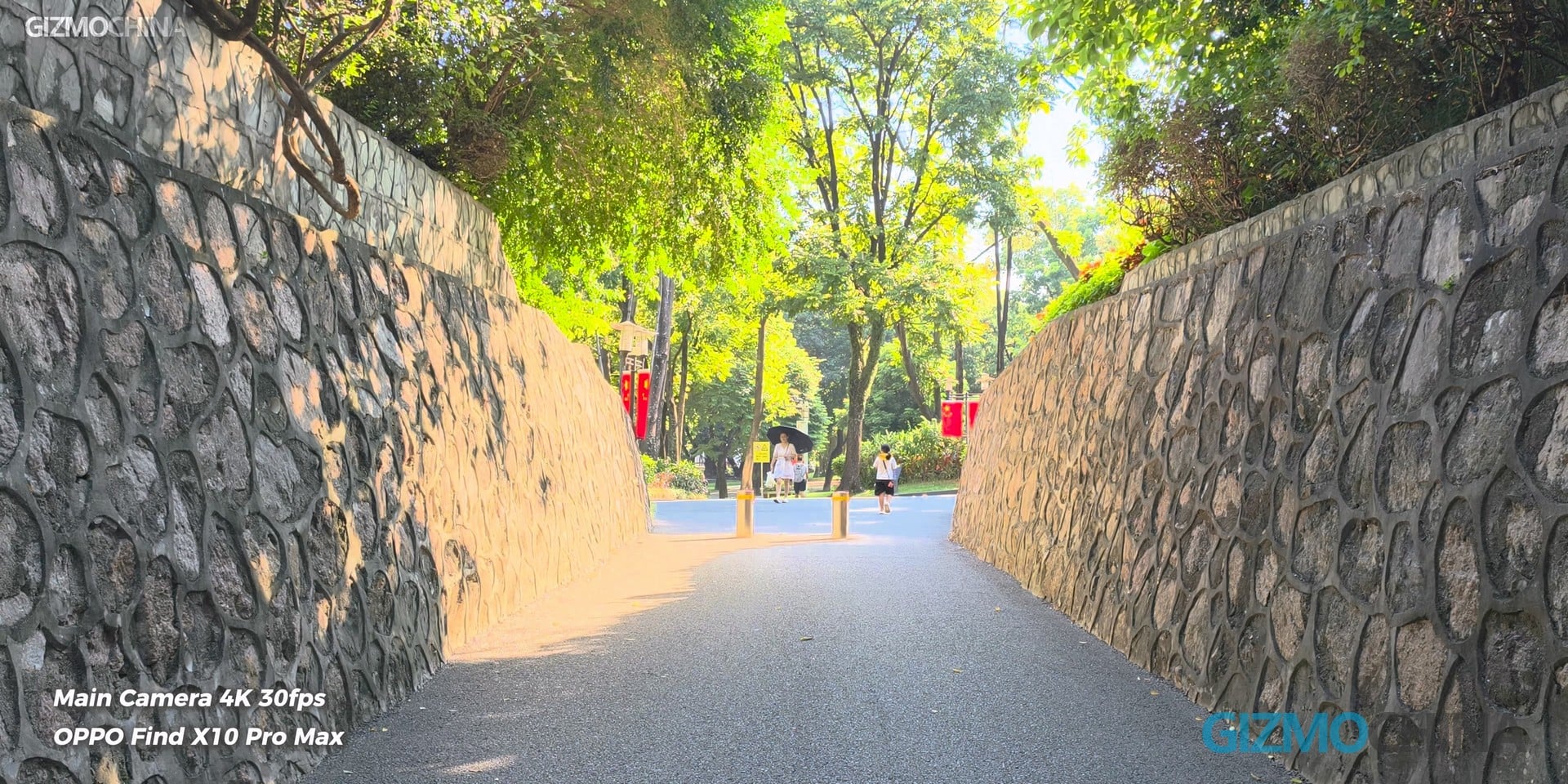
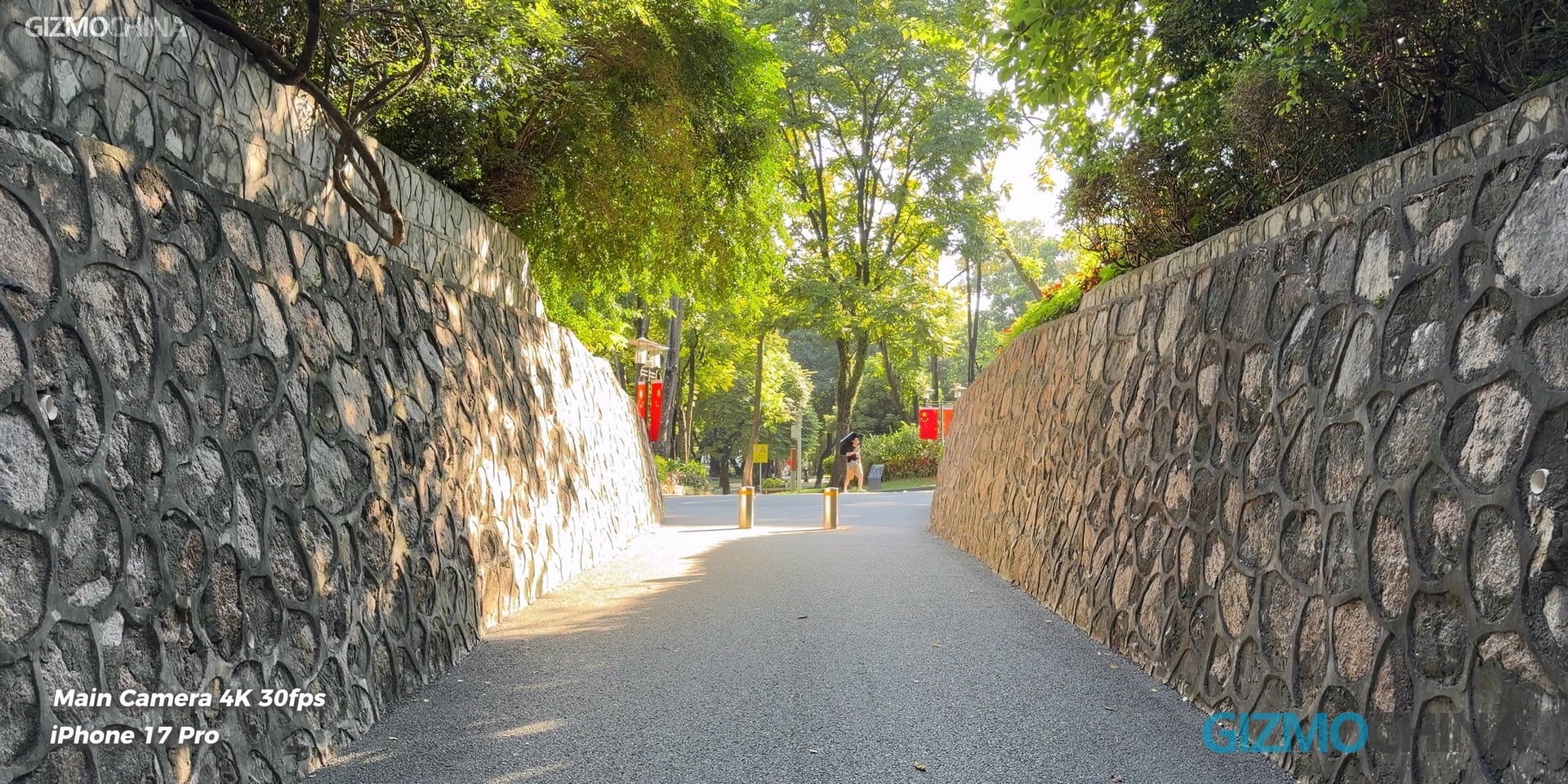
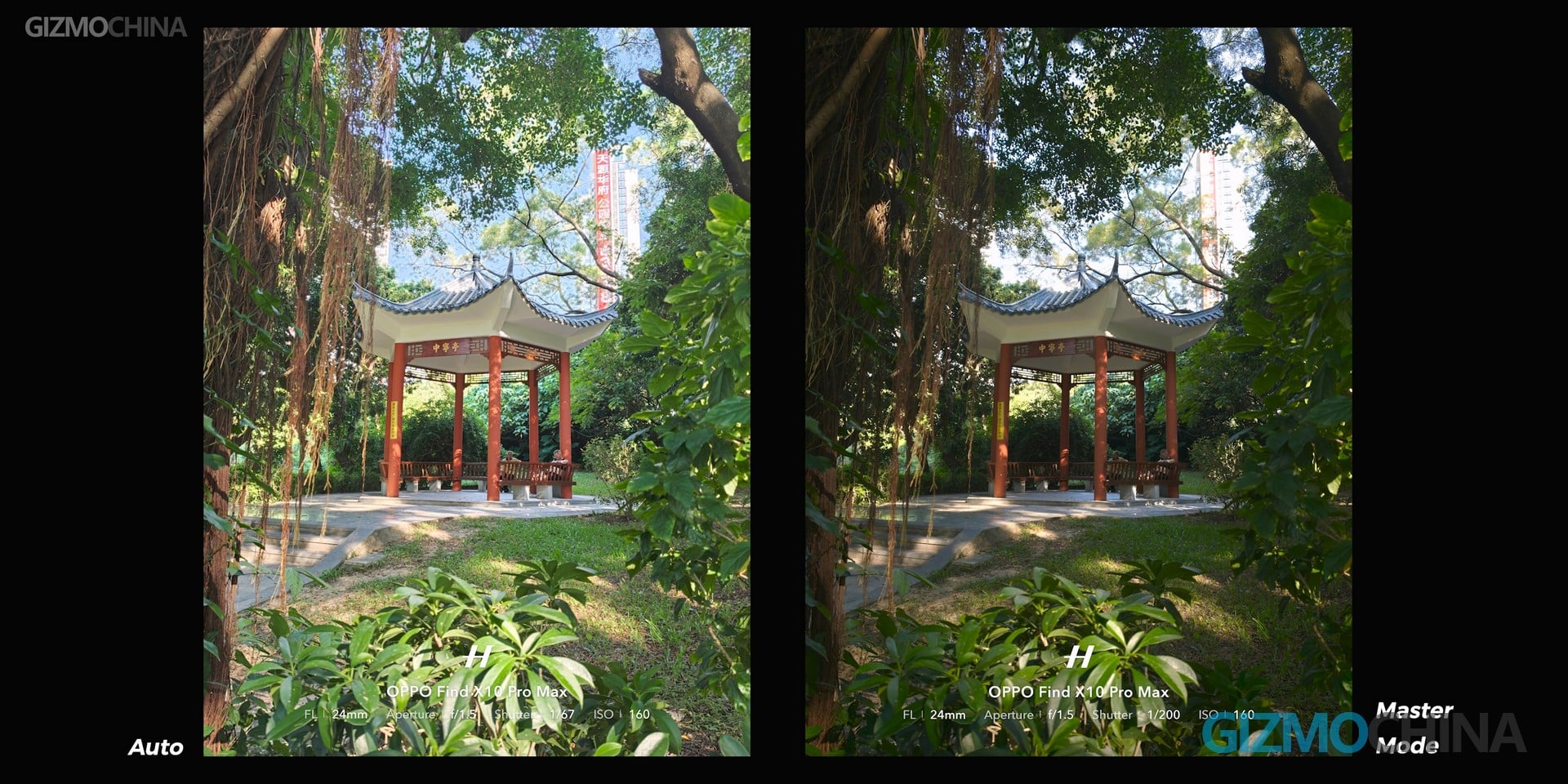
Just look at the stone wall on the left. Even compared with the iPhone, the X10 Pro Max still has the advantage in dynamic range. The only minor issue with this main camera is that it adds a little too much sharpening, making the cat’s fur look a bit too sharp. But this can be avoided because we have Master Mode, right?
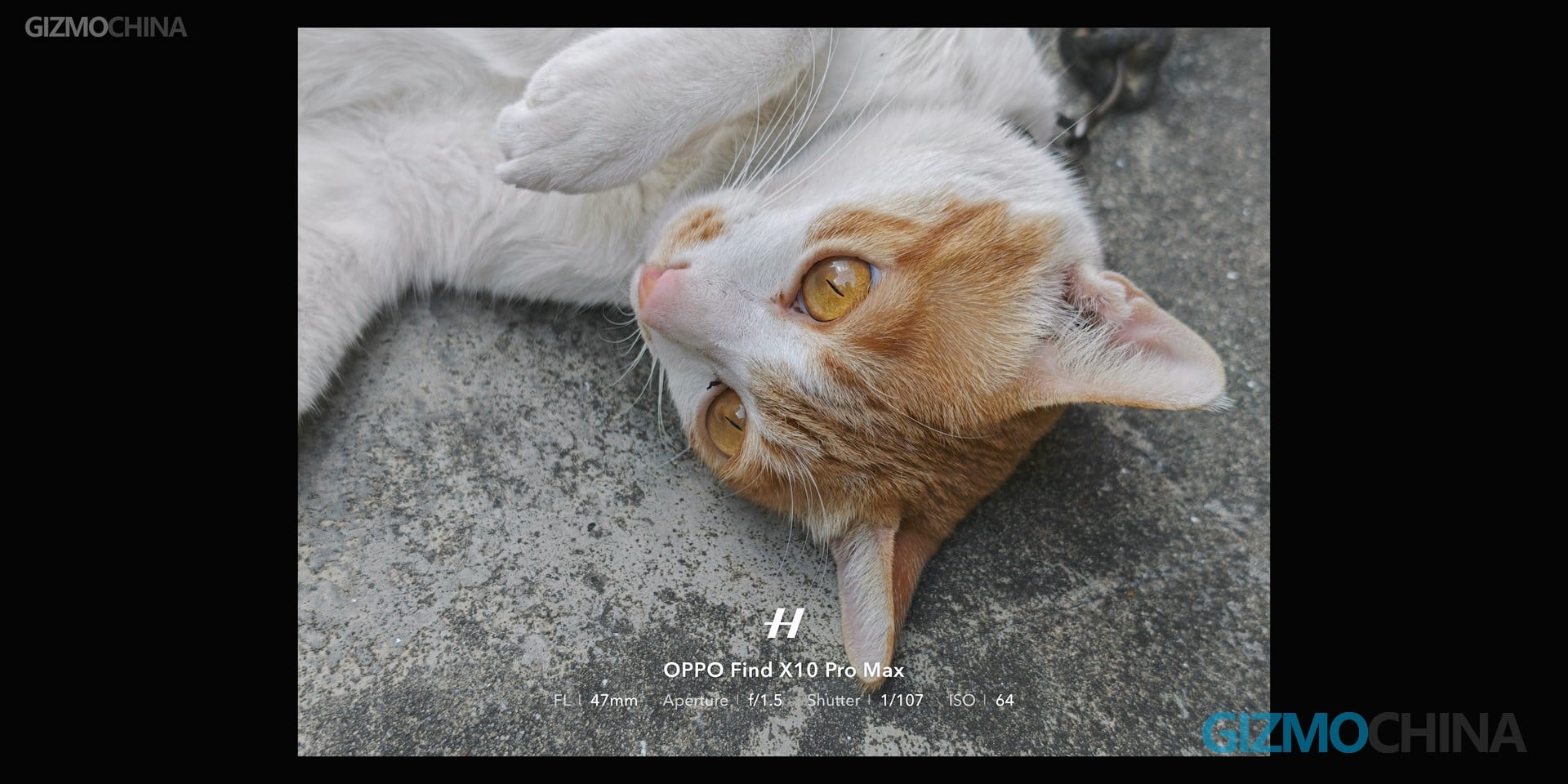

Although photos taken in this mode lose the advantage of the high dynamic range, the reduced sharpening, more restrained exposure, and lower saturation are all positive changes. Every year, I tell Find series users the same thing: give Master Mode a try. You might be surprised by what you can create with it.


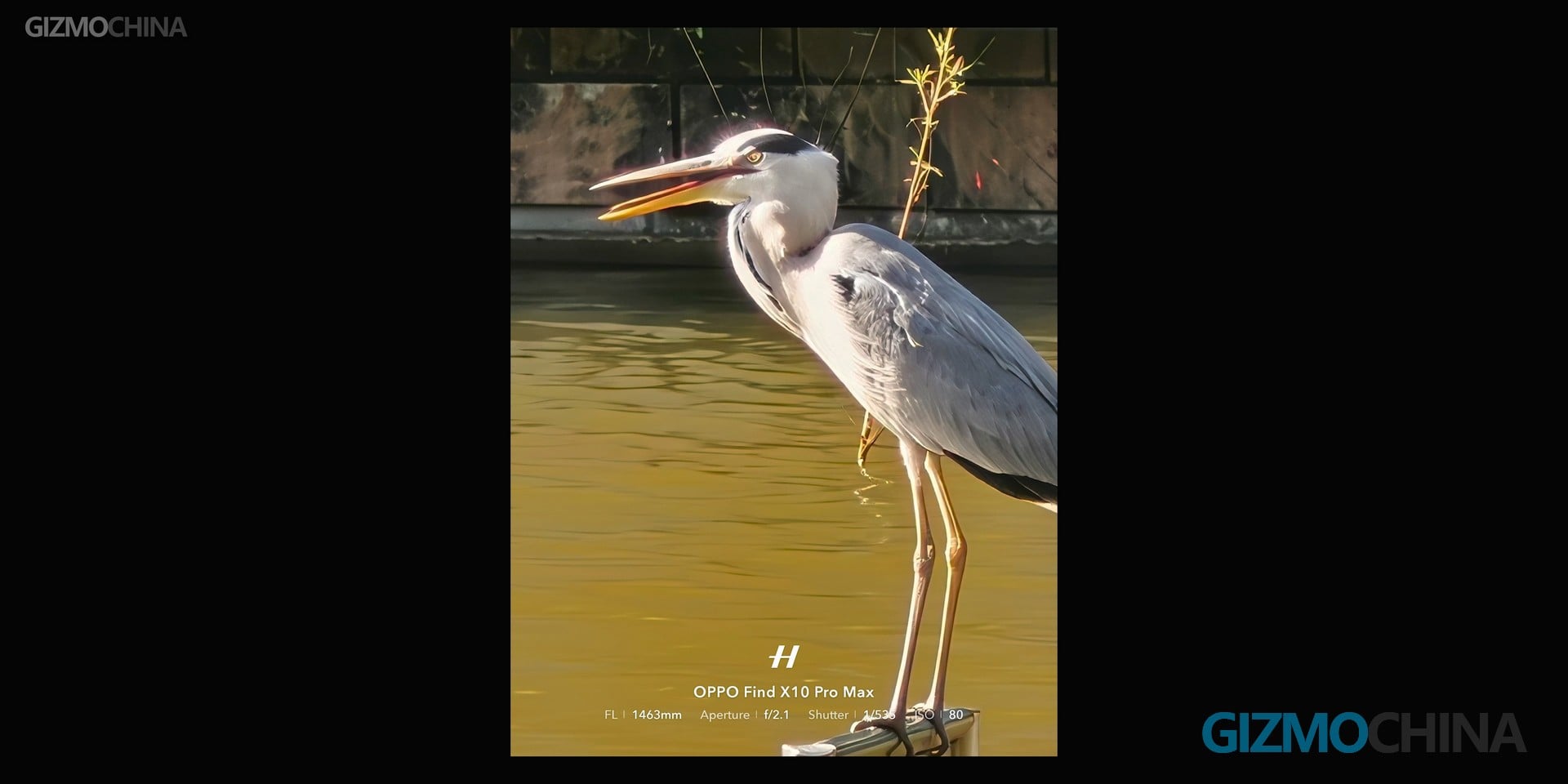
The telephoto camera on the Find X10 Pro Max is the only camera this year that hasn’t changed. But this telephoto camera was already excellent last year. Even without an upgrade, I think it can satisfy the needs of most people. The 70mm focal length is also very suitable for everyday shooting, and even at 140mm, the image quality is still excellent. Even if you want to zoom in further, the AI enhancement makes the image quality just about acceptable. And it doesn’t have that strange look we’ve seen from AI enhancement in the past.

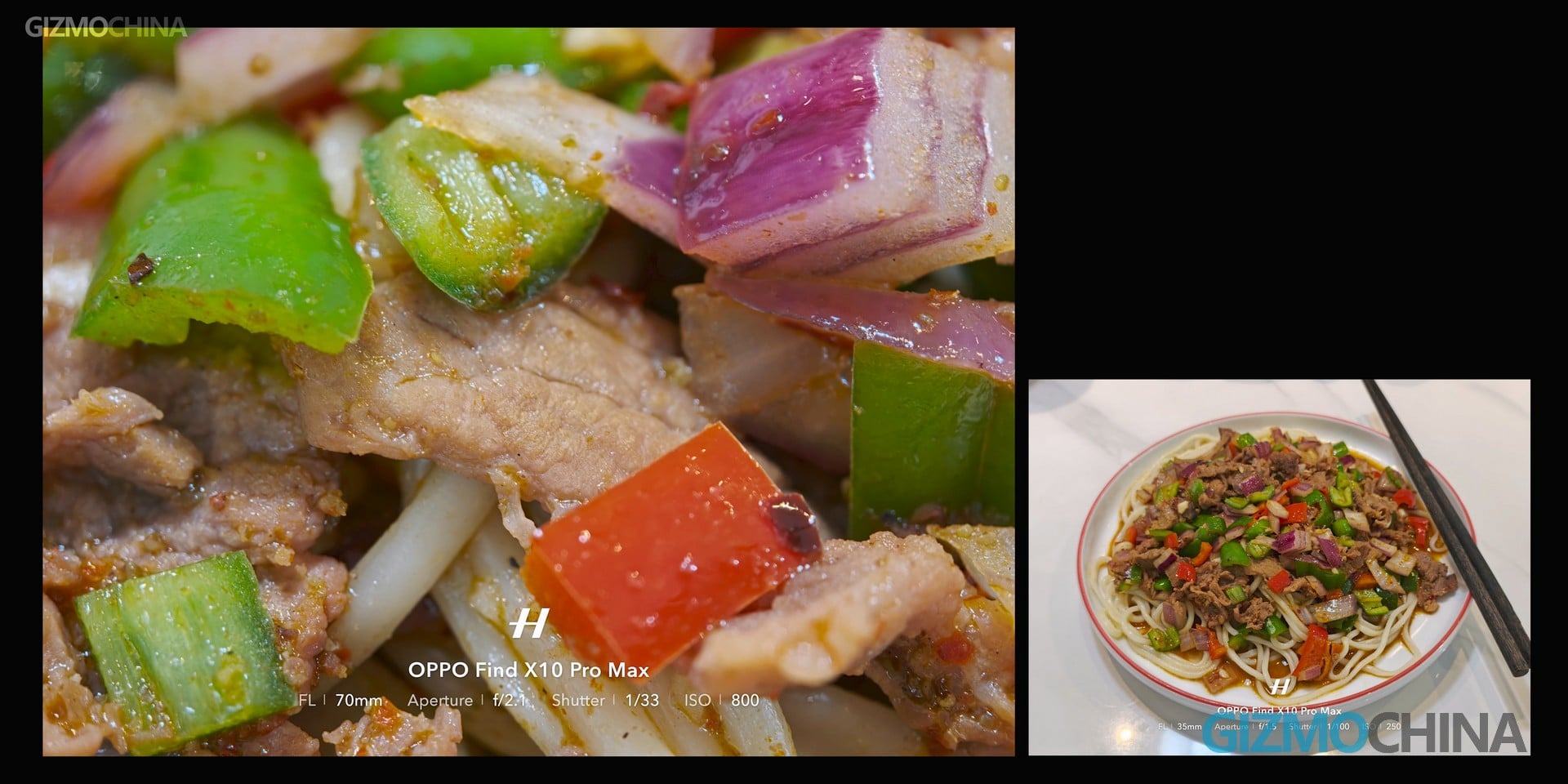
It also supports macro photography, and I haven’t encountered any strange bugs with it. Overall, these three cameras are well balanced, stable, and capable of producing excellent images. I’d be more than happy to use it as my daily driver or take it with me on a trip.
Design
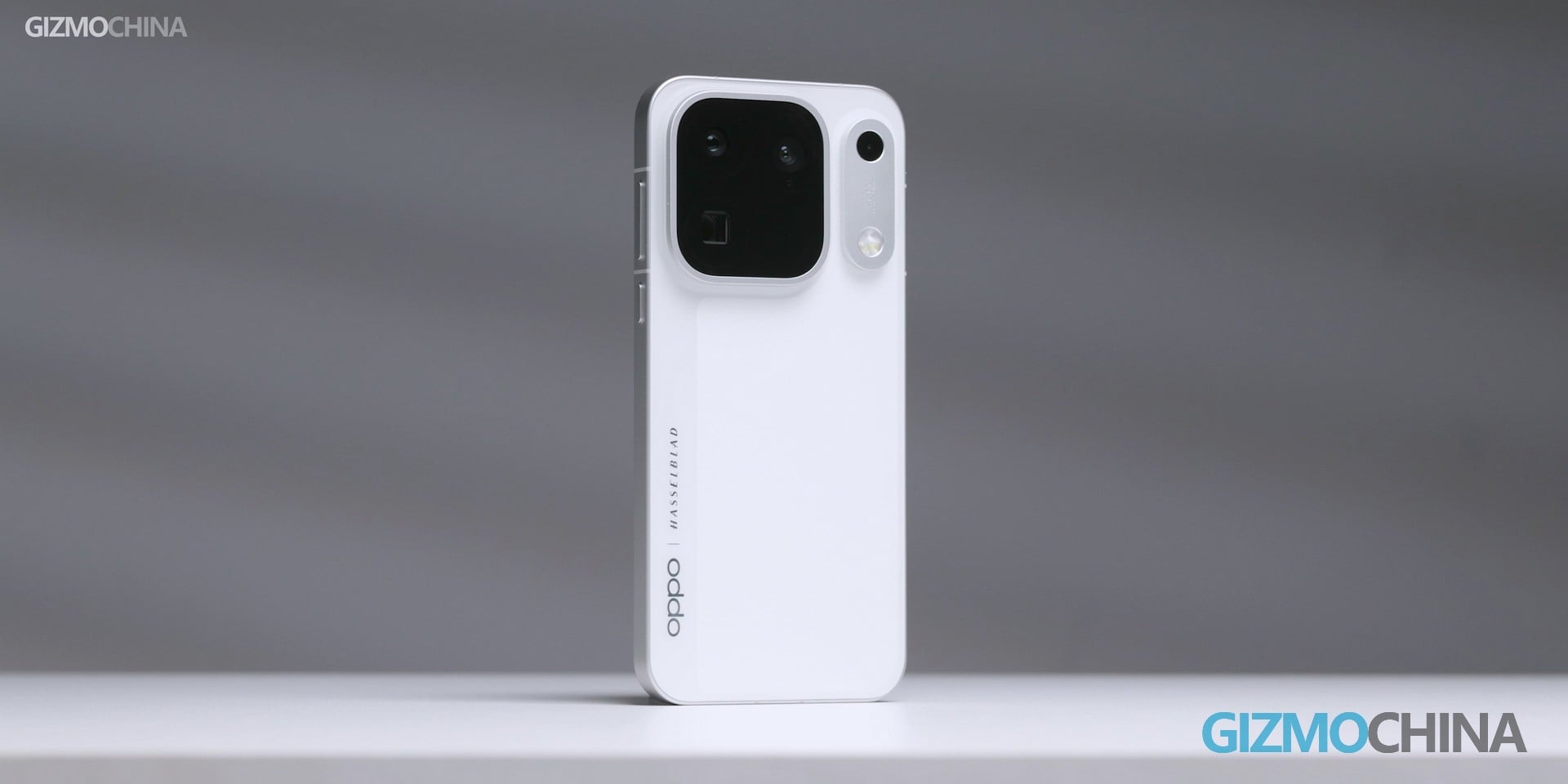
Whether you like the rear design of the X10 Pro Max or not, you have to admit one thing: OPPO really cares about how comfortable its phones feel in the hand. Just look at its competitors. Their camera modules are getting bigger and bigger. No matter how you position your index finger, it never feels particularly comfortable.
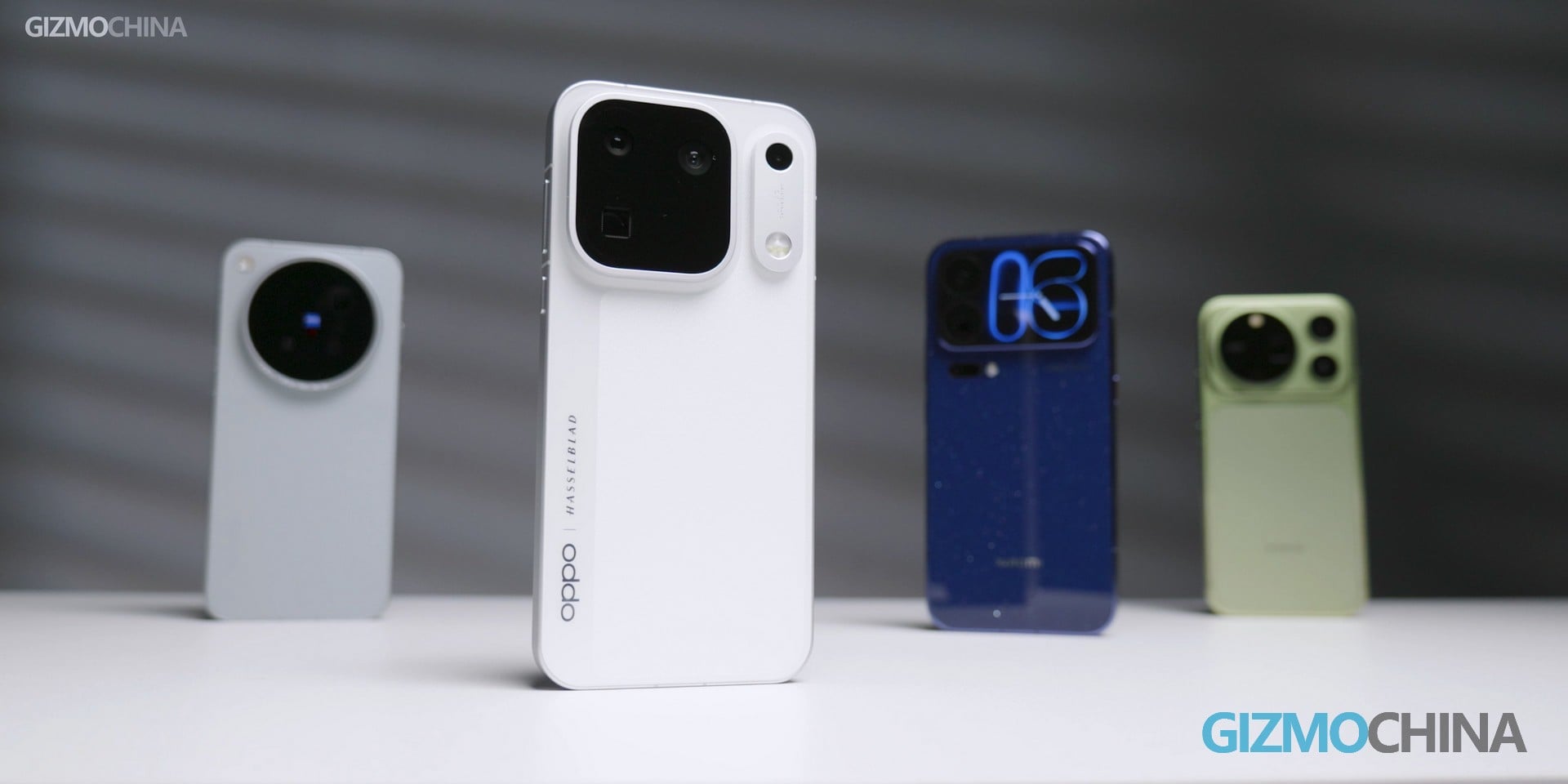
Even though the X10 Pro Max has three 200MP cameras, its camera module takes up the least amount of space. And OPPO has placed it as far into the top-left corner as possible, so your fingers won’t be blocked by any of the components anymore.
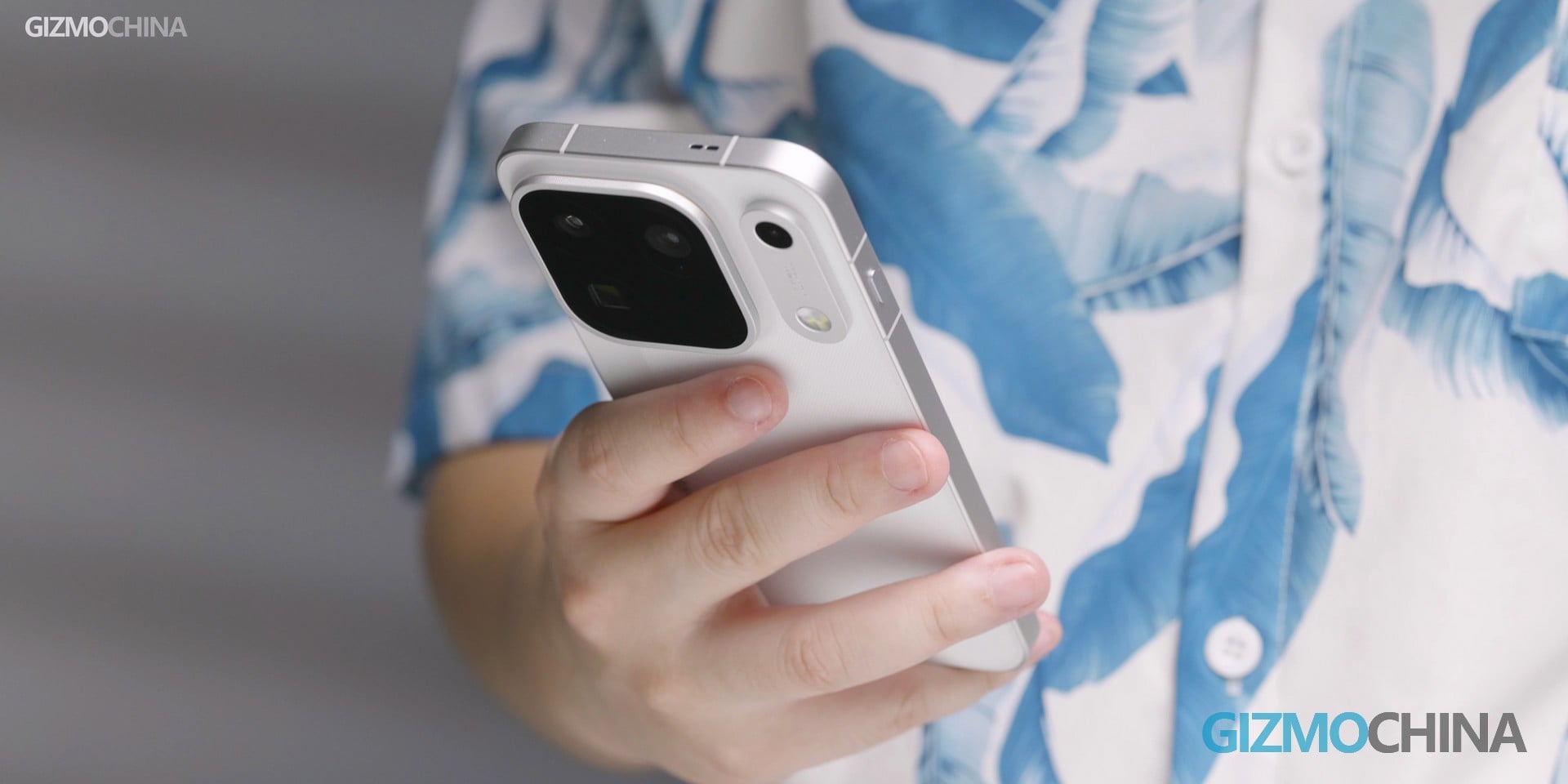
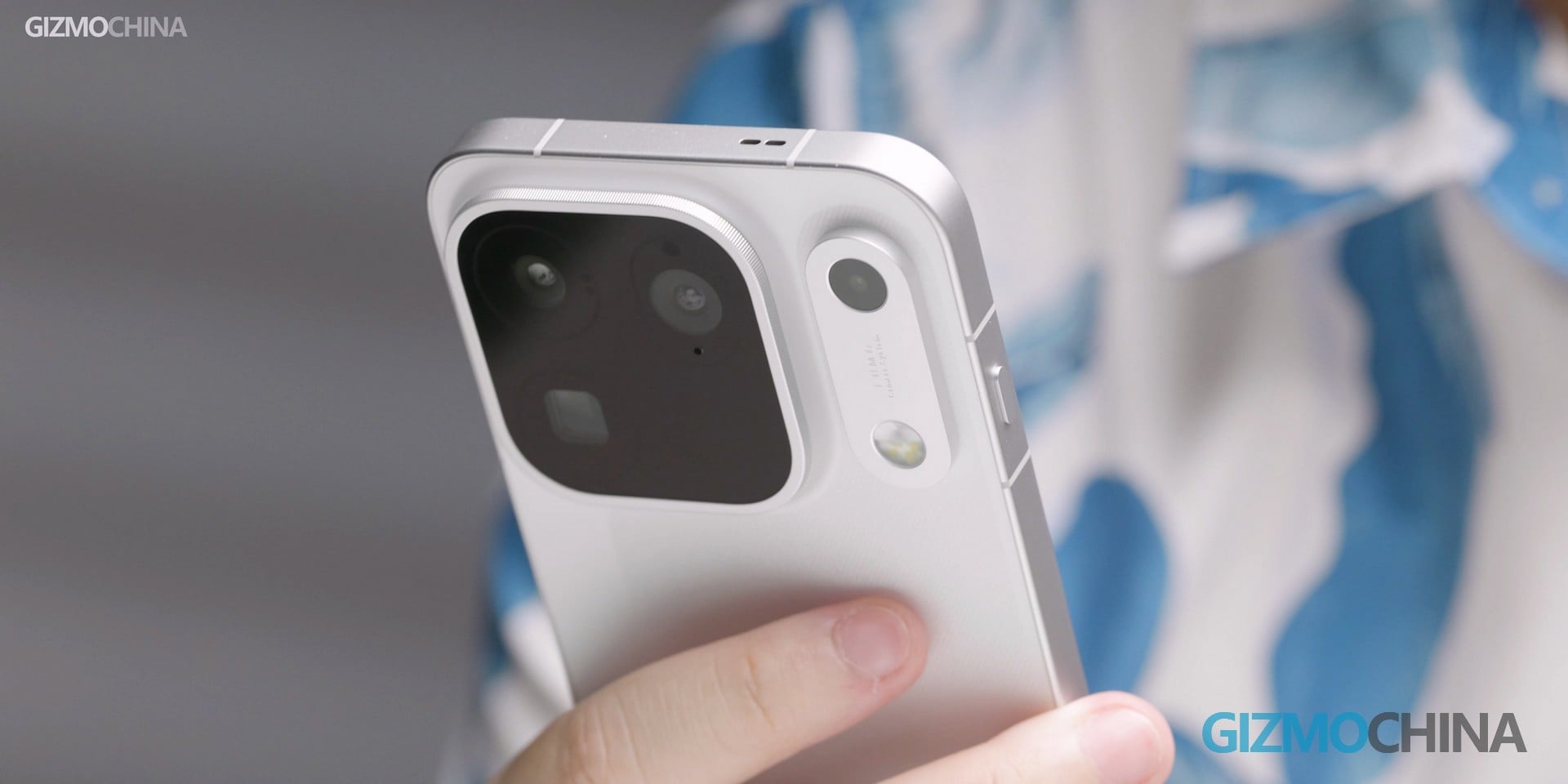
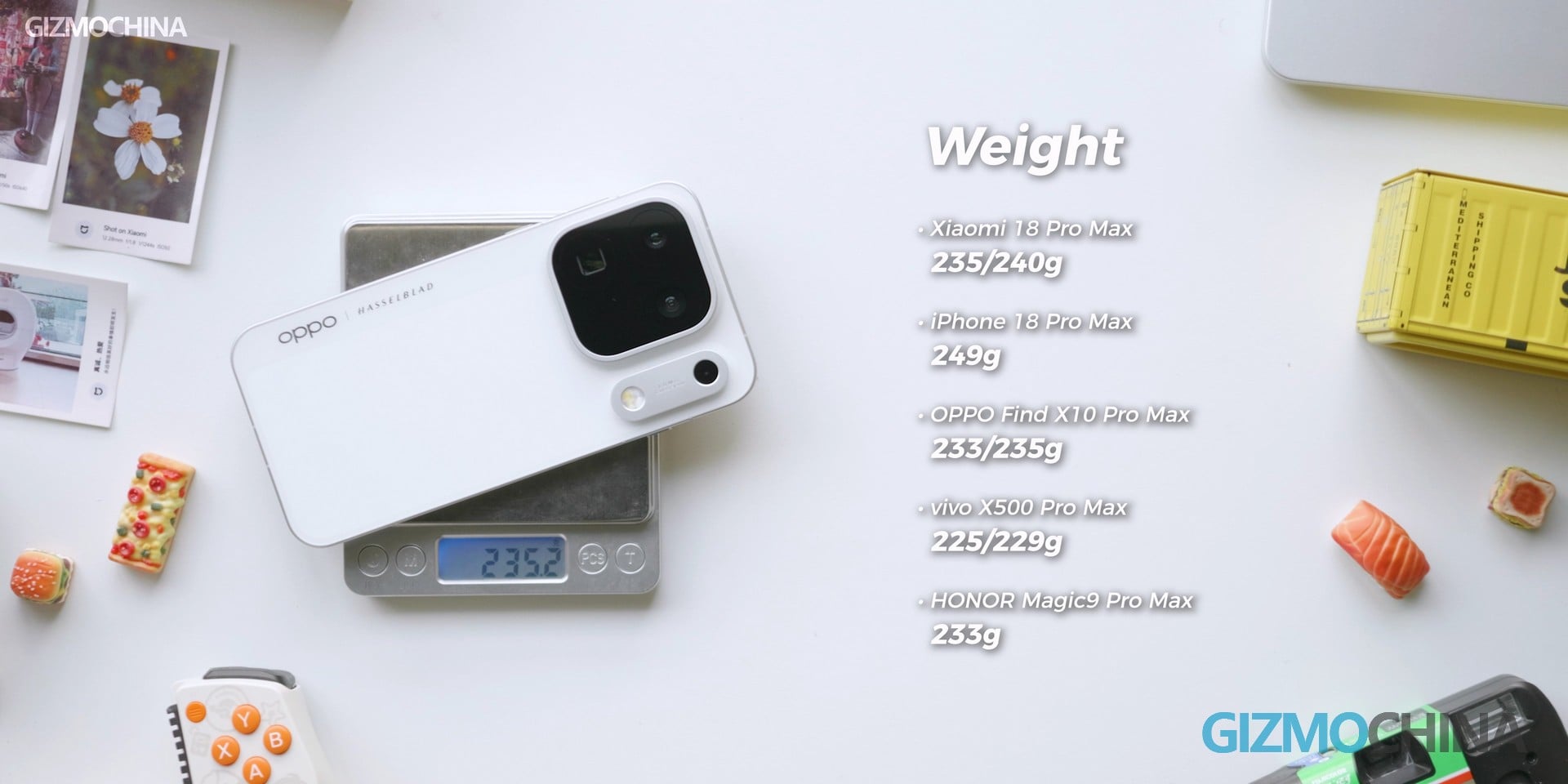
Of course, all of this assumes you buy the white version. The other colors still have a rectangular step surrounding the camera module. The excellent in-hand experience also comes from its weight. It’s not the lightest Pro Max phone, but it is still lighter than its two main competitors.
Display
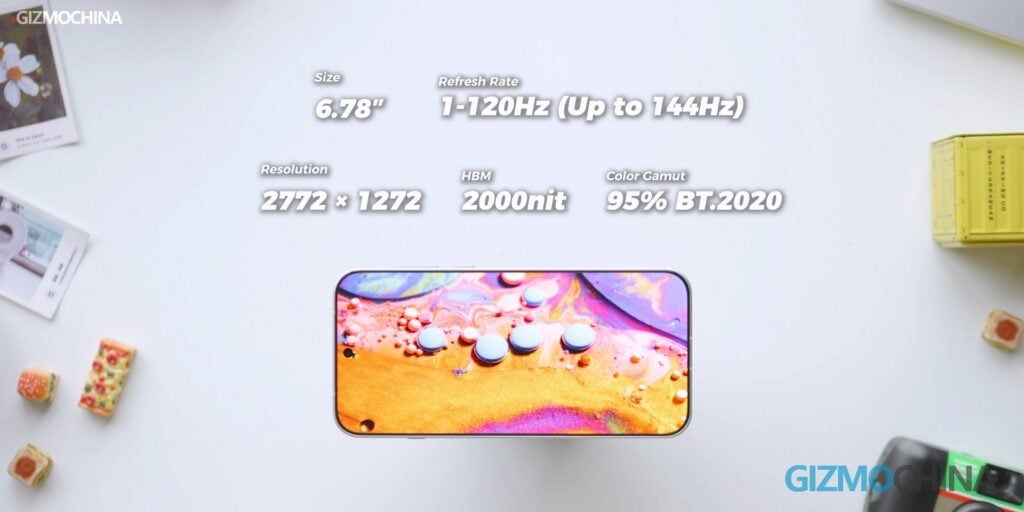
The Find X10 Pro Max’s display doesn’t have any flashy gimmicks. It’s simply a very solid display all around. It has a maximum refresh rate of 144Hz and supports 95% of the BT.2020 color gamut. The new emissive material has higher luminous efficiency, bringing higher brightness and lower power consumption. The viewing angles are also excellent.
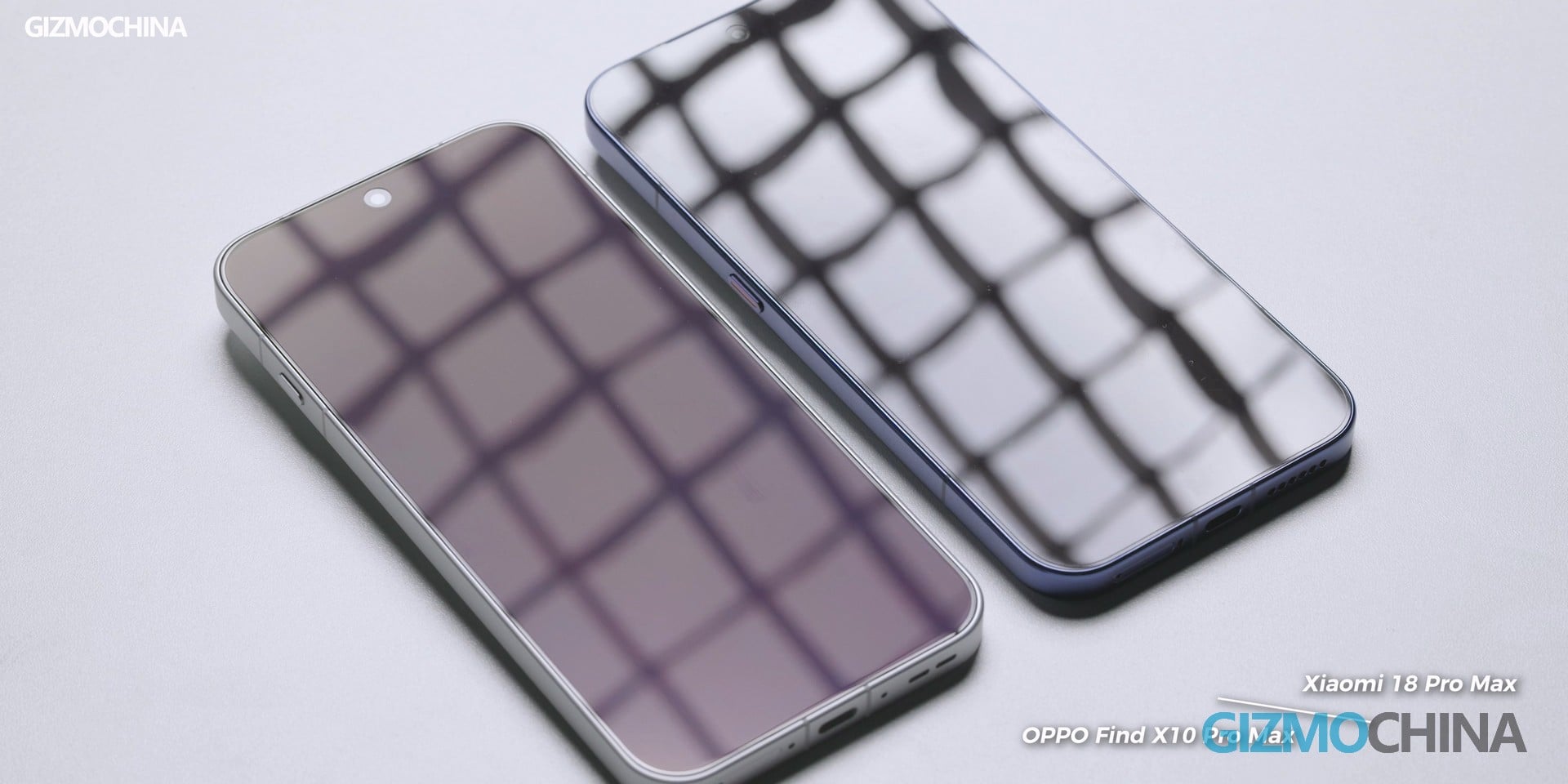
Compared with a privacy display, which isn’t a feature that everyone likes, I much prefer the AR film on the X10 Pro Max’s screen. First of all, this film doesn’t affect the viewing angles, and its impact on clarity and brightness is almost negligible. Secondly, it reduces reflections and improves contrast, which makes a huge difference when using the phone outdoors.
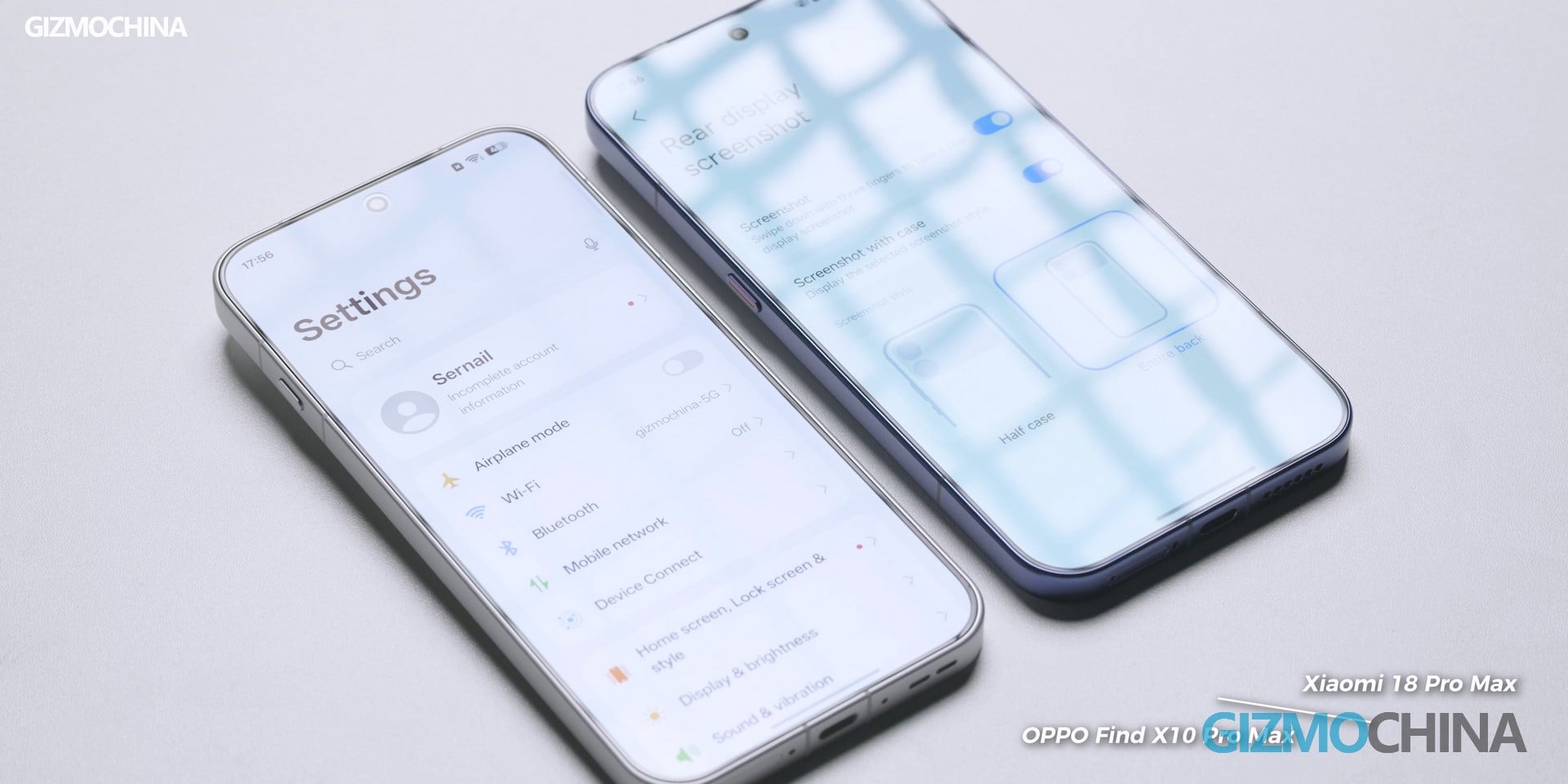
And finally, if you really don’t like the film, you can simply peel it off without causing any negative impact on the display. If your phone’s screen doesn’t have an AR coating, I strongly recommend putting an AR film on your phone right now. It certainly won’t be cheap, but once you’ve experienced it, I think you’ll definitely feel that it’s worth the money.
Performance
Looking at the specs on paper, the new MediaTek platform doesn’t seem to have improved as much as we expected. Its Snapdragon counterpart seems to be in a similar situation, so it looks like there’s still room for improvement with the new 2nm process.
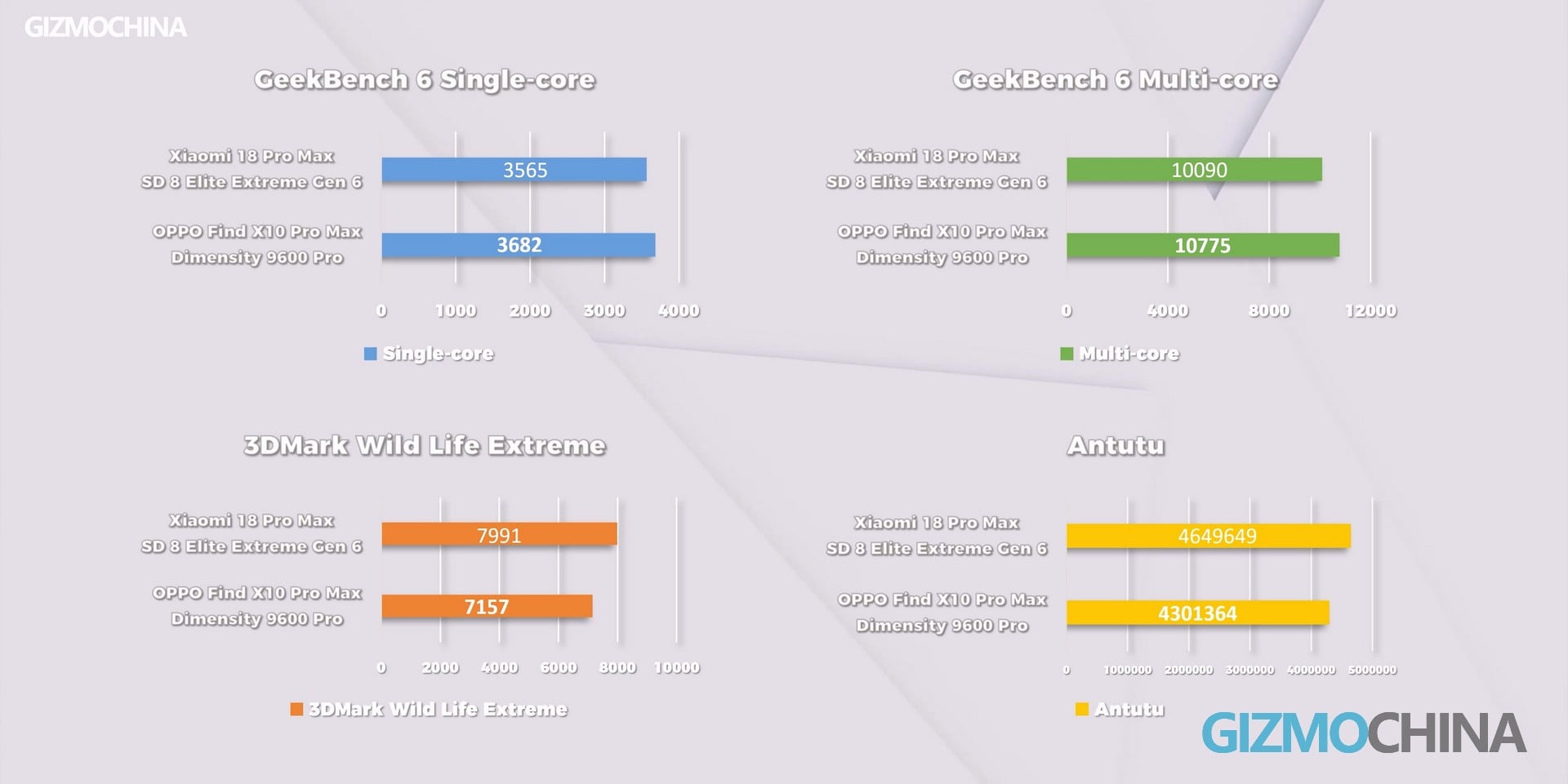
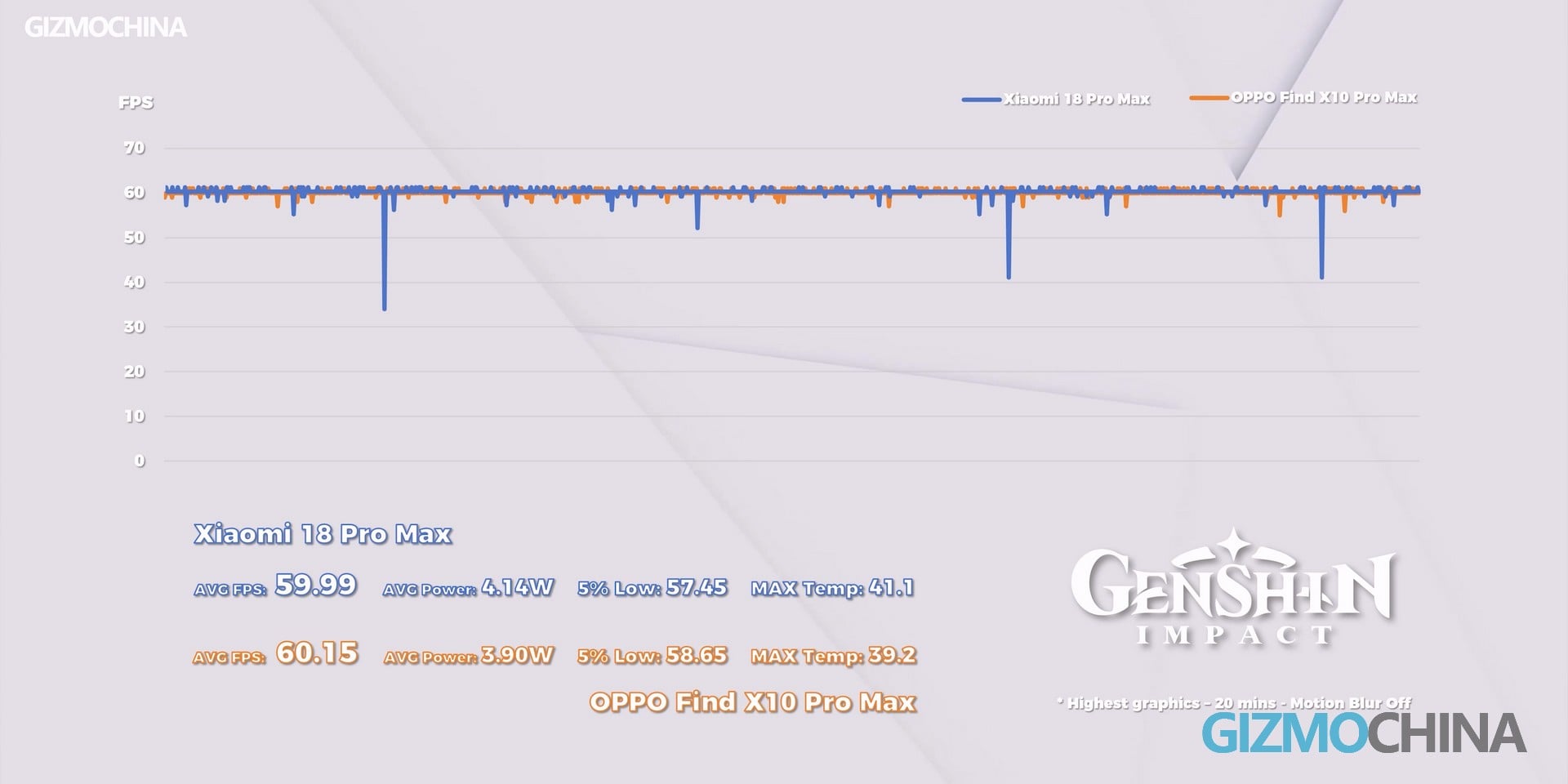
Okay, benchmarks don’t tell the whole story. What if the X10 Pro Max actually performs better in games? You guessed it. At least in Genshin Impact, it can beat the Xiaomi 18 Pro Max. Lower power consumption, fewer stutters, and lower temperatures make the X10 Pro Max the king of light-to-moderate gaming. Why only light-to-moderate gaming? Because once you move to heavy-load games, the gap between it and the Snapdragon flagship platform disappears.
Since there’s no secondary display to worry about, the X10 Pro Max can maintain its performance for 2 minutes longer before throttling. But its temperature and power consumption are both higher than Xiaomi’s. The good news is, it’s still a huge improvement over the previous generation, and it also supports super resolution and frame interpolation. The bad news is, not all games support these features.
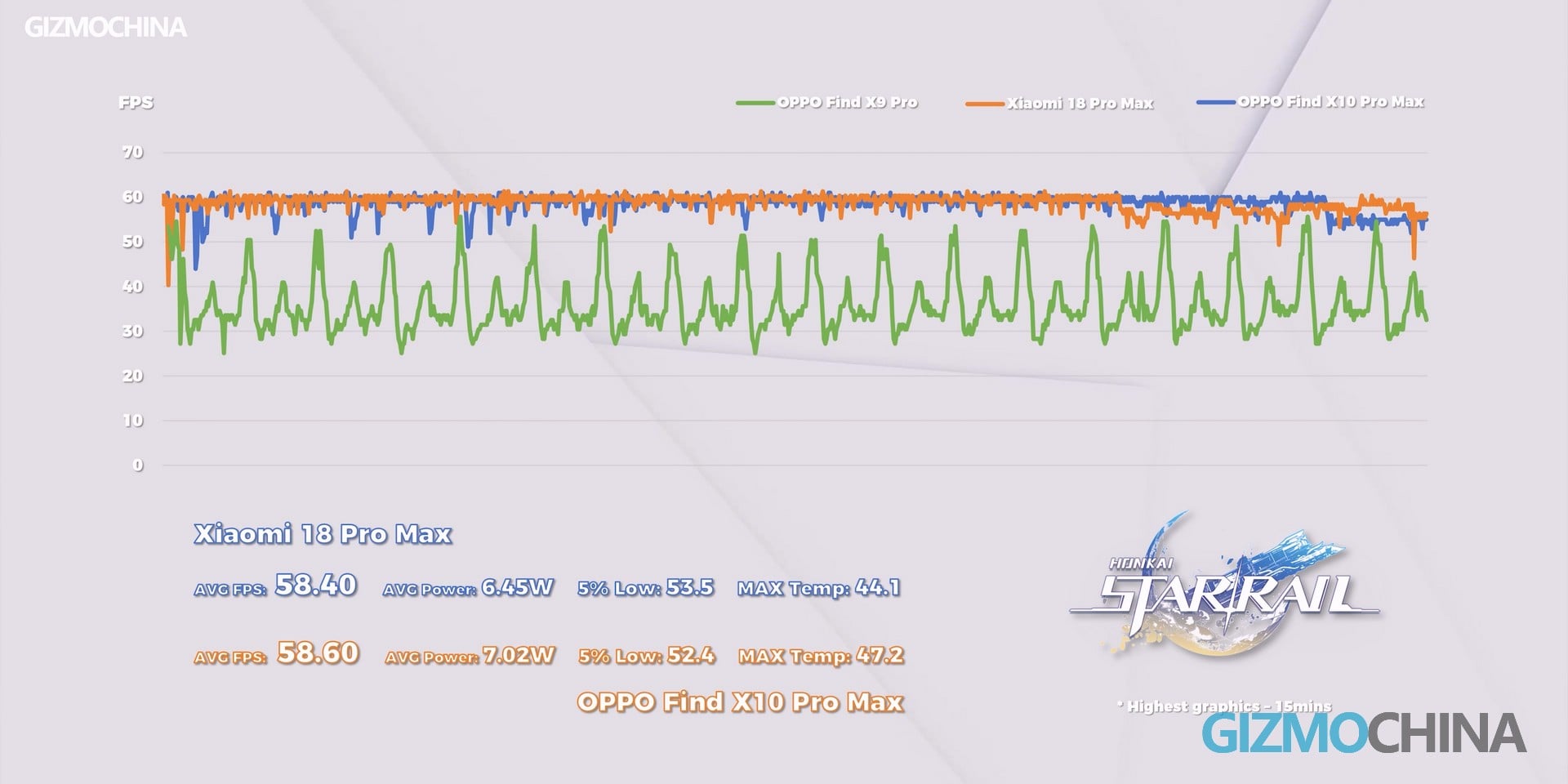
So, I guess this should be about the average level for the Dimensity 9600 Pro this year. I think the Find X10 Pro Max deserves a thumbs-up for its gaming experience.
Battery
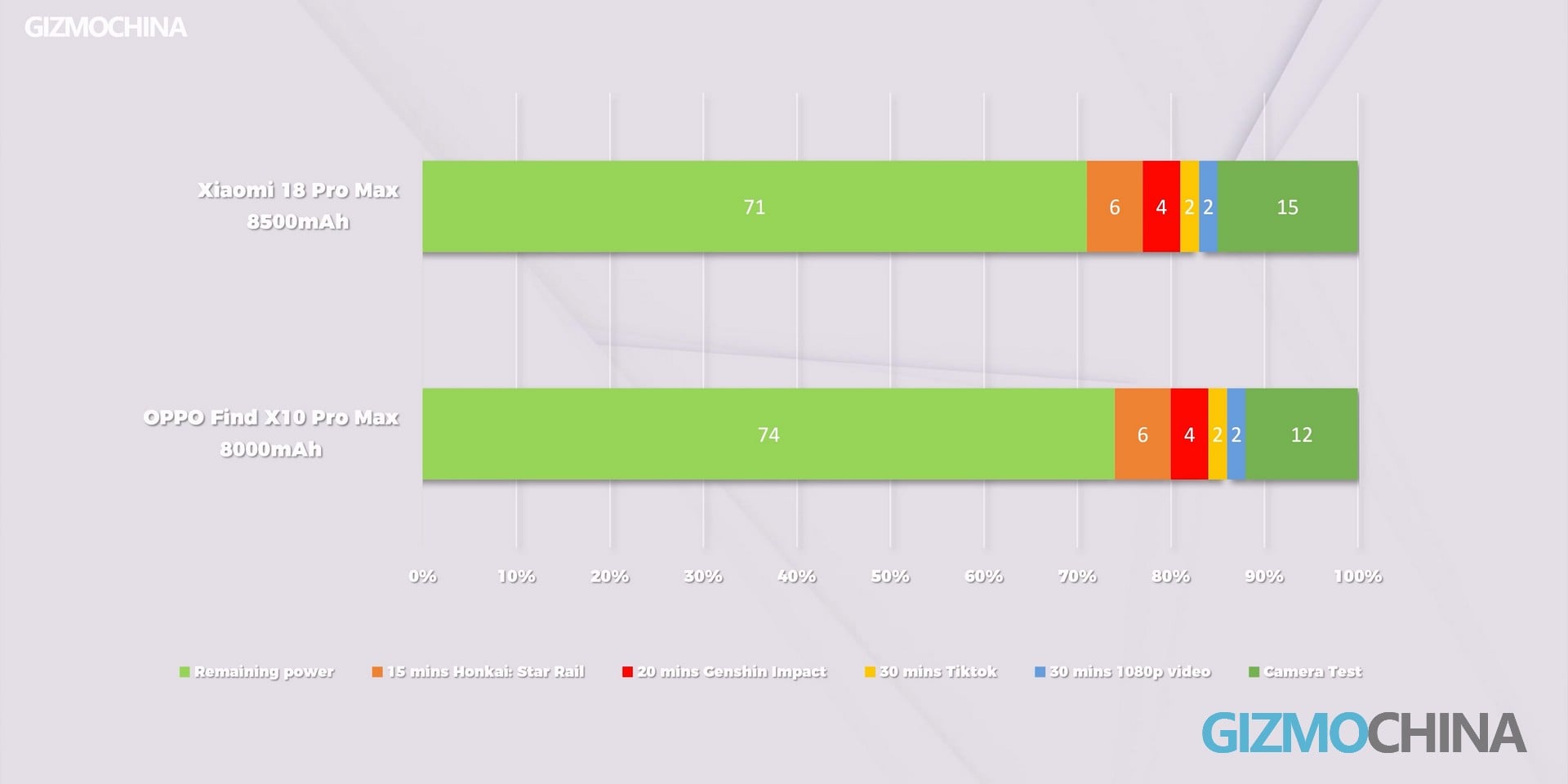
An 8000mAh battery has basically become standard for a Pro Max model. Even though its battery isn’t as large as the Xiaomi 18 Pro Max, the battery life is roughly the same. An entire day of camera testing only consumed 12% of the battery.
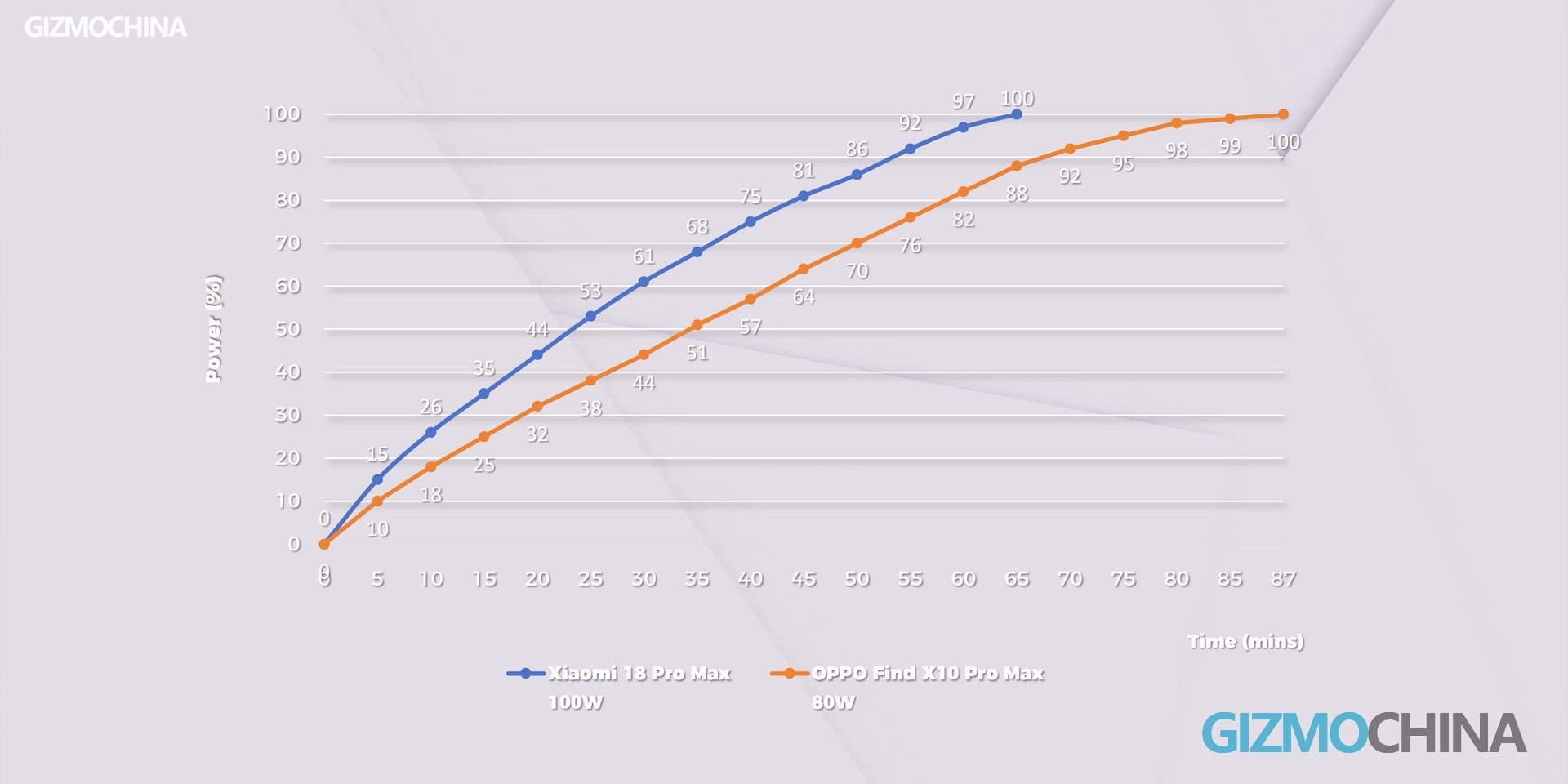
It supports 80W wired charging, while PPS is limited to 55W. Its conservative charging strategy means it takes more than 80 minutes to fully charge. Considering that even current iPhones can fully charge in just an hour, this charging speed really isn’t that fast.
Conclusion
Why is the Find X10 Pro Max my favorite? The reason is simple: it’s well balanced. Most phones have at least one major weakness. Some have poor viewing angles, some have a weak ultrawide camera, some are just too boring, and some look too much like an iPhone.
The Find X10 Pro Max is the only one that manages to be interesting, have no obvious weaknesses, and not be overpriced. It may not be everyone’s favorite, but I don’t think anyone will hate it. This is OPPO’s final answer for 2026.



Comments