
If you’re familiar with the vivo V series, you’ll probably know what it has always been about: better design, selfies, portrait photography, and an improved everyday user experience. That philosophy remains unchanged with the V80. A 7200mAh battery, a 144Hz display, a ZEISS telephoto camera, and the all-new OriginOS 7 all promise to take its everyday experience to the next level. But are these upgrades worth paying more for? By the end of this article, you should have your answer.
Design
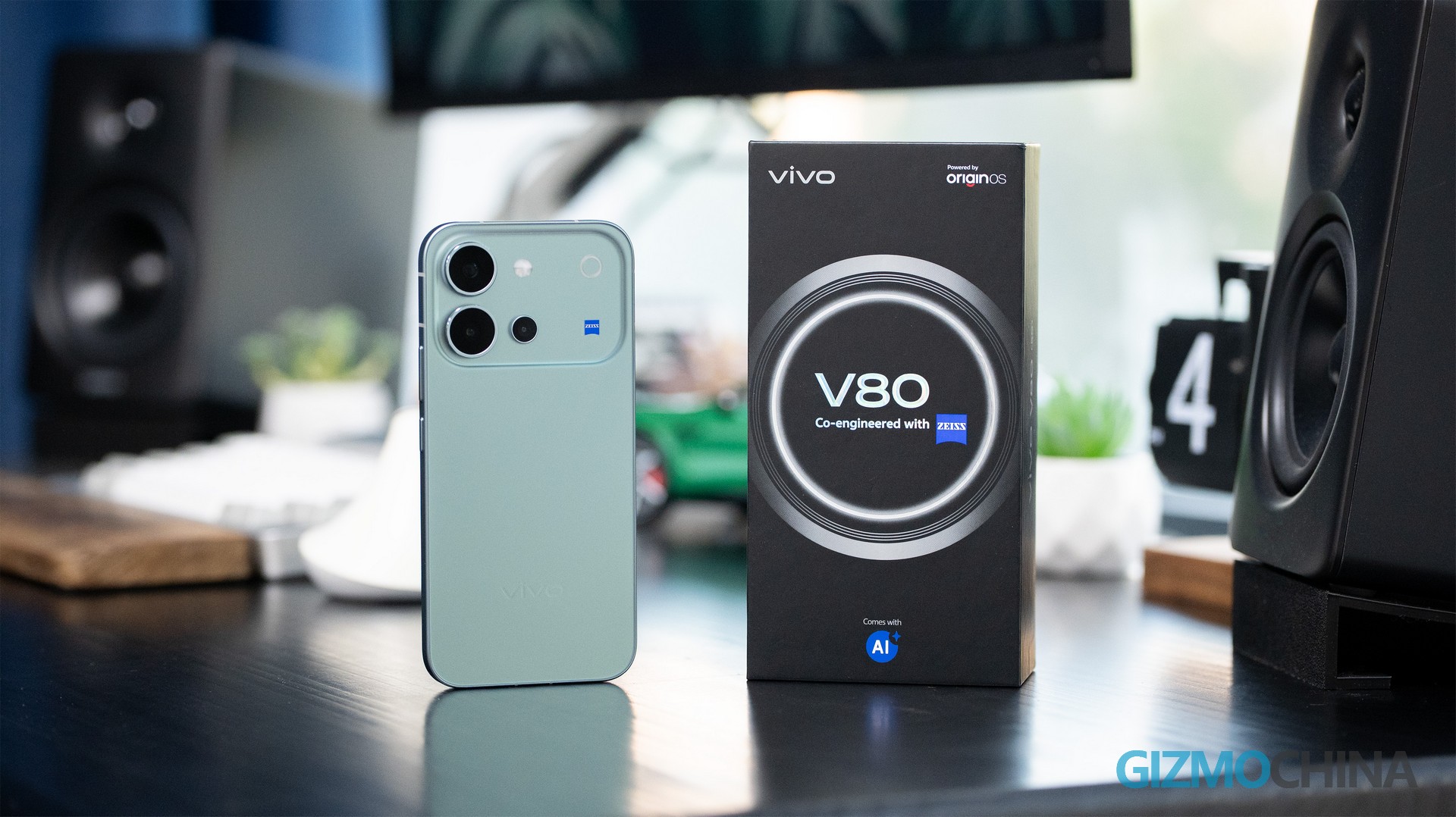
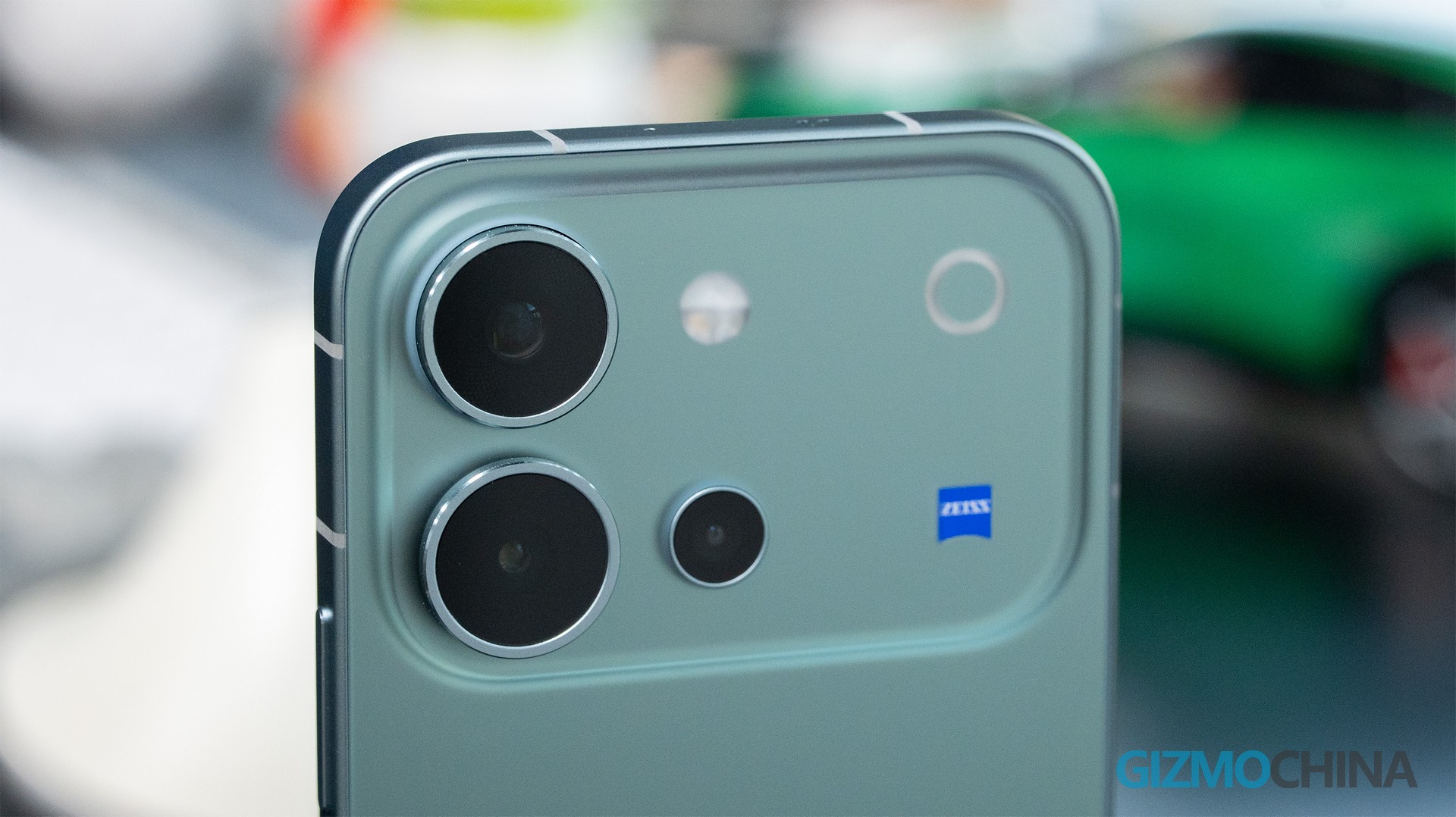
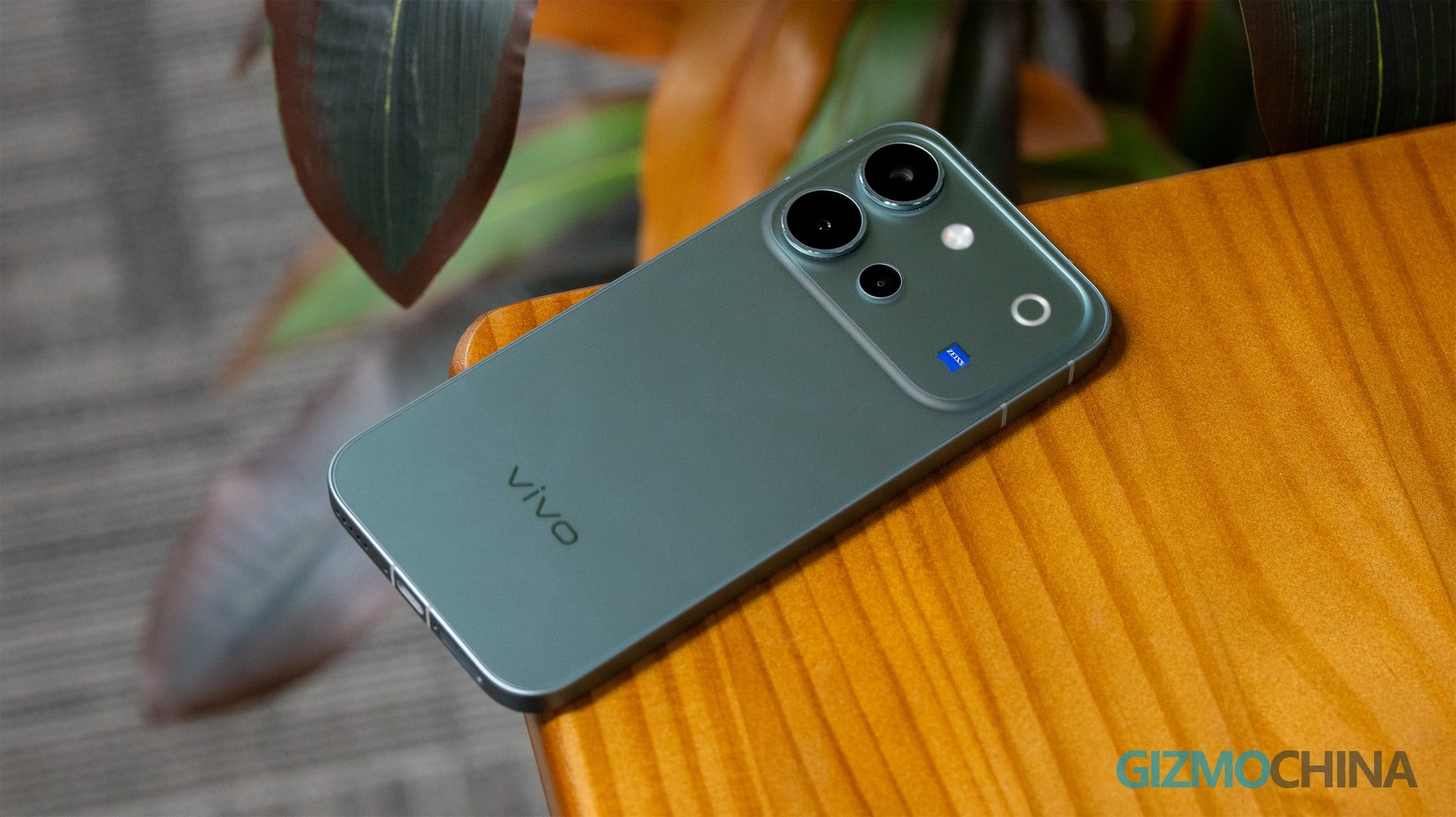
Let’s start with the design. The vivo V80 features a brand-new floating camera design, paired with a cold-carved glass back and a metal frame. Overall, it feels noticeably more premium than a traditional mid-range phone. We received the Horizon Blue version, which is ideal for those who prefer something understated without being too subtle. Honestly, vivo’s mid-range phone designs have always been a step ahead of the competition.
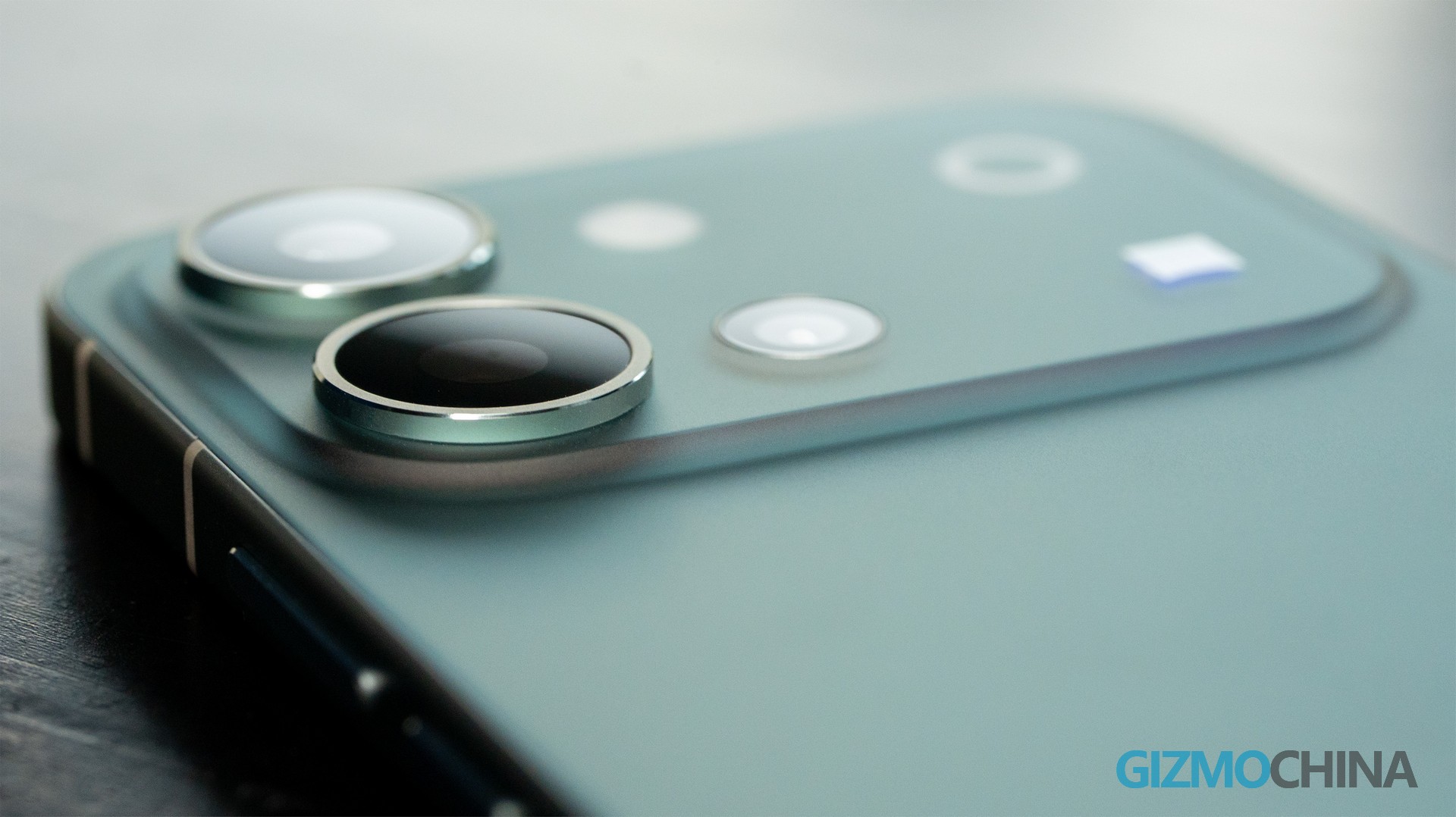
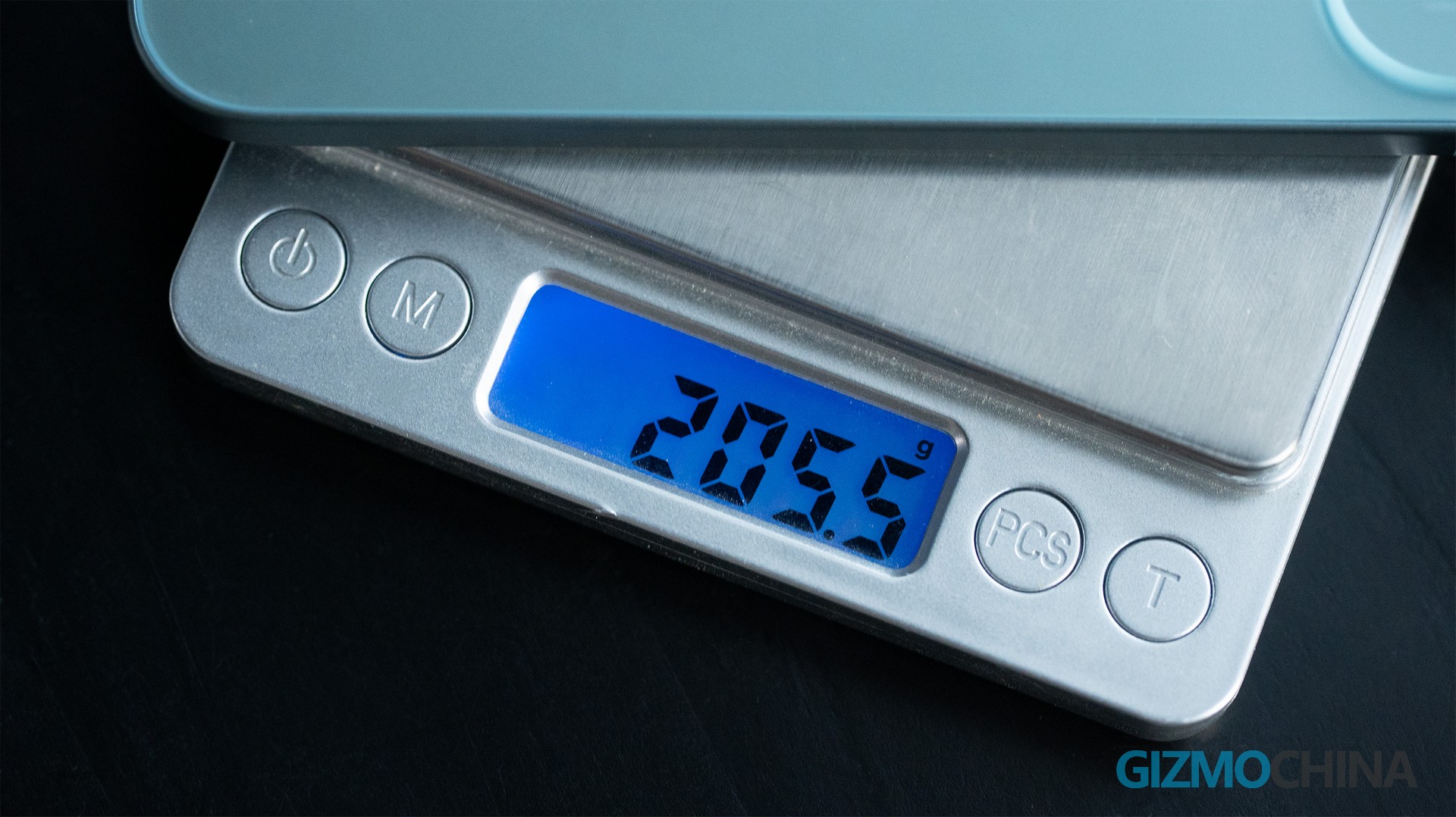
The phone is just 7.69mm thick and weighs around 203g. Considering that it packs a 7200mAh battery and a metal frame, vivo deserves credit for keeping the weight and thickness under control. After all, nobody wants to carry around a brick every day just to get better battery life.
Meanwhile, IP68 and IP69 dust and water resistance ratings are also present. At least in terms of durability, the vivo V80 hasn’t made any obvious compromises due to its mid-range positioning.
Display
On the front, we have a 6.59-inch AMOLED display with a 1.5K resolution and a maximum refresh rate of 144Hz. Based on the specifications alone, it already meets the needs of most smartphone users. However, the resolution is still set to 1080p by default. You’ll have to manually enable the corresponding option to take advantage of the full 1.5K resolution.
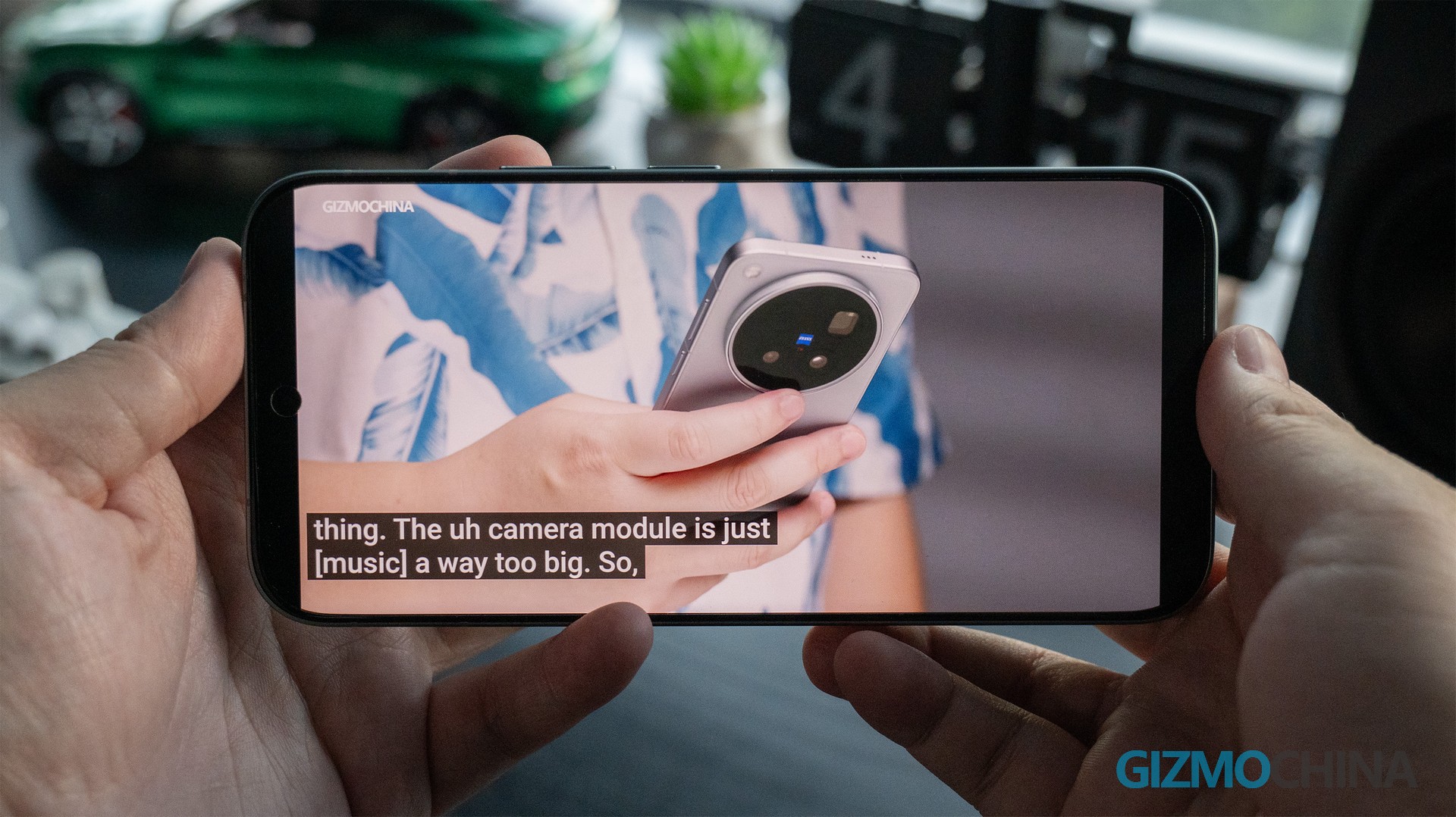
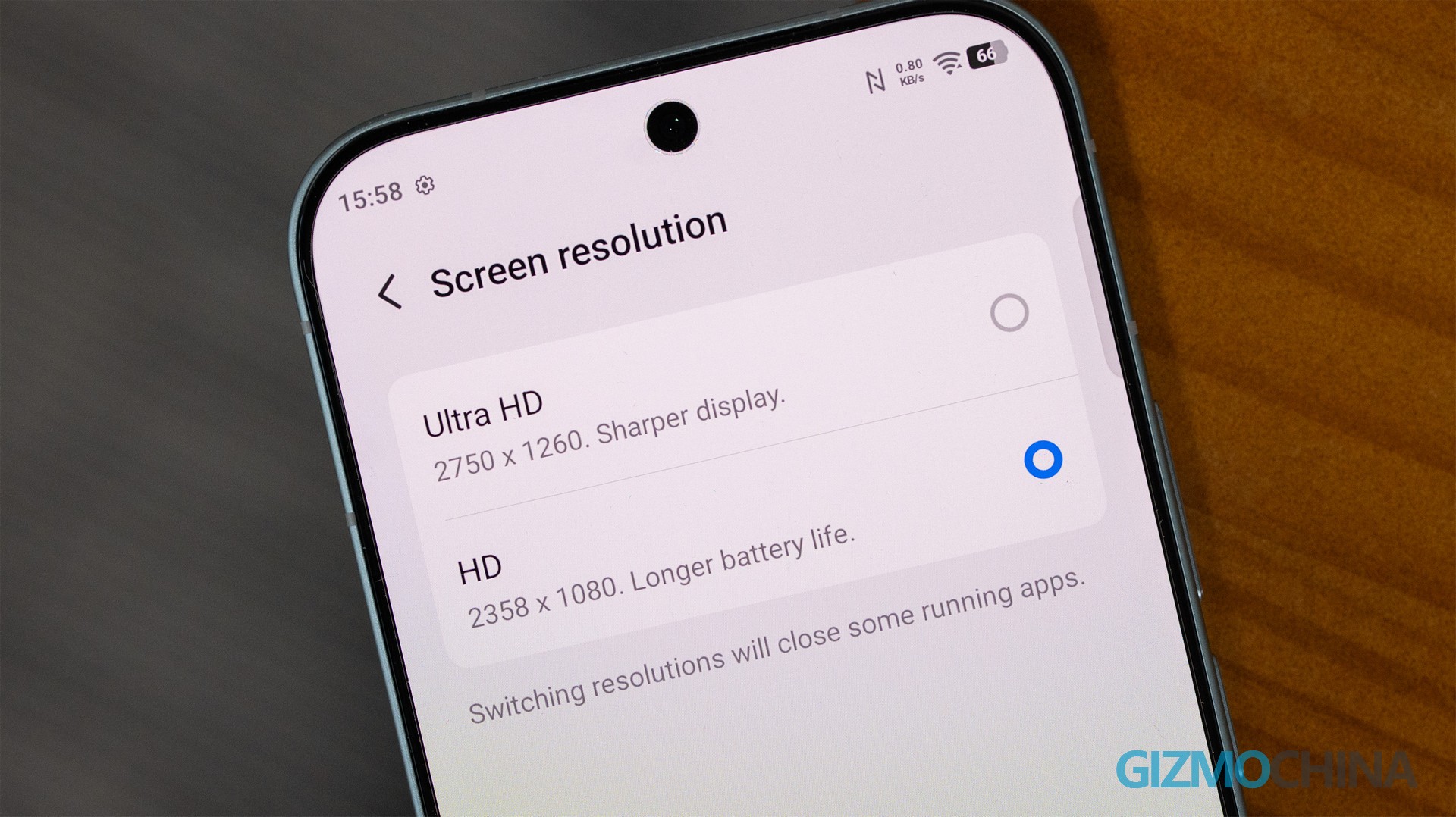
The smoothness brought by the high refresh rate speaks for itself, while the AMOLED panel also delivers excellent contrast and deep blacks. Whether you’re scrolling through social media, watching videos, or reading, this display should leave you satisfied.
Performance
In terms of performance, the vivo V80 is powered by the Snapdragon 7 Gen 4, which remains unchanged from the previous generation. While this isn’t a flagship chipset, it can easily handle TikTok, social media browsing, navigation, and casual gaming. If all you want is a phone that runs everyday apps smoothly, this chipset should be more than adequate. However, if you regularly play demanding games like Genshin Impact or Zenless Zone Zero, I wouldn’t recommend getting your hopes up too high. You’ll probably need to lower the graphics settings to get a smooth experience.
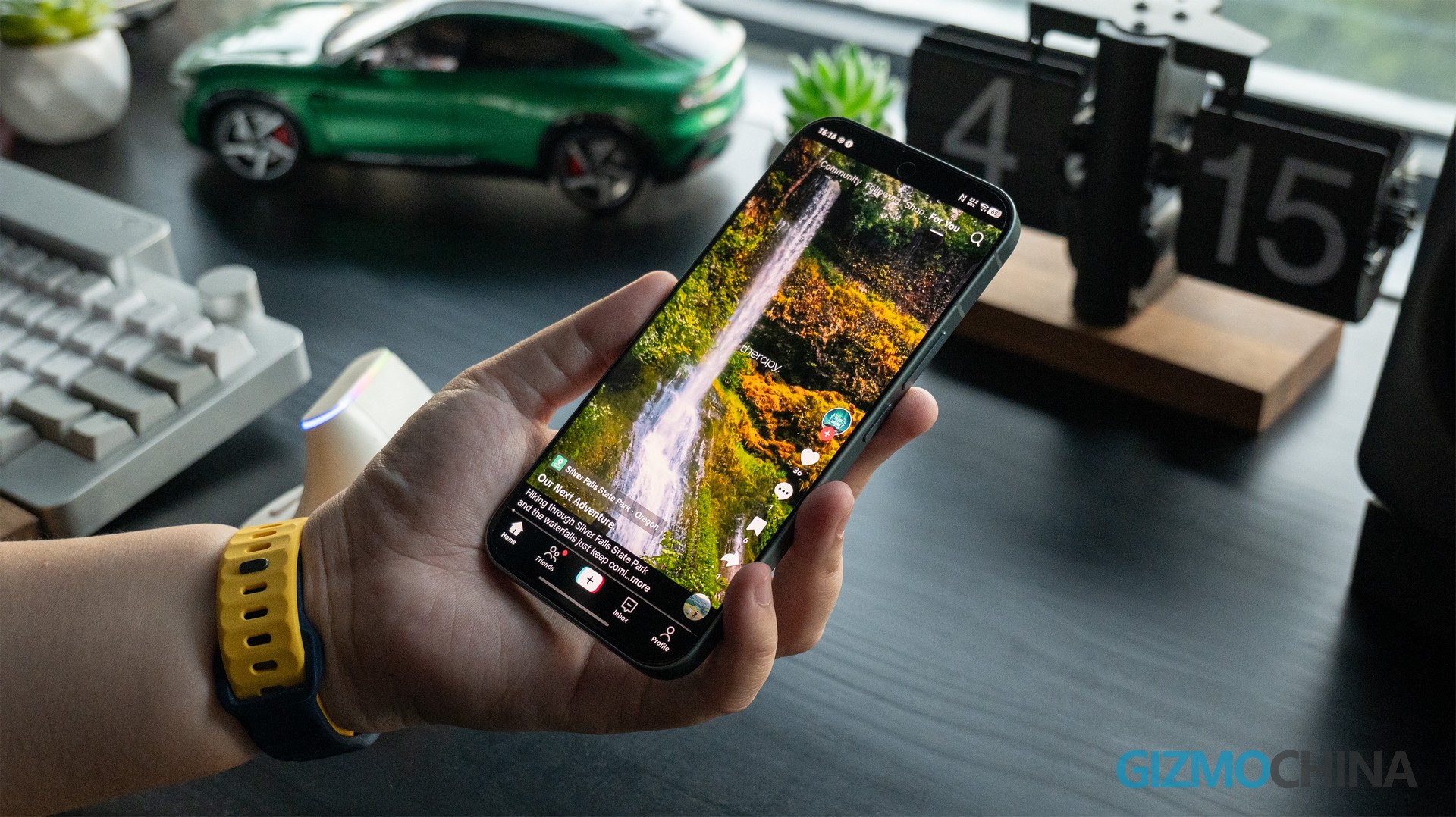
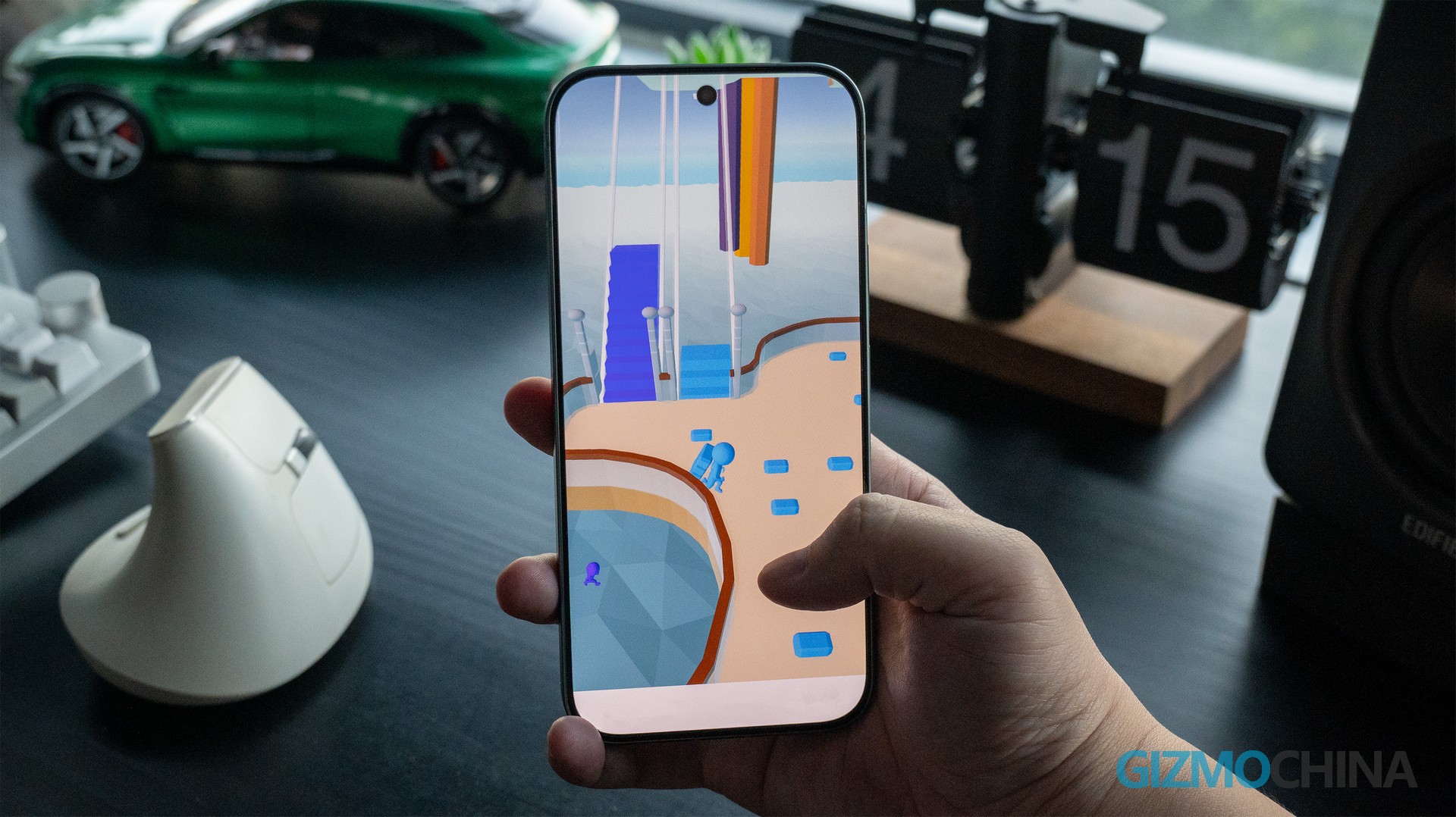
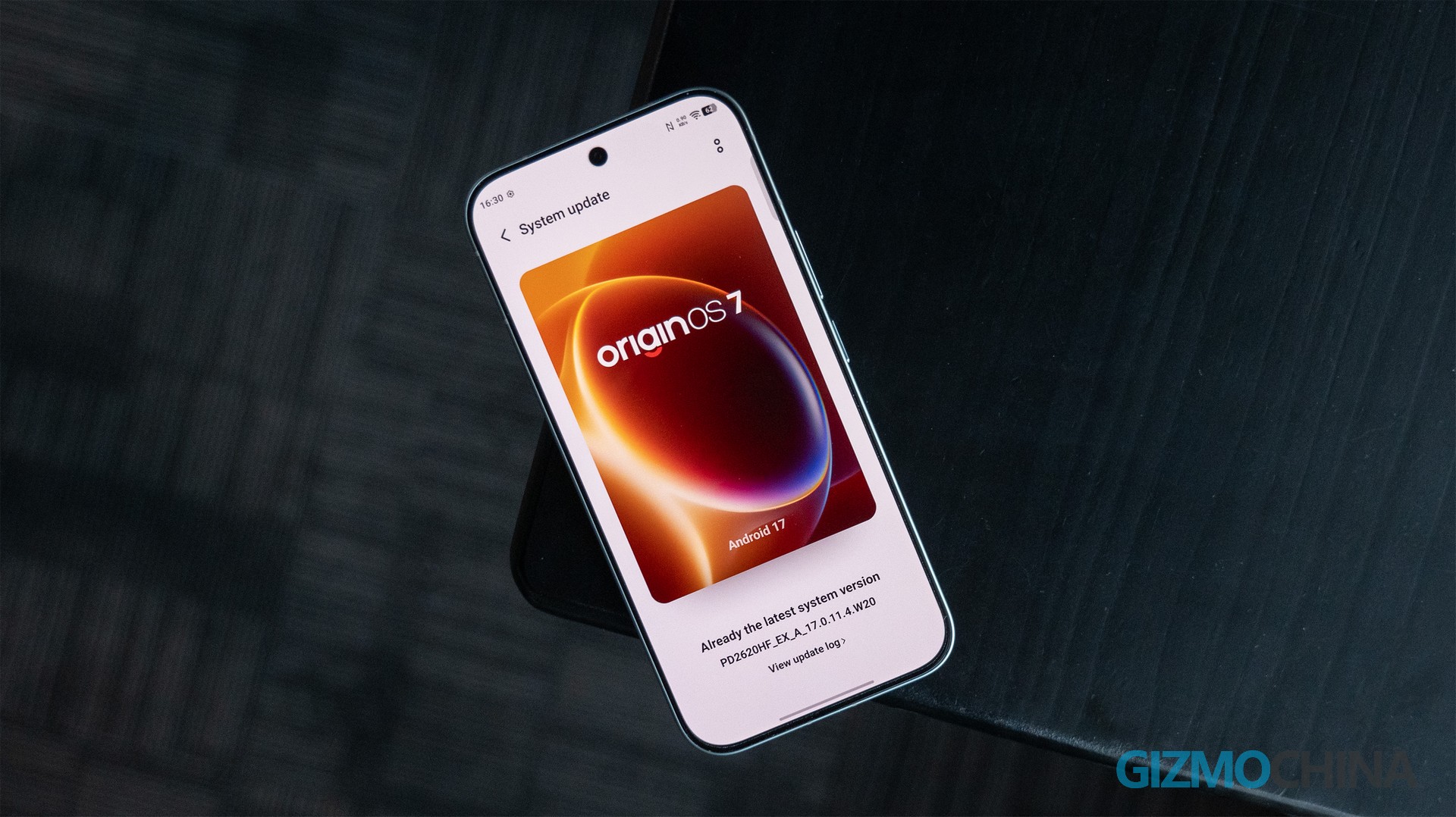
Of course, OriginOS 7 is also an important part of this upgrade. The refreshed interface, extensive customization options, and AI features all contribute to a more complete software experience.
Camera
Without a doubt, the camera system remains one of the most interesting aspects of the vivo V80.
It features a triple-camera setup consisting of a 50MP main camera, a 50MP ZEISS telephoto camera, and an ultrawide camera. The telephoto camera supports 3x optical zoom and comes with OIS.
Even as smartphone manufacturing costs continue to rise, vivo has decided to keep the telephoto camera. Personally, I prefer this approach over replacing a dedicated telephoto camera with a 200MP main sensor. After all, a dedicated telephoto camera can also deliver better image quality in night photography and clearer video recordings.



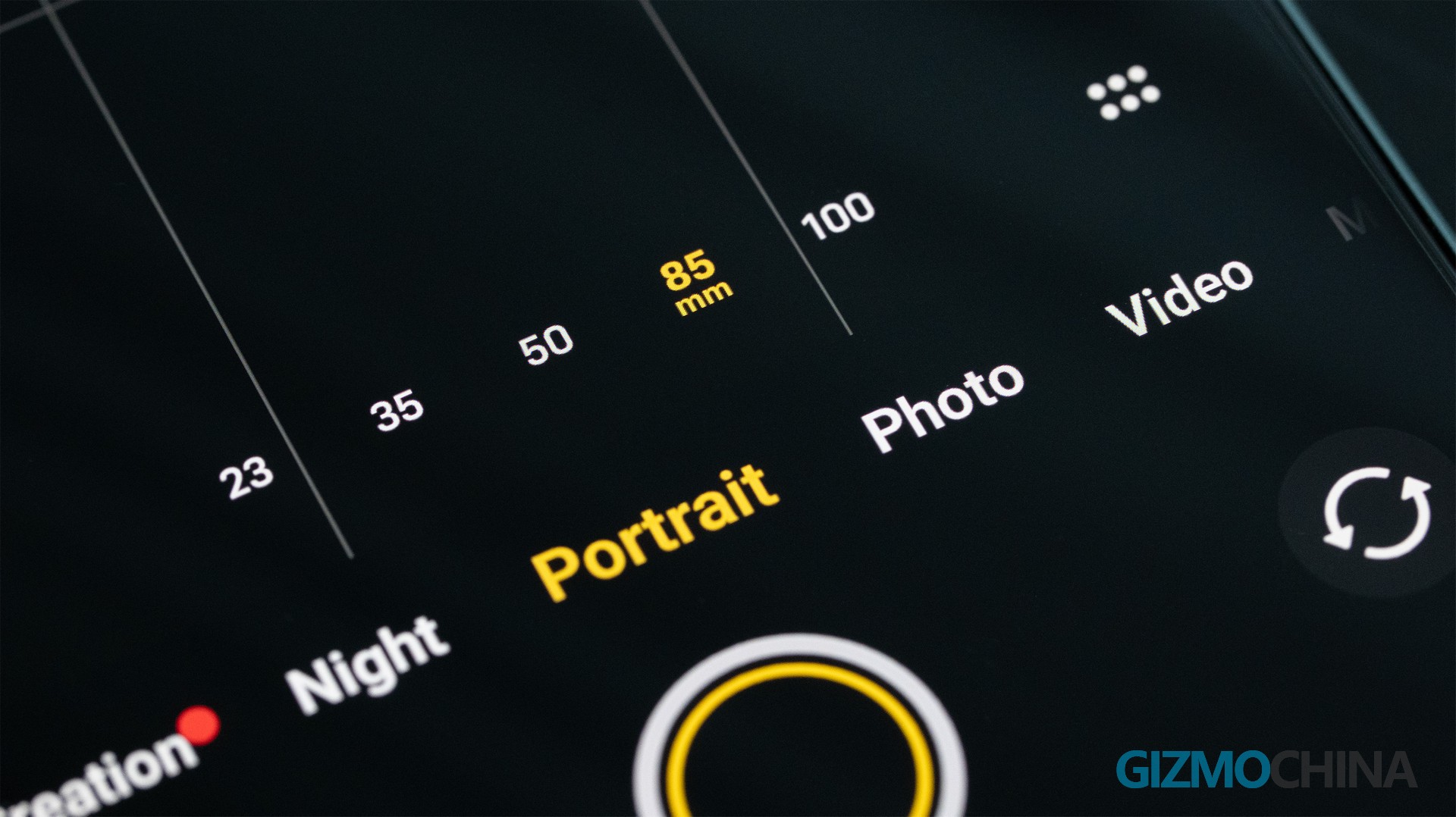
The telephoto camera also offers a completely different perspective, especially for portrait photography, where a 3x focal length is often more practical than cropping in from the main camera. vivo also offers 85mm and 100mm ZEISS portrait modes, along with an Aura Light. Combined with different color styles and bokeh effects, it’s clear that vivo wants to make professional-looking portraits accessible to everyday users.


The V80’s main camera is as impressive as ever. However, the ultrawide camera remains the weakest part of the imaging system. For those who frequently photograph architecture, landscapes, or travel scenes, its daytime performance should still be acceptable. But once night falls, you shouldn’t expect too much from this camera.




Battery & Charging
The 7200mAh battery is undoubtedly one of the most significant upgrades to the vivo V80.
With smartphone battery capacities continuing to grow, vivo is finally taking battery life seriously. This battery can provide up to 14 hours of navigation or nearly 39.5 hours of local video playback. For people who spend long hours using their phones away from home, the peace of mind that comes with a large battery is far more valuable than some flashy features.
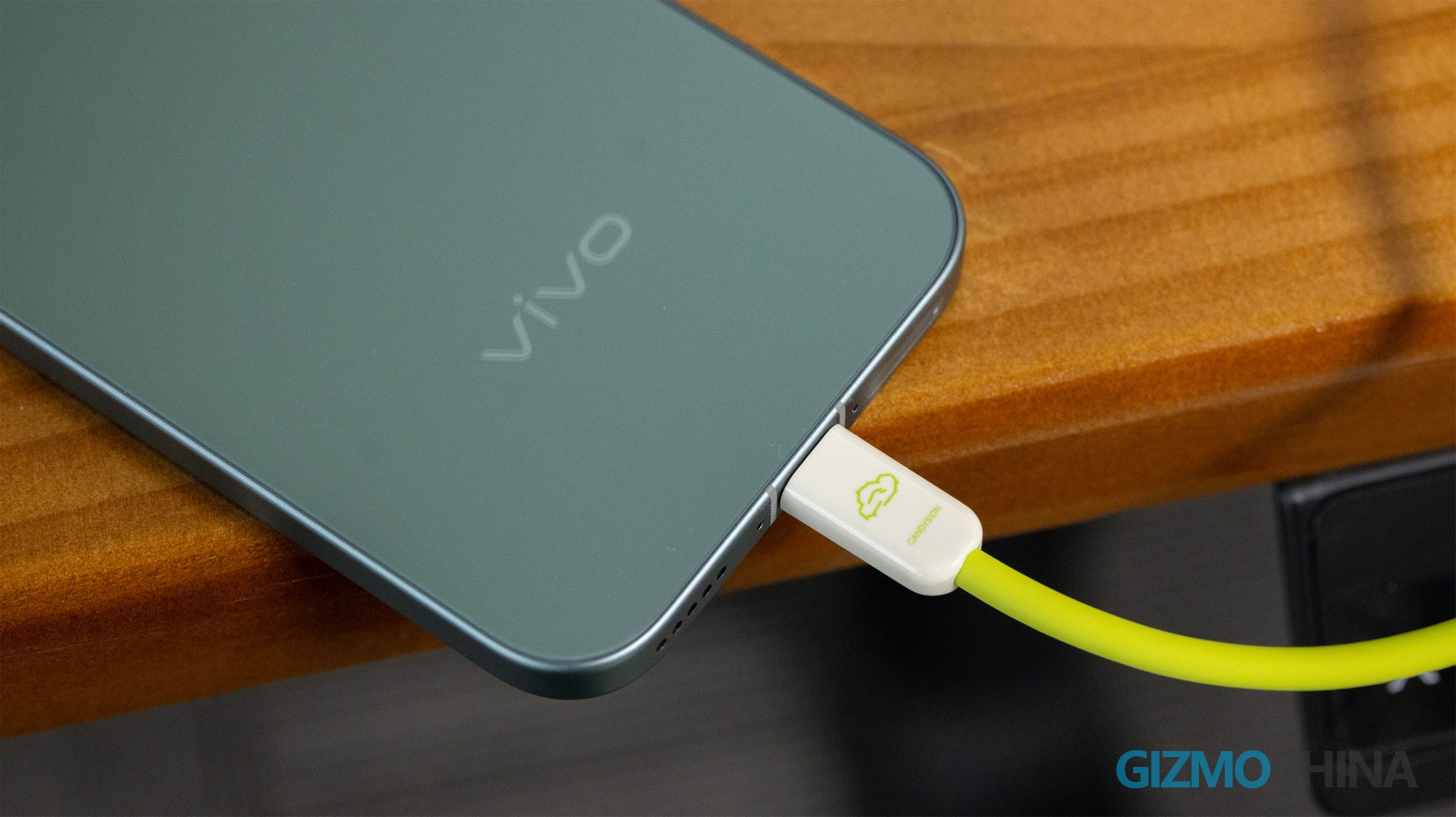
Meanwhile, 90W wired fast charging is also here. It takes just 30 minutes to charge the V80 from 0% to 30%. While this isn’t the fastest charging solution on the market, it’s still acceptable considering the battery capacity has reached 7200mAh.
Conclusion
Overall, the vivo V80 is a very typical vivo smartphone. It delivers solid improvements in design, display, photography, and battery life. If you care more about the phone’s appearance, portrait photography, and everyday user experience, the V80 is still a product worth considering.
FREE DAILY NEWSLETTER
Joel Explains
What matters in phones and gadgets, before it reaches you. From Gizmochina’s editor-in-chief, every morning.
Join 1,500+ readers. One email a day, unsubscribe in one click.




Comments