Add GIZMOCHINA as Preferred Source on Google
If you are looking for a powerful gaming laptop within a budget of $1800, you are likely to run into a situation to choose either Asus’ ROG or Lenovo’s Legion. Both brands offer top-of-the-line gaming PCs with premium builds, superior thermals, and an understated design that can also blend into an office setting.
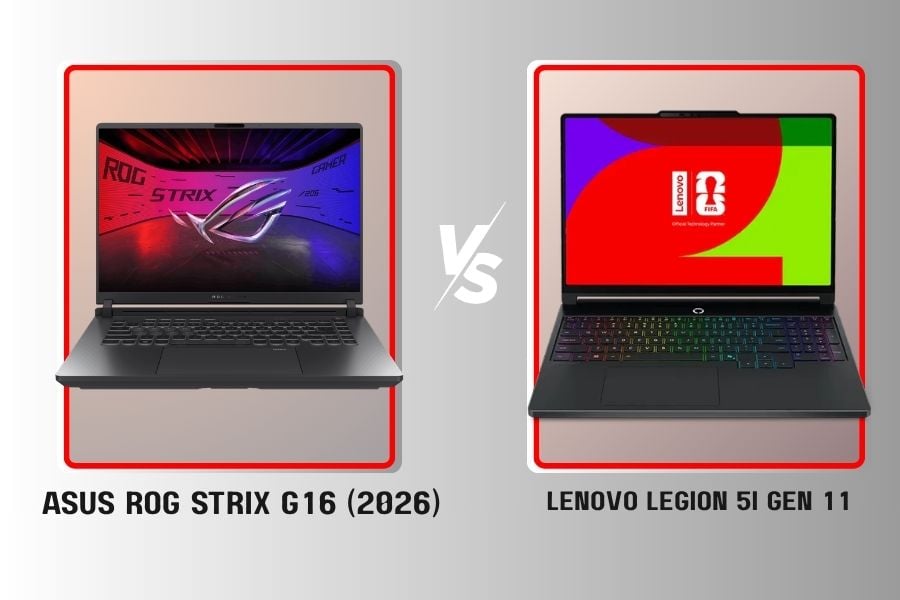
However, there are areas where the two brands differ, and we will discuss them here, along with a one-on-one comparison of the Asus ROG Strix G16 (2025) and Lenovo Legion Pro 5i Gen 10 (2025).
Who Are These Brands?
Asus ROG (Republic of Gamers) has been making dedicated gaming hardware for years. The ROG lineup is split into sub-series — Strix for raw power, Zephyrus for slim portability, and Flow for tablet-style flexibility — to cater to buyers of their exact needs.
Lenovo Legion has built a strong reputation since 2016 for delivering reliable gaming laptops at competitive prices. The Legion line spans from budget-friendly picks to high-end powerhouses, with a cooling system called Coldfront that uses vapor chambers and optimized airflow to keep temperatures in check during long sessions.
The Contenders Under $1,800
1. Asus ROG Strix G16 (2026)
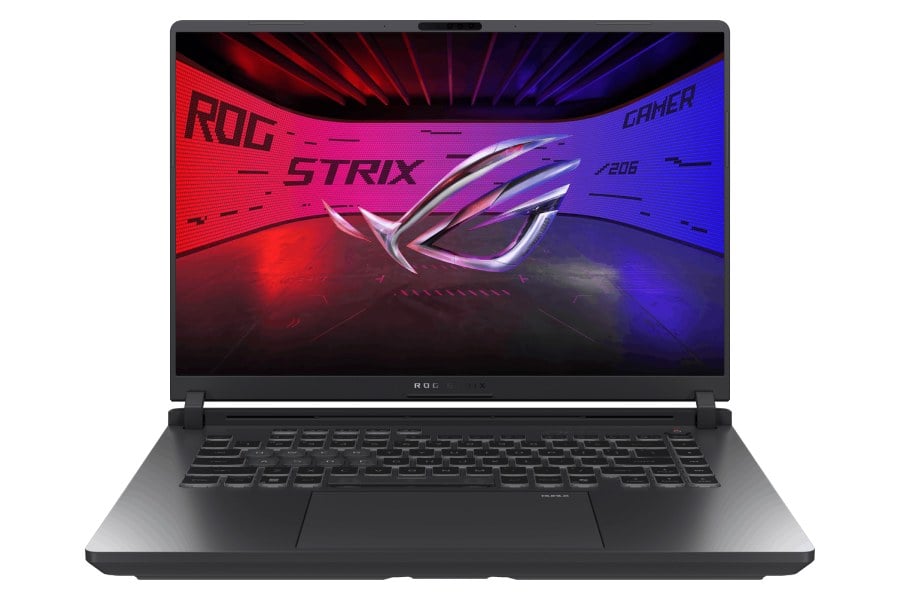
The Strix G16 is the most accessible 2026 ROG laptop you can buy under $1,800. For 2026, Asus fitted it with Intel’s Core Ultra 9 290HX Plus processor and NVIDIA GeForce RTX 5060 or RTX 5070 GPU options. The RTX 5060 configuration starts at around $1,599, putting it squarely in budget.
The screen is a 16-inch 2.5K (2560×1600) display at a fast 300Hz refresh rate, up from 240Hz on the 2025 model. That is one of the fastest screens you will find at this price. Asus calls it a Nebula Display, and it supports 100% DCI-P3 color coverage, meaning games and videos look punchy and accurate. The ACR (Ambient Contrast Ratio) anti-reflective coating significantly reduces glare, which is useful in bright rooms.
Cooling is where the Strix G16 really stands out. Asus designed a multi-layer vapor chamber that goes all the way to the rear of the chassis and is sandwiched between upper and lower heatsinks. Combined with Tri-Fan Technology and Conductonaut Extreme liquid metal applied to both the CPU and GPU, it runs quieter than you would expect for a machine this powerful. On the practical side, the 2026 Strix G16 also introduces a tool-less upgrade design: you can swap out RAM and SSD without a screwdriver, and a Q-latch system makes storage swaps even faster.
One thing to keep in mind: the base RTX 5060 model uses a 1080p IPS panel (not OLED) at some retailers, while Asus’s own store configurations offer the higher-resolution 2.5K Nebula Display. Check the exact model number before buying.
Starting price: Around $1,599 (RTX 5060, 16GB RAM, 1TB SSD)
2. Lenovo Legion 5i Gen 11 / Legion 5a Gen 11 (2026)
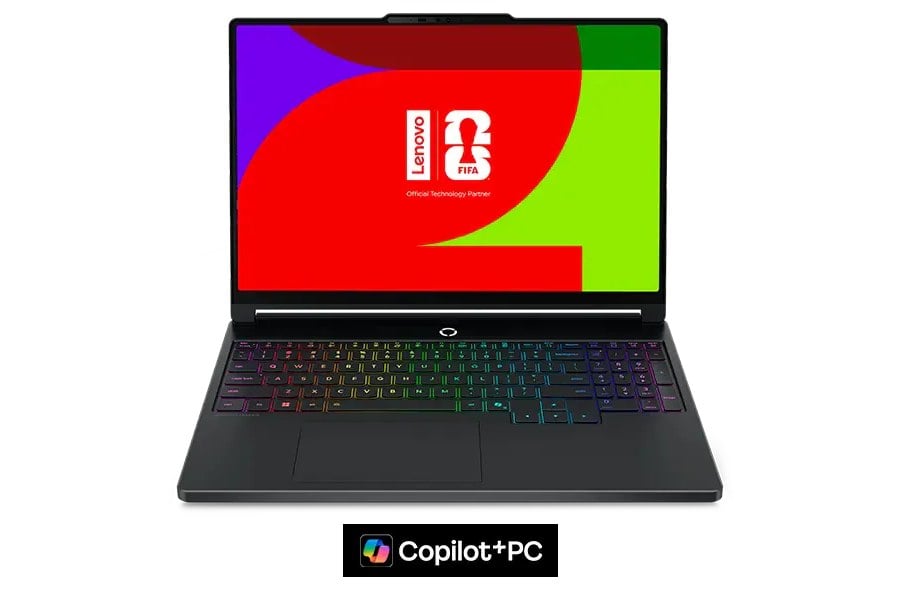
Lenovo’s new 2026 budget gaming heroes are the Legion 5i Gen 11 (Intel-powered) and the Legion 5a Gen 11 (AMD-powered). Both were announced at CES 2026 and started shipping in April 2026.
The Legion 5i Gen 11 is built on Intel’s new Panther Lake silicon and starts at $1,549. The Legion 5a Gen 11 with AMD Ryzen AI 400 series starts at $1,499, and a lower-tier Ryzen 200 variant begins at just $1,299. All configurations come with NVIDIA RTX 50-series GPUs capped at the RTX 5060.
The display across the 5-series is a 15.3-inch PureSight OLED, running at 2560×1600 resolution with a 165Hz refresh rate, 500 nits of brightness, and VESA DisplayHDR True Black 600 certification. OLED panels produce true blacks and much more vivid color than standard IPS or even most other panels — this is a clear advantage over the Strix G16’s base IPS option.
Lenovo’s Coldfront cooling system uses vapor chambers and optimized airflow, and the higher-end 5-series models also apply liquid metal thermal compound. The build is all-metal across the board — no plastic lids or creaky hinges. Software-wise, Lenovo’s AI Engine+ automatically manages CPU and GPU power in real time depending on what you are doing, and every laptop ships with Lenovo’s Legion Space app, which handles everything from RGB lighting to AI-powered game coaching tools that analyze your reaction time and in-game accuracy.
Starting price: Around $1,299–$1,549 (RTX 5060, 16GB RAM, 512GB–1TB SSD)
3. Head-to-Head Comparison
Performance
Both laptops run NVIDIA RTX 5060 GPUs with DLSS 4 support. At the same GPU tier, performance is very close. The Lenovo Legion 5i Gen 11’s newer Panther Lake Intel chip gives it a slight edge in CPU-heavy workloads like video editing and streaming. For pure gaming frame rates, results are nearly identical between the two at this GPU tier.
Display
This is the biggest difference between the two. Lenovo’s OLED PureSight panel delivers deeper blacks, faster pixel response times, and more vibrant color than the IPS panel found on the base Strix G16 configurations. However, if you opt for Asus’s own-store version of the Strix G16, you get a 2.5K 300Hz Nebula Display that is significantly sharper and faster than Lenovo’s 165Hz OLED. So the winner here depends on what you value more: OLED richness (Lenovo) or higher refresh rate and sharper resolution (Asus).
Cooling
Both laptops use vapor chambers and are well-cooled for sustained gaming. Asus applies Conductonaut Extreme liquid metal to both chips, not just the CPU — this is a slight edge for the ROG Strix G16 in long, heavy gaming sessions where temperatures matter most.
Portability
Lenovo has a meaningful edge here. The Legion 5-series is a 15.3-inch machine, making it more compact than the 16-inch Strix G16. Lenovo also engineered a lighter, thinner chassis for the 2026 models, which Lenovo says is about 10% lighter than the previous generation. If you carry your laptop often, the Legion 5 wins.
Upgradeability
Both laptops are easier to upgrade than the average gaming machine. The ROG Strix G16 introduced a tool-less RAM and SSD access design in 2026, rivaling the Legion’s existing upgrade-friendly design. Neither laptop soldered its RAM to the board, so you can add memory later as your needs grow.
Value
Lenovo offers a lower entry price and an OLED display right out of the box. Asus offers a faster screen at higher configs. For buyers on a tight budget, the Legion 5a Gen 11 at $1,299 is hard to beat. For buyers who want the fastest display and best thermal performance, the ROG Strix G16 at $1,599 earns its price.
4. Which One Should You Buy?
Go with the Lenovo Legion 5a Gen 11 if you want the most value for money, prefer an OLED display, or carry your laptop frequently. The $1,299 entry price is exceptional for what you get, and the OLED screen makes everyday use genuinely enjoyable.
Go with the Asus ROG Strix G16 (2026) if you want the fastest screen (300Hz), the best cooling at this price range, or a larger 16-inch display for gaming. It costs a bit more, but Asus’s upgrade-friendly tool-less design and superior thermal engineering make it a machine that can grow with you.
Both are excellent choices for 2026 gaming. Either way, you are getting a laptop built for the next several years of AAA titles.
For more daily updates, please visit our News Section.
Stay ahead in tech! Join our Telegram community and sign up for our daily newsletter of top stories!