Add GIZMOCHINA as Preferred Source on Google
As an Amazon Associate, Gizmochina earns from qualifying purchases. Links on this page may earn us a commission at no extra cost to you.
If you bought the Redmi Note 12 when it launched, you have probably been using it for quite some time now. And after three years, some things are bound to feel old.
The phone may feel slower than newer mid-range models, the camera is not as good at night, and software support is either close to ending or has already ended. That does not mean the Redmi Note 12 was a bad phone. It simply means smartphones have come a long way since then.
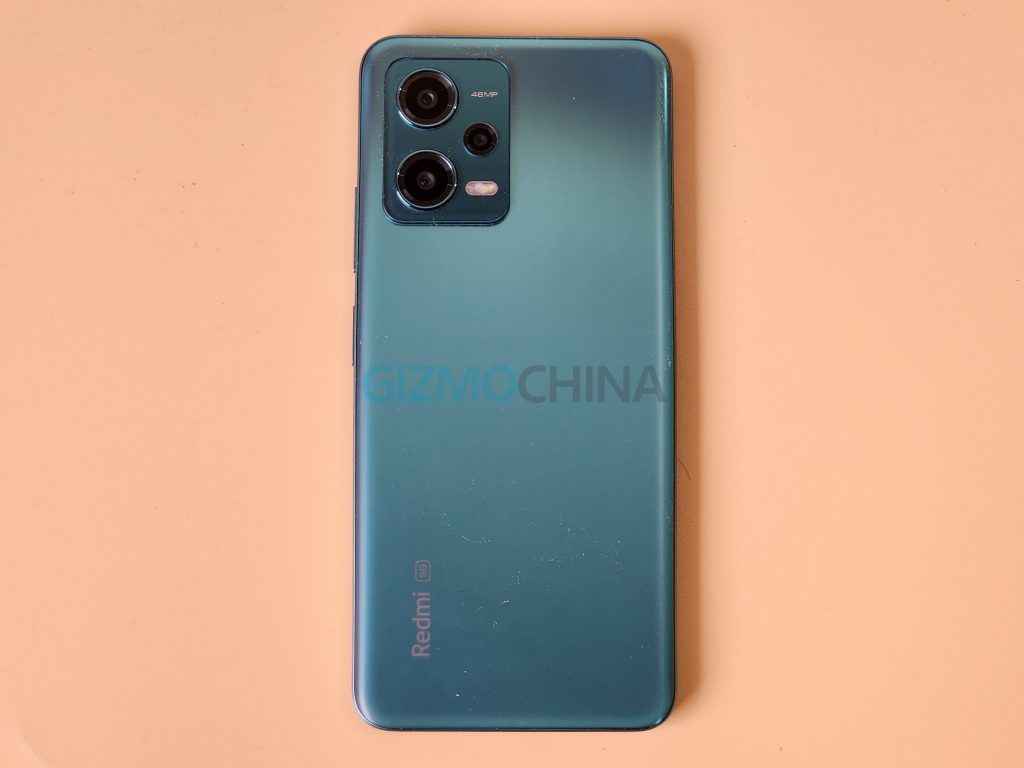
If you are finally ready to upgrade, there are plenty of good options today. The right choice depends on what you want from your next phone.
Important: Phone prices are not the same anymore
Worth keeping in mind before you start comparing specs is that phone pricing today isn’t what it was when the Redmi Note 12 launched. Memory chip prices have risen sharply through 2025 and into 2026, and RAM and storage make up a big chunk of what a phone costs to build.
This has pushed starting prices up across almost every brand, including the ones on this list — the Galaxy A57 costs $50 more than the A56 did a year ago, and even budget-focused lines like Redmi and Poco have seen their entry-level configurations get pricier or drop in storage to hold the line on price. So if your upgrade budget is based on what a similar phone cost back in 2023, expect to stretch it a bit further this time around.
Given these price shifts, it’s worth checking the best budget smartphones you can buy in mid-2026 for a fuller picture of current options.
1. If you want a simple upgrade: Redmi Note 15 series
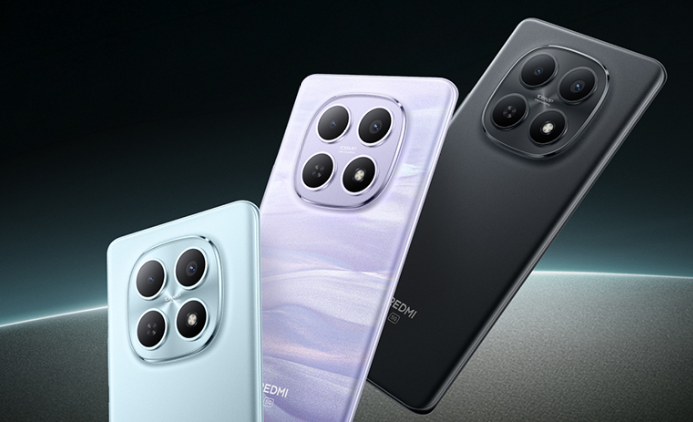
The easiest upgrade is to stay with the Redmi Note series. The Redmi Note 15 series improves on the Note 12 in almost every important area. You get a better AMOLED display, a larger battery and better protection against water and dust.
The standard Redmi Note 15 is a good option if you want something familiar. It comes with a 120Hz AMOLED display, an OIS-equipped main camera and a battery that can comfortably last a full day.
If you want more, there is the Redmi Note 15 Pro and Pro+. Both offer IP68/IP69K protection, a 200-megapixel main camera and a curved 1.5K display. The display can also reach up to 3,200 nits of peak brightness, making it easier to see outdoors.
The Pro+ is the most powerful option in the series and supports 100W charging. If you liked the Redmi Note 12 and simply want a newer version of the same experience, the Note 15 series is the most straightforward choice.
2. If gaming and performance are your priority: Poco X7 Pro
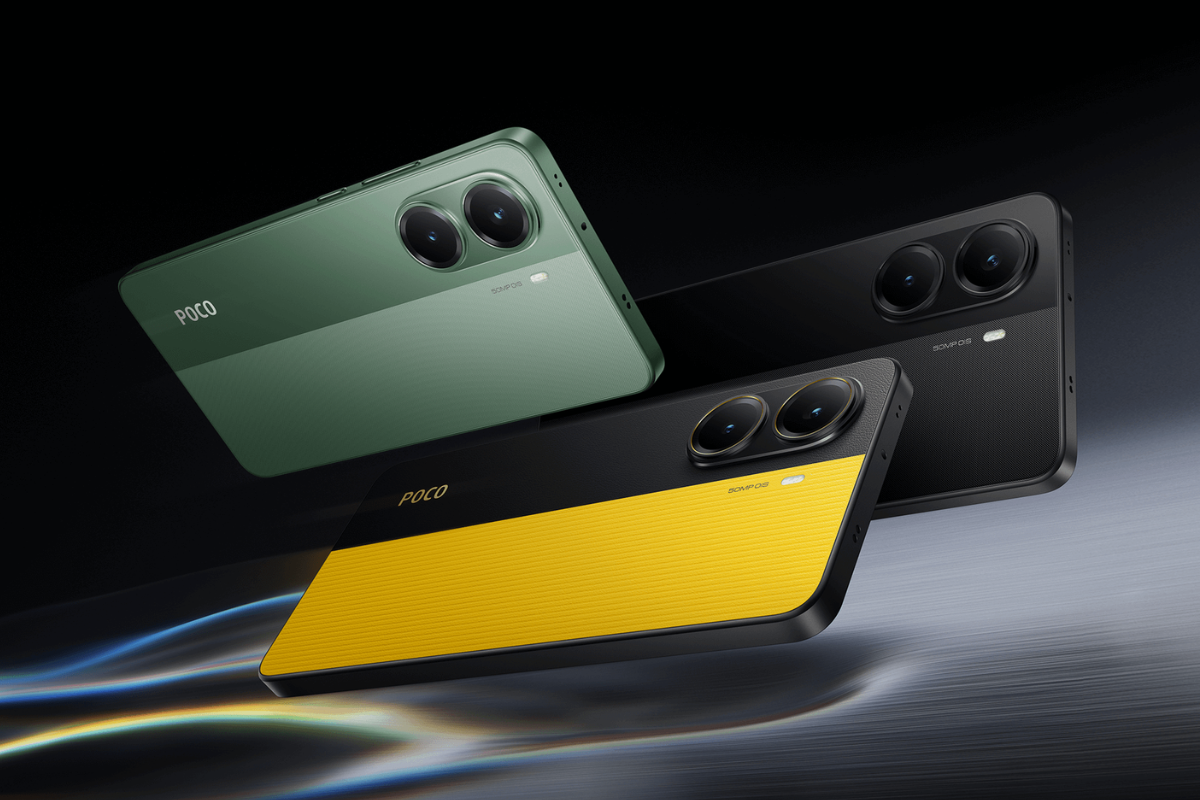
The Redmi Note 12 was never designed to be a serious gaming phone. So, if performance is one of the main reasons you want to upgrade, the Poco X7 Pro is worth considering.
It uses the Dimensity 8400 Ultra chipset, which delivers much more performance than the chip inside the Redmi Note 12. It also comes with a large 6,000mAh battery, so you get good battery life even when using the phone heavily.
The Poco X7 Pro also has a 120Hz 1.5K OLED display and supports 90W fast charging. Some versions also come with a vegan leather back, which gives the phone a more premium feel.
The cameras are not its biggest strength. The rear camera setup is good enough for everyday photos, but it cannot compete with phones that focus more on photography.
If you spend a lot of time gaming or simply want a phone that feels fast and responsive, however, the Poco X7 Pro is one of the better choices.
3. If you want a phone that will last for years: Google Pixel 10a

If your biggest problem with the Redmi Note 12 is software support, the Google Pixel 10a is worth a look. Google promises seven years of software and security updates for the Pixel 10a. You can keep using the phone for years without worrying about it becoming outdated too quickly.
The Pixel also offers a clean version of Android with very little unnecessary software. The phone has a 6.3-inch Actua display with a peak brightness of up to 3,000 nits. It also uses Gorilla Glass 7i for better protection.
For cameras, you get a 48-megapixel main sensor and a 13-megapixel ultrawide. On paper, the hardware may not look as impressive as the 200-megapixel cameras on some Redmi phones, but Google’s image processing does a lot of good work. And the result is a camera that can take good photos in different lighting conditions.
The Pixel 10a may not be the fastest phone here, but it offers a smooth and consistent experience. If you want a phone that you can keep for a long time, it is one of the better options.
4. If you want something different: Nothing Phone (4a)
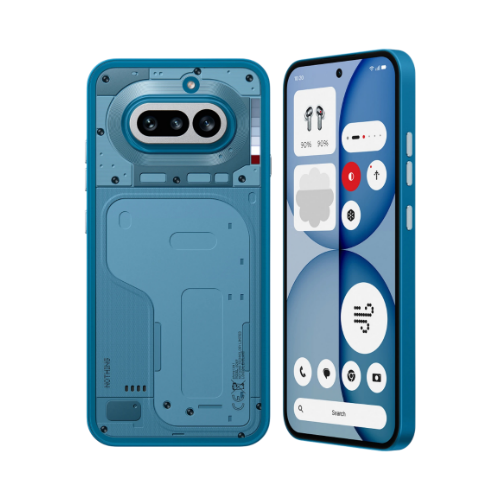
Most smartphones in this price range look very similar. The Nothing Phone (4a) is different. Its transparent design and Glyph lighting system give it a look that stands out. The latest Glyph system uses 63 individually addressable mini-LEDs that can flash patterns or even specific icons to let you know when someone is calling.
The design is not the only reason to consider it. Nothing OS is also one of the cleaner versions of Android, with a simple interface and little unnecessary software.
As an upgrade from the Redmi Note 12, you also get a sharper AMOLED display, a triple-camera setup with useful zoom capabilities, and a more capable Snapdragon chipset. The Nothing Phone (3a) is already good, but the 4a brings improvements to the display and performance. However, if you want something cheaper, the new Nothing Phone (4b) is worth checking out.
5. If you can spend more for a premium experience: Samsung Galaxy A57
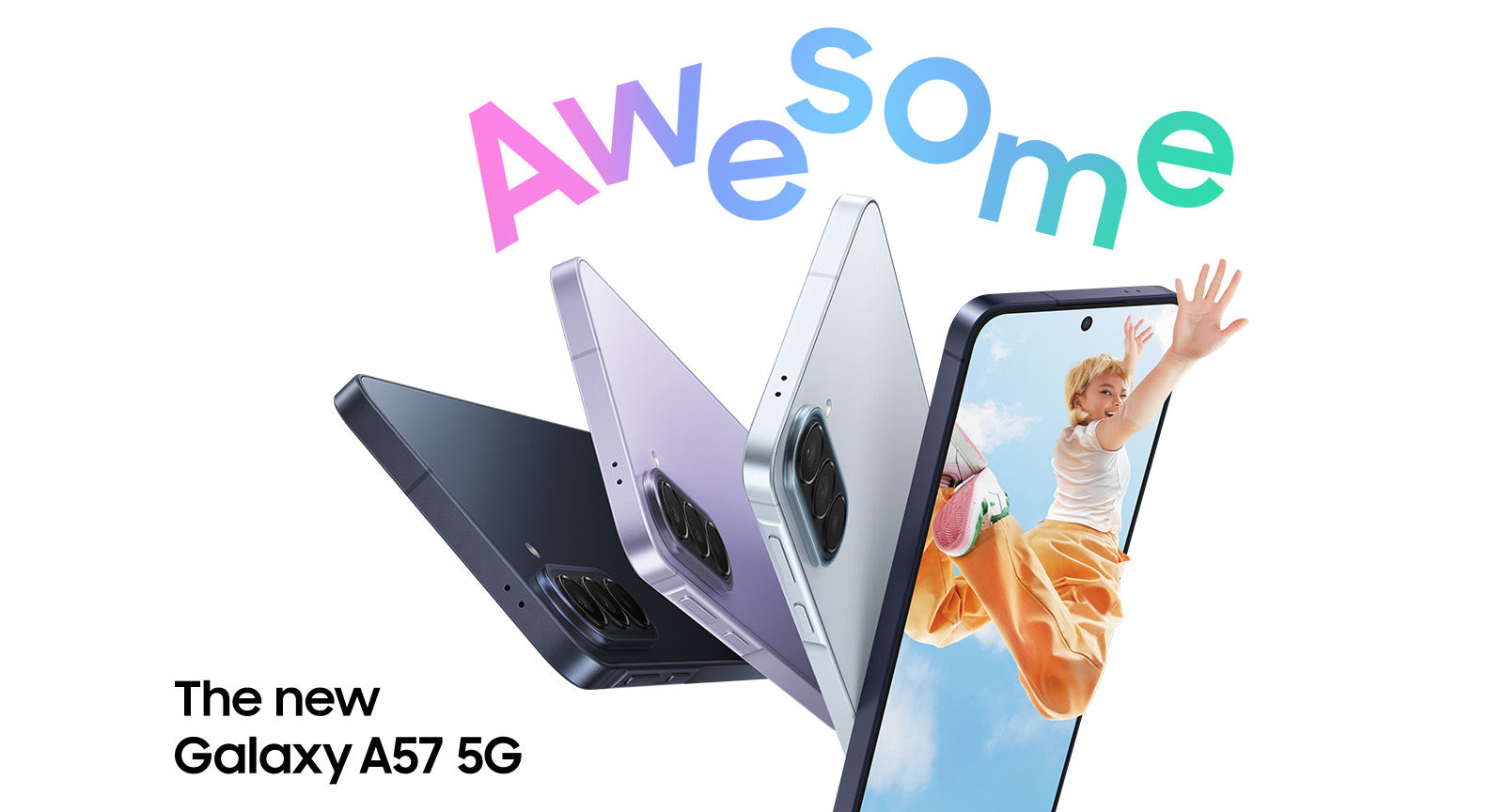
If your budget allows you to spend a little more, the Samsung Galaxy A57 is another option to consider. It offers a more premium build with a metal frame and IP68 water and dust resistance. You also get Samsung’s One UI software and a long-term software update promise.
The phone has a large 6.7-inch AMOLED display with a 120Hz refresh rate. Its 50-megapixel main camera also comes with OIS for better photos in both daylight and low-light conditions.
The Galaxy A57 is not the fastest phone here. Its battery and charging speeds are also less impressive than what you get from the Poco X7 Pro or Redmi Note 15 Pro+. But if you care more about build quality, software support, and an overall polished experience than gaming performance, the Galaxy A57 is a safer choice.
6. Which phone should you buy?
There is no single best upgrade for every Redmi Note 12 owner. It depends on what you want from your next phone. If you want something familiar, the Redmi Note 15 series is the easiest choice. It gives you a newer and more capable version of the phone you already know.
For gaming and performance, the Poco X7 Pro is the better pick. If your main concern is software updates and long-term use, the Google Pixel 10a makes more sense.
If you want a phone that looks different from everything else, go for the Nothing Phone (4a). And if you are willing to spend more for better build quality and long-term software support, the Samsung Galaxy A57 is worth considering.
After three years with the Redmi Note 12, any of these phones should feel like a meaningful upgrade. You will get faster performance, better displays, improved cameras and, most importantly, a phone that should feel much more capable for the next few years.
For more daily updates, please visit our News Section.
Stay ahead in tech! Join our Telegram community and sign up for our daily newsletter of top stories!