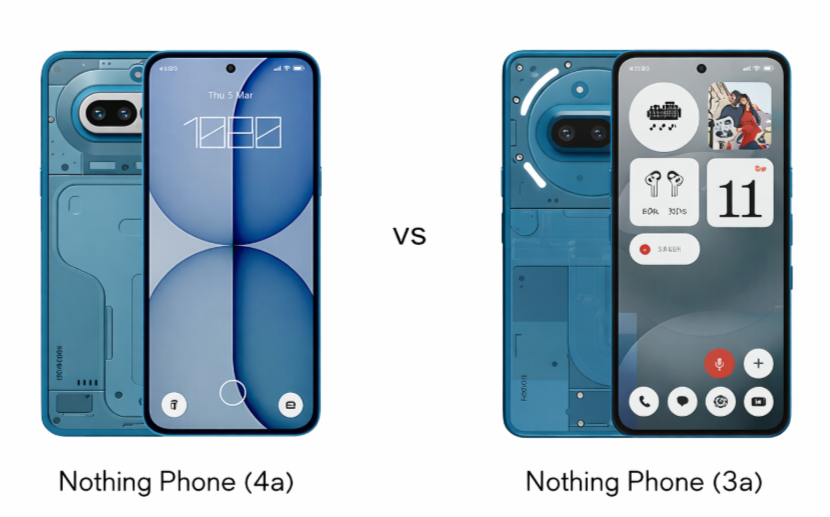
Not every new phone feels like a real upgrade, but this one does. The Nothing Phone (4a) brings noticeable improvements in display, performance, and camera, while the Nothing Phone (3a) still offers great value at a lower price. This makes it a simple choice between saving money or getting a more future-ready experience. Here’s a clear look at what actually changes, and whether the upgrade is worth it.
The Nothing Phone (4a) feels like a clear evolution rather than a simple refresh. The upgraded Glyph system with 63 mini-LEDs and zoned lighting adds real functional value, more customization, smarter notifications, and better interaction feedback. It makes the phone feel more alive and purposeful. In comparison, the (3a)’s LED strips now feel basic and less interactive. Both phones use similar materials, but the (4a) delivers a more refined and modern experience that better justifies its position as a newer generation device.
Display Quality
The (4a) introduces a sharper panel with higher resolution and a massive jump in peak brightness, which directly improves everyday usability. Outdoor visibility, HDR playback, and content clarity all feel noticeably upgraded. The (3a) still offers a smooth AMOLED display, but the lower brightness and resolution make it feel like a step behind. The display upgrade alone feels like a meaningful quality-of-life improvement.
Verdict
Nothing Phone (4a) wins. The upgrades here are not cosmetic; they genuinely enhance usability and visual experience.
2. Specifications Including Battery
Performance
The shift from Snapdragon 7s Gen 3 to Gen 4 is a meaningful upgrade. The (4a) feels faster, more efficient, and better optimized for long-term use. Apps load quicker, gaming is more stable, and thermal performance feels improved. Combined with UFS 3.1 storage, the overall experience is noticeably smoother compared to the (3a), which starts to feel limited under heavier workloads. This is the kind of upgrade that remains relevant over time.
Battery and Charging
Battery improvements on the (4a) are subtle but important. The larger battery (especially in India) combined with better efficiency, results in more consistent all-day usage. Charging speeds are similar, but the addition of reverse wired charging adds practical value. The (3a) charges slightly faster, but lacks the extra utility that the (4a) brings.
Verdict
Nothing Phone (4a) wins. The performance and battery upgrades directly translate into better long-term usability and flexibility.
3. Camera
Main and Secondary Lenses
The biggest upgrade comes with the (4a)’s periscope telephoto lens. Moving from 2x to 3.5x optical zoom significantly expands shooting versatility, especially for portraits and distant subjects. It allows users to capture shots that simply aren’t possible on the (3a). The addition of Dolby Vision and Ultra XDR further enhances video and dynamic range, making the output feel more premium and future-ready.
Selfie Camera
While both phones share similar hardware, the (4a) benefits from improved processing, resulting in more consistent skin tones and better exposure. It’s a subtle upgrade, but one that improves reliability in different lighting conditions.
Verdict
Nothing Phone (4a) wins. The camera upgrades are meaningful, especially the periscope lens, which adds real creative flexibility.
4. Pricing
The Nothing Phone (4a) is priced around ₹32,000 ($450), while the Nothing Phone (3a) comes in at ₹21,000 ($250). The gap is significant, but it reflects the level of upgrades introduced in the newer model.
Is the Price Justified?
The (3a) still offers strong value for basic users, but the (4a) feels like a more complete package. The upgrades are not limited to one area—they span display, performance, camera, and features. This makes the higher price easier to justify, especially for users planning to keep the device longer. It feels less like paying extra and more like investing in a better overall experience.
Verdict
Nothing Phone (4a) offers better value in terms of upgrades, while the (3a) remains the budget pick.
Disclaimer: Prices are approximate and may vary based on country, region, and applicable taxes.
5. Conclusion
The Nothing Phone (4a) stands out because of how many meaningful upgrades it brings together. The improved Glyph system adds functional depth, the brighter display enhances usability, the new chipset ensures longevity, and the periscope camera expands creative possibilities. These changes combine to create a noticeably more advanced device. The (3a), while still solid, feels more like a simplified version of the Nothing experience.
Verdict
Nothing Phone (4a) is the clear upgrade and the better long-term choice. It delivers real value additions across the board rather than minor improvements. The Nothing Phone (3a) still makes sense for tight budgets, but the (4a) feels like the smarter investment for users who want a more future-ready smartphone.
We use cookies on our website to give you the most relevant experience by remembering your preferences and repeat visits. By clicking “Accept”, you consent to the use of ALL the cookies.
This website uses cookies to improve your experience while you navigate through the website. Out of these, the cookies that are categorized as necessary are stored on your browser as they are essential for the working of basic functionalities of the website. We also use third-party cookies that help us analyze and understand how you use this website. These cookies will be stored in your browser only with your consent. You also have the option to opt-out of these cookies. But opting out of some of these cookies may affect your browsing experience.
Necessary cookies are absolutely essential for the website to function properly. This category only includes cookies that ensures basic functionalities and security features of the website. These cookies do not store any personal information.
Any cookies that may not be particularly necessary for the website to function and is used specifically to collect user personal data via analytics, ads, other embedded contents are termed as non-necessary cookies. It is mandatory to procure user consent prior to running these cookies on your website.





Comments