
Add GIZMOCHINA on Google:
Samsung could be preparing a pretty big storage upgrade for its future flagships. The Galaxy S27 Ultra is now being tipped as the first smartphone to ship with UFS 5.0 storage, which, if true, would be a noticeable step forward in raw speed.
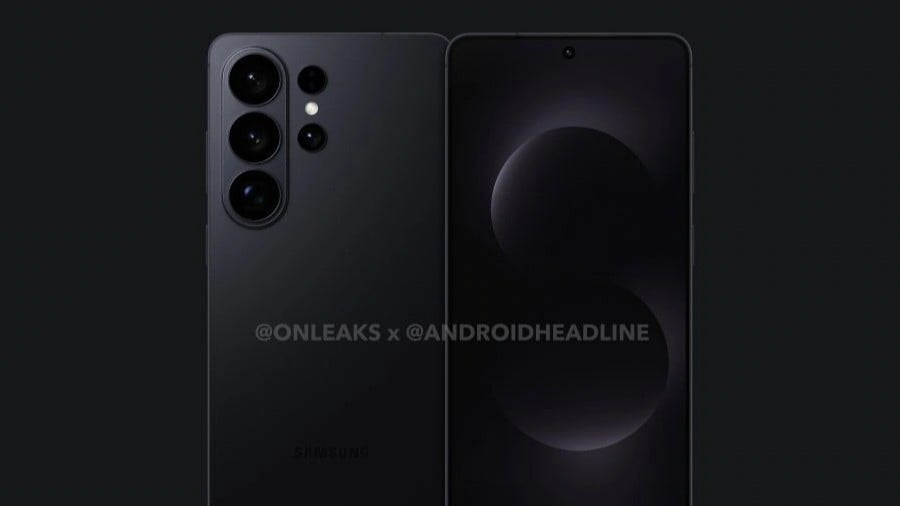
The info comes from tipster yeux1122. According to the leak, Samsung is planning to bring UFS 5.0 to at least some models in the Galaxy S27 lineup.
In terms of numbers, UFS 5.0 is said to offer interface speeds of up to 10.8 GB/s. That’s a big jump from what we have right now, and starts getting closer to PCIe Gen 5 NVMe SSD territory, at least on paper. For phones, this could translate to noticeably faster app launches, quicker file transfers, and smoother handling of heavier workloads, especially anything AI-related.
For comparison, the current Galaxy S26 series sticks with UFS 4.1. While the peak speeds are similar to UFS 4.0, Samsung has been improving things in other ways, like adding WriteBooster and tweaking how storage is managed. The company claims those changes already bring noticeable gains in things like file copying and app installs.
With UFS 5.0 though, the jump looks more straightforward. It essentially doubles the theoretical bandwidth, which could matter more as phones start doing more on-device AI processing. Tasks like running generative AI models or handling large media files are only getting heavier, so faster storage can actually make a difference there.
Interestingly, Samsung wasn’t originally expected to move to UFS 5.0 this soon. Earlier timelines pointed to around 2027 or later, with more focus on refining UFS 4.x in the meantime. But with the current push around AI-focused smartphones, it seems plans may have shifted a bit.
The timing does line up in one way. JEDEC finalized the UFS 5.0 standard earlier this year, and memory manufacturers are already working on bringing it to market. So the hardware side of things is starting to fall into place.
If Samsung does manage to pull this off, the S27 Ultra could end up being one of the first devices to really push storage performance forward again. And with how quickly on-device AI processing is evolving, that kind of upgrade might end up being more important than it sounds right now.
(Source: yeux1122)




Comments