Add GIZMOCHINA as Preferred Source on Google
As an Amazon Associate, Gizmochina earns from qualifying purchases. Links on this page may earn us a commission at no extra cost to you.
We’d normally start a roundup like this by talking about which OnePlus phone has the fastest chipset or the biggest battery. This year, though, the more important story is outside the spec sheet. The OnePlus 15 launched in China in October 2025 and went global soon after, followed by the 15R in December and the smaller 15T in March. On paper, that’s business as usual for OnePlus.
However, in July, OnePlus confirmed that it will stop launching new devices in Europe, the United States, and Canada. The announcement caught many people off guard, especially since OnePlus has built a small but loyal following in these markets. Existing users will continue to receive software updates, security patches, and warranty support, but there will be no new OnePlus phones launching there.
So this list serves two purposes: it’s a look at the OnePlus phones that made it to market this year, and a guide to which ones are worth buying while they’re still officially available in your region.
1. Best Overall
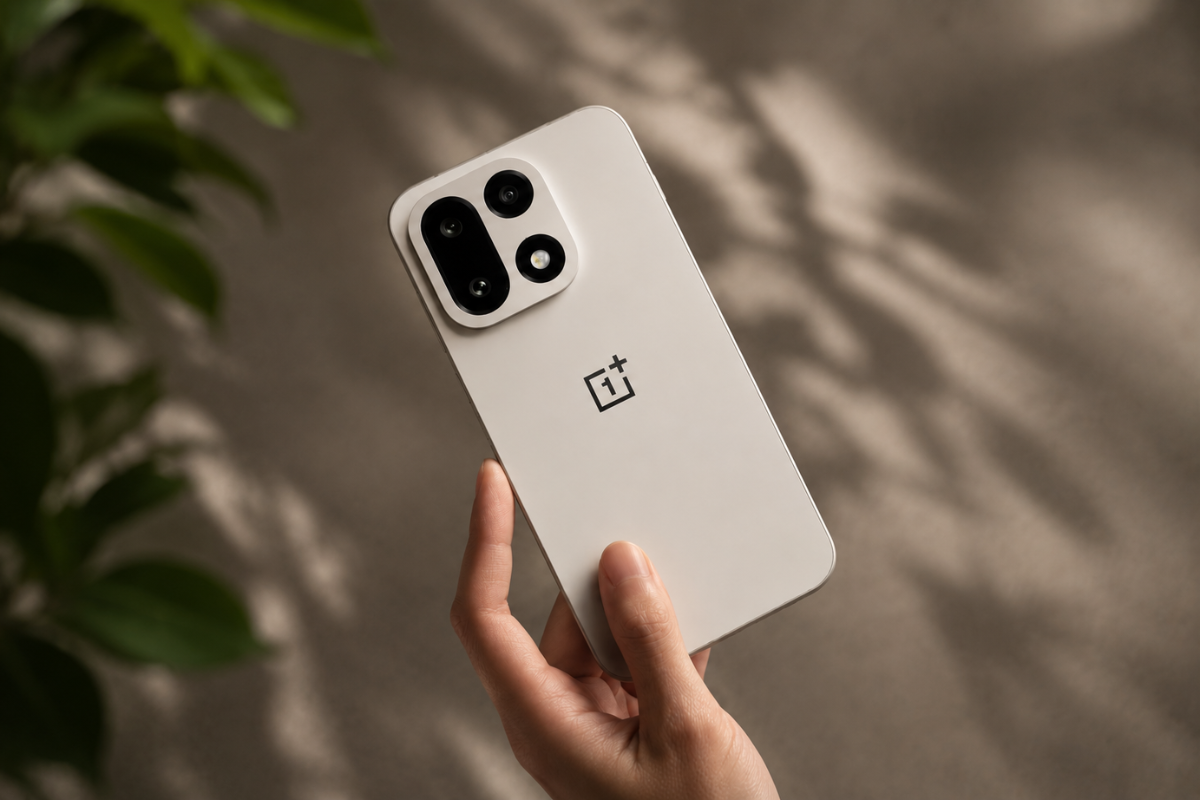
The OnePlus 15 is the easiest recommendation in the lineup. It’s the phone OnePlus built to do pretty much everything well. You get a 6.78-inch 1.5K LTPO AMOLED display with a 165Hz refresh rate, although that ultra-high refresh rate is mainly useful in supported games. The phone is powered by Qualcomm’s Snapdragon 8 Elite Gen 5 and comes with up to 16GB of RAM and 1TB of UFS 4.1 storage.
The battery is the biggest highlight here. The OnePlus 15 packs a huge 7,300mAh silicon-carbon battery. The US version supports 80W charging, while charging speeds vary by market.
The camera setup is also properly flagship-level this time. There’s a 50MP main camera, a 50MP ultrawide, and a 50MP periscope telephoto with 3.5x optical zoom. The US model starts at $899.99 for 12GB/256GB.
2. Best Value Flagship
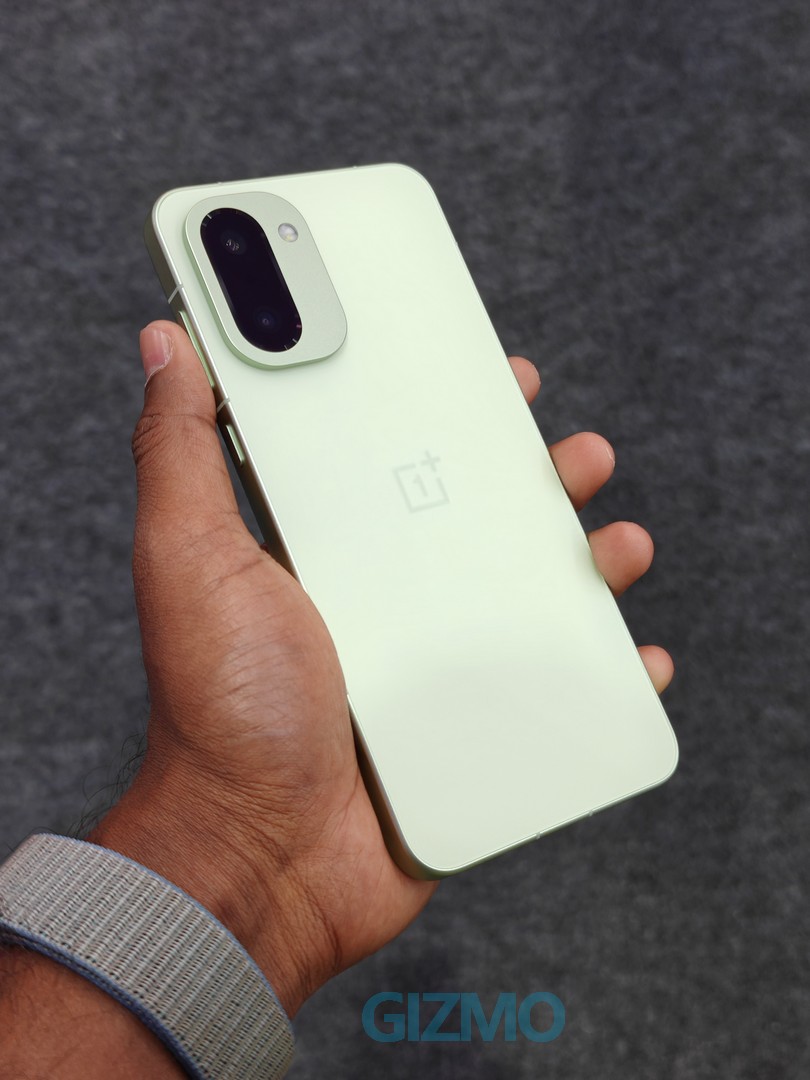
The OnePlus 15R is where things get more interesting. It’s $200 cheaper than the OnePlus 15 in the US, but it still has a lot of the hardware that makes the flagship attractive. You get Qualcomm’s Snapdragon 8 Gen 5, a 6.83-inch 1.5K AMOLED display with a 165Hz refresh rate, and a massive 7,400mAh battery.
As for optics, you get a 50MP Sony IMX906 main camera and an 8MP ultrawide, but no telephoto lens. You also don’t get wireless charging.
The 15R starts at $699.99 with 12GB of RAM and 256GB of storage in the US. The 512GB version costs $799.99. In India, it starts at ₹47,999.
3. Best Compact
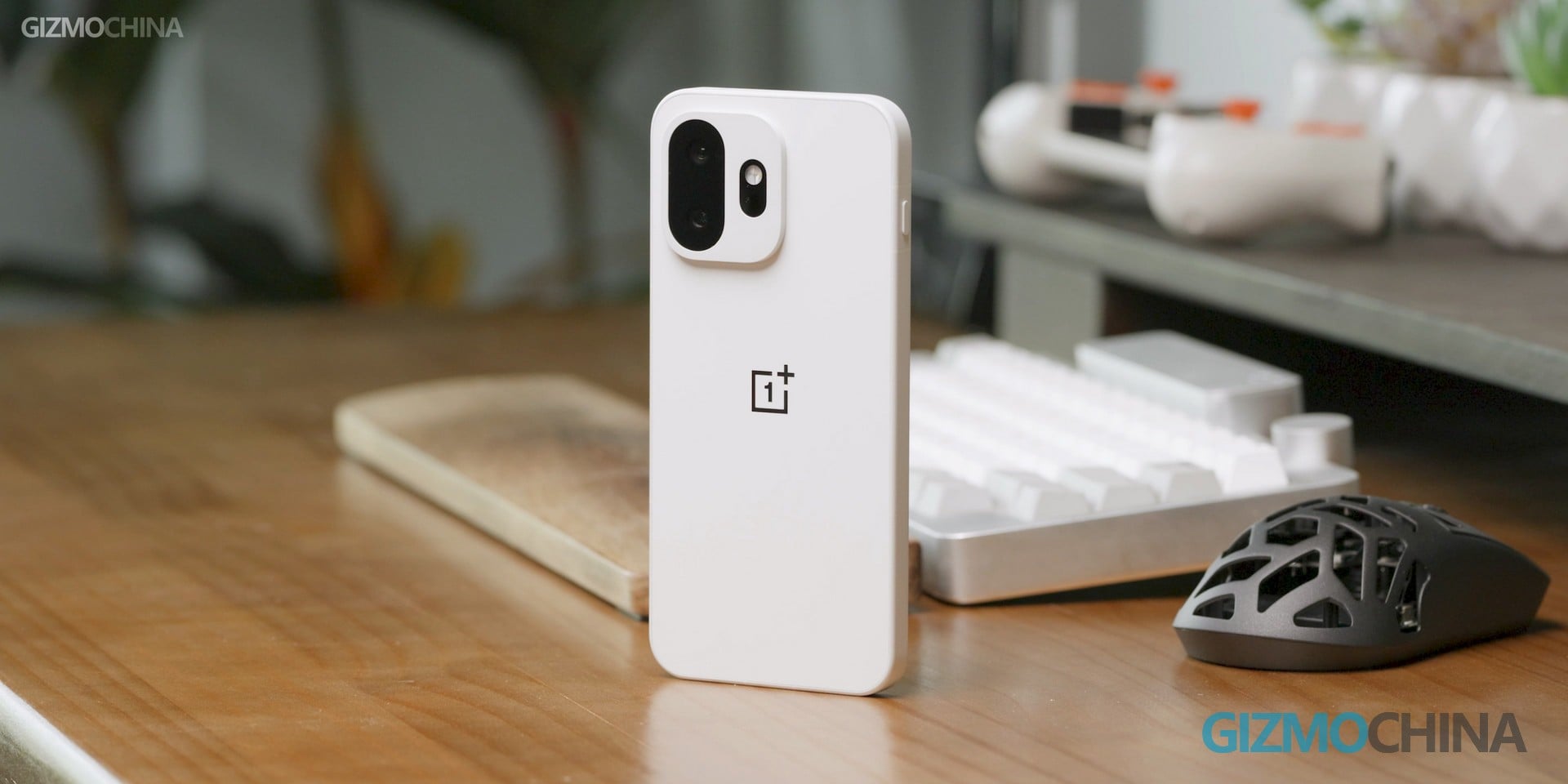
The OnePlus 15T is probably the most interesting phone in the lineup, and also the hardest one to recommend because you can’t officially buy it in most markets.
It launched in China in March with a 6.32-inch 1.5K OLED display and a 165Hz refresh rate. More importantly, it uses the same Snapdragon 8 Elite Gen 5 chip as the larger OnePlus 15. And then there’s the battery. Despite its compact size, the 15T packs a 7,500mAh battery, with support for 100W wired charging and 50W wireless charging.
The camera setup is also better than you might expect. It has a 50MP main camera and a 50MP telephoto with 3.5x optical zoom. There’s no ultrawide camera, but at least OnePlus didn’t completely sacrifice zoom photography to make the phone smaller.
Pricing starts at 4,299 yuan, around $625, for 12GB/256GB. The top-end 16GB/1TB model costs 5,699 yuan. The catch is availability. The 15T launched in China, and OnePlus never gave it a proper global rollout. With the company’s latest decision to stop launching new products in Europe and North America, its chances of getting an official release in those markets look even worse.
4. Best Mid-Range
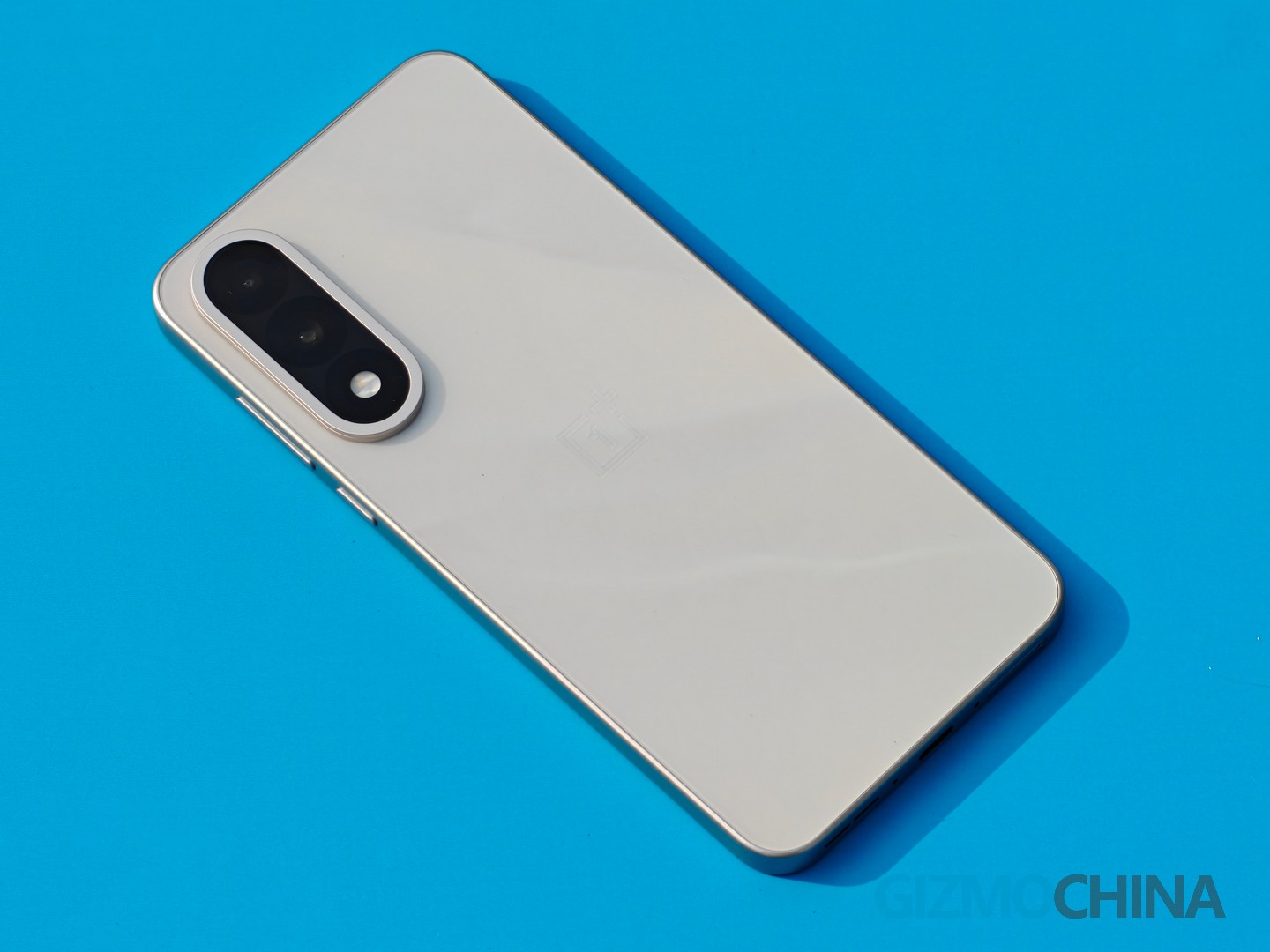
If you don’t need flagship performance, there’s still the Nord 6. It has a 6.78-inch 1.5K AMOLED display with a 165Hz refresh rate and is built around Qualcomm’s Snapdragon 8s Gen 4. The phone also gets a 50MP main camera and an 8MP ultrawide, along with a large battery.
The Nord 6 is less about having the most impressive spec sheet and more about getting the everyday stuff right. It’s fast enough for normal apps, social media, streaming, and gaming, without asking you to spend flagship money.
OnePlus sells the Nord 6 from Rs 38,999 (~$420) for the 8GB+256GB variant and Rs 41,999 (~$450) for the 12GB+256GB model.
5. What OnePlus’ Market Exit Means for Buyers
This is the part that’s difficult to ignore when recommending OnePlus phones in 2026. OnePlus has officially said it will no longer launch new products in Europe and North America. At the same time, it says existing customers will continue to receive software updates and after-sales support.
So if you’re in the US, Canada, or Europe, buying a OnePlus 15 or 15R isn’t necessarily a bad idea. You’re not buying a phone that immediately loses support. But you should be aware that the next OnePlus phone may not officially arrive in your market.
That changes the buying decision quite a bit. If you’re the type of person who upgrades every two or three years and wants an easy official purchase, warranty, and local support, OnePlus is a less comfortable recommendation in those regions.
India is different for now. OnePlus has publicly rejected reports that it plans to leave the country, saying its business continues as normal. So you can rely on it, at least for the time being.
Don’t miss a thing! Join our Telegram community for instant updates and grab our free daily newsletter for the best tech stories!
For more daily updates, please visit our News Section.