
Add GIZMOCHINA as Preferred Source on Google
I keep saying that charging your phone overnight isn’t a problem. Both phones and chargers, whether they use USB PD or proprietary charging technology, are capable enough in 2026 to stop charging the battery when needed. They shouldn’t continue pushing power into the battery unnecessarily. But what I saw at 4 am this morning was rather concerning.
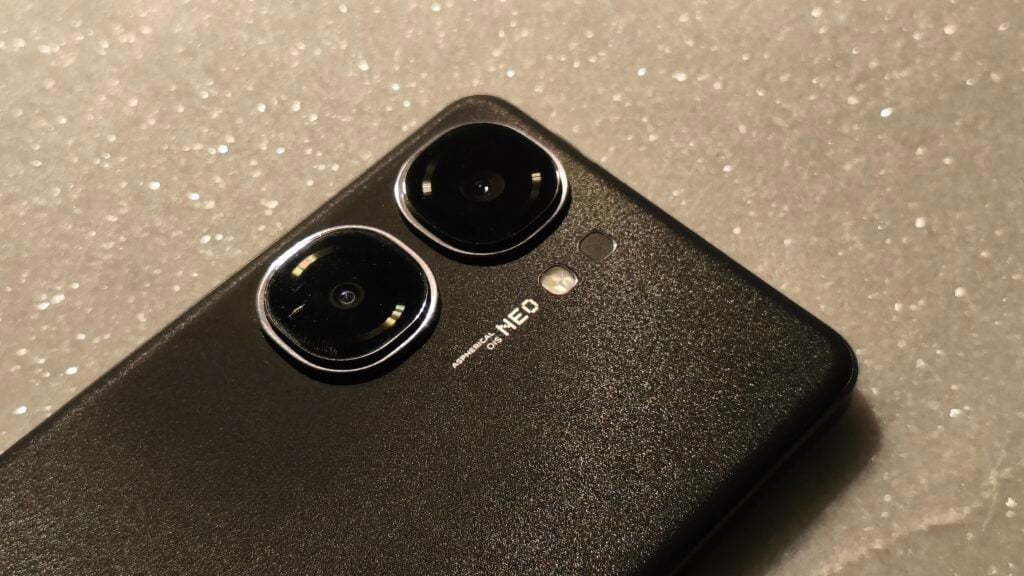
After being connected to the phone’s own 120W fast charger for more than four hours, the iQOO Neo 9 Pro and the power adapter were both significantly warmer than their surroundings. The phone was at 100% battery level at that moment.
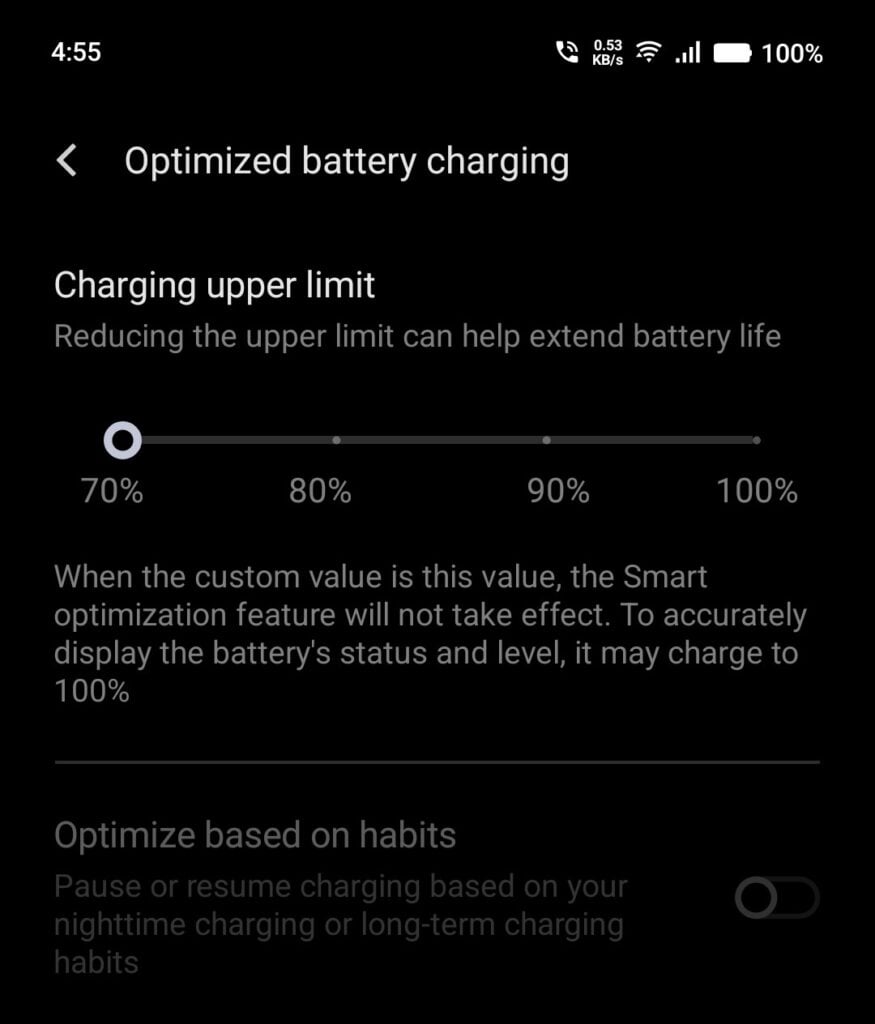
The only explanation I can think of is the “Optimize based on habits” feature: the phone stopped charging around 80% and then completed right before I woke up. It would explain why both the phone and charger were still warm. The feature is designed to avoid keeping the battery at 100% (maximum voltage) for long periods, which can accelerate battery wear over time.
But that doesn’t add up.
The feature comes with a toggle, which is turned off on my phone. And 4 am is much closer to my bedtime than my usual waking time. So it made little sense for the phone to have completed charging only then, after being on hold for much of the 4+ hour charging session.
And it gets weirder. As you can see in the screenshot, the charging upper limit is set to 70%, yet the battery is at 100%. The phone reaches a full charge despite the limit being enabled roughly half of the time. It’s a critical bug. It does reliably pause at the set upper limit if I restart the phone right before plugging it in, which isn’t exactly convenient. I’ve simply got used to it since the feature arrived with Android 15 (or Funtouch OS 15).
The fact that the charger was also warm is worrying, as it confirms that it was supplying significant power to the phone even when the battery was at 100%. And, of course, the phone already has some issues with battery management.
I’d rather avoid new features that come with critical and surprising bugs, which is why I’m yet to install the OriginOS 6 update.
And this type of charging regulation issue is certainly not limited to iQOO devices. I’ve seen similar behavior on the POCO X7. A Galaxy S25+ recently caught fire while charging overnight.
I’m not sure how to feel about this: lucky that my phone didn’t go into thermal runaway, or frustrated that it has a critical battery-management bug. But one thing is certain: I would never suggest leaving your phone connected to the charger overnight.
There are several sensors and other semiconductor components that can cut power at the right time, provided they work together as intended. And that’s what happens in most cases. But if those systems fail, you risk not only damaging your battery’s health, but also potentially causing an accident.
The problem isn’t fast charging itself, but how charging is regulated.
Don’t miss a thing! Join our Telegram community for instant updates and grab our free daily newsletter for the best tech stories!
For more daily updates, please visit our News Section.



Comments