
Add GIZMOCHINA as Preferred Source on Google
The upcoming Galaxy S27 Ultra could see a significant change in its chipset strategy. The flagship phone is expected to use Qualcomm’s next-generation Snapdragon processor, but reported overheating issues could complicate that plan. Samsung may turn to its own Exynos 2700 chip if the problems remain unresolved.
Snapdragon overheating issues put Exynos 2700 in the picture
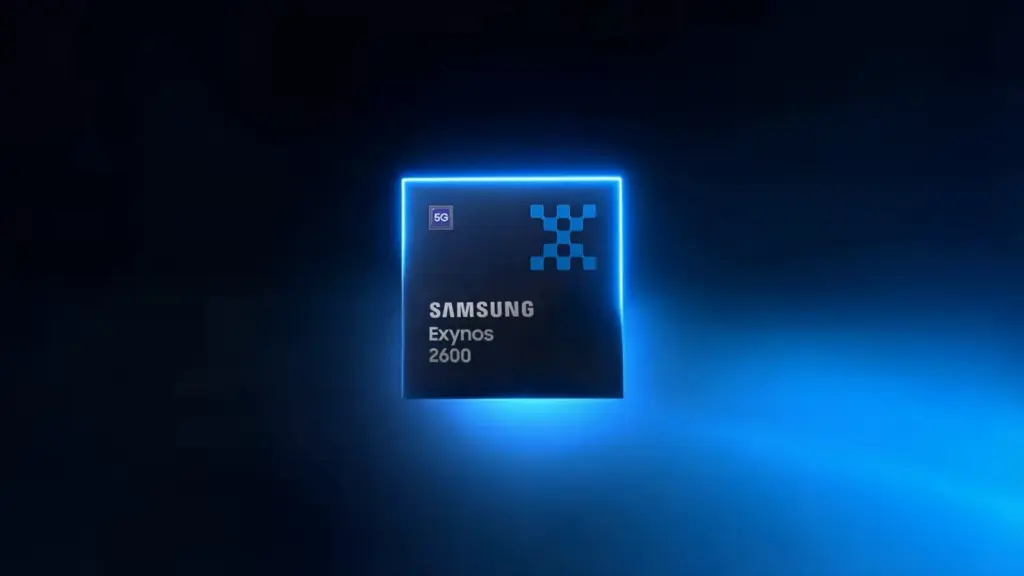
According to South Korea’s Seoul Economic Daily, Samsung has encountered overheating and performance throttling issues while testing Qualcomm’s Snapdragon 8 Elite Extreme Gen 6 for the Galaxy S27 Ultra. The processor reportedly exceeded temperature limits during sustained workloads, causing processing speeds to drop. Samsung is said to have asked Qualcomm to address the problems by mid-October, although both companies are continuing to work on improvements.
If Qualcomm cannot meet Samsung’s thermal stability and performance requirements, the company may consider its in-house Exynos 2700 as an alternative. The chip is being developed by Samsung’s System LSI division and manufactured using Samsung Foundry’s second-generation 2nm SF2P process. It is designed to improve computing performance and power efficiency compared with its predecessor.
An Exynos-powered Galaxy S27 Ultra would represent a major comeback for Samsung’s in-house processors in its premium smartphone range. The Galaxy S22 Ultra was the last Ultra model to offer an Exynos variant, with the Exynos 2200 appearing in European models in 2022. Samsung switched to Snapdragon processors across global markets for the Galaxy S23 Ultra and subsequent generations.

However, a global Exynos-only strategy remains unconfirmed. An earlier report suggested that Samsung was considering Exynos 2700 versions for selected markets, including South Korea, while retaining Snapdragon variants in the US. The latest overheating report does not establish whether Samsung intends to adopt Exynos worldwide or maintain a regional split.
The decision also has financial implications. Samsung’s mobile AP purchasing costs reached 13.83 trillion won in 2025, according to Seoul Economic Daily. Greater use of Exynos could reduce reliance on external chip suppliers and improve utilisation of Samsung’s advanced manufacturing facilities.
For daily updates, please visit our News Section.
Stay ahead in tech! Join our Telegram community and sign up for our daily newsletter of top stories.




Comments