
Add GIZMOCHINA on Google:
Smartphone makers are reportedly getting creative as the global memory chip shortage bites harder. To keep production lines running, some have started using recycled DRAM pulled from old devices. It’s helped a few companies reverse earlier cuts to their output targets, but it’s also raising questions about how reliable these phones will be over time.
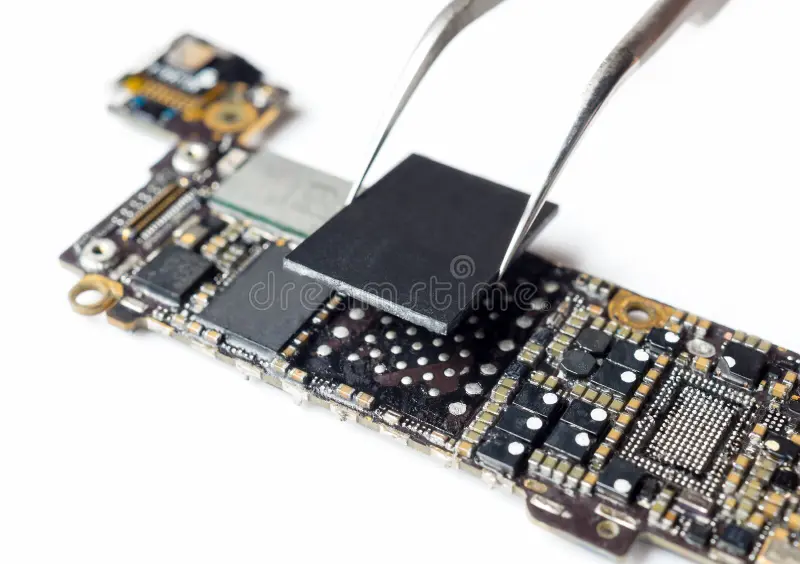
According to Counterpoint Research, several Chinese smartphone brands sharply cut production goals and looked for ways to trim costs in the second quarter of 2026 as memory prices climbed and supplies got shaky. Toward the end of the third quarter, though, some started raising those targets again. The main reason? A growing supply of recycled DRAM chips recovered from discarded smartphones, computers, and servers.
These chips are said to be pulled out, cleaned, properly tested, and put into new phones. A few manufacturers are even looking at putting recycled DRAM exclusively into certain budget models.
It’s not without risks. Memory chips that have already been running for five or six years might only have a similar amount of life left. As DRAM ages, its cells can start to degrade, which can lead to more data errors and weaker performance. Testing helps weed out the ones that have already failed, but analysts say the long-term durability of reused memory is still a real concern for both the companies making the phones and the people buying them.
The shortage itself is expected to drag on well beyond 2027. Big producers like Samsung Electronics and SK Hynix have been focusing more on higher-margin memory for AI servers and high-bandwidth applications, which leaves less available for phones. Counterpoint calls the recycled DRAM approach a short-term fix that shows just how bad the shortage has gotten, rather than a lasting solution.
Don’t miss a thing! Join our Telegram community for instant updates and grab our free daily newsletter for the best tech stories!
For more daily updates, please visit our News Section.
(Source)

Comments