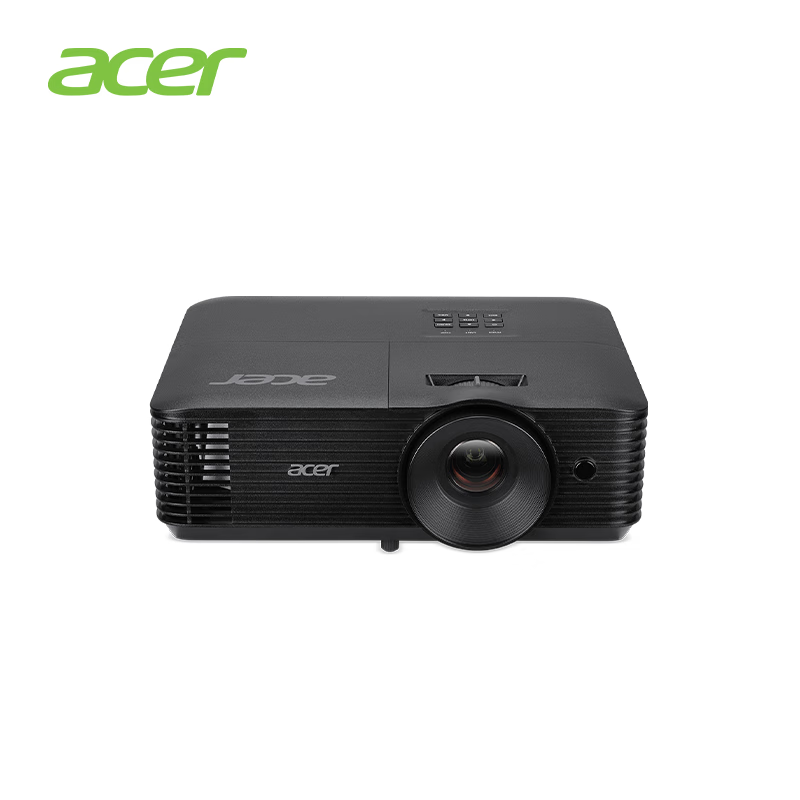
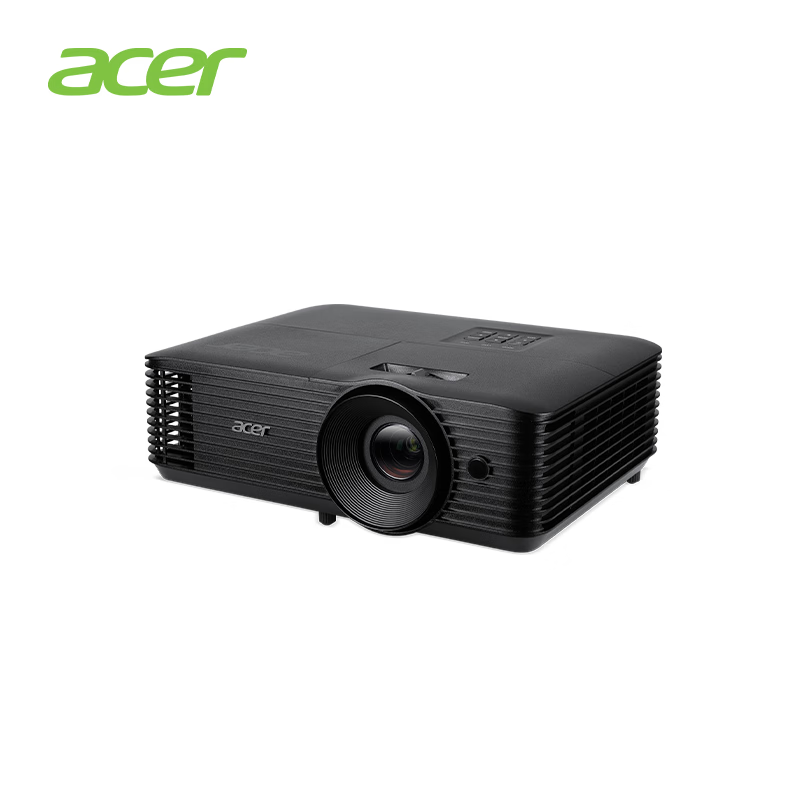
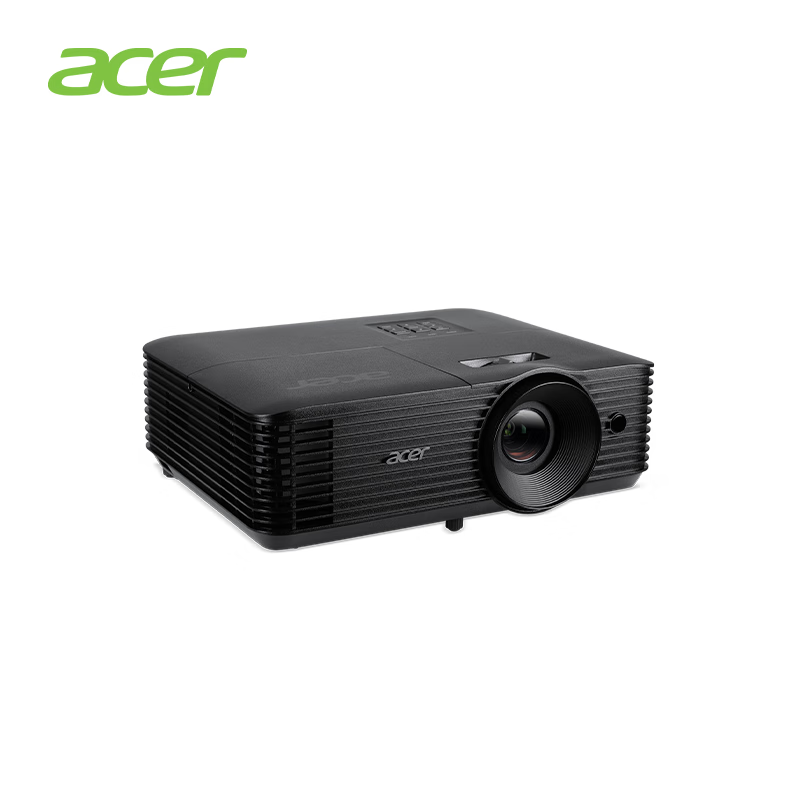
Acer has launched a new projector called AW620p in the Chinese market. The projector appears to be a compelling option for professionals and educators who require a powerful and versatile projector for well-lit environments. It is priced at 7199 yuan ($991) and is now listed on JD.com. Let’s check out its key specs.
Acer AW620p Projector Specifications:
The AW620p projector features an all-glass lens with impressive 5000 ANSI lumens brightness, ensuring clear and vivid images. It includes Acer LumiSense technology that automatically adjusts brightness and color saturation based on ambient light. This guarantees optimal image quality without the need for manual adjustments.
The projector offers a 20,000:1 contrast ratio for deep blacks and sharp details. It supports WXGA (1280×800) resolution natively, with the ability to project up to WUXGA (1920×1200) content.
For enhanced color accuracy and stability, Acer has incorporated its ColorBoost3D and ColorSafe II technologies into the AW620p. These features promise a wider color gamut and consistent color performance throughout presentations.
Acer has also included a Bluelight Shield function in the AW620p. This reduces blue light radiation emitted by the projector, making it more comfortable for the eyes during long meetings and presentations.
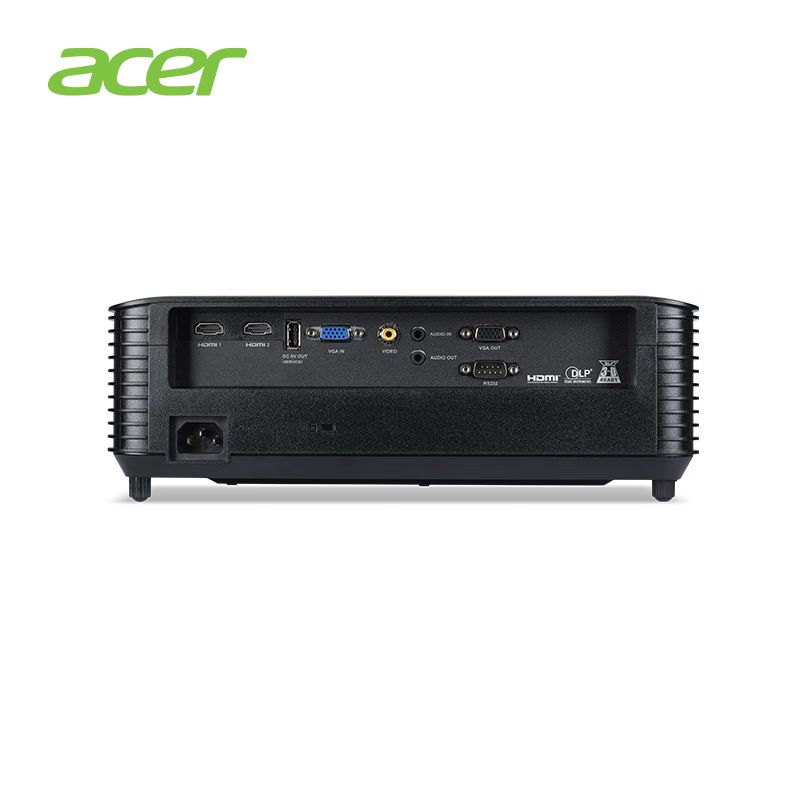
The projector offers a variety of connectivity options, including two HDMI 1.4b ports, an analog RGB/component video input, a composite video input, and a 3.5mm mini jack for PC audio. It also features a DC Out port that can provide 5V/1A power to compatible devices via a USB Type-A connection.
The projector is equipped with a 3W speaker for basic audio needs. For more robust sound, users can connect external speakers through the provided audio output options.
Installation and setup are streamlined with the AW620p’s automatic keystone correction of up to ±40 degrees and automatic ceiling mount correction. This ensures a straight and undistorted image projection regardless of placement.
The AW620p boasts a compact design measuring 313 x 240 x 113.7 mm and weighs in at a manageable 2.8 kg. With a noise level of approximately 27 dBA in ECO mode, the projector operates quietly enough to avoid disrupting presentations.
The Bull floor-standing eye-protection desk lamp has been unveiled in China and is already available on JD.com. The desk lamp offers low-blue light as well as up-and-down light. It utilizes a new generation of full-spectrum technology with its blue-light content about 9% lower than traditional full-spectrum lights. The new Bull desk lamp is offered in the Pro and Pro Max variants.
The blue light of the desk lamp can be maintained even at low levels at any dimming level. It comes with a Seoul SunLike series eye protection chip that simulates natural light. The desk lamp uses unobstructed full-screen lighting and an extended lamp head design. It is capable of providing illumination up to 2,200Lux and offers dual lighting. The lamp has an upper and lower proportional light distribution of 6000lm + 3000lm. The lower light illuminates the desk while the upper light reduces the dark areas in the environment.
The Bull floor-standing desk lamp offers low flicker, has a color rendering index of Ra98, and has anti-glare capability. It has rubber rollers, a stepless brightness adjustment knob, and multi-hole sockets. The Pro version of the desk lamp has a power output of 120W while the Pro Max variant delivers a maximum power of 150W. The Pro Max version is equipped with voice control, USB fast charging, and screen display time, among other features.
The Pro version of the Bull floor-standing eye-protection desk lamp is priced at 1,999 yuan ($275) while the Pro Max model comes with a 2,999 yuan ($413) price tag. Both versions of the product can be purchased from retail platforms in China including JD.com.
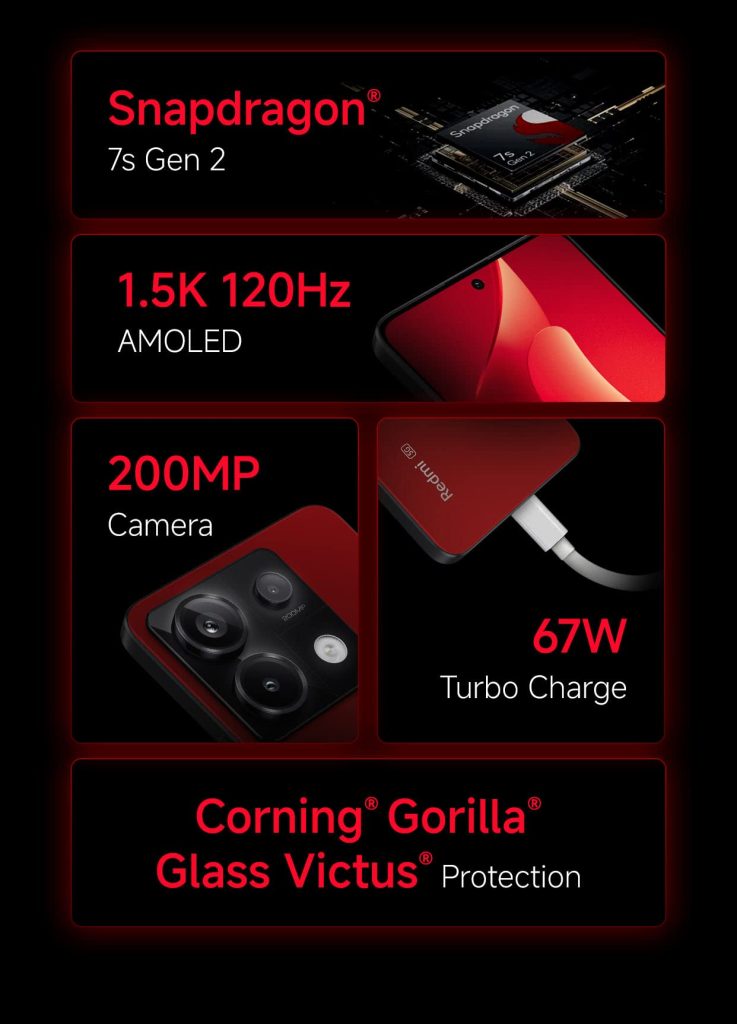
The Redmi Note 13 Pro 5G was released in January last year in India. It’s a mid-range phone that comes with 200MP triple rear cameras, a Snapdragon 7s Gen 2 chip, and a massive 5,100mAh battery.
The device is currently priced at Rs. 25,000 for the base variant with 8GB RAM and 128GB storage, while the top-tier 12GB + 256GB variant sells for Rs. 29,000. At a similar price point, there are better options with faster processors and other specs.
If you’re thinking of buying the Redmi Note 13 Pro 5G, take a look at these alternatives first to make a better purchase decision.
4 Better Alternatives to Redmi Note 13 Pro 5G You Can Consider
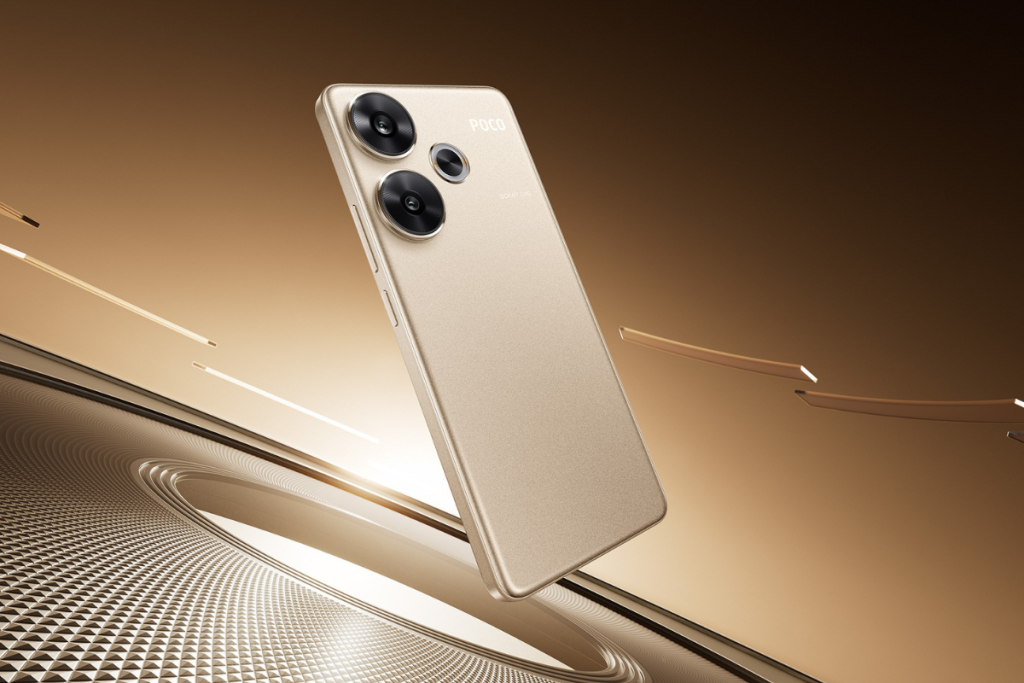
1. Poco F6
Poco F6 Spec Sheet
Display
6.67″ AMOLED, 120Hz 1220 x 2712 pixels resolution Gorilla Glass Victus
Rear Camera
50MP (OIS) – Primary 8MP – Ultrawide
Front Camera
20MP
Video Recording
4K @ 30/60 FPS, 1080p @ 30/60/120/240 FPS
Chip
Snapdragon 8s Gen 3 (4nm) Adreno 735 GPU
RAM/Storage
8GB + 256GB, 12GB + 256GB, 12GB + 512GB
Battery
5,000 mAh battery 90W charging
OS
Android 14, HyperOS
Connectivity
5G, Wi-Fi 6, Bluetooth v5.4
Poco F6 Price:
8GB + 256GB: Rs. 29,999
12GB + 256GB: Rs. 31,999
12GB + 512GB: Rs. 33,999
If you love performance, the Poco F6 is the best smartphone in the Rs. 20,000 – 30,000 price range. It’s powered by a Snapdragon 8s Gen 3 processor, Qualcomm’s flagship chipset. On the other hand, the Redmi Note 13 Pro is powered by a mid-range Snapdragon 7s Gen 3 chipset.
It has the same display as the Redmi Note 13 Pro 5G. However, the Poco F6 has a higher peak brightness of 2400nits (vs. 1800nits in the Redmi Note 13 Pro 5G). This means that content on the Poco F6 would look better outdoors.
Poco F6 features a 50MP (main) OIS + 8MP (ultrawide) camera setup on the rear side. As per the camera reviews, the Redmi Note 13 Pro 5G focuses on high-resolution photography, whereas the Poco F6 offers a more balanced experience. You’d not find a lot of difference in the final outputs.
Both devices can record up to 4K videos, but the Poco F6 can record at higher FPS. The Poco smartphone supports a newer Bluetooth standard and faster storage compared to the Redmi Note 13 Pro 5G. It has a 5,000mAh battery with 90W fast charging support that can fill it from 2 to 100% in just 35 minutes.
Poco X6 Pro is another close competitor of Redmi Note 13 Pro 5G. It’s powered by a high-performance Dimensity 8300 Ultra chipset, which performs better than the Snapdragon 7s Gen 2 (in Redmi Note 13 Pro 5G).
The display specs are pretty much the same, but the Redmi phone has the advantage of better Gorilla Glass protection.
The Redmi Note 13 Pro 5G also has a higher camera resolution of 200MP (vs. 50MP on the Poco X6 Pro), while the rest of the camera specs are unchanged.
Both devices take good photos and videos. However, the Redmi phone delivers impressive details but has colour accuray sometimes. The Poco X6 Pro has a balanced camera performance, but struggles with skin tone. Both devices can record up to 4K videos at 30 FPS.
Poco X6 Pro packs a 5,000mAh battery with 67W fast charging support. According to the brand, filling up the battery only takes around 45 minutes. This phone also supports a newer Bluetooth standard (Bluetooth v5.4) and a faster UFS 4.0 storage.
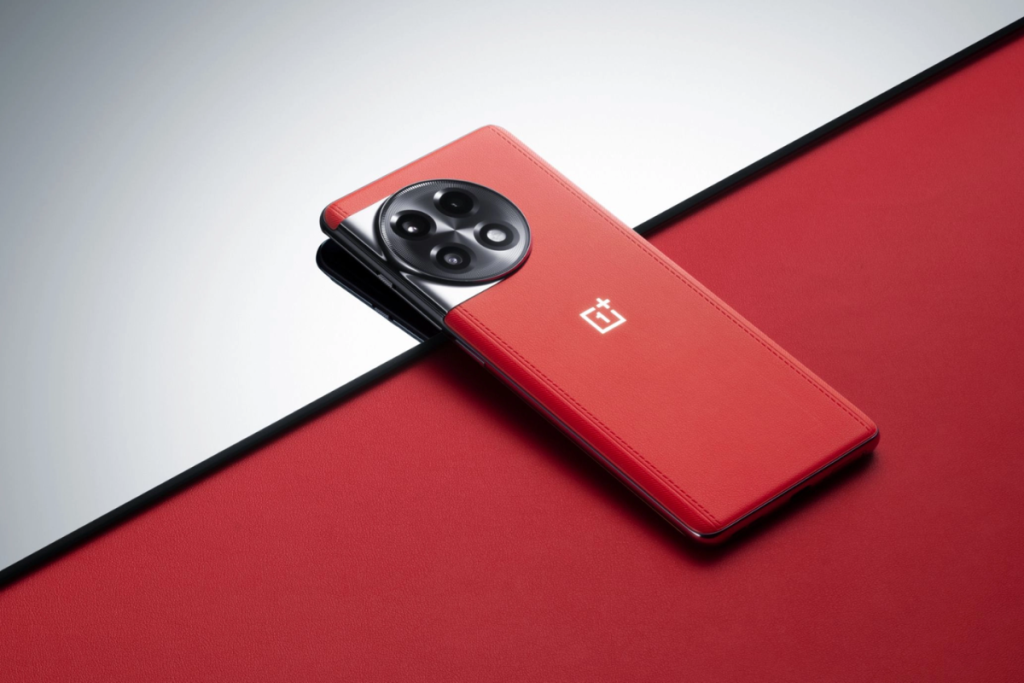
The OnePlus 11R offers a good mix of camera and performance than the Redmi Note 13 Pro 5G. It has a slightly taller display — 6.74 inches (vs. 6.67 inches on the Note 13 Pro 5G). The device is powered by a Snapdragon 8+ Gen 1 chip, which is much more powerful than the Snapdragon 7s Gen 2 in the Redmi device. The GPU performance is better, too.
The triple camera setup on the OnePlus phones takes better shots than the Redmi Note 13 Pro 5G with more accurate colours. Both devices can record up to 4K videos, although the OnePlus can do it at a higher FPS.
The OnePlus 11R ships with a 5,000 mAh battery with support for 100W fast charging to quickly refill the battery. It has a little less battery than the Redmi Note 13 Pro 5G, but the charging speed is much higher.
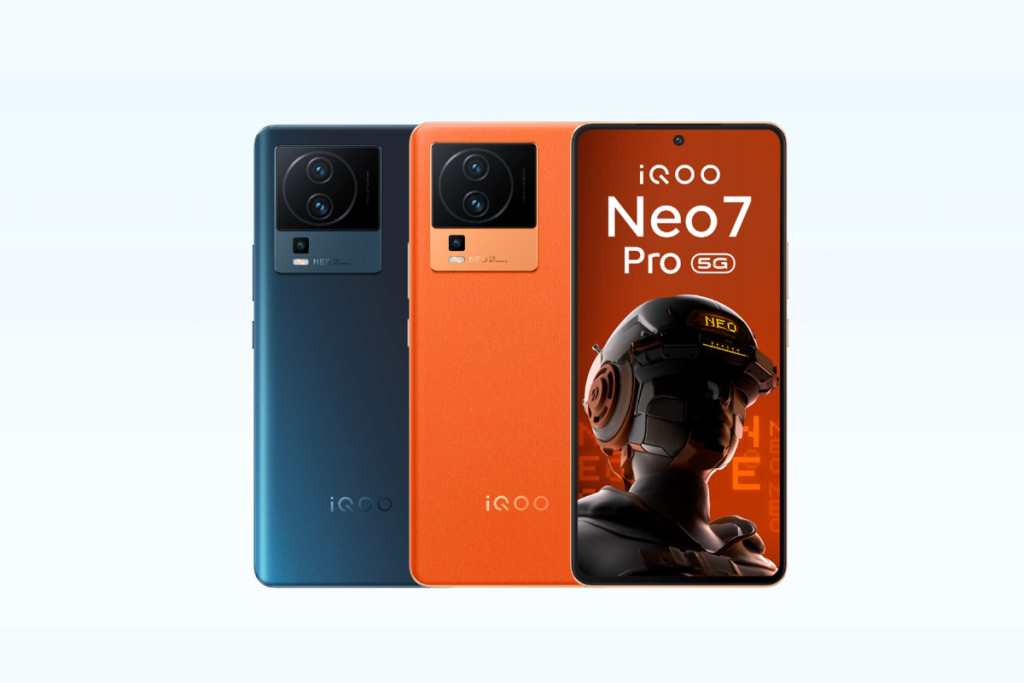
4. iQOO Neo 7 Pro
iQOO Neo 7 Pro Spec Sheet
Display
6.78″ AMOLED, 120Hz 1080 x 2400 pixels resolution
Rear Camera
50MP (OIS) – Primary 8MP – Ultrawide 2MP – Macro
Front Camera
16MP
Video Recording
4K @ 30 FPS, 1080p @ 30 FPS
Chip
Snapdragon 8+ Gen 1 (4nm) Adreo 730 GPU
RAM/Storage
8GB/12GB RAM 128GB/256GB UFS 3.1 Storage
Battery
5,000 mAh battery 120W charging
OS
Androd 13, Funtouch OS 13
Connectivity
5G, Wi-Fi 6, Bluetooth v5.2
iQOO Neo 7 Pro Price:
8GB + 128GB: Rs. 29,999
iQOO Neo 7 Pro is another great alternative to Redmi Note 13 Pro 5G. It packs a solid Snapdragon 8+ Gen 1 flagship chipset and Adreno 730 GPU for smooth overall performance and gaming — much better than what the Redmi Note 13 Pro 5G has.
The display is slightly bigger on the iQOO phone but has slightly less resolution and peak brightness than the Redmi phone. The camera specs are identical except for the 50MP Samsung GN5 primary sensor on the iQOO phone, whereas the Redmi phone has a 200MP Samsung ISOCELL HP3.
Both smartphones take crisp and clear images in daylight. However, there may be issues with colour or skin tones sometimes. Both smartphones are capable of recording 4K videos at 30 FPS.
The iQOO Neo 7 Pro packs a solid 5,000mAh battery with 120W fast charging support. According to the brand, it can charge the device up to 50% in just 7 minutes.
The Philips Hue Tentor round ceiling light series has been launched in the EU. The smart light is capable of producing several customizable white and colored lighting and has app-based controls. Philips Hue has also launched the Datura ceiling light alongside the Tento.
The versions of the Philips Hue Tento ceiling light include White, White Ambiance, and White and Color Ambiance. There are three size options, as well as black or white frames to choose from.
The Philips Hue Tento light features a single LED light source that has a life cycle of up to 25,000 hours. It offers ultra-low dimming and has a peak brightness of 3,500 lumens, lower than that of the dual light source Datura at 4,850 lumens. The Philips Hue app can be used to remotely control the Tento light and a Hue dimmer switch accessory can be combined with the light. The Tento has a thicker bezel than the Datura and is designed for a large closet or garage. On the other hand, the Datura is designed for use in a bedroom or living room.
The Philips Hue Tento ceiling light is priced in Europe starting at €69.99 ($75) for the 29.1cm White variant. The prices of the different versions and sizes vary and the most expensive option is the 54.2cm White and Color Ambiance variant which costs €199.99 ($214). The complete price list of the variants and sizes is available from the Philips Hue website. It is however noted that the product is yet to go on sale, as it is only listed on the website. Customers can sign up for notifications relating to the release of the Tento light on the company’s website.
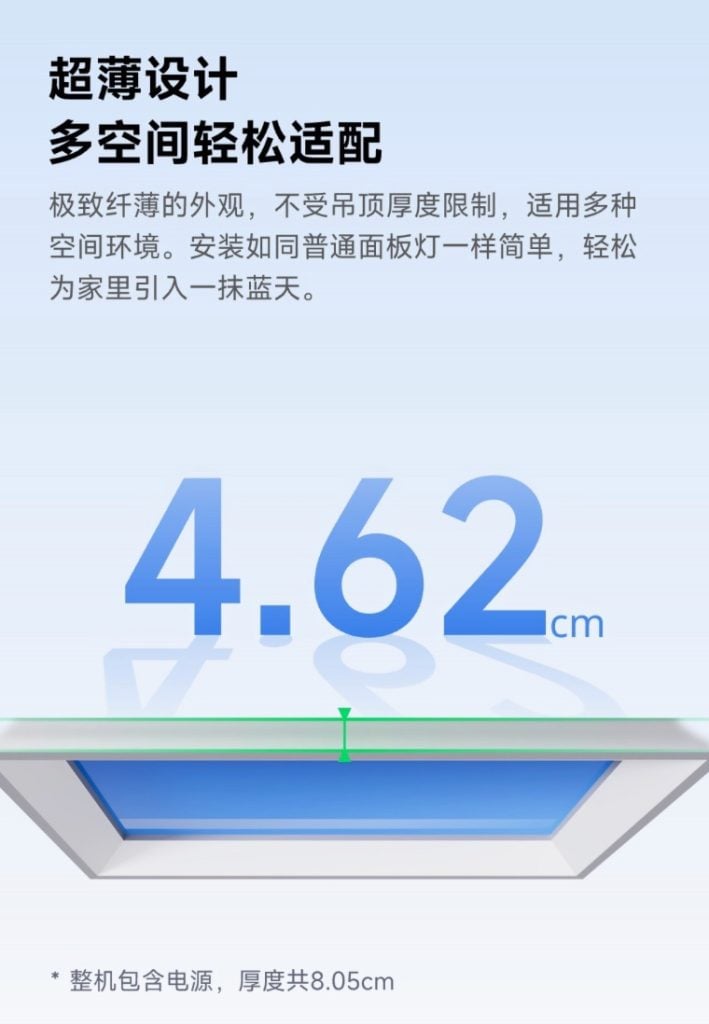
The Yeelight A10 sky panel light has been launched on Xiaomi Youpin. The new blue sky panel light A10 supports XiaoAi and Apple Siri controls and also the MIJIA app. The panel light is capable of delivering a comfortable lighting experience, according to the company.
The A10 panel light has a ring light source design and utilizes the rain blue color scheme. The illumination provided by the A10 is said to be comparable to the blue sky after it rains. It is equipped with a direct light emitting technology and this enables it to achieve a uniform light output and no dark area effect. The panel light has a luminous flux of 1300lm while its color rendering index is Re95. The innovative use of a ring light source makes the space under the blue sky to be more comfortable and pleasant with high-quality lighting effects.
You can control the lamp using voice commands thanks to its integration with Siri and XiaoAi voice assistants. This allows the user to easily adjust the brightness, color temperature, and other parameters with just a simple sentence. The lamp has a rated input of 220V ~50/ 60Hz 0.19A while the light color temperature is up to 6500k for the main light source. The rated power of the device is 40W with a power factor of 0.90. The Yeelight Blue Sky Panel Light A10 weighs about 2.1kg and its product number is YLMBD-0011. The dimensions of the Yeelight A10 are 600 x 300 x 46.2mm.
Pricing
The Yeelight A10 is offered at a launch price of 999 yuan ($138) and is available on Xiaomi Youpin. There are no global availability and pricing details yet for the new Yeelight panel light A10.
Xiaomi has unveiled the MIJIA Fresh Storage 439L Cross Ice Crystal White Refrigerator in China. The pre-sale of the product will kick off on June 24 and it will be offered at a discounted launch price.
Features
The MIJIA Fresh Storage Ice Crystal refrigerator has a 3.2mm ice crystal white artistic glass panel that is easy to clean, wear-resistant, and oil-resistant. The refrigerator adopts an ultra-thin flush-embedded design. It has a front-bottom heat dissipation system to achieve seamless operation and its body thickness is 60cm. The refrigerator has a cross-door partition design (18 partitions) and a storage capacity of 439 liters. The refrigerator part has a capacity of 260L while the freezer has a capacity of 154L. Dry goods and precious mother and baby space compartments of the refrigerator hold 25L.
The new MIJIA fresh storage refrigerator utilizes 360-degree air cooling circulation technology to achieve fast and even cooling without defrosting. It has a freezing capacity of 7kg/ 12h and uses a variable-frequency compressor combined with a variable-frequency fan. The compressor of the refrigerator comes with a 10-year warranty. The net weight of the refrigerator is 86kg and its overall dimensions are 825 x 680 x 2,030mm (width x depth x height). It has support for the MIJIA app for controlling the product. It also supports XiaoAi voice control.
Pricing & Availability
The Xiaomi MIJIA Refrigerator Fresh Storage Cross 439L Ice Crystal White is originally priced starting at 3,999 yuan ($551). It is however being offered at a launch price of 3,499 yuan ($482) from June 24.
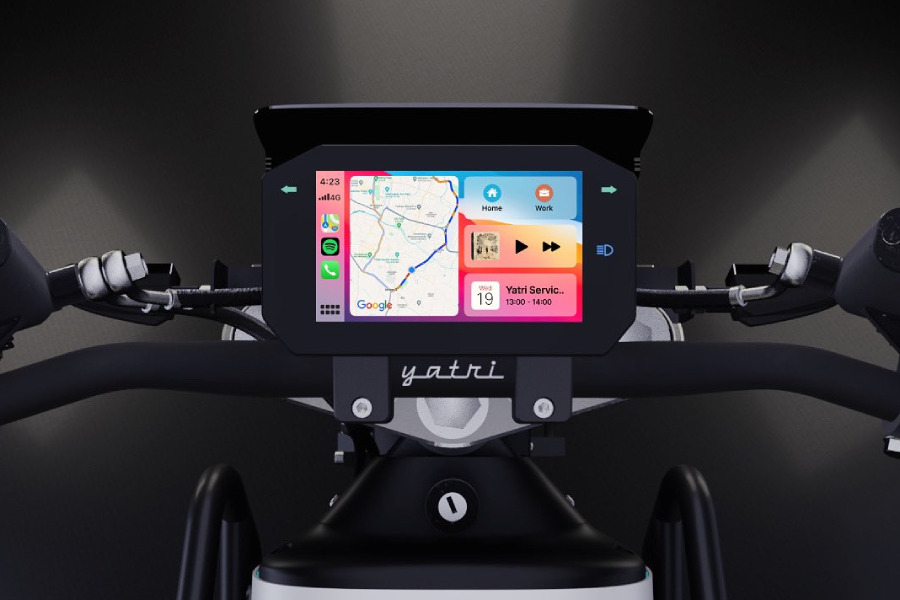
Nepali electric vehicle (EV) startup Yatri Motorcycles announced on Wednesday (June 19) that their upcoming Project 1 Gen 2 (P1 Gen 2) will be the world’s first two-wheeler to integrate wireless Apple CarPlay and Android Auto.
According to Thakur Poudel, Yatri’s technical director, the feature has so far been limited to four-wheeled vehicles. The P1 Gen 2 aims to change that by offering seamless smartphone integration for both Android and iOS users.
This will allow riders to seamlessly connect their P1 Gen 2 to their smartphones. Most importantly, it’s wireless, so you won’t need cables or additional accessories to enjoy this feature.
Riders can access phone functions directly through the bike’s built-in display and use voice commands for safe navigation, calls, messages, and music control while riding.
The Apple CarPlay and Android Auto integration is the first major revealed feature of the P1 Gen 2. Yatri has been teasing the second generation of their Project 1 since late 2023.
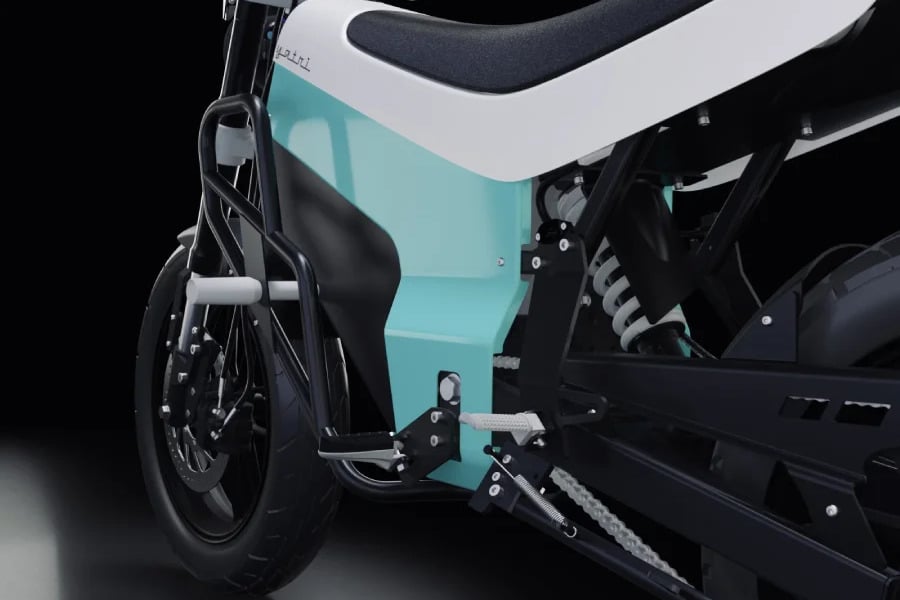
Beyond connectivity, the P1 Gen 2 will add a crash cage and frame slider for enhanced protection. This addition is expected to be available for existing P1 owners as well since the bike’s overall design remains unchanged.
Yatri emphasizes that the most significant improvements lie within the P1 Gen 2’s core functionalities. They have reportedly analyzed over 1 million kilometers of P1 user data alongside general user feedback to refine performance, comfort, and stability for the next iteration.
While the launch date is still under wraps, reports suggest a 2024 release for the P1 Gen 2. Pricing details are also yet to be revealed. For context, the original P1 currently retails at a starting price of Rs 565,000 (approximately $4,240) in Nepal.
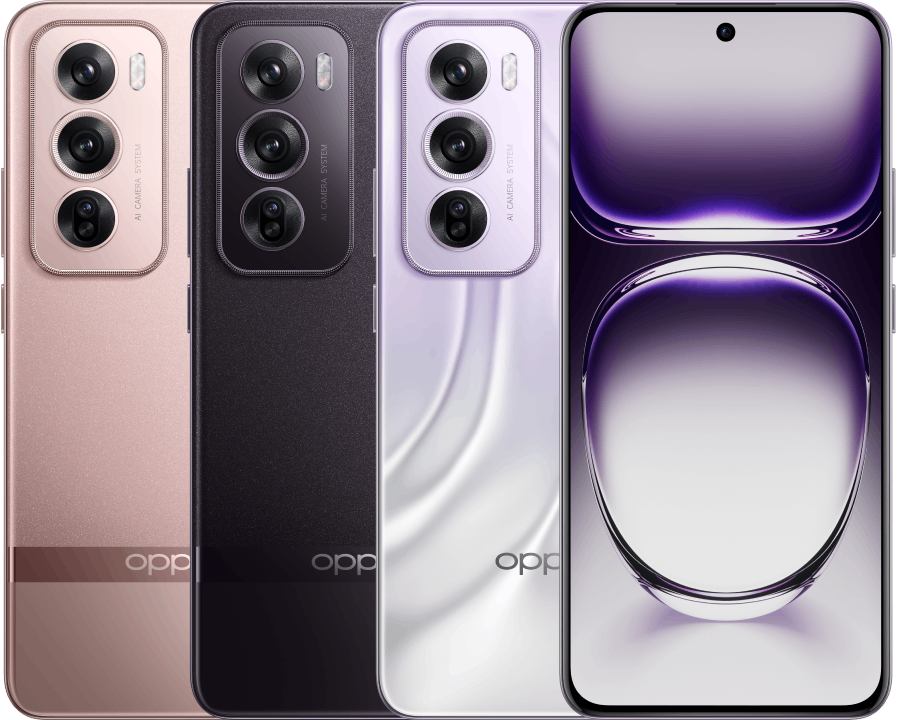
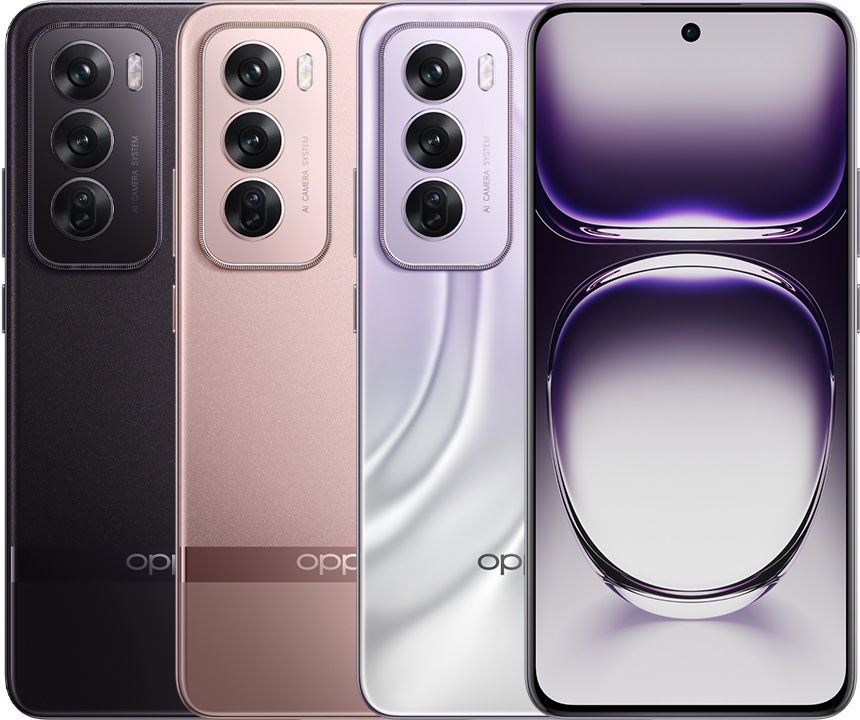
Oppo unveiled the Reno 12 and Reno 12 Pro for the global market earlier this month. The Reno 12 duo are quite different from their Chinese counterparts, which went official in China in May. We compared the Reno 12’s global edition with its Chinese variant to take a look at their differences. This post focuses on the differences between the Reno 12 Pro (global) and 12 Pro (Chinese) editions to see what’s how the two phones differ from each other.
1. Oppo Reno 12 Pro (China) vs Reno 12 Pro (Global): Design and display
Oppo Reno 12 Pro (Chinese)
The Oppo Reno 12 Pro’s Chinese variant is marginally larger, measuring 161.4 x 74.8 x 7.55mm, with a weight of 183 grams, compared to the global variant’s dimensions of 161.45 x 74.79 x 7.40mm and weight of 180 grams. Both variants have an IP65-rated chassis. In terms of appearance, both variants have an identical look, featuring a quad-curved screen on the front and a triple camera unit on the back.
The display specifications remain identical between the Chinese and global versions of the Reno 12 Pro, featuring a 6.7-inch AMOLED FHD+ quad-curved panel with similar attributes. There is no clarity about the Chinese variant’s display protection glass. However, the Pro model is equipped with the Gorilla Glass Victus 2 to protect its screen.
2. Oppo Reno 12 Pro (China) vs Reno 12 Pro (Global) specifications: Performance
OPPO Reno 12 Pro (global)
Processor-wise, the Chinese Reno 12 Pro employs the Dimensity 9200+ Star Speed Edition, whereas the global version features the Dimensity 7300-Energy. Both variants offer LPDDR5x RAM and UFS 3.1 storage.
While the global model is said to come with 12 GB of RAM and 256 GB / 512 GB of storage, the Chinese variant is available with 12 GB / 16 GB of RAM and 256 GB / 512 GB of storage. The Chinese and global versions of the Reno 12 Pro have a 5,000mAh battery with 80W charging support.
3. Oppo Reno 12 Pro (China) vs Reno 12 Pro (Global) specifications: Cameras
Oppo Reno 12 Pro (Chinese)
The Oppo Reno 12 Pro’s global edition is expected to feature a 50-megapixel front camera. Its rear camera setup is likely to feature a 50-megapixel Sony LYT-600 camera with OIS support, an 8-megapixel IMX355 ultra-wide lens, and a 50-megapixel Samsung S5KNJ5 telephoto camera with 2x optical zoom.
The Chinese model has a 50-megapixel Sony IMX890 primary camera on the back. However, the rest of its camera configurations are the same as in the global version.
4. Oppo Reno 12 Pro (China) vs Reno 12 Pro (Global) specifications: Other Features
OPPO Reno 12 Pro
The Oppo Reno 12 Pro’s global and Chinese variants also offer common specs, such as ColorOS 14.1-based Android 14, stereo speakers, an in-screen fingerprint scanner, an IR blaster, and NFC. One major difference between the Chinese and global variants is expected to come with support for a microSD card slot for additional storage.
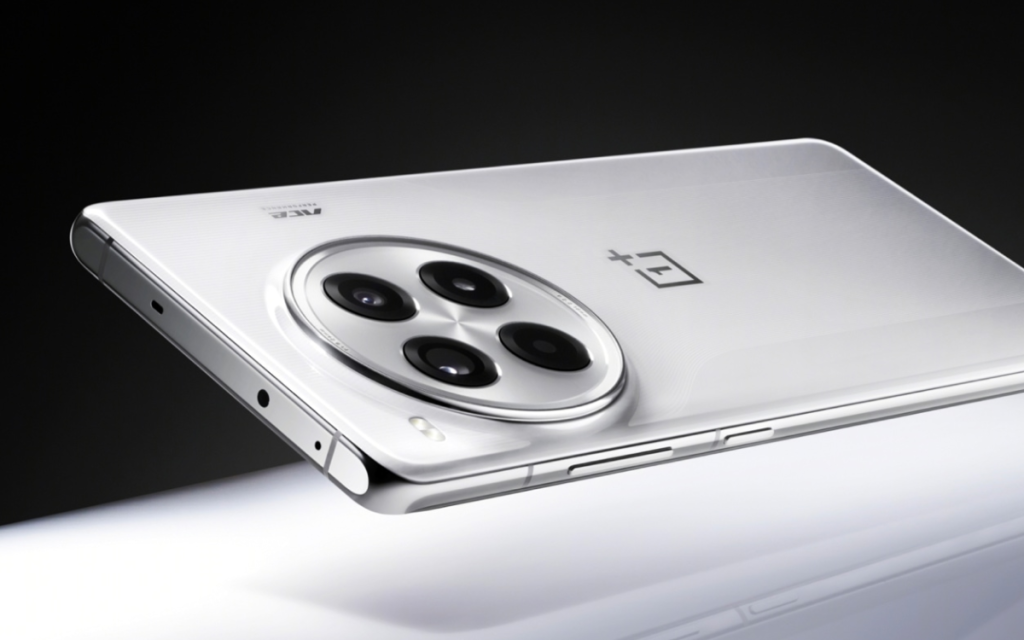
OnePlus has been teasing the design of the OnePlus Ace 3 Pro before its official announcement on June 27 in China. In an official poster shown below, the brand has finally confirmed the color variants of the device. Here is a look at what to expect from its different shades.
OnePlus Ace 3 Pro color options
OnePlus has confirmed that the OnePlus Ace 3 Pro will be available in green, silver, and white. The white model has a ceramic back, the silver edition has a glass back, and the green edition is equipped with a skin-friendly leather back.
OnePlus President Louse Lee describes the variant as the OnePlus Ace 3 Pro’s Supercar Porcelain Collector’s Edition. It has a white ceramic body and has an exquisite appearance while offering exceptional durability. With an ultra-high Mohs hardness rating of 8.5, this variant promises superior wear and scratch resistance, ensuring long-lasting beauty and reliability. Additionally, the device has undergone rigorous drop tests far exceeding industry standards, protecting it against everyday mishaps.
As per a recent report, the Collector’s Edition will be available in two options, such as 16GB+512GB and 24GB+1TB. On the other hand, the other two color variants could be available in three options, such as 12GB+256GB, 16GB+512GB, and 24GB+1TB.
OnePlus Ace 3 Pro specifications (rumored)
The OnePlus Ace 3 Pro is set to feature a 6.78-inch curved-edge BOE S1 display with a 1.5K resolution, a 120Hz refresh rate, and an integrated fingerprint sensor. Internally, it will be featuring the Snapdragon 8 Gen 3 processor, paired with LPDDR5x RAM and UFS 4.0 storage.
The Ace 3 Pro will have a 16-megapixel front-facing camera. The rear camera setup will consist of a 50-megapixel Sony LYT-800 main sensor with OIS, an 8-megapixel ultra-wide lens, and a 2-megapixel macro lens.
The Ace 3 Pro will run on ColorOS 14.1 based on Android 14. It will be equipped with a substantial 6,100mAh battery that supports 100W fast charging.
Lenovo is gearing up to launch the Legion Go handheld gaming console on June 27. Now, the brand has confirmed that it is also launching a new tablet in the country. A microsite of the device has appeared on Flipkart (m-app only) revealing pre-order details. Lenovo says that the Legion Tablet is the first gaming-oriented tablet in the country. It was released in the global markets earlier in March this year.
Lenovo Legion Tablet India launch confirmed
The Lenovo Legion Tablet will be available for purchase from Flipkart. It will go up for pre-orders starting July 20. The tablet’s launch date has not been revealed yet but we can expect it to be announced along with pricing closer to the pre-order time.
As per the Flipkart microsite, the Lenovo Legion Tablet will pack the same specifications as the global variant. It will feature an 8.8-inch display bearing a QHD+ resolution and a 144Hz refresh rate. The screen size is slightly larger than a candybar smartphone but smaller than a tablet making it desirable for handheld gaming. The upcoming offering is confirmed to be equipped with a Snapdragon 8+ Gen 1 processor under the hood. It features the company’s Legion ColdFront vapour thermal solution for heat dissipation.
The Lenovo Legion Tablet is said to be backed by a 6,550mAh battery with support for fast charging. It will have a USB-C 3.1 Gen 2 port and a USB 2.0 port for charging and audio output. The former also offers DisplayPort 1.4 functionality.
The rest of the details about the Lenovo Legion Tablet remain under wraps. The global variant comes with 12GB RAM and 256GB storage. There is a dual-rear camera setup of 13MP and 2MP sensors and an 8MP front-facing selfie snapper. The tablet supports 45W fast charging.
[Update] In a recent announcement on X (formerly Twitter), Redmi has postponed the launch of the Note 13 Pro 5G “Scarlet Red” color option to 25th June. The device will be available to purchase via both Amazon and Flipkart.
The original story continues…
Redmi recently launched a new Olive Green color option for the Redmi Note 13 Pro 5G smartphone. The brand has now turned around and announced a new Red color option for its Indian customers. As per the Amazon India microsite, this new device will be launched later today (June 23rd).
This red color variant was previously unveiled in China as the Redmi Note 13 Pro New Year special edition. In India, the Note 12 Pro 5G is available in three color options: Arctic White, Coral Purple, and Midnight Black.
Redmi 13 Pro 5G specs:
The Redmi Note 13 Pro 5G comes with a sleek 6.67-inch AMOLED display that includes a fingerprint scanner. The display delivers a 1.5K resolution, a smooth 120Hz refresh rate, and an impressive peak brightness of 1,800 nits. Under the hood, this phone is powered by a Snapdragon 7s Gen 2 processor, paired with up to 12GB of RAM and 512GB of storage.
On the back, there’s a square camera island featuring a powerful 200MP main sensor, an 8MP ultra-wide-angle lens, and a 2MP macro lens. While the front of the device has a 16MP selfie snapper.
The Redmi Note 13 Pro 5G runs on the HyperOS-based Android 14 operating system. It is fueled by a robust 5,100mAh battery that supports 67W fast charging.
In related news, Redmi is gearing up to launch the Redmi 13 5G smartphones on July 9. This new smartphone will come with feature the same Snapdragon 4 Gen 2 processor as its predecessor, with a Corning Gorilla Glass 3 display, and a 5,030mAh battery paired with an upgraded 33W fast charging.
Motorola is gearing up for a double launch in India, with both the recently announced Edge 50 Ultra and the upcoming Razr 50 Ultra foldable phone on the horizon.
The Razr 50 Ultra will have a 6.9 inch foldable OLED inner display, info states
The Edge 50 Ultra is all set to hit store shelves on June 24th. This phone boasts a powerful QualcommSnapdragon 8s Gen 3 chipset, a large 6.7-inch 1.5K OLED display, and a versatile triple-camera system with a 50MP main sensor, a 64MP telephoto lens, and a 50MP ultrawide lens. You can find more details and pre-order information on Flipkart and Motorola’s official website.
While the Edge 50 Ultra is ready for purchase, the Razr 50 Ultra is creating a different kind of buzz. Promotional materials hinting at the Razr 50 Ultra’s arrival in India were spotted on Amazon, even before an official announcement. This foldable phone is expected to launch in China on June 25th, with a possible global launch, including India, on the same day.
Based on China’s TENAA certification website listing, the Razr 50 Ultra appears to be packing some serious specs. It’s rumored to have a dual-display setup with a 4-inch wide cover display and a larger 6.9-inch foldable OLED inner display. The phone is also expected to come with a powerful processor, various RAM and storage options, and a capable dual-camera system on the back. It was spotted recently on the Geekbench database as well. Have a look at that here.
A collaborative effort between China and France has taken flight! On Saturday, the Space Variable Objects Monitor (SVOM) was launched into orbit, marking a huge leap in our ability to study gamma-ray bursts, the most powerful explosions in the universe.
The China-constructed SVOM has scientific instruments from both nations
This state-of-the-art spacecraft is a marvel of international collaboration. Constructed by China, SVOM carries scientific instruments from both nations. French contributions include the ECLAIRs coded mask camera and the Microchannel X-ray Telescope, while China provides the Gamma-ray Burst Monitor and the Visible Telescope.
Gamma-ray bursts are short-lived, incredibly energetic explosions that originate from distant galaxies. Since their accidental discovery in 1967, these cosmic mysteries have fascinated astronomers. SVOM’s mission is to unravel their secrets.
SVOM isn’t the first spacecraft dedicated to gamma-ray bursts. Missions like NASA’s Compton Gamma Ray Observatory and Italy’s BeppoSAX have paved the way. However, SVOM boasts the most sophisticated suite of instruments ever assembled for this purpose.
SVOM’s scientific goals extend beyond gamma-ray bursts. By studying these powerful events, scientists hope to gain insights into dark energy, the evolution of the universe, and even the elusive connection between gravitational waves and electromagnetic signals.
SVOM isn’t just a scientific achievement; it’s a testament to successful international cooperation in space exploration. Following the China-France Oceanography Satellite launched in 2018, SVOM marks another chapter in this productive partnership. The data collected by SVOM promises to benefit scientists from both nations and push the boundaries of our understanding of the universe.
OnePlus is all set to launchAce 3 Pro on June 27th in the Chinese market. The device is now officially up for pre-order on the Chinese Oppo store. The device has already generated significant excitement, with over 231,500 pre-orders placed on the Oppo store.
According to the official store, the top variant is named the OnePlus Ace 3 Pro Supercar Ceramic Collector’s Edition, featuring a ceramic build and available in white. Additionally, leaks suggest there will be two more variants: one called Titanium Space Mirror Silver with a glass finish, which may also be available in black, and another in green with a vegan leather finish.
OnePlus has officially revealed that the Titanium Space Mirror Silver version features a streamlined 3D glass back, a high-gloss metal middle frame, and an industry-first liquid metal reflection process, pushing the boundaries of glass craftsmanship.
OnePlus Ace 3 Pro Rumored Specifications
OnePlus Ace 3 Pro is anticipated to feature the advanced Snapdragon 8 Gen 3 chipset and a groundbreaking 6100mAh glacier battery with 100W fast charging. This innovative glacier battery uses silicon-carbon negative electrodes to boost lithium-ion content, a significant advancement over traditional graphite electrodes and marking the largest battery capacity OnePlus has ever offered.
The smartphone is expected to come in several configurations: 12GB+256GB, 16GB+512GB, and 24GB+1TB (LPDDR5x RAM and UFS 4.0 storage), with the two higher configurations possibly available as Collector’s Editions. It is rumored to have a 6.78-inch BOE S1 curved-edge display with a 1.5K resolution, a 120Hz refresh rate, and an integrated fingerprint sensor.
The rear camera setup might feature a 50-megapixel Sony LYT-800 main sensor with optical image stabilization, complemented by an 8-megapixel ultra-wide lens and a 2-megapixel macro lens. On the front, it is expected to come with a 16-megapixel lens.
OnePlus is also expected to introduce the OnePlus Pad Pro, OnePlus Watch 3, and the OnePlus Buds 3 alongside the Ace 3 Pro.
Samsung‘s Galaxy S24 series introduced Galaxy AI, a collection of features powered by artificial intelligence that streamline daily tasks. One of the highlights of Galaxy AI is Google’s Circle to Search, which is now available on Pixel devices as well.
The feature lets users gather details about anything on their screen simply by drawing a circle around it. Now new reports suggest Google is working to improve Circle to Search with the ability to identify songs and popular audio clips.
The information comes from @AssembleDebug, who discovered it during an APK teardown, as reported by Android Authority. According to the report, the latest beta version of the Google app, which facilitates Circle to Search on Android devices, has a code string referencing a new Audio search button.
AssembleDebug managed to activate the UI for this new button, which looks like a musical note. The button appears next to the existing button for on-screen text translation.
Currently, the button is non-functional, as per the report, and Google has not provided any official explanation about its purpose. However, based on the audio note icon, it’s speculated that clicking the button might allow Circle to Search to use the phone’s microphone to analyze surrounding sounds.
If it detects a song or well-known audio clip, the feature would then provide relevant information. It’s also possible that Circle to Search might let users hum a song for identification. Note that there’s already a microphone icon in the search bar that allows similar song search features.
But if the feature works as expected, it would simplify song identification and information retrieval for Android devices. Hopefully, the forthcoming beta version of the Google app will clarify the button’s functionalities by activating them. We will keep you updated if any other details about the feature surface.
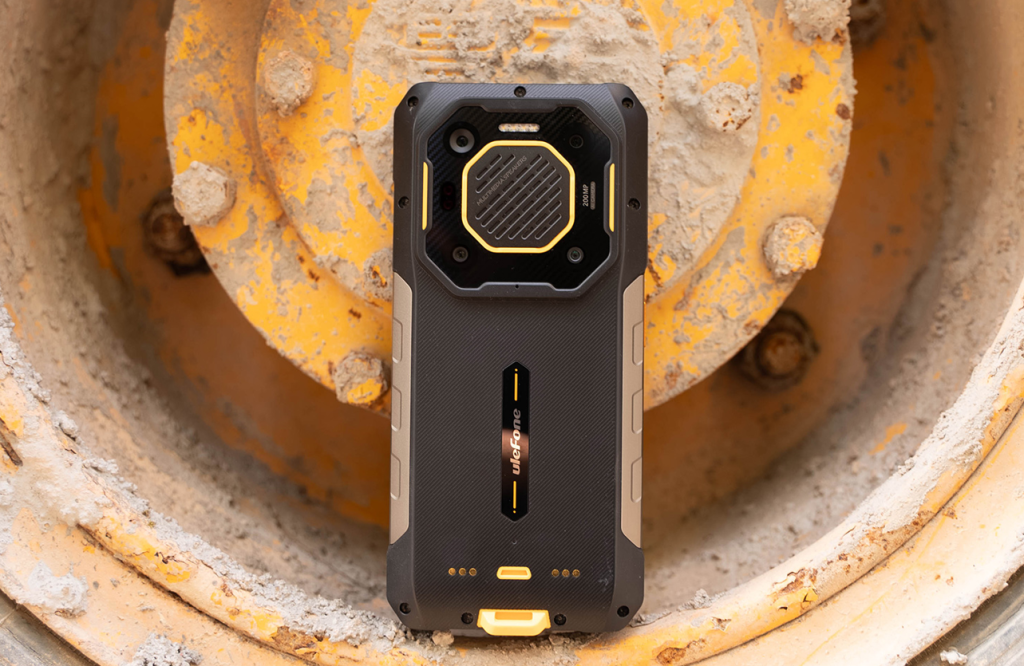
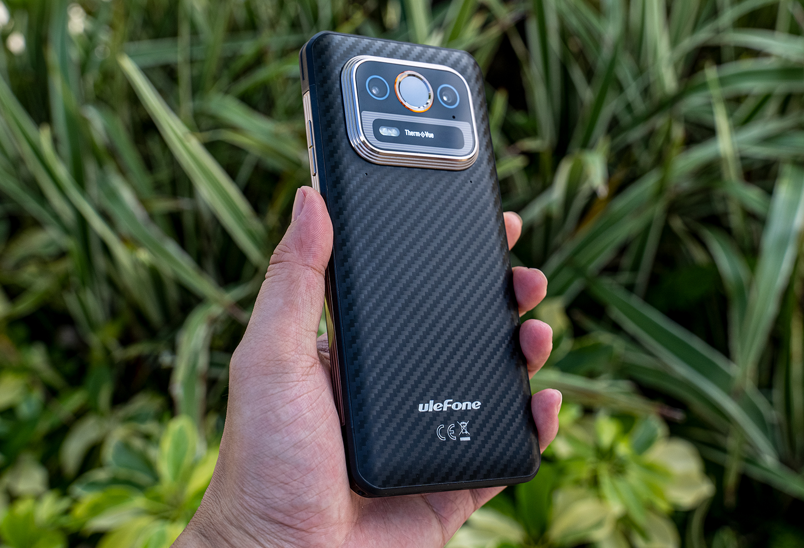
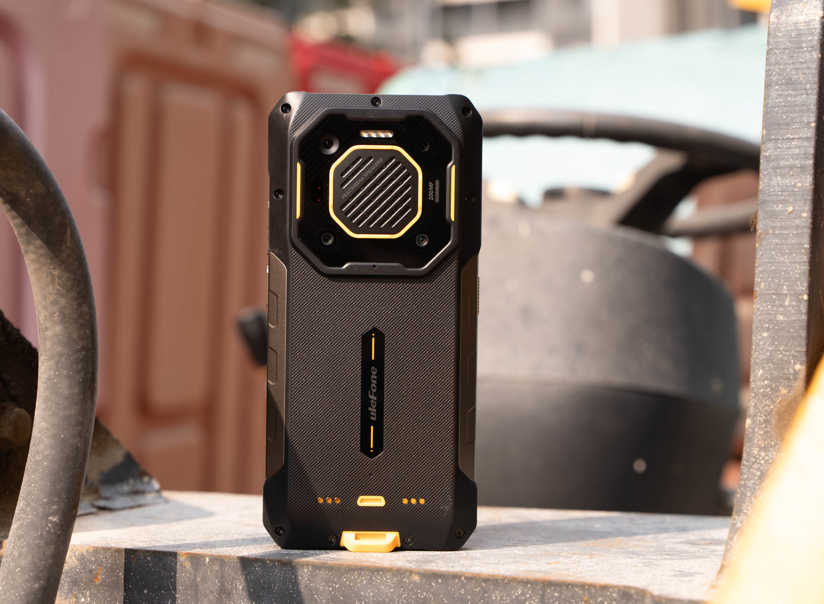
Ulefone has unveiled its latest 5G performance flagship, the Armor 26 Ultra, a robust smartphone designed to revolutionize the market with its exceptional battery life and rapid charging capabilities. This rugged device is engineered to thrive in harsh environments, making it an ideal companion for industry professionals, outdoor enthusiasts, and anyone needing a reliable and powerful tool for their daily tasks and adventures.
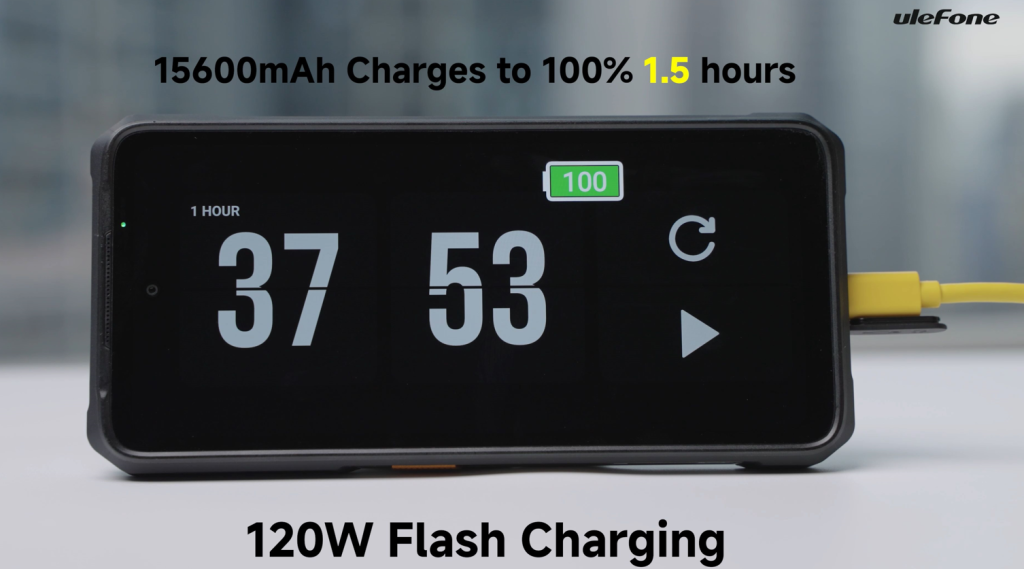
The standout feature of the Armor 26 Ultra is its colossal 15600mAh battery, which promises unparalleled battery performance. According to the recent battery life test video released by Ulefone, the Armor 26 Ultra consumes only 3% of its battery during 30 minutes of gaming and just 2% during 30 minutes of video streaming. This incredible efficiency ensures that users can stay connected and powered up throughout the day without the constant need for recharging. Additionally, the 120W flash charging technology allows the massive battery to be fully charged in just 1.5 hours, a feat that sets the Armor 26 Ultra apart in the smartphone market.
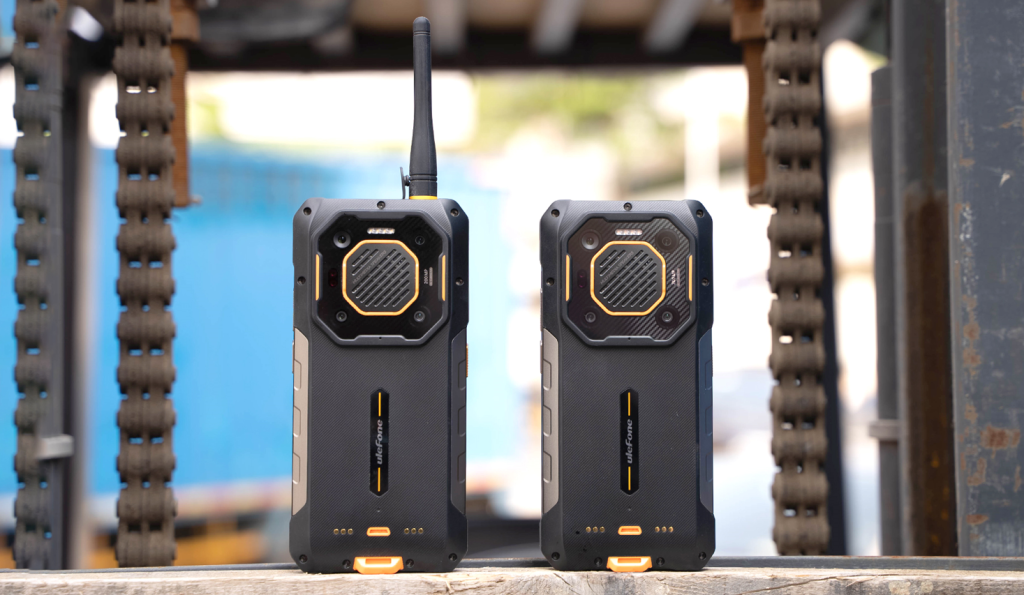
The Armor 26 Ultra is available in two variants to cater to different user needs: the Standard Version and the Walkie-Talkie Version. Both versions share the same powerful core specifications but offer distinct functionalities. The Walkie-Talkie Version enhances instant communication capabilities with support for both digital and analog dual modes, UHF and VHF dual bands, and dual-slot DMR, making it perfect for professionals who require reliable communication tools.
Packed with cutting-edge features, the Armor 26 Ultra is designed to excel in all scenarios. It boasts an all-scenario quad-camera system, featuring a 200MP mega main camera, a 50MP ultra-wide-angle camera, a 64MP infrared night vision camera, and a 3.2x optical zoom telephoto lens. This versatile camera setup allows users to capture stunning photos and videos in various conditions. The 50MP ultra-clear front camera ensures perfect selfies with remarkable detail.
In terms of performance, the Armor 26 Ultra does not disappoint. It offers up to 24GB of RAM, 512GB of internal storage, and support for up to 2TB of expandable storage, providing ample space and memory for all your needs. The 6.78-inch FHD+ display, with a 120Hz ultra-high refresh rate, delivers smooth and immersive visuals, making it ideal for gaming, streaming, and everyday use.
Ulefone’s 2024 Summer Sale on AliExpress provides a great opportunity to purchase the Armor 26 Ultra at a discounted price. From June 17th to June 23rd (PT), the Standard Version is available for $359.99, down from the original price of $599.98. The Walkie-Talkie Version is discounted to $419.99 from $699.98, offering up to 40% off. This sale makes it the perfect time to invest in a smartphone that combines unbreakable power with lightning speed.
Ulefone Armor 26 Ultra is a game-changer in the rugged smartphone market. Its massive battery, fast charging, superior camera system, extensive memory, and robust build make it an indispensable device for users who demand the best performance and reliability in their mobile devices. Whether you’re working in tough environments or embarking on outdoor adventures, the Armor 26 Ultra ensures you stay connected and powered up, ready to take on any challenge.
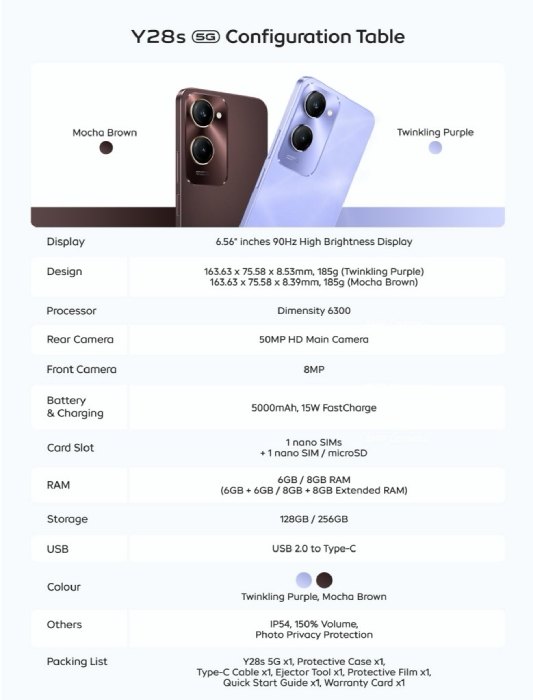
Earlier today, the Vivo Y28s 5G smartphone appeared in the Google Play Console listing. Now, tipster Paras Guglani has leaked the full specifications of the device.
The Y28s 5G will feature a 6.56-inch display with a 90Hz refresh rate. Although the resolution hasn’t been confirmed, it is likely similar to the Vivo Y28 which has an HD+ (720 x 1612) panel.
The Y28s 5G will be powered by the MediaTek Dimensity 6300 processor and available in two RAM options — 6GB and 8GB. It will also include Vivo’s Extended RAM technology, which uses storage to boost RAM capacity. Storage options will be 128GB and 256GB.
The camera setup seems pretty basic, with a 50MP main sensor on the rear, possibly paired with a secondary depth sensor. The front camera is an 8MP lens, decent enough for video calls and selfies.
The device will have a 5000mAh battery, though charging is limited to just 15W, which is slower than some competitors’ offerings.
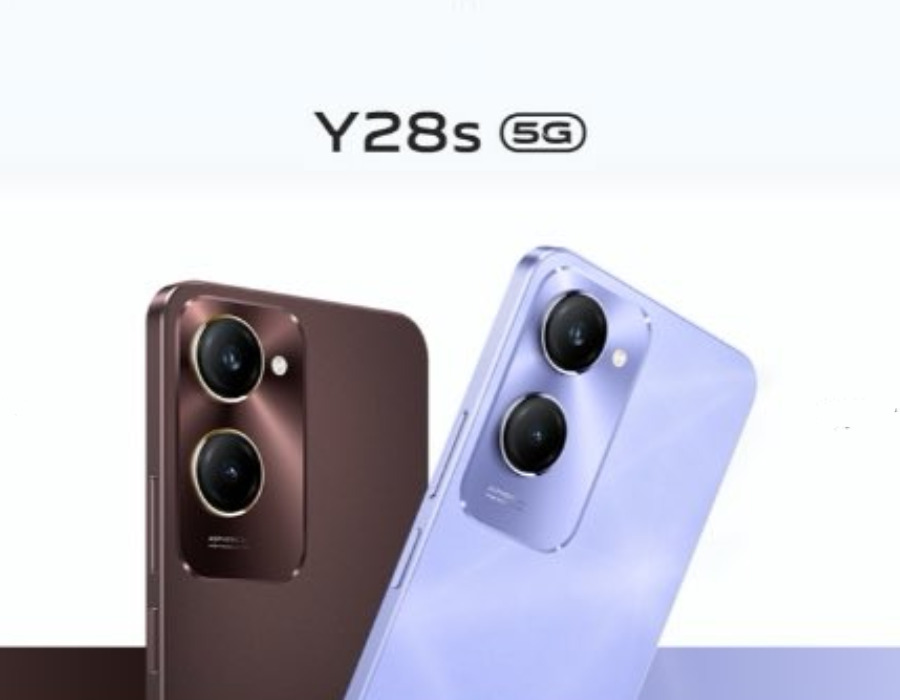
The phone’s design includes flat frames and a rectangular camera module on the back. Vivo Y28s 5G will come in two colors: Mocha Brown and Twinkling Purple.
The dimensions are 163.63mm in height and 75.58mm in length. The Mocha Brown version is 8.53mm thick, while the Twinkling Purple is slightly thinner at 8.39mm. Both versions weigh 185g.
The Y28s 5G will also have an IP54 rating for dust and water resistance. The phone will boast a 150% volume boost for enhanced audio experiences and a photo privacy protection feature to ensure user control over their images. Additional features will include a microSD card slot for storage expansion and a USB Type-C port for charging and data transfer.
The leak concludes by detailing the expected contents of the retail box. It seems to include the phone itself, a protective case, a Type-C cable, an ejector tool, a pre-installed screen protector, a quick start guide, and a warranty card. Notably, there’s no mention of an adapter inside the box.
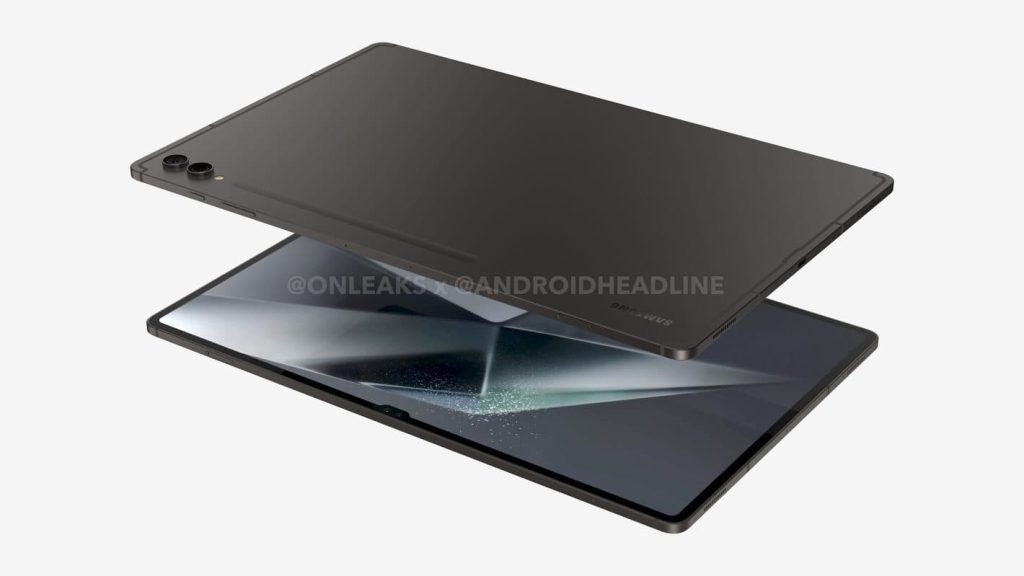
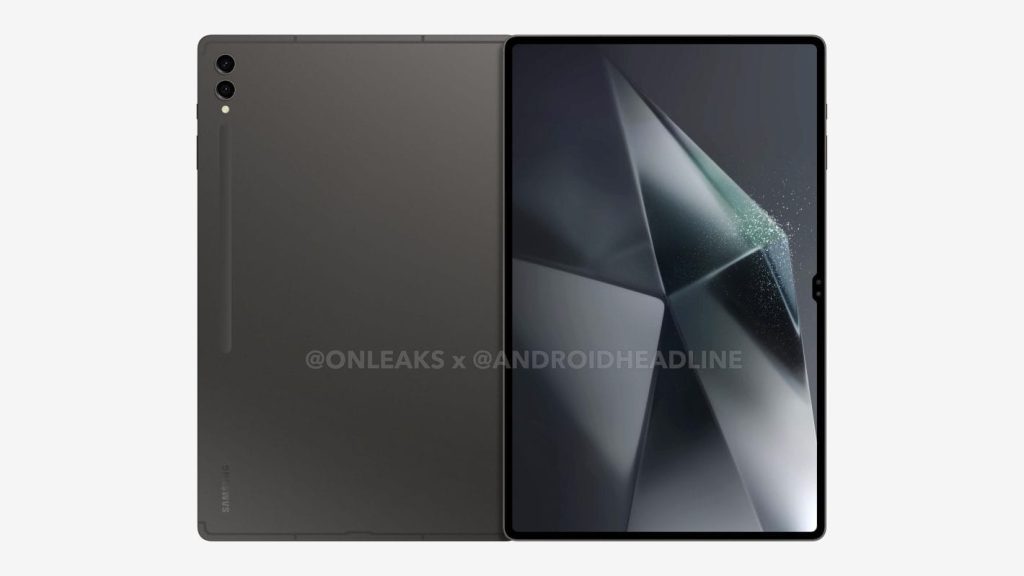
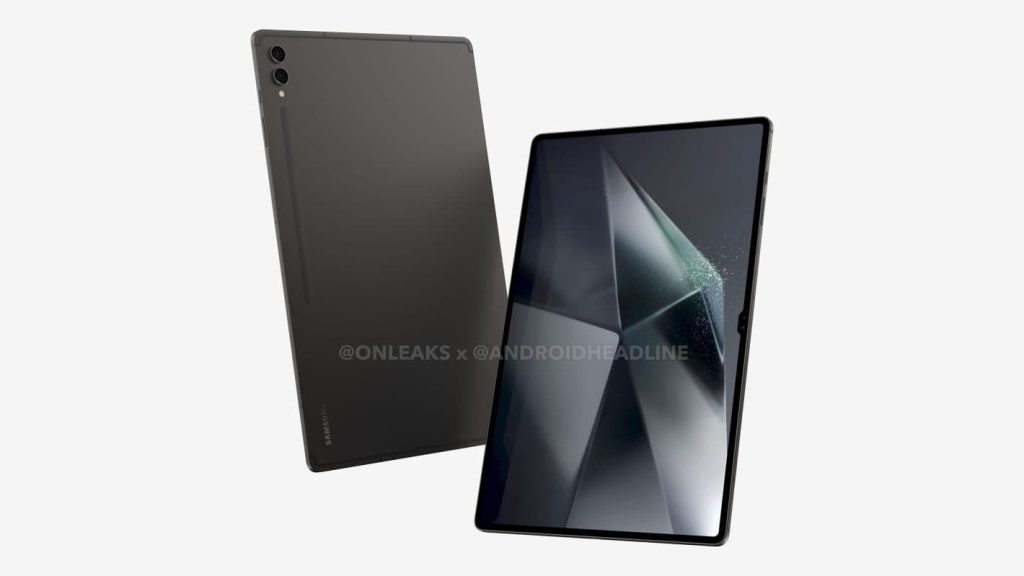
We mentioned in previous articles that Samsung is developing the Galaxy Tab S10 series. Now, Android Headlines has obtained high-resolution renders of the top-of-the-line Galaxy Tab S10 Ultra. Although there haven’t been many leaks about the tablets yet, the appearance of these renders is pretty good. The renders allow us to learn more about the new Galaxy Tab S10 Ultra.
Galaxy Tab S10 Ultra impresses with big screen size
The Galaxy Tab S9 Ultra was officially launched in 2023 with a large screen size of 14.6 inches. The new Galaxy Tab S10 Ultra is expected to continue the same tradition. Other known information about the tablets were the following: Leaked model numbers, the start of One UI testing, and that the Galaxy Tab S10+ will be powered by the MediaTek Dimensity 9300.
This is the first time a Samsung flagship device will be powered by a MediaTek processor. This not only represents MediaTek’s outstanding success in the Dimensity series, at the same time suggesting that there will be more flagships with MediaTek processors in the future. The processor of the Galaxy Tab S10 Ultra is not yet known, but it’s rumored that Samsung is still undecided about which processor it will use in this device.
High-resolution renders prepared in partnership with OnLeaks and AndroidHeadlines are added above. These renders are of the next flagship Galaxy Tab S10 Ultra. The similarity to the previous generation Galaxy Tab S9 Ultra is very visible. In terms of size, both devices are basically similar. With dimensions of 326.4 x 208.6 x 5.45mm, the Galaxy Tab S10 Ultra does not differ much compared to the Tab S9 Ultra, which is 0.05mm thinner. The Galaxy Tab S10 series is expected to be introduced together with the Galaxy S25 series.
The Ulefone Summer Sale is coming to an end, offering tech enthusiasts a final opportunity to snag incredible deals with discounts of up to 69%. As Ulefone’s most significant promotional event of the year, this sale is the perfect time to upgrade your tech gear without breaking the bank.
Highlighted Deals on New Arrivals
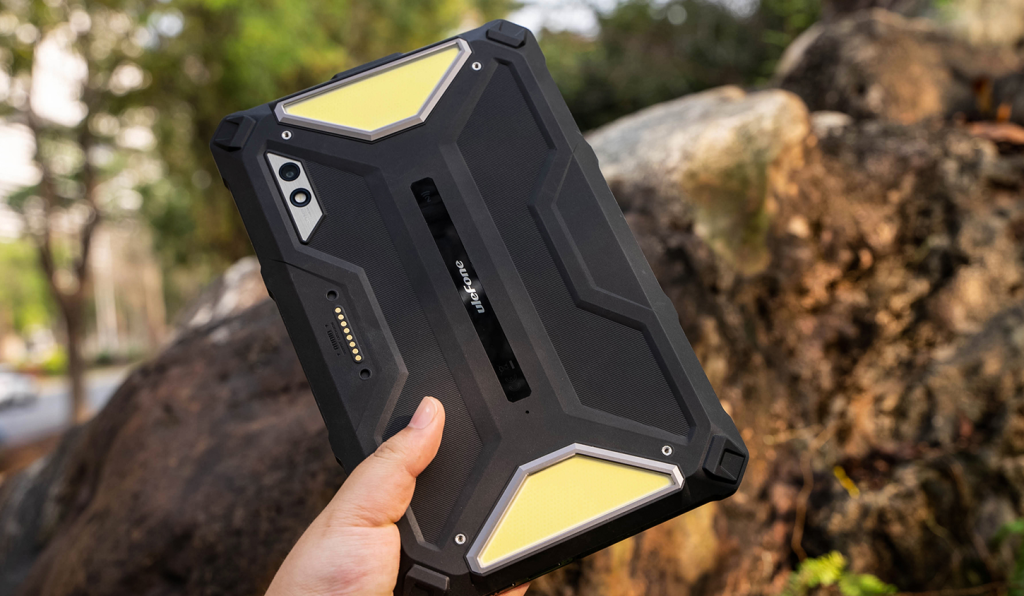
Ulefone has put its latest and toughest devices at the forefront of this sale. Among these are the 5G rugged smartphones, the Armor 25T Pro and Armor 26 Ultra, along with the robust tablet, the Armor Pad 3 Pro, and the high-performing Note 18 Ultra.
Leading the new arrivals is the Armor 25T Pro, Ulefone’s flagship 5G rugged phone. This device boasts cutting-edge thermal imaging and infrared night vision capabilities. It features a 6.78-inch FHD display with a 120Hz refresh rate, delivering a smooth and cinematic viewing experience. Powered by the MediaTek Dimensity 6300 5G SoC, it includes up to 12GB of RAM, 256GB of internal storage, and supports up to 2TB of expandable storage.
The massive 6500mAh battery supports 33W fast charging and 30W wireless charging, ensuring you stay powered throughout the day. Running on the latest Android 14 OS, it offers enhanced security and privacy. The camera setup includes a 50MP main camera with a 1/1.31” ultra-large sensor, a 64MP night vision camera, and a 32MP HD front camera for clear selfies and video calls.
Discount: Originally priced at $499.99, you can now get the Armor 25T Pro for just $289.99, a 40% discount.
The Armor 26 Ultra series, available in both standard and walkie-talkie versions, also offers significant savings. The standard version, originally $599.98, is now available for $359.99. The walkie-talkie version, which combines rugged smartphone features with walkie-talkie functionality, is discounted to $419.99 from $699.98.
For those needing the power of a tablet with the durability of a rugged device, the Armor Pad 3 Pro is the ideal choice. This versatile tablet is now available for $279.99, down from $599.99, thanks to a generous 50% discount.
The Note 18 Ultra offers incredible value, especially with its 50% discount. Originally priced at $299.99, this powerful smartphone can now be yours for just $149.99.
With the sale ending on June 23, only a few days remain to take advantage of these extraordinary deals. If you’ve been considering a tech upgrade, now is the time to act. For more details on these deals and other promotional models, visit the Ulefone Summer Sales page.
Android 15 just reached the platform stability phase with the Beta 3 release this week. This means we’re in the final phase of development and nearer to the official release.
The upcoming OS is definitely going to be an exciting upgrade. It is confirmed to bring a host of new features and improvements, such as Private Space, Theft Detection Lock, app archiving, app pairs, and more.
Unfortunately, many Android devices, including Realme phones, will not be upgraded to Android 15. If you have a Realme device, review the list of ineligible devices below to know if you need to upgrade to a newer model.
Realme Android 15 Ineligible Device List
[Realme GT series]
Realme GT 2
Realme GT 2 Pro
Realme GT 2 Explorer Master
Realme GT Neo 3
Realme GT Neo 3 150W
Realme GT Neo 3T
And all older devices
[Realme number series]
Realme 10
Realme 10 5G
Realme 10s
Realme 10T
Realme 9
Realme 9 5G
Realme 9 Pro
Realme 9 Pro+
Realme 9i
Realme 9i 5G
Realme 9 SE
And all older devices
[Realme Narzo series]
Realme Narzo 50
Realme Narzo 50 5G
Realme Narzo 50 Pro
Realme Narzo 50A
Realme Narzo 50A Prime
Realme Narzo 50i
Realme Narzo 50i Prime
Realme Narzo N55
Realme Narzo N53
And all older devices
[Realme C series]
Realme C67
Realme C55
Realme C51s
Realme C53
Realme C51
Realme C35
Realme C33 (2023)
Realme C31
Realme C30s
And all older devices
This is not an official list by any means. We have prepared it by analyzing the software update policy and the company’s past OS update rollouts.
Realme provides decent software support to its smartphones. The newer GT flagship phones get 3 years of OS updates and four years of security patches. However, older GT models only get two OS upgrades.
Three OS upgrades don’t sound like a lot when competitors like Samsung and Google offer seven years of OS updates. Even Realme’s sister companies, OnePlus and Oppo, have started offering four OS updates to their flagships.
Realme’s numbered series phones typically get two OS updates, while the budget Narzo and C series only get one. However, the company has started offering two upgrades to newer Narzo models.
We’ll delve deeper into Realme’s mediocre software support in another post. But for now, let’s stick to Android 15.
Android 15: When Is It Coming to Realme Phones?
After two developer builds released earlier this year, Google announced multiple beta builds of Android 15, allowing users to get an early taste of the new OS. Recently, Beta 3 went live, marking the beginning of the platform stability phase.
The platform stability phase is the final step of the development phase before the new OS is available to the public. Here, Google resolves the ongoing bugs/issues and adds final touches to prepare it for the stable release.
We already have an official Android 15 timeline, but that doesn’t reveal when the stable build will arrive. However, it’s similar to last year’s timeline for the Android 14 release. So, if things keep going that way, Android 15 should land in early October.
If you have Realme 12 Pro+ 5G, you can install the Android 15 beta to access the new OS before the official release. But please remember that beta builds might contain bugs, and some features may be missing. In the coming weeks, the beta program should expand to more Realme devices, allowing more users to participate in the program.
Last year, Realme kicked off its Android 14 beta program in May (the same month as the Android 15 beta), while it took around six months for the first stable release. Hopefully, this will get better with Android 15.
What’s New in Android 15?
1. Theft Detection Lock: It’s one of the most useful additions to Android 15. Whenever someone steals your phone and tries to run away, the phone senses that motion and immediately locks the screen. The phone will lock itself automatically even if it detects suspicious activities like multiple failed log-in attempts or constant attempts to disconnect the phone.
What’s more interesting is that this new feature prevents the device from setting it up again using a different Google account. So, unless they don’t have your Google account credentials, the phone is useless.
2. App Pairs: Android 15 will allow users to save their favourite split-screen combination for quicker access. A shortcut will be created on the home screen to instantly open both apps in the split-screen mode.
The official website suggests that this feature is only coming to large screen devices, such as tablets. But let’s not lose hope and keep our fingers crossed for its release to smartphones as well.
3. Private Space: It protects your sensitive files and apps with an additional layer of security. This is similar to the Secure Folder on Samsung phones.
This new feature creates a separate space hidden from the regular space, where you can store your super-secret apps and files. Apps you use in Private Space won’t appear in the recent apps section. Also, all downloads are stored in the private space itself.
4. Partial Screen Sharing: Another useful feature in Android 15 is the Partial Screen Sharing. It allows users to share or record a single app rather than the entire screen.
5. App Archiving: It lets you unarchive apps to save storage while keeping the user data around. So far, this feature has been limited to apps installed from the Play Store, but Android 15 integrates this feature at the OS level, allowing archiving/restoring of any apps, even those installed outside of the Play Store.
6. Improved Health Connect: The new OS includes new data types across fitness, nutrition, and more. Beta 2 brings skin temperature and training plans as additional data types.
7. Notification Cooldown: This new feature prevents users from getting overwhelmed by successive notifications from the same app by lowering the volume.
This feature was first discovered in Android 15 DP1 but was later removed in Android 15 Beta 1. However, Google is expected to bring it back in the final build of Android 15.
These are the major changes Android 15 is expected to bring. Let me know which Realme device you have and your favourite feature of the upcoming OS in the comment section below.
We use cookies on our website to give you the most relevant experience by remembering your preferences and repeat visits. By clicking “Accept”, you consent to the use of ALL the cookies.
This website uses cookies to improve your experience while you navigate through the website. Out of these, the cookies that are categorized as necessary are stored on your browser as they are essential for the working of basic functionalities of the website. We also use third-party cookies that help us analyze and understand how you use this website. These cookies will be stored in your browser only with your consent. You also have the option to opt-out of these cookies. But opting out of some of these cookies may affect your browsing experience.
Necessary cookies are absolutely essential for the website to function properly. This category only includes cookies that ensures basic functionalities and security features of the website. These cookies do not store any personal information.
Any cookies that may not be particularly necessary for the website to function and is used specifically to collect user personal data via analytics, ads, other embedded contents are termed as non-necessary cookies. It is mandatory to procure user consent prior to running these cookies on your website.