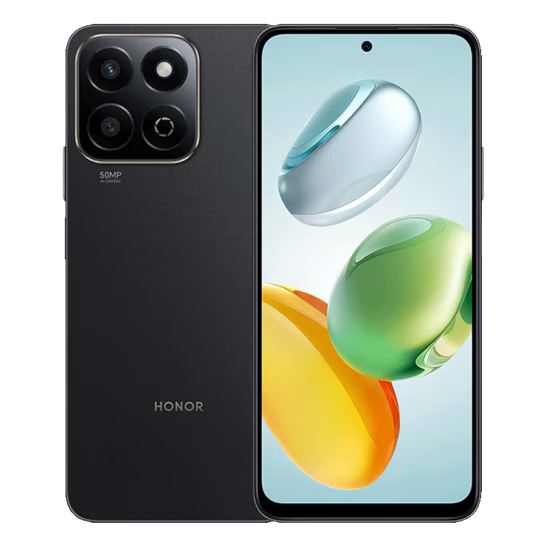
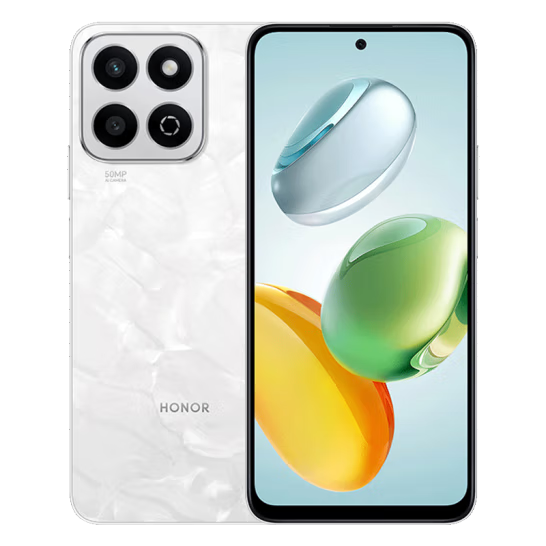
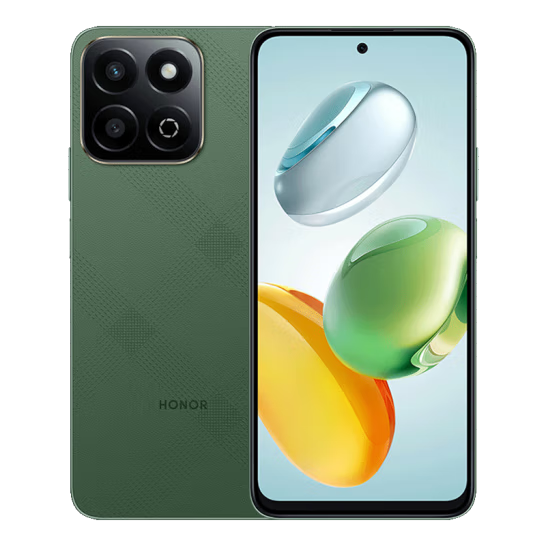
China is gradually reducing its dependency on foreign technology. In this context, companies like Huawei and BYD are frequently mentioned, while companies like UNISOC emerge as unsung heroes. The company, which has long been producing chipsets for mobile devices, had recently made headlines with its T765 5G chip. Now, UNISOC unveils the 7861 chip for POS machines.
UNISOC 7861 for Secure, Multi-Functional Payment Terminals
When you are shopping it’s often easier to pay with cards instead of cash. Many people, including myself, hardly ever use cash anymore. This means more businesses need machines to take card payments. Recognizing this, Unisoc has announced the launch of the UNISOC 7861 chip, created for these card payment machines.
Based on the 12nm process technology, the UNISOC 786, adopts a dual high-performance big core Arm Cortex-A75 at 1.6GHz and six energy-efficient cores Cortex-A55 at 1.6GHz, and is equipped with a Mali G57 GPU core. The processor also supports dual-band Wi-Fi 5, Bluetooth 5.0, GNSS positioning services, USB Hub and other features.
It supports LPDDR4x memory and provides UFS 2.2 and eMMC5.1 storage interfaces, and FHD+ display output. The UNISOC 7861 processor currently supports the Android 12 Go system and Android 14 system optimized for small memory (1GB + 8GB).
Huawei recently introduced an entirely new Pura lineup to replace the long-standing P series. The Pura line emphasizes style, cutting-edge technology, and fashion, according to the company.
The company today took the wraps off of its new Pura 70 series smartphones, consisting of Pura 70, 70 Pro, 70 Pro Plus, and 70 Ultra.
The all-new Pura 70 Pro stands as the successor to the P60 Pro, offering an upgrade in design, display, and some key functionalities. So let’s delve into the specifics of both phones to understand how they compare.
The Pura 70 Pro features a larger 6.8-inch OLED display with a slightly higher resolution compared to the P60 Pro’s 6.67-inch panel. Both offer a smooth 120Hz refresh rate and high peak brightness.
However, the Pura 70 Pro pulls ahead with its 1440Hz high-frequency PWM dimming, which should reduce eye strain. Both phones use Kunlun glass for better drop resistance. But the Pura 70 Pro steps it up with second-generation Kulun protection, offering even better resistance to drops.
The design has also been revamped since the P60. The Pura 70 sports a new triangular module on the back versus the P60’s rectangular camera setup.
Another subtle yet noticeable difference is in the display: the P60 Pro has a quad-curved screen, while the Pura 70 opts for a flat panel. However, both phones feature smaller punch-holes for the selfie camera or equally slim screen bezels.
But we do have to say that the raised angular design on the back gives the Pura 70 Pro a look unique of its own. As for colors, the P60 Pro comes in Black, Green, Violet, and Rococo Pearl, while the Pura 70 Pro offers Black, White, and Purple options.
2. Performance: The Biggest Difference
Performance is where there are significant differences between the two models. The P60 Pro runs on the Qualcomm Snapdragon 8 Gen 1, while the Pura 70 Pro opts for Huawei’s in-house Kirin 9010 chipset. Initial benchmarks of the Kirin 9010 show respectable performance.
Additionally, the Snapdragon 8 Gen 1 on the P60 Pro only supports 4G, while the Kirin 9010 in the Pura 70 Pro adds 5G connectivity.
The Pura 70 Pro also shines with its larger 5050mAh battery and faster charging speeds. It supports 100W wired charging, faster than the P60 Pro’s 88W. Both phones offer wireless charging, with the Pura 70 Pro supporting higher wattages at 80W compared to the P60 Pro’s 50W.
3. Camera and Other Features
Both phones also have powerful triple-camera systems. The P60 Pro features a 48MP primary sensor, a 13MP ultrawide sensor, and a 48MP periscope zoom lens with 5x optical zoom.
In contrast, the Pura 70 Pro takes a different approach, offering a 50MP main sensor with a variable aperture, a 48MP macro telephoto lens with impressive 35x super macro capabilities, and a 12.5MP ultrawide sensor.
Moreover, the smartphone comes pre-installed with HarmonyOS, with the Pura 70 Pro running a slightly newer iteration (Harmony OS 4.2) out of the box. Notably, both integrate satellite communication for two-way SMS functionality.
4. Verdict
All in all, with the Pura 70 Pro, Huawei has addressed some of the shortcomings of the P60 Pro. Most importantly, the phone now has an in-house Kirin chip with 5G support. Connectivity could be a big deciding factor to purchase a phone in 2024.
Apart from this, there are subtle but significant changes in design, display, camera, and even battery and charging. So the Huawei Pura 70 Pro appears to be a worthwhile upgrade over its predecessor.
Huawei has shaken things up with the launch of the Pura 70 series, their successor to the long-standing P series. The top-of-the-line Pura 70 Ultra (Check out the unboxing of 70 Ultra) boasts some impressive upgrades over the previous-gen Huawei P60 Art. Let’s delve into the key differences.
The Pura 70 series sports a fresh look with a distinct triangular camera module. The standard version retains a flat design, while the Pro models like the Ultra have slightly curved edges. In contrast, the P60 Art also introduced a distinct camera module, though it opted for a more traditional rectangular shape. Both phones stand out for their innovative camera module designs.
Both phones come with large OLED displays. The Pura 70 Ultra boasts a slightly bigger 6.8-inch screen compared to the P60 Art’s 6.67-inch display. However, both offer a smooth 120Hz refresh rate.
2. Performance:
The performance disparity between the Huawei Pura 70 Ultra and Huawei P60 Art hinges on their chipsets. The Pura 70 Ultra ditches the Qualcomm Snapdragon 8+ Gen 1 found in the P60 Art and introduces Huawei’s own Kirin 9010. Benchmarks suggest a significant performance leap for the Pura 70 Ultra. While details about the Kirin 9010’s manufacturing process remain unknown, its 12-core CPU with a 4+6+2 architecture boasts slightly higher clock speeds compared to the Kirin 9000s in the Mate 60 series. This translates to smoother performance and better multitasking capabilities.
Given what we know about the Kirin 9010, the Snapdragon 8+ Gen 1 in the P60 Art still holds up as a strong performer. However, as newer chipset generations emerge, it is increasingly seen as outdated.
3. Camera:
Here’s where things get interesting. Both phones have a triple-camera setup on the rear, but the Pura 70 Ultra steals the show with its innovative 1-inch retractable main sensor. This allows for superior optical zoom and greater control over depth of field with its variable aperture. Huawei claims the retractable mechanism is incredibly durable, rated to retract and expand up to 300,000 times. The P60 Art’s main camera uses a more conventional 48MP sensor.
The Pura 70 Ultra also boasts a 50MP telephoto lens with 3.5x optical zoom and a dedicated 40MP ultrawide sensor. The P60 Art counters with a 48MP telephoto lens (also with 3.5x zoom) and a 40MP ultrawide sensor.
The Pura 70 Ultra’s telephoto lens allows for macro shots from a mere 5cm distance, a significant improvement over the P60 Art’s 10cm minimum focus distance.
4. Software:
Both phones run on Huawei’s HarmonyOS operating system. However, the Pura 70 Ultra comes with the newer HarmonyOS 4.2 version, which might offer some additional features and optimizations compared to the HarmonyOS 3.1 on the P60 Art.
5. Battery and Charging:
The Pura 70 Ultra packs a slightly larger 5200mAh battery compared to the P60 Art’s 5100mAh. However, both offer impressive fast charging capabilities. The Pura 70 Ultra boasts 100W wired charging and 80W wireless charging, while the P60 Art offers 88W wired and 50W wireless charging.
6. Other Features:
The Pura 70 Ultra boasts a few additional features missing in the P60 Art. This includes dual satellite connectivity for sending messages and calls even in remote areas and the latest generation Kunlun glass for improved scratch resistance.
7. Pricing
The Huawei Pura 70 Ultra starts at a steeper price point compared to the P60 Art. The base model with 512GB storage starts at 9999 yuan ($1381), while the P60 Art with the same storage starts at 8988 yuan ($1,241).
Epic Games continues its tradition of weekly free games! While recent offerings like The Outer Worlds, Ghostrunner, and Thief were major hits, there’s still a chance to discover something fun. This week, the platform is now offering The Big Con and Town of Salem 2 for free. Here are the details…
The Big Con and Town of Salem 2 Now Free on Epic Games Store
Tired of massive open-world AAA games that feel the same and eat up your time? Epic Games has a refreshing change of pace for you. You can get The Big Con and Town of Salem 2 for free and dive into something different.
Town of Salem 2 engages you in thrilling social deception, challenging you to root out hidden killers and protect innocent townsfolk. On the other hand, The Big Con offers a hilarious single-player adventure where you pull off outrageous scams in a vibrant 1970s world.
Both games offer unique, enjoyable experiences and run smoothly on modest systems. If you’re interested, you can check out The Big Con by clicking here, and Town of Salem 2 by clicking here.
A new study suggests large language models (LLMs) like GPT-4 may have a future in ophthalmology, but limitations and risks remain. Researchers from Cambridge University tested GPT-4, along with other LLMs, against human ophthalmologists on a mock exam.
GPT-4 answered 60 out of 87 questions correctly in the exam
The results were intriguing. GPT-4 answered 60 out of 87 questions correctly, exceeding the performance of trainee doctors (average: 59.7) and junior doctors (average: 37). However, it fell short of the average score achieved by expert ophthalmologists (66.4). Other LLMs, like PaLM 2 and GPT-3.5, performed less impressively.
While these findings hint at potential benefits, researchers highlight significant risks. The study’s limited question pool raises concerns about generalizability. More importantly, LLMs are prone to “hallucinating,” fabricating information that could lead to misdiagnosis of serious conditions like cataracts or cancer. Additionally, the lack of nuance inherent in LLMs could exacerbate inaccuracies.
The study clearly emphasizes the need for further research and development before LLMs can be considered reliable tools for medical diagnosis. Since there is a lot of risk involved in anything concerning medical diagnoses, we might have to wait for a long time before LLMs are incorporated in mainstream medical situations.
China is on the cusp of launching its next manned space mission, Shenzhou XVIII. This mission will see a crew of three astronauts embark on a journey to the Tiangong space station, marking the first crewed visit to the station this year.
China Manned Space Agency has confirmed that final checks are underway
Liftoff is imminent, with the Shenzhou XVIII spacecraft and its Long March 2F rocket having reached the service tower at the Jiuquan Satellite Launch Center in the Gobi Desert on Wednesday. The China Manned Space Agency reports that final checks are underway on both the spacecraft and the rocket before launch.
Shenzhou XVIII marks China’s 13th manned spaceflight and will be responsible for relieving the current crew stationed on Tiangong. The Shenzhou XVII crew, led by Senior Colonel Tang Hongbo, has been onboard the space station since October 26th, 2023, and will have completed a six-month mission by the end of April. The names of the Shenzhou XVIII astronauts have not yet been revealed.
Samsung Electronics is making a first-time appearance at the upcoming Beijing Auto Show (April 25-27), showcasing cutting-edge memory solutions designed for the future of automobiles. Visitors can explore three main exhibition areas: memory, system LSI (large-scale integration), and foundry. Here, Samsung will highlight their latest advancements in memory for Advanced Driver-Assistance Systems (ADAS) and In-Vehicle Infotainment (IVI) systems.
Samsung’s new lineup boasts 25% performance improvement over its predecessor
Samsung’s lineup boasts the next-generation 10.7Gbps LPDDR5X DRAM, offering a 25% performance improvement and a 30% capacity increase over its predecessor. This translates to single-package capacities reaching 32GB, perfectly suited for the demanding memory requirements of AI-powered applications in vehicles. Mass production is expected in the second half of 2024 after final testing.
For enhanced in-car experiences, Samsung will also showcase UFS 3.1 flash storage. Available in capacities ranging from 128GB to 1TB, UFS 3.1 offers 3x faster write speeds compared to the previous generation. This translates to better battery life management in electric and self-driving cars, while its 1200MB/s speed minimizes buffering during downloads. Beyond automotive applications, UFS 3.1 is also well-suited for 5G mobile devices requiring fast, large-scale storage, such as AR/VR headsets and high-resolution recording devices.
After a long wait, Huawei finally released the new Pura 70 lineup in its home market of China. The company’s latest Pura 70 arrives as the direct to the P60 series as Huawei has rebranded its P series to Pura. But what upgrades are we getting in the next gen flagship? Let’s find out in this comparison.
The Chinese tech giant’s P series was known as the brand’s photography flagship lineup and the Pura seeks to continue this legacy. So one of the primary differences between the two Pura 70 and P60 is the upgrades in image sensors. The P60 launched last year with a triple camera setup that included a 48MP primary camera with an F/1.4 – F/4.0 variable aperture and OIS (Optical Image Stabilization), a 13MP ultra wide angle lens, and a 12MP telephoto shooter with OIS and 5x optical zoom.
On the other hand, the Pura 70 upgrades the main camera with a new 50MP sensor that also offers the F/1.4 – F/4.0 variable aperture and OIS along with a 13MP ultra wide angle lens, and a 12MP telephoto shooter with OIS and 5x optical zoom. Similar to the P60, the Pura 70 model also arrives with Huawei’s proprietary XMAGE imaging technology as well. Although, both phones have a similar 13MP wide angle camera on the front.
2. Huawei shifts to its self-developed chipset
Another major change in the new Pura 70 is the processor. While the Huawei P60 launched back in 2023, it dropped with the already outdated Snapdragon 8 Gen 1 SoC from Qualcomm. But now, the Pura 70 is getting a more up-to-date Kirin 9000S1 chipset (an underclocked Kirin 9000S). The newer phones from the company have launched with the proprietary chipset, so it isn’t surprising that the flagship models get a similar treatment.
Interestingly enough, the base model of the P60 offered 128GB of internal storage, although, the Pura 70 comes with a higher 256GB storage. Out of the box, the P60 ran on HarmonyOS 3.1 and the Pura 70 just launched with Harmony OS 4.2.
3. Display & Design
Huawei P60
While the Huawei Pura 70 comes with some upgrades in camera and processor, there are a few other aspects with some minor differences. One of these is the display, which is practically identical. Both devices sport an OLED panel that supports a variable refresh rate of up to 120Hz, 1440 Hz PWM dimming, and FHD+ resolution. However, the P60 sports a marginally taller 6.67-inch screen, while the Pura 70 comes with a 6.6-inch display. But there is one notable advantage with the newer device, which is the inclusion of the 2nd Gen Kunlun glass for protection.
The design has also seen an uplift since the P60. The Pura 70 features a new triangular module which is more eye-catching than the P60’s rectangular camera. This angular design appears to be a lot more distinct and attractive, which goes hand-in-hand with the new bright colors. The P60 launched in black, white, purple, and green options, but the Pura 70’s Cherry Rose (Red) and Ice Crystal (Blue) are a lot brighter while also offering the black and white sober options.
4. Upgrades come with a price hike
At launch, the Huawei P60 had a starting price tag of 4,488 Yuan (roughly $657). Meanwhile, the Pura 70 starts from 5,499 Yuan (roughly 760 US Dollars). This is quite a price hike between the base models. Although it is worth noting that the Pura 70 storage starts from 256GB, so a fairer comparison would be against the 256GB variant of the P60, which costs 4,988 Yuan (roughly 730 US Dollars). Now, the base model of the Pura 70 series also maxes out at a 1TB storage option, which is double the P60’s top-end variant.
5. Other notable changes
The Huawei Pura 70 gets an ever-so-slight bump in battery capacity, rising to 4,900mAh over the P60’s 4,815mAh capacity. On the other hand, the charging rates are identical with 66W wired fast charging, 50W wireless fast charging, and reverse wireless charging support.
Despite the marginally larger battery pack, the Pura 70 measures slimmer than the P60. The Pura 70 comes in at a slim 7.95mm over the P60’s 8.35mm body. One feature that is lacking in the Pura 70 is the expandable storage option. It lacks the NM memory card slot that lets you expand storage by up to 512GB, which is offered on the P60.
After launching the Realme P1 5G (first impressions) series smartphones in India last week, the brand is set to announce the Narzo 70x on April 24. However, that’s not all. Realme has confirmed the arrival of a C-series smartphone, although the exact date remains unknown at the moment.
The device in question is the Realme C65 5G. It is set to launch soon in India. The upcoming offering will arrive as the successor to the last year’s Realme C64. The company says that it will be the fastest 5G smartphone in the under Rs 10,000 price segment. The teaser image suggests that the device could feature a circular camera module. The brand will reveal more details about the C65 5G in the coming days.
Yesterday, the entire spec sheet of the Realme C65 5G leaked in marketing material. The device has a flat frame with a side-mounted fingerprint scanner and a circular camera module housing a 50MP main camera and a secondary lens. As per the leaked material, the Realme C65 will feature a 6.67-inch punch-hole display with a 120Hz refresh rate and 625 nits peak brightness. Internally, it will be equipped with a Dimensity 6300 SoC coupled with up to 6GB RAM and 128GB storage. The device will draw its power from a 5,000mAh battery unit with support for 15W charging.
If the leaked specifications indeed turn out to be true, the Realme C65 5G could be a solid budget 5G smartphone under Rs 10,000.
Earlier today, Huawei unveiled the Pura 70 series of smartphones in China without much fanfare. The products were expected to go official today as the company had already teased about them a few days back while announcing the new branding.
Huawei selected April 18 to debut the Pura 70 lineup as today marks the 12th anniversary of Ascend P1, the first phone in the series.
The Pura 70 family consists of four devices: a standard model, two pro variants, and an ultra version. All of them were sold out as soon as they went on sale across online and offline channels.
Huawei Pura 70 Ultra
The GizmoChina review team was fortunate enough to grab the Huawei Pura 70 Ultra on the first day of sale. We purchased the top-end 16GB + 1TB variant in Starburst Black color, which retails at ¥10,999 (~$1,520).
It has been only a few hours since we got our hands on the device. But still, we have an unboxing video ready for you to enjoy.
That’s because, due to high demand, Huawei mandates customers to unbox and register their new purchases at stores. This way the company is minimizing the scalping of its phones.
Our Huawei Pura 70 Ultra unboxing video can be watched on YouTube as well as Instagram.
Make sure to subscribe to our YouTube channel to stay updated with the latest products from China and elsewhere. Also, give us a follow on Instagram for more interesting content like this.
The Huawei Pura 70 Ultra is different from the Huawei P60 Art in many ways. It not only comes with a revamped design but also upgraded specs. We are excited to experience the smartphone thoroughly for review.
You can learn more about the device in our launch coverage. If you are interested in knowing more about the new Kirin 9010 chip powering it, you can read about it here.
Stay tuned to GizmoChina as we bring you more content on the Huawei Pura 70 lineup in the coming days.
The Moto E13 was launched in January last year. The Lenovo-owned brand is working on its successor which is the E14. The device has now bagged two certifications. The listing confirms the phone’s moniker whereas another regulatory filing reveals details about its battery and charging speed.
The Moto E14’s name has been revealed by UAE’s TDRA listing. It also confirms the phone’s launch in the country. Meanwhile, the device has also been spotted on the TUV Rheinland certification website. It is listed with model number XT-2421-14. The regulatory filing mentions that the device will be backed by a 4,850mAh battery unit. Motorola may advertise it as a 5,000mAh. The device is tested with 10W, 15W, and 20W adapters suggesting that it will support 20W fast charging speed.
Motorola’s E-series phones are entry-level budget offerings. Details about the Moto E14 are quite scarce at the moment. We can expect the device to start picking up more certifications in the coming weeks which should reveal more information.
Last year’s Moto E13 features a 6.5-inch HD display. It has a 13MP rear camera and a 5MP front-facing selfie snapper. The device is powered by a Unisoc T616 processor and is offered in 2GB/4GB/8GB RAM options paired with either 64GB and 128GB storage. The smartphone is backed by a 5,000mAh battery unit with support for 10W charging and it runs on Android 13 Go OS out of the box.
A new Samsung Galaxy M series smartphone could be right around the corner. The support page in India for the Galaxy M35 5G as well as certifications listings have recently gone live, which hints that the launch is imminent in the region. So here are all the details.
Samsung Galaxy M35 India Launch Near
The South Korean tech giant’s Indian support page for the Galaxy M35 just went live. It revealed that the device carries the SM-M356B/DS model number. Unfortunately, finer details like specs and pricing were not revealed on the website, although it does confirm dual SIM support. However, the certification sighting on FCC and DEKRA confirmed a few more key specifications of the upcoming mid range device.
The device was spotted with the Samsung EB-BM156ABY battery model on DEKRA, which is rated at 5,880mAh. In other words, the company will likely market it with a 6,000mAh battery capacity, which is quite large. On the other hand, the FCC certification confirmed that the device will ship with the EP-TA800 charging adapter, which means it supports 25W wired fast charging via USB Type-C.
Just a month ago, the Samsung Galaxy M35 had some of its key specs revealed thanks to a GeekBench listing. The upcoming smartphone was spotted with an Exynos 1380 SoC that is paired with 6GB of RAM. It will also run on the Android 14 OS based One UI custom skin out of the box. This is all the information we have at the moment, so stay tuned for more updates.
Dangbei has unveiled a new generation of projectors in the Chinese market, the D6X series, boasting an integrated gimbal and a built-in AI dynamic screen.
The D6X series comes in two variants: the D6X Pro and the standard D6X. Both models project in Full HD (1080p) resolution but differ in brightness. The Pro version utilizes a cinema-grade ALPD laser light source with a brightness of up to 1200 CVIA, while the standard version employs a tricolor laser light source reaching 720 CVIA.
The Dangbei D6X Pro is priced at 3999 yuan (approximately $552), while the standard D6X comes in at 3099 yuan (approximately $428). Pre-orders have already started, with shipping commencing on April 27th.
Dangbei D6X Series Specifications:
The D6X series comes with an integrated gimbal platform that enables seamless movement. This platform uses AI visual algorithms and eliminates the need for manual adjustments, offering automatic real-time keystone correction, obstacle avoidance, auto-focus, and automatic screen entry. It boasts a 225° pitch adjustment range, allowing for flexible placement without compromising image quality.
The D6X series debuts a 6.95-inch AI dynamic screen, adding a whole new dimension to projector use. This interactive screen allows users to control the projector with gestures, such as swiping up, down, left, and right. The display also functions as a customizable clock, lyrics board, time album, and artwork gallery. It also facilitates real-time music, album streaming and displays information, including weather and news.
Taking interactivity a step further, the D6X series introduces the Magic Touch function. This feature utilizes the touch capability of the AI dynamic screen, enabling users to control the projector similar to a laptop touchpad or smartphone touchscreen.
The D6X series comes equipped with the latest Dangbei OS 4.1, featuring a card-based design for the main interface. This AI-powered system offers multi-user mode, multi-tasking capabilities, and quick life functions that allow users to create shortcut scenes based on their preferences.
The D6X series projectors are powered by the MediaTek MT9669 chipset and come with 32GB of storage and 3GB of RAM. They also support Bluetooth 5.2 and Wi-Fi 6.
The D6X Pro projector features a 0.33-inch DMD chip and supports ALPD laser technology for a brighter and more vivid picture. It also has a built-in speaker system with Dolby Audio support.
The projectors support HDR/HLG decoding, MEMC motion compensation, and far-field voice control. It also has multiple interfaces, including HDMI, USB, and eARC. The D6X series also boasts an outdoor mode made possible by a power bank adapter cable that supports a 45W PD power supply.
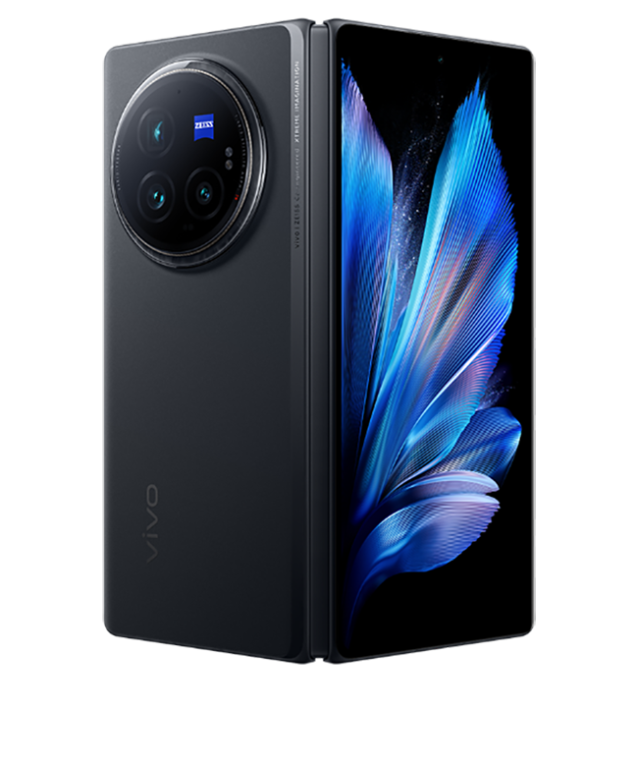
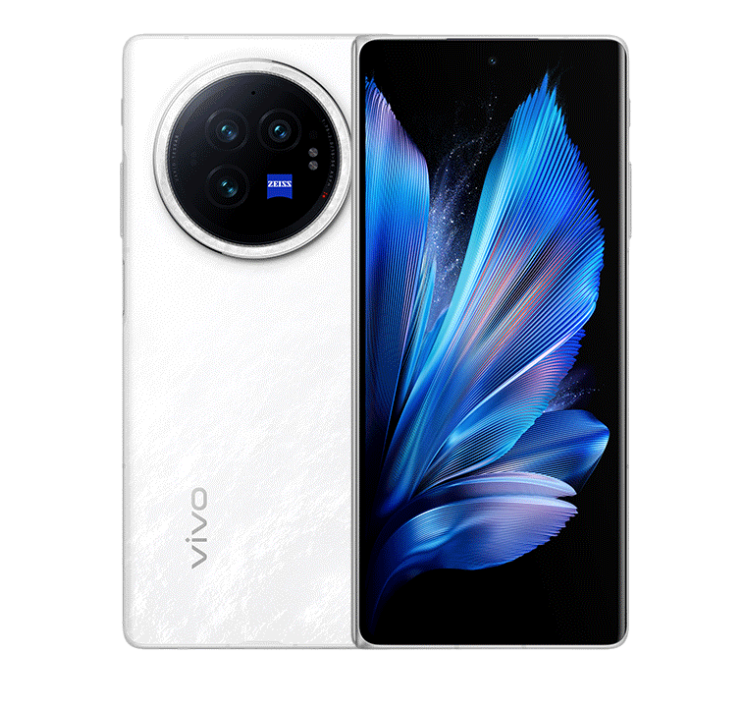
The Vivo X100 series debuted in China last November. Unlike previous generations, the X100 lineup included the standard and pro models. The brand did not announce the top-end Pro+ variant. Since then, there have been speculations regarding its launch timeline. Recent reports suggest that the X100 Pro+ may be called as X100 Ultra. A few days back, the company’s vice president also hinted at the arrival of the upcoming flagship smartphone.
Vivo X100 Ultra moniker confirmed and launch tipped
Reliable tipster Digital Chat Station shared on Weibo that the upcoming flagship often referred to as Thanos is confirmed to be called the Vivo X100 Ultra. It is set to arrive in May in China. We should learn about the exact launch date in the coming weeks.
The Vivo executive’s Weibo post also indicates that the launch is near. He acknowledged the attention and support for the smartphone while also revealing the technical hurdles. The device will have professional camera capabilities.
Leaks and rumours suggest that the Vivo X100 Ultra will feature an E7 AMOLED display with QHD+ resolution and a 120Hz refresh rate. It will be Vivo’s first smartphone to be powered by a Snapdragon 8 Gen 3 processor under the hood. The upcoming offering is expected to have a 50MP LYT-900 main camera and a 200MP periscope lens with support for 200x digital zoom.
Vivo is also reportedly working on the X100s and X100s Pro smartphones that have leaked in the past. It remains to be seen if all the upcoming X100 series devices will launch simultaneously.
Nothing’s new audio products are here. The London-based company has announced the Ear and Ear (a) TWS earphones in the global markets. The former is a premium offering whereas the latter is a stripped-down affordable version just like the Phone (2a) that is different from the premium Phone (2). With the latest audio devices, Nothing has changed its naming strategy by ditching the numbers. Read on to know everything about the Ear and Ear (a) below.
Nothing Ear and Ear (a) launch with the same designs but different specs
The Nothing Ear and Ear (a) retains the company’s signature transparent design with a stem and earbuds that has a silicone ear tip. The White variant on both models gives a dual-tone look. Both audio devices feature an IP54 rating for dust and water resistance. The Ear (a) has a slightly different storage case in a rectangular shape.
In terms of audio, the Nothing Ear is equipped with a new custom ceramic 11mm driver that is claimed to deliver crispier sound and better bass. It packs a 45dB active noise cancellation which is bumped up from 40dB on the Ear (2). The Ear (a) also has the same ANC but the driver is 11mm PMI + TPU dynamic. Both models feature Hi-Res Wireless audio. There is smart active noise cancellation that adjusts it by checking for sound leakage between the earbud and ear canal. The Adaptive ANC mode lets users switch between three levels of noise cancellation depending on the surrounding. There is bass boost algorithm and Clear Voice technology that ensures crystal clear quality on calls. The premium Ear has additional features including a LDHC 5.0 support, advanced equalizer, profile sharing, and personal sound profile.
The Nothing Ear and Ear (a) comes with Bluetooth 5.4 and dual device connection that lets users connect to two devices simultaneously. The former offers 8.5 hours of usage whereas the latter is capable of lasting 9.5 hours with ANC disabled. The storage case extends the battery on Ear and Ear (a) to 40.5 and 42.5 hours respectively with support for fast charging. The premium Ear also supports wireless charging. Both the Ear and Ear (a) feature in-ear detection, Google Fast Pair, Find My Earbuds, and more. The TWS earphones also has access to ChatGPT via voice commands but only when connected to Nothing Phones.
The Nothing Ear is priced at EUR 129/$149 and is available in Black and White colors. Meanwhile, the Ear (a) costs EUR 99/$99. It is offered in White, Black, and Yellow colors. In India, the Nothing Ear and Ear (a) carry a price tag of Rs 11,999 and Rs 6,999 respectively.
A fresh new leak suggests that the Redmi 13 5G, the successor to the budget-friendly Redmi 12 5G, may not have a global launch. According to a report by Android Headlines, Xiaomi is already working on the Redmi 13 5G, internally coded as “N19” and nicknamed “breeze.”
The smartphone is expected to be powered by the Snapdragon 4 Gen 2 processor. And although the report indicates it won’t have a global release, it is expected to debut in India, except China.
Evidence supporting this claim comes from the model numbers associated with the Redmi 13 5G: 2406ERN9CI, 2406ERN9CC, and 24066PC95I.
These model numbers hint at the markets where the smartphone will be available. The “RN” in the model numbers denotes the Redmi brand, while “PC” signifies the POCO brand.
Additionally, the model number “2406ERN9CI” with the “I” suffix corresponds to the Indian variant, while “2406ERN9CC” with the “C” suffix is associated with the Chinese version.
Given the smartphone’s model number is “PC”, it’s speculated that the Redmi 13 5G could be sold under the POCO brand, possibly as the Poco M7 5G in India.
Although specific details are scarce, leaks suggest a launch in China first, followed by India.
Additionally, Xiaomi’s latest user interface, HyperOS has also been in the build for the Redmi 13 5G, with the build number OS1.0.1.0.UNWCNXM and based on Android 14.
Apart from this, there isn’t much information available about either the Redmi 13 5G or the Poco M7 5G. We’ll keep you posted on any updates as they come.
As scheduled, the Huawei Pura 70 series phones arrived on the market on April 18 without any press conference. In the morning, the company announced the Pura 70 series through their official Weibo account.
Huawei Pura 70
Huawei Pura is a rebrand of the previous P series. The Pura 70 lineup consists of four models – the Pura 70, Pura 70 Pro, Pura 70 Pro+, and the Pura 70 Ultra. The Huawei Pura 70 starts from 5,499 Yuan (~$760) and equips a periscope telephoto camera.
Huawei Pura 70 series sold out within 1 minute
The first batch of Pura 70 series phones became available at Huawei Mall in China at 10:08 am and was sold out within less than a minute. It was previously reported that the Pura 70 series, especially the Pro models might suffer from insufficient production capacity and a supply shortage. According to the latest reports, some stores are yet to receive the new phones. The people who pre-ordered the phone in those stores will get them once the stock becomes available.
Although there are stocks available in many stores, the number of people queuing in the stores goes to show that the demand is currently way more than the supply.
According to Sui Qian, senior director of wireless smartphone strategic services at semiconductor and advanced technology analysis firm TechInsights, the Pura 70 series may offer Huawei a success similar to the Mate 60 Series. “If the pricing is reasonable and the production capacity problem is effectively solved, it is estimated that the sales volume of the entire Pura 70 series in 2024 will exceed 10 million units,” he noted.
TF International Securities analyst Ming-Chi Kuo once predicted that compared to the P60 series released in 2023, the shipments of the P70 series (now the Pura 70 series) will increase significantly in 2024.
One UI is one of the most popular custom skins loved by millions across the globe. It gets better with each iteration by improving the performance, adding new features, and bringing in lots of improvements to the existing ones.
The latest version – One UI 6.1 – has plenty to offer in terms of new features, which is why people are really excited to get their hands on the latest One UI version. But the rollout doesn’t happen in one go. It’s gradually pushed to the eligible devices.
For those eagerly waiting for the One UI 6.1 update, I have curated this list of devices that are already getting the update. So, you can stop scouring the internet and regularly monitor this article to stay up-to-date. In this article, I have also included the list of eligible devices and the top features of One UI 6.1.
One UI 6.1 Update Is Rolling Out to These Galaxy Devices
Galaxy S23 Ultra
Galaxy S23+
Galaxy S23
Galaxy S23 FE
Galaxy S22 Ultra
Galaxy S22+
Galaxy S22
Galaxy S21 Ultra
Galaxy S21+
Galaxy S21
Galaxy S21 FE
Galaxy Z Fold 5
Galaxy Z Flip 5
Galaxy Z Fold 4
Galaxy Z Flip 4
Galaxy Z Fold 3
Galaxy Z Flip 3
Galaxy Tab S9 Ultra
Galaxy Tab S9+
Galaxy Tab S9
Galaxy Tab S9 FE+
Galaxy Tab S9 FE
Galaxy Tab S8 Ultra
Galaxy Tab S8+
Galaxy Tab S8
Galaxy Tab S7 FE 5G
Galaxy Tab Active 5
Galaxy Tab Active 4 Pro
Galaxy Tab A9 4G
Galaxy A73 5G
Galaxy A54 5G
Galaxy A53
Galaxy A52 5G
Galaxy A52 4G
Galaxy A52s 5G
Galaxy A34 5G
Galaxy A33 5G
Galaxy A23
Galaxy A15 5G
Galaxy A14 5G
Galaxy M54
Galaxy M53 5G
Galaxy M34
Galaxy M33
Galaxy M23
Galaxy F54
Galaxy F14 5G
Galaxy XCover 7
Galaxy XCover 6 Pro
Galaxy Quantum 2
Samsung is already rolling out the One UI 6.1 update to these Galaxy devices. The update may not be available to all users, as the rollout happens in batches, which can take a few days to weeks to complete.
If your device is on the list, keep checking for updates by going to Settings > Software update > Download and install, as it can hit your device anytime.
If you’re unsure about the One UI 6.1 update eligibility for your device, check the list below.
These Galaxy Devices Are Eligible for One UI 6.1 Update
Samsung hasn’t released an official list of eligible devices. However, going by the One UI rollout history, every Galaxy device eligible for Android 14 or launched with it should get the One UI 6.1 update.
[Galaxy S series]
Galaxy S23 / S23+ / S23 Ultra
Galaxy S23 FE
Galaxy S22 / S22+ / S23 Ultra
Galaxy S21 / S21+ / S21 Ultra
Galaxy S21 FE
[Galaxy Z series]
Galaxy Z Fold 5 / Z Flip 5
Galaxy Z Fold 4 / Z Flip 4
Galaxy Z Fold 3 / Z Flip 3
[Galaxy Tab series]
Galaxy Tab S9 / Tab S9+ / Tab S9 Ultra
Galaxy Tab S9 FE / Tab S9 FE+
Galaxy Tab S8 / S8+ / S8 Ultra
Galaxy Tab A7 Lite
[Galaxy A series]
Galaxy A73
Galaxy A72
Galaxy A54
Galaxy A53
Galaxy A52 / A52 5G / A52s 5G
Galaxy A34
Galaxy A33
Galaxy A25
Galaxy A24
Galaxy A23
Galaxy A15 / A15 5G
Galaxy A14 / A14 5G
Galaxy A13
Galaxy A05s
Galaxy A04 / A04s
[Galaxy M series]
Galaxy M54
Galaxy M53 5G
Galaxy M33 5G
Galaxy M23
[Galaxy F series]
Galaxy F54
Galaxy F23
Galaxy F14 5G
[Galaxy Xcover series]
Galaxy Xcover 5 Pro
Galaxy Xcover 6 Pro
While One UI 6.1 is pretty much guaranteed for these Galaxy devices, only a few will get the Galaxy AI features.
So far, these Galaxy devices are confirmed to receive the One UI 6.1 update with Galaxy AI features:
AI features are the major highlights of One UI 6.1, but there are some cool non-AI features you’ll also want to explore.
1. Circle to Search: Circle anything on your screen to search it using Google without opening a different app. The results appear on the screen.
2. Live Translate: Choose the language you and the person on the other end understand, and let Galaxy AI do the magic. The voice translation happens in real time.
3. AI Wallpaper: Generate stunning wallpapers for your home screen and lock screen using Galaxy AI. The limitation is that you can’t enter a prompt but must choose from the available keywords.
4. Generative Edit: Galaxy AI gives you suggestions to enhance photos and videos. You can move, remove, or resize people and objects in images and then fill in any missing places.
5. Notes Assist: The Notes app in One UI 6.1 can auto-format notes into headings and bullet points and summarise them. It can also help you translate notes and fix spelling mistakes.
6. Browser Assist: It can summarise long web pages into short paragraphs and bullet points to help you understand the content in a few words. You can also translate them into the language of your choice. Browser Assist only works with Samsung Browser.
7. Chat Assist: It can help you change the tone of your texts and check grammar and spelling. It works with any texting apps, such as Gmail, WhatsApp, and Telegram, but you must have the Samsung Keyboard as your default keyboard.
8. Battery Protection: One UI 6.1 offers three different levels of battery protection: Basic, Adaptive, and Maximum. Basic protection keeps your device charged between 95% and 100%, while Adaptive protection pauses charging while you’re asleep and completes it just before you wake up. Maximum protection limits the maximum charge to 80% for better battery health.
9. More Lock Screen Widgets: There are additional lock screen and AOD screen widgets in One UI 6.1. The new widgets include Weather, Samsung Health, Battery, Reminder, Calendar, and Clock.
There are plenty of minor changes to One UI 6.1, which you can read about here.
Which One UI 6.1 feature(s) you are most excited about? Do let me know your thoughts about One UI 6.1 in the comments below.
Lenovo’s ThinkBook X AI 2024 goes on sale in China. The laptop was first unveiled at CES this year. It’s a powerful and intelligent laptop designed for professionals and creators on the go. Boasting the latest Intel Core Ultra processors and a starting weight of just 1kg, the ThinkBook X AI 2024 promises exceptional performance without sacrificing portability.
Lenovo ThinkBook X AI 2024 Specifications:
The ThinkBook X AI 2024 comes equipped with a choice of 12th Gen Intel Core Ultra processors, the 5 125H and the 9 185H. These processors are built on the Intel Evo platform, ensuring responsiveness, long battery life, and fast charging. Further enhancing performance, the laptop features LPDDR5x memory and a PCIe 4.0 solid-state drive.
The ThinkBook X AI 2024 features a stunning 2.88K (2880×1920) 3:2 aspect ratio 120Hz display. With a peak brightness of 500 nits and 100% sRGB color gamut, the display offers exceptional clarity and color accuracy, perfect for creative tasks. Factory hardware calibration ensures precise color accuracy, while TÜV Rheinland certification for hardware low blue light offers comfortable viewing. Additionally, the screen supports HDR400 for enhanced contrast and depth. A touchscreen variant is available for those who prefer a more interactive experience.
Despite its impressive performance, the ThinkBook X AI 2024 remains remarkably lightweight. The aluminum alloy version weighs in at 1.14kg, while the even more premium stainless magnesium version comes in at a featherlight 1kg. Both versions boast a sleek and stylish design with a thickness of just 12.9mm.
The ThinkBook X AI 2024 comes loaded with features to boost productivity and user experience. This includes a long-lasting 74Wh battery, a Harman Kardon sound system, a two-in-one power and fingerprint button, and a variety of ports including Thunderbolt 4 and a 3.5mm headphone jack. It also features Windows Hello fingerprint and an FHD IR camera with face tracking.
The “AI” in the ThinkBook X AI 2024’s name isn’t just for show. The laptop leverages AI features to improve video conferencing experiences with features like noise reduction, digital avatars, and intelligent beautification.
The ThinkBook X AI 2024 is built with sustainability in mind. It has been rigorously tested according to MIL-STD-810H standards for durability and adheres to carbon neutrality standards with eco-friendly packaging. Global warranty coverage and 24/7 customer service provide peace of mind for users.
The Lenovo ThinkBook X AI 2024 comes in four configurations, with prices starting at 7499 Yuan:
The wait is over! Huawei’s highly anticipated Pura 70 series smartphones has finally been launched in China. The top-tier Huawei Pura 70 Pro+ and Ultra comes equipped with a brand new processor inside — the Kirin 9010.
While Huaewi remained mum about the processor details, users in China who already got their hands on the phone are sharing details about the Kirin 9010.
A quick look at the processor reveals that the Kirin 9010 boasts a 12-core CPU with a 4+6+2 architecture. Here’s the breakdown:
4 efficiency cores running at 1.55 GHz
6 performance cores clocking in at 2.18 GHz
2 high-performance cores maxing out at 2.30 GHz
The core setup closely resembles that of the Kirin 9000 processors found in the Huawei Mate 60 series but with a few minor tweaks.
For instance, the Kirin 9010 has a slight bump in base clock speed for its efficiency cores compared to the Kirin 9000’s 1.53 GHz.
Furthermore, the performance cores’ clock speed sees a modest increase to 2.18 GHz from 2.15 GHz on the Kirin 9000. However, interestingly, the high-performance core takes a slight dip in clock speed compared to the Kirin 9000.
However, benchmark tests on Geekbench 6.2 show impressive results, with the Kirin 9010 outperforming the 9000s by a significant margin.
Despite these changes, on Geekbench 6.2, the processor achieves 1447 points in single-core tests and 4765 points in multi-core tests and surpasses the Kirin 9000s, which typically scores below 1350 points in single-core and maxes out around 4200 points in multi-core.
On AnTuTu (V10.2.4) benchmark, the Kirin 9010 achieves an overall score exceeding 970,000, with a CPU score exceeding 330,000 and a GPU score exceeding 190,000. It’s a significant jump from 700,000 points of the Kirin 9000s on Huawei Mate 60.
While the real-world performance of the new SoC is yet to be seen, it appears that Huawei has optimized the Kirin 9010 to perform exceptionally well, at least in benchmark tests.
We use cookies on our website to give you the most relevant experience by remembering your preferences and repeat visits. By clicking “Accept”, you consent to the use of ALL the cookies.
This website uses cookies to improve your experience while you navigate through the website. Out of these, the cookies that are categorized as necessary are stored on your browser as they are essential for the working of basic functionalities of the website. We also use third-party cookies that help us analyze and understand how you use this website. These cookies will be stored in your browser only with your consent. You also have the option to opt-out of these cookies. But opting out of some of these cookies may affect your browsing experience.
Necessary cookies are absolutely essential for the website to function properly. This category only includes cookies that ensures basic functionalities and security features of the website. These cookies do not store any personal information.
Any cookies that may not be particularly necessary for the website to function and is used specifically to collect user personal data via analytics, ads, other embedded contents are termed as non-necessary cookies. It is mandatory to procure user consent prior to running these cookies on your website.