Advertisement

MSI launches MAG 321UPX gaming monitor with QD-OLED display, 240Hz refresh rate at incredible price

MSI has expanded its presence in the QD-OLED monitor market with the MAG 321UPX QD-OLED. The monitor made its debut at CES 2024 and is aimed at gamers seeking a balance between affordability and the exceptional performance that QD-OLED technology delivers. Let’s walk through its details here. 

MSI MAG 321UPX Specifications

The MAG 321UPX features a 32-inch QD-OLED panel, a rarity among current 4K gaming monitors. QD-OLED delivers the inky blacks and infinite contrast that OLED is famous for, but with a noticeable boost in brightness. 

The monitor covers an impressive 99% of the DCI-P3 color space and comes factory-calibrated (Delta E < 2) for excellent color accuracy. It also boasts DisplayHDR True Black 400 certification and a peak brightness of 1,000 nits for vivid HDR visuals.

MSI MAG 321UPX QD-OLED gaming monitor

Gamers will appreciate the rapid 0.03ms response time and 240Hz refresh rate. These attributes ensure smooth motion and near-instantaneous responsiveness, giving a competitive edge in fast-paced games. 

For connectivity, the monitor includes two HDMI 2.1 ports and a DisplayPort 1.4a port, all supporting 4K resolution at up to 240Hz.  Peripheral users will appreciate a couple of USB 3.2 Gen 1 ports and a USB Type-C port for device charging.

MSI understands that gamers don’t just live for specs. The MAG 321UPX includes a 3-year warranty with burn-in protection – a major reassurance for those concerned about the potential downsides of OLED displays.

Pricing and Availability

Perhaps the most exciting aspect of the MAG 321UPX QD-OLED is its price. At $899.99, it undercuts several competitors while delivering a stunning visual experience. You can purchase the monitor directly from MSI or via Amazon.

Related:

Moto Edge 50 Pro EU price leaks once again along with launch timeline

Motorola recently debuted the Moto Edge 50 Pro mid-range smartphone in the Indian market. This new offering from the China-based brand features the recently launched Snapdragon 7 Gen 3 SoC, a capable camera system, and an impressive display. The company is also planning to launch the Edge 50 Pro in the EU soon. After recent reports revealing the Eurozone price of the Edge 50 Pro last week, a new report from Appulas has once again leaked the pricing along with the launch timeline of the device in the EU market.

Motorola Edge 50 Pro

As per the Appuals report, the Motorola Edge 50 Pro is set to debut in Europe in mid-April. The phone will come in a single 12GB RAM + 256GB storage configuration, priced at €699. For context, the Edge 50 Pro with the configuration mentioned above debuted in India with a 35,999 INR price tag that roughly converts to 398 Euros or US$432. It is also available in a cheaper 8GB + 256GB configuration, which costs 31,999 INR (~354 Euro/US$384). So if this pricing is accurate, European customers could end up paying around 60% more for the device compared to Indian users.

Apart from the pricing, the report mentions that the device will be available in Lavender, Black, and Pearl color options, which are the same as the Indian release. Additionally, the phone will come bundled with a 125W charging adapter.

Moto Edge 50 Pro specs:

Specs and features of the Motorola Edge 50 Pro include a 6.7-inch curved pOLED display with a 144Hz refresh rate, HDR10+ support, Full HD+ resolution, and a peak brightness of 2,000 nits. It is powered by the Qualcomm Snapdragon 7 Gen 3 SoC, coupled with up to 12GB of RAM and 256GB of internal storage. The device is equipped with a 4,500mAh battery supporting 125W TurboPower wired fast charging and 50W wireless fast charging. On the software front, it has an Android 14-based operating system, with updates guaranteed till Android 17.

Motorola Edge 50 Pro

On the rear, there’s a 50-megapixel primary camera with OIS, accompanied by a 10-megapixel telephoto lens offering 3x optical zoom, and a 13-megapixel ultra-wide-angle lens serving as a macro and depth sensor. Motorola claims the primary sensor is AI-powered and pro-grade. Notable features include IP68 water and dust resistance, an in-display fingerprint scanner, and dual stereo speakers with Dolby Atmos.

RELATED:

(Source)

Samsung is offering $900 discount on exclusive Galaxy S24 Ultra colors

Samsung continues to offer compelling deals on its flagship Galaxy S24 series devices. The latest promotion applies to the top-of-the-line model, the Galaxy S24 Ultra where you can get its online-exclusive colors at a special discount. Here’s a breakdown of it.

Typically, Samsung releases its flagship smartphones in standard colors that are widely available. Alongside these, they also offer some unique color options that are exclusively on their website.

Currently, two of the Galaxy S24 Ultra’s exclusive colors, Titanium Blue and Titanium Green, are available at an additional $150 discount. The Titanium Blue offers the most flexibility, with this discount applying to both the 256GB and 512GB storage options. The Titanium Green discount only applies to the 256GB model.

The value of this deal goes even further when you consider Samsung’s generous trade-in program. Eligible devices like the Galaxy S23 Ultra can fetch up to $750 in trade-in credit.

Grab the Samsung Galaxy S24 Ultra Deal Here

When you combine this trade-in credit with the $150 color discount, you could potentially save a whopping $900 on the Galaxy S24 Ultra. Other devices, such as the Fold 5 and Galaxy S23+, also have high trade-in values ($700 and $600 credits, respectively).

Samsung’s trade-in program will give you an immediate discount that you can apply to your Galaxy S24 Ultra purchase today. You only need to send in your old device later to confirm its eligibility. With such attractive trade-in values, you might be able to grab a Galaxy S24 Ultra for as low as $399.

However, we recommend you to check Samsung’s website for complete trade-in eligibility details and the latest pricing. Also, these deals can change over time, so if you’re interested in a Titanium Blue or Green Galaxy S24 Ultra, it’s advisable to act sooner rather than later to secure the best savings.

Related:

Xiaomi launches a super compact 120W GaN USB-C charger kit for $28

As expected, Xiaomi has unveiled a new 120W USB-C Gallium Nitride (GaN) charger kit in the Chinese market, boasting a compact design and fast charging capabilities. The “Little Pudding” charger, as Xiaomi calls it, is available for purchase on JD.com for an initial price of 199 yuan (around $28).

Xiaomi 120W GaN Charger

Xiaomi 120W GaN Charger Specifications:

The Little Pudding lives up to its name with a white, rounded design that the company claims is 42% smaller than its traditional 120W GaN chargers. This is attributed to the use of GaN, a third-generation semiconductor material known for its excellent thermal conductivity, high-temperature resistance, and small size. Despite its diminutive stature, the GaN charger remains powerful, delivering up to 120W of fast charging for compatible Xiaomi phones.

Xiaomi 120W GaN Charger

Xiaomi’s new charger isn’t just for smartphones. It boasts wide compatibility with PD 3.0, QC 3.0, and UFCS 1.0 protocols, allowing it to intelligently recognize and efficiently charge a variety of devices, including tablets, laptops, wearables, and more. The charger can even provide up to 65W of continuous fast charging for laptops.

Safety is a priority for Xiaomi, and the Little Pudding charger is packed with features to ensure a safe and reliable charging experience. These include a fire-resistant and high-temperature-resistant shell, intelligent temperature control, and multiple protection mechanisms against overvoltage, overcurrent, overheating, short circuits, and more.

Xiaomi 120W GaN Charger

In terms of dimensions, the charger measures 34mm x 34mm x 53mm, and it operates within a temperature range of -10°C to 40°C. The charger kit comes bundled with a 1.5m USB-C to USB-C data cable that supports 120W fast charging. This extended length provides flexibility for various charging scenarios, eliminating worries about short cables.

RELATED:

HyperOS Update Is Available for These Xiaomi, Redmi, and Poco Devices in India
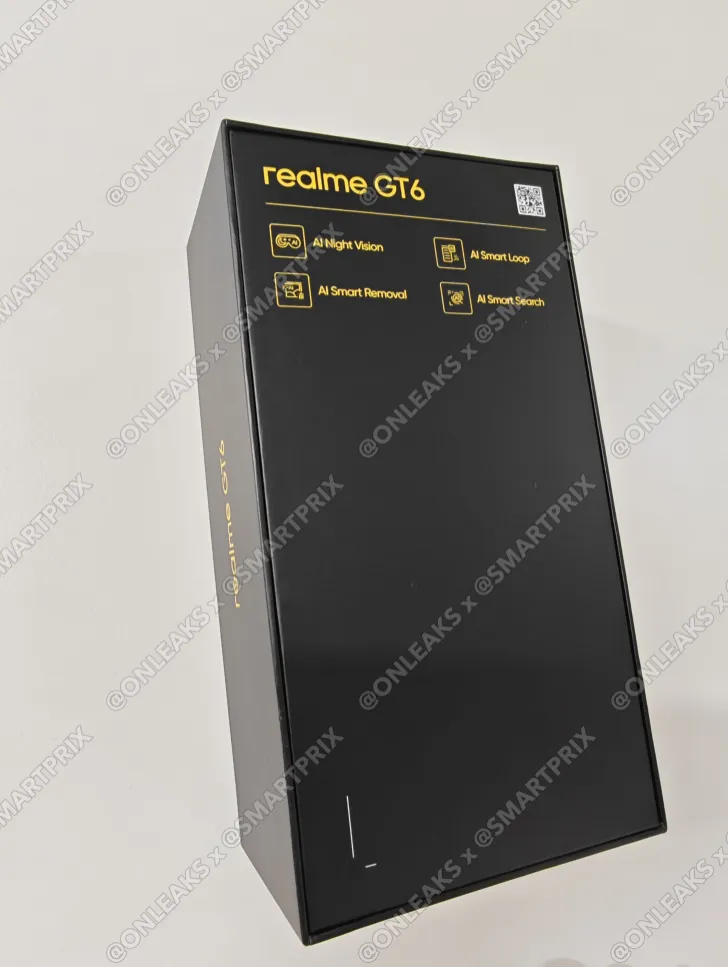
Xiaomi HyperOS rolled out devices list

Software updates are exciting as you expect some exciting features, improvements, and changes to the layout. And when it’s a major update like HyperOS, the excitement among Xiaomi fans touches the sky. The HyperOS update brings several mind-blowing features and significant improvements to many areas to give you a great experience.

If you have a Xiaomi, Redmi, or Poco device and are waiting for the HyperOS upgrade, keep reading this article to know which devices have received the update so far. We have also revealed the best HyperOS features, eligible devices, and the official roadmap.

[Note: We regularly update this article to include the latest information. Make sure to save the URL or bookmark this page to check back later.]

Also Read: Top 6 HyperOS Features You Absolutely Can’t Miss

These Xiaomi, Redmi, and Poco Devices Have Received the HyperOS Update

[Xiaomi]

  • Xiaomi 13 Pro
  • Xiaomi 12 Pro
  • Xiaomi Pad 6

[Redmi]

  • Redmi 12 5G
  • Redmi 12C
  • Redmi Pad
  • Redmi 11 Prime
  • Redmi Note 12 5G
  • Redmi Note 12 Pro 5G
  • Redmi Note 12 Pro+ 5G
  • Redmi Note 13 5G
  • Redmi Note 13 Pro 5G
  • Redmi Note 13 Pro+ 5G

[Poco]

  • Poco M6 Pro
  • Poco X6
  • Poco C55
  • Poco X5
  • Poco X5 Pro
  • Poco M5
  • Poco M4 5G
  • Poco F5

We’ll update this list whenever a new Xiaomi, Redmi, or Poco device gets the HyperOS update.

If you are still waiting for the HyperOS update on your device, you can manually download the ROM and install it. Check out this guide on 3 ways to install HyperOS for more details.

HyperOS Eligible Devices

[Xiaomi]

  • Xiaomi 13 / 13 Pro / 13 Ultra
  • Xiaomi 13T / 13T Pro
  • Xiaomi 12 / 12 Pro / 12 Lite
  • Xiaomi 12T / 12T Pro
  • Xiaomi 11 / 11 Pro / 11 Ultra / 11 Lite 5G NE
  • Xiaomi 11T / 11T Pro
  • Xiaomi 11i / 11i HyperCharge
  • Xiaomi Mi 11X / Mi 11X Pro / Mi 11i 
  • Xiaomi 10 / 10 Pro / 10S / 10 Ultra
  • Xiaomi Mix Fold / Mix Fold 2 / Mix Fold 3 / Mix 4
  • Xiaomi Civi / Civi 1S / Civi 2 / Civi 3
  • Xiaomi Pad 6 / Pad 6 Pro / Pad 6 Max
  • Xiaomi Pad 5 / Pad 5 Pro 5G / Pad 5 Pro WiFi

[Poco]

  • Poco F5 / F5 Pro
  • Poco F4 / F4 GT
  • Poco F3 / F3 GT
  • Poco X6 5G / X6 Neo
  • Poco X5 5G / Poco X5 Pro 5G
  • Poco X4 Pro 5G / X4 GT
  • Poco M6 5G / M6 Pro 4G / M6 Pro 5G
  • Poco M5 / M5s
  • Poco M4 5G / M4 Pro 4G / M4 Pro 5G
  • Poco C55 / C65

[Redmi]

  • Redmi K40 / K40S / K40 Pro / K40 Pro+ / K40 Gaming
  • Redmi K50 / K50 Pro / K50 Ultra / K50 Gaming / K50i / K50i Pro
  • Redmi K60 / K60E / K60 Pro / K60 Ultra
  • Redmi Note 13 4G / Note 13 5G / Note 13 Pro 4G / Note 13 Pro 5G / Note 13 Pro+ 5G / Note 13R Pro
  • Redmi Note 12 4G / Note 12 / Note 12C / Note 12 Turbo / Note 12T Pro / Note 12 Pro Speed / Note 12 Pro 5G / Note 12 Pro+ 5G / Note 12 Discovery / Note 12S / Note 12R / Note 12R Pro
  • Redmi Note 11 SE / Note 11E / Note 11 Prime 4G / Note 11 Prime 5G / Note 11R / Note 11 4G / Note 11 5G / Note 11T 5G / Note 11S / Note 11S 5G / Note 11 Pro 4G / Note 11 Pro 5G / Note 11E Pro / Note 11 Pro+ 5G / Note 11T Pro / Note 11T Pro+
  • Redmi Note 10T / Note 10S / Note 10 5G / Note 10C / Note 10 Power
  • Redmi 12 / 12C / 13C / 13C 5G

HyperOS Rollout Roadmap

These Xiaomi, Redmi, and Poco devices will get the HyperOS update in Q2 2024 (April – June) in India:

[Xiaomi]

  • Xiaomi 11 Ultra
  • Xiaomi 11T Pro
  • Xiaomi Mi 11X
  • Xiaomi 11i HyperCharge
  • Xiaomi 11 Lite
  • Xiaomi 11i
  • Xiaomi Mi 10
  • Xiaomi Pad 5

[Redmi]

  • Redmi K50i
  • Redmi 13C series
  • Redmi 12
  • Redmi 11 Prime 5G
  • Redmi Note 11 series

[Poco]

  • Poco X6 Neo
  • Poco M6
  • Poco C65
  • Poco M4 Pro
  • Poco F4

Best HyperOS Features You Must Explore

These are the best HyperOS features you shouldn’t forget to explore:

1. Lock Screen Customisations

Lock screen customisation has never been that great on MIUI which HyperOS can do. The new OS offers extensive lock screen customisation options to give you lock screen a perfect look. You get to choose from various lock screens styles, fonts, and color options. HyperOS also lets you add a depth effect to make it look even better.

2. Much Improved Control Center

The new Control Center in HyperOS looks much better and minimalist compared to that in MIUI. It removes all icon labels, though it can be brought back via the Settings app. The major changes to the Control Center include the addition of the music player widget and making the icons visible on a single scrollable screen.

3. Dynamic Notch

Xiaomi has also tried to implement the Dynamic Island from iOS in its own way. Though it’s not very functional yet, it’s a good visual element to have on a device. It works when you connect the charger, turn on the Battery Saver, enable Do Not Disturb (DND), switch to silent mode, and turn on the hotspot.

4. Improved Gallery App

The default Gallery app in HyperOS has a smart cutout feature. You can use it to isolate the subject from an image and remove/change the background. The Gallery app also gets an “ID” feature to help you create ID cutouts and photos.

5. Remove Bloatware

Xiaomi has finally listened to users and allowed them to remove bloatware (preinstalled apps) from their HyperOS devices. You can now easily remove them to free up more storage and system resources.

Which Xiaomi device do you have and which HyperOS features are you excited about? Share your thoughts in the comments below.

DJI’s upcoming flagship camera gimbals leak in full with specifications and price

DJI, the leading brand in camera stabilization technology, is gearing up to reveal its latest products on April 9. Although the company hasn’t confirmed it officially, there’s strong speculation that DJI will introduce the RS 4 and RS 4 Pro camera gimbals.

Ahead of the official unveiling, insiders like @Quadro_News have shared significant details about both devices, along with some product photos. Additionally, @rquandt has also shared several official images of the products.

DJI RS 4, RS 4 Pro Specifications (Rumored)

According to the leaks from @Quadro_News, the RS 4 series is expected to come with several improvements compared to their predecessors. These include second-generation vertical scanning for smoother transitions, an extended tilt axis for more creative possibilities, and DJI’s latest fourth-generation stabilization algorithm.

Importantly, the new gimbals will maintain a payload capacity of 3 kg, allowing compatibility with a wide range of cameras and lenses. There will also be support for features like Bluetooth control and DJI Focus Pro.

One of the standout features of the DJI RS 4 series could be its impressive battery life. At least one RS 4 model is expected to offer up to 29 hours of usage on a single charge, likely the RS 4 Pro variant. 

The DJI RS 3 Pro has a runtime of 12 hours, so the extended runtime will be particularly beneficial for professionals who demand uninterrupted performance during long shoots.

Leaked images also reveal an assortment of included accessories. The gimbals will come with a carrying case, various USB cables for connecting cameras and devices, and a selection of mounts for added versatility.

As per the leaks, the DJI RS 4 Combo package will be priced at €719, while the RS 4 Pro Combo will cost €869. The gimbals are expected to be available shortly after the official launch event on April 9th.

Related:

Xiaomi Mijia Wireless Floor Scrubber 3 Pro up for pre-sale: Cleans, washes & dries in one go

Xiaomi recently announced a floor cleaner called Mijia Wireless Floor Scrubber 3 Pro in the Chinese market. This 4-in-1 machine can clean homes by vacuuming, mopping, washing, and drying floors in a single pass. The cleaner is now up for pre-sale in China with a launch price of 1899 yuan (around $262).

Xiaomi Mijia Wireless Floor Washer 3 Pro

Xiaomi Mijia Wireless Floor Scrubber 3 Pro Specifications:

The Mijia Wireless Floor Scrubber 3 Pro tackles dirt and grime with a powerful combination of features. It comes with a hot water self-cleaning function, reaching a maximum temperature of 60°C (140°F).

This effectively dissolves stubborn stains on the roller brush while simultaneously sterilizing it with 99.99% electrolyzed water. Following the hot water wash, hot air drying ensures the roller brush remains moisture-free, preventing bacterial growth and odors commonly associated with traditional mops.

Unlike bulky cleaning machines, the Mijia Floor Scrubber 3 Pro boasts a 180° flat-lying design and a 48.5° flexible rotation. This allows the machine to maneuver under furniture as low as 13cm (5 inches), reaching those dusty dead corners that vacuums often miss.

The device comes with Xiaomi’s Superplana 2.0 technology, which ensures strong suction is maintained even when lying flat, effectively separating water vapor and preventing sewage from entering the fan.

The Floor Scrubber 3 Pro boasts a real-time active water sterilization system that utilizes electrolyzed water created from tap water. This eliminates the need for harsh chemicals and claims to kill 99.99% of bacteria and viruses, including E. coli, Staphylococcus aureus, and Influenza A virus. This feature provides peace of mind for families with crawling babies or pets.

The floor cleaner is packed with user-friendly features. The low center of gravity design with built-in traction allows for effortless one-handed control. It has an LED screen that displays real-time status, while clear voice prompts guide users through the operation. The machine offers multiple cleaning modes, including standard, water absorption, sterilization, and enhanced modes for customized cleaning.

The product comes with a built-in battery that boasts a long lifespan, capable of cleaning up to 230 square meters (2476 square feet) on a single charge. The large 800ml clean water tank and 700ml dirty water tank minimize the need for frequent refilling and emptying.

RELATED:

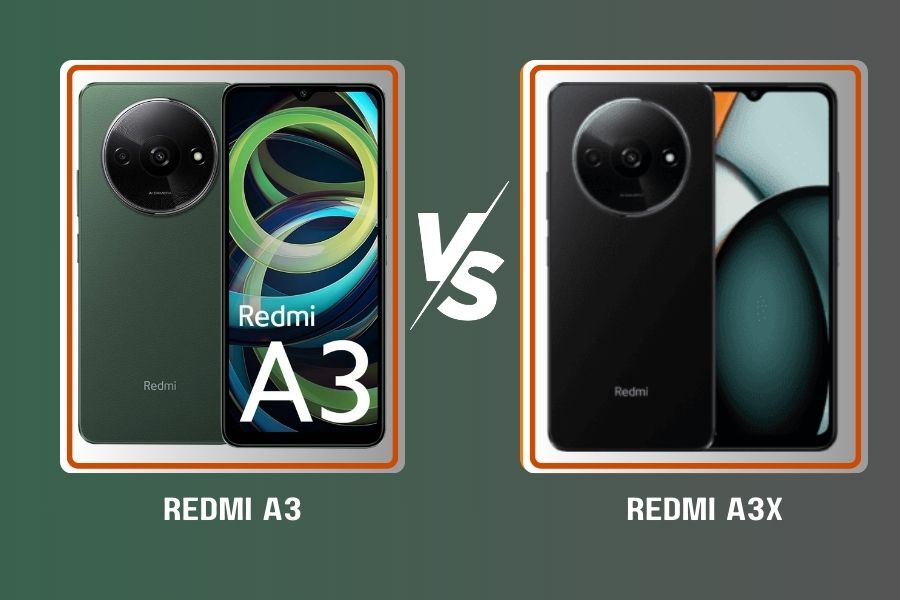
Realme teases launch of new smartphone series in India

Realme, a well-known smartphone brand, is teasing the launch of a new smartphone series in India. This announcement comes shortly after the release of the Realme 12X 5G in the country.

The teaser highlights the camera capabilities of the upcoming device, but no other specific specifications have been revealed yet.

Even the name of the new series remains a mystery for now. The teaser also suggests a focus on performance, with the word “power” prominently featured, although details are scarce.

According to tipster Paras Guglani, this new series could introduce Realme’s Note lineup to the Indian market. For those unaware, Realme recently launched the Note 50 in the Philippines as the first smartphone under the Note branding.

The Realme Note 50 boasts a 6.74-inch IPS LCD display with HD+ resolution and a 90Hz refresh rate. It’s quite slim and lightweight measuring 7.9mm thick and weighing at just 186 grams. 

Under the hood, it’s equipped with the Unisoc T612 chip, 4GB RAM, 64GB storage, and a 5,000mAh battery. The phone comes pre-installed with Realme UI T based on Android 13 Go. In terms of cameras, it features a 5-megapixel front camera and a 13-megapixel triple rear camera setup.

Although Realme hasn’t confirmed anything yet, if the speculation is accurate, the new series launching in India may offer smartphones at an affordable price tag.
More details on the specific models, pricing, and features of Realme’s latest smartphone series are expected to be announced in the near future.

Related:

Oops! Google Pixel 8a Revealed Early in Official Google Ad

Google Pixel 8a, the upcoming mid-range addition to the Pixel lineup, has been the subject of several leaks in recent months. Now, the device has made an unofficial appearance in an advertisement for Google’s own Fi Wireless carrier service.

The ad showcases the Pixel 8a in both blue and off-white colors with a dual-camera setup. But how can we be sure this is the Pixel 8a and not the regular Pixel 8?

Google Pixel 8a design leaks

Well, there are a couple of telltale signs. Firstly, the Pixel 8 isn’t available in either blue or white. Additionally, the design shown in the ad doesn’t show the microphone near the cameras that the Pixel 8 has. So, it’s pretty obvious it’s the Pixel 8a. But it’s unclear whether the inclusion of the Pixel 8a in the ad was intentional or an oversight.

As for specifications, the Google Fi ad didn’t spill any new details. The ad focuses on Google Fi’s pricing plans rather than the featured device.

Nevertheless, rumors about the Pixel 8a’s specs have been circulating for a while now. It’s said to feature a 6.1-inch FHD+ OLED display with a boosted refresh rate of 120Hz. Under the hood, it’s expected to pack the same Tensor G3 chip as the Pixel 8 and 8 Pro, along with either 128 GB or 256 GB of storage.

In terms of cameras, we can expect the same 64 MP OIS main camera and 13 MP ultrawide lens as the Pixel 7a, along with a 13 MP selfie camera.

There’s also talk of faster charging for the Pixel 8a. It’s rumored to support 27W charging which is a much-needed upgrade from the 18W speed seen in previous generations of Pixel A phones.

Related:

Qualcomm Snapdragon X Plus may give Windows laptops a feature every MacBook lacks

As we eagerly await the arrival of the first wave of laptops powered by Snapdragon X Elite in mid-2024, Qualcomm is also exploring the possibility of introducing a more budget-friendly option to its ARM-based Windows chip lineup: the Snapdragon X Plus.

A new leak suggests Qualcomm is working on not one, but two versions of the Snapdragon X Plus System-on-Chip (SoC), both of which could offer a significant advantage over Apple’s current MacBook lineup.

Qualcomm Snapdragon X Plus Chip Leak

These chips are reportedly assigned model numbers X1P44100 and X1P46100. Notably, the “X Plus” Snapdragon ARM processors are identified by the ‘X1P’ prefix, distinguishing them from the Snapdragon X Elite chips, which use ‘X1E’ in their model numbers.

While specific details are still scarce, the naming convention implies that the Snapdragon X Plus will be a scaled-down version of its more powerful counterpart. This could mean fewer cores as one of the differentiating factors, similar to how Apple differs its M-series chip.

Although the X Plus may not match the raw performance of the X Elite, it could be a perfect fit for affordable ARM-based Windows notebooks.

Importantly, Qualcomm seems to be testing one key feature that could make Snapdragon X Plus laptops truly compelling — an integrated Snapdragon X65 5G modem.

If Qualcomm manages to deliver this with the X Plus, it could transform the market with an influx of 5G-ready Windows laptops, outpacing Apple – which is absent from the 5G laptop space.

While there is no official release date yet, considering that Snapdragon X Elite devices are expected later in 2024, we can expect the arrival of the X Plus either towards the end of the year or in 2025. But that’s just a guess on our side.

Related:

(Via)

Top 6 HyperOS Features You Absolutely Can’t Miss

Top HyperOS Features

HyperOS is the new brainchild from Xiaomi, and it’s shaking things up with new features that elevate your experience to a whole new level. The brand has made significant changes to the core system to offer a lightweight and snappy experience with added features. But with so many features out there, what makes HyperOS really stand out? I have handpicked the top 6 features from HyperOS that you shouldn’t miss out on.

Whether you already have a Xiaomi device running HyperOS or eagerly waiting for the new OS upgrade, here are the top 6 features that will make you love your phone even more. And for those switching from MIUI, we have a detailed guide on HyperOS vs MIUI to help you make the smooth transition.

Also Read: These Devices Have Received the HyperOS Update

1. Design a Lock Screen You Love

If you’re tired of your old and boring lock screen, HyperOS is here to change the game. This is one of the most significant visual changes in the new OS, which the users have loved.

HyperOS lock screen

HyperOS lets you extensively customize the lock screen by offering numerous lock screen designs, fonts, and clock styles. You can also change the font colours and apply a depth effect to move the clock and date behind the subject in the lock screen wallpaper. The depth effect works like a charm when you add your own picture as your lock screen.

The lock screen in HyperOS is pretty much similar to iPhones, but I don’t have any complaints about it. In fact, Xiaomi has implemented this feature quite well, and hopefully, they’ll keep improving it in subsequent updates.

HyperOS lets you choose between three lock screen styles: Classic, Rhombus, and Magazine.

HyperOS lock screen types

Classic gives you a minimalist style of lock screen that displays time, date, and weather information, though you have several clock and date styles to choose from. The real customisation lies in the other two lock screen styles, Rhombus and Magazine. Play with the lock screen styles and customization options to create a personalised lock screen.

HyperOS lock screen customization

2. Gallery Gets Smarter and Better

Although not much has changed in the design part, the Gallery app in HyperOS is getting several useful features. First, the Gallery icon gets a minor tweak, which will likely go unnoticed at first or even second glance. For instance, the sun in the app icon is moved to the left, but that doesn’t make a big difference.

HyperOS Gallery Photo Cutout feature

The new Gallery app has a smart photo cutout feature. You can use it to isolate the subject of an image. For this, tap and hold on the subject and then copy, save or send it to someone. This feature is very useful for removing or changing the background.

HyperOS Gallery photo cutout options

If you want a different background, tap and hold the image, select three vertical dots, and tap on Change background. Select the background you like and click Save.

HyperOS Gallery Replace Background

You’ll also notice that the Gallery options have been moved to the bottom, and there’s a new “Recommended” tab. It contains all the options that you see in MIUI after tapping the three vertical dots in the upper-right corner. What’s new here is the “ID” feature, which helps you create ID cutouts and photos.

3. Dynamic Notch Making Aesthetics Better

Dynamic Island on iPhones has been a big hit, and hence, Android smartphone brands, too, try to integrate this feature in their own way. Realme calls it Mini Capsule, and OnePlus, too, recently joined the party with the release of OxygenOS 14.

Xiaomi has also created its own version of Dynamic Island, which ships with HyperOS. Though they don’t have an official name for it, many call it “Dynamic Notch”.

HyperOS dynamic notch

You can see the Dynamic Notch in action when you connect the charger, turn on Battery Saver, enable Do Not Disturb (DND), switch to silent mode, or turn on the hotspot. Currently, this feature doesn’t bring much utility, but it’s nice to have fantastic visual elements. I’m pretty sure that future HyperOS developments will make the Dynamic Notch useful and more functional.

4. Control Center Becomes Less Cluttered and Better

Control Center is the area I visit the most, and HyperOS brings several changes I really liked a lot and some I don’t. Opening the Control Center still requires you to swipe down from the top-right corner. As soon as you do it, you’ll quickly realise that all icon labels are gone. It’s not a software bug but a strategic move from Xiaomi to give the Control Center a minimalist appearance.

HyperOS Control Center

Xiaomi has intentionally made this move to give the Control Center a cleaner look, but it can be unhelpful for non-geeky people. They may have difficulty using the Control Center shortcuts until they are used to it. Thankfully, it’s easy to bring back icon labels by disabling “Don’t Show Icon Labels” from Settings > Notifications & Status Bar.

The Control Center in HyperOS has larger icons for better visibility. Another important change is that all the icons are visible on one single scrollable screen. To recall, MIUI arranges these icons in panels which you can swipe left or right.

Xiaomi has added a music player shortcut in the Control Center, which can be helpful for music lovers. Another useful change to the HyperOS Control Center is that the Wi-Fi options appear in a small pop-up window when you tap and hold the Wi-Fi icon. It’s also true for Bluetooth and Control Center shortcuts.

5. Improved Multitasking

Multitasking with HyperOS is much better compared to MIUI. You can use the shortcut icons to swap the split screens or close the floating app window. You’ll get these shortcuts after tapping three dots on the floating app window.

HyperOS multitasking

These shortcuts can be very impactful if you regularly use apps in the floating window or split screen mode. Some of the best uses I can think of include taking notes during a meeting, chatting with multiple friends over different apps, and copy-pasting from one app to another.

6. Bloatware Removal Made Easy

Years of wait and countless complaints have finally paid off as HyperOS lets you uninstall most preinstalled apps, which are also called bloatware. This isn’t only a problem with Xiaomi’s budget and mid-range phones; even premium phones come with lots of bloatware.

You can now easily uninstall most preinstalled apps, including system apps, to get more free storage. This might improve the device’s performance as well.

Xiaomi phone

Xiaomi has invested a lot of time and effort in building HyperOS from the ground up. It’s a couple of GBs lighter than MIUI and feels snappier with smoother animations. With the new OS, the Chinese tech giant aims to develop a unified ecosystem where all Xiaomi products can be deeply interconnected to build a strong ecosystem. In fact, the electric car they launched recently also integrated HyperOS.

As of now, the HyperOS doesn’t bring any groundbreaking features. Most of them are inspired by iOS, which isn’t bad, but I’d also expect Xiaomi to develop some amazing features.

Which HyperOS feature(s) do you like the most? Do let me know in the comment section below.

More on HyperOS:
1. Xiaomi is Removing a Popular Feature from HyperOS
2. What is HyperOS? Is It Based on Android?
3. HyperOS Rollout Timeline for H1 2024

Acer Nitro ED343CUR V3 & ED320QR H 2K 180Hz gaming monitors launching tomorrow in India
Acer recently teased its upcoming refresh of the Predator Helios 16 gaming laptop for the Indian market. The new Helios 16 laptop will come with a 14th Gen Intel Core i9-14900HX processor and the NVIDIA GeForce RTX 4080 GPU.

ACER Nitro ED343CUR V3 and ED320QR H

Apart from that, the brand is also launching its new Nitro Gaming Monitors, the ED343CUR V3 and ED320QR H, on Flipkart on April 7, 2024. The Flipkart promo page has revealed the high-performance features of these monitors, however, the pricing is yet to be revealed.

Acer Nitro ED343CUR V3 & ED320QR H specs:

As per the Flipkart microsite, the Nitor ED343CUR V3 and ED320QR H monitors will offer features like a display resolution of up to 3440 x 1440 pixels, sizes up to 34 inches, a color gamut of up to 90%, and support for 16.7 million colors. They promise smooth gameplay with up to 180 Hz refresh rate and 1 ms response time, and their curved design aims to provide an immersive experience. They also offer a tilt range of -5 to 15 degrees, VESA mount support, and a 178-degree viewing angle.

ACER Nitro ED343CUR V3 and ED320QR H

Both models are equipped with AMD FreeSync to eliminate screen tearing, and they offer multiple connectivity options, including 2 display ports 1.4 and 2 HDMI 2.0 ports, along with in-built stereo speakers and audio-out ports. More details about these monitors will be made available tomorrow (April 7), along with their pricing, so stay tuned.

RELATED:

First Look at BYD’s Stylish Upcoming Electric Car Being Tested in Germany, Wrapped in Camo

Chinese electric vehicle manufacturer BYD is back on the scene with a new car currently undergoing testing in Stuttgart, Germany. Expected to hit the market by the end of 2024, the car has a design that’s both eye-catching and functional. Have a look for yourself.

From the glimpses captured during road tests, the car appears to prioritize aerodynamics with its simple, streamlined silhouette. A sloping roofline further accentuates this focus on low wind resistance, potentially translating to improved range and efficiency. This sleek design philosophy doesn’t compromise on aesthetics. The car reportedly features a family-style front fascia, suggesting it will share design elements with other BYD models. While details remain hidden under camouflage, early hints point towards a wide grille and narrow headlights, creating a signature BYD look.

The side profile hints at a sportier driving experience. Compared to traditional SUVs, the car sits lower to the ground and boasts a flatter body. This lower center of gravity likely translates to sharper handling and a more car-like driving feel. Modern design elements are also evident, with the car sporting frameless doors and hidden door handles – features becoming increasingly popular among new electric vehicles.

Wolfgang Egger, the car’s designer and former design director of Audi, describes it as “both dynamic and luxurious.” This blend of sporty handling and premium aesthetics could position BYD’s new car as a compelling option for drivers seeking a stylish and exciting electric driving experience.

While specific details on the car’s name, configurations, and pricing remain under wraps, BYD has certainly piqued the interest of potential buyers. With its focus on aerodynamics, sporty design, and modern features, this new electric car has the potential to be a game-changer for BYD and the broader electric vehicle market.

RELATED:

(Via)

Elon Musk Announces the Tesla Robotaxi on X, Launches on the 8th of August

Tesla and its fans must be crazy with excitement right now. The reason? New potential electric vehicles. Rumors have been surfacing about two new additions to the Tesla lineup: a more affordable electric car, often referred to as the “$25,000 Tesla” (estimated price around 181,000 yuan), and a fully autonomous vehicle designed without a steering wheel or pedals. Today, on the X social media platform, Elon Musk himself made an appearance, announcing plans to unveil a Tesla Robotaxi on August 8th.

The robotaxi is expected to have a design similar to that of the Cybertruck

This autonomous vehicle aligns with comments Musk made in Walter Isaacson’s biography, where he hinted at a next-generation Tesla with a possible 2024 launch. The biography even included “early design drawings” of the Robotaxi, suggesting an aesthetic similar to the Cybertruck.

Elon Musk

While details remain scarce as of now, Tesla enthusiasts are most likely eagerly awaiting more information about both the Robotaxi and the rumored affordable electric car. August 8th promises to be a big day for Tesla, potentially unveiling not just one, but two significant additions to the electric vehicle lineup. Elon Musk likes to be a little theatrical with his releases and rollouts, and we can expect the same on this date. The company has to push harder than ever right now, considering other Brands and their EV divisions are catching up. Let’s see what Tesla has been cooking as of late.

RELATED:

(Via)

Alienware M16 R2 Indian pricing & launch date officially announced; features Core Ultra 9 185H CPU & RTX 4070 GPU

After its initial teaser last week, the Alienware M16 R2 Gaming Laptop is now set to launch on Amazon India on April 9, 2024, with pre-orders now open. Ahead of the official launch, the brand has revealed this laptop’s different price points and configurations.

Alienware M16 R2

Pricing & configurations:

The highest-priced variant priced at Rs 2,12,990 comes with an Intel Core Ultra 9 185H processor, 32 GB of RAM, a 1 TB SSD, and an NVIDIA RTX 4070 GPU with 8 GB GDDR6 memory. Following closely behind is another variant featuring the same processor but with 16 GB of RAM and an NVIDIA RTX 4070 GPU, available for Rs 1,91,990. Next, priced at Rs 1,60,990, is the variant sporting an Intel Core Ultra 9 185H processor, 16 GB of RAM, a 1 TB SSD, and an NVIDIA RTX 4060 GPU with 8 GB GDDR6 memory. Finally, the most budget-friendly option priced at Rs 1,50,990 is the variant with an Intel Core Ultra 7 155H processor, 16 GB of RAM, a 1 TB SSD, and an NVIDIA RTX 4050 GPU with 6 GB GDDR6 memory.

Alienware m16 R2 laptop specs:

The Alienware m16 R2 has a 16-inch QHD+ screen with a high refresh rate of 240Hz. It also offers NVIDIA G-SYNC support for smooth, tear-free gaming. The laptop has a new cooling system that improves airflow by 43%, keeping the laptop cool during long gaming sessions.

The laptop’s AI engine, designed to boost efficiency and speed, adjusts to the gamer’s usage patterns in real time. The laptop also has an AlienFX RGB backlit keyboard and a wide range of ports as listed below:

  • 1 x RJ-45 port
  • 1 x Global headset jack
  • 1 x Power/DC-in port
  • 1 x Type-C port (Thunderbolt 4.0, USB 4 Gen 2, 15W (3A/5V) Power Delivery, and DisplayPort 1.4 to iGPU)
  • 1 x Type-C port (USB 3.2 Gen 2, DisplayPort 1.4 to dGPU)
  • 1 x HDMI 2.1 port to dGPU Output
  • 1 x microSD card reader
  • 1 x Type-A USB 3.2 Gen 1 port with PowerShare technology
  • 1 x Type-A USB 3.2 Gen 1 port

Please Note: When you buy something using the links in our articles, we may earn a small commission at no cost to you.

RELATED:

(via)

Think Your YouTube Viewing is Private? Authorities Ordered Google to Reveal Viewers’ Identities

If you care about the privacy of your personal data, you might as well throw away your smartphone and other devices and move to a cabin in the woods. There’s no real privacy anymore. Because big data companies like Google know everything about us. Even what we own, what we do, even what we might do in the future.

It’s comforting to think they don’t share this stuff with anyone, including the government, unless there’s a good reason, right? Well, think again. It turns out that the US government can order Google to give them all your information just because you watched a video on YouTube. Here are re the details…

Caught Watching: Authorities Target YouTube Viewers

According to recent reports, the US government recently asked Google to share personal information about some of its users. You might think these users are involved with crime after reading this. However, it’s impossible to know for sure because the authorities didn’t know the specific people they were targeting.

Instead, they wanted personal information from everyone who watched certain videos published between January 1 and 8, 2023. This information includes names, addresses, telephone numbers, what the users were doing on Google, and even their IP addresses. The whole reason for this mess is to catch someone online with the username “elonmuskwhm”.

This person is wanted for money laundering and running an illegal money transmitting business. To find him, authorities had undercover agents to send out tutorials via YouTube on mapping via drones and augmented reality software. You might think this is normal for catching criminals. But, the videos were public and for example on of them was watched by over 30,000 people.

That means the data of potentially tens of thousands of users was exposed through these videos, which were accessible to anyone, including you. This tactic raises questions about the balance between online investigations and user privacy. Unfortunately, Google had to disclose those data. That’s precisely why if privacy of personal data matters to you, the only thing you can do is to live in a hut deep in the forest.

RELATED:

Samsung to introduce the upcoming Galaxy Watch FE

Samsung is one of the world’s biggest phone manufacturers. Alongside phones, they also make smartwatches, headphones and more. Especially the Galaxy Watch series is very popular.

Galaxy Watch FE

One reason these watches sell well is because they’re packed with cool features. Now, rumors are circulating about Samsung’s newest smartwatch, the Galaxy Watch FE (Fan Edition). It’s expected to have similar features to the Galaxy Watch 4. Android Headlines has found some surprising information.

Galaxy Watch FE is set to launch in global markets, including the U.S. and Korea. The model numbers are SM-R866F, SM-R866U, and SM-R866N. When we check the model numbers, they are very similar to the model number of the Galaxy Watch 4, which indicates that a new Watch 4 version is coming soon. Just know that the Watch 4 has the model number SM-R860F.

People think the Galaxy Watch FE will look a lot like the Galaxy Watch 4 with its round shape and rotating bezel. The smartwatch will probably run on Google Wear OS.

On the bright side, the Galaxy Watch FE is expected to offer all these special features at a lower price. That’s why it’s called the Fan Edition. For Samsung fans who want the latest tech without spending tons of money. With its premium features and affordable price, the Galaxy Watch FE is sure to be a hit with smartwatch fans everywhere.

Related:

Snapdragon 7+ Gen 3 vs. Snapdragon 8 Gen 2! Which Performance Beast is Right for You?

Choosing the perfect Android smartphone can be a difficult task with so many options on the market. It’s tough to decide between phones from different brands, and even tougher to figure out whether a slightly older flagship processor is better than a newer mid-range option.

Luckily, we’re here to help. We won’t overwhelm you with details about every processor, but we’ll guide you through common scenarios to make your choice easier. If you’re wondering about the differences between the Snapdragon 7 Plus Gen 3 and Snapdragon 8 Gen 2, you’re in the right place.

1. Snapdragon 7+ Gen 3 and Snapdragon 8 Gen 2 Features

Advances in chip manufacturing are transforming the smartphone market. Today, even mid-range SoCs can rival the performance of flagship processors.

The Snapdragon 7+ Gen 3 stands as a testament to this trend. How does it compare to the Snapdragon 8 Gen 2? On paper, the two share remarkably similar features, both built on TSMC’s 4nm process.

Yet, the Snapdragon 8 Gen 2 holds a slight edge in sustained performance due to its more powerful mid-tier CPU cores. While these performance differences are noticeable in benchmarks, they are unlikely to make a significant impact on everyday user experience.

Another key difference lies in GPU performance. The Snapdragon 8 Gen 2’s Adreno 740 offers a marginal boost in graphics capability for gaming or demanding visual applications. However, most users are unlikely to notice a significant difference considering the requirements of typical Android games.

Both chips feature advanced AI engines, but the Snapdragon 8 Gen 2 may have a slight edge with more complex AI tasks. Again, this difference might not be substantial in everyday use for the average person.

Ultimately, the Snapdragon 7 Plus Gen 3 remains a remarkably capable upper-midrange chipset, delivering excellent performance for most tasks while offering superb value for those who want a smooth, efficient experience without the premium price tag.

2. Snapdragon 7 Plus Gen 3 and Snapdragon 8 Gen 2 Technical Specs

SpecificationSnapdragon 7 Plus Gen 3Snapdragon 8 Gen 2
Manufacturing Process4nm (TSMC)4nm (TSMC)
CPU Architecture1x Cortex-X4 (2.8GHz), 4x Cortex-A720 (2.6GHz), 3x Cortex-A520 (1.9GHz)1x Cortex-X3 (3.2GHz), 2x Cortex-A715 (2.8GHz), 2x Cortex-A710 (2.8GHz), 3x Cortex-A510 (2.0GHz)
GPUAdreno 732Adreno 740
RAM SupportLPDDR5LPDDR5X
Max. Display ResolutionQHD+4K
5G ModemSnapdragon X70Snapdragon X70
RAMLPDDR5X memory up to 4200MHzLPDDR5X memory up to 4200MHz
AI EngineQualcomm HexagonQualcomm Hexagon
ConnectivityWi-Fi 7, Bluetooth 5.4, LEWi-Fi 7, Bluetooth 5.3, LE
Release DateMarch 2024November 2022

3. Snapdragon 7+ Gen 3 vs Snapdragon 8 Gen 2 Geekbench 6 Score

Adreno, Octa-core Kryo CPU, Snapdragon X70 5G Modem, UFS 4.0, and LPDDR5X and more, these technical terms certainly sound impressive. But what do they mean for your day-to-day smartphone experience? While everyday tasks like watching Instagram reels might feel similar across devices, these components can make a significant difference in demanding scenarios. Benchmark tests like Geekbench 6 help reveal those performance variations.

Snapdragon 7+ Gen 3:

  • Single-core: Approximately 1700-1750
  • Multi-core: Approximately 4500 – 4600

Snapdragon 8 Gen 2:

  • Single-core: Approximately 1900 – 1950
  • Multi-core: Approximately 5300 – 5400

Despite being a more budget-friendly option, the Snapdragon 7+ Gen 3 demonstrates remarkably close performance to the Snapdragon 8 Gen 2 in single-core tests, and even exceeds it in multi-core benchmarks. Keep in mind that slight variations across devices are possible, but the overall picture remains consistent.

4. Snapdragon 7+ Gen 3 vs Snapdragon 8 Gen 2 AnTuTu Benchmark Score

When we look at AnTuTu performance, the results are consistently close. While the Snapdragon 8 Gen 2 leads in every category, the difference is not substantial. Overall performance varies by a mere 5-10%. It’s worth remembering that these tests can fluctuate even among phones using the same chip.

Snapdragon 7+ Gen 3

  • Typical AnTuTu v10 Score: Around 1,450,000 – 1,500,000

Snapdragon 8 Gen 2

  • Typical AnTuTu v10 Score: Around 1,530,000 – 1,600,000

RELATED:

Google Pixel 8a: Expected Upgrades and Differences Compared to Pixel 7a

Google conducts its I/O Developer conference in May every year. Alongside software announcements, the search giant also has some hardware products on the cards. The most notable and anticipated release is the company’s mid-range Pixel A-series phone. The next-generation offering i.e. the Pixel 8a has already surfaced in plenty of leaks and rumours revealing almost everything. It will arrive as the successor to the last year’s Pixel 7a. 

In this post, we will take a look at the expected upgrades the Pixel 8a will pack and how it will differ from its predecessor. 

1. Pixel 8a will look more like Pixel 8

Google switched to more rounded corners on the flagship Pixel 8 series last year. As per leaked renders, the upcoming mid-range Pixel 8a will borrow the same design language compared to the sharper look of its predecessor. The search giant has reportedly increased the corner radius on the Pixel 8a which now measures 128px instead of 47px on the last year’s model. 

2. Pixel 8a will reportedly get a significantly upgraded display

While, the OLED display panel, resolution, and screen size are expected to remain unchanged, this year’s Pixel 8a is rumoured to pack an upgraded 120Hz refresh rate and 1,400 nits peak brightness. To jog your memory, the Pixel 7 has a 90 Hz display and 1,070 nits peak brightness. 

3. Tensor G3 onboard

It’s no surprise that the Pixel 8a will be powered by Google’s latest Tensor G3 chipset which also powers the flagship models. The mid-range offering should be able to support some generative AI features. However, it entirely depends on the RAM capacity since the Pixel 8 has limited support for Gemini Nano due to its 8GB RAM.  

4. Support for DisplayPort output and faster charging

With the Pixel 8a, the DisplayPort output feature will be available on the entire Pixel 8 series. This will enable users to cast the phone’s display onto a bigger screen via the USB-C port. The feature is similar to Samsung’s DeX mode. 

According to a tipster, the Pixel 8a will also get a faster charging speed of 27W. This is a much-awaited welcome upgrade as Google has stuck with 18W speed on previous generations of Pixel A phones.


Related:

Nothing Ear, Ear (a) Are The Company’s Upcoming Products Arriving On April 18

Nothing has officially confirmed the launch of its upcoming products. The London-based brand has been teasing for the past few days without revealing any key details. The forthcoming devices will expand its audio portfolio. Their monikers have also been confirmed. 

Nothing Ear and Ear (a) launch confirmed

Nothing will launch the Ear and Ear (a) audio products on April 18, Thursday. The former will arrive as the successor to the last year’s Ear (2). It is said to be designed for meticulous audiophiles. While it was speculated to be the Ear (3), Nothing reveals that the company has changed its naming strategy with its upcoming audio devices. 

As for the Nothing Ear (a), it will likely be a stripped-down affordable version of the Ear. The TWS earphone is marketed as perfect everyday buds. This is because the brand announced the Phone (2a) last month and it is a mid-range smartphone. 

Nothing says they’re unveiling the ultimate iteration of the Nothing audio with the two upcoming products. It culminates three years of the company’s design and innovation. The company also shared some details with WIRED. The Nothing Ear will be equipped with a new ceramic driver for delivering crispier sound and better bass. The active noise cancellation has also been bumped to 45dB from 40dB on the Ear (2). 

Both the Nothing Ear and Ear (a) are expected to retain the brand’s transparent design from the previous models. In a community post, the company states that their devices are built to last. No nomenclature-based ugrades.

Related: