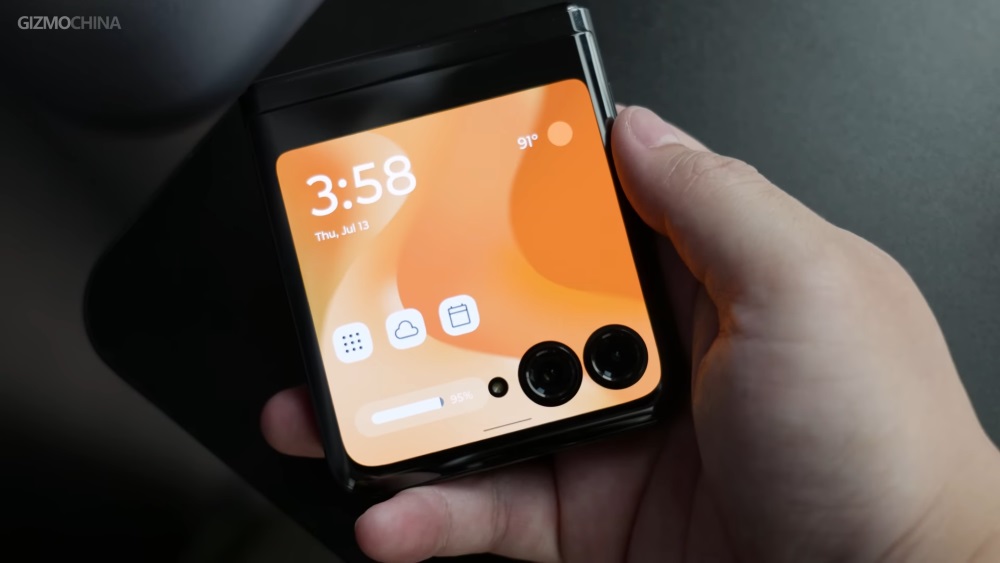
Lenovo Mobile Business senior vice president and Motorola president Sergio Buniac recently shared his vision regarding Motorola’s smartphone business. He wants to position Motorola among the top three smartphone brands worldwide excluding China. According to Buniac, the company has always maintained its third position in the North American and Latin American markets.
Motorola is taking steps and is already seeing success
The official launched an internal plan called the “Gladiator Project”, according to which, the company will make three major adjustments in its business strategies. Firstly, it will focus on expanding its business with a special focus on the global market outside of Latin America and North America. This is going to be a significant shift from the company’s previous contraction strategy.
Secondly, the company will also focus on strengthening its grip on the high-end smartphone market with its Razr series and Edge series devices. The collaboration with brands like Pantone and Bose is also targeted at Gen Z (especially female users) and B2B users.
The revamped strategies have already shown positive results for the company. The shipment volume of last year’s Moto Razr 40 lineup is reportedly five times as compared to its predecessor. In the 2023-24 fiscal year, the company’s smartphone activations have increased by 12% year-on-year, among which high-end phones accounted for 25%. The revenue in the Asia-Pacific and the EMEA markets have increased by 88% and 40% respectively. Sergio Buniac believes that Motorola’s smartphone business has improved from the “fighting for survival” state to the “fighting for victory” state in the last six years.
In Q4 2022, the company’s market share in the US and Latin America was 6% and a whopping 24% respectively. The company was in second position after Samsung in Latin America during the period. However, the company’s grip on the Chinese market is relatively weaker.
The company is also working on a deeper integration of artificial intelligence into its smartphones. Sergio Buniac predicted that smartphones will offer a user interaction-based personalized user experience powered by AI in the near future.
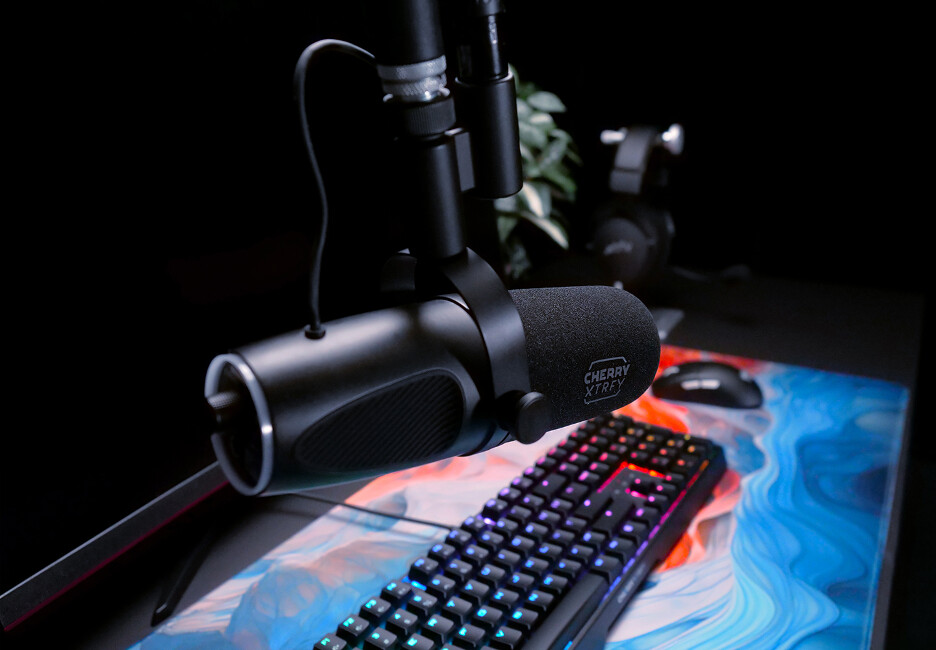
CHERRY XTRFY, known for their gaming mice, has entered new territory with the launch of the Ngale series microphones on May 28th. These mics are designed specifically to cater to the needs of gamers and live streamers.
The microphones have RGB lighting effects to match your setup
The Ngale R stands out with its unique retro design. This USB microphone boasts RGB lighting effects to enhance your aesthetics while you game or stream. Muting the microphone is a breeze – simply tap the top.
Featuring a cardioid polar pattern, the Ngale R prioritizes audio coming directly in front of the microphone, minimizing background noise. It also offers a low-cut filter, a valuable feature during intense gaming sessions as it helps eliminate unwanted low-frequency rumble. The Ngale R is priced at US$119.99.
CHERRY XTRFY has also launched a dedicated microphone arm for the Ngale series, priced at US$99.99 (approximately RMB 725). This arm provides optimal positioning for your microphone, ensuring clear audio capture.
The three CHERRY XTRFY Ngale series microphone products are available for purchase starting today, but currently only through international channels. While there’s no word on domestic availability yet, these mics offer a promising option for gamers and streamers seeking a stylish and functional audio solution.
Qualcomm unveiled impressive benchmark results on May 28th, showcasing the AI prowess of their Snapdragon X Elite processor’s Hexagon NPU. The NPU of the Snapdragon X Elite X1E-80-100 achieved a score of 1787 in the UL Procyon AI test. This handily surpasses the scores of competing processors: the M3 (898 points) and Ultra 7 155H (480 points).
There is a 31% improvement over the Core Ultra 7 155H
Qualcomm claims the Hexagon NPU operates with significantly lower power consumption compared to its rivals. It boasts a 22% reduction compared to the M3 and a 31% improvement over the Ultra 7 155H.
Qualcomm crowns the Snapdragon X Elite with the title of “highest NPU performance per watt.” This translates to an energy efficiency advantage of 2.6 times over the M3 and a staggering 5.4 times over the Ultra 7 processor. While it’s important to note these tests were conducted on Qualcomm reference designs and specific laptops, the results highlight the X Elite’s potential for efficient AI processing.
Qualcomm showcased the GIMP + Stable Diffusion 1.5 raw image processing capabilities of the Snapdragon X Elite. Here, the NPU delivered 3 times the speed compared to the Core Ultra 7 155H, hinting at its potential for real-world applications.
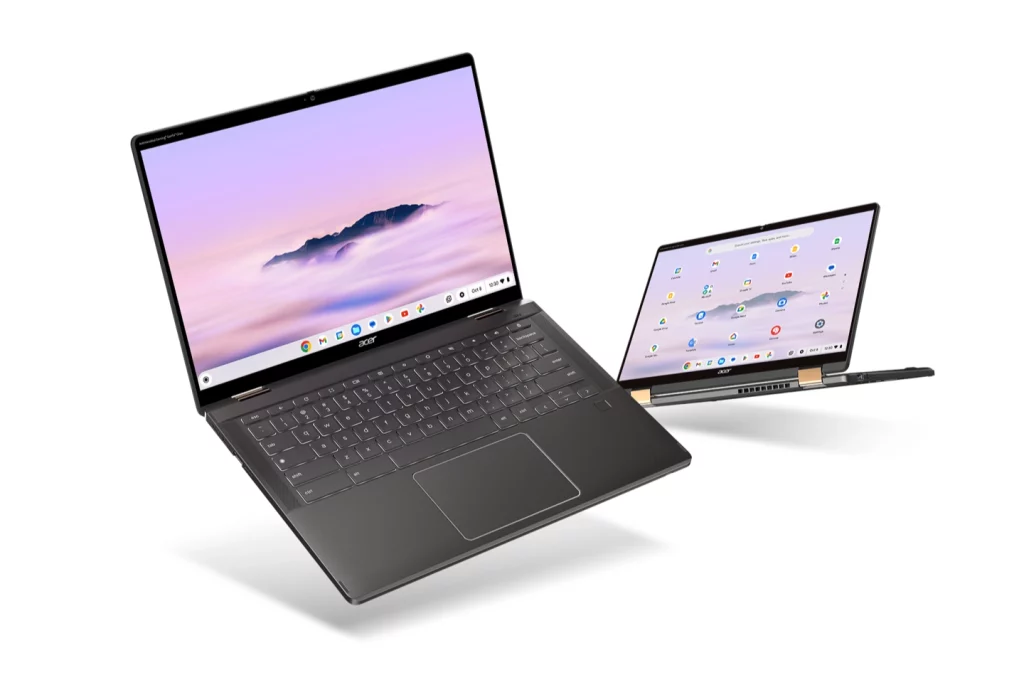
Acer upped the Chromebook game on May 28th with the launch of two new models: Chromebook Plus Spin 714 and Chromebook Plus 516 GE. Both boast powerful Core Ultra processors, making a statement that Chromebooks can be productivity and even gaming powerhouses.
The 14-inch Chromebook has a 1920×1080 touchscreen display with a QHD camera
This 14-inch Chromebook packs a punch with a Core Ultra 7 165U processor, ideal for tackling demanding tasks. The 1920 x 1200 IPS touchscreen display offers stunning visuals with 340 nits brightness and 100% sRGB color gamut, perfect for both work and entertainment. Additionally, the Chromebook Plus Spin 714 boasts two Thunderbolt 4 ports for high-speed data transfer, a 53Wh battery for extended use, and a QHD camera for clear video conferencing. The convertible design with a flip touch screen further enhances its flexibility.
Gamers rejoice! The Chromebook Plus 516 GE prioritizes a fantastic gaming experience. This 16-inch Chromebook features a high-resolution 2560 x 1600 display with a smooth 120Hz refresh rate for seamless visuals. The Core i7 150U processor delivers the power needed to run games smoothly, while the 100% sRGB color gamut ensures vibrant visuals. Immerse yourself in the game with the four-zone backlit keyboard and a long-lasting 65Wh battery. The inclusion of a 2.5GbE wired network port further enhances connectivity. Continuing Google‘s push for Chromebooks as capable gaming laptops, the Chromebook Plus 516 GE boasts support for popular cloud gaming platforms like NVIDIAGeForce NOW, Xbox Cloud Gaming, and Amazon Luna.
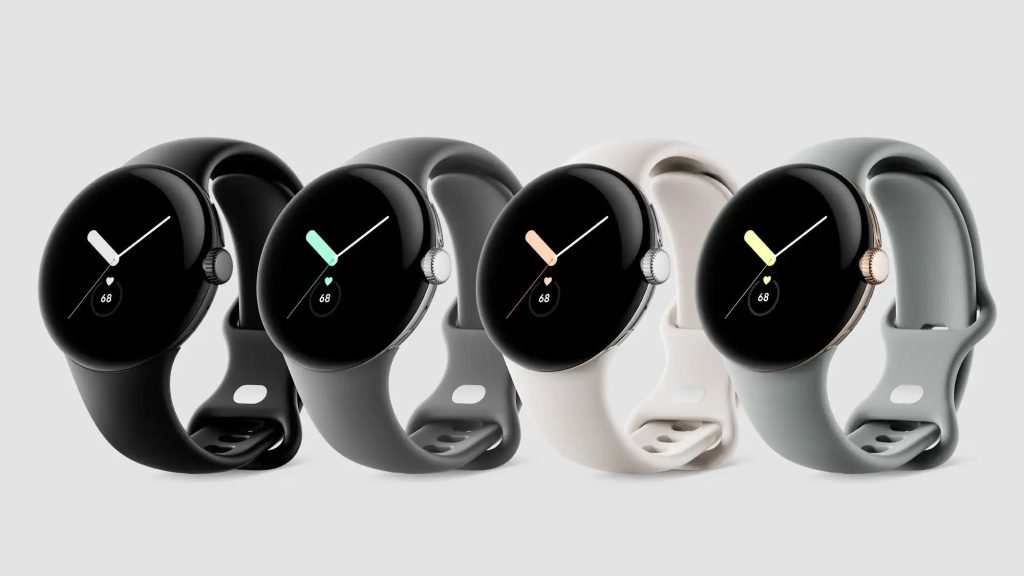
Just a few days after the discount on the Google Pixel Watch, it has been extended to the Google Pixel Watch 2. Interested users can grab the Pixel Watch 2 smartwatch with a $50 discount, making the retail price $299. The smartwatch has some outstanding features, and it usually retails for $349.
It is the lowest price for the Pixel Watch 2 since its launch. However, there was a quick drop to $292 for a while last year. The smartwatch is full of surprises and bundles stress-tracking (cEDA Sensor), ECG analysis, and heart rate monitoring. Moreover, users can use NFC for contactless payments and can monitor activity throughout the day. It is a precise tool that keeps track of your daily activity, sleep, and health data.
Further, the Pixel Watch 2 houses a 1.2-inch display and retails in a 41mm size. It offers better battery backup than its predecessor and can sustain itself for 24 hours on a single full charge. However, certain Google apps come preinstalled on the smartwatch. Further, the Pixel Watch 2 WiFi is on sale for $299 from Amazon. Meanwhile, the LTE variant pricing is slightly exaggerated at the moment. It is IP68 water and dust-resistant and can withstand up to 1.5 meters of water for 20 minutes.
Pixel Watch 2 WiFi is available in different color options and band materials.
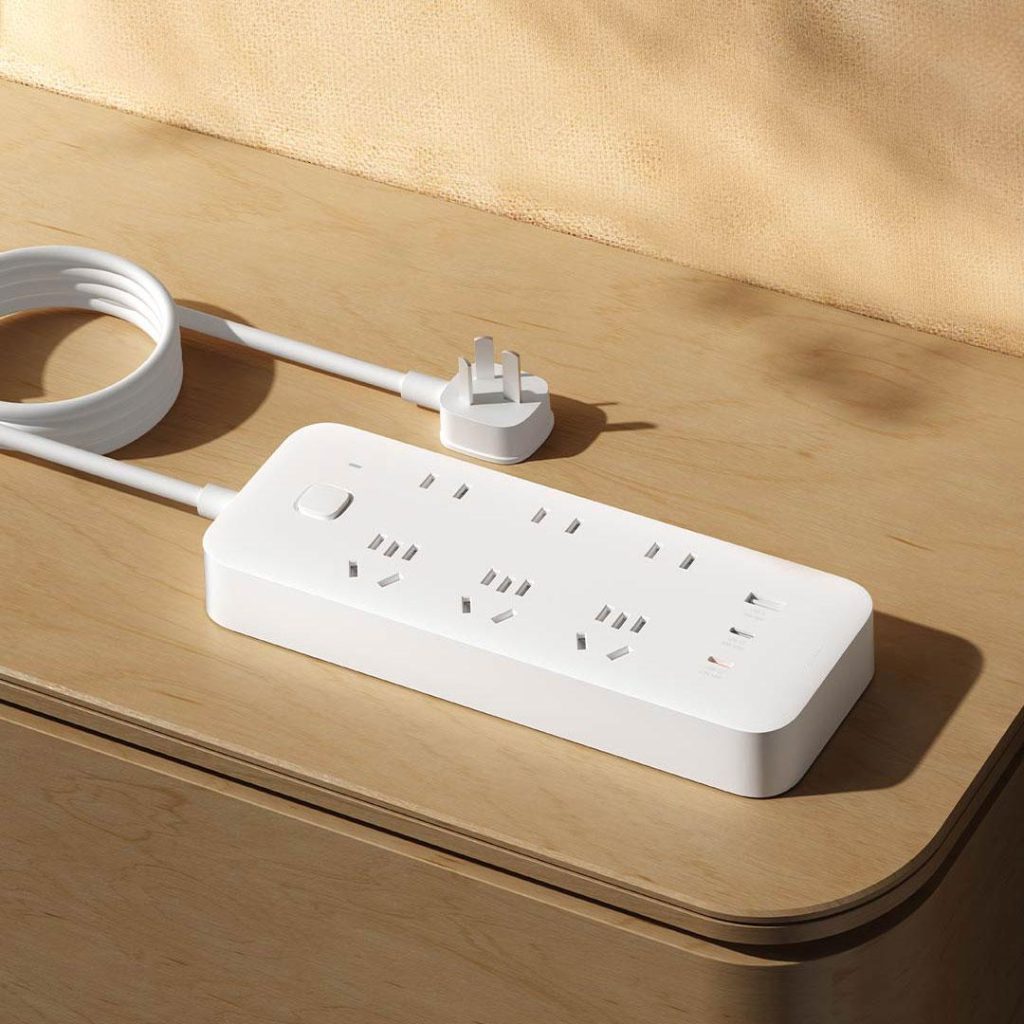
Xiaomi has unveiled a new extension cord that boasts a powerful 67W fast charging capability alongside a plethora of features designed for convenience and safety. The extension cord is priced at just 99 yuan (approximately $14) and offers a compelling solution for users who want to expand their charging options without breaking the bank.
Xiaomi 67W Fast Charging Extension Cord Specifications:
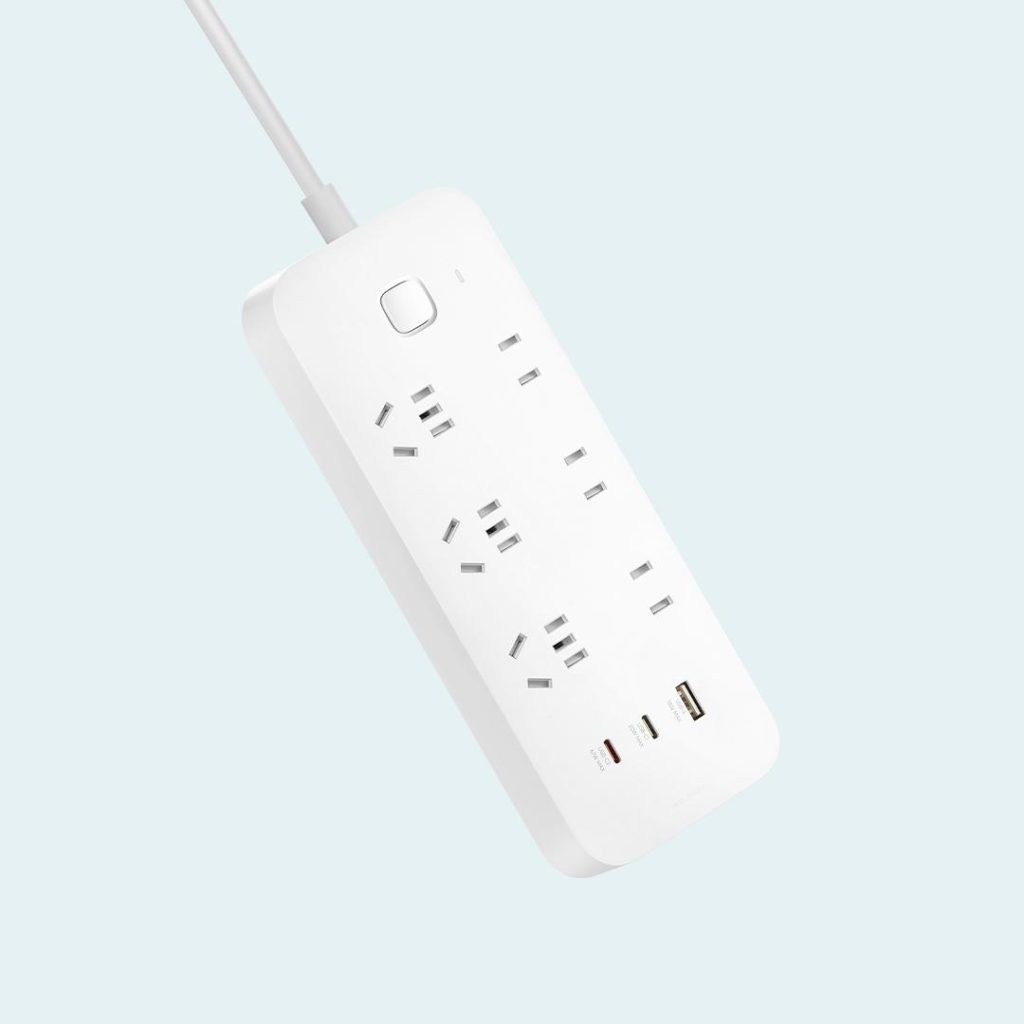
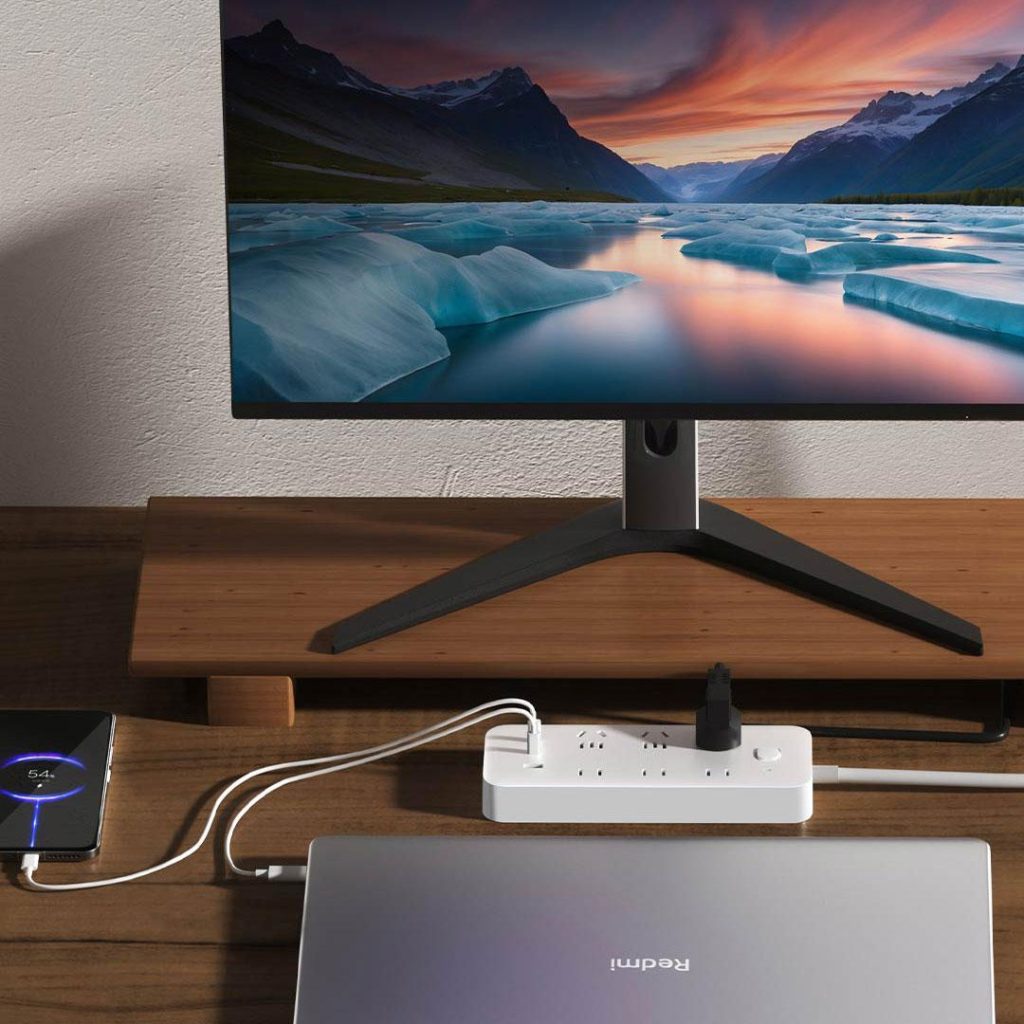
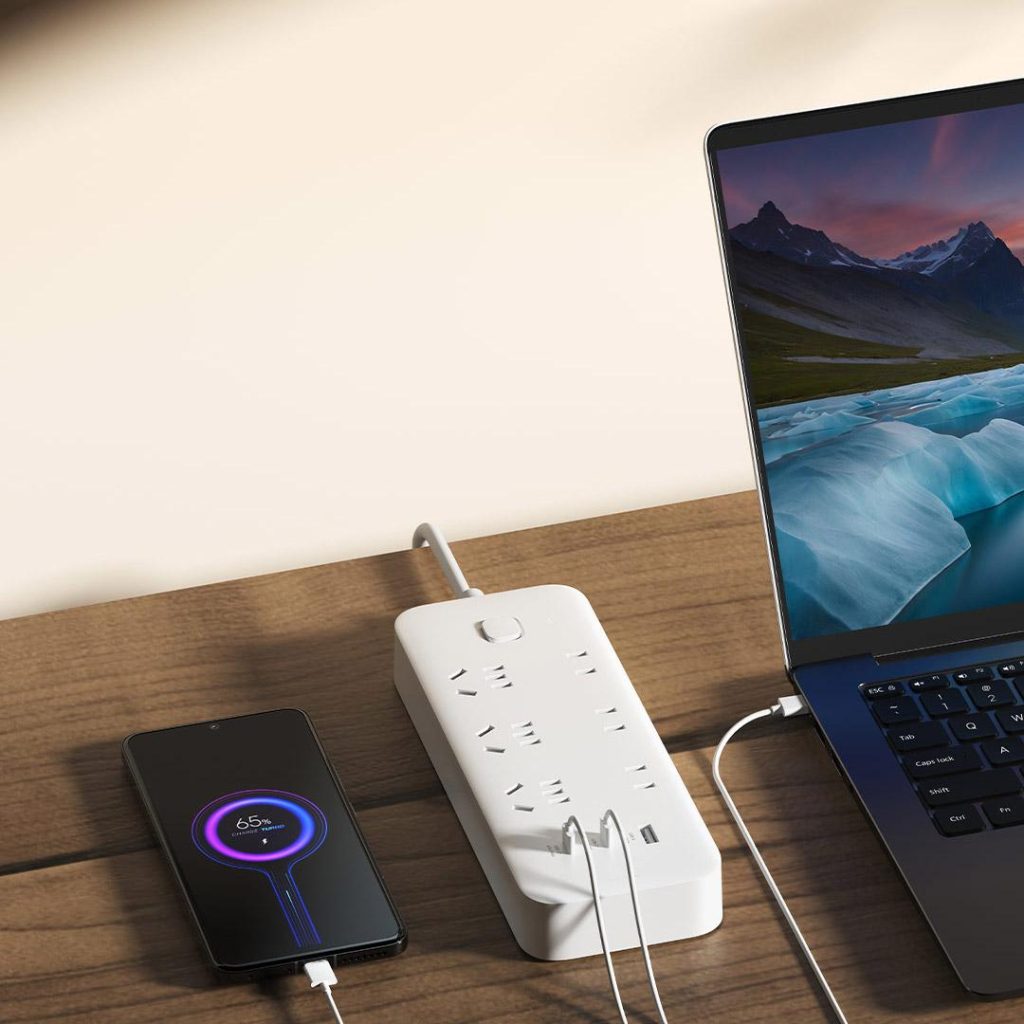
The extension cord features a total of nine power outlets, consisting of six AC interfaces, two USB-C ports, and one USB-A port. One of the standout features of this product is the USB-C2 port, which can deliver up to 67W of power independently, making it highly suitable for fast-charging compatible devices. This port supports Xiaomi’s proprietary fast charging protocol along with other widespread charging standards such as PD 3.0, QC3.0, FCP, AFC, and Apple 2.4A. Xiaomi claims it can juice up a Xiaomi 14 to 75% in just 30 minutes.
For the other USB ports, the USB-C1 and USB-A offer maximum outputs of 20W and 18W respectively. The extension cord is designed to adapt the power distribution based on the number of devices connected. For instance, when both USB-C ports are used together, they output a combined 45W and 20W. However, if the USB-A port is also in use with USB-C1, the total power is reduced to 15W to maintain efficient charging.
Moreover, the extension cord allows for simultaneous use of up to three devices without any interference, thanks to the specially designed socket spacing. The horizontal and vertical spacings are 42mm and 28mm respectively, which accommodates various plug types and sizes without overlap.
The product is built with safety in mind, featuring a flame retardant shell, integrated copper strip for better electricity conduction, and overvoltage, overcurrent, and overheating protections. The extension cord is capable of handling up to 2500W and supports 10A household appliances, thus it can be used with a variety of electronic devices and small appliances.
The extension cord boasts a user-friendly design with anti-slip foot pads for stability and a groove design for easy plug insertion and removal. It comes with a 1.8-meter cable and weighs approximately 435 grams, making it a portable solution for various needs.
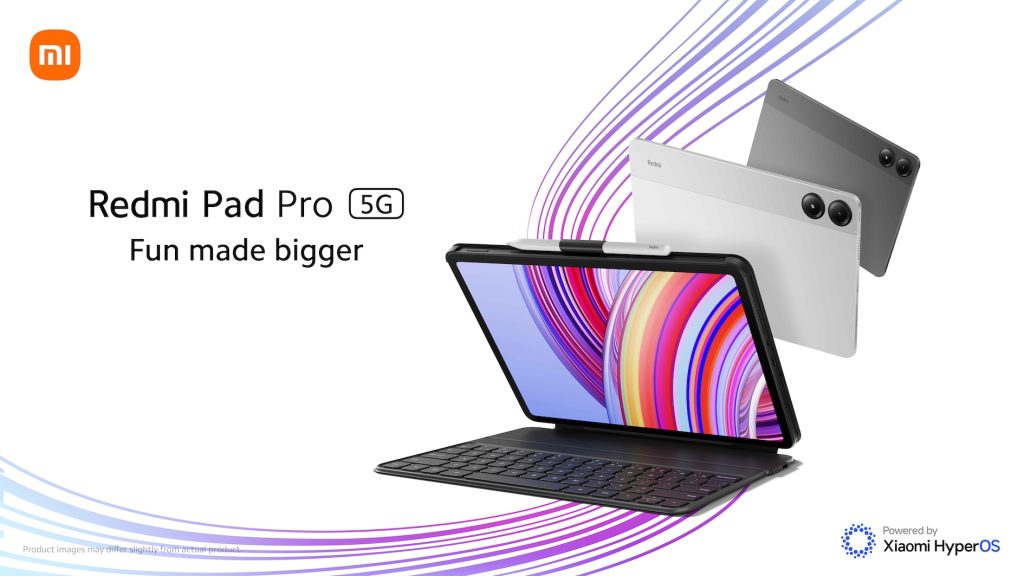
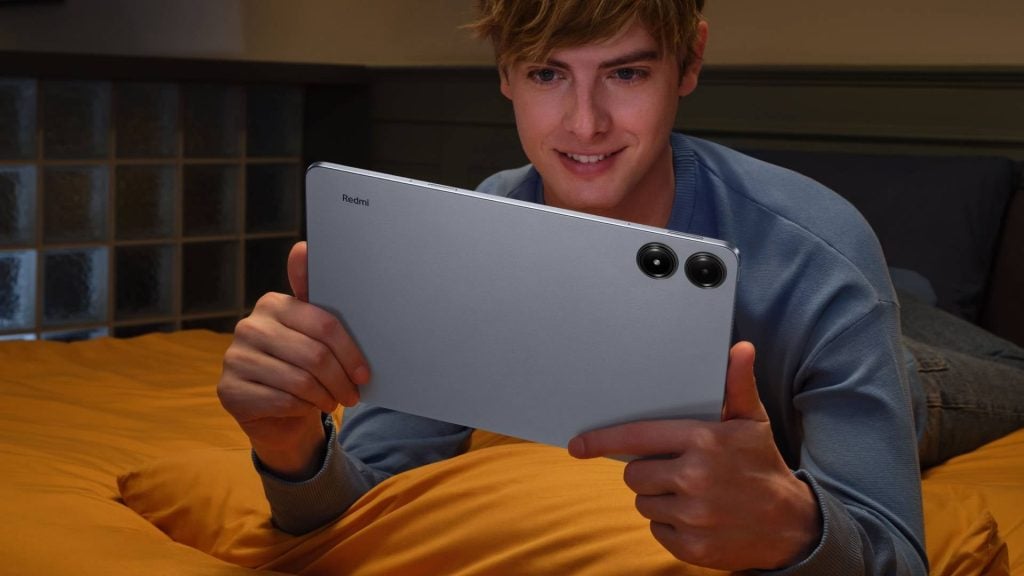
Xiaomi is set to release the Redmi Pad Pro 5G, an update to the Wi-Fi version launched earlier this year. Announced by CEO Lei Jun, the new model will include 5G connectivity, which is currently absent in both the Chinese as well as global models.
The announcement has come through Lei Jun’s X (formerly Twitter) account, meaning that we can expect the 5G model to arrive in the global market as well. Since the tablet already uses a Snapdragon 7s Gen 2 capable of 5G, we do not expect it to feature the same hardware as the WiFi model.
Redmi Pad Pro specs:
The Redmi Pad Pro features a 12.1-inch 2.5K LCD screen with a resolution of 2560 × 1600 pixels, a 120Hz refresh rate, and a 180Hz touch sampling rate. The display can reach a peak brightness of up to 600 nits and supports Dolby Vision, with Corning Gorilla Glass 3 protection.
It is powered by an Octa-Core Snapdragon 7s Gen 2 processor, clocking up to 2.4GHz, and paired with an Adreno 710 GPU. The tablet offers options of 6GB or 8GB LPDDR4X RAM and storage capacities of 128GB or 256GB UFS 2.2, expandable up to 1.5TB via microSD. It runs on an Android 14-based HyperOS.
The Redmi Pad Pro 5G is equipped with an 8MP rear camera and an 8MP front camera. It includes an in-display fingerprint sensor and an infrared sensor. Audio is delivered through quad speakers with Dolby Atmos support, complemented by dual microphones.
The tablet measures 280×181.85×7.52mm and weighs 571 grams. Connectivity options include optional 5G, Wi-Fi 6 (802.11 ac) on both 2.4GHz and 5GHz bands, Bluetooth 5.2, and USB Type-C 2.0. The device is powered by a 10,000mAh battery that supports 33W fast charging.
Nothing has released a new update for the Phone (2a) called Nothing OS 2.5.6. This new update is 115MB in size and has some new features, camera improvements, and multiple bug fixes.
Nothing OS 2.5.6 changelog
New features
Added “Hide Navigation Bar” feature for a more immersive user experience. You can find this feature via “Settings > System > Gestures > Navigation mode > Gesture navigation settings > Hide navigation bar”.
Long-pressing a widget now brings up more options, making it more consistent with other home screen operations.
Added an option to allow or disable vibrations for other calls and notifications during a call.
Improvements
Updated Google security patch to May 2024.
Optimized camera auto HDR detection logic.
Bug fixes
Fixed certain compatibility issues with Android Auto.
Fixed the issue where the screen does not automatically turn on after using the Power Button to turn it off during an incoming call.
Fixed some issues with the ChatGPT widget.
Fixed the issue where the notification panel narrows when receiving certain notifications.
Optimized the overall stability of the system.
The update is rolling out for users all across the globe. If you haven’t received the OTA notification yet, you can check for it manually by heading to Settings > System > System Update.
In related news, Nothing Phone (2a) is reported to get a new color option in the coming days. This brand already released a blue color option for the device last month, and it also plans to release a community edition design sometime in July.
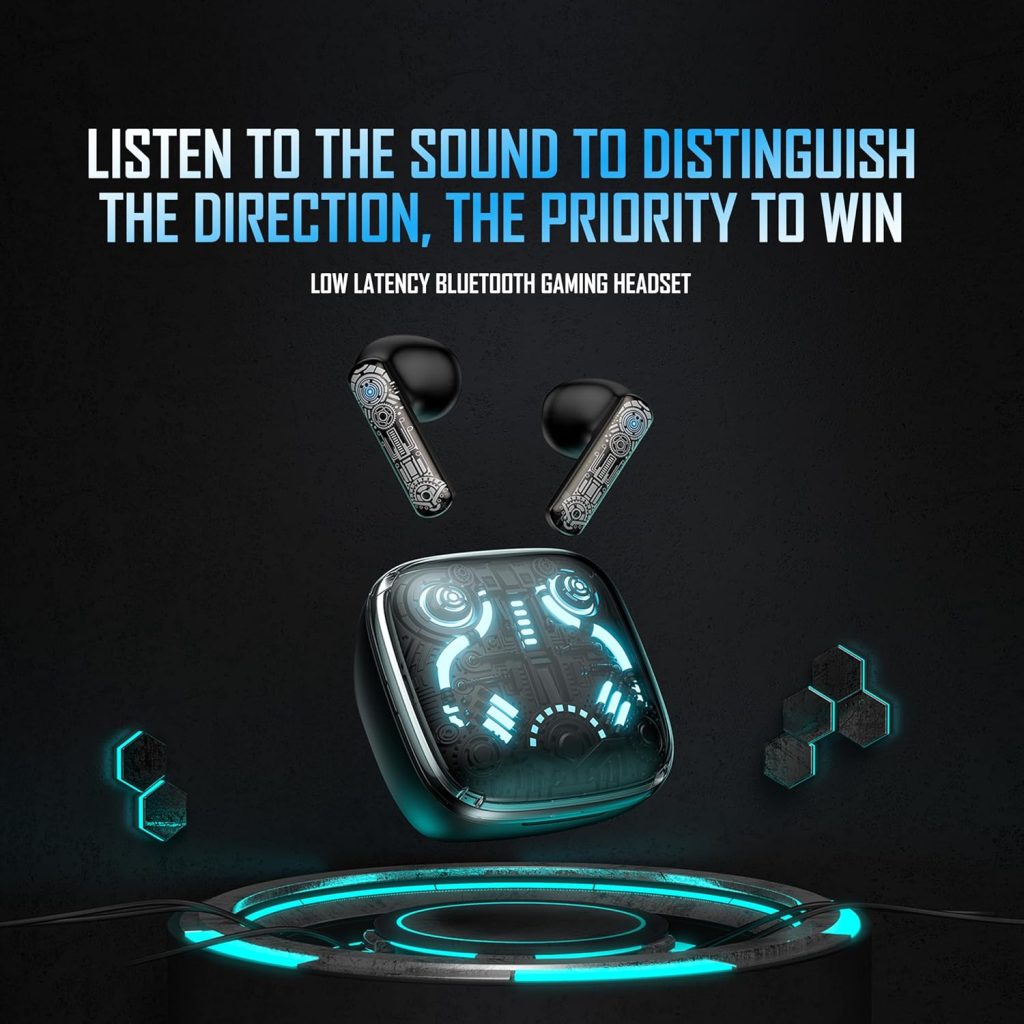
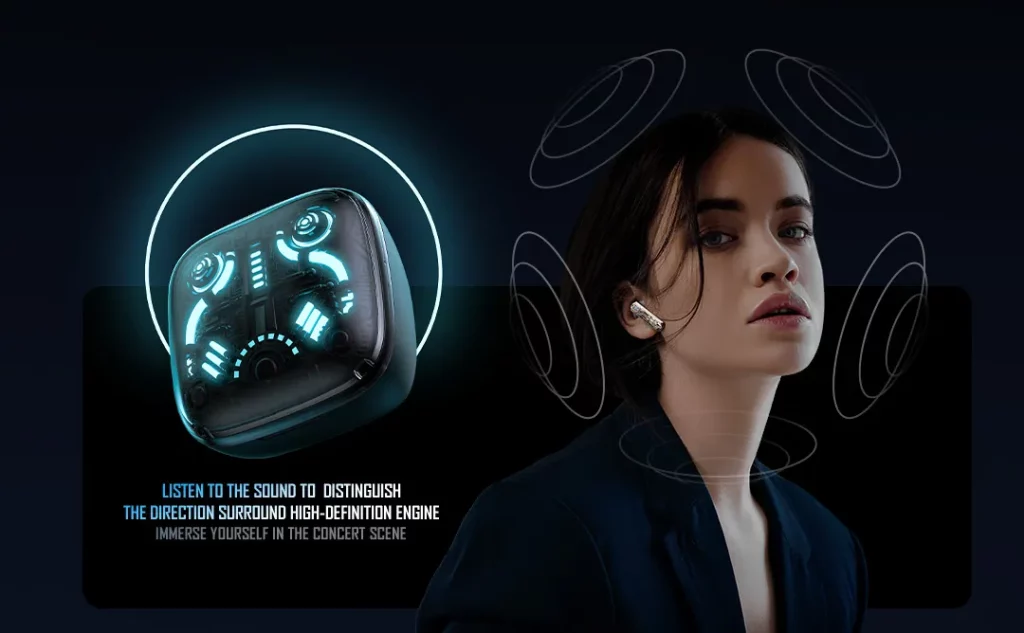
Grooves has introduced the Alpha Gaming TWS earbuds in India, specifically designed for gamers. These earbuds feature a durable translucent shell and four dynamic lighting effects.
The earbuds come with 13mm dynamic drivers that provide precise sound reproduction for both gaming and media playback. They are equipped with the latest Bluetooth v5.3 technology and an advanced AD7006 dual-label ENC chip, supporting high-fidelity audio in AAC and SBC formats.
The Grooves Alpha Gaming earbuds also offer Active Noise Cancellation (ANC), which is designed to minimize background noise. The earbuds also offer low latency gaming mode, reducing audio delay for a more synchronized and immersive gaming experience.
Other functionalities include touch controls for easy management of music and calls, and an IPX6 waterproof rating, making them suitable for use in various environments. The earbuds boast up to 7 hours of battery life on a single charge, with the convenience of USB-C fast charging.
Pricing & availability
The Grooves Alpha Gaming TWS earbuds are priced at ₹1,999 and are available in black. They can be purchased from online platforms such as Amazon.in, Flipkart, Tata Cliq, JioMart, and Moglix.
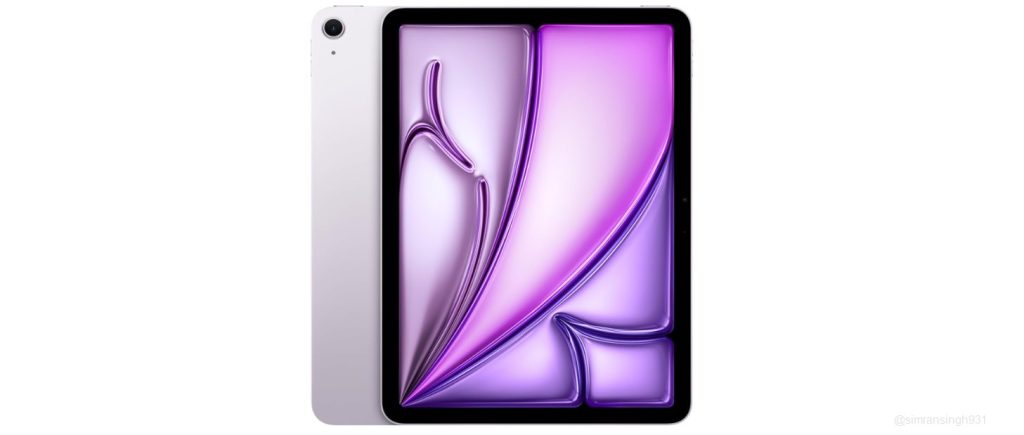
Following a $150 discount on the 2022 Apple Macbook Air M2, Apple slightly reduced the price of most iPad variants on Amazon. Interested folks can grab the newly launched Apple iPad Air 11-inch 128GB storage variant for the lowest price of $569 with a discount of $30.
Further, Apple debuted the 13-inch iPad Air for the first time, featuring M2 Chip. The same is now available with a $45 discount, and the actual retail price is $754. It is the best iPad Air that the user can grab right away, with all the new features and hardware. It offers 600-nit display brightness, in comparison with the 500-nit available on the 11-inch model. Increased storage, support for Apple Pencil Pro, and a camera shift to the landscape edge are some other worth-mentioning changes on the iPad.
Apple recently introduced the new iPad Air 6th Gen with M2 Chip, along with a 13-inch model. The Apple iPad 13-inch offers 2732 x 2048 pixels of resolution and 600 nits of peak brightness. Meanwhile, the 11-inch model offers 500 nits of peak brightness. However, the camera on both iPad variants is the same as its predecessor, featuring a 12 MP rear camera and a 12 MP front-facing selfie camera.
iPad Air 6th Gen runs on an Apple M2 SoC with up to 50% improved speed compared to the M1 Air. Both variants support WiFi 6E and 5G connectivity.
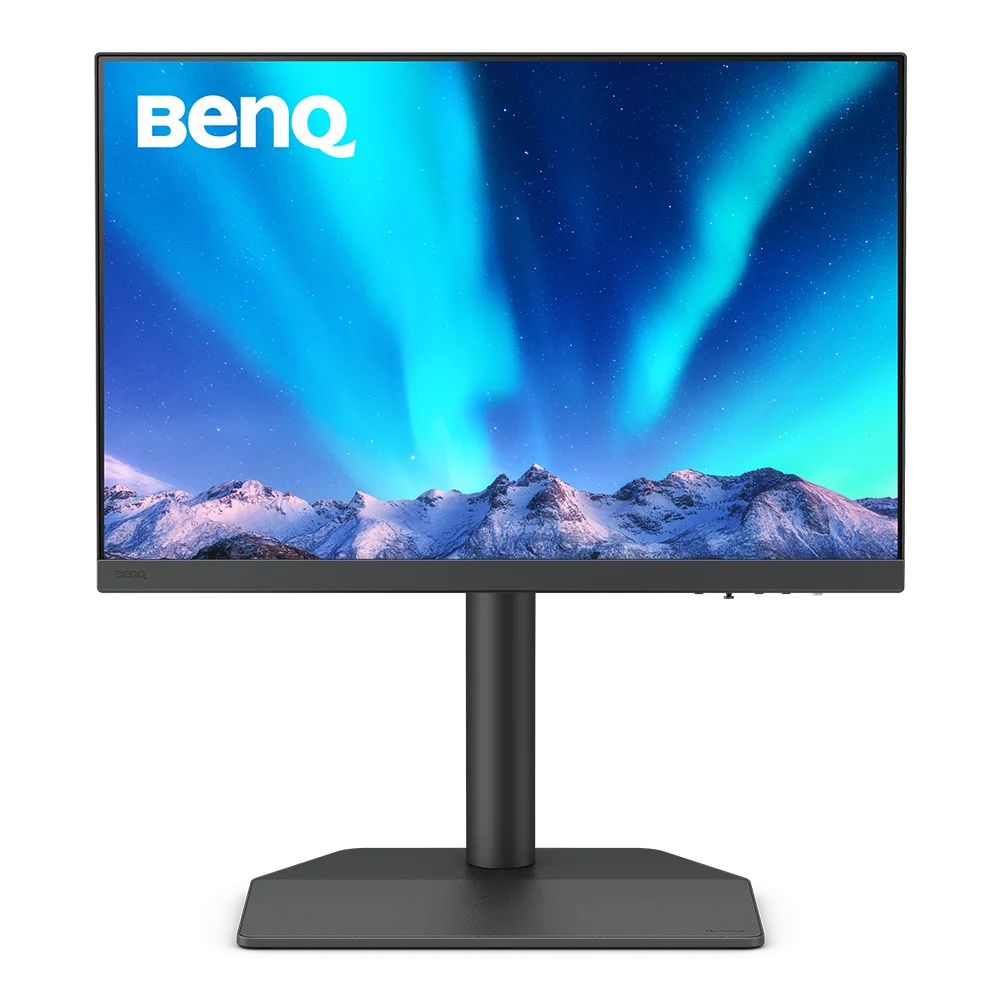
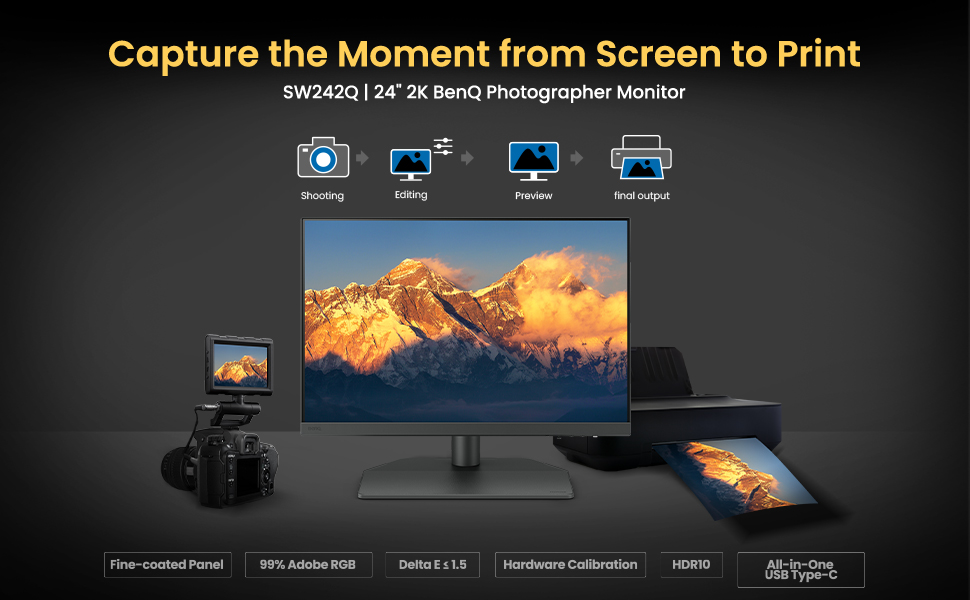
BenQ has introduced the SW242Q monitor to the Indian market, targeting professionals who need precise color accuracy for their work.
BenQ SW242Q specs:
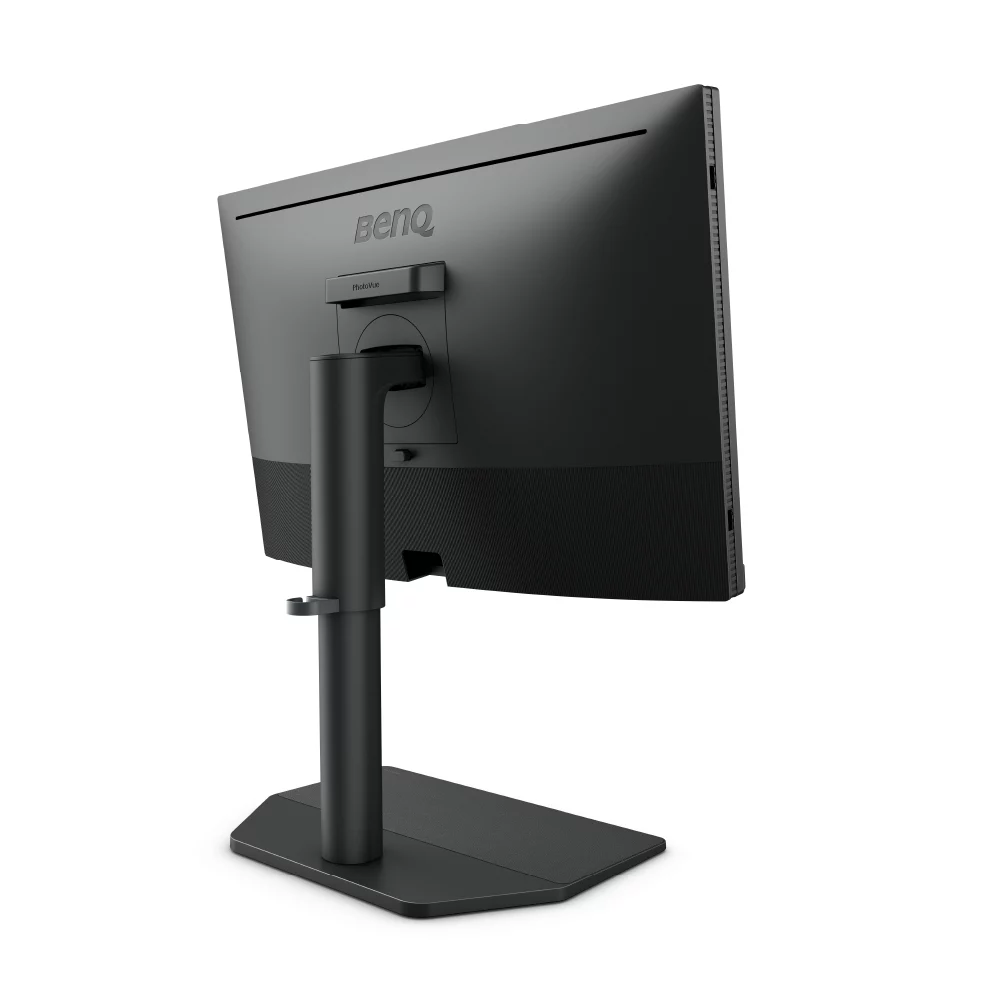
The new SW242Q model features a 24.1-inch 2K resolution screen (2560 x 1600) and integrates BenQ’s AQCOLOR technology, ensuring 99% Adobe RGB, 98% DCI-P3, and 100% sRGB coverage. The monitor is equipped with a 16-bit 3D LUT for precise color calibration, essential for professional color work.
Additional features of the SW242Q include an anti-glare panel, HDR10 support for better contrast in videos, and SDI connectivity for easy integration with other professional video equipment. It also supports hardware calibration with tools like Palette Master Ultimate and Paper Color Sync for accurate color matching on prints.
The SW202Q offers a leatherette base, an easy-carry handle, improved cable management, and a 5-way navigation key for efficient color adjustments during retouching.
Pricing & availability
The BenQ SW242Q is priced at Rs. 38,500 and is available for purchase through the BenQ India E-store, Amazon.in, and at major photography retailers across India.
In related news, BenQ recently launched the RD240Q monitor for programming. It uses a fine-coated panel with advanced anti-glare and anti-reflective properties.
Honor recently launched the Honor 200 series smartphones globally. Rumor has it that the company is also working on a new Flip phone, and now the Honor X60 series has joined the list of rumored devices.
A new Honor smartphone with model number ALT-AN00 appeared on China’s 3C certification today. Although the listing doesn’t reveal the phone’s moniker, tipster WhyLab on Weibo claims it is the Honor X60 smartphone.
According to the 3C certification, the smartphone will support 35W fast charging (11V at 3.2A), the same speed as the 2023 Honor X50 series.
Aside from the charging speed, the listing doesn’t reveal any more details. However, a report earlier this week revealed some information about the Honor X60 series.
The smartphones are expected to feature a quad-curved display, a large battery, and “super” drop resistance. Given Honor’s history of releasing devices with anti-drop features, this isn’t entirely surprising.
These are the details we have on the Honor X60 series so far. We’ll keep you updated on any new developments.
Looking back at the 2023 Honor X50 series, both the X50 and X50 Pro have a 6.78-inch Full HD+ display with a resolution of 1220 x 2652 pixels.
The Pro variant was powered by the Snapdragon 8+ Gen 1 processor, while the standard X50 used the mid-range Snapdragon 6 Gen 1 SoC. Both are fueled by a 5800 mAh battery with 35W fast charging.
The camera setup included a dual rear camera system with a primary 108MP sensor and a secondary 2MP sensor, as well as an 8MP front-facing camera.
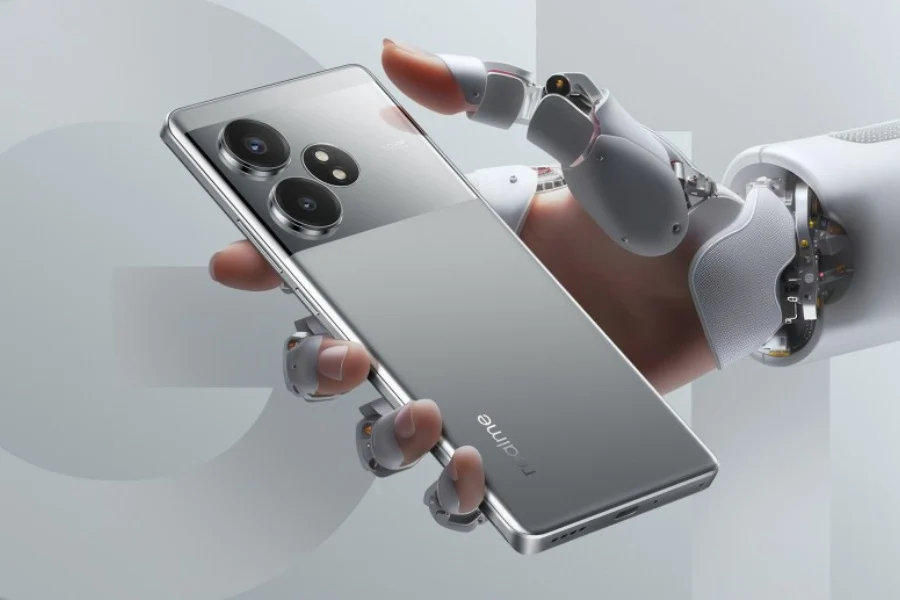
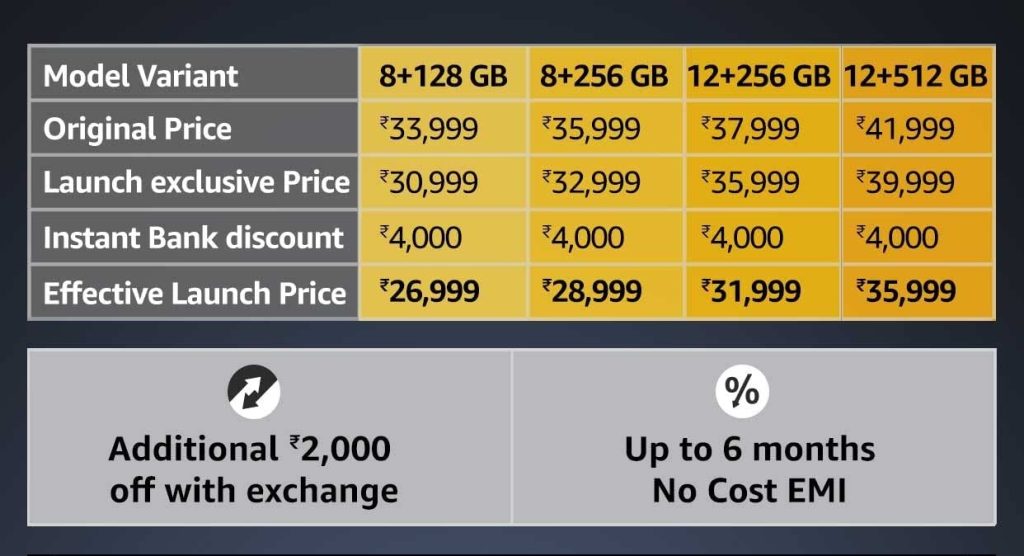
Realme’s return to the Indian GT series was a hit, with the Realme GT 6T selling out in just 2 hours during its early access sale today. The phone was launched last week in India, and its official first sale starts tomorrow at noon on Realme.com, Amazon, and Realme stores.
The device will be available at an effective starting price of Rs 26,999 (8GB + 128GB) after factoring in the launch exclusive price and Rs. 4,000 Instant back discount.
Realme GT 6T specs:
The GT 6T comes with a 6.78-inch 8T LTPO AMOLED display that can reach a peak brightness of 6,000 nits. It supports a variable refresh rate from 1Hz to 120Hz and is protected by Gorilla Glass Victus 2.
It is powered by the Qualcomm Snapdragon 7+ Gen 3 chipset, with up to 12GB of LPDDR5x RAM and up to 512GB of UFS 4.0 storage. The phone also includes a 9-layer ice-cooling vapor chamber for effective heat management.
The camera setup includes a dual rear camera with a 50MP Sony LYT-600 main sensor and an 8MP ultra-wide lens, as well as a 32MP front-facing camera.
The GT 6T has a 5500mAh battery with 120W SuperVOOC charging and runs on Android 14-based Realme UI. It offers 4 years of software updates and 3 years of OS updates. Connectivity features include Bluetooth 5.4, Wi-Fi 6, and dual 5G SIM support.
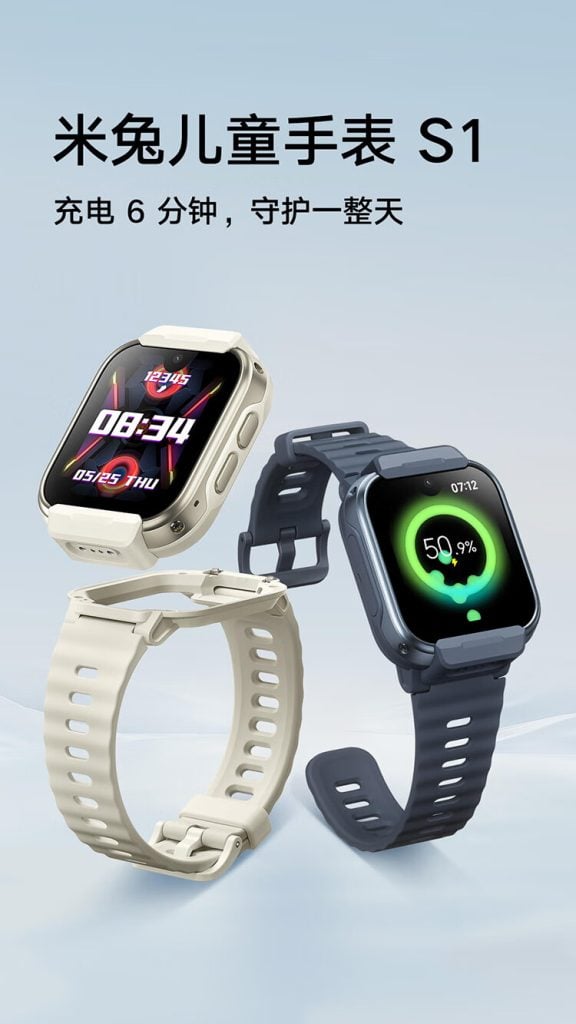
Xiaomi has launched a new children’s watch called the Mitu Children’s Watch S1. This watch will go on sale on May 31st at 10:00 AM (Chinese time) for a price of 1199 yuan (roughly $166). Let’s check out its key specs.
Xiaomi Mitu Children’s Watch S1 Specifications:
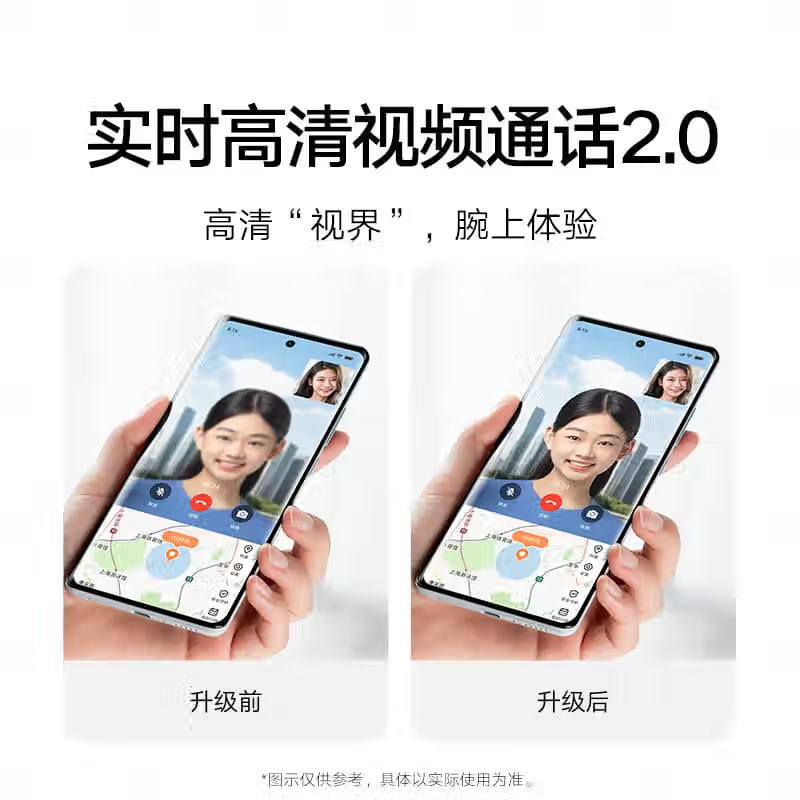
The Mitu Children’s Watch S1 features a 1.78-inch LCD screen with a resolution of 448 x 368, providing clear visuals. It is equipped with 1GB of RAM and 8GB of internal storage, along with dual cameras—a 5MP front camera and an 8MP rear camera. The watch allows for video calls with dual camera switching, which means parents can see both the child and their surroundings.
The smartwatch has five major satellite positioning systems: GPS, Beidou, GLONASS, GALILEO, and QZSS. It boasts 90 days of high-precision trajectory query, indoor positioning, mall positioning, AI positioning, and location tracking. According to the company, parents can see where their children have been within 90 days with just a check.
The watch is also equipped with an SOS emergency function, and parents will receive alerts if their child enters or leaves designated areas such as home, school, or dangerous zones. The watch can also detect situations like deviation of trajectory or long stays during a trip.
The Watch S1 also includes health monitoring features that can track children’s brain fatigue, eye fatigue, stress, emotions, heart rate, and blood oxygen levels throughout the day. There are also more than 100 courses offered in 9 categories such as skipping rope, running, and long jump. The watch is also 20 meters waterproof.
The watch includes educational apps, covering stories, music, language, math, logic thinking, and puzzle games. There are also multiple watch faces to choose from, allowing children to personalize their watch experience.
For connectivity, the Mitu Children’s Watch S1 supports WeChat, QQ, China Mobile, China Telecom, China Unicom, and China Radio and Television. This allows children to make calls, send messages, and connect with friends using these platforms. Parents can also control who their children can interact with through the Mitu App.
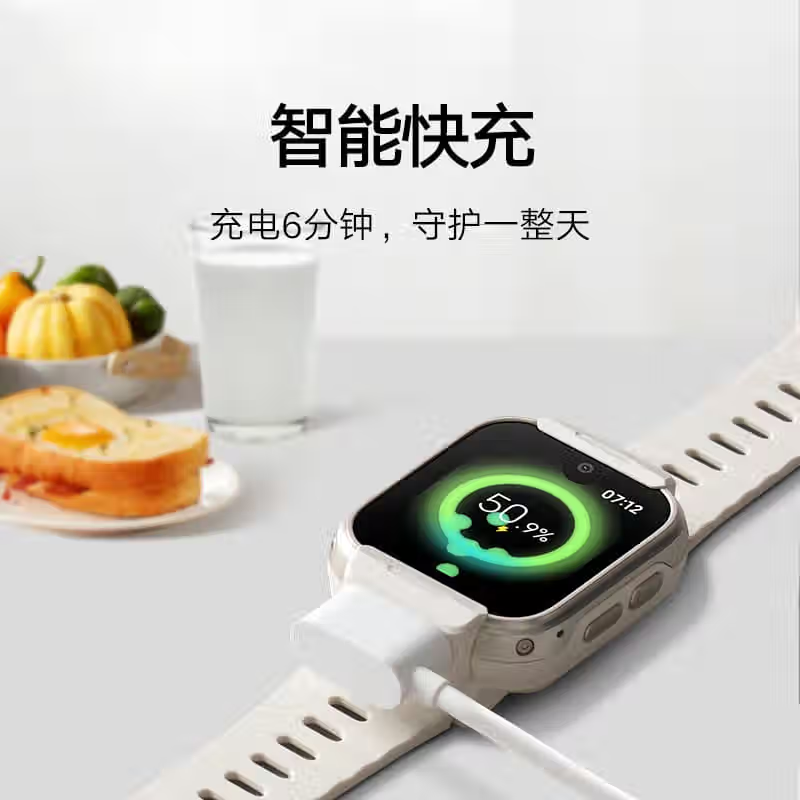
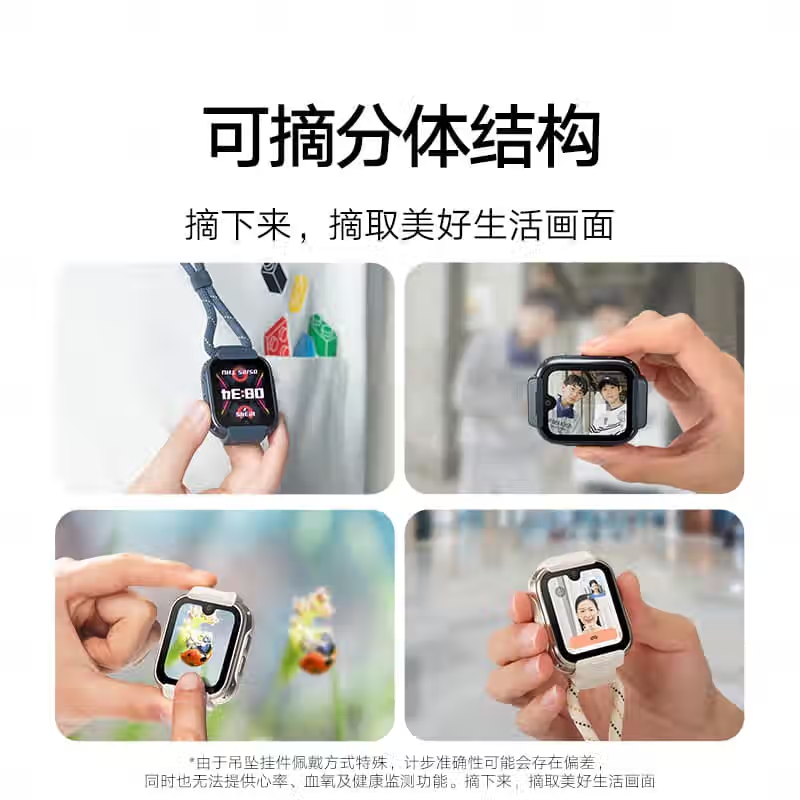
The watch has a strong data privacy protection system that encrypts data multiple times to ensure the security of children’s information. Parents can also set password unlocks and manage third-party application access permissions. The watch can be charged for just 6 minutes to provide a full day of use. The watch also comes with a detachable body, so children can take photos and videos more conveniently.
BYD unveiled the Qin L DM-i on May 28th, their first car to feature the company’s all-new fifth-generation DM hybrid technology. This innovative system boasts the world’s highest engine thermal efficiency (46.06%) and lowest fuel consumption (2.9L/100km), promising incredible efficiency and extended range for drivers.
The plug-in hybrid system combines a 1.5L engine with an electric motor.
The Qin L DM-i is a stylish sedan that blends modern design with cutting-edge tech. The car’s exterior features BYD’s latest family design with a bold front grille, sharp LED headlights reminiscent of a “dragon crystal,” and a sporty fastback silhouette. Inside, the driver-oriented cockpit boasts a large central console screen (available in 12.8 or 15.6 inches) and a multi-function steering wheel for easy control. High-end models offer additional comfort features like electric seat adjustment, ventilation, and heating.
Powering the Qin L DM-i is a plug-in hybrid system that combines a 1.5L engine with an electric motor. This, coupled with BYD’s blade lithium iron phosphate battery technology, translates to a potential combined driving range of up to 2,100 kilometers. Drivers can choose between two battery options depending on their needs: a lower capacity battery offering an 80km pure electric range or a larger battery extending that range to 120km (both based on CLTC conditions).
With its impressive blend of efficiency, technology, and style, the Qin L DM-i is available in five models starting at 99,800 yuan.
BYD introduced the Haibao 06 DM-i on May 28th, a mid-size sedan positioned as a “sister model” to the Qin L DM-i. This stylish car boasts BYD’s innovative fifth-generation DM hybrid technology, promising impressive efficiency and extended range.
The car is positioned as a sister vehicle to the Qin L DM-i, which was launched alongside
The Haibao 06 DM-i embraces the Ocean Net family design with sharp headlights, a flowing fastback profile, and trendy taillights. It comes in four colors: Qinhai Green, Warm Smoky Tea, Snow White, and Atlantis Gray. Slightly narrower than the Qin L DM-i, it offers comfortable seating for five and ample luggage space.
The driver-oriented cockpit features a floating central control screen (available in 12.8 or 15.6 inches) with DiLink intelligent network system. Unique wavy seat textures and a blend of curves and color-blocking create an ocean-inspired ambiance. Standard features include an 8.8-inch instrument cluster, NFC digital key, and original ETC (electronic toll collection).
The Haibao 06 DM-i comes in five configurations, starting at 99,800 yuan. You can choose between two battery sizes (10.08kWh or 15.874kWh) offering either an 80km or 120km pure electric range (CLTC). Both utilize BYD’s reliable lithium iron phosphate blade battery technology. Power comes from a 1.5L engine paired with either a 120kW or 160kW electric motor, delivering a maximum speed of 180km/h.
The fifth-generation DM technology promises exceptional fuel efficiency. Official testing yielded impressive results, with average fuel consumption as low as 1.79 liters per 100km and a potential combined driving range exceeding 2,300km. This technology utilizes AI for optimized energy management, further enhancing efficiency.
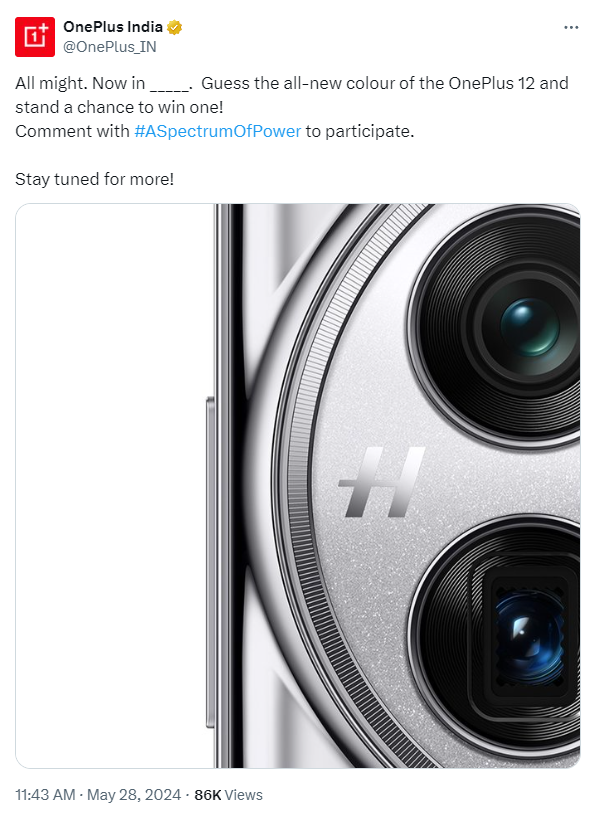
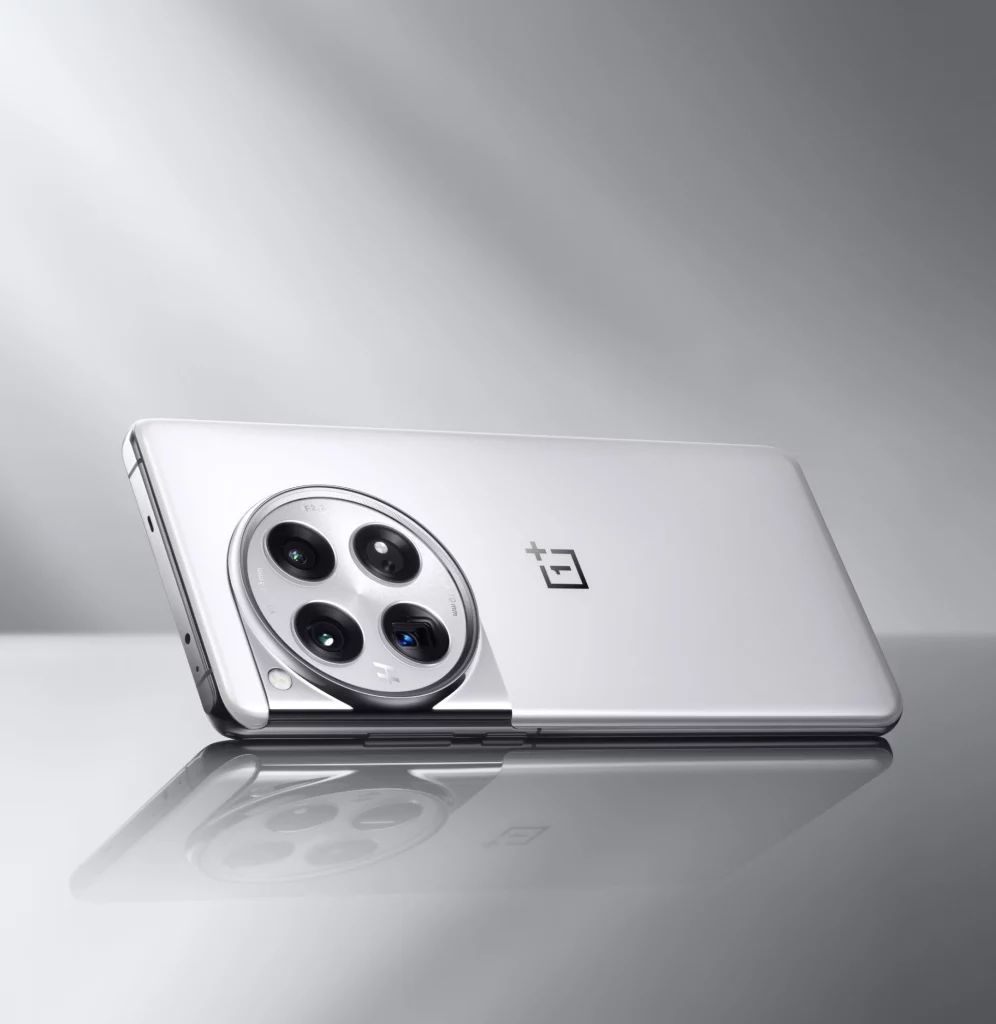
OnePlus is gearing up to launch a new color variant of the flagship OnePlus 12 in India. The brand has teased this new color variant by partially revealing its silver-colored camera island. This is the China-exclusive White color option of the OnePlus 12, which for some reason was not launched in Markets outside of the mainland.
It features a White color body with a Silver frame and camera island. Additionally, the camera island also has a silver glittery finish. Specifications will remain the same.
OnePlus 12 Specifications
The phone is equipped with a Qualcomm Snapdragon 8 Gen 3 chipset, LPDDR5x RAM, and UFS 4.0 storage. It features a 6.82-inch curved OLED display with 10-bit color, a QHD+ resolution of 3168 x 1440 pixels, and a 120Hz LTPO refresh rate.
The rear of the device boasts a triple camera system, including a 50MP Sony LYT-808 primary sensor, a 48MP Sony IMX581 ultrawide lens, and a 64MP OmniVision OV64B 3x periscope telephoto camera. For selfies, there’s a 32MP front camera.
Additional features include dual stereo speakers, Dolby Vision, Corning Gorilla Glass Victus 2 protection, WiFi 7, USB 3.2 Gen 1, an alert slider, an infrared sensor, and an in-screen fingerprint reader.
The handset is powered by a 5,400mAh battery that supports 100W wired and 50W wireless charging.
In related news, OnePlus has released the OxygenOS 14.0.0.802 update for the OnePlus 12, offering new animations, new touch controls, and bug fixes.
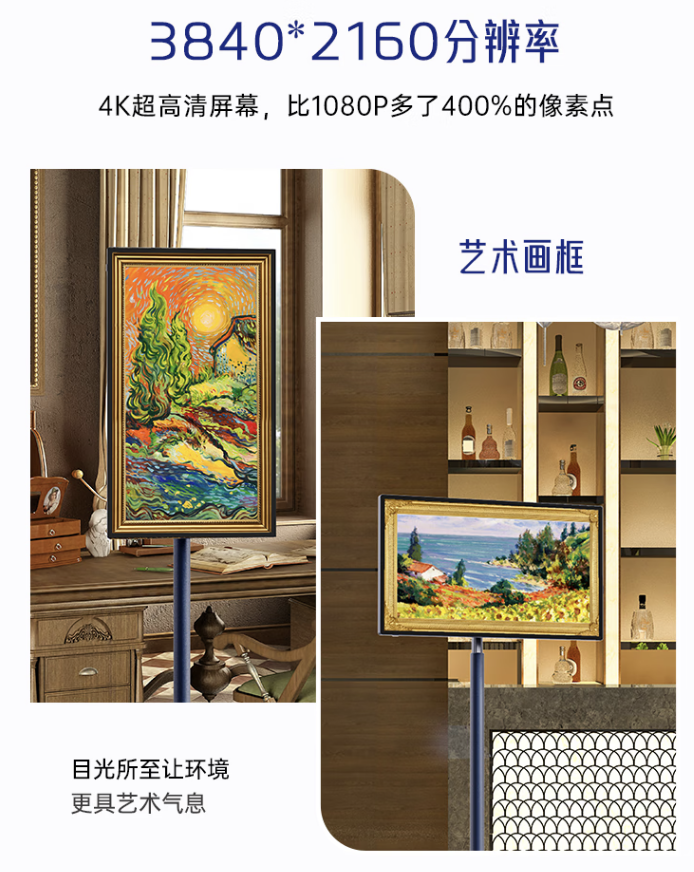
KTC unveiled a unique product on May 28th – the A32S7 Pro, a 32-inch “Free Screen.” This innovative device blends a large Android display with a retractable floor stand, making it ideal for conferences, store displays, and various other applications.
The “Free Screen” has a 9500mAh battery and support for 90W fast charging
The A32S7 Pro boasts a spacious 3840 x 2160 resolution 60Hz IPS LCD panel with low blue light certification for comfortable viewing. Specific details on brightness and color gamut are yet to be revealed, but this display offers ample screen real estate for presentations, signage, and more. The retractable floor stand allows for easy adjustment, enabling rotation and lifting for optimal positioning in any environment.
Under the hood, the A32S7 Pro packs an octa-core RK3588S processor, 8GB of RAM, and 256GB of storage, ensuring smooth operation for various applications. A front-facing 8MP camera facilitates video conferencing, while dual 5W speakers provide built-in audio. With a 9500mAh battery and support for 90W fast charging, the A3S7 Pro offers extended use without frequent power breaks.
While the A32S7 Pro seems like a versatile display solution, it’s currently listed as out of stock on JD.com with a price tag of 5,499 yuan. Keep an eye out for updates on availability if this innovative “Free Screen” piques your interest.
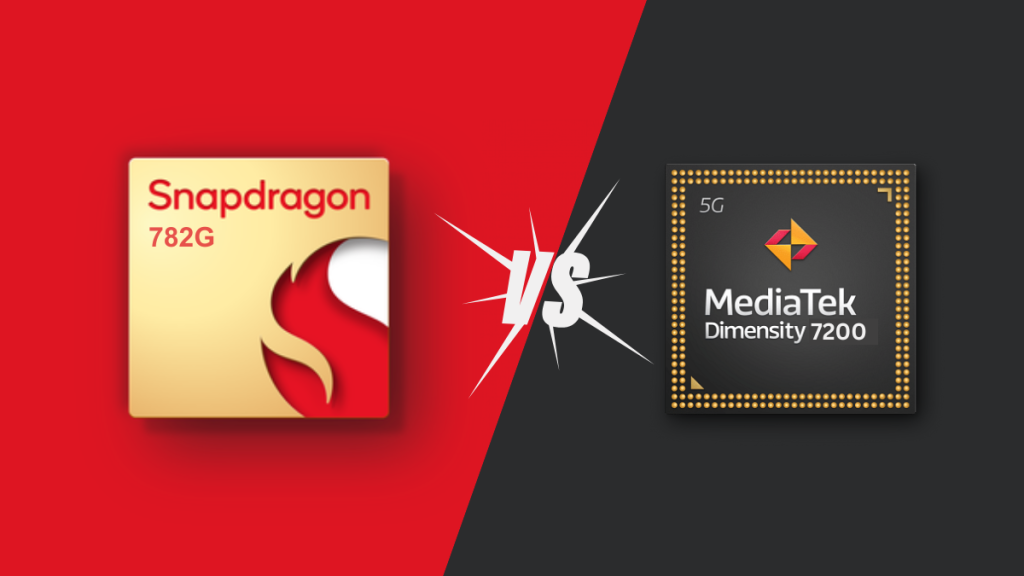
The Snapdragon 782G is a popular octa-core chipset for mid-range smartphones. However, MediaTek, Qualcomm’s key competitor, also has chipsets targeting the same smartphone segment. One of them is the Dimensity 7200, which is a close competitor of the Snapdragon 782G. So, let’s compare the two chipsets to see how these stack up against each other.
Snapdragon 782G vs Dimensity 7200: Spec Sheet
Snapdragon 782G
Dimensity 7200
Process Node
TSMC 6nm
TSMC 4nm
CPU Cores
8
8
CPU Architecture
1 x Cortex-A78 @ 2.7 GHz 3 x Cortex-A78 @ 2.4 GHz 4 x Cortex-A55@ 1.9 GHz
2 x Cortex-A715 @ 2.8 GHz 6 x Cortex-A510 @ 2.0 GHz
GPU
Adreno 642
Mali-G610 MC4
NPU
Hexagon 770
MediaTek APU 650
Memory
Up to 16 GB LPDDR5 @ 3200 MHz 25.6 Gbit/s bandwidth
Up to 16 GB LPDDR5 @ 3200 MHz 51.2 Gbit/s
Storage
UFS 3.1
UFS 3.1
Camera Support
Up to 200MP camera sensor support Qualcomm Spectra 14-bit Triple ISP 4K videos @ 30 FPS
Up to 200MP camera sensor support MediaTek Imagiq 765 14-bit ISP 4K videos @ 30 FPS
Display
FHD+ @ 144Hz
FHD+ @ 144Hz
Connectivity
Snapdragon X53 5G modem Wi-Fi 6 Bluetooth 5.2 5G support
3GPP Release-16 5G modem Wi-Fi 6E Bluetooth 5.3 5G support
Snapdragon 782G vs Dimensity 7200: Benchmarks
Geekbench 6:
Snapdragon 782G
Single-core: 1122
Multi-core: 2831
Dimensity 7200
Single-core: 1190
Multi-core: 2681
AnTuTu 10:
Snapdragon 782G
CPU: 221811
GPU: 164639
Memory: 144881
UX: 145647
Total score: 676978
Dimensity 7200
CPU: 240090
GPU: 176074
Memory: 126934
UX: 185436
Total score: 728534
Both Snapdragon 782G and Dimensity 7200 have similar Geekbench results. However, the AnTuTu 10 scores have some margin, driven by the UX score. This means that the Dimensity 7200-powered phones might feel smoother and more responsive. While benchmarking results are helpful indicators, real-world performance can vary due to software optimisations and other factors.
Snapdragon 782G vs Dimensity 7200: CPU & GPU
Although both Snapdragon 782G and Dimensity 7200 are octa-core chipsets, they have different cores and arrangements. For instance, the Snapdragon chip has a (1+3+4) core architecture, whereas the Dimensity chip goes with a (2+6) configuration.
The Snapdragon 782G chip has a Cortex-A78 prime core clocked at 2.7 GHz for handling demanding tasks like gaming. It has three more Cortex-A78 performance cores but clocked at 2.4 GHz, slightly lower than the prime core. The remaining are Cortex-A55 power-efficient cores clocked at 1.9 GHz.
Inside the Dimensity 7200 SoC, we have two Cortex-A715 high-performance cores clocked at 2.8 GHz, and the remaining six are Cortex-A510 cores clocked at 2.0 GHz.
The Snapdragon 782G chip will likely offer better single-core performance and handle high-processing tasks better than Dimensity 7200. However, the Dimensity chip is more battery efficient because of more power-efficient cores and a smaller nanometer (nm) process.
As for the graphics, the Adreno 642 (in Snapdragon 782G) performs better than the Mali-G610 MC4 (in Dimensity 7200) in demanding games, despite having a lower GPU frequency of 700 MHz (vs 1130 MHz of Mali-G610 MC4). However, the difference may not be significant in most games.
Snapdragon 782G vs Dimensity 7200: NPU
Both chipsets have NPUs to handle AI tasks. The Snapdragon 782G has a Hexagon 770 NPU that can deliver up to 12 trillion operations per second (TOPs) related to AI tasks. This can result in better AI-based noise suppression, AI voice assistant, low-power AI audio processing, and more.
The Dimensity 7200, on the other hand, has the MediaTek APU 650. Although not much has been revealed about this NPU, the official website mentions it efficiently runs AI tasks and AI-fusion processing. The NPU can enhance visuals, improve power efficiency and deliver upgraded performance.
Snapdragon 782G vs Dimensity 7200: Multimedia
The Snapdragon chip has Qualcomm Spectra ISP, featuring 14-bit triple ISPs. This means the chip can capture simultaneously from three cameras, with swift processing up to 2 gigapixels per second. The chip supports up to 200MP photo capture (the same as Dimensity chipset) and up to 64MP photo capture (with MFNR, ZSL at 30 FPS).
Both chips can take 4K videos at 30 FPS, but the Snapdragon chip can also take up to 720p videos at 240 FPS. So, both chips have decent camera capabilities, but the one with a higher-quality lens will stand out.
Snapdragon 782G vs Dimensity 7200: Display
Both Snapdragon 782G and Dimensity 7200 chips max out at Full HD+ resolution with HDR10+ and up to 144Hz refresh rate support. The latter also supports AI SDR-to-HDR video playback that intelligently adds HDR visuals directly into streams.
Snapdragon 782G vs Dimensity 7200: Connectivity
Both chips have a 5G modem — Snapdragon X53 in the Snapdragon 782G and 3GPP Release-16 in the Dimensity 7200 — offering all the necessary connectivity features, such as Bluetooth, Wi-Fi, and a navigation system.
While the two chips offer all necessary connectivity features, the Dimensity chip has a slight edge. It offers a newer Bluetooth v5.3 technology (vs Bluetooth v5.2 in Snapdragon 782G) and an improved Wi-Fi 6E (vs Wi-Fi 6 in Snapdragon 782G). So, you can expect better connectivity and download/upload speeds with Dimensity 7200-powered phones and tablets.
Snapdragon 782G vs Dimensity 7200: Which is Better?
While both Snapdragon 782G and Dimensity 7200 chips target the same user segment, picking one really depends on your needs. In my opinion, the Snapdragon 782G will do a better job at gaming and handling other heavy-processing tasks, while the Dimensity 7200 is a power-efficient chip with better connectivity features.
Both chips are good enough to handle day-to-day tasks. So, based on your priorities, you can pick the suitable one for your next mid-range smartphone.
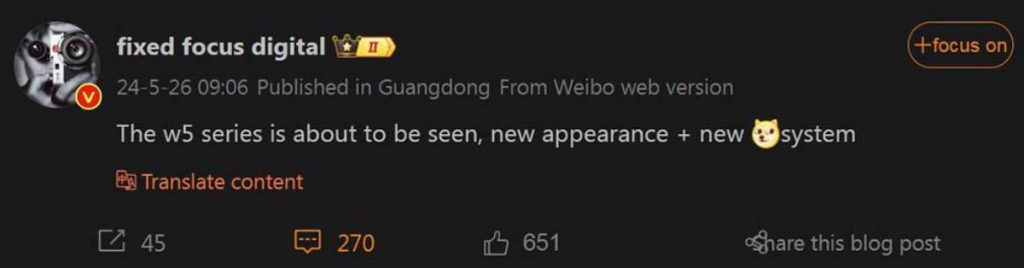
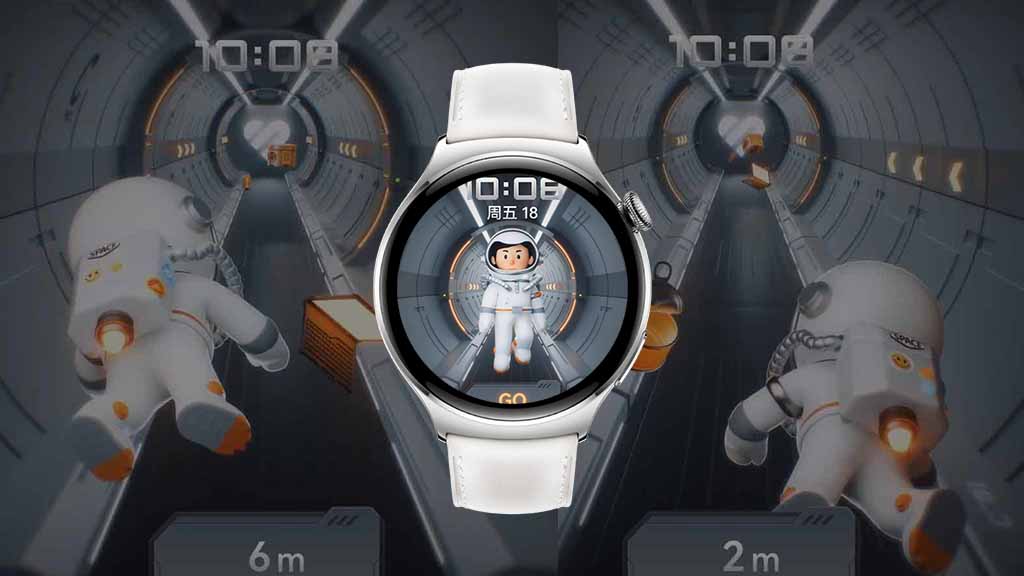
A new leak from Weibo suggests Huawei is preparing new wearables, the Watch 5 Series, which could launch later this year alongside the Mate 70 smartphone.
Tipster Fixed Focus revealed that the Watch 5 Series will feature a different design compared to the previous model. The software is also expected to receive upgrades.
The tipster claims the wearable will have a “new system,” likely referring to HarmonyOS NEXT. Huawei is currently developing this new version, with its launch expected on June 21.
Details on the specific features and functionalities powered by the new OS remain unknown. Apart from this, the tipster didn’t share much about the Huawei Watch 5 Series.
As a reminder, the Watch 4 Series garnered attention as the world’s first non-invasive high blood sugar monitoring smartwatch. It featured a 1.5-inch LTPO sapphire display encased in titanium, with various watch faces for customization.
Despite its size, the Watch 4 Series was praised for its lightweight design. It offered over 100 workout modes and tracked health metrics like heart rate, blood oxygen (SpO2), stress, skin temperature, and arterial stiffness.
Battery life varied depending on the version. The Standard model offered 3 days, while the Pro extended that to 4.5 days under typical usage. An “ultra-long battery life” mode could stretch endurance to 21 days. Connectivity features included eSIM support for calls and LTE 4G for data, along with fall detection for safety.
While the new leak provides a glimpse into the potential features of the Watch 5 Series, official details remain undisclosed. We will have to wait for further information from Huawei to confirm the launch date, specifications, and pricing.
We use cookies on our website to give you the most relevant experience by remembering your preferences and repeat visits. By clicking “Accept”, you consent to the use of ALL the cookies.
This website uses cookies to improve your experience while you navigate through the website. Out of these, the cookies that are categorized as necessary are stored on your browser as they are essential for the working of basic functionalities of the website. We also use third-party cookies that help us analyze and understand how you use this website. These cookies will be stored in your browser only with your consent. You also have the option to opt-out of these cookies. But opting out of some of these cookies may affect your browsing experience.
Necessary cookies are absolutely essential for the website to function properly. This category only includes cookies that ensures basic functionalities and security features of the website. These cookies do not store any personal information.
Any cookies that may not be particularly necessary for the website to function and is used specifically to collect user personal data via analytics, ads, other embedded contents are termed as non-necessary cookies. It is mandatory to procure user consent prior to running these cookies on your website.