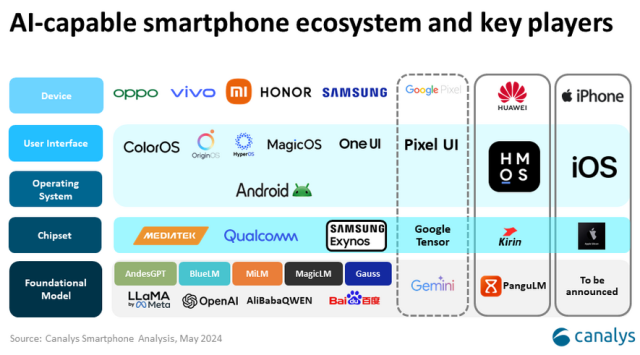
Market research firm Canalys released a report that shows the current market share of Smartphones with major AI capabilities and also predicts how it will change over the next couple of years.
According to this report, 16% of globally shipped smartphones at present already integrate at least some sort of AI capabilities and it will reportedly reach a whopping 54% by 2028. You can see the prediction for each year in the image below.
Industry analysts believe that the market for smartphones with AI capabilities will grow at a compound annual growth rate of 63% between 2023 and 2028. It is expected to be driven by consumer demand for enhanced features such as AI assistants and edge-to-edge processing.
Market research firm Canalys expects this shift to first appear in the flagship models. Currently, there are obvious technical limitations where the on-device models can only run on high-end devices. However, the models can get more efficient over time and are expected to be gradually accessible to the mid-range segment.
According to the market research firm, the transformative potential of smartphones with generative AI capabilities, driven by AI technology, begins sort of a new era for the smartphone industry. In the next 3-5 years, the addition of AI is expected to significantly improve the user experience. Sergio Buniac, the President of Motorola and the Senior Vice President of Lenovo Mobile Business, also noted the same while sharing his vision about Motorola’s smartphone business.
Companies such as Google and Samsung have already integrated a host of AI-based features into their recent flagships, although, there is no ‘AI phone’ or a similar branding yet. Various Chinese smartphone makers Huawei, Honor, Oppo, Xiaomi, and Vivo are also pushing the limits to incorporate as many AI features as possible in their high-end products. Their approach to integrating generative AI capabilities into devices includes everything from building in-house chips to training models for specific purposes.
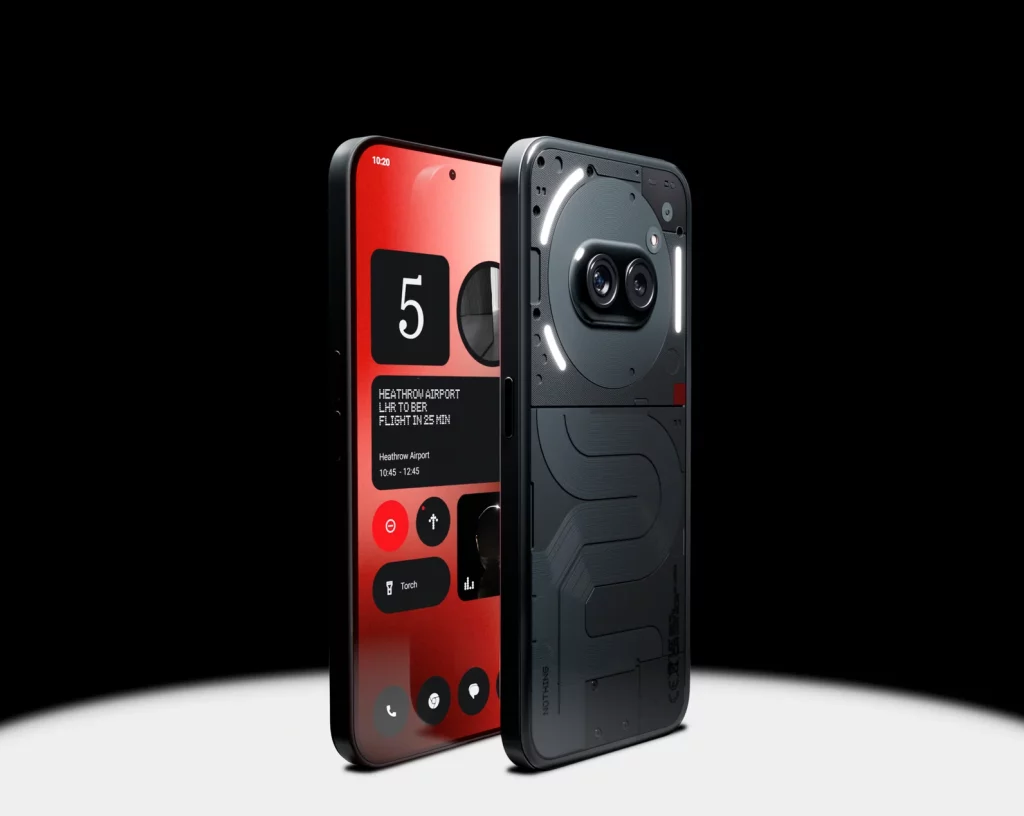
Nothing is apparently planning on launching a new smartphone in India soon. Now, a fresh sighting on the BIS certification has hinted that this model could be a brand-new version of the existing Nothing Phone (2a). So here are all the details.
New Nothing Phone (2a) spotted on BIS
The brand’s upcoming smartphone was seen on the BIS certification carrying the A142P model number. To recall, the original Nothing Phone (2a) launched with the A142 model number. So this is likely a new version of the Phone (2a). Unfortunately, this certification did not reveal any other details regarding this device like its specs, features, and design. But the BIS listing does confirm its Indian availability.
To recall, the Nothing Phone (2a) sports a tall 6.72-inch AMOLED display with FHD+ resolution and a 120Hz refresh rate. The front also houses a 32-megapixel sensor for selfies and video calls, while the rear features a 50-megapixel main camera and a 50-megapixel ultra wide angle lens. Under the hood, it packs a MediaTek Dimensity 7200 Pro, which is paired with LPDDR4X RAM and UFS 2.2 storage.
A large 5,000mAh battery pack powers this device, which supports 45W wired fast charging. This model runs on the Android 14 OS out of the box. Other notable features include an in-display fingerprint scanner, HDR10+, Corning Gorilla Glass 5, Bluetooth 5.3, and NFC.
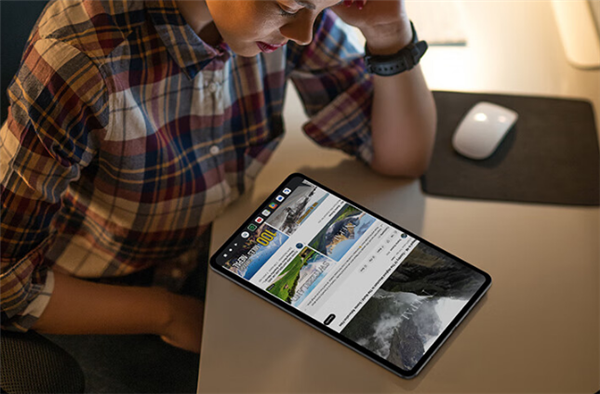
Early this month, Huawei released a bunch of new consumer devices including smart wearables, earbuds, tablets, laptops, and flagship phones. Most of them are amazingly decent with upgraded performance or design. Well, our team’s favorite out of all of these is this new tablet, the HUAWEI MatePad 11.5 S. To be honest, I didn’t expect too much on this tablet, as we’ve reviewed the most powerful model of this lineup last year, which is the MatePad Pro 13.2. I thought well, that’s good, another MatePad, not that ‘Pro’ but in a more portable size at more affordable pricing.
However, after I used it for over 2 weeks, I have to say it is even more ‘Pro’ as a productive tablet powered by Harmony OS. No matter for painting, note taking, or even video editing, it works well. And, of course, I’m talking about the experience with the brand-new M Pencil and the keyboard powered by Nearlink connection. They just seamlessly bring the tablet up to another level.
Hot in Chinese Market
This new MatePad is likely to be the most cost-effective HUAWEI tablet. The market response in China also proves this. It has gone crazy in the Chinese Market and sold out on the very first day it was launched. So now let’s check out why it got so popular.
PaperMatte Display
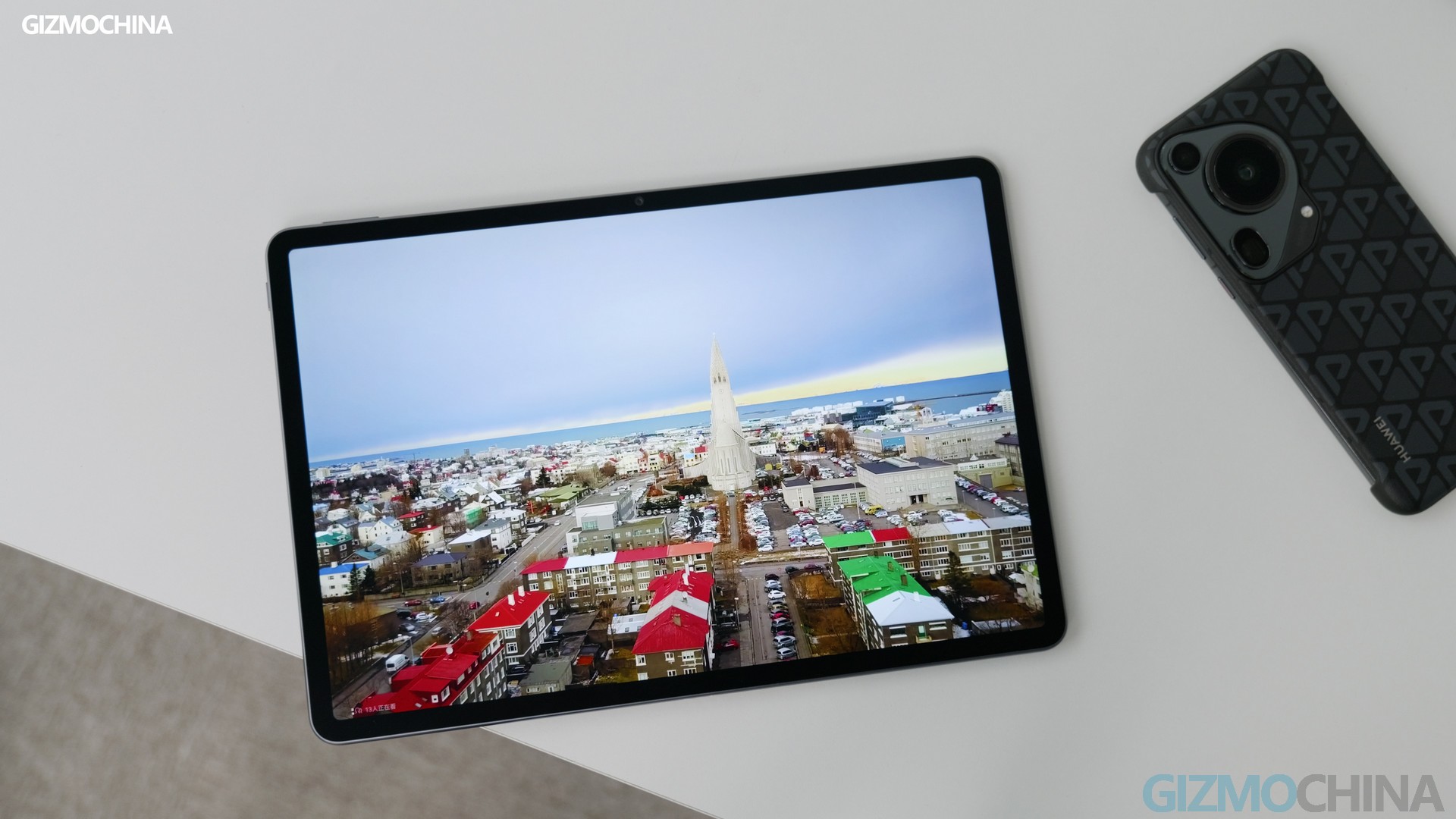
The first thing I want to share is about the PaperMatte display, which makes it the number-one tablet for my painting and stylus note-taking. It’s an 11.5-inch LCD panel with adaptive refresh rates of up to 144Hz. The true magic comes in the new PaperMatte processing of the protective glass. While this is nothing new, what surprised us was the visual and stylus effect it brought. Some might argue that it is just something that can be fixed by covering a matte protective film. However, the fact is that almost all protective films are just compromises. They often bring issues of worse colors, brightness, and resolution, along with stylus malfunction.
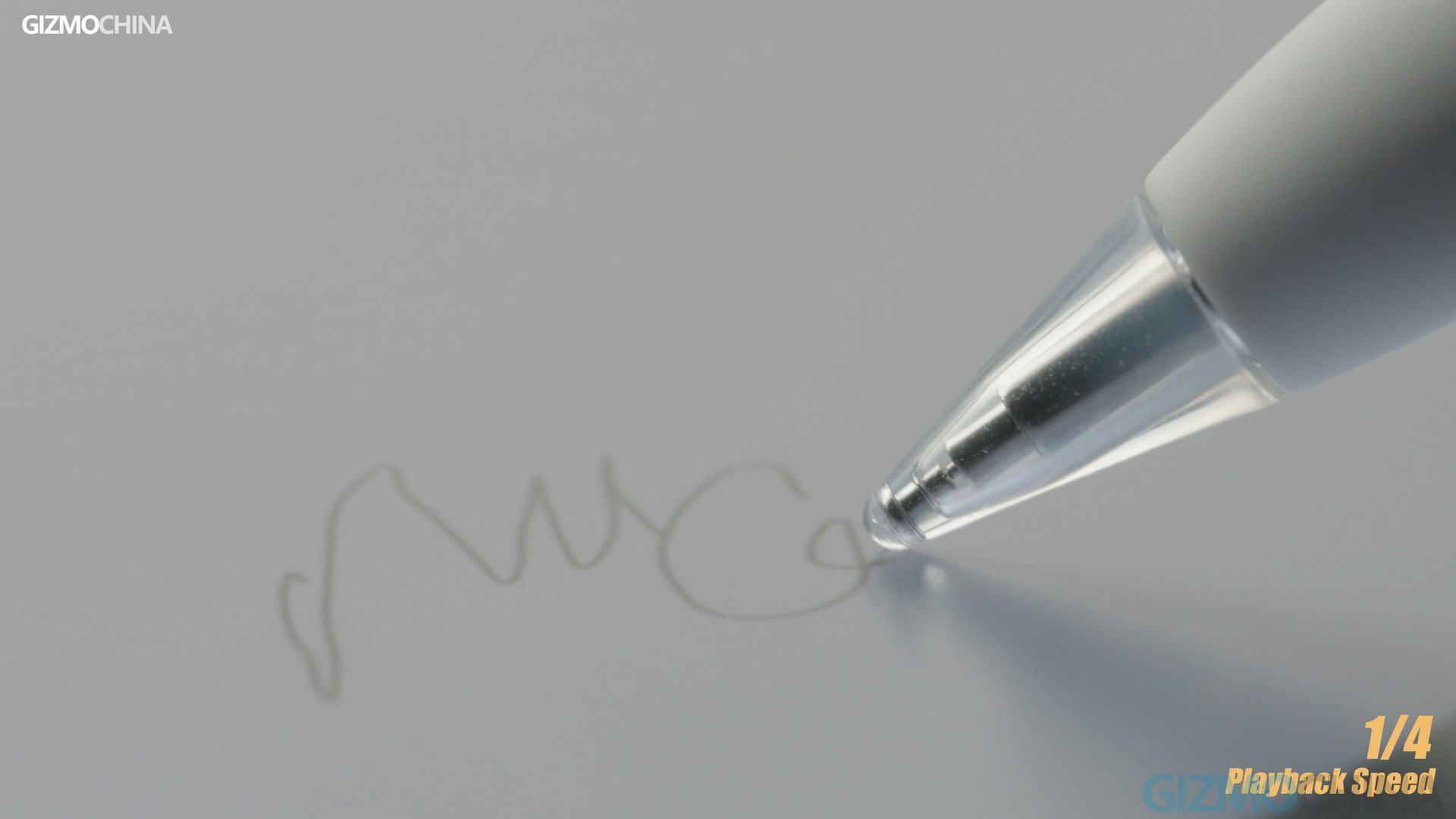
But look at this PaperMatte display. The stylus writing falls smoothly on the nib and fits perfectly. It does this with fine anti-glare while providing vivid colors and decent clarity at various angles. The matte finish is dedicated. When you touch the panel, it doesn’t give an odd touch, on the contrary, it supports various gesture swipes smoothly but leaves almost no fingerprints.
As its name “PaperMatte” implies, it’s like physical paper, except it’s harder. You can even hear the rustle of the stylus sliding on the display. that’s just so similar to the paper experience. I’m sure you hate seeing fingerprints and stains on a drawing tablet. The new MatePad just fixed it well by covering a hydrophobic and oil-resistant coating.
For the rest of the screen, you can check out the info here. The only drawback is that it has no ultra-high brightness and contrast like those OLED screens.
Design
As for the size and design, the whole metal body has great build quality and weight control. That’s also one of the reasons why I enjoy taking it on my business trips. The 11-inch size here is just right, larger than an iPad mini but fitting easily in my satchel.
Performance Powered By Kirin 9000WL
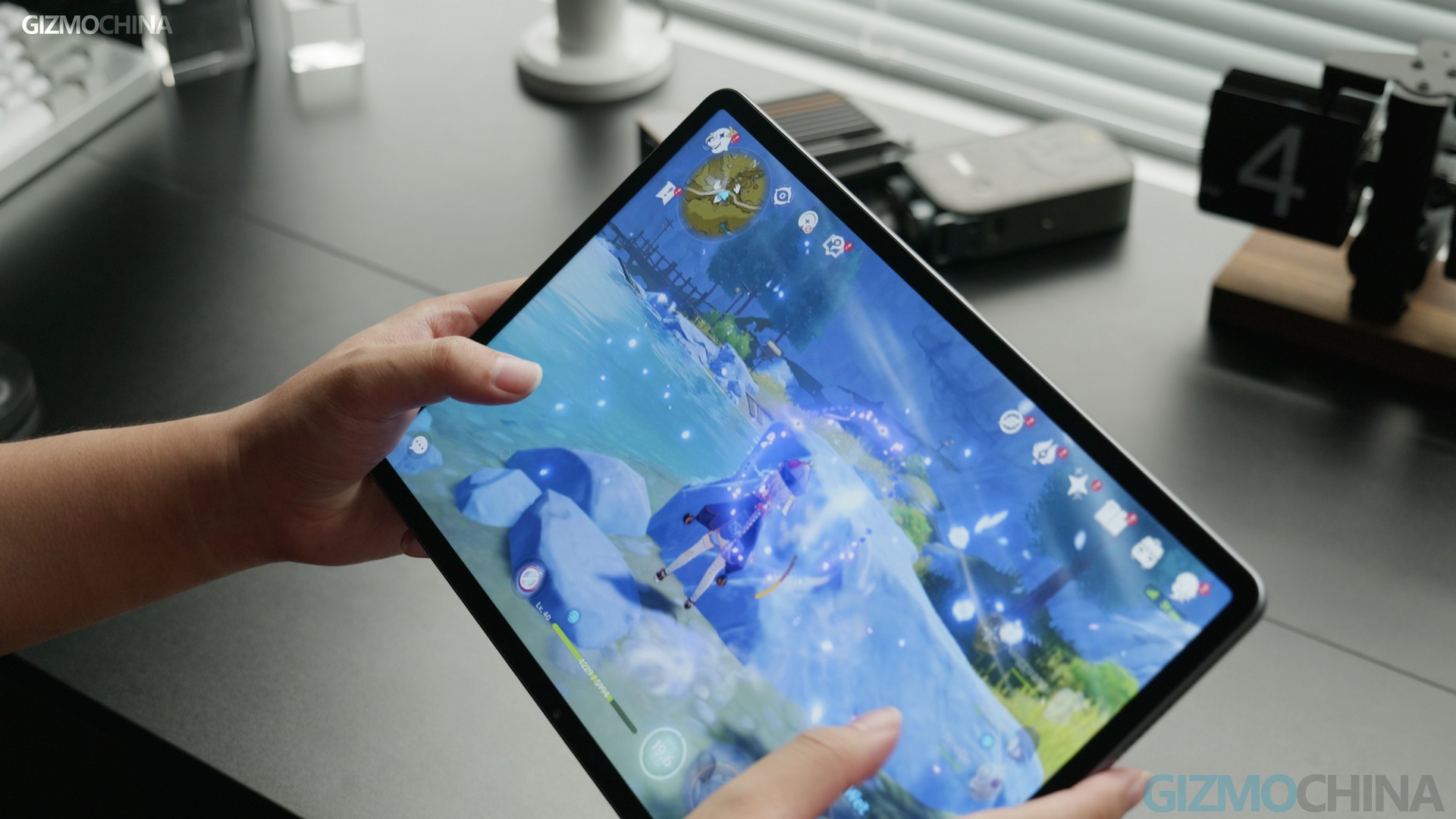
Before I move to the note-taking and drawing part, I need to relax you a bit over its performance. Although we have no firmly correct information about the chipset running inside, it’s pretty sure that the same Kirin 9000s (exact model: Kirin 9000WL) is running inside as what we have on the new Pura 70 Ultra. But of course, the CPU strategy might be varied a bit. But if you guys are still concerned about its performance, I would say that its actual power is at the level between Snapdragon 865 and 888. For daily use, thanks to the New Harmony OS, the great smoothness might make you ignore its performance.
Note Taking in HUAWEI NOTES
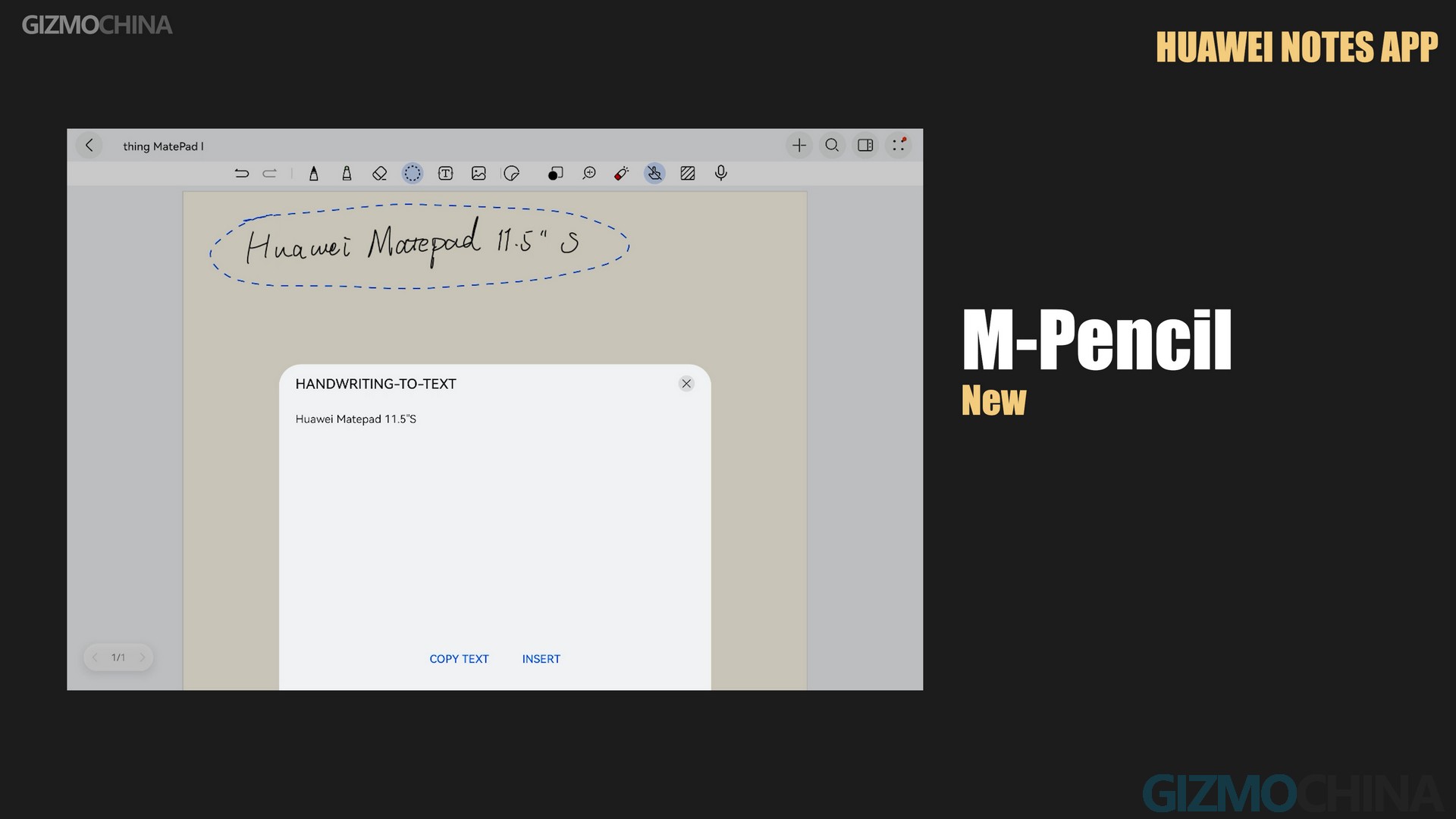
As for note-taking, I strongly recommend you guys try out the official app – HUAWEI Notes. On this MatePad, you have two official note-taking apps for options, the other is called HUAWEI NotePad. But obviously, the Huawei Notes has more features. For personalizing, you can customize each notebook with various coveries and paper patterns there, also including changing paper ratio and colors. The writing is optimized with the latest M pencil.
And as a note-taking tool, it has a built-in recording feature, which is not separate from note-taking. For example, assume you have a lecture while taking notes. Turn on the recorder, and your handwriting will also be recorded with the timeline. So when you get ready to review the recording, you can immediately locate the important parts in both your notes and the recording.
Apart from that, you are also allowed to move any part of the note with the circling tool, copy and share, change its size and color, or convert it to text.
Drawing & Sketching in HUAWEI GoPaint
Now let’s check out what it offers for sketching and painting. To be honest, none of those tablets could compare to the iPad for drawing, until the new MatePad. I doesn’t mean the gap in hardware is huge. Actually, now it’s pretty small, as some brands have styluses with great latency performance and stable connections. It’s just because few painting apps were ready to fit well the none-iPad tablets! So HUAWEI’s solution is to create a brand-new one for their own tablets, and, it’s free. The app is GoPaint, now only available for the latest MatePads. It’s also one of the most versatile sketching apps I found in the non-iOS system.
The app can support up to 320 layers for creation, even at 4k resolution, you can still have 66 layers. It offers quite a lot of canvas options and even supports customizing. There are over 100 brush patterns including oil painting, inking and so on. Most of these brushes have been very satisfying to me. While I used only about 10 of them, the pressure feedback, the latency, and the smoothness of the strokes were almost perfect. But there are still some special patterns that are stiff and offer no significant pressure feedback. But since I’m not good at drawing with them, I’m not sure if it’s the proper setup for those special artists.
What impressed me the most was its natural wandering through the inking brushes. Very few painting apps can simulate this kind of natural inking. The art creation is very flexible, you can adjust the shape of the selection at will, modify the color preference of layers, applying various effects such as ‘blur’ and ‘liquefy’. Anyway, I think it’s pretty friendly even for those who do not draw a lot. And you can also find quite a lot of useful tutorials inside the app. The whole app seems to keep emphasizing that Huawei is serious about developing painting and Sketching on their tablet.
You may have sensed my excitement in my review. The reason why I’m so excited is that: if you want a drawing tablet, now why should it be a more expensive iPad? The discussion within some brands is probably still stuck in the entertainment scenario for tablets, and then just spending the cost on hardware could be a less risky option. But I’d love to see one of them start to bring about an expansion of the scene through hardware and software collaboration. And that will lead to a new round of competition, which is absolutely a good thing for users.
Stylus & Keyboard
I haven’t tested the companion NearLink-powered M-pencil in depth yet. Since we had a really good experience with the MatePad Pro last time, I just decided to dive right into daily use. No surprises, it’s as stable and good as ever. The slow-motion comparison between the MatePad and new iPad Air is showcased in the review video. Please check it out if you are interested.
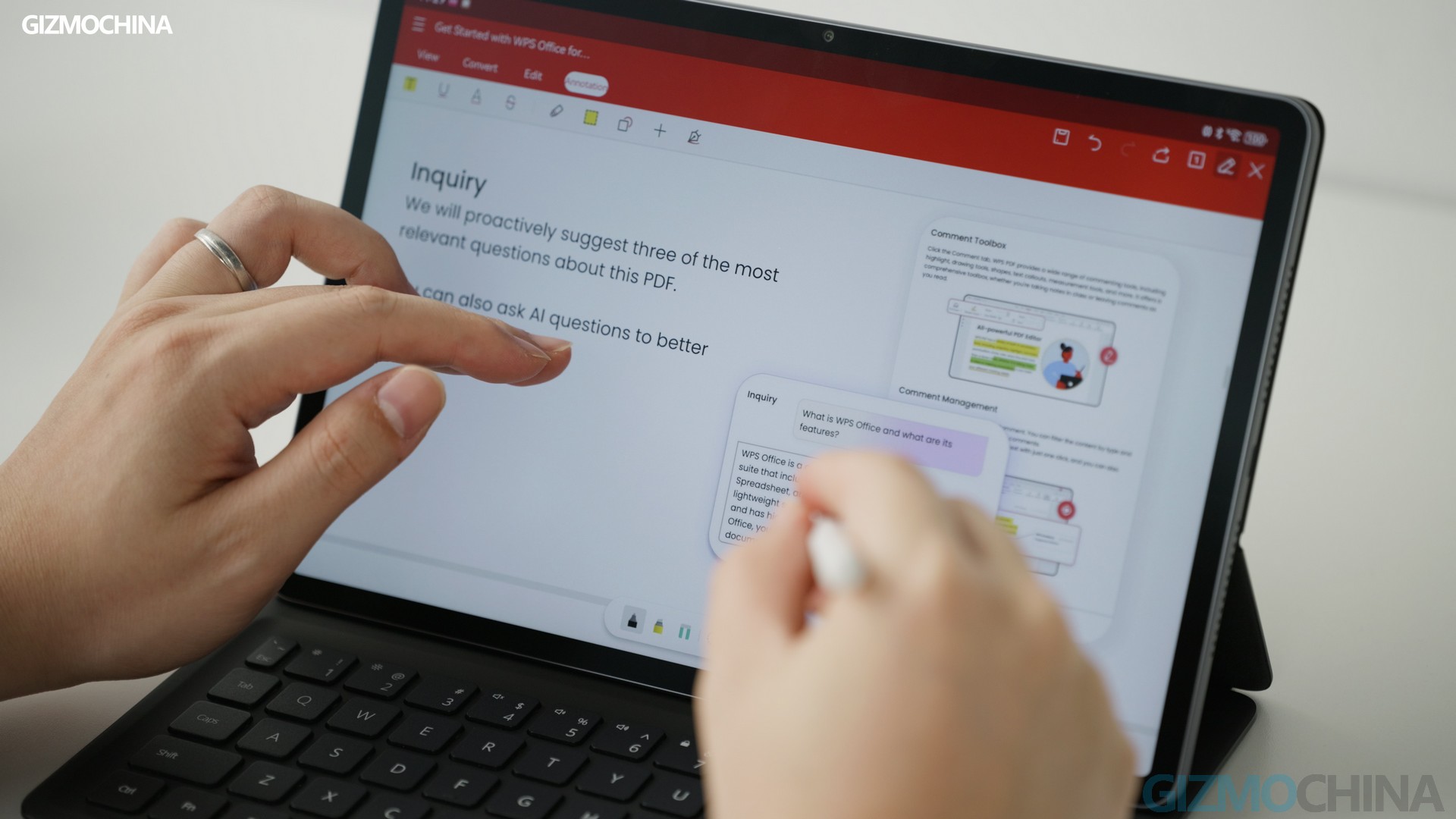
There’s also a keyboard accessory for the new MatePad. The typing is pretty good but it’s nothing special. So I’ll leave it at that. By the way, for officing, I strongly recommend you guys try the WPS Office, which is much user friendly for tablet officing than Microsoft’s.
Battery & Charge
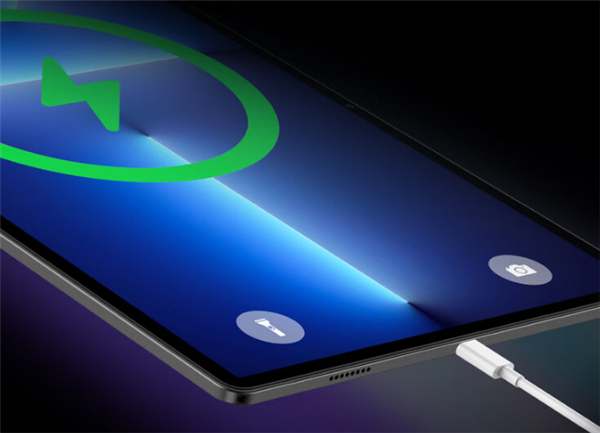
Alright, the last part I want to share with you is the battery. Honestly, the battery is not very impressive, as the tablet uses an LCD panel, it seems that the battery life is a bit more struggle than others with an OLED one. But probably it’s because I was painting a lot in the GoPaint app, the battery dropped a bit faster than I expected. And the included charger only supports up to 22.5W power output, so that might be something you need to be aware of. It’s not really fast.
Video Editing in HUAWEI’s Petal Clip and CapCut/JianYing
In addition to the creative scenarios mentioned above, I also tried editing videos with it, and the tools that satisfied me were HUAWEI’s Petal Clip and CapCut powered by ByteDance. And for those who are interested, CapCut is about to release a Pro version. Or if you can read Chinese, you can also try out its Chinese version, Jianying, which has a lot of premium editing and AI features.
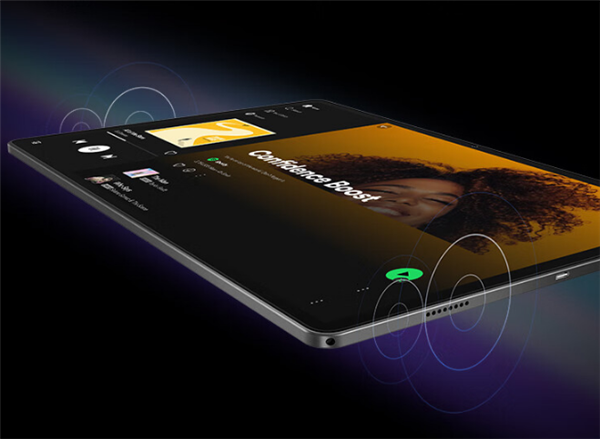
(Please check out the speaker sound of MatePad 11.5 S (vs iPad Air 2024) in our review video.
Verdict
Anyway, the MatePad 11.5 S is still my favorite electronic device for the past month. I’m sure it’s more than enough to fill that gap in the market. If you need a non-iPad to create on, it seems to be the best way to go! More importantly, it’s likely to have a reasonable price tag. I’m not sure how much it will sell for in different markets, but it’s a safe bet that it should be a strong contender for the best affordable tablet this year.
The excitement around Android 15 is building up as we move closer to its release. Google has already confirmed several exciting features of the new OS, such as satellite connectivity, notification cooldown, private space, and more could be on the way. Sadly, like every year, many Android devices will become ineligible for the OS upgrade and miss out on the latest features and enhancements.
In this post, we have curated a list of OnePlus phones and tablets that are ineligible for the Android 15-based OxygenOS 15 upgrade. Go through the list to know if you need to upgrade to a newer model to explore the new Android OS.
OnePlus OxygenOS 15 (Android 15) Ineligible Devices List
OnePlus 9
OnePlus 9 Pro
OnePlus 9R
OnePlus 9RT 5G
OnePlus Nord N30
OnePlus Nord N300
OnePlus Nord N20 SE
OnePlus Nord 2T
OnePlus Nord N20 5G
OnePlus Nord CE 2 Lite 5G
OnePlus Nord CE 2 5G
OnePlus Nord 2 5G
OnePlus Nord N200 5G
OnePlus Nord CE 5G
and devices launched before 2021
[Important: In this list, we haven’t included OnePlus devices launched with ColorOS skin. We’re only focusing on OxygenOS, which is offered to all OnePlus devices outside the Chinese market.]
This is not the final list, as OnePlus hasn’t yet revealed the device names eligible for the OxygenOS 15 upgrade. However, we already know the software update policy for most of its phones, which helped us create the above list.
OnePlus promises four major OS updates to its flagship models, like the OnePlus 11, OnePlus 12, and OnePlus Open. Other high-end devices are given 3 OS upgrades, which include the likes of OnePlus 12R, OnePlus Pad, OnePlus 11R, and more.
OnePlus typically releases two OS upgrades for its Nord series phones. However, the Nord 3 5G is the first in the lineup to be eligible for 3 OS upgrades. The Nord CE series phones get two OS updates, while the Nord N series devices are offered just one Android update.
This is what the software update policy looks like for OnePlus phones and tablets.
If your OnePlus device is on the list, it’s unlikely to get Android 15 and further OS updates. However, I’d advise you to wait until the official list comes out.
What’s Exciting About Android 15?
Android 15 doesn’t bring a significant redesign to the layouts. However, there are plenty of new features and enhancements to keep you excited.
1. Satellite Connectivity
One of the most talked-about features in Android 15 is the satellite connectivity support. It lets you send texts to others even if your device isn’t connected to a cell tower nearby, as long as you have access to the open sky.
What’s better is that the OS supports satellite connectivity for SMS and MMS apps as well as preloaded RCS apps. Unlike iPhones, this feature will not be limited to emergency uses only on Android 15.
2. App Archiving
Similar to offloading apps on iPhones, Android 15 will allow users to uninstall unnecessary apps while keeping the user data around. There won’t be any data loss; you can continue where you left off after reinstalling/unarchiving the app.
Android already has app archiving via the Google Play Store. This means you can only archive and restore apps through the Google Play Store. But Android 15 integrates this feature at the OS level, allowing users to archive/restore apps, even those installed outside of the Google Play Store.
3. App Pairs
Android 15 lets you save your favorite split-screen app combinations for quick access. For example, if you take a lot of notes from YouTube, create an app pair for YouTube and your favorite notes app. Tapping on the app pair will instantly open both apps in the split screen mode.
This is one of the most valuable additions to Android 15 to save time and effort. However, this functionality could be limited to large-screen devices as the official website explicitly mentions “large screen devices”.
4. Private Space
Android 15 introduces “private space” to keep your sensitive apps and files away from prying eyes under an additional layer of authentication. This is similar to secure folder in Samsung phones.
Users can set a separate lock screen for the private space. The apps in your private space do not show in the recent view, and all downloads are hidden from the other (regular) space. It’s a great way to protect your banking apps and other secret apps from others’ views.
5. Partial Screen Sharing
Android 15 lets you share or record a single app rather than the entire screen. So you don’t have to worry if you accidentally open a sensitive app while sharing your screen with someone. This feature is already available to Pixel owners, now extending to all Android 15 devices.
6. Notification Cooldown
Google has introduced the “notification cooldown” feature with Android 15 to prevent people from getting overwhelmed by too many notifications from the same app. This feature lowers the volume of successive notifications from the same app.
7. High-Quality Webcam
The new operating system significantly improves the webcam video quality. It adds a new “HQ” symbol in the webcam preview mode, tapping on which disables the power optimizations to offer an improved video quality.
Which OnePlus device do you have? And what are your expectations from the new OS? Share your valuable thoughts in the comments below.
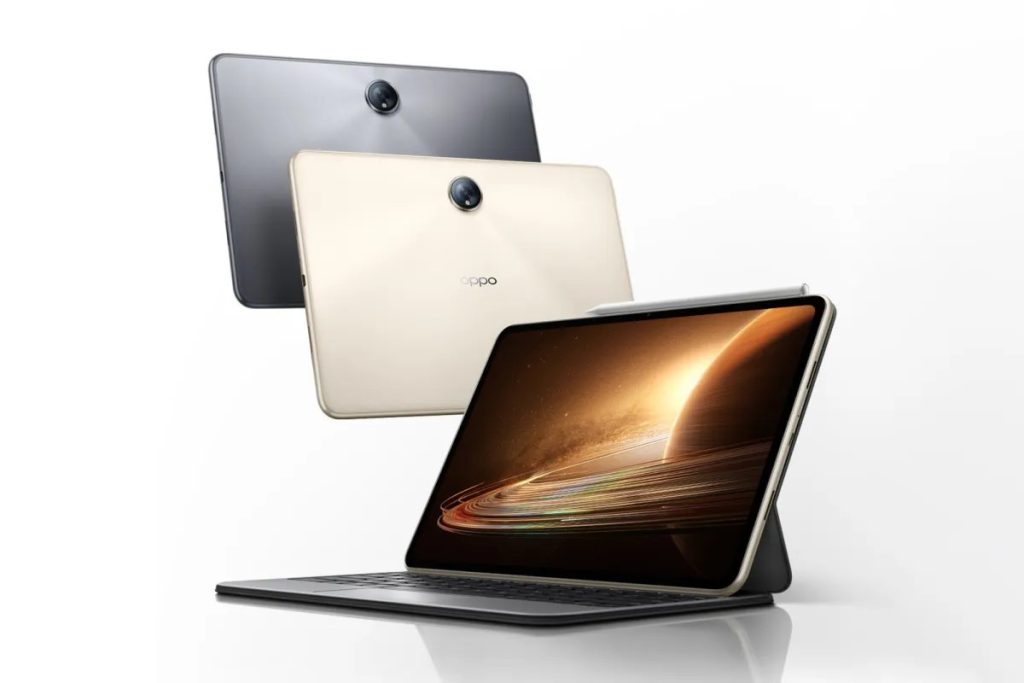
Oppo is rumored to be working on a new flagship-grade tablet model. This model in question could be dubbed the Oppo Pad 3. But prior to any official release, the device was spotted in a leak, which revealed a bunch of its key specs and features. So let’s check it out.
Oppo Pad 3 Key Specs Leaked
Oppo Pad 2
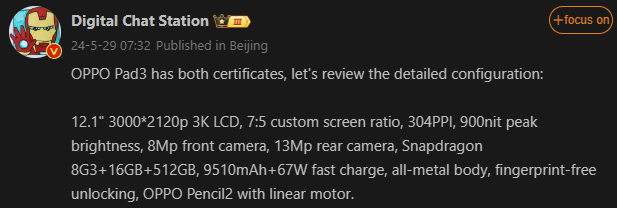
The news arrives from a known tipster Digital Chat Station, who shared the information on Weibo. He claimed that the Oppo Pad 3 could sport a tall 12.1-inch LCD panel that offers 3K resolution (3000 x 2120 pixels) and a 144Hz refresh rate. These display specs are in line with a previous leak from the same tipster. This screen could offer a 7:5 screen ratio and a peak brightness of 900 nits. Under the hood, it is expected to be equipped with the Qualcomm Snapdragon 8 Gen 3 SoC.
This processor is paired with up to 16GB of RAM and 512GB of internal storage. A massive 9,510mAh battery pack powers this device, which supports 67W wired fast charging. It will likely run on the Android 14 OS based ColorOS custom skin out of the box. Digital Chat Station further added that the Oppo Pad 3 will come with an all-metal body with a sleek design.
For photography, the tablet features an 8-megapixel selfie shooter on the front and a 13-megapixel camera on the back. Oppo’s Pad 3 would even support the Oppo Pencil 2, which is enhanced with linear motor as well. This model was recently spotted on the 3C certification platform. In other words, its launch is right around the corner. So stick around for more updates.
The CEO of Xiaomi, Lei Jun, recently confirmed that a new Redmi Pad Pro 5G version is in the works. As the name suggests, this model offers 5G support over the regular Pad Pro’s Wi-Fi connectivity. Now, this upcoming tablet has surfaced on a major Chinese certification, hinting at its imminent launch.
Redmi Pad Pro 5G China launch imminent
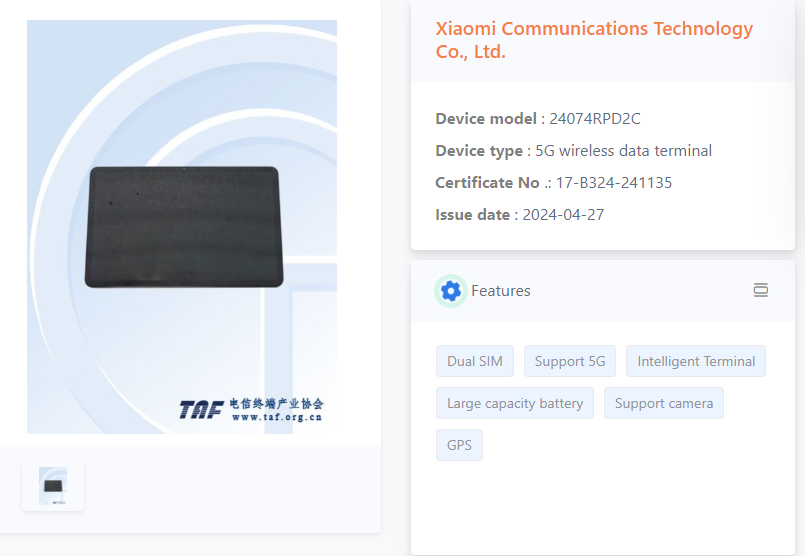
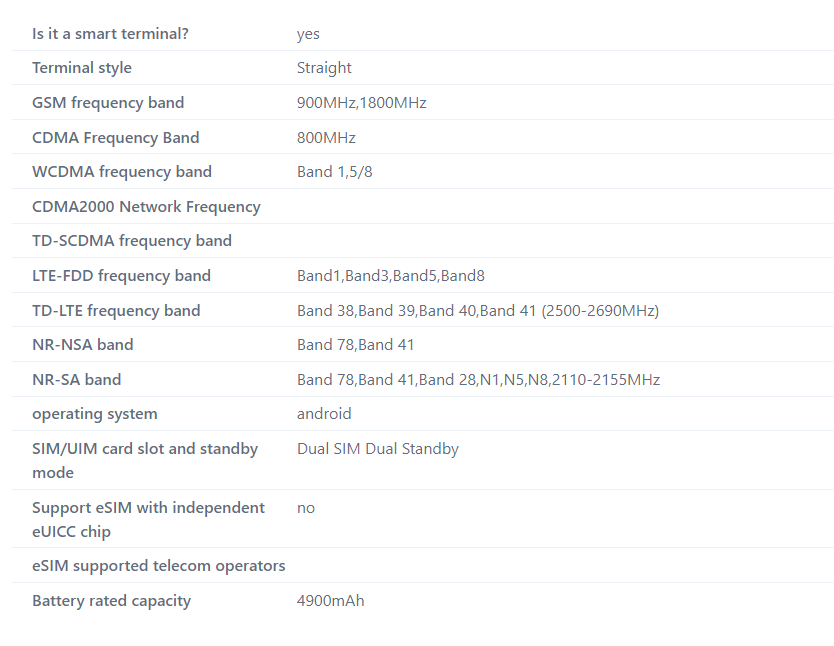
The Redmi Pad Pro 5G model was seen in the TENAA database carrying the 24074RPD2C model number. From Lei Jun’s previous announcement, we know that the new tablet will require a physical SIM card for 5G network and won’t support e-SIM. This device also offers dual SIM support along with GPS, AGPS, BeiDou, GLONASS, and WLAN.
The TENAA certification confirmed that the Redmi Pad Pro 5G will be powered by a 4,900mAh battery pack. Considering the regular Redmi Pad Pro is powered by a 10,000mAh cell, we can expect the 5G version to offer a similar battery pack as well. Apart from this, the 5G version should offer similar specs as the original version. To recall, the Redmi Pad Pro sports a 12.1-inch 2.5K LCD panel with 2560 × 1600 pixels, a 120Hz refresh rate, and a 180Hz touch sampling rate.
Under the hood, it is equipped with the Qualcomm Snapdragon 7s Gen 2 SoC, which is paired with 6GB or 8GB of RAM and 128GB or 256GB of internal storage. It runs on the Android 14 OS based HyperOS custom skin out of the box. For optics, both the front and back feature an 8-megapixel camera. Other notable features include 33W wired fast charging, an in-display fingerprint scanner, an infrared sensor, Bluetooth 5.2, and quad speakers with Dolby Atmos support.
Lenovo’s Motorola says it is working towards becoming one of the leading smartphone brands globally within the next three years. Motorola’s president Sergio Buniac says he wants to build the brand into one of the top three smartphone brands in the world excluding the Chinese market.
Moto Razr 40
Sergio Buniac doubles as the senior vice president of Lenovo Group and president of Mobile Business Group. He has launched an internal plan, the Gladiator Project based on three strategic adjustments. The move will see Motorola pursuing expansionist plans, a sharp departure from its previous contraction strategy. The special focus of the new strategy is expansion in the global market outside North America and Latin America.
Motorola plans to have a share of the high-end segment of the global smartphone market with its Razr series and Edge series of foldable smartphones. It also hopes to collaborate with popular brands such as Bose, Pantone, and Corning to broaden its user base and attract Gen Z, B2B users, and more female customers. The Gladiator Project is already in motion and it has already achieved initial results. The shipment volume of the Moto Razr 40 foldable is five-fold its previous numbers from its previous iteration. On the other hand, the shipment volume of the ThinkPhone has increased three-fold.
Lenovo smartphone sales for the 2023/2024 fiscal year indicated a 12% increase year-on-year. Premium products accounted for 25% of the revenue, with significant increases in Asia-Pacific and the EMEA markets. Buniak says that Motorola has transformed from fighting for survival six years ago to fighting for victory, highlighting its resurgence over the past six years. Buniak predicts that the advent of AI mobile phones will further spur its expected strong results. The optics remain solid for the Motorola brand and it has to retain its strong and positive approach to sustaining its growth trajectory.
The Galaxy Z Flip 6 and the Galaxy Ring have surfaced on FCC listing with some key details. In addition, the upcoming flip phone has also appeared on the PSI Testing and Certification LTD database revealing battery information.
Galaxy Z Flip 6 details:
The listing of the phone (with model number SM-F741U) on the FCC database confirms the use of dual-cell batteries with EB-BF741ABY and EB-BF742ABY model numbers. On the other hand, the PSI listing confirms the battery capacities – 1097mAh and 2790mAh. So the total battery capacity is 3887mAh, which Samsung can market as a 4000mAh typical battery capacity.
For context, the Galaxy Z Flip 5 came with a 3591 mAh battery pack (971mAh + 2620mAh) which the company marketed as a 3700mAh battery.
Now we also know that the phone will support NFC and WiFi 6E, thanks to the FCC listing. Additionally, the UL Demko certification listing confirms that the Z Flip 6 will support the same 25W wired fast charging.
The phone will be powered by a Galaxy-branded Snapdragon 8 Gen 3 chipset (with slightly different clock speeds) and will be paired with 8GB RAM.
Listing for the Galaxy Ring
According to the FCC listing, the Galaxy Ring (with the model number SM-Q503) will be available in sizes ranging from 5-12. 5-7 sizes will equip a 17 mAh battery, 8-11 will get an 18.5 mAh capacity, and the biggest one will equip a 22.5 mAh battery. It will support Bluetooth 5.4 and Bluetooth LE for power-efficient connectivity with your phone. The listing also includes real-life images of the ring from different angles, which you can see above.
The Teclast T50 HD tablet has been launched in China. The T50 HD is an affordable tablet packing some decent features including an illuminating display. The tablet is powered by the Unisoc T606 processor backed by up to 256GB of internal storage.
Features
The T50 HD tablet features an 11-inch IPS high-definition screen with a 60Hz refresh rate and 1920 x 1200 pixels resolution. The tablet offers an exciting picture quality whether watching a high-definition movie or browsing pictures. The maximum brightness of the slate is 400 nits and it equally supports the T-Colour 3.0 screen display technology. The embedded technology delivers fuller and vivid images for an immersive viewing experience.
The Teclast T50 HD tablet has TUV low blue light certification to protect your eyes even for extended periods. The Unisoc T606 chipset has an octa-core setup. It has two A75 high-performance cores with a frequency of 1.8GHz and six energy-efficient A55 cores. The processor is capable of delivering a decent performance when using the tablet. The thickness of the T50 HD tablet is 7.8mm while its weight is 530g.
The T50 HD tablet has an 8,000mAh polymer lithium battery and offers extended usage. The tablet has a USB-C interface for quick charging and energy replenishment. It also has an AI dual camera adorned with a watch ring and dual speakers.
Pricing & Avialability
The new Teclast tablet is priced at 799 yuan ($110) and is available on retail platforms in China.
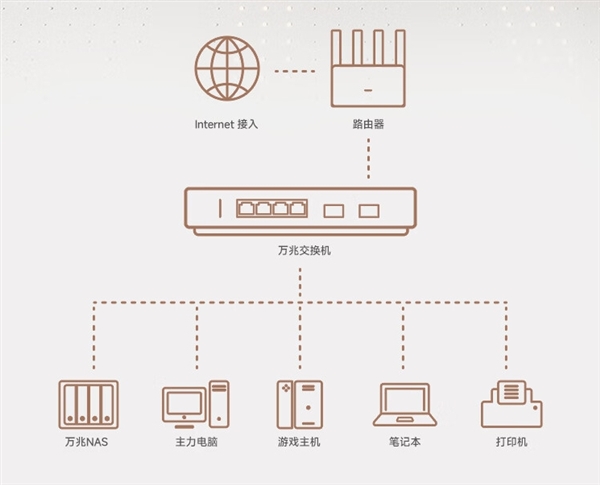
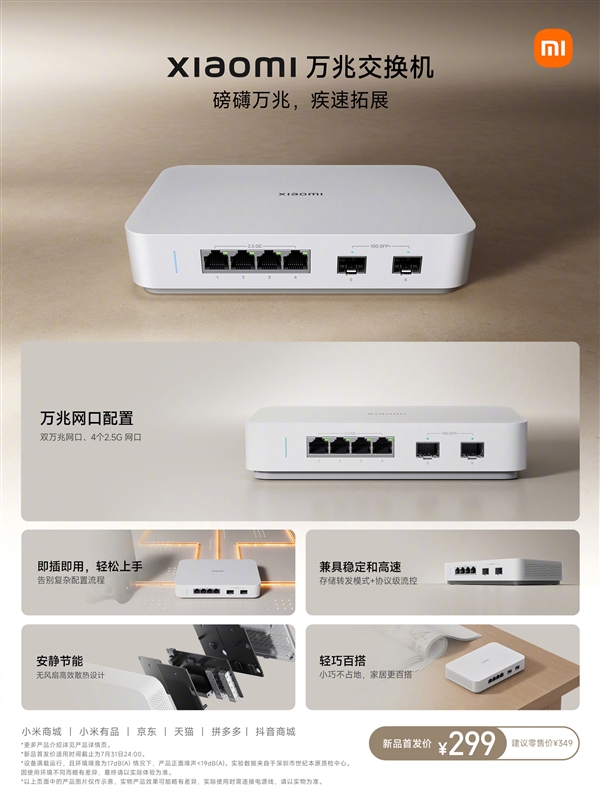
Xiaomi has launched a new ethernet switch – the Xiaomi 10G switch with dual 10G Ethernet ports. The 10G switch had been on the waiting list and customers can now get the gadget in China. Xiaomi also released a Gigabit router model. The 10G switch is available in a white plastic housing as seen from its released images.
Features
The Xiaomi 10G switch is suitable for use in smaller areas like studios or small offices. It features two 10G SFP+ network ports with a maximum transmission speed of 10G. It has a total output capacity of 60Gbps and supports high-speed connection to devices such as workstations. There are also four 2.5G network ports on the router with support for multiple speeds of 10/ 100/ 1000/ 2500M and 8K streaming capabilities. It is also compatible with 10G optical modems, 10G NAS, 10G routers, and high-speed workstations.
In terms of cooling, the Xiaomi 10G switch omits an active cooling fan and has a plastic shell housing. Although it can be well integrated into the home setting, close attention is required in monitoring its heat dissipation.
Pricing & Availability
The Xiaomi 10G switch is priced at 299 yuan ($41) and can be purchased directly from JD.com. The Xiaomi One Gigabit router pricing and availability details are yet to be released. Xiaomi has also not provided any global availability and pricing information for the 10G switch at this time.
In today’s news roundup, we have stories talking about Motorola’s aim to become the top 3 smartphone maker outside of China, the OnePlus 12 getting a new color option, and leak about first Dimensity 9400 smartphones.
Here are all the top stories from the past 24 hours.
Lenovo Mobile Business senior vice president and Motorola president Sergio Buniac recently shared his vision regarding Motorola’s smartphone business. He wants to position Motorola among the top three smartphone brands worldwide excluding China. According to Buniac, the company has always maintained its third position in the North American and Latin American markets.
OnePlus is gearing up to launch a new color variant of the flagship OnePlus 12 in India. The brand has teased this new color variant by partially revealing its silver-colored camera island. This is the China-exclusive White color option of the OnePlus 12, which, for some reason was not launched in Markets outside of the mainland.
Xiaomi is set to release the Redmi Pad Pro 5G, an update to the Wi-Fi version launched earlier this year. Announced by CEO Lei Jun, the new model will include 5G connectivity, which is currently absent in both the Chinese and global models.
Honor has just announced the Honor 200 Pro in its home market of China. The high-end smartphone arrives as the direct successor to the Honor 100 Pro. But is it actually an upgrade over last year’s model? Or is it simply a minor refresh, let’s find out.
In October, Qualcomm is expected to announce the Snapdragon 8 Gen 4 chipset, whereas MediaTek is poised to unveil the Dimensity 9400 chipset. Today, tipster Digital Chat Station revealed that Vivo will be the first brand to launch the Dimensity 9400-powered smartphone.
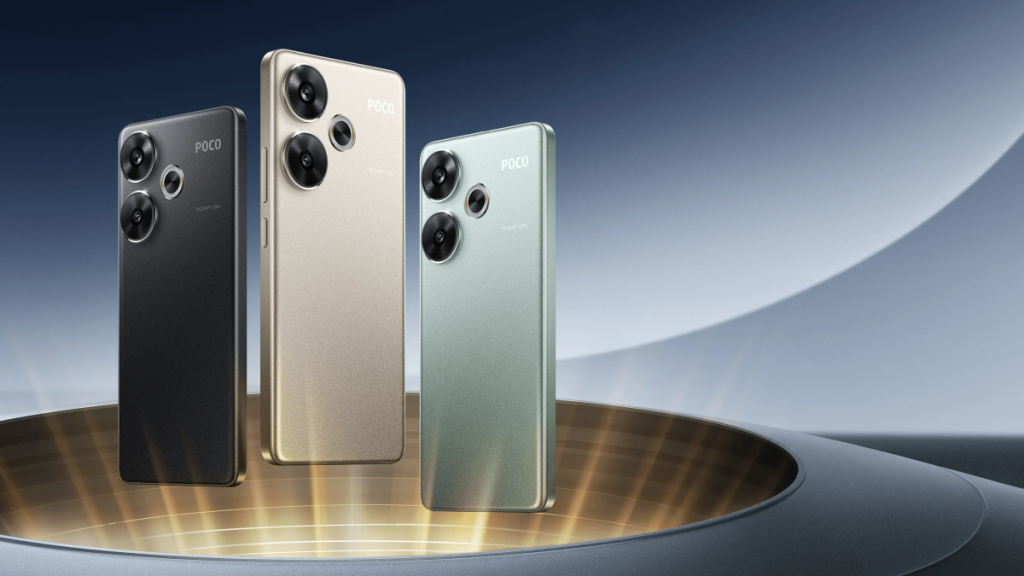
Last week, Poco announced the much-awaited Poco F6 equipped with the Snapdragon 8s Gen 3 chip in multiple markets, including India. As confirmed at the launch, the Poco F6 will go on sale at 12 pm today (May 29) in India via Flipkart. Those who purchase it today will benefit from a special offer that provides an additional one-year warranty apart from its regular one-year warranty. Here is a look at the other offers that are available for buyers of the F6.
Poco F6 price in India, offers
Poco F6
The 8GB+256GB variant of the Poco F6 costs Rs 29,999 (~$360), the 12GB+256GB model costs Rs 31,999 (~$385), and the 12GB+512GB edition costs Rs 33,999 (~$410). The phone comes in Black and Titanium color options.
Apart from the warranty offer, those who purchase the F6 on the first day will benefit from a Rs 2,000 instant discount via ICICI credit / debit, and EMI transactions. In addition, customers can get an extra Rs 2,000 by trading their current phone. For those who wish to purchase it by paying in installments, the company is offering up to a 12-month no-cost EMI option across all major banks.
Poco F6 specifications
The Poco F6 comes equipped with a 6.67-inch OLED display protected by Gorilla Glass Victus. The screen delivers a 1.5K resolution (2712 x 1220p), a 120Hz refresh rate, and a peak brightness of 2,400 nits. In addition, the display supports 1920Hz PWM dimming and a 12-bit color depth for enhanced visual quality.
Powered by the Snapdragon 8s Gen 3 processor, the Poco F6 includes LPDDR5x RAM and UFS 4.0 storage. The device houses a 5,000mAh battery with 90W charging and comes with a 120W charger in the box.
For photography, it sports a 20-megapixel OmniVision OV20B front camera and a dual rear camera setup with a 50-megapixel IMX882 sensor with OIS and an 8-megapixel IMX355 ultra-wide sensor. Running on Android 14 with HyperOS, the Poco F6 supports air gestures and guarantees three Android OS upgrades, as well as four years of security updates.
The Poco F6 offers other features, such as an in-display fingerprint scanner, dual speakers, an IR blaster, an x-axis linear motor, NFC, Wi-Fi 6, and Bluetooth 5.4. The smartphone is 7.8mm thin, weighs 179 grams, and has an IP64 rating for dust and water resistance.
It appears that Oppo has a couple of new phones lined up for the global market. Recently, the brand unveiled the Oppo A3 Pro 5G, Reno 12 5G, and Reno 12 Pro 5G in the Chinese market. It appears that these three phones will soon be heading to the global market.
Oppo A3 Pro 5G, Reno 12 5G TDRA certified
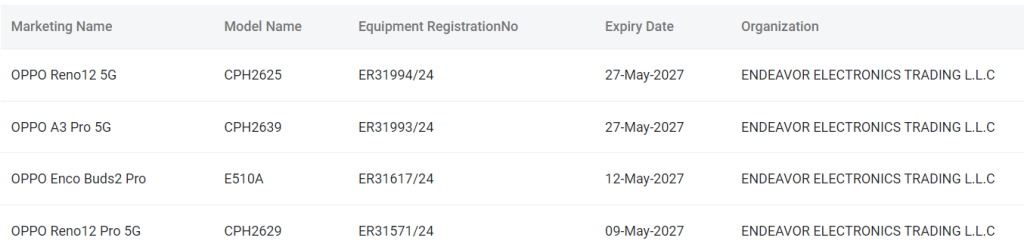
The TDRA authority of the UAE approved the Oppo Reno 12 Pro 5G (model number: CPH2629) and the Enco Buds 2 Pro (model number: E510A) earlier this month, as shown in the screenshot above. Now, the global versions of the Reno 12 5G and the Oppo A3 Pro 5G have emerged in the TDRA’s database.
The CPH2625 model number corresponds to the Reno 12 5G, while the CPH2639 model number corresponds to the A3 Pro. The global version of the Reno 12 was spotted on other platforms, such as Geekbench and TUV Rheinland certification.
According to the Geekbench listing, the global Reno 12 has 8 GB of RAM, Android 14, and a Dimensity chip that is similar to the Dimensity 8300. It is likely to have the same Dimensity 8250 SoC as the Chinese edition of the Reno 12. The TUV Rheinland certification revealed that it will pack a 5,000mAh battery with 80W fast charging support. The Camera FV-5 database listing of the device revealed that it could be equipped with 50-megapixel front-facing and 50-megapixel rear cameras.
The Oppo A3 Pro 5G’s global version was previously spotted in the databases of Indonesia’s SDPPI and Eurofins certification platforms. It remains to be seen whether it will offer the same specs as its Chinese version.
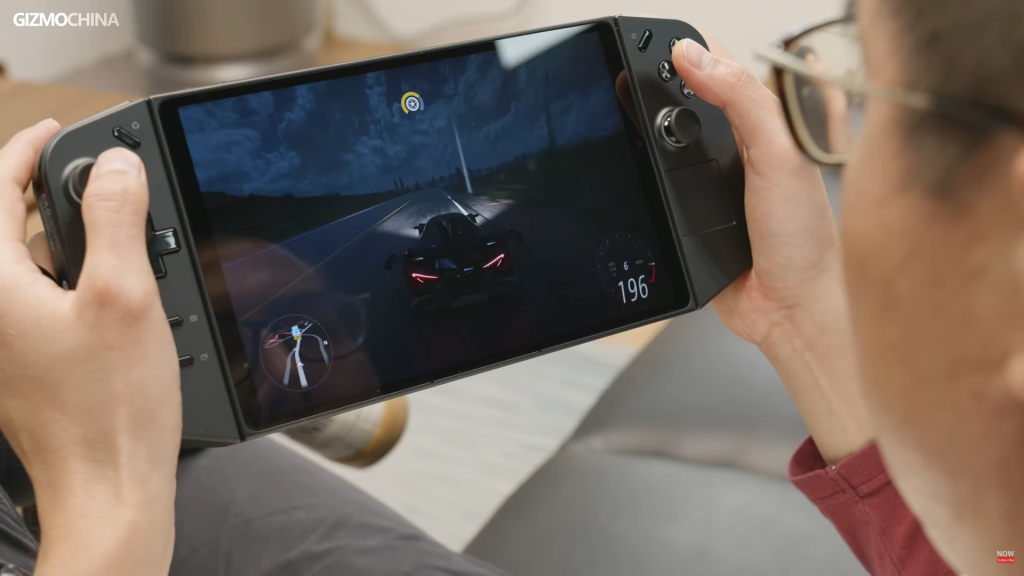
Lenovo‘s Legion Go Lite gaming handheld is yet to be released but has been a subject of speculation lately. The Legion Go Lite has been tipped to compete squarely with the ASUS ROG Ally X. The company is reportedly planning to unveil the gaming handheld anytime soon. Sources cited by Windows Central indicate that Lenovo Legion Go Lite will be a revised version of the existing non-Lite model.
The ASUS ROG Ally X is slated for unveiling during Computex 2024 and is a refreshed version of the ROG Ally. The ROG Ally X will come with several improvements from its previous iteration. It comes with a bigger battery, a higher RAM capability and better cooling. Lenovo, on the other hand, is preparing to launch the Legion Go Lite with several similarities with the ROG Ally X. The Legion Go Lite is reportedly featuring the same AMD Ryzen Z1 series processor. It will come with several improvements over its predecessor, drawing a parallel with ROG Ally X.
There are no clear-cut improvement parameters stated for the new Lenovo Legion Go Lite. It is expected to be lighter than its predecessor and smaller also. The Lenovo Legion Go weighs 200g more than the ASUS ROG but comes with a larger screen and a kickstand. The model is expected to be more affordable than its regular version, the Legion Go, which starts at $699.99. It should be noted that the Lenovo Legion Go is pricier than the ASUS ROG Ally. This could also mean that the upcoming Lenovo model may be unlikely to feature the Extreme AMD Ryzen Z1 chipset. More optics relating to the release date and full specs of the Lenovo Legion Go Lite will be released later.
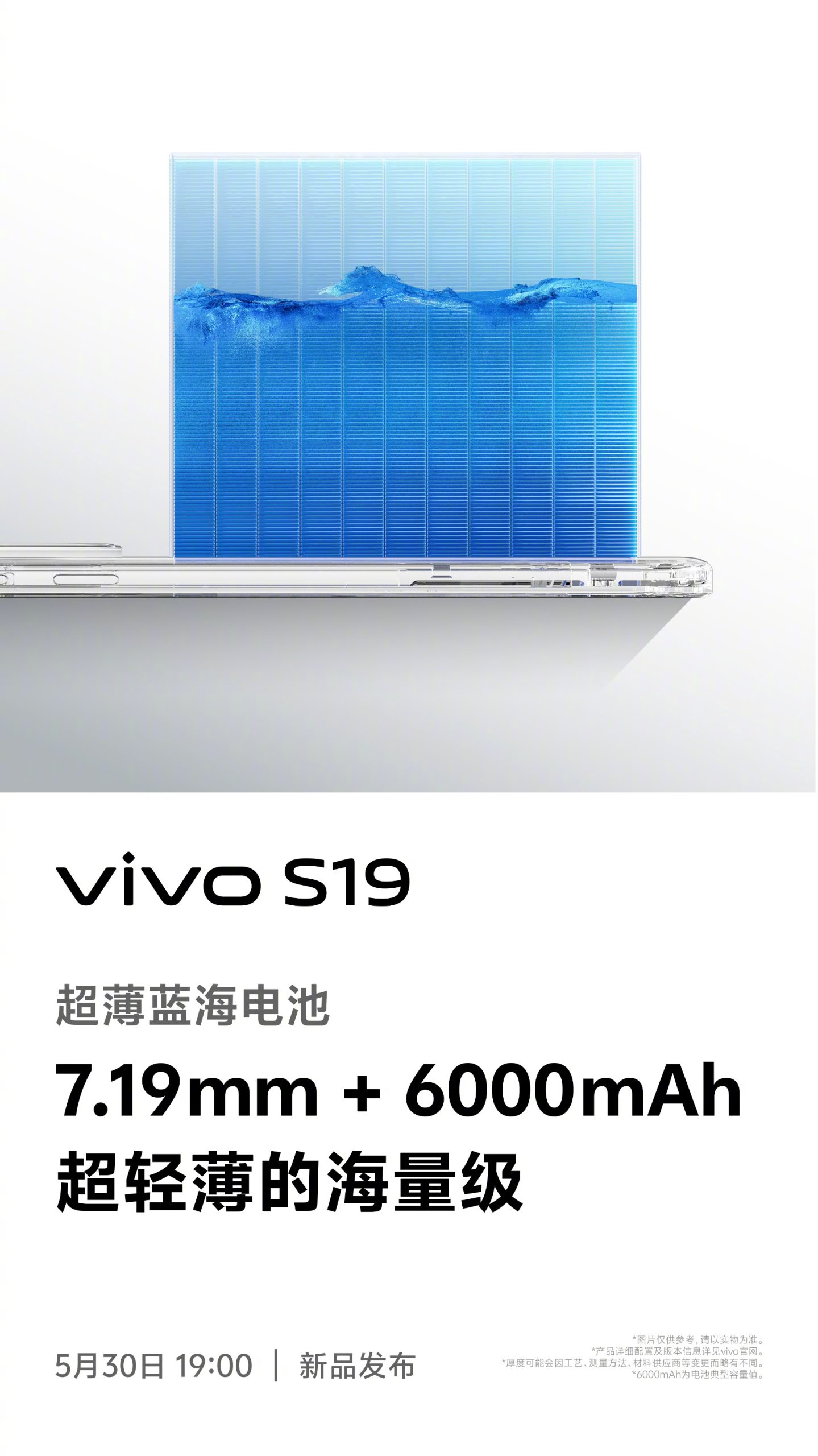
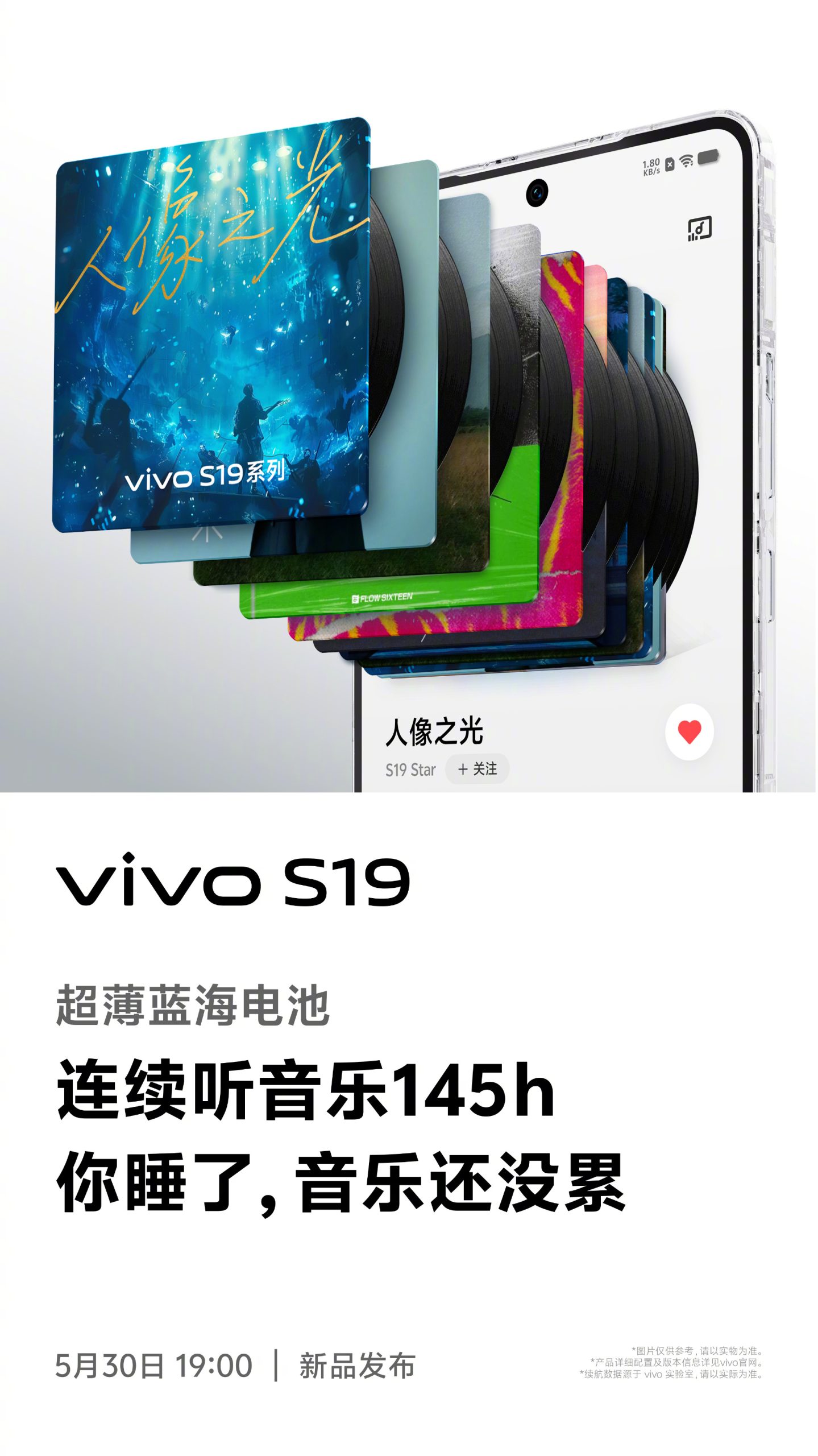
Vivo will unveil the Vivo S19 series and the Vivo Watch GT in China tomorrow. Today, the brand released the following posters to reveal battery-related details about the S19 series.
Vivo S19 battery details
According to Vivo, the Vivo S19 series is designed to be a thin and light smartphone with impressive battery life. It features a 6,000mAh battery compressed into a 7.19mm thin design. The battery technology provides an energy density of 809Wh/L, allowing for a larger capacity in the same volume.
The Vivo S19 series supports up to 145 hours of continuous music playback and can operate in temperatures as low as -20℃, offering reliable performance and long battery life in various conditions. According to reports, the S19 will pack a 6,000mAh battery, whereas the S19 Pro will have a 5,500mAh battery. Both devices are expected to offer 80W fast charging.
According to reports, both phones will have a 6.78-inch OLED 120Hz display offering 1.5K resolution. While the S19 will have a flat display, the Pro variant will use a curved-edge screen. The Snapdragon 7 Gen 3 and Dimensity 9200+ chipsets will power the S19 and S19 Pro, respectively.
The Vivo S19 series will have a 50-megapixel (Samsung JN1) front-facing camera with autofocus support. On the back, the S19 will have a 50-megapixel (Samsung GNJ) + 8-megapixel camera setup, whereas the Pro model will have a 50-megapixel (Sony IMX920, OIS) + 8-megapixel (ultra-wide) + 50-megapixel (IMX816, 2x telephoto) camera setup.
The S19 duo will run on OriginOS 4 and Android 14. Both will be offered in configurations, such as 12GB+256GB, 12GB+512GB, 16GB+256GB, and 16GB+512GB.
In a quarterly support document Microsoft has confirmed that starting from version 24H2, Windows 11 will no longer support the AC-3 audio codec. For those unfamiliar, it is an audio codec that supports multi-channel (“surround sound”) audio, which is also known as Dolby Digital. However, OEMs will still be able to pre-install the AC-3 codec.
As a result, you won’t be able to open files that use AC-3 codec with the Media Player in Windows 11 24H2. In fact, most streaming platforms and media companies are no longer using the AC-3 encoder as it is currently being phased out.
Additional coded packs from Microsoft Store can also enable Media Player to play the files
If you need to access a file with the AC-3 codec, you will be able to manually install the codec from the Microsoft Store or use a third-party player that supports the codec such as the MPV player.
Alongside the AC-3 encoder, Windows 11 24H2 will also reportedly exclude Cortana, WordPad, and Steps Recorder.
The Windows 11, version 24H2 (Build 26100.712) became available in the Release Preview Channel on May 22. It will be available to the general public later this year, possibly towards September or October.
Included codecs are as follows:
Audio Codec
MPEG-1, MPEG-2 Audio ( eg . MP3, MP2)
Advanced Audio Coding (AAC, M4A)
Free Lossless Audio Codec (FLAC)
Apple Lossless Audio Codec (ALAC)
Waveform (WAV)
Windows Media Audio (WMA)
3GP、3G2
Adaptive Multi-Rate (AMR)
Video Codec
MPEG-4, H.264
H.263
VC-1
Windows Media Video (WMV)
DV
VP8
Motion JPEG
Codec packs that you can install from the Microsoft Store
Codec packs add additional codec support to Windows. Apps such as Media Player will then be able to play media files encoded in those formats. The following codec packs are available:
MPEG-2 Video Extensions
Added support for MPEG-1 and MPEG-2 video formats.
HEVC Video Extensions
Added support for HEVC (H.265) video format.
VP9 Video Extensions
Added support for VP9 video format.
AV1 Video Extensions
Added support for AV1 video format.
Web Media Extensions
Added support for the OGG audio and video formats, including the OGG container format, the Vorbis audio codec, and the Theora video codec.
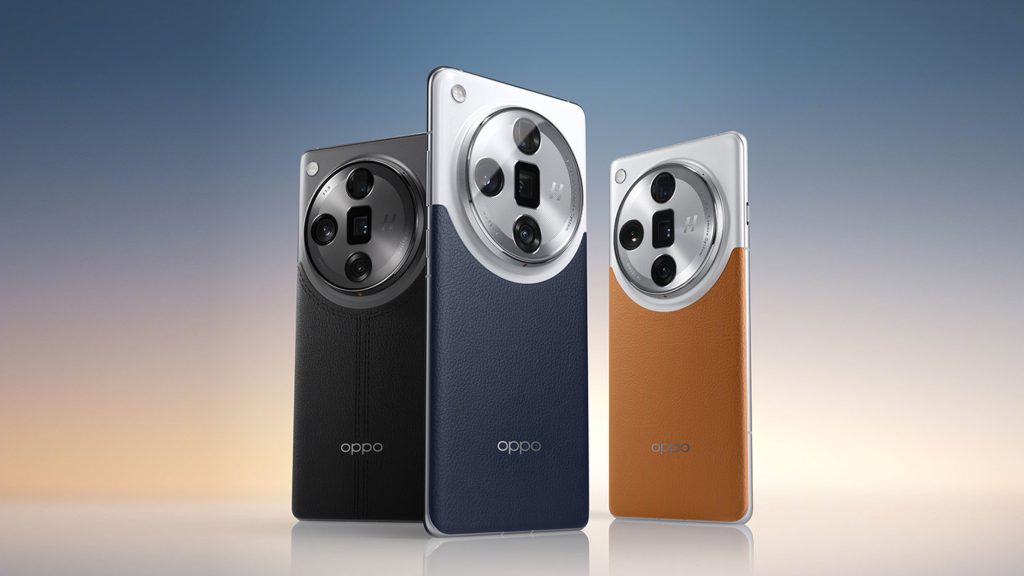
Oppo is reportedly working on the Find X8 series of smartphones for China. For the past few years, the company has been launching two Find X-branded phones each year in the home market. A new report suggests that the X8 series may include three models.
Find X8 series may include three models
OPPO Find X7 Ultra
Publication MyDrivers, which cites reliable leaker Digital Chat Station as its source, claimed that the Find X8 series will include three models: the standard version, the Pro version, and the Ultra version. In other words, the lineup may comprise the Find X8, the Find X8 Pro, and the Find X8 Ultra.
In 2022, Oppo launched the Find X5 series, comprising three models: the Find X5, the Find X5 Pro Dimensity version, and the Find X5 Pro. In 2023, the brand launched only two models, the Find X6 and the Find X6 Pro. In January of this year, the brand announced the Find X7 and the high-end Find X7 Ultra, with no intermediate model.
This time, the Find X8 Pro version might return and launch alongside the standard version. Both models may break cover in October of this year. On the other hand, the Find X8 Ultra version may compete with other “Ultra”-branded flagship phones in Q1 2025.
It is already known that the standard Find X8 will come equipped with the MediaTek Dimensity 9400 chip. However, there is no clarity on whether the Pro version may come with either the Dimensity 9400 or the Snapdragon 8 Gen 4. Both chips are built on TSMC’s 3nm process. Hence, the Find X8 series will be Oppo’s first flagship phone featuring a 3nm chip. The Find X8 Ultra is most likely to feature the Snapdragon 8 Gen 4 chip.
Oppo’s Find series product manager, Zhou Yibao, recently said that the Find X8 series excels in all aspects, including photography, performance, battery capacity, battery life, and its slim and lightweight design.
In October, Qualcomm is expected to announce the Snapdragon 8 Gen 4 chipset, whereas MediaTek is poised to unveil the Dimensity 9400 chipset. Today, tipster Digital Chat Station revealed that Vivo will be the first brand to launch the Dimensity 9400-powered smartphone.
Dimensity 9400 may debut in October
Vivo X100
3According to the leaker, the Dimensity 9400, identified with the MT6991 model number, will offer impressive energy efficiency. It uses TSMC’s second-generation N3 process and features a CPU configuration of 1 x Cortex-X5 super core, 3 x Cortex-X4 cores, and 4 x Cortex-A7 cores.
Currently, the Cortex-X5 super core runs at approximately 3.4GHz, but the final frequency might increase to compete with other high-frequency chips. The final performance will be revealed in October, indicating that the chip will be unveiled in the said month.
According to TSMC, their 3nm process technology represents a significant advancement following the 5nm process technology. It stands as the industry’s most advanced process technology, featuring superior PPA (power, performance, and area) and transistor technology.
The Vivo X100 and X100 Pro, which were announced in October 2023, were the world’s first phones powered by the Dimensity 9300 chipset. Therefore, it is likely that the Vivo X200 and X200 Pro could be the first smartphones to come equipped with the Dimensity 9400 SoC.
A recent report claimed that the Oppo Find X8 featuring the Dimensity 9400 will also be unveiled in October. The X200 and the Find X8 are expected to compete with the Xiaomi 15, which is likely to break cover as the first-ever Snapdragon 8 Gen 4 phone in October.
At present, there is no concrete information about the specifications of the Vivo X200 series. Hopefully, more details will be revealed in the coming days.
POCO is gearing up to launch a new smartphone in India, the POCO M6 Plus 5G. This information comes from the Bureau of Indian Standards (BIS) certification listing, where the device was spotted with the model number 24065PC95I.
The device was previously spotted by us in the HyperOS code. It is expected to be a rebranded version of the Redmi Note 13R and could debut sometime in June. You can check out the features of the Note 13R below to get an idea of what to expect from the POCO M6 Plus 5G.
Redmi Note 13R specs:
The Redmi Note 13R features a 6.79-inch LCD display with an FHD+ resolution and a peak brightness of 550 nits. The refresh rate has been upgraded from 90Hz to an adaptive 120Hz. The phone includes a side-mounted fingerprint scanner embedded in the power button.
In terms of optics, the Redmi Note 13R comes with a 50MP main sensor and a 2MP macro lens. The front-facing selfie camera has an 8MP sensor.
The device is powered by the Snapdragon 4 Gen 2 processor and comes with up to 12GB of RAM and 512GB of storage, compared to the Note 12R which maxes out at 8GB of RAM and 256GB of storage. The Redmi Note 13R is equipped with a slightly larger 5,030mAh battery that supports 33W fast charging. It runs on HyperOS-based Android 14 OS out of the box.
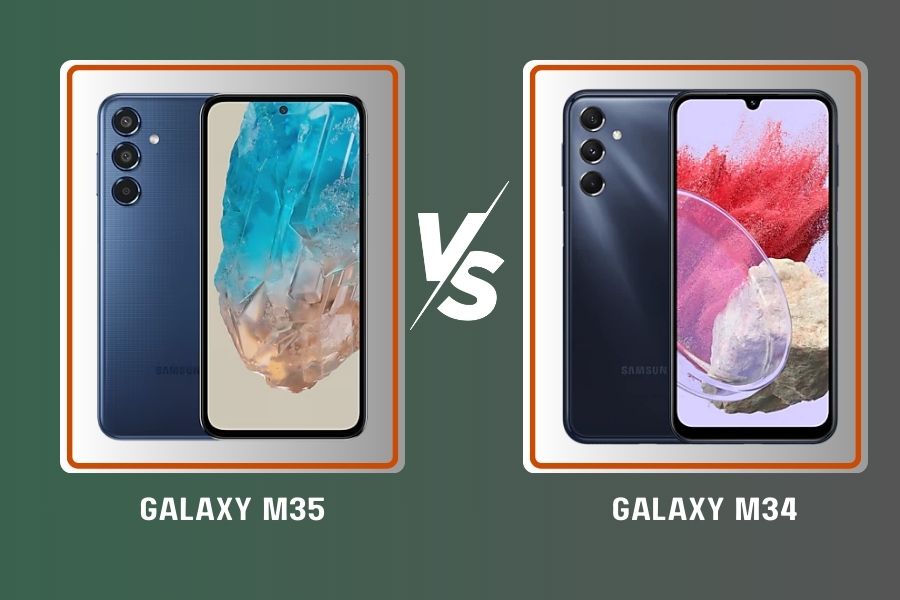
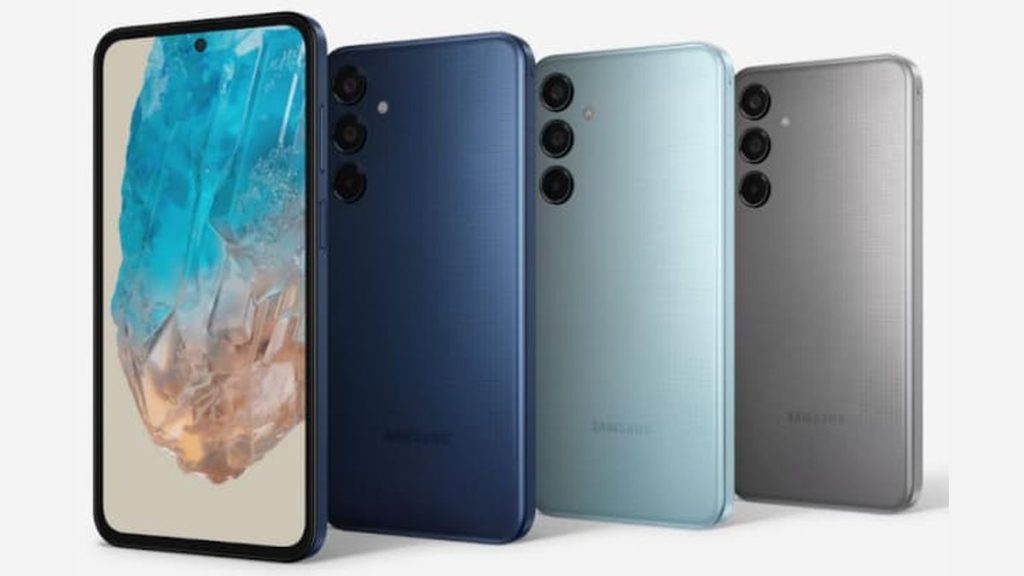
Samsung‘s Galaxy M series typically offers mid-range smartphones designed for everyday users. The company recently launched the Galaxy M35, the latest addition to the lineup. While it has decent specs on board, how does it compare to last year’s Galaxy M34? Let’s take a closer look to see how they stack up against each other.
Both phones feature Super AMOLED displays with Full HD+ resolutions and a 120Hz refresh rate. The M34 has a slightly smaller 6.5-inch display compared to the M35’s 6.6-inch screen.
Additionally, the M34 includes Corning Gorilla Glass 5 protection, whereas Samsung hasn’t specified any protective layer for the M35’s screen. The latter also lacks an official IP rating, while the M34 is rated IP67 for dust and water resistance.
In terms of design, the Galaxy M34 is slightly smaller and lighter than the M35. This difference could be due to the M35’s glass rear panel, compared to the M34’s plastic back. However, they both look quite similar from the back.
Samsung has also replaced the U-shaped notch of the M34 with a modern punch-hole cutout on the Galaxy M35, and the bezels around the display are also thinner this time around
2. Performance
For performance, the Galaxy M35 is powered by the newer Exynos 1380 chipset with a 4×2.4 GHz Cortex-A78 and 4×2.0 GHz Cortex-A55 CPU configuration. Whereas, the M34’s Exynos 1280 has a 2×2.4 GHz Cortex-A78 and 6×2.0 GHz Cortex-A55 setup.
The new chip in the M35 should deliver smoother performance and a better multitasking experience. However, for basic tasks like social media browsing and taking photos, both phones will perform similarly. Samsung has paired the SoC with up to 8GB of RAM and 256GB of internal storage.
The M34 came with Android 13 with the option to upgrade to Android 14, while the M35 runs the newer Android 14 out of the box. Both use Samsung’s One UI interface.
3. Cameras
Galaxy M34 and M35 are equipped with a triple rear camera system featuring a 50MP main sensor with OIS (optical image stabilization).
The M34 has an 8MP ultrawide sensor with a 120-degree field of view, while the M35 boasts a wider 123-degree field of view. The latter also has a slightly better 5MP macro sensor compared to the M34’s 2MP option. The front-facing cameras are identical 13MP sensors on both phones.
4. Connectivity and Battery
As for connectivity options, they include Wi-Fi, Bluetooth 5.3, GPS, NFC, and a USB Type-C port for charging and data transfer.
However, the M35 takes the lead with Wi-Fi 6 support for faster wireless speeds and stereo speakers for audio. The M34 misses on those but features a standard 3.5mm headphone jack.
Both phones pack large 6000mAh batteries, likely offering good endurance on a single charge. They support 25W wired charging.
5. Conclusion
The choice between the Galaxy M34 and M35 depends on your priorities and budget. The M34 will be a more affordable option considering its older model now. It still offers a good display, capable cameras, and a long-lasting battery. However, it sacrifices some performance and misses out on features like stereo speakers.
On the other hand, the M35 has a newer processor, possibly better camera performance with a wider ultrawide sensor and macro lens, and includes stereo speakers. However, it will be priced high and also lacks a 3.5mm headphone jack.
Consider your needs – if you need better processing power, the latest software, and some camera upgrades, the M35 might be worth the extra cost. However, if you’re on a budget and need a good value-for-money phone, the M34 could be a solid choice.
We use cookies on our website to give you the most relevant experience by remembering your preferences and repeat visits. By clicking “Accept”, you consent to the use of ALL the cookies.
This website uses cookies to improve your experience while you navigate through the website. Out of these, the cookies that are categorized as necessary are stored on your browser as they are essential for the working of basic functionalities of the website. We also use third-party cookies that help us analyze and understand how you use this website. These cookies will be stored in your browser only with your consent. You also have the option to opt-out of these cookies. But opting out of some of these cookies may affect your browsing experience.
Necessary cookies are absolutely essential for the website to function properly. This category only includes cookies that ensures basic functionalities and security features of the website. These cookies do not store any personal information.
Any cookies that may not be particularly necessary for the website to function and is used specifically to collect user personal data via analytics, ads, other embedded contents are termed as non-necessary cookies. It is mandatory to procure user consent prior to running these cookies on your website.