Advertisement

Xiaomi 17 Series and Pad 8 India Launch Date Confirmed for March 11, 2026

Xiaomi unveiled its 17 series smartphones at MWC 2026 with European pricing already announced, but the Indian launch has been rescheduled to March 11. The company confirmed the new date via X, with updated information appearing on Xiaomi India and Amazon India microsites. The Xiaomi Pad 8 tablets will also debut on the same date.

Xiaomi 17 and Pad 8

India will receive the Xiaomi 17 and Xiaomi 17 Ultra, excluding the Xiaomi 17 Ultra Leica Edition sold globally as the Leica Leitzphone. A significant hardware difference exists between regions: Chinese models pack 6,800mAh batteries in both Ultra variants, while global and Indian versions contain 6,000mAh batteries.

The Indian microsite reveals that the Xiaomi 17 Ultra supports 90W wired HyperCharge and 50W wireless HyperCharge. The device includes Xiaomi Offline Communication, enabling network-free voice calls up to 1.9 km through Bluetooth and proprietary protocols. Photography Kit and Photography Kit Pro accessories will be available at launch.

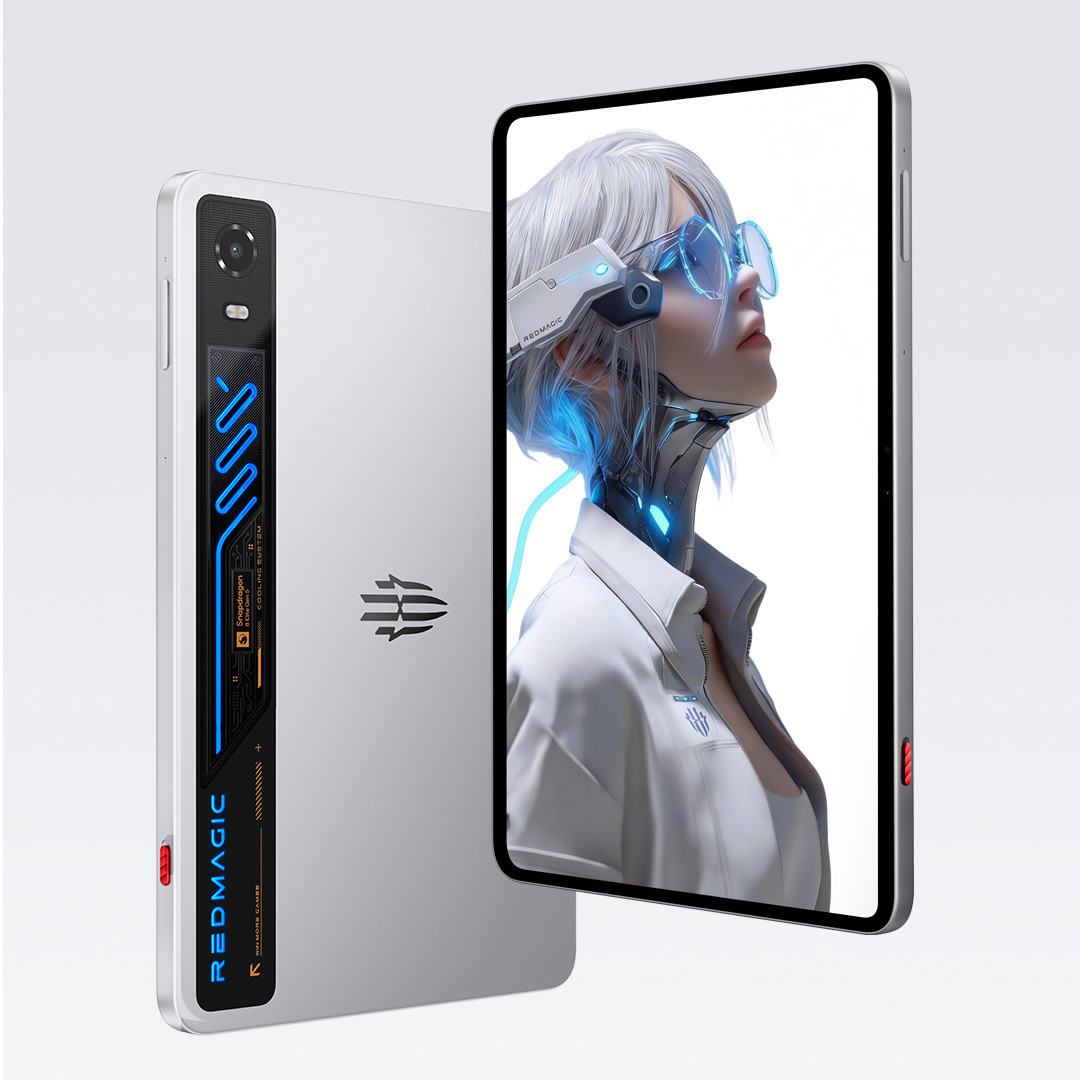
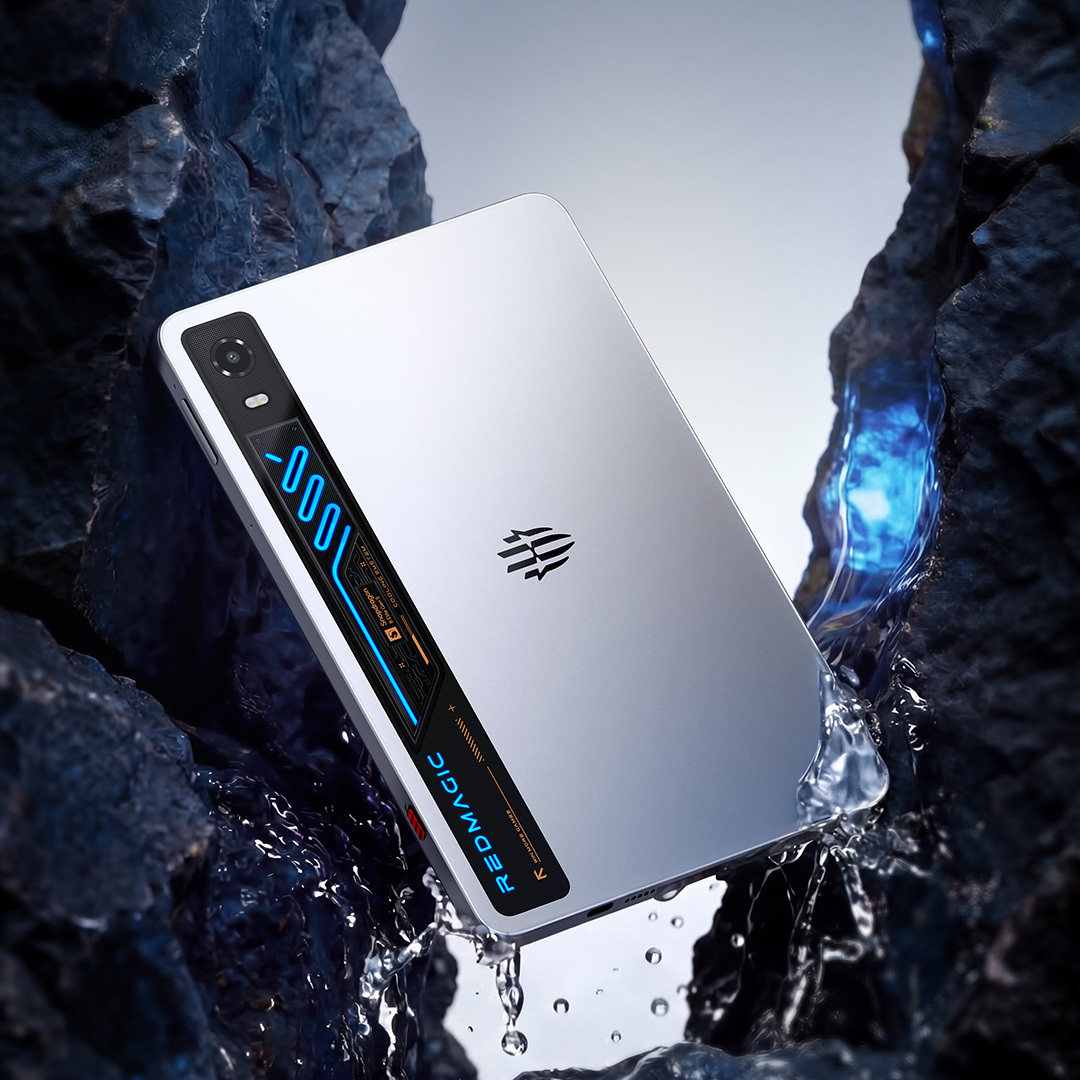
The Xiaomi Pad 8 specifications mirror global versions, featuring Snapdragon 8s Gen 4 processing and HyperOS 3 based on Android 16. The tablet houses a 9,200mAh battery with 45W fast charging, which Xiaomi claims provides two days of usage per charge.

Compatible accessories include the Xiaomi Focus Pen Pro and Xiaomi Focus Keyboard. India will likely receive two tablet variants: the standard edition and a Matte Glass version, marketed as Soft Light in China.

The March 11 launch consolidates Xiaomi’s flagship smartphone and tablet releases for the Indian market, bringing globally announced products to one of the company’s key markets.

Don’t miss a thing! Join our Telegram community for instant updates and grab our free daily newsletter for the best tech stories!

For more daily updates, please visit our News Section.

(Source)

Roborock launches A30 Pro Steam 2.0 floor scrubber with 25000Pa suction & AI cleaning

Roborock has officially launched the A30 Pro Steam 2.0 floor scrubber. The new device features 180°C active steam technology and is now available for pre-sale at a price of 3,299 yuan ($480).

Roborock A30 Pro Steam 2.0

Roborock A30 Pro Steam 2.0 Specifications

The Roborock A30 Pro features 25,000Pa suction power for efficient cleaning of dirt, liquids, and debris on hard floors. It has a slim 12.5cm design, which helps to reach tight spaces, and an AI-powered system that adjusts cleaning intensity based on dirt levels. The device includes dual-direction assist for smooth push, pull, and turning motions.

The Roborock A30 Pro features a steam and hot water cleaning system with a three-stage heating chamber, generating 180°C steam for tough stains and sterilization, and a 90°C hot water mode for lighter tasks. It also sanitizes the roller brush and pathways with 180°C steam and uses a 95°C hot air drying system to prevent moisture and odors.

In terms of smart features, the A30 Pro comes with app integration for remote control, cleaning log monitoring, and dirt level tracking. It includes an automatic cleaning liquid dispenser that adjusts detergent output and allows up to 30 days of maintenance-free operation.

The floor scrubber features a 6,300mAh battery, offering up to 100 minutes of runtime and the ability to clean up to 500 square meters. It is optimized for pet owners with a dual shark-tooth anti-tangle brush to prevent hair wrapping.

In related news, Roborock has launched the Z1 Ultra and M1S Ultra washer-dryer combos featuring super hydrolysis technology, while the P20 Max robot vacuum has also debuted with 35,000Pa suction power and AI-powered obstacle avoidance.

For more daily updates, please visit our News Section.

Stay ahead in tech! Join our Telegram community and sign up for our daily newsletter of top stories! 💡

(JD)

OPPO F31 Pro+ 5G, F31 Pro 5G Receive Official Android 16 Update: Features and Details

OPPO has started rolling out the official Android 16-based ColorOS 16 update for the OPPO F31 Pro+ 5G and OPPO F31 Pro 5G in India. The update is currently available through an application-based release, with plans to expand to more users and regions later.

Oppo F31 Series
Oppo F31 Pro

For the OPPO F31 Pro+ 5G, the application window opened on February 24. Users must first update their device to version CPH2757_16.0.3.500(EX01) so the update can be detected. For the OPPO F31 Pro 5G, applications began on February 25, and the required base version is CPH2763_16.0.3.500(EX01).

OPPO recommends backing up important data before installing the update to avoid any loss caused by compatibility issues or unexpected errors. After upgrading, the system will run background optimization tasks. During this time, users may notice heating, lag, or faster battery drain.

ColorOS 16 features

ColorOS 16 introduces several AI features. AI Mind Space allows users to record 60-second voice notes by long-pressing the Snap Key. These notes are grouped automatically using Smart Collections. With Google Gemini integration, users can search saved notes or combine personal content with web results. The AI Recorder Assistant creates titles and summaries and reduces background noise.

AI Writer can generate captions for social media images based on the platform and convert text into tables or mind maps for planning. Cross-device features are also expanded. When an iPhone is connected through Bluetooth, calls, messages, and notifications can be viewed on the OPPO phone through the OPPO Dialer. Users can mirror their phone screen to a PC using a cable or cloud connection, with support for up to five app windows at once.

Performance improvements include the Trinity Engine for stable frame rates and the Luminous Rendering Engine for smoother animations. Camera and editing updates add AI Portrait Glow, Motion Photo Collage, slow motion editing tools, and a built in video editor, along with new Flux Themes, more home screen options, broader Aqua Dynamics support, and the Luminous Design across the system.

Don’t miss a thing! Join our Telegram community for instant updates and grab our free daily newsletter for the best tech stories!

For more daily updates, please visit our News Section.

(Source: 1, 2)

Redmi A7 Pro Launched in Indonesia with 6000mAh Battery & 120Hz Display

Xiaomi’s Redmi sub-brand has introduced the A7 Pro 4G in Indonesia, targeting budget-conscious consumers with practical specifications and aggressive pricing.

Redmi A7 Pro

The device centers around a 6000mAh battery designed for extended usage across streaming, browsing, and calls. It charges at 15W, balancing capacity with reasonable charging speeds.

Display specs include a 6.9-inch IPS LCD panel with a 120Hz refresh rate, offering smoother scrolling than typical budget alternatives. The Unisoc T7250 processor on 12nm architecture powers the device, coupled with 8GB RAM and 128GB storage running Xiaomi HyperOS.

Redmi A7 Pro

Camera hardware comprises a 13-megapixel AI dual rear setup and an 8-megapixel front camera. AI enhancements aim to compensate for budget-tier sensors in varying lighting conditions.

Redmi emphasizes design differentiation through four color options: Black, Blue, Green, and Orange. The Orange variant features a distinctive wavy rear panel texture positioned to elevate perceived value beyond the price point.

The phone retails at Rp 1,699,000 (approximately $101). Pre-orders from March 1-7 reduce the price to Rp 1,499,000 (~$90), available through Shopee, Tokopedia, TikTok Shop, Blibli, Lazada, and Akulaku. General availability begins March 13.

Purchase incentives include two months of Spotify Premium Standard subscription. Xiaomi has not announced expansion plans for India or other markets.

For more daily updates, please visit our News Section.

Stay ahead in tech! Join our Telegram community and sign up for our daily newsletter of top stories.

(Source)

Huawei Watch Ultimate 2 Gets New Green Color Variant with Same Flagship Features

Huawei is adding a new color option to its Watch Ultimate 2 (review) lineup. When the smartwatch launched in September 2025, it came in Black and Blue variants. A new version has now been revealed in a short video posted by the official Huawei Mobile account on X, showing what appears to be a green colorway. Huawei has also listed it for sale in some regions across Europe.

Huawei Watch Ultimate 2

The new green color variant is made to appeal to golfers. The color does not affect functionality, and all features remain the same across variants. The green model features a green and white tachymeter bezel with a matching strap. The strap looks to be made of fluoroelastomer, similar to the other versions.

The Huawei Watch Ultimate 2 has a 1.5-inch LTPO 2 AMOLED display with a 466 × 466 resolution and peak brightness of 3,500 nits. The screen sits inside a zirconium-based liquid metal case with a ceramic rear cover. The smartwatch works with both Android and iOS devices.

It carries a 20 ATM water resistance rating with support for diving up to 150 meters. The device also has dual IP68 and IP69 dust and water resistance. Sensors include a temperature sensor, gyroscope, barometer, and magnetometer. Connectivity options include eSIM, NFC, Bluetooth 5.2, Nearlink, Wi-Fi 6, a microphone, and a speaker. It also supports sonar-based underwater communication.

Health features include measurement of up to 10 vitals, including ECG within 60 seconds, using Huawei’s X-tap sensor that collects data from the wrist and fingertips. Other safety features include fall detection and emergency SOS. Battery life is rated at up to 4.5 days in typical usage mode and up to 11 days in battery saver mode.

Huawei Germany has the watch listed for €899, which is the same price as the Black model. The Blue color model costs €999.

Don’t miss a thing! Join our Telegram community for instant updates and grab our free daily newsletter for the best tech stories!

For more daily updates, please visit our News Section.

Samsung finally confirms its plans regarding the S Pen

Over the past year, there’s been quiet concern around the future of the S Pen. When Samsung removed Bluetooth functionality starting with the Galaxy S25 Ultra, some users took that as a sign that the stylus was slowly being sidelined. The Galaxy S26 Ultra kept the built-in slot, but without major upgrades, speculation didn’t really go away.

In an interview with Bloomberg following the Galaxy S26 series launch, Won-Joon Choi, COO of Samsung’s Mobile Experience Business, made it clear that the S Pen is still considered core to the Galaxy lineup. More interestingly, he suggested the company is working on a next-generation version that could involve structural changes to the display itself.

According to Choi, Samsung is developing “a more advanced technology within S Pen” that would require a new display structure. The goal, he explained, is to reduce the “penalty” of including the stylus. That likely refers to the trade-offs we’ve seen over the years — internal space taken up by the silo, battery compromises, and interference with magnetic accessories.

“We’re working on a more advanced technology within S Pen to come up with a new structure of display, so the penalty of having S Pen is diminished,” Choi said, adding that the stylus will remain one of Samsung’s core technologies.

Samsung didn’t share technical specifics, but the phrasing is interesting. A redesigned display stack could mean thinner digitizer layers, different input standards, or better integration with Qi2 charging technology.

For now, the Galaxy S26 Ultra continues with the built-in S Pen slot but without the return of Bluetooth features. That absence led some to wonder whether Samsung was slowly simplifying the stylus experience rather than expanding it. Choi’s comments suggest the opposite — just not on this generation.

The message is fairly clear: Samsung isn’t backing away from the S Pen, but it may be rethinking how it integrates it. If display-level changes are indeed in the works, the impact likely won’t be visible until a future Ultra generation.

Stay ahead in tech! Join our Telegram community and sign up for our daily newsletter of top stories!

For more daily updates, please visit our News Section.

(Source)

Xiaomi Tag launches globally as Apple AirTag competitor

Xiaomi has officially launched the Xiaomi Tag globally at MWC 2026. The compact and affordable tracker, designed to help users locate lost items, is now available in Europe following earlier releases in markets like Malaysia and Thailand.

Xiaomi Tag

Pricing and Availability

In Europe, the Xiaomi Tag is priced at €14.9 for a 1-pack and €49.9 for a 4-pack, while in the UK, it is available for £12.99 and £44.99, respectively.

Xiaomi Tag Specifications

The Xiaomi Tag integrates with both Apple Find My and Google Android Find Hub, allowing users to track their belongings within their preferred ecosystem. The device works with iPhones and iPads running iOS 14.5 or later and Android devices running version 9 or newer. However, the Xiaomi Tag cannot operate across both platforms simultaneously.

The device weighs just 10 grams and features a compact, minimalist body with a metal frame. Its IP67 rating ensures protection from dust and water. It also includes a built-in hanging loop, allowing users to attach it easily to keys, bags, or luggage.

Xiaomi Tag

Xiaomi Tag includes several advanced features to improve tracking and convenience. It features a Lost Mode, which lets users mark an item as missing and share contact details. These details can be accessed by someone tapping the tag with an NFC-enabled smartphone. It also comes with a built-in piezoelectric buzzer, which can be triggered through the Apple Find My app or Google Find Hub to locate nearby items through sound.

The Tag also features a collaborative finding feature that uses nearby devices to securely and privately locate lost items. Additionally, it includes left-behind alerts, which notify users when the tag is separated from a frequent location, helping to prevent forgotten belongings.

Xiaomi Tag

To protect user privacy, the Xiaomi Tag provides anti-tracking alerts. The system notifies users if an unknown tag is detected moving with them. Xiaomi ensures that all location data is encrypted during transmission, preventing unauthorized tracking.

The Xiaomi Tag uses a replaceable CR2032 battery that delivers over one year of battery life. The app provides low-battery alerts, ensuring users can replace the battery on time.

Alongside the Tag, Xiaomi has also launched the Xiaomi UltraThin Magnetic Power Bank 5000 15W.

For more daily updates, please visit our News Section.

Stay ahead in tech! Join our Telegram community and sign up for our daily newsletter of top stories! 💡

OnePlus 15T first real-life shot surfaces ahead of launch

The upcoming OnePlus 15T has already been confirmed for China, and now a fresh spy photo is giving us what looks like the first real-world glimpse of the device.

The image, shared on Weibo, appears to show an early unit wrapped in a thick protective case. That usually means we’re looking at either an engineering sample or a near-final prototype. The rear layout is visible enough to spot a dual-camera setup placed inside a pill-shaped module, which itself sits within a larger rectangular island.

OnePlus previously described the 15T as a “dream phone” for small-screen users, positioning it as the successor to last year’s 13T. The emphasis, at least officially, is on performance and smoothness rather than radical redesign.

Leaks point to a camera setup built around a 50MP Sony Lytia 700 main sensor with OIS, paired with a 50MP Samsung ISOCELL JN5 telephoto lens. Notably, there’s no mention of an ultrawide camera in current reports. If accurate, that would mirror the 13T’s philosophy.

The display is expected to land at around 6.3 inches — some reports say 6.32 inches — with a 1.5K resolution panel and a 165Hz refresh rate. If that figure holds, it would make the 15T one of the smoothest compact flagships on the market. A 165Hz panel in this size category is unusual, and it clearly signals that OnePlus wants gaming performance to be part of the appeal. Power is rumored to come from Qualcomm’s Snapdragon 8 Elite Gen 5 chipset. Battery capacity, interestingly, is said to approach the 7,000mAh mark — despite its smaller footprint.

Other expected features include a 3D ultrasonic fingerprint scanner, slim bezels, and fast wired charging, possibly in the 80W range or above. Software-wise, it should launch with Android 16 layered with OxygenOS or ColorOS 16, depending on the market.

Of course, all of this remains unofficial. The phone is still in development, and early prototypes don’t always reflect the final product. Still, the direction is clear: OnePlus is betting that there’s still demand for a phone that doesn’t stretch past 6.5 inches but doesn’t compromise on raw performance either.

Don’t miss a thing! Join our Telegram community for instant updates and grab our free daily newsletter for the best tech stories!

For more daily updates, please visit our News Section.

(Source)

Nothing Phone (3) Software Update Improves Camera, Network Stability, and Haptics

Nothing has released a new software update for the Nothing Phone (3) with build number Nothing OS B4.0-260206-1135. The update introduces new Glyph features, improves system stability, and fixes several bugs across camera, audio, and connectivity.

Nothing Phone (3)

A key addition is support for showing caller information and charging progress on the Glyph Matrix by shaking the phone. Users can enable this by going to Settings > Glyph Interface > Flip to Glyph and turning on the required toggles. Nothing has also added an Essential Notifications entry in Settings for easier access. It is available under Settings > Notifications > Essential Notifications.

The Essential Apps section has also been updated. The widget library now includes a recommendation section that gives faster access to Nothing Playground, where users can discover AI-powered community creations.

The update includes several optimizations as well. Apps stored in Private Space can now be updated directly through the Google Play Store. The Weather widget location permission prompt has been improved to reduce interruptions. Ringtone performance has been optimized for better stability and improved compatibility with third-party apps. Vibration and haptic feedback stability has also been improved in certain scenarios. Call volume performance has been optimized when using Oticon Zircon 2 miniRITE T hearing aids.

Camera stability has been enhanced overall. The update also fixes an issue where the Camera preview could freeze in Portrait mode when switching from Photo mode in certain situations. Other fixes include resolving cases where dual SIM ringtones could get mixed up, speaker volume could become very low after switching from a Bluetooth call in some apps, and game audio would not resume after returning from Recent apps.

On the connectivity side, the update fixes an issue where the mobile network icon could incorrectly show no internet in certain cases. Network stability and overall system stability have also been improved.

For more daily updates, please visit our News Section.

Tech enthusiast? Get the latest news first! Follow our Telegram channel and subscribe to our free newsletter for your daily tech fix!

(Source)

Xiaomi UltraThin Magnetic Power Bank 5000 15W now available in Europe

Xiaomi has officially launched its UltraThin Magnetic Power Bank 5000 15W in Europe after debuting at MWC 2026. The device was previously released in China and other global markets, including Japan and Australia, and Xiaomi’s UK online store.

Xiaomi-UltraThin-Magnetic-Power-Bank-5000-15W

Pricing and Availability

The power bank comes in three colors: Glacier Silver, Graphite Black, and Radiant Orange. The Glacier Silver and Graphite Black are priced at €59.99, while the Radiant Orange is priced at €64.99.

Specifications

The UltraThin Magnetic Power Bank features a 5,000mAh battery with a typical energy capacity of 18.95Wh. The device supports 15W wireless charging and 22.5W wired charging through a USB-C port. For iPhones, it supports up to 7.5W for wireless charging only.

Xiaomi designed the power bank to charge two devices simultaneously, providing up to 7.5W for wireless charging and 5W for wired charging when used together. The power bank can also continue to charge devices while it is recharging itself, making it a practical option for users with multiple devices.

Xiaomi-UltraThin-Magnetic-Power-Bank-5000-15W

The power bank measures just 6mm thick and weighs only 98g, making it easy to carry with the phone or in a pocket or bag. The slim aluminum alloy body gives the device a premium look and feel. Xiaomi included a fiberglass coating for heat resistance and a photolithographically etched logo that adds a sleek design element.

The power bank is compatible with all MagSafe devices, and for devices that don’t support MagSafe directly, it can be used with a compatible magnetic case. This includes the latest models like the Xiaomi 17 series, iPhone 17 series, Samsung Galaxy S26 series, and Google Pixel 10 series. It also meets international aviation standards, making it ideal for air travel.

Xiaomi included multiple safety features in the product to ensure reliability. The power bank offers overvoltage, overheating, and short-circuit protection. It also uses dual-NTC temperature control to regulate heat during use. The device complies with global safety certifications, including CCC (China Compulsory Certification).

For more daily updates, please visit our News Section.

Stay ahead in tech! Join our Telegram community and sign up for our daily newsletter of top stories! 💡

Poco X8 Pro 5G Retail Box Leak Reveals Dimensity 8500-Ultra, 6500mAh Battery, 100W Charging

POCO is preparing to expand its X-series lineup in India after teasing a new “nexT” smartphone. Based on leaks and rumours, the upcoming launch is expected to introduce the Poco X8 Pro series, which could include the Poco X8 Pro and Poco X8 Pro Max. Ahead of any official announcement, alleged retail images of the Poco X8 Pro 5G have surfaced online, revealing several key specifications.

The leaked images were shared by tipster Paras Guglani on X and show the retail box along with the device covered in its factory protective film. The packaging confirms that the phone will use a MediaTek Dimensity 8500-Ultra processor and a 6,500mAh battery with 100W HyperCharge fast charging support.

On the front, the device is said to feature a 6.59-inch AMOLED display with 1.5K resolution and a 120Hz refresh rate. The camera setup includes a 50MP primary sensor with optical image stabilisation for improved photo and video stability. According to the tipster, the Poco X8 Pro could launch in India around mid-March 2026. The global rollout timeline remains unclear beyond a general “coming soon” indication. Earlier reports also suggested the Poco X8 Pro may be a rebranded version of the Redmi Turbo 5, which debuted in China in January.

Previous coverage revealed that Poco India had already started teasing the launch through social media posts highlighting the letter X and referencing a smarter upcoming phone. Two models are expected, including the Poco X8 Pro and Poco X8 Pro Max.

The Poco X8 Pro Max is tipped to feature a 6.83-inch 1.5K TCL M10 OLED display with a 120Hz refresh rate, 2000 nits peak brightness, and 3840Hz PWM dimming. It may run on the Dimensity 9500s processor with an Immortalis-G925 MC12 GPU, paired with LPDDR5x Ultra RAM and UFS 4.1 storage. The camera setup could include a 50MP Light Hunter 600 main sensor with OIS, an 8MP ultra-wide camera, and a 20MP OV20B front camera. The device is also expected to pack an 8,500mAh battery with 100W wired charging and 27W reverse charging.

Earlier leaks for the standard Poco X8 Pro suggested features such as a Mali-G720 MC8 GPU, LPDDR5x Ultra RAM, UFS 4.1 storage, a 50MP Sony IMX882 main sensor with OIS, an 8MP ultra-wide camera, and a 20MP front camera. Other expected features include a metal frame, NFC, IR blaster, IP68, IP69, and IP69K ratings, an optical in-display fingerprint scanner, WiFi 6 connectivity, and a possible Iron Man themed edition.

For more daily updates, please visit our News Section.

Stay ahead in tech! Join our Telegram community and sign up for our daily newsletter of top stories.

(Source)

Samsung Galaxy S26 Ultra vs Vivo X300 Pro: What are the differences?

Samsung’s new Ultra and Vivo’s X300 Pro are two very different takes on what a premium Android flagship should be in 2026. The former is a polished hardware with a long software promise and feature depth. Whereas Vivo pushes more on camera sensors, battery capacity, and value-for-money. 

Both phones run Android 16. Both use 3nm chips. Both promise serious camera hardware. But they take very different approaches in design, display, performance, and battery life.

Here’s how they compare.

1. Big screens, different vibes

Vivo X300 Pro

The S26 Ultra is unapologetically massive. It features a 6.9-inch Dynamic LTPO AMOLED 2X panel with a sharp 1440p resolution and up to 120Hz refresh rate. It’s bright up to 2,600 nits, and is layered with Gorilla Armor 2 plus an anti-reflective coating that cuts glare.

The X300 Pro is slightly smaller at 6.78 inches, but it fights back with sheer brightness numbers. Vivo claims it can reach up to 4,500 nits peak and also supports Dolby Vision, HDR Vivid, and 1 billion colors. 

You shouldn’t notice that much of a difference in daily use. But something extra on Samsung is its new Privacy Display. The latter basically reduces screen visibility from side angles, so that no one can peek at your screen and see your important information. 

Galaxy-S26-Ultra-Privacy-Display
Galaxy S26 Ultra Privacy Display

What’s amazing is that Privacy Display can be controlled from settings and can even be set for specific types of apps or notifications. Vivo lacks an in-built Privacy Display option, but you can apply a privacy screen protector for a similar result. Otherwise, both phones have a good display. 

2. Design

The Galaxy S26 Ultra measures 163.6 x 78.1 x 7.9 mm and weighs 214 grams. It uses a glass front protected by Corning Gorilla Armor 2, a Gorilla Glass Victus 2 back, and an Armor Aluminum 2 frame. It carries an IP68 rating (submersible up to 1.5 meters for 30 minutes) and includes an integrated stylus.

The Vivo X300 Pro is slightly shorter and narrower at 161.2 x 75.5 x 8 mm but heavier at 226 grams. It uses Armor Glass on the front, an aluminum alloy frame, and a glass back. It carries IP68 and IP69 certification, meaning it’s rated not just for immersion but also for high-pressure water jets.

However, neither has a headphone jack. Both use a USB-C 3.2 port for charging. You can also use it as a DisplayPort output for Samsung DeX on the S26 Ultra.

SIM configurations differ by region. Samsung supports combinations of Nano-SIM and eSIM (maximum two active at a time), while Vivo offers dual Nano-SIM plus eSIM options internationally.

3. Performance

The S26 Ultra runs on the Snapdragon 8 Elite Gen 5 (3nm), paired with an Adreno 840 GPU. Its CPU configuration includes two high-performance Oryon V3 Phoenix L cores at 4.74 GHz and six Phoenix M cores at 3.62 GHz. Storage options include 256GB/12GB RAM, 512GB/12GB RAM, and 1TB/16GB RAM, using UFS 4.x storage.

The X300 Pro runs MediaTek’s Dimensity 9500 (3nm) with a tri-cluster CPU design: one C1-Ultra core at 4.21 GHz, three C1-Premium cores at 3.5 GHz, and four C1-Pro cores at 2.7 GHz, paired with an Arm G1-Ultra GPU. Storage configurations include 256GB/12GB, 512GB/16GB, and 1TB/16GB with dual UFS 4.1.

Both phones are fast, and you’re unlikely to be disappointed by performance. Software makes the opinion different here. Samsung’s One UI has a clean look, and the company also offers the industry’s highest seven major Android upgrades. Vivo promises up to five major Android upgrades with OriginOS 6. 

4. Cameras

This is where things get interesting.

Samsung uses a quad-camera setup, including:

  • 200MP main sensor
  • 3x optical telephoto
  • 5x periscope telephoto
  • 50MP ultrawide

It supports laser autofocus, Horizon Lock, Best Face, 10-bit HDR video, HDR10+, and 8K recording at up to 30fps.

Vivo, meanwhile, goes for sensor size:

  • 50MP large primary sensor
  • 200MP periscope (3.7x optical)
  • 50MP ultrawide

It includes Zeiss optics, Zeiss T* lens coating, a color spectrum sensor, 3D LUT import, Dolby Vision HDR recording, and 4K 120fps 10-bit Log recording.

Samsung provides two dedicated telephoto focal lengths (3x and 5x). Vivo relies on a high-resolution 200MP periscope to cover multiple zoom ranges.

There’s a difference in terms of selfie camera, too. Samsung uses a 12MP front camera with dual-pixel autofocus. Meanwhile, Vivo features a 50MP autofocus front camera. Both support 4K video recording.

5. Battery and charging

The X300 Pro packs a massive 6,510mAh silicon-carbon battery (in most global markets) and supports 90W wired charging plus 40W wireless. Meanwhile, the S26 Ultra sticks to 5,000mAh, but increases wired charging to 60W and offers 25W wireless with Qi2 support.

6. Connectivity and extras

Samsung supports Wi-Fi 7 (tri-band), Bluetooth 6.0, Ultra Wideband (UWB), Samsung DeX (wired and wireless), and a barometer sensor.

Vivo supports Wi-Fi 7 (dual-band), Bluetooth 5.4 with aptX HD and LHDC 5, NavIC satellite positioning, and optional satellite connectivity. It lacks UWB but adds an infrared port.

Both use ultrasonic in-display fingerprint sensors and include standard flagship sensors.

So which one should you buy?

If you want the safest long-term flagship, the Galaxy S26 Ultra is the smarter choice. It feels refined in a way that comes from Samsung doing this over and over again.

If you care most about camera detail, huge battery life, and fast charging, the Vivo X300 Pro might actually be more exciting. Both win, just in different competitions.

For more daily updates, please visit our News Section.

Stay ahead in tech! Join our Telegram community and sign up for our daily newsletter of top stories! 💡

Xiaomi Watch 5 Debuts Globally: Wear OS 6, Gesture Controls and Dual-Band GNSS

At the ongoing MWC 2026 event in Barcelona, Xiaomi launched the Xiaomi Watch 5 for the global market after its initial debut in China. Xiaomi has announced the global launch of the Xiaomi Watch 5 at MWC 2026 in Barcelona. The smartwatch was first introduced in China in December 2025 and now arrives in international markets alongside other new products, including the Xiaomi 17 series smartphones and Redmi Buds 8 Pro.

Xiaomi Watch 5

The Xiaomi Watch 5 runs Wear OS 6 by Google, offering access to core Google services directly from the wrist. Users can access Google Calendar, Google Play, and Google Maps, while Google Wallet with NFC enables contactless payments. The device is also the first Xiaomi smartwatch to ship with Google Gemini built in, allowing hands-free assistance for tasks, information queries, and navigation without using a phone.

Interaction is supported by gesture controls powered by EMG, IMU, and PPG sensors. Two standard gestures, Pinch Twice and Rub Twice, and three customizable gestures, Snap Fingers, Shake Wrist, and Rotate Wrist, allow users to dismiss calls, silence alarms, start workouts, control the phone camera remotely, or access compatible apps such as Google Wallet, Gemini, and YouTube Music. Xiaomi HyperConnect enables cross-device functionality, including remote camera access and connected device management through Xiaomi Smart Hub.

Xiaomi Watch 5

The smartwatch features a 930mAh battery with 10 percent silicon-carbon composition, supported by Xiaomi Surge Battery technology and a dual-chip setup that combines the Snapdragon W5 Gen 1 with a BES2800 low-power co-processor. Xiaomi claims up to six days of battery life in smart mode and up to 18 days in power saver mode.

In terms of design, the Watch 5 has a stainless-steel frame with sapphire glass protection on both the front and back. It includes a 1.54-inch display with slim bezels. Health and fitness features include one-tap health checks, advanced training insights, and dual-band GNSS positioning with offline maps for outdoor activities.

The Xiaomi Watch 5 is priced starting at €299.99 for global markets.

Xiaomi Pad 8 and Pad 8 Pro debut globally with 3.2K 144Hz displays, Snapdragon chips & 9200mAh batteries

Xiaomi has officially launched the Xiaomi Pad 8 and Pad 8 Pro for global markets alongside Xiaomi 17, 17 Ultra, and Leica Leitzphone at MWC 2026. These tablets were initially introduced in China last year.

Xiaomi Pad 8 Pro

Xiaomi Pad 8 and Pad 8 Pro Specifications

The Xiaomi Pad 8 and Pad 8 Pro feature an 11.2-inch LCD display with a 3.2K resolution (3200 x 2136) and a 3:2 aspect ratio. The screen supports a 144Hz adaptive refresh rate, 800 nits peak brightness, 12-bit color depth, Dolby Vision, HDR10, and wet-touch functionality. It is also certified for eye comfort with TÜV Rheinland Low Blue Light, Flicker Free, and Circadian Friendly standards.

The Xiaomi Pad 8 is powered by the Snapdragon 8s Gen 4 (4nm) with LPDDR5X RAM, while the Pad 8 Pro features the Snapdragon 8 Elite (3nm) with faster LPDDR5T RAM. Both support up to 12GB of RAM and offer storage options with UFS 3.1 (128GB) or UFS 4.1 (256GB/512GB) for excellent performance and gaming.

The tablets run on Xiaomi HyperOS 3. The OS offers features like split-screen multitasking, an upgraded workstation mode, PC-level browsing with drag-and-drop, and AI tools such as AI Writing, AI Translate, and AI Art to boost productivity and creativity.

Xiaomi Pad 8 Pro

The Xiaomi Pad 8 features a 13MP rear camera and an 8MP front camera, while the Pad 8 Pro sports a 50MP rear camera and a 32MP front camera. Both models support multiple photo and video modes, including 4K video recording on the Pad 8 Pro.

Coming to battery life, the Xiaomi Pad 8 series packs a massive 9200mAh battery. The Pad 8 supports 45W fast charging, while the Pad 8 Pro offers an upgraded 67W HyperCharge feature. Both tablets also support reverse charging.

The tablets feature quad speakers with Dolby Atmos, Wi-Fi 7, USB-C 3.2 Gen 1 support, and optional accessories like the Xiaomi Focus Pen Pro and Focus Keyboard for PC-level productivity.

Pricing and Availability

The Xiaomi Pad 8 series is available in Pine Green, Blue, and Gray colors. The Xiaomi Pad 8 starts at €449.99 for the 8GB + 128GB variant, €499.99 for the 8GB + 256GB variant, and €599.99 for the 12GB + 512GB model.

The Xiaomi Pad 8 Pro is priced at €649.99 for the 8GB + 256GB variant and €679.99 for the 12GB + 512GB variant, with the Matte Glass Version (12GB + 512GB) priced at €769.99. The series is already on sale across Europe and in select global markets.

For more daily updates, please visit our News Section.

Stay ahead in tech! Join our Telegram community and sign up for our daily newsletter of top stories! 💡

Xiaomi Brings Five Variants of the Electric Scooter 6 to Europe

The Xiaomi 17 Ultra / Leica Leitzphone or Xiaomi 17 weren’t the only products announced today by Xiaomi. The company also used the event to roll out its new Electric Scooter 6 lineup—five models that share a name but differ in meaningful ways.

The range starts modestly with the Xiaomi Electric Scooter 6 Lite and builds all the way up to the 6 Ultra. The brand is trying to cover as many price points as possible while keeping the overall design language consistent.

1. Xiaomi Electric Scooter 6 Lite

Xiaomi Electric Scooter 6 Lite

The 6 Lite is the entry point. It’s clearly built for short city rides and lighter users. The motor delivers 300 watts of rated power, peaking at 500 watts, and the battery is rated for up to 25 kilometers of range. 

To keep weight down, Xiaomi is making a few compromises. The Lite rolls on smaller 10-inch wheels instead of 12-inch ones. Only the front wheel gets suspension, while the rear axle is fixed. Braking is handled by a front drum brake and a rear electronic brake with EABS. At 18 kilograms, though, it’s by far the lightest scooter in the lineup.

In Europe, the Lite starts at €329.99.

2. Xiaomi Electric Scooter 6

Xiaomi Electric Scooter 6 Launch Globally
Xiaomi Electric Scooter 6

Moving up, the standard 6 model feels like the practical middle ground. It rides on larger 12-inch tubeless tires, which should improve stability on uneven roads. Both axles feature suspension, though not as refined as the higher-end models.

The motor is rated at 400 watts, with peak output reaching 800 watts. Range is quoted at up to 45 kilometers. Braking combines a front drum brake with a rear electronic brake and EABS. Like the rest of the lineup, it connects to the Xiaomi Home app, letting riders check ride stats and lock the motor remotely.

The regular 6 is priced at €429.99.

3. Xiaomi Electric Scooter 6 Pro

Xiaomi Electric Scooter 6 Pro

The 6 Pro shifts slightly toward riders who want something tougher. It keeps the 12-inch wheels but adds more tread for better grip. Ground clearance increases to just over 14 centimeters, giving it mild off-road potential.

Power comes from a 400-watt motor with a 1,000-watt peak. Range drops to 50 kilometers compared to the Max, and there’s no rear disc brake, just an electronic brake with EABS. At 27.3 kilograms, it’s not light, but it’s manageable.

The Pro version lands at €579.99.

4. Xiaomi Electric Scooter 6 Max

Xiaomi Electric Scooter 6 Max

The 6 Max is designed with urban commuters in mind. It rides on 12-inch wheels and features suspension on both axles, tuned more for city streets than trails. The look is more understated compared to the Ultra, leaning into grey with subtle accents.

Its motor delivers 450 watts of rated power and peaks at 1,100 watts. Maximum range is listed at 70 kilometers, and it can handle inclines up to 24 percent. Dual disc brakes with EABS add extra stopping confidence.

The Max also includes a 3-inch display, Xiaomi Home app support, and integration with Apple’s Find My network, meaning it can be located similarly to an AirTag through an iPhone.

Pricing for the 6 Max starts at €699.99.

5. Xiaomi Electric Scooter 6 Ultra

Xiaomi Electric Scooter 6 Ultra launch specs price

At the top sits the 6 Ultra, the most visually distinctive of the bunch. Its yellow frame, paired with black handlebars and grey suspension parts, makes it stand out immediately. Design aside, this is the most capable model in the lineup.

The Ultra uses large 12-inch tubeless tires and offers 15 centimeters of ground clearance. Both axles are suspended, reinforcing its cross-terrain ambitions. Braking is handled by dual disc brakes, supported by a rear electronic anti-lock braking system to reduce skidding.

The motor is rated at 500 watts, with peak output reaching 1,200 watts and torque of 45Nm. Xiaomi says it can handle slopes up to 25 percent. The battery is rated for up to 75 kilometers of range. The trade-off is weight: at 33.7 kilograms, it’s the heaviest scooter here, though it supports riders up to 140 kilograms.

Like the Max, it features a 3-inch display, app connectivity, and Apple Find My support. In Europe, the Ultra retails for €799.99.

For more daily updates, please visit our News Section.

Stay ahead in tech! Join our Telegram community and sign up for our daily newsletter of top stories.

Xiaomi Redmi Buds 8 Pro Launched Globally with 55dB ANC, LDAC, and Spatial Audio

Xiaomi launched the Redmi Buds 8 Pro at MWC 2026. The earbuds replace the Buds 6 Pro and sit above the upcoming Buds 8 Active in the lineup.

Redmi Buds 8 Pro

The earbuds use a triple-driver system with updated acoustics for better clarity. They support Dolby Audio, spatial sound with head tracking, and wireless Hi-Res Audio through the LDAC codec. Active noise cancellation hits 55dB, which is 20 percent better than the previous model. The cancellation range now covers 20Hz to 5kHz, up from 4kHz on the Buds 6 Pro. There’s an immersive mode that combines noise cancellation with environmental noise reduction for planes, trains, and buses.

REDMI Buds 8 Pro

Each earbud has three microphones with AI noise reduction for calls. They connect via Bluetooth 5.4 and support Google Fast Pair, dual-device connections, and audio sharing across Xiaomi, Redmi, and POCO devices. Two pairs of earbuds can connect to one source at the same time.

The design uses silicone tips with a protruding stem and has an IP54 rating for dust and water resistance. Battery life is 8 hours per charge and 33 hours total with the case. That’s less than the Buds 6 Pro’s 9.5 hours and 36 hours. A five-minute charge gives you 2 hours of playback. The USB-C case has a battery indicator light strip.

The Redmi Buds 8 Pro are priced at €69.99 and available on Amazon Germany in Obsidian Black, Glacier Blue, and Cloud White. The package includes two months of Spotify Premium, but the offer doesn’t apply in Indonesia, India, or the UAE. You need to redeem it before August 8, 2026.

For more daily updates, please visit our News Section.

Stay ahead in tech! Join our Telegram community and sign up for our daily newsletter of top stories.

Xiaomi 17 launches globally with a Snapdragon 8 Elite Gen 5, triple 50MP Leica cameras & 6330mAh battery

Xiaomi has finally launched the Xiaomi 17 in global markets at MWC 2026 in Barcelona. The phone was previously introduced in China and is now accompanied by the Xiaomi 17 Ultra and Leica Leitzphone.

Xiaomi 17

Xiaomi 17 Specifications

The Xiaomi 17 features a 6.3-inch OLED M10 LTPO display with a resolution of 2656 x 1220 pixels and a variable refresh rate of 1-120Hz. It has ultra-narrow 1.18mm bezels, a peak brightness of 3500 nits, and supports HDR10+ and Dolby Vision. The screen is protected by Xiaomi Shield Glass for enhanced durability.

Xiaomi 17

The device is powered by the Snapdragon 8 Elite Gen 5 chipset built on a 3nm process and paired with an Adreno 840 GPU. The phone includes 12GB of LPDDR5X RAM and is available in 256GB and 512GB UFS 4.1 storage options. Xiaomi has integrated a 3D IceLoop VC cooling system to maintain performance during demanding tasks.

Xiaomi 17

The phone runs on Android 16 with Xiaomi’s HyperOS 3. The system includes features like AI Writing, AI Search, and dynamic wallpapers. The Xiaomi 17 also supports Google’s Gemini AI assistant, which enhances productivity by enabling integration across apps and providing creative tools such as image generation.

For photography, the phone features a Leica triple-camera setup on the back. It includes a 50MP main camera with a 1/1.31-inch Light Fusion 950 sensor, Hyper OIS, and an f/1.67 aperture for detailed and bright photos. The phone also has a 50MP ultra-wide camera with a 102° field of view and a 50MP telephoto camera with 2.6x optical zoom and macro photography capabilities.

The front camera has been upgraded to a 50MP sensor with autofocus. It supports 4K video recording at 60fps and delivers high-quality selfies with natural skin tones and detailed bokeh effects.

Xiaomi 17

The Xiaomi 17 packs a 6330mAh silicon-carbon battery. Xiaomi claims the battery ensures all-day use and retains 80% health after 1,600 charging cycles. The phone supports 100W wired charging and 50W wireless charging. It also offers 22.5W reverse charging for compatible devices.

The phone includes an ultrasonic in-display fingerprint sensor, stereo speakers with Dolby Atmos, and IP68 water and dust resistance. It supports 5G SA/NSA, Wi-Fi 7, Bluetooth 5.4, and NFC. The device includes USB-C 3.2 Gen 1 for fast data transfer and Hi-Res certified audio.

Pricing and Availability

Xiaomi has priced the 12GB + 256GB model at 999 Euros ($1,180). The 12GB + 512GB version costs 1099 Euros ($1,299).

The Xiaomi 17 is available in Alpine Pink, Ice Blue, Black, and Venture Green colors. It is already rolling out in several European countries.

For more daily updates, please visit our News Section.

Stay ahead in tech! Join our Telegram community and sign up for our daily newsletter of top stories! 💡

Xiaomi launches Leica Leitzphone with a dedicated photography kit for camera enthusiasts

At an event in Barcelona, Xiaomi expanded its global lineup with the Xiaomi 17 series and a new device called the Xiaomi Leica Leitzphone.

Despite the fancier name, it’s essentially the international version of the China-exclusive Xiaomi 17 Ultra Leica Edition, with a few changes meant for global markets. 

Xiaomi Leica Leitzphone Specifications

The biggest difference is battery size. While the Chinese variant packs a 6,800mAh battery, the Leitzphone and regular Xiaomi 17 Ultra both feature a 6,000mAh cell.

The Leitzphone comes in a single black finish with a fully black rear panel. It’s available in just one configuration: 16GB of RAM and 1TB of storage.

Under the hood, the hardware remains identical to the Leica Edition sold in China. The phone runs on Qualcomm’s Snapdragon 8 Elite Gen 5 processor and Xiaomi’s HyperOS 3. Up front, there’s a 6.9-inch LTPO “HyperRGB” OLED display with a 1–120Hz adaptive refresh rate. It supports Dolby Vision and can reach up to 3,500 nits of peak brightness.

Cameras are, unsurprisingly, the focus here. The Leitzphone features a 50-megapixel front-facing camera and a triple rear setup co-developed with Leica. The main sensor is a 1-inch type 50-megapixel unit, joined by a 200-megapixel telephoto lens with a variable focal range between 75mm and 100mm, and a 50-megapixel ultrawide camera.

Xiaomi has also added a physical rotating Leica Camera Ring around the camera module. It allows users to adjust zoom and exposure manually. There’s also a Leica Essential mode that aims to recreate the look of classic Leica cameras like the M3 and M9.

The phone supports 90W wired charging and 50W wireless charging. It carries an IP68 rating for dust and water resistance and includes an ultrasonic in-display fingerprint scanner. Audio features include Dolby Atmos tuning, stereo speakers, and Hi-Res Audio support for both wired and wireless listening.

For users who want to go further into photography territory, the Leitzphone is compatible with Xiaomi’s Photography Kit Pro. The accessory adds a 2,000mAh battery and a more camera-like grip, complete with physical controls.

What’s different between the Xiaomi 17 Ultra and the Xiaomi Leica Leitz Phone?

At their core, the Xiaomi 17 Ultra (global version) and the Leica Leitzphone share nearly identical specifications, including the processor, display, and camera hardware. The key differences are:

Xiaomi-17-Ultra
  • Design: The Leitz Phone has a fully black finish and adjusted branding placement, while the 17 Ultra comes in Black, White, and Starlit Green.
  • Configuration: The Leitzphone is limited to a single 16GB/1TB variant, while the Xiaomi 17 Ultra comes in 16/512GB and 16GB/1TB variants.

Pricing and Availability

The Leica Leitzphone is set at €1,999 in Europe and £1,699 in the UK. That places it well above the standard Xiaomi 17 Ultra, which starts at €1,499.

For more daily updates, please visit our News Section.

Stay ahead in tech! Join our Telegram community and sign up for our daily newsletter of top stories.

Samsung Galaxy S26 vs Vivo X300: Which Phone Should You Actually Buy in 2026?

Choosing between the Samsung Galaxy S26 and Vivo X300 isn’t just about specs; it’s about two very different flagship philosophies. One focuses on long-term refinement, software stability, and a polished premium experience, while the other pushes aggressive hardware, faster charging, and bold camera innovation at a lower price. Both aim at serious flagship buyers, but they appeal to different priorities. This comparison breaks down where each phone truly stands, so it’s easier to decide which one actually fits everyday use better.

Please Note: When you buy something using the links in our articles, we may earn a small commission at no cost to you.

Major Features:

FeatureSamsung Galaxy S26Vivo X300Winner
Display6.3″ Dynamic LTPO AMOLED 2X, 120Hz, HDR10+, 2600 nits6.31″ LTPO AMOLED, 120Hz, HDR10+, HDR Vivid, 4500 nitsVivo X300 — brighter and sharper panel
ProcessorSnapdragon 8 Elite Gen 5 / Exynos 2600Dimensity 9500Tie — both flagship-level performance
RAM & Storage12GB RAM, 256GB/512GB (UFS 4.X)12GB/16GB RAM, up to 1TB (UFS 4.1)Vivo X300 — more RAM and storage options
Main Camera50MP + 10MP 3x telephoto + 12MP ultrawide200MP + 50MP periscope 3x + 50MP ultrawideVivo X300 — stronger hardware setup
Selfie Camera12MP AF50MP AFVivo X300 — higher resolution and detail
Video RecordingUp to 8K, strong stabilization4K up to 120fps HDRGalaxy S26 — better high-end video flexibility
Battery4300mAh6040mAh (Global)Vivo X300 — much larger capacity
Charging25W wired, 15W wireless90W wired, 40W wirelessVivo X300 — significantly faster charging
Software SupportAndroid 16, up to 7 upgradesAndroid 16, up to 5 upgradesGalaxy S26 — longer software lifespan
Extra FeaturesSamsung DeX, Wireless DeXZeiss optics, IR blasterTie — depends on usage preference
Price~$900 / ₹88,000~$650 / ₹76,000Vivo X300 — better value for money

Please Note: When you buy something using the links in our articles, we may earn a small commission at no cost to you.

1. Design and Display

Build and Feel

The Samsung Galaxy S26 follows a clean, premium design with Gorilla Glass Victus 2 and a sturdy aluminum frame. It feels refined and consistent with Samsung’s flagship identity. The Vivo X300 takes a slightly bolder approach with reinforced materials and stronger IP68/IP69 protection, giving it a more modern and experimental vibe. Samsung feels polished and timeless, while Vivo feels more aggressive and tech-focused, which may appeal more to users who prefer a standout flagship style.

Display Quality

Both phones use LTPO AMOLED panels with 120Hz refresh rates, but their tuning differs. The S26 focuses on balanced colors and natural contrast, making it comfortable for long viewing sessions. The X300 pushes higher brightness and sharper visuals, creating a more vivid and punchy look outdoors. Samsung feels more controlled and realistic, while Vivo delivers a stronger visual impact and a more dramatic display experience.

Verdict

Galaxy S26 feels more refined overall, but Vivo X300 offers a more striking and brighter display experience.

2. Specifications Including Battery

Performance

The Galaxy S26 uses Snapdragon 8 Elite Gen 5 or Exynos 2600, depending on region, delivering stable flagship-level performance with strong long-term optimization. Vivo X300 runs the Dimensity 9500, which feels more performance-focused and aggressive in heavy tasks and gaming. Both are extremely fast in daily use, but Samsung prioritizes smooth consistency while Vivo leans toward raw power and responsiveness. The difference is subtle yet noticeable, depending on usage style.

Battery and Charging

Samsung keeps a smaller battery with 25W wired and wireless charging, focusing on efficiency and long-term reliability. Vivo clearly targets power users with a much larger battery and 90W wired plus 40W wireless charging, making quick top-ups effortless. In practical use, Vivo feels more convenient for heavy users, while Samsung keeps things safe and predictable.

Verdict

Galaxy S26 wins for long-term stability, while Vivo X300 stands out for battery life and charging speed.

3. Camera

Main and Secondary Lenses

Samsung uses a balanced triple-camera setup tuned for natural colors and reliable results. Video recording remains a strong point with excellent stabilization and consistent processing. Vivo X300 goes more ambitious with a 200MP main sensor, Zeiss optics, and a larger periscope lens, delivering sharper detail and stronger zoom flexibility. Samsung feels safer and more predictable, while Vivo feels more experimental and exciting for photography enthusiasts.

Selfie Camera

The S26’s 12MP autofocus selfie camera focuses on natural output and dependable video quality. Vivo’s 50MP autofocus selfie camera captures more detail and feels better suited for creators or social media users. The difference is noticeable in sharpness and flexibility, especially in bright conditions.

Verdict

Samsung delivers consistency, but Vivo X300 offers more impressive camera hardware and creative flexibility.

4. Pricing

The Samsung Galaxy S26 is priced at about $900 / ₹88,000, placing it firmly in premium flagship territory. The Vivo X300 comes at roughly $650 / ₹76,000, making it significantly more affordable while still offering high-end hardware. The price gap makes the comparison interesting because both phones target flagship buyers, but with different priorities.

Is the Price Justified? 

Samsung’s price feels justified for buyers who want long software support, ecosystem features, and polished optimization. Vivo’s pricing looks more aggressive, offering stronger hardware specs for less money. The X300 feels like a better value on paper, while the S26 focuses more on experience and long-term reliability.

Verdict

Galaxy S26 suits premium buyers; Vivo X300 delivers stronger hardware value for the price.

Disclaimer:
Prices are approximate and may vary based on country, region, and applicable taxes.

5. Conclusion

Galaxy S26 stands out with long software support, One UI refinement, and ecosystem features like Samsung DeX that improve productivity. It feels designed for users who value stability and consistency. Vivo X300 focuses on bold hardware choices, including fast charging, a larger battery, and Zeiss-backed imaging, giving it a more performance-driven personality. Both phones are flagship-level but clearly target different user preferences.

Final Verdict

If only one phone has to be chosen, the Samsung Galaxy S26 is the safer overall pick because it offers longer software support, a more refined flagship experience, and better long-term reliability, making it ideal for users planning to keep their phone for years. 

The Vivo X300 is the stronger value option with better hardware on paper, faster charging, and more aggressive camera specs for the price. 

Choose the Galaxy S26 for long-term stability and polish, or choose the Vivo X300 if maximum specs and value matter more right now.

Read More:

Samsung Galaxy S26 Ultra’s Privacy Display Explained

The Samsung Galaxy S26 Ultra introduces a new feature aimed at solving a common problem: maintaining privacy in public spaces. The Privacy Display, powered by Samsung’s Flex Magic Pixel (FMP) technology, allows users to keep their screen content visible to themselves while obscuring it from others.

This hardware-based solution integrates directly into the OLED panel and eliminates the need for adhesive privacy films or software dimming. Samsung’s Privacy Display offers an on-demand privacy solution without compromising screen quality when the feature is turned off.

Galaxy-S26-Ultra-Privacy-Display

1. How the Privacy Display Works

Galaxy-S26-Ultra-Privacy-Display

The Privacy Display uses Flex Magic Pixel technology to control the direction of light emitted from the screen. The system includes two types of pixels: Wide Pixels and Narrow Pixels. In standard mode, both pixel types work together to provide a wide viewing angle. In privacy mode, the Wide Pixels deactivate or dim, while the Narrow Pixels funnel light directly forward. This creates a clear viewing experience for the user while blocking visibility from side angles.

Samsung enhanced this system with a multi-layer Black Matrix (BM) structure and LEAD 2.0 technology. The Black Matrix layers control light diffusion by separating red, green, and blue subpixels. LEAD 2.0 eliminates the need for polarizers, which are commonly used in OLED panels, improving brightness and reducing power consumption. The result is a display that appears clear from the front and blurred or invisible at side angles as shallow as 30 degrees.

2. Privacy on Your Terms

Galaxy-S26-Ultra-Privacy-Display

The Privacy Display allows users to select from multiple privacy modes. The Maximum Privacy Protection mode hides the entire screen from side views, making it useful for sensitive tasks like viewing confidential documents or entering passwords. The Partial Privacy mode applies the effect to specific areas of the screen, such as notifications or keyboards, while leaving the rest of the content visible.

Samsung added AI integration to enhance the experience. The front-facing camera detects when someone else is looking at the screen and automatically activates privacy mode. Users can also set specific apps, like banking or email, to trigger the feature automatically.

3. How It Compares to Traditional Privacy Solutions

Galaxy-S26-Ultra-Privacy-Display

Before Samsung’s Privacy Display, users relied on adhesive privacy films to obscure their screens. These films permanently reduce screen brightness and clarity, even when privacy is not needed. Samsung’s solution eliminates these problems. The Privacy Display remains invisible when turned off, providing the same brightness and clarity as a standard OLED panel.

There are trade-offs associated with the feature. Privacy mode reduces brightness and color vibrancy slightly, and some users may notice minor graininess due to the Narrow Pixel system. According to YouTuber Arun Maini (Mrwhosetheboss), the Black Matrix also slightly reduces overall viewing angles compared to older models, even when the feature is turned off. However, the ability to toggle privacy mode on and off makes this solution far more flexible than traditional privacy films.

4. Why It Matters in the AI Era

The S26 Ultra’s Privacy Display addresses growing concerns over personal data security. With more people using smartphones for tasks like banking, private messaging, and work, the need for privacy in public spaces has become increasingly important. This hardware-based solution provides the best and most reliable way to protect sensitive information without requiring third-party accessories.

For more daily updates, please visit our News Section.

Stay ahead in tech! Join our Telegram community and sign up for our daily newsletter of top stories! 💡