Advertisement

Nubia Z60 Ultra design, color variants officially confirmed

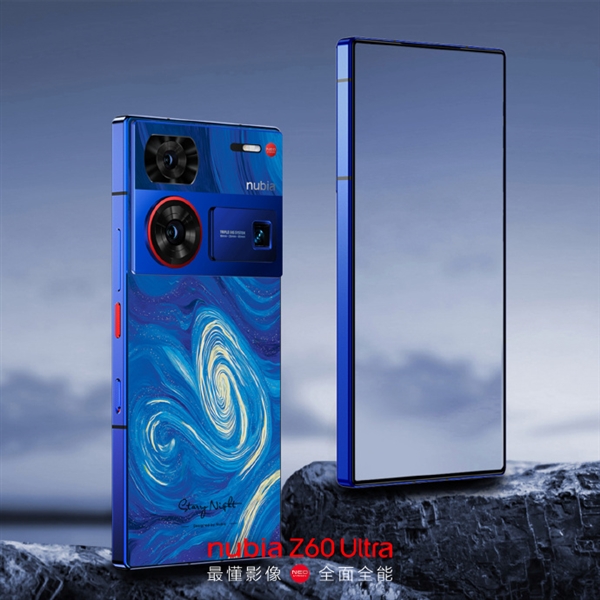
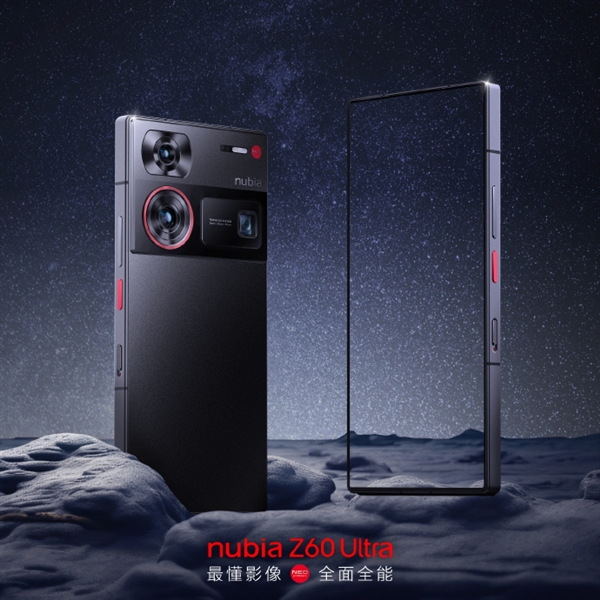
On Dec. 19, Nubia will unveil the Nubia Z60 Ultra in China. A recently seen image showcased the design of the white variant of the device. Today, the brand released a couple of posters to reveal the design as well as color variants of the Z60 Ultra.  

Nubia Z60 Ultra design revealed
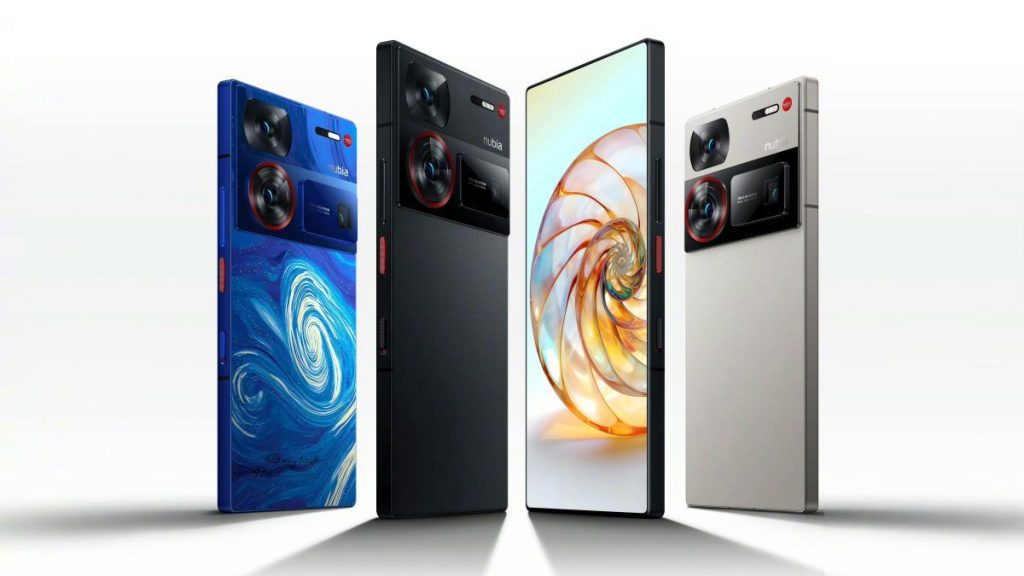
Nubia Z60 Ultra
Nubia Z60 Ultra

As can be seen, the Nubia Z60 Ultra will be available in three shades, such as black, silver, and blue. On the front, the device sports a full-screen display that is devoid of punch-hole or notch. The back panel of the phone has a unique design for the rear camera setup, which features two cameras on the left and an LED flash, with Nubia branding a periscope zoom camera unit on the right.

While the black and white variants of the device have a plain look on the rear, the blue variant’s rear panel has a galaxy-like pattern, which adds to its beauty. The edges of the phone are flat, and its right edge can be seen sporting a volume rocker, a red-colored powered button, and an alert slider-like switch.

Nubia Z60 Ultra specifications (rumored)
As per reports, the Nubia Z60 Ultra will arrive with a 6.8-inch OLED panel that offers a 1.5K resolution and a 120Hz refresh rate. The device will ship with the Snapdragon 8 Gen 3 chipset, up to 16 GB of LPDDR5x RAM, up to 1 TB of UFS 4.0 storage, and a 6,000mAh battery that supports 80W charging. On the software front, the device is expected to offer a MyOS-based Android 14 experience.

On the front, the Z60 Ultra will have a 16-megapixel under-display fingerprint sensor. The rear camera setup will feature a 50-megapixel main camera with OIS support, a 50-megapixel ultra-wide lens, and a 64-megapixel periscope telephoto camera with 3x optical zoom. All three cameras are confirmed to have support for optical image stabilization.

RELATED:

Black Shark S1 Pro, and S1 Classic smartwatches make global debut

Black Shark, Xiaomi‘s gaming sub-brand, has launched two new smartwatches for global audiences: the Black Shark S1 Pro and the Black Shark S1 Classic. Both boast similar features at an attractive price point. So let’s get into detail here. 

Black Shark S1 Pro, S1 Classic Specifications

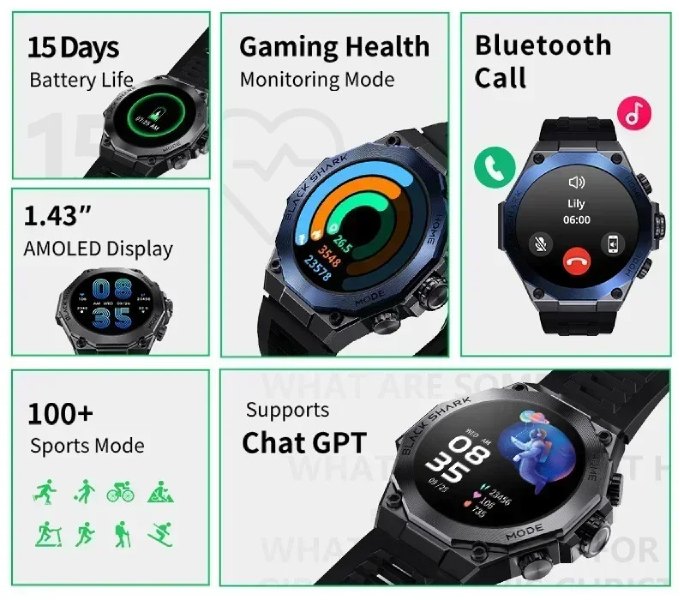
Both watches boast a circular 1.43-inch AMOLED display with a crisp 466 x 466 resolution and a smooth 60Hz refresh rate. The S1 Pro flaunts a rugged, metallic build with two buttons and a rotating crown.

Whereas, the S1 Classic opts for a more minimalist design with just a single button and a crown. The Black Shark S1 Pro comes in black and blue, while the S1 Classic sticks to black.

Moreover, both offer up to 600 nits of peak brightness for clear viewing in sunlight and there are over 100 watch faces you can choose from.

Likewise, the smartwatches bring all the necessary health and fitness features onboard. It offers heart rate and blood oxygen monitoring and there are over 100 sports modes to choose from. Interestingly, the S1 Pro smartwatch also has ChatGPT integration that allows the watch to answer basic queries, likely relayed between the watch and your phone. 

The smartwatches also offer make-and-receive-call functionality via Bluetooth. Battery life comes in at up to 15 days for the S1 Pro and up to 12 days for the S1 Classic. 

Pricing and Availability

The Black Shark S1 Pro and S1 Classic are available now in the US and Europe. The Pro and Classic model costs USD 76.90 and USD 66.90 in the US while they cost €76.90 and €66.9 in Europe, respectively. Customers can purchase these smartwatches from the company’s official site or via Aliexpress.

Related:

iQOO Neo 9 key specifications leaked, bags 3C certification before launch

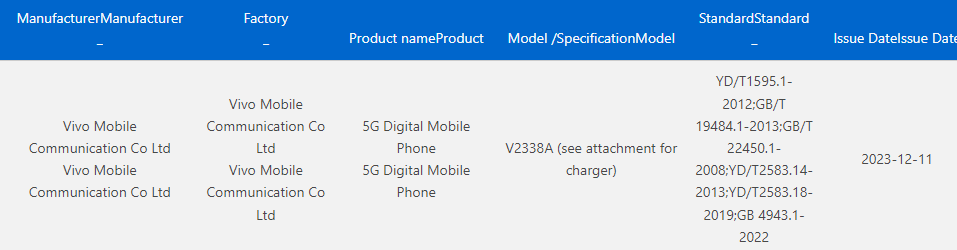
In May, iQOO unveiled the iQOO Neo 8 and Neo 8 Pro smartphones in the Chinese market. This month in China, the iQOO Neo 9 and Neo 9 Pro will succeed these phones. Ahead of the expected launch, the vanilla variant surfaced in the database of China’s 3C certification platform today. In addition, reliable tipster Digital Chat Station has also leaked the key specifications of the device.

iQOO Neo 9 3C certified

iQOO Neo 9 3C certificationiQOO Neo 9 3C certification
iQOO Neo 9 3C certification

The above screengrab shows that a new smartphone bearing the V2338A model number has been approved by the 3C regulatory body. An attachment available in the listing reveals that the charger that may ship with the device may offer up to 120W charging.

iQOO Neo 9 specifications (rumored)

iQOO Neo 9 leaked specs by DCS

According to the leaker, the Neo 9 will be equipped with a 6.78-inch OLED display that offers a 1.5K resolution and a 144Hz refresh rate. Like the recent iQOO flagships, the Neo 9 is said to have a 16-megapixel front camera. On the back, it will have a dual-camera setup comprising an OIS-enabled 50-megapixel Sony IMX920 main camera and an 8-megapixel ultra-wide lens.

Under the hood, the Neo 9 features the Snapdragon 8 Gen 2 chipset. The leak claims that the device will ship with 12 GB / 16 GB of LPDDR5x RAM. While the tipster has not talked about the storage configurations of the device, it may likely offer up to 1 TB of UFS 4.0 storage.

The Neo 9 is likely to pack a 5,160mAh battery with 120W fast charging support. In addition, it will have a plastic middle frame and an in-screen fingerprint scanner. Readers can visit this post to know the leaked specs of the Neo 9 Pro.

iQOO Neo 9 series launch date (rumored)

While the company has been gradually teasing the arrival of the Neo 9 series for nearly two weeks in China, it is yet to confirm the launch date. However, as per a recent report, the Neo 9 series will be announced on Dec. 27 in the country. While it appears that the company may unveil by the end of this month, it is advisable to wait for an official announcement.

RELATED:

Xiaomi Smart Band 8 Pro Genshin Impact Special Edition up for sale

The Xiaomi Smart Band 8 Pro was launched in China in August. It was unveiled alongside Xiaomi Mix Fold 3, Redmi K60 Ultra, and Xiaomi Pad 6 Max.

As the name suggests, it is a high-end variant of the vanilla Xiaomi Smart Band 8, which was released earlier this year. This wearable sits between fitness trackers and smartwatches in terms of its size and features.

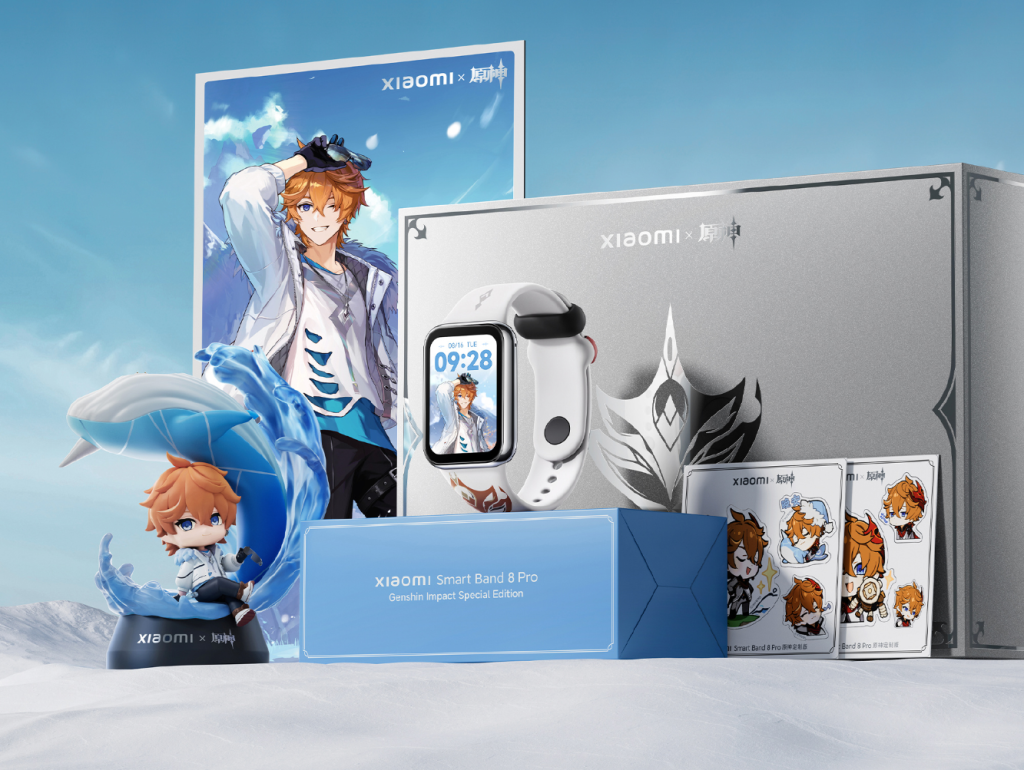
A few days back, the company announced a limited version of this product called ‘Xiaomi Smart Band 8 Pro Genshin Impact Special Edition.’ This variant of the wearable is now up for sale.

Xiaomi Smart Band 8 Pro Genshin Impact Edition

After teasing for a while, Xiaomi took wraps off a customized gift box of Xiaomi Smart Band 8 Pro in collaboration with Genshin Impact at the end of last week. This package is priced at ¥549 (~$75) in China and can be now purchased.

For comparison, the regular version of the wearable starts at just ¥399 (~$55). However, you don’t get the coolness of the Genshin model.

The Genshin variant is themed after Tartaglia (aka Childe), a playable character in the game. The box includes the said character-themed charging base, stickers, and a poster. Even the default theme on the wearable is customized, in addition to its strap.

However, feature-wise, the special edition is the same as the standard model. The differences between them are purely cosmetic and extra goodies.

Unfortunately, both the regular and special variants of the Xiaomi Smart Band 8 Pro are limited to China. However, interested readers can buy them from Giztop with international shipping. 

RELATED:

Apple Music may Offer Incentives for Artists and Record Label to Use High-End Audio Format

Apple added spatial audio for the first time to Apple Music in 2021. The format aims to replicate the sound of music more accurately, as it can emanate from different places around the listener’s head when played in person, with the help of Dolby Atmos technology.

Now, the most recent Bloomberg article reported that Apple Music intends to offer streams of songs that are available in Dolby Atmos format in addition to the standard stereo version’s additional weighting. As a result, Dolby Atmos music would become more widely available and artists would get larger royalties with this new approach.

This implies that listeners may expect to hear more spatial audio—music that seems three-dimensional and replicates a lifelike experience—on Apple Music. Higher royalties will be paid to musicians and record firms that use audio technology to produce versions with spatial sound.

Apple Music may Offer Incentives for Artists and Record Label to Use High-End Audio Format

Furthermore, the spatial version merely has to be made available; listeners do not need to engage with the Atmos version for the artists to be compensated.

The folks claim that Atmos makes mixing music generally inexpensive, therefore it makes sense for well-known musicians and record companies to take part in the hopes of increasing their royalties.

However, Apple has not formally disclosed the new guidelines or rewards. Apple began to support Dolby Atmos in 2021, and as of right now, devices like iPhones, iPads, MacBooks, iMacs, and even AirPods can play the format.

Users of Amazon Inc.’s Music app may also enjoy free Dolby Atmos-compatible spatial audio as part of their subscriptions with the Music app.

However, if it is put into practice, it might be a significant step because Spotify has not yet enabled spatial audio on its platform.

Related:

(Source)

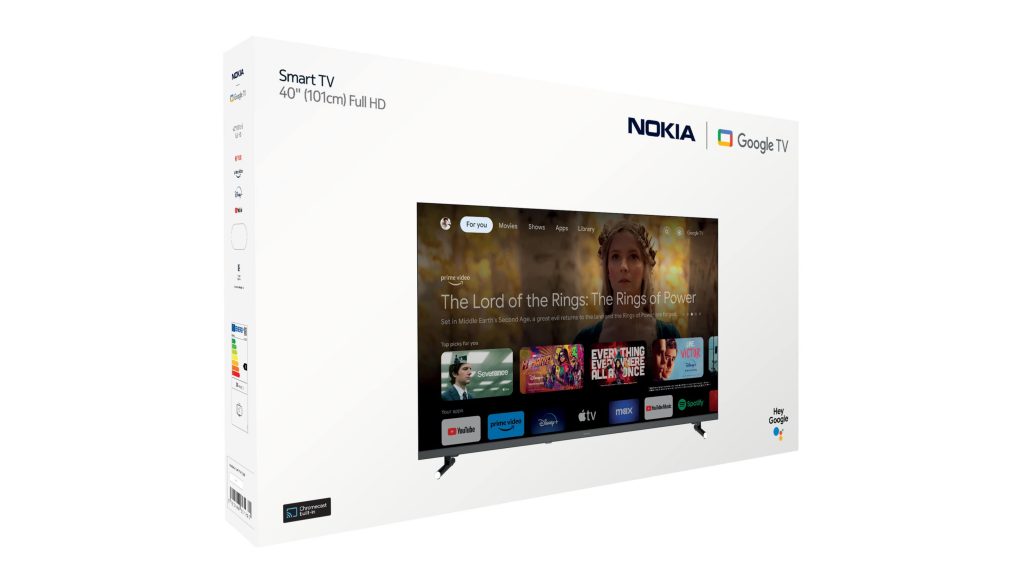
New Nokia Google TV from StreamView comes in 4 sizes, 12V power supply, and more

In October, five upcoming Nokia-branded smart TVs were spotted on Bluetooth SIG. Two months later, these televisions are now official.

For the unaware, there are multiple Nokia brand licensees for televisions. These new products are from StreamView GmbH, an Austrian company that operates in Europe, the Middle East, and Africa (EMEA).

The new Nokia TVs arrive in multiple sizes and two different screen resolutions. Let’s check out their features.

Nokia Google TV 40 Full HD FN40GE320

StreamView’s first Nokia Google TV models are here

The latest televisions from StreamView are collectively called ‘Nokia Google TV.’ As their name suggests, they ship with the Google TV software based on Android 12 for TV. The company’s previous TVs lacked the fresh software from Google.

All the new models are powered by the same chipset. This unnamed silicon includes a quad-core CPU comprising ARM Cortex-A55 cores clocked at 1.45GHz and Mali-G31 MP2 GPU.

The aforementioned chip is further paired with 1.5GB RAM and 8GB storage. This hardware combo is entry-level, and therefore, the TVs may get slower down the line.

As mentioned earlier, the televisions come in multiple sizes. Customers can choose from either 24-inch, 32-inch, 40-inch, or 43-inch.

The 24-inch and 32-inch variants come with HD resolution (1366 x 768 pixels) and can be operated at 12V. Thus, they can be used in mobile homes, camps, and other places with lower power supply.

On the other hand, 40-inch and 43-inch versions offer FHD resolution (1920 x 1080 pixels). A second 32-inch variant is also offered in this flavor.

Unsurprisingly, the televisions support all the leading streaming services, Google Chromecast built-in, and Google Assistant via voice-enabled remote control. Wireless connectivity options include both WiFi and Bluetooth.

They come with various ports, such as 3 x HDMI 1.4,  2 x USB 2.0, 1 x S/PDIF, AV in, triple tuner, and Ethernet. Lastly, they are also SatCR compliant (SCD) and support CI+.

Streamview is yet to announce the pricing and availability of these TVs, which may vary across markets.

RELATED:

(Via)

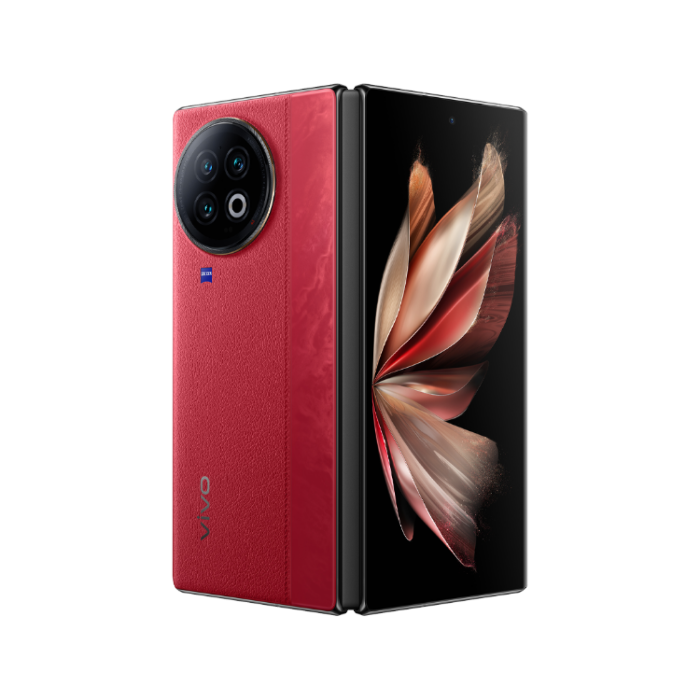
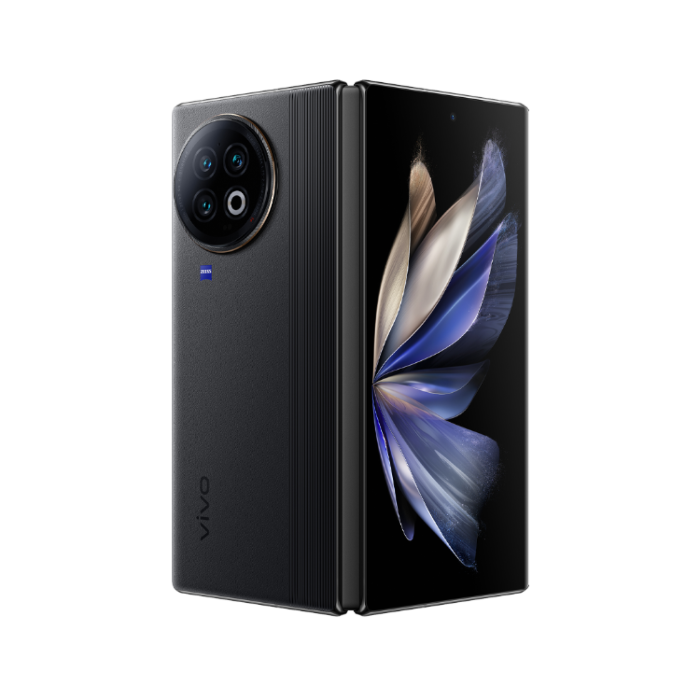
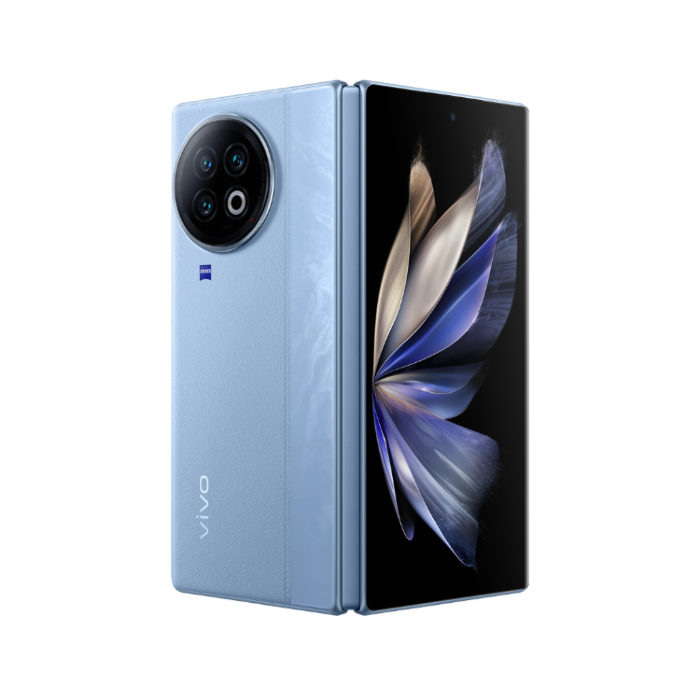
Vivo X Fold 2 selling for just $923 in China

Major Chinese online retailer JD.com is offering a massive discount on the Vivo X Fold 2 smartphone today. The smartphone that usually sells for 8,999 yuan (~$1,254) is now down to an effective price of 6,624 yuan (~$923)after applying various discount coupons.

First, JD is offering a direct discount of 1,500 yuan (~$209) on the device. There is a 500 yuan (~$70) limited-time discount coupon, which can be claimed by heading to the live broadcast room, clicking on the upper right corner > clicking on the shopping bag in the lower right corner > and searching for Vivo to receive a 500 yuan coupon. Lastly, there is a 9.5% off Dongguan consumption coupon that can be claimed by clicking this link.

Vivo X Fold 2 discount

All of these offers combined should bring the price of the 12GB + 256GB variant of the Vivo X Fold 2 to 6624 yuan, which is the lowest it has ever sold for. Here’s what you get for the price.

Vivo X Fold 2 specs

The Vivo X Fold 2 features an expansive 8.03-inch 2K+ E6 LTPO AMOLED inner display, complemented by a 6.53-inch E6 AMOLED outer display. It is powered by last year’s flagship Snapdragon 8 Gen 2 processor paired with 12GB LPDDR5 RAM and options for either 256GB or 512GB of internal storage.

For photography, it comes with a triple rear camera setup, consisting of a high-resolution 50MP main camera and two 12MP + 12MP secondary sensors. The Vivo V2 chip is also onboard to refine photography and videography. On the front, it features a 16MP selfie camera.

Powering the hardware is a 4,800mAh battery, paired with 120W fast wired charging and 50W wireless charging support. It comes pre-loaded with Android 13-based OriginOS 3, which offers Google Mobile Services and Google Play Store.

If you live outside of China and want to get your hands on the Vivo X Fold 2, Giztop is ready to ship the device to your doorstep with a $300 discount.

RELATED:

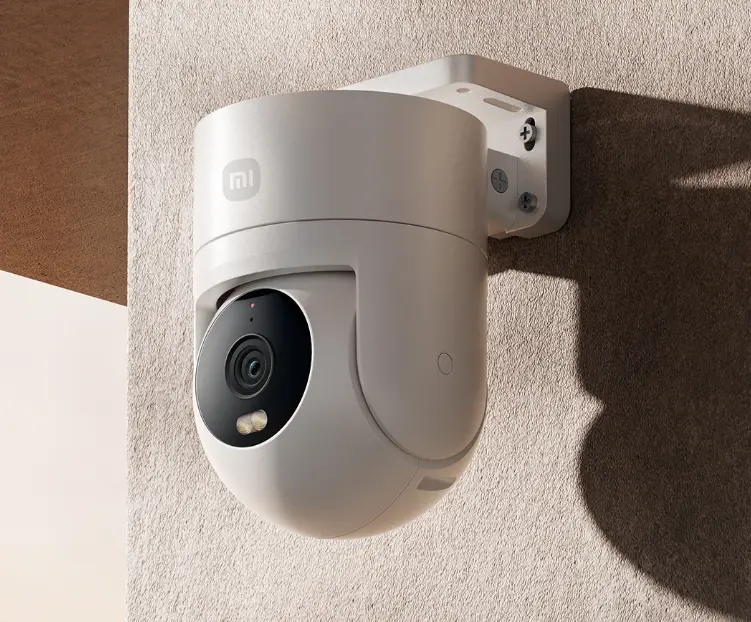
Xiaomi outdoor camera CW300 goes on sale for 239 yuan ($33) starting December 12

The Xiaomi outdoor camera CW300, goes on sale starting today on Xiaomi Youpin. Priced at an attractive 239 yuan ($33), the first wave of buyers from December 12th to December 31st will receive a bonus of a 32GB memory card with their purchase, limited to the first 300 customers.

Xiaomi CW300 automatically records videos upon detecting human shapes and sends real-time notifications to your phone

The Xiaomi outdoor camera CW300 was reported earlier to boast a 4-megapixel camera, featuring an impressive F1.6 large aperture lens that delivers 2560×1440 output. Designed for outdoor surveillance, this camera can automatically illuminate with white light upon detecting a human shape during nighttime. It can present a color image even in dark conditions, enhancing visibility and security.

One of the standout features of this outdoor camera is its utilization of a new-generation local AI humanoid detection and measurement method. This allows the device to intelligently track human movement without relying on cloud processing. The camera automatically records alarm videos and sends real-time notifications to connected mobile phones upon detecting human shapes. The dual deterrence mechanism includes an alarm sound and high-frequency flashing lights.

Users can conveniently review recorded footage through the Mi Home App. However, to unlock cloud storage or utilize the microSD card slot for storage, users need to activate the respective services. The device incorporates a high-sensitivity microphone, featuring an AI intelligent noise reduction algorithm to enhance audio quality and pick up human voices effectively.

Ensuring seamless connectivity, the Xiaomi outdoor camera supports wired connections and 2.4GHz Wi-Fi wireless networking. This flexibility enables users to access surveillance feeds remotely using devices such as smartphones, Xiaomi tablets, Xiaoai touchscreen speakers, and Xiaomi TVs.

In summary, the Xiaomi outdoor camera CW300 is a comprehensive and intelligent surveillance solution that combines advanced imaging technology with smart AI features, providing users with enhanced security and peace of mind.

Related:

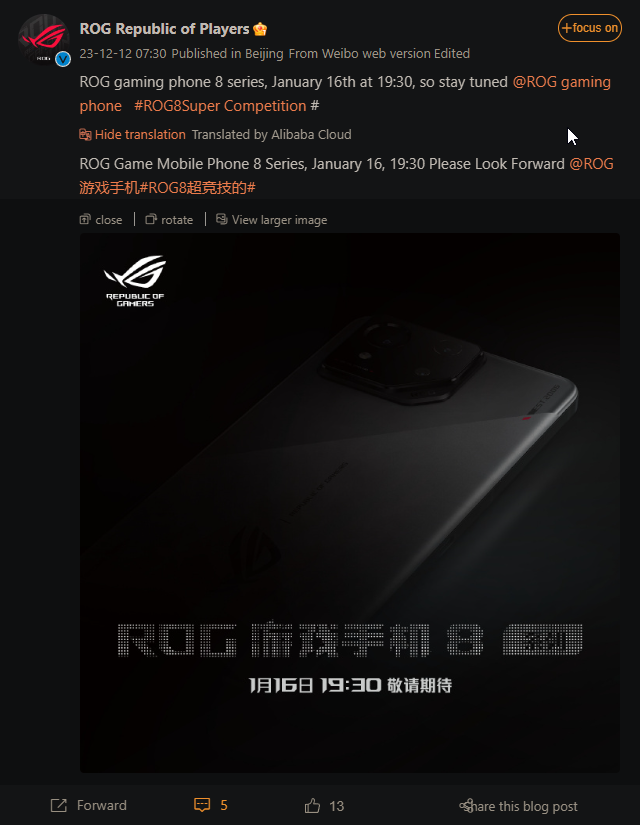
ASUS ROG Phone 8 Series set to launch on January 16 in China

ASUS recently teased the ROG Ally 8 series smartphones for the global market. The device will feature a Snapdragon 8 Gen 3 processor, likely paired with ASUS’s cutting-edge heat dissipation solution to give the best performance possible in gaming. The brand has now confirmed that the device will debut in China on January 16.

Asus ROG Phone 8 series China

The announcement does not reveal any new details about the smartphone, but it does confirm that the launch event will kick off at 7:30 PM (GMT+8). Here’s everything known so far about the ROG Phone 8 series.

ASUS ROG Phone 8 series: What we know so far

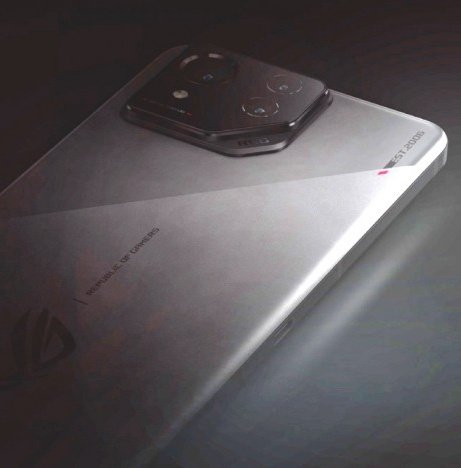
White Asus has not confirmed any details other than a partial back design as seen in the teaser image above, netizens have blown out the shadows from the teaser revealing a redesigned camera island.

ASUS ROG Phone 8

The new model will feature a square-shaped camera module, which cuts off from the right edge, technically making it a pentagon. On it, we can see three camera modules, along with an LED flash. Since there are no flashy RGB LEDs on the back, it’s safe to assume that this might be the vanilla ROG Phone 8.

All three models of the series, namely ROG Phone 8, ROG Phone 8 Pro, and ROG Phone 8 Ultimate have appeared on Geekbench revealing some interesting details. Geekbench listings show that the vanilla model features 16GB RAM, while the Pro and Ultimate models have 24GB RAM onboard. Other than that, the vanilla ROG Phone 8 appears to come with a standard Snapdragon 8 Gen 3 SoC, while the Pro and Ultimate models feature an overclocked variant of the chip, with slightly boosted peak clock speed.

While the global launch date has not been confirmed yet, ASUS ROG will be holding an event on January 8, a day before CES 2024, to unveil “ROG’s exciting new lineup for 2024”. It is speculated that the brand might take the curtains off the ROG Phone 8 at this event.

RELATED:

Huawei’s first open-back earphones, FreeClip, leaks before launch

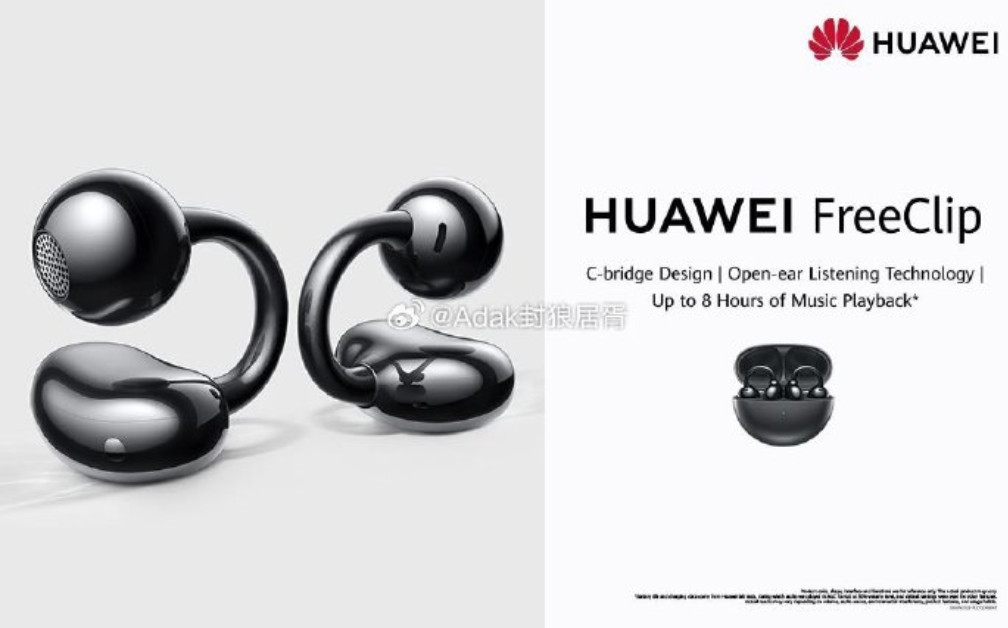
Huawei’s much-anticipated Dubai product launch is just hours away. The company is expected to launch at least two products at the event, a sleek tablet and, most intriguingly, an open-back style earphone, called Hawei FreeClip. Ahead of the launch, a leaked promo material has now given us a glimpse of these innovative open-back earphones.

The FreeClip is the company’s debut foray into open-back earphones. As can be seen in the promo, each earpiece consists of two parts connected by a unique curved center-piece. Huawei is calling it a C-bridge design, and it looks reminiscent of a modern clip earring.

The open-back design should make these earbuds more comfortable to wear for long periods, possibly preventing ear fatigue. Rumors also suggest the buds will have built-in vents for better airflow and sound quality.

The leaked image also reveals a familiar-looking charging case that cradles the FreeClips in an inverted position. While technical specifications remain shrouded in secrecy, one thing is certain: the FreeClip’s independent design sets it apart from other wearables.

Battery life is expected to reach up to 8 hours on a single charge, and previous reports suggest the Huawei FreeClip will come in two color options: Black and Purple.

It’s all still under the Huawei veil, but with the official launch just around the corner, the wait for more details won’t be long.

Related:

PETA Names Apple as the Company of the Year for Leadership on Leather Use in 2023

While PETA’s main goal is to protect animals, it also recognizes a business each year for exceptional efforts in this field.

A radical departure from the days of cowhide and crocodile-skin watchbands, millions of watches sold in 2022 will be free of leather thanks to a promise made by Apple Inc., the world’s largest company, which sold over 50 million smartwatches in 2022.

Apple has won the 2023 Company of the Year Award as a result of its action.

As the biggest corporation in the world, Apple Inc. is addressing customer expectations and leading by example for other elite businesses by doing away with leather to reach its 2030 carbon-neutral target.

PETA Names Apple as the Company of the Year for Industry-Shifting Leadership on Leather Use in 2023
PETA Names Apple as the Company of the Year for Leadership on Leather Use in 2023

The company also promised to increase the amount of recycled materials it uses, such as FineWoven microtwill, that have lower carbon footprints.

Given that global searches for sustainable products have climbed by 71% over the last five years and that the majority of customers are concerned about the environmental effect of the things they purchase, Apple Inc. can see that today’s conscientious consumers want to support sustainable firms.

By deciding to give up leather, an inhumane byproduct of the meat business, the corporation will save countless animals and lessen the effects of climate change. Instead, the company will provide accessories made without leather, enabling ethical customers to feel good about acquiring eco-friendly and animal-friendly goods.

As a result of Apple’s leadership in lowering its ecological footprint and preventing the killing of cows for watchbands and phone covers, ethical customers have increased their investment in the company, according to PETA President Ingrid Newkirk. Apple became PETA’s Company of the Year for a policy that PETA trusts other corporations will now emulate.

Related:

(Source)

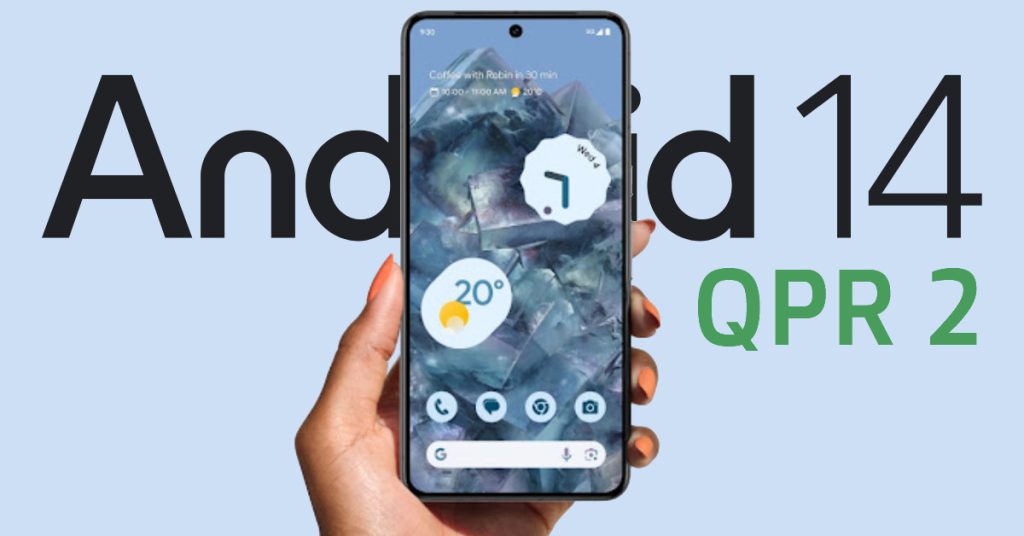
Google starts rolling out Android 14 QPR2 Beta 2 update

Google‘s Android 14 journey continues with the rollout of Beta 2 for its latest Quarterly Platform Release (QPR2). Arriving earlier than expected, this update brings stability improvements and fixes a few bugs plaguing on the Pixel phones and the Pixel Fold.

Android 14 QPR2 Beta 2 update. Image: Gizmochina

Android 14 QPR2 Beta 2 update is now live!

Following the December release of QPR1, the usual preview program for QPR2 and the Pixel Feature Drop was expected to kick off this month. But Google surprised everyone by launching the program earlier, starting with a November preview followed by a quick patch release.

While technically betas, QPRs are considered relatively stable and suitable for daily use. Beta 2 arrives on all Pixel models from the 5a to the 8 Pro, sporting the build number AP11.231117.006. It also packs the latest December security patch.

The Beta 2 comes with a few fixes! Here’s what’s been addressed:

  • Fixed an issue where battery usage information that was reported in system settings was sometimes incorrect. (Issue #312121998)
  • Fixed an issue where the fingerprint icon on the lock screen would sometimes display before other information had loaded in always-on display mode. (Issue #311265905)
  • Fixed an issue that sometimes caused the biometric prompt to crash, causing it to be dismissed before a user could interact with it.
  • Fixed an issue that sometimes caused the Internet Quick Settings tile to indicate that there was no Wi-Fi connection, even when the device was connected to a Wi-Fi network.

To download the latest QPR 2 Beta 2 update, simply head to Settings > System > Software updates and tap “System update.” If it’s available for your device, the download will begin automatically. 

You can also download the update manually through OTA or factory images from below:

Related:

(Via)

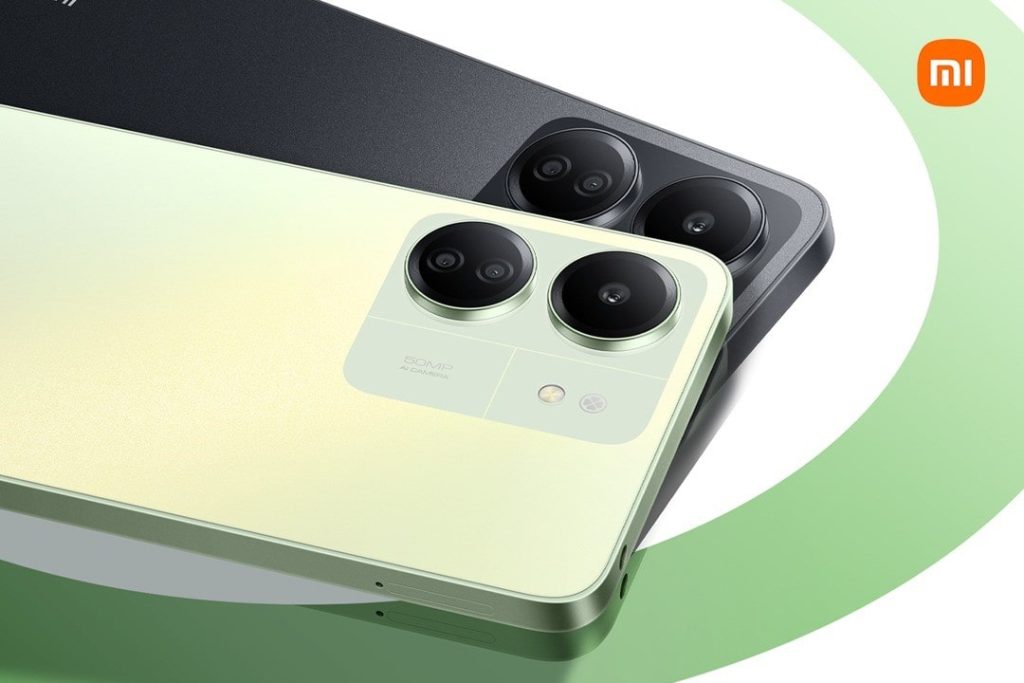
Redmi 13C 4G with 90Hz HD+ Display, Helio G85 SoC on sale today starting at ₹7,999 (~$96)

The Redmi 13C, a recently unveiled budget-friendly smartphone by Redmi, made its debut in the Indian market last week. While it has already been released in global markets such as Nigeria, it goes by the name Poco C65 in some regions. As of today, the smartphone is officially available for purchase in India.

Redmi 13C

Redmi 13C pricing & availability

Despite being a budget-range 4G device, Redmi has launched the 13C in three attractive configurations:

  • 4GB + 128GB – ₹8,999 (~$110)
  • 6GB + 128GB – ₹9,999 (~$120)
  • 8GB + 256GB – ₹11,499 (~$140)

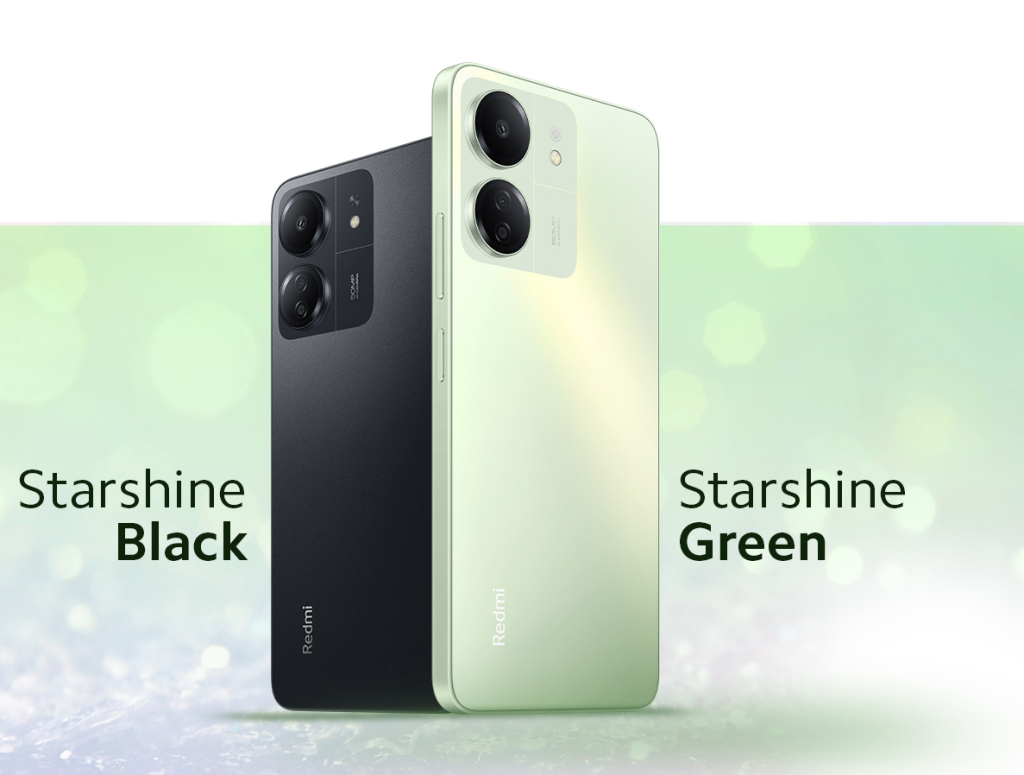
As part of the introductory promotion, ICICI cardholders are eligible for a ₹1,000 discount on credit card or EMI transactions, reducing the effective starting price to ₹7,999 (~$96). This discount will apply to all three models. The sale will start today (December 12) at 12PM IST on Amazon. The phone will also be available to purchase via Mi.com and Xiaomi retail stores in Stardust Black or Starshine Green color options.

Redmi 13C specs:

The Redmi 13C boasts a 6.74-inch LCD display with an HD+ resolution of 720 x 1600 pixels and a smooth 90Hz refresh rate. The phone features a camera setup including a 50-megapixel main camera, a 2-megapixel depth camera, and a 2-megapixel macro camera on the rear, along with an 8-megapixel front-facing camera.

Redmi 13C 4G

Under the hood, it has a MediaTek Helio G85 chip, paired with up to 8GB RAM and 256GB storage. RAM and storage can both be expanded using virtual RAM (up to 8GB) and a microSD card (up to 1TB). On the software side, the device features an Android 13-based MIUI 14 operating system.

The device houses a 5,000mAh battery with 18W fast charging support and includes a side-facing fingerprint scanner for security. It offers dual SIM support and connectivity options such as 4G VoLTE, Wi-Fi, Bluetooth 5.1, GPS, USB-C port, and a 3.5mm audio jack. In terms of dimensions, it is slim and lightweight, measuring 168 x 78 x 8.09mm and weighing 192 grams.

The brand has also launched the Redmi 13C 5G in India with a starting price of ₹10,999 (~$130). It will go on sale from December 16.

RELATED:

Ford Adjusts F-150 Lightning Production in Response to EV Market Trends

Ford has announced a significant reduction in the production of its electric pickup truck, the F-150 Lightning, starting in 2024. The decision, initially reported by Automotive News and later confirmed by Ford, indicates a halving of the vehicle’s production rate. This move, reducing output to approximately 1,600 trucks per week at the Dearborn, Michigan plant, marks a shift from the initial plan to produce around 3,200 units weekly.

More and more EV companies are redesigning their Production strategies

This decision can be seen as a strategic adaptation by Ford in response to the evolving electric vehicle (EV) market. Despite the overall health of the EV sector, which has witnessed record sales this year, Ford’s action underscores a nuanced reality. The growth in EV sales, although robust, hasn’t matched the earlier predictions of automakers, including Ford. This mismatch has led companies to recalibrate their production strategies, aligning more closely with current market demand.

FORD

From Ford’s perspective, this production adjustment is a prudent step. It reflects a keen awareness of market trends and customer demand, steering clear of overproduction. Ford’s spokesperson emphasized the company’s intent to align Lightning production with customer demand, suggesting a flexible, demand-driven approach.

The broader context reveals that Ford is not alone in this recalibration. Other major automakers like General Motors and Volkswagen have also announced cutbacks in their EV production plans. These revisions point to a collective industry response to a market that, while growing, is doing so at a pace different from initial forecasts.

This recalibration by Ford, particularly after their previous efforts to ramp up the Lightning’s production, underscores the dynamic nature of the EV market. It highlights the challenges automakers face in predicting consumer behavior and market trends in a relatively new and rapidly evolving sector. By adjusting its production strategy, Ford is not only responding to current market conditions but also demonstrating flexibility and adaptability—key qualities in the competitive world of EV manufacturing.

RELATED:

(Via)

Nvidia Targets Vietnam for Tech Expansion, Boosting Local Chip Industry

Nvidia, a leading name in the semiconductor industry, has set its sights on Vietnam, aiming to establish a significant presence in this rapidly growing market. The CEO of Nvidia, Jensen Huang, recently announced plans to set up a base in Vietnam, clearly depicting the country’s increasing importance in the global tech landscape.

The Vietnam centre is expected to attract global experts

This strategic move by Nvidia is not just about expanding its geographical footprint. It represents a deeper commitment to nurturing local talent and fostering an ecosystem that supports semiconductor development and digitalization. By establishing a centre in Vietnam, Nvidia is positioning itself to attract experts from around the world, boosting the local semiconductor industry.

Nvidia

This initiative comes at a time when Vietnam is already playing a pivotal role in the global chip assembly sector, housing Intel’s largest factory. The country is now looking to broaden its capabilities, venturing into chip design and potentially manufacturing, amidst shifting trade dynamics between the United States and China.

Nvidia’s investment in Vietnam, which currently stands at $250 million, is expected to bring about collaborations with Vietnamese tech firms and authorities. These partnerships aim to advance semiconductor technology in various domains, including cloud computing, automotive, and healthcare, leveraging artificial intelligence.

The choice of Vietnam as a hub for Nvidia’s expansion is a testament to the nation’s growing prominence in the tech world. It not only offers a strategic location but also a pool of talent and an environment conducive to technological advancements. For Nvidia, this move is not just a business expansion; it’s an investment in the future of the semiconductor industry and a nod to Vietnam’s potential as a key player in this field.

RELATED:

(Via)

Fresh Update Resolves Baldur’s Gate 3 Save Issues on Xbox Series X|S

At this point, everyone knows Baldur’s Gate 3. The show-stealing game by Larian Studios recently made headlines again – but this time for a technical hiccup on the Xbox Series X|S. A new update, however, promises to iron out these issues, ensuring a smoother gaming experience for Xbox users.

The Save Issues were caused due to a glitch on Microsoft’s end

Previously, players encountered a frustrating bug where their game saves would vanish under certain conditions. Recognizing the urgency of the matter, Larian Studios acted swiftly, releasing a “small update” to tackle this issue. The update, which appears to have stemmed from a glitch on Microsoft‘s end, is now available, and players are encouraged to update their game manually

Baldur's Gate

This update comes on the heels of Baldur’s Gate 3’s eventful journey across gaming platforms. Initially launched on PC in August, it made its way to PlayStation in September, followed by a surprise Xbox release in December during The Game Awards. Interestingly, Larian’s Swen Vincke had planned to announce the Xbox release date in his acceptance speech at the awards, but the moment slipped his mind.

The Xbox version’s release was a topic of much debate, especially with reports suggesting the Xbox Series S version’s technical limitations were delaying its launch. However, following discussions with Microsoft Gaming CEO Phil Spencer, it was agreed that Baldur’s Gate 3 would debut on Xbox Series S without split-screen support, a feature that might be added later.

Jake Dekker from GameSpot, in his review, awarded Baldur’s Gate 3 a perfect score. He emphasized the game’s unparalleled freedom, offering players an almost overwhelming array of choices and consequences. Dekker noted that Baldur’s Gate 3 allows players an unprecedented level of control over their gaming narratives.

For Xbox Series X|S players, this update not only fixes a critical issue but also reinforces Larian Studios’ commitment to providing a seamless gaming experience across all platforms. As gamers dive back into the rich, choice-driven world of Baldur’s Gate 3, they can now do so with the assurance of stability and continued support.

RELATED:

(Via)

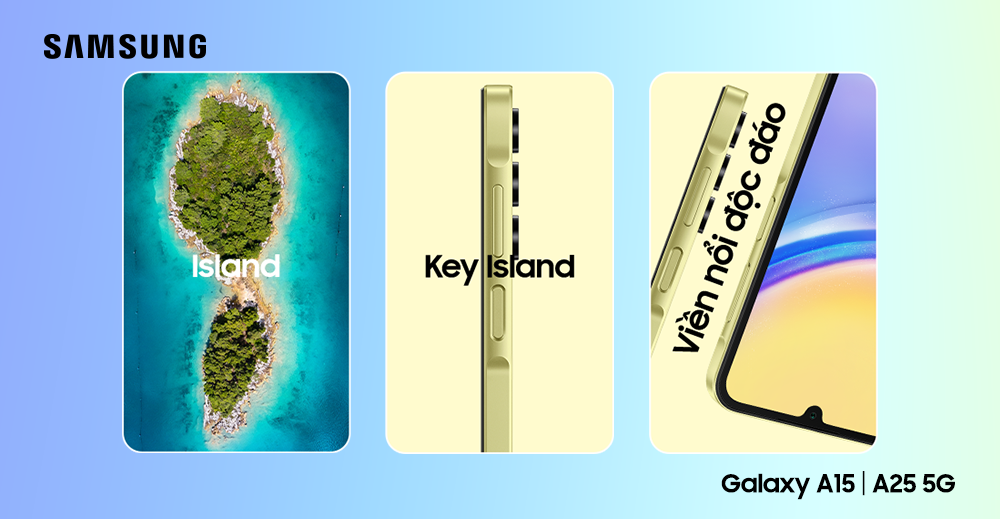
Samsung Galaxy A15 5G, Galaxy A15 4G, Galaxy A25 5G launched with Key Island feature in Vietnam

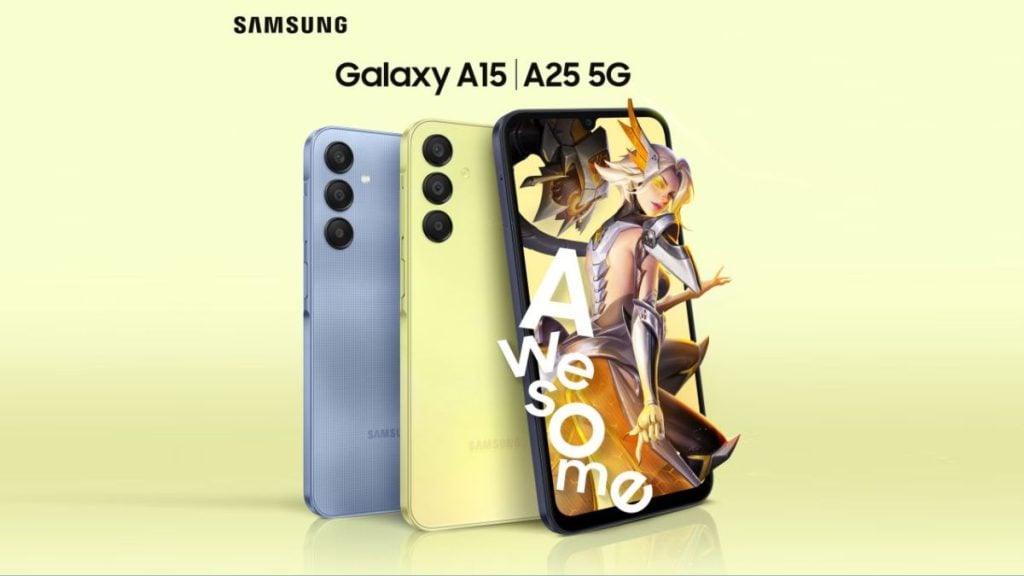
Samsung’s latest A-series phones, namely the Galaxy A15 and the Galaxy A25, have been announced in Vietnam. While the A25 supports 5G connectivity, the A15 comes in 4G and 5G variants. One of the major features of the trio is that they come equipped with Samsung’s new Key Island feature, which is nothing but a unique embossed border design with rounded edges designed to offer a comfortable grip. Here is a look at the specifications and features of the Galaxy A15 and Galaxy A25.

Samsung Galaxy A15 4G, Galaxy A15 5G specifications

Samsung Key Island
Samsung’s Key Island features introduced on Galaxy A15, Galaxy A25

The Galaxy A15’s 4G and 5G variants pack the same specs, but they mainly differ in the chipset department. The 4G edition has the Helio G99, 8 GB of RAM, and 128 GB / 256 GB of storage. On the other hand, the 5G version has the Dimensity 6100 Plus chip, 8 GB of RAM, and 256 GB of storage.

Both phones have a 6.5-inch S-AMOLED Infinity-U notch display that offers a Full HD+ resolution of 1080 x 2340 pixels, a 90Hz refresh rate, and up to 800 nits of brightness. Both feature a 13-megapixel front camera and a 50-megapixel + 5-megapixel (ultra-wide) + 2-megapixel (depth) triple camera system.

Samsung Galaxy A25 5G specifications

Samsung Galaxy A15, Galaxy A25 featured
Samsung Galaxy A15, Galaxy A25

The Galaxy A25 5G has a 6.5-inch S-AMOLED Infinity-U notch display that offers a Full HD+ resolution, a 120Hz refresh rate, and up to 1,000 nits of brightness. The Exynos 1280-powered device ships with 6 GB / 8 GB of RAM and 128 GB of storage.

For selfies, the Galaxy A25 has a 13-megapixel front camera. Its rear panel has a 50-megapixel main camera with OIS support, an 8-megapixel ultra-wide lens, and a 2-megapixel depth sensor.

The Galaxy A25 and Galaxy A15 (4G and 5G versions) are backed by a 5,000mAh battery that supports 25W fast charging. For security, these devices are equipped with a side-facing fingerprint sensor. Both models run on One UI 6.0-based Android 14. The A25 has dual speakers, while the A15 variants have a single speaker.

Samsung Galaxy A15 4G, Galaxy A15 5G, Galaxy A25 5G price

The Galaxy A15’s 4G and 5G variants are priced at VND 4,990,000 (~$205) and VND 6,290,000 (~$260) for their base models. On the other hand, the A25 is priced at VND 6,590,000 (~$270). The new A-series come in shades, such as Personality Yello, Fantasy Blue, Optimistic Blue, and Ban Linh Black.

RELATED:

Xiaomi Pad 7 Pro featuring 144Hz LCD display, Snapdragon 8 Gen 2 tipped to launch globally

Reports have revealed Xiaomi is working on the Pad 7 series of flagship tablets for the Chinese market. This year, the company unveiled the Xiaomi Pad 6, Pad 6 Pro, and Pad 6 Max in the Chinese market. The standard model was released globally, but the Pro and Max variants have remained exclusive to the Chinese market. Recent reports claimed that while China will receive multiple Pad 7 series tablets in 2024, it will only release the standard model on the global market. A new report reveals that the Pro model will also be released in markets outside of China.

Xiaomi Pad 7 Pro likely to release globally

According to a report by GSMChina, the internal HyperOS build for the Xiaomi Pad 7 Pro has been spotted for the first time. On the basis of the existence of the global build of HyperOS, it is being said that the Pad 7 Pro will be released globally. Unfortunately, the report does not reveal anything about the device’s specifications.

Rumors are rife that the Xiaomi Pad 7 will feature the Snapdragon 8+ Gen 1 chipset, whereas the Pad 7 Pro will have the Snapdragon 8 Gen 2 SoC. According to recent reports, the Pad 7 Pro will have an LCD panel that offers a 144Hz refresh rate.

The rear panel of the Pad 7 Pro is expected to feature a 50-megapixel dual-camera system. There is no word about the battery size of the device, but it is expected to support 67W fast charging. For audiophiles, the tablet will come equipped with quad speakers. Lastly, it is expected to run on HyperOS 14-based Android 14.

According to reports, Xiaomi will hold a launch event in April 2024 to announce the Xiaomi 14 Ultra. The Pad 7 and Pad 7 Pro tablets are expected to debut at the same event.

RELATED:

(via)

Portronics Luxcell Wireless 10K with 15W wireless charging launched for Rs 1,399 (~$17) along with three other power banks

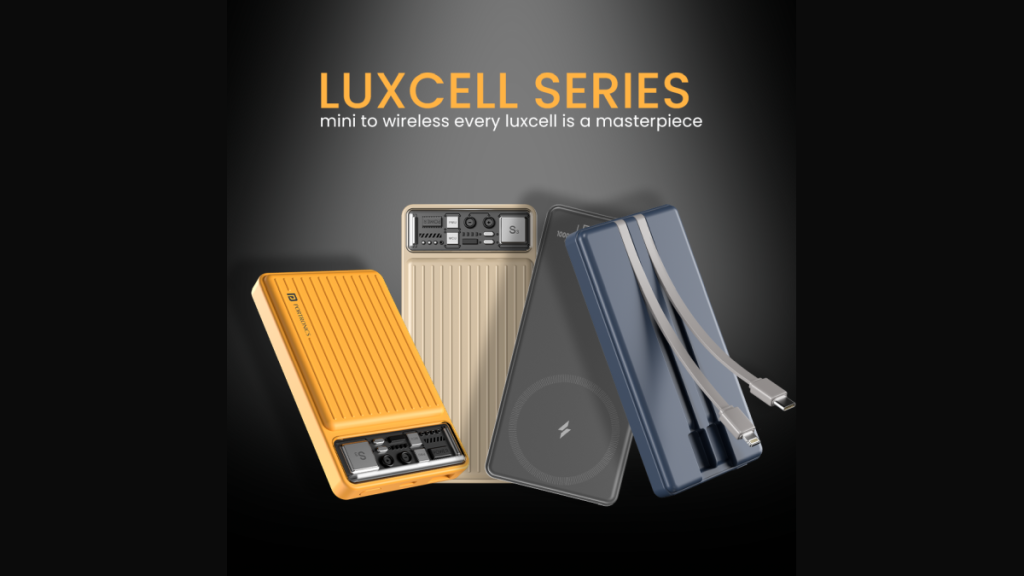
Portronics has introduced the Luxcell series of power banks in India. This series encompasses a variety of power banks, each tailored to different user needs, offering a pragmatic approach to device charging. Here is a look at the features and price of each of the Luxcell series power banks.

Luxcell Wireless 10K

Portronics’ Luxcell series power banks

The Luxcell Wireless 10K, priced at Rs 1,399 (~$17), stands out for its support of wireless charging at 15W MagSafe and the capacity to simultaneously charge up to three devices through its two ports. The transparent casing and LED indicator contribute to its premium aesthetic. The power bank can be charged using its USB-C port.

Luxcell Bind 10K

For users seeking a versatile charging solution, the Luxcell Bind 10K, available at Rs 1,249 (~$15), offers 22.5W fast charging and includes two built-in cables (Type-C and 8-pin), along with an additional Mach USB Type-A connector. With the capability to charge three devices concurrently, this power bank aligns with practical user requirements.

Luxcell Mini 20K

The Luxcell Mini 20K, priced at Rs 1,799 (~$21), caters to those preferring a compact design without compromising on capacity. Boasting a 20,000mAh PD fast-charging capability, it features dual ports – a USB-A (22.5W) and a USB-C PD 3.0 (20W) – making it a suitable option for users prioritizing portability.

Luxcell Mini 10K

Meanwhile, the Luxcell Mini 10K, available at Rs 1,149 (~$14), lives up to its name with a compact and lightweight design. Weighing a mere 175g, it offers a premium look and includes dual ports (Mach USB Type-A and Type-C PD 3.0) for simultaneous charging of two devices.

All the Luxcell series power banks can be charged through the provided Type-C cable. In addition, the BIS certification for all four products ensures protection against short circuits and voltage fluctuations, enhancing user safety. The above products can be brought through Portronics’ website, Amazon, Flipkart, other online stores, and offline outlets.

RELATED:

Xiaomi launches the Redmi computer speaker with four-unit acoustic configuration, RGB lighting

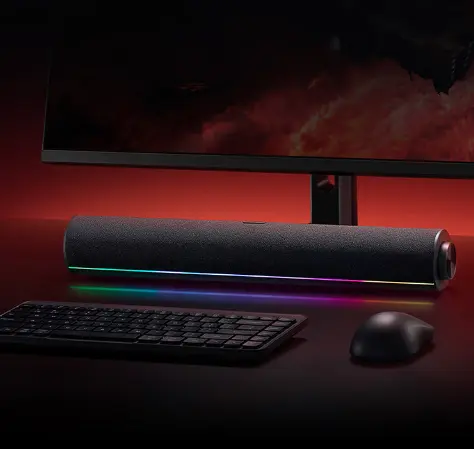
Xiaomi has announced the launch of the Redmi computer speaker in China. The new speaker is Redmi’s first audio peripheral designed specifically for desktop computers. It has a four-unit acoustic configuration with excellent sound quality certification by Golden Ear. The new computer speaker also comes with RGB lighting to provide a colorful atmosphere.

Redmi computer speaker

The Xiaomi Redmi computer speaker has a simple cylindrical one-piece design with a mesh fabric covering. It has a colorful and beautiful light strip with knobs to fit in nicely to various home settings. The dual iron boron full-range speakers have a racetrack-structured design. The speaker offers both mid and high-frequency rich output. The speaker also comes with dual passive radiators for an enhanced low-frequency performance.

The Redmi computer speaker supports real-time sound pick and color-changing syncing of the output. The speaker also features professional DSP which allows it to seamlessly adapt to different scenarios. These include music, gaming, and watching movies.

The balanced and rich low, medium, and high-frequency performance of the Redmi computer speaker is underscored by their sound field and separation test results, having passed the double-blind test of the Golden Ear Laboratory. The new Redmi computer speaker has honorary certification of CGEC Golden Ear Preferred Product.

The speakers have a two-channel symmetrical layout with an air-tight cavity to reduce channel interference. The sound field is layered, wide, and three-dimensional. The speakers adopt a 53-degree sky sound field and tilt angle design appropriate for desktop settings. The speaker offers 16 RGB lamp beads on the bottom and can provide 5 different lighting options. The speakers support a USB one-line connection with its USB-C and USB-A interfaces combined into one. Data and power are connected through the same line and the speakers have hidden microphones.

Pricing

The Xiaomi Redmi computer speaker supports low-latency Bluetooth 5.0 connectivity and also has a 3.5mm audio jack. The speaker is priced at 199 yuan ($28) and is available via multiple channels. There are no global availability details yet on the new desktop speakers.

RELATED: