Infinix is teasing its upcoming Note 60 Pro, and early looks suggest it’s mixing design cues from some of the most talked-about phones from last year. The teaser showcases a large new camera island that resembles the latest iPhone 17 Pros, but borrows a design element inspired by Nothing’s Phone (3). So let’s check it out.
Infinix Note 60 Pro Teased
Looking at the teaser poster, the Infinix Note 60 Pro features a bold rear camera island that seems inspired by the iPhone 17 Pro Max. But what stands out is the active Matrix Display on this module. You also get an active dot-matrix style panel that can display info like time, weather, notifications, music controls and charging progress. The dynamic visuals in the back of the phone draw creative parallels to the Nothing Phone (3)’s Glyph interface, but with its own twist.
Infinix Note 60 Pro with Rear Matrix Display Teased
Pair this with a choice of new colorways, namely Solar Orange, and the Note 60 Pro is offering a vibrant new look. The brand has also confirmed that the upcoming mid range phone will be equipped with Qualcomm’s Snapdragon 7s Gen 4 5G. On the front, this model sports a tall 6.78-inch Ultra HDR display with a 1.5K resolution and a 144Hz refresh rate. A massive 6,500mAh battery pack powers the Note 60 Pro, which supports 90W wired fast charging and a new “Battery Self Healing Tech”.
Other notable features include a 50MP Night Master main camera, JBL tuned stereo speakers, a premium leather textured back panel, a 3D IceCore VC vapor-chamber cooling system to keep temps in check, and more. The company has yet to confirm the launch date and pricing details, but the device is set to debut soon. We can expect the Infinix Note 60 Pro to be unveiled during the MWC 2026 event.
For more daily updates, please visit our News Section.
China has unveiled the world’s first 5-ton-class passenger eVTOL
The V5000 completed a full conversion flight, proving the large eVTOL’s feasibility
It can carry 10 passengers and fly up to 1500 km in hybrid mode
World’s First 5-Ton eVTOL Takes Flight
China has reached a major aviation milestone with the successful flight of the world’s first 5-ton electric vertical takeoff and landing aircraft, the V5000. The aircraft completed a full conversion flight at the Kunshan Civil Unmanned Aerial Vehicle Test Flight Operation Base in Jiangsu Province, smoothly transitioning from vertical takeoff to fixed-wing cruise and back to vertical landing. The flight was confirmed by local authorities, marking a breakthrough for large-scale eVTOL development.
From Concept to Large-Scale AirTaxi
The V5000 Sky Dragon was independently developed by Fengfei Aviation Technology, while the passenger-focused V5000 Matrix was unveiled by AutoFlight. Unlike most eVTOLs in service today, which weigh under 3 tons and carry fewer than six passengers, the V5000 enters a new class. It seats 10 passengers or carries multi-ton cargo, showing that eVTOLs can scale beyond small urban air taxis.
Design, Range, and Capability
The aircraft uses a compound wing and three-surface aerodynamic layout, powered by up to 20 lift motors. Its high-redundancy design allows safe flight even with motor failures. The pure-electric version offers a 250 km range, while the hybrid variant can reach up to 1,500 km, opening the door to regional routes and logistics missions.
Why This Matters Globally
Leading Western eVTOL developers remain focused on lighter aircraft for short city trips. None have flown a 5-ton-class eVTOL. The V5000 shows China moving faster toward large, practical, multi-role eVTOLs, signaling a shift from experimental air taxis to real aerial transport systems.
Alienware has officially launched the AW2526HL, a new 24.5-inch gaming monitor in the Chinese market. The monitor is now listed on JD.com and priced at 1199 yuan ($173).
Alienware AW2526HL Specifications
The AW2526HL features a 1920 x 1080 resolution IPS panel with a native 300Hz refresh rate. It delivers a 1ms grey-to-grey response time, which helps minimize motion blur and ghosting during fast movement.
The display reaches a typical brightness of 400 nits and supports a 1000:1 contrast ratio. It produces 8-bit color and covers 99% of the sRGB color gamut, allowing for accurate color reproduction suitable for both gaming and general media tasks.
Alienware has equipped the monitor with AMD FreeSync Premium support along with VESA Adaptive-Sync compatibility. The monitor also includes TÜV Rheinland-certified ComfortView Plus hardware-based blue light reduction, which filters harmful blue light without compromising color accuracy.
In terms of design, the monitor features a fully adjustable stand that allows tilting from -5 to +21 degrees, height adjustment up to 130mm, and pivot rotation to suit different desk setups. It also supports VESA wall mounting for greater installation flexibility.
For connectivity, the monitor includes two HDMI 2.1 (TMDS) ports and one DisplayPort 1.4 input.
The monitor has also passed TÜV eye comfort certification and meets several visual performance criteria, including refresh rate stability and color accuracy. Alienware offers a 3-year warranty with original parts replacement under standard usage conditions.
In related news, Alienware has recently launched the Area-51 desktop powered by AMD’s Ryzen 9000X3D series, starting at $3,349.
For more daily updates, please visit our News Section.
Honor appears to be doubling down on its focus on large battery capacities across its portfolio. After recently launching devices such as the Honor Win and Win RT with 10,000mAh batteries and the Honor Power 2 featuring a massive 10,080mAh unit, a new leak now suggests that the upcoming Magic 9 series could continue this trend. According to the leak, the next-generation flagship lineup may arrive with significantly bigger batteries than its predecessors, reinforcing Honor’s push towards long-lasting performance.
Honor Magic 9 series battery capacity tipped
Honor Magic 9 series battery capacity tipped
Well-known tipster Smart Pikachu claims that the Magic 9 lineup will remain photography-focused while also emphasizing battery endurance as a key selling point. The leak indicates that upcoming models in the series could feature battery capacities ranging between 8,000mAh and 9,000mAh, which would represent a noticeable upgrade compared to previous Magic-series smartphones.
For context, the current Honor Magic 8 lineup already includes sizeable battery units. The standard Magic 8, equipped with a 6.58-inch display, houses a 7,000mAh battery, while the Magic 8 Pro and Magic 8 RSR, both featuring 6.71-inch displays, offer slightly larger 7,100mAh batteries. These models are powered by Snapdragon 8 Elite Gen 5 chipsets, setting expectations that the next generation could bring both performance and efficiency improvements.
Rumors also indicate that the Magic 9 series may be among the early adopters of the upcoming Snapdragon 8 Elite Gen 6 platform. In terms of display sizes, early speculation points to a compact 6.3-inch panel for the standard Magic 9, while the Magic 9 Pro / RSR could grow to around 6.85 inches.
In related news, Honor is also said to be working on the Honor 600 series, which may debut by May 2026 in China. A recent report states that the vanilla Honor 600 may house a 6.57-inch OLED screen and a huge 9,000mAh battery. The other details of the Honor 600 series are under wraps.
For more daily updates, please visit our News Section.
BYD has filed a lawsuit challenging U.S. tariffs imposed during Donald Trump’s earlier presidency
The company is seeking refunds for tariffs paid since April 2025
The case could have wider implications for U.S.–China trade and tech tensions
source: en.byd.com
Chinese electric vehicle giant BYD has filed a lawsuit against the U.S. government, challenging tariffs that were imposed during Donald Trump’s earlier presidency.
The case was filed on January 26, 2026, in the U.S. Court of International Trade under case number 26-00847, and was publicly disclosed in early February. Four U.S.-based BYD entities: BYD America, BYD Coach & Bus, BYD Energy, and BYD Motors, are listed as plaintiffs. The defendants include several federal agencies, such as U.S. Customs and Border Protection, the Treasury Department, and the Office of the U.S. Trade Representative.
BYD argues that the tariffs were imposed under the International Emergency Economic Powers Act (IEEPA), a law that does not explicitly authorize the use of tariffs or border taxes. The company claims this represents an overreach of executive power and is asking the court to declare the measures invalid, block their enforcement, and order refunds of all tariffs paid, along with interest and legal costs.
Beyond BYD, the lawsuit could have broader implications for U.S.–China trade and the ongoing tech rivalry. If the court limits the use of IEEPA for tariffs, it may weaken a key U.S. trade tool and encourage other Chinese firms, especially in batteries, solar, and EV supply chains, to pursue similar legal challenges. Analysts say the case also reflects a shift toward Chinese companies using U.S. courts, rather than diplomacy alone, to challenge trade restrictions.
Rumour mills have been speculating that the new Apple MacBook Pro models powered by M5 Pro and M5 Max chips would go official in February 2026. However, a new report has emerged claiming that these devices could be unveiled in March. Here is a look at what the latest information suggests about Apple’s upcoming refresh.
M5 Pro and M5 Max MacBook Pro launch timeline tipped
14-inch MacBook Pro M5
Bloomberg’s Mark Gurman reports that new MacBook Pro models powered by M5 Pro and M5 Max chips could arrive as early as the week of March 2, possibly alongside the rollout of macOS Tahoe 26.3. The upcoming refresh is expected to focus mainly on internal upgrades rather than design changes. Current-generation models with M4 Pro and M4 Max processors reportedly remain in limited supply, which often signals that a replacement launch is approaching.
Historically, Apple’s MacBook Pro update cycle has not always followed predictable patterns. In 2023, the company introduced two major refreshes within the same year, suggesting that rapid updates can occur when new chip technology becomes available.
If the M5 Pro models debut in early March, a second upgrade later in 2026 may still be possible. To recall, the M5 MacBook was announced in October 2025, which suggests that a new MacBook Pro model with several upgrades may debut around the same time this year.
Possible M6 redesign and broader Mac roadmap
Reports indicate that a more significant redesign could follow with the introduction of M6 Pro models. Rumored changes include OLED display, a thinner chassis, and the possibility of touch support, representing a larger shift compared to the expected M5 refresh. Such an approach would allow Apple to maintain momentum with incremental updates while preparing for a major hardware overhaul later.
Other Mac devices are also said to be in development, including updated Mac Studio models, a new Studio Display, refreshed Mac mini systems, and a lower-cost MacBook powered by an iPhone-class processor. If Apple follows a similar strategy to past launches, the M5 Pro update may act as a transitional step before a more ambitious redesign arrives toward the end of the year.
For more daily updates, please visit our News Section.
iQOO has continued to reveal new information about its upcoming smartphone ahead of launch, gradually building anticipation around the iQOO 15R. The company has now shared additional specifications that highlight the device’s display and gaming-focused capabilities, offering a clearer picture of what users can expect when it debuts later this month.
iQOO 15R display and performance details revealed
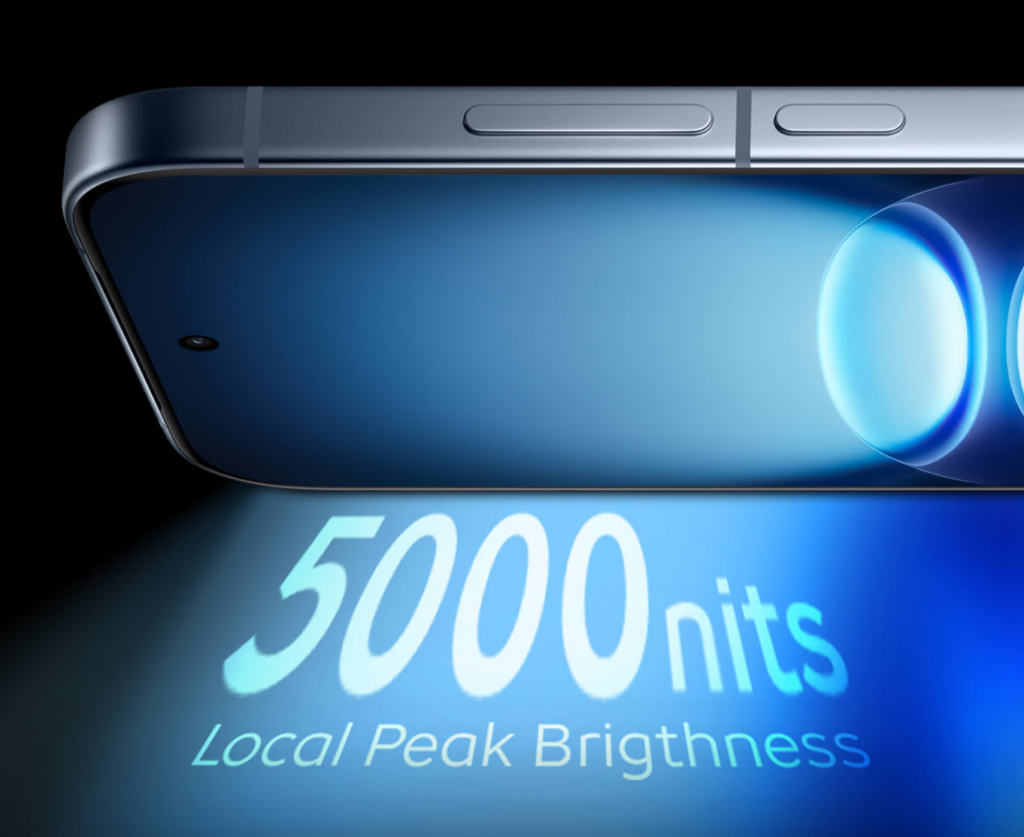
The iQOO 15R will feature a 1.5K AMOLED display with a 144Hz refresh rate aimed at delivering smoother visuals during daily use and gaming. The panel supports HDR10+ and reaches up to 5,000 nits of local peak brightness, improving outdoor visibility.
The screen also integrates eye-care features such as adaptive colour temperature adjustments, a low-brightness sleep screen mode, and motion-based prompts designed to reduce visual discomfort during extended usage. Although the screen has not been confirmed, it is expected to feature a 6.59-inch panel.
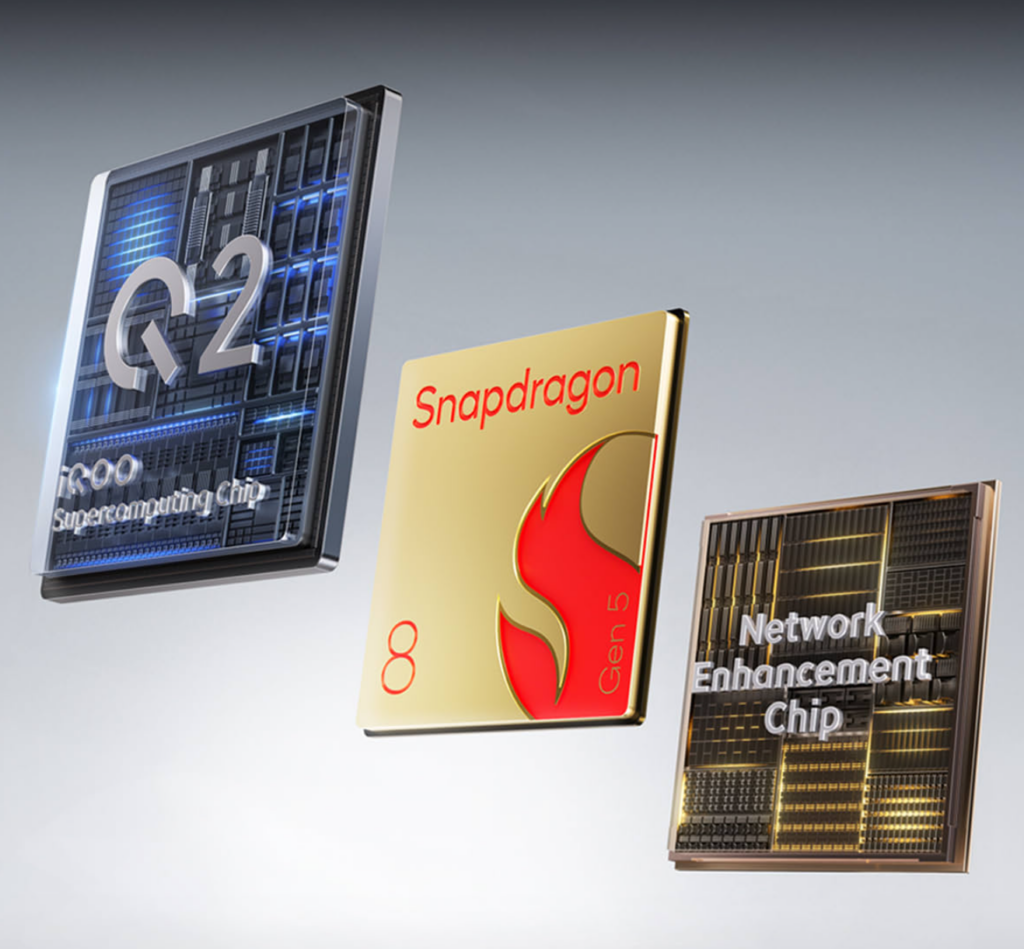
Under the hood, the smartphone will be powered by the Snapdragon 8 Gen 5 chipset paired with the company’s in-house Q2 supercomputing chip, which helps maintain stable 144fps gaming performance. A dedicated network enhancement chip is included to reduce latency and provide a more consistent online gaming experience. The device is also equipped with a 6.5K IceCore VC cooling system to help manage heat during intensive tasks.
The iQOO 15R carries a dual rear camera setup led by a 50-megapixel Sony LYT-700V primary sensor with optical image stabilisation, supported by an 8-megapixel ultra-wide lens. Details about the front camera have not been confirmed yet. The handset packs a 7,600mAh battery with support for 100W rapid charging, while software duties are handled by OriginOS 6 based on Android 16. The company has promised four years of Android updates along with six years of security patches.
Additional features include IP68 and IP69 ratings for dust and water resistance, an ultrasonic in-display fingerprint scanner, Wi-Fi 7, Bluetooth 6.0, NFC, and an IR blaster. The device is expected to launch in Triumph Silver and Dark Knight colour options and is confirmed to be priced under Rs 50,000 in India. This pricing suggests that it will rival the OnePlus 15R in the Indian market.
For more daily updates, please visit our News Section.
It looks like Samsung might be revisiting one of its more interesting camera experiments from the past. A new report out of Korea suggests the company is exploring the return of variable aperture on future Galaxy smartphones, possibly starting with the Galaxy S27 series.
According to Korean publication ET News, Samsung’s mobile division has asked Samsung Electro-Mechanics and MCNEX to begin developing smartphone-ready variable aperture systems. Industry sources quoted in the report describe Samsung as “strongly committed” to bringing the feature back, which suggests this isn’t just early-stage experimentation.
A feature Samsung already tried back in 2018
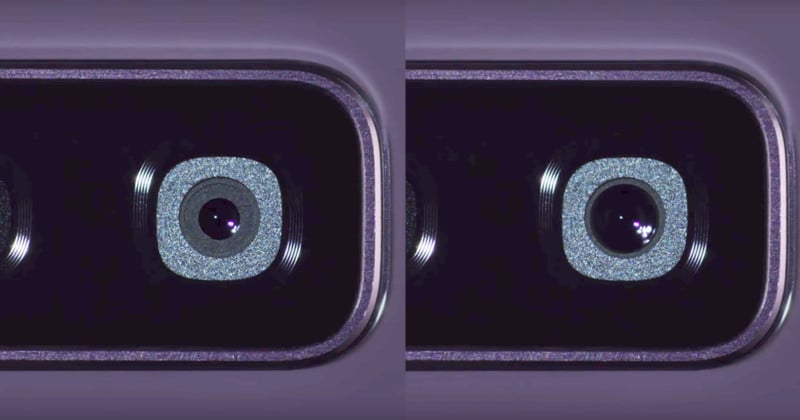
Variable aperture isn’t new for Samsung. The company introduced a dual-aperture system on the Samsung Galaxy S9, allowing the camera to switch between f/1.5 and f/2.4. It carried over to the Samsung Galaxy S10 before quietly disappearing with the Galaxy S20 lineup.
Galaxy S9 variable aperture system
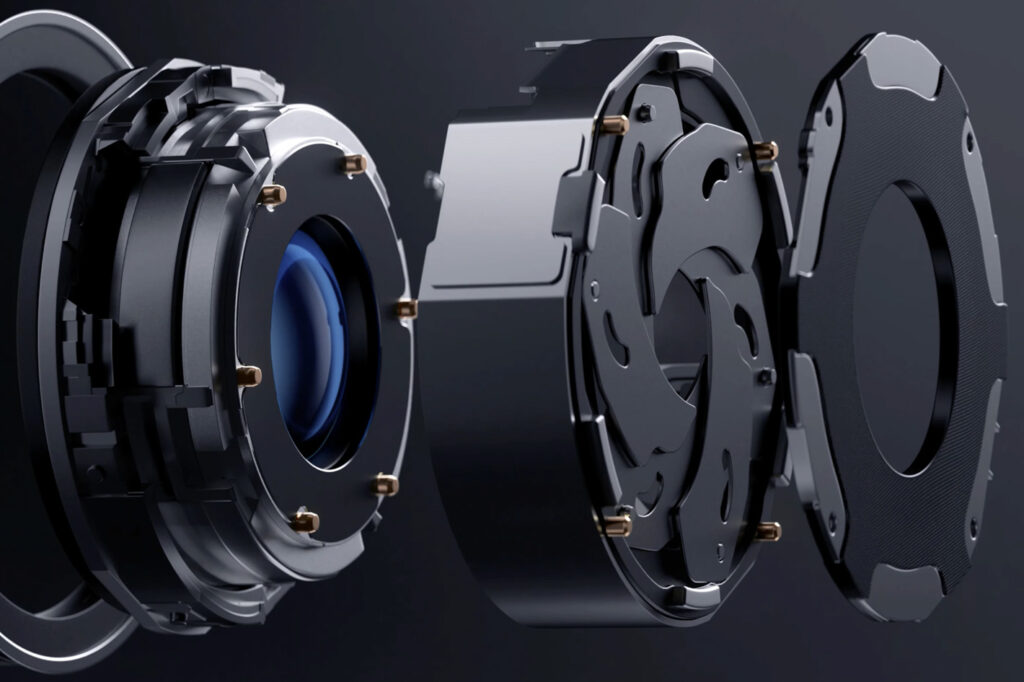
For those unfamiliar, variable aperture allows the camera lens to physically adjust how much light enters the sensor.
A wider aperture (lower f-number) helps in low light and creates stronger background blur.
A narrower aperture improves sharpness and depth of field in bright conditions.
On Galaxy smartphones, most improvements over the last few years have come from processing algorithms rather than mechanical lens adjustments. Bringing back real optical control could give Samsung another tool to improve image quality, especially in challenging lighting.
Earlier rumors had suggested the feature might return with the Galaxy S26 series, but that now seems unlikely. The focus appears to have shifted to the Galaxy S27 lineup, which would likely arrive in early 2027 if Samsung sticks to its usual schedule. The feature would likely roll out exclusively on the Galaxy S27 Ultra to differentiate it from the rest of the lineup.
Interestingly, this development comes alongside separate rumors that Apple may introduce variable aperture on the iPhone 18 series, potentially in 2026 and possibly limited to Pro models.
If Samsung manages to refine the technology and keep the module slim, variable aperture could make a meaningful comeback in flagship smartphones. And for mobile photography enthusiasts, that’s at least something to keep an eye on.
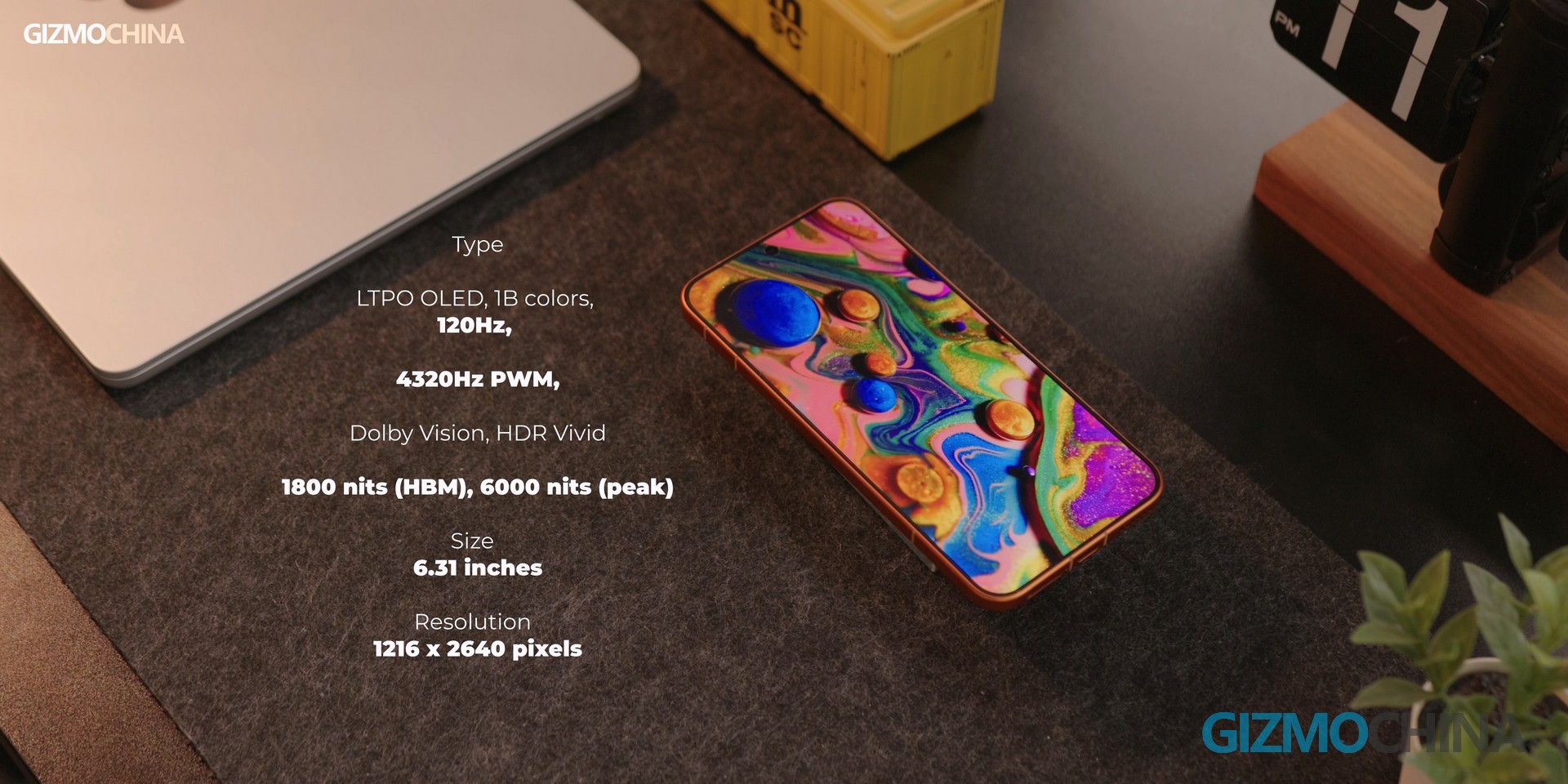
The comments on the HONOR Magic8 Pro Air unboxing videos are full of praise for this phone, and I’m not at all surprised. It really is that good. Weighing just 155 g and boasting a 6.3-inch display, it’s even lighter than the so-called ‘Air’ phones on the market. It takes us back to the days when mobile phones were compact and easy to hold. If you’re tired of phones getting bigger and heavier every year, you’ll understand exactly why this device exists.
Design
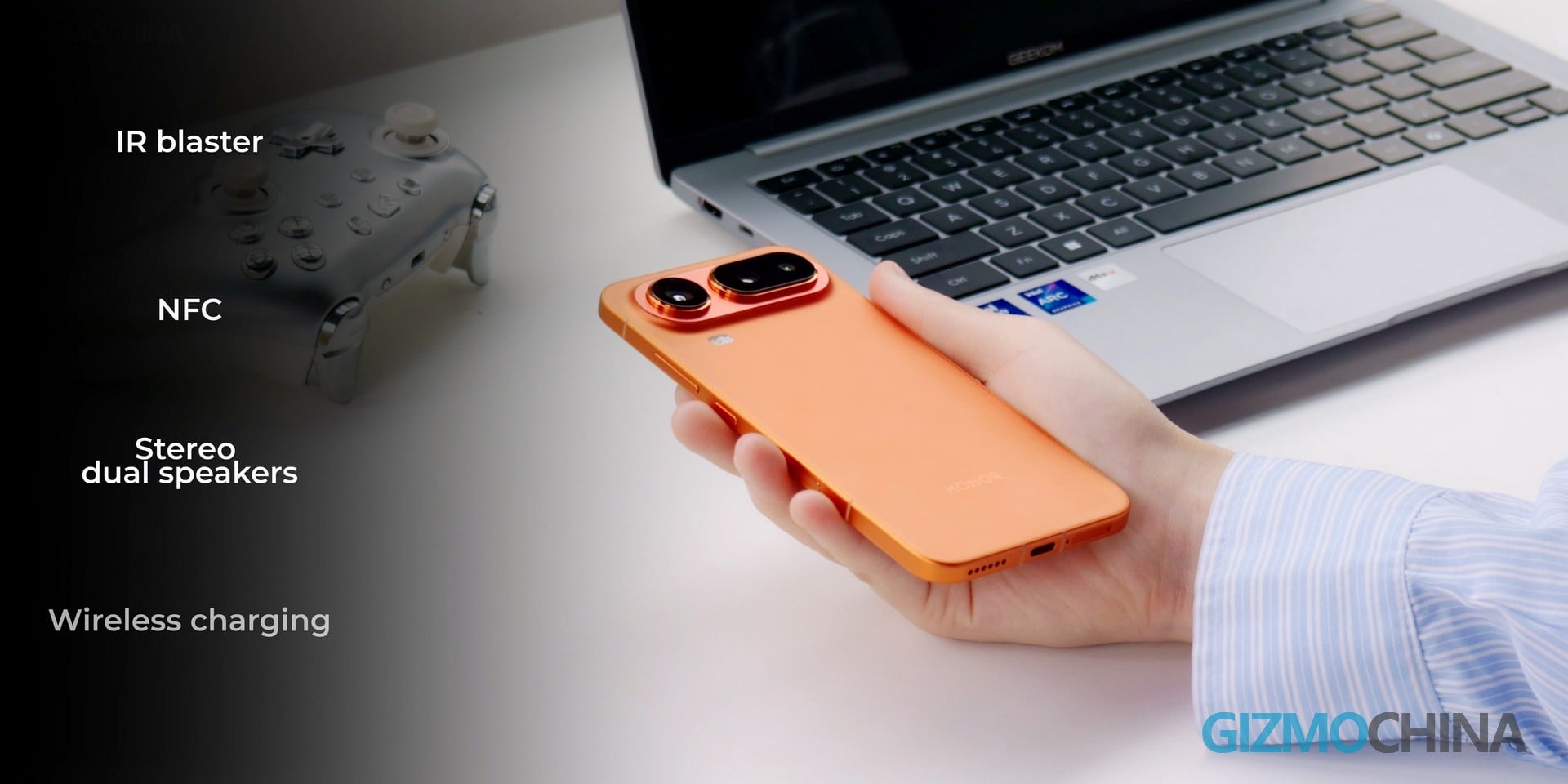
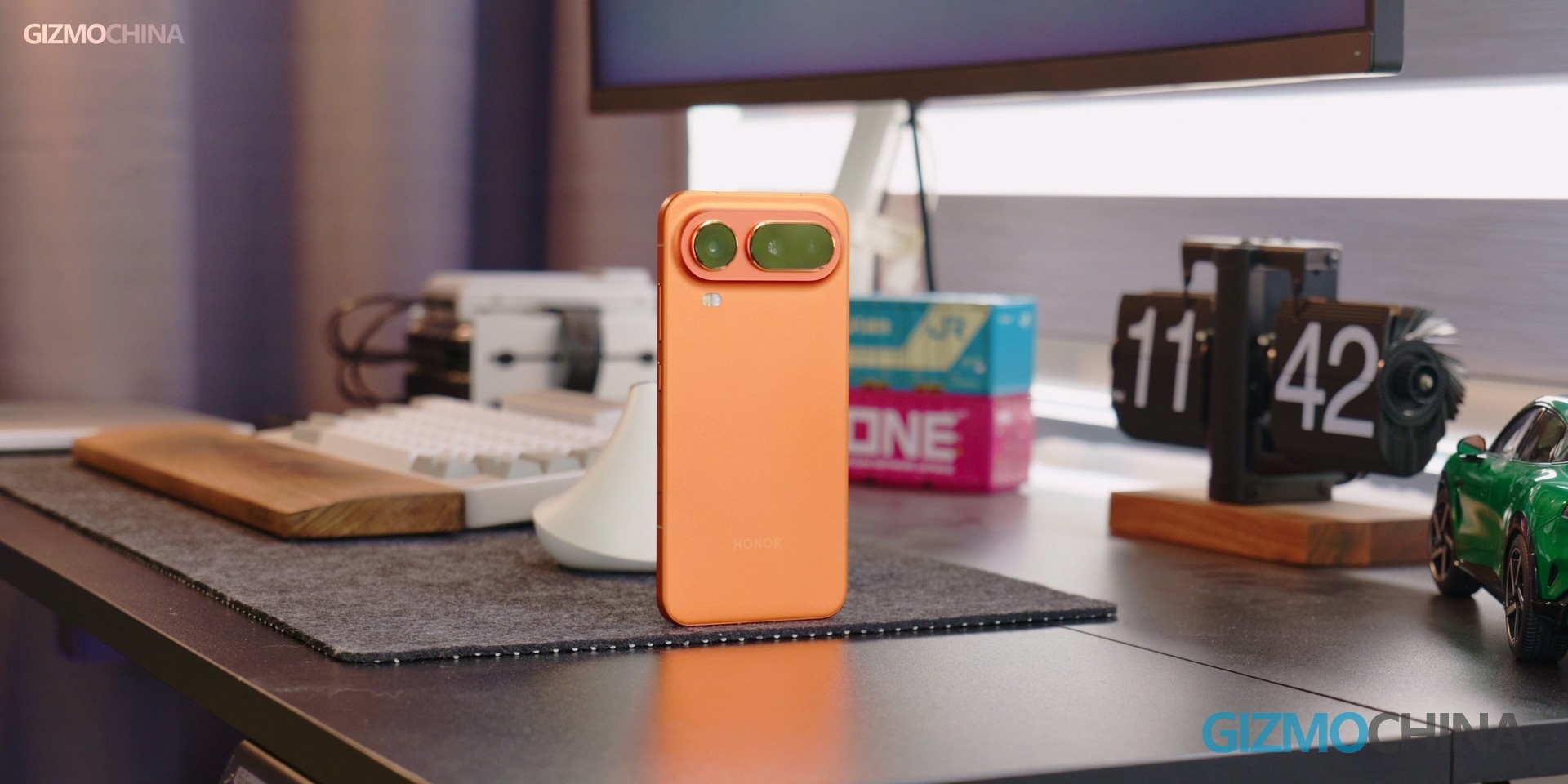
For how thin and light it is, the Magic8 Pro Air doesn’t skimp on essential features at all. It has an IR blaster, NFC, stereo dual speakers, wireless charging, and even a physical SIM slot. Other than the USB 2.0 port, there’s barely a flaw to find. The triple-camera setup shifts its center of gravity slightly upward, but its ultra-light, compact build means you never feel that top-heavy awkwardness in your hand.
Honestly, I’ve never liked the feel of the iPhone Air. It’s way too thin—holding it feels like holding a piece of corrugated paper. The slightly thicker Magic8 Pro Air, on the other hand, delivers a far better hold. I know that might sound like an excuse, but it’s how I truly feel. And I’m a total fan of small phones—the Magic8 Pro Air is the tiniest among all Air phones. So yeah, HONOR built my dream phone.
Now, everyone has their own preferences. The iPhone Air is still the thinnest Air phone around, and it looks better too. But one thing’s undeniable: the Magic8 Pro Air blows the iPhone Air out of the water in specs. The most obvious win? It’s triple cameras.
Cameras
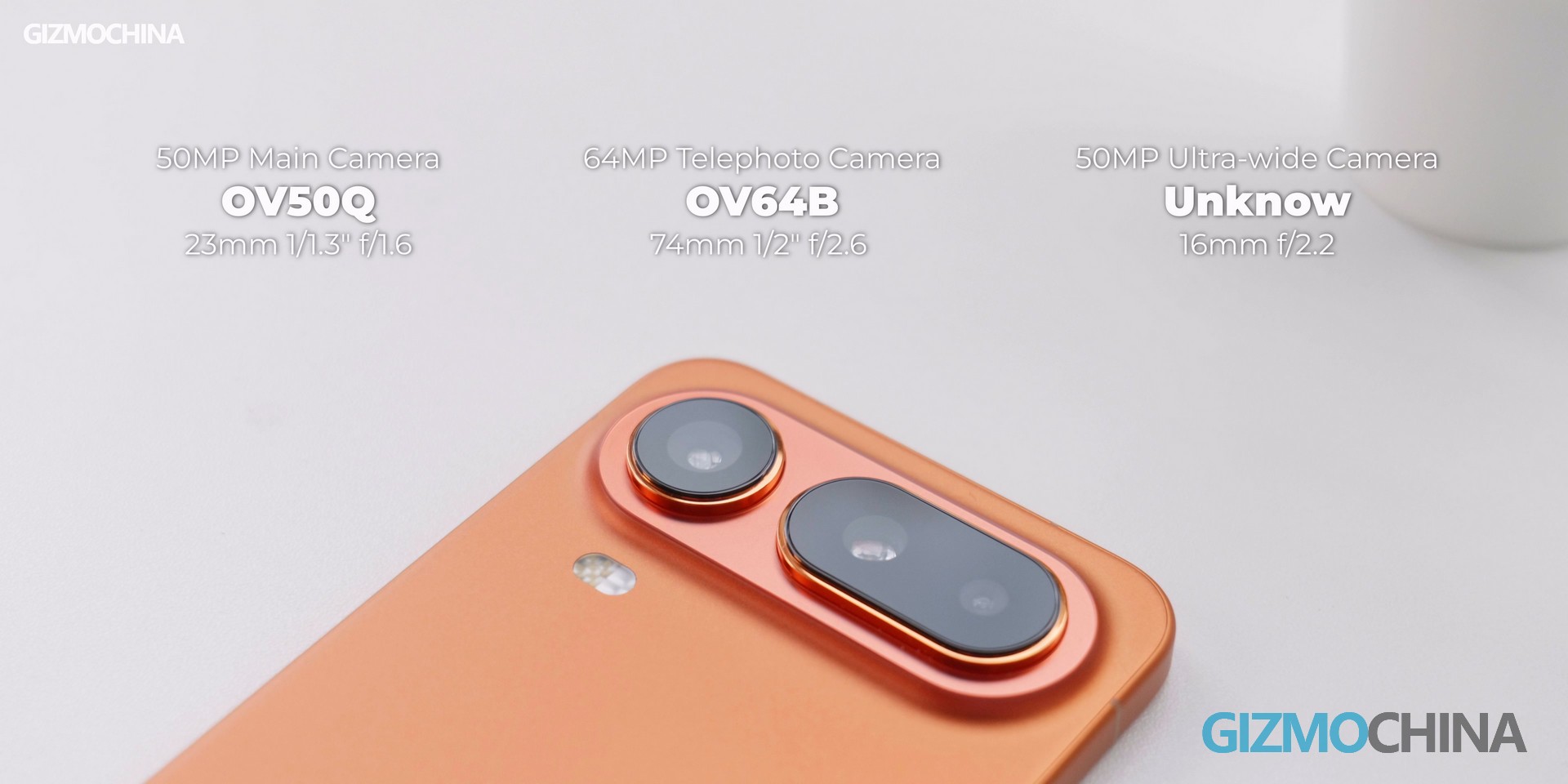
Of the Magic8 Pro Air’s three cameras, the ultra-wide is the weak link—everything else is flagship-grade.
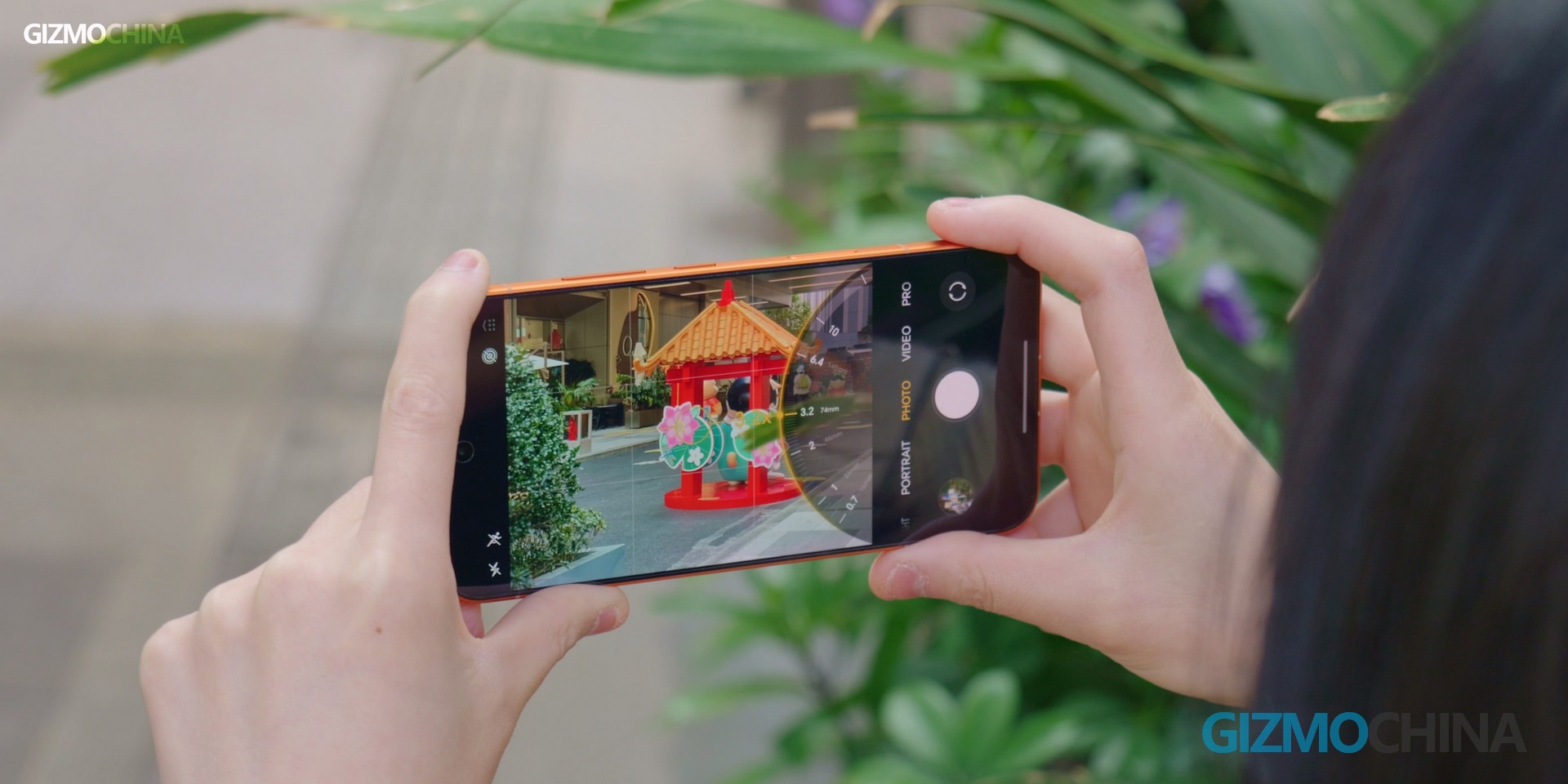
The 3.2x telephoto lens is perfect for daily use, with a focal length that’s just right, not too long, not too short. Image quality is solid too; it’s barely different from the main cam in most cases. You just need a steady hand, though—any shake and the shot gets blurry fast. Even at 6.4x zoom, it still performs surprisingly well, and I’m really happy with that.
The main camera is flawless, right up there with other flagship phones. Colors are vibrant, and the bokeh effect is stunning. Since the telephoto lacks a macro mode and has a minimum focusing distance of nearly 50cm, the main cam takes on macro shooting duties. The ultra-wide can do macro, too, but neither camera delivers satisfying macro shots.
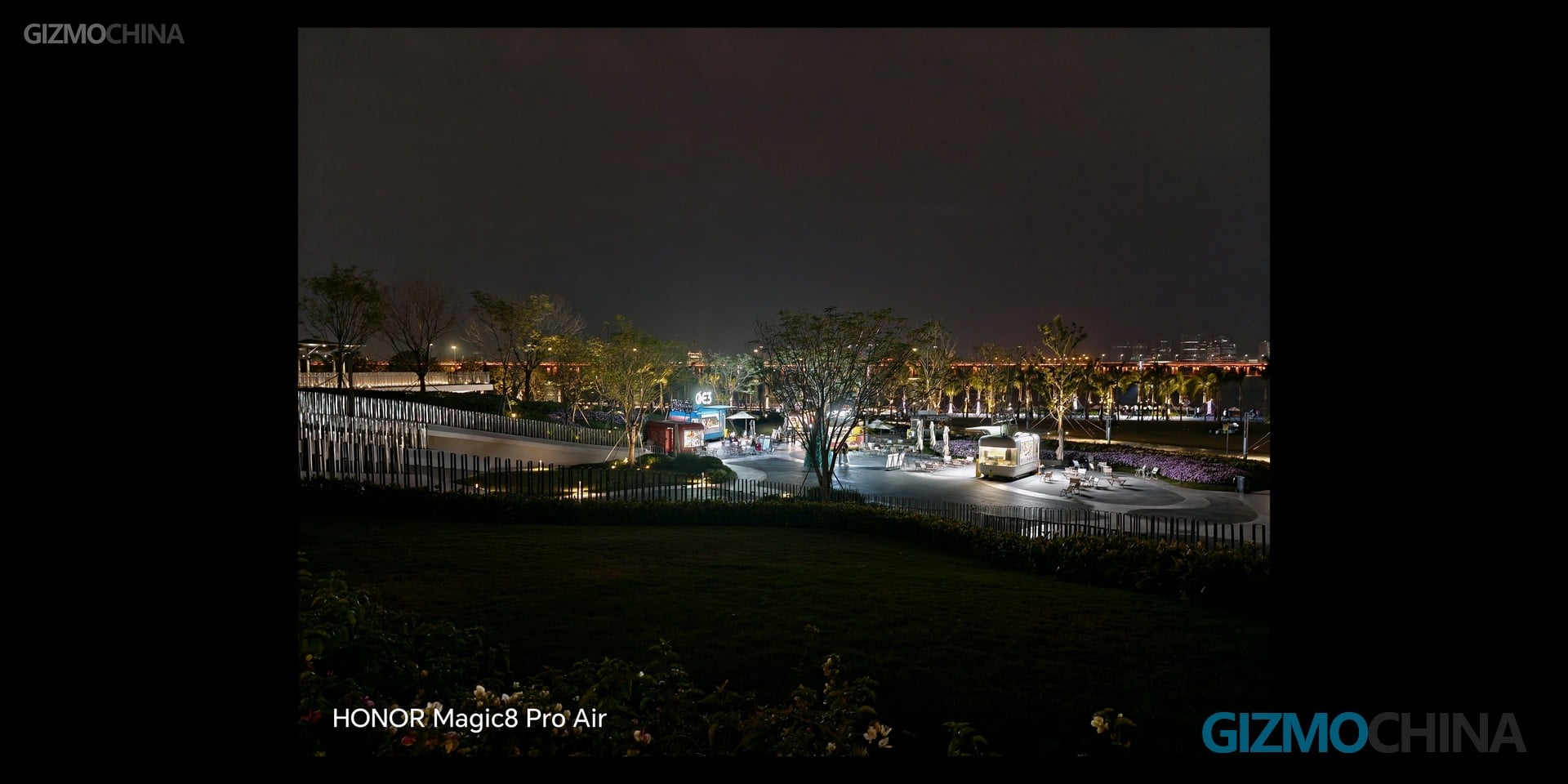
The ultra-wide is easily one of the phone’s biggest letdowns. It’s better than the 8MP ultra-wides on budget phones—50MP clearly boosts sharpness, and daytime shots look totally fine. But as soon as the light dims, image quality drops off a cliff around the edges. Video on the ultra-wide isn’t the best either; there’s a lot of frame tearing. Switch to the main cam, though, and all those issues disappear.
For a 155g phone, this camera performance is seriously impressive. A great main cam, a solid telephoto, a decent ultra-wide in daylight—it’s easily the best triple-camera Air phone you can get.
The camera’s quick-launch button? It’s not great. Just like the iPhone’s, it’s a struggle to switch to your desired focal length with it. And since it’s a capacitive touch button, not a physical one, the tactile feel is off. As an AI button, though, it’s pretty good. It basically does what Apple Intelligence promised in its launch ads—hold up the phone, and it tells you what you’re looking at. The only downside is the lack of customizability; most of the time, I forget it’s even there.
Performance
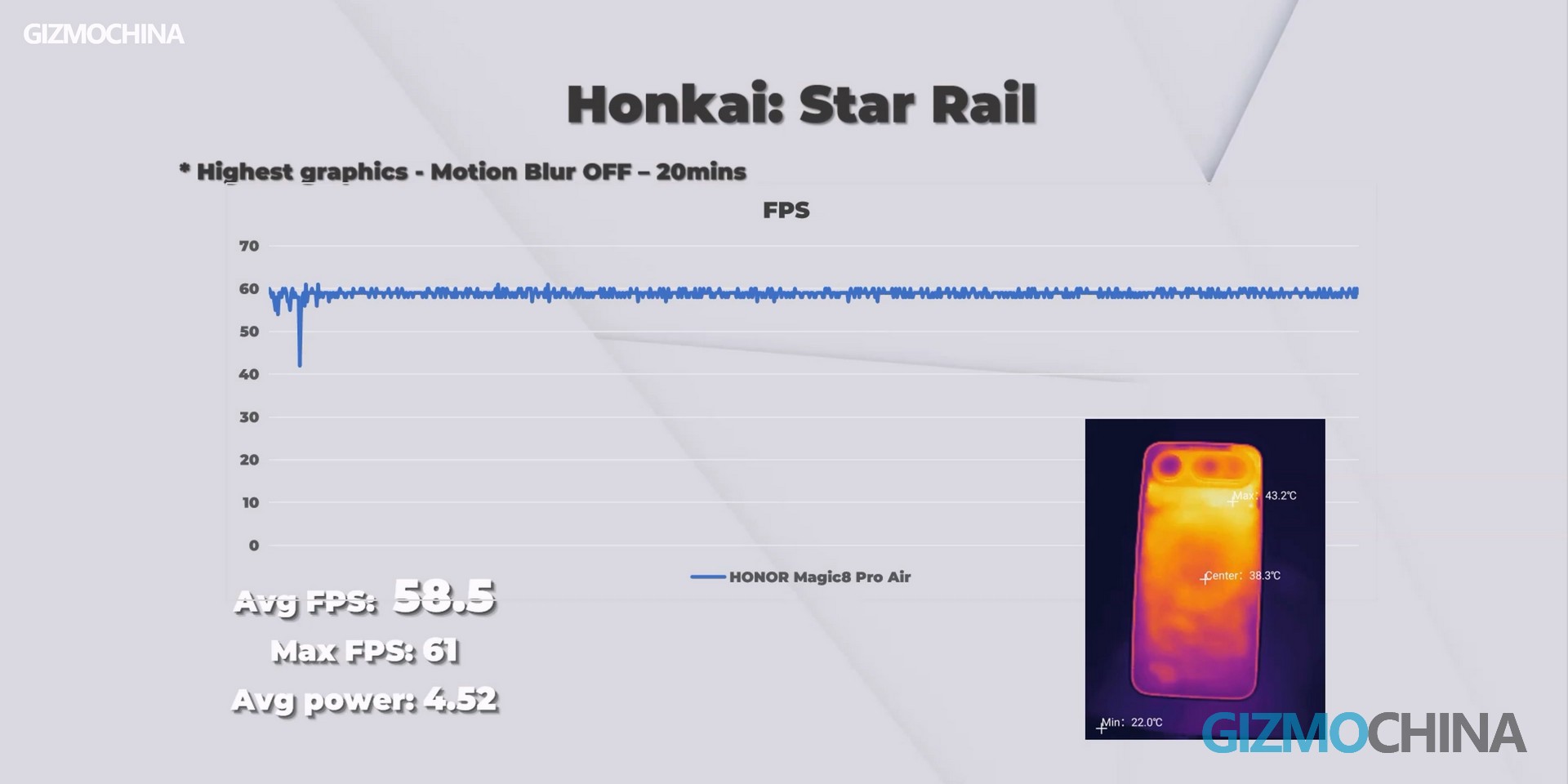
The Dimensity 9500 is one of the most powerful mobile chips currently available, so HONOR made the perfect call by putting it in the Magic8 Pro Air. I even think there’s a reason HONOR went with a MediaTek chip—they’ve clearly found a secret optimization formula. Its performance in Honkai: Star Rail is insane, with perfect power efficiency and frame rates that are almost scary good. We checked, no funny business here—its resolution is the same as other phones, over 900P.
We can’t guarantee it won’t throttle when it gets hot in summer, but I can say its gaming experience in winter beats a lot of flagships. No AI frame interpolation or AI super resolution, but this thing is basically a gaming phone in a compact body.
Display & Battery
The display tuning works perfectly with battery life. Daily streaming and scrolling look sharp and natural, and the screen’s power draw is super well-controlled—no excessive battery drain for the sake of better visuals. It strikes the perfect balance between experience and efficiency.
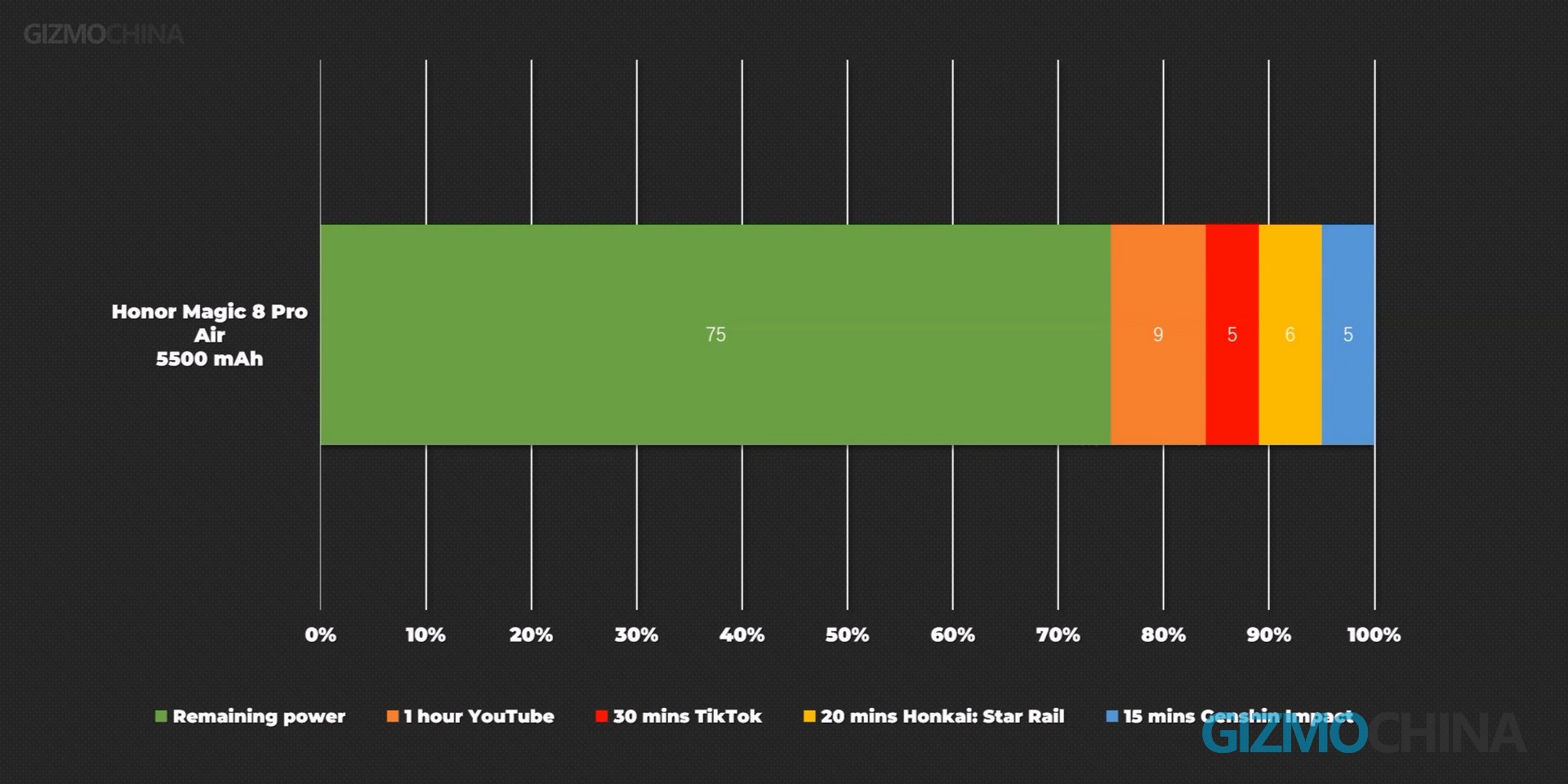
This screen handles gaming and media with ease, and it lays a great foundation for the phone’s battery life. Pair that with a large-capacity battery, and whether you’re a heavy gamer or a light daily user, you get all the battery life you need. A full day of normal use means no need to top up the battery constantly. Our real-world tests back this up: 15 minutes of Honkai: Star Rail uses just 6% battery, 20 minutes of high-load Genshin Impact only 5%. Even heavy gaming doesn’t eat through the battery fast, and light daily use keeps power drain super low.
Verdict
How many of you love the iPhone Air for its lightness and thinness, but hate the compromises—single speaker, no physical SIM, only one camera, and short battery life? Well, HONOR has the solution.
I’ll admit, the Magic8 Pro Air is an incredibly appealing phone. It’s cheaper than the iPhone Air in China, but it’s still a lot more expensive than I thought it would be. If it gets a $100 price drop down the line, this will be the perfect phone in the world—no exceptions.
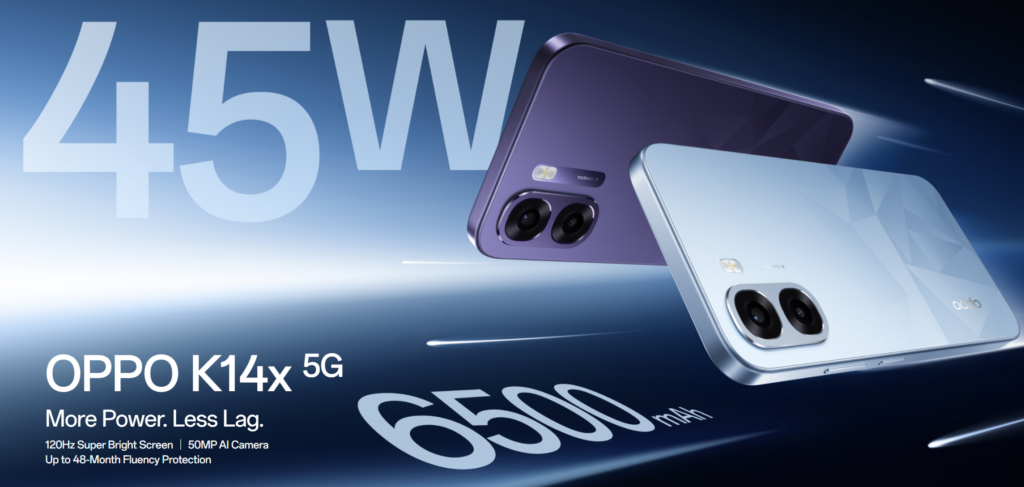
After teasing the arrival for the past few days, the Oppo K14x 5G has gone official in India today. Designed to deliver power, performance and smoothness, a top-tier trio that defines OPPO’s promise of a worry-free, all-day experience, the device targets students, early jobbers, gamers and value-conscious users. Positioned as an entry-level model in the upcoming K14 series lineup, the smartphone focuses on battery life, everyday performance, and durability. Here is a look at what the phone offers.
Oppo K14x 5G specifications and features
Oppo K14x 5G
The Oppo K14x 5G features a 6.74-inch LCD display with HD+ resolution, a 120Hz refresh rate, and supports high brightness mode reaching up to 1,125 nits, improving visibility in outdoor conditions. On the front, the device houses a 5-megapixel selfie camera designed for video calls and basic photography needs.
On the rear, the handset carries a dual-camera system consisting of a 50MP primary sensor paired with a 2MP monochrome lens for portrait effects and depth information. The phone runs on ColorOS 15.0 based on Android 15, but there is no information about the phone’s update policy.
Under the hood, the device is powered by the MediaTek Dimensity 6300 chipset, paired with up to 6GB LPDDR4X RAM and 128GB of internal storage across variants. The phone is backed by a large 6,500mAh battery and supports up to 45W fast charging, helping users get through extended usage without frequent charging breaks.
Oppo K14x 5G
The device also includes a side-mounted fingerprint sensor for biometric security and retains a 3.5mm headphone jack, a feature that is becoming increasingly rare in modern smartphones. Other specifications include an IP64 rating for dust and splash resistance, Wi-Fi 5, Bluetooth 5.4, USB Type-C connectivity, and dual SIM support.
Oppo K14x 5G price in India, availability
The Oppo K14x 5G comes in two variants, with the 4GB+28GB model priced at Rs 14,999 (~$165) and the 6GB+28GB version priced at Rs 16,999 (~$190). Pre-orders have already started, and the device will be available via Flipkart, OPPO India’s website, and offline retail stores starting February 16. Buyers can choose between Prism Violet and Icy Blue colour options.
For more daily updates, please visit our News Section.
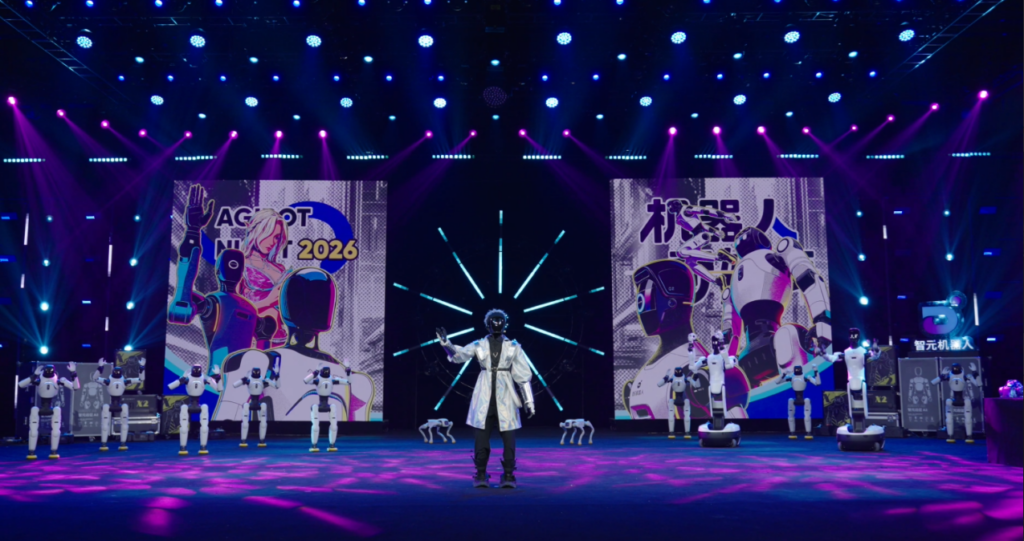
On February 8, 2026, AGIBOT hosted AGIBOT NIGHT in Shanghai. The 60-minute event was livestreamed globally and featured humanoid robots as the sole on-stage performers and hosts. According to the company, this was the first large-scale live event in which robots led the entire program without human presenters.
Why AGIBOT Organized the Event
AGIBOT said the event was intended to show that embodied artificial intelligence systems are ready to operate beyond controlled laboratory and industrial environments. The company used the live format to test system stability, coordination across multiple robots, and sustained operation under real-world conditions. The event also explored how robots might function in social and cultural settings rather than purely technical roles.
Robot-Led Segments Including Dancing, and Comedy
The program consisted of robot-led segments such as group dance performances, runway-style walks, and choreographed routines requiring synchronized movement. Humanoid robots also handled hosting-style roles, including transitions between segments and on-stage interactions. Additional performances included comedy skits, music-based acts, and illusion performances, all carried out entirely by robots without human intervention.
Human–Robot Joint Performances on Stage
Several segments featured humans performing alongside robots. These included joint dance routines where humans and humanoid robots moved in synchronized patterns, as well as shared illusion and card magic performances. The segments required real-time alignment between human motion and robotic movement, highlighting coordination rather than pre-recorded or isolated demonstrations.
Performances Involving Multiple Robot Types
In addition to humanoid robots, quadruped robots participated in coordinated routines on stage. These performances involved interaction between different robot form factors, with humanoid and quadruped robots operating together in shared choreography and movement-based segments. Multiple robots performed simultaneously without visible interruptions.
Robot Models Demonstrated During the Event
AGIBOT used the event to showcase its range of robot platforms. Full-sized humanoid robots were used for hosting, navigation, and large-scale stage performances. Smaller humanoid models focused on expressive movement and interaction. Industrial humanoid robots demonstrated controlled manipulation capabilities, while quadruped robots were used for mobility-focused routines.
What the Event Demonstrated Technically
The company emphasized reliability over isolated technical feats. Robots operated continuously throughout the 60-minute program without resets or performance breaks. According to AGIBOT, more than 5,000 humanoid robots had been delivered globally by the end of 2025, positioning the event as evidence of scalable deployment rather than a one-off showcase.
Cultural Timing and Public Setting
AGIBOT NIGHT was held during the Chinese Spring Festival period, when entertainment events typically focus on family and shared experiences. By staging the event at this time, AGIBOT placed humanoid robots within a familiar cultural context, presenting them as participants in public life rather than industrial tools.
What This Signals for Humanoid Robotics
The event reflects a broader shift in the humanoid robotics industry toward systems capable of operating at scale in live, public environments. Rather than focusing on prototypes or controlled demos, AGIBOT NIGHT positioned humanoid robots as coordinated systems able to perform reliably in real-world cultural settings.
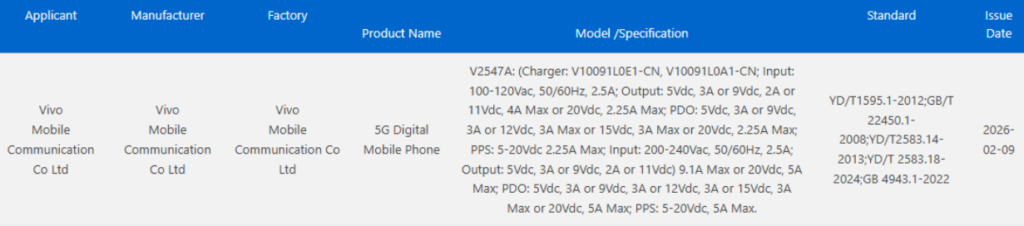
Vivo is expected to hold a launch event in March in China. The event is expected to see the arrival of the Vivo X300 Ultra, Vivo X300 Max, and the company’s first camera. In a new development, the upcoming Vivo Pad 6 Pro has received approval from the country’s 3C certification platform, indicating that it may also launch soon in China, probably at the March event.
Vivo Pad 6 Pro / iQOO Pad 6 Pro 3C certified
As can be seen above, two new tablets bearing the model numbers iPA2673 and PA2671 have received approval from the 3C authority in China. These could be the upcoming iQOO Pad 6 Pro and Vivo Pad 6 Pro, respectively. While the iQOO device has been spotted with a power brick that supports up to 80W charging, the Vivo Pad 6 Pro’s power adapter supports up to 90W charging.
To recall, the Vivo Pad 5 Pro was announced along with the Vivo X200 Ultra and Vivo X200s in April 2025 in China, whereas the iQOO Pad 5 Pro was announced in May. Therefore, it is likely that the iQOO Pad 6 Pro may debut around a month after the Vivo Pad 6 Pro.
According to tipster Digital Chat Station, the Vivo Pad 6 Pro / iQOO Pad 6 Pro will arrive with a 13-inch display and a Snapdragon 8 Elite Gen 5 chipset. In addition, these tablets are expected to pack huge batteries, but the exact capacity is not known yet.
Other details about these tablets remain under wraps. Like the Vivo Pad 5 Pro and iQOO Pad 5 Pro, their successor editions are expected to pack nearly identical specs.
In related news, the Vivo X300 Ultra’s standard version, which bears the model number V2547A, has also been approved by 3C. This comes close on the heels of the X300 Ultra Beidou Edition’s 3C certification, which was spotted earlier this week. Both devices have been listed with a 100W charger.
For more daily updates, please visit our News Section.
OpenAI has started testing a new feature inside ChatGPT that could change how some users experience the platform. The company confirmed that a limited rollout has begun, with early feedback expected to shape future expansion and refinements.
OpenAI begins ChatGPT ad testing with privacy safeguards
Example of ChatGPT ad
The test currently applies to logged-in adult users in the US who are on the Free and Go subscription tiers. Paid plans such as Plus, Pro, Business, Enterprise and Education will remain ad-free. According to OpenAI, advertisements will appear as clearly labelled sponsored placements that are visually separated from normal responses to avoid confusion. The company says answers generated by ChatGPT will remain independent and will not be influenced by advertisers.
During the trial phase, ads are matched with conversation topics, previous chats and past ad interactions to improve relevance. For example, someone discussing cooking ideas may see promotions related to food or grocery services. However, advertisers do not receive access to individual conversations or personal details, as OpenAI states that only aggregated performance data such as views and clicks is shared.
OpenAI says introducing ads helps support infrastructure costs and enables broader access to advanced AI features, especially for lower-cost or free users. The Go plan in the US costs $8 per month, positioning it as an affordable subscription alongside the free tier. Users who prefer an ad-free experience can switch to higher-tier subscriptions or opt out of ads with certain usage limitations.
The move has also sparked reactions within the AI industry, including criticism from competitors questioning how ads might affect user trust. OpenAI maintains that safeguards are in place, including restrictions preventing ads from appearing near sensitive topics such as health, politics or mental health. Users will also have control over ad settings, including dismissal options, feedback tools and the ability to manage personalisation preferences.
For more daily updates, please visit our News Section.
iQOO announced the Z11 Turbo in China last month. It’s the company’s top-of-the-line smartphone powered by the Snapdragon 8 Gen 5. As usual, iQOO will also launch a few other models in the lineup, among which the iQOO Z11 and iQOO Z11x have now surfaced in the first set of leaks.
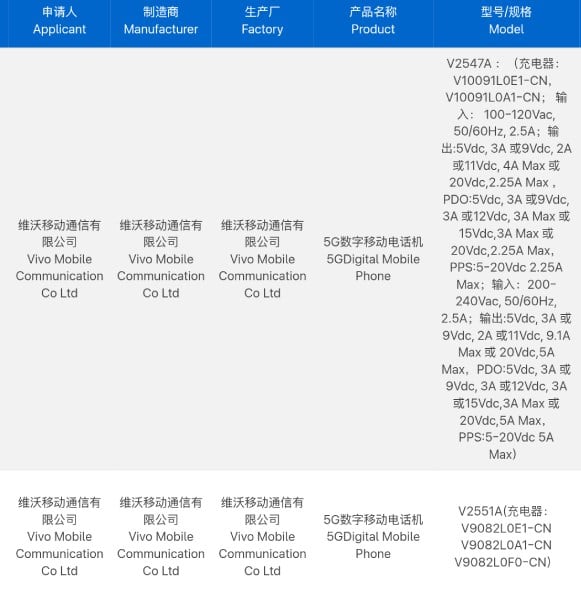
According to the fresh information shared by well-known tipster Digital Chat Station, the upcoming iQOO Z11 series has now been approved for network access, which usually means the launch isn’t too far away.
iQOO Z11 and Z11x Specificatoins
One of the devices carries the model number V2551A in the 3C listing, which is likely to be the standard iQOO Z11. The phone is said to ship with a 90W fast-charging adapter, paired with a battery estimated to be around 9,000mAh. If true, it would make the Z11 one of the largest-battery phones in its segment.
The phone is also expected to feature a large 1.5K LTPS display and a mid-range processor, suggesting iQOO is aiming for a balance between performance, battery life, and display quality rather than chasing flagship specs.
Alongside this model, the tipster also mentioned a second version that could be called the iQOO Z11x. This is said to feature a 6.76-inch FHD+ LCD display with a high refresh rate. The chipset is rumored to be the Snapdragon 7s Gen 4.
Interestingly, the use of an LCD panel seems to have sparked some reactions, with one user joking that releasing an LCD phone with a 7s Gen 4 chipset in 2026 feels like a “miracle.” Digital Chat Station responded humorously, calling it a “rare LCD.”
The conversation also briefly touched on other Vivo devices. When asked whether the upcoming vivo X300 Ultra might feature a 6,800mAh battery, the tipster responded with a clear “no.”
As always, none of this is official yet. We’ll keep you posted if anything becomes official.
For more daily updates, please visit our News Section.
Lenovo is starting to drip-feed details about the upcoming Legion Y700 (2026), and the biggest reveal so far is that it features a 165Hz display. But if you’re wondering why a tablet needs a 165Hz refresh rate, Lenovo has explained exactly this in a detailed post on Weibo.
According to Lenovo, the Legion Y700 (2026) features a 3K display with a resolution of 3040 x 1904 pixels, paired with a 409ppi pixel density. On paper, that is already premium territory.
But Lenovo knows that many people will look at the 165Hz number and ask an obvious question: Isn’t 120Hz already smooth enough?
Lenovo Legion Y700 (2026) 165Hz refresh rate is a choice for users
According to Lenovo, the answer lies in how refresh rates actually affect real-world use, especially gaming.
The company explains that a 60Hz display refreshes every 16.67ms, while a 144Hz display drops that interval to 6.94ms. At 165Hz, the refresh interval goes down further to 6.06ms. While those numbers may not sound dramatic, Lenovo argues that the difference becomes noticeable in fast, competitive games.
The company uses a familiar gaming scenario to make its point. In fast-paced shooters or MOBAs, quick camera movements, aiming, and map dragging can expose the limits of lower refresh rates. At lower refresh rates, these actions can introduce slight visual jitter or instability, which can throw off aiming or timing.
Lenovo says the biggest advantage of 165Hz is how it reduces that jitter to make moves feel smoother and more stable when it matters most.
Beyond smoothness, Lenovo claims 165Hz helps address ghosting and system latency, two common issues in competitive games. Faster refresh cycles mean moving objects appear clearer, with smoother edges, making it easier to track targets.
At the same time, a higher refresh rate also reduces the delay between a screen tap and the resulting visual change.
For non-gaming use, Lenovo says power consumption shouldn’t be a major concern. The Legion Y700 (2026) includes an intelligent refresh rate system that adjusts automatically. It ramps up during scrolling and motion, then drops down when reading or viewing static content to save battery life.
As for whether 165Hz is necessary for everyday tasks like browsing or reading comics, Lenovo’s answer is refreshingly honest: it’s subjective. The company suggests users simply try it and decide for themselves.
For more daily updates, please visit our News Section.
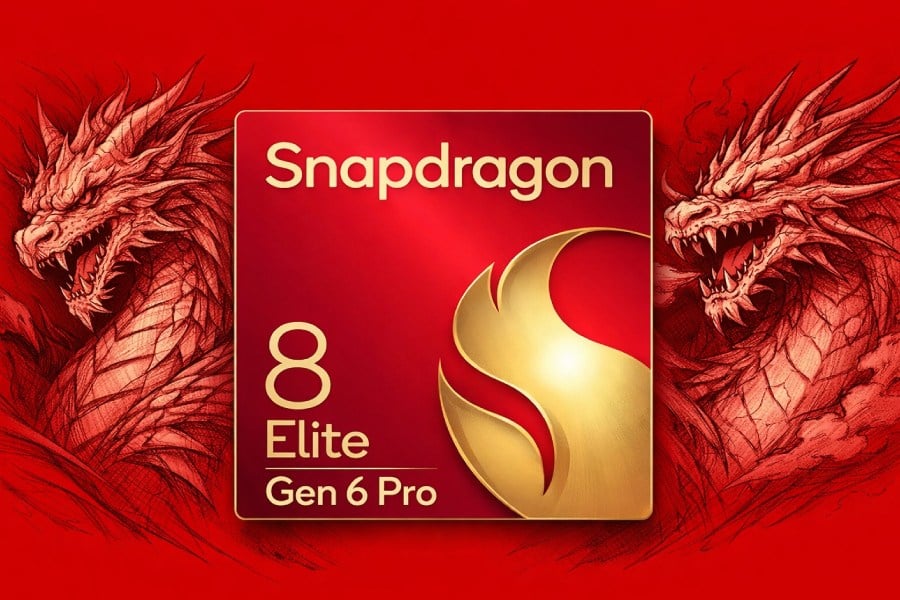
Among the two rumored flavors, Qualcomm is expected to bring LPDDR6 RAM and a full-fledged GPU for only the Snapdragon 8 Elite Gen 6 Pro. A newly leaked block diagram now suggests the Pro chip may also have another exclusive feature: an HPB design.
According to a leak from China, Qualcomm is expected to adopt Heat Pass Block (HPB) technology, the same cooling method used in Samsung’s Exynos 2600. Instead of relying on more traditional layouts, HPB places a dedicated heat-spreading layer directly on top of the chipset package. The goal is to move heat away from the silicon faster, before it becomes a performance bottleneck.
Qualcomm’s recent chips have aimed for extremely high peak frequencies, with rumors suggesting the Snapdragon 8 Elite Gen 6 Pro could reach even 6GHz. Sustaining those speeds has been a challenge in the past, often forcing the chip to throttle down once temperatures rise. HPB is designed to reduce that problem by giving the processor more thermal headroom.
Snapdragon 8 Elite Gen 6 Pro to use Package-on-Package memory
The schematic leak also reveals other technical details. The Snapdragon 8 Elite Gen 6 Pro appears to use a Package-on-Package (PoP) design, where memory is stacked closely with the processor to save space.
The chip supports both LPDDR6 and LPDDR5X RAM along with UFS 5.0 storage using two high-bandwidth lanes.
Beyond raw performance, the chip may also focus on productivity features. The leak hints at multi-display support, which could enable desktop-style experiences when phones are connected to external monitors.
Snapdragon 8 Elite Gen 6 Pro AI-generated image
If true, the leak suggests Qualcomm is seriously rethinking how it handles heat in its most powerful chips. Adopting HPB could help the Snapdragon 8 Elite Gen 6 Pro maintain high performance for longer periods, instead of briefly hitting impressive numbers before slowing down.
That said, it’s still unclear whether this cooling solution will be exclusive to the “Pro” variant. There’s no confirmation yet that the standard Snapdragon 8 Elite Gen 6 will receive the same treatment.
For more daily updates, please visit our News Section.
Acer has launched a new Predator Orion 7000 gaming desktop in China featuring the Intel Core Ultra 9 285K and RTX 5080 GPU. It is priced at 29,999 yuan ($4,333) on JD.com and follows last year’s global IFA debut of the RTX 5090 variant, now bringing the RTX 5080 option to China.
Acer Predator Orion 7000 Specifications
The system runs on Intel’s Core Ultra 9 285K with 24 cores, including 8 performance and 16 efficiency cores, reaching boost clocks up to 5.7GHz. It integrates an NPU for accelerating AI tasks like gaming, productivity, and content creation. Acer pairs it with a Z890 chipset and sets a 200W PL1 power limit for sustained performance.
Graphics performance is handled by the Nvidia GeForce RTX 5080, which comes with GDDR7 memory and supports DLSS 4 with multi-frame generation. The GPU delivers up to 1800 TOPS of AI computing power.
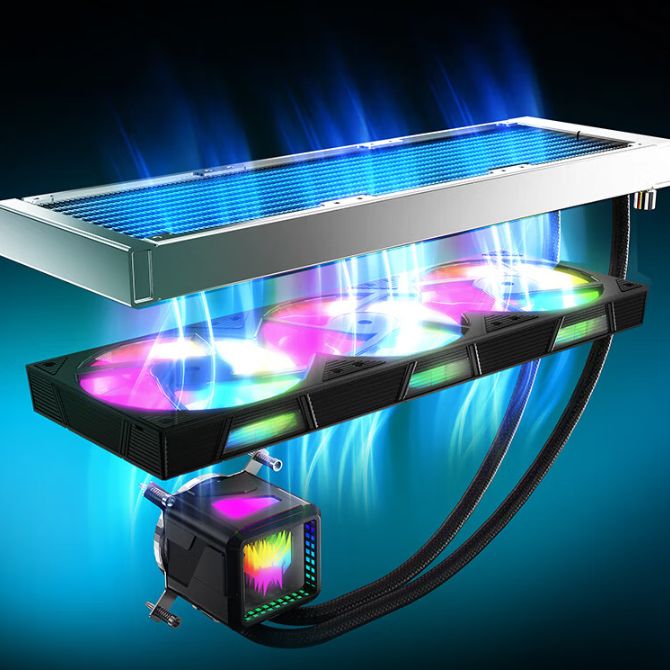
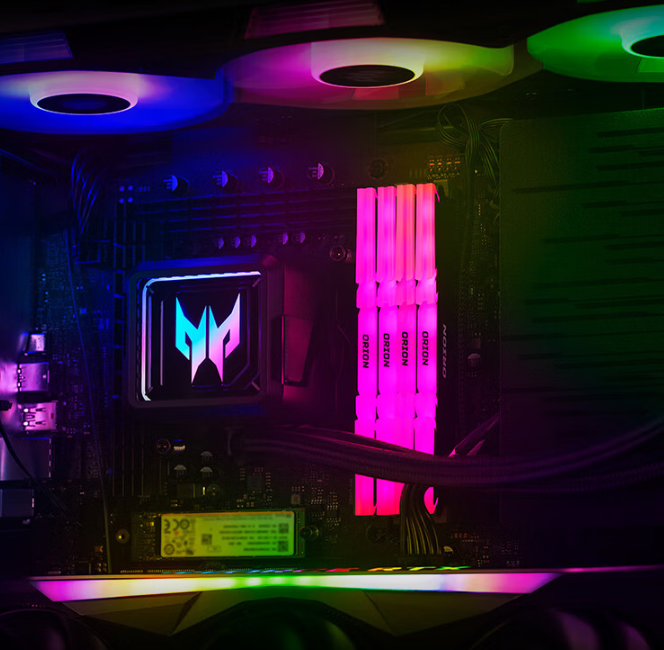
Acer uses its FrostBlade X360 thermal system to manage heat. The desktop features a 360mm all-in-one liquid cooler and three ARGB fans. The chassis includes panoramic tempered glass side panels with EMI shielding and 16.7 million color ARGB lighting, customizable through PredatorSense software. The build uses 85% PCR recycled plastic.
The system includes 64GB of DDR5-5600 memory and supports up to 128GB via four DIMM slots. For storage, it includes a 2TB SSD, one PCIe Gen5 M.2 slot, two Gen4 M.2 slots, and a hot-swappable SSD bay. There are also two 3.5-inch HDD bays for additional storage.
In terms of connectivity, the desktop includes Thunderbolt 4, USB 3.2 Gen1 and Gen2 Type-A ports, USB-C, HDMI 2.1, DisplayPort outputs, RJ45 Ethernet, and Wi-Fi 6E. The top I/O section includes three USB-A 3.2 Gen1 ports, one USB-C 3.2 Gen1 port, and a 3.5mm audio jack. DTS:X Ultra support is available for spatial audio.
In related news, Alienware has recently launched the Area-51 desktop featuring AMD’s Ryzen 9000X3D processors, starting at $3,349. ASUS has also introduced the ExpertCenter P500 desktop equipped with a Ryzen 7 CPU and support for RTX 5060 graphics.
For more daily updates, please visit our News Section.
Audio-Technica has introduced the ATH-WP900SE, a limited-edition over-ear headphone designed to accurately reproduce the sound of string instruments, with a clear emphasis on guitars.
The ATH-WP900SE features solid ash wood earcups, a material widely used in electric guitars and basses. Each unit is finished in a three-tone sunburst lacquer inspired by classic guitar designs. The lacquer work is carried out individually by Japanese guitar manufacturer Fujigen, resulting in visible wood grain and a deep gloss similar to that found on musical instruments. This is the first time Audio-Technica has applied a guitar-style lacquer finish to its headphones.
At the core of the headphones are newly developed 53 mm dynamic drivers created exclusively for this limited edition. The acoustic structure has been tuned specifically for string instruments. A redesigned voice coil improves linear motion and control, while uniform airflow behind the driver helps reduce unwanted resonance and uneven vibration. Audio-Technica has also optimized the acoustic port shape to deliver tighter bass. The company says this setup allows clear reproduction of guitar contours, strong low frequencies, and natural sustain.
The ATH-WP900SE offers a frequency response range of 5 Hz to 50 kHz, a sensitivity rating of 98 dB/mW, 37 ohms of impedance, and a maximum power input of 1,000 mW. Despite the large driver size, the headphones weigh around 235 grams without the cable.
Comfort features include low-resilience memory foam used in both the headband and ear pads, wrapped in artificial leather to support long listening sessions. The earcups swivel flat, making the headphones easier to store in the included pouch.
Audio-Technica uses its A2DC detachable connector system for stable signal transmission. The box includes two 1.2 m cables: a 3.5 mm unbalanced cable and a 4.4 mm balanced cable for use with compatible headphone amplifiers and high-resolution audio players. Additional accessories include a Fujigen cleaning cloth for the lacquered wood housing and a handwritten serial number card.
Pricing & availability
The ATH-WP900SE is available for pre-order in Japan and is priced at 110,000 yen, or about $750. The official release date is February 20, 2026.
For more daily updates, please visit our News Section.
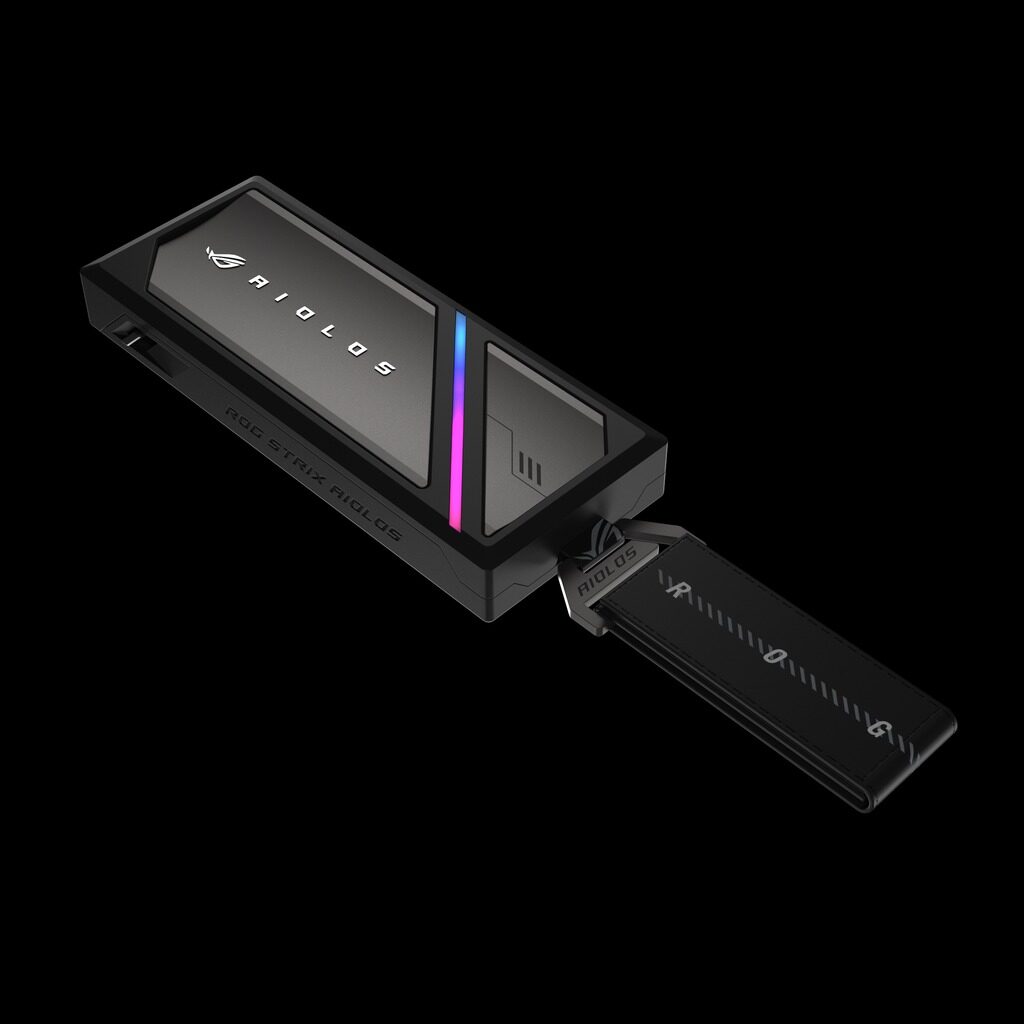
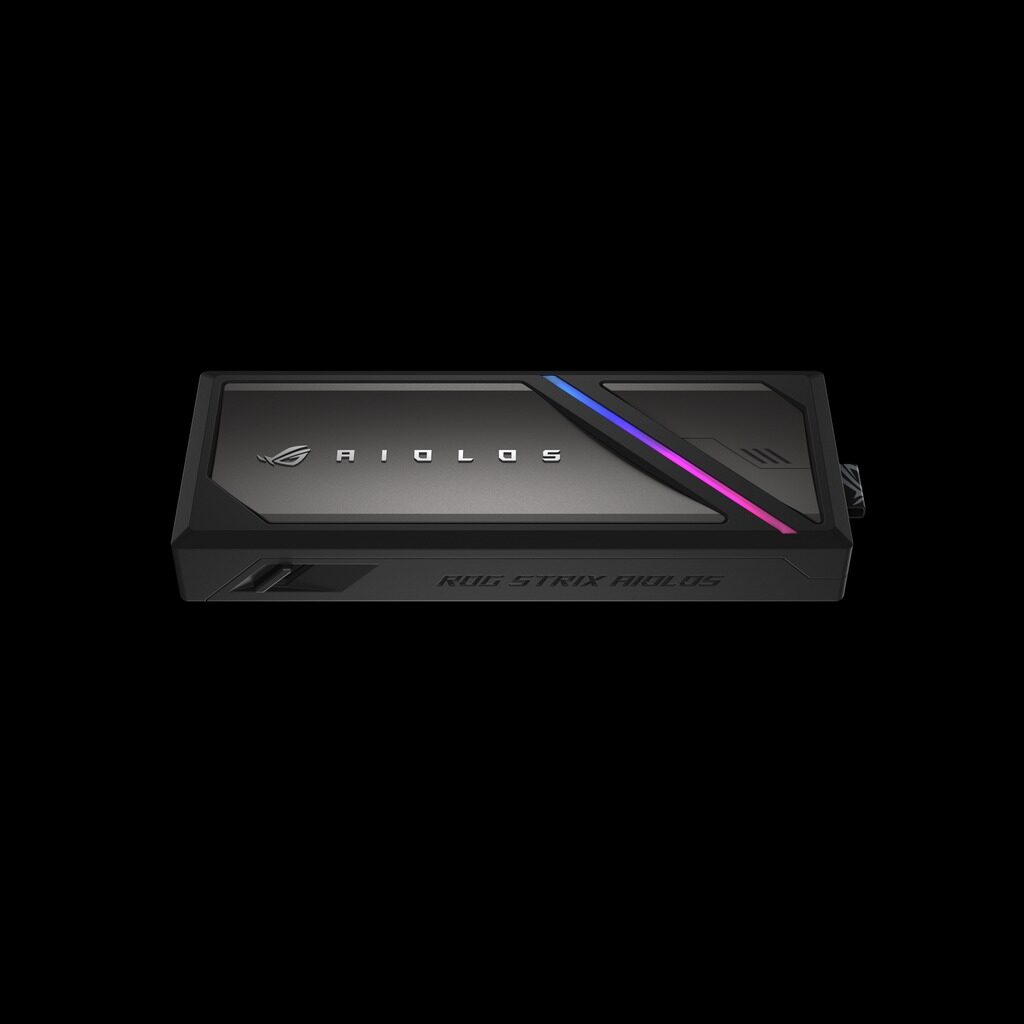
ASUS Republic of Gamers has announced the ROG Strix Aiolos SSD Enclosure, a high-performance external SSD enclosure designed for users who need fast data transfers, stable thermals, and easy storage management. The enclosure is built for next-generation NVMe M.2 storage.
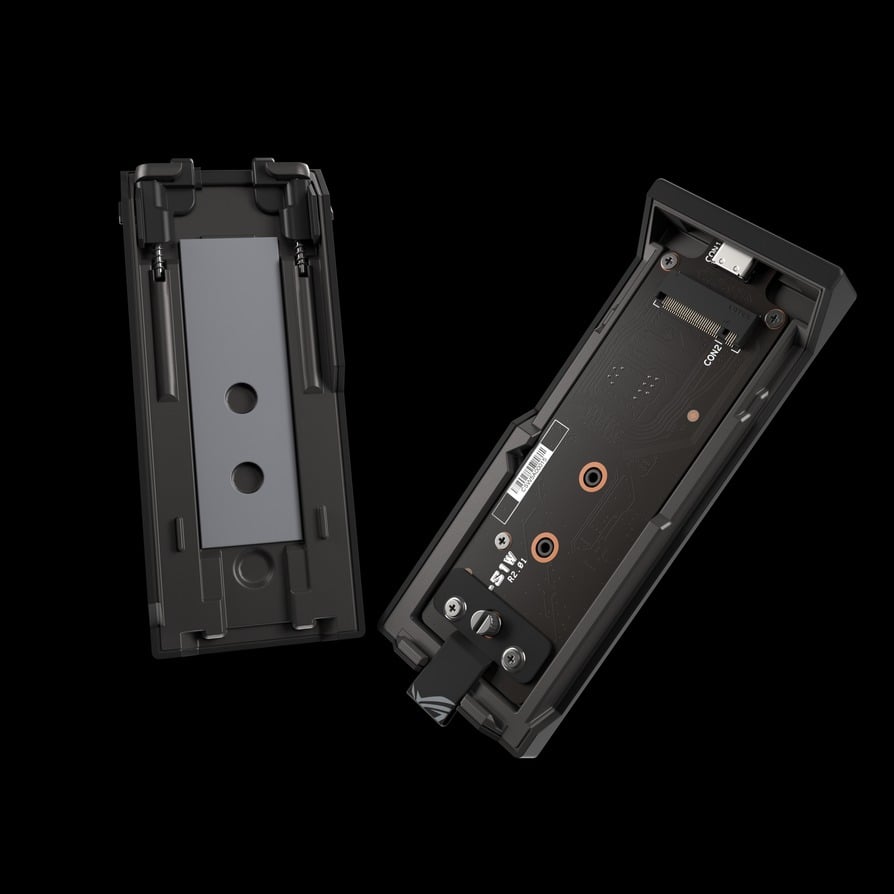
The ROG Strix Aiolos uses a USB 3.2 Gen 2×2 Type-C interface and supports transfer speeds of up to 20Gbps. This allows quick movement of large game libraries, raw video files, and backups. The enclosure supports M.2 PCIe NVMe SSDs in 2280, 2260, and 2242 form factors, as well as M.2 SATA SSDs with B+M key support. This dual compatibility allows users to install both newer NVMe drives and older SATA M.2 SSDs without needing a separate enclosure.
ASUS includes the ROG SSD Dashboard for storage management. The software provides real-time information on SSD status, performance levels, and key metrics through a dedicated interface designed for ROG enclosures. This gives users a clear view of drive health and operation without relying on third-party tools.
Thermal control is handled through a dual-layer cooling design. Inside the enclosure, a high-efficiency thermal pad pulls heat away from the SSD to help prevent performance drops during sustained workloads. The exterior is coated with a heat-resistant liquid silicone rubber layer that protects the enclosure from dust and smudges while keeping it cool to the touch during extended use.
The ROG Strix Aiolos also features customizable Aura RGB lighting, which can be controlled through a web-based interface. The tool-free push-to-open design allows quick SSD installation and removal. For portability, the enclosure includes a metal hook with a fabric tag that offers five times the tensile durability of the hook used on the ROG Strix Arion. ASUS also bundles an ROG strap and a braided cable for added durability.
The enclosure measures 115.5 x 46 x 15.12 mm and weighs 139 g. It supports Windows 10, Windows 11, and macOS 14.4 or later. Power is supplied via 5V DC. The operating temperature range is 0°C to 40°C, while storage temperatures range from -40°C to 60°C. ASUS has not yet announced pricing or availability details for the ROG Strix Aiolos.
For more daily updates, please visit our News Section.
Nothing seems ready to have a little more fun with its next round of products. In a recent teaser, the company hinted that both the upcoming Nothing Phone (4a) and Nothing Headphone (a) could arrive in five different colors. That’s a noticeable shift from the more limited white-and-black approach we saw with the (3a) series, and it suggests the brand may be leaning harder into personality this time around.
Nothing teases color options for Phone (4a) and Headphone (a)
The teaser itself is simple but clever. It forms the familiar “(a)” branding using dots in five colors: white, black, pink, yellow, and blue. It doesn’t explicitly confirm which product gets which shade, but it’s clear that color is going to be part of the story.
According to a previous report, the Headphone (a) could launch in white, black, pink, and yellow. That leaves blue as the likely standout option for the Phone (4a), possibly giving the mid-range device its own distinct look instead of overlapping entirely with the headphones.
Compared to the Nothing Phone (3a) lineup, which mostly stuck to safe tones, this would be a more expressive direction. It feels intentional.
Nothing Phone (3a) in Blue
As for specs, details are still limited, but there are a few expectations floating around. The Phone (4a) is rumored to feature a refreshed design, improved IP rating for better water and dust resistance, and upgraded internals. A Qualcomm Snapdragon 7s-series chip has been mentioned, alongside 12GB RAM and 256GB storage in at least one configuration.
There’s also talk of a price increase, possibly up to 30% higher than the previous model, reportedly tied to ongoing DRAM pricing pressures. Whether that sticks will likely depend on how component costs look closer to launch.
On the audio side, the Headphone (a) appears positioned as a more affordable alternative to the Nothing Headphone (1), which currently sits in the premium bracket. The new model is rumored to land around €159 and could include active noise cancellation, transparency mode, and even LDAC support.
Both devices are expected to launch in March, though Nothing hasn’t officially confirmed the date yet.
We use cookies on our website to give you the most relevant experience by remembering your preferences and repeat visits. By clicking “Accept”, you consent to the use of ALL the cookies.
This website uses cookies to improve your experience while you navigate through the website. Out of these, the cookies that are categorized as necessary are stored on your browser as they are essential for the working of basic functionalities of the website. We also use third-party cookies that help us analyze and understand how you use this website. These cookies will be stored in your browser only with your consent. You also have the option to opt-out of these cookies. But opting out of some of these cookies may affect your browsing experience.
Necessary cookies are absolutely essential for the website to function properly. This category only includes cookies that ensures basic functionalities and security features of the website. These cookies do not store any personal information.
Any cookies that may not be particularly necessary for the website to function and is used specifically to collect user personal data via analytics, ads, other embedded contents are termed as non-necessary cookies. It is mandatory to procure user consent prior to running these cookies on your website.