Advertisement

Tecno Pova Curve 2’s official image reveals three color variants before February 13 launch

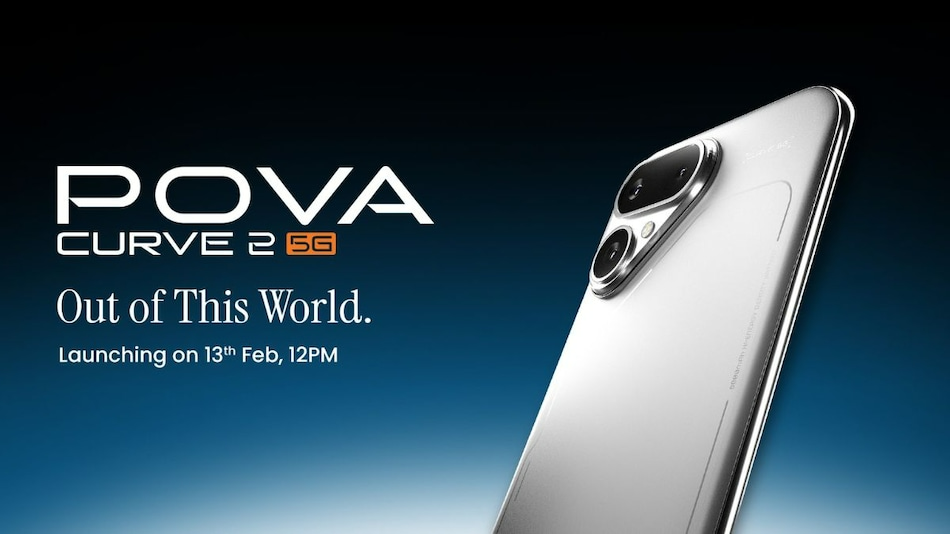
Tecno has officially confirmed that the Pova Curve 2 will debut in India on February 13, following several teasers highlighting the upcoming device. The new model is expected to succeed the previous generation with refinements aimed at design, endurance, and connectivity performance.

Tecno Pova Curve 2 design, color options revealed

Tecno Pova Curve 2 color options

The Pova Curve 2 adopts Tecno’s new “Design 2.0” language, introducing visible changes over its predecessor. It features a triangular camera island inspired by spacecraft engineering, replacing the earlier vertical camera layout. The rear panel has a curved form with angular detailing and a matte finish, giving it a distinctive yet modern appearance.

Tecno has also focused on ergonomics with rounded double curves for a more comfortable grip, while keeping the chassis slim despite a strong focus on battery life. The phone will be offered in black, silver, and violet shades with semi-transparent accents.

Tecno Pova Curve 2 specifications (expected)
Tecno pova Curve 2 launch date

Although the complete specifications remain under wraps, early reports suggest the smartphone may be powered by a MediaTek Dimensity 7100 chipset and could offer up to 12GB of RAM, along with Android 16.

Rumors also suggest that it will pack a massive 8,000mAh battery and feature a 144Hz curved-edge AMOLED panel. Tecno has highlighted intelligent connectivity as another key aspect, aiming to maintain stable network performance even in challenging signal conditions.

The Pova Curve 2 appears to target users who prioritize long-lasting battery life and consistent performance but prefer a sleek and stylish device rather than a bulky, rugged design. More detailed specifications and pricing information are likely to be revealed closer to the official launch event.

For more daily updates, please visit our News Section.

Stay ahead in tech! Join our Telegram community and sign up for our daily newsletter of top stories.

Samsung Galaxy S26 series price leak shows dramatic hike across all models

Samsung’s Galaxy S26 series is just a few weeks away from its official release. Ahead of it, a new report suggests that most models in the upcoming lineup will launch at higher prices than last year in Europe.

A fresh report from Dealabs claims that every model in the series, including the Galaxy S26, S26 Plus, and S26 Ultra, will see a price hike.

Galaxy S26 and S26 Plus Expected Price

According to the leak, the standard Galaxy S26 with 256GB of storage could start at EUR 999—a jump from the Galaxy S25’s launch price of EUR 959. The increase isn’t dramatic on its own, but it adds to the sense that Samsung’s baseline flagship is slowly inching closer to four-figure pricing across the board.

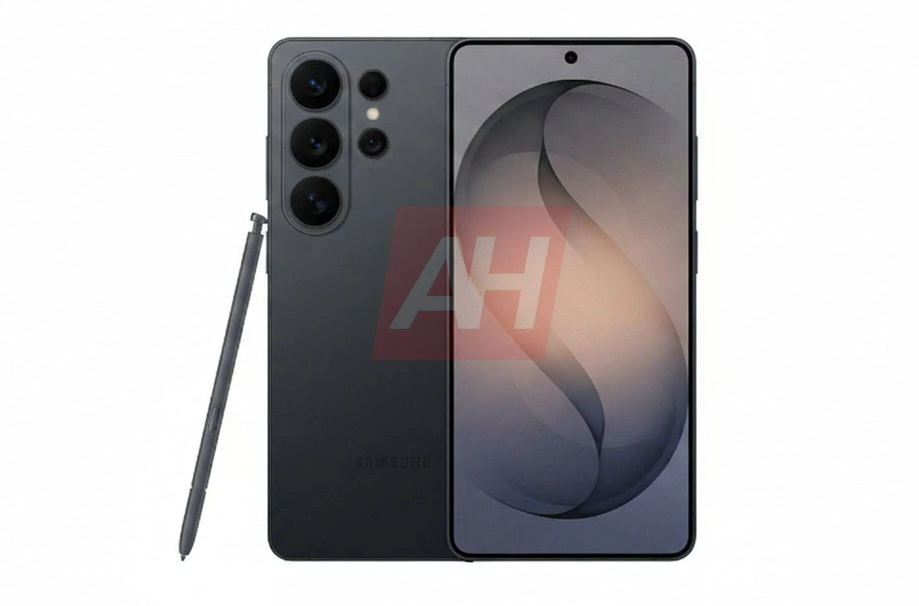
Samsung Galaxy S26 Plus CAD renders
Samsung Galaxy S26 Plus CAD render by AndroidHeadlines / OnLeaks

The Galaxy S26 Plus’ 256GB variant is reportedly priced at EUR 1,269, up from EUR 1,169 last year. Higher storage options could also see increases. The Galaxy S26 with 512GB of storage is tipped to cost EUR 1,199, while the 512GB Galaxy S26+ could reach EUR 1,469.

Galaxy S26 Ultra Expected Price

As for the S26 Ultra, the base 256GB version is expected to stick to the same EUR 1,469 price as the Galaxy S25 Ultra. However, higher storage variants are said to be more expensive.

The 512GB Ultra could rise to EUR 1,669, while a 1TB version may cost as much as EUR 1,969. The report also claims Samsung may drop the 128GB storage option entirely for the Galaxy S26 and S26+ in Europe.

Galaxy S26 Ultra in Black

As for why prices are going up, higher component costs are the most likely explanation. Chips, memory, and other key parts haven’t exactly become cheaper, and Samsung isn’t immune to that pressure. 

That said, Dealabs notes that the extreme price hikes seen in earlier regional leaks, such as those from Bulgaria, are unlikely to apply across the wider Eurozone. Pre-order bonuses and carrier deals could also soften the blow for early buyers.

For more daily updates, please visit our News Section.

Stay ahead in tech! Join our Telegram community and sign up for our daily newsletter of top stories! 💡

(Source)

Casio launches three GA-2100K G-Shock watches in the US with nightclub-inspired design

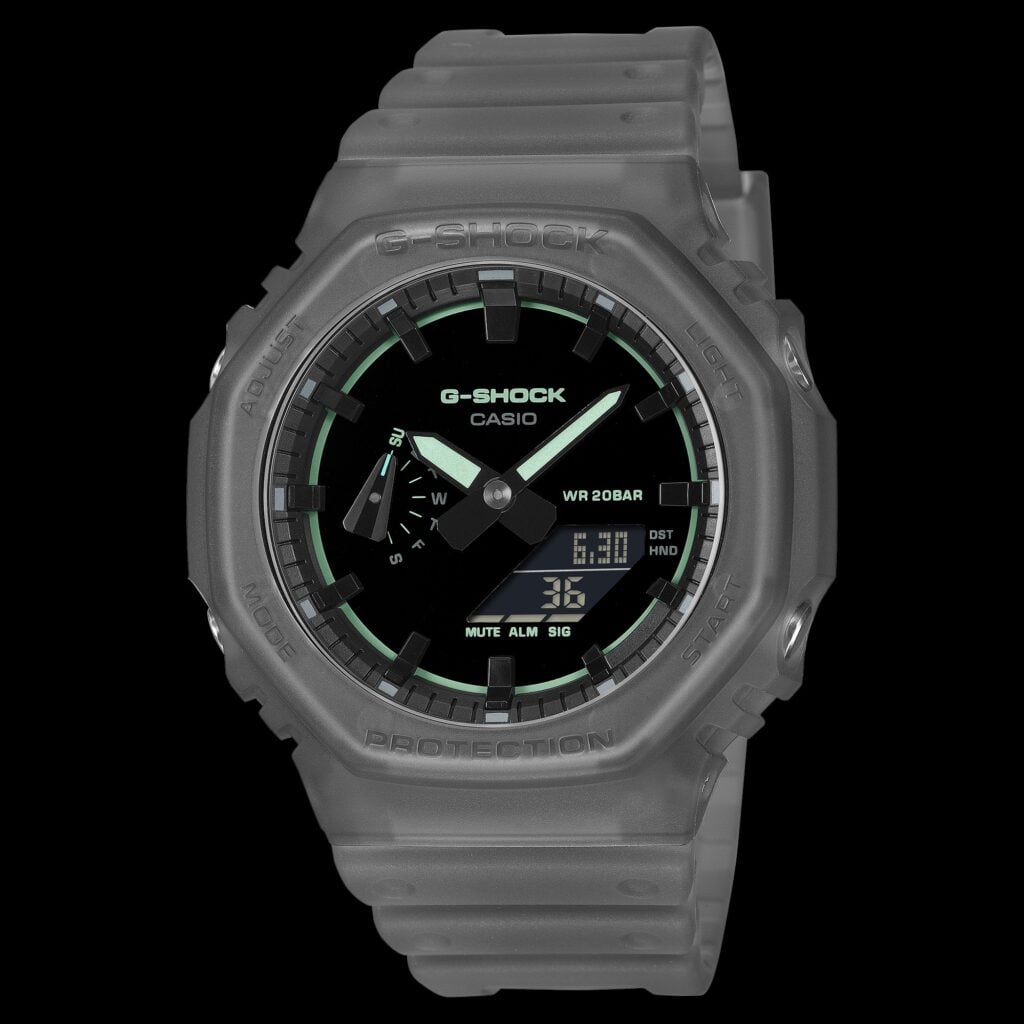
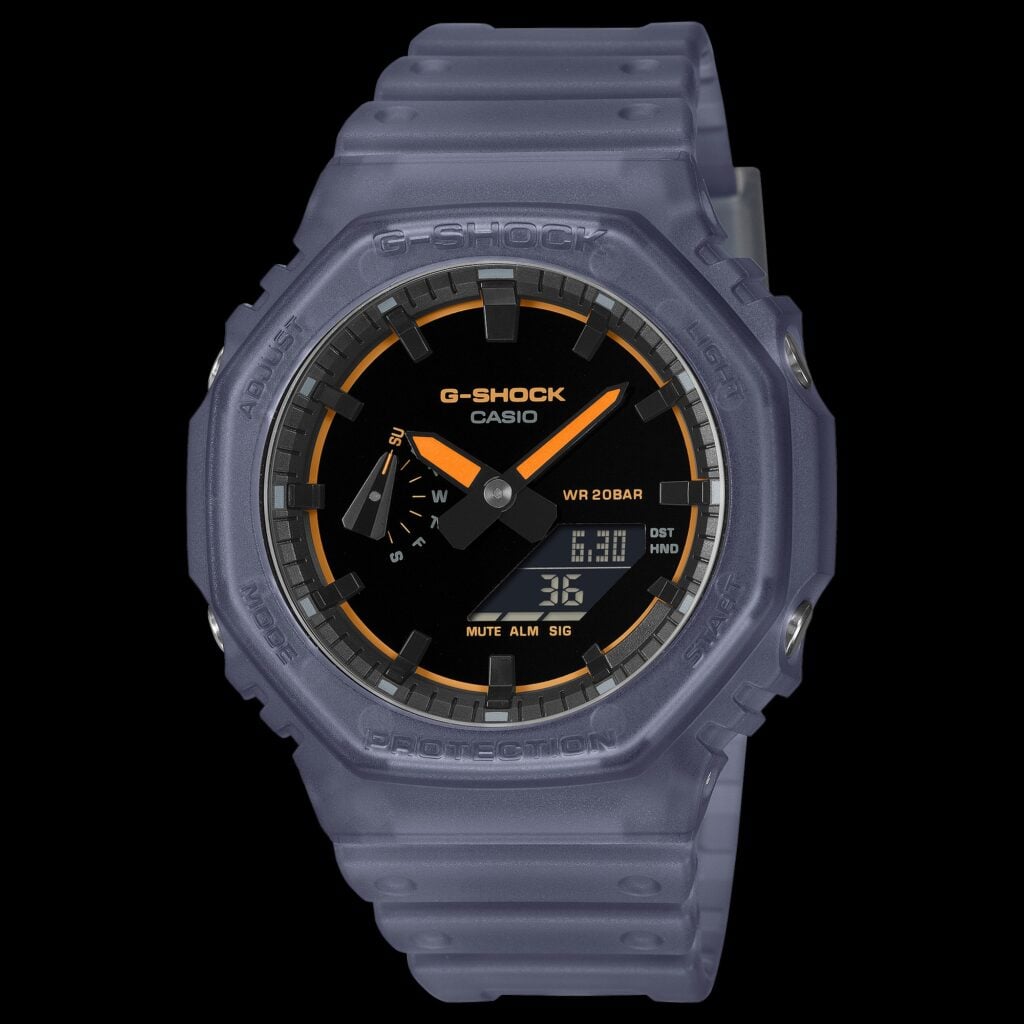
Casio has introduced three new G-Shock watches in the US under the GA-2100K series. The lineup includes the GA-2100K-1A, GA-2100K-2A, and GA-2100K-5A. All three models are now available for order through Casio’s official US website at a price of $135 each.

Casio GA-2100K G-Shock watches

G-Shock GA-2100K Specifications

Each watch features a transparent carbon and resin case paired with a matching resin strap. The case measures 48.5 × 45.4 × 11.8 mm and weighs 51 grams. Casio uses its Carbon Core Guard structure for added durability while maintaining a lightweight build. All models offer 200-meter water resistance, mineral glass protection, and a battery life of approximately three years using two SR726W cells.

Casio has designed the GA-2100K series with a theme inspired by nightlife, electronic music, and club visuals. The watches use a newly developed glossy dial surface that contrasts with the matte translucent bezel and band. Each model features unique color accents on the dial that set them apart visually.

The GA-2100K-1A has a smoky gray transparent case and strap. The black dial includes soft green accents on the hour markers and hands. The GA-2100K-2A features an icy blue transparent build with bright orange accents on the black dial. The GA-2100K-5A uses a warm amber-brown translucent case and strap, paired with red dial accents.

All three models include a dual-LED lighting system. The face and digital display each have separate Super Illuminator LEDs with selectable durations of 1.5 or 3 seconds.

The watches support world time for 31 time zones, a 1/100-second stopwatch, a 24-hour countdown timer, five daily alarms, and an hourly time signal. The digital display offers 12/24-hour format, full auto-calendar support through 2099, and a hand shift feature for better display visibility.

In related news, Casio has recently introduced the Pro Trek PRW-B1000WM-1, a White Mountaineering collaboration featuring a titanium build, while the company has also released the Edifice EFB730D series in the US with refreshed color options.

For more daily updates, please visit our News Section.

Stay ahead in tech! Join our Telegram community and sign up for our daily newsletter of top stories! 💡

(Source 1,2,3)

Anker launches Zolo 35W 10000mAh power bank with dual USB-C cables

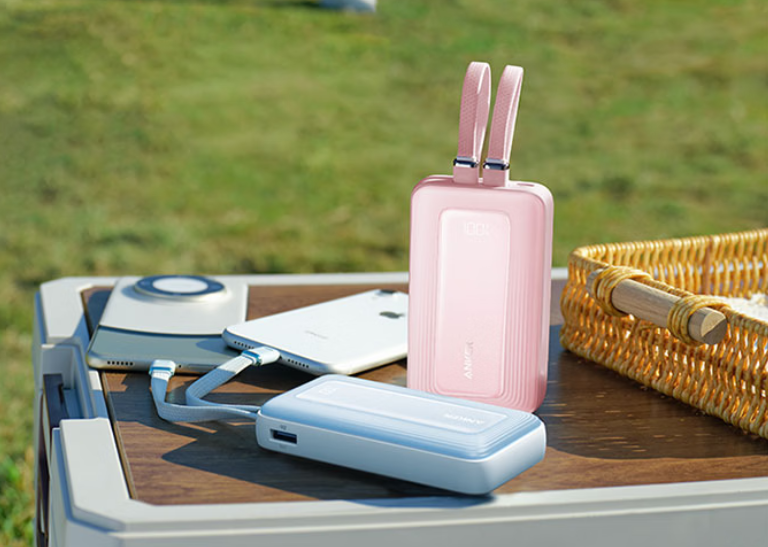
Anker has introduced the Zolo 35W Travel Power Bank (model A110L), a compact 10,000mAh power bank with built-in dual USB-C cables. The device is now available on JD.com for 180 yuan ($26) and serves as a successor to last year’s model, which included only one cable and a maximum output of 30W.

Anker Zolo 35W Power Bank

Anker Zolo 35W Power Bank Specifications

The Zolo 35W features a 3C + 1A port configuration. It includes two built-in USB-C cables, one standalone USB-C port, and one USB-A port. The USB-C ports and cables support up to 35W output and 20W input, while the USB-A port supports 22.5W output. The power bank supports major fast-charging protocols, including PD, PPS, QC, SCP, and UFCS.

Anker Zolo 35W Power Bank

Anker has equipped the power bank with fast self-charging capabilities. The USB-C input allows the device to recharge at 20W, and users can charge a phone while the power bank itself charges at the same time. The built-in cables support both input and output, allowing flexible use without additional wires.

The power bank features a digital LED display on the front that shows the remaining battery percentage at a glance. It measures 109.9 × 65.5 × 25 mm and weighs 221 grams, keeping the form factor compact for travel. The braided USB-C cable doubles as a built-in cable holder and carrying strap. The cable structure is tested for over 10,000 bends, while the fabric braided exterior resists dirt and wear.

Anker Zolo 35W Power Bank

Anker uses its ActiveShield 2.0 thermal management system to maintain safe temperatures. The system performs up to 3 million temperature checks per day and includes protection features such as over-temperature, over-voltage, short-circuit, overload, and anti-static.

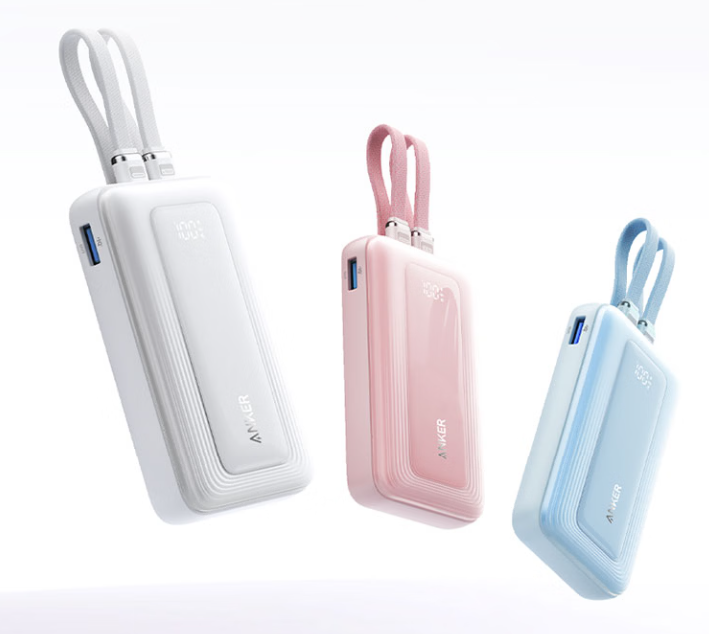
The Zolo 35W Travel Power Bank is available in four color options: Black, White, Pink, and Blue. It comes with an 18-month warranty and is compatible with smartphones, tablets, laptops like the MacBook Air, and gaming devices, including the Nintendo Switch and Steam Deck.

In related news, Baseus has recently launched a 200W 25,000mAh power bank with dual USB-C cables and 140W fast charging support, while Noise has introduced a Qi2-certified MagSafe power bank in India with 20W wireless charging.

For more daily updates, please visit our News Section.

Stay ahead in tech! Join our Telegram community and sign up for our daily newsletter of top stories! 💡

HyperOS 3 Update Drops on 20 More Xiaomi & Redmi Devices

Xiaomi has expanded its stable HyperOS 3 rollout to a fresh large batch of devices, bringing its Android 16 OS based custom skin to 20 more Xiaomi and Redmi branded devices, like smartphones, tablets, and smart TVs. This marks another major step in the brand’s phased distribution, and the latest wave of updates includes older flagships, mid range phones, tablets, and more. So here are all the details.

What Does the HyperOS 3 Update Bring?

The HyperOS 3 update, which is based on Android 16, introduces a refreshed UI, smoother system animations, deeper cross-device integration, refined memory, and app management. Among the refreshed visual style, the Chinese tech giant also brings the new Xiaomi HyperIsland, which is a feature inspired by Apple’s Dynamic Island. It also improves performance and stability across system apps and core functions.

Xiaomi HyperOS 3.0 rollout progress
Xiaomi HyperOS 3

Full List of Devices Now Receiving Xiaomi’s Stable HyperOS 3

Smartphones

  • Xiaomi MIX Fold 2
  • Xiaomi 12S Ultra
  • Xiaomi 12S Pro
  • Xiaomi 12S
  • Xiaomi 12 Pro
  • Xiaomi 12
  • Xiaomi Civi 2
  • Xiaomi Civi 3
  • Redmi K50 Ultimate Edition
  • Redmi Note 15R
  • Redmi Note 12 Turbo
  • Redmi Note 12T Pro
  • Redmi 14C
  • Redmi 14R 5G

Tablets

  • Redmi Pad Pro 5G
  • Redmi Pad Pro (Wi-Fi)

Smart TVs (2025 Models)

  • Xiaomi TV S Mini LED
  • Redmi TV MAX 2025 Series
  • Redmi Smart TV A Pro Series
  • Redmi Smart TV A 2025 Series

In related news, Xiaomi is nearing 100% roll out for its HyperOS 3 update, with various models set to receive the major software upgrade soon. Meanwhile, the company is also pushing for the new HyperOS 3.1 update that brings new features, a smarter UI, enhanced HyperIsland, and much more.

For more daily updates, please visit our News Section.

Tech enthusiast? Get the latest news first! Follow our Telegram channel and subscribe to our free newsletter for your daily tech fix! ⚡

AnTuTu January 2026 Flagship Rankings: Red Magic 11 Pro+ Tops the List, Vivo X300 Pro Close Second

The January 2026 AnTuTu performance rankings are in, and we can see Qualcomm’s Snapdragon 8 Elite Gen 5 and MediaTek’s Dimensity 9500 battle it out for the top spot. This list reflects benchmark data from the AnTuTu V performance tests that were run throughout January 2026, so here are the top performances.

AnTuTu January 2026 Flagship Phone Rankings

The AnTuTu rankings are based on sustained performance figures, with numbers taken from the average scores. So we get a glimpse of real world prowess over isolated peak scores. The Red Magic 11 Pro+ takes the throne of AnTuTu’s first flagship phone ranking of 2026, with an impressive score of 4,104,271 points. Just behind in second place is the Vivo X300 Pro, which achieved a strong 4,090,624 points.

Red Magic 11 Pro+ Golden Saga
Red Magic 11 Pro+ Golden Edition

Interestingly, the Red Magic 11 Pro+ is powered by the Snapdragon 8 Elite Gen 5, while the X300 Pro is equipped with the MediaTek Dimensity 9500. So we are seeing the two high end Android processors being neck-and-neck in performance. However, the Vivo X300 Pro is the only model with MediaTek’s top chip to make it near the top of this chart. Qualcomm’s Snapdragon 8 Elite Gen 5 chipset shows up on the majority of this month’s chart, powering most of the top performers.

Here’s a quick breakdown of the Top 10 Jan 2026 AnTuTu flagship ranking:

  1. Red Magic 11 Pro+ – 4,104,271
  2. Vivo X300 Pro (Satellite Edition) – 4,090,624
  3. Realme GT8 Pro – 4,075,525
  4. iQOO 15 – 3,940,592
  5. Honor Magic 8 Pro – 3,938,103
  6. Honor Win – 3,930,629
  7. Honor Magic 8 – 3,911,883
  8. OnePlus 15 – 3,879,401
  9. Redmi K90 Pro Max – 3,837,663
  10. Vivo X300 – 3,739,657

For more daily updates, please visit our News Section.

Don’t miss a thing! Join our Telegram community for instant updates and grab our free daily newsletter for the best tech stories!

Vivo V70 Elite’s performance revealed through Geekbench listing

Vivo is expected to unveil the Vivo V70 and Vivo V70 Elite later this month in India. The official landing pages on Vivo India’s website, Flipkart, and Amazon currently place greater emphasis on the Elite variant, offering early insights into its positioning. In the latest development, the Vivo V70 Elite has now appeared on Geekbench, revealing key details related to its performance ahead of the official announcement.

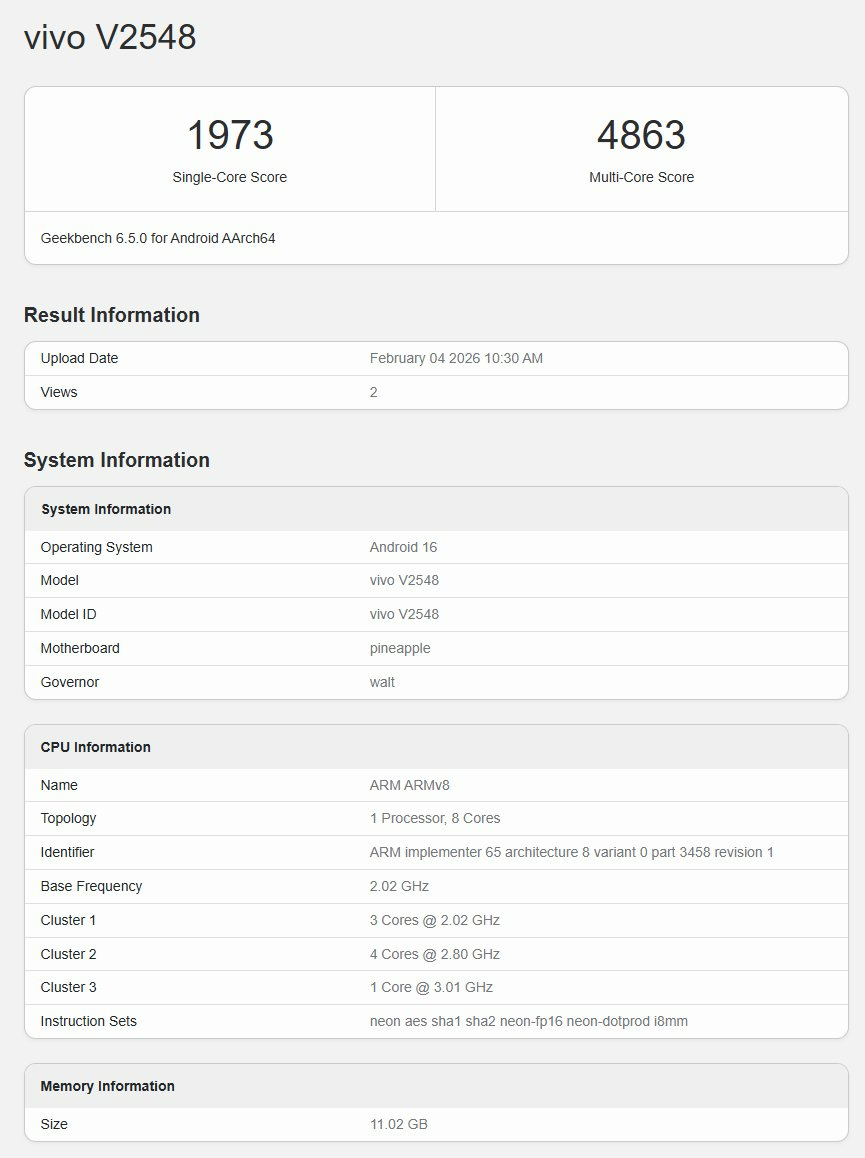
Vivo V70 Elite Geekbench listing

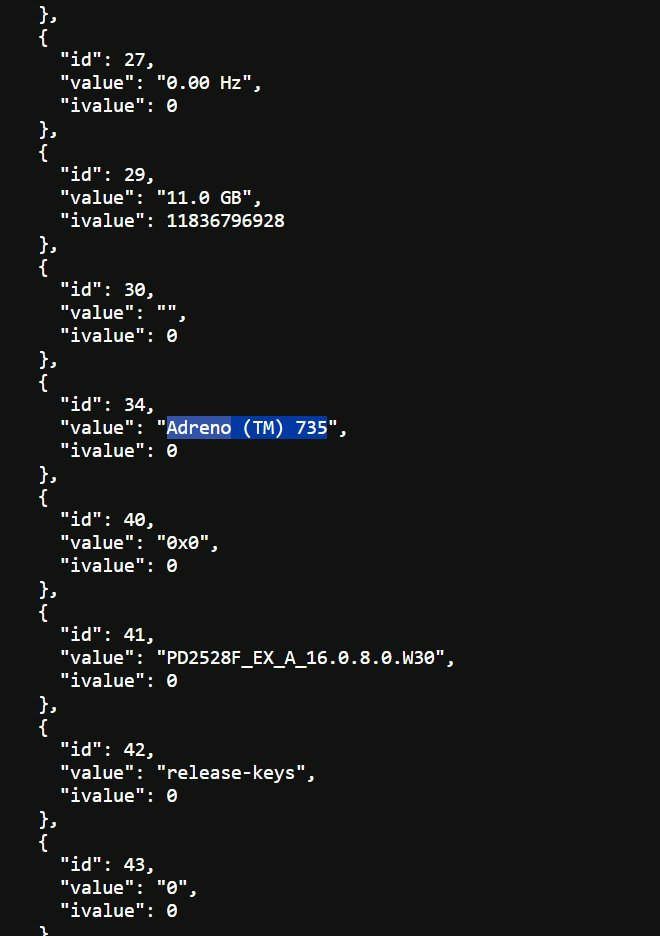
The Geekbench database lists the Vivo V70 Elite with the model number V2548. As per the listing, the device is powered by the Snapdragon 8s Gen 3 chipset, paired with an octa-core CPU configuration comprising three performance cores clocked at 2.02GHz, four cores running at 2.80GHz, and a prime core operating at up to 3.01GHz. Graphics duties are handled by the Adreno 735 GPU. The benchmark entry also confirms 12GB of RAM and Android 16 out of the box.

In terms of scores, the handset recorded 1,973 points in the single-core test and 4,863 points in the multi-core test. These results are in line with what is typically expected from the Snapdragon 8s Gen 3 platform and indicate consistent flagship-level performance.

The inclusion of this chipset is not a surprise, as Vivo has already confirmed the processor through its official microsite. In fact, the V70 Elite will be the company’s first V-series phone to feature a Snapdragon 8-series chip.

The standard Vivo V70 has also been spotted on Geekbench recently. While Vivo has not officially revealed its chipset, the benchmark listing suggested that it will feature the Snapdragon 7 Gen 4 processor, the same chip that also powered the Vivo V60.

Vivo V70 Elite specifications (expected)

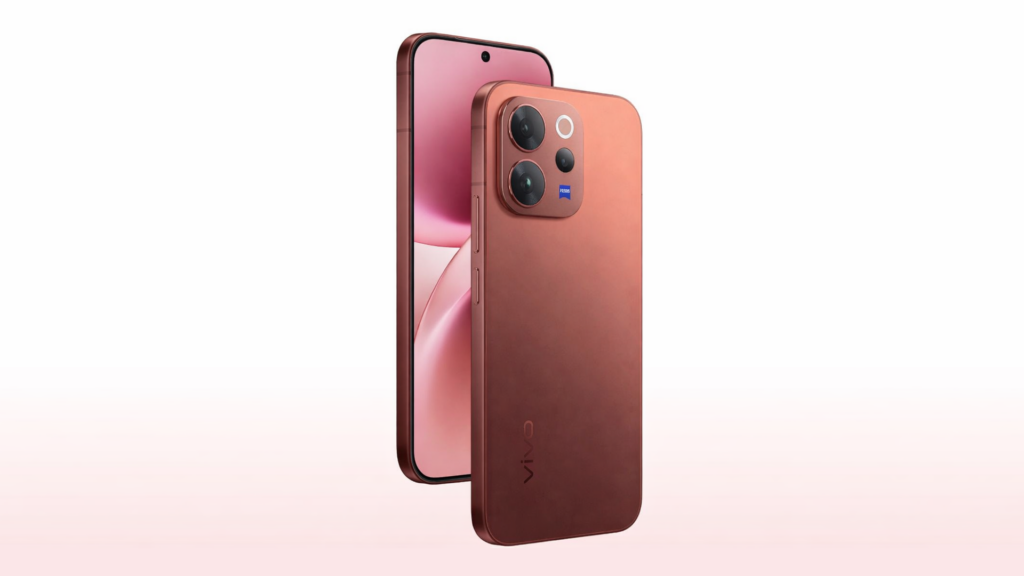
Vivo V70 Elite
Vivo V70 Elite

The Vivo V70 Elite is expected to feature an OLED display with 1.5K resolution, a 120Hz refresh rate, and peak brightness of up to 5,000 nits. It will run OriginOS 6 based on Android 16, with Vivo promising four Android OS upgrades and six years of security updates. The powerful chip will be accompanied by LPDDR5x RAM and UFS 4.1 storage.

On the camera front, the V70 Elite will feature a 50-megapixel main camera with OIS, an ultra-wide lens, and a 50-megapixel periscope telephoto camera with 3x optical zoom and up to 100x digital zoom. Powering the devices could be a 6,500mAh battery with 90W fast charging, along with an aluminium frame and IP68/69-rated dust and water resistance.

For more daily updates, please visit our News Section.

Stay ahead in tech! Join our Telegram community and sign up for our daily newsletter of top stories.
(via)

Oppo Find N6 surfaces on NBTC certification, race for first Snapdragon 8 Elite Gen 5 foldable intensifies

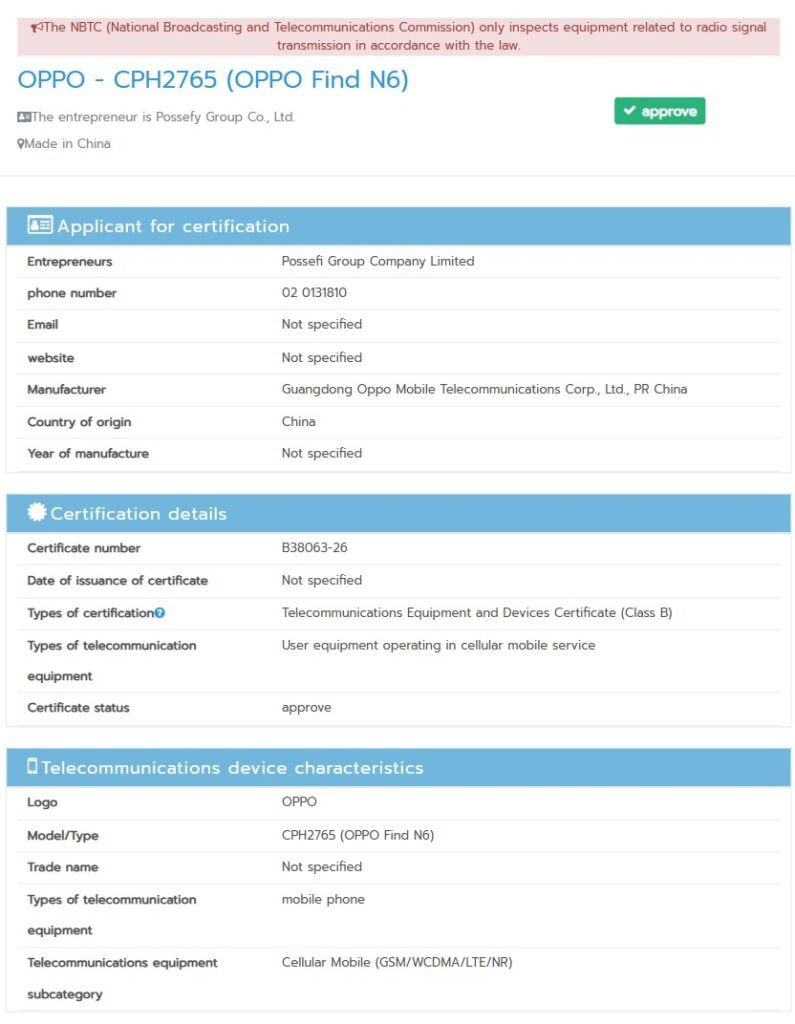
Oppo is expected to launch its next-generation book-style foldable, the Oppo Find N6, in China soon. Rumours indicate that the device could break cover in March, with its global debut said to follow closely after the China launch. In the latest development, the foldable has secured a key regulatory approval in Thailand, hinting that its international rollout is gathering pace.

Oppo Find N6 receives NBTC approval in Thailand

OPpo Find N6 NBTC listinhg
Oppo Find N6 NBTC listing

The Oppo Find N6 has been certified by Thailand’s National Broadcasting and Telecommunication Commission under the model number CPH2765. As with most NBTC entries, no hardware specifications are disclosed, but the approval confirms Thailand as another confirmed market for the foldable.

This development follows earlier sightings on other regulatory platforms. A TUV listing had previously revealed support for 80W fast charging, while certification in Singapore pointed to eSIM functionality alongside standard connectivity features. The Find N6 has also appeared on UAE databases, suggesting Oppo is lining up a staggered global rollout shortly after the China launch expected in March.

Oppo Find N6 specifications (rumored)

Leaks suggest the Oppo Find N6 will feature a 6.62-inch cover display with a 20-megapixel front-facing camera. On the inside, it will feature an 8.12-inch foldable LTPO OLED inner screen with a 2K resolution and ultra-thin glass protection. The internal screen is also said to have a 20-megapixel selfie camera. The phone is tipped to arrive with up to 16GB RAM and storage options going up to 1TB.

In terms of cameras, the foldable is expected to include a triple rear setup comprising two 50-megapixel sensors and a 200-megapixel camera, along with a multispectral sensor. A 6,000mAh battery with wireless charging, satellite connectivity and AI stylus support are also being discussed. The Find N6 is likely to launch in Deep Black, Golden Orange and Original Titanium colour options.

The Oppo Find N6 and Honor Magic V6 are both said to feature the Snapdragon 8 Elite Gen 5 chipset. Reports have claimed that the N6 will be the world’s first Snapdragon 8 Elite Gen 5-powered foldable phone, but Honor has already confirmed that the Magic V6 will be showcased at the MWC 2026 event, which will be held between March 2 and March 5. It remains to be seen which brand will ultimately claim the first-mover advantage when these next-generation foldables make their official debut.

For more daily updates, please visit our News Section.

Stay ahead in tech! Join our Telegram community and sign up for our daily newsletter of top stories.

(via)

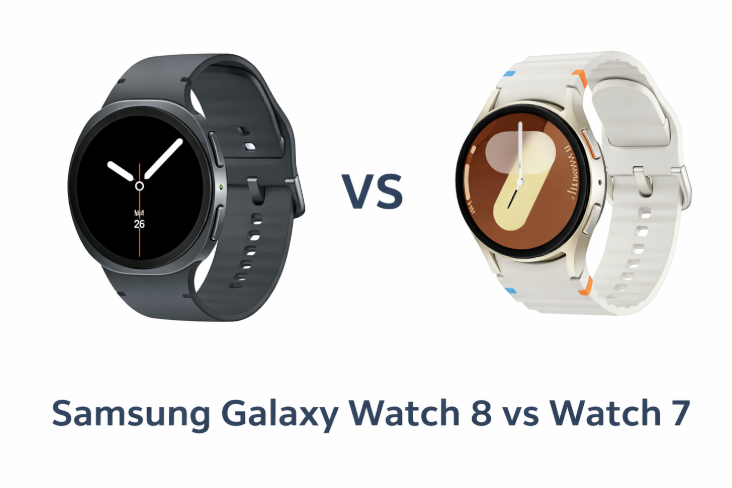
Samsung Galaxy Watch 8 vs Watch 7: Same Look, Different Features

Choosing between the Samsung Galaxy Watch 8 and Samsung Galaxy Watch 7 isn’t about old versus new, it’s about refinement versus value. Both smartwatches look nearly identical on the surface and share the same powerful chipset, yet Samsung has quietly tweaked brightness, health tracking, and software longevity in ways that matter over time. For buyers upgrading from an older Galaxy Watch or entering Samsung’s ecosystem for the first time, these subtle differences can influence daily comfort, outdoor visibility, and long-term usability. This comparison breaks down where the Watch 8 genuinely improves and where the Watch 7 still makes a strong case as the better-value choice.

Please Note: When you buy something using the links in our articles, we may earn a small commission at no cost to you.

Major Features and Upgrades:

FeatureGalaxy Watch 7Galaxy Watch 8Upgrades
Display Brightness (Peak)2000 nits3000 nitsBrighter screen
Body Thickness9.7 mm8.6 mmSlimmer profile
Battery Capacity425 mAh435 mAhSlightly bigger battery
Operating System at LaunchWear OS 5 → upgradableWear OS 6Newer software
Health SensorsBioActive (heart rate, ECG, SpO₂, temp)BioActive + Antioxidant IndexNew sensor
Display Size1.5″1.47″Very similar
Resolution480×480480×480Same sharpness
ChipsetExynos W1000Exynos W1000Same performance
ConnectivityBluetooth 5.3, NFC, Wi-Fi, eSIMBluetooth 5.3, NFC, Wi-Fi, eSIMNo change
Water/Dust RatingIP68 (5ATM)IP68 (5ATM)Same durability
Weight33.8 g (44mm)34 g (44mm)Similar
GPSDual-band (L1+L5)Dual-band (L1+L5)Same
Charging10W Wireless10W WirelessSame
Approx. Price$200 / ₹25,000$260 / ₹38,000Higher Price but More Features

Please Note: When you buy something using the links in our articles, we may earn a small commission at no cost to you.

1. Design and Display

Build & Comfort

Both the Samsung Galaxy Watch 8 and Samsung Galaxy Watch 7 follow Samsung’s familiar circular design with an Armor Aluminum 2 frame and sapphire crystal protection. The Watch 8 is noticeably slimmer at 8.6mm, which makes it feel sleeker on the wrist and easier to wear all day, especially during sleep tracking. Weight differences are minor, but the thinner profile subtly improves comfort during long workdays or workouts. Both watches retain MIL-STD-810H durability and 5ATM water resistance, keeping them reliable for daily use and outdoor activities.

Display Brightness & Visibility

The Watch 8 clearly pulls ahead with a peak brightness of 3000 nits versus 2000 nits on the Watch 7. This makes a visible difference outdoors, especially during runs or cycling under harsh sunlight. Resolution remains identical, so sharpness is equally excellent on both, but the extra brightness gives the newer model a more premium, modern feel.

Verdict

Design changes are evolutionary, but the slimmer body and brighter display give the Watch 8 a subtle edge that power users will appreciate.

2. Health and Fitness Tracking

Sensors & Tracking Accuracy

Samsung equips both watches with its BioActive sensor suite, covering heart rate, SpO₂, ECG, blood pressure, skin temperature, and advanced sleep tracking. The Watch 8 adds an antioxidant index sensor, expanding its health-focused appeal and pushing deeper into wellness insights rather than just fitness metrics. Day-to-day accuracy remains consistent across both models, with reliable heart rate tracking and stable sleep stage detection.

Workout Modes

Both watches support a wide range of workout modes, from strength training to outdoor running with dual-frequency GPS (L1+L5). Auto-workout detection is fast and dependable on each, but the Watch 8 feels slightly more refined in presenting post-workout insights, especially for recovery and overall health trends. This feels less like a sports upgrade and more like a lifestyle wellness evolution.

Verdict

The Watch 7 still delivers excellent health tracking, but the Watch 8’s added sensor and refined insights make it better suited for users focused on long-term wellness monitoring.

3. Performance and Software

UI Smoothness

Both watches run on the same Exynos W1000 (3nm) chipset with 2GB RAM, resulting in equally smooth animations and fast app launches. Scrolling through tiles, notifications, and workouts feels fluid on both models, with no meaningful performance gap in everyday use. The hardware clearly isn’t a limiting factor for either watch.

App Support & Features

The key difference lies in the software. The Watch 8 ships with Wear OS 6 and One UI 8 Watch out of the box, bringing newer UI refinements and longer future update support. The Watch 7 runs Wear OS 5 but is upgradeable, meaning it won’t be left behind. Still, starting on a newer platform gives the Watch 8 a longer runway, which matters for buyers planning to keep their smartwatch for several years.

Verdict

Performance is effectively a tie, but the Watch 8 gains a long-term advantage by launching with the latest software and ecosystem support.

4. Battery and Connectivity

Battery Life

The Watch 8 packs a slightly larger 435mAh battery compared to the 425mAh unit in the Watch 7. In real-world use, both comfortably last a full day with health tracking and notifications enabled. The Watch 8 squeezes out a bit more endurance, particularly with heavy outdoor use, thanks to software optimizations. Charging speeds remain identical at 10W wireless, so top-ups feel equally convenient.

GPS, Bluetooth, LTE

Connectivity is identical across both models, including dual-band GPS (L1+L5), Bluetooth 5.3, Wi-Fi, NFC, and optional eSIM support. Location tracking is accurate and quick to lock, making both watches reliable for outdoor workouts and navigation without a phone.

Verdict

Battery and connectivity improvements are modest, but the Watch 8’s slightly better endurance adds polish rather than a dramatic leap.

5. Pricing

With an approximate price of $260 / ₹38,000, the Watch 8 clearly sits in a higher tier than the Watch 7 at $200 / ₹25,000. The price gap is significant, especially considering how similar the core experience remains. Buyers are essentially paying for a brighter display, slimmer design, a new health sensor, and longer software longevity. 

For value-focused users, the Watch 7 remains a compelling deal.

Disclaimer:
Prices are approximate and may vary based on country, region, and applicable taxes.

6. Conclusion

Best For Whom

The Watch 8 is best for users who want the latest Samsung smartwatch experience, value display visibility outdoors, and care about emerging health metrics. The Watch 7 is ideal for buyers who want nearly the same performance and tracking at a far more accessible price.

Final Verdict

The Samsung Galaxy Watch 8 is the more refined and future-ready smartwatch, but the Galaxy Watch 7 remains the smarter buy for most users who prioritize value over incremental upgrades.

Read More:

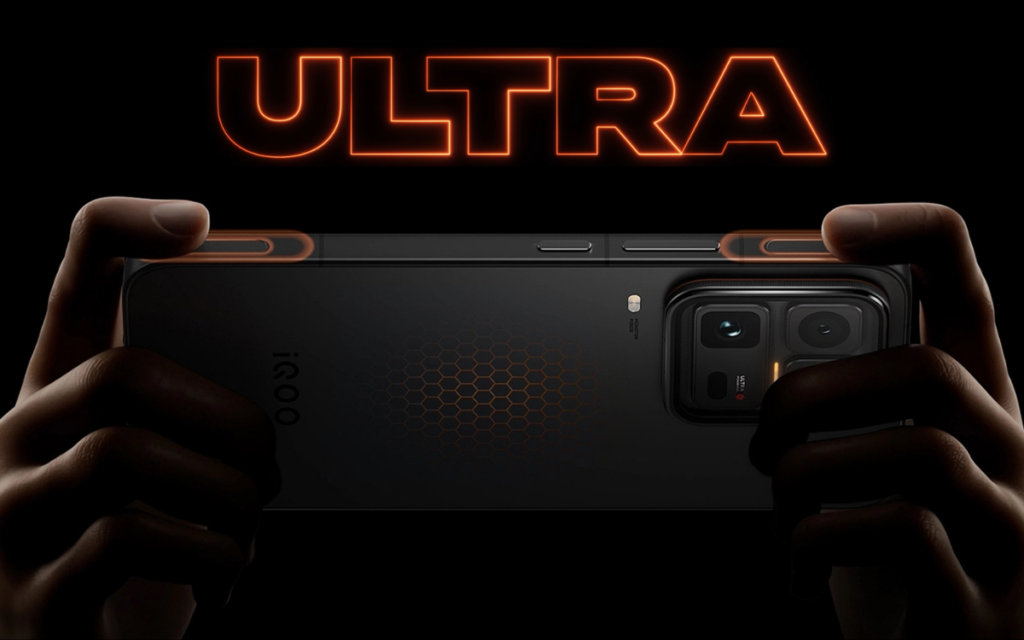
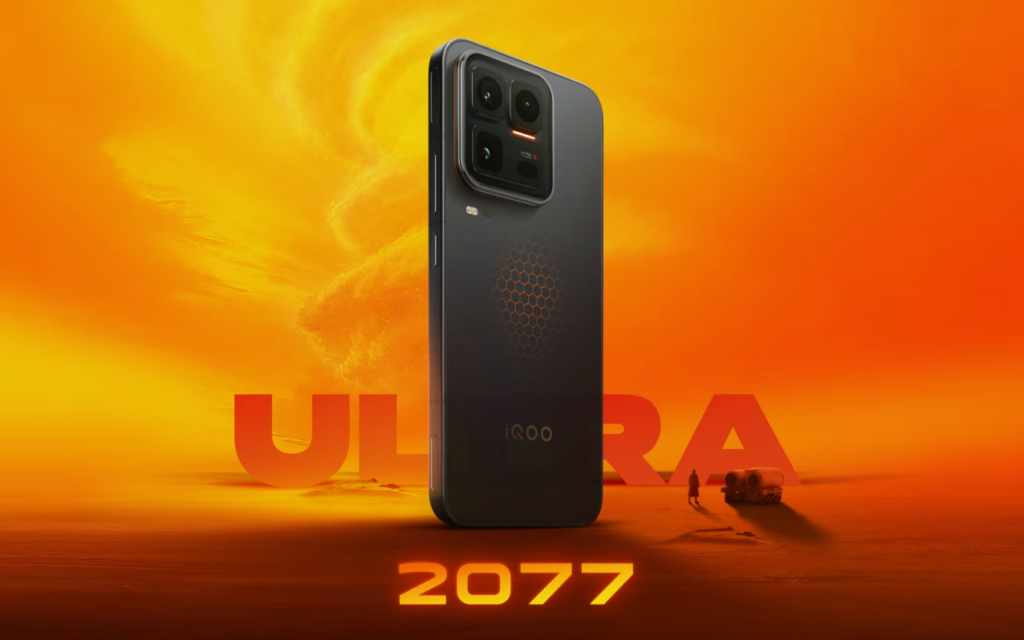
iQOO 15 Ultra debuts as the ultimate gaming phone with SD 8 Elite Gen 5, active cooling & shoulder triggers

iQOO 15 Ultra has officially arrived as a performance-driven gaming flagship powered by Qualcomm Snapdragon 8 Elite Gen 5. It focuses on delivering consistent power, immersive visuals, and refined control precision for serious gamers.

iQOO 15 Ultra

iQOO 15 Ultra Specifications

The iQOO 15 Ultra comes with a 6.85-inch flat Samsung M14 AMOLED display offering 2K resolution (3168×1440), 144Hz refresh rate, 8,000 nits peak brightness, and 118% DCI-P3 coverage. It supports HDR, 2160Hz PWM, DC dimming, and a polarizer-free design for better eye comfort and motion clarity. It also supports up to 4000Hz touch sampling and 480Hz multi-finger response.

The device is powered by the Snapdragon 8 Elite Gen 5 processor built on a 3nm node, paired with an Adreno 840 GPU, UFS 4.1 storage, LPDDR5X Ultra Pro RAM, and the in-house Q3 esports chip. This combination supports real-time 2K upscaling, full-scene ray tracing, and 120fps frame interpolation, delivering console-level visuals. It records an AnTuTu score of 4.51 million, making it the most powerful smartphone in the Android segment to date.

iQOO 15 Ultra

To sustain high performance, the iQOO 15 Ultra uses the Ice Dome cooling system featuring a 17x17mm 59-blade fan, an 8,000mm² vapor chamber, graphite layers, and aerogel insulation, all TÜV Rheinland certified for reliability. It also includes pressure-sensitive shoulder triggers, a magnetic-axis 091640 motor for 4D vibration, and a 500Hz gyroscope.

The iQOO 15 Ultra ships with OriginOS 6 based on Android 16. The software includes features like Atomic Motion 6.0 animations and a new Game Space dashboard for unified game management and performance analysis. The OS supports 2K 60fps casting and one-tap streaming for several major games at sustained 144fps.

In terms of optics, the phone features a 50MP main camera (Sony IMX921) with OIS, a 50MP ultra-wide camera with a 107° field of view, and a 50MP periscope telephoto camera (Sony IMX882) with 3x optical zoom and up to 100x digital zoom. Both the main and telephoto sensors support CIPA 4.5-level stabilization. The front camera uses a 32MP sensor and supports 4K video recording. The rear cameras support up to 8K video.

iQOO 15 Ultra

The iQOO 15 Ultra packs a 7400mAh single-cell Blue Ocean battery. It supports 100W wired fast charging and 40W wireless charging.

The device includes IP68 and IP69 dust and water resistance, a 3D ultrasonic fingerprint sensor, NFC support for over 65 transit systems, and stereo speakers with Dolby Atmos. It comes with 29 antennas for improved signal reliability and supports dual SIM 5G, Wi-Fi 7, Bluetooth 5.4, and USB 3.2 Gen1.

iQOO 15 Ultra

Pricing and Availability

The iQOO 15 Ultra is available in 2049 (silver) and 2077 (black) color options.

The 16GB + 256GB model is priced at 5,699 yuan (~$798), while the 16GB + 512GB version costs 5,999 yuan (~$840).

The 16GB + 1TB variant is listed at 6,999 yuan (~$980), and the top-end 24GB + 1TB model comes in at 7,699 yuan (~$1,078). Pre-orders are now live, and open sales begin on February 10, 2026.

For more daily updates, please visit our News Section.

Stay ahead in tech! Join our Telegram community and sign up for our daily newsletter of top stories! 💡

OPPO ColorOS January 2026 Q&A: Camera Lag Fix Coming, Battery Drain After Updates Explained

OPPO has launched a monthly Q&A series in its Community forum to address user concerns about ColorOS more directly. The first edition tackles performance issues, battery behavior, and feature questions.

ColorOS Q&A (January 2026)

Camera Lag Fix in Progress

The company confirmed that engineers have identified the cause of camera lag affecting some models. A fix is in development, though no release date was provided.

Battery Drain After Updates Explained

Battery drain following system updates was explained as a normal occurrence. After installing a new ColorOS version, the system runs background processes, including app optimization, photo organization, and security scans for approximately three days. This causes higher CPU usage, increased heat, and faster battery consumption. Devices with heavy usage or large app libraries may require more time. OPPO recommends overnight charging with the screen off to accelerate optimization, closing power-hungry apps, and updating all applications.

New Features and Improvements

The Q&A detailed several practical features. Users can reply to calls via SMS by navigating to Contacts > Settings > Answer or End calls, then enabling Reply with SMS. Messages are customizable. The AI Enhance feature works through the Notes app by tapping the plus icon, scanning documents, and selecting AI Enhance.

ColorOS Q&A (January 2026)

Private Safe functionality has been upgraded. Users can now search for private images, videos, audio, documents, and other files directly within Private Safe. Files stored there can be shared by selecting the item and using the Share option.

Monthly Format Moving Forward

OPPO plans to continue this monthly format and is collecting user feedback and questions. The initiative marks a shift from lengthy announcements and fragmented forum responses toward consolidated, transparent communication. By addressing common concerns systematically, the company aims to improve user experience and reduce confusion around ColorOS updates and features.

For more daily updates, please visit our News Section.

Tech enthusiast? Get the latest news first! Follow our Telegram channel and subscribe to our free newsletter for your daily tech fix!

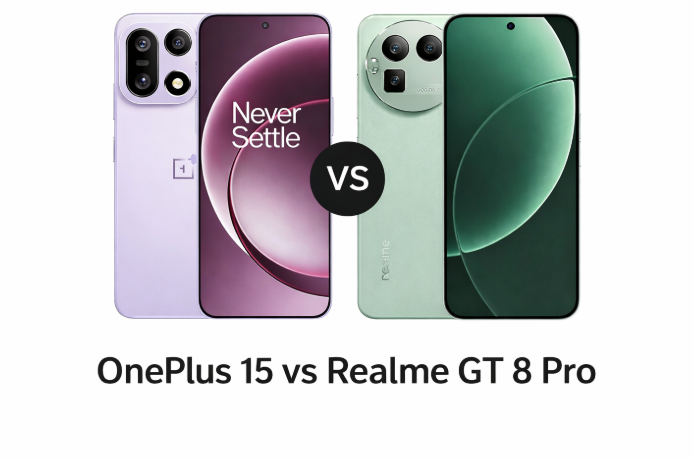
OnePlus 15 vs Realme GT 8 Pro: Same Chip, Very Different Flagship Experience

When two Android flagships share the same cutting-edge chipset, the real battle shifts from raw power to how that power is used. The OnePlus 15 and Realme GT 8 Pro both promise elite performance, fast charging, and serious camera hardware, but they approach the flagship formula very differently. One aims for refinement, balance, and long-term comfort, while the other leans into bold specs, sharper visuals, and aggressive pricing. This comparison breaks down where each phone truly excels and, more importantly, which one actually makes more sense to buy once the spec sheets stop looking impressive and daily use begins.

Major Features:

FeatureOnePlus 15Realme GT 8 ProWinner
Display Type & Refresh RateLTPO AMOLED, 165Hz, Dolby VisionAMOLED, 144Hz, Dolby VisionOnePlus 15 – LTPO + higher refresh, better efficiency
Display Resolution & Sharpness1272 × 27721440 × 3136Realme GT 8 Pro – higher resolution, sharper output
Brightness1800 nits (HBM)2000 nits HBM, 7000 nits peakRealme GT 8 Pro – significantly brighter
ProcessorSnapdragon 8 Elite Gen 5Snapdragon 8 Elite Gen 5Tie – same chipset
Software ExperienceOxygenOS 16Realme UI 7.0OnePlus 15 – cleaner, more refined
Battery Capacity7300mAh7000mAhOnePlus 15 – larger battery
Charging (Wired & Wireless)120W wired, 50W wireless, more protocols120W wired, 50W wirelessOnePlus 15 – wider charging support
Main Camera50MP OIS50MP OISTie – similar primary sensors
Telephoto Camera50MP periscope, 3.5×200MP periscope, 3×Realme GT 8 Pro – higher resolution zoom
Video FeaturesDolby Vision, LUT, 4K@120fpsDolby Vision, 10-bit LOGOnePlus 15 – stronger video tools
Selfie Camera32MP with AF32MPOnePlus 15 – autofocus advantage
Build & DurabilityGorilla Glass Victus 2, IP68/IP69KGorilla Glass 7i, IP68/IP69OnePlus 15 – stronger glass
ConnectivityWi-Fi 7, BT 6.0, USB 3.2Wi-Fi 7, BT 6.0, USB 2.0OnePlus 15 – faster USB
Price$900 / ₹80,000$700 / ₹73,000Realme GT 8 Pro – cheaper

Please Note: When you buy something using the links in our articles, we may earn a small commission at no cost to you.

Please Note: When you buy something using the links in our articles, we may earn a small commission at no cost to you.

1. Design and Display

Build and Feel

OnePlus 15 uses a glass front with Gorilla Glass Victus 2, an aluminum alloy frame, and premium glass or fiber-reinforced back options. These materials give it a more polished and flagship-typical feel, focused on durability and long-term comfort rather than visual drama. The overall design language feels restrained and premium.

Realme GT 8 Pro combines Gorilla Glass 7i on the front with an aluminum frame and eco-leather or polymer back options. This approach adds texture and personality, making the phone feel more expressive and bold. It prioritizes visual identity over subtlety.

Display Quality

OnePlus features an LTPO AMOLED panel with a 165Hz refresh rate and Dolby Vision support. This allows the refresh rate to adapt dynamically, making scrolling smoother while improving efficiency, which feels more comfortable during extended use.

Realme offers a higher-resolution AMOLED display with a 144Hz refresh rate and extremely high peak brightness. This results in sharper visuals and stronger visual impact, especially for videos and HDR content.

Verdict

OnePlus focuses on refinement and balance; Realme focuses on sharpness and visual intensity.

2. Specifications 

Performance

Both phones use the Snapdragon 8 Elite Gen 5 (3nm) chipset paired with Adreno 840 GPU and UFS 4.1 storage. This ensures identical flagship-level speed, fast app launches, and smooth gaming performance.

OnePlus runs OxygenOS 16, which emphasizes stable scheduling and controlled performance behavior, making extended usage feel more consistent. Realme UI 7.0 is tuned more aggressively, delivering fast responses but with a slightly more performance-forward feel.

Battery and Charging

OnePlus includes a 7300mAh silicon-carbon battery with 120W wired, 50W wireless, and extensive charging protocol support. This combination provides both endurance and flexibility, especially for heavy users.

Realme uses a 7000mAh silicon-carbon battery with 120W wired and 50W wireless charging, offering fast top-ups but slightly less capacity and protocol versatility.

Verdict

Performance is equal, but OnePlus clearly leads in battery capacity and charging flexibility.

3. Camera

Main and Secondary Lenses

OnePlus uses a 50MP triple-camera system with a periscope telephoto and ultrawide lens, supported by OIS, laser focus, Dolby Vision video, and LUT recording. This setup prioritizes consistency across photo and video, making results reliable in varied conditions.

Realme features a 200MP periscope telephoto camera alongside a 50MP main and ultrawide sensor. The high-resolution telephoto enables stronger zoom detail and cropping flexibility, appealing to users who want more dramatic photography options.

Selfie Camera

Both phones include a 32MP front camera with 4K video support. OnePlus adds autofocus and more stable video behavior, while Realme emphasizes clarity and contrast in stills.

Verdict

OnePlus wins for consistency and video tools; Realme excels in zoom hardware and camera experimentation.

4. Pricing

OnePlus 15 is priced at $900 / ₹80,000, placing it firmly in the ultra-premium flagship segment. The Realme GT 8 Pro costs $700 / ₹73,000, making it noticeably cheaper.

OnePlus justifies its higher price with a larger battery, broader charging standards, refined software, and a more balanced camera system. These additions contribute to long-term usability rather than short-term excitement.

Realme delivers excellent core specs for less money, but the savings come with fewer refinements rather than missing performance.

Verdict

Realme is cheaper, but OnePlus better justifies its higher price.

Disclaimer:
Prices are approximate and may vary based on country, region, and applicable taxes.

5. Conclusion

OnePlus stands out with its LTPO AMOLED display, larger silicon-carbon battery, extensive fast-charging support, and video-focused camera tools like Dolby Vision and LUTs. These features collectively enhance daily usability and long-term comfort.
Realme differentiates itself with a higher-resolution display, 200MP periscope camera, and bold design options, making it feel more spec-driven and visually striking.

Final Verdict

OnePlus 15 is the better overall smartphone. It offers superior refinement, stronger battery confidence, more versatile charging, and more reliable cameras. Realme GT 8 Pro makes sense only if saving money and having bold hardware features matter more than polish. For a long-term flagship experience, OnePlus is the more sensible choice.

Read More:

Here’s When Samsung’s 2026 Flagships Are Set to Debut: Galaxy S26 Series, Galaxy Z Series, & More

Samsung is gearing up for a packed 2026 product cycle, with multiple flagship launches slated across the year. While the company hasn’t officially confirmed dates yet, a recent tweet has offered us a full roadmap of all the big 2026 announcements. So let’s check it out.

Early 2026: Samsung’s Galaxy Unpack 2026

The first major date in Samsung’s 2026 calendar looks to be 25th February 2026, which is when the Galaxy Unpacked event will take place. This will have the South Korean tech giant unveil its highly anticipated Galaxy S26 lineup, consisting of the Galaxy S26, Galaxy S26+, and Galaxy S26 Ultra.

While it is unclear if the brand will announce other products during the event, February could likely include the Galaxy Buds 4 and Galaxy Buds 4 Pro launches as Samsung’s flagship TWS, along with the new Galaxy Book 6 series that should be powered by the next-gen processors.

Galaxy S26 Ultra - Cobalt Violet
Samsung Galaxy S26 Ultra in Cobalt Violet

Mid 2026: Galaxy Z Series & More

Samsung’s second big event of 2026 is expected around July. The company is expected to unveil its latest foldable devices, like the Galaxy Z Fold 8, Galaxy Z Flip 8, and potentially a Galaxy Z Flip 8 FE model. This would continue its strategy of refreshing both premium and affordable foldables.

Alongside these, Samsung could also roll out updates to its new Galaxy Watch lineup that may include the top end Galaxy Watch Ultra 2 and the Galaxy Watch 9 series. Apart from this, the tip from Jason C. on X (formerly Twitter) also points to the Galaxy Tab S12 series debuting in the middle of the year. Keep in mind that this is still just an unconfirmed report, so take this news with a pinch of salt for now.

For more daily updates, please visit our News Section.

Tech enthusiast? Get the latest news first! Follow our Telegram channel and subscribe to our free newsletter for your daily tech fix! ⚡

Vivo X300 Ultra full specs leaked: New 200MP Main Camera, Snapdragon 8 Elite Gen 5, & More

Vivo‘s next top Ultra flagship model has just been leaked in extensive details ahead of its official launch. The Vivo X300 Ultra was tipped in a fresh tweet, revealing its high end hardware under the hood, big battery, and an upgraded camera system for improved photography.

Vivo X300 Ultra Rumored Specs

The latest information arrives from tipster Gadgetsdata, who shared the details on X (formerly Twitter). One of the biggest highlights in the leak is the twin 200MP sensors on its advanced camera system. The camera setup consists of a new 200MP Sony LYT901 camera that has a near 1-inch sensor size, a 50MP LYT828 ultra wide angle lens, a 200MP Samsung HPB telephoto shooter, and a 5MP multi-spectral sensor.

Vivo X200 Ultra
Vivo X200 Ultra

The telephoto camera may offer continuous zoom, like the Xiaomi 17 Ultra. This is in line with our previous report. Vivo will reportedly equip the vivo X300 Ultra with Qualcomm’s Snapdragon 8 Elite Gen 5 flagship chip. A huge 7,000mAh battery pack could power this model, which might offer 100W wired fast charging and 40W wireless fast charging. Other notable rumored features include USB 3.2, IP69 rating for water and dust resistance, and an ultrasonic in-display fingerprint scanner.

The tipster stated that the Vivo X300 Ultra is getting a global and Indian release. To recall, the upcoming flagship surfaced on Europe’s EEC certification and Indonesia’s TKDN database, carrying the V2562 model number. In related news, the Chinese brand might be planning on launching the Vivo X500 Ultra earlier than expected, while the X300 Ultra might be the heaviest Ultra model flagship in the market. There are also rumors of a new Vivo X300 Max model that could debut alongside the X300 Ultra.

For more daily updates, please visit our News Section.

Don’t miss a thing! Join our Telegram community for instant updates and grab our free daily newsletter for the best tech stories!

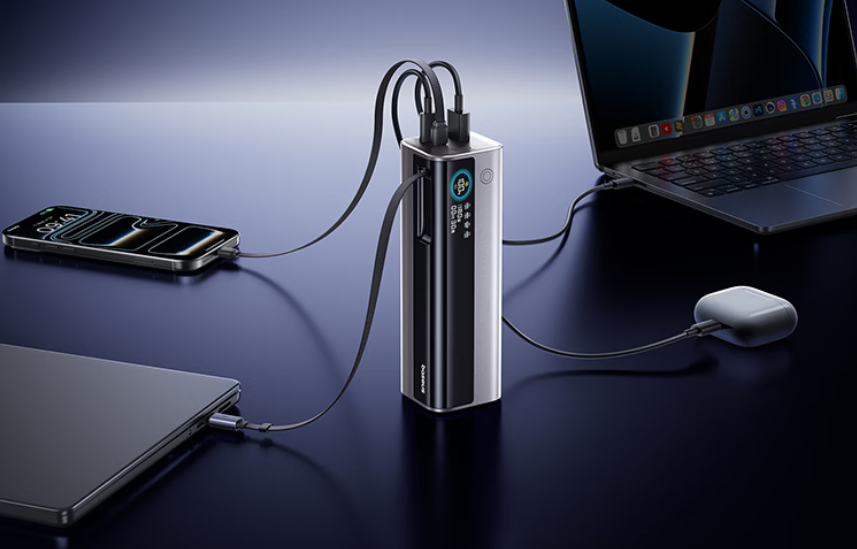
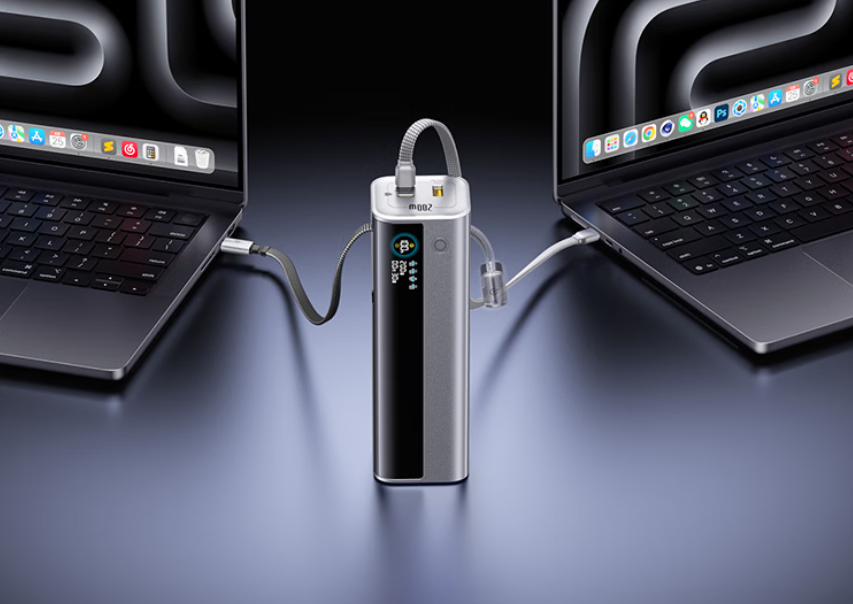
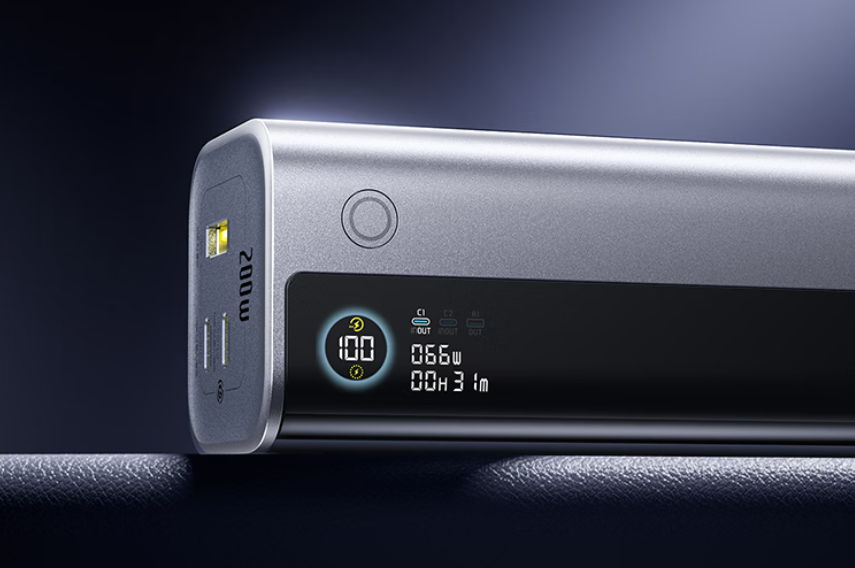
Baseus launches 200W 25000mAh power bank with dual USB-C cables & 140W fast charging

Baseus has introduced the EnerGeek GR11, a new 200W power bank with a 25,000mAh battery and built-in dual USB-C cables. The device is now listed on JD.com and will go on its first sale on February 9. It is priced at 429 yuan ($62).

Baseus 200W 25000mAh Power Bank

Baseus 200W 25000mAh Power Bank Specs

The power bank uses five automotive-grade 21700 lithium-ion cells to achieve a total energy rating of 90Wh. It delivers enough power to charge multiple smartphones and can support laptops during travel or mobile work. The total output reaches 200W, which puts it ahead of many standard portable chargers.

Baseus includes a retractable USB-C cable that supports up to 140W output. The second cable is a detachable USB-C charging cable that also functions as a carrying strap. The device supports four outputs in total: one USB-A port and three USB-C outputs, including the two cable connections. It can handle multiple output scenarios, such as 100W + 100W dual-laptop charging or 140W + 22.5W mixed output for laptops and accessories.
Baseus 200W 25000mAh Power Bank

The GR11 supports a wide range of fast-charging protocols. It is compatible with PD 3.1, PPS, UFCS, QC 3.0, and proprietary charging standards from Apple, Samsung, Xiaomi, Huawei, Honor, Oppo, and Vivo. The power bank delivers 33W to the Huawei Mate 80 Pro and 45W to the Vivo X200 Pro. It also supports other devices, including tablets, handheld consoles, drones, and cameras.

Baseus equips the GR11 with 140W self-charging support. When connected to a compatible charger, the device recharges from 0 to 100% in approximately 1 hour and 45 minutes. It also features a built-in digital display that shows battery percentage, power input or output, and estimated remaining charge or discharge time.

Baseus 200W 25000mAh Power Bank

To manage heat during high loads, the power bank uses a triple-layer cooling system. It combines aerospace-grade graphene, aerogel insulation, and AI-powered temperature regulation. The chassis is made from flame-retardant V0-grade material and includes silicone anti-slip pads for added stability.

In related news, Baseus recently launched the 245W Nomos NH21 6-in-1 GaN charging station featuring retractable cables and Qi2 wireless charging support.

For more daily updates, please visit our News Section.

Stay ahead in tech! Join our Telegram community and sign up for our daily newsletter of top stories! 💡

(JD)

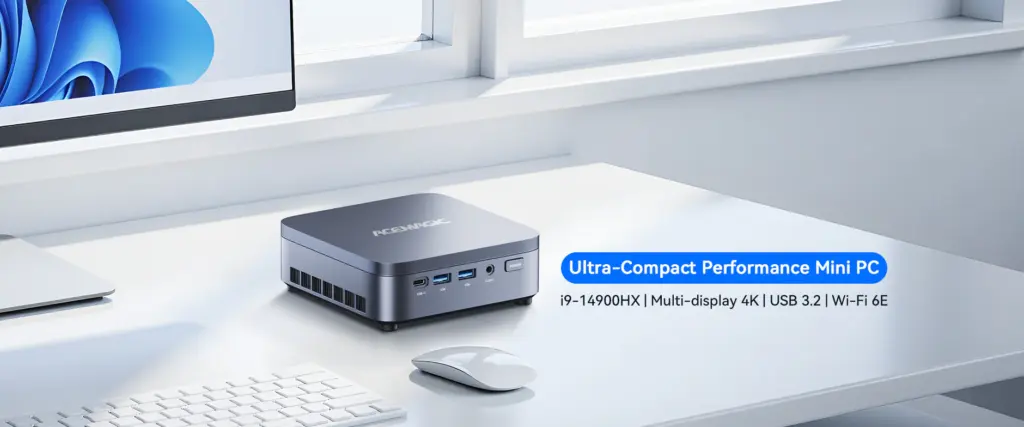
Acemagic launches Matrix Mini M5 Mini PC with Intel 14th-gen HX CPUs & compact design

Acemagic introduces the Matrix Mini M5, a compact mini PC powered by Intel’s 14th-generation Core HX processors. The company lists the device on its official website and opens pre-orders.

It comes in two variants: Core i9-14900HX and Core i7-14650HX, both featuring 32GB of DDR4 RAM and a 1TB SSD. The Core i7 version is priced at $639, while the Core i9 model costs $749. Shipments begin on February 10.

Acemagic Matrix Mini M5 mini PC

Acemagic Matrix Mini M5 Specifications

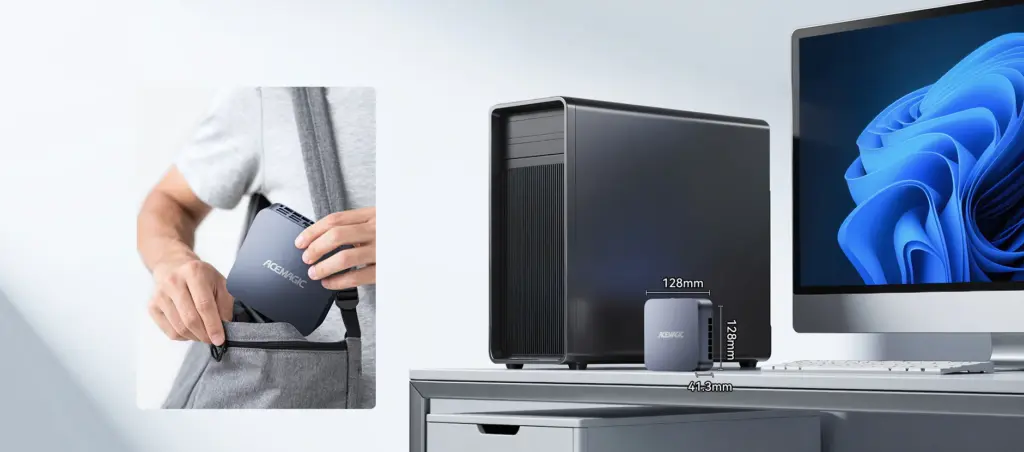
The Matrix Mini M5 features a small form factor with dimensions of 128 x 128 x 41.3 mm. It uses a dual-fan, dual-heat-pipe cooling system to support high performance during extended workloads.

Acemagic Matrix Mini M5 mini PC

The Core i9-14900HX configuration provides 24 cores, 32 threads, and a boost clock of up to 5.8GHz. The Core i7-14650HX version comes with 16 cores, 24 threads, and a maximum turbo frequency of 5.2GHz. Both models use integrated Intel UHD Graphics.

For memory and storage, the Mini M5 includes two DDR4 SODIMM slots supporting up to 64GB of RAM at 3200 MHz. It also includes two M.2 2280 SSD slots: one with PCIe 4.0 x4 and the other with PCIe 3.0 x4 or SATA support, with a total storage capacity of up to 4TB.

For connectivity, the mini PC includes Wi-Fi 6E, Bluetooth 5.2, and a 1GbE Ethernet port. The front panel features one USB-C 10Gbps port, two USB-A 10Gbps ports, and a 3.5mm audio jack. The rear panel adds four USB-A 5Gbps ports, HDMI, DisplayPort, and DC power input.

Acemagic Matrix Mini M5 mini PC

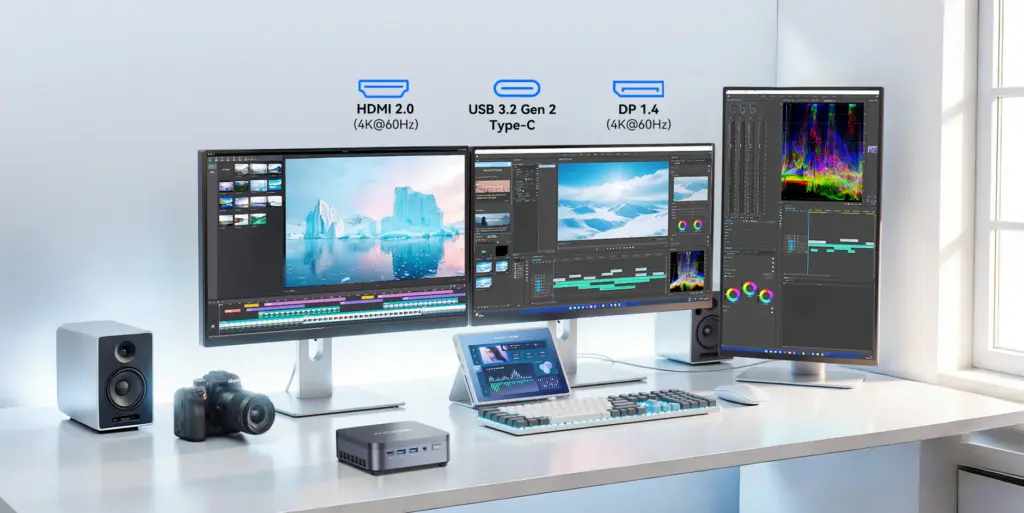
The system supports up to three 4K displays simultaneously through HDMI 2.0, DisplayPort 1.4, and a USB-C port with DP Alt Mode.

Acemagic ships the Matrix Mini M5 with Windows 11 Pro pre-installed. The system also supports Ubuntu and Linux. The device includes wall-mounting support and a 2-year warranty.

In related news, Acemagic also launched the Retro X3 Mini PC featuring a Ryzen 7 H 255 processor, Radeon 780M GPU, USB4 connectivity, and support for triple display output.

For more daily updates, please visit our News Section.

Stay ahead in tech! Join our Telegram community and sign up for our daily newsletter of top stories! 💡

(Source)

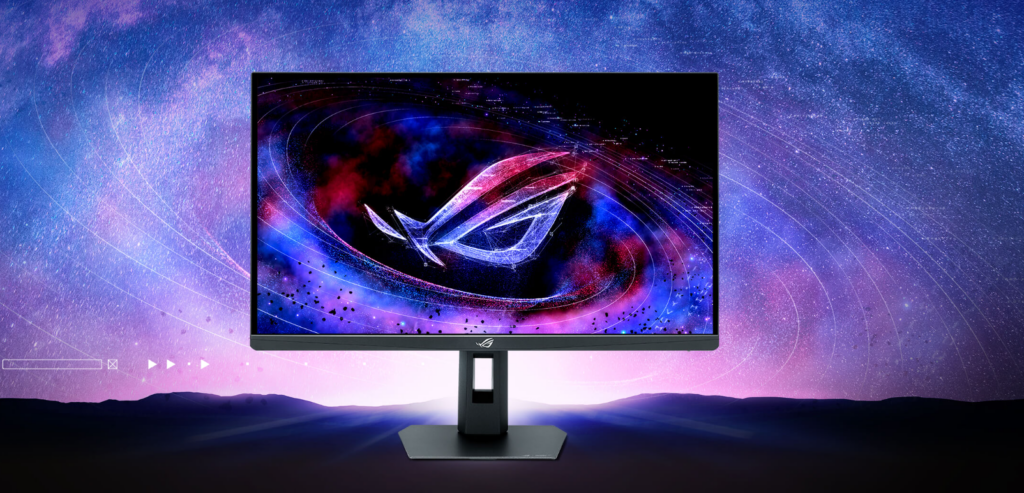
Asus ROG Strix 5K XG27JCG Now Available With 5K Fast IPS Panel and HDMI 2.1

Asus has launched the ROG Strix XG27JCG in North America, entering the limited 5K gaming monitor market with a 27-inch display targeting users seeking high-resolution performance for gaming and productivity.

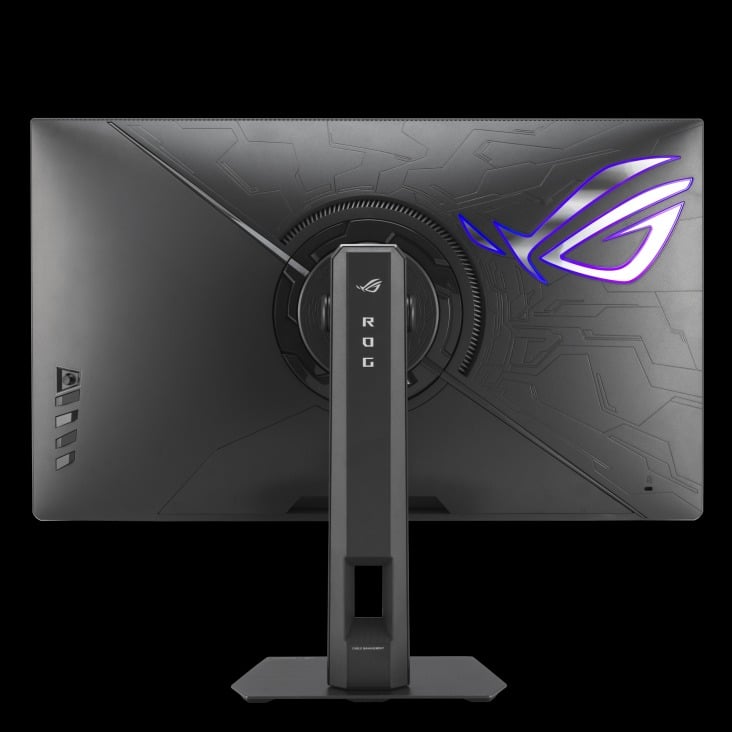
ASUS ROG Strix 5K XG27JCG

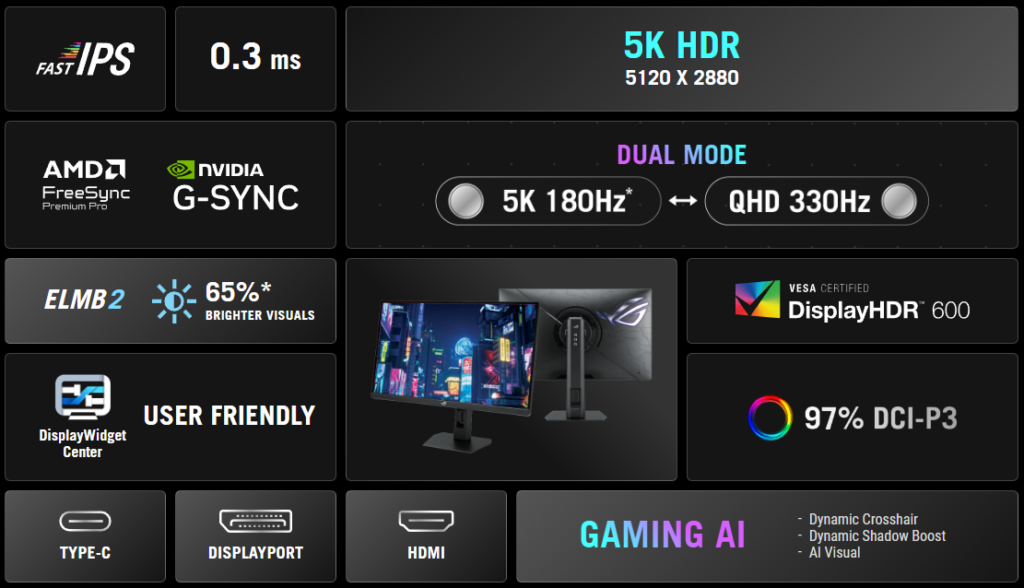
The XG27JCG features a Fast IPS panel delivering 5120 x 2880 resolution at 218 PPI with 0.116 mm pixel pitch. The 16:9 display covers 97 percent of DCI-P3 color space and comes factory calibrated below Delta E 2. Standard brightness measures 350 nits, reaching 600 nits peak for HDR content with VESA DisplayHDR 600 certification. The panel supports 10-bit color depth with 1.07 billion colors and maintains a 1500:1 contrast ratio.

ASUS ROG Strix 5K XG27JCG

Gaming capabilities include native 180 Hz refresh with overclocking support and 0.3 ms GTG response time. A frame rate boost mode switches from 5K at 180 Hz to QHD at 330 Hz when maximum frame rates matter more than resolution. FreeSync Premium Pro and G-SYNC compatibility ensure tear-free gaming, while ELMB 2 and Trace Free Technology handle motion clarity.

Connectivity provides DisplayPort 1.4 with DSC, dual HDMI 2.1 ports, and USB-C with DisplayPort Alt Mode offering 15 W power delivery. A USB 3.2 Gen 1 hub and headphone jack round out the options, though no speakers are included. HDCP 2.3 support handles protected content.

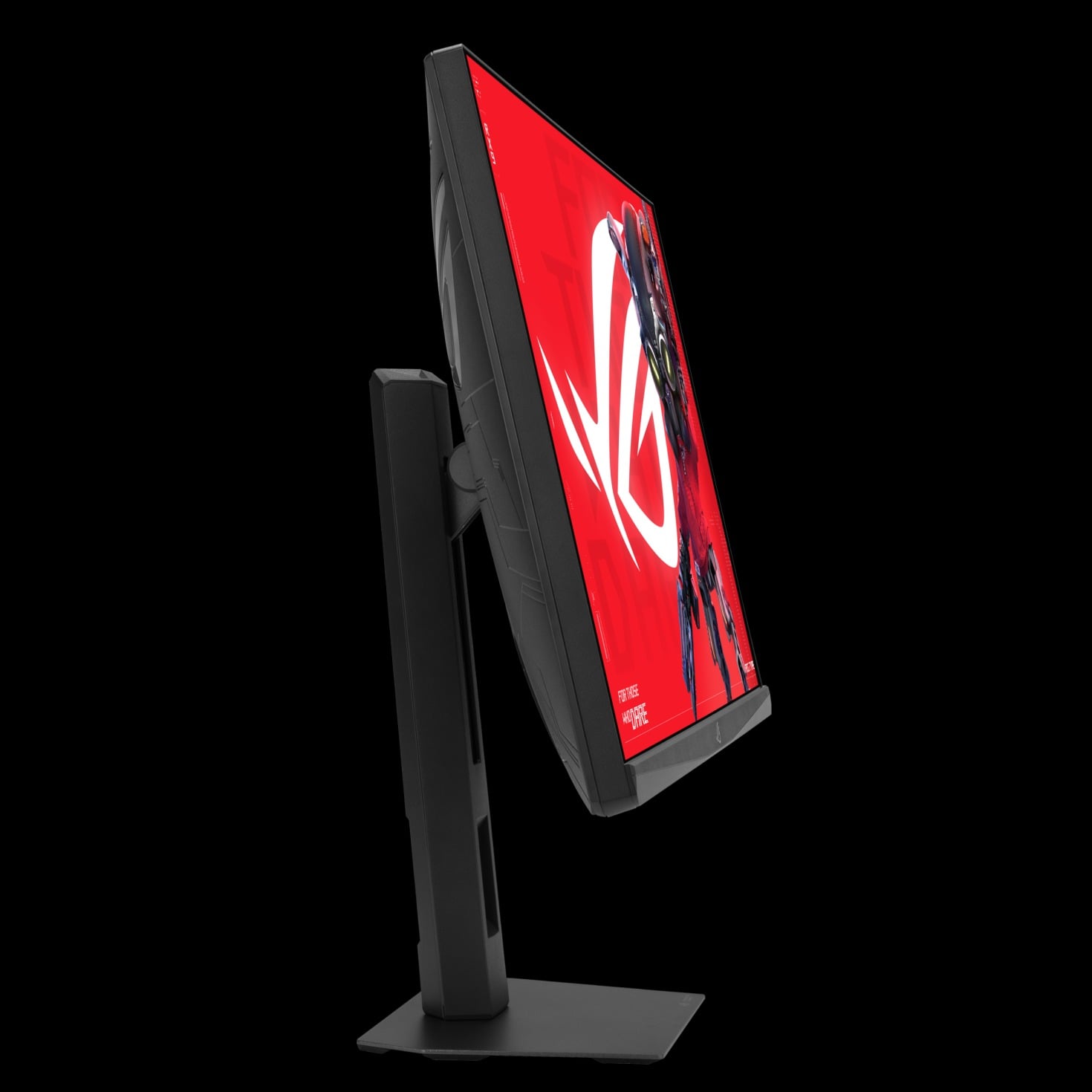
The ergonomic stand adjusts through +20 to -5 degree tilt, 40-degree swivel, 90-degree pivot, and 110 mm height range. VESA 100 x 100 mounting accommodates aftermarket stands. Additional features include Aura Sync RGB lighting and Kensington lock compatibility.

The monitor includes DisplayPort and power cables, a USB cable, and a three-year Rapid Replacement warranty that provides cross shipping for defective units.

The monitor sells for $849 USD through Asus’s direct store and CA$1,199 in Canada via Amazon.

Don’t miss a thing! Join our Telegram community for instant updates and grab our free daily newsletter for the best tech stories!

For more daily updates, please visit our News Section.

(via: Notebookcheck)

Is Nothing Launching Phone (4a) Pro & Phone (4a) next month?

Nothing appears to be gearing up for the release of its next mid-range smartphone series. The Nothing Phone (4a) and Nothing Phone (4a) Pro have just surfaced in another leak, which has hinted at their release being right around the corner. So here’s what we know.
Nothing Phone (4a) & Phone (4a) Pro Could Be Just Weeks Away

According to a known tipster Yogesh Brar, the brand might be planning an early March release for its new mid-range duo. He also shared a tentative global launch date, which is 5th March 2026. So the affordable devices could be just a month away from their official announcement. This launch strategy would mirror last year’s timing for the Phone (3a) series, which debuted around the same time last year, and helped Nothing solidify its presence in the mid-range segment.

Nothing Phone 3a and Phone 3a Pro OS 4.0
Nothing Phone (3a) and Nothing Phone (3a) Pro

In a recent announcement, Nothing confirmed that there will be no Phone (4) flagship model launching this year, but has already confirmed the Phone (4a) lineup. This might be indicative of the brand’s focus on enhancing the 4a series with meaningful upgrades in design and performance. In the tweet, the tipster did reveal some of these updates, including a faster UFS 3.1 storage instead of the older UFS 2.2, which should result in faster app load times and improved responsiveness.

Both variants are also likely to use Snapdragon 7 series chipsets, although the exact models have yet to be confirmed. This should offer capable performance for day-to-day use and efficient power management. Nothing could bring a marginal battery capacity bump in both models. Apart from this, the upcoming devices are expected to get a refreshed design and a higher price tag.

For more daily updates, please visit our News Section.

Tech enthusiast? Get the latest news first! Follow our Telegram channel and subscribe to our free newsletter for your daily tech fix! ⚡

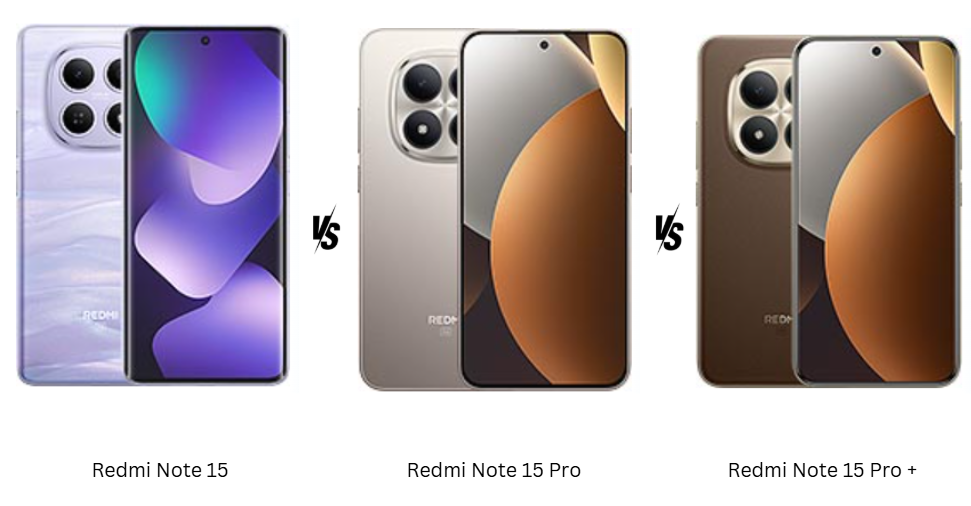
Redmi Note 15 Series Comparison: Differences, Upgrades, and Which to Buy

The Redmi Note 15 series marks a clear shift in strategy. Instead of offering small spec bumps, Redmi now uses features to clearly separate value, premium, and near-flagship users. All three phones share AMOLED displays, Android 15 with HyperOS 2, and modern connectivity, but the experience changes meaningfully as you move up the lineup. Understanding which features matter actually is the key to making the right choice.

Major Features Compared:

FeatureRedmi Note 15Redmi Note 15 ProRedmi Note 15 Pro+Winner
PositioningValue & durability focusedPremium mid-range balanceNear-flagship experiencePro+ – most complete package
Build & ProtectionPlastic build, IP66Premium glass, IP68/IP69KPremium glass, IP68/IP69KPro / Pro+ – stronger protection
Display Resolution & HDRAMOLED FHD+, HDR10+Higher-res AMOLED, Dolby VisionSame as ProPro / Pro+ – sharper & richer
Performance ChipsetSnapdragon 6 Gen 3Dimensity 7400 UltraSnapdragon 7s Gen 4Pro+ – strongest sustained performance
Gaming & LongevityCasual gamingBetter thermal stabilityBest long-term performancePro+ – future-ready
Main Camera Sensor108MP with OIS200MP with OIS200MP with OISPro / Pro+ – higher detail
Camera ProcessingGood daylight shotsMore consistent resultsMost refined tuningPro+ – most reliable
Selfie Camera20MP20MP (better tuning)32MPPro+ – sharper selfies
Battery Capacity5520mAh6580mAh6500mAhPro / Pro+ – longer endurance
Charging Speed45W45W100WPro+ – game-changing speed
ConnectivityWi-Fi 5 / BT 5.1–5.3Wi-Fi 6 / BT 5.4Wi-Fi 6/6e / BT 5.4Pro+ – most advanced
Price (Approx)$200 / ₹23,000$350 / ₹30,000$450 / ₹38,000Depends on budget
Best ForBudget buyersBalanced usersPower users

Please Note: When you buy something using the links in our articles, we may earn a small commission at no cost to you.

1. Design, Protection, and Display Features

The Redmi Note 15 focuses on toughness with IP66 water resistance, drop protection, and MIL-STD-810H compliance. It feels purpose-built for everyday reliability rather than visual flair. 

The Note 15 Pro upgrades to IP68/IP69K protection, Gorilla Glass Victus 2, and stronger drop resistance, making it far more reassuring for long-term use. 

The Pro+ keeps the same high-end protection but adds better material finishes, giving it the most premium feel in the series.
Display features scale similarly. The Note 15 offers a 120Hz AMOLED panel with HDR10+ and very high peak brightness. 

The Pro and Pro+ upgrade to higher resolution panels, Dolby Vision, and better HDR tuning, making streaming content noticeably richer and sharper. The difference feels most obvious during video playback and gaming.

Verdict: Durability improves with the Pro, while display clarity and HDR quality peak with Pro and Pro+.

2. Performance, Battery, and Charging Features

Performance upgrades are driven by chipset choice. The Snapdragon 6 Gen 3 in the Note 15 is efficient and smooth for daily use. 

The Dimensity 7400 Ultra in the Pro offers higher sustained performance, faster multitasking, and better gaming stability. 

The Snapdragon 7s Gen 4 in the Pro+ introduces a newer CPU architecture and a stronger GPU, making it the most future-ready option.

Battery capacity increases with the Pro and Pro+, but charging features create the real separation. Both Note 15 and Pro support 45W fast charging with reverse wired charging. 

The Pro+ jumps to 100W fast charging, delivering a full charge in roughly 40 minutes, which fundamentally changes daily usage habits.

Verdict: Choose the Pro for better performance, or the Pro+ for maximum speed and convenience.

3. Camera and Imaging Features

Camera hardware clearly differentiates the lineup. The Note 15’s 108MP OIS camera delivers sharp daylight photos and reliable stabilization. 

The Pro and Pro+ upgrade to a 200MP OIS sensor, offering better detail retention, improved HDR, and more flexibility for cropping. 

Video features also improve, with higher frame-rate options and better stabilization on the Pro models.

Selfie features scale upward as well. The Note 15’s 20MP camera is adequate, the Pro improves tuning and frame-rate options, and the Pro+ upgrades to a 32MP front camera, delivering sharper selfies and better video clarity.

Verdict: Casual photography works on Note 15, but Pro and Pro+ are clearly better for content creation.

4. Pricing and Buyer Fit:

  • Redmi Note 15 (~$200 / ₹23,000): Best for users who want AMOLED, OIS camera, solid durability, and long battery life at the lowest price.
  • Redmi Note 15 Pro (~$350 / ₹30,000): Justified by upgrades like IP69K protection, 200MP camera, stronger chipset, and sharper display.
  • Redmi Note 15 Pro+ (~$450 / ₹38,000): Targets power users with 100W charging, top-tier performance, advanced connectivity, and better selfie hardware.

Disclaimer:
Prices are approximate and may vary based on country, region, and applicable taxes.

5. Final Verdict:

The Redmi Note 15 series is now clearly segmented by features, not just pricing. The Note 15 covers the essentials extremely well. The Note 15 Pro is the most balanced upgrade, adding premium protection, camera, and performance features. The Note 15 Pro+ is for users who value speed, charging technology, and long-term performance. Choosing the right model depends on which features will actually be used every day.
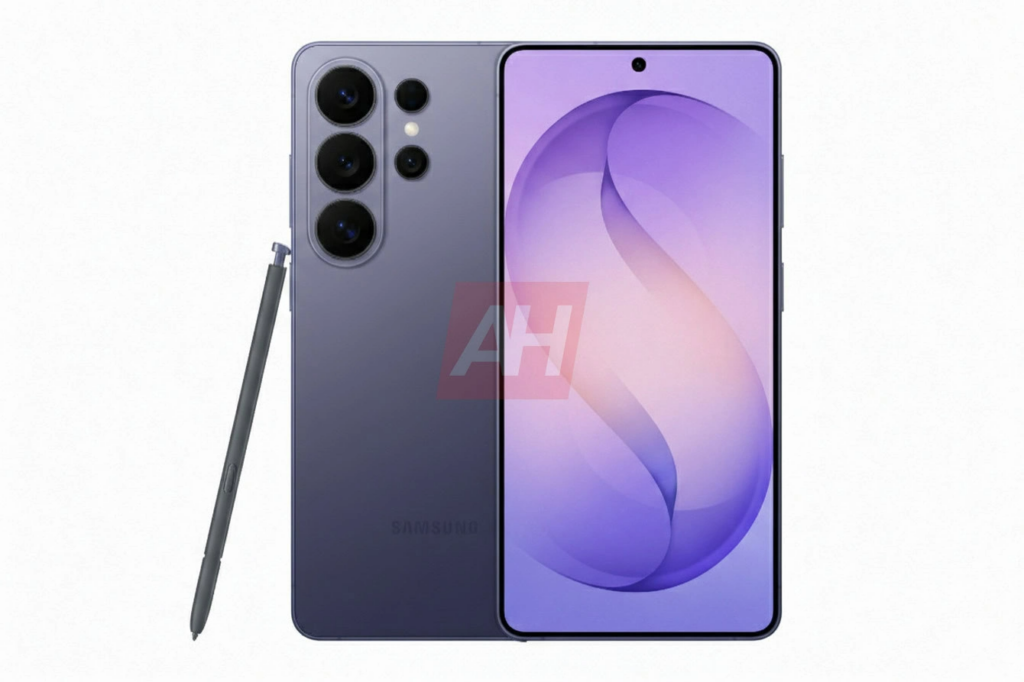
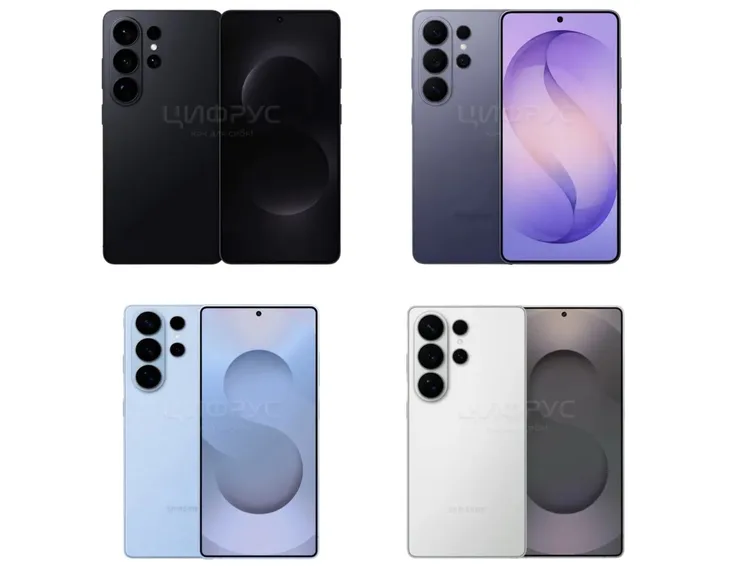
Here’s the Samsung Galaxy S26 Ultra in All Four Colors

Leaks are hitting the web as we approach its official launch, and they give us our best look yet at what Samsung’s next flagship will offer in terms of finishes. After images from a Russian retailer briefly surfaced online, the Galaxy S26 Ultra will arrive in four main color options, so let’s check it out.

Samsung Galaxy S26 Ultra Colorways Revealed

Earlier this week, a fresh listing from a Russian retailer confirmed two of the color options for Samsung’s next top flagship smartphone. The Galaxy S26 Ultra was spotted in a new Cobalt Violet and Black colorways. But now, the latest leak has also revealed two more variants. Sky Blue is a soft blue tone, for a more subtle splash of color, and White is another classic, which adds a clean and minimal touch.

Samsung Galaxy S26 Ultra
Samsung Galaxy S26 Ultra spotted in Black, White, Sky Blue, and Cobalt Violet.

These colors appeared in leaked product renders from retailer listings, and while some of those listings were quickly taken down, the same lineup has been confirmed by reputable tech news sites and leakers. While these four colors seem set to be widely available through carriers and retailers, rumours suggest additional shades like Silver Shadow and Pink Gold could also launch later on. Some of these might also be exclusive to Samsung’s official website or new limited editions.

Aside from color options, recent renders have also highlighted a slightly refreshed design for the S26 Ultra, including an updated quad-camera layout on the rear and slimmer bezels on the front. Apart from this, Samsung’s new flagship likely retains an S Pen slot. Samsung is set to unveil the Galaxy S26 Ultra with a new Privacy Display feature as well.

For more daily updates, please visit our News Section.

Don’t miss a thing! Join our Telegram community for instant updates and grab our free daily newsletter for the best tech stories!