Advertisement

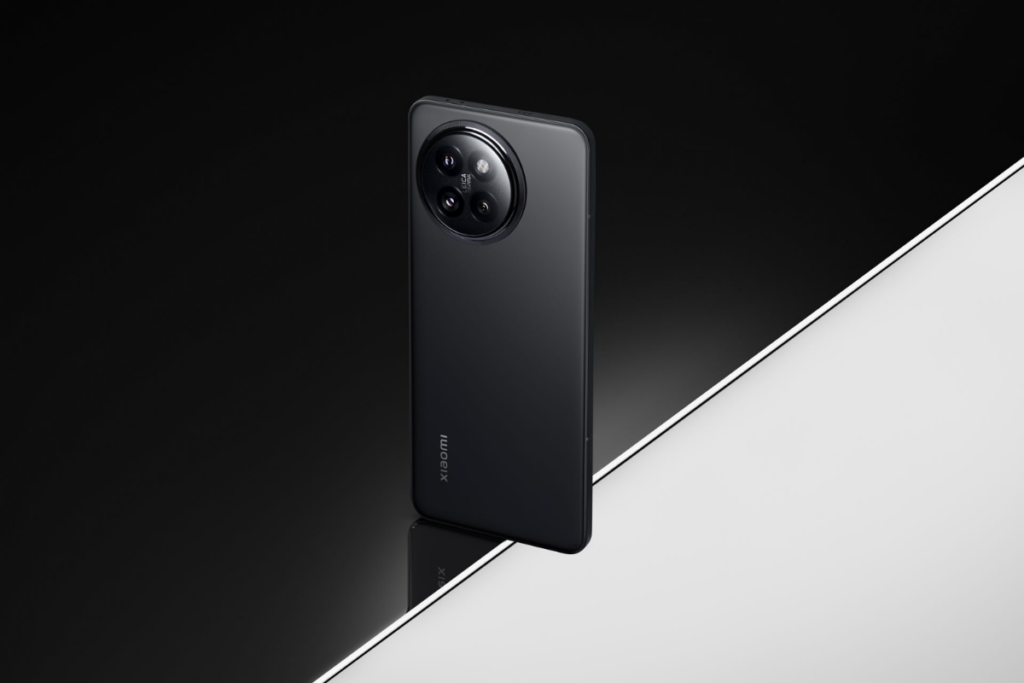
HyperOS 3 update finally arrives for Xiaomi 14 Civi

Xiaomi 14 Civi

Xiaomi has finally started rolling out the much-awaited HyperOS 3 update for the Xiaomi 14 Civi users, while the regular Xiaomi 14 models received it a month ago. Anyway, the update is finally here for Xiaomi 14 Civi, and it brings loads of exciting stuff, including a bundle of new features and dozens of improvements.

The HyperOS 3 update, based on Android 16, is initially rolling out in India with the firmware version 3.0.4.0.WNJINXM. It’s a massive update package with a download size of about 6.3GB. So, it’s best to download it over a stable Wi-Fi connection.
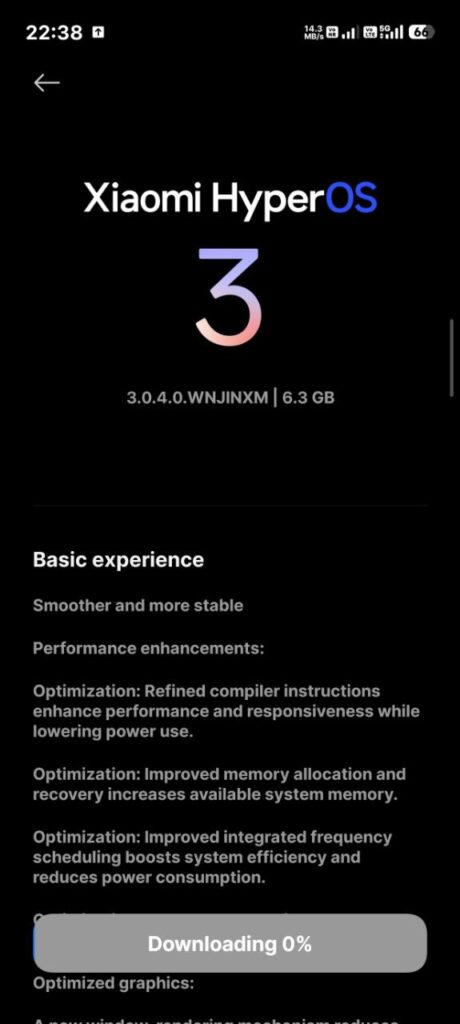
Xiaomi 14 Civi HyperOS 3 update

Since Xiaomi rolls out updates in batches, it may take a few days for all users to receive them. If you’re rocking a Xiaomi 14 Civi, check for available updates manually by navigating to Settings > About phone, then tapping the HyperOS logo. To ensure a smooth upgrade to HyperOS 3, ensure that the device has sufficient space on the internal storage and it’s charged to at least 50%. You can back up important data for added safety.

After upgrading to HyperOS 3.0, you’ll have plenty to explore and play with, including a new HyperIsland, which lets you monitor live activities without opening the app. The updated lock screen now includes AI Cinematic Lock Screen, AI Dynamic Wallpapers, and more new features, allowing greater customization for a more personalized, dynamic lock screen experience.

HyperOS 3 also focuses on AI, with new features such as AI Writing, AI Speech Recognition, AI Search, and AI Translate. The software now features Gemini integration for a more useful software experience. Additionally, Xiaomi has made over 100 improvements to HyperOS 3 to deliver a faster, smoother experience.

The company is also working on HyperOS 3.1, which would still be based on Android 16, and is expected to bring useful upgrades to the software. It has already started recruiting people for the beta program. Unfortunately, the Xiaomi 14 Civi is not on the beta list, but it should receive the update once the stable rollout begins.

To stay updated with the latest news about HyperOS, visit the Xiaomi section regularly. Or, you can join us on Telegram to get instant notifications about the latest HyperOS updates, along with the biggest tech headlines.
Redmi A7 Pro bags new certifications, launching soon

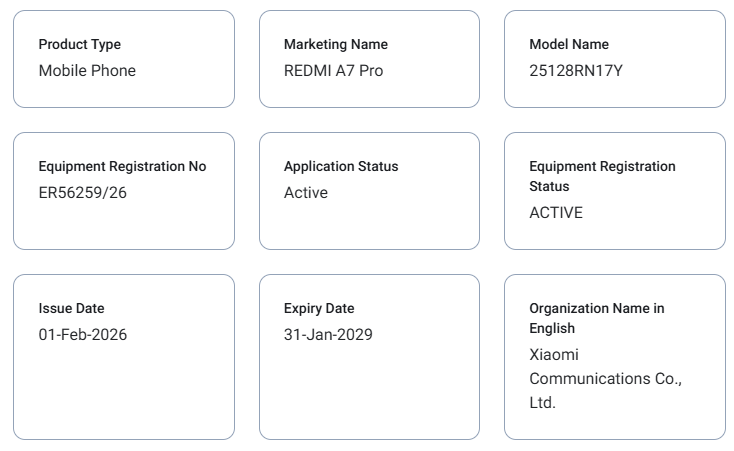
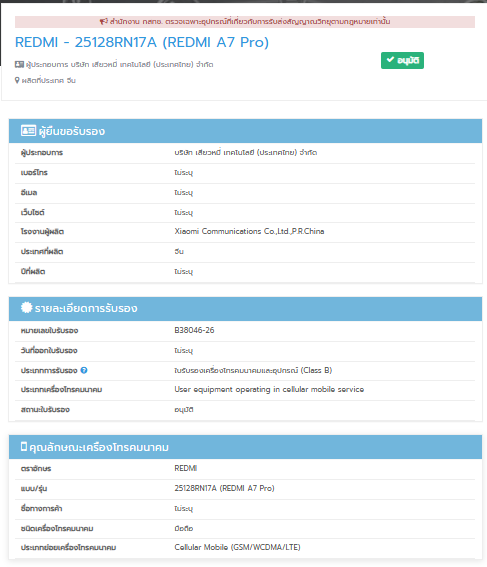
Redmi is reportedly working on a new A-series phone called the Redmi A7 Pro. While the device was certified by the FCC authority in December 2025, it is only now, through the NBTC (Thailand) and TDRA (UAE) certifications, that the moniker of this device has been confirmed as the Redmi A7 Pro. Here’s a look at what to expect from the device.

Redmi A7 Pro approved in the UAE, Thailand

The Redmi A7 Pro has appeared with the model number 25128RN17Y in TDRA’s database, whereas it has been spotted with the model number 25128RN17A in Thailand. The latter was also seen on Indonesia’s SDPPI certification platform. These listings do not confirm anything about the core specifications of the phone, but the NBTC listing reveals that it will be a 4G LTE phone.

The appearance of the Redmi A7 Pro moniker suggests that the company has decided to skip the Redmi A6 altogether. Therefore, the A7 Pro is the successor to last year’s Redmi A5.

Redmi’s sibling brand Poco is said to be working on the Poco C81 (model number: 25128RN17G). This is expected to be a rebranded version of the Redmi A7 Pro, just as last year’s Poco C71 was a rebadged edition of the Redmi A5.

Redmi A7 Pro key specifications

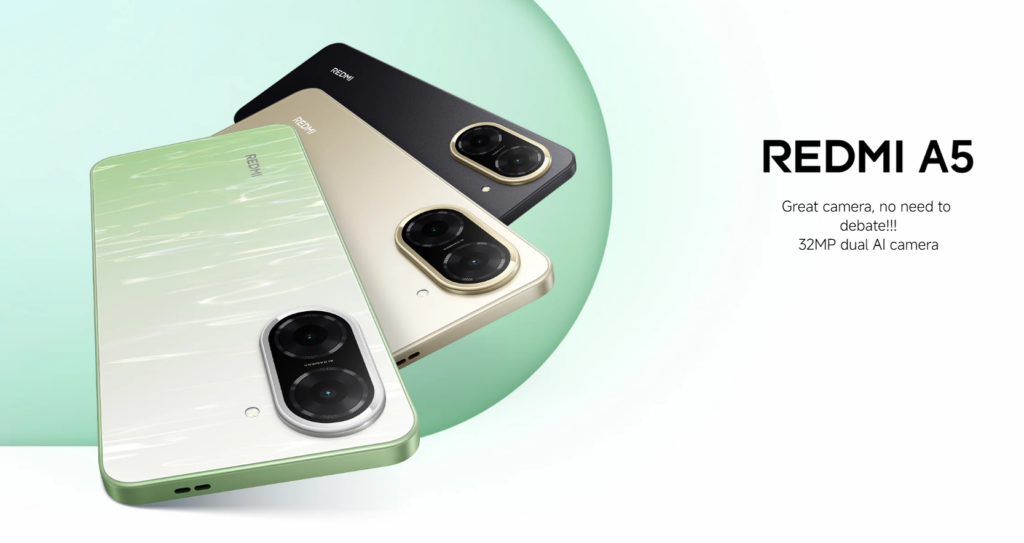
Redmi A5
Redmi A5

As per the previously seen FCC listing, the Redmi A7 Pro will arrive with a 6.9-inch LCD panel, which may have a waterdrop notch and support an HD+ resolution. Likely, it will run on Android 15 Go edition.

The device is expected to ship with the Unisoc T7250 chip, which also powered last year’s Redmi A5 and Poco C71. The A7 Pro is expected to ship with 4GB / 6GB of LPDDR4x RAM and 64GB / 128GB of eMMC storage.

At present, there is no information about the Redmi A7 Pro’s camera details. Under the hood, it is expected to feature a 6,000mAh battery with 15W charging support over the USB-C port.

For more daily updates, please visit our News Section.

Stay ahead in tech! Join our Telegram community and sign up for our daily newsletter of top stories.

(via)

Redmi K Pad 2 key specs leak bigger 9,000mAh battery, 165Hz 3K display, launch timeframe

Redmi unveiled the Redmi K Pad, a performance-focused tablet, for China last year. The same device was rebranded as the Xiaomi Pad Mini globally. A new development reveals that the brand is reportedly working on the Redmi K Pad 2. The initial leak has unearthed a few specifications, revealing what to expect from the second-generation offering.

Redmi K Pad 2 specs leaked

Redmi K Pad 2 specs, launch timeframe leak
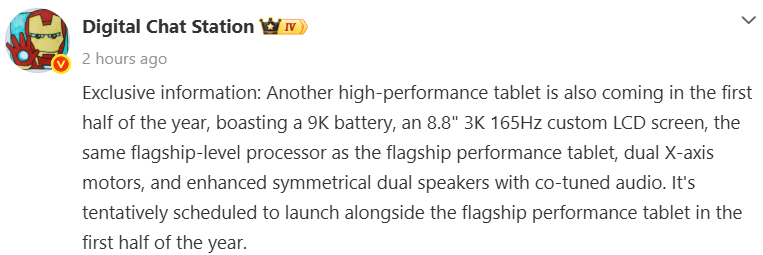
Redmi K Pad 2 specs, launch timeframe leak by DCS

As can be seen, well-known tipster Digital Chat Station can be seen talking about an upcoming high-performance tablet. While he has not specified the name of the device, it is largely believed that he could be talking about the Redmi K Pad 2.

The leak suggests that the Redmi K Pad 2 may feature a custom-made 8.8-inch LCD panel offering a 165Hz refresh rate and a 3K resolution. To recall, the Redmi K Pad also featured the same-sized screen with the same resolution and refresh rate.

The leak further states that the Redmi K Pad 2 will feature a flagship-level processor, dual X-axis motors for enhanced haptics, and improved symmetrical dual speakers with co-tuned audio.

Under the hood, the Redmi K Pad 2 will house a massive 9,000mAh battery. This will be a significant upgrade considering that the first-generation model came with a 7,500mAh battery. At present, there is no information about the K Pad 2’s charging and camera capabilities.

Redmi K Pad 2 launch timeframe (rumored)

Redmi K Pad
Redmi K Pad

Redmi unveiled the Redmi K Pad alongside the Redmi K80 Ultra last year. DCS claims that the K Pad 2 will debut alongside a performance-focused flagship, which appears to be the Redmi K90 Ultra, within the first half of this year. So, it may launch in May or June this year. Likely, the tablet may get rebranded as the Xiaomi Pad Mini 2 globally.

For more daily updates, please visit our News Section.

Stay ahead in tech! Join our Telegram community and sign up for our daily newsletter of top stories.

Huawei Pura X2 arrival delayed, but not too far away

Huawei surprised the tech world last year by announcing the Pura X with an offbeat book-style inward fold and a wider, passport-like form factor, making it noticeably broader and more tablet-oriented than conventional horizontal foldable phones that have a taller, narrower design. Reports have revealed that the brand is working on the Pura X2, and now a new report suggests that its arrival has been slightly delayed.

Huawei Pura X2 launch timeframe (rumored)

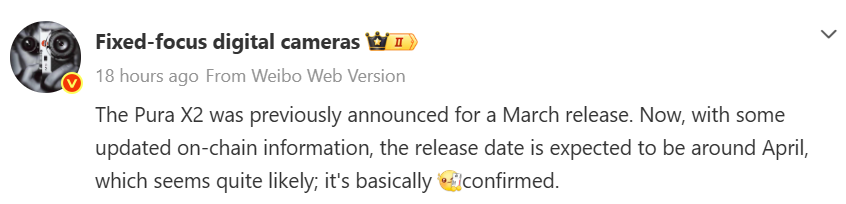
Huawei Pura X2 launch timeframe tipped

As can be seen above, a Chinese tech blogger has revealed that while the original Pura X was announced in March 2025, the Pura X2 is expected to be unveiled around April. This puts to rest a previous claim that it would be unveiled in Q1 this year.

There is a possibility that Huawei may unveil its Pura 90 series of flagship phones before the Pura X2. It is advisable to wait for further reports on how and when Huawei plans to launch the upcoming Pura offerings.

Huawei Pura X2 specifications (rumored)

As per a recent leak, the Huawei Pura X2’s main display may increase to a size of 7.5 inches, which is significantly bigger than the 6.3-inch screen available on the original model. The display is said to offer a 16:10 aspect ratio, and the size of the outer screen is also said to increase.

The Pura X2 is said to be equipped with a total of four cameras, which probably includes a selfie camera and a triple camera setup with a 200-megapixel main camera on the back. Under the hood, the device is expected to feature the Kirin 9030 series chipset.

The Pura X2 is expected to arrive in multiple configurations, such as 12GB+256GB, 12GB+512GB, 16GB+512GB, 16GB+1TB, 20GB+512GB, and 20GB+1TB. It may arrive in different shades, such as white, green, orange, blue, black, and purple.

For more daily updates, please visit our News Section.

Stay ahead in tech! Join our Telegram community and sign up for our daily newsletter of top stories.

iQOO 15R to pack 7,600mAh battery, to be priced under Rs 50,000 (~$550)

iQOO is gradually revealing details about the iQOO 15R ahead of its official announcement, which is set to take place on Feb. 24. Its Amazon microsite is being consistently updated with fresh details. The footnotes on the page have also revealed its battery size.

iQOO 15R battery size revealed

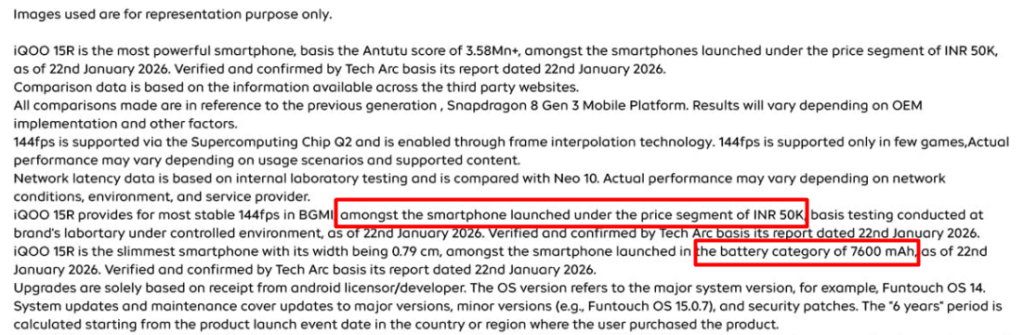
A screenshot from iQOO 15R’s Amazon microsite

As can be seen in the above screenshot, the iQOO 15R is confirmed to pack a 7,600mAh battery. Despite housing a massive battery, the device will measure only 7.9mm in thickness.

The footnotes section also hints at its pricing, stating that the phone will be launched under the Rs 50,000 (~$550) price segment. With this, the device will emerge as a major rival to the OnePlus 15R, which starts at Rs 47,999 (~$525). Both phones are powered by the Snapdragon 8 Gen 5 chipset.

iQOO 15R
iQOO 15R

The brand recently confirmed that the iQOO 15R will receive four Android OS upgrades and six years of security updates. It will come preloaded with Android 16 and OriginOS 6. For an enhanced gaming experience, the device will feature Q2 supercomputing, which will enable a stable 144fps experience in BGMI. It will be available in two shades, black and silver, with the latter featuring a checkered design on the back.

Reports suggest that the iQOO 15R could be a rebranded version of the iQOO Z11 Turbo, which was announced earlier this month in China. Therefore, the 15R is expected to feature a 32-megapixel front camera and an OIS-enabled 200-megapixel + 8-megapixel (ultra-wide) dual-camera setup.

The iQOO 15R may arrive with a 6.59-inch OLED panel that supports a 1.5K resolution and a 144Hz refresh rate. The device may ship with up to 16GB of LPDDR5x RAM and 512GB of UFS 4.1 storage. Likely, it may support 100W wired charging.

For more daily updates, please visit our News Section.

Stay ahead in tech! Join our Telegram community and sign up for our daily newsletter of top stories.

Galaxy S26 Ultra leaks intensify as official renders, promo image, specifications emerge

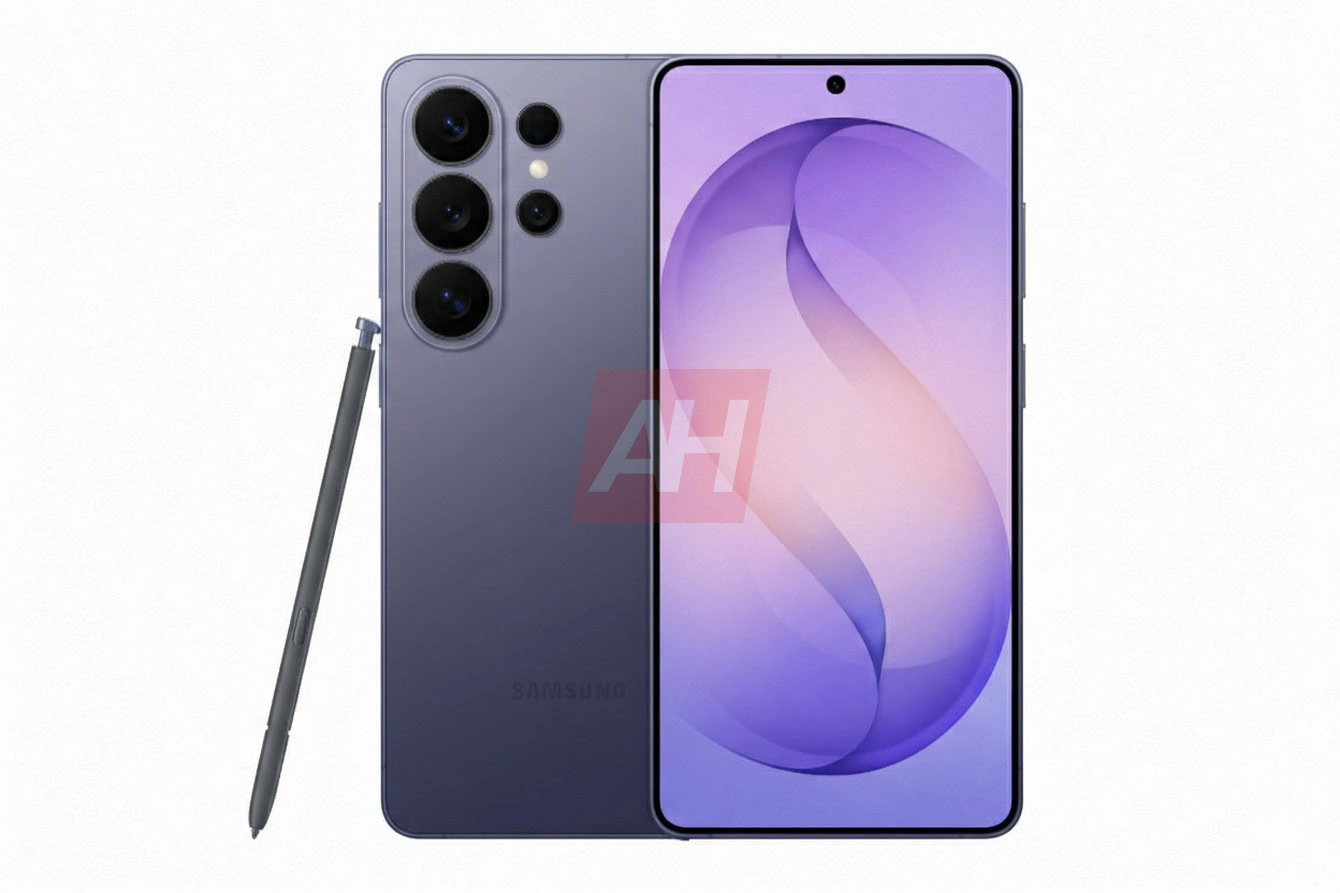
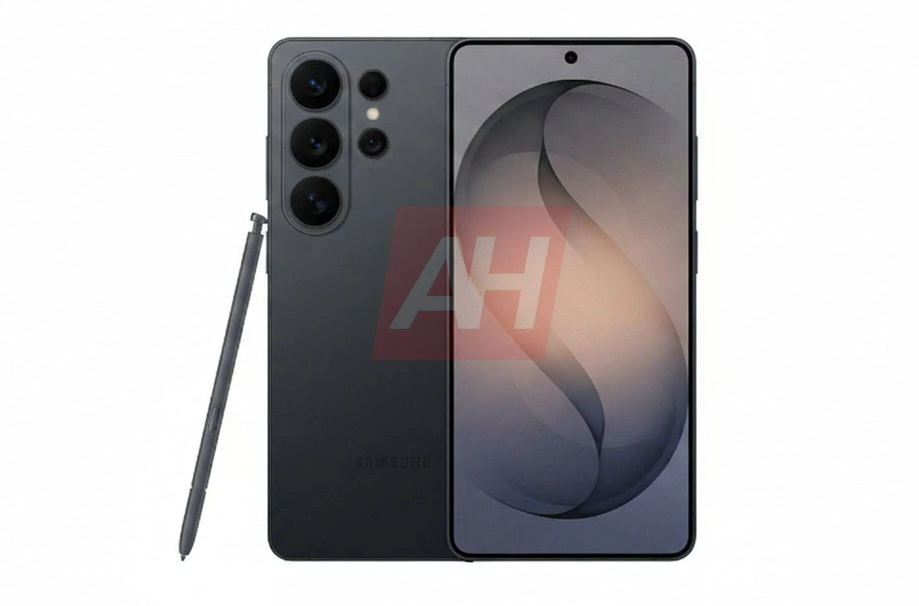
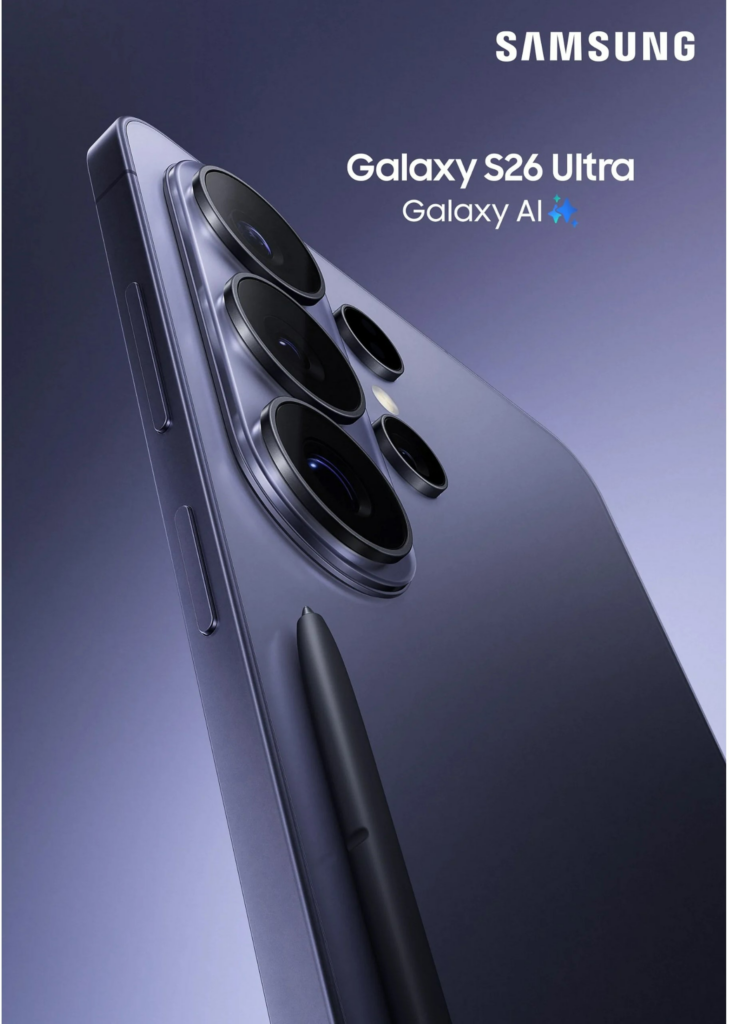
The Samsung Galaxy S26 Ultra is gradually coming into focus as fresh leaks shed light on its design and core hardware. Android Headlines recently shared official-looking renders along with key details, and shortly after, well-known leaker Evan Blass posted what appears to be the first promotional image, reinforcing several earlier claims.

Samsung Galaxy S26 Ultra design and colour variants revealed

According to Android Headlines, the Galaxy S26 Ultra adopts a flat design language with slimmer, uniform bezels surrounding a large display. The renders show the phone in Cobalt Violet and Black, offering a closer look at what seems to be the final retail finish. The front features a centred hole-punch camera, while the frame appears flat with softly rounded corners, giving the device a cleaner and more balanced profile than its predecessor.

On the rear, Samsung appears to have moved away from individually protruding lenses. Instead, the cameras sit on a unified island positioned in the top-left corner. While the camera housing still protrudes, it looks more refined and structured. The S Pen is clearly visible in the renders, confirming that Samsung continues to position stylus support as a defining feature of the Ultra lineup. Additional colours are expected at launch, but visuals are currently limited to these two variants.

Shown below is a promotional image shared by Evan Blass, showcasing the Galaxy S26 Ultra in its signature Cobalt Violet shade.

Samsung Galaxy S26 Ultra specifications (rumored)

Samsung Galaxy S26 Ultra promo
Samsung Galaxy S26 Ultra promo image shared by Evan Blass

According to the publication, the Galaxy S26 Ultra is expected to feature a 6.9-inch QHD+ Dynamic AMOLED display and ship with Android 16-based One UI 8.5. Powering the device could be Qualcomm’s Snapdragon 8 Elite Gen 5 chipset, paired with at least 256GB storage. The phone is tipped to measure 7.9mm in thickness, weigh around 214 grams, and pack a 5,000mAh battery with wireless power sharing.

Camera hardware is said to include a 200-megapixel primary sensor, a 50-megapixel ultrawide camera, a 10-megapixel telephoto lens, and a 50-megapixel periscope telephoto camera. A 12-megapixel front camera is also expected.

Samsung is likely to unveil the Galaxy S26 Ultra along with the S26, S26+, and Galaxy Buds 4 series through the Feb. 25’s Galaxy Unpacked event.

For more daily updates, please visit our News Section.

Stay ahead in tech! Join our Telegram community and sign up for our daily newsletter of top stories.

(source 1, 2)

Xiaomi heavily discounts battery replacements on dozens of older phones

Xiaomi is kicking off February with a new round of after-sales perks. The company has announced its February Super Service Week, running from February 1st to February 8th, during which the brand is offering discounts on battery replacements, device cleaning, and appliance servicing across China.

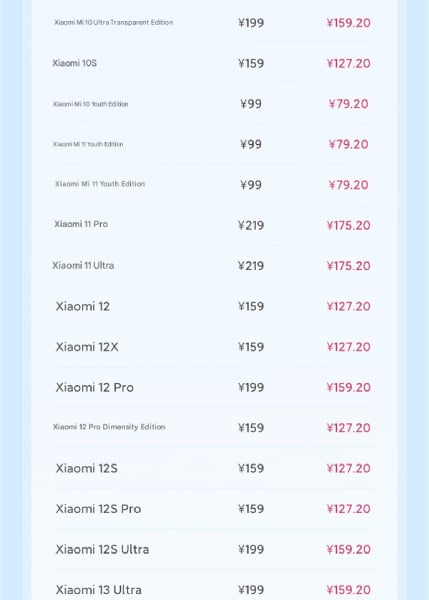
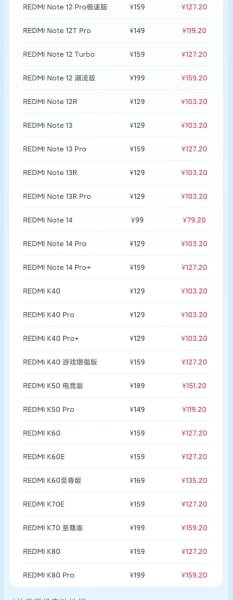
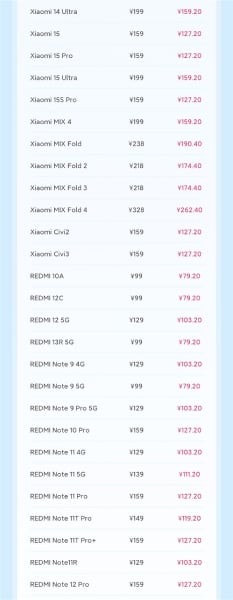
The headline offer this time is a 20% discount on smartphone battery replacements. According to Xiaomi, the program will cover 70 phone models with replacement prices starting at 79.2 yuan after the discount. 

The list goes back to 2020

What’s notable is how far back the supported models go. The list includes several older flagships, such as the Xiaomi 10 series, Xiaomi 11 Pro, and Xiaomi Mix Fold.

For instance, the Xiaomi 10 series was launched back in February 2020. At the time, CEO Lei Jun described the Xiaomi 10 as a product designed to break free from strict price constraints and push Xiaomi firmly into the high-end smartphone market.

The battery discount isn’t limited to flagships either. Xiaomi says models like the Redmi 10A, Redmi Note 9, Redmi K40 series, and even the newer Redmi K80 series are also part of the program. 

Beyond phones, Xiaomi’s Super Service Week also includes double discounts on old appliances for trade-ins, 50 percent off deep cleaning and maintenance for laptops, and a fixed price of 99 yuan for cleaning and maintenance of air conditioners and washing machines.

Xiaomi Service is also using the campaign to remind users about everyday battery care, encouraging more “scientific” charging habits and avoiding extreme temperatures to help extend battery life. 

Xiaomi has been running such programs regularly in China to let users make the most out of their smartphones. For now, though, these initiatives are limited to just the mainland. 

It’s hard not to wish Xiaomi would bring similar programs to global users as well, especially as phones get more expensive and people hold onto their devices longer than ever.

For more daily updates, please visit our News Section.

Stay ahead in tech! Join our Telegram community and sign up for our daily newsletter of top stories! 💡

Casio launches Oceanus OCW-S7000F-2A with sapphire bezel and Bluetooth solar movement

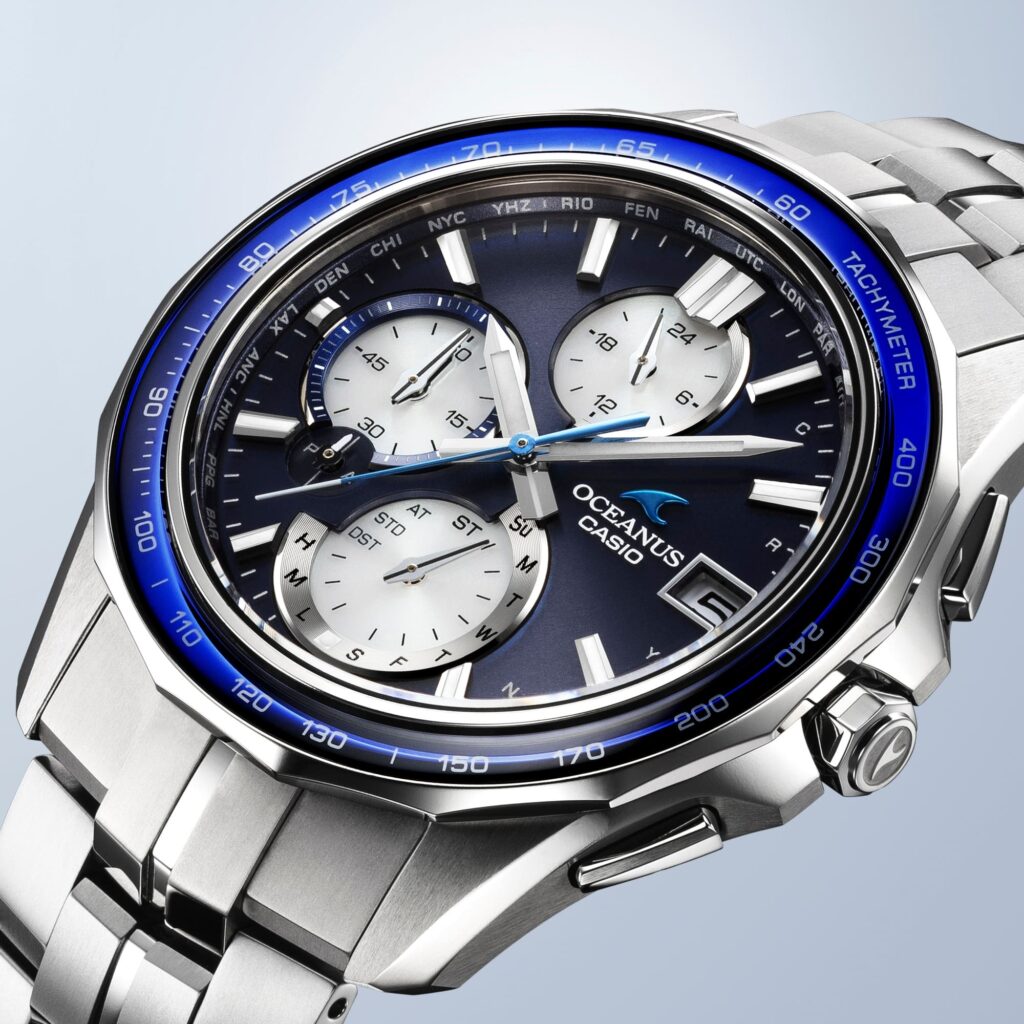
Casio has announced the new Oceanus Manta OCW-S7000F-2A in Japan. The watch is now available for pre-order at ¥220,000 (around $1,416) and will officially launch in February 2026. The model joins the premium Oceanus Manta line, known for its slim profile and refined materials.

Casio OCW-S7000F-2A

Casio OCW-S7000F-2A Specifications

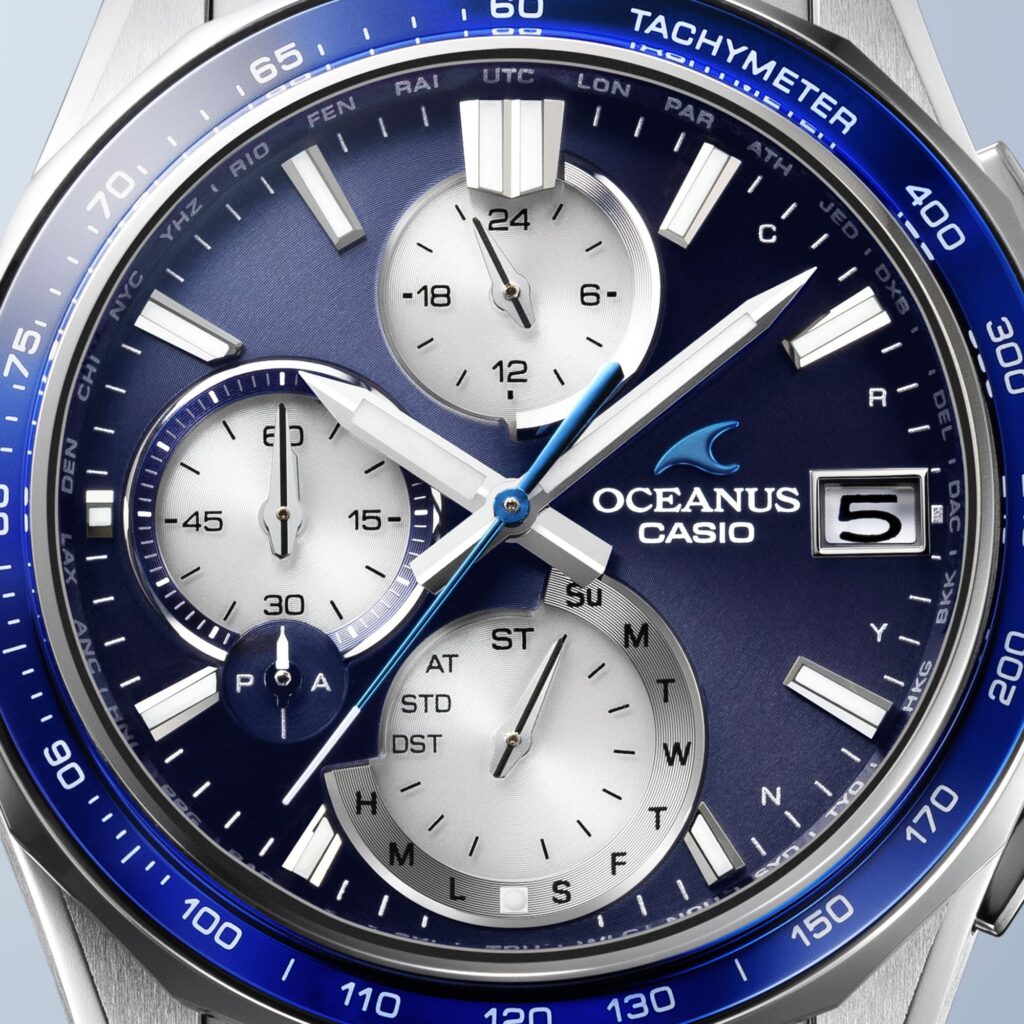
The OCW-S7000F-2A adopts a two-tone aesthetic, pairing a deep blue main dial with crisp white sub-dials. Casio applies high-opacity white vapor deposition to the sub-dials to enhance brightness and color definition, while blue vapor deposition on the main dial and bezel creates a rich, ocean-inspired finish. The dial is framed by a sapphire glass bezel ring with white tachymeter markings, set on a multi-faceted titanium base that adds a refined, polished touch.

The watch comes with a lightweight titanium case and bracelet, keeping the overall weight at just 83 grams. The case measures 47.5 x 42.8 mm with a slim 9.5 mm thickness. The bracelet features a one-touch triple-fold clasp with slide adjustment and supports a band fit range of 150 to 195 mm.

The watch supports both Bluetooth connectivity and Multiband 6 radio signal reception. It can automatically correct time using signals from Japan, North America, Europe, and China, or sync via the Casio Watches app. The app allows users to configure world time for 300 cities, check battery status, locate their phone, and set watch functions.

Casio equipped the OCW-S7000F-2A with Tough Solar charging, which provides about 5 months of power on a full charge and up to 19 months in power-saving mode. The watch includes features such as a full-auto calendar, a 24-hour stopwatch, a date and day display, and automatic hand-position correction.

Casio OCW-S7000F-2A

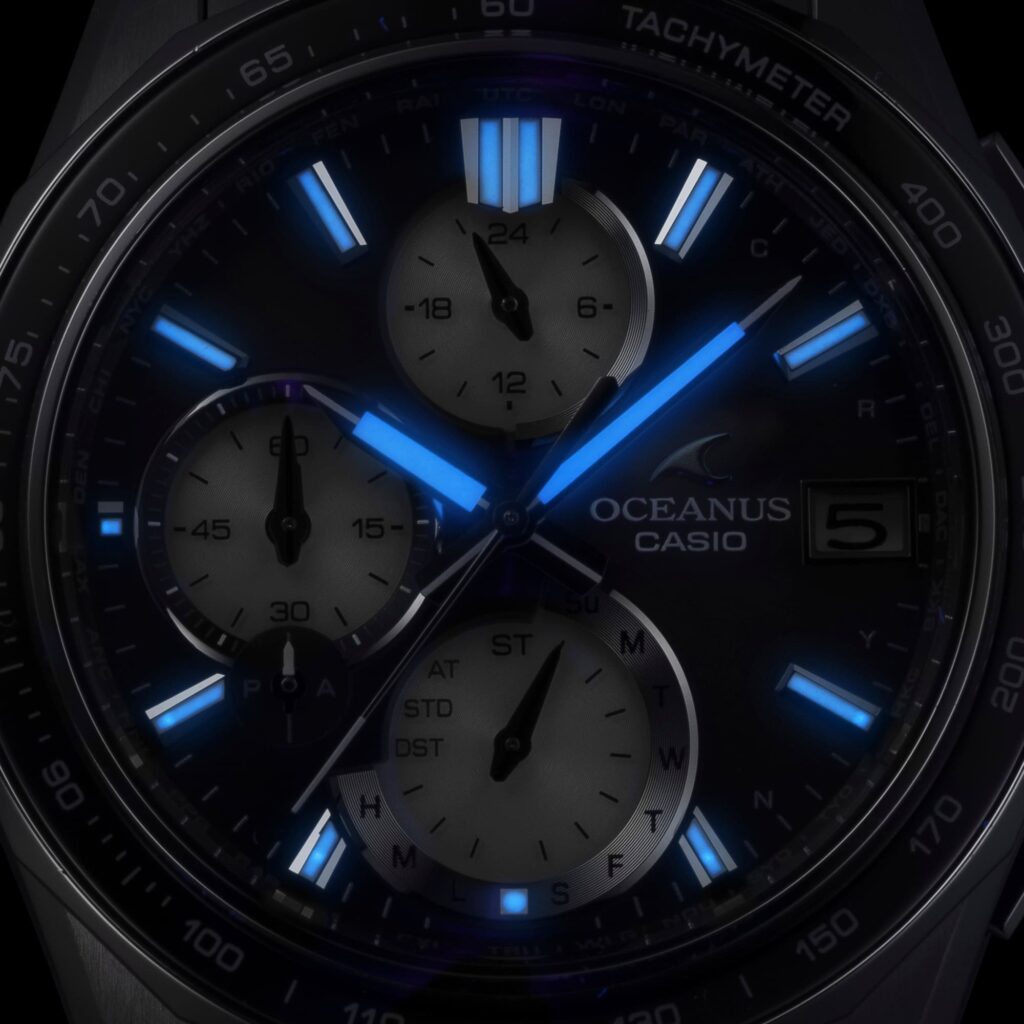
Additionally, the design includes dual-curve sapphire glass with an anti-reflective coating, along with Neobrite luminous coating on the hands and indexes. The titanium case uses a titanium carbide treatment to enhance durability and scratch resistance. The OCW-S7000F-2A offers 10 bar water resistance and is made in Japan.
For more daily updates, please visit our News Section.

Stay ahead in tech! Join our Telegram community and sign up for our daily newsletter of top stories! 💡

(Source, Via)

Google may let websites opt out of AI Overviews after UK pressure

Google is exploring new options to allow websites and publishers to opt out of having their content used in AI Overviews. The move comes after the UK government urged the company to provide more control to content creators, citing growing concerns about fair usage and declining traffic to news sites.

Google Office

UK regulators demand more control for publishers

According to a Reuters report, the UK’s Competition and Markets Authority (CMA) has opened a formal consultation on how Google manages content across its AI-powered features. The regulator wants the company to let websites opt out of having their material scraped for AI-generated summaries or used to train separate AI models like Gemini.

In a blog post published on Thursday, Google confirmed that it is working on updates that would enable websites to exclude their content from Search generative AI features. The company said it aims to protect the usefulness of Search while also giving publishers the tools to manage how their content appears across AI products.

Google introduced AI Overviews in mid-2024. The feature uses generative AI to provide quick answers at the top of search results. However, publishers have not had any mechanism to opt out of these summaries, which has led to significant drops in click-through traffic.

The CMA stated that Google holds more than 90% of the UK’s search market. It warned that this dominance could distort competition and harm news organizations that rely on visibility in search.

Google said any new opt-out control must be scalable and not create a fragmented or confusing experience for users. The company also pointed to existing tools like robots.txt and Google-Extended, but acknowledged that further updates are needed.

The CMA will spend the next year reviewing the consultation. Google said it hopes to work with publishers and regulators to find a solution that benefits both users and content creators.

In related news, you can also read our recent article exploring whether smartphones have truly reached peak innovation or if progress is now happening behind the scenes.

For more daily updates, please visit our News Section.

Stay ahead in tech! Join our Telegram community and sign up for our daily newsletter of top stories! 💡

iQOO 15 Ultra packs Sony 50MP 3x periscope telephoto and Vivo’s flagship imaging algorithms

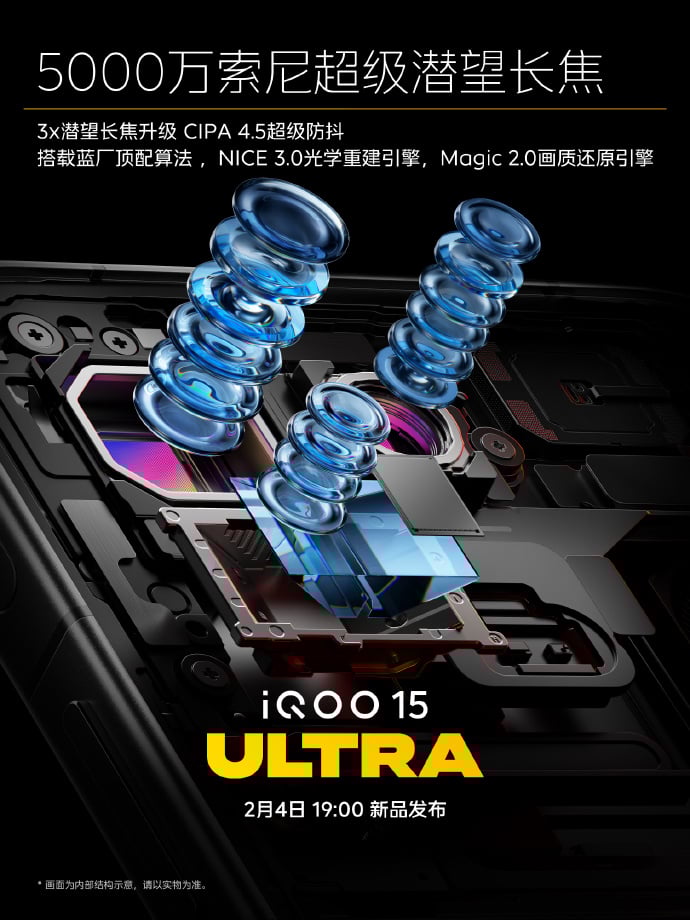
iQOO will launch its new flagship, the iQOO 15 Ultra, on February 4 in China. The phone targets serious mobile gamers while also packing a high-end camera system and top-tier performance hardware.

iQOO 15 Ultra camera specs

According to a new teaser posted on Weibo, the iQOO 15 Ultra will feature a 50MP Sony 3x super periscope telephoto camera with newly upgraded CIPA 4.5-level optical image stabilization. The device will also adopt Vivo’s top-tier imaging algorithms, including the NICE 3.0 Optical Reconstruction Engine and the Magic 2.0 Image Restoration Engine, to improve detail and image fidelity. These official details align with earlier leaks suggesting a powerful hardware suite: a triple 50MP rear camera system complemented by a 32MP front-facing sensor.

For connectivity, the phone integrates 29 surround antennas that automatically switch signal paths based on how the phone is held. It supports the N79 5G band and features the AI Esports Signal Engine 2.0, which enhances Wi-Fi signal strength across thick walls. iQOO is also introducing the Universe Metro Gaming Network, which enables low-latency online gaming even in underground subway environments.

The display measures 6.85 inches and uses a 2K flat LTPO panel from Samsung. The company claims the phone can run Honor of Kings at 144fps with Ultra settings and enhanced map textures. For thermal performance, the device uses an Ice Dome Air Cooling System with a built-in fan. The phone also includes capacitive shoulder triggers, a high-precision gyroscope, and a fast touch response rate for competitive gameplay.

Under the hood, the device is expected to run on the Snapdragon 8 Elite Gen 5 processor, paired with the in-house Q3 gaming chip. It may offer up to 24GB of RAM and 1TB of storage, alongside 2K native upscaling, 120fps frame interpolation, and real-time ray tracing for enhanced gaming visuals.

Additionally, the device is expected to pack a 7,400mAh battery with support for 100W wired and wireless charging, stereo 1115 coaxial speakers tuned with Dolby Atmos, an advanced dual-axis haptics system, 144fps livestreaming support, and an ultrasonic fingerprint sensor. It will be available in 2077 Black and 2049 Silver color options.

For more daily updates, please visit our News Section.

Stay ahead in tech! Join our Telegram community and sign up for our daily newsletter of top stories! 💡

Ayaneo confirms the chipset powering its first handheld smartphone

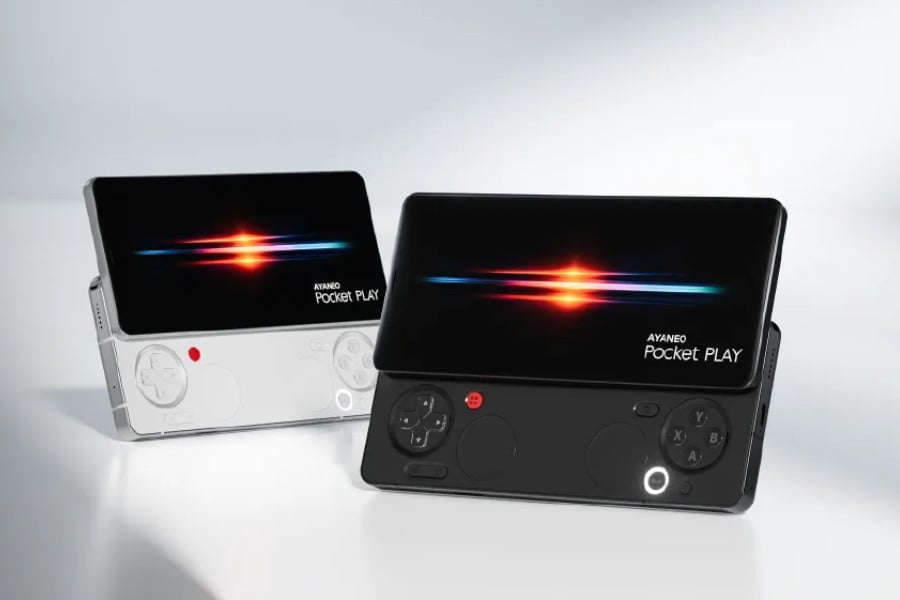
Ayaneo unveiled its Pocket Play smartphone back in December, but the reveal was minimal in specs. The company showed off the hardware design, yet stayed quiet on key details like the processor, display, and battery. 

Almost two months later, Ayaneo has finally confirmed the chip powering its first smartphone.

Ayaneo Pocket Play is powered by MediaTek Dimensity 9300

The Ayaneo Pocket Play is powered by MediaTek’s Dimensity 9300, a flagship processor launched in 2023 and one that’s more than capable of handling demanding games. Still, it’s a curious choice. 

Ayaneo could have opted for a newer SoC — like the Dimensity 9500 or a year-old Dimensity 9400+ — to deliver more consistent long-term performance and better future-proofing.

Dimensity 9300 AnTuTu score

Because a chip isn’t just about raw power. It also plays a big role in how long a device stays relevant. Older processors tend to lose manufacturer support sooner, which can affect software updates and long-term stability — something that matters even more for a niche, enthusiast-focused device like this.

Ayaneo also hasn’t backed up the announcement with any hard data. There are no frame-rate figures, no benchmark scores, and no real-world performance claims yet. For now, much of the Pocket Play’s actual gaming capability remains a mystery.

What is Ayaneo Pocket Play

What we do know is that the Pocket Play is trying to blur the line between smartphone and handheld console. It uses a side-sliding mechanism that reveals a full physical controller hidden beneath the display. Inside, there’s a familiar layout with a D-pad, ABXY buttons, shoulder triggers, and dual analog sticks.

Ayaneo has also included dual smart touchpads, which can be customized to function as virtual joysticks or standard touchpads, giving players the flexibility to tailor controls to their liking.

The Pocket Play draws inspiration from the Sony Ericsson Xperia Play, which launched in 2011 with a similar sliding controller design.

Don’t miss a thing! Join our Telegram community for instant updates and grab our free daily newsletter for the best tech stories!

For more daily updates, please visit our News Section.

CATL begins testing fire-resistant sodium-ion batteries in passenger vehicles

After first rolling out sodium-ion batteries in commercial vehicles, CATL has now begun deploying them in passenger vehicles. The batteries fall under CATL’s sodium battery brand, Naxtra, which is preparing for public winter testing in passenger cars.

According to reports, Changan’s Oshan models are among the first to take part in these tests, with passenger cars from GAC and JAC expected to follow later.

CATL sodium ion battery in passenger vehicle

The focus on winter testing is not accidental. One of sodium-ion batteries’ biggest promises is reliable performance in extreme cold. Lithium-ion batteries, in general, tend to struggle in such conditions. More on that later. 

CATL’s sodium-ion batteries have no risk of fire or explosion 

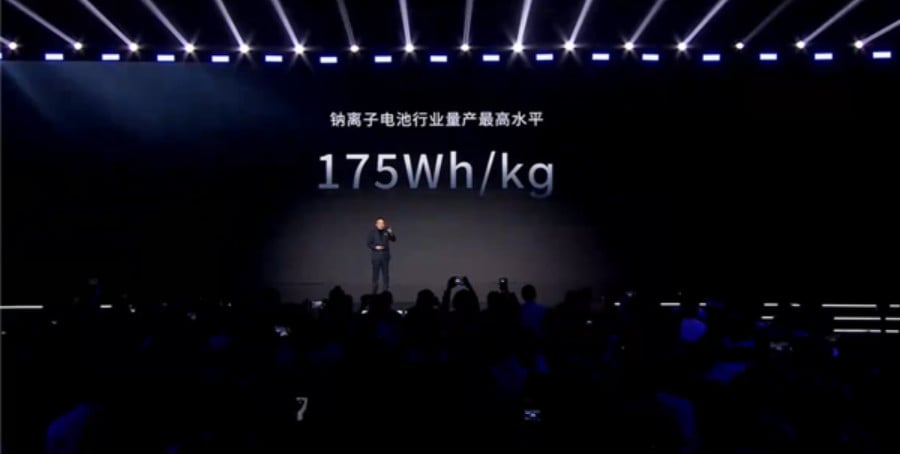
CATL officially unveiled its sodium-ion battery in April last year, and on paper, the numbers are quite impressive. CATL claims an energy density of 175Wh/kg, a hybrid electric range of over 200km, and a pure electric range exceeding 500km. The battery also supports 5C super-fast charging and is rated for up to 10,000 charge cycles, which suggests a long usable lifespan.

Safety is where CATL is making its strongest case. The company says its sodium-ion batteries have passed extreme tests such as needle penetration, electric drill penetration, extrusion, and even battery sawing without catching fire or exploding. That’s a big reason why sodium-ion batteries are the next viable options for EVs. 

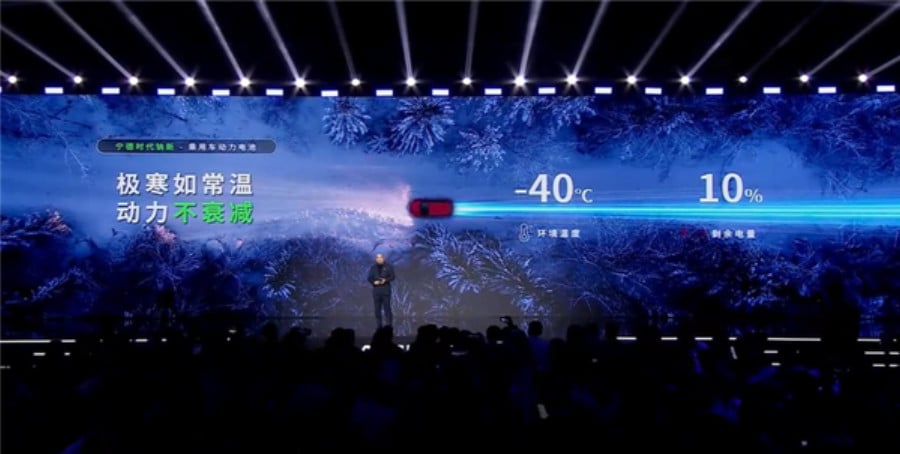
As we mentioned earlier, the sodium-ion batteries also perform exceptionally in cold weather. In real-world tests at –30°C, CATL says the battery can charge from 30 percent to 80 percent in about 30 minutes, while retaining 93 percent of its usable capacity. Even at just a 10% state of charge, vehicles were reportedly able to maintain highway speeds of 120km/h.

CATL’s sodium-ion battery passed certification under China’s new national standard in September last year. The regulation introduces stricter safety requirements around heat diffusion, underbody impacts, and fast-charging durability. Independent testing by the China Automotive Technology and Research Center (CATARC) also backed CATL’s safety claims at both the cell and battery pack levels.

Beyond safety, sodium-ion technology could help reduce reliance on lithium, lower costs, and improve sustainability.

Don’t miss a thing! Join our Telegram community for instant updates and grab our free daily newsletter for the best tech stories!

For more daily updates, please visit our News Section.

(Via)

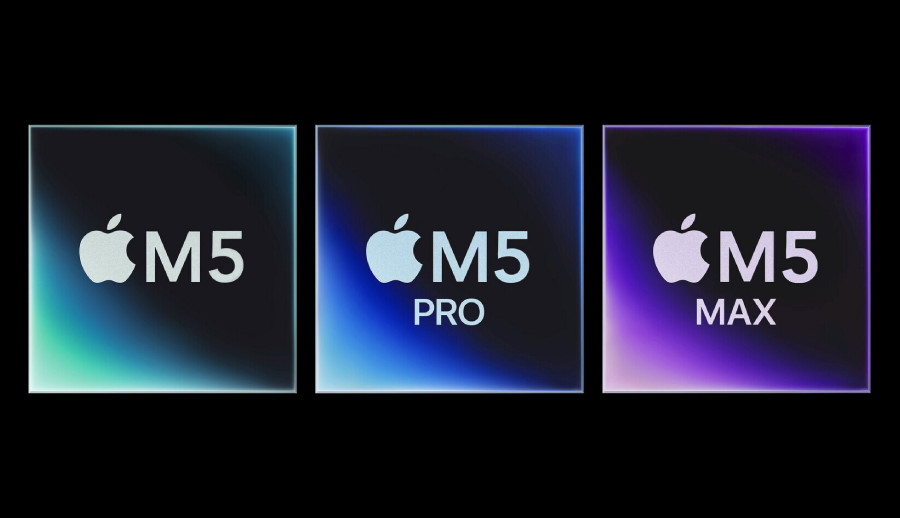
Apple’s M5 Pro and M5 Max reportedly won’t launch before March

Apple has uncharacteristically delayed the M5 Pro and M5 Max chips. Its predecessor — M4 Pro and M4 Max — launched in November 2024, which means Apple is already past its typical window for announcing the successors. Now, a new rumor suggests the M5 Pro and M5 Max could finally arrive in March.

According to Weibo tipster Fixed-focus digital, Apple could finally unveil the M5 Pro and M5 Max about a month from now. The rumor doesn’t offer a clear explanation for why these chips are running late, especially when chatter suggests the M6 lineup could arrive earlier than previously expected. 

One likely reason, however, could be supply-side limitations. TSMC, Apple’s chip manufacturing partner, has reportedly been dealing with constraints that may have slowed down production.

Apple M5 Pro and Max will use TSMC’s advanced SoIC packaging 

There are also signs that Apple’s SoIC (System-on-a-Chip) packaging may have encountered production challenges. That said, the same leak claims the M5 Pro and M5 Max could end up being slightly cheaper to manufacture, though not by a dramatic margin. 

Any cost reduction would still matter, especially as the industry continues to deal with ongoing DRAM supply pressures.

SoIC could also help Apple address thermal concerns. Previous reports suggest that the standard M5 chip can reach temperatures as high as 99 degrees Celsius under sustained load. Improved packaging might help manage heat more effectively in the Pro and Max variants.

More interestingly, SoIC may allow Apple to separate CPU and GPU blocks on the die. This could open the door to more flexible configurations tailored to different workloads, rather than a one-size-fits-all approach.

As always, it’s worth treating this information cautiously. Apple has a habit of adjusting plans without warning. Still, if the M5 Pro and M5 Max do arrive in March, they’ll likely debut alongside new hardware — possibly refreshed MacBooks or even an M5 Max-powered Mac Studio.

For now, all that’s left is to wait.

Don’t miss a thing! Join our Telegram community for instant updates and grab our free daily newsletter for the best tech stories!

For more daily updates, please visit our News Section.

(Source | Via)

Vivo X500 series and iQOO 16 could all feature 2K-resolution screens

We have already heard a few early rumors about the Vivo X500 series. For instance, the flagship lineup is expected to pack a massive 7,000mAh battery. A new claim now suggests Vivo is also going all-in on high-resolution displays.

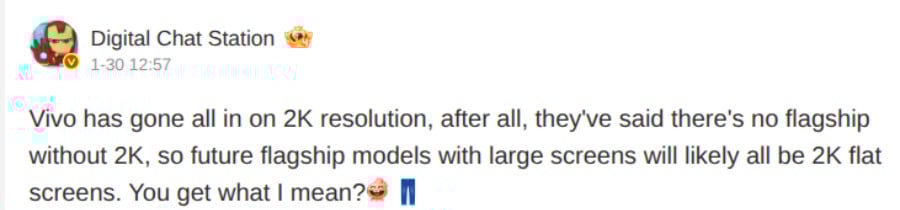
According to prominent tipster Digital Chat Station on Weibo, Vivo has decided to make 2K resolution standard across its flagship phones. The leaker says the company is “going all in on 2K resolution.” As a result, Vivo’s upcoming flagships will likely all have 2K flat screens.

The possibility extends to the iQOO 16 as well, as it is also a flagship device from the company’s sub-brand.

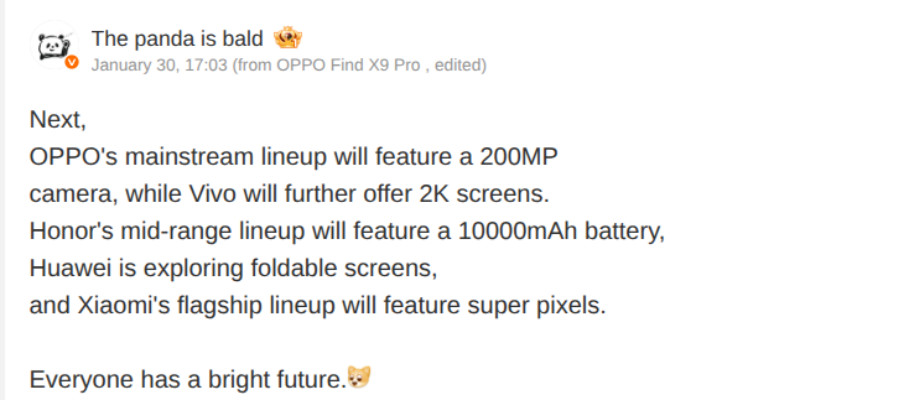
Another well-known leaker, Panda is Bald, has echoed the same claim, lending some additional weight to the rumor. They also expand the discussion to other manufacturers’ upcoming devices.

According to the tipster, Oppo’s Find X10 series will feature a 200-megapixel camera, while Honor is reportedly planning to equip its mid-range phones with enormous 10,000mAh batteries. 

Huawei, meanwhile, is said to be exploring new foldable screen designs, and Xiaomi’s upcoming 18 series is reportedly focusing on advancements in camera technology.

All the flagship phones are expected to use a new mobile processor based on the 2nm process. Xiaomi is likely to stick with Qualcomm’s Snapdragon chips, while both Vivo and Oppo are expected to use MediaTek’s upcoming Dimensity 9600.

A previous report suggests that at least one of those two brands will launch its flagship early in September. MediaTek is also rumored to unveil the Dimensity 9600 earlier than usual, which could allow manufacturers to ship devices powered by the chip sooner.

At present, it is too early to talk in detail about the X500 series, as the company has several new phones lined up for launch in China in the coming months. As such, take these details with a pinch of salt, as things could change late in development.

For more daily updates, please visit our News Section.

Stay ahead in tech! Join our Telegram community and sign up for our daily newsletter of top stories.

Ayaneo launches Pocket S Mini retro handheld with premium build and Snapdragon G3x Gen 2

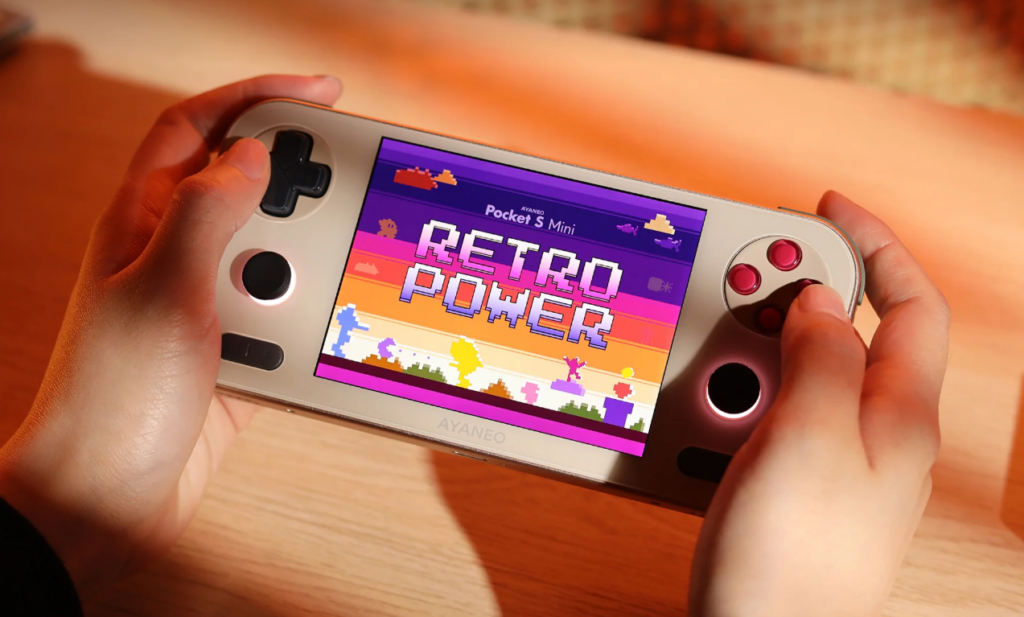
Ayaneo has finally launched the Pocket S Mini, the compact 4:3 Android handheld designed for retro gaming enthusiasts. The device features a 4.2-inch LCD screen with a 1280×960 resolution and a true 4:3 aspect ratio, making it ideal for rendering classic games without stretching or cropping.

Ayaneo Pocket S Mini

Ayaneo Pocket S Mini Specifications

The Pocket S Mini is powered by the Snapdragon G3x Gen 2 platform, built on a 4nm process with an octa-core Kryo CPU and Adreno A32 GPU. It offers up to 16GB of LPDDR5X RAM and 512GB of UFS 4.0 storage, backed by active cooling with a biomimetic fishbone-style vent design.

The build uses a seamless high-strength glass panel on the front and a CNC-machined all-metal frame. The handheld weighs around 305g and measures 167.1 x 77.85 x 18.5mm.

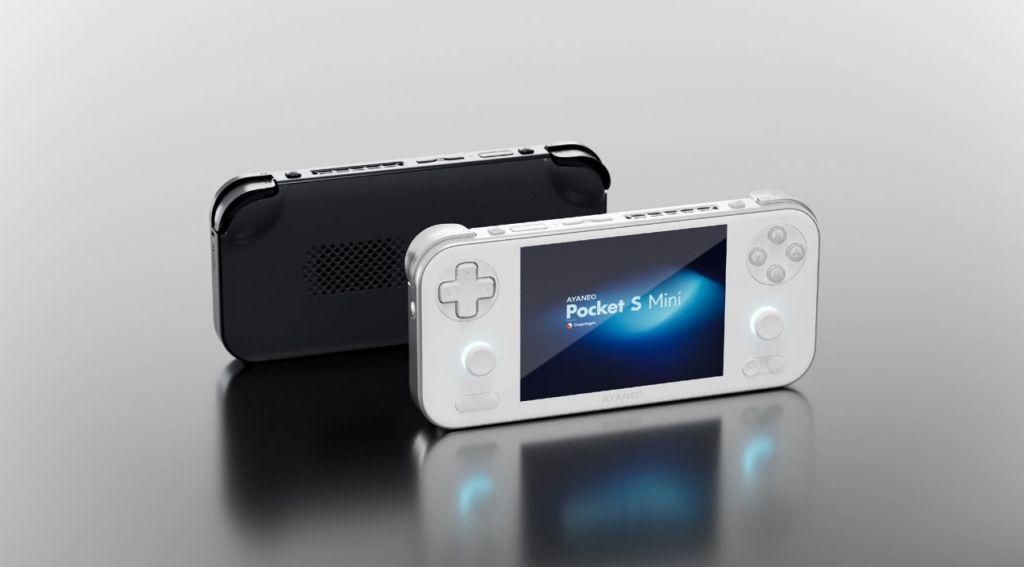
Ayaneo Pocket S Mini

In terms of controls, the Pocket S Mini includes RGB Hall-effect joysticks, Hall-effect linear triggers, and a six-axis gyroscope. The device also features crystal-textured ABXY buttons and a D-pad with conductive rubber internals. Ayaneo allows key customization through its software ecosystem, including AyaSpace for game management, AyaHome for desktop customization, and AyaSetting for performance tuning and real-time translation.

The device packs a 6000mAh high-density battery and supports PD fast charging. For connectivity, it includes USB 3.2 Gen 2 Type-C with DP 1.4 output, a microSD card slot, Bluetooth 5.3, high-speed Wi-Fi, and a fingerprint scanner built into the power button. It ships with Android 14 out of the box.

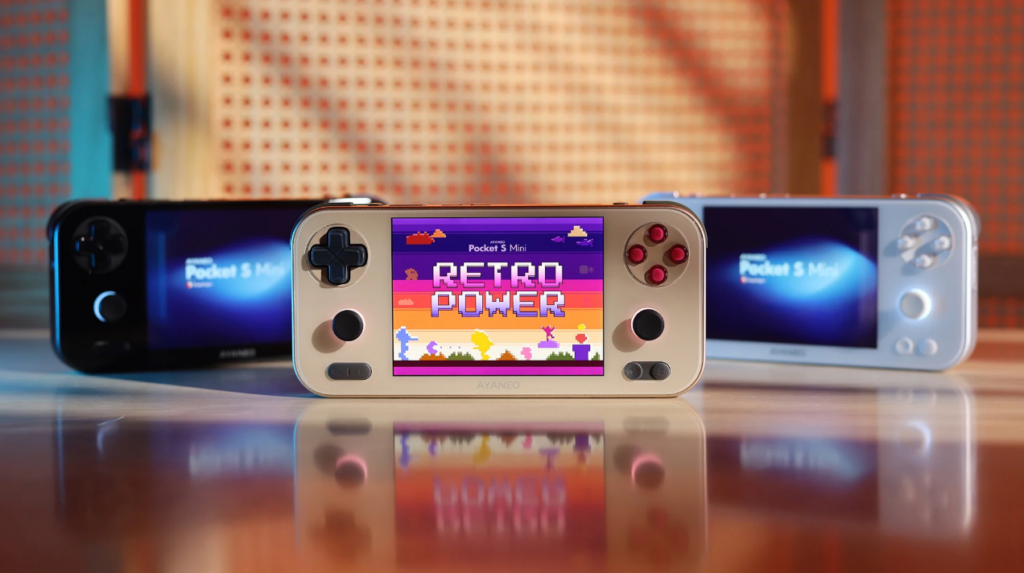
Ayaneo Pocket S Mini

Pricing and Availability

The Pocket S Mini is available in three colors: Ice Soul White, Obsidian Black, and Retro Power. Early bird pricing starts at $319 for the 8GB+128GB model and goes up to $479 for the 16GB+512GB Retro Power edition. Pre-orders are live on Ayaneo’s official store with an exclusive accessory bundle for early buyers.

In related news, Ayaneo has recently launched the Pocket DMG Aura Yellow Limited Edition.

For more daily updates, please visit our News Section.

Stay ahead in tech! Join our Telegram community and sign up for our daily newsletter of top stories! 💡

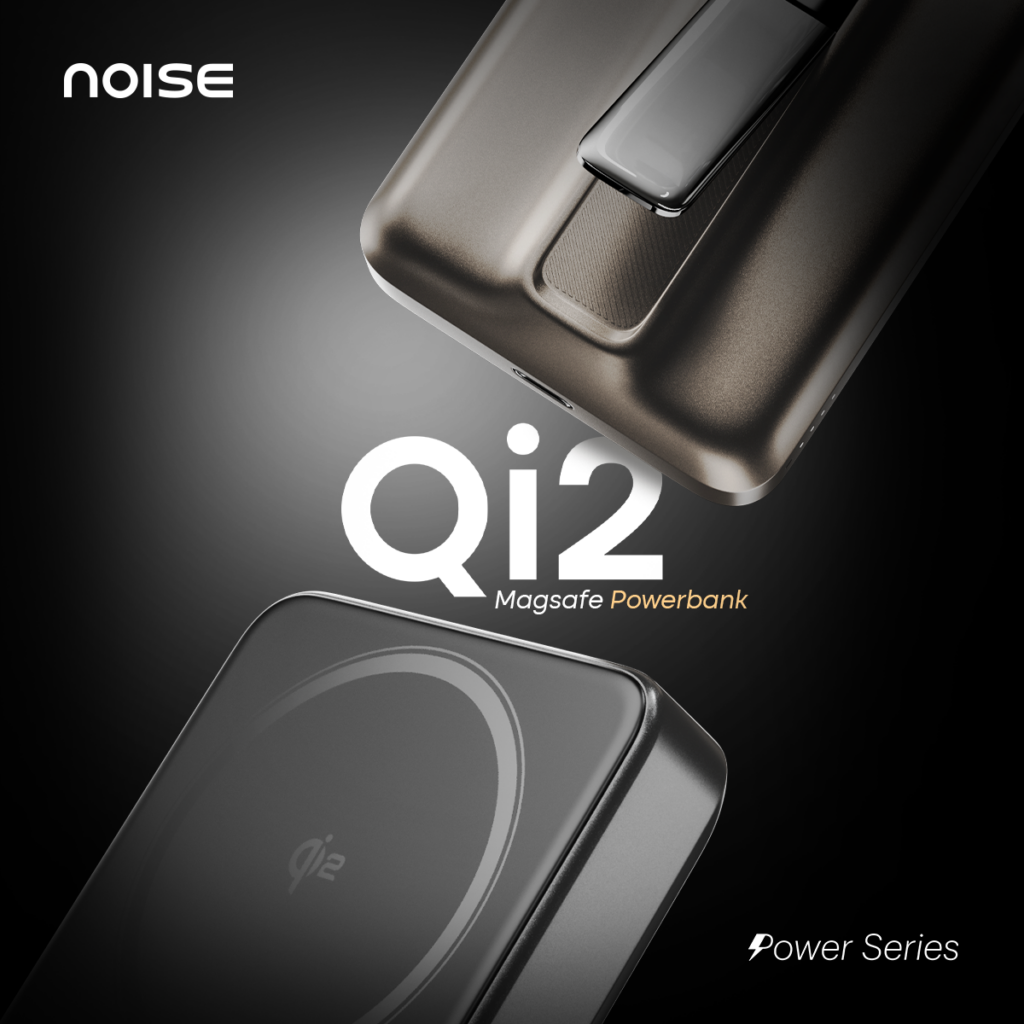
Noise Qi2 MagSafe Power Bank Launched in India With 20W Wireless Charging Support

Noise has launched the Noise Qi2 MagSafe Power Bank in India. This is the company’s first Qi2-certified wireless charging product and expands its connected lifestyle product range.

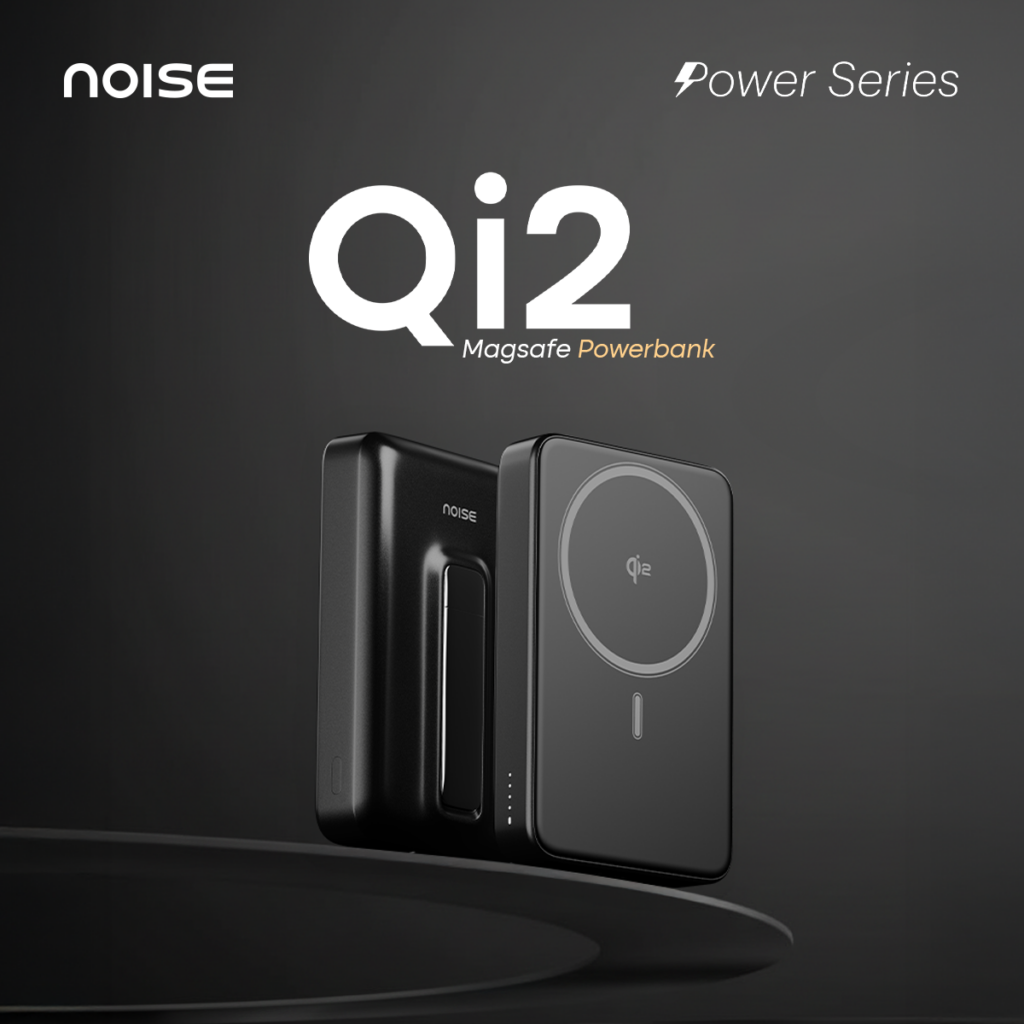
Noise Qi2 MagSafe Power Bank

The power bank is built for flagship smartphone users who need fast, stable, and safe charging. It fixes common issues with uncertified wireless chargers like poor alignment, unstable power output, and battery damage. The Qi2 standard ensures consistent charging performance and protects battery health.

Qi2 is the latest global wireless charging standard. The Noise Qi2 MagSafe Power Bank supports up to 20W magnetic wireless charging for compatible Qi2 and MagSafe-enabled devices. The certification ensures accurate alignment between the charger and the phone, allowing efficient power transfer and reducing heat buildup and battery stress over time.

Strong built-in magnets keep the phone securely attached during charging. This prevents power loss caused by misalignment and allows stable charging even while moving. The magnetic attachment makes the power bank suitable for daily travel, commuting, and long workdays.

Noise Qi2 MagSafe Power Bank

The power bank has a premium metallic finish and a compact, portable design. It includes a built-in metallic stand that props up the phone at different angles while charging. Users can take video calls, follow navigation, or watch content without removing the device from the charger.

Safety features include protection against overcharging and overheating. These safeguards maintain stable power delivery during extended use, including overnight charging, and help preserve long-term battery health.

The Noise Qi2 MagSafe Power Bank supports multiple phone charges on a single cycle. It also includes USB-C support for wired charging. LED indicators display the remaining battery level. The cable-free magnetic design reduces clutter and improves portability.

Pricing & availability

The Noise Qi2 MagSafe Power Bank is priced at INR 2,499 and is available on gonoise.com. The product launched on January 25 at 12:00 PM IST.

iQOO 15R to Get Four Android OS Updates and Six Years of Security Patches

Earlier this week, iQOO confirmed the February 24 launch date for the iQOO 15R. The brand has now confirmed the update policy and software features in the latest teaser.

iQOO 15R

According to an updated poster on the device’s Amazon microsite, the iQOO 15R will ship with OriginOS 6 based on Android 16. The company has confirmed four major Android OS updates, which means the phone will be supported up to Android 20. Alongside this, the device will receive six years of regular security updates, counted from its launch date of February 24, 2026.

iQOO has also confirmed several built-in software features. These include One Tap Transfer support for both iOS and Android devices, Origin Island, Cross-Device File Transfer, and Screen Mirroring. On the hardware side, the company has reiterated that the iQOO 15R will use a triple-chip setup. This includes the Snapdragon 8 Gen 5 processor, a dedicated Q2 supercomputing chip for graphics tasks, and a separate network enhancement chip aimed at improving connectivity. iQOO has also officially shared that the phone has crossed the 3.5 million mark on AnTuTu.

Design details have also been partially revealed. One confirmed color option is Dark Knight. Another variant has been teased with a blue checkered texture finish on the rear, although its official color name has not yet been announced. iQOO has described the 15R as a compact flagship focused on strong daily performance.

An Amazon listing showed AnTuTu scores above 3.5 million, higher than the usual Snapdragon 8 Gen 5 average of around 3.3 million. The company also claimed a 36 percent CPU performance gain and a 46 percent NPU improvement over the previous generation.

A recent Geekbench listing under the model number Vivo I2508 (belonging to the iQOO 15R) revealed scores of 2,590 in single-core and 8,423 in multi-core tests. It also confirmed that the phone will feature 8GB of RAM. Leaks have pointed to a 6.59-inch AMOLED display with 1.5K resolution and a 144Hz refresh rate, IP68 and IP69 ratings, up to 16GB of LPDDR5X RAM, up to 1TB of UFS 4.1 storage, and a triple rear camera setup led by a 200MP main sensor, plus an 8MP ultra-wide and a 32MP front camera. These features are expected to be confirmed in the coming days.

Don’t miss a thing! Join our Telegram community for instant updates and grab our free daily newsletter for the best tech stories!

For more daily updates, please visit our News Section.

(Source)

Redmi G25 Debuts as Xiaomi’s Cheapest 200Hz Gaming Monitor

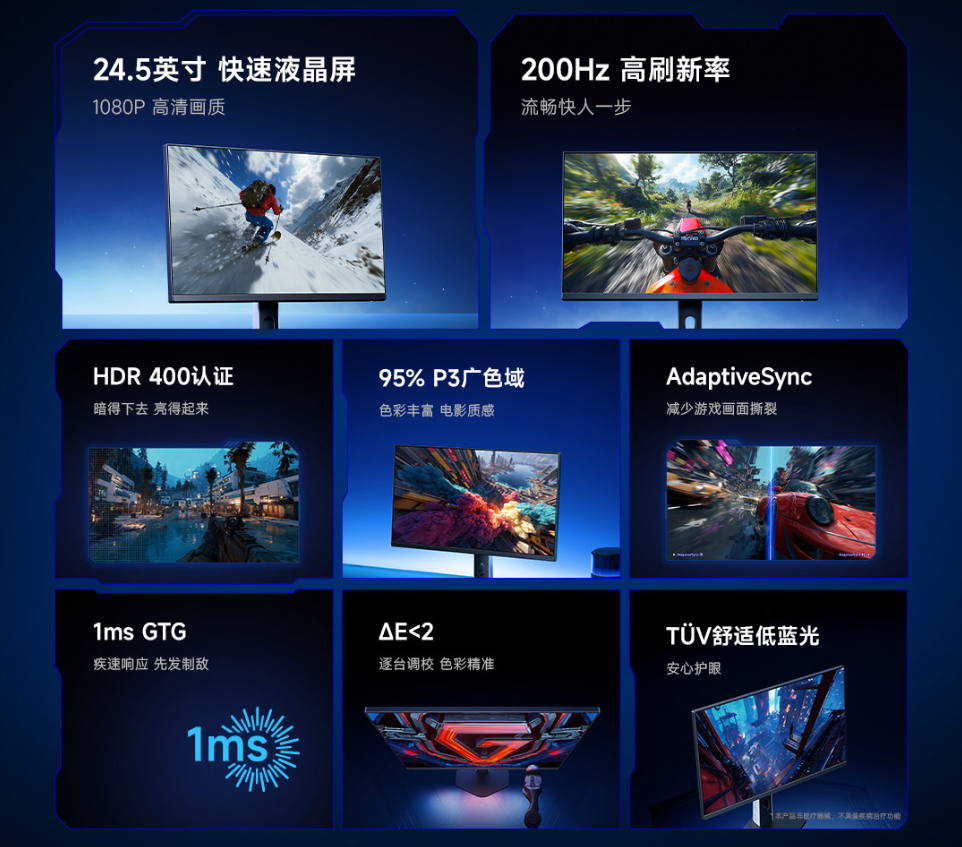
Along with the debut of the Mini LED G Pro 27Qi 2026 and G34WQi 2026 curved gaming monitors in the global market, Xiaomi has expanded its Redmi gaming monitor lineup in China with the launch of the Redmi G25, a new 24.5-inch model positioned between the previously released Redmi G24 and Redmi G27. The new monitor offers high refresh rate gaming at a very aggressive price point.

Redmi G25

The Redmi G25 features a 24.5-inch IPS panel with a Full HD resolution of 1920 x 1080 pixels and a standard 16:9 aspect ratio. It supports a 200 Hz refresh rate, matching the larger Redmi G27, and is designed for fast-paced competitive games. Xiaomi lists a 1 ms gray-to-gray response time, along with wide 178-degree viewing angles typical of IPS displays.

In terms of image quality, the monitor delivers up to 400 nits of peak brightness and a 1,000:1 contrast ratio. It supports 8-bit color output and covers 95 percent of the DCI-P3 color space. Xiaomi also includes adaptive sync support to reduce screen tearing during gameplay. The display is TÜV Rheinland certified for low blue light and uses DC dimming to help reduce eye strain during long sessions.

Redmi G25

Connectivity is basic, which is to be expected from a budget monitor. It has a G25 one DisplayPort 1.4, one HDMI .0 port, and a 3.5 mm headphone jack. There are no USB ports or built-in speakers. The included stand supports tilt adjustment, and the monitor is compatible with VESA mounting for users who prefer monitor arms or wall mounts.

The Redmi G25 is priced at CNY 609, which converts to roughly $88. Xiaomi has not confirmed plans for a global release yet. However, the company has previously launched Redmi gaming monitors outside China, so it is possible that the G25 could get a global debut in the coming months.

For more daily updates, please visit our News Section.

Stay ahead in tech! Join our Telegram community and sign up for our daily newsletter of top stories.

Acer launches Shadow Knight Neo 16 gaming laptop with i7-14650HX, RTX 5060 and 2.5K 300Hz display

Acer has launched the Shadow Knight Neo 16 gaming laptop in China. The new model features Intel’s 14th-gen Core i7-14650HX processor and Nvidia’s GeForce RTX 5060 Laptop GPU. The device is priced at 8,999 yuan ($1,294) and targets upper mid-range gamers and creators.

Acer Shadow Knight Neo 16

Acer Shadow Knight Neo 16 Specifications

The laptop runs on a Core i7-14650HX processor with 16 cores and 24 threads. It reaches a maximum turbo frequency of 5.2GHz and maintains a sustained CPU power draw of up to 110W. Acer pairs this with the RTX 5060 Laptop GPU, which operates at 115W. The GPU supports DLSS 4, fifth-gen Tensor Cores, and fourth-gen RT Cores. It also delivers 572 TOPS of AI compute performance.

Acer equips the Shadow Knight Neo 16 with a dual-fan thermal system. The fans use 101 optimized blades, while large D10 and D6 heat pipes help manage heat during high-performance tasks. The system supports a combined CPU+GPU power output of up to 170W without aggressive throttling.

The laptop features a 16-inch 2.5K IPS display with a 300Hz refresh rate. It offers 100% sRGB color gamut coverage and reaches a peak brightness of 500 nits. The screen supports DC dimming to reduce flicker and eye strain during long gaming or editing sessions.

Acer includes 16GB of DDR5 memory running at 5600MT/s. The system supports dual-channel operation and allows expansion up to 64GB. For storage, it provides two M.2 PCIe 4.0 SSD slots for fast read and write speeds.

The laptop supports Wi-Fi 7, Bluetooth 5.4, and 2.5Gb Ethernet for fast and stable connectivity. It comes with a 250W power adapter and includes HDMI 2.1, a fully functional USB-C 3.2 Gen 2 port with 100W PD, multiple USB-A ports, and a combo audio jack.

The design features a metal-finished lid and a customizable per-key RGB keyboard. It includes full-size arrow keys and ships with pre-installed control software for system monitoring and performance adjustments.

For more daily updates, please visit our News Section.

Stay ahead in tech! Join our Telegram community and sign up for our daily newsletter of top stories! 💡

(JD)

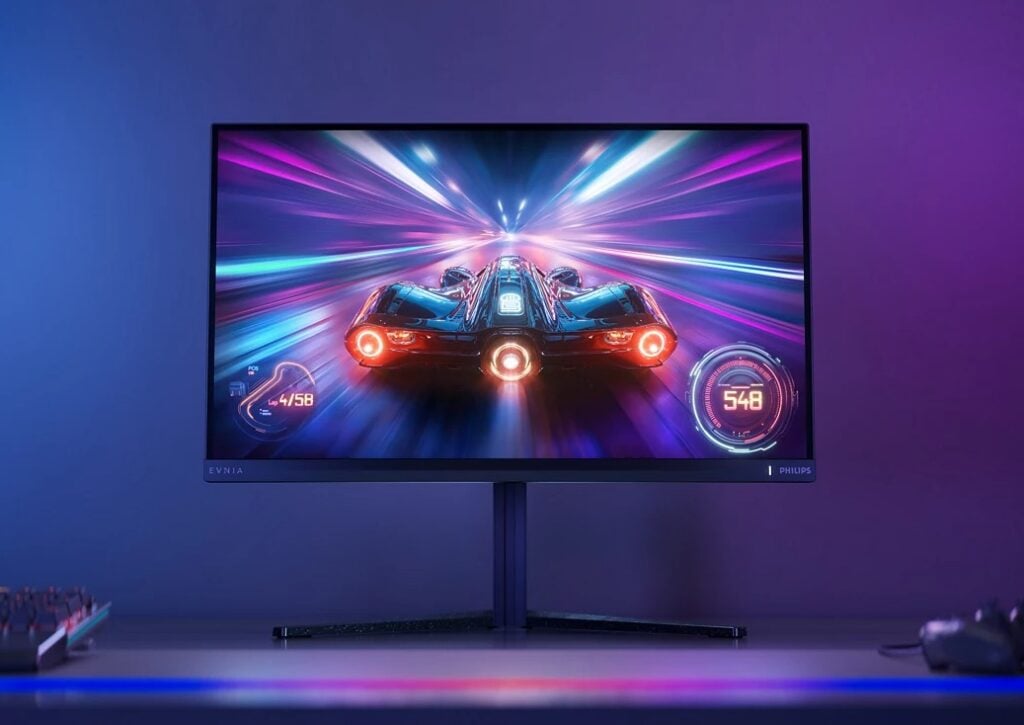
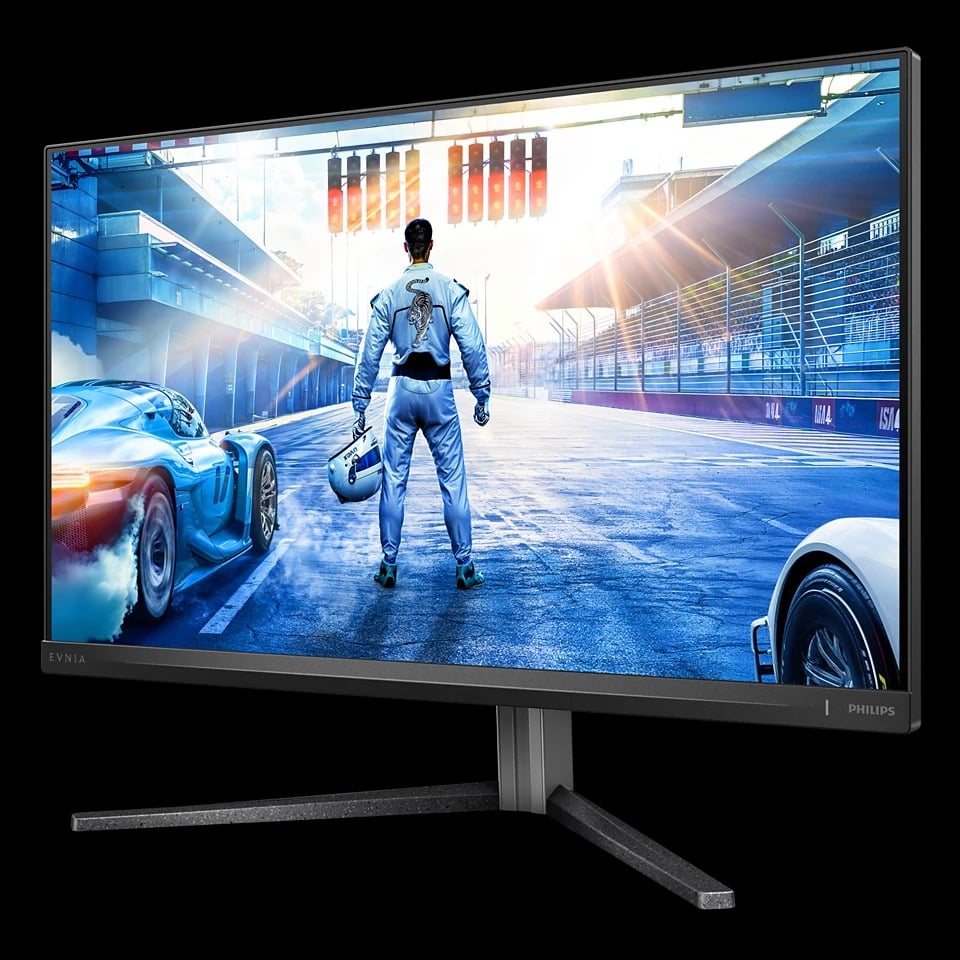
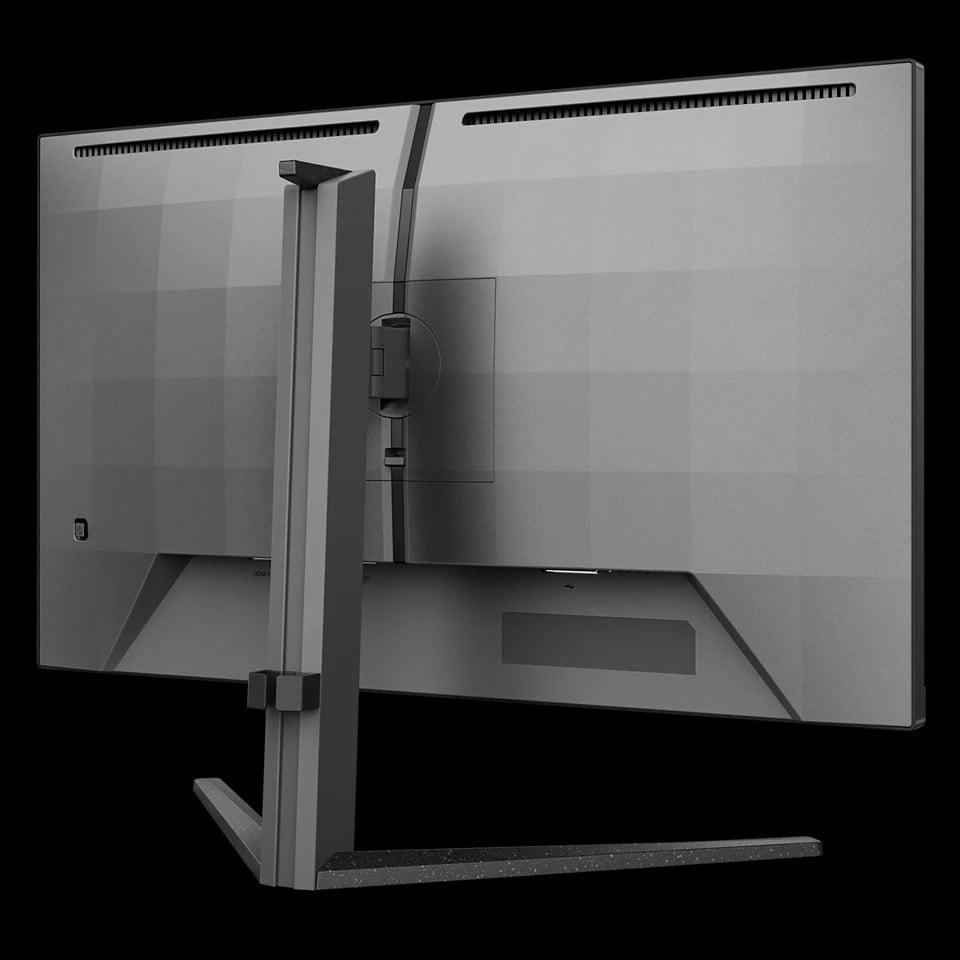
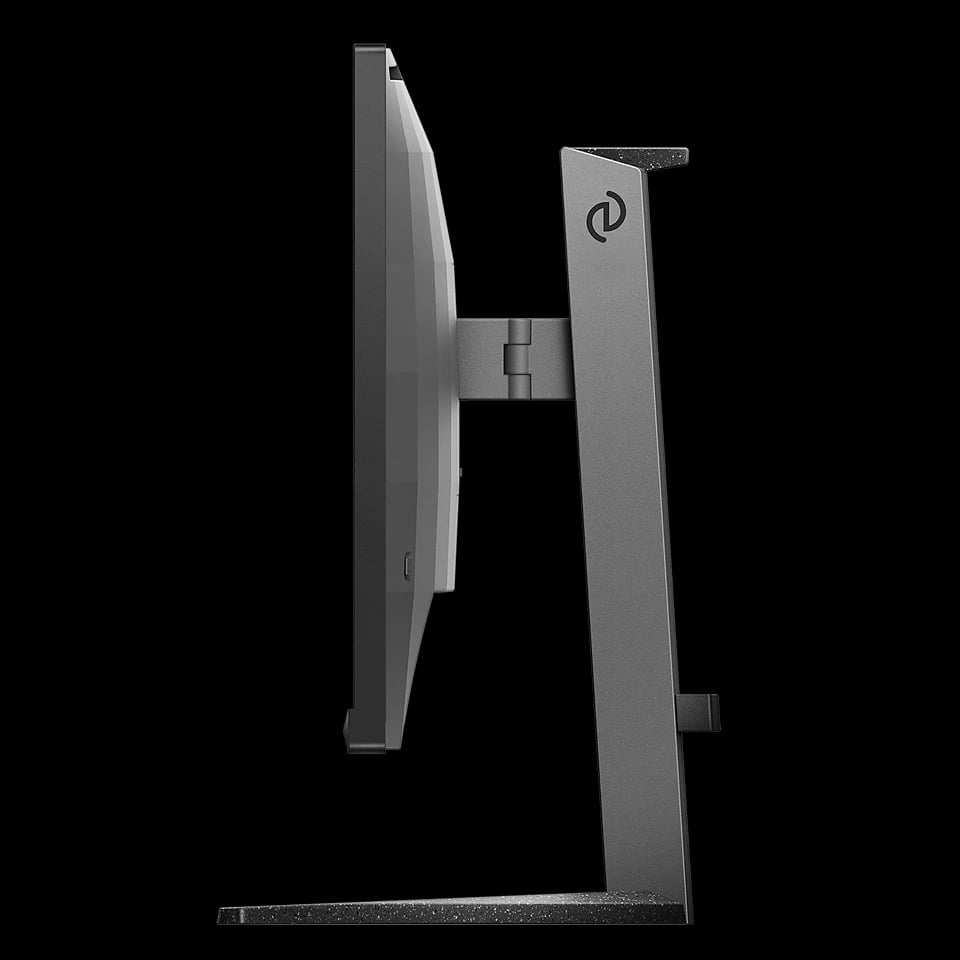
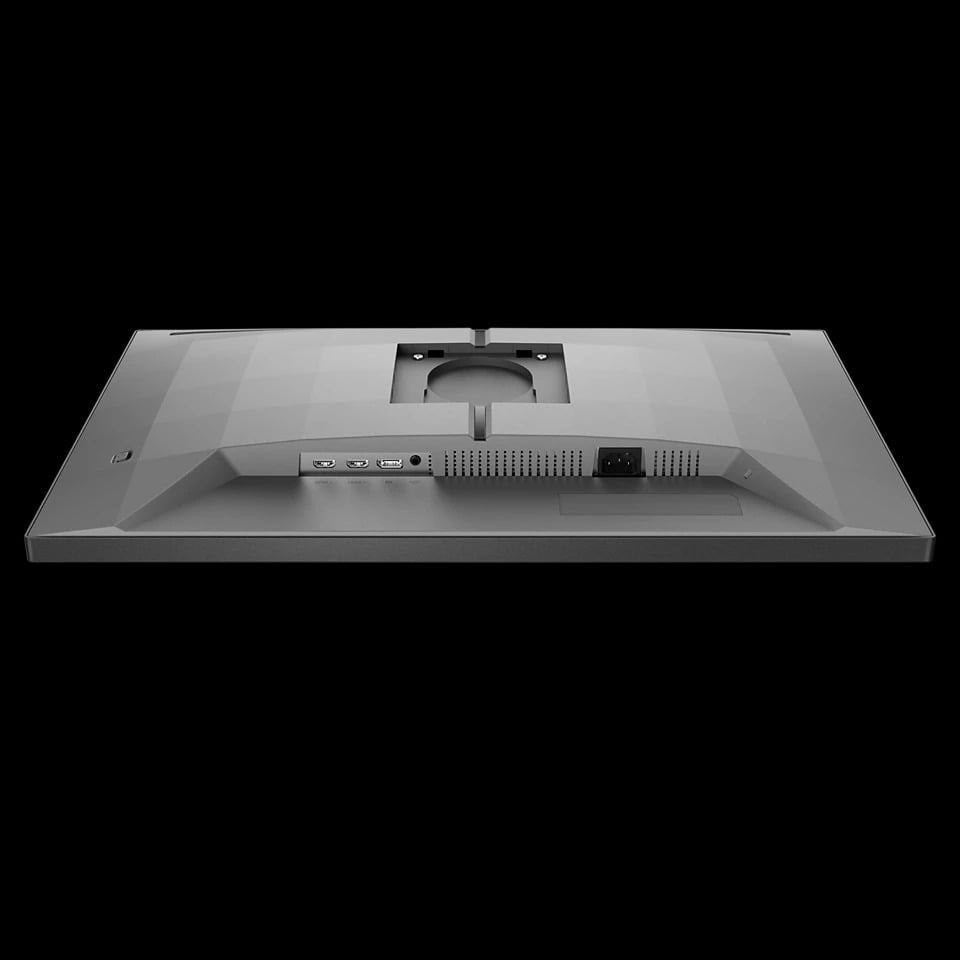
Philips Launches 500 Hz Gaming Monitor That Hits 1,000 Hz at Lower Resolution

Philips has released the Evnia 27M2N5500XD gaming monitor in China. The display runs at 500 Hz at its native 2560 x 1440 resolution. Drop the resolution to 1280 x 720, and it reaches 1,000 Hz, beating the 720 Hz OLED gaming monitors announced recently.

Philips Evnia 27M2N5500XD

The 27-inch screen uses TCL CSOT’s HFS Shoot IPS panel, the same technology found in the AOC AGON AGP277QK. Philips first showed the monitor at the Esports Market Empowerment and High Resolution Gaming Display Trends Seminar in Beijing in late 2025.

The panel has VESA DisplayHDR 400 certification. Peak brightness reaches 500 nits in HDR content and 350 nits in SDR mode. Contrast ratio is 2000:1. Color coverage includes 96 percent DCI-P3, 100 percent sRGB, and 94 percent Adobe RGB. These specs work well for competitive gaming, but HDR performance falls short compared to Mini LED or OLED displays.

For gaming features, the Evnia 27M2N5500XD supports a 1 ms response time and a 0.3 ms Smart MBR mode for motion blur reduction. It also supports FreeSync variable refresh rate. Philips bundles in-game tools such as Smart Sniper, Shadow Boost, and Smart Crosshair to improve target visibility and aiming accuracy in fast-paced titles.

Connectivity includes DisplayPort 2.1 with UHBR20 bandwidth for lossless high refresh rate output, HDMI 2.1 ports with full 48 Gbps bandwidth, and a headphone jack. The monitor ships with an ergonomic stand offering height, swivel, pivot, and tilt adjustments.

Price and Release

The Evnia 27M2N5500XD is available now in China. Philips plans a global launch later but hasn’t announced pricing or specific dates.

For more daily updates, please visit our News Section.

Don’t miss a thing! Join our Telegram community for instant updates and grab our free daily newsletter for the best tech stories!

(Source)