
Add GIZMOCHINA as Preferred Source on Google
Sodium-ion batteries, once sidelined by falling lithium prices, are back in focus. This time, the shift appears to be driven by changing market conditions and renewed interest from customers.
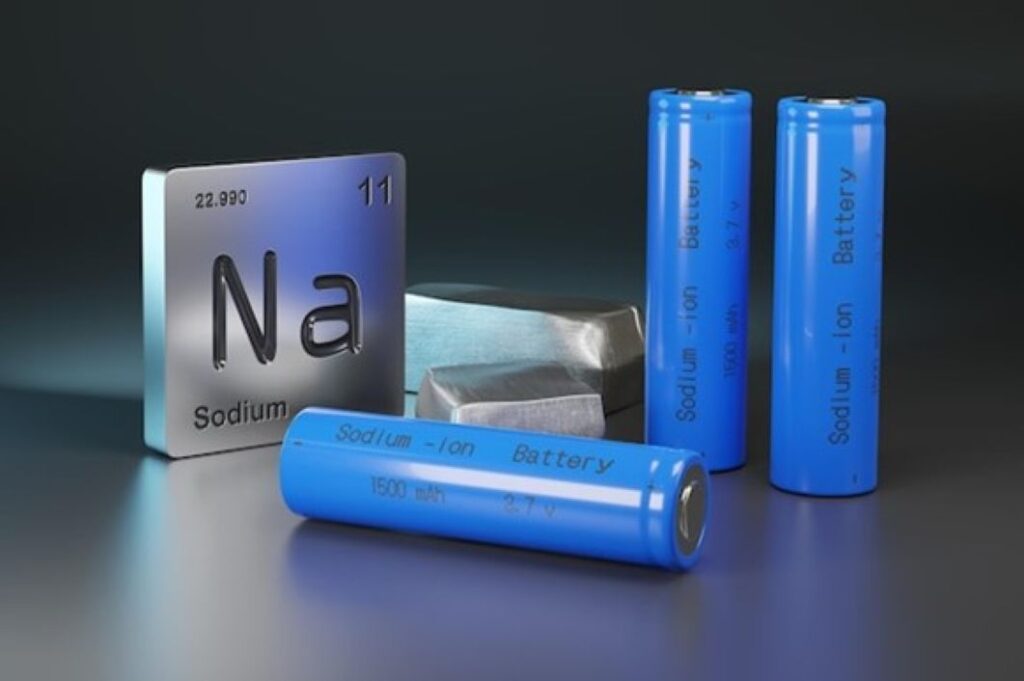
According to recent reports, the world’s largest battery maker is accelerating plans for mass production of its sodium-ion lineup, branded Naxtra, with deliveries expected to begin in 2026. The move follows a rebound in lithium carbonate prices, which had plunged after 2022. With mining increasingly regulated, lithium costs have started rising again, narrowing the gap that once made lithium iron phosphate (LFP) the obvious choice.
As a result, sodium-ion cells are once again becoming cheaper to manufacture than many LFP batteries. CATL’s latest sodium-ion technology also appears to address one of the category’s long-standing weaknesses: energy density. The company claims its Naxtra cells reach around 175 Wh/kg, a record for sodium-ion batteries and close to what mainstream LFP packs offer today in electric vehicles and stationary storage. While newer LFP designs are already pushing beyond 200 Wh/kg—such as CATL’s 205 Wh/kg cells—ongoing improvements in sodium-ion technology could narrow that gap further in the coming years.
Cold-weather performance is another key selling point. CATL says the batteries can operate reliably between -40°C and 70°C, retaining usable capacity even in extreme conditions. Vehicles using the packs are claimed to achieve more than 300 miles of range in winter environments, though real-world results will likely vary.
The Naxtra lineup has reportedly become the first commercial sodium-ion battery to pass China’s latest safety and performance standards. Intended uses range from electric cars and commercial fleets to grid storage and battery-swap stations. While CATL has not named its customers, it says several are already preparing for deliveries.
Sodium-ion technology is also starting to appear at the consumer level. Starter batteries based on the chemistry are now available online, with better cold-weather resilience than traditional lead-acid units.
With lithium supply dynamics evolving again, CATL appears to be positioning sodium-ion batteries as a long-term complement rather than a replacement.
Don’t miss a thing! Join our Telegram community for instant updates and grab our free daily newsletter for the best tech stories!
For more daily updates, please visit our News Section.
(Source)


Comments