Many of us know Hisense from their smart TVs, but the company has also been maintaining its presence in the smartphone market for some time. They primarily focus on entry-level and mid-range models, which allows them to cater to a broader user base and gain market share in the highly competitive market. Hisense‘s latest patent application could potentially signal the arrival of a flagship model. Here are the details…
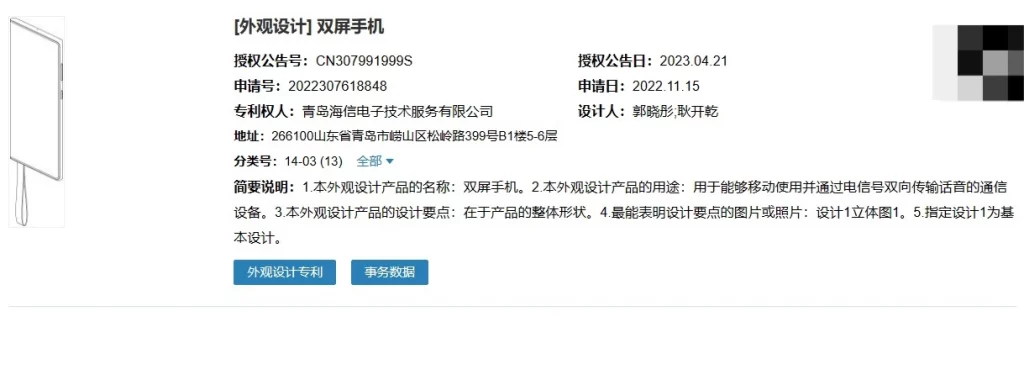
Hisense Dual-Screen Smartphone Design Patent Authorized, Allowing Simultaneous Display on Front and Rear Screens
Hisense has recently been granted a patent for a dual-screen smartphone that allows users to view content on both front and rear screens simultaneously. The patent transforms the phone’s back cover into a functional display. Notably, this design does not follow the foldable screen approach. Therefore, we do not have a clear idea of how exactly it will be used. In the past, we have seen a few models that managed to fit a screen on the rear panel. However, these phones were not very functional and did not reach a wide audience.
One concern that arises with such phones is durability. As you may know, even today’s phones are quite delicate and expensive to repair when broken. For example, when the back glass of an iPhone breaks, you may have to pay hundreds of dollars. The situation is similar for premium models on the Android side. Therefore, a phone with screens on both sides might deter users who do not want to face issues. Especially when considering that a protective case cannot be used to increase the level of protection.
Nevertheless, everything we have mentioned is speculation, and we have no choice but to wait for Hisense‘s official announcements to really discuss the topic. Unfortunately, as of now, there is no information on whether the patented design will be featured in Hisense’s future mobile phone lineup. However, the patent approval demonstrates Hisense’s dedication to exploring new frontiers in mobile technology and their ambition to deliver cutting-edge products to the market.
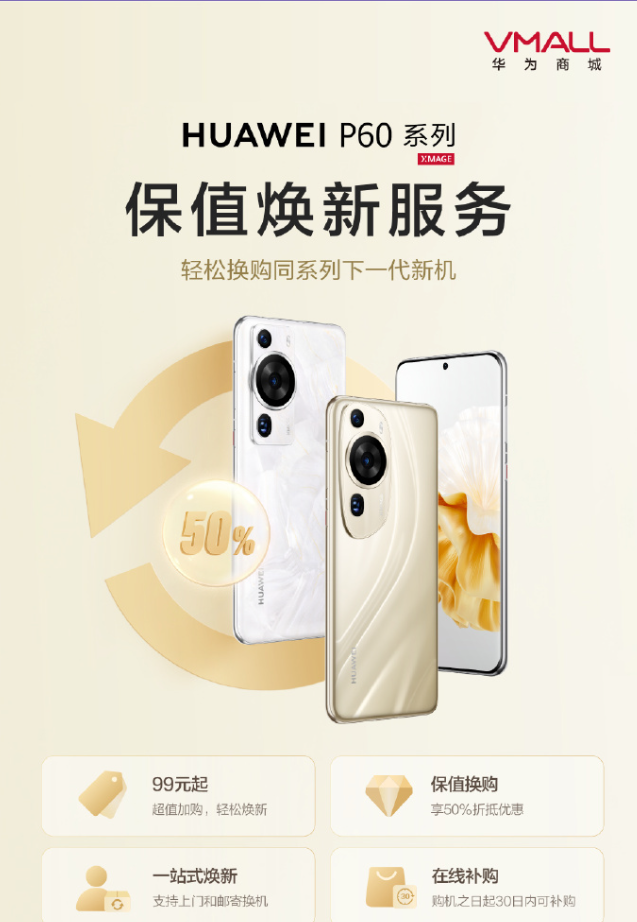
A phone’s resale value decreases drastically after a year or two, especially if it’s not an iPhone. But it seems Huawei is trying to change that with their new value maintenance and renewal service for the P60 series phones. For a starting price of 99 yuan, the company is offering customers the chance to purchase this service and receive a 50% discount on the next-generation phone within the same series in 2024, when exchanging with the current phones.
Upgrade to P70 series with up to 50% discount
Huawei today announced a value maintenance and renewal service for its P60 series phones, which allows customers to purchase the service starting at 99 yuan. Customers who purchase this service will receive a 50% discount on the retail price of the next-generation phone within the same series in 2024. However, the original device should meet the recycling standards for value preservation and renewal. In other words, your current P60 series phone needs to be in good condition to be eligible for the discount.
The prices of the maintenance and renewal service are 99 Yuan ($14) for Huawei P60, 169 Yuan (24) for Huawei P60 Pro, and 199 Yuan ($29) for Huawei P60 Art. The company will be offering door-to-door replacement service but only in certain urban areas in mainland China.
This service is a smart move that could help the company build a stronger customer base and ensure more sales for future phone releases. By offering discounted upgrades within the same product line, Huawei is incentivizing customers to remain loyal to its brand, which can also keep demand high for older models.
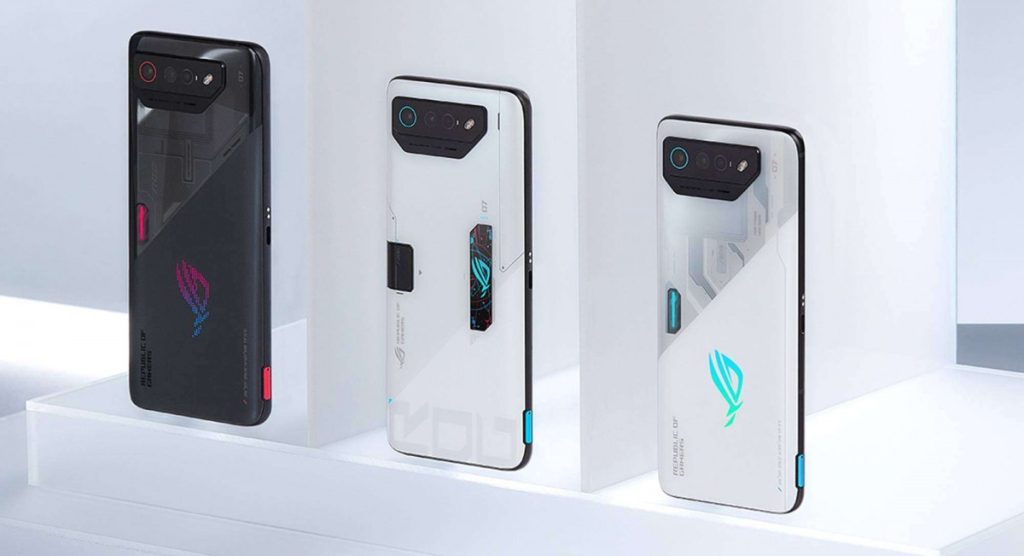
Asus recently launched the ROG Phone 7 series, which, like every year, boasts top-of-the-line hardware and various gaming-centric features, including AirTrigger ultrasonic air shoulder controls. As with previous years, it is expected that the company will follow up the series with the D series. According to a new report, the Asus ROG Phone 7D is set to debut in a couple of months in China, followed by other regions.
Asus ROG Phone 7D and 7D Ultimate could get MediaTek processors
A Newzonly reports claims that the Asus ROG Phone 7D and 7D Ultimate will be launched in August this year. The smartphones will initially be made available in China with a later launch in other regions.
As per the report citing tipster Paras Guglani, the Asus Rog Phone 7D will have model numbers: AI2301_A and AI2301_C, while the model numbers, AI2301_B and AI2301_D, will belong to the higher-end variant, the Asus Rog Phone 7D Ultimate. Furthermore, the report suggests that the upcoming Rog Phone 7D series will be equipped with Dimensity 9000+ Series chipsets, which could be the Dimensity 9200+ chipset.
Additionally, it is expected that the high-end variant of the Rog Phone 7D will come with a massive 16GB RAM and 512GB of storage.
To remind you, the ROG Phone 7 and 7 Ultimate feature a 6.78-inch Super AMOLED display with Full HD+ resolution and a 165Hz refresh rate, with Corning Gorilla Glass Victus protecting the front. The phones are powered by the Snapdragon 8 Gen 2 CPU and are equipped with up to 16GB of RAM and 512GB of non-expandable storage. The ROG Phone 7 series runs on the Android 13-based ROG UI.
iQOO has recently unveiled two mid-range smartphones in the Z7 series, namely iQOO Z7 5G and iQOO Z7x. These smartphones come with impressive hardware and are priced affordably. However, the Vivo subsidiary doesn’t seem to be stopping there, as a new model named iQOO Z7s has been spotted on Bluetooth SIG, indicating an imminent release. Here’s what we know
iQOO Z7s appears on the Bluetooth SIG website
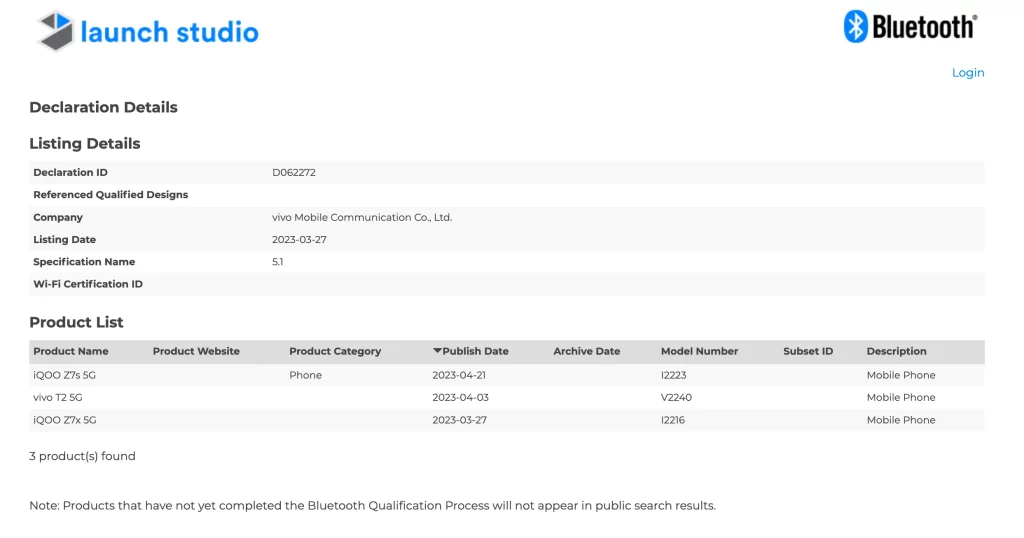
iQOO Z7s has been spotted on the Bluetooth SIG website with model number I2223. The device will support Bluetooth v5.1, as indicated by the listing. Unfortunately, no further information regarding the device has been disclosed at this time. This is the first time the handset has appeared online so we can’t predict much either.
Based on its moniker, we assume the iQOO Z7s will be yet another mid-ranger in the series. However, it could be priced lower than the iQOO Z7 and iQOO Z7x. For reference, the former carries a price tag of $230, and the latter costs around $207.
The iQOO Z7 is already a good budget option. In our review of the Indian variant of the handset, we noted that it could be a great affordable 5G smartphone suitable for all kinds of users, provided one can overlook its poor camera performance and annoying FuntouchOS ads.
To recall, the handset gets a 6.64-inch LCD panel with a Full HD+ resolution of 2388 x 1080 pixels, a 120Hz refresh rate, and a 1500:1 contrast ratio. The Indian unit of the handset gets a MediaTek Dimensity 920 chipset while the one in Indonesia features a Snapdragon 782G SoC. It packs a 4,500mAh battery in India with support for 44W charging.
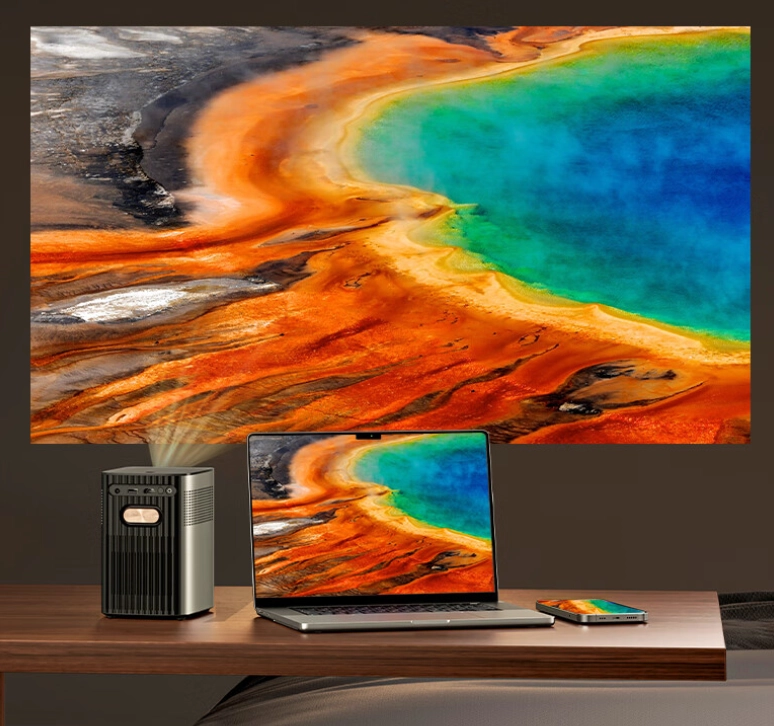
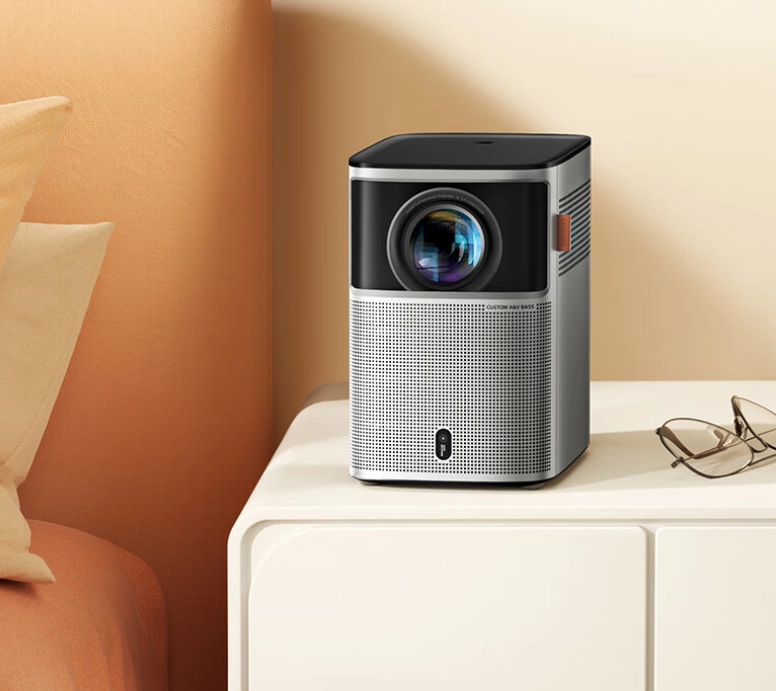
If you’ve recently considered buying a new TV or monitor, I’m sure the thought “should I get a projector instead” has crossed your mind. However, you probably changed your mind due to reasons such as price and lifespan. Although your concerns are not unfounded, advancing technology finds solutions to costs, as it does for everything else. Once requiring a small “fortune” to acquire, projectors are now accessible and even sold at “cheap” prices. One of the latest examples is about to go on sale. Coocaa has recently launched a new smart projector product called the Coocaa X5. It is priced at 999 yuan and will be available for sale very soon. Here are the details…
Coocaa’s X5 Smart Projector Goes on Sale on April 25th
Coocaa has recently introduced its latest projector model, the X5. The product has gained appreciation for its features, with its most notable aspect being its price. Capable of 1080P full HD display, this projector is sold for 999 Yuan (approximately $145). The product, expected to go on sale on April 25th, has the following features:
The Coocaa X5 projector has a new generation of custom-engineered light engines combined with high-transmittance glass lenses and a custom high-transmittance LCD filter. The result is an impressive brightness of 800 ANSI lumens and a lifespan of up to 30,000 hours. The built-in next-gen LCD chip technology supports 4K decoding, while the high-transmittance full glass coated lens releases 1080P full HD image quality details.
In terms of audio quality, the projector houses two independent 5W subwoofer units, accompanied by a bass radiation basin, offering a decent audio experience. However, it is important to remember that this is an affordable projection model, and you can always achieve a better sound experience with external sound systems.
It runs on Coocaa OS 9.1 and supports smart features like voice control, automatic focus, and image enhancement. It also has a special mode for kids that filters content, protects their eyes, and reminds them to stay a safe distance away. Parents can control the projector from afar to make sure their kids are using it safely.
HMD Global has launched several new phones under the C series with the Nokia C12 and C12 Plus being some of them. These are your typical Nokia smartphones with just decent hardware and affordable price tags. The company now seems to be working on a new budget smartphone with Snapdragon 662 SoC under the hood. The device in question could be called the Nokia C300 and it has recently appeared on Geekbench with a few interesting details. Let’s have a look.
Nokia C300 is likely a budget smartphone
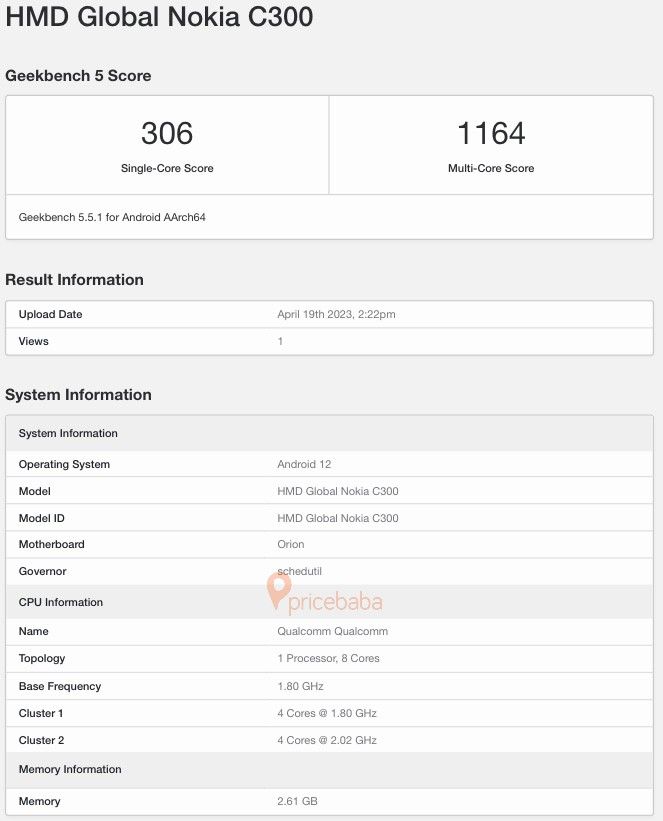
The Nokia C300 has been spotted on the Geekbench benchmarking site with the moniker “HMD Global Nokia C300”. For the unaware, HMD Global is the company behind modern Nokia smartphones. The device is listed with 3GB of RAM and Android 12 OS. This shouldn’t be surprising as Nokia phones are not exactly known for running up-to-date software.
Geekbench lists the smartphone with an octa-core processor with a motherboard codenamed “Orion”. The processor has a maximum frequency of 2.02 GHz and a base frequency of 1.80 GHz. Based on this, we understand that the SoC powering the Nokia C300 is the Snapdragon 662, which the semiconductor company markets as a lower mid-range ARM-based processor. There’s also an Adeno 610 GPU.
The smartphone has managed to score 306 in single-core tests and 1164 in multicore tests. Other specifications of the handset are yet to be known. As mentioned, it could debut as a budget smartphone with a price somewhere in the range of $100-150. There’s no official confirmation from the brand yet. We expect to learn more details about the handset in the coming days. Stay tuned for the updates.
When it comes to headphones, many of us prefer to use TWS (True Wireless Stereo) models. These models are easy to use and carry, providing great convenience in our daily lives. However, when it comes to sound quality, even the most expensive models on the market struggle to compete with an average wired headphone. For this reason, music enthusiasts tend to stick with wired models. In this regard, DUNU, one of the prominent brands, has recently launched the SA6 MKII. Here are the details…
DUNU SA6 MKII: Deeper Bass Tuning and Premium Cable
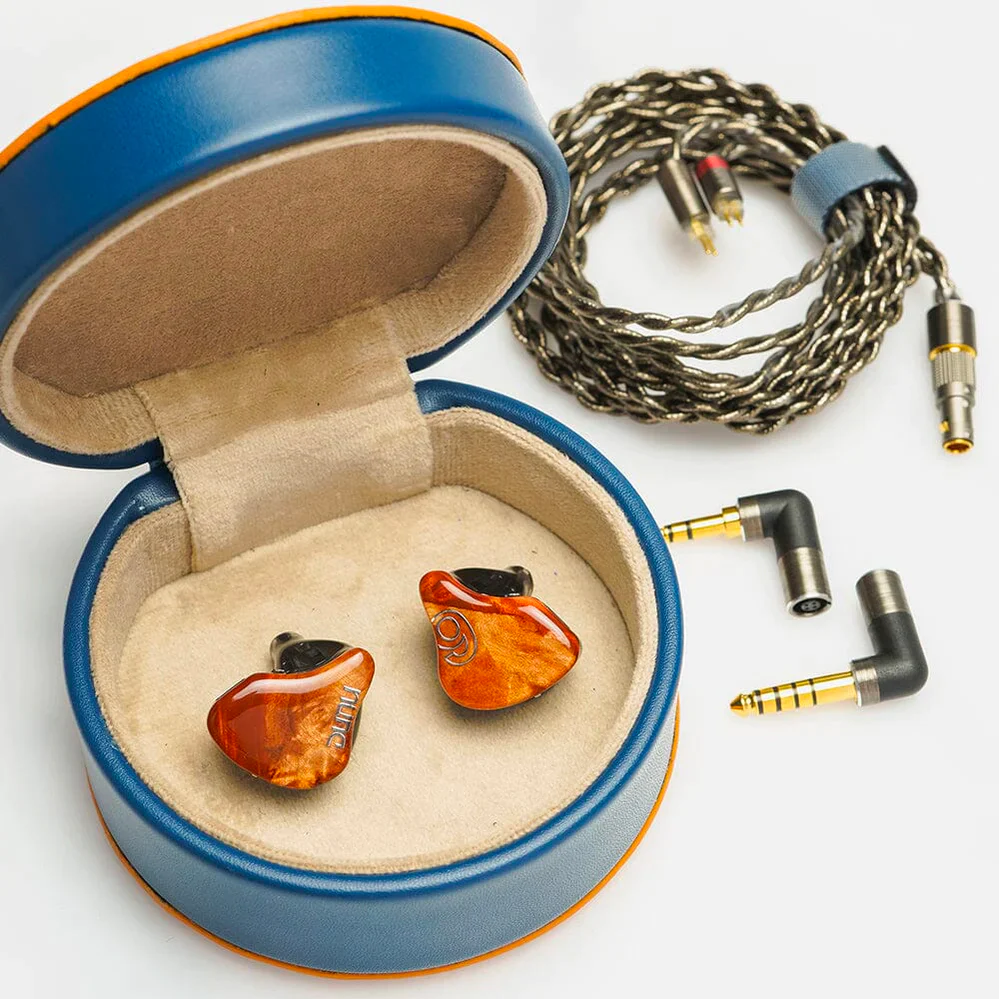
The newest model in the DUNU lineup is the SA6 MKII. It follows the SA6 and the limited-run SA6 Ultra, featuring important improvements for those who desire superior sound quality. The DUNU SA6 MKII has an improved treble response for a more natural and airy sound with greater detail and no harshness. The midrange, especially the upper midrange, has also been updated for clearer and more distinct vocals. This change also enhances instrument separation and detail recognition.
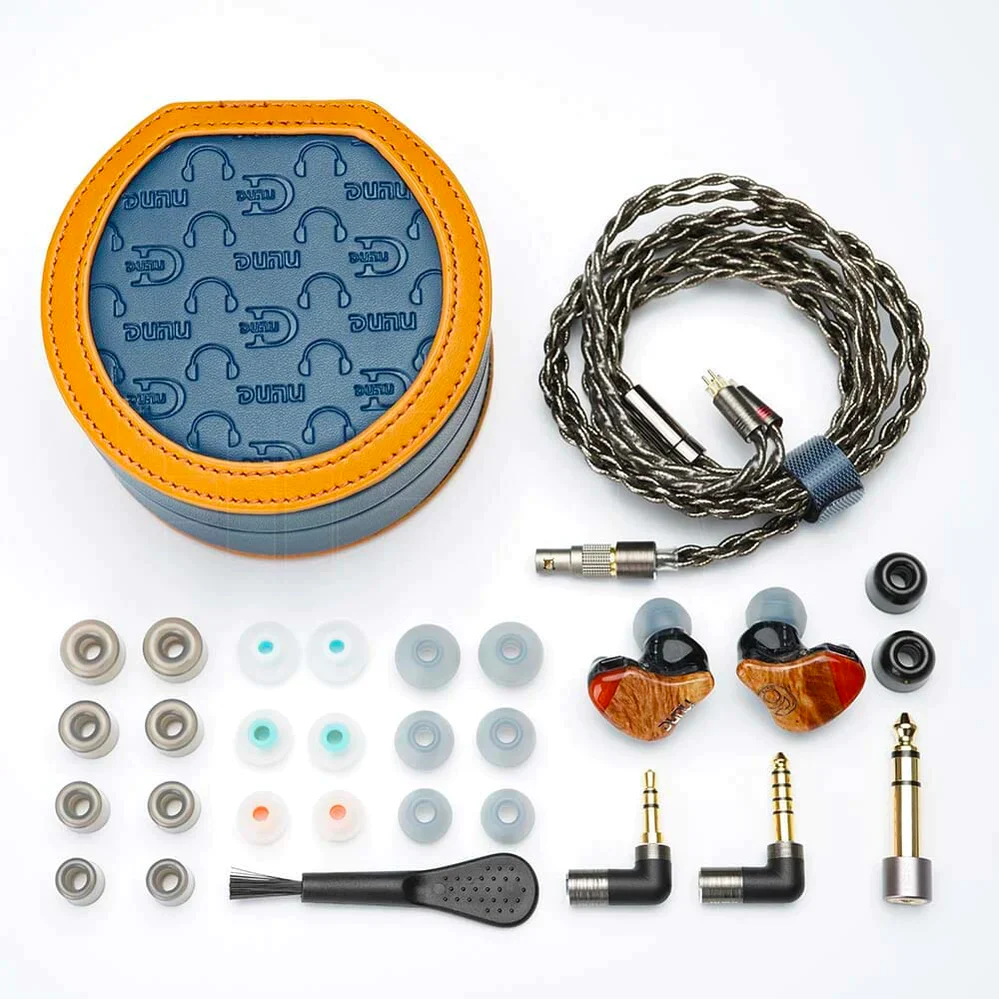
The SA6 MKII headphones now have better sound, especially in the bass, but the midrange still sounds clear. They come with a special cable that can be changed easily, and the package includes different plugs you can use with different devices. The SA6 MKII headphones have a new look, with wooden face covers that have a touch of red.
Additionally, according to the company’s claim, they are now much more comfortable, easy to wear, and lightweight. They also come with a new case that has the DUNU logo on top to protect them and look nice. Unfortunately, there is a price to pay for these premium features and sound quality. DUNU SA6 MKII is officially launched for $579. Of course, deciding whether the product is worth this price is entirely up to you. However, if you are interested, you can click here to access the purchase page and browse all the details.
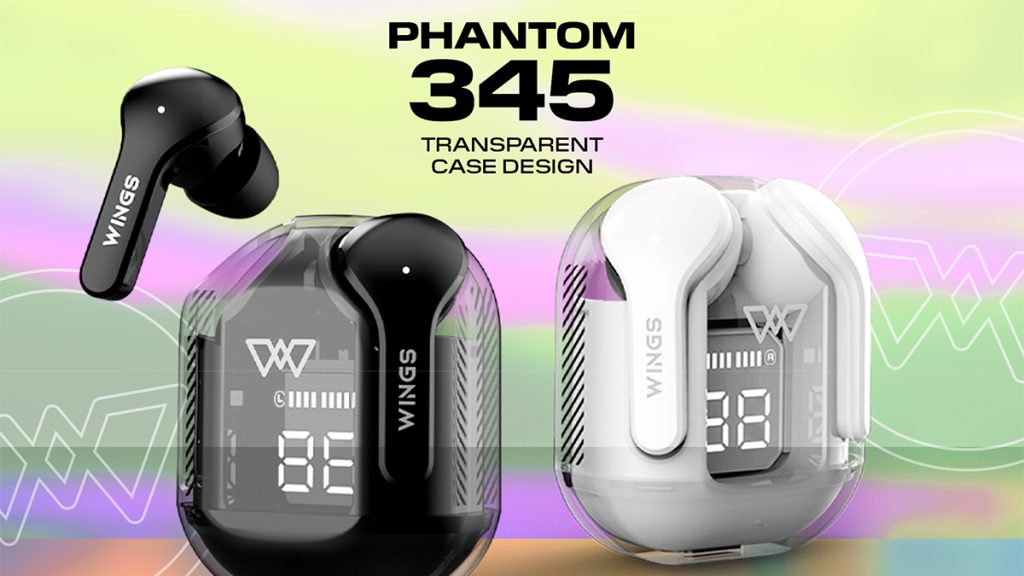
Wings has launched a new TWS earphone in India. The latest offering is dubbed the Wings Phantom 345. It features a unique case design and packs decent specifications. Read on to know what the latest audio device from the brand offers out of the box.
Wings Phantom 345 specifications and features
The Wings Phantom 345 has an in-ear design with a stem and silicon ear tips. Users can perform various features by tapping on the stem of the earphones. The audio device comes in a transparent storage and charging case with an exposed design that ensures no gaps or creaks. It also has a digital display that shows the battery status. The earphones are IPX5-certified water and sweat resistant.
In terms of audio, the Wings Phantom 345 is equipped with a 13mm high-fidelity composite driver. It has smart environmental noise cancellation along with quad microphones for clear quality on calls. There is a dedicated game mode along with 40ms ultra-low latency. The audio device supports AAC and SBC codecs. The TWS earphones also support voice assistant.
The Wings Phantom 345 supports Bluetooth 5.3 with a range up to 15 meters. It is claimed to offer up to 50 hours of total battery life with each earbud offering 10 hours of usage. The audio device supports fast charging via the USB-C port on the case.
Wings Phantom 345 pricing
The Wings Phantom 345 is priced at Rs 1,299 and comes in Black and White color options. It is available for purchase from Amazon, Flipkart, the brand’s official website, and offline stores.
Earlier this week, Nokia revealed its financial report regarding its operations in India. The company marked a sizeable growth in net sales, which is accredited to the growing adoption rate of 5G technology in the region.
Nokia records an impressive 327% Net Sales growth
For those unaware, the Finnish tech giant is a major player in the telecommunications industry and makes equipment for advanced 5G networking as well. Thus, thanks to the expansion of 5G deployment in the Southeast Asian country, it reported a massive 327 percent year on year net sales rise in the first quarter of this year. This brought its net sales to hit 853 million euros or roughly around 937 million US Dollars.
This is considering over the mere 200 million Euros net sales during the same period last year. So its clear that the wider adoption rate by the two major telecos in India, Airtel and Reliance Jio, has helped its overall profits as well. Nokia further added that the sizeable growth in India also helped it offset the slowing demand in the North American market. Notably enough, Nokia isn’t he only one to see sales hike as Ericsson chief financial officer Carl Mellander said that “India is strong and a good example where our sales are up five times.”
Meanwhile, Pekka Lundmark, Nokia President and CEO, stated that “Mobile Networks net sales grew 13% as 5G deployments in India ramped up, more than offsetting a slowdown in North America spending As we expected, we are seeing greater seasonality between the first and second half of the year in terms of profitability for Mobile Networks”. The executive is expecting the company to stay on track to see another year of growth in 2023.
Realme launched the Narzo N55 smartphone in India earlier this month. It went on sale for the first time earlier this week. Now the brand has announced that the Narzo N55 was the best-selling smartphone on the first day of the sale in the Rs 10,000 – Rs 15,000 price segment on Amazon for this year. Realme said that the Narzo N55 also saw a 250 percent increase in sales during the first sale on the company’s official website. However, the brand did not reveal the number of shipped units of the N55.
The Realme Narzo N55 features a 6.72-inch LCD display with a center-aligned punch-hole cutout bearing an HD+ resolution and a 90Hz refresh rate. The phone has a dual-rear camera setup of a 64MP main sensor and a 2MP depth lens. There is an 8MP front-facing selfie snapper. The smartphone has a side-mounted fingerprint scanner.
The Realme Narzo N55 is powered by a MediaTek Helio G88 processor. It packs up to 6GB RAM and 128GB internal storage. The device is backed by a 5,000mAh battery with support for 33W fast charging. It ships with Android 13-based Realme UI 4.0 on the top.
The Realme N55 costs Rs 10,999 and Rs 12,999 for the 4GB + 64GB and 6GB + 128GB RAM and storage configurations. There is a Rs 500 instant discount on the purchase of the base variant via various bank cards whereas the 6GB model is eligible for Rs 1,000 instant discount. The discount is applicable on both Amazon and the brand’s official website.
Earlier today (21st April 2023), Lenovo launched the Xiaoxin 14 thin and light laptop in a new variant. The model is a new color option, featuring an elegant Green color scheme. So here are all the details.
Lenovo Xiaoxin 14 2023 Edition now in a new Green
Apart from its new Green hue, the laptop still offers the same features and specifications under the hood. To be specific, the notebook is the PC maker’s Xiaoxin 14 2023 Intel Edition. So it is equipped with a 13th Gen Intel Core processor, namely the i5-1340P CPU that is paired with up to 16GB of RAM and 1TB of SSD storage. Thanks to its compact and portable design, it weighs just 1.46 kilograms and measures just 16.9mm in thickness.
The Xiaoxin 14 sports a tall 14 inch matte display that offers 300 nits of peak brightness, 100 percent sRGB color gamut, and 2240 x 1400px resolution. The front also houses a Full HD webcam for video conferencing. For connectivity, it offers two USB Type C port, two USB Type A port, HDMI, microSD card reader, WiFi 6, and a 3.5mm headphone jack.
Other notable features include a 56.6WHr battery pack that supports 65W fast charging. As per official notes, the new green color option for the 2023 Lenovo Xiaoxin 14 thin and light laptop will go on pre-sale on April 24. It will be available for a price tag of 4,799 Yuan (roughly 696 US Dollars).
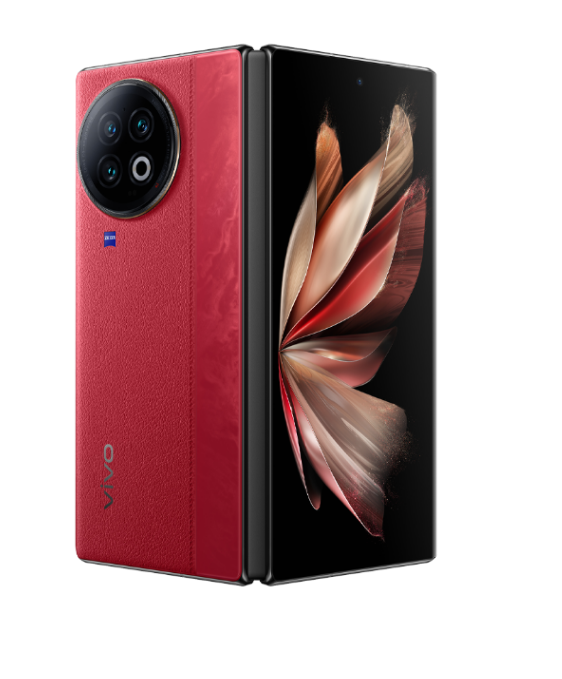
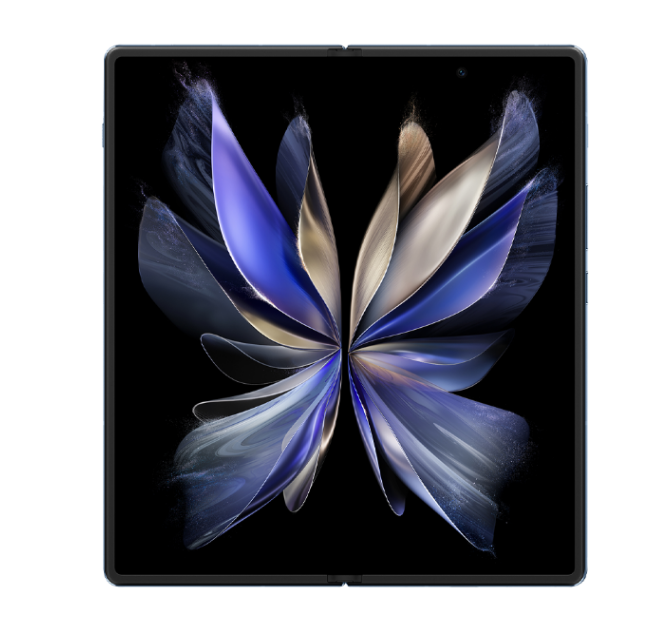
Vivo X Fold 2 the latest premium foldable smartphone from Vivo is now available for pre-order on Giztop. You can pre-order the phone for a starting price of $1599 only. This price is applicable to the base variant. Please note that this is a pre-order and the actual shipment will start in May.
Vivo X Fold 2 features an 8.03-inch 2K+ E6 LTPO AMOLED inner display and a 6.53-inch E6 AMOLED outer display. Powered by the latest Snapdragon 8 Gen 2 octa-core processor it comes in multiple memory variants viz. 12GB LPDDR5 RAM and 256GB / 512GB internal storage options.
Vivo X Fold 2 comes with a triple rear camera setup with a 50MP main camera and 12MP + 12MP secondary sensors. The camera comes with the V2 chip onboard for enhancing imaging capabilities. For your selfies, you have a 16MP front camera.
Fueled with a 4800mAh battery, Vivo X Fold 2 supports 120W fast charging and 50W fast wireless charging. This is a Chinese edition phone but comes with pre-installed Google Mobile Service, and Google Play Store and is available in Black, Red, and Blue color variants.
You can now pre-order the latest Vivo X Fold 2 foldable smartphone for starting price of $1599 only at Giztop.
For more information on such exciting deals and offers, check out our deals hub.
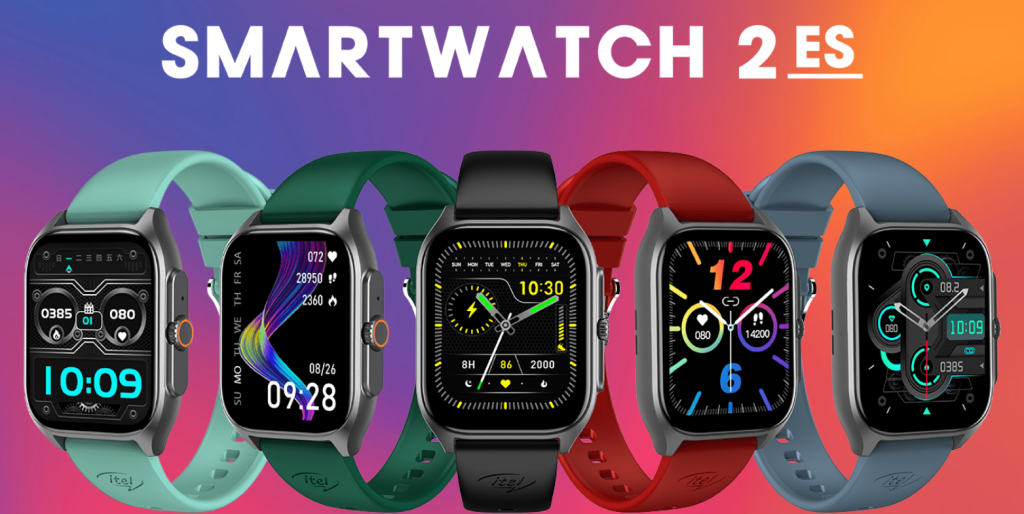
Itel has expanded its range of smartwatches in India. The brand has launched the Smartwatch 2ES. It arrives as the successor to the Smartwatch 1ES that was announced in June last year. The latest offering packs significant upgrades over its predecessor. Read on to know what it offers out of the box.
Itel Smartwatch 2ES specifications and features
The Itel Smartwatch 2ES has a slightly Apple Watch-like design with a rotating crown on the right side. It comes with a large 1.8-inch display bearing a resolution of 240 x 286 pixels and 500 nits peak brightness. The device offers a 90 percent screen-to-body ratio. It has an IP68 water-resistant rating.
In terms of fitness, the Itel Smartwatch 2ES features a heart rate monitor, SpO2 sensor, and sleep tracker. The wearable device is also capable of tracking more than 50 sports modes.
The Itel Smartwatch 2ES packs Bluetooth 5.3 connectivity that lets users make calls with the built-in speaker and a mic. It also comes with dial pad access, recent call logs, and favorite contacts. There is an AI voice assistant onboard and the ability to control smart home devices. The wearable device has features like weather details, camera and music control, notifications, and more. The Itel Smartwatch 2ES is backed by a 240mAh battery unit that is claimed to offer up to 12 days of battery life.
Itel Smartwatch 2ES pricing and availability
The Itel Smartwatch 2ES is priced at Rs 1,699. It is available in City Blue, Red, Green, and Water Green colors. The smartwatch can be purchased from the brand’s website and other retailers starting today.
Noise has launched a new smartwatch in India. It is dubbed the ColorFit Vivid Call. The device is the most affordable offering with Bluetooth calling functionality in the brand’s portfolio. It falls under the Rs 1,500 price segment. Read on to know what the ColorFit Vivid Call offers out of the box.
Noise ColorFit Vivid Call specifications and features
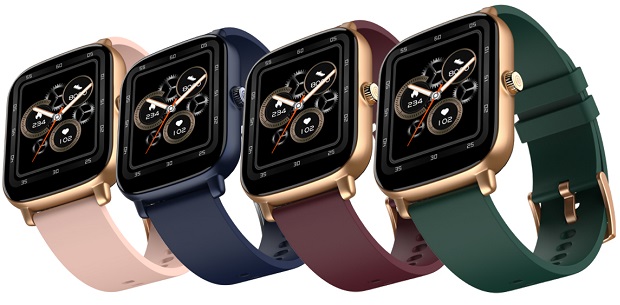
The Noise ColorFit Vivid Call comes with a squarish dial with a metallic finish. It features a large 1.69-inch display bearing a resolution of 240 x 280 pixels and 500 nits peak brightness. There is a rotating crown on the right side and the device is IP67-certified dust and water-resistant.
On the health-centric front, the Noise ColorFit Vivid Call is equipped with a heart rate monitor, SpO2 sensor, and sleep tracker. It is also capable of tracking more than 100 sports modes.
The Noise ColorFit Vivid Call features a built-in speaker and a mic. It also comes with Bluetooth calling, dial pad access, recent call logs, and favorite contacts. The smartwatch packs built-in games and other convenient features like weather details, camera control, notifications, and more. The wearable device is powered by a 260mAh battery unit that is claimed to offer up to 7 days of battery life.
The Noise ColorFit Vivid Call carries a price tag of Rs 1,299. It is offered in six colors – Space Blue, Silver Grey, Jet Black, Forest Green, Rose Pink, and Deep Wine. The smartwatch is available for purchase from the brand’s website and Amazon.
Yesterday Sonylaunched the Bravia X80L televisions in India. Now, the Japanese brand has unveiled the Bravia X75L series of TVs in the country. The latest offerings are slightly toned-down versions of the X75L. Read on to know what the Bravia X75L offers out of the box.
Sony Bravia X75L specifications and features
The Sony Bravia X75L TV series is offered in 43, 50, 55, and 65-inch display sizes. All four variants feature a 4K display resolution along with X1 4K HDR picture engine. The televisions are capable of upscaling filmed in 2K or Full HD close to 4K resolution with the 4K X-Reality PRO. There is Motionflow XR technology that ensures smooth and sharp details in fast-moving sequences. The Sony Bravia X75L supports HDR10 and HLG formats.
On the audio front, the Sony Bravia X75L is equipped with an open baffle down-firing dual speakers producing a 20W sound output. There is Dolby Audio sound technology onboard.
Internally, the Sony Bravia X75L series is equipped with a 4K processor X1. It packs 16GB of onboard storage. The televisions feature variable refresh rate, auto-low latency mode (ALLM), auto HDR tone mapping, and game mode with PS5 for an immersive gaming experience. Software-wise, the Bravia X75L runs on Android TV with Google TV. The televisions support Apple AirPlay 2, Apple HomeKit, Chromecast, and voice search via Google Assistant and Alexa.
The Sony Bravia X75L televisions come with a bundled voice-enabled remote. Connectivity options on the television include four HDMI 2.1 ports, dual-band WiFi, Bluetooth 5, an Ethernet port, two USB ports, and a headphone jack.
Sony Bravia X75L pricing and availability
The 43-inch Sony Bravia X75L starts at Rs 69,900 whereas the 50-inch model is priced at Rs 85,900. The price of the 85-inch variant is set at 1,39,900. The television will be available for purchase from Sony centres, major electronic stores, and e-commerce portals starting April 24th onwards.
We have had multiple smartphone launches every other week since the beginning of 2023. However, the next week will be different as only two brands have confirmed new product releases.
The companies that will be debuting new phones in the next few days are Vivo and Infinix. The former will unveil its latest flagship models for India, whereas the latter will take wraps off a new budget device for the same region
The Vivo X90 series is scheduled to launch in India on April 26. It will be announced at an event, which is scheduled for 12 PM IST.
The company is expected to only bring Vivo X90 and Vivo X90 Pro to the country, leaving out the Vivo X90 Pro Plus. For the unaware, the more premium model is exclusive to China for some reason.
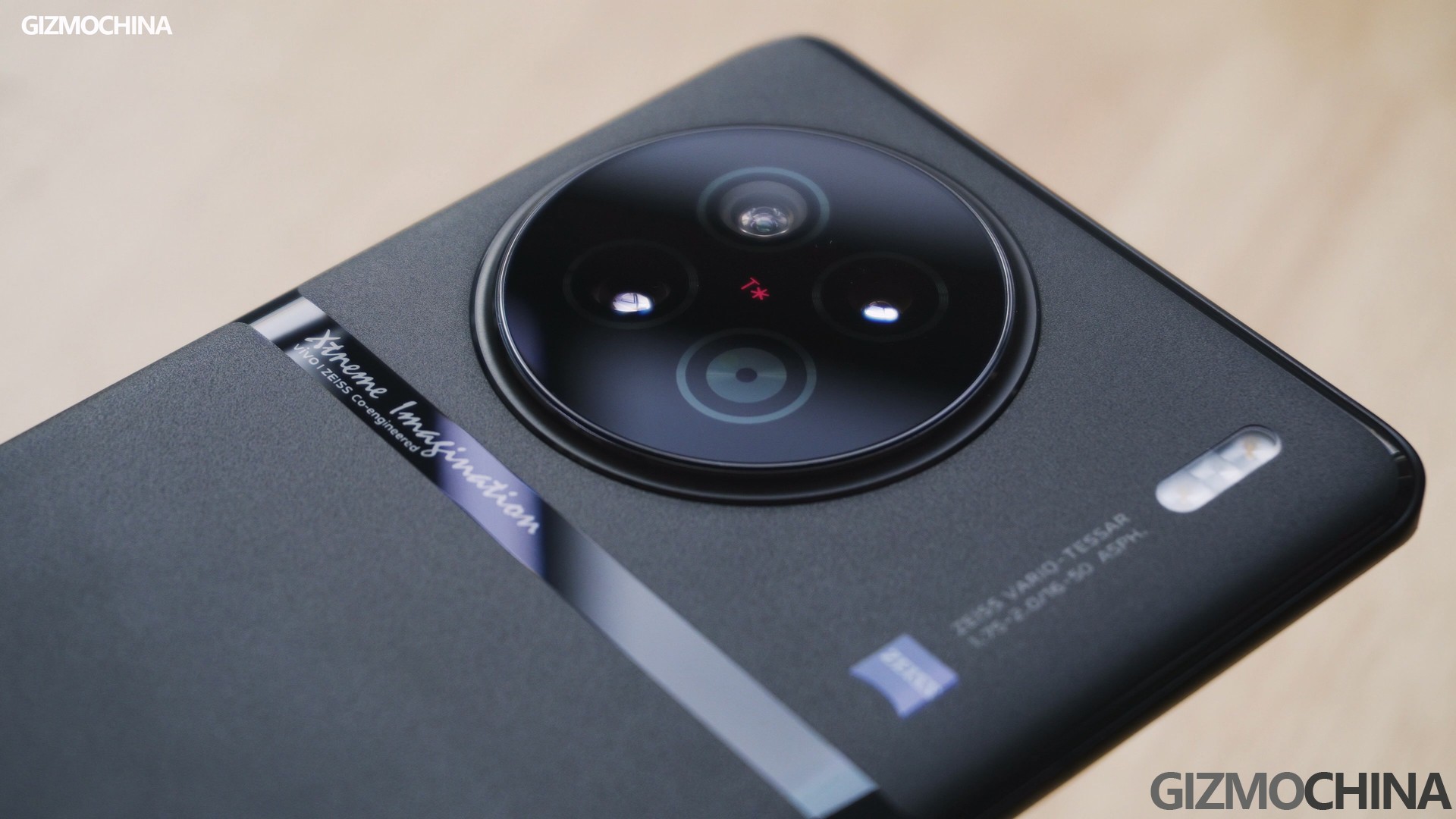
The X90 and X90 Pro are almost the same, except for their cameras. The Pro variant arrives with a 50MP Sony IMX989 1-inch sensor and a 50MP 2x telephoto lens. Either way, the cameras on the two devices are powered by Zeiss and Vivo V2 imaging chip.
Some of their features include a 6.78-inch 10-bit 2K 120Hz AMOLED display, a MediaTek Dimensity 9200 chipset, Funtouch OS 13 based on Android 13, 120W wired charging, and more.
2. Infninx Smart 7 HD
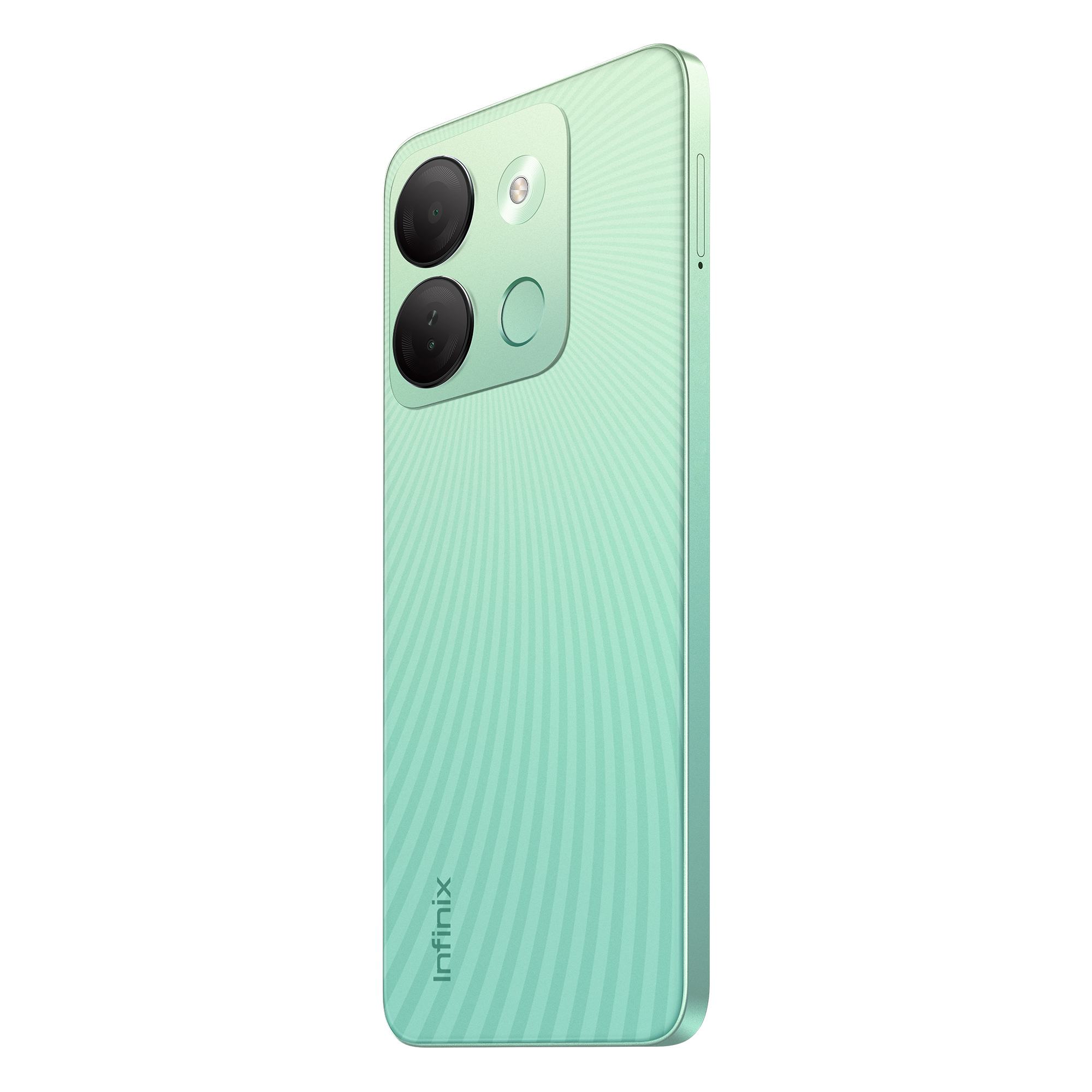
The Infinix Smart 7 HD is set to launch in India on April 28 at 12 PM IST. It is said to be a toned-down version of the original Smart 7 that was released in the country in February.
This phone is expected to come with a 6.6-inch HD+ display (LCD), a dual camera system, and a rear-mounted fingerprint sensor. It will draw energy from a 5,000mAh battery and will be available in a 4GB+ 64GB version.
Last but not least, the handset’s design seems to be inspired by the Oppo Reno 8 Pro.
The CEO of Ford recently told reporters that the company has to rethink its brand and strategy for the Chinese automobile market. The statement arrives amid the booming electric vehicle market in the region. So here are all the details.
Ford seeks to be more competitive in China
According to Chief Executive Jim Farley, “We’re going to have to rethink what the Ford brand means in a place like China.” The senior executive made this statement highlighting the competitive market for EVs in China. He believes that Ford Motor Co needs to rethink its brand for the world’s largest automobile market. The official told reporters during a charity event in Detroit that “It can’t be like middle of the market. It’s totally over filled.”
Unfortunately, he did not elaborate on what exactly this means for the popular American car maker. But based on market reports, Ford saw a decline in sales in China during the first quarter of this year. It sales and market share also fell during this period. On the other hand, automakers that sold battery powered electric and plug in hybrid cars saw a boom in sales in Q1 2023.
Furthermore, the market was also led by the Chinese automobile giant, BYD. Ford CEO also added that his visit to China revealed that the only premium brands that were faring well in the Chinese market were focusing on electric only vehicles. These models focused on technology and aspects that improved the drivers overall experience. This wasn’t just in terms of their digital technology but even included their “beautiful” design for every vehicle. He even talked about specific brands that were succeeding in the market, including Xpeng, Li Auto, and NIO.
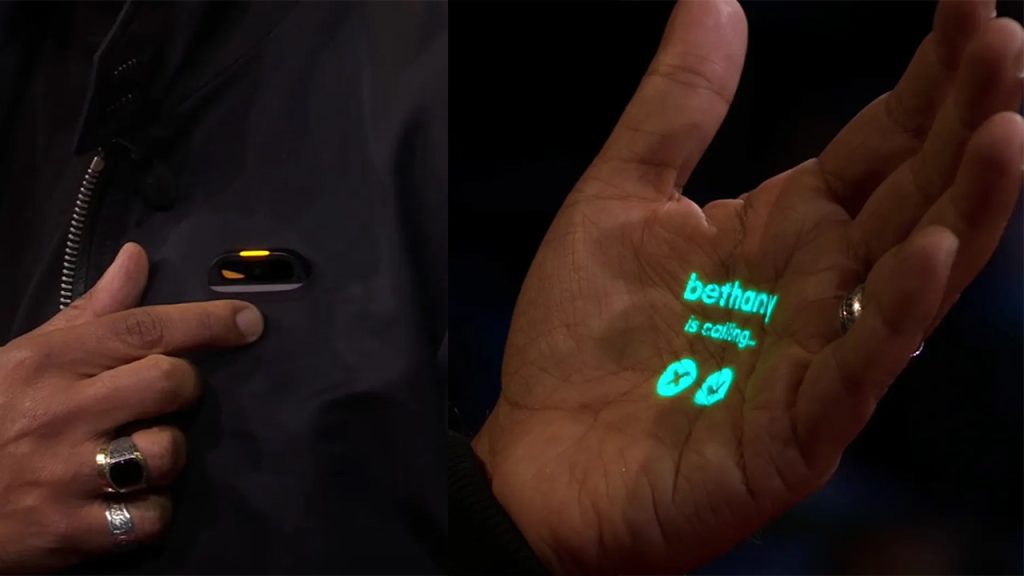
If there’s one thing that science fiction films have shown us, it’s that wearable technologies will be widely used in the future. Chips attached to our brains, communication systems integrated into our eardrums, phones hidden in the palms of our hands, and much more. Although wearable technologies are generally limited to smartwatches and wristbands today, tech companies continue to work on new innovations. Most recently, Humane, a company founded by a former Apple designer, demonstrated a combadge-like wearable with a projected screen. Here are the details…
Humane introduces innovative wearable device with translation and projection features
Apple frequently recruits the best and brightest names to develop top-notch products. As a result, companies founded by experienced individuals who have left Apple often attract attention. Imran Chaudhri is one of those names. Having worked as a designer at Apple for many years, Chaudhri has been focusing on wearable technologies at his own company called Humane for some time. The first product resulting from these efforts was unveiled at the TED 2023 conference.
Chaudhri, who chose the TED 2023 conference to showcase the wearable AI projector developed by Humane, put on an impressive show. In short, the device appears as a part of your clothing and is largely concealed. Only the projection, camera, and speaker components are exposed. This exposed part doesn’t look much different from a designer emblem or science fiction movie logo.
So, what exactly does Humane’s device do, and will it replace smartphones? Although Imran Chaudhri uses slogans like “you won’t need a phone anymore,” this isn’t entirely accurate. The device has a projection feature, as mentioned earlier, and it uses various surfaces, including your palm, to display images by reflecting them. It’s unclear how well this gadget, which looked quite successful during the demonstration, will perform in real life. Additionally, it’s a matter of curiosity whether users will trade their AMOLED screen phones for a greenish projection.
Of course, Humane’s wearable technology isn’t limited to this feature alone. Adopting artificial intelligence technology, the device could be particularly great for tourism. In one usage scenario, it translates what Chaudhri says into his voice fluently. This innovative solution could be especially helpful for users who want to visit other cities without a tour guide but struggle with communication difficulties. Naturally, the features Humane will offer with this product aren’t limited to these. However, to see them, the device needs to be ready for market launch. Unfortunately, we don’t have any information about the release date or price for now.
The @Humane wearable doing English->French AI translation in your own voice… wow. (SOUND ON)
Last year Xiaomi released the Xiaomi Smart Band 7 Pro, which has a larger screen, built-in GPS, and a new structural design that allows you to change different straps more easily, but in that review, I said I didn’t recommend fans of the traditional form of Mi band to buy it because the Pro version is really bigger and heavier. But now we’re finally getting the new Xiaomi Smart Band 8 released, whose size and screen are basically unchanged from its predecessor, but Xiaomi has put many of the features and functions from the Xiaomi Smart Band 7 Pro on it, so let’s see if it’s worth your money today.
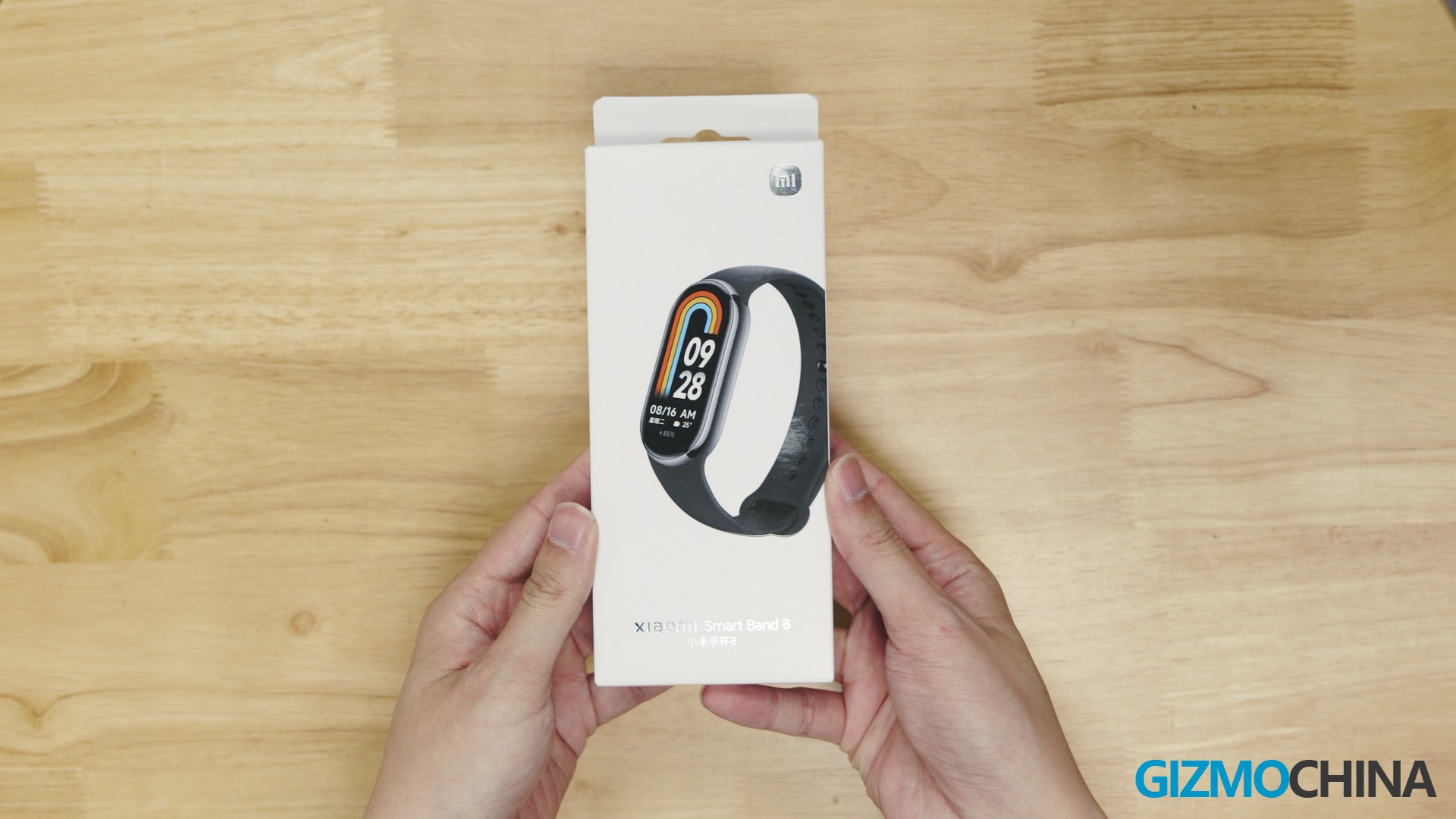
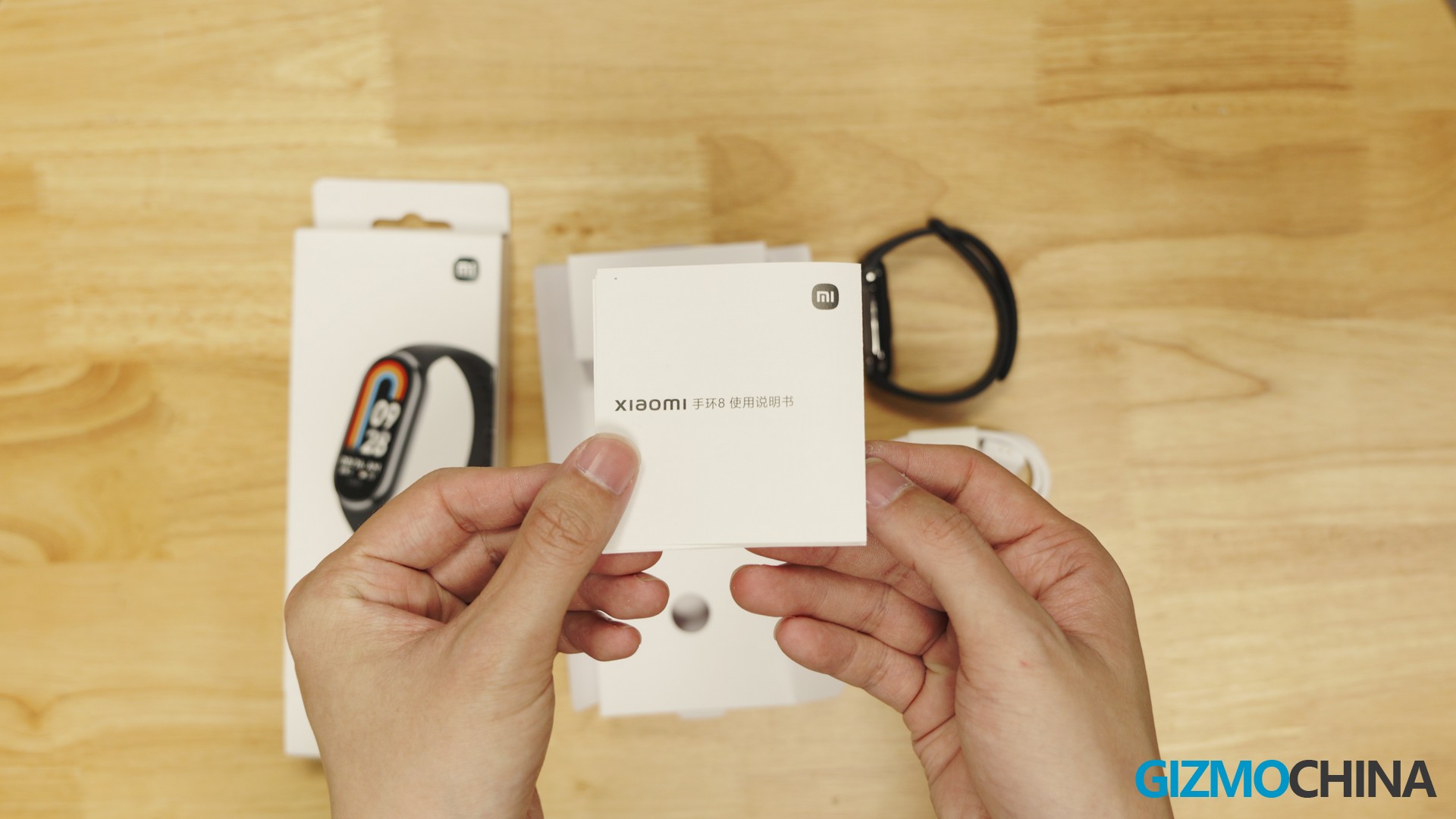
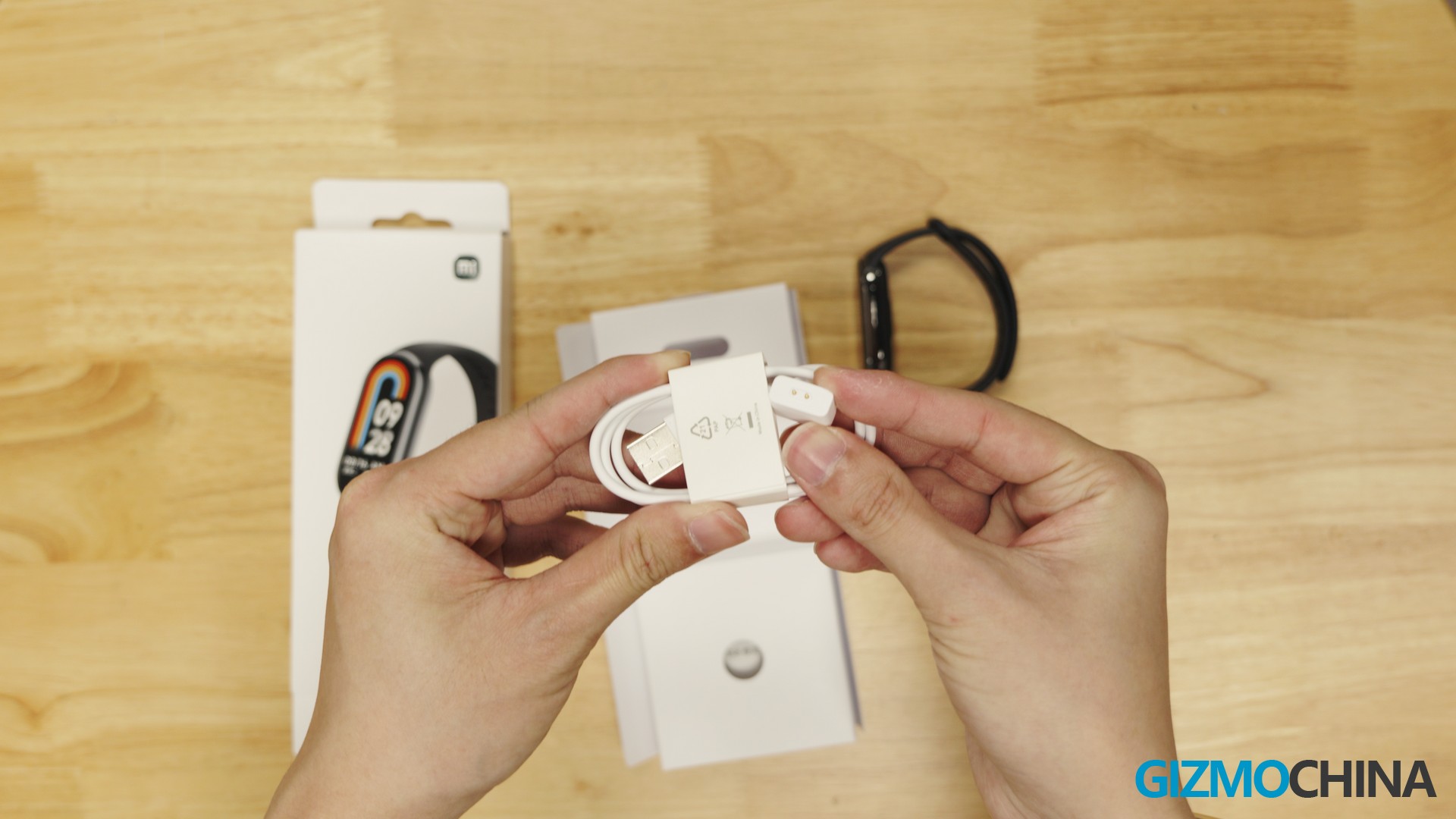
Compared with its predecessor, the packaging of the Xiaomi Smart Mi Band 8 is almost unchanged except for some patterns and texture, and the accessories inside the package are almost the same, we have the Xiaomi Smart Band 8 body, a manual, a strap and a magnetic charging cable.
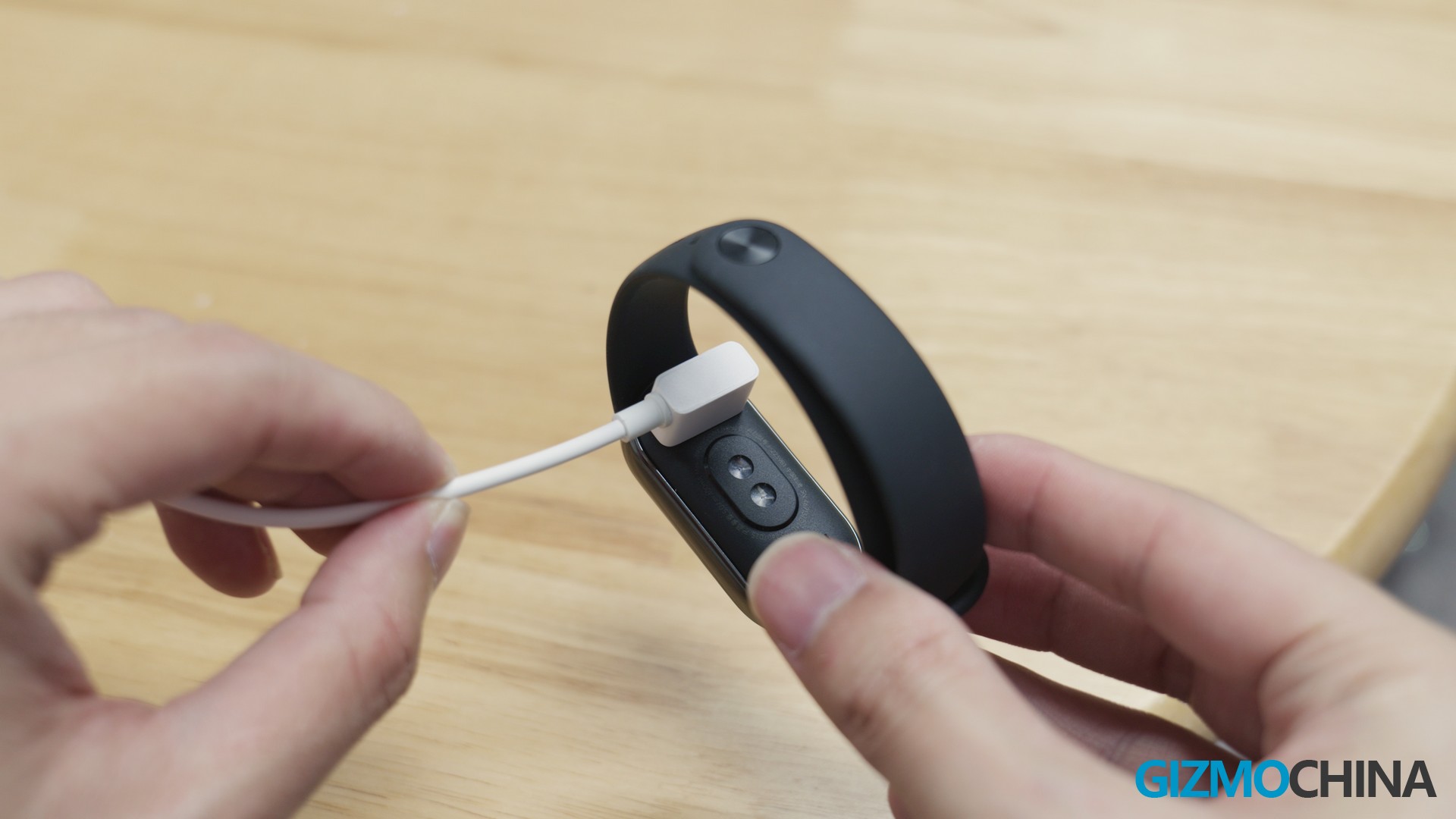
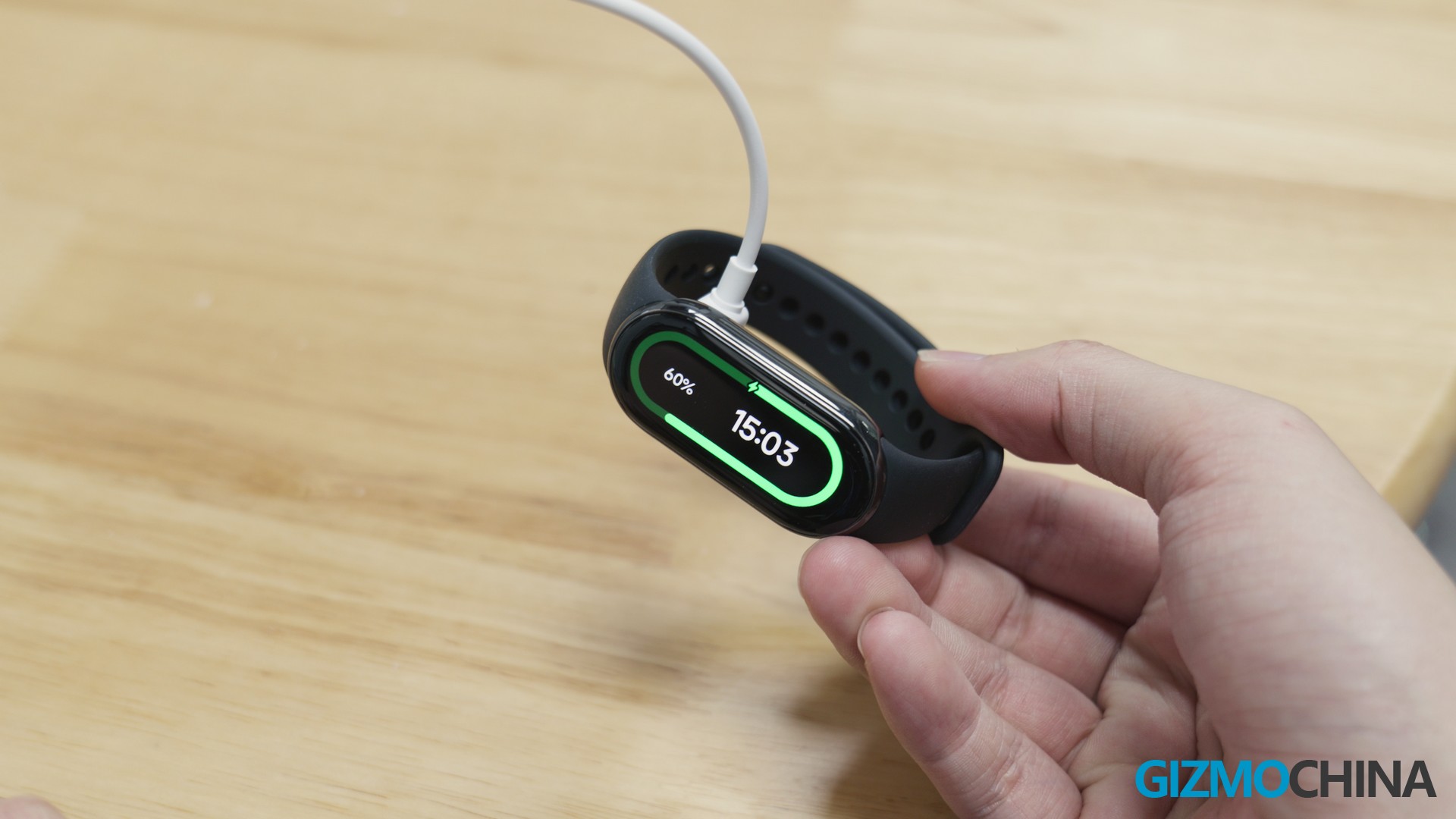
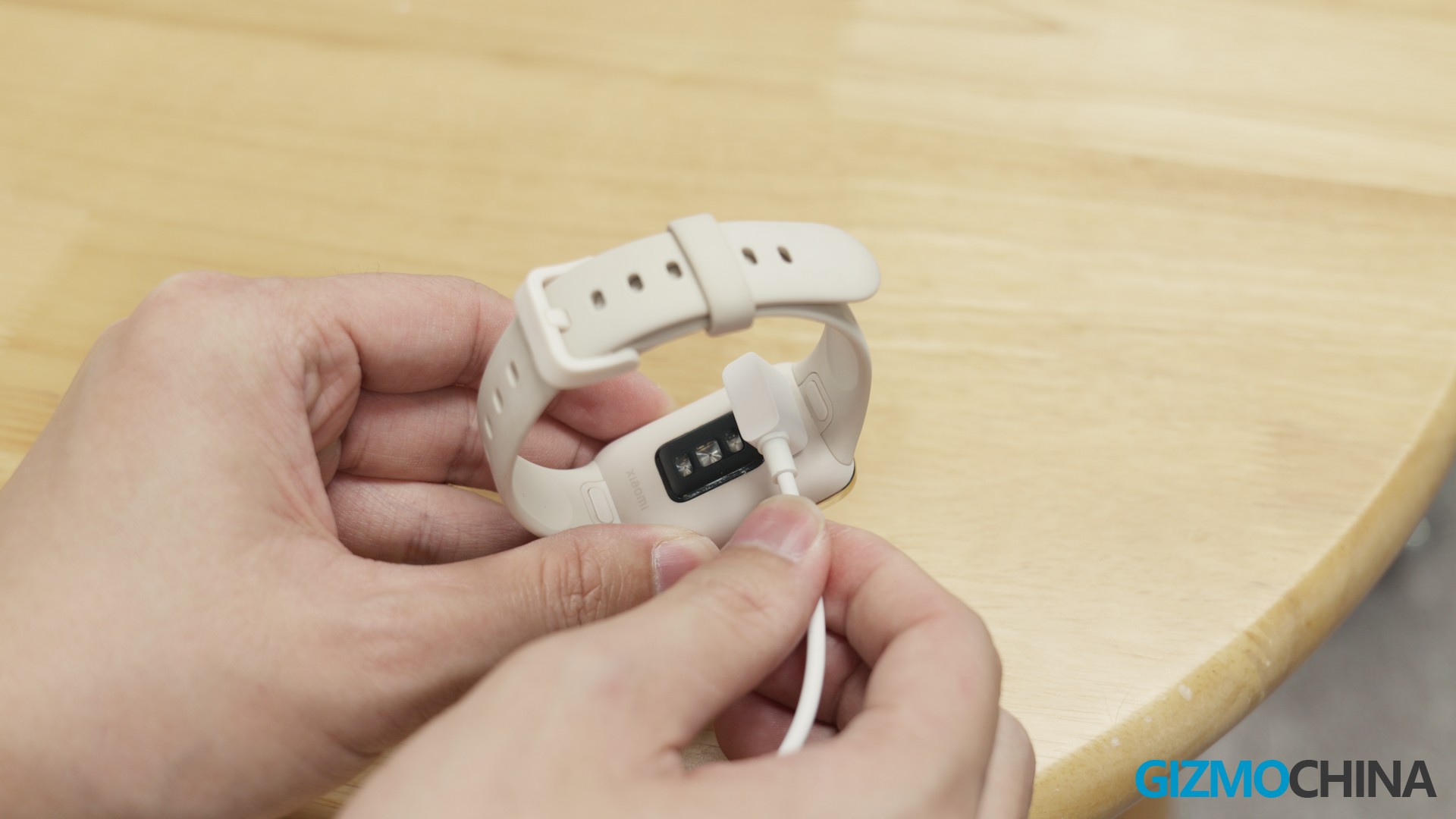
The cable is almost identical to the charging cable of the Xiaomi Smart Band 7 Pro series, because this time the Xiaomi Smart Band 8 has a similar strap connection structure and charging port as the 7 Pro, but after I verified that they don’t exactly share the same cable, it doesn’t offer a solid connection with the band 7 Pro.
Design
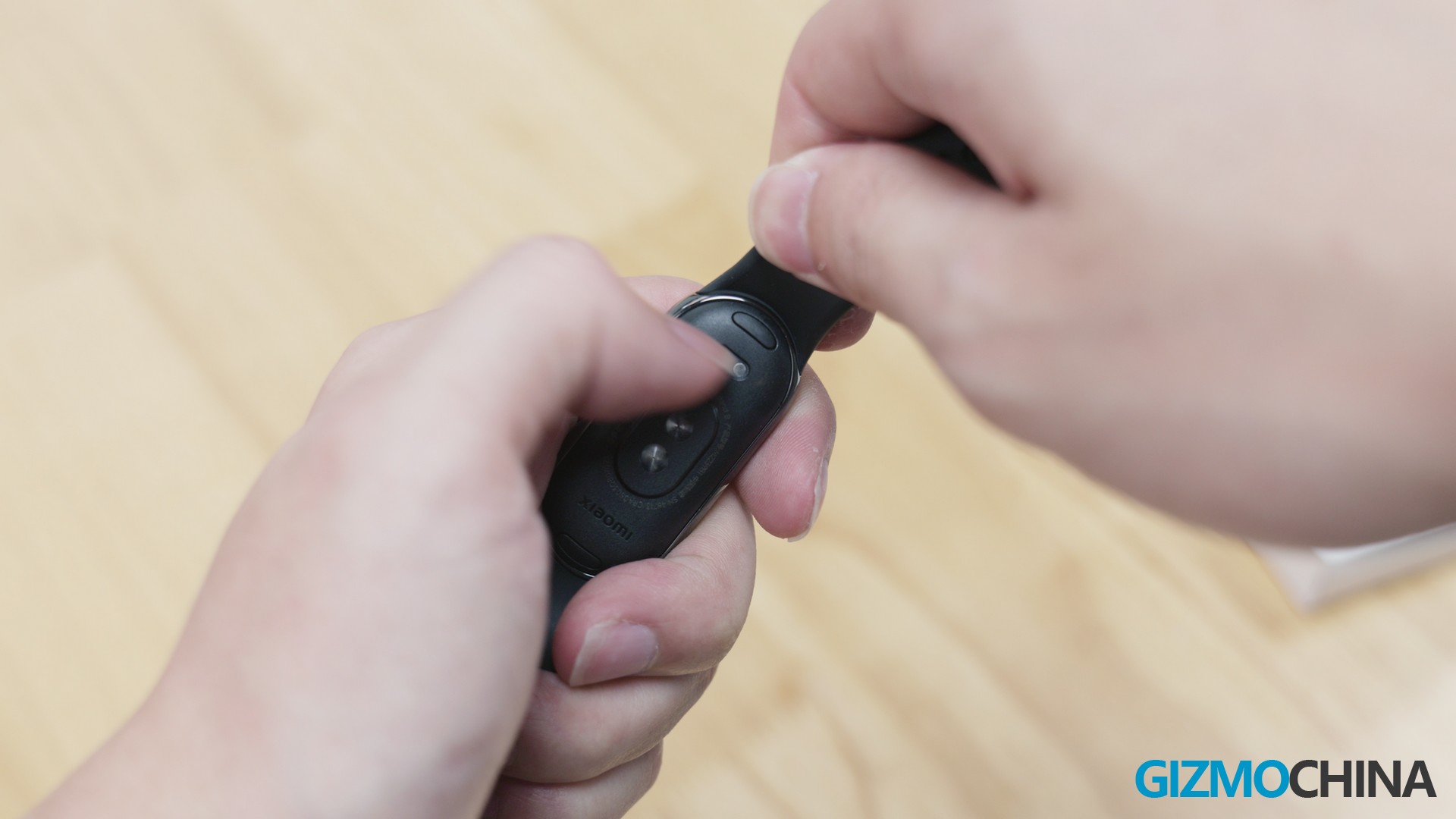
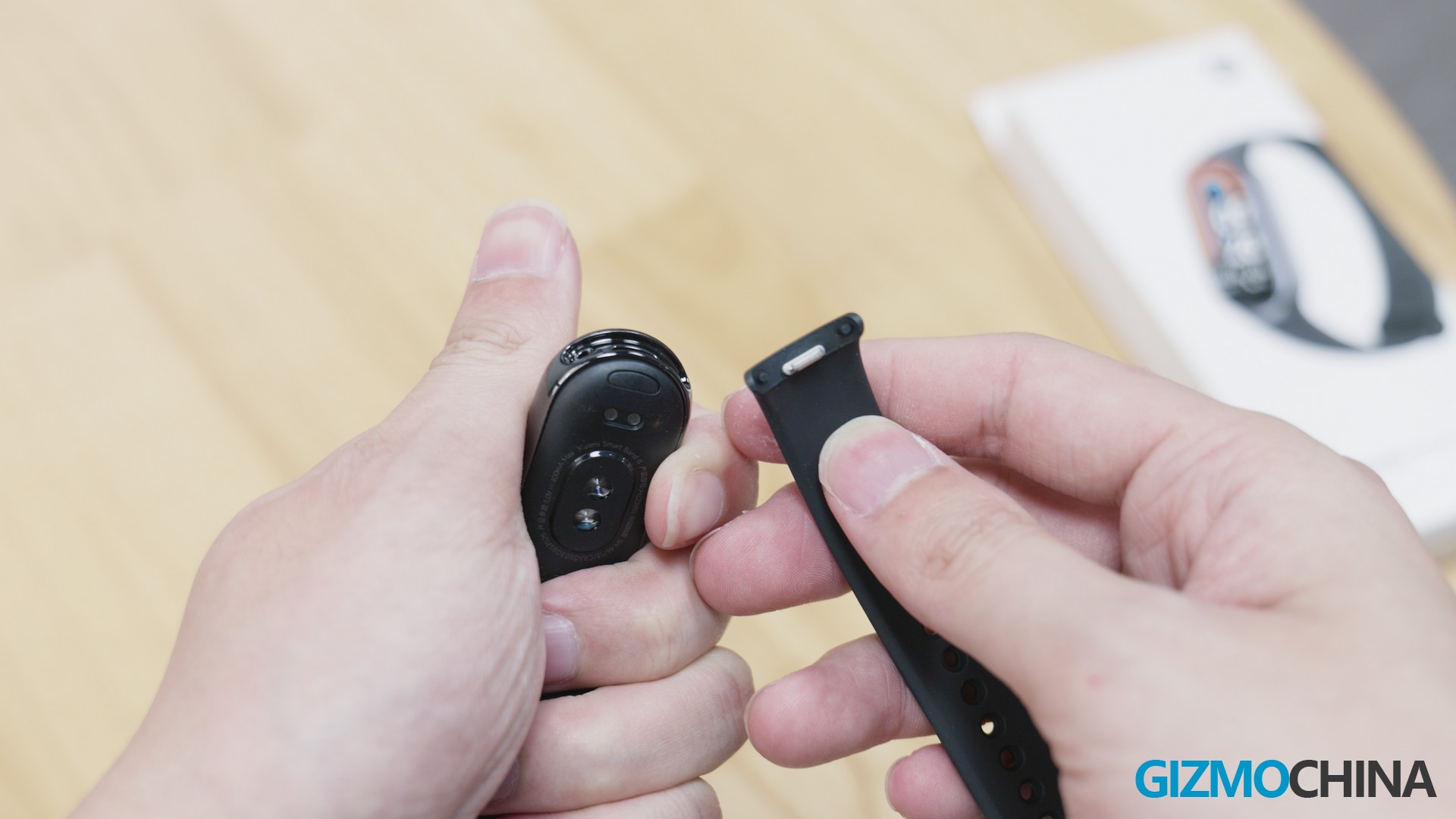
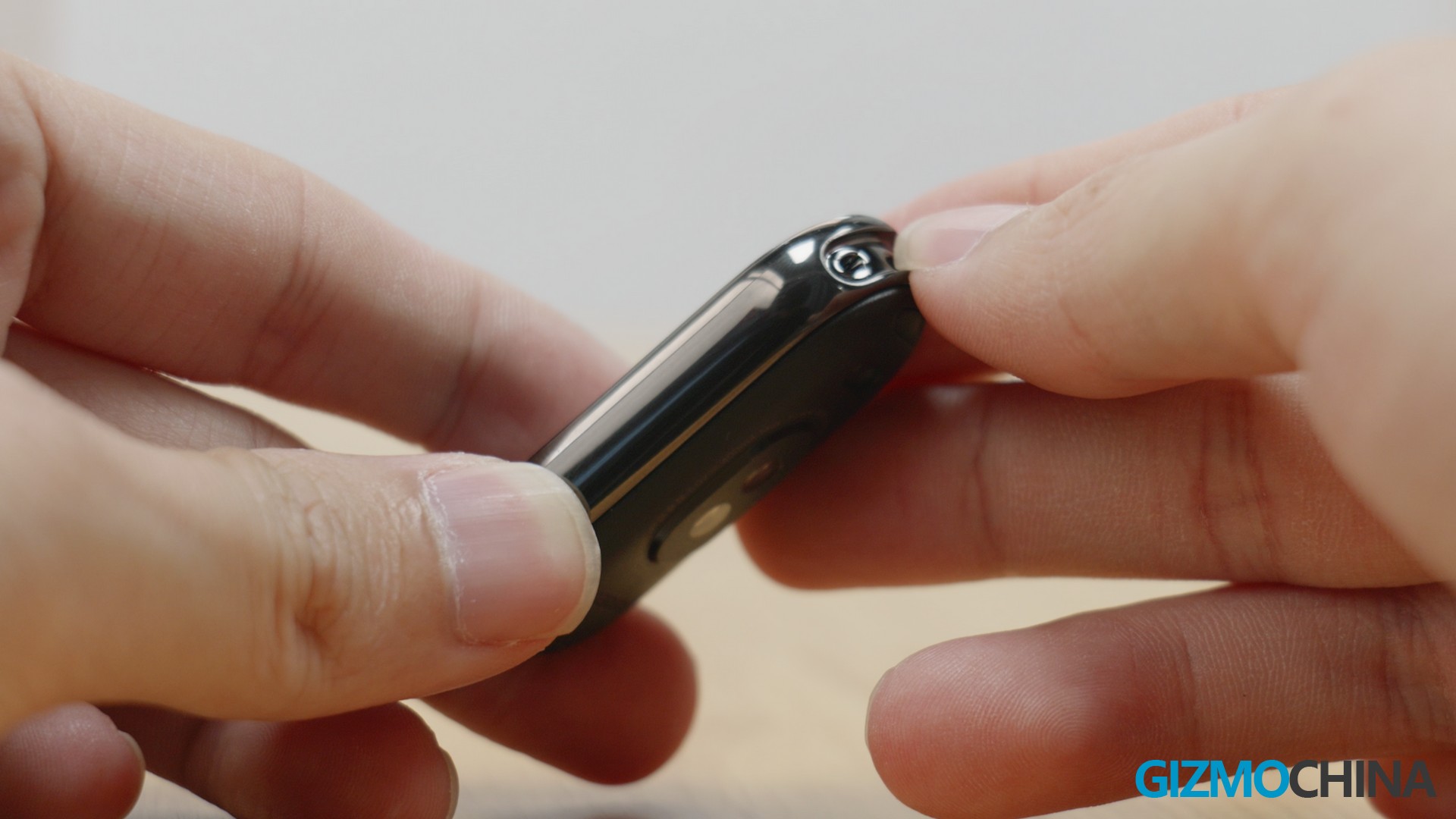
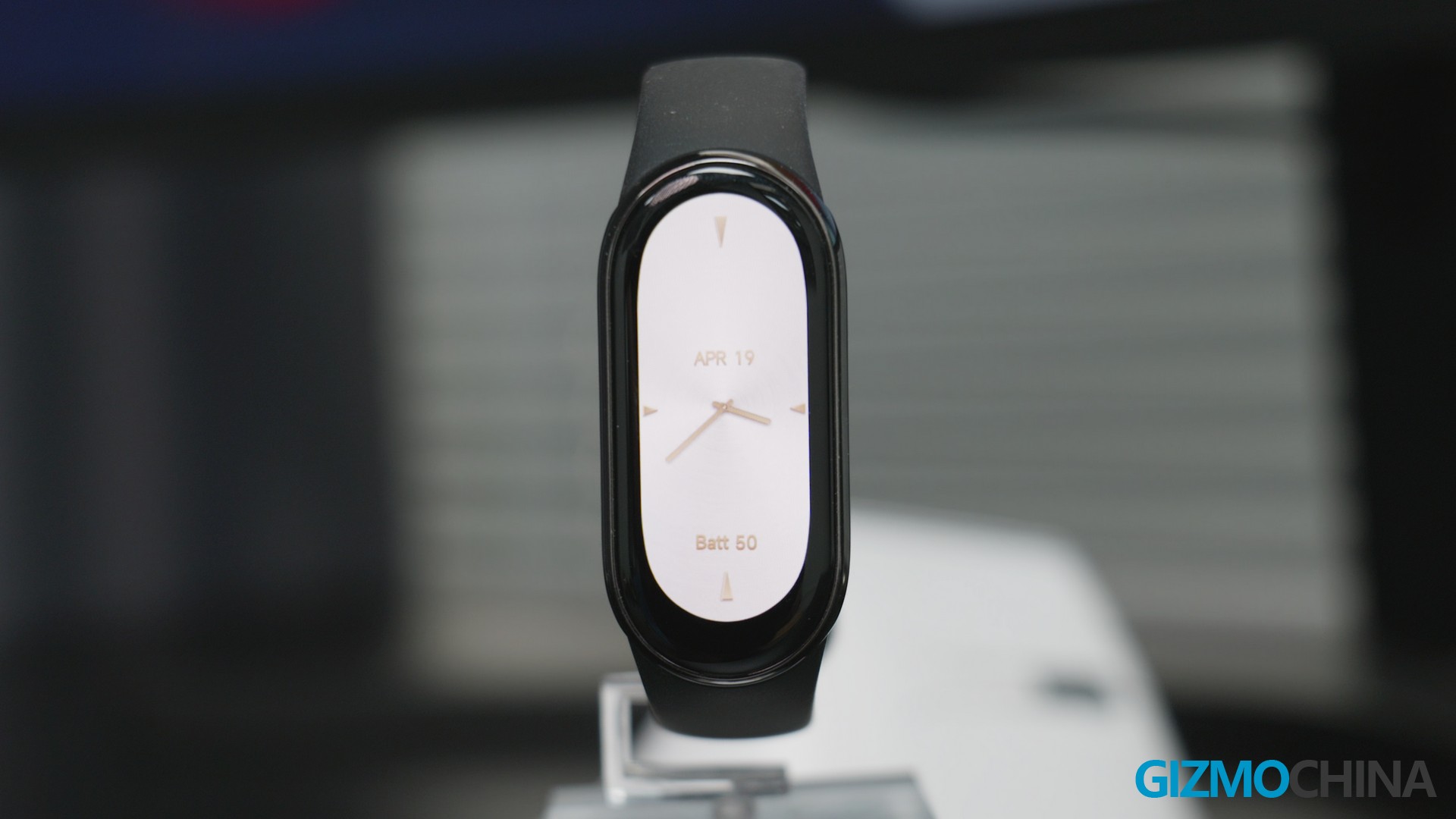
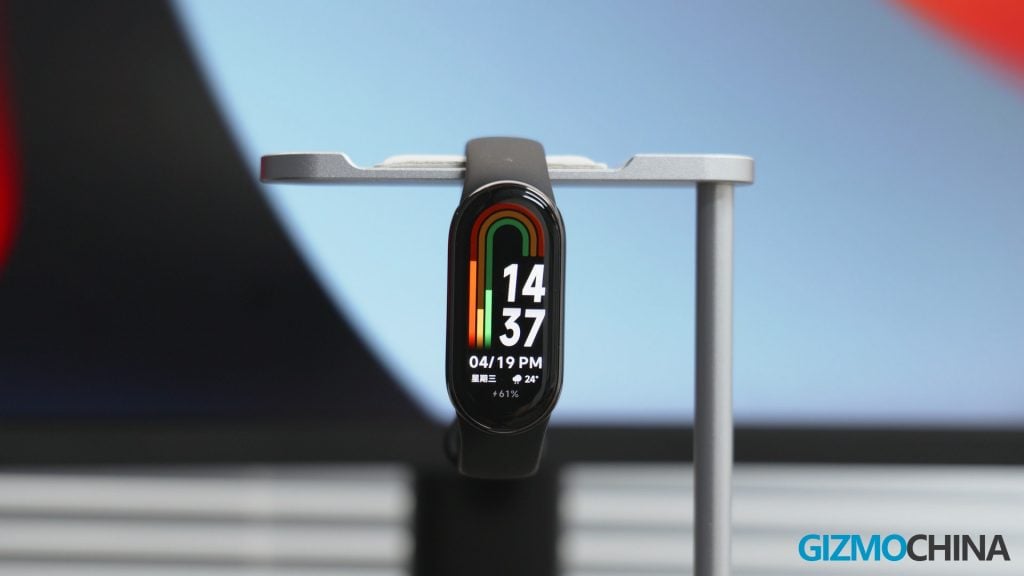
This is the new Xiaomi Smart Band 8. Although its size is very close to its predecessor, but if we look closer we will find many differences. The first and most important thing is that the Band is no longer completely wrapped around the strap. It now has a new structure that supports quick removal. Like a traditional watch, you can remove one side of the strap from the Band by pressing the snap and pulling it outwards.
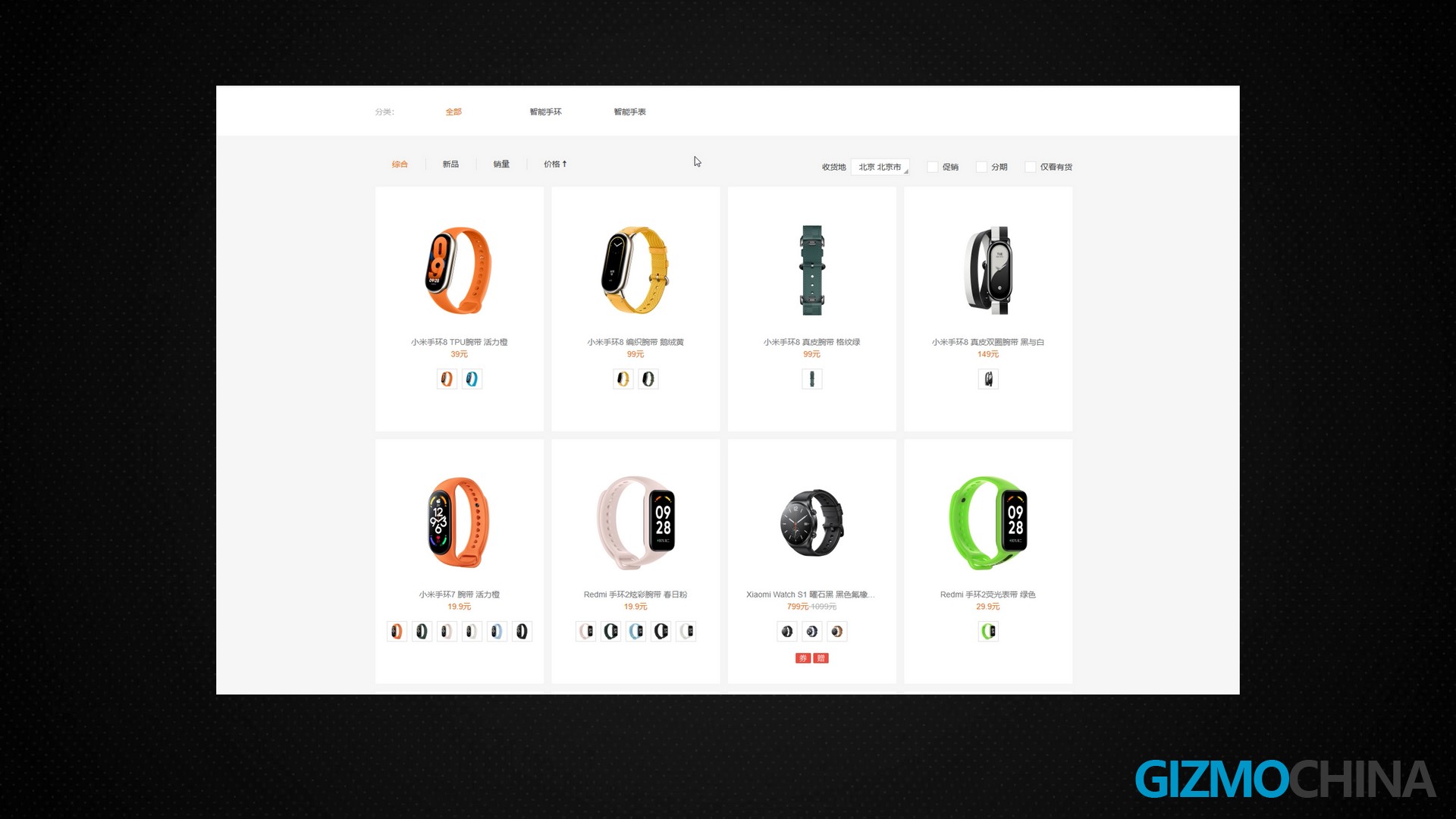
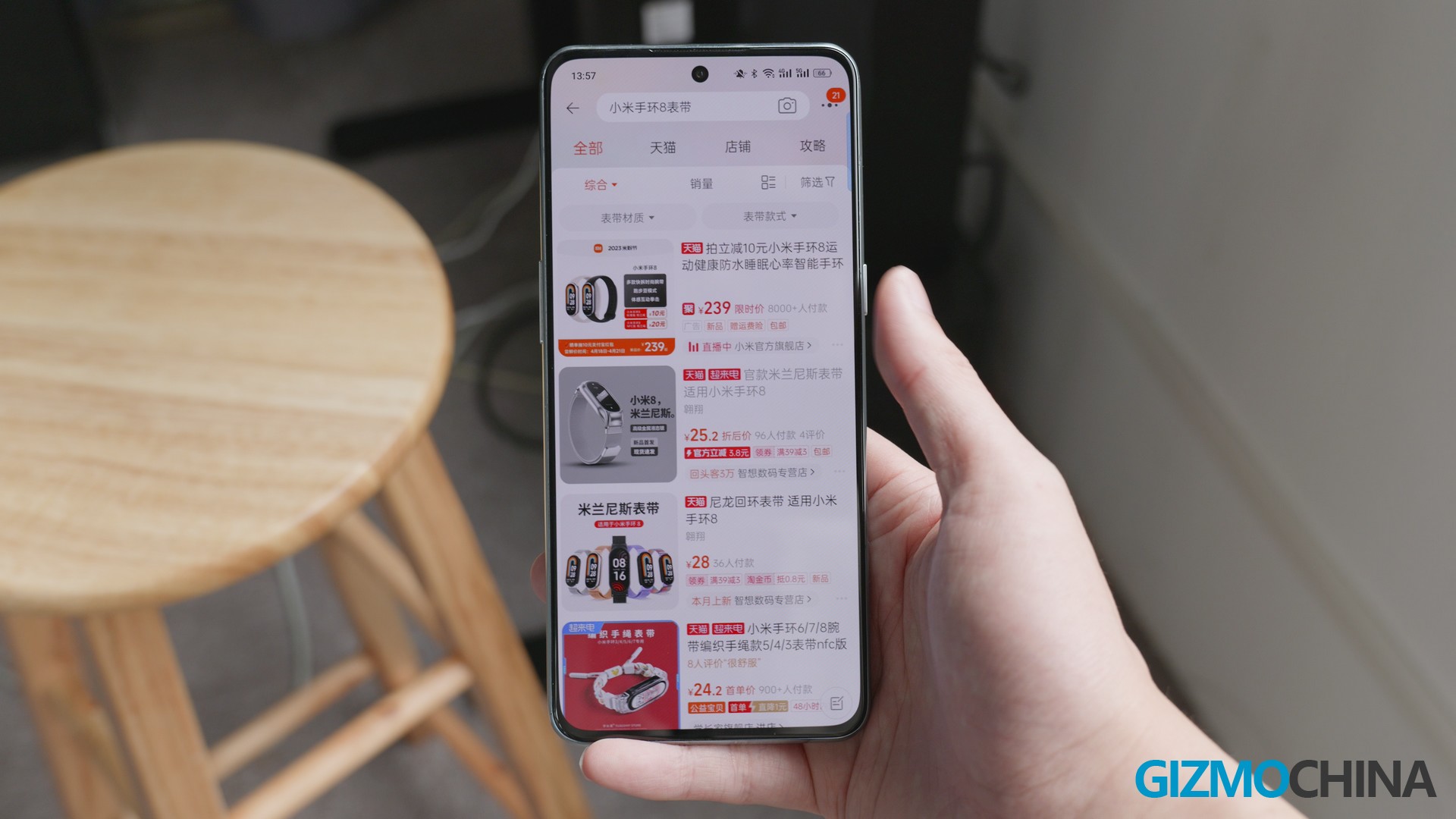
This is a really practical change that brings a variety of looks to go with the Xiaomi Smart Band 8. Xiaomi has officially launched three straps in different materials for the Band, all of them are very beautiful and have a very affordable price, and I believe we will see more straps with different styles from third-party manufacturers soon.
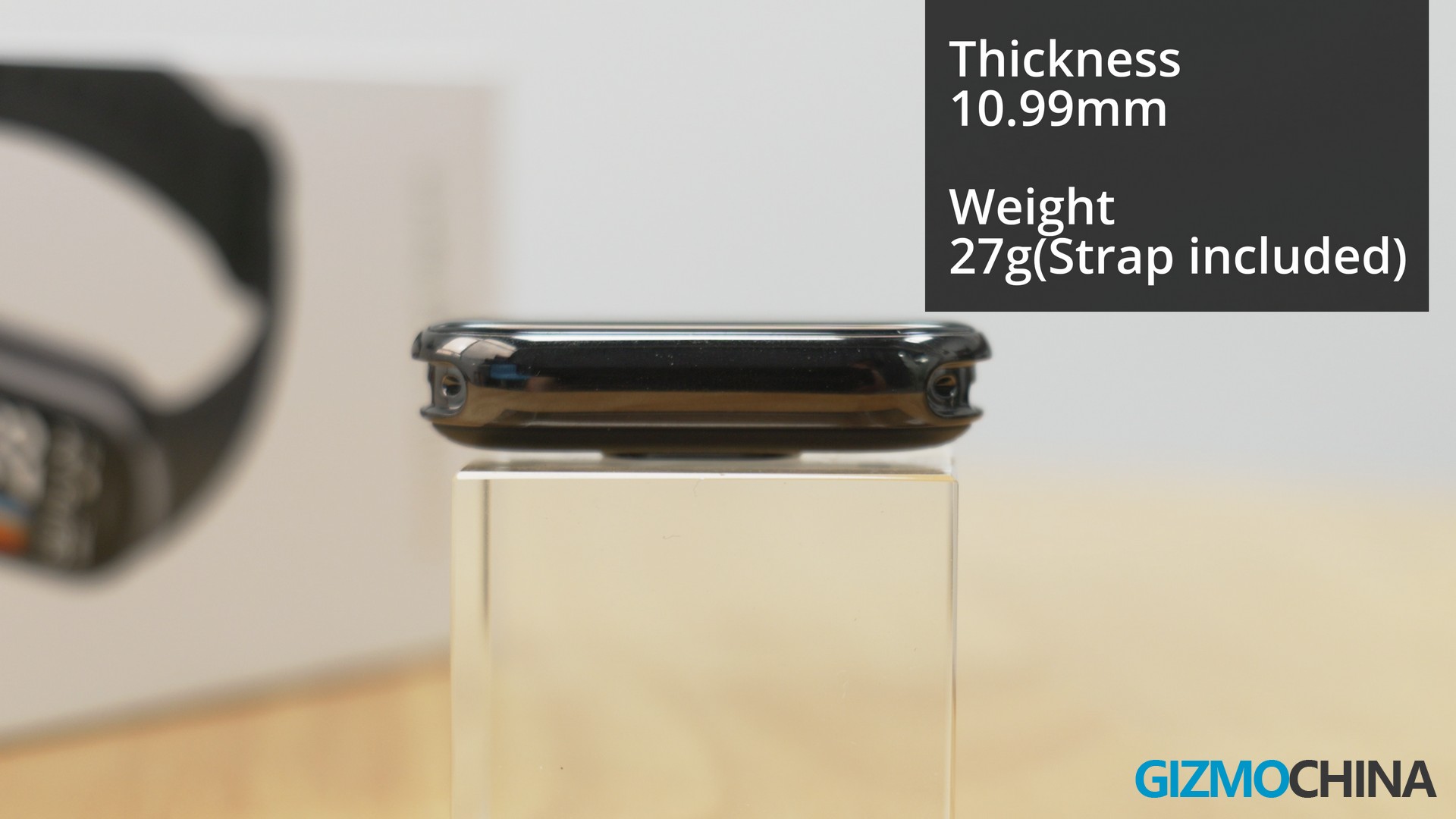
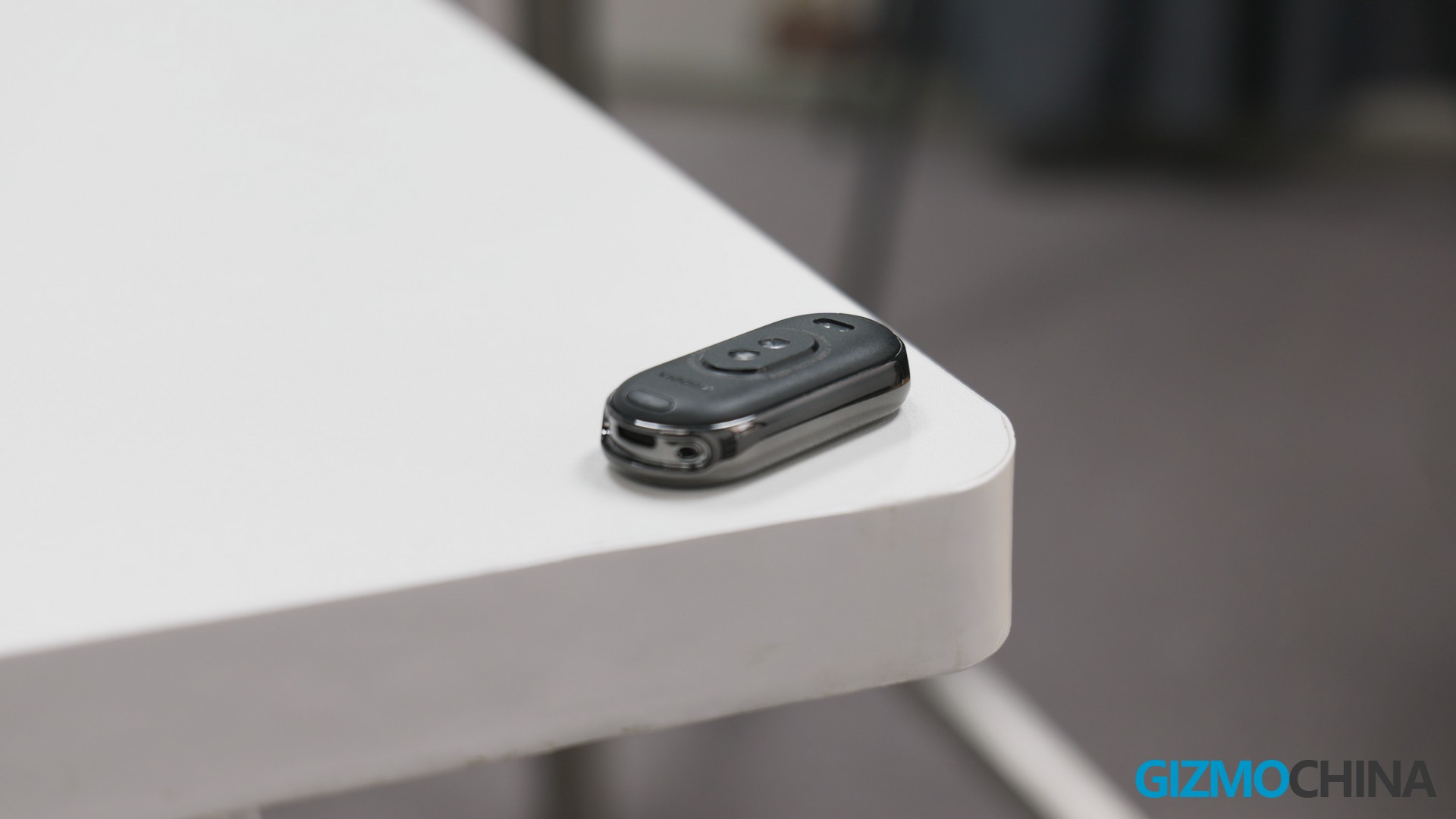
In terms of body material, the Xiaomi Smart Band 8 finally has a metal frame, and like the Smart Band 7 Pro, the frame is dyed through an electroplating process, which makes it look very refined and more durable compared to the previous plastic frame. Compared to the band 7, the new Band is half a millimeter thinner and the sensor area at the bottom is not as prominent so you can get a more comfortable wearing experience.
Screen & Display
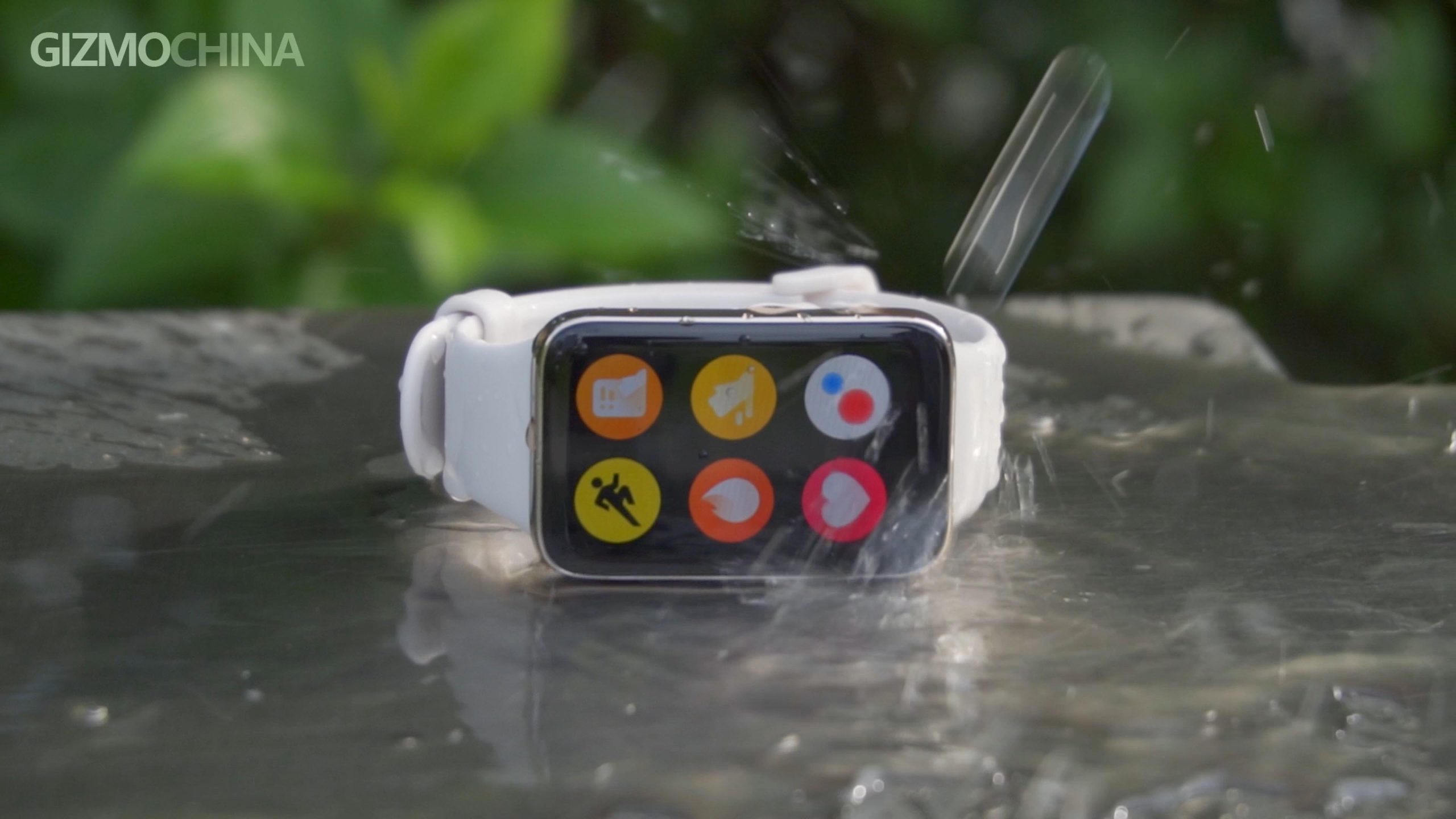
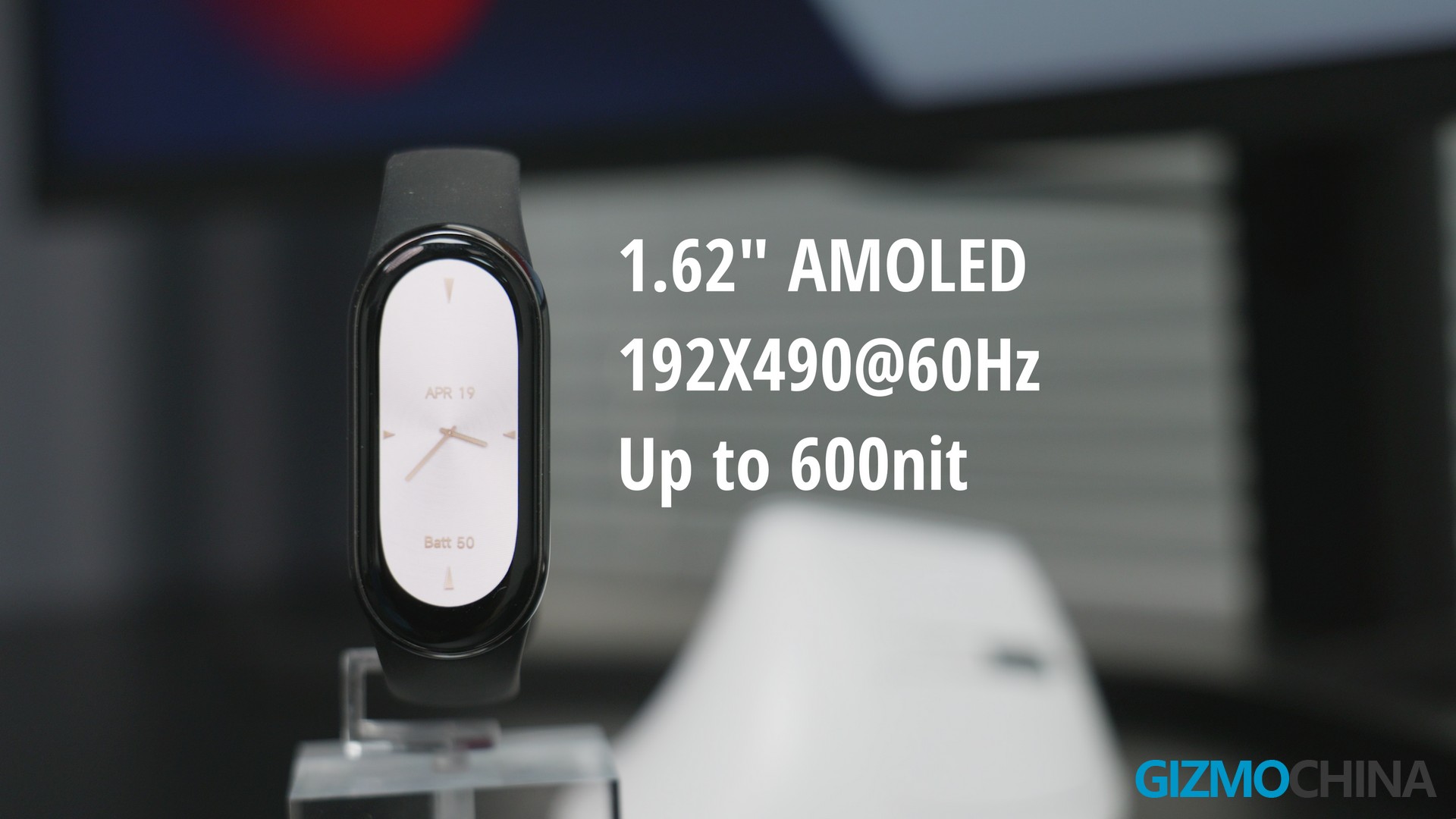
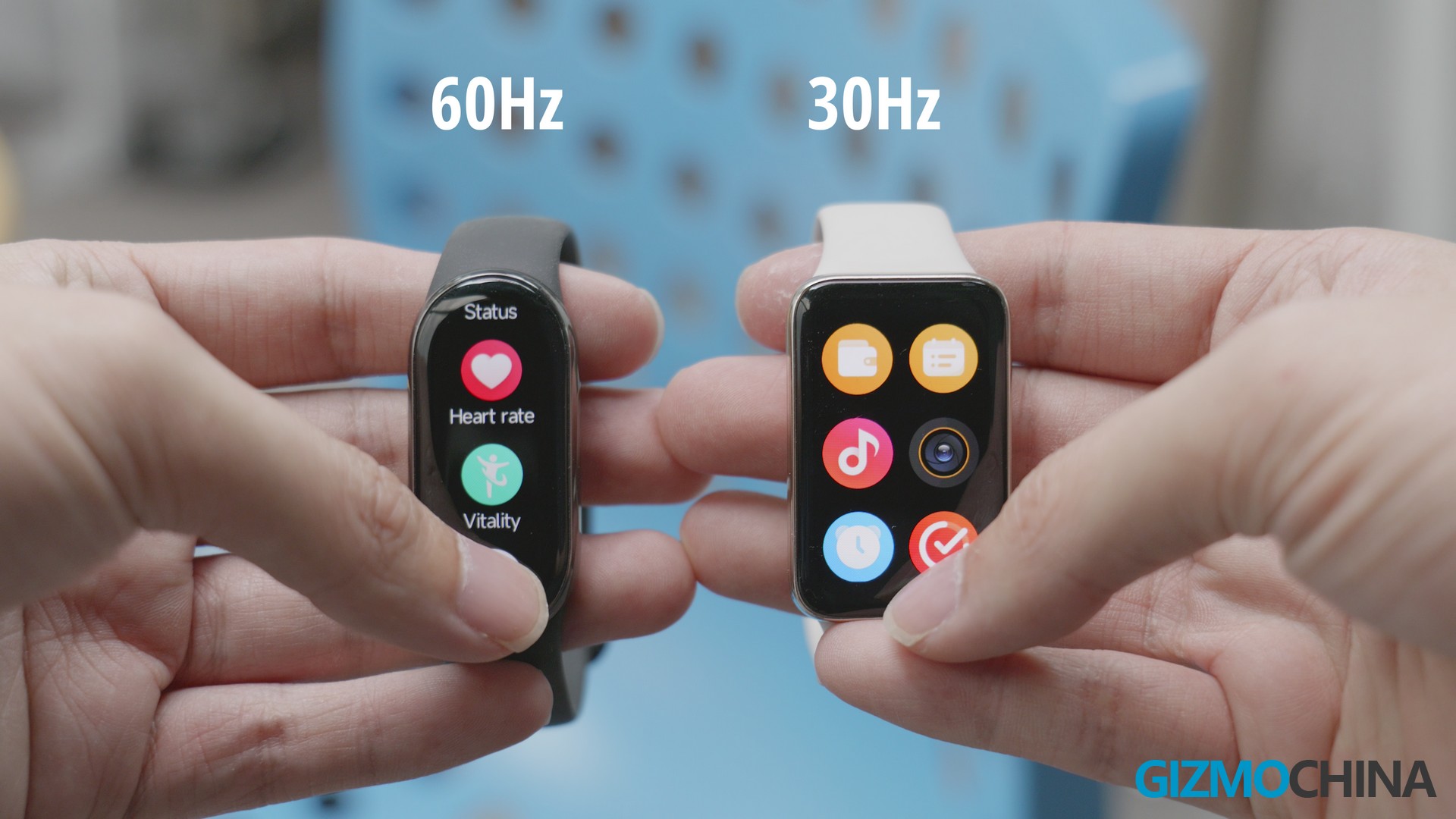
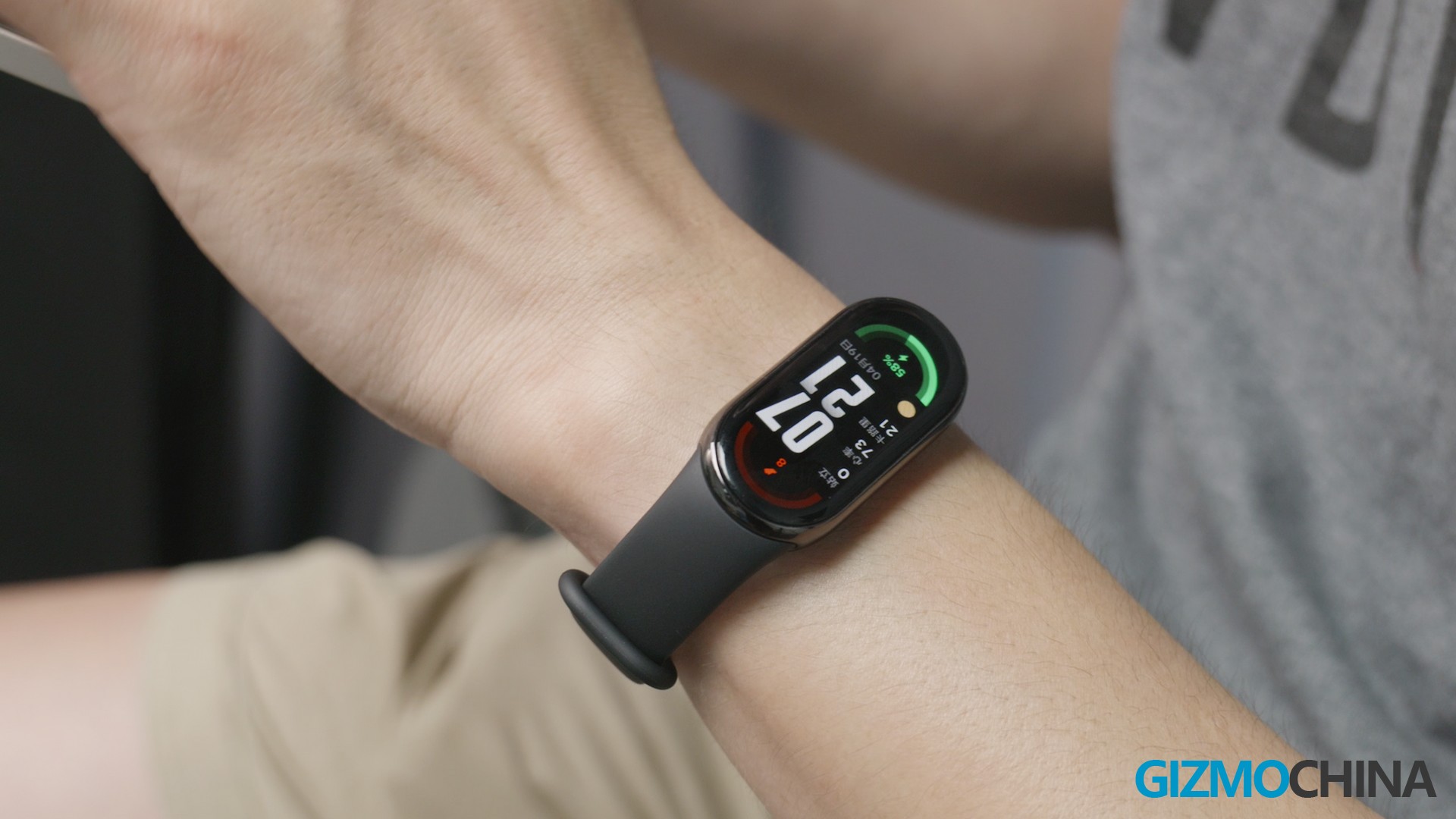
The Xiaomi Mi Band 8 has the same 1.62-inch AMOLED display as its predecessor and the bezel doesn’t get narrower, but thanks to the new powerful processor, it can now drive the screen to a refresh rate of 60 Hz.
So you know that even the band 7 Pro only has a refresh rate of 30 Hz. And actually thanks to its friendly pricing, we didn’t really complain much about the series’ refresh rate for years. Of course, the 60 Hz refresh rate will bring a big boost to daily use, and all your operations become very smooth.
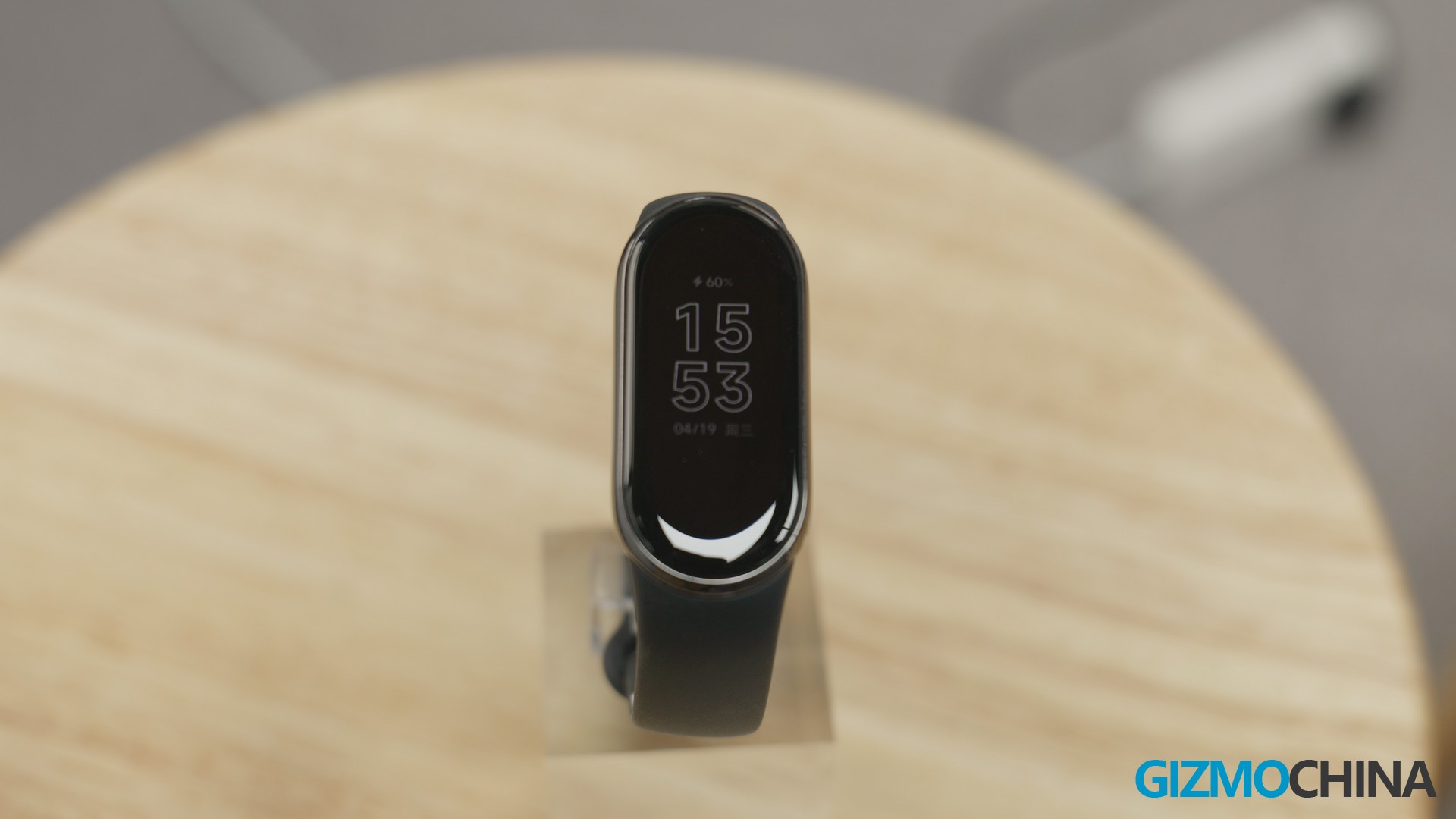
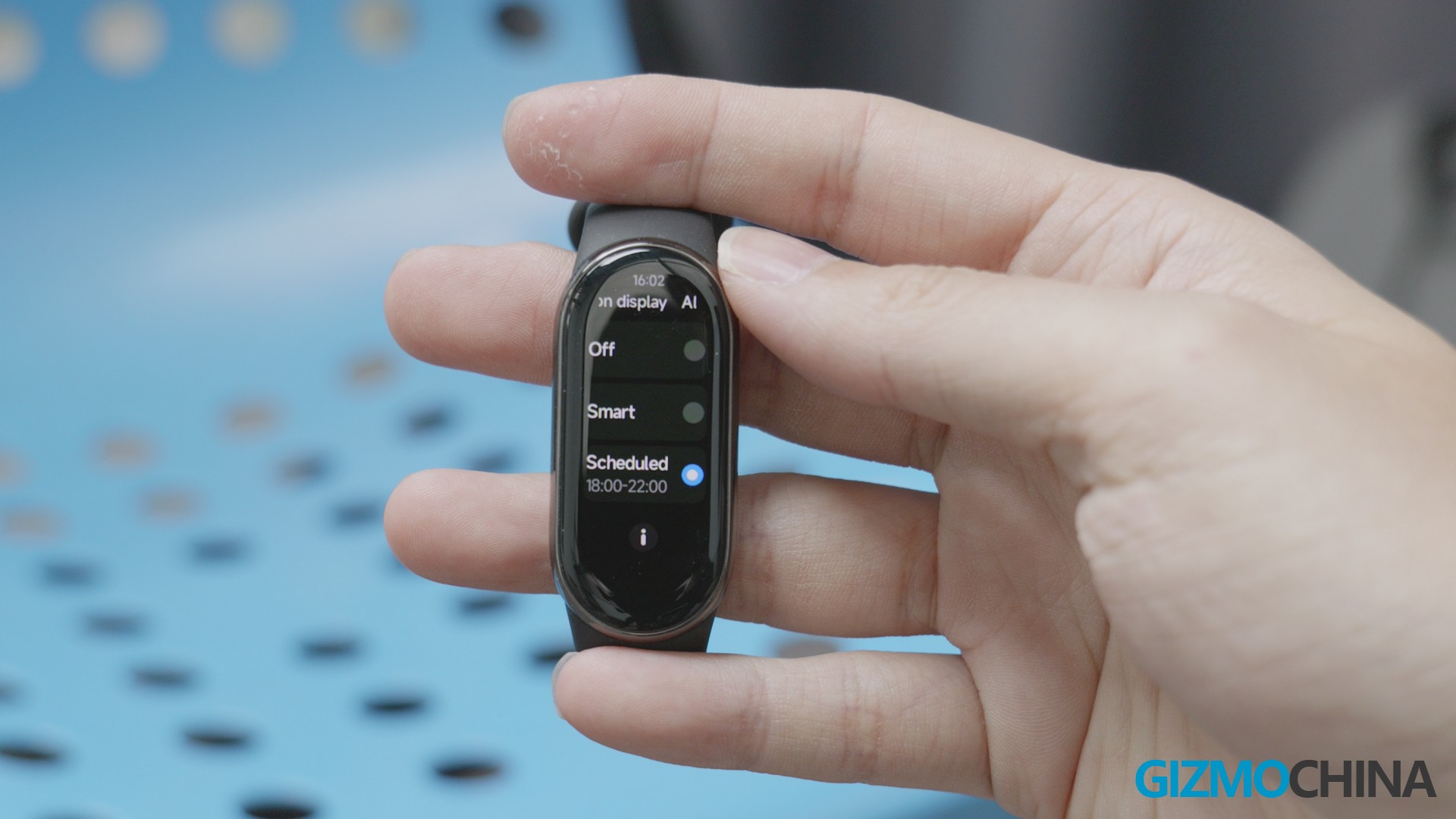
Remember I predicted that Xiaomi would bring the AOD feature to the regular Xiaomi band series? Now here it is. Although the brightness of the AOD is still hardly satisfactory in sunlight considering the battery life, you can set it to turn on after sunset, and the band also supports automatic brightness adjustment so you don’t have to worry about the AOD waking you up when you fall asleep.
Features
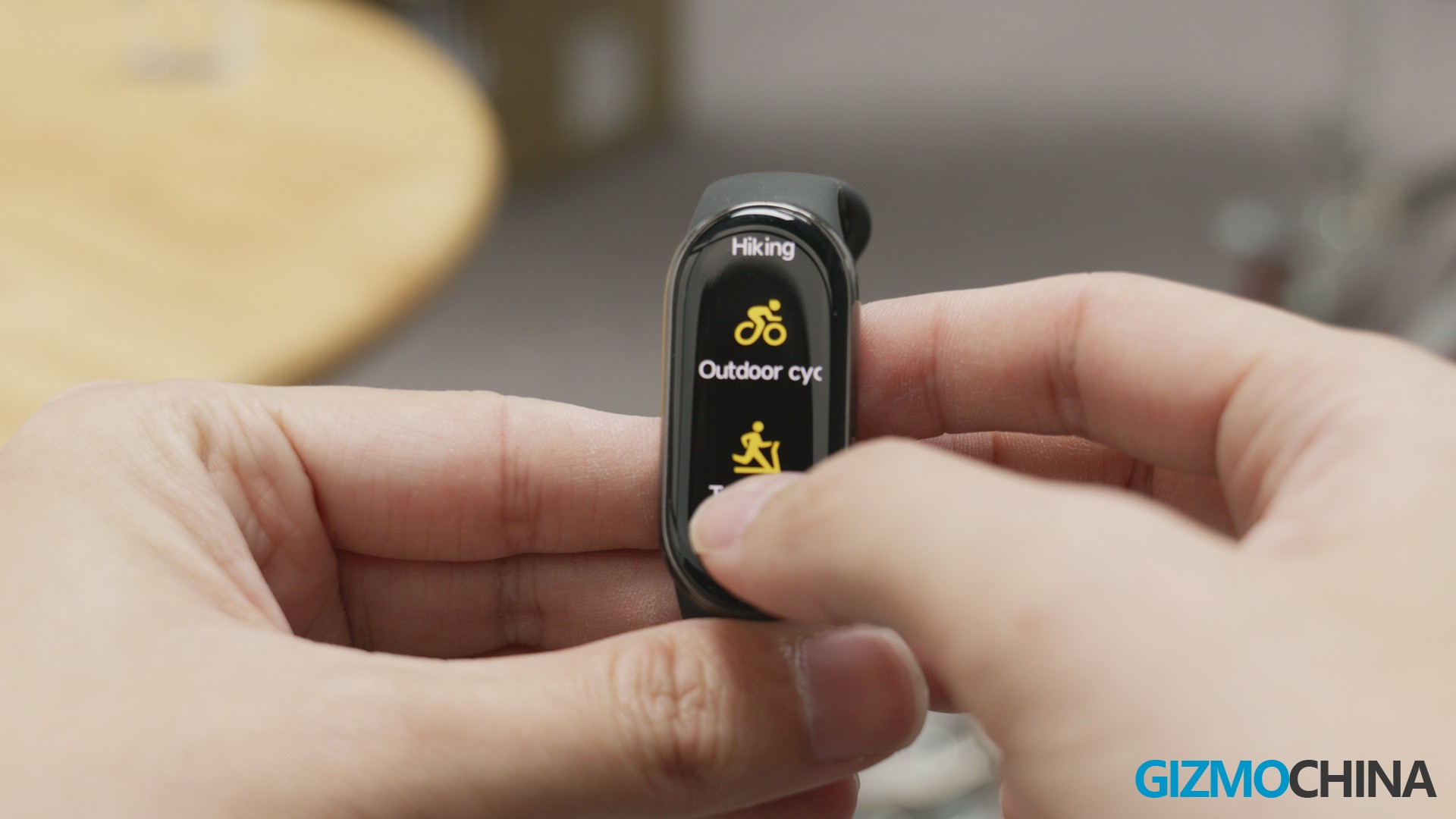
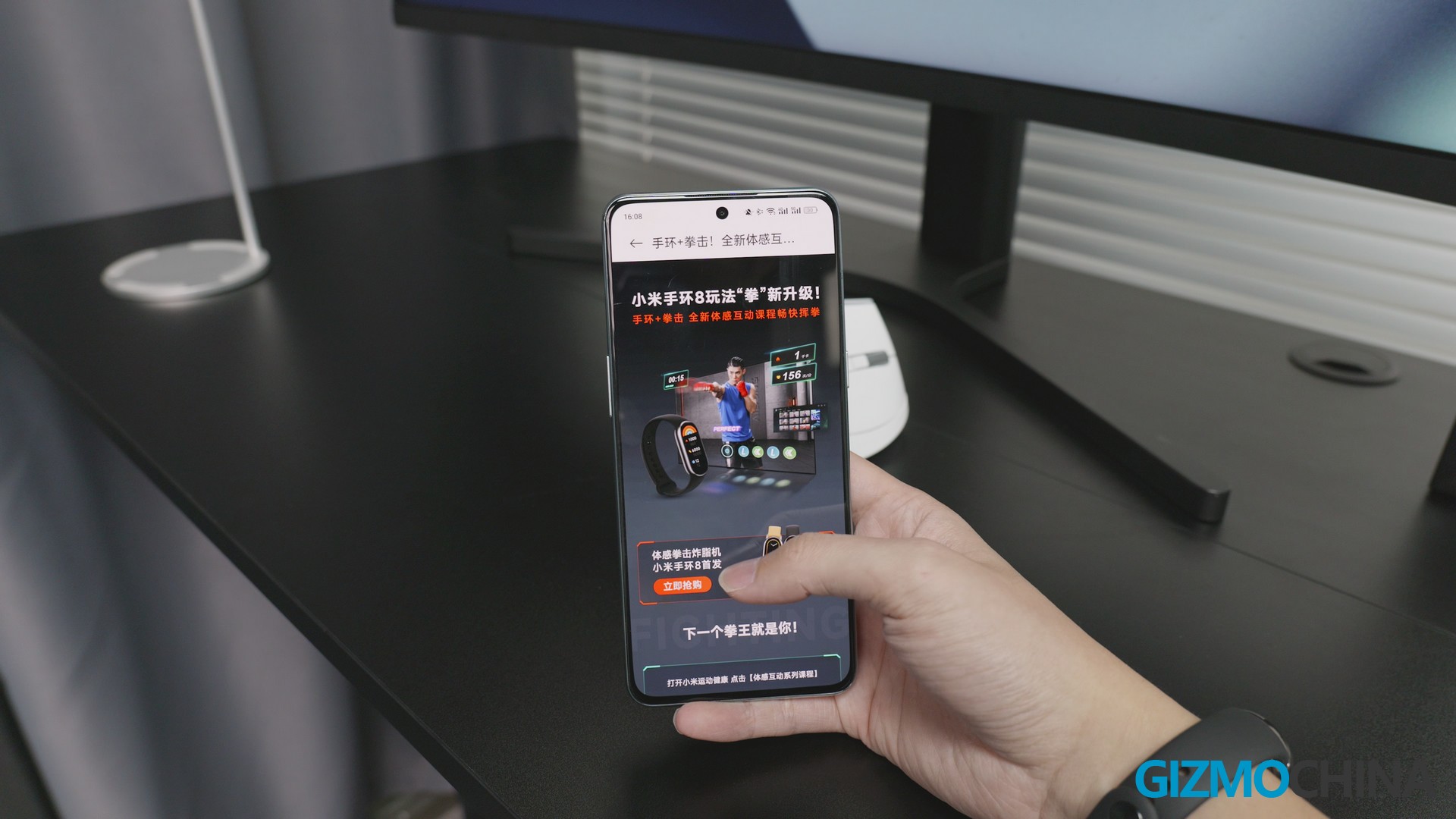
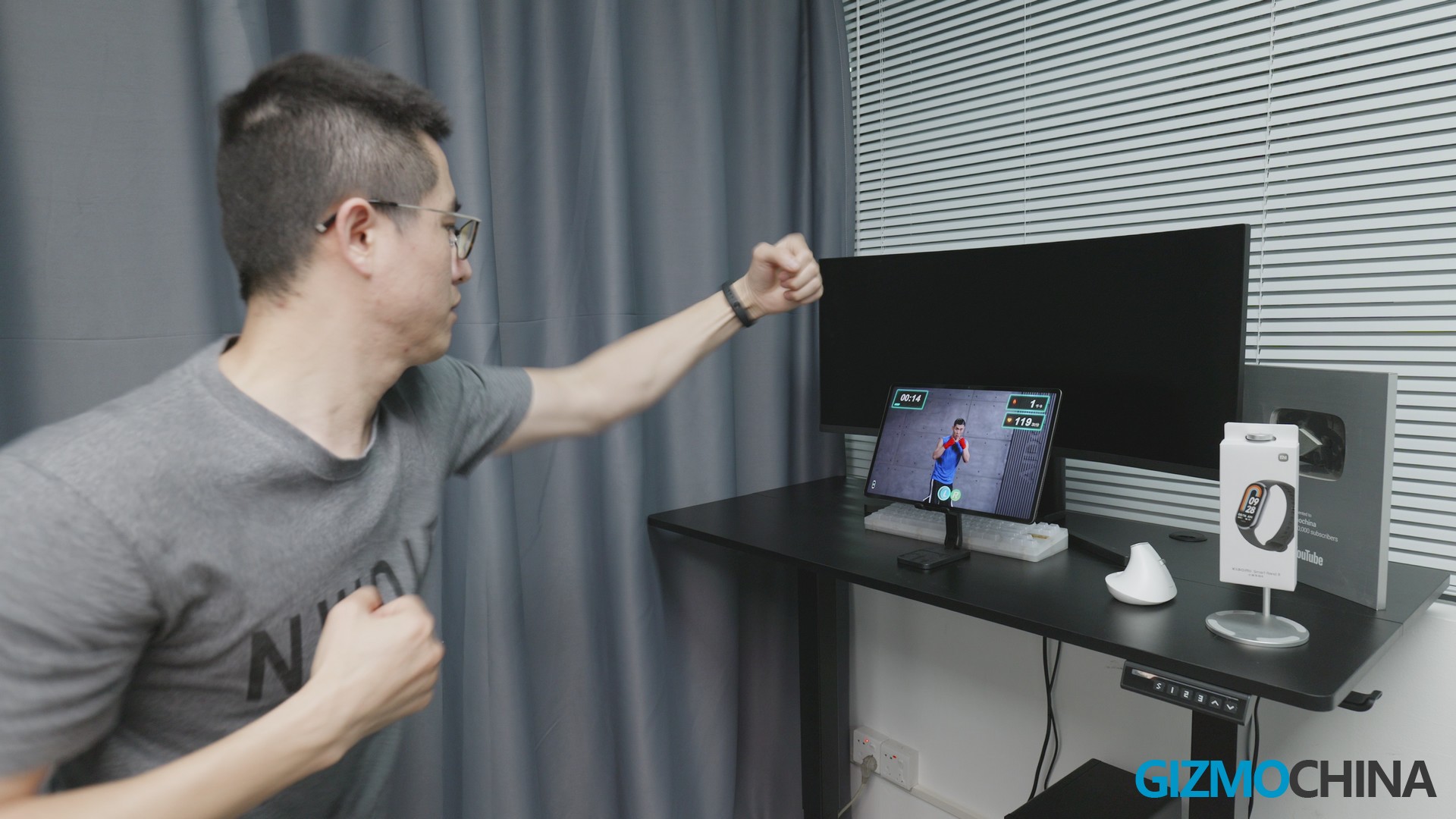
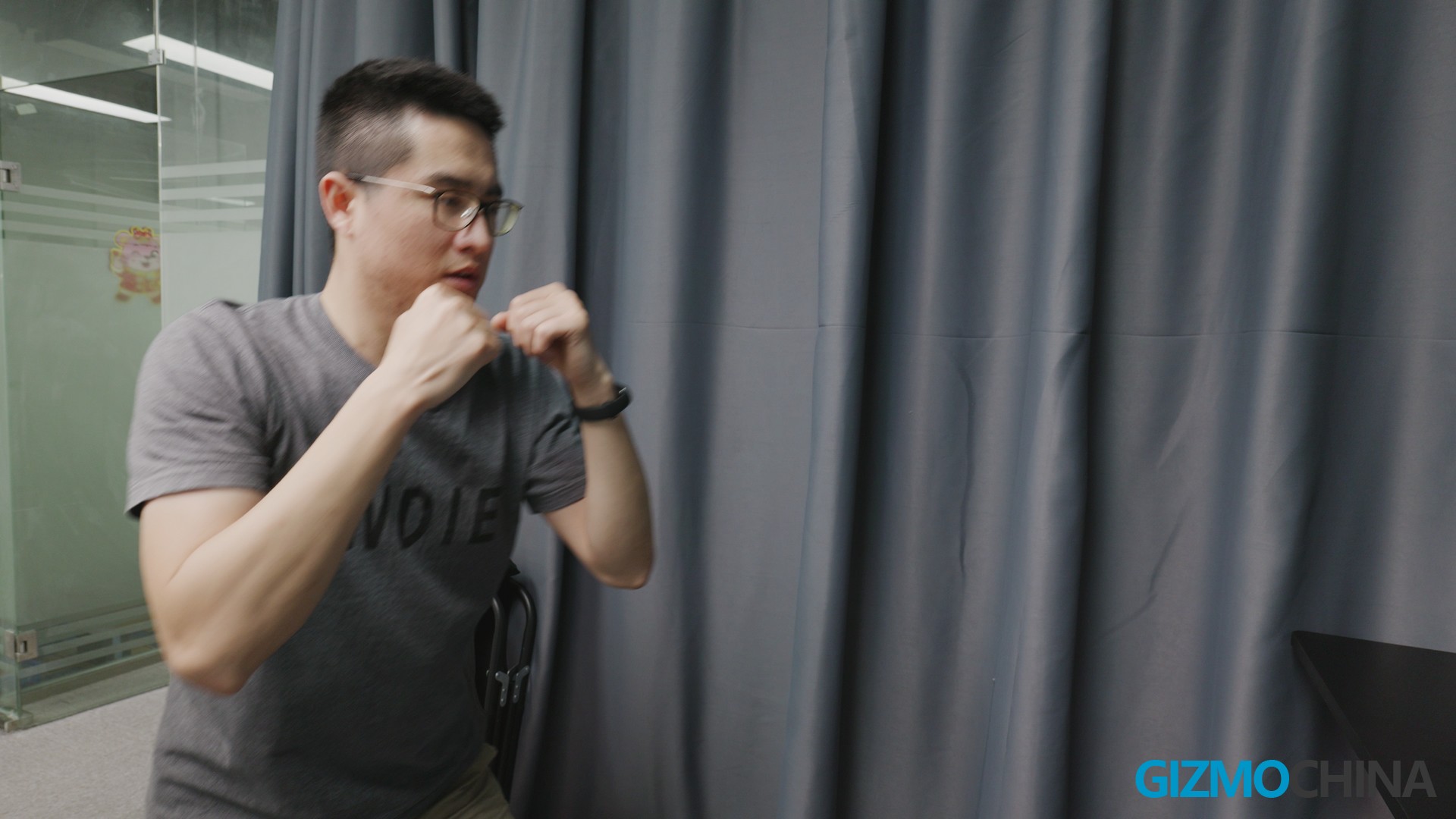
In terms of UI and features, Xiaomi Smart Band 8 now supports up to more than 150 sports modes, the most interesting one being aerobic boxing. Thanks to the built-in acceleration sensor, we now have what is probably the world’s lightest sensory gaming device. Put on your Xiaomi Smart Band 8, follow the lessons in Mi fitness APP and you can swing your fists and burn your calories anywhere, anytime.
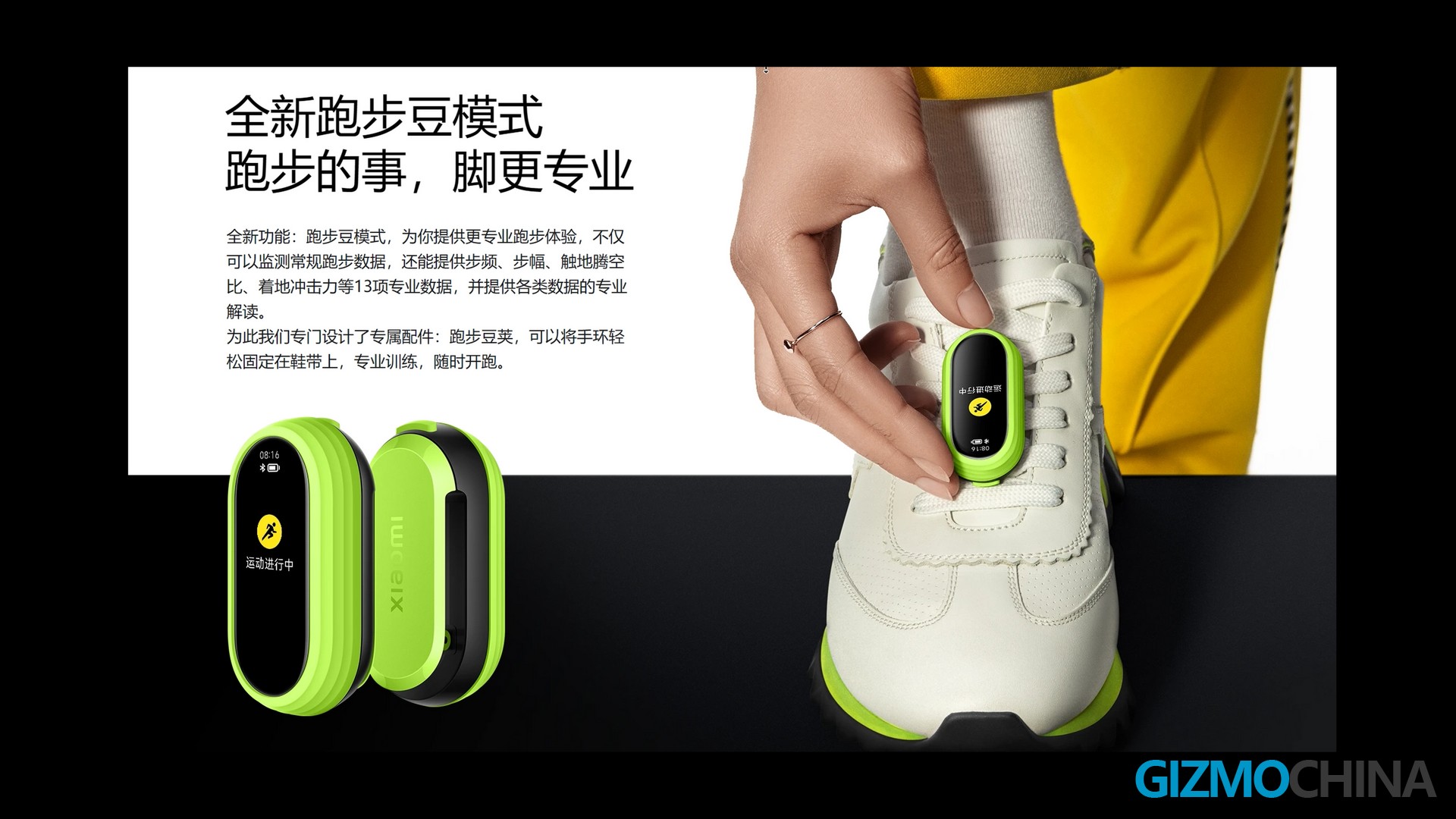
Xiaomi Smart Band 8 also has another useful proprietary accessory called the bean pod. It allows you to attach your Mi band to your laces to better track your stride frequency, stride length, and even the impact of your foot on the ground while running. If you are a runner and want to further improve your performance, you should really try following the professional data provided by this personal coach.
Egg Dials
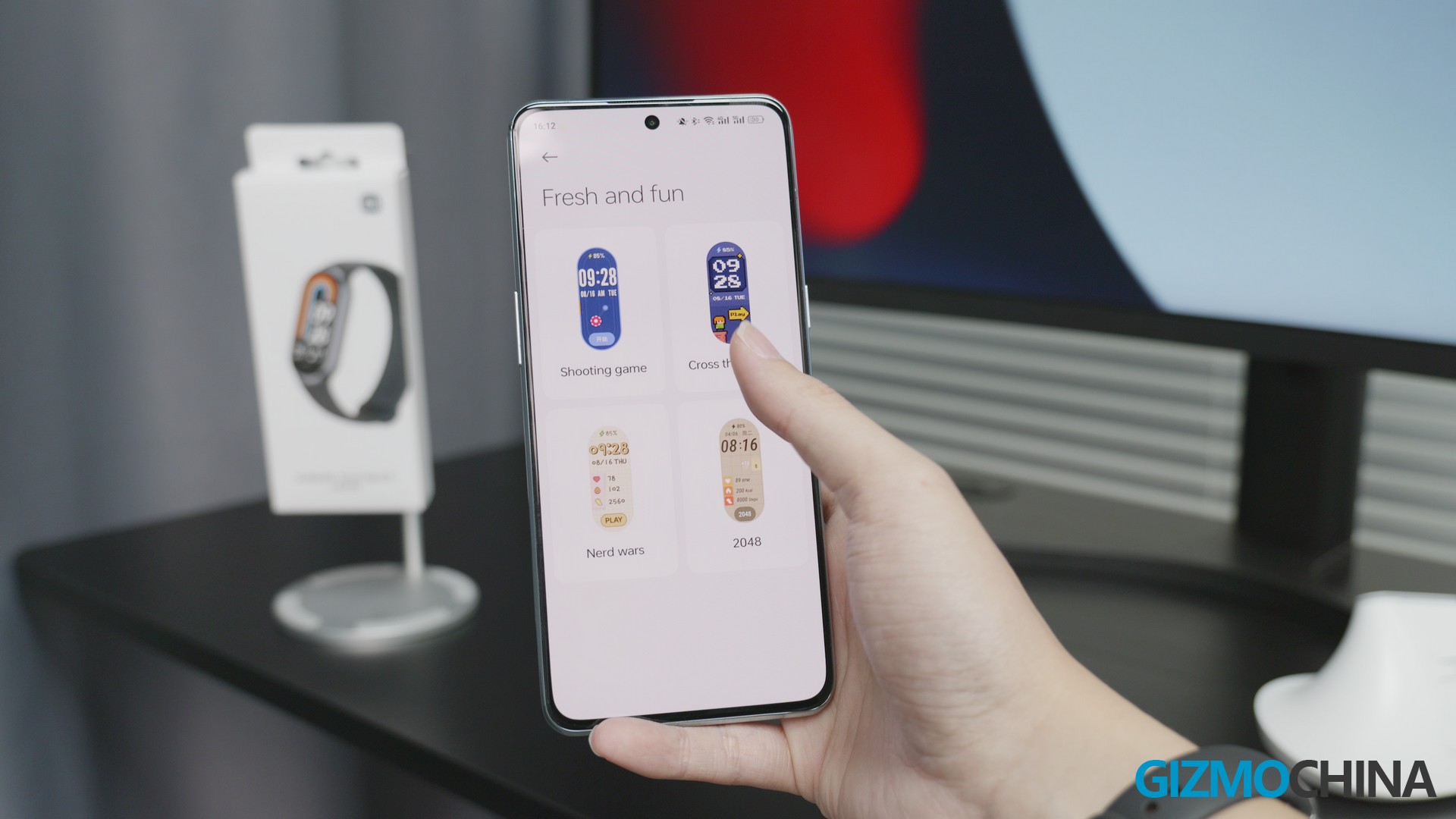
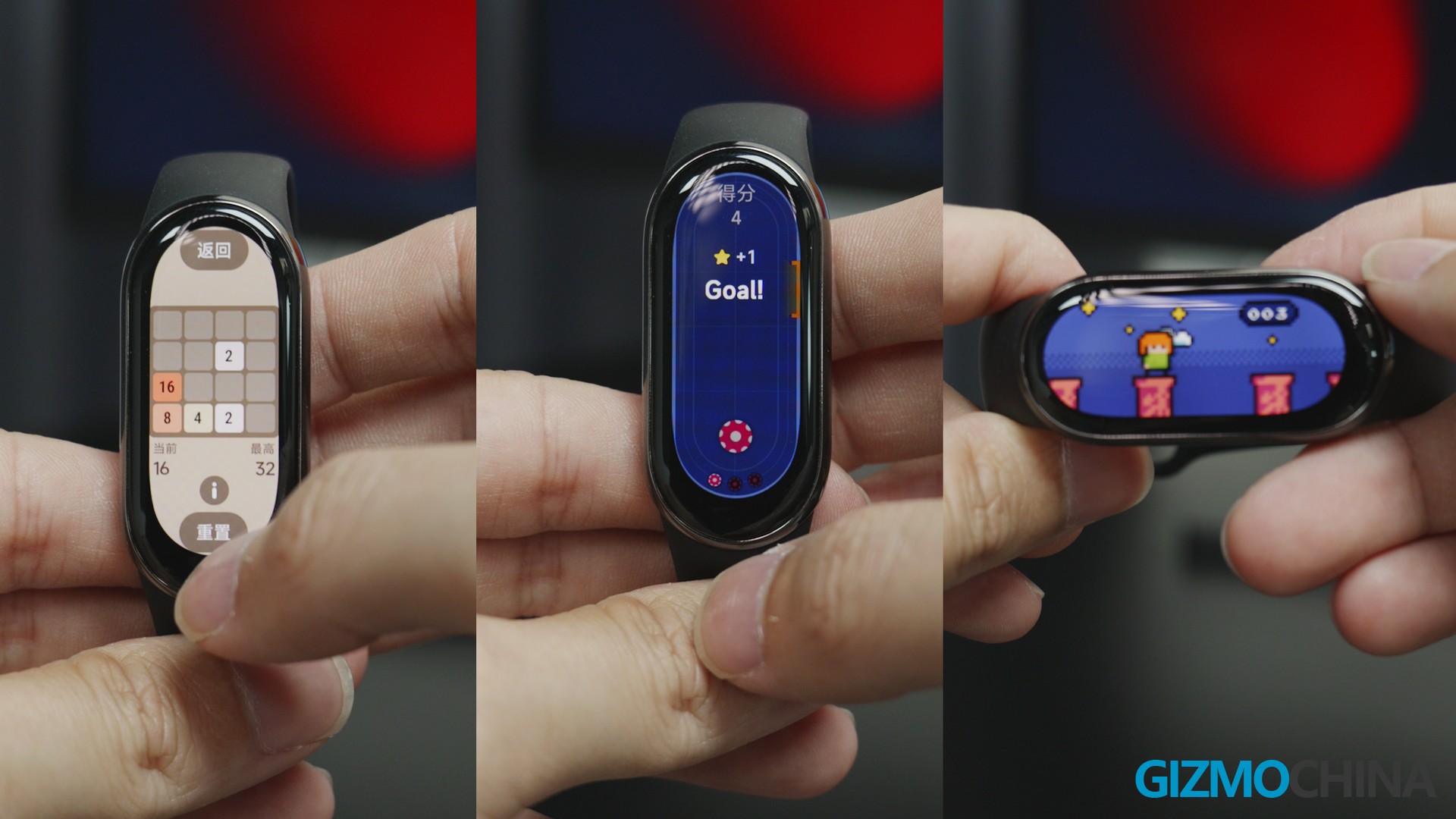
In addition to bringing more sports mode support, Xiaomi also brings us an egg, you can find four mini-game dials in the dial store. If you are a Mi band 5 or band 6 user, you may feel familiar with it. Yes, some third-party community enthusiasts have developed similar mini-games and even utilities for the previous Mi band, such as calculators.
I’m very happy to see that Xiaomi is not cracking down on these behaviors but bringing these interesting ideas to their latest products. Although we keep complaining, fortunately, Xiaomi is still listening to their users.
Battery Life
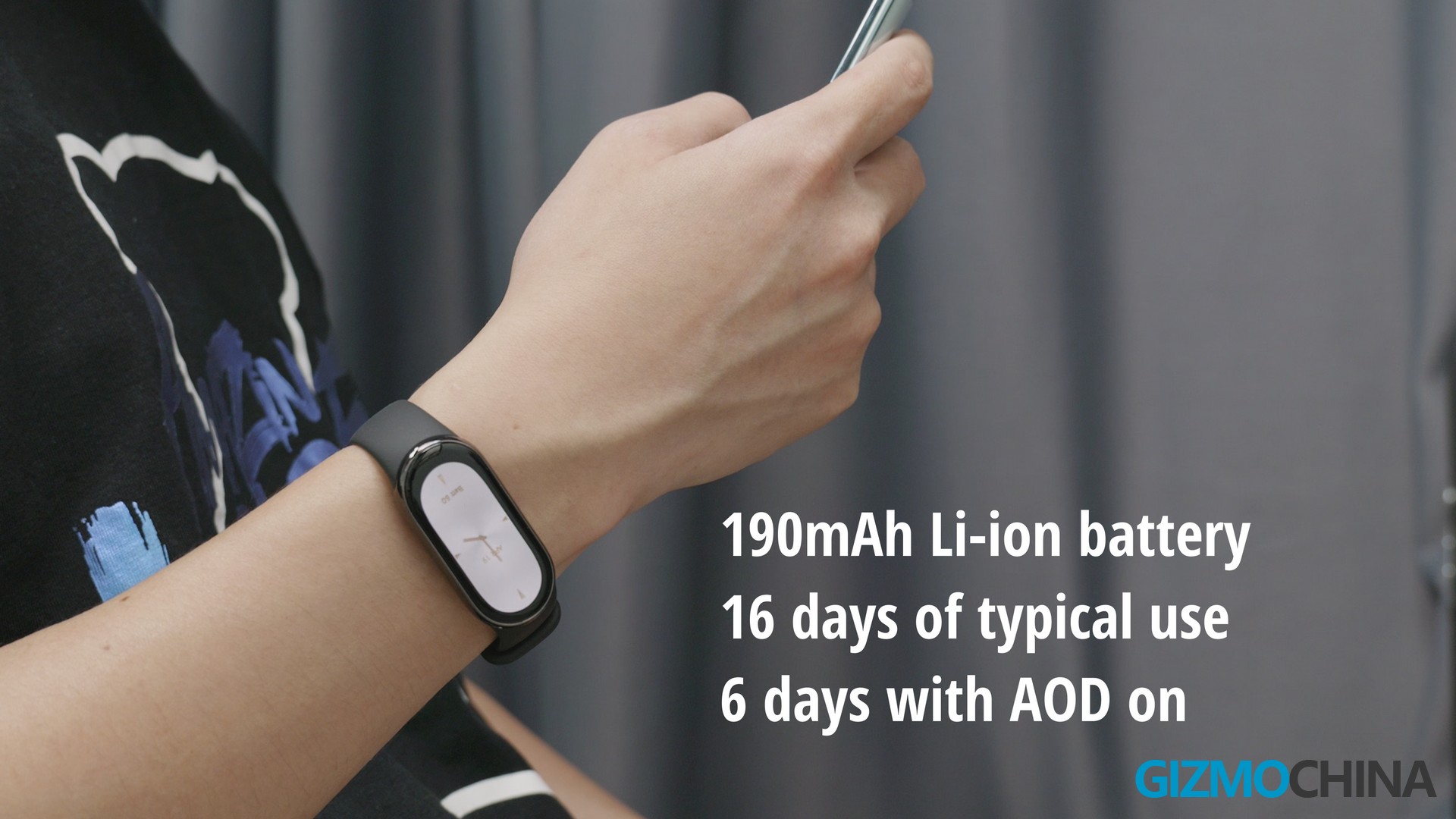
In terms of battery life, Xiaomi claims that the lighter Xiaomi Smart Band 8 can last up to 16 days in typical use, and with the AOD function on, it can still last for about six days. As a long-time Mi band user, I’m not worried about its battery life because Xiaomi has been quite honest about its official figures here.
Verdict
Well, this is the new Xiaomi Smart Band 8. While its design and packaging are very much like its predecessor, Xiaomi has really put enough effort into, giving it many practical enhancements, so if you are a band 7 user watching this video, I would still recommend you upgrade to the new Mi band.
Although I am a band 7 Pro user, I am very jealous of the new Xiaomi Smart Band 8, which is the only Mi band supporting boxing classes as well as professional running monitoring. These features rely on the new sensors so all previous band models can’t get them via OTA.
The only thing that calms me down and makes me feel sorry is that the Xiaomi Smart Band 8 still doesn’t have a built-in GPS, so if you like running as much as I do and don’t want to take a phone with you, you can still stay with the Mi band 7 Pro and wait for the upcoming Xiaomi Smart Band 8 Pro.
Asus has just announced a number of new laptop models from its popular Zenbook and Vivobook series. These notebooks arrive with some notable specs and features, so lets have a look at the new laptops.
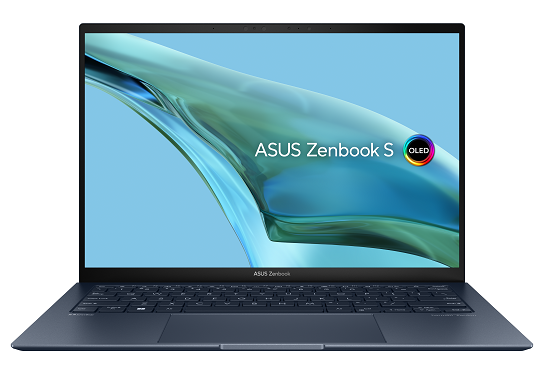
Asus Zenbook S 13 OLED
Talking about the Zenbook S 13 OLED model first, the company is promoting the new notebook as the world’s thinnest OLED laptop. In other words, this OLED laptop is the world’s most compact and portable, weighing just 1 kilograms and measuring 1 cm in thickness. There models also features a premium metallic design, with corrosion protection, low impact methods for sourcing its aluminum chassis.
Under the hood, the Zenbook S 13 OLED is powered by an Intel 13th Gen Core i7 processor that is paired with up to 32GB of LPDDR5 RAM and 1TB of PCIe 4.0 SSD. As the name suggests, it sports a 13.3 inch Lumina OLED display that has a 16:10 aspect ratio, 2.8K resolution, and Dolby Vision certification. Other notable features include, Dolby Atmos support, WiFi 6E, Bluetooth 5.2, and FHD camera with infrared sensor for Windows Hello.
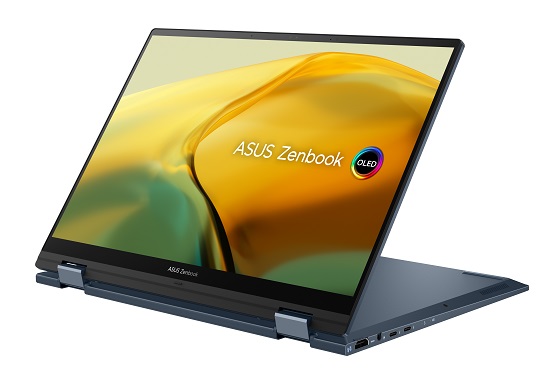
Zenbook 14 Flip OLED
The Asus Zenbook 14 Flip OLED model differs from the S 13 model in many ways. It sports a taller 14 inch Lumina OLED display. Although, the most highlighting difference is the inclusion of the 360 degree hinge. The laptop is built using aluminum body and features a convertible design, which means that it offers touchscreen support from its 2.8K resolution. Under the hood, the new laptop is equipped with 13th Gen Intel Core i7 and i5 CPU with Iris Xe graphics, 16GB of LPDDR5 RAM, and PCIe Gen 4 SSD.
This laptop is powered by a 75Whr battery pack that also supports fast charging. The new Flip notebook houses Thunderbolt 4, USB 3.2 Gen 2, and HDMI 2.1 ports for connectivity. Other notable features include, WiFi 6E, FHD camera with Infrared sensor for Windows Hello, Dolby Atmos support, and Windows 11, & Asus Pen 2.0 stylus support.
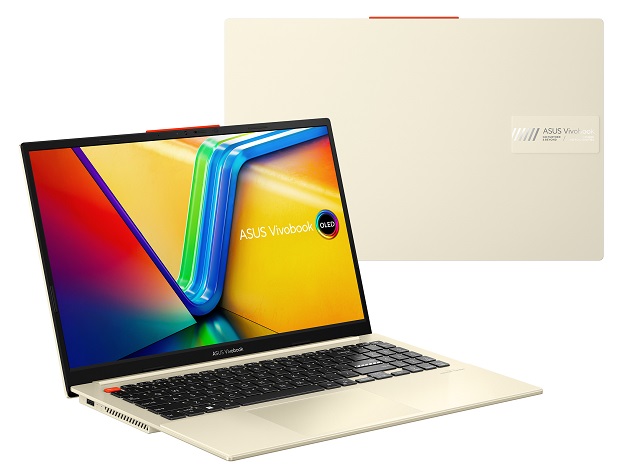
Vivobook S 15 OLED
The Vivobook S 15 OLED is another new thin and light notebook from Asus that weighs around 1.7 kilograms, which is great for a laptop that sports a 15.6 inch display.The laptop feature military grade aluminum body and even offers a physical fingerprint scanner. It arrives in three color options as well as three 13th Gen Intel CPUs ranging from and i5 to and i9. This processor is paired with up to 16GB of LPDDR5 RAM and 1TB of PCIe Gen 4 SSD.
It sports a 15.6 inch Full HD Lumina OLED panel. Connectivity options include, Thunderbolt 4 port, USB 3.2 Gen 2, HDMI 1.4, and a 3.5 mm headphone jack. The laptop is powered by a 70Whr battery pack as well. Other notable features include, WiFi 6E, Windows 11, ASUS ErgoSense keyboard with antimicrobial guard protection.
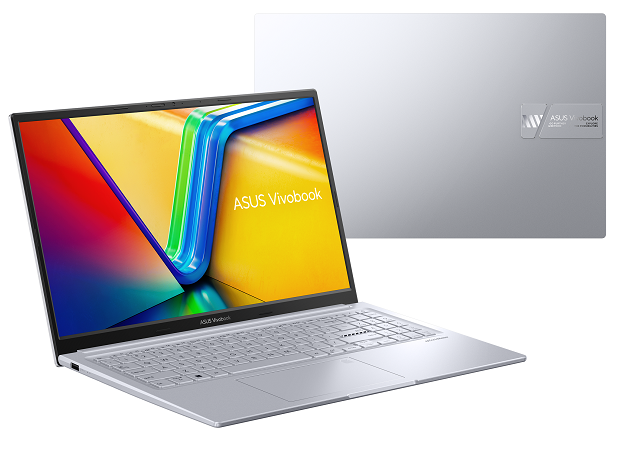
Vivobook 15X OLED
Another new Vivobook model is the Vivobook 15X OLED. As the name suggests, it is another laptop model that sports a 15.6 inch Lumina OLED display. THe screen also comes with VESA certified DisplayHDR, Dolby Vision, 100 percent DCI P3 color gamut. Under the hood, it features a 13th Gen Intel Core i5 along with up to 16GB of DDR4 RAM and 1TB of PCIe Gen 4 SSD storage. It is powered by a 50Whr battery pack that supports 65W fast charging.
Similar to the aforementioned models, this thin and light model also comes with an aluminum body, weighs 1.6 kilograms, and measures around 17.9mm in thickness. Other notable features include, WiFi 6E, fingerprint scanner, 720p HD camera, Windows 11, 3.5mm headphone jack, HDMI, and more.
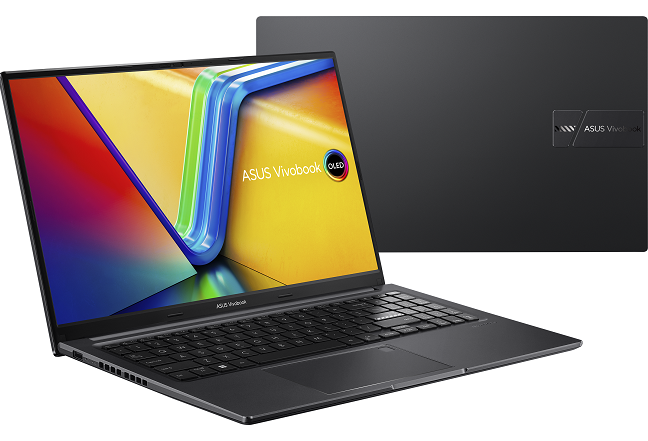
Vivobook 15 OLED
Similar to the other models, the new Vivobook 15 OLED is a thin and light laptop as well. It is built using ASUS Antimicrobial Guard Plus protection and military grade chassis that has a US MIL-STD 810H durability with EPEAT Silver certification. This model is equipped with an Intel Core i5 13500H CPU along with up to 24GB of DDR4 RAM and 512GB PCIe Gen 3 SSD storage.
The Asus Vivobook 15 OLED sports a tall 15.6 inch Lumina OLED display with FHD resolution and 600 nits of peak brightness. It is powered by a 50Whr battery pack that supports 65W fast charging support. Some of the notable features include, Windows 11, WiFi 6, Bluetooth 5, 1.7 kilograms, Iris Xe graphics, 720p webcam, 3.5mm headphone jack, and more.
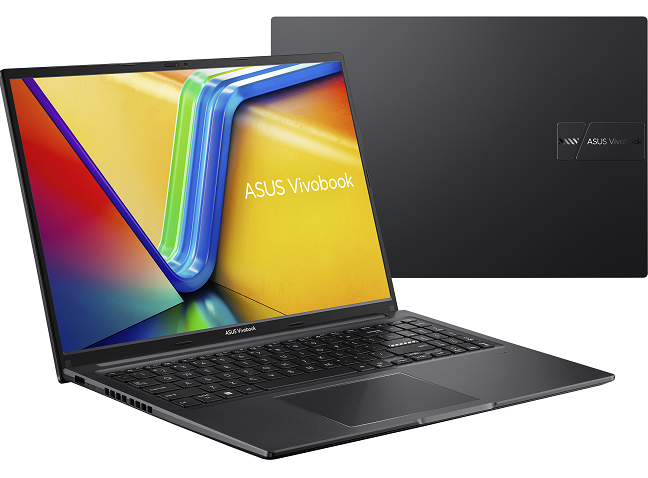
Vivobook 16
The new Vivobook 16 is the only 16 inch laptop model that was announced in the Indian market. The display offers Full HD+ resolution along with a 16:10 aspect ratio, and 300 nits of peak brightness. This model is also built with military grade build with a MIL-STD 810H certification. Although, it still measures just 19.9mm in thickness and weighs around 1.8 kilograms. This makes it a thin and light despite its tall display size.
Under the hood, the Vivobook 16 is equipped with a 13th Gen Intel Core i5 that is paired with 16GB of DDR4 RAm and 512GB of internal storage. Other notable features include, ASUS Antimicrobial Guard protection on its keyboard, stereo speakers, 42Whr battery pack with 65W fast charging, fingerprint scanner, 3.5mm headphone jack, and more.
Pricing & Availability
The new Asus laptops will be available from the company’s official website, Amazon, Flipkart, and even offline channels like ROG stores, Asus exclusive stores, Croma, Vijay Sales, and Reliance Digital stores. So here are the list of all the starting prices:
We use cookies on our website to give you the most relevant experience by remembering your preferences and repeat visits. By clicking “Accept”, you consent to the use of ALL the cookies.
This website uses cookies to improve your experience while you navigate through the website. Out of these, the cookies that are categorized as necessary are stored on your browser as they are essential for the working of basic functionalities of the website. We also use third-party cookies that help us analyze and understand how you use this website. These cookies will be stored in your browser only with your consent. You also have the option to opt-out of these cookies. But opting out of some of these cookies may affect your browsing experience.
Necessary cookies are absolutely essential for the website to function properly. This category only includes cookies that ensures basic functionalities and security features of the website. These cookies do not store any personal information.
Any cookies that may not be particularly necessary for the website to function and is used specifically to collect user personal data via analytics, ads, other embedded contents are termed as non-necessary cookies. It is mandatory to procure user consent prior to running these cookies on your website.