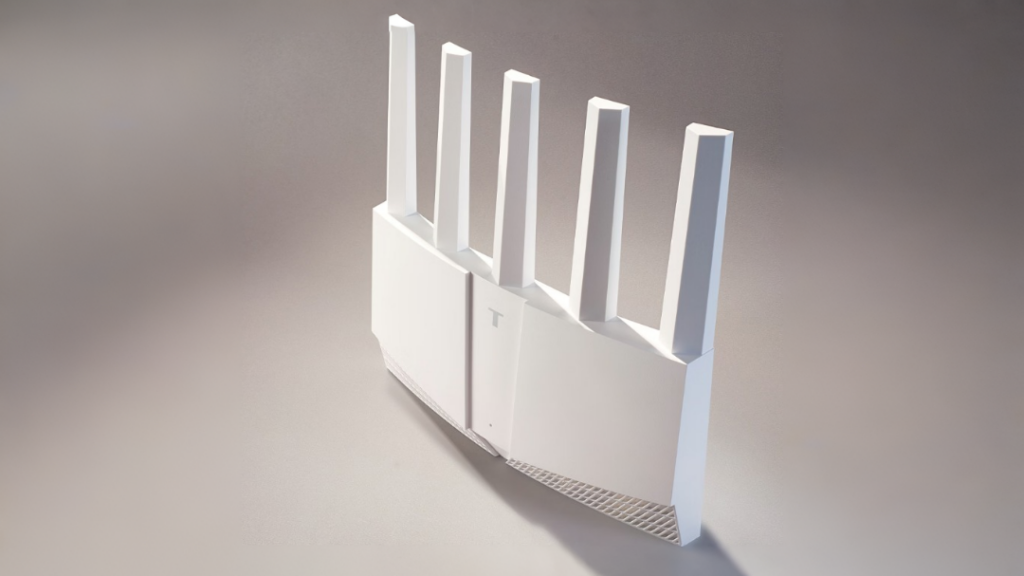
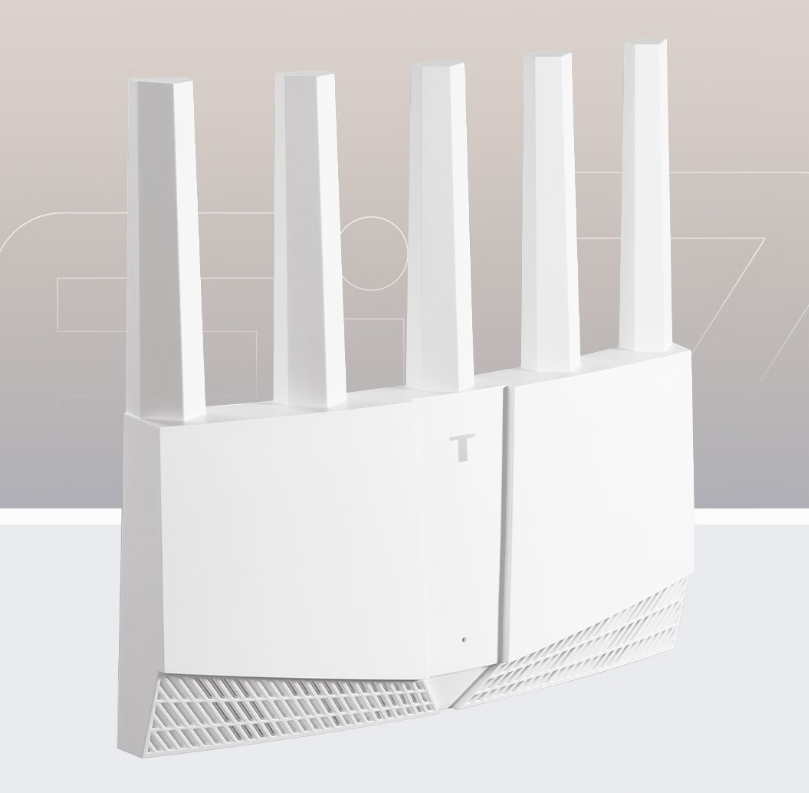
TP-Link has officially launched its TL-7DR3600 BE3600 dual-band Wi-Fi 7 router in China. The new router is now available on JD.com for 169.9 yuan ($25). It comes in a clean all-white finish.
TP-Link TL-7DR3600 Specifications
The TL-7DR3600 supports Wi-Fi 7, offering advanced features like 4K QAM modulation, Multi-Link Operation (MLO), MRU, and preamble puncturing for faster speeds, reduced latency, and improved interference resistance. Its dual-band setup (2.4GHz and 5GHz) achieves theoretical speeds up to 3.57Gbps.
The router features multi-link aggregation for simultaneous dual-band use, an AI-powered pixel antenna system for stronger signals and better wall penetration, and an external Front-End Module (FEM) on the 5GHz band to improve performance in challenging environments.
The hardware includes high-gain omnidirectional smart antennas that track devices to optimize signal coverage and features AI-based interference mitigation to adapt to nearby network interference for stable connectivity.
The TL-7DR3600 features four customizable Ethernet ports that support dual WAN, IPTV, link aggregation, or a dedicated low-latency gaming port. It also includes gaming accelerators for optimized performance with services like NetEase UU, Qiyou, and Thunder.
The router offers VPN support (IPSec, PPTP, L2TP), parental controls, EasyMesh for whole-home coverage, one-button IoT device setup, and management through TP-Link’s mobile app or cloud platform.
In related news, Huawei has recently introduced the Wi-Fi X portable router, offering a 24-hour battery life along with speeds of up to 5.3Gbps download and 1Gbps upload.
For more daily updates, please visit ourNews Section.
Realme has quietly added a new model to its C-series lineup with the C100 4G. It’s a fairly straightforward budget phone, but with a couple of specs that stand out more than you’d expect.
Under the hood, the phone runs on the MediaTek Helio G92 Max, paired with up to 8GB RAM and 256GB eMMC 5.1 storage. It’s not a performance-focused setup, but it should be enough for everyday use, such as calling, messaging, online payments, social media, and streaming.
The display is a 6.8-inch HD+ LCD panel with a 120Hz refresh rate and claimed peak brightness of 1200 nits. That should be bright enough for decent outdoor visibility.
Battery is where the C100 4G leans in a bit more. It packs an 8000mAh cell with 45W charging, along with 10W reverse wired output. Realme is claiming fairly long usage times, including over 20 hours of navigation and more than a full day of video playback, though those numbers are usually based on controlled tests.
The phone comes with an IP69K rating, suggesting it’s built to handle exposure to water and dust. It should be useful for users planning to keep the phone for a few years.
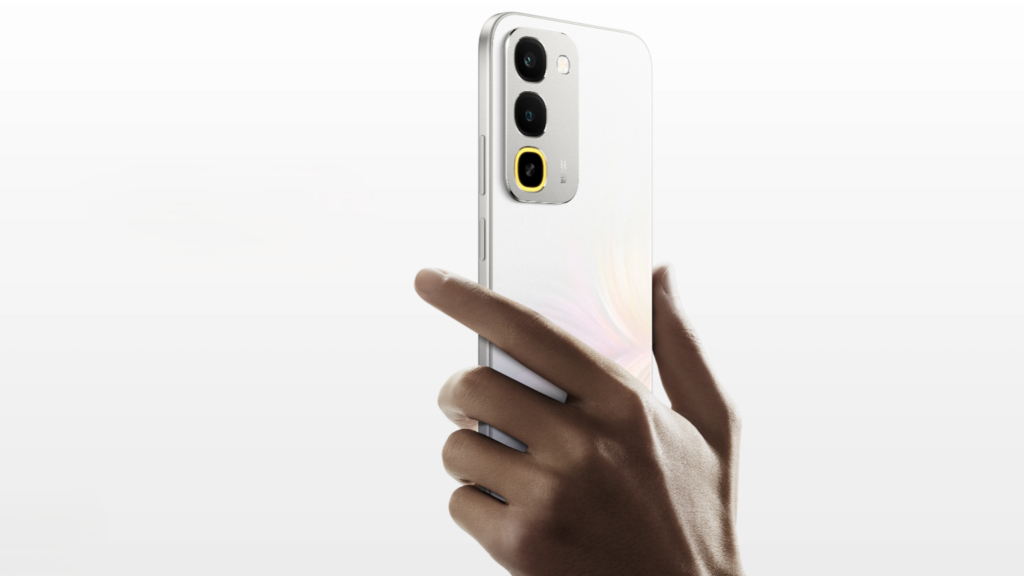
For cameras, there’s a 50MP main sensor on the back along with a secondary lens, while the front gets an 8MP camera for basic use. Nothing too surprising here, and it’s likely tuned more for general shots than anything advanced. That said, the camera module does include one interesting detail: a “Pulse Light” for visible notifications.
Overall, the C100 4G seems to be built around endurance and durability rather than raw performance. It’s not trying to do everything, but for users who want a phone that lasts long and can take a bit of rough use, it might make sense.
The device is already available in Vietnam, where pricing starts at around 7.69 million VND (roughly $275–280, depending on conversion). That puts it somewhere in the lower mid-range bracket, at least for that market.
There’s no clear word yet on a wider rollout, but it wouldn’t be surprising to see it expand to other markets soon.
Logitech has introduced the Logitech G PRO X2 SUPERSTRIKE gaming mouse in India, adding a new flagship model to its esports-focused lineup. The mouse is the first to feature the company’s SUPERSTRIKE technology, which combines inductive analog sensing with real-time click haptics to improve click response, precision, and control.
The device has been developed in collaboration with esports teams such as G2 Esports, NAVI, and BLG. The focus is on reducing click latency and enabling deeper customization for competitive gameplay.
At the core of the mouse is the Haptic Inductive Trigger System, which replaces traditional mechanical microswitches. The system uses copper coils to generate an electromagnetic field, allowing analog input with a 0.6 mm click travel distance. It also supports adjustable actuation and reset points, along with built-in haptic feedback for both actions.
The SUPERSTRIKE system offers 10 levels of actuation adjustment and five rapid trigger reset levels. Haptic feedback intensity can be tuned across five levels using Logitech G HUB software. Logitech claims up to a 30 ms reduction in click latency.
The mouse is powered by the HERO 2 sensor, offering a DPI range from 100 to 44,000 DPI, tracking speed up to 888 inches per second, and a maximum acceleration of 88G. It operates with zero smoothing, filtering, or acceleration. For connectivity, it supports LIGHTSPEED wireless with an 8,000 Hz polling rate, equivalent to 0.125 ms response time. Wired mode supports a 1,000 Hz polling rate.
The design weighs 61 g and uses zero-additive PTFE feet for smoother glide. Logitech claims up to 90 hours of battery life under constant motion. Other specifications include dimensions of 125 × 63.5 × 40 mm, five buttons, onboard memory support via Logitech G HUB, and compatibility with Windows and macOS. Connectivity is handled through USB 2.0 or higher, and the mouse comes with a two-year limited hardware warranty.
The Logitech G PRO X2 SUPERSTRIKE is priced at Rs. 23,995 in India and is available in a Lunar Eclipse color option.
For more daily updates, please visit our News Section.
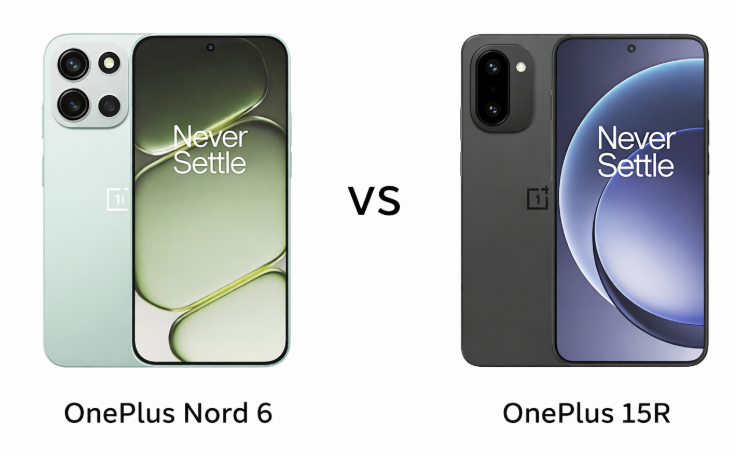
OnePlus Nord 6 and the OnePlus 15R go beyond a simple mid-range vs flagship comparison; both bring distinct strengths that appeal to very different users. One is built around massive battery life and strong value, while the other focuses on delivering a more premium, performance-driven experience. This comparison matters for buyers trying to decide whether saving money with a well-balanced device is enough, or if stepping up to a more powerful and refined phone is the better long-term move.
The OnePlus Nord 6 brings a rugged approach with IP68/IP69K protection and a clean, minimal design. It feels purpose-built for durability, especially with its Crystal Guard protection. The OnePlus 15R, however, leans more premium with Gorilla Glass 7i, an aluminum frame, and an optional glass or reinforced back. It subtly feels more refined and flagship-like, particularly with the addition of eSIM support and a more polished finish.
Display Quality
Both devices offer 165Hz AMOLED panels with peak brightness reaching 3600 nits, ensuring excellent outdoor visibility. The Nord 6 focuses on high-frequency PWM dimming and Ultra HDR, making it slightly more eye-friendly for long usage. The 15R counters with Dolby Vision and HDR Vivid, giving it a more cinematic edge for streaming. Colors feel richer and slightly more tuned on the 15R.
Verdict
The 15R edges ahead with a more premium build and richer display experience, though the Nord 6 remains impressive with a durability-focused design and eye comfort.
2. Specifications Including Battery
Performance
The Nord 6 runs on the Snapdragon 8s Gen 4, delivering strong flagship-like performance for gaming and multitasking. It handles demanding workloads smoothly, making it ideal for power users on a budget. The 15R, powered by the newer Snapdragon 8 Gen 5, clearly steps ahead with better efficiency and raw power. It feels faster in sustained performance and is future-proof for upcoming apps and heavy gaming.
Battery and Charging
This is where the Nord 6 dominates with a massive 9000mAh battery, easily lasting beyond a full day of heavy usage. Features like bypass charging and reverse wired charging add practical value. The 15R’s 7400mAh battery is still large, paired with 80W fast charging, but it prioritizes balance over endurance.
Verdict
The Nord 6 is the battery king and offers excellent performance for its price, while the 15R delivers superior flagship-grade power and efficiency.
3. Camera
Main and Secondary Lenses
Both phones feature a 50MP main sensor with OIS, delivering sharp and reliable shots in most lighting conditions. The Nord 6 produces slightly more natural tones, making it consistent for everyday photography. The 15R, however, adds more advanced video capabilities, including 4K at 120fps, giving it a clear advantage for videography. Ultrawide performance is similar, though neither stands out significantly.
Selfie Camera
Both devices include a 32MP autofocus selfie camera, ensuring detailed and sharp results. The 15R benefits from better video stabilization with OIS support, making it more suitable for vlog-style recording. The Nord 6 still performs well for casual selfies and video calls.
Verdict
The 15R wins for video and overall camera versatility, while the Nord 6 holds its ground with consistent still photography.
4. Pricing
The OnePlus Nord 6 is priced around $460 (₹39,000), positioning it firmly in the upper mid-range segment. In contrast, the OnePlus 15R comes in at approximately $700 (₹47,998), pushing it closer to flagship territory. The price gap is noticeable and plays a crucial role in decision-making.
Is the Price Justified?
The Nord 6 offers exceptional value with its massive battery, strong performance, and premium display, making it one of the most balanced options at its price. The 15R justifies its higher cost with a more powerful chipset, better display tuning, and enhanced camera capabilities. It feels like a long-term investment rather than a budget-friendly pick.
Verdict
The Nord 6 is the better value-for-money option, while the 15R is worth the premium for users seeking top-tier performance and features.
Disclaimer: Prices are approximate and may vary based on country, region, and applicable taxes.
5. Conclusion
The Nord 6 stands out with its massive 9000mAh battery, bypass charging, and strong durability focus, making it ideal for heavy users and gamers. The 15R, on the other hand, brings next-gen performance with Snapdragon 8 Gen 5, Dolby Vision display, and superior video capabilities. It feels more refined and future-ready, especially for users who prioritize performance longevity.
Verdict
If only one has to be chosen, the OnePlus 15R is the better overall pick thanks to its more powerful Snapdragon 8 Gen 5, refined display with Dolby Vision, and stronger camera performance, making it feel more premium and future-proof for long-term use; the OnePlus Nord 6 is still a great value option with its massive battery and solid performance, but it works best for users who prioritize endurance and saving money over having the most complete flagship-level experience.
OnePlus has introduced the SUPERVOOC 100W Dual Ports GaN Power Adapter Lite in India alongside the Nord 6. The new charger uses third-generation Gallium Nitride technology to deliver high output in a compact design, targeting users who need fast charging across multiple devices.
The adapter features a dual-port setup with one USB-A port and one Type-C port. It supports both single-device and dual-device charging, with dynamic power allocation based on usage. When a single port is used, the charger can deliver up to 100W via SUPERVOOC fast charging or up to 65W through Power Delivery. With both ports active, it distributes power intelligently with a combined maximum output of 100W.
In terms of dual-port configurations, the adapter supports multiple output splits depending on connected devices. These include 33W + 33W, 30W + 18W, 67W + 33W, and 45W + 18W combinations. For single-port output at a technical level, it supports 11V at 6.1A max or 11V at 9.1A max.
The charger is built to support a wide range of charging standards. These include SUPERVOOC, Power Delivery 3.0, PPS, Quick Charge, and UFCS. This ensures compatibility with smartphones, tablets, and laptops across different brands.
From a hardware standpoint, the adapter uses polycarbonate material for its outer shell. It measures 55 x 30.5 x 70 mm, with the height including the pins, and weighs approximately 150 grams. The compact size is enabled by GaN technology, which allows tighter internal component placement while maintaining thermal efficiency. The charger is rated for an input range of 100 to 240V at 50 or 60Hz with 2.1A support, making it suitable for international use.
OnePlus claims the adapter achieves up to 90% conversion efficiency, which helps reduce energy loss and heat generation during operation.
Pricing & availaiblity
The SUPERVOOC 100W Dual Ports GaN Power Adapter Lite is available in white. It is priced at Rs. 3,499, with an introductory offer price of Rs. 3,199. The charger is available through the OnePlus India online store.
For more daily updates, please visit our News Section.
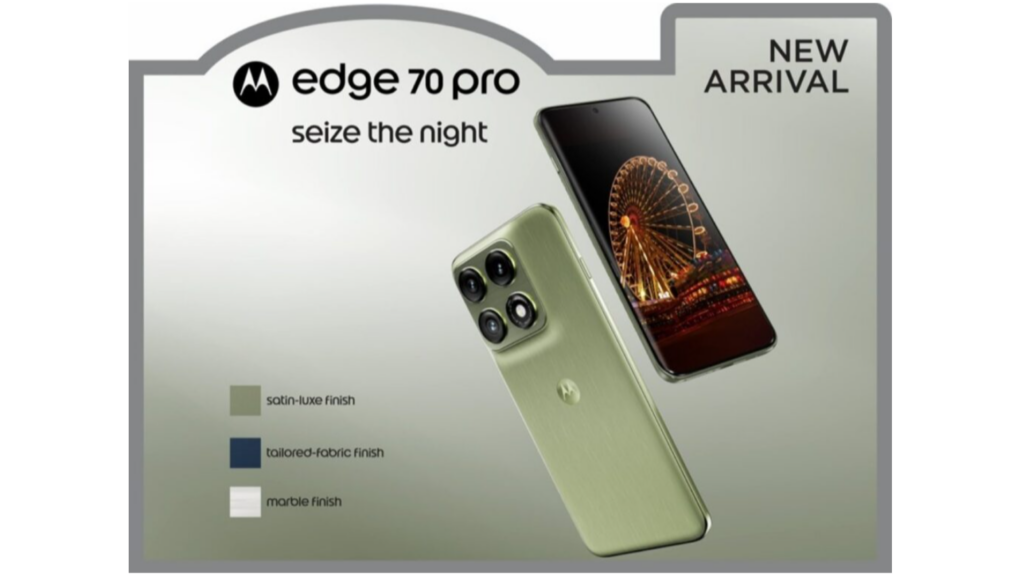
Motorola looks to be preparing a new addition to its Edge 70 lineup, with early leaks pointing to an upcoming Edge 70 Pro. Some promotional materials have surfaced online, giving a rough idea of what the company might be focusing on this time.
The images, shared by tipster @_intakhab_alam, highlight the tagline “Seize the Night,” which suggests Motorola is leaning into low-light photography as a key feature. That’s not entirely new for the brand, but it does hint that camera performance could be a bigger focus here.
In terms of design, the phone doesn’t seem to move too far away from what Motorola has been doing recently. It appears to feature a quad-curved display and back, paired with a flat middle frame that has contoured edges for a comfortable grip. Leaks mention materials like wood grain and nylon-style textures, which could help it stand out a bit from the usual glass-backed phones.
Certifications have revealed a few concrete details, though. The Edge 70 Pro is said to pack a 6,500mAh battery, a notable increase over the 6,000mAh unit of the Edge 60 Pro. Wired charging is expected to stay the same at 90W this year. There are also mentions of wireless charging, Wi-Fi 6E, and NFC.
Interestingly, a Pro+ variant is also expected this year, which would sit above the Pro and below the top-end Motorola Signature. The series already includes the standard Edge 70, Edge 70 Fusion, Edge 70 Fusion+, and the Motorola Signature.
Based on what’s known so far, the Pro version will likely aim somewhere between the mid-range and flagship tiers. There’s still no word on the processor, display, or full camera setup, so a lot of the picture is incomplete for now. But the direction seems fairly clear: a phone that focuses on battery life and camera versatility, rather than just pushing raw performance. More details should surface in the coming weeks as Motorola gets closer to an official announcement.
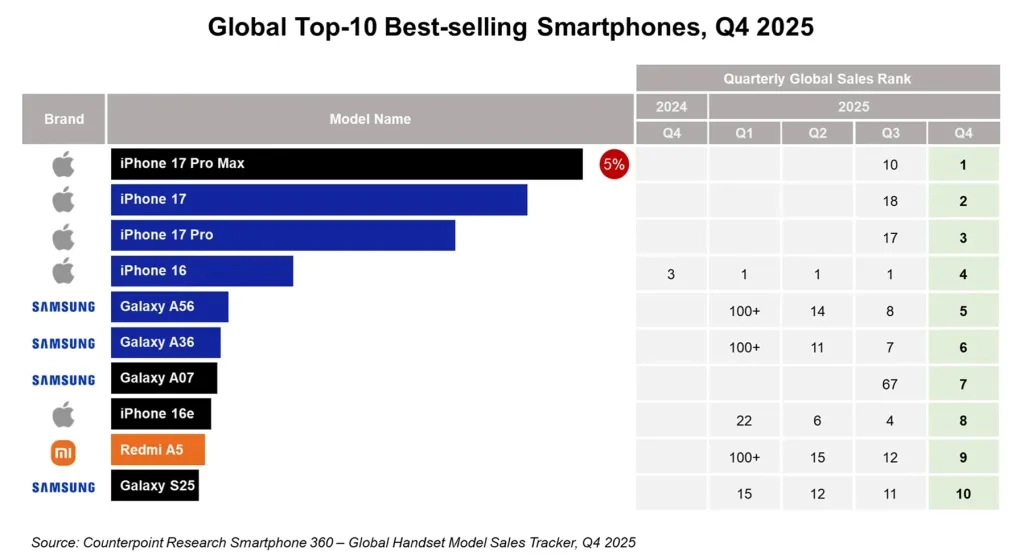
Apple seems to have closed out 2025 on a strong note, at least going by the latest data from Counterpoint Research. In the fourth quarter, iPhones accounted for five of the top ten best-selling smartphones globally, which is a fairly solid presence considering how competitive the market has been.
At the top of the list is the iPhone 17 Pro Max, which reportedly held about 5% of total smartphone sales on its own. The regular iPhone 17 comes in second, followed by the iPhone 17 Pro in third. That kind of lineup dominance isn’t entirely surprising for Apple, though, especially in markets like the US and parts of Europe, where the ecosystem tends to play a big role.
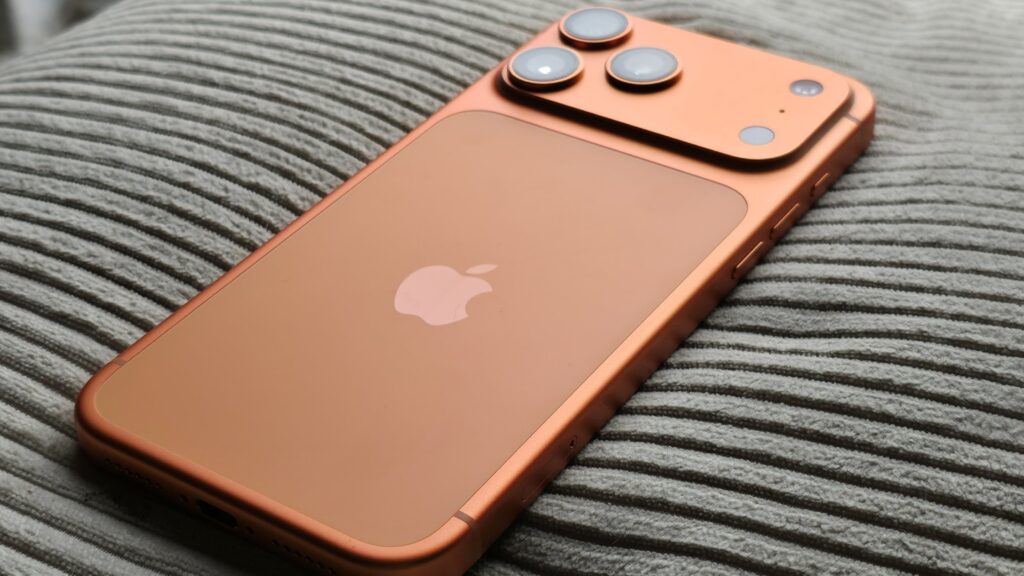
Apple also has a couple of older models still holding on. The iPhone 16 sits in fourth place, while the iPhone 16e shows up further down in eighth. Interestingly, the iPhone Air doesn’t appear in the rankings.
Samsung takes four spots overall, mostly through its mid-range lineup. The Galaxy A56, A36, and A07 are placed fifth, sixth, and seventh, while the Galaxy S25 just makes it into tenth. Xiaomi appears once with the REDMI A5 in ninth, which is pretty much in line with what we have seen in recent years.
Taken together, these top ten models account for around 23% of global smartphone sales in the quarter, which gives some idea of how concentrated the market is at the top.
If you zoom out a bit, Apple’s position wasn’t just limited to this quarter. Its devices showed up consistently throughout 2025, with the iPhone 16 being the only one to stay in the top ten across all four quarters. Samsung and Xiaomi, meanwhile, moved around a bit more.
As for what’s driving this, it’s probably a mix of things. The iPhone 17 series had a strong start, and the base model in particular seems to have helped, thanks to upgrades like a higher refresh rate and more RAM.
Overall, Apple still seems to be holding its ground at the higher end of the market. Android brands are pushing hard in the mid-range and budget space, but when it comes to the top spots, iPhones are still showing up more often than not.
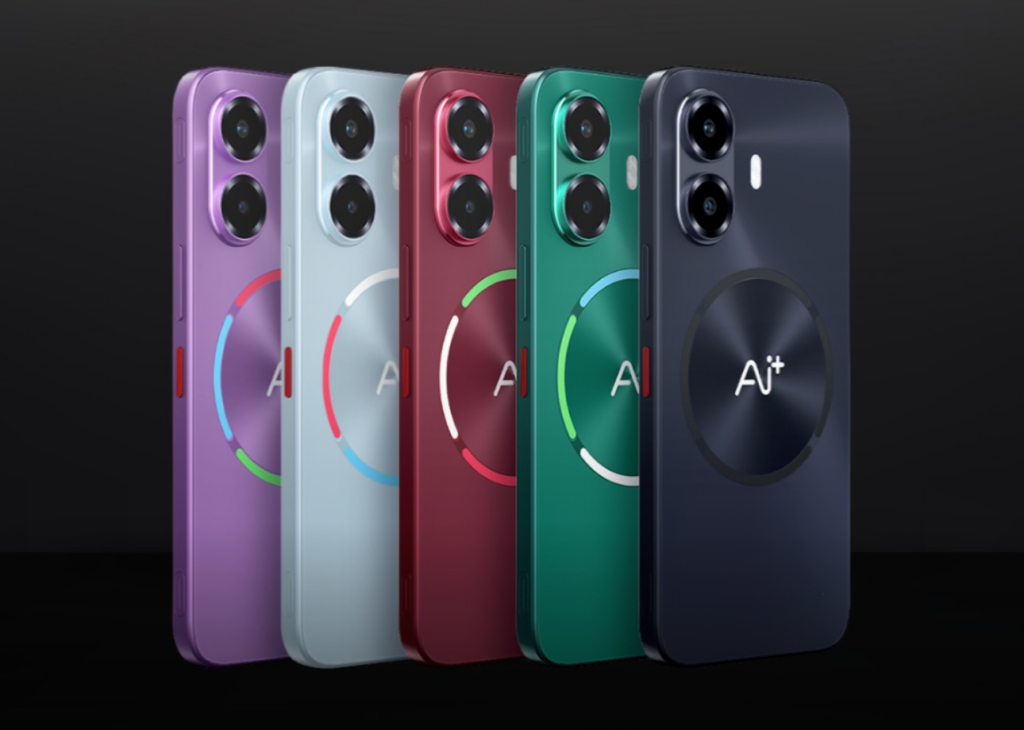
Ai+ has expanded its smartphone lineup in India with the launch of the Nova 2 and Nova 2 Ultra. These devices aim to cater to different segments, offering a mix of essential features and performance upgrades, along with large batteries and modern software.
Ai+ Nova 2 and Nova 2 Ultra specifications and features
AI+ Nova 2 5G
The Ai+ Nova 2 features a 6.745-inch HD+ display with a 120Hz refresh rate and in-cell technology. It is powered by a Unisoc T8200 chip, and it comes in configurations such as up to 6GB of RAM and up to 128GB storage.
On the other hand, the Nova 2 Ultra offers a 6.78-inch AMOLED display with 1.5K resolution, a 144Hz refresh rate, and peak brightness of up to 2500 nits. It is powered by the MediaTek Dimensity 7400 chipset, paired with up to 8GB of LPDDR4x RAM and 128GB of UFS storage. Both phones run on Android 16 with NxtQ OS.
AI+ Nova 2 Ultra 5G
For cameras, the Nova 2 features a 50-megapixel rear sensor along with an 8-megapixel front camera. The Nova 2 Ultra steps up with a 50-megapixel Sony IMX752 primary camera with OIS, an 8-megapixel ultra-wide lens, and a 13-megapiixel front camera, along with additional AI camera features.
Both devices are backed by a 6,000mAh battery, with the Nova 2 supporting 18W charging and the Ultra variant supporting 33W charging. Connectivity features include 5G, Wi-Fi, Bluetooth, USB Type-C, and IP64 rating. The Ultra model also adds dual speakers, VC cooling, and gaming-focused features like dedicated triggers and customisation options.
Ai+ Nova 2 and Nova 2 Ultra price and availability
The Nova 2 is priced starting at Rs 8,999 and will go on sale from April 14, at 12 noon. The Nova 2 Ultra starts at Rs 14,999 and will be available from April 17, at 12 noon. Both phones will be sold via Flipkart in India.
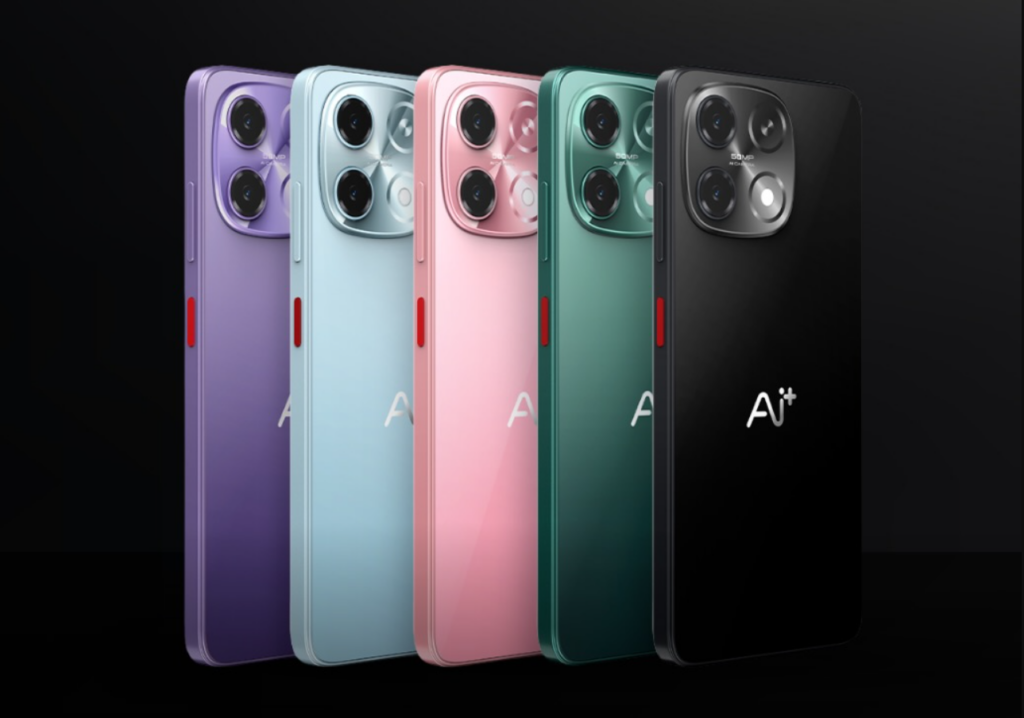
The Nova 2 will be available in Purple, Green, Pink, Blue, and Black colors, while the Nova 2 Ultra will come in Blue, Green, Purple, Black, and Red options.
For more daily updates, please visit our News Section.
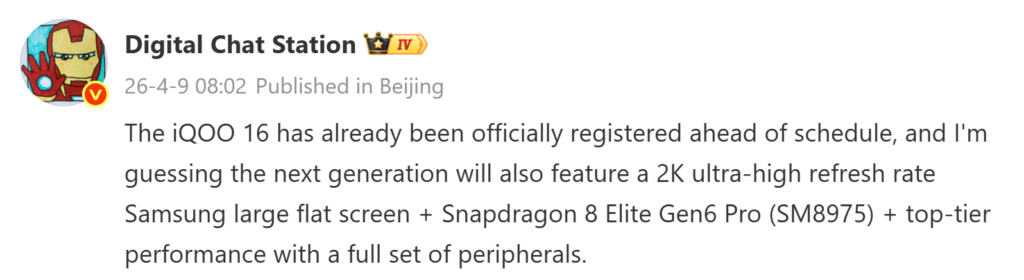
A recent report revealed that the iQOO 16 moniker has appeared in the IMEI database. While it is expected to launch in October this year, the rumor mill has already started revealing its key specifications. A new Weibo post by reliable tipster Digital Chat Station has revealed the chipset that will power the device.
iQOO 16’s chipset revealed
Reports have revealed that Qualcomm’s next-generation 2nm chip will arrive in two versions. While the official monikers are yet to be confirmed, these chipsets are tentatively dubbed the Snapdragon 8 Elite Gen 6 (SM8950) and Snapdragon 8 Elite Gen 6 Pro (SM8975), respectively.
The rest of the iQOO 16’s specifications are also expected to be powerful, according to the tipster, but they remain under wraps. Since it is expected to debut later this year, it may come preloaded with OriginOS 7 based on Android 17.
The same source recently revealed that its rear camera setup will be headlined by a 200-megapixel main camera. This sensor will be joined by a 50-megapixel ultra-wide lens and a 50-megapixel periscope telephoto camera.
Its base model is expected to feature a 12GB + 256GB configuration. With the rise in memory costs, this variant could be priced at 5,000 Yuan, which is approximately $730.
In related news, iQOO is expected to launch the iQOO 15T by mid-2026 in China. One of the major highlights of this phone is that it may come equipped with a built-in cooling fan.
Ai+ held a major launch event today in India to unveil the Nova 2 series, a tablet, and a couple of TWS earbuds. The same event also saw the arrival of the Nova Flip, which is the brand’s first foldable display phone. What’s surprising is that this phone carries an astonishing price tag of Rs 29,999.
Ai+ Nova Flip specifications and features
AI+ Nova Flip
The Ai+ Nova Flip features a 6.9-inch AMOLED inner display with a resolution of 2790 x 1188 pixels, along with a 3.1-inch AMOLED cover screen. It runs on Android 15 with NxtQ OS on top and is powered by the MediaTek Dimensity 7300 chip, coupled with 8GB of LPDDR4X RAM and 256GB of storage.
For photography, the device includes a 50-megapixel main camera along with a 2-megapixel depth sensor, while the front houses a 32-megapixel camera. It also supports up to 10x digital zoom. The phone is backed by a 4325mAh battery, which is quite large for a flip phone, with 33W charging support.
Additional features include dual SIM 5G support, Bluetooth, NFC, OTG, GPS, and a USB-C port. The device also includes a side-mounted fingerprint sensor along with sensors such as a gyroscope and Hall sensor. It comes with an IP64 rating for dust and water resistance.
Ai+ Nova Flip price and availability
The Nova Flip is priced at Rs 29,999 and is expected to go on sale starting May 2026. It will be available in a Glacier White color option, also referred to as Pantone Cloud Dancer.
For more daily updates, please visit our News Section.
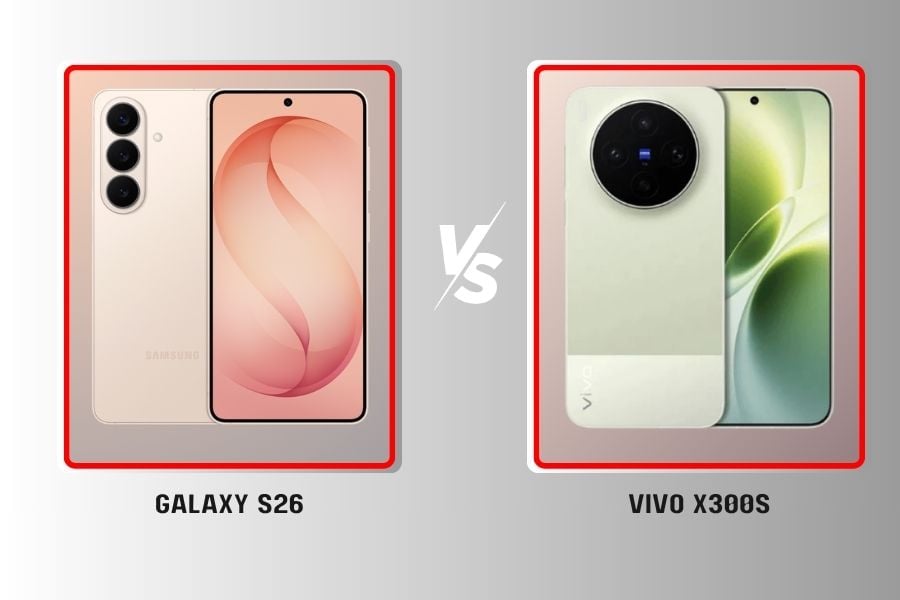
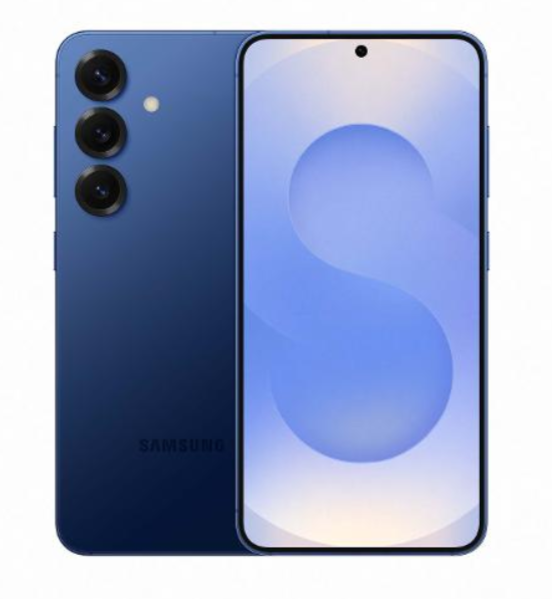
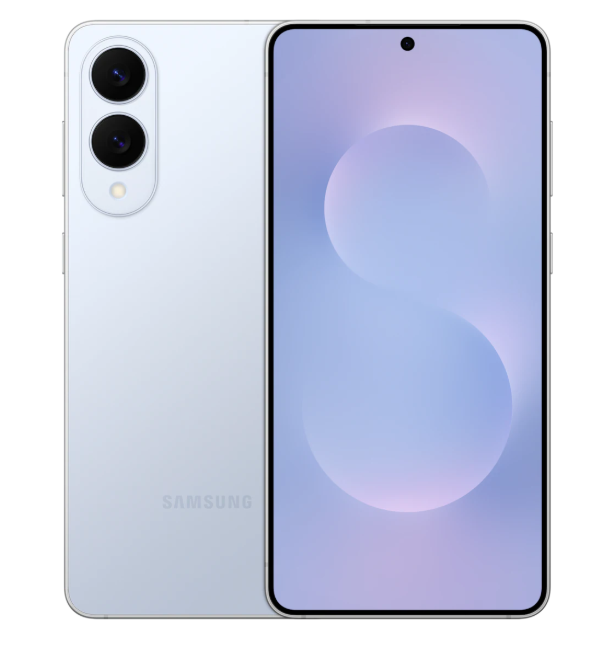
We’ve been putting the Samsung Galaxy S26 up against flagships from across the market. If you’re curious, it’s already faced off against the OnePlus 15 and the Nothing Phone (4a) Pro.
Today, we’re comparing the Galaxy S26 with a more recent flagship, the Vivo X300s, which launched just last week in China. Both phones sit in the increasingly competitive “affordable flagship” tier. But the two are very different ideas of how a flagship phone should be in 2026.
Vivo is about bigger battery, higher megapixel counts, faster charging, while Samsung offers refinement, long-term support, and a more compact form factor. Let’s go through them in detail here.
The Galaxy S26, as you might know, is a relatively compact flagship. At 149.6mm tall and weighing just 167 grams, it’s noticeably smaller and lighter than the Vivo X300s. You can actually use it one-handed without thinking about it.
The Vivo X300s, by comparison, is large, and unapologetic about it. At 162mm tall and 217 grams, it’s closer to what you’d expect from an “ultra” phone. The extra size makes room for its bigger battery and camera system, but it also means you’ll feel it in your pocket.
Both phones use glass and aluminum builds, but Samsung uses Gorilla Glass Victus 2 on both sides and Armor Aluminum 2 for the frame. Meanwhile, Vivo offers IP68/IP69 ratings, which technically give it an edge in ingress protection.
2. Display
No prize for guessing, Vivo gives you more screen in almost every sense. The X300s has a 6.78-inch LTPO AMOLED panel with a 144Hz refresh rate, compared to the S26’s 6.3-inch Dynamic LTPO AMOLED 2X display at 120Hz.
On paper, Vivo offers a higher refresh rate, higher resolution (1260 x 2800), and features like 2160Hz PWM dimming and HDR Vivid. But in everyday use, you’re unlikely to notice a major difference between Samsung and Vivo.
3. Performance
Both phones run flagship chips, but from different ecosystems.
The Vivo X300s uses the MediaTek Dimensity 9500, built on a 3nm process with a peak clock speed of 4.21GHz. Samsung’s Galaxy S26, meanwhile, uses different chips depending on the region: Snapdragon 8 Elite Gen 5 in some markets and Exynos 2600 in others.
On paper, Samsung’s Snapdragon variant is slightly more aggressive, with a 4.74GHz peak core speed. But these are flagship SoCs, so everyday performance will feel smooth on either device.
Where Samsung pulls ahead is software longevity. The S26 promises up to seven major Android updates, compared to five on the Vivo. That’s a meaningful gap if you plan to keep your phone for several years.
4. Cameras
When it comes to cameras, the Vivo X300s goes all-in on hardware. It features a 200MP main sensor, a 50MP periscope telephoto, and a 50MP ultrawide. It even supports optional external zoom lenses with Zeiss optics.
Samsung, on the other hand, opts for a 50MP main sensor, a 10MP telephoto, and a 12MP ultrawide.
There’s no doubt Vivo has the edge in flexibility. Higher-resolution sensors allow for more cropping, and the periscope lens — plus optional add-ons — suggests it’s built for users who want to experiment with zoom and detail.
Samsung’s advantage lies in predictability. Features like Best Face, strong HDR processing, and consistent video performance make it easier to get reliable results without much effort.
5. Battery and charging
The Vivo X300s packs a massive 7100mAh battery, significantly larger than the Galaxy S26’s 4300mAh cell.
Charging speeds widen the gap further. Vivo supports 90W wired and 40W wireless charging, while Samsung sticks to 25W wired and 15W wireless. Even with Samsung’s efficiency optimizations, it’s hard to see it competing on endurance or charging time.
The S26 does offer reverse wireless charging and tighter accessory integration, but that doesn’t change the core difference: the Vivo is built to last longer and charge faster.
6. The bottom line
The Vivo X300s and Galaxy S26 don’t really compete on the same terms, even though they sit in the same category.
The Vivo X300s is all about maximizing hardware — a bigger battery, faster charging, higher-resolution cameras, and a larger, faster display. It’s trying to win on specs.
The Galaxy S26 is more restrained. It focuses on usability, long-term software support, and a compact design that’s increasingly rare among flagship Android phones.
Ultimately, it comes down to what you value more: raw hardware or a more balanced, long-term experience.
For more daily updates, please visit our News Section.
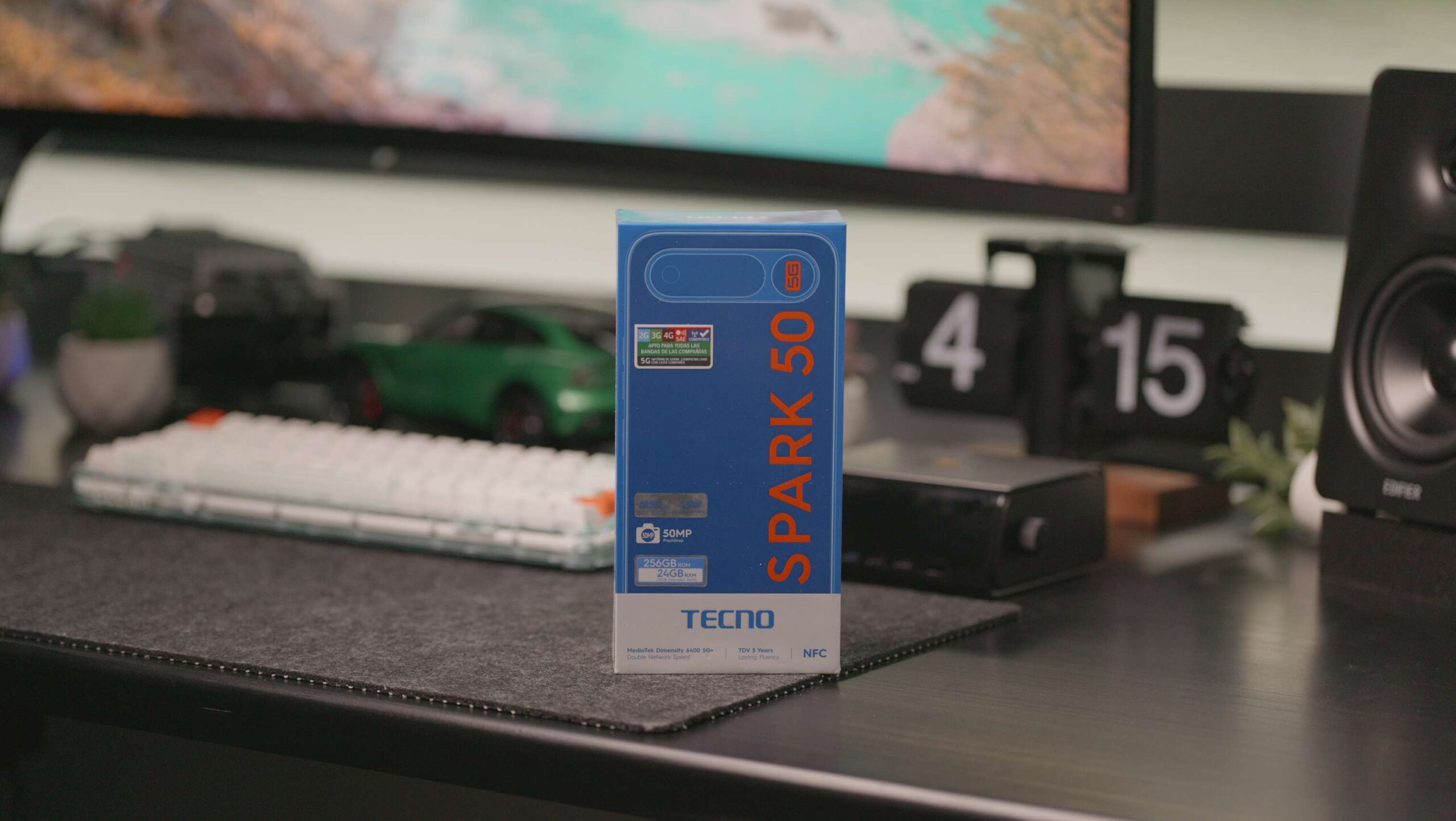
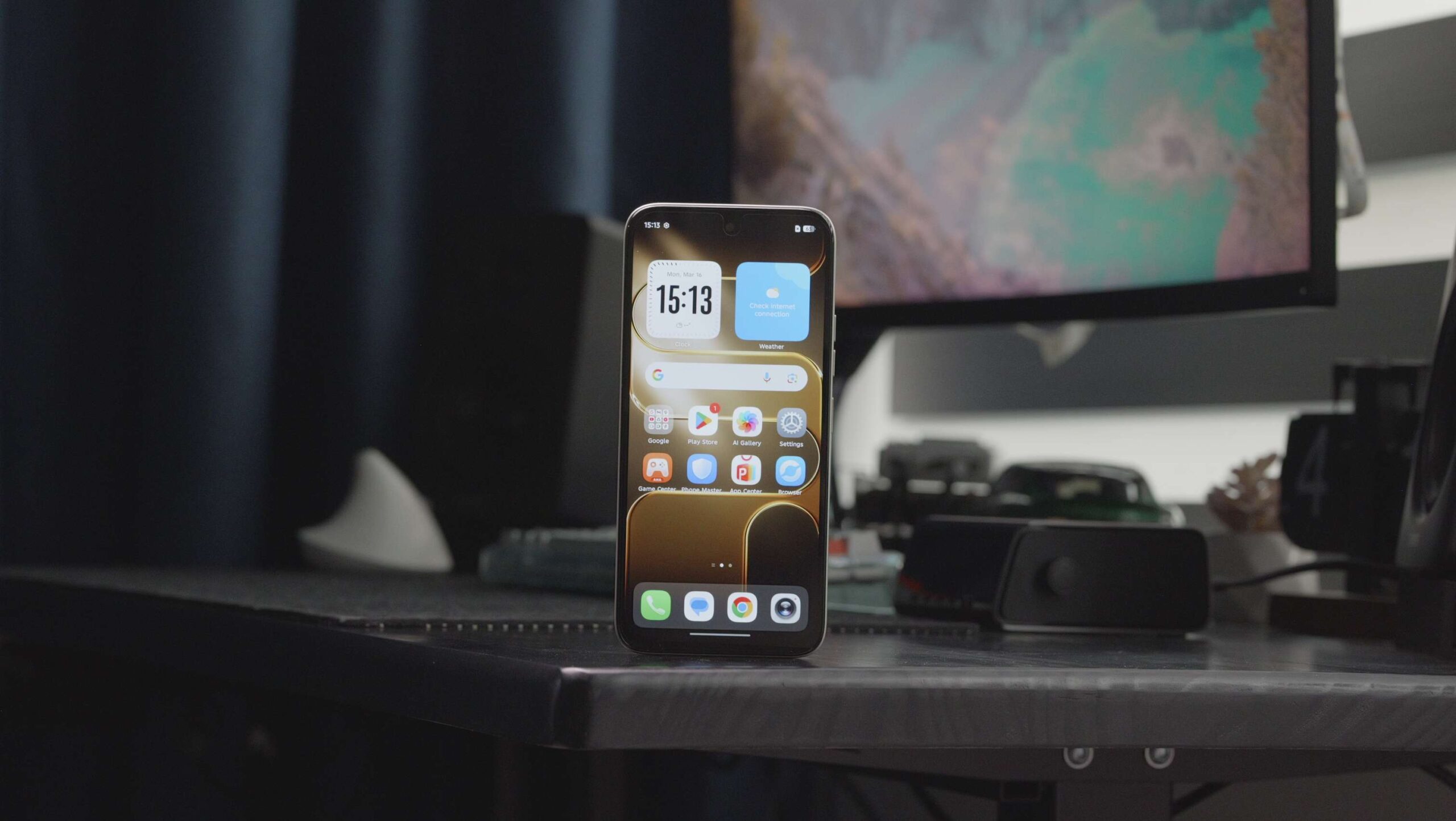
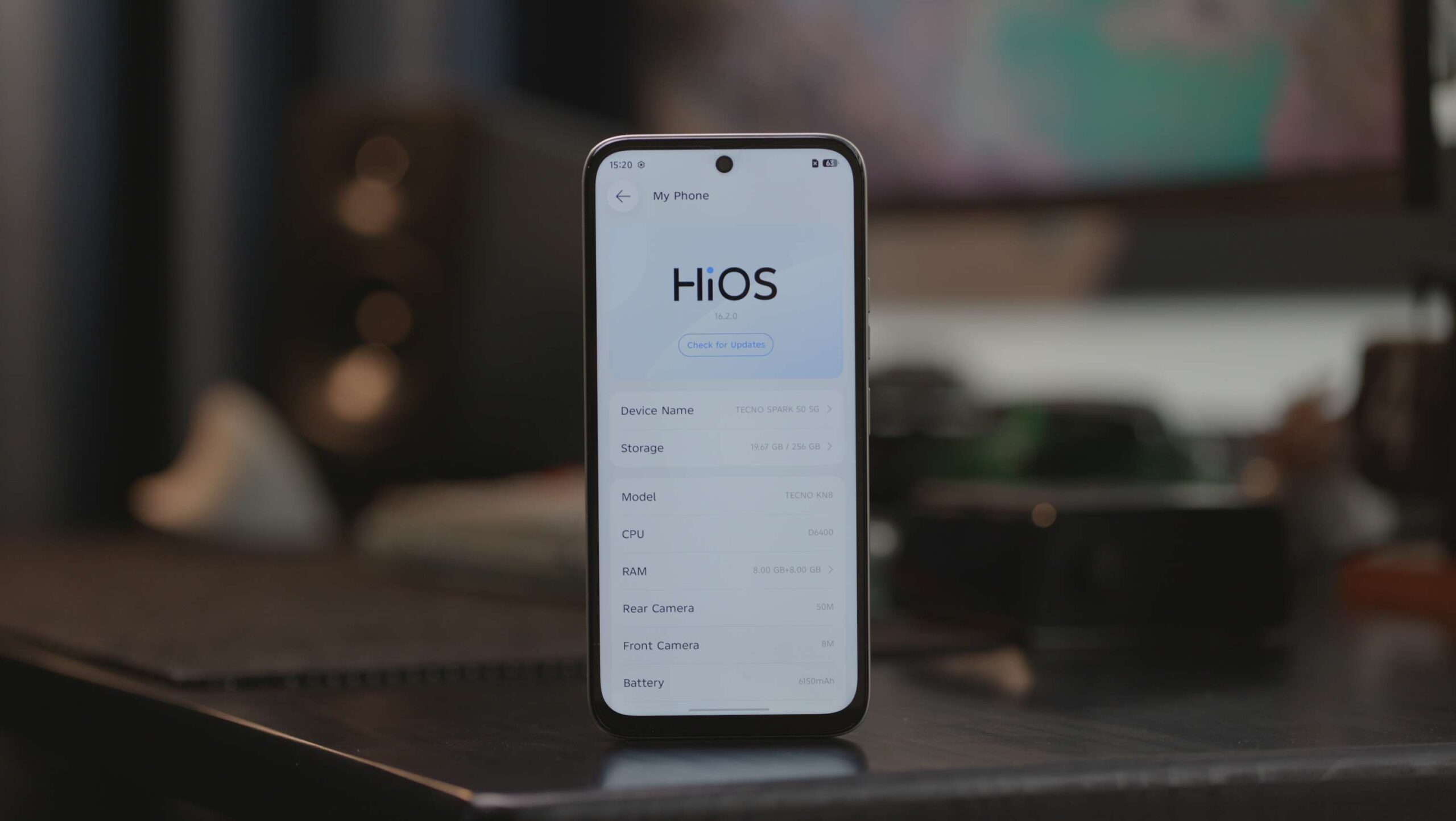
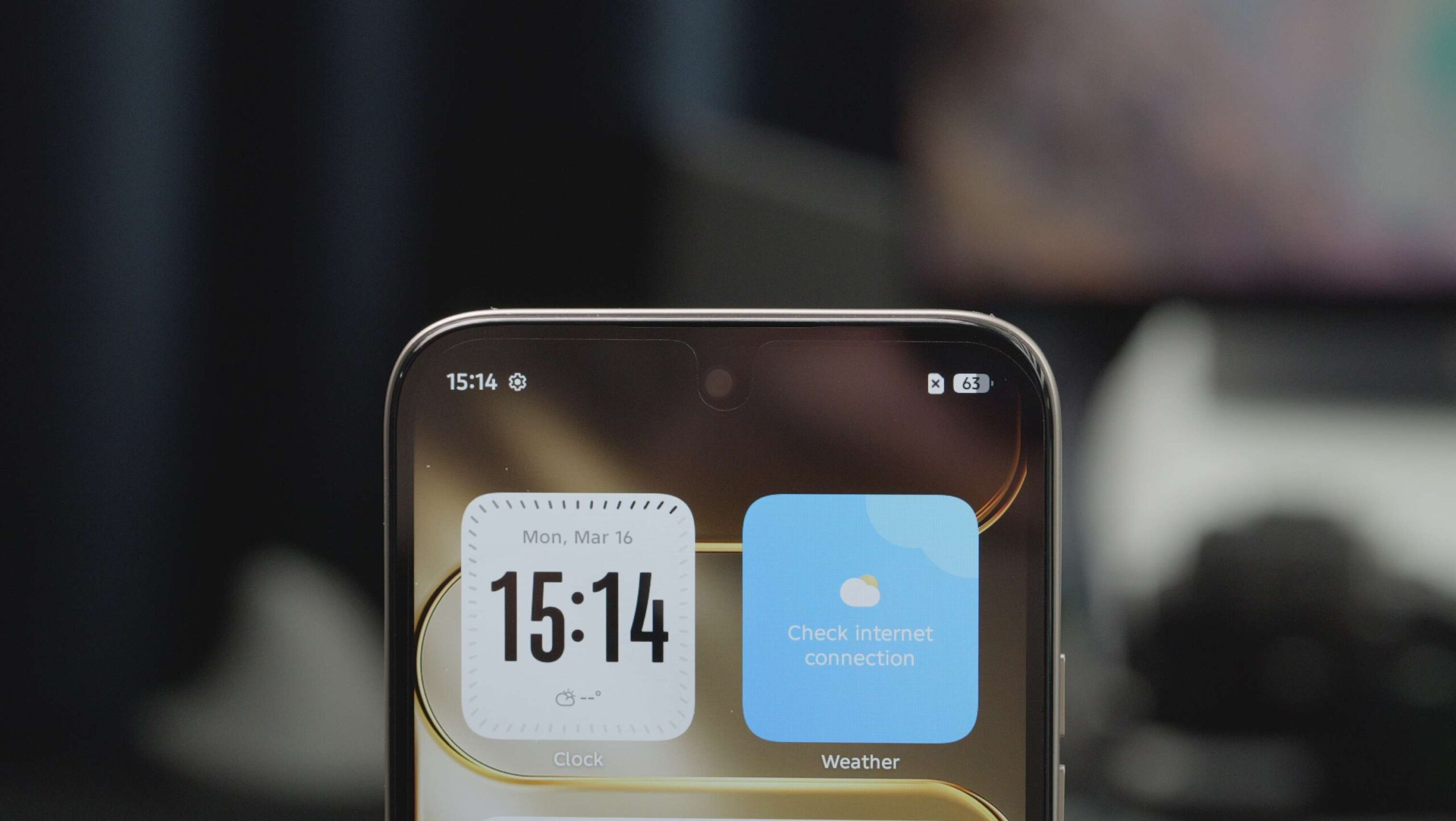
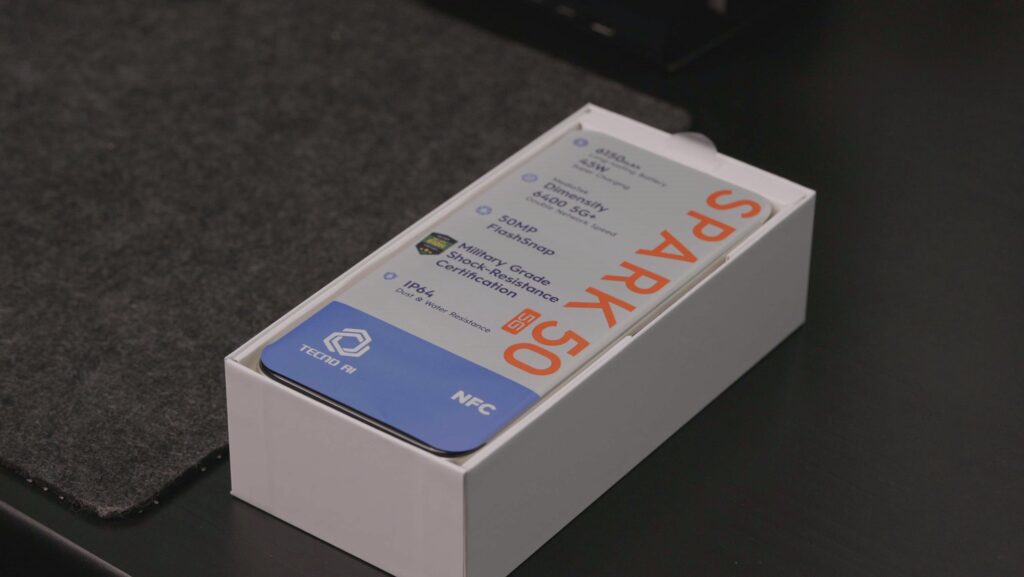
We’ve just gotten our hands on the TECNO Spark 50 5G, the latest addition to the brand’s Spark series, aimed squarely at the entry-level market. Right from the packaging, it’s clear this device is packing some impressive specs for its class. A massive 6,150mAh battery, 45W fast charging, a 50MP camera, and IP64-rated protection are just a few of the highlights that make this budget-friendly 5G smartphone stand out.
Design and Build: A Distinctive Look That Commands Attention
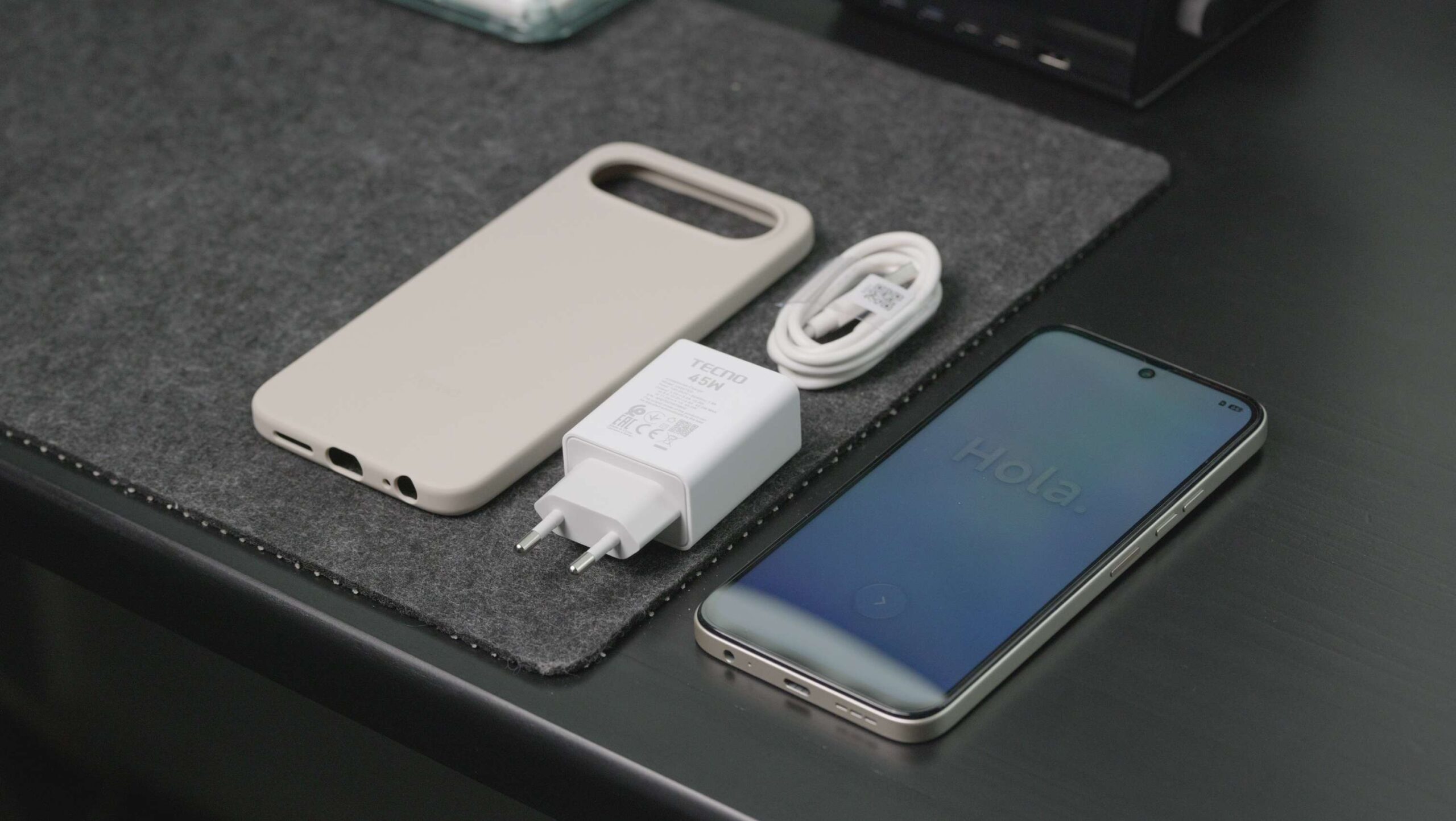
The TECNO Spark 50 5G arrives in minimalist packaging. Inside the box, you’ll find the essentials: a 45W fast charger, a USB cable, a protective case, and the usual documentation.
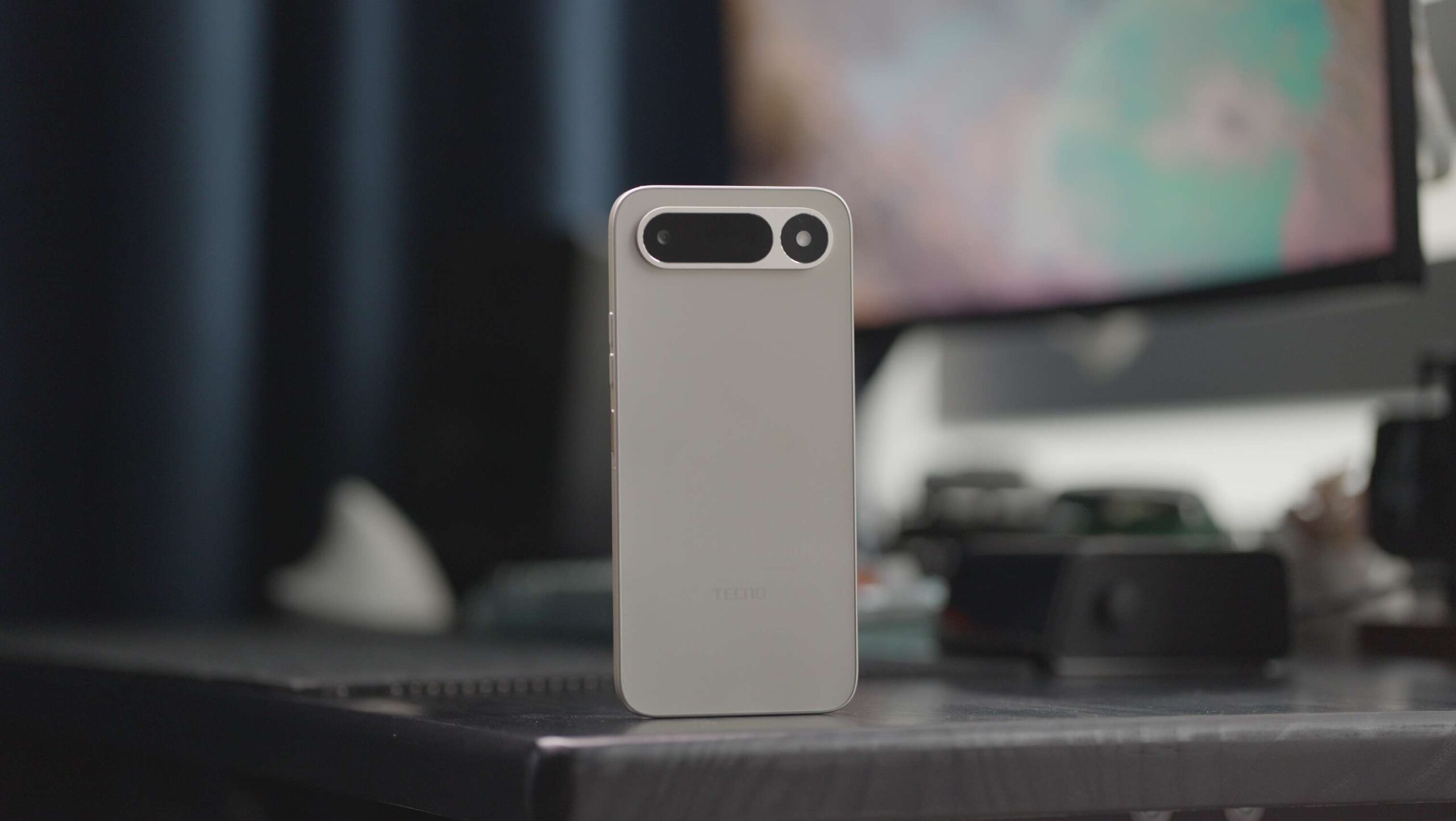
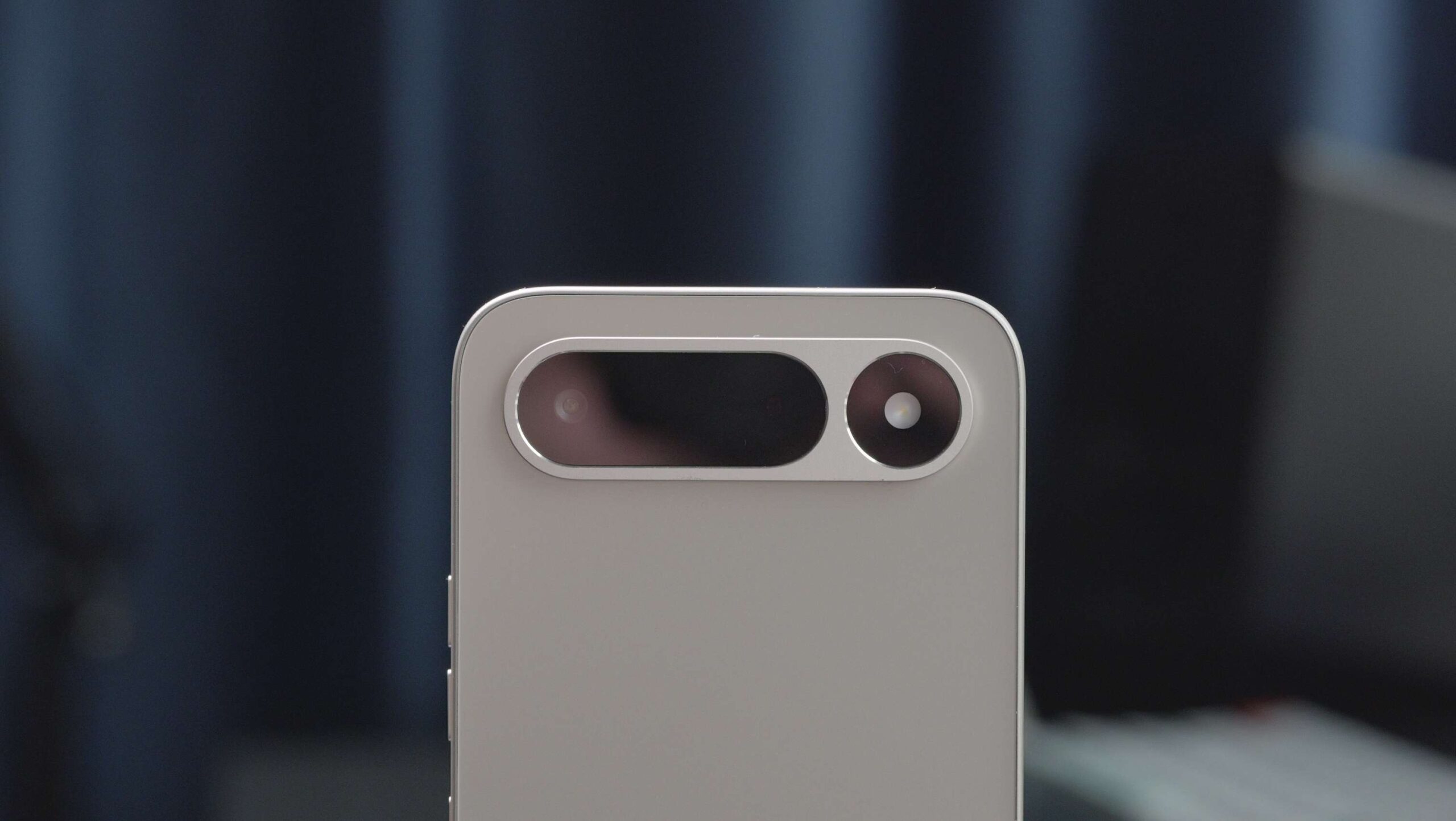
When it comes to design, this smartphone makes a bold statement. The most eye-catching element is the unique, oversized rear camera module. Laid out in a horizontal, rectangular glass panel reminiscent of a traditional camera, the main camera lens is accentuated by a stylish two-tone star ring design. This detail gives the phone a distinctive identity that’s instantly recognizable in a sea of similar-looking devices.
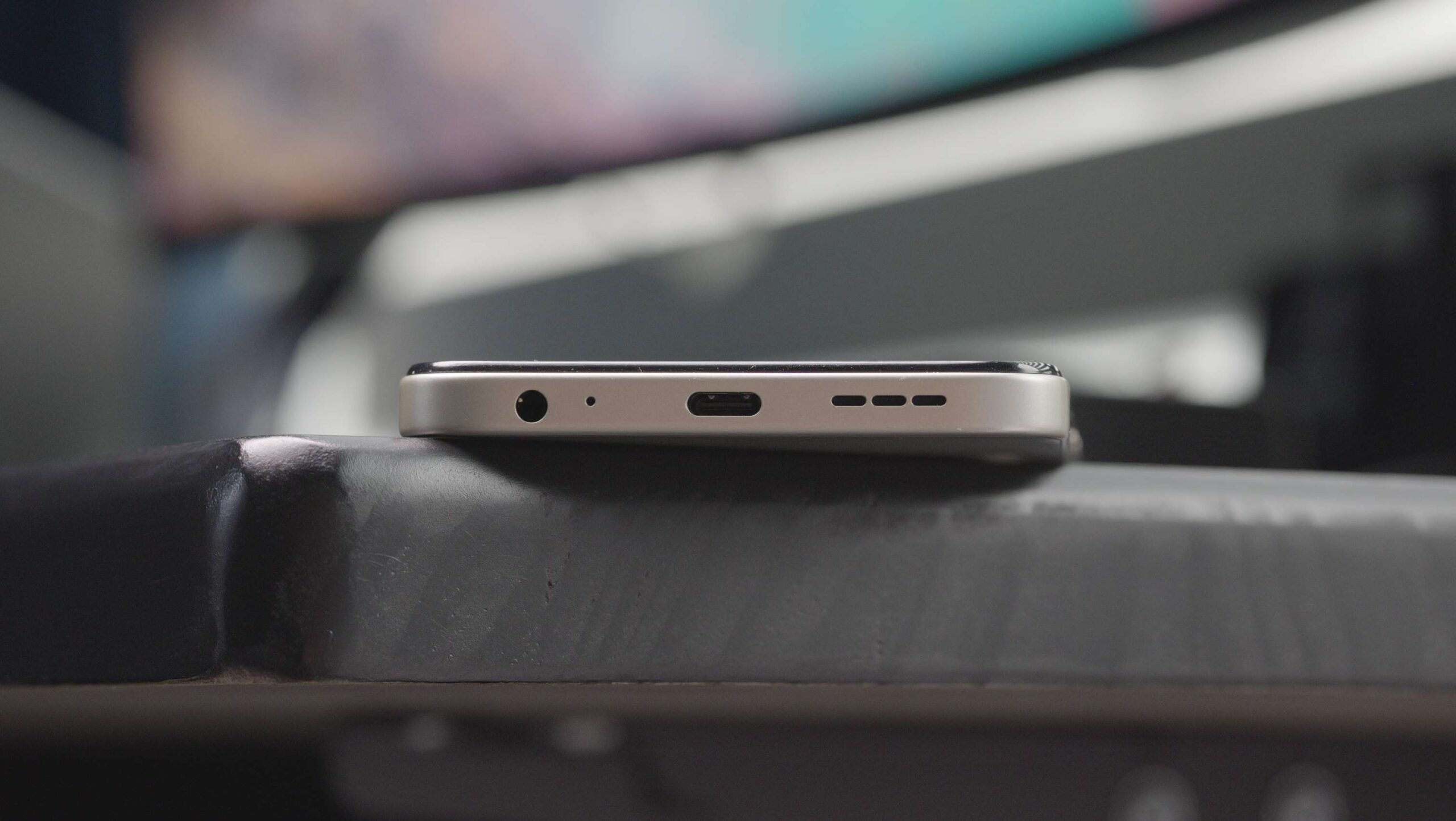
The back panel features a matte, premium-feeling composite material in a sophisticated, warm beige hue. Not only does this finish feel smooth to the touch and resist fingerprints effectively, but it also subtly shifts in tone under different lighting conditions, adding a layer of visual depth. Combined with rounded corners and a flat-edged frame, the phone offers a comfortable grip that balances a sturdy feel with ergonomic comfort. Attention to detail is evident in the neatly finished bottom edge, which houses a speaker grille and a USB-C port, alongside a 3.5mm headphone jack—a welcome addition for audio enthusiasts.
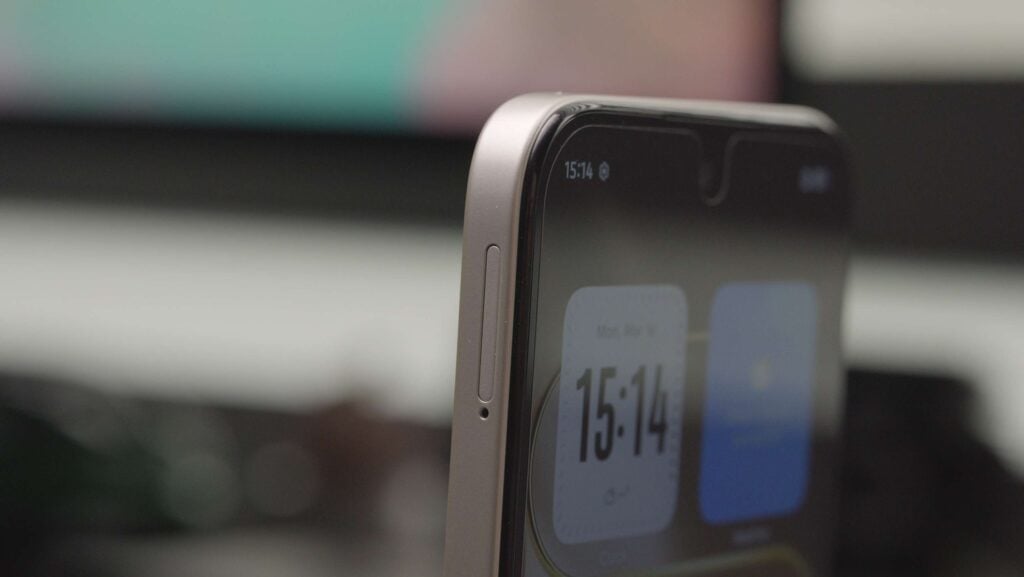
The minimalist side-mounted buttons further refine the overall aesthetic. With its modern colorway and distinctive design language, the Spark 50 5G exudes a youthful, trendy, and unapologetically unique vibe.
The phone features a 6.78-inch LCD display with a 120Hz refresh rate, delivering smooth visuals for scrolling and UI navigation. Brightness levels are also commendably high, ensuring good legibility even in well-lit conditions.
Performance: Capable 5G Power for Everyday Tasks
Under the hood, the TECNO Spark 50 5G is powered by the MediaTek Dimensity 6400 5G system-on-chip (SoC). This is a strategic and sensible choice for a budget-conscious device, as MediaTek’s offerings in this segment often deliver a more balanced performance compared to their competitors. The Dimensity 6400 handles day-to-day tasks with ease—scrolling through social media, browsing the web, streaming video, and handling document editing are all smooth and responsive experiences.
However, when it comes to more demanding applications like gaming, performance aligns with expectations for this tier. To achieve consistently playable frame rates in graphically intensive games, users will likely need to lower the in-game graphics settings. The chipset is optimized for efficiency and everyday reliability rather than high-end gaming prowess.
Camera: An Entry-Level Experience for Everyday Shots
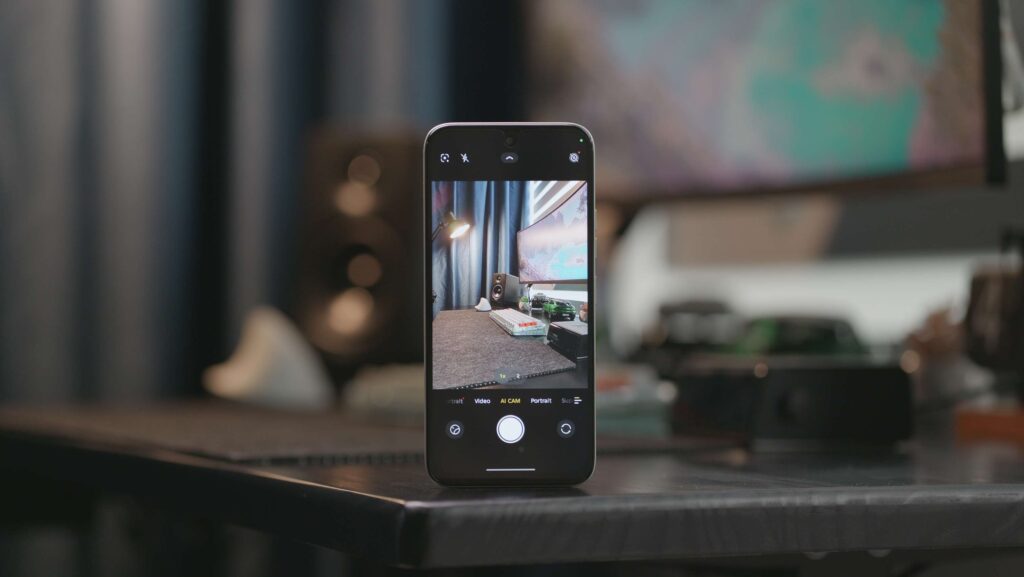
Given its market positioning, the Spark 50 5G’s camera system is designed to deliver a straightforward, entry-level photography experience. The overall performance is adequate for basic shooting needs—capturing casual moments, scanning documents, or video calls—but it won’t necessarily excite users looking for high dynamic range, exceptional low-light performance, or intricate detail. The hardware specifications for the camera system don’t particularly stand out from the competition in this price bracket, reinforcing its role as a functional, rather than feature-leading, component.
Battery: A True Endurance Champion
One of the undisputed highlights of the TECNO Spark 50 5G is its battery performance. The device houses a substantial 6,150mAh battery, a standout feature that promises exceptional longevity. Combined with system-level power optimizations, this large capacity ensures the phone can comfortably handle extended periods of use—easily lasting a full day or more for most users, even with heavy screen-on time. The inclusion of 45W fast charging technology is another significant advantage, allowing the large battery to be replenished quickly, minimizing downtime and keeping you connected longer.
Connectivity and Ports: Modern Standards with a Classic Touch Connectivity options are comprehensive for the segment. The USB-C port on the bottom supports 480Mbps data transfer speeds. Notably, the phone retains a 3.5mm headphone jack, offering convenience for users who prefer wired audio accessories without needing an adapter. Verdict: A Stylish Entry-Level 5G Contender with Exceptional Battery Life In summary, the TECNO Spark 50 5G offers improvements that go beyond its distinctive exterior. The enhancements in both the software experience and core performance contribute to a notably refined user experience compared to its predecessors. The combination of a standout design, a smooth 120Hz display, robust battery life with a massive 6,150mAh cell, and the convenience of 45W fast charging makes it a compelling option in the entry-level 5G smartphone market.
While the camera and gaming performance are in line with its price point, the phone’s core strengths—endurance, unique aesthetics, and essential 5G connectivity—make it a strong candidate for users prioritizing these features. If you’re in the market for a smartphone that balances a unique tech-forward style with dependable battery life and everyday performance, the TECNO Spark 50 5G certainly warrants a closer look.
The Snapdragon 8 Elite is Qualcomm’s first mobile chipset to feature custom Oryon cores, offering excellent performance and power efficiency. It quickly became a popular choice for the premium segment, and now we have dozens of phones from various brands rocking the same chipset.
Here’s a list of Snapdragon 8 Elite phones that are available in the market. To keep the list relevant for our readers, we have excluded phones that haven’t been released outside China.
List of phones powered by Snapdragon 8 Elite processor
Xiaomi is expected to unveil the Xiaomi 18, 18 Pro, and 18 Pro Max smartphones in September this year in China. While the standard and Pro models are expected to feature compact form factors, the Pro Max edition could be a larger model. To recall, the Xiaomi 17 Pro Max from last year packed a 7,500mAh battery. Now, a new leak reveals that the Xiaomi 18 Pro Max’s battery could be significantly larger than its predecessor.
Xiaomi 18 Pro Max battery details tipped
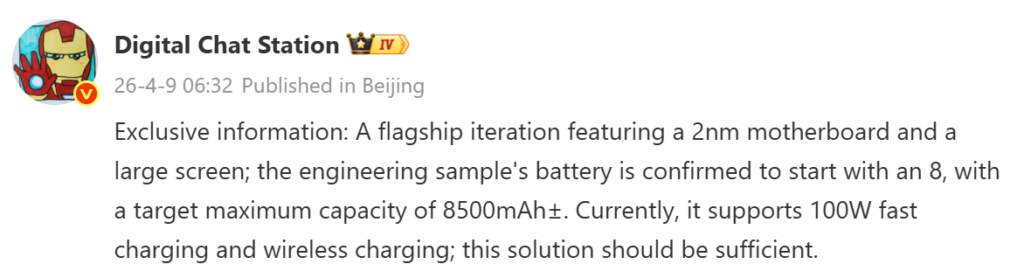
According to well-known tipster Digital Chat Station on Weibo, an upcoming large-screen flagship based on a next-generation platform is currently being tested with a battery starting with the number 8. The engineering prototype is said to target a maximum capacity of around 8,500mAh, marking a notable jump compared to current flagship standards.
While he has not specified the name of the device, he could be referring to the Xiaomi 18 Pro Max. The leak also mentions that the device is being tested with support for 100W fast charging along with wireless charging.
Previous reports have revealed that the Xiaomi 18 Pro Max’s rear camera setup could include dual 200-megapixel cameras and a 50-megapixel ultra-wide lens. The primary camera is said to feature SmartSens’ first-ever 200-megapixel sensor.
The Xiaomi 18 Pro Max is expected to feature a large flat display with ultra-narrow bezels and support for advanced color standards suitable for high-resolution content creation. While the screen size is not known yet, it could be around 6.9 inches like the previous generation. On the performance side, it is tipped to debut with Qualcomm’s next-generation Snapdragon 8 Elite Gen 6 series chipset built on a 2nm process, paired with next-generation memory for improved multitasking.
The Xiaomi 18 Pro Max is expected to retain the rear-facing secondary display, which was introduced in the previous generation. This time, it is expected to be more versatile and AI-driven than before.
/For more daily updates, please visit our News Section.
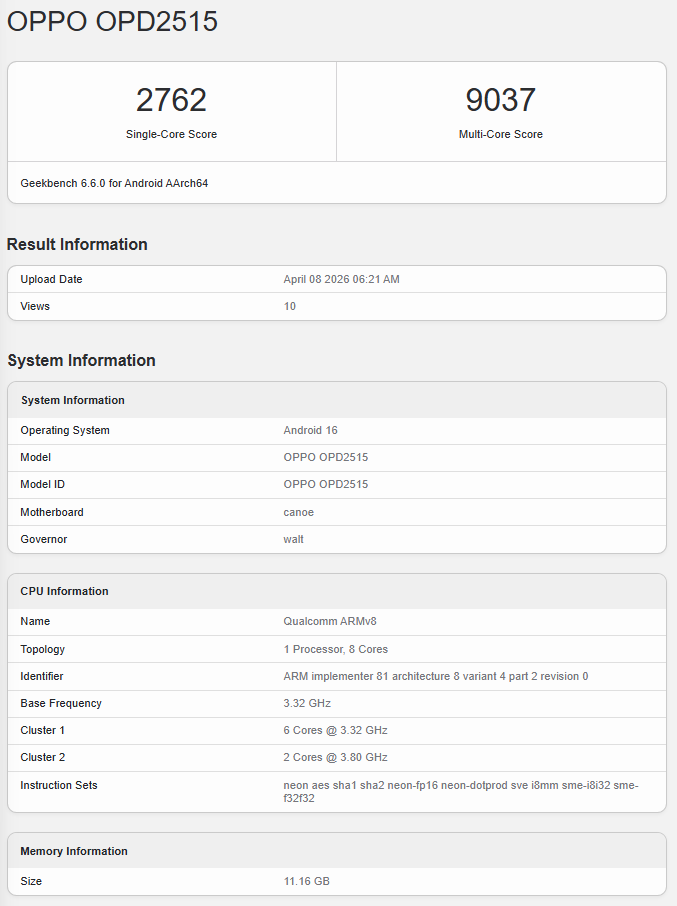
Oppo’s upcoming Pad Mini has now appeared on Geekbench, offering an early look at its performance. The listing, tied to the model number OPD2515, gives us a clearer idea of what to expect ahead of its April 21 launch in China.
According to the benchmark, the tablet scores 2,762 in single-core and 9,037 in multi-core. More importantly, it confirms the use of Qualcomm’s Snapdragon 8 Gen 5 chip. That places it just below the very top-tier Snapdragon 8 Elite Gen 5.
Compared to the Snapdragon 8 Elite (as seen in devices like the OnePlus Pad 3), the gap doesn’t look too wide. Single-core performance is said to be around 14% lower, while multi-core numbers are much closer, with only a small difference. In practical terms, that should still be more than enough for most popular titles on the Google Play Store. The listing also confirms Android 16 and 12GB of RAM.
The company shared a video teaser yesterday, showing slim, even bezels all around. The centered hole-punch camera sits on the shorter side. Beyond that, earlier leaks point to an 8.8-inch LTPO OLED display with a 3:2 aspect ratio and support for up to 144Hz refresh rate.
Battery capacity is expected to be around 8,000mAh, with 67W fast charging. The tablet is also said to be quite slim at 5.39mm and weigh about 279g, so portability seems to be a big focus here.
Oppo is also rumored to be working on a more powerful Pad 5 Pro alongside it, likely aimed at users who want higher raw performance.
For now, this Geekbench listing does give a decent idea of where the Pad Mini sits, somewhere between performance and portability, rather than pushing purely for top-end specs. More details should be confirmed once the tablet is officially announced later this month.
The upcoming Enco Clip2, set to debut on April 21 at 19:00, leans heavily into design, with a form factor that’s meant to double as both audio gear and a fashion accessory.
The earbuds come with a gold-toned finish, and each piece is designed to clip onto the ear more like an earring than a traditional bud. They’re also quite light at around 5.2 grams per side, and Oppo is using an ultra-thin titanium plate to help with fit and flexibility. It seems aimed at comfort as much as aesthetics.
On the audio side, Oppo has once again partnered with Dynaudio for tuning. The Enco Clip2 is said to use dual DACs and dual drivers, which should help with clarity and separation, at least on paper. As with most things here, the real test will be how it sounds in everyday use.
One feature Oppo is highlighting is support for voice commands that work with Apple devices. That includes basic controls like skipping tracks, adjusting volume, and handling calls, without needing to reach for the phone.
Under the hood, the earbuds are powered by a 6nm chip, which Oppo claims improves noise reduction performance significantly. There’s also AI-based call noise cancellation, along with features like real-time translation, though how well those work in practice isn’t clear yet.
Battery life is rated at up to 40 hours in total, with about 9.5 hours per charge, which is in line with other options in this segment. The earbuds also support Bluetooth 6.1, with a claimed connection range of up to 400 meters, though that would likely depend on conditions.
At a glance, OPPO seems to be trying something slightly different here: focusing as much on how the earbuds look and feel as on how they sound. Whether that balance works will depend on how it all comes together in actual use.
Oppo is all set to announce the Oppo Find X9s Pro on April 21 in China. This compact flagship will take on the OnePlus 15T in the home market. While OnePlus’ offering is a performance-focused device, the Find X9s Pro will arrive with top-notch cameras. The company is yet to reveal the X9s Pro’s design, but a new leak, courtesy of reliable tipster Evan Blass, has revealed renders showcasing its four color options.
Oppo Find X9s Pro color options revealed
Oppo Find X9s Pro – CyanOppo Find X9s Pro – Orange
As seen in the images, the Find X9s Pro will arrive in color options such as cyan, orange, titanium, and white. The overall design of the phone is consistent with the existing X9 models, but it will be the smallest of the lineup, as it is said to feature a 6.32-inch display.
Oppo Find X9s Pro specifications (rumored)
According to reports, the Find X9s Pro will feature a 6.32-inch OLED display with 1.5K resolution and a 144Hz refresh rate. It is expected to be powered by the Dimensity 9500 chipset, paired with LPDDR5x RAM and UFS 4.1 storage. The device may be available in multiple configurations, going up to 16GB RAM and 1TB storage.
Oppo Find X9s Pro – TitaniumOppo Find X9s Pro – White
The smartphone is likely to pack a 7,025mAh battery with support for 80W wired and 50W wireless charging. It is also said to include dual speakers, an X-axis linear motor, and an ultrasonic in-screen fingerprint sensor for enhanced usability.
For cameras, the Find X9s Pro could feature a 50-megapixel front sensor and a rear setup led by a 200-megapixel Samsung HPE primary camera with OIS support, a 50-megapixel ultra-wide lens, and an OIS-enabled 200-megapixel periscope telephoto camera powered by the Samsung HP5 sensor, along with a 3.2-megapixel multispectral unit and Hasselblad tuning.
As a recent report revealed, the Find X9s Pro will have support for the optional Hasselblad teleconverter kit. It will run on ColorOS 16 based on Android 16 and offer IP68 and IP69 ratings.
For more daily updates, please visit our News Section.
Just days after reports suggested the MediaTek Dimensity 9600 Pro could flirt with 5GHz clock speeds, a new leak is adding a bit more shape to the rumor.
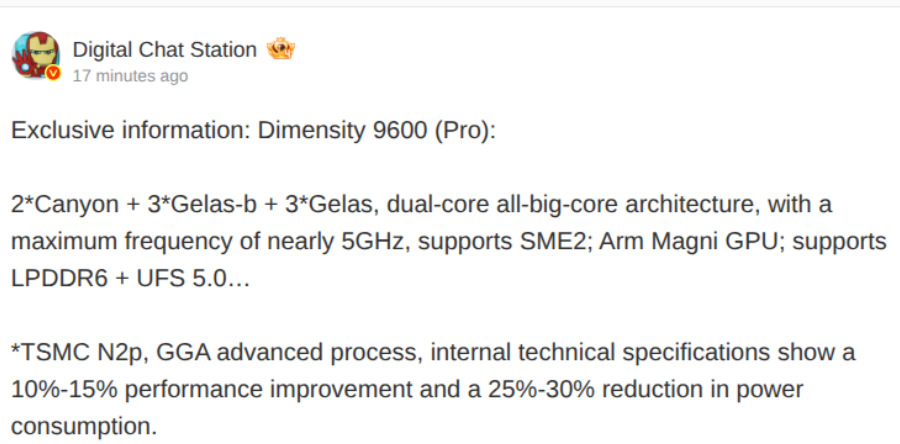
According to tipster Digital Chat Station (DCS) on Weibo, the Dimensity 9600 Pro will use a 2+3+3 CPU layout built around what the tipster describes as a “dual-core all-big-core architecture.”
MediaTek Dimensity 9600 Pro core setup
More specifically, the chip is said to feature two high-performance “Canyon” cores, alongside three “Gelas-b” and three standard “Gelas” cores. The tipster further reiterates that the prime core clock speeds are expected to push close to the 5GHz mark.
The leak also mentions support for SME 2 (Scalable Matrix Extension 2), an extension designed to improve machine learning and AI-related workloads. On the graphics side, the chip is tipped to feature an Arm “Magni” GPU.
Memory and storage upgrades are also on the table. The Dimensity 9600 Pro is rumored to support LPDDR6 RAM and UFS 5.0 storage, both of which promise faster data throughput and improved efficiency over today’s standards.
Underlying all of this is TSMC’s N2P process. According to DCS, internal specifications reportedly suggest a 10 to 15 percent boost in performance alongside a 25 to 30 percent reduction in power consumption.
Anywho, as you might have guessed by now, the Dimensity 9600 lineup won’t be a one-size-fits-all affair. The Pro model is set to carry the most advanced architecture, while the standard variant is rumored to stick with a 3nm process and will likely target more mainstream devices.
According to previous reports, the Vivo X500 series and the Oppo Find X10 lineup will be the first to use the Dimensity 9600 chip.
For more daily updates, please visit our News Section.
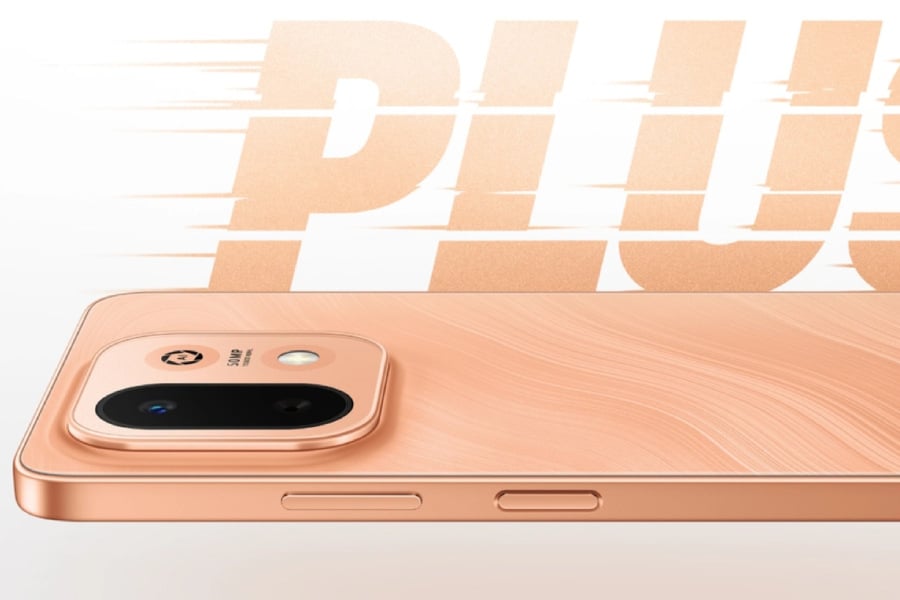
Just weeks after unveiling the Enjoy 90 series, Huawei has quietly expanded its Enjoy 90 lineup with the launch of the Huawei Enjoy 90m Plus. Unlike the earlier announcement, this new model has appeared on Huawei’s official website without much fanfare.
Visually, the Enjoy 90m Plus has a noticeable change in the back design. Instead of two clearly separated lenses, the new model merges them into a single oval-shaped black capsule design. The design is more similar to the OnePlus 15 rather than the other Enjoy 90 phones.
The phone also introduces an exclusive coral orange color option. It’s also available in white and black.
Huawei Enjoy 90m Plus Specifications
In terms of performance, the Enjoy 90m Plus is powered by the Kirin 8000 processor. The phone runs on HarmonyOS 6.0 out of the box, along with Huawei’s AI-based security features to help prevent fraud and protect user data.
For storage, the Enjoy 90m Plus is available in 128GB and 256GB variants. On the camera side, it comes with a 50-megapixel rear camera that supports up to 10x digital zoom. On the front, there is an 8-megapixel camera for selfies and video calls.
The device features a 6.67-inch LCD with a 120Hz refresh rate. The resolution is HD+ (1604 × 720 pixels), which is not the sharpest in its class, but the higher refresh rate should help with smoother scrolling and animations.
As for the battery, Huawei has equipped the phone with a large 6620mAh cell. It supports up to 40W fast charging, along with compatibility for 9V/2A charging. The device also includes support for StarFlash E1.0 and Bluetooth 6.0.
Huawei has not yet announced pricing or availability details for the Enjoy 90m Plus, but you can expect the final details to appear soon.
For more daily updates, please visit our News Section.
After announcing the Motorola Razr Fold in January, Motorola is now gearing up to launch its clamshell foldable. The device appeared in CAD renders a couple of weeks earlier.
Now, new official-looking renders of the Razr 70 Ultra, or possibly the Razr Ultra (2026), have surfaced via OnLeaks in collaboration with Android Headlines.
Here’s your official look at the Motorola Razr 70 Ultra
The images suggest the device will arrive in at least two finishes: Pantone Cocoa Wood and an Orient Blue Alcantara option. Like its predecessor, the outer display houses a triple-camera setup, with all three sensors reportedly clocking in at 50 megapixels.
One notable omission from these renders is any clear look at the internal camera. According to Android Headlines, that’s likely down to early rendering inconsistencies rather than a redesign, so don’t expect Lenovo to ditch the selfie camera or move to an under-display solution just yet.
It is said to feature a 7-inch internal foldable screen paired with a 4-inch cover display. The left edge now features a dedicated Moto AI button, while power and volume controls stay right-mounted. The bottom houses a USB Type-C port, a speaker grille, a microphone, and a SIM slot. A secondary microphone sits topside.
Under the hood, the Razr 70 Ultra is expected to pack a Qualcomm Snapdragon 8 series chip, alongside a familiar 4,700mAh battery and 68W fast charging.
Timing-wise, the launch could be strategically aligned with the 2026 FIFA World Cup. Lenovo and Motorola have partnered with FIFA as an Official Technology Partner for the event, so the company will reportedly target a debut in the weeks leading up to kickoff on June 11.
Not to forget, the Razr 70 standard model has already surfaced on China’s TENAA with images and specifications. Both will likely launch on the same day.
For more daily updates, please visit our News Section.
We use cookies on our website to give you the most relevant experience by remembering your preferences and repeat visits. By clicking “Accept”, you consent to the use of ALL the cookies.
This website uses cookies to improve your experience while you navigate through the website. Out of these, the cookies that are categorized as necessary are stored on your browser as they are essential for the working of basic functionalities of the website. We also use third-party cookies that help us analyze and understand how you use this website. These cookies will be stored in your browser only with your consent. You also have the option to opt-out of these cookies. But opting out of some of these cookies may affect your browsing experience.
Necessary cookies are absolutely essential for the website to function properly. This category only includes cookies that ensures basic functionalities and security features of the website. These cookies do not store any personal information.
Any cookies that may not be particularly necessary for the website to function and is used specifically to collect user personal data via analytics, ads, other embedded contents are termed as non-necessary cookies. It is mandatory to procure user consent prior to running these cookies on your website.