Inphic has launched a new gaming mouse that is more about manufacturing than raw specs. The company’s latest model, called the IN10 (also referred to as IN103D) is a 3D-printed mouse that uses a photosensitive resin shell produced through a 3D printing process rather than traditional injection molding.

The most obvious result is the mouse’s biomimetic honeycomb structure. The shell is porous, with ventilation holes designed to improve airflow while keeping the overall weight down.
Inphic says different areas of the shell are tuned with varying levels of softness and hardness to maintain comfort and grip depending on where your hand rests. At around 72 grams, the mouse is also lightweight to work with.
High-end internals with tri-mode connectivity
Inside, the IN10 is built around a custom Inphic KP950B main control chip paired with PixArt’s PAW3950 optical sensor. The sensor supports a DPI range from 50 up to 30,000, adjustable through software.
Inphic has also opted for TTC Qinglong optical switches, rated for up to 100 million clicks, along with a TTC Qinglong Ice & Fire scroll wheel encoder. High-purity PTFE feet round out the hardware details.
Connectivity is another area where the IN10 tries to cover all bases. It supports tri-mode operation, including USB-C wired mode at up to 1,000Hz polling, 2.4GHz wireless with polling rates reaching 8,000Hz, and Bluetooth 5.0 for more casual or mobile use.
The mouse ships with a 1.8-meter braided paracord cable that includes a ferrite core, as well as an 8K nano wireless receiver. Power comes from a built-in 500mAh rechargeable battery.
On the software side, Inphic offers both web-based and desktop clients for adjusting DPI, polling rate, and other settings. Physically, the mouse measures 125 × 62 × 40 mm, suggesting a fairly standard right-handed shape.
Pricing and Availability
The 3D mouse retails at 423.3 yuan in China, which translates to some $60. You can purchase it via JD.com.
Until recently, I never took gaming chairs seriously. For years, I relied solely on typical office chairs, usually mesh-back models or faux leather types with basic adjustability. They did the job, but comfort was always a compromise, and none of them ever felt quite right for long sessions at the desk.
Then I got the DXRacer Martian (Non-Pro), and after using it for a month, I can confidently say it has changed my perception of what a well-built ergonomic chair can offer. This isn’t just a “gamer aesthetic” product. It’s a thoughtfully engineered piece of equipment that genuinely improved my daily comfort.
Setup Experience
Unboxing the chair was straightforward, although it’s definitely a two-person job because of the sheer weight. DXRacer wasn’t kidding when they built this like a tank. Once out of the box, assembly was relatively easy. The manual and clearly labeled components made the process smooth, and I appreciated how the electronics were plug-and-play. The battery module installs like a power tool battery, and all the wires are numbered, so there’s no confusion.
What stood out during the setup was how precise the construction felt. Everything aligned properly, no wobble, no loose-fitting screws, and the fit-and-finish was clearly a cut above the average.
Design and Materials
I went with the Black-Grey variant in size L. Visually, it strikes a nice balance between gaming and office chair styling. The branding is subtle, the silhouette is sleek, and the overall look is clean and professional enough to not look out of place in a studio or work-from-home setup. The materials feel premium. The EPU leatherette has a soft matte texture that avoids the sticky, plasticky feel you often get with cheaper PU chairs.
The chair is also incredibly heavy, close to 70 lbs, which I initially saw as a downside, but that weight translates into stability. It never creaks, wobbles, or shifts unintentionally. The powder-coated aluminum alloy base and steel frame give the Martian a sturdy, grounded feel. It’s clear this chair was built with longevity in mind.
Comfort and Daily Use
This is where the Martian really earned its keep. I’ve had back strain issues for over two years, and I was admittedly skeptical about how much a chair could help. But after using the Martian consistently for the past month, I noticed a significant reduction in my back discomfort, especially during long editing or writing sessions.
The cold-cure foam is on the firmer side, but not in a punishing way. It holds its shape and provides consistent support throughout the day. I never felt like I was sinking in or losing posture. In fact, it encouraged better posture without forcing it. Over time, the foam seems to soften slightly, but it never loses structure.
The seat base is wide and flat, which I appreciate because I tend to sit cross-legged occasionally. There are no aggressive side bolsters pinching my thighs like you find in some racing-style chairs. This open design contributes a lot to its day-to-day comfort.
Electric Recline and Lumbar Support
The motorized recline is something I initially thought would be a gimmick, but it’s probably one of my favorite features now. You just tap a button on the left side, and the backrest glides back silently to whatever angle you prefer (up to 135°). It’s not fast, but the motion is smooth and precise. This level of control is hard to achieve with mechanical levers.
Then there’s the smart air lumbar system. This is not a loose cushion or a stiff plastic plate. The Martian has two internal airbags that you can adjust in four directions using a small D-pad-style control placed on the right side.
I wasn’t sure how impactful this would be until I used it for a few days. Being able to fine-tune the lumbar depth and position to match the natural S-curve of my back made a noticeable difference. It adapts to my posture even when I shift slightly, which keeps my lower back supported throughout the day.
Headrest and Armrests
The magnetic memory foam headrest is another surprisingly great feature. No straps, no awkward adjustments. You just slide it up or down the backrest, and it clicks into place magnetically. It’s firm enough to provide proper support, and the vertical adjustment range is wide enough to accommodate my height comfortably (I’m around 5’7”).
As for the armrests, they’re 4D adjustable and have magnetic top plates, so you can swap them out in the future. The included pads are fairly standard, firm polyurethane, but they get the job done. I haven’t had any discomfort with them.
There is a slight wobble in the armrest mechanism, but it is minor and does not cause any discomfort. The armrests offer enough adjustability to easily position them where they feel comfortable, whether I am typing, gaming, or leaning back.
Battery and Charging
Initially, I was concerned about the idea of charging a chair. But in practice, it’s not an issue at all. The internal 5,000mAh battery lasts about two to three weeks on a single charge with light daily adjustments.
When it’s low, you can either plug it in using the retractable cable or remove the battery and charge it like a power bank. I’ve settled into a habit of charging it once every two weeks, similar to how I treat my wireless mouse.
One thing to be aware of: if the battery dies completely, you can’t adjust the recline or lumbar until it’s recharged. The chair still works as a static seat, but you lose the electric features until power is restored.
Real-World Fit and Limitations
For context, I use a fairly static desk setup with a non-adjustable monitor and a fixed-height desk. I did notice that even at its tallest setting, the chair sits just a bit lower than I’d like. If the gas lift had a slightly higher max extension, it would have helped me line up perfectly with my monitor height.
That said, this is something I have noticed across most premium gaming chairs, so it is not a deal-breaker. It’s just worth keeping in mind if you have a taller-than-average desk.
The other thing to note is that this chair isn’t made for horizontal lounging. The 135° recline is good for leaning back to watch something or relax, but it doesn’t go fully flat like some models that recline to 160° or more. If you’re the type who naps in your chair, this may feel a bit limited.
Martian Pro vs Non-Pro
One of our editors also had the chance to test and review the Martian Pro variant. The main differences come down to a few additional features in the Pro version: seat heating, cooling ventilation, and a built-in massage function.
The Non-Pro retains the same core strengths, electric recline, smart lumbar, and high-end materials, but skips the extra electronics that drain the battery faster or add potential failure points. If you’re after a cleaner, simpler experience that still feels futuristic, the Non-Pro is honestly the more practical choice. You can read our detailed Martian Pro review separately if you’re curious about how those additional features hold up.
Final Thoughts
Switching to the DXRacer Martian (Non-Pro) has been a surprisingly transformative experience. Coming from regular office chairs, I didn’t expect such a dramatic improvement in posture and comfort. The smart lumbar system alone justifies the price for me, given the relief it has brought to my back strain. The build quality is rock-solid, the materials feel premium, and the electric adjustments feel like a genuine step forward, not a gimmick.
It’s not a cheap chair, and it’s not without its quirks. The weight makes it hard to move, the battery needs occasional attention, and the recline range isn’t for loungers. But for someone who spends hours at a desk and values comfort, posture, and thoughtful ergonomics, the Martian Non-Pro checks nearly all the boxes.
Would I go back to a traditional chair after this? Honestly, no. Not unless it has the same kind of intelligent support and solid construction. The Martian has earned its place in my setup, not as a flashy gaming accessory, but as a tool that actually supports how I work and play.
Pricing and Availability
The DXRacer Martian (Non‑Pro) is priced at $659.00 and is available directly from DXRacer’s official website and select authorized retailers. Availability may vary depending on size and color variant.
For more daily updates, please visit ourNews Section.
Huawei has started rolling out a new HarmonyOS update for its foldable PC, the MateBook Fold, bringing a long list of bug fixes and usability improvements just ahead of the holiday season.
The update, labeled HarmonyOS 6.0.0.120 SP1, began reaching users on December 20, 2025. According to Huawei, the release focuses on stability, display behavior, and day-to-day productivity rather than introducing major new features.
One of the more notable fixes addresses screen projection issues, including distorted or abnormal mirroring when connecting certain handheld gaming consoles. Huawei has also resolved cases where the device failed to wake properly from sleep in specific monitor modes, along with odd pop-up windows that could appear during wired display connections.
Several improvements target everyday productivity apps. The Gallery app now behaves more consistently when deleting images using shortcut keys and simplifies saving edited images. File Management gains quicker access to synced documents, applies view preferences across folders, integrates cloud media more smoothly into file pickers, and fixes incomplete search results when browsing cloud drives.
Huawei’s AI assistant, Xiaoyi, also sees refinements. In addition to a seasonal touch—typing or saying “Happy New Year” triggers a full-screen fireworks animation—the update improves smart note handling, fixes occasional network-related sync issues, and makes continuous conversations more reliable.
At the system level, the update adds support for individual apps to be minimized while using split-screen mode, and expands app cloning for users managing multiple accounts. Other additions include smoother system animations, improved QR code recognition, broader app compatibility through virtualization enhancements, and the December 2025 security patch. Huawei also says several printer-related bugs have been resolved.
As with previous system updates, some users may notice temporary warmth or increased battery usage immediately after installation, which should settle after a few days.
With this SP1 release, Huawei appears focused on polishing the MateBook Fold’s software experience—an important step as foldable PCs continue to push into more mainstream productivity use.
Google Pixel users testing Android 16 QPR3 Beta 1 are reporting a severe camera-related bug that affects the focusing mechanism. As a result, it makes it impossible to take clear photos in high-resolution photo modes. The issue reportedly appears after installing the build CP11.251114.006.
According to user reports shared on platforms like Reddit and Google’s issue tracker, the camera lens begins to physically vibrate when the phone attempts to focus. This results in shaky behaviour and blurry images.
The problem seems to occur when shooting in 50-megapixel mode using the main or ultrawide cameras. In regular 12-megapixel mode, the camera works as expected. Users say the issue shows up even in good lighting conditions and can happen during tap-to-focus or manual focusing.
Several affected users have described the phone vibrating noticeably. Reports suggest the bug may be linked to how the camera software handles high-resolution image processing in the current beta build.
At the moment, there is no permanent fix. Common steps like clearing the camera app cache or reinstalling updates do not resolve the problem, as it seems to be tied to the system itself. For now, affected users can avoid the “shaky” camera glitch by avoiding the high-resolution mode altogether.
Google has acknowledged multiple reports and is likely working on a fix that can be expected in a future beta update or a minor patch — though there is no confirmed timeline yet.
Interestingly, the upgraded 50MP ultrawide of the Galaxy S25 Ultra faced the same issue earlier this year.
Xiaomi is launching the 17 Ultra this week, and the company has also explained why the phone is arriving earlier than its predecessor. Now, we finally have a proper look at the device itself, thanks to Xiaomi Group Vice President and CMO Xu Fei.
Fei shared a short video on Toutiao, officially revealing the design of the Xiaomi 17 Ultra for the first time.
The model shown in the video features a simple white finish that feels deliberately understated. On the back, a large circular camera module sits at the center, with the Leica logo placed in the middle of the circular housing. At the top, the phone includes two flashes arranged symmetrically.
Overall, the phone looks very similar to the Xiaomi 15 Ultra and other Ultra phones from Chinese manufacturers. This common design choice largely stems from the need to fit camera hardware into a top-tier flagship device.
Xiaomi shares the first camera sample of 17 Ultra
Speaking of cameras, the Xiaomi 17 Ultra uses a triple rear camera setup led by a new main sensor: the OmniVision OV50X. This flagship 1-inch sensor, developed in China, includes third-generation LOFIC technology designed to improve dynamic range and low-light performance.
Alongside the main camera, the Xiaomi 17 Ultra also introduces a new Leica-branded 200-megapixel periscope telephoto lens. Xiaomi says this lens module is about 35 percent larger than the one used in the Xiaomi 15 Ultra.
The lens has also received Leica APO optical certification, which focuses on reducing color fringing and improving clarity, especially at long zoom ranges.
More broadly, Xiaomi is positioning the 17 Ultra as the first phone under a new “strategic co-creation model” with Leica. According to the company, this deeper collaboration aims to push night photography and telephoto shooting forward in noticeable ways.
Alongside the design reveal, Xiaomi has also shared its first camera sample from the 17 Ultra.
We expect official teasers to begin soon, ahead of the launch.
Samsung could be planning to keep Exynos at the heart of its clamshell foldable lineup. A new report suggests the Galaxy Z Flip 8 will use the 2nm-based Exynos 2600 chip.
This would follow the move made with the Galaxy Z Flip 7, which marked the first time the Flip series moved away from Snapdragon and adopted an Exynos chip instead. Up until then, every Galaxy Z Flip model since the original 2020 launch had relied on Qualcomm processors. The switch with the Z Flip 7 signaled a change in strategy, with Samsung seemingly more confident in deploying its own silicon in premium foldables.
Samsung Galaxy Z Flip 7
The Exynos 2600 was officially unveiled just recently and is also expected to power Samsung’s upcoming Galaxy S26 and Galaxy S26+ models. However, rumors suggest the Exynos variants of the S26 lineup may remain exclusive to the home country.
Samsung is positioning the 2nm-based Exynos chip as a step forward in both performance and efficiency, which is particularly important for compact devices like the Flip. However, past Exynos launches suggest it’s worth waiting for real-world performance data before drawing conclusions.
Apart from the 2nm-based chip, another highlight of the Flip 8 will be its thickness — suggests a recent leak. Samsung apparently has plans to slim down the upcoming flip, following what it did with the Fold 7.
The Galaxy Z Flip 7 launched in July 2025, and Samsung is expected to follow a similar timeline for the Galaxy Z Flip 8. At this stage, specifications remain subject to change, and Samsung has not confirmed any details.
Still, the report suggests Samsung is serious about establishing Exynos as a long-term solution for its foldables, at least for the Flip lineup. Whether that approach pays off will likely depend on real-world performance and efficiency once the device launches.
TCL has launched the Little Blue Wing P7 Ultra, its first smart health air conditioner powered by the OpenHarmony operating system. The 1.5HP wall-mounted model is priced at 5,999 yuan ($852) and features advanced AI-driven technologies focused on sleep quality, air purification, and energy efficiency.
TCL P7 Ultra Specifications
The air conditioner is equipped with TCL’s new AI Healthy Sleep system. It uses a millimeter-wave radar-based sensor called AI Sleep Eye to detect human presence, body movement, and sleep stages within a 5-meter range.
The system adjusts airflow, temperature, and wind direction in real time based on subtle sleep-related movements such as turning over or pulling a blanket. It also uses AI genetic algorithms to learn long-term sleep habits and create personalized temperature curves.
TCL has included a dual-cycle fresh air system that supports a maximum airflow of 60 cubic meters per hour. It uses micro positive pressure ventilation to bring in oxygen-rich outdoor air while maintaining indoor air pressure.
The system can filter PM2.5 particles with 99.55% efficiency, carbon dioxide with 99.10% efficiency, and formaldehyde with 91.94% efficiency. When outdoor air quality is poor, the unit switches to internal circulation and purifies indoor air. It also features a built-in TVOC gas sensor that displays air quality levels through a color-coded indicator.
The P7 Ultra supports TCL’s One-Touch AI Good Air mode powered by its Fuxi AI model. The system analyzes indoor and outdoor conditions and automatically adjusts temperature, humidity, and airflow. It also includes Soft Wind 5.0 technology, which uses perforated swing blades and dual-layer airflow guides to reduce discomfort caused by direct air.
For control, the air conditioner supports over one million offline voice commands. It is compatible with third-party ecosystems such as Tmall Genie, Baidu Xiaodu, and Huawei devices. The device also integrates HiSilicon’s StarFlash Wi-Fi 6 chip and achieves Grade 1 energy efficiency with an APF of 5.60.
In related news, TCL has recently launched the A400 Pro QD-Mini LED Art TV with 4K resolution, a 144Hz refresh rate, and AI art generation features. The company has also unveiled the budget-focused T7 Series 4K QLED TVs, which offer a 144Hz refresh rate and run on Google TV.
For more daily updates, please visit our News Section.
Oppo may be getting ready to launch a compact, higher-end phone in India. A new leak shared by tipster Debayan Roy on X points to a device named the Reno 15 Pro Mini, with several key specs now surfacing online.
The phone is said to carry the model number CPH2813 and feature a 6.32-inch flat OLED display with 1.5K resolution and a 120Hz refresh rate. That would put it on the smaller side by current standards, while still offering a high-end screen.
Powering the device is reportedly the MediaTek Dimensity 8450, the same chip used in the regular Reno 15. Performance should be in line with other upper mid-range phones, with enough headroom for gaming and everyday multitasking.
Camera specs are where things get interesting. The Reno 15 Pro Mini is tipped to feature a 200MP main camera, alongside a 50MP ultrawide and a 50MP telephoto camera with 3.5x optical zoom. A 50MP front camera is also mentioned, suggesting Oppo isn’t cutting back on imaging despite the smaller size.
Charging is said to top out at 80W wired, with wireless charging also expected, though no speeds have been detailed. The leak also points to a one-piece cold-carved glass back, a Glacier White color option, and a body measuring around 7.99mm thick with a weight of roughly 187 grams.
There’s no word yet on pricing or launch timing, but the phone is expected to debut in India. If the leak holds up, the Reno 15 Pro Mini could end up being a notable compact option with a capable camera setup.
The Xiaomi 17 Ultra was previously rumored to include a single, “more capable” telephoto camera instead of two. However, it wasn’t clear how exactly it would improve image quality. Now, we have more information—and it’s much more exciting. Leaked screenshots of the camera app, shared on Weibo, reveal more details about the telephoto setup of the upcoming flagship.
The images show standard zoom presets at 0.6x, 1x, and 2x. However, the telephoto section appears to allow smooth zooming between 3x and 4.3x, covering focal lengths from 70mm to 100mm. The interface also includes references to a “Leica 200MP continuous optical zoom” system, pointing to genuine optical adjustments rather than a multi-lens solution.
The predecessor, the Xiaomi 15 Ultra, features two telephoto cameras: a 50MP 70mm lens and a 200MP 100mm lens, with shots taken between 70mm and 100mm relying on digital zoom from the shorter telephoto. Most top-of-the-line flagships today rely on this multi-lens approach because it’s easier to manufacture and implement. However, a continuous optical zoom system can offer superior image quality. It’s also relatively rare in the smartphone space, which could help the Xiaomi 17 Ultra stand out from its competitors.
Sony has been testing and refining this technology for its smartphones for some time. The Xperia 1 IV from 2022 offered a continuous optical zoom between 3.5x and 5.2x. The company has continued to expand that range and now offers a 3.5x–7.1x optical zoom on its 2025 flagship, the Xperia 1 VII. Now, it appears Xiaomi may be joining that short list.
Combined with a large 200MP ISOCELL HPE sensor measuring 1/1.4 inches, the Xiaomi 17 Ultra should offer far more flexibility than its predecessor and most competitors with fixed telephoto lenses.
Beyond the new telephoto camera, the leak also mentions a Leica APO lens and a new 1-inch main sensor, further reinforcing Xiaomi’s focus on photography for this model.
The Xiaomi 17 Ultra is rumored to launch in China this week, with global availability expected later. If the leaks are accurate, Xiaomi could be setting a new benchmark for smartphone zoom performance.
Xiaomi has officially listed the new Xiaomi Home Screen 11 on JD.com. The company describes it as its most powerful home screen device to date. The smart display is expected to launch next week alongside the Xiaomi 17 Ultra and other upcoming products.
Xiaomi Home Screen 11 Specifications
The Xiaomi Home Screen 11 comes with an 11-inch display at 1920×1200 resolution and a 16:10 aspect ratio. The panel reaches 400 nits of brightness, offers a 1500:1 contrast ratio, and carries TÜV Rheinland low blue light certification to reduce eye strain. It also supports family photo albums, dynamic magazine-style screensavers, and classic artwork for ambient display.
The device uses a metal unibody frame with a rear-facing speaker layout, which helps reduce the overall body volume by over 35% compared to the previous model. It supports continuous tilt adjustment from 0 to 60 degrees. The new design includes a fabric speaker grille and curved corners for better integration with various home interiors.
Xiaomi has equipped the Home Screen 11 with an octa-core processor, 6GB of RAM, and 32GB of internal storage. The device runs on Xiaomi’s HyperOS 3, which improves system response times and shortens voice wake-up latency for Xiao Ai, Xiaomi’s AI voice assistant. The interface allows users to control smart devices, check appliance statuses, and perform multi-step commands with a single voice prompt.
The audio system includes four speaker units with independent sound chambers to separate high and mid-low frequencies. This setup improves stereo separation and vocal clarity for music, video playback, and voice calls. Connectivity options include Bluetooth 5.4 and dual-band Wi-Fi on 2.4GHz and 5GHz networks.
The device supports high-definition video calls through an 8MP front camera. It also includes a physical camera cover and an EAL5+ certified security chip for privacy protection. Xiaomi has included far-field microphones for hands-free voice activation across rooms.
As a central smart home hub, the Home Screen 11 supports Bluetooth Mesh, Xiaomi Mesh 2.0, and infrared remote control. It is compatible with a wide range of smart devices from Xiaomi and third-party brands through the Mi Home app. The device uses a wired power connection and does not include a battery, ensuring stable operation throughout the day.
In related news, Xiaomi has recently launched its most expensive ceiling light yet, featuring 10,000-lumen brightness, eye-protection features, and HyperOS support. The company has also introduced the Mijia Washer Dryer Set Pro with 12kg washing and 12kg drying capacity, running on HyperOS.
For more daily updates, please visit ourNews Section.
Samsung’s next book-style foldable could bring more camera changes than expected. A new report claims the Galaxy Z Fold 8, which isn’t expected until 2026, will focus on upgrading its secondary cameras rather.
Samsung Galaxy Z Fold 7
According to GalaxyClub, Samsung plans to keep the 200MP primary camera introduced with the Galaxy Z Fold 7. The 10MP selfie cameras on both the cover display and the inner screen are also said to remain unchanged, with no mention of the under-display camera returning.
The upgrades:
Where things get interesting is the rear camera setup. The telephoto lens is reportedly sticking with 3x optical zoom, but the sensor could be upgraded from 10MP to 12MP. The report suggests this may be the same sensor Samsung plans to use on the Galaxy S26 Ultra. This upgrade is expected to improve clarity in zoomed shots, particularly in low-light conditions.
The ultrawide camera may see an even bigger jump. Samsung is said to be moving from the 12MP ultrawide of the Fold 7 to the 50MP one of the S25 Ultra. If accurate, it would significantly narrow the gap between the Fold series and Samsung’s top-of-the-line flagship slab phones.
As with any early leak, details could change. The Galaxy Z Fold 8 is expected to launch no earlier than July 2026, and Samsung has plenty of time to revise its plans. Still, GalaxyClub has been reliable with past Samsung hardware details.
For now, the leak suggests Samsung is continuing to treat its foldables less like experiments and more like true flagship camera phones.
Xiaomi is launching its next Ultra phone earlier than usual, and the company says it’s doing so for a very practical reason: people want better photos during the holidays.
During a recent live broadcast, Xiaomi Group president Lu Weibing explained why the Xiaomi 17 Ultra is arriving ahead of schedule. According to Lu, many fans had asked Xiaomi to release the Ultra model before the Chinese New Year, so they could use it to take family photos during the holiday.
In response, Xiaomi decided to move up the launch. The Xiaomi 17 Ultra is set to arrive before New Year’s Day, giving users time to use it throughout the Chinese New Year period.
Xiaomi 17 Ultra teaser
Xiaomi has already confirmed that the Xiaomi 17 Ultra will be officially unveiled next week. As expected, imaging is once again the main focus here. The phone will have its cameras tuned by Leica, however, Xiaomi says the 17 Ultra more than just camera tuning.
Starting with the 17 Ultra, the two companies have adopted what Xiaomi calls a “strategic co-creation model,” meaning Leica is involved from the very beginning of product development rather than just tuning the camera at the end.
Lu says this deeper collaboration has resulted in a new-generation 1-inch main camera sensor and a Leica APO-certified telephoto lens designed specifically for mobile photography.
Xiaomi claims this new optical system delivers major improvements in both night photography and telephoto performance.
The brand is clear on the price hike
Alongside the early launch, Xiaomi is also being upfront about a price increase. The previous Xiaomi 15 Ultra launched at 6,499 yuan, but the Xiaomi 17 Ultra will start at at least 6,599 yuan, with Lu hinting it could be even higher.
Xiaomi 17 Ultra design emerge in mock render, reveals triple camera sensors confirmed
During the live stream, Lu explained that rapidly rising memory costs are a major reason behind the price hike. He said that AI-driven demand has caused memory prices to climb sharply since late 2022, and that 2025 through 2027 will be especially challenging years for component costs.
Lu also reminded viewers that when the Xiaomi 15 Ultra launched, he had already called it the “last” Ultra phone at that price. This time, Xiaomi isn’t just dealing with higher processor and camera costs; memory prices have also jumped significantly. While Lu admitted the increase is noticeable, he argued that the final price is still a good value compared to how much component costs have risen overall.
HMD appears to be working on a new budget smartphone, and an early leak has now revealed what the device could offer. The alleged HMD Vibe 2 was recently spotted in a post shared by tipster HMD_MEME’S on X.
Based on the leaked information, the Vibe 2 is expected to feature a 6.75″ IPS LCD display with HD+ resolution. The panel is said to support a 90Hz refresh rate, which should make everyday use feel smoother than typical 60Hz displays.
The device is reportedly powered by the Unisoc T7200, a 4G chipset. This is paired with 4GB of RAM. To be honest, this setup won’t be pushing performance boundaries. It can handle basic tasks like social media, video streaming, and web browsing.
Storage options are said to include 128GB and 256GB, along with microSD card expansion, a feature that’s becoming increasingly rare.
Camera hardware also appears to be kept simple. The leak points to a 50MP main rear camera, paired with a secondary 0.8MP sensor that is generally included for the dual-camera design. It may also help with depth sensing for portrait mode. On the front, the phone may ship with either a 2MP or 5MP selfie camera.
Powering the Vibe 2 is a 5000mAh battery, which should comfortably last a full day. Charging speeds are limited to 10W wired charging. Interestingly, the phone is tipped to launch with Android 15, which would give it a software edge over many budget rivals.
To recall, the HMD Vibe launched in June 2024 with the Snapdragon 680 4G processor, a 13MP rear camera, a 5MP selfie camera housed in a hole-punch cutout, a 4,000mAh battery, and a slightly smaller display. The phone is currently available on Flipkart for ₹8,999.
Interestingly, the leaked render of the Vibe 2 shows a waterdrop notch, which—if accurate—would represent a downgrade from the hole-punch design. That said, this is offset by a refined rear camera layout that looks noticeably more modern.
There’s no word yet on pricing or launch timing, but if this leak is accurate, the HMD Vibe 2 looks like another practical, no-frills option aimed at budget-conscious buyers.
QCY has announced the MeloBuds N20 true wireless earbuds in China, priced at 129 yuan ($18). The earbuds are now available for pre-order on JD.com, targeting budget-conscious users.
QCY MeloBuds N20 Specifications
The MeloBuds N20 feature a 13mm large-diameter dynamic driver with a high-polymer diaphragm. QCY claims that this setup enhances low-frequency response while preserving clarity in vocals and detail in mid-to-high frequencies. The system supports 360-degree panoramic spatial audio. The tuning is certified by NetEase Cloud Music under its Gold Label standard.
For noise cancellation, the QCY N20 integrates a six-microphone system that supports adaptive ANC with up to 50dB of depth. The setup detects ambient noise up to 384,000 times per second and adjusts the ANC curve in real time based on the environment. According to QCY, the system eliminates up to 99.6% of external noise.
The same six-microphone array is used for calls, with AI-based voice isolation and wind noise suppression. QCY states that the system can handle outdoor calls at wind speeds up to 35 km/h, ensuring voice clarity in windy environments.
Each earbud weighs 4.6 grams and features a three-point support design for better comfort and stability. The QCY N20 also includes a low-latency mode with a claimed delay of 0.06 seconds, aimed at gaming and video playback.
Battery life reaches up to 10 hours per charge without ANC, or 7.5 hours with ANC on. The charging case extends the total playback time to 40 hours without ANC and 30 hours with ANC.
The N20 supports Bluetooth 6.0 with stable connectivity and can connect to up to three devices simultaneously. They come with IPX4 water resistance and include touch controls for playback, volume, calls, voice assistant, and ANC switching.
In related news, Nubia has recently launched Alien-themed CyberBuds gaming earbuds featuring 50ms low latency and up to 48 hours of battery life, while Edifier has introduced the Auro Clip ear-clip earbuds with AI translation support, Bluetooth 6.1, and up to 35 hours of playback.
For more daily updates, please visit ourNews Section.
Apple has been quietly working on its foldable iPhone. There have been steady streams of leaks revealing its specs, and a new leak from Digital Chat Station sheds more light on the foldable.
According to the leak, Apple’s main goal for its foldable display is to make it “visually crease-free.” Anyone who has used a modern Android foldable knows why this matters.
Apple iPhone Fold render
Even after several generations, phones like Samsung’s Galaxy Z Fold series and other Android foldables still have a visible crease running down the middle. It’s something users often stop noticing after a while, but it’s definitely there.
The leak says Apple has made progress with UFG but still faces technical hurdles. To deal with this, the company is reportedly experimenting with ultra-thin flexible glass (UFG) in different thicknesses. This glass layer sits on top of the foldable display and plays a big role in how visible the crease becomes over time.
Apparently, Apple is not alone
The foldable iPhone isn’t expected until September next year, which gives the company and its suppliers more time to sort out these issues.
Interestingly, DCS also suggests that two other Chinese manufacturers are testing similar UFG solutions with wide-folding designs. If supply chain problems are resolved, we could see several crease-focused foldables arriving around the same time, competing directly with Apple.
Samsung Galaxy Z Fold 7 crease
Many current foldables use polymer layers or hinge designs that reduce but don’t eliminate a visible line, especially in certain lighting or when viewing solid colors.
UFG promises a much cleaner look, but it’s technically demanding. The glass needs to bend repeatedly without cracking, while the display stack and hinge must accommodate the movement without creating a ridge.
It will certainly be interesting to see what Apple achieves with its upcoming foldable.
For more daily updates, please visit our News Section.
Gmktec has launched the NucBox K15, a compact Mini PC powered by Intel’s new Core Ultra 5 125U processor. The system targets users who need high-efficiency performance for productivity, AI workloads, and flexible expansion. It also supports external GPU setups via OCuLink, positioning it as a small but capable alternative to traditional desktop systems.
Gmktec NucBox K15 Specifications
The Core Ultra 5 125U features a 12-core, 14-thread design that combines performance, efficiency, and low-power cores. It supports a turbo boost frequency of up to 4.3GHz and a configurable TDP that scales up to 35W.
Gmktec pairs this with Intel Arc integrated graphics and the Intel AI Boost NPU, enabling the system to reach up to 21 TOPS of INT8 AI performance. The platform is capable of handling light gaming, 4K and 8K video playback, AI inference, and creative tasks such as editing and development.
In benchmarks, the system scores between 3,500 and 4,500 points in 3DMark Time Spy and exceeds 1.1 million in the Master Lu benchmark. These numbers place it among the top performers in the low-power Mini PC segment.
The NucBox K15 supports up to 96GB of dual-channel DDR5-4800 RAM and includes three M.2 2280 PCIe 4.0 SSD slots, allowing for a total storage capacity of up to 24TB.
In terms of connectivity, the device features a full-featured USB4 port that delivers 40Gbps bandwidth and supports 100W power input, DisplayPort 1.4 video output, and data transfer. The system also includes HDMI 2.1, DisplayPort 1.4, dual 2.5Gb Ethernet ports, Wi-Fi 6E, and Bluetooth 5.2. It can support up to four 4K displays at once, along with 8K output at 60Hz.
The rear-mounted OCuLink interface allows users to connect external GPUs using PCIe Gen4 x4 bandwidth. With compatible Nvidia RTX 40 or 50-series cards, the NucBox K15 can be converted into a gaming or rendering workstation.
The Mini PC ships with Windows 11 and also supports Linux distributions such as Ubuntu. For cooling, a dual-fan system with copper heat pipes manages thermal performance during sustained workloads. The system operates at a low 15W base power draw and scales up to 35W for more demanding tasks.
Pricing and Availability
The Gmktec NucBox K15 is now available to purchase from Gmktec’s official website. The pricing is as follows:
OnePlus may not be finished with its current flagship lineup. After launching the OnePlus 15 in November and fully unveiling the more affordable OnePlus 15R this week, a new leak suggests the company has a third model in development.
According to a well-known tipster, Digital Chat Station, OnePlus is preparing a small but still powerful phone called the OnePlus 15T. More importantly, the leak also spilled the beans on the possible specs of the device.
OnePlus 15T specifications
Like the rest of the OnePlus 15 series, the 15T reportedly features a 165Hz display. The panel measures 6.3 inches and uses a flat OLED design with a 1.5K resolution.
Powering the phone could be Qualcomm’s Snapdragon 8 Elite Gen 5 chipset, which would place the 15T firmly in flagship territory. Notably, the OnePlus 15 uses the same SoC.
On the camera front, the OnePlus 15T is tipped to include a 50-megapixel main camera paired with a 50-megapixel telephoto lens. There’s no mention of an ultra-wide sensor so far, but the inclusion of a telephoto lens suggests OnePlus is prioritizing optical zoom over simply adding more cameras.
OnePlus 15R
Despite its smaller size, the phone is rumored to carry a battery larger than 7,000mAh. That’s unusually large for a 6.3-inch device and could end up as one of the 15T’s more notable features.
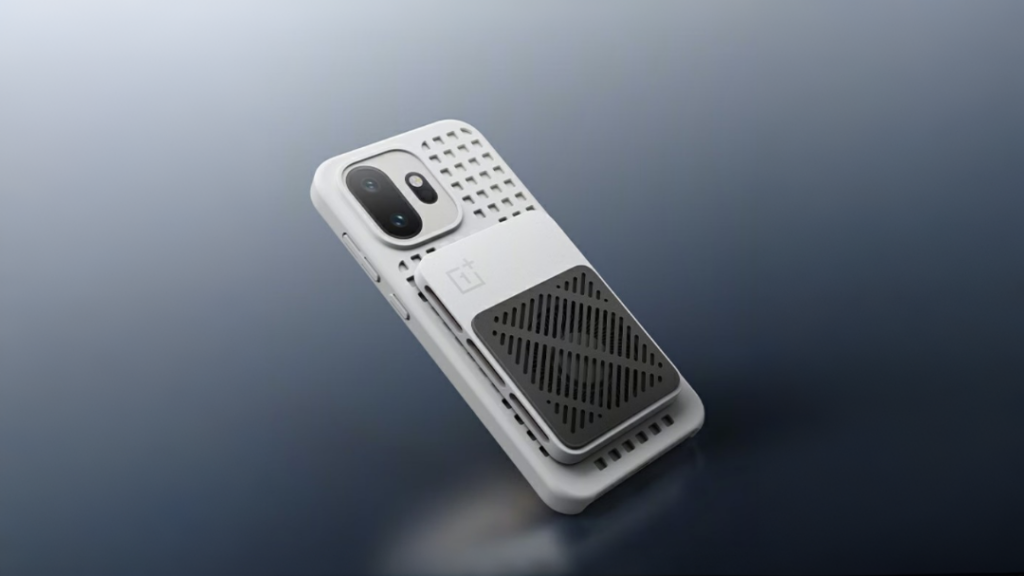
Other reported details include a 3D ultrasonic fingerprint sensor and early trial production of accessories, such as a magnetic snap-on case in white or gray. The fact that these accessories are already in testing suggests the OnePlus 15T may be further along in development than expected.
Interestingly, the tipster adds that this could be the only compact performance phone we might see next year. There’s no official launch timeline yet, but current reports point to a release sometime in Q1 2025.
Early Starlink adopters are getting a small but welcome surprise from SpaceX. Customers who signed up during Starlink’s early rollout in 2020 are now being offered a free router upgrade, as the company prepares to wind down software support for its original hardware.
SpaceX has begun notifying users who still rely on the first-generation Starlink router (UTR-201), which shipped with the earliest round dish kits before the transition to flat-dish terminals and the Gen 2 router in 2021. According to the company, software updates for the Gen 1 router will be discontinued in the near future as part of broader efforts to improve network security, performance, and long-term reliability.
While the router won’t stop working outright, SpaceX warns that continuing to use it after support ends could come with drawbacks. These include the loss of security updates, increased exposure to vulnerabilities, and the possibility of reduced compatibility as the Starlink network evolves.
To ease that transition, SpaceX is offering affected customers a free Starlink Router Mini. The device normally sells for $40 and represents a meaningful upgrade over the original router. It supports dual-band Wi-Fi, Wi-Fi 6, and mesh networking, allowing users to expand coverage by adding additional units later—something the Gen 1 router doesn’t support.
A support page outlining the program was quietly published last month, with customer notifications reportedly starting in November. The page also walks users through the replacement process, including instructions for pairing the Router Mini with older first-generation Starlink dishes.
For long-time Starlink subscribers, the move ensures continued performance and security without added cost, while allowing SpaceX to gradually retire aging hardware without disrupting service.
OriginOS 6 is one of the most significant upgrades for Vivo and iQOO devices, particularly for those switching from the Funtouch OS skin. It was globally launched in mid-October, with the rollout beginning early November, starting with high-end devices such as the Vivo X200 series, iQOO 13, and Vivo X Fold 5.
The OriginOS 6 update is now available for a bunch of Vivo and iQOO devices. We’ve curated a list of those devices below. Review it below to find out if the update is ready for your Vivo or iQOO model.
OriginOS 6 (Android 16) update is rolling out to these Vivo and iQOO devices
Vivo devices
Vivo X Fold 5
Vivo X Fold 3 Pro
Vivo X200
Vivo X200 Pro
Vivo X200 FE
Vivo X100
Vivo X100 Pro
Vivo V60
Vivo V60e
Vivo V50
Vivo V50e
Vivo T4 Ultra
iQOO devices
iQOO 13
iQOO 12
iQOO Neo 10
iQOO Neo 10R
iQOO Neo 9 Pro
These devices have started receiving the OriginOS 6 update. For many of them, the update is currently limited to select regions, as the rollout expands in stages. So, it may take a few days to reach all the users across various regions.
You should receive a notification when the update is ready to download. Alternatively, visit the Settings > System Update section to manually check for the latest update.
If your Vivo or iQOO device isn’t on the above list, check the official timeline here to find out when the update will be available for your device. Or, you can revisit the page regularly for an updated list.
Please note that OriginOS 6 is a major upgrade with a substantial download size of approximately 3-5GB. Therefore, ensure that you have sufficient space on your device before downloading the update package. And before you install the update, ensure that the device has at least 40% battery for a smoother installation. Also note that the device may face higher battery consumption due to background optimizations, which typically return to normal within a week.
Major upgrades and new features in OriginOS 6
OriginOS 6 features visual enhancements throughout the system, including enhanced lighting effects, improved blur and transparency, and a new system font for improved readability. It also introduces Origin Island, which shows real-time updates, smart notifications, and timely suggestions. This feature also enables drag-and-drop sharing between apps.
The latest upgrade also features a redesigned Control Center and notification layout that feels modern and well-organized. The lock screen also gets important upgrades, including new clock styles, deeper layout controls, and new widgets.
Furthermore, the update also delivers noticeable performance gains, thanks to the new Origin Smooth Engine, leading to faster app launches, more fluid animations, and smoother multitasking. It also brings meaningful quality-of-life upgrades, such as cross-device features for Windows and Mac, AI-powered captions and search, improved notes, file management, and optimized battery efficiency.
Remember to regularly visit the Android 16 section on Gizmochina to get the latest updates. Or, if you prefer your news instant and on-the-go, hop into our Telegram channel for rapid-fire software updates and all the biggest tech headlines.
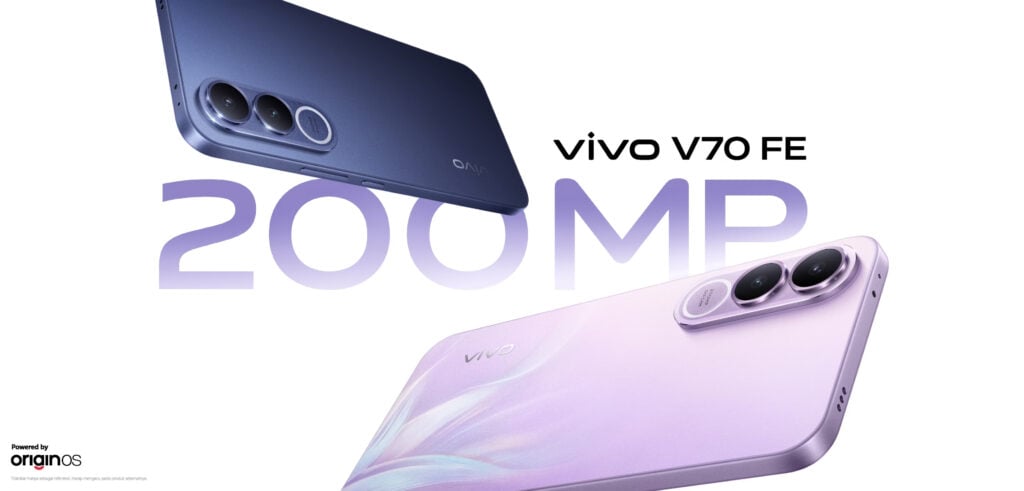
Vivo’s V-series is back in the rumor cycle, and the latest leak adds a few more pieces to a picture that’s still very much unfinished.
So far, the Vivo V70 series has been linked to multiple leaks, but the most interesting claim has been the possible arrival of a new “Elite” model. Now, a fresh tip from well-known leaker Abhishek Yadav expands on that idea and also pulls a few other Vivo phones into the conversation.
Vivo V70 could be a rebrand of Vivo S50
According to Yadav, Vivo is planning to launch three phones together: the Vivo V70, Vivo V70 Elite, and Vivo X200T. The timing, based on his source, suggests a launch sometime in late January 2026.
The leak also mentions Vivo X300FE, though it’s expected to arrive later rather than alongside the others.
And the possible pricing…
Moreover, the leak claims the base Vivo V70 will come in just one configuration, with 8GB of RAM and 256GB of storage. Color options are reportedly limited to red and yellow.
A previous report adds that the phone could feature a 1.5K resolution screen with a 120Hz refresh rate. Its rear camera setup will include a 50MP main, an ultrawide, and a 50MP 3x telephoto lens.
Vivo X200 FE
Pricing is also part of the leak, though it comes with a clear warning. The figures are described as expected prices, not final ones. The Vivo V70 is expected to cost around ₹45,000, while the V70 Elite is rumored to be priced closer to ₹50,000.
The X200T, which is said to be sold online only, may be priced around ₹55,000, and the X300 FE could go as high as ₹60,000.
As always with early leaks, these details should be taken carefully. Launch plans and prices can change, especially this far out.
For more daily updates, please visit our News Section.
We use cookies on our website to give you the most relevant experience by remembering your preferences and repeat visits. By clicking “Accept”, you consent to the use of ALL the cookies.
This website uses cookies to improve your experience while you navigate through the website. Out of these, the cookies that are categorized as necessary are stored on your browser as they are essential for the working of basic functionalities of the website. We also use third-party cookies that help us analyze and understand how you use this website. These cookies will be stored in your browser only with your consent. You also have the option to opt-out of these cookies. But opting out of some of these cookies may affect your browsing experience.
Necessary cookies are absolutely essential for the website to function properly. This category only includes cookies that ensures basic functionalities and security features of the website. These cookies do not store any personal information.
Any cookies that may not be particularly necessary for the website to function and is used specifically to collect user personal data via analytics, ads, other embedded contents are termed as non-necessary cookies. It is mandatory to procure user consent prior to running these cookies on your website.