Just a few months after Apple spotlighted the strikingly slim iPhone Air — and the designer who helped bring it to life — that designer has quietly left the company. Abidur Chowdhury, the industrial designer featured prominently in Apple’s launch video, has moved on from Apple entirely, sparking a wave of speculation about what happened behind the scenes. The reality is far less dramatic, but it says a lot about where top tech talent is heading these days.
Chowdhury spent six years on Apple’s industrial design team and became one of the more public faces of the iPhone Air’s debut earlier this year. But shortly after the phone actually shipped to customers, he left Apple to join an AI startup. For Apple, the alleged “iPhone Air 2” is already under development and is reportedly set for a 2027 debut.
On the surface, the timing looks odd. There have been reports that the iPhone Air, while not a flop, hasn’t hit the kind of numbers Apple usually expects from a new form-factor iPhone. So did the lead designer bail because the phone underperformed? According to Bloomberg’s Mark Gurman, definitely not. He reports that Chowdhury’s departure wasn’t tied to sales at all, and that the designer’s work on the Air is well regarded internally — enough that Apple is already pushing ahead with a second-generation version.
Instead, his exit fits into a broader pattern: top designers and engineers are increasingly being pulled toward artificial intelligence. Chowdhury’s departure adds to a steady stream of exits that began after Jony Ive left in 2019, a shift that effectively reset Apple’s once-stable industrial design group. Many veterans have retired or followed Ive, leaving Apple with a team that looks very different from the one that shaped the iPhone, iPad, and Watch over the last decade.
For Chowdhury, the move seems less like a reaction to the iPhone Air and more like a reflection of the moment: AI startups are pulling in experienced hardware designers who want a fresh challenge. And for Apple, it’s another reminder that the next generation of its product designs will largely come from a new set of faces.
Oppo has just unveiled its next gen flagship smartphone in India. The Find X9 Pro has just debuted in the region, bringing the new and improved Hasselblad Master Camera system, a massive battery upgrade, a faster chipset, and much more. So here’s what you get from Oppo’s next premium offer.
Oppo Find X9 Pro: What makes it special?
The brand first unveiled the Find X9 Pro (Review) in the Chinese market back in November 2025. Now, Oppo’s next flagship is finally rolling out globally. The model launching in India is identical to the Chinese version. So, it also sports a tall 6.78-inch LTPO AMOLED display with a 1.5K resolution, a 120Hz variable refresh rate, 3840Hz PWM dimming, Dolby Vision support, Gorilla Glass Victus 2 for protection, and up to 3600 nits of peak brightness (goes down to 1 nit).
Oppo Find X9 Pro
Under the hood, this model features MediaTek’s latest and greatest Dimensity 9500, which is coupled with 16GB of LPDDR5X RAM and 512GB of UFS 4.1 storage. A massive 7,500mAh battery pack powers this device, which supports 80W wired fast charging and 50W wireless fast charging. Just like its predecessor, cameras are a big focus once again with the new Hasselblad Master Camera system and LUMO Image Engine that promises an improved photography experience.
For optics, the rear has a 50MP Sony LYT828 main camera (f/1.5, 1/1.28-inch sensor size, OIS), a 50MP ultra wide angle lens, a 200MP periscope telephoto shooter with 3x optical zoom (1/1.56-inch, OIS, macro support), and a 2MP multi-spectral lens. On the front, you get a 50MP Samsung JN5 selfie shooter.
Other notable features include an in-display ultrasonic fingerprint scanner, infrared sensor, stereo speakers, Bluetooth 6, WiFi 7, and an IP66 + IP68 + IP69 rating for water and dust resistance. The latest flagship runs on the Android 16 OS based custom skin out of the box. Oppo’s Find X9 Pro features a matte aluminum frame and a glass panel on the rear. It measures 7.99mm in thickness and weighs 203 grams.
Pricing, Colors, and Availability
Oppo has just unveiled the Find X9 Pro in the Indian market in two color options, namely Titanium Charcoal and Silk White. It is available for purchase in the region in a single 16GB + 512GB configuration that costs Rs 109,999. The company is also offering this model with an optional Oppo Hasselblad Teleconverter Kit, which costs Rs 29,999. This kit offers an extended telephoto zoom of 230mm. Oppo’s Find X9 Pro is available for pre-orders starting today on the brand’s official website, Flipkart, and Amazon India. First sales of this device kick off on 21st November 2025.
For more daily updates, please visit our News Section.
In the fiercely competitive flagship smartphone race of 2025, the OnePlus 15 leaves Apple’s latest and best iPhone looking painfully slow in one crucial area: charging. Early reviews and independent tests are crowning the OnePlus 15 as the new battery and charging champion.
According to a charging test conducted by TechDroider, the OnePlus 15 rockets from 0% to 100% in just 41 minutes when using its included 120 W SuperVOOC charger. The iPhone 17 Pro Max, even with its upgraded 40 W wired fast charging, needs a sluggish 1 hour and 24 minutes to reach full capacity. That makes the OnePlus 15 more than twice as fast, despite carrying a gigantic 7,300 mAh battery – a whopping 51% larger than the one inside Apple’s top-tier device.
And it’s not only about charging speed. The OnePlus 15 has outperformed the top-tier iPhone in multiple battery drain tests as well. So OnePlus 15 users will not only enjoy significantly lower downtime, but will also need to charge less frequently. And the icing on the cake is the in-hand experience: the OnePlus flagship is 22 grams lighter (211g vs. 233g) and slightly slimmer than the iPhone.
Of course, the in-hand feel, battery life, charging speeds, and durability are still only part of the picture — the cameras are substandard for a 2025 flagship, and anyone tied to Apple’s ecosystem may still prefer iOS. But for anyone looking for a blend of raw performance, design, and durability, the OnePlus 15 is certainly more appealing than even the latest and best iPhone.
OnePlus 15 owners can plug in, sip their coffee, and be back at 100% before the iPhone 17 Pro Max will hit the halfway mark.
Choosing between the iQOO 15 and the Vivo X300 Pro matters because both phones target users who want flagship performance but with very different priorities. One leans toward raw speed and battery power, while the other focuses on premium imaging and refinement. This comparison helps buyers understand which device aligns better with their daily needs, whether it’s gaming, photography, or all-round flagship usability, making the decision clearer for anyone trying to choose the right high-end upgrade.
Major Features:
Features
iQOO 15
Vivo X300 Pro
Winner
Performance & Chipset
Snapdragon 8 Elite Gen 5, higher peak performance, stronger GPU
Dimensity 9500, efficient but slightly behind in raw power
iQOO 15
Camera System
Triple 50MP setup, good overall consistency
1/1.28” main sensor, 200MP periscope, Zeiss optics, superior zoom & low light
Vivo X300 Pro
Display Quality
6.85″ AMOLED, 144Hz, 6000 nits peak
6.78″ AMOLED, 120Hz, 4500 nits, better color tuning
Both phones deliver premium craftsmanship, but they approach durability differently. The iQOO 15 brings a lighter, slightly larger body with a color-changing rear panel that adds a playful, futuristic identity. Its IP68/IP69 rating ensures strong ruggedness for outdoor use. The Vivo X300 Pro feels denser and more flagship-grade, with its Armor Glass and aluminum alloy frame giving it a more professional and refined touch. The sturdier feel of the X300 Pro appeals to users who prefer a solid, luxury-class build that prioritizes resilience.
Display Quality
The iQOO 15 boasts a sharper 1440p LTPO AMOLED panel with a blazing 144Hz refresh rate and an extremely high 6000-nit peak brightness, making it more suitable for gaming and outdoor visibility. The Vivo X300 Pro counters with excellent color science, 4500-nit peak brightness, and 120Hz LTPO smoothness, along with Ultra HDR support. While the iQOO 15 offers more raw visual punch, the X300 Pro’s calibrated tones and Zeiss-backed display tuning deliver a more cinematic viewing experience.
Verdict
The iQOO 15 wins for performance-oriented display specs and brightness, while the Vivo X300 Pro provides a more premium, professional visual experience suited for color-accurate content.
Please Note: When you buy something using the links in our articles, we may earn a small commission at no cost to you.
2. Specifications
Performance
The iQOO 15 uses Qualcomm’s Snapdragon 8 Elite Gen 5, offering cutting-edge CPU and GPU performance ideal for heavy multitasking, long gaming sessions, and future-proof app support. Its Adreno 840 GPU delivers top-tier frame stability, making it more appealing to gamers who want no-compromise speed. The Vivo X300 Pro’s Dimensity 9500 is powerful but tuned more toward efficiency and balanced thermals. It performs well in daily tasks and productivity scenarios, but the iQOO’s chipset offers higher peak performance and better sustained workloads.
Battery and Charging
The iQOO 15 features a massive 7000 mAh battery with 100W wired and 40W wireless charging, giving it unmatched endurance for power users. Its battery advantage makes it suitable for those who need all-day longevity under heavy usage. The X300 Pro offers a 6510 mAh (global) unit with 90W wired, 40W wireless, and reverse wireless charging. The addition of reverse features adds versatility, appealing to users who value convenience over pure capacity.
Verdict
The iQOO 15 clearly leads in raw performance and battery longevity, while the Vivo X300 Pro balances efficiency and useful charging extras for practical everyday use.
3. Camera
Main and Secondary Lenses
The Vivo X300 Pro stands out with its camera system. Its 1/1.28″ 50MP main sensor, 200MP periscope lens with 3.7x optical zoom, advanced PDAF, laser AF, and Zeiss tuning enable flagship-level imaging. The phone excels in portraits, low-light, zoom, and overall color accuracy. The iQOO 15’s triple-50MP setup performs well, especially with consistent tones and stable OIS, but lacks the sensor size and optical versatility of the X300 Pro. Its camera appeals more to casual shooters who prefer fast, reliable output without advanced photography demands.
Selfie Camera
The Vivo X300 Pro’s 50MP autofocus selfie camera provides sharper detail, stronger dynamic range, and better low-light handling. The iQOO 15’s 32MP shooter is capable, delivering clean, natural results, but doesn’t match the flagship imaging refinement of the X300 Pro.
Verdict
The Vivo X300 Pro wins decisively in camera quality, offering premium optics and superior versatility, making it ideal for photography enthusiasts.
4. Pricing
The iQOO 15 is priced around $650, making it significantly more affordable while still delivering flagship-level performance, battery life, and display brightness. This price-to-performance ratio makes it a strong value pick for users who prioritize speed and endurance. The Vivo X300 Pro costs around $800, justified by its superior camera hardware, premium build, and advanced imaging features.
The price gap reflects a clear split: the iQOO 15 offers maximum power per dollar, while the X300 Pro positions itself as a premium photography-focused flagship.
Disclaimer: Prices are approximate and may vary based on country, region, and applicable taxes.
5. Conclusion
The iQOO 15’s standout features are its massive 7000 mAh battery, color-changing back panel, ultrabright 6000-nit screen, and gaming-class Snapdragon 8 Elite chip. The X300 Pro’s unique strengths lie in its Zeiss-powered camera system, Armor Glass protection, satellite connectivity (market dependent), and professional-grade display tuning. Both devices cater to different user types, making the comparison more purpose-driven than purely spec-driven.
Verdict
The iQOO 15 is the better choice for users who want raw performance, long battery life, and gaming-oriented value. The Vivo X300 Pro is ideal for those who prioritize camera excellence, build quality, and a refined flagship experience.
A subtle but surprisingly major shift is tucked inside the latest iOS 26.2 beta: Apple seems to be laying the groundwork for letting some iPhone users replace Siri as the default assistant summoned by the Side Button. If it rolls out, it would be the first time a long-press on that button could trigger something other than Apple’s own voice assistant.
The clue comes from text strings discovered in iOS 26.2 beta 3, buried inside Apple’s private Siri frameworks. The messages spell things out pretty clearly, with lines like “Press and Hold to Speak is not available while the Side Button is assigned to %@,” “Select Another Default Side Button App,” and warnings that the default Side Button app “cannot be hidden” or “cannot be locked.” There are also alerts for when an app “is no longer eligible for use with the Side Button” or when it’s unavailable “in your region.”
This capability will only be available to iPhone users in Japan—specifically those whose devices and Apple IDs are registered in the country. In plain terms, it means people in Japan could soon assign the long-press Side Button gesture to a third-party assistant such as Google’s Gemini, Amazon Alexa, or any other approved voice assistant app instead of Siri. And it also means iPhone users in Japan could finally try the newer, more capable AI features that have become common in 2025.
The timing isn’t random. Japan passed the Mobile Software Competition Act in August, and it officially kicks in this December. One of its requirements is that platform holders can’t give their own virtual assistants exclusive access to hardware triggers or system-level features. The arrival of these code snippets in iOS 26.2 lines up almost perfectly with that deadline.
There’s been speculation that the EU might get a similar option under the Digital Markets Act, which forces “gatekeepers” like Apple to give third-party developers access to the same hardware hooks and to let users easily switch defaults. For now, though, Apple’s documentation is firm: Side Button reassignment is Japan-only.
For anyone outside Japan hoping for a smarter AI experience, there is a bit of good news: recent reports suggest Apple has been working with companies like Google to bring third-party AI enhancements to Siri itself.
iQOO 15 and OnePlus 15 are two of the most competitive 2025 flagships, each targeting users who want powerful performance, premium features, and long-lasting battery life. With both phones offering top-tier displays, fast charging, and advanced cameras, choosing between them isn’t straightforward. This comparison is important because it highlights how differently each brand approaches value, performance tuning, and user experience, helping buyers decide which flagship truly fits their needs.
The iQOO 15 delivers a bold and sporty design with a color-changing rear panel, appealing to users who enjoy a distinctive aesthetic. The OnePlus 15, meanwhile, offers a more premium and refined finish with Gorilla Glass Victus 2 protection, making it feel more polished and durable in daily use. The overall impression of the OnePlus 15 leans toward sophistication, while the iQOO 15 emphasizes personality and flair.
Display Quality:
The iQOO 15 features a sharper 1440p display and an extremely high 6000-nit peak brightness, giving it an advantage in HDR content and outdoor visibility. The OnePlus 15 focuses on smoother visuals with a 165Hz refresh rate and balanced color calibration, providing a more natural and comfortable viewing experience. Users who want maximum brightness and clarity may prefer iQOO, while those who enjoy refined tuning and smooth motion will lean toward OnePlus.
Verdict:
iQOO 15 offers superior brightness and sharpness, making it better for gaming and outdoor viewing. OnePlus 15 wins in refinement, comfort, and premium build quality for everyday use.
Please Note: When you buy something using the links in our articles, we may earn a small commission at no cost to you.
2. Specifications
Performance:
Both phones use the Snapdragon 8 Elite Gen 5 chip, but the iQOO 15 applies more aggressive performance tuning, making it ideal for gaming and sustained workloads. The OnePlus 15 offers smoother multitasking with better RAM management and long-term software refinement.
Battery and Charging:
The iQOO 15 provides a strong 7000mAh battery with reliable endurance and 100W wired charging. The OnePlus 15 expands charging versatility with a larger 7300mAh battery, 120W wired charging, 50W wireless, and reverse charging. Users who prioritize longer battery life may prefer iQOO, while those who need fast and flexible charging options will benefit more from OnePlus.
Verdict:
iQOO 15 delivers stronger endurance and more performance-focused tuning for heavy users. OnePlus 15 provides better charging versatility and a smoother, more polished software experience.
3. Camera
Main and Secondary Lenses:
The iQOO 15 produces vivid, punchy images with strong HDR and a reliable 3x periscope zoom. The OnePlus 15 focuses on natural tones and creator-grade accuracy through laser autofocus, a color spectrum sensor, and LUT preview, giving it an edge in professional output.
Selfie Camera:
While both use 32MP sensors, the OnePlus 15’s autofocus provides sharper, clearer selfies, especially at varying distances. iQOO offers a consistent but more vivid style, appealing to users who prefer enhanced social-media-friendly tones.
Verdict:
iQOO suits users who want bold, vibrant results, while OnePlus is superior for accurate photography and pro-level video.
4. Pricing
The iQOO 15 at around $650 provides exceptional value, offering strong performance, a high-end display, and long battery life at a significantly lower cost. The OnePlus 15 at about $900, positions itself as a premium flagship with better camera tuning, superior charging flexibility, refined software, and stronger build materials.
Users who want top-tier hardware without paying flagship prices may find the iQOO 15 more attractive, while users who prioritize a polished overall experience and premium-grade extras may justify the higher cost of the OnePlus 15.
5. Conclusion
The iQOO 15 stands out with its ultra-bright 6000-nit display, massive battery endurance, and color-changing rear design, making it ideal for gamers, outdoor users, and those who enjoy bold aesthetics. The OnePlus 15, however, delivers a premium ecosystem with Dolby Vision video, LUT color grading, advanced autofocus systems, reverse charging, and stronger overall durability. These features cater to content creators, professionals, and users who want long-term refinement. In essence, the iQOO 15 excels in raw power and aggressive hardware value, while the OnePlus 15 shines in sophistication, versatility, and creator-focused capabilities.
Final Verdict:
iQOO 15 is the better value option with stronger brightness, battery endurance, and performance for the price. OnePlus 15 is the more refined flagship, offering superior camera quality, a premium build, and advanced charging features.
New hands-on photos of Casio’s latest G-Shock collaboration have surfaced, giving us our first proper look at how these wildlife-themed watches actually appear outside of Casio’s polished press renders. The GA-B2100DF duo launched only a few weeks ago, and early impressions from enthusiasts are already helping separate the marketing gloss from what these models look like on a real wrist.
The images — shared by Instagram user @geesgshock — line up with the specs Casio announced at launch. Both watches are Tough Solar, Bluetooth connected, and made entirely from biomass resin, which Casio has increasingly pushed as a more eco-friendly material. This is the fourth collaboration with the Charles Darwin Foundation, and again Casio is leaning heavily into Galápagos wildlife for the design cues.

The Rock Crab model (GA-B2100DF-4A) looks more interesting in the real world than it did in the official renders. The red-orange case has a deeper tone than expected, and under indoor lighting it shifts slightly, giving the dial a richer look. The glossy dial helps the markers pop, and the small crab emblem on the subdial isn’t overdone — it’s just detailed enough to add personality without feeling gimmicky. The orange strap is matte, which helps balance the brighter case and keeps it from feeling too loud.
The Albatross version (GA-B2100DF-1A) goes in the opposite direction. The grey case and strap combo looks darker in hand, almost charcoal, and the yellow accents give it just enough contrast. The albatross motif on the subdial is cleanly printed and fits well in the smaller register. One thing that stands out in these shots: the dial texture isn’t flat. Depending on the angle, it shifts between matte and semi-gloss, giving the watch a bit more depth than the stock pictures suggested.
Spec-wise, there aren’t any surprises — both models keep the usual GA-B2100 feature set: shock resistance, 20-bar water resistance, world time, stopwatch, timer, five alarms, and a double LED light. The hands-on images also show that the slim CasiOak silhouette hasn’t changed much, and the bio-resin keeps it lightweight and comfortable on the wrist.
Overall, these photos help ground expectations. The colors are bold without drifting into toy-like territory, and the wildlife details are subtle enough to work for everyday wear.
The OnePlus 15 continues the brand’s tradition of delivering powerful, smooth, and premium smartphones. With major upgrades in display, performance, battery, and camera capabilities, this device is built for users who want top-tier speed and efficiency in their daily digital life.
Deal & Availability
You can now get the OnePlus 15 at a starting price of just $599 on Giztop, making it one of the best flagship deals available right now. This is a massively discounted price compared to its regular flagship value, giving buyers premium performance at an unbeatable cost. Giztop also offers global shipping options, so customers worldwide can order the device without hassle. If you’ve been waiting to upgrade to a powerful 2025 flagship, this limited-time offer is definitely worth grabbing.
Stunning Display for Smooth Viewing
The OnePlus 15 features a 6.78-inch 1.5K AMOLED display, offering crisp visuals and vibrant colors. The 165Hz refresh rate ensures super-smooth navigation, while LTPO 2.0 technology helps the screen adapt its refresh rate to save battery. With 1800 nits peak brightness and HDR10+ support, the phone stays clear even under harsh sunlight. It also includes useful modes like Reading Mode, Night Mode, and Vibrant Color Effect for better comfort.
Elite Performance and Storage
Powered by the Snapdragon 8 Elite Gen 5 processor, the OnePlus 15 delivers excellent speed with minimal lag. Whether you are gaming, multitasking, or switching apps, it handles everything smoothly with its 12GB/16GB LPDDR5X RAM. For storage, it offers UFS 4.1 technology, going up to 1TB, giving you more than enough space for photos, videos, and apps.
Advanced Triple Camera System
The phone packs a powerful 50MP + 50MP + 48MP triple rear camera setup. With features like dual-axis OIS, 3.5x optical zoom, and a long list of shooting modes such as Night Mode, Portrait, Master Mode, and Long Exposure, it is built for photography lovers. The 32MP front camera ensures sharp selfies and smooth video recording.
Long-Lasting Battery and Fast Charging
The OnePlus 15 houses a massive 7300mAh battery, perfect for heavy users. It supports 120W SuperVOOC wired charging and 50W wireless charging, getting you back to full power quickly. Ultra Power Saving mode helps extend battery life by disabling non-essential features.
Software and Connectivity
Running on ColorOS/OxygenOS, the device offers a clean and fluid software experience. It supports dual 5G, giving users fast internet speeds and stable connectivity.
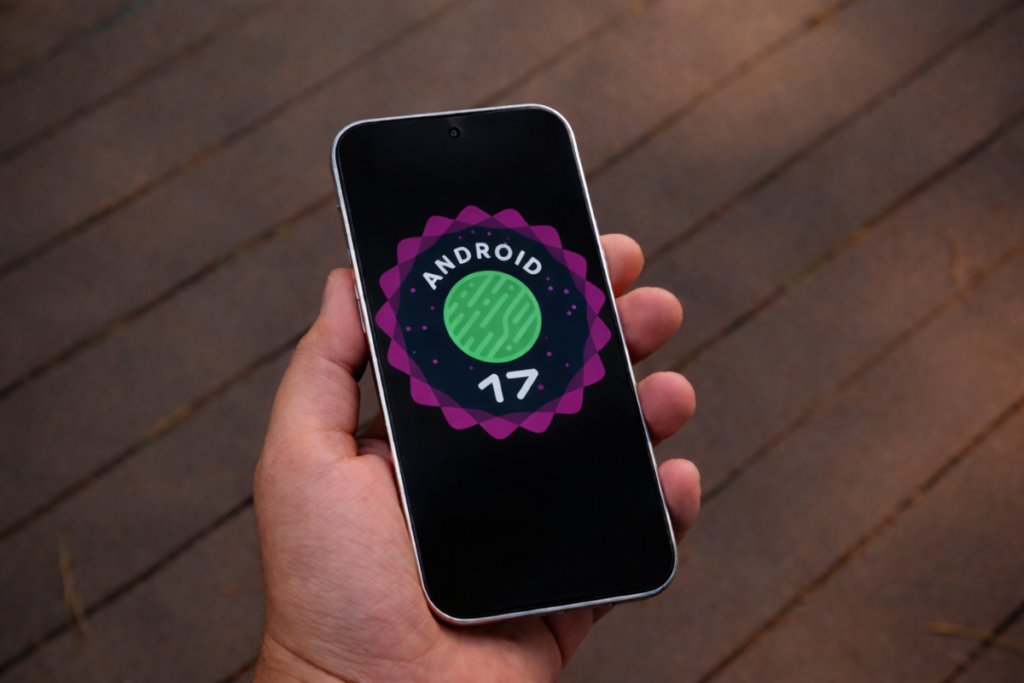
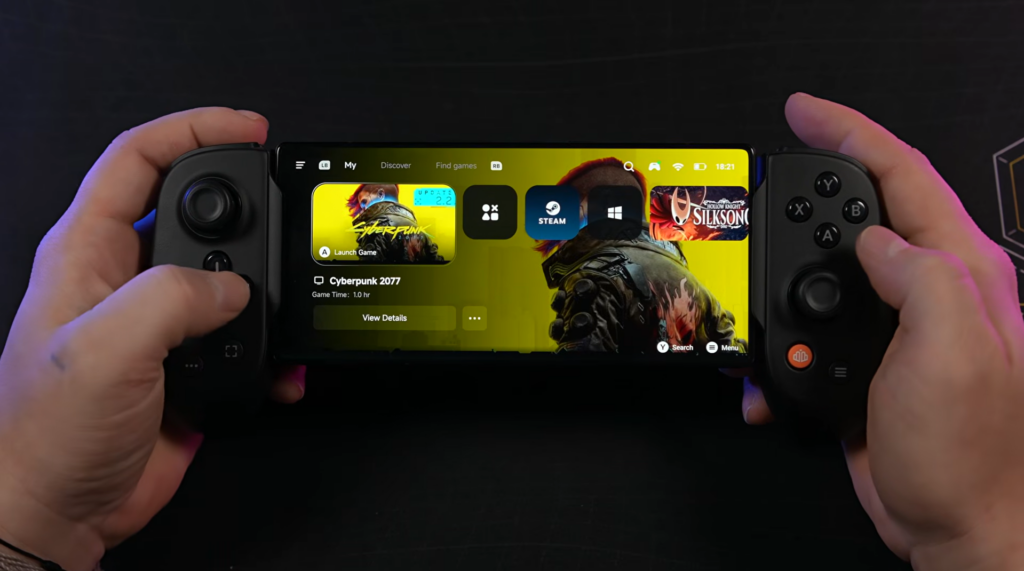
A new report from Android Authority suggests Google is quietly cooking up some big gaming improvements for Android 17, and they could make life a lot easier for anyone who prefers using a physical controller on their phone or tablet.
The clues come from code spotted in recent Android beta builds. Buried in the system are signs of a native controller-remapping tool that would let users customize every button on a Bluetooth or USB-C gamepad — paddles, triggers, shoulder buttons, the whole lot. Today, that kind of fine-tuning typically requires clunky third-party apps or device-specific software. Baking it directly into Android would put the platform much closer to what consoles and PCs already offer.
There’s also evidence of another long-requested feature: the ability to map physical buttons to on-screen virtual controls. If it ships, that would let players use a controller in games that don’t officially support one, essentially treating touch inputs as “assignable” actions. For older titles or games that never bothered adding controller support, this could be a huge quality-of-life boost.
Android’s core gaming experience has lagged behind the hardware for years. Phones like the OnePlus 15, iQOO 15 (our review) or the liquid-cooled RedMagic 11 Pro are built to push the Snapdragon 8 Elite Gen 5 to its limits, and these software tweaks could finally allow many users to feel those benchmark numbers in actual gameplay.
Of course, none of this is guaranteed to reach the final Android 17 release — Google experiments with plenty of features that never make it out of testing. But the level of detail in the current code suggests the company is taking controller improvements seriously.
If everything sticks, Android 17 could be the update that gives mobile gamers something they’ve been asking for since the early days: reliable, console-style controller support that works across the entire ecosystem. And with PC emulation on Android steadily improving, these changes could genuinely reshape how gamers use their phones.
Realme has started teasing a new P-series phone in India. The official teaser carries a large ‘X,’ but does not reveal anything significant. At the same time, a new Realme phone bearing the model number RMX5108 has emerged on Geekbench, revealing key details about its chipset and RAM.
Realme RMX5108 appears on Geekbench
The above screengrab shows that a forthcoming Realme phone with model number RMX5108 has surfaced in Geekbench’s database. The listing does not mention the chipset’s name directly, but it suggests that the device is powered by a MediaTek chip that includes four cores working at 2.60GHz, four cores operating at 2.00GHz, and Mali-G615 MC2 graphics. These details suggest that the device could be powered by the Dimensity 7400.
The listing further reveals that the RMX5108 has 8GB of RAM and Android 15. Unfortunately, at present, there is no information about the final marketing name of this device.
Realme P4 series phone coming soon
Realme P-series phone coming soon
So far, the Realme P4 series includes two devices, namely the Realme P4 and P4 Pro. These devices debuted in August with Rs 14,999 and Rs 19,999 price tags, respectively. Likely, the next P-series phone could be positioned lower than the P4.
This new phone is expected to debut later this month in India, and it will be sold through Flipkart.
Could the RMX5108 be the model number of this upcoming Realme P-series phone? It cannot be concluded, and readers are advised to wait for further reports to know whether they are the same device or completely different devices.
For more daily updates, please visit our News Section.
Yesterday, the Mate 80 series was revealed in full shortly after the company announced its launch date of November 25th. The devices are launching alongside the foldable Mate X7, and Huawei today has also given us our very first look at the foldable.
The Mate X7 features a prominent camera module on the back panel with a gold ring (bezel) encircling the entire module. The image shows individual cutouts within the module, and it likely houses a triple-camera setup with main, ultrawide, and telephoto lenses.
Huawei’s official Weibo account also shared videos showing the durability upgrades coming to the new foldable. The Mate X7 is shown enduring a lineup of extreme stress tests before leaving the factory, including an 80°C hot water spray, iron-ball impact test, and multiple rounds of bending.
According to the fine print on the video, the phone is rated for both IP58 and IP59 dust and water resistance.
There’s also going to be a premium Collector’s Edition, which features a second-generation Basalt tempered Kunlun glass on the outer display. Meanwhile, the regular Mate X7 will have the standard second-gen Kunlun glass.
What it packs inside
And thanks to tipster Digital Chat Station, we have an early look at the hardware inside. The Mate X7 is reportedly powered by Huawei’s new Kirin 9030 chip and will come in 12GB, 16GB, and even 20GB RAM configurations. That last option is the highest RAM for not just foldables, but also a mainstream flagship.
Camera-wise, the Mate X7 is expected to feature a 50-megapixel variable-aperture main shooter paired with a periscope telephoto lens. The tipster also shared images of the phone in three colors: Light Blue, Purple, and Red. The latter is the Collector’s Edition model.
For more daily updates, please visit our News Section.
OnePlus is gearing up to launch the OnePlus Ace 6T in China, and it is already up for pre-orders. It is expected to debut later this month as the first-ever phone powered by the forthcoming Snapdragon 8 Gen 5 chipset. Ahead of the expected launch, the device has emerged on Geekbench, revealing the chipset’s specifications. At the same time, the company has teased the battery size of the device.
OnePlus Ace 6T Geekbench listing
The above listing reveals that the upcoming OnePlus PLR110 phone, which appears to be the upcoming OnePlus Ace 6T, is powered by a new Qualcomm chip. The SoC features six cores operating at 3.38GHz and two cores working at 3.2GHz. It also features the Adreno 840 GPU for graphics. These details belong to the upcoming Snapdragon 8 Gen 5, which is expected to debut in the next few days.
The OnePlus Ace 6T Geekbench listing further reveals that it has 16GB of RAM and Android 16. It has scored 2,981 points in the single-core test and 10,136 points in the multi-core test.
OnePlus Ace 6T’s battery size teased
OnePlus Ace 6T battery teaser
The above poster hints that the OnePlus Ace 6T has a battery of around 8,000mAh capacity along with 100W fast charging support. As per other reports, the device has a 6.8-inch OLED 1.5K 165Hz screen equipped with an ultrasonic in-screen fingerprint sensor. It is expected to arrive with up to 16GB of LPDDR5x Ultra RAM and up to 1TB of UFS 4.1 storage.
Its rear camera setup will have an OIS-assisted 50-megapixel main camera coupled with an 8-megapixel ultra-wide lens. For selfies, it will have a 32-megapixel camera on the front. It will arrive in multiple shades like black, green, purple, and a special version based on Genshin Impact.
For more daily updates, please visit our News Section.
Whether you’re zipping through airport terminals or road-tripping to remote getaways, keeping your gadgets powered, connected, and secure has become essential to modern travel. The days of stuffing your bag with multiple chargers, adapters, and cables are over.
Instead, a new wave of smart accessories promises to simplify your loadout while enhancing how you stay charged, connected, and in control. From high-powered USB-C power banks to global hotspot-enabled batteries, MagSafe gear, and ultra-slim adapters, these are the must-have travel tech accessories that actually earn their space in your carry-on.
Baseus EnerGeek GP12 Power Bank
The Baseus EnerGeek GP12 is a compact and TSA-approved 145W power bank designed for travelers who need to charge laptops and multiple devices at once. It supports 100W PD fast charging, enough to bring a 14-inch MacBook Pro to 55% in 30 minutes. The power bank has four output ports and a smart display that shows charging speed, battery level, and remaining power time.
Despite its large 20,800mAh capacity, the GP12 maintains a small form factor that fits into travel bags with ease. It meets airline regulations with a 77Wh rating and remains lightweight at just 18 ounces. This power bank is well-suited for both business trips and extended holidays.
Anker’s 25K 165W power bank supports fast charging across four ports, including three USB-C and one USB-A. It delivers 100W on a single USB-C port and 165W combined, making it ideal for laptops, tablets, and phones. The power bank includes two built-in retractable cables, which eliminates the need for packing separate ones.
Its 25,000mAh capacity ensures long-lasting performance, while the real-time smart display keeps users updated on power levels and port activity. ActiveShield 2.0 thermal protection monitors temperature frequently to maintain safety during high-speed charging. This power bank suits digital nomads and professionals with heavy charging needs.
The GX11 MiFi power bank combines global 4G hotspot functionality with 67W fast charging. It supports up to 10 connected devices and provides Wi-Fi coverage in more than 150 countries. Travelers receive 1GB of free global data per month for one year, with flexible data packages available via the Baseus MiFi app.
Its 20,000mAh battery supports up to 114 hours of hotspot use. The GX11 also doubles as a portable charger for smartphones, tablets, and laptops via its USB-C output. This device is ideal for travelers who rely on stable internet and power throughout the day.
The PicoGo is a 10,000mAh ultra-slim power bank designed for Qi2 wireless charging. It supports 15W wireless output and 27W via USB-C. With strong magnets and MagSafe compatibility, the power bank securely attaches to iPhones and maintains a stable connection during use.
Its compact size makes it ideal for pocket or bag storage, and it can charge an iPhone 16 Pro up to 1.8 times. The power bank uses a Tesla-grade lithium polymer battery for durability. This is a practical choice for travelers who need wireless charging without bulk.
Anker‘s Nano Power Bank offers 5,000mAh capacity in a slim design that supports 15W MagSafe-compatible wireless charging and 20W USB-C output. It is optimized for iPhone 17 series devices and uses graphene cooling and dual NTC chips to manage heat.
The bank remains below 104°F for safer handling and can bring an iPhone 17 Pro to 25% in 34 minutes. Its ergonomic shape fits easily in hand or pocket. This accessory is best for short trips or emergency top-ups throughout the day.
Baseus offers a fully retractable USB-C cable rated at 100W for fast charging. It supports 480Mbps data transfer and weighs just 50g, making it highly portable. The cable is extendable from both ends and uses a slim design to minimize space in travel kits.
This accessory is well-suited for powering USB-C laptops, phones, and tablets while avoiding tangled cords. It’s a convenient solution for frequent travelers who need dependable charging without bulk.
The EnerCore CG11 is a 6-in-1 universal travel adapter with a built-in 70W USB-C retractable cable. It supports plug types for over 200 countries and includes two AC outlets, two USB-A, and two USB-C ports.
This adapter charges laptops, phones, and tablets simultaneously. Safety features include dual 10A fuses and protections against overheating, short circuits, and overpower. The fire-resistant housing and compact design make it reliable and easy to carry. It is not a voltage converter but supports most modern electronics rated for 100-250V input.
The Anker Prime Charger delivers up to 160W across three USB-C ports and offers a consistent 140W single-port output. It supports real-time power monitoring through a built-in smart display and connects to the Anker app via Bluetooth for charging control.
The charger is as small as an AirPods Pro 3 case but can power a 16-inch MacBook Pro, iPhone 16 Pro Max, and iPad Pro simultaneously. PowerIQ 5.0 dynamically reallocates power for optimal efficiency, while ActiveShield 4.0 ensures safe charging with advanced thermal regulation.
Apple’s AirTag helps travelers keep track of essential items such as bags, wallets, or keys. It uses the Find My network and Ultra Wideband technology to provide precise location tracking. It also allows up to five people to share access, making group tracking simple and reliable.
The AirTag is water-resistant, lasts over a year on a user-replaceable battery, and integrates with iOS devices for quick setup. Lost Mode notifies users when a tagged item is found, and privacy protections ensure location data remains secure. This accessory is essential for travelers who want to avoid losing valuable items during transit.
Vivo has officially confirmed that the S50 and S50 Pro Mini are launching in December in China. Ahead of the launch, tipster Digital Chat Station (DCS) has now revealed the specs of the compact model.
According to DCS, the S50 Pro Mini will run on Snapdragon 8 Gen 5. Qualcomm has yet to announce the chipset officially; however, it’s set to debut soon on the OnePlus Ace 6T. Vivo seems ready to follow closely behind.
On the front, the S50 Pro Mini is said to pack a 6.3-inch flat display, landing it in the same size class as Apple’s iPhone Air. But despite being the “Mini” in the lineup, it reportedly crams in a massive 6,500mAh battery. That’s more than what most full-size flagships manage.
DCS also claims the phone adopts a horizontal camera bar that might look a lot like the one on the iPhone Air. Inside that bar, Vivo is reportedly using a 50MP Sony IMX9-series main sensor paired with a 50MP IMX882 periscope lens.
Other rumored specs include an ultrasonic fingerprint reader and what the tipster calls “full-level” water resistance, which likely translates to both IP68 and IP69 ratings.
In the comments, DCS added that both S50 models will feature a metal frame and a periscope camera.
Vivo also recently confirmed the entire S50 lineup will deliver flagship-tier performance, thanks to LPDDR5X RAM rated at 9600Mbps and UFS 4.1 storage.
Meanwhile, the regular Vivo S50 is expected to feature a 6.59-inch OLED screen that offers a 1.5K resolution and a 120Hz refresh rate. Both phones may also support 90W fast charging.
Vivo S50 as Vivo V70 globally?
Vivo’s S-series has usually entered the global market under the V-branding. For instance, the S30 in China is the Vivo V60 for global markets. So we are expecting the same this generation. But there are some conflicting reports around it. Read here to know more about it.
For more daily updates, please visit our News Section.
OnePlus has initiated the incremental rollout of OxygenOS 16.0.1.303 for the OnePlus 13s, which is its first update since upgrading to Android 16-based OxygenOS 16. The new update bringing performance improvements and feature enhancements to the flagship device.
Performance Optimizations
The update accelerates app launch speeds from the home screen, delivering a more responsive user experience. Phone Manager now executes virus scans faster, while the system integrates November 2025 Android security patches for improved protection.
Display and Customization Features
Full-screen Always-On Display functionality has been expanded to remain active throughout the day without requiring screen taps or lift gestures. Users can enable this through Settings under “Home screen, Lock screen & style – Always-On Display – Full-screen – Display settings – All day.”
Additional customization options include resizable clocks for select Flux themes, personalized widget naming capabilities, and an enhanced Ring fingerprint animation featuring a glowing effect for improved aesthetics.
Network Enhancements
A redesigned AI LinkBoost Network Engine interface provides visibility into network optimization metrics, including lag reduction statistics. The system now delivers real-time notifications during network acceleration in poor connectivity scenarios. Users can conduct network speed tests and monitor detailed status information, including latency and upload/download speeds.
Photography Improvements
The Photos app introduces automatic straightening functionality for portrait and architectural images during cropping and rotation operations.
This update only works if you already have OxygenOS 16. If you’re still on OxygenOS 15, upgrade to OxygenOS 16 first to get this update. The rollout is gradual. A small group of users gets it first, with wider distribution coming in a few days.
For more daily updates, please visit our News Section.
OnePlus has started pushing the OxygenOS 16.0.1.304 update for the OnePlus 13 in India, after receiving the OxygenOS 16 update earlier this month. The rollout is happening in batches, and the build number for this release is CPH2649_16.0.1.304(EX01). A wider rollout will follow after the first set of users receives the update.
The update brings faster app launch speed from the Home screen. Users can also edit Flux themes with more control, including the option to resize the clock. Widget names can now be changed, which makes the Home screen easier to personalize.
The Photos app adds automatic straightening when cropping and rotating portrait and architectural shots. The Full screen Always On Display can now stay active all day without lifting the phone or tapping the screen. The feature can be found in Settings, under Home screen, Lock screen and style, Always On Display, Full screen, Display settings, All day. The update also improves virus scanning speed in Phone Manager.
The Lock screen fingerprint animation gets a visual update through the improved Ring animation, which now shows a glowing effect. OnePlus has also added the November 2025 Android security patch to improve system security.
Network features receive several upgrades. The AI LinkBoost Network Engine now has a new interface that shows the number of network optimizations and any reduction in lag time. Users will receive real-time alerts for network acceleration in poor network conditions. Network speed tests are now supported, with details on latency and upload and download speeds.
The update is only available for users who have already moved to OxygenOS 16. Users still on OxygenOS 15 must update first to receive the new build.
Since this is an incremental rollout, only a small group of users will get the update on the first day. A broader release will follow soon.
For more daily updates, please visit our News Section.
The Red Magic 11 Pro continues Nubia’s legacy of building some of the most distinctive gaming smartphones in the world, and this year’s model takes things even further. Red Magic smartphones are known for their top tier specs, bold aesthetics, and much more, to offer some of the best gaming experiences on smartphones. While the older models already impressed with their active cooling systems, which included a tiny fan, the latest flagship gaming phone takes things a step further, so here’s a deep dive into everything that makes the Red Magic 11 Pro stand out from the crowd.
Red Magic 11 Pro and its Unapologetic Gaming-Themed Design
The Red Magic 11 Pro continues the brand’s signature transparent and gamer-centric design language. It features angular lines and an industrial look paired with a transparent panel on the back. This adds a futuristic aesthetic that showcases parts of the internal hardware. While a transparent panel aren’t unique by itself, we get a glimpse of the unique cooling system under the hood.
Red Magic 11 Pro
Unlike its predecessor, which only featured a cooling fan, the Red Magic 11 Pro pairs this with a liquid cooling system, and you can see this system in operation at any given moment. There is also the small fan that features the custom RGB lighting system. To improve the gameplay experience, the Chinese brand also includes 520Hz shoulder triggers for a controller-like experience.
Liquid Cooling: A First for Mobile Gaming
Liquid cooling is a term often associated with PC gaming enthusiasts and their high-end gaming rigs and not for smartphones. We have already seen vapor chamber cooling systems in the past, but the Red Magic 11 Pro packs a more sophisticated thermal system. Cooling has been the biggest selling point of Red Magic phones, and thanks to the dual liquid and air cooling system, the Red Magic 11 Pro is capable of sustaining peak performance during extended gaming sessions.
Red Magic 11 Pro Teardown Reveals the Liquid Cooling Mechanism
The internal cooling setup includes a larger vapor chamber, extended copper heat pipes, aerospace-grade graphite sheets, and a redesigned air duct that boosts airflow efficiency. The highlight is the new liquid-cooling loop, which uses a more efficient coolant and enhanced thermal pathways to keep the CPU and GPU significantly cooler during intense workloads. This ensures better sustained frame rates and reduces thermal throttling, which is essential for demanding titles like Genshin Impact, Call of Duty Mobile, and Warzone Mobile.
Real-World Gaming Experience Benefits
All of this advanced cooling directly impacts real-world performance. Red Magic built its latest flagship with a built-in PC emulator. So to experience the desktop level games, the dual cooling system helps keep Qualcomm’s top-end Snapdragon 8 Elite Gen 5 running cooler. Efficient thermals translate to superior sustained performance. Meaning, the frames are stable at 60fps, 120fps, or higher. All in all, the Red Magic 11 Pro delivers one of the most stable and enjoyable mobile gaming experiences in the market.
Conclusion
The Red Magic 11 Pro sets itself apart with a bold, futuristic design and one of the most advanced cooling systems ever fitted into a smartphone. From its transparent aesthetic to its upgraded liquid-cooling loop and refined ergonomics, every element of this device caters to gamers who demand performance without compromise.
For more daily updates, please visit our News Section.
BenQ has launched the BR9708, a purpose-built 4K projector designed for theme parks, immersive attractions, escape rooms, and other themed environments that need accurate color and strong contrast.
The BR9708 is built for low-light setups. It offers true 4K UHD with 8.3 million pixels, 100% DCI-P3 color coverage, and a 1200:1 native contrast ratio. This allows the projector to produce realistic skin tones, detailed textures, and deeper blacks without using filters or complicated calibration. It is meant to replace older lamp-based and low-contrast projectors that are still common in ride systems, simulators, and projection-mapped attractions.
BenQ has tuned the projector for accuracy through a seven-point factory color calibration with Delta E below 2. This helps multiple units match each other when used in blended projection setups. The BR9708 also includes a blending-ready feature that adjusts color, gamma, and alignment automatically for multi-projector installations.
The projector offers flexible placement options. It supports 50 percent vertical lens shift, 35 percent horizontal lens shift, centered optics, and full 360-degree installation. These options make it easier to fit the BR9708 into tight spaces or unusual mounting positions often found in themed environments.
Pricing & availability
The BenQ BR9708 laser projector is now available through BenQ’s authorized AV integration partners. In the UK, the projector is priced at 4,659 pounds and in the EU it is available for 6,499 euros.
For more daily updates, please visit our News Section.
I have been using the Canon Pixma G4780 for some time now for my regular work documents, occasional colour prints and frequent scanning tasks. After putting it through everyday usage in a home-office environment, the G4780 comes across as a multifunction printer designed for consistent, cost-effective performance rather than flashy features. Here is how it holds up in real use.
Design and daily usability
Canon Pixma G4780
The Pixma G4780 is compact for an ink-tank printer with an ADF. It fits comfortably on a desk without demanding too much space, and at around 7.5 kg it is light enough to move around when needed. The layout is neat, the tanks are visible from the front and the build quality feels solid for its category.
The 2.7-inch color touchscreen is one of the most helpful elements of the design. Navigation is simple, and most settings such as Wi-Fi setup, print modes, copy preferences and maintenance functions are easy to access without diving through complicated menus. I customised a couple of shortcuts, which quietly made routine tasks a bit quicker.
Ink refilling is straightforward thanks to Canon’s no-spill bottle design. The bottles lock in place, fill automatically and stop once the tank is full, so there is no mess or risk of overfilling. Visibility of ink levels is excellent, something that becomes important when printing in volume.
Print quality and real-world performance
Print quality from the G4780 is consistent with Canon’s reputation. Black text looks crisp and well-defined, and colour output is vibrant enough for charts, presentations and school projects. It is not a professional photo printer, but casual 4 by 6-inch photo prints come out clean and bright.
Print speeds are reasonable for an ink-tank system. In day-to-day use, it delivers around 11 images per minute in black and 6 images per minute in colour. These are not the fastest figures, but they are steady and reliable enough for office and home workloads. Auto duplex printing works smoothly and adds convenience for longer documents, even if it slows down the process a bit.
Ink efficiency and maintenance
Canon Pixma G4780
The biggest strength of the G4780 is the ink economy. After several sets of documents and colour prints, the ink levels barely shifted, which is reassuring for anyone who prints regularly. Canon rates the bottles for up to 7600 pages in black and 8100 pages in colour using economy mode. While real-world results vary, the efficiency is clearly noticeable.
It helps that Canon includes full-capacity GI-71 bottles in the box rather than starter quantities. The user-replaceable maintenance cartridge is another practical touch, allowing routine upkeep without depending on service centres. For long-term users, this is a cost-saving feature that improves the printer’s life span.
Scanning, copying and overall workflow
The Auto Document Feeder turned out to be more useful than I initially expected. With a capacity of 35 sheets, it handles multi-page scans and copies with ease. I used it for contracts, old printouts, receipts and handwritten notes, and the feeder pulled pages cleanly without skewing or jamming. It is not very fast when copying in color, but the convenience of loading a batch and walking away far outweighs the speed.
The scanning quality is suitable for normal office work. The CIS scanner produces clear text and reasonably accurate colors at 600 by 1200 dpi. The ability to scan through both the flatbed and ADF means it covers everything from ID cards to long legal documents. I found the Canon PRINT app particularly helpful for scanning directly to my phone, especially when I needed to forward documents quickly.
Connectivity and printing convenience
Setting up the printer on Wi-Fi was simple and quick. The touchscreen makes the process easier because there is no guessing or trial-and-error with buttons. Once connected, the printer remained stable on the network.
Printing from mobile devices is smooth. The Canon PRINT app works reliably, and AirPrint and Mopria support ensure compatibility with both iOS and Android. Cloud printing through services like Google Drive also worked well. Printing from laptops is equally straightforward, and the drivers install without complications.
Direct Wireless mode is a surprisingly useful feature. It allows printing without a router, which is convenient when someone needs to print a document immediately without joining your home network.
Paper handling, noise and reliability
The rear tray supports a wide range of paper sizes, including A4, A5, Letter, Legal, various photo formats and even banner sheets up to 1200 mm in length. To test handling, I printed a long banner, and the printer managed it without any issues. For regular office tasks, the 100-sheet tray capacity is enough to avoid frequent refilling.
Noise levels are well managed. Quiet Mode makes the printer suitable for late-night use without disturbing others. Power consumption is also low, with the printer drawing only about 18W while operating.
Canon’s two-year or 30,000-print onsite warranty adds confidence to long-term use. The fact that print heads are included in the warranty is a reassuring addition.
Final thoughts
After using the Canon Pixma G4780 in a real home-office environment, it stands out as a dependable and economical multifunction printer. It does not aim for ultra-fast speeds or professional-grade photo output, but it delivers exactly what most home and small-office users need: reliable printing, useful scanning features, a genuinely helpful ADF, strong ink efficiency and seamless connectivity. If your focus is long-term savings, everyday convenience and solid print quality, the G4780 is a well-rounded choice that fits naturally into modern work or study routines. At present, it is available for Rs 20,899 on Amazon.
For more daily updates, please visit our News Section.
While ASUS has yet to reveal any details or tease any new gaming smartphones, a new leak has hinted that the ROG Phone 10 series might be arriving soon with various upgrades over its predecessor. So here’s everything you need to know.
Next-Gen ASUS ROG Phone 10 Series Leaked
To recall, the company had launched the ASUS ROG Phone 9 and ROG Phone 9 Pro back on 19th November 2024. So after a whole year, one would expect that the brand is at least teasing the next gen models, but there has been no teaser so far. However, known tipster Smart Pikachu has revealed some details ahead of any official teasers. He claims that the ASUS ROG Phone 10 series is on the way with Qualcomm’s latest and greatest, Snapdragon 8 Elite Gen 5 SoC.
ASUS ROG Phone 9
This chip would offer notable improvement in performance, like hardware level ray tracing, and upgrades in handling AI workloads. Smart Pikachu adds that the company will pack the ASUS ROG Phone 10 series with an improved heat dissipation system to keep this powerful chip cool. Last year’s ROG Phone 9 offered a super smooth 165Hz refresh rate display, which will likely return on the next gen models as well.
Earlier this year, ASUS launched the ROG Phone 9 FE, so the ROG Phone 10 series might also get a similar affordable option. Keep in mind that this is still just an unconfirmed report at the moment. Take this news with a pinch of salt and stick around for more.
For more daily updates, please visit our News Section.
We use cookies on our website to give you the most relevant experience by remembering your preferences and repeat visits. By clicking “Accept”, you consent to the use of ALL the cookies.
This website uses cookies to improve your experience while you navigate through the website. Out of these, the cookies that are categorized as necessary are stored on your browser as they are essential for the working of basic functionalities of the website. We also use third-party cookies that help us analyze and understand how you use this website. These cookies will be stored in your browser only with your consent. You also have the option to opt-out of these cookies. But opting out of some of these cookies may affect your browsing experience.
Necessary cookies are absolutely essential for the website to function properly. This category only includes cookies that ensures basic functionalities and security features of the website. These cookies do not store any personal information.
Any cookies that may not be particularly necessary for the website to function and is used specifically to collect user personal data via analytics, ads, other embedded contents are termed as non-necessary cookies. It is mandatory to procure user consent prior to running these cookies on your website.