MSI has launched a new variant of the MPG Trident AS Mini Gaming PC in the Chinese market, expanding its compact desktop lineup with updated hardware and improved GPU options.
Pricing
The new configuration features the Intel Core Ultra 7-265F processor, 32GB of DDR5 memory, and a 1TB PCIe 4.0 SSD, with a choice between Nvidia GeForce RTX 5060 and RTX 5060 Ti graphics cards. Pricing starts at 11,549 yuan ($1,624) for the RTX 5060 model and 13,149 yuan ($1,849) for the RTX 5060 Ti version.
Specifications
The Core Ultra 7-265F CPU comes with 20 cores and 20 threads, a turbo boost of up to 5.3GHz, and 30MB of smart cache. MSI pairs the processor with its B860M motherboard, which supports Wi-Fi 6E, Bluetooth 5.3, and 2.5G Ethernet for high-speed connectivity.
The new variant includes the latest Nvidia Blackwell-based graphics cards. Both the RTX 5060 and 5060 Ti models use 8GB of GDDR7 memory and support DLSS 4, Nvidia Reflex 2, and ray tracing. The GPUs deliver up to 614 TOPS of AI compute performance and support Nvidia Studio features for enhanced creative workflows.
MSI equips the system with 32GB of DDR5-5600 memory and a 1TB NVMe PCIe 4.0 SSD. The chassis includes a built-in 500W 80 Plus certified power supply and MSI’s Silent Storm Cooling system, which separates airflow across the CPU, GPU, and PSU compartments. The case supports both tempered glass and black metal side panels and allows tool-free access for upgrading components.
The front panel provides one USB-C port, one USB-A 3.2 Gen 1 port, one USB-A 2.0 port, and a 3.5mm audio jack. The rear panel adds two USB-A 10Gbps ports, two USB-A 2.0 ports, another USB-C port, two 3.5mm audio jacks, and an S/PDIF out port.
The system runs Windows 11 Home Edition and includes a three-year limited warranty with on-site service. It measures 396.57 x 137.06 x 410.39 mm, maintaining the 10-liter compact design of the Trident AS lineup.
In related news, MSI recently launched the MPG 274URDFW E16M monitor in the US, featuring a 4K HDR1000 display, 160Hz refresh rate, and 98W USB-C connectivity. The company has also introduced the Forge GK300 Wireless TKL keyboard with tri-mode connectivity and red or blue mechanical switch options.
For more daily updates, please visit our News Section.
OnePlus’ tablet line is a bit confusing at the moment. Globally, the company released the OnePlus Pad 3 this year, as a sequel to last year’s Snapdragon-powered OnePlus Pad 2. But in China, we just recently got the Pad 2, except this one has a Dimensity 9400+.
So technically, the China version of the “Pad 2” is newer than the global Pad 2 — yet branding-wise, the international model already moved on to the Pad 3. Confused? You’re not alone.
Let’s break it down: the China-only OnePlus Pad 2 is essentially a fresh 2025 tablet sitting between the global Pad 2 and Pad 3 in both specs and positioning. It’s not a downgrade, but it’s also not quite the same successor path as the global lineup.
While the Pad 2 is an older model, let’s go through how the Chinese Pad 2 stacks up against the global Pad 3. And is the naming difference hiding a better-than-expected device?
This is the main story. The OnePlus Pad 3 uses Snapdragon 8 Elite, Qualcomm’s top chip when it launched back in June. The China-only Pad 2 uses MediaTek’s Dimensity 9400+, which is a counterpart of the 8 Elite on Pad 2.
Both chips perform very similarly; it would be hard to tell a real-world difference while using them, but the numbers can be all over and down between the models.
Model
Chipset
Pad 3 (Global)
Snapdragon 8 Elite
Pad 2 (China)
Dimensity 9400+
The Chinese Pad 2 also has a giant vapor chamber cooling system (46,000mm²). In comparison, the Pad 3 comes with a 34,857mm² vapor chamber system. Regardless, both should be enough to dissipate heat and stabilize the performance.
Please Note: When you buy something using the links in our articles, we may earn a small commission at no cost to you.
2. Display
Both tablets use high-end 144Hz LCD panels with Dolby Vision. The main difference is size and purpose.
Model
Size
Resolution
Pad 3 (Global)
13.2″
3392 × 2400
Pad 2 (China)
12.1″
3000 × 2120
The Pad 3’s bigger display gives you more room for writing, editing, multitasking, and desktop-style apps. The China Pad 2 keeps the compact 12-inch footprint, which many users actually prefer for reading, watching content, and traveling.
3. Software
Model
OS
Pad 3 Global
ColorOS 15 (Android 15)
Pad 2 China
ColorOS 16
Yes — the China Pad 2 launches with a newer OS.
ColorOS 16 on the China Pad 2 brings practical additions:
Handwriting polish and smart note tools
Replay capture for gameplay
multi-window UI with 3 apps side by side + floating windows
OnePlus has been blending OxygenOS and ColorOS for years, but China always gets newer features first. If anything, this shows where global builds are likely heading.
4. Battery & Charging
Model
Battery
Charging
Pad 3 (Global)
12,140mAh
80W
Pad 2 (China)
10,420mAh
67W
The Pad 3 is clearly designed for longer workdays and desktop-style usage. Bigger tablet, bigger battery, faster charging. China’s Pad 2 still has a respectable battery, and its slimmer body explains the smaller cell.
5. Audio and hardware
Model
Speakers
Weight
Thickness
Pad 3
8 speakers
675g
6mm
Pad 2 China
Likely 6-speaker setup
579g
5.99mm
The global Pad 3 gives you more speaker channels, better for movies or work calls with spatial sound. But the China Pad 2 is noticeably lighter and a hair thinner. And for handheld use, that could be an aspect you might want to consider.
6. So which one is better?
It all depends on where you live. The Dimensity Pad 2 is currently exclusive to the Chinese market. So if import is a possibility, the OnePlus Pad 2 (China) could be a better deal if you want something thinner and lighter. But if you’re looking for a productivity-first flagship tablet, the OnePlus Pad 3 is still the top pick.
For more daily updates, please visit our News Section.
The Unihertz Titan 2 is a unique smartphone that blends classic design with modern performance. Designed for users who love the feel of a physical keyboard but don’t want to compromise on power, this device is tough, fast, and packed with premium features.
Price and Availability:
The Unihertz Titan 2 is priced at $499 and is now available for purchase through Geekwills. This makes it an accessible option for users seeking a rugged 5G smartphone with premium specs and a physical keyboard.
Design and Display
The Titan 2 sports a 4.5-inch LCD with a crisp 1440 x 1440 resolution, giving you clear and vibrant visuals. Its scratch-resistant screen makes it perfect for outdoor and heavy-duty use. The phone’s sturdy build, IP65 water and dust resistance, and comfortable grip ensure durability without sacrificing style. At 235 grams, it feels solid and dependable in hand.
Performance and Software
Powered by the MediaTek Dimensity 7300 chipset, the Unihertz Titan 2 delivers smooth and efficient performance, whether you’re gaming, multitasking, or streaming. It runs on Android 15, offering a clean, intuitive, and fast user experience.
Camera and Imaging
Capture every moment with the 50MP main camera featuring OIS (Optical Image Stabilization) for sharp, steady shots. The 8MP telephoto lens with 3.4x optical zoom lets you get closer without losing detail. For selfies and video calls, the 32MP front camera ensures bright and detailed pictures.
Battery and Connectivity
Equipped with a 5000mAh battery and 33W fast charging, the Titan 2 keeps you connected all day. It supports dual SIMs and 5G connectivity, offering seamless communication wherever you go. It also includes Wi-Fi 6, Bluetooth 5.4, NFC, and GPS (L1+L5) for superior connectivity and navigation.
Storage and Other Features
With 12GB of RAM and 512GB of internal storage, there’s plenty of room for your apps, photos, and videos. The phone includes stereo speakers, a side-mounted fingerprint sensor, and even an infrared port for remote control functionality.
Built for Professionals and Adventurers
The Unihertz Titan 2 is not just another smartphone; it’s a productivity powerhouse built for people who need reliability, speed, and physical precision. Whether you’re a professional who types on the go or an adventurer who needs a tough companion, the Titan 2 is ready for anything.
Lava has officially confirmed through its X handle that it will unveil the Lava Agni 4 on Nov. 20 in India. The brand shared a teaser asking fans to guess the chipset powering the upcoming device, hinting at something powerful under the hood. Based on the Dimensity logo in the poster, it can be said that it is powered by a MediaTek chip. Let’s take a look at what is currently known about the upcoming Lava Agni 4.
According to earlier reports, the Lava Agni 4 will feature a completely redesigned back panel with a horizontal camera bar housing two sensors, the “AGNI” branding, and a dual-LED flash in the middle. The design confirms the absence of a rear secondary display that was present on the previous generation. The device is expected to sport a 6.78-inch AMOLED display offering Full HD+ resolution and a 120Hz refresh rate.
Under the hood, it is rumoured to be powered by the Dimensity 8350 chipset paired with UFS 4.0 storage, signalling a focus on higher performance and efficiency. The phone could also be equipped with a massive 7,000mAh battery, as suggested by a recent Nemko certification listing for a 7,050mAh lithium-ion cell.
For photography, the Agni 4 may feature dual 50-megapixel cameras at the back and a metal middle frame for a more premium build. It remains to be seen whether it comes preinstalled with the near-stock version of Android 16.
Lava Agni 4 price and availability
While Lava has not yet revealed official pricing, the Agni 4 is expected to be priced around Rs 20,000 in India. Considering the company’s recent retail pattern, there is a strong possibility that the phone will be available via Amazon alongside Lava’s official online store.
For more daily updates, please visit our News Section.
Realme has launched its new C85 series in Vietnam, comprising the Realme C85 Pro and C85 5G models. Both devices focus on delivering long battery life, bright displays, and AI-enhanced features at an affordable price. Key highlights include up to a 144Hz display, a massive 7,000mAh battery, IP69 Pro-rated water resistance, and the Android 15-based Realme UI 6.0. Let’s take a closer look at the complete specifications, features, and pricing details.
Realme C85 Pro, C85 5G specifications and features
Realme C85 Pro
The Realme C85 Pro features a 6.8-inch AMOLED display with a Full HD+ resolution of 1080 x 2344 pixels, 120Hz refresh rate, and a peak brightness of 4,000 nits. The C85 5G, on the other hand, features a 6.8-inch LCD screen with an HD+ resolution and a 144Hz refresh rate.
Powering the C85 Pro is the Qualcomm Snapdragon 685 SoC, which means it is a 4G LTE device, while the C85 5G comes with the MediaTek Dimensity 6300 chipset. Both phones offer up to 8GB RAM (expandable to 24GB via virtual memory) and up to 256GB internal storage, expandable further via microSD. The duo is equipped with a 7,000mAh battery supporting 45W fast charging for quick top-ups.
Realme C85 5G
Running on Android 15 with Realme UI 6.0, both devices promise a streamlined user experience and future software updates. For photography, the phones are fitted with a 50-megapixel main rear camera and an 8-megapixel front camera.
The C85 Pro measures 164.4 x 77.99 x 8.09mm and weighs 205 grams, while the C85 5G is slightly thicker at 8.38mm and weighs 215 grams. Additional features include Wi-Fi 5, Bluetooth 5.0 (C85 Pro) / 5.3 (C85 5G), GPS, NFC, dual SIM support, a USB-C port, and IP69 Pro water resistance.
Realme C85 Pro, C85 5G price and availability
The Realme C85 series is available in Parrot Purple and Peacock Green colors in Vietnam. The Pro edition is priced at 6,490,000 VND (~$245) for the 8GB + 128GB variant and 7,090,000 VND (~$270) for the 8GB + 256GB variant. The Realme C85 5G is priced at 7,690,000 VND (~$290) for the 8GB + 256GB model.
For more daily updates, please visit our News Section.
Xiaomi is reportedly working on the launch of the Xiaomi 17 Ultra. In a new Weibo post, tipster Digital Chat Station has mentioned all the phones that have been recently certified in China, which are expected to launch soon in the country. These include the Huawei Mate 70 Air, Mate 80 series, and Mate X7, which are expected to launch this month in China, the Xiaomi 17 Ultra, the Oppo Reno 15 series, the Honor 500 series, Vivo S0 lineup, the OnePlus Ace 6 series (likely Turbo-branded), and Redmi Turbo 5 series. Specifically, he has mentioned that the 17 Ultra will be arriving in two versions.
Xiaomi 17 Ultra to arrive in two versions
HUpcoming phones for China
According to DCS, Xiaomi has registered two versions of the device at Chinese certification platforms, carrying model numbers 2512BPNDAC and 25128PNA1C. Both Xiaomi 17 Ultra variants will come with UWB (Ultra-Wideband) support, while the higher-end variant will feature Tiantong satellite calling and Beidou short message communication.
The latter will allow users to stay connected even in remote areas without terrestrial networks, offering a reliable lifeline for calls and text transmission in extreme conditions such as deserts or offshore locations.
Xiaomi 17 Ultra specifications (rumoured)
As per other reports, the Xiaomi 17 Ultra is expected to feature a large circular rear camera module and a flat 6.8-inch OLED display with 2K resolution and a 120Hz refresh rate. Under the hood, it will be powered by Qualcomm’s Snapdragon 8 Elite Gen 5 chipset and is said to include wireless charging, IP68-grade waterproofing, and a high-capacity Xiaomi Jinsha River battery.
DCS further revealed that the Xiaomi 17 Ultra’s camera setup will be a major highlight. It will feature a 50-megapixel main sensor with an upgraded large sensor and in-sensor zoom technology, paired with a 200-megapixel periscope telephoto lens capable of multiple focal lengths and macro shooting. The lenses are said to deliver improved dynamic range and better clarity across all lighting conditions.
The phone is expected to launch in black, white, and purple shades, likely before the Chinese Spring Festival, with pricing speculated to start around 6,000 Yuan (~$845) for the base variant.
For more daily updates, please visit our News Section.
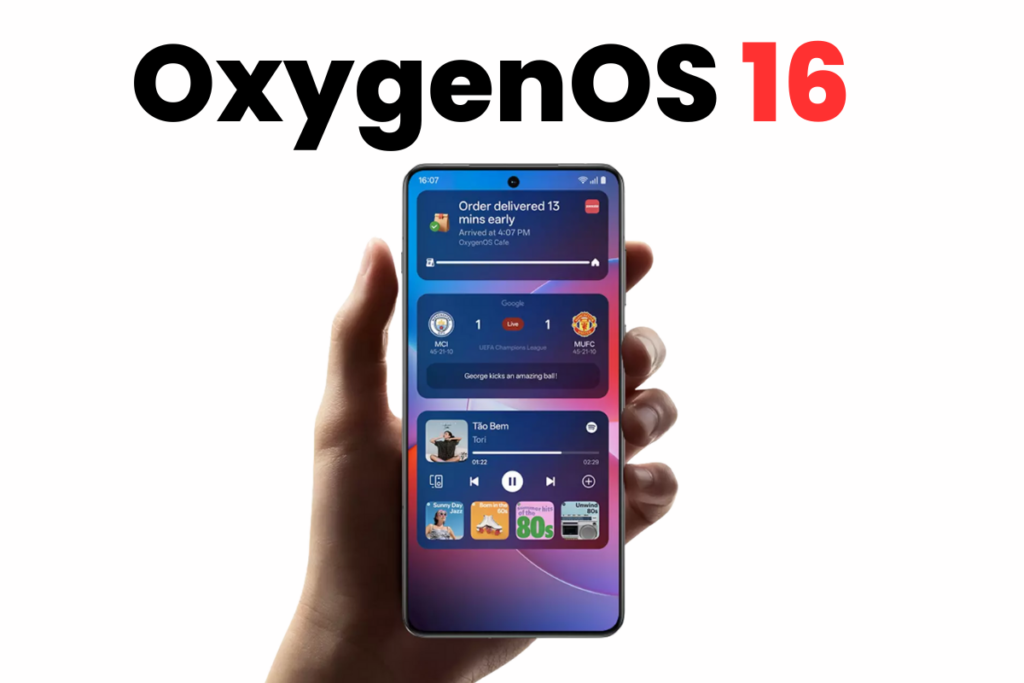
OnePlus has started the stable OxygenOS 16 rollout for its 2025 flagships in India, with a broader release to follow in batches. The OnePlus 13 is receiving build CPH2649_16.0.0.210 (EX01), while the OnePlus 13s is getting CPH2723_16.0.0.211 (EX01). Users in India will see the update first, with more regions to follow as the staged rollout progresses.
OnePlus 13OnePlus 13s
What’s new at a glance
OxygenOS 16 focuses on fluid animations, tighter performance scheduling, expanded on-device AI tools, refreshed visuals, and deeper cross-device features. Below is a concise breakdown of the headline changes, drawn from the official changelogs for both models.
Fast & Smooth: animations and touch
Parallel Processing: System apps now animate from intuitive start and end points. Drag-and-drop animations on the Home screen, widgets, folders, and Smart Sidebar are smoother. The text selection magnifier fades in and out cleanly.
UI polish: New animations for message and contact buttons, slicker Quick Settings audio controls, and seamless status bar transitions when opening notifications or Quick Settings. Button navigation gains concurrent start/exit animations for apps.
Gesture and motion feedback: Touch-and-hold interactions on Calculator, Lock screen, and call interfaces produce richer haptic/visual responses. Charging and fingerprint unlock animations use organic light wave patterns. Refined exit animations for top-row Home screen apps and updated scrolling mechanics improve the sense of direct control.
13s extra: Interactive swipe-back previews let you see the previous page while swiping and interrupt the gesture at any time.
Trinity Engine: performance and power
Real-time workload and resource optimization helps keep video, gaming, and long camera sessions smooth.
Lower background drain under heavy load and faster app launches from the Home screen.
Smarter gaming stability through task prioritization and scheduling of pop-ups or calls to reduce power draw without losing responsiveness.
Albums and cached video thumbnails load faster while using less power. Third-party apps that support cached previews benefit as well.
A new network power-saving strategy helps when offline or roaming. Power Saving mode introduces tiered performance management tuned to battery level.
OnePlus AI: system-wide tools
Mind Space
Quick-save from screenshot thumbnails to Mind Space, including in landscape. A new Mind Assistant searches saved content and lets you favorite or copy items. Smart collection suggestions help organize material.
13s only: A voice memory shortcut lets you press and hold the Plus Key to dictate and save notes to Mind Space.
AI-powered Photos
Updated gallery with clearer categories and personalized sorting. Swipe up to see photo details and storage location.
Built-in video editor adds splitting, merging, speed control, transitions, and background music. Core tools such as crop, rotate, parameter adjustments, and filters are refined.
Motion photo collages keep quality and HDR, with new templates. Motion photos can convert to slow-motion. AI Portrait Glow improves faces shot in dim, backlit, or overhead lighting.
AI-powered Notes
Block editing lets you swipe to select text, images, tables, or documents for batch formatting and quick repositioning.
Press and hold images to switch views, now with side-by-side display. Share full notes via a single link, including text, images, audio, and video.
Faster highlighting via press-and-hold, plus new formatting: font switching, wavy underlines, dividers, and color highlights.
AI Recorder
Redesigned UI with simpler interactions. AI noise cancellation reduces background sound and lifts voices.
Automatic context detection for meetings, lectures, and interviews with matching templates.
One-tap link sharing bundles audio, transcript, and summaries.
AI Translate (OnePlus 13)
More natural, responsive Fullscreen and Partial translate experiences.
AI Writer
System-wide writing assistance for notes, social posts, summaries, reflections, speeches, and self-introductions. It can also generate mind maps and tables from text.
AI VoiceScribe
Smarter context detection for summaries and optional summary templates. Export summaries as a link, image, Word/PDF, or a note.
Design and personalization
Luminous Rendering Engine brings light field motion effects and immersive weather visuals tied to live data. Subtle lighting and shadowing update the overall look.
One Serif is the new system-wide serif font optimized for reading.
Apps such as Clock, Calculator, and Compass adopt lifelike textures and lighting.
Flux Home screen
New light-field-styled icons, cleaner grids, icon and shortcut resizing, and larger folder layouts (9-grid, 4-grid, or one emphasized app).
Optional icon text removal, refined edit mode, reordered pages, and a bottom search bar in Drawer mode.
Drawer mode adds an index bar, auto-categories, and smarter app suggestions. The Home screen, Lock screen & style page is reorganized for easier navigation.
AI-powered Flux themes
Motion wallpapers (including Sublime Grandeur) and AI-powered depth effects for motion photos and videos as wallpaper.
Real-time editing framework for instant preview of changes.
Custom lockscreen text and configurable lower-left/right shortcuts.
Full-screen Always-On Display shows wallpaper, widgets, notifications, and time when the screen is off.
Icon styles can auto-adapt to wallpaper colors. Dark mode icon styles improve comfort.
Connectivity, devices, and cars
Touch to share quickly moves content and files from Photos, Notes, and My Files.
OnePlus Connect (O+ Connect): Mirror your phone to a PC, unlock across devices, transfer files, and open multiple phone windows. Cross-device search spans PC and phone. A shared clipboard supports copy on one device, paste on another. Device Connect settings are grouped by device type and task.
Smart Cars: Smoother in-car Bluetooth pairing.
My Devices: Quick Settings toggles and Home screen widgets monitor and control linked devices.
Network: Wi-Fi sharing to tablets, improved performance in weak-signal spots, and AI LinkBoost scheduling tweaks to improve reliability.
Camera, gaming, and system tweaks
Camera (OnePlus 13): Motion photos arrive in Master mode with adjustable style parameters. Portrait mode gets seamless zoom and framing controls. AI Doc Scanner and a Text Scanner mode clean up documents, screens, and projector shots.
Game Assistant: Privacy-friendly captures that exclude notifications and overlays. HD options for Game Capture and Flashback. Motion screenshots and Flashback recording can work together.
Notifications & Quick Settings: More tile sizes (including 2×1) and module reordering for audio, brightness, volume, and My Devices. Streamlined banners and better landscape handling. On the Lock screen, notifications sit below the fingerprint icon for more content at a glance.
Other details: Earbud-only ringtones to avoid disturbing others, a centralized AI settings page, Bosnian language support, a cleaner Smart Sidebar with single or two-column options, faster sharing with a redesigned panel, and a redesigned battery page showing foreground/background activity. iOS-to-OnePlus data migration is faster.
Security & privacy: Phone Manager (OnePlus 13) issues Live Alerts and notifications when risky apps launch. Long-press any Home screen app icon to lock or hide it (available across builds).
How to get it
The update is rolling out in phases. To check eligibility or join the Release Candidate Program if it is open for your device:
Ensure your phone is on a detectable prerequisite build.
Go to Settings > System & Updates > Software update > Beta Program.
Tap Update now on the card to download.
OnePlus will expand the rollout to more users and regions in batches and will post further updates as distribution progresses.
Vivo has launched the Y19s 5G in India, expanding its affordable Y19 series smartphone lineup. The device features a large 6.74-inch 90Hz display, a Dimensity 6300 processor, and a 6,000mAh battery, offering solid everyday performance for budget users. Let’s take a closer look at its full specifications, features, and price.
Vivo Y19s 5G specifications and features
Vivo Y19s 5G
The Vivo Y19s 5G measures 167.3 x 76.95 x 8.19mm and weighs 199 grams. It comes with a 6.74-inch LCD screen offering an HD+ resolution of 1600 x 720 pixels and a 90Hz refresh rate for smoother scrolling. The panel supports up to 700nits brightness and covers 70% of the NTSC colour gamut.
The phone is powered by the MediaTek Dimensity 6300 chipset built on a 6nm process, paired with up to 6GB of LPDDR4X RAM and 128GB of eMMC 5.1 storage. Users can expand storage via a microSD card up to 2TB. The device is backed by a 6,000mAh battery supporting 15W fast charging, designed to last comfortably through a full day of usage.
Vivo Y19s 5G
Running on Android 15 with Funtouch OS 15, the Y19s 5G is expected to receive future system updates. For photography, it features a 13-megapixel main camera paired with a 0.08-megapixel secondary sensor, while the front camera is a 5-megapixel selfie camera.
Connectivity features include Wi-Fi (2.4GHz/5GHz), Bluetooth 5.4, GPS, and a USB Type-C port. The phone also includes IP64 dust and water resistance, a side-mounted fingerprint sensor, and supports dual SIM 5G. For durability, the device offers an IP64-rated dust and water resistance.
Vivo Y19s 5G price and availability
The Vivo Y19s 5G comes in Majestic Green and Titanium Silver colors. It is available in three variants – 4GB+64GB, 4GB+128GB, and 6GB+128GB. These variants are priced at Rs 10,999, Rs 11,999, and Rs 13,499, respectively. While the phone is listed on Vivo India’s official website, it will be available for purchase through offline retail stores across the country.
For more daily updates, please visit our News Section.
Recently, Huawei’s latest small foldable phone, the Nova Flip S, went on sale in China. During the launch, the company did not reveal the name of the chip that powers the device. As per a report by MyDrivers, the phone was spotted through performance detection software, which revealed its chipset details. Continue reading ahead to know about the Kirin chip that powers the device.
Huawei Nova Flip S chipset revealed
The Huawei Nova Flip S is powered by the Kirin 8000 processor, featuring an octa-core setup with one 2.4GHz Cortex-A77, three 2.189GHz Cortex-A77, and four 1.84GHz Cortex-A55 cores, along with a Mali-G610 GPU. The same chip powers the Huawei Nova Flip, which debuted in August this year in China.
The Nova Flip S is priced from 3,488 Yuan (~$490), making it Huawei’s cheapest foldable so far. It continues with the same external appearance as the original Nova Flip but introduces new colours such as Celadon Blue and Feather Sand Black.
The device ships with HarmonyOS 5.1, offering refined software integration. It features a 2.14-inch square outer display with a 1:1 aspect ratio that supports widgets, animated pets, and quick communication functions. Inside, the phone sports a 6.94-inch OLED screen with a 2690×1136 resolution and 1–120Hz LTPO adaptive refresh rate, ensuring smoother visuals.
Powering the device is a 4,400mAh battery with 66W wired fast charging. On the rear, the Nova Flip S is equipped with a 50-megapixel main camera and an 8-megapixel secondary lens, offering decent photography for a compact foldable form factor. Overall, the Nova Flip S refines the design and software experience while keeping costs accessible for foldable enthusiasts.
At present, the availability of the Nova Flip S is limited to China. It is unclear whether the device will be released in other countries.
For more daily updates, please visit our News Section.
Realme has been teasing the arrival of its next flagship, the GT 8 Pro, for both global and Indian markets. But the official launch date has remained a mystery—until now.
According to a new report from SmartPrix, Realme could unveil the GT 8 Pro on November 20th, pushing back from the previously rumored November 11th date.
The GT 8 Pro is Realme’s first smartphone made in collaboration with camera brand Ricoh GR. It features a 50MP main camera, a 200MP periscope lens with 3x optical zoom, and a 50MP ultrawide shooter.
Realme has also integrated a Ricoh GR Mode, which recreates the brand’s iconic 28mm and 40mm focal lengths. According to the company, the GT 8 Pro supports Quick Focus Mode and an immersive viewfinder mode to make point-and-shoot photography feel more natural.
Design-wise, Realme is experimenting a bit too. The GT 8 Pro sports a modular camera island bezel, allowing for optional user-replaceable modules — something you don’t see every day. It’s also surprisingly rugged, carrying IP66, IP68, and IP69 ratings for dust and water resistance — more than most phones in its class.
Powering the device is Qualcomm’s Snapdragon 8 Elite Gen 5 chip, paired with up to 16GB of RAM and 1TB of storage.
The display is a 2K flat panel with a 144Hz refresh rate and 7000-nit peak brightness. It also houses a 32MP selfie camera and an ultrasonic fingerprint scanner.
Fueling it is a 7,000mAh battery that supports 120W wired and 50W wireless flash charging.
The GT 8 Pro starts at 3,999 yuan (around $560 / ₹50,000) for the 12GB + 256GB model. So, we can expect it to launch at around ₹60,000 in the Indian market.
For more daily updates, please visit our News Section.
The past week has been packed with Galaxy S26 leaks, but the rumor mill isn’t done yet. A new report has now hinted at when Samsung might finally unveil its next flagship lineup.
According to a Korean outlet (via @Jukan on X), Samsung is reportedly planning to hold its next Galaxy Unpacked event for the S26 series on February 25, about a month later than its usual schedule.
The event is said to be an “AI-focused” showcase taking place in San Francisco. A source familiar with Samsung’s plans told the outlet, “Samsung is preparing its first San Francisco Unpacked in three years, since the S23 launch in 2023,” adding, “As San Francisco has emerged as the hub of AI technology, it’s the perfect location for Samsung—the pioneer of the AI smartphone era—to hold its event.”
Samsung is to blame for itself
The delay could be tied to recent adjustments in Samsung’s lineup strategy. Earlier reports suggested that the Galaxy S25 Edge would replace the S26 Plus, but with the Edge’s lackluster sales, Samsung has apparently decided to bring the Plus model back in the league.
That means we’re once again looking at a familiar three-model setup: the Galaxy S26, S26 Plus, and S26 Ultra.
Galaxy S26 series dummies, including the Galaxy S26 Edge in middle
Interestingly, the report also claims that the Galaxy S26 series will be powered by Samsung’s Exynos 2600 chip—including the Ultra model—for the first time since the Galaxy S22 series. However, it will remain a dual-chip strategy, with some markets getting Qualcomm’s new Snapdragon 8 Elite Gen 5 instead.
As usual, Samsung is expected to split regions based on chipset availability, following the same pattern it has used in previous generations.
For more daily updates, please visit our News Section.
Lava has been gradually teasing the arrival of the Lava Agni 4. Scheduled to debut this month (November), the device will sport a completely different rear design compared to its predecessor, which came with a secondary display on the back. A new teaser released by the brand showcases the phone’s back panel for the first time.
As seen in the image, the Lava Agni 4 has a horizontal camera bar, which includes two cameras with the “AGNI” branding and a dual-LED flash in between. This clearly confirms that the device will not feature a rear-facing display. The design corroborates with a previously leaked image of the phone (shown below).
At the same time, a new lithium-ion battery with model number LBP1071A, intended for an upcoming Lava phone, has received Nemko certification. The listing reveals a typical value of 7,050mAh, suggesting that it may be for the upcoming Lava Agni 4.
A previous report has already claimed that it will have a 7,000mAh battery. If this turns out to be true, the Agni 4 will be the company’s first phone to pack such a big battery.
Lava Agni 4 specifications
Lava Agni 4 leaked render by 91mobiles
The Lava Agni 4 rumours have revealed that it will feature a 6.78-inch AMOLED display that offers a Full HD+ resolution and a 120Hz refresh rate. Under the hood, the device is expected to feature the Dimensity 8350 chipset and flagship-grade UFS 4.0 storage.
While it is expected to pack a 7,000mAh battery, there is no information available about its fast charging capabilities. For photography, it is said to be equipped with a pair of 50-megapixel cameras on the back. A recent teaser revealed that it will feature a metal middle frame.
Lava is still silent about the Lava Agni 4’s launch date. However, it appears that the brand will confirm it officially in the coming week.
For more daily updates, please visit our News Section.
Vivo’s X-series flagship phones have received good reception in markets outside of China. The company has just launched the X300 and X300 Pro in China and global markets, and now it is gearing up to release them in India. The more advanced X300 Ultra is also a part of this series, but it is expected to debut in China in the second quarter of 2026. So far, Vivo’s Ultra-branded flagship phones have remained exclusive to the Chinese market. The wait for its global release seems to be finally over as its global version has been spotted for the first time.
Global Vivo X300 Ultra surfaces in IMEI database
Vivo X200 Ultra
As per a report by SmartPrix, the Vivo X300 Ultra’s global version bearing the model number V2562 has emerged in the IMEI database. With this, the company is gearing up to take on popular Ultra models from Samsung and Xiaomi. While the IMEI database listing reveals the existence of the X300 Ultra’s global version, it has no information about the device’s specifications.
Vivo X300 Ultra specifications (rumored)
According to leaks, the Vivo X300 Ultra’s rear camera setup will comprise a 200-megapixel Sony IMX09E primary camera, a 50-megapixel LYT-828 ultra-wide camera, and a 200-megapixel Samsung HPB periscope telephoto camera. For selfies, it is expected to feature a 50-megapixel selfie camera with autofocus.
Under the hood, the device is expected to feature the Snapdragon 8 Elite Gen 5 chipset. On the front, it will have a 6.8-inch OLED display that offers a 2K resolution and a 120Hz refresh rate. It will come preloaded with Android 16 and OriginOS 6.
At present, there is no information available about the X300 Ultra’s battery size and charging capabilities. Hopefully, the upcoming launch will reveal more details soon.
For more daily updates, please visit our News Section.
MediaTek’s Dimensity 9400 made a strong impression last year, but it couldn’t quite outperform Qualcomm’s powerhouse, the Snapdragon 8 Elite. Fast forward to September, and MediaTek is back with a bold new challenger: the Dimensity 9500. The company claims it brings massive gains in performance, power efficiency, and AI processing — all areas where Snapdragon has long dominated.
The Dimensity 9500 is MediaTek’s best shot yet at taking the performance crown. But does it finally outmuscle the Snapdragon 8 Elite, or is Qualcomm still the benchmark to beat? Let’s dive into the numbers and find out.
Let’s begin with the spec sheet.
Dimensity 9500
Snapdragon 8 Elite
Announced
September 2025
October 2024
Process node
TSMC’s 3nm (N3P)
TSMC’s 3nm (N3E)
CPU cores
octa-core
octa-core
CPU cores
1 x 4.21 GHz — C1-Ultra 3 x 3.5 GHz —C1-Premium 4 x 2.7 GHz — C1-Pro
2 x 4.32GHz — Oryon (2nd gen) 6 x 3.53GHz — Oryon (2nd gen)
GPU
Mali-G1 Ultra MP12 120 FPS ray traced mobile gaming MediaTek HyperEngine Gaming Technology MRFC 3.0 technology
Adreno 830 Ray tacing support Snapdragon Elite Gaming features
NPU
MediaTek NPU 990
Qualcomm Hexagon NPU
Memory
LPDDR5X, up to 5.3 GHz
LPDDR5X, up to 5.3GHz
Storage
4-lane UFS 4.1
UFS 4.0
Camera
MediaTek Imagiq 1190 ISP up to 320MP single camera up to 8K video recording 4K/120fps video recording (EIS) 4K/60fps cinematic video capture real-time semantic segmentation support
Qualcomm Spectra Triple ISPs (18-bit) up to 320MP single camera up to 108MP single camera with zero shutter lag up to 48MP triple cameras with zero shutter lag up to 8K video recording limitless real-time semantic segmentation (up to 250 layers)
On the Geekbench 6 platform, the Dimensity 9500 achieves roughly 13% higher score in single-core and 9% higher score in multi-core performance. While these are not huge leaps, the Dimensity 9500-powered phones should feel faster compared to Snapdragon 8 Elite.
Geekbench 6
Dimensity 9500
Snapdragon 8 Elite
Single core
3,452
3,047
Multi core
10,128
9,286
AnTuTu score
On AnTuTu v11, MediaTek’s chip takes a clear lead with a total score about 22% higher than the Snapdragon 8 Elite.
The CPU gains are modest at around 5%, but the GPU score jumps by over 25%, signaling a major leap in graphics performance. The Dimensity 9500 also shows stronger memory and UX performance, hinting at smoother multitasking and faster app responsiveness.
AnTuTu 11
Dimensity 9500
Snapdragon 8 Elite
AnTuTu score
3,622,840
2,981,542
CPU
942,069
909,797
GPU
1,364,441
1,091,509
Memory
602,541
392,463
UX
713,788
587,773
3D Mark Wild Life Extreme score
The 3D Mark’s Wide Life Extreme is a popular gaming benchmark that measures a GPU’s performance under demanding graphics workloads.
The high score represents the best performance when the device runs at its maximum capability. In other words, it represents how well a device can handle short bursts of intense graphics workloads, similar to what happens in demanding mobile games. The low score reflects how well the device maintains performance over time, showing the impact of thermal throttling and sustained workload management.
Here, the Dimensity 9500 delivers a 49% higher high score and 17% higher sustained score, suggesting it can maintain better performance over longer gaming sessions.
3D Mark Extreme Test
Dimensity 9500
Snapdragon 8 Elite
High score
7,163
4,809
Low score
4,230
3,625
Dimensity 9500 vs Snapdragon 8 Elite: key differences
Both chips have been manufactured by TSMC using its 3nm process node, but they still bring several differences. The Dimensity 9500 utilizes the latest N3P technology, which provides slightly improved performance and power efficiency compared to the N3E process used for the Snapdragon 8 Elite.
The Dimensity 9500’s CPU consists of the latest ARM cores, which include one C1-Ultra core, three C1-Premium cores, and four C1-Pro cores. The Snapdragon 8 Elite, on the other hand, uses self-designed second-generation Oryon CPU cores. In fact, this is the first Qualcomm mobile chipset to feature Oryon cores.
For the graphics-related tasks such as gaming and visual rendering, the Dimensity 9500 features a 12-core Mali-G1 Ultra GPU with support for 120fps ray-traced mobile gaming. The chip also features MediaTek HyperEngine Gaming Technology, a suite of gaming features designed to offer optimized gaming performance and power efficiency.
The Snapdragon 8 Elite is equipped with the Adreno 830 GPU, featuring the new sliced architecture. It also supports hardware-based ray tracing and the Snapdragon Elite Gaming features for an enhanced gaming experience.
The two chipsets also don’t miss out on the on-device AI capabilities, thanks to MediaTek NPU 990 on the Dimensity 9500 and a Qualcomm Hexagon NPU on the Snapdragon 8 Elite. Both are high-performance and highly efficient NPUs with large context windows and agentic AI capabilities. The NPUs also help optimize camera performance, connectivity, and gaming.
The Dimensity 9500 features the Imagiq 1190 ISP, which supports up to 320MP single camera and up to 8K video recording. MediaTek says the chip can record 4K/120fps videos with electronic image stabilization (EIS) and 4K/60fps cinematic video. The chip also supports real-time semantic segmentation.
The Snapdragon 8 Elite also features power camera capabilities, enabling up to 320MP single-camera capture and up to 8K video recording. It features 18-bit triple ISPs with limitless semantic segmentation at 4K resolution. Additionally, the chip offers numerous camera features, including AI-based auto-exposure, AI-based auto-focus, AI-based face detection, Truepic photo capture, Video super resolution, and Engine for Visual Analytics 3.0.
The two flagship chipsets also bring notable differences in connectivity. The Dimensity 9500, featuring a 3GPP Release-17 5G modem, supports a peak speed of up to 7.4 Gbps. On a Wi-Fi 7 connection, it can reach up to 7.3 Gbps. On the other hand, the Snapdragon 8 Elite’s X80 5G modem supports download speeds of up to 10 Gbps and upload speeds of up to 3.5 Gbps. The peak speed over a Wi-Fi 7 connection is 5.8 Gbps. In short, MediaTek leads in Wi-Fi throughput, while Qualcomm maintains an edge in 5G performance.
DOOGEE has announced the global launch of its latest tablet, the DOOGEE U12, a feature-packed device designed to meet the needs of students, families, and professionals. The new model aims to strike the perfect balance between work, study, and entertainment. With its slim 7.8mm metal body, the U12 offers a premium and lightweight feel, making it easy to carry whether you’re in class, at work, or relaxing at home.
Price, Discounts, and Availability
The DOOGEE U12 is now available globally through the official DOOGEE website and Amazon. Buyers can take advantage of an exclusive 30% discount by using the promo code U30 on the official site, along with free worldwide shipping, local warehouse delivery, and a 30-day worry-free after-sales service plus a 1-year extended warranty.
On Amazon, shoppers can grab an additional £100 voucher and apply the 5% discount code PE9YCPVK for extra savings.
Immersive Big Screen for Learning and Fun
The U12 comes with a 12-inch 2K IPS display that delivers vivid visuals and crisp text, perfect for online learning, e-books, or watching movies. It also features a 90Hz refresh rate, ensuring smoother animations and an overall fluid experience. Compared to its predecessor, the U10, it offers 37% more screen space, giving users a larger canvas for multitasking or creative work. The tablet also carries eye comfort certification, reducing eye strain during long reading or video sessions, a thoughtful feature for students who spend hours studying or attending online classes.
Power That Lasts All Day
One of the highlights of the U12 is its 9,000mAh battery, capable of powering the device through a full day of lessons, streaming, or gaming. It supports 18W fast charging for quick top-ups and even offers reverse charging, letting users power smaller gadgets like phones or earphones. DOOGEE also promises a longer battery life cycle, ensuring the tablet remains reliable for years of use.
Smooth Performance and Ample Storage
Under the hood, the U12 is powered by the Unisoc T7255 octa-core processor, offering smooth multitasking and efficient performance. The tablet starts with 6GB of RAM, which can be virtually expanded up to 24GB, making it suitable for heavy multitasking or running demanding apps. It includes 128GB of internal storage, expandable up to 2TB via microSD, giving users plenty of space for notes, photos, or entertainment. The tablet runs on Android 16, which introduces better privacy controls, multitasking features, and productivity tools.
Smart AI Companion: Gemini Assistant
DOOGEE has equipped the U12 with its new AI-powered Gemini Assistant, designed to enhance productivity. The assistant can handle real-time translation, instant content summarization, creative writing help, and trip planning, turning the tablet into an intelligent personal assistant for learning and work.
U12 VIP Edition: All-in-One Productivity Kit
For users looking for extra convenience, the U12 VIP Edition bundles a Bluetooth keyboard, stylus, and protective cover. This transforms the tablet into a portable workstation, ideal for students taking notes, artists sketching, or professionals working on the go.
Affordable, Accessible, and Practical
Within DOOGEE’s lineup, the U12 sits between the U11 and U13 models. It offers a sharper display and a slimmer design than the U11, while remaining more affordable than the U13. The brand positions it as a balanced device that delivers performance, portability, and value.
DOOGEE’s mission is to make technology practical, accessible, and empowering. Known for its rugged outdoor phones and affordable smart devices, the company continues this philosophy with the U12, a tablet built to simplify everyday life and support the ambitions of students and families worldwide.
A new report out of China suggests Redmi might be gearing up to launch a phone with one of the largest batteries on a mainstream smartphone.
According to well-known tipster Digital Chat Station, a certain brand has finalized a 9,000mAh single-cell silicon battery that supports 100W fast charging. Even more ambitious, the company is reportedly testing a 10,000 mAh version in its labs.
The leak doesn’t name which brand is behind the project, but Chinese outlet MyDrivers believes it could be part of the upcoming Redmi Turbo 5 series, which is expected to debut sometime between December and January.
It could debut on the Redmi Turbo 5
Still, there’s some confusion around the actual battery capacity. A separate report earlier this week, also citing DCS, claimed that the Redmi Turbo 5 would feature a 7,500mAh battery instead.
Older leaks, however, pointed to a 9,000 mAh+ unit for Turbo 5. So either the larger pack is reserved for another Turbo 5 variant, or perhaps a completely different Redmi device altogether.
Under the hood, the Redmi Turbo 5 is rumored to be the first phone powered by MediaTek’s new Dimensity 8500 chipset. Built on TSMC’s 4nm process, it’s said to feature an octa-core Arm Cortex-A725 CPU clocked at up to 3.4GHz, paired with a Mali-G720 GPU running around 1.5GHz.
For more demanding users, the Turbo 5 Pro might step things up with either the Dimensity 9500e or Snapdragon 8 Gen 5. The Dimensity 9500e, in particular, is expected to include a Cortex-X925 prime core, an Immortalis-G925 GPU, and hardware-level AI acceleration.
For more daily updates, please visit our News Section.
Samsung has partnered with Pearson to address focus and attention challenges that affect both children and adults. The result of this collaboration is Revibe, an AI-powered wearable app for the Samsung Galaxy Watch 7 that helps users improve focus, attention, and self-regulation skills.
Revibe takes advantage of the Galaxy Watch’s built-in sensors to monitor on-task behavior, fidgeting, work completion, and physical activity. Based on this data, it provides gentle reminders and personalized insights to help users stay focused and manage daily tasks better. The tool is especially helpful for people with attention-related conditions like ADHD.
The system combines Pearson’s attention-enhancing software with Samsung’s Knox security platform to deliver a discreet and secure experience. Users receive small vibrations to refocus, visual “light bulb moments” for instant feedback, and adaptive recommendations throughout the day. Revibe is designed to support concentration and executive functioning in schools, workplaces, and at home.
One of its biggest advantages is Samsung’s Freestanding Mode, which allows the Galaxy Watch to run Revibe without a smartphone. This makes it suitable for children in school environments where phones aren’t allowed. The Revibe dashboard also gives families, educators, and clinicians real-time access to progress reports, helping them provide targeted support.
Rich Brancaccio, Senior Director at Pearson and founder of Revibe, said the Galaxy Watch was chosen for its secure design, long battery life, and distraction-free setup. Cherry Drulis, Senior Director at Samsung, added that Knox Manage and Kiosk Mode ensure the watch stays focused on Revibe while keeping updates secure and distractions minimal.
The partnership will begin with the Galaxy Watch 7 series and later expand to other Samsung devices. Revibe will be available to educators, clinicians, parents, and individuals looking to build better focus and attention habits.
Polar has released the Grit X2 smartwatch in the US, about four months after its launch in Europe. The Grit X2 is a more affordable version of the Grit X2 Pro, offering nearly the same features but at a lower price.
Polar Grit X2 features
The Grit X2 has a 1.28-inch AMOLED touchscreen with a 416×416 resolution and sapphire glass protection. It supports an always-on display and automatic brightness adjustment. The watch includes dual-frequency GPS and works with GPS, GLONASS, Galileo, BeiDou, and QZSS satellite systems. It also provides turn-by-turn navigation through Komoot and supports offline maps with 32GB of internal storage.
The watch uses Polar’s Elixir sensor platform, allowing ECG readings, blood oxygen monitoring, skin temperature tracking, and Gen 4 optical heart rate sensing. It also has a barometer, compass, accelerometer, and gyroscope for accurate motion and environment tracking.
Power comes from a 310mAh battery that lasts up to 30 hours in performance training mode, 90 hours in eco mode, and up to 7 days with normal use. It runs on a 275MHz processor with 37MB of memory and connects through Bluetooth 5.1. Charging is done using a proprietary USB-C cable.
The Grit X2 supports smartphone notifications, music control, and Polar’s training and recovery tools. These include FitSpark training guidance, Recovery Pro, FuelWise nutrition reminders, and wrist-based running power. For sleep tracking, it offers Nightly Recharge, Sleep Plus Stages, and SleepWise.
Pricing & availability
The Polar Grit X2 is available in one 44.7 mm size and comes in Night Black. It is priced at $799.99 in US. In Europe, the watch was launched for €480.
For more daily updates, please visit our News Section.
Audio-Technica has released a new take on its classic studio headphones with the ATH-M50x ENSO edition. This version draws from Japanese design traditions, featuring engraved details inspired by the Enso circle, a symbol of simplicity, balance, and continuity. It also brings back the original M50x’s all-black look after several colorful limited editions over the years.
Each pair of ATH-M50x ENSO headphones features detailed engravings on the earcups and headband that reflect the motion of sound waves and the brushwork seen in traditional Japanese ink art. While the exterior design has been refreshed, the sound remains the same. Audio-Technica has kept the trusted 45 mm large-aperture drivers, copper-clad aluminum wire voice coils, and soft, isolating ear pads that give the M50x its clear, powerful sound with deep and accurate bass. The earcups swivel 90 degrees for single-ear monitoring and can fold up for easy travel.
Only 5,000 units of the ATH-M50x ENSO will be available worldwide, each with its own serial number. In addition, 500 random buyers will find a special postcard inside the box that can be redeemed for an exclusive ENSO accessories kit, which includes a matching headphone stand and carry case.
The headphones come with a protective pouch, a 6.3 mm screw-on adapter, and three detachable cables: a 1.2–3.0 m coiled cable, a 3.0 m straight cable, and a 1.2 m straight cable.
Pricing & availability
The Audio-Technica ATH-M50x ENSO edition is available now for $199 on Amazon.
For more daily updates, please visit our News Section.
Final has launched the UX5000, the latest model in its popular UX series of wireless headphones. The company says it aims to deliver the same level of sound quality as wired headphones while keeping the convenience of wireless use.
The UX5000’s sound tuning is inspired by Final’s flagship A10000 earphones. Its refined acoustic design produces crisp highs and deep, well-controlled bass. Inside, a large 40mm dynamic driver and advanced damping system help bring out fine details across all kinds of music, from classical to rock and jazz.
At the core of the headphones is Qualcomm’s QCC3095 chip, built for both efficiency and sound precision. The UX5000 supports the LDAC codec for high-resolution wireless playback and uses a hybrid noise-cancelling setup that combines feedforward and feedback microphones. This system reduces outside noise without compromising clarity. For times when you need to stay aware of your surroundings, the Ambient Mode allows external sound to pass through naturally.
The UX5000 also supports wired playback through the included 3.5mm cable. This mode lowers latency to about one-tenth of Bluetooth while maintaining the same sound quality, supported by the internal DSP.
Built for long-term use, the headphones feature a textured, scratch-resistant finish that holds up well with daily wear. The memory-foam ear pads and flexible headband provide comfort during extended listening sessions and can be replaced easily without tools. Even the battery can be swapped out through Final’s official service.
The companion “final UX5000” app lets users adjust noise-cancelling levels, fine-tune audio with a 10-band equalizer, and manage multipoint Bluetooth connections. Battery life is rated at up to 65 hours with ANC off, and the headphones use Bluetooth 5.4 for stable performance.
Pricing & availability
The Final UX5000 is priced at 32,800 yen and comes with a semi-hard carrying case and 3.5mm cable. It will be available through Final’s official store, major electronics retailers, and specialty audio shops across Japan.
We use cookies on our website to give you the most relevant experience by remembering your preferences and repeat visits. By clicking “Accept”, you consent to the use of ALL the cookies.
This website uses cookies to improve your experience while you navigate through the website. Out of these, the cookies that are categorized as necessary are stored on your browser as they are essential for the working of basic functionalities of the website. We also use third-party cookies that help us analyze and understand how you use this website. These cookies will be stored in your browser only with your consent. You also have the option to opt-out of these cookies. But opting out of some of these cookies may affect your browsing experience.
Necessary cookies are absolutely essential for the website to function properly. This category only includes cookies that ensures basic functionalities and security features of the website. These cookies do not store any personal information.
Any cookies that may not be particularly necessary for the website to function and is used specifically to collect user personal data via analytics, ads, other embedded contents are termed as non-necessary cookies. It is mandatory to procure user consent prior to running these cookies on your website.