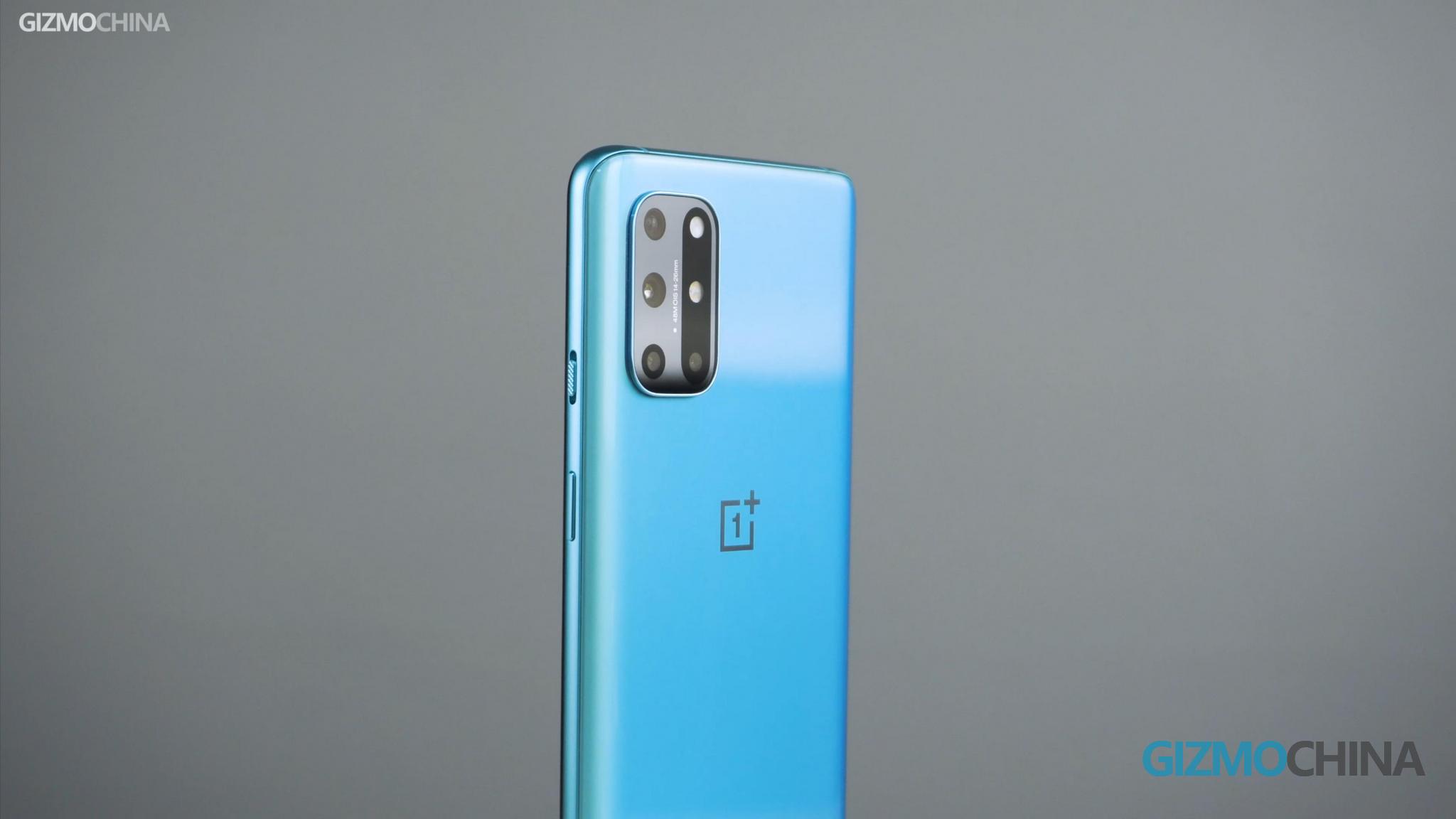
Just last week, OnePlus rolled out a new OxygenOS stable update for the OnePlus 8, OnePlus 8 Pro, and OnePlus 8T. A few days later, these three smartphones are now receiving an OxygenOS Open Beta update.
OnePlus 8T
The latest OxygenOS Open Beta update for the OnePlus 8 and the OnePlus 8 Pro arrives as OxygenOS 11 Open Beta 11. Whereas, the very same update for the OnePlus 8T as OxygenOS 11 Open Beta 6.
According to the official announcementposts on the OnePlus Community, the new pubic beta update for the 2020 OnePlus flagship smartphones brings updated security patches, a new feature, a fix, and some improvements.
First and foremost, the latest beta update bumps up the security patch level to June 2021. Further, it adds a screenshot function for AOD (Always-on Display) and fixes the occasional WiFi connection failure issue.
Lastly, the update comes with improvements for power consumption, audio experience with OnePflus Watch as well as OnePlus Buds, and the OnePlus Share UI visual effect.
The latest public beta for OnePlus 8, Oneplus 8 Pro, and OnePlus 8T is being currently seeded out via OTA for the units already running the previous beta build. Users on the stable channel can also manually download and install this update.
OnePlus 8, 8 Pro, 8T OxygenOS 11 Open Beta 11/6 Official Changelog
System
Improved the power consumption performance to extend battery life
Newly added the screenshot function for AOD
Updated Android security patch to 2021.06
Phone
Improved the audio experience when the phone is connected with the OnePlus Watch and OnePlus Buds
OnePlus Share
Improved the UI visual effect on the sharing page
Network
Fixed the occasional failure to connect to Wi-Fi network
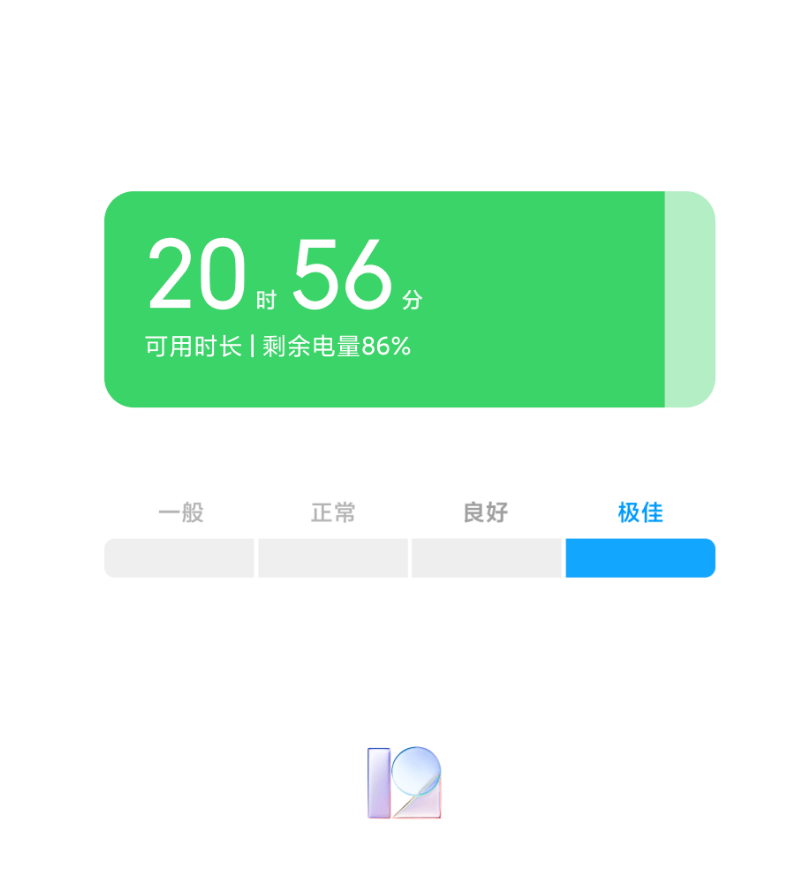
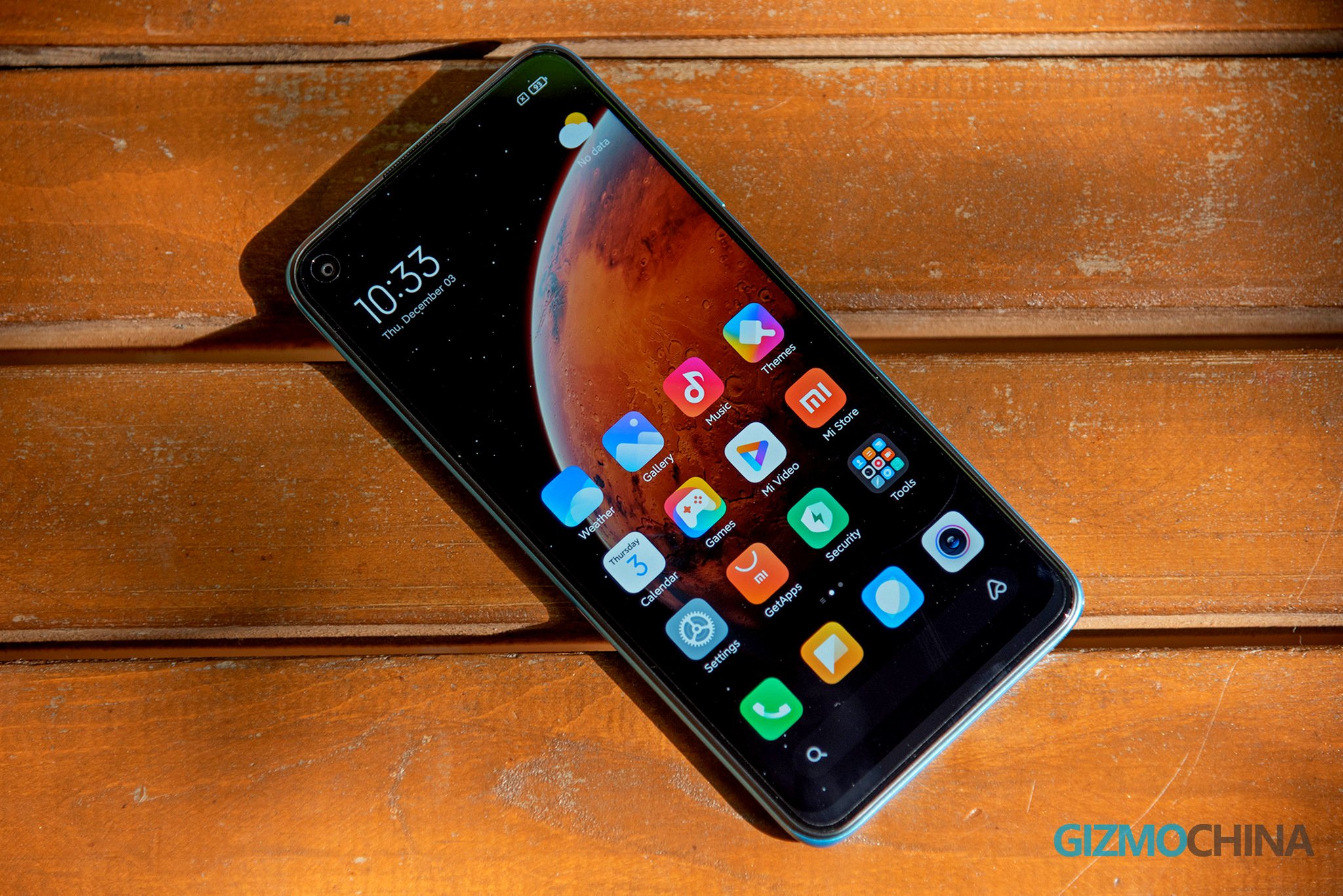
Most smartphone batteries are lithium-ion batteries and it deteriorates over time, leading to a decline in the battery performance. We all must have a story to tell of how our once durable smartphones that can last an entire day on a single charge suddenly can’t do more than two hours without a recharge. Xiaomi recognizes the desire of fans to get a feature that will help them to monitor the battery health of their smartphones. Enters MIUI Battery Health Indicator.
The Chinese tech giant has started rolling out the MIUI Battery Health Indicator to some of its smartphones. The feature was first rolled out on the Redmi Note 10. Right now, the company is testing this new feature on more models such as the Mi 11 Ultra, Mi 11 Pro, Mi 11, Mi 11 Lite, Mi 10 Extreme Commemorative Edition, Mi 10 Pro, Mi 10, Redmi K40 Pro+, Redmi K40 Pro, Redmi K40, and Redmi K40 Game Enhanced Edition.
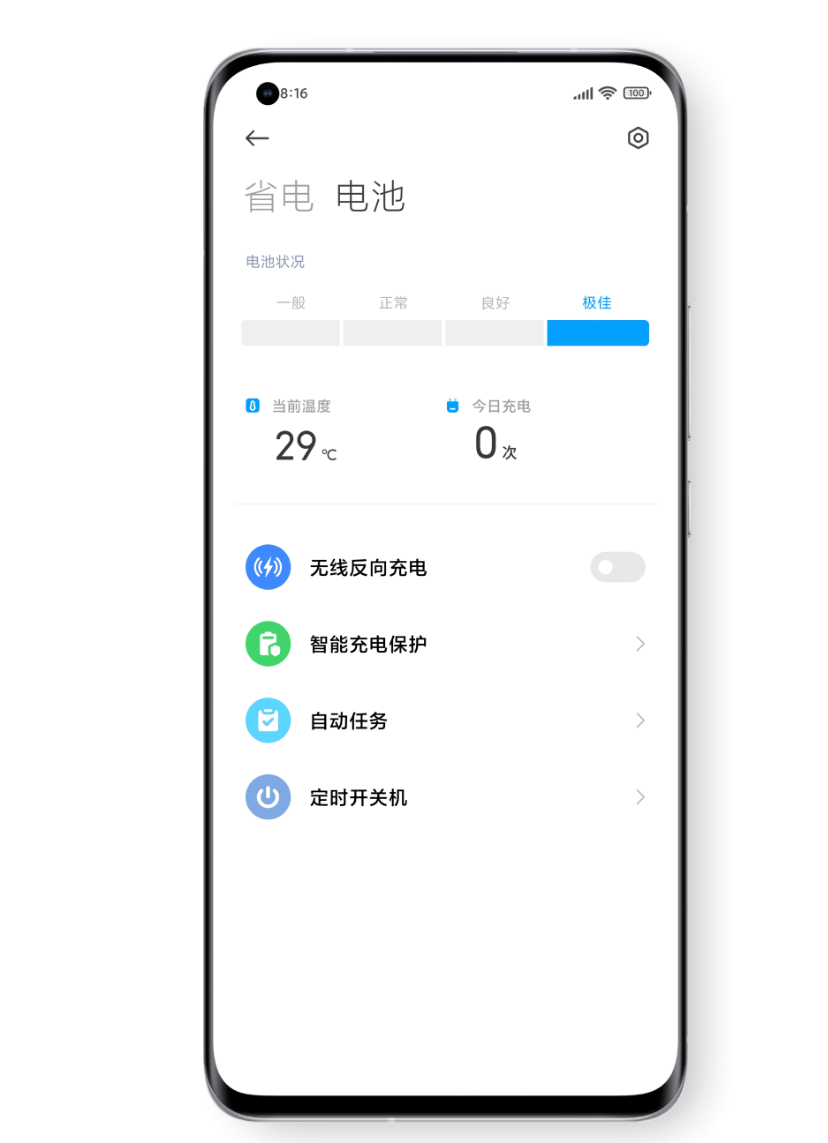
The Xiaomi Battery Health Indicator can estimate the battery health status based on complex battery aging factors. There are several factors that affect the battery aging process of the mobile phone battery such as use time, cycle times, storage temperature, storage capacity, and others. The Xiaomi Battery Health Indication will convert the battery health into a corresponding scale based on the aging impedance, temperature, and capacity so that you can get the current battery health at a glance.
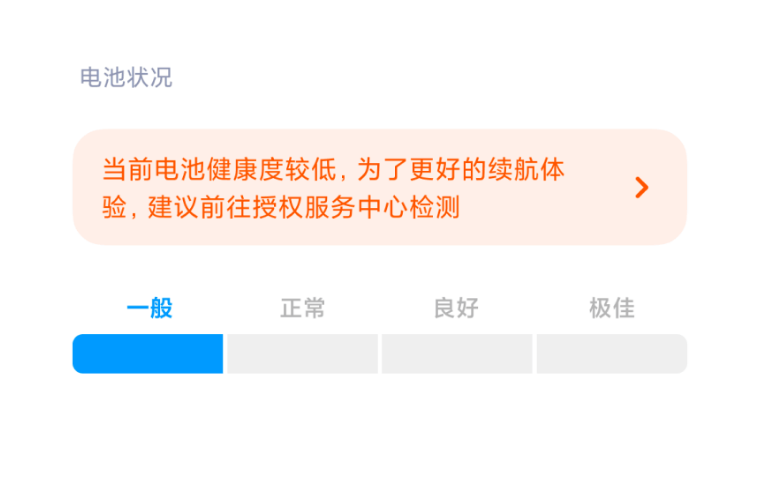
The battery health interface can be accessed on the eligible Xiaomi phones by heading over to the System Settings> Power Saving and Battery> Battery page. In order to help prolong the battery life, the system will alert the user when the battery is deteriorating so that they can take the phone to a service center on time in order to maintain optimum battery performance.
We expect Xiaomi to roll out this feature to more models when the stable version is ready. But before then, you can help prolong your phone’s battery life by ensuring it is used within the optimal temperature range. If the phone is consistently operated under extremely high or extremely low-temperature conditions, the battery deterioration will be accelerated.
You should also pay attention to the optimal battery capacity usage range. Maintaining the battery level in a fully charged state or a very low battery state for too long will reduce the battery life. Experts say 40%~80% power is the best power usage range to maintain battery life. Finally, it is advised that you unplug the charger after the phone is fully charged in order to keep the battery in the best working power range to extend battery life.
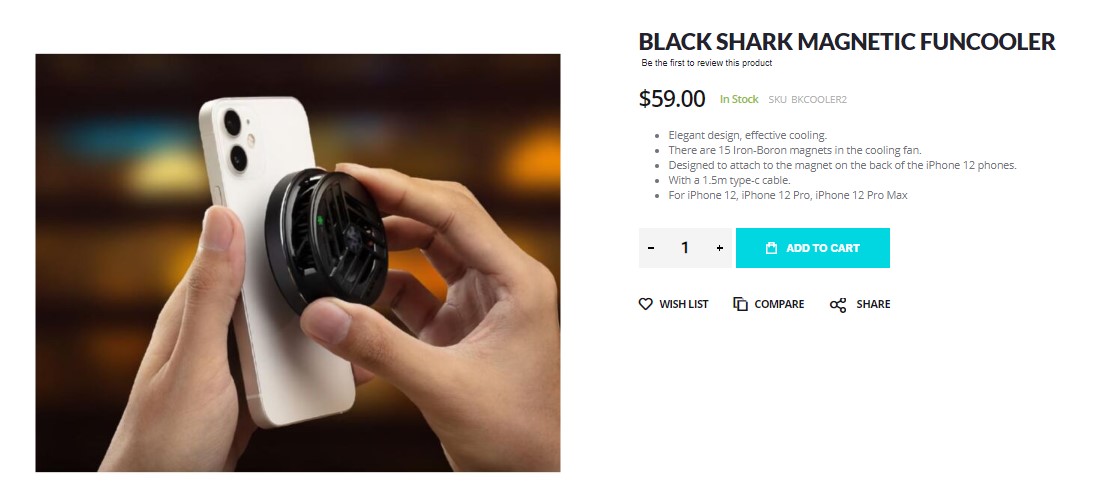
Xiaomi’s smartphone gaming arm – Black Shark is continuously bringing new gaming smartphones and accessories to enhance the overall smartphone gaming experience. The company’s very own Black Shark magnetic Funcooler 2 to dissipate the heating on a smartphone is on sale for $59 via Giztop. The smart utility is specifically designed for the iPhone 12 series.
Black Shark Magnetic Funcooler 2 comes with a powerful fan that can spin at a 7200 rpm high-speed fan. It can efficiently reduce the heat while playing games for longer times. The thermally conductive cooling columns help in improving the performance despite extensive usage of the hardware.
There are around 15 Iron-Boron Magnets on the Funcooler 2 which helps in a secure attachment to the smartphone. It just weighs 73 grams and measures 22mm thick and 62mm wide. Moreover, it houses a dual interface design consisting of two ports for charging the phone while using it.
Black Shark Magnetic Funcooler 2 is among the smallest cooling fans throughout the world. The interested users can get the useful utility for the price of $59 from Giztop.
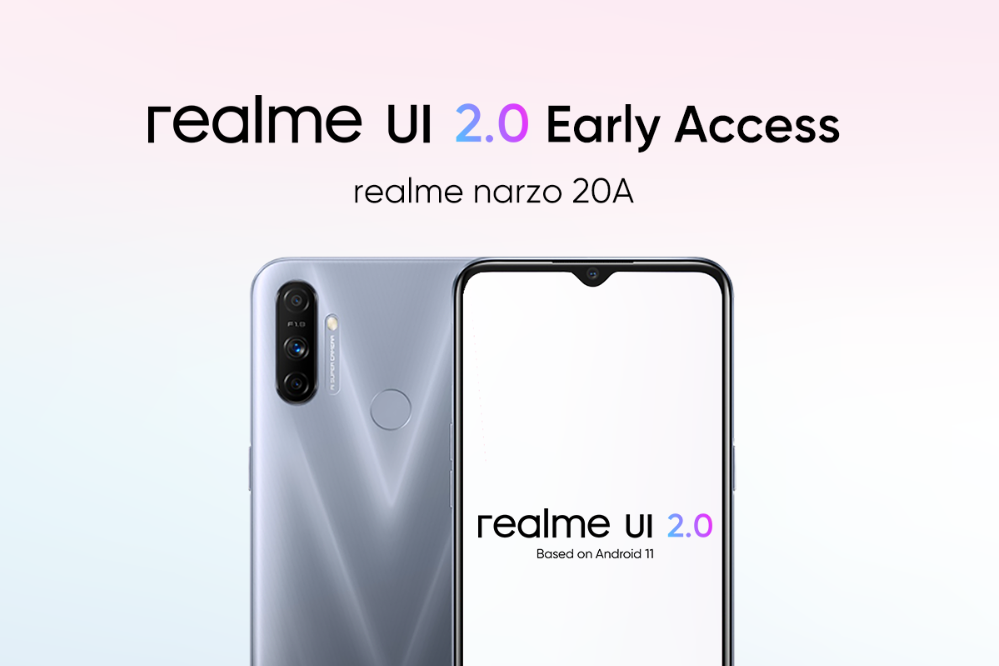
Smartphone maker realme announced realme UI 2.0 based on Android 11 in September 2020. Since then, the company has been trying to update eligible devices to the latest software. However, it has managed to deliver the stable update to only a few phones. Anyway, most of the supported devices at least have beta builds. The latest handset to join the beta initiative (Early Access) is realme narzo 20A.
As per the official schedule, the realme narzo 20A is supposed to get realme UI 2.0 Early Access update in Q2 2020. As promised, the brand has opened registrations for interested users.
In order to enroll, users must be running either of these two firmwares – RMX2050EX_11.A.29 and RMX2050EX_11.A.31. If they are, then they can register themselves for the program. Interestingly, realme has not set any deadline for registrations but the company does mention limited seats. It also confirms that there will be multiple batches.
To enroll themselves for the Android 11-based realme UI 2.0 Early Access initiative, realme narzo 20A users will have to head over to Settings > Software Update > Gear Icon > Trial Version > Apply Now and follow the on-screen instructions.
Selected applicants should get the Android 11 beta build via OTA. Similarly, all users should receive the stable update in the coming weeks.
If you want to buy the best Android smartwatch in China released from a smartphone manufacturer, you have two great choices: the first smartwatch by Meizu and the first by OPPO. We are naturally referring to the Meizu Watch and the OPPO Watch, two wearables bundled with very smart features and advanced specifications. OPPO Watch is sold all around the globe, while Meizu Watch is only present in the Chinese market.
If you live in China, you will have a hard time choosing the best among these two smartwatches as they come with very similar specifications and even the same form factor. We hope that this comparison between their specifications can help you by recommending the best wearable for your needs.
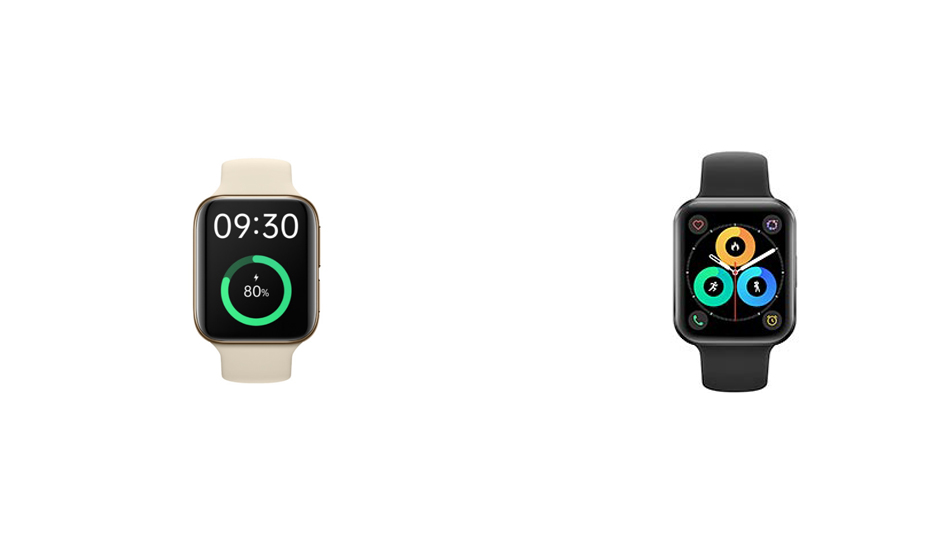
As mentioned above, Meizu Watch and OPPO Watch come with the same form factor. Given their square design and their borderless displays, they look very similar to the latest Apple Watch. The OPPO Watch comes in two variants: a smaller 41 mm version which is more recommended for women and a 46 mm which is actually better for men and it also provides a bigger display as well as a longer battery life.
The Meizu Watch only comes in one single version which sits in the middle between OPPO Watch 46 mm and 41 mm. The OPPO Watch is built with a glass front, an aluminum or stainless steel frame depending on the variant, and a ceramic/sapphire or plastic back. With the Meizu Watch, you get a ceramic back and an aluminum frame. Both the smart watches are waterproof, but the OPPO Watch offers better water resistance up to 5 ATM.
Note that the OPPO Watch is slightly thinner than Meizu Watch and it has two physical keys on the side instead of just one. Both the wearable support the eSIM technology which allows using cellular data without having a physical SIM inside and without using the phone’s connection.
Display
OPPO Watch and Meizu Watch come with stunning AMOLED displays showing vibrant colors and very deep blacks. The 46 mm version of the OPPO Watch has a slightly higher resolution and a wider panel with a diagonal of 1.91 inches, as well as complete DCI P3 coverage. The Meizu Watch is more compact than the 46 mm version with its 1.78-inch display, but the display looks inferior. Meizu Watch and the 41 mm of the OPPO Watch are protected by Gorilla Glass, while the 46 mm version has different protection for the glass called Schott Glass. Note that OPPO Watch has a higher screen-to-body ratio, which means narrower bezels around the display.
Specs & Software
The Meizu Watch is equipped with a more recent and powerful SoC: the Snapdragon Wear 4100 is actually a big improvement over the chip found on the OPPO Watch. The OPPO smart watch is powered by the Snapdragon Wear 3100 in the global market and by the even weaker Snapdragon Wear 2500 in the Chinese market. The memory configurations are the same with one gig of RAM and 8 GB of internal storage for music and more.
Both the wearables have a speaker and a microphone for calls and vocal commands. Further, both run a modified version of Android for wearables: the Flyme UI and the ColorOS Watch, respectively. The ColorOS Watch looks a bit more advanced than Flyme at first glance. In the global market, OPPO Watch ditches the ColorOS Watch in favor of Wear OS which includes Google services, apps, and Google Assistant.
Sensors and connectivity
With the Meizu Watch, you actually get more sensors and sport modes than OPPO Watch. It has a SpO2 sensor, unlike its rival, which allows monitoring the blood oxygen level. Further, it features more than 10 sport modes, while the OPPO wearable has just 5 modes you can choose from. For the rest, they look similar if we exclude the user interface. They both feature GPS, an accurate heart rate sensor, WiFi, and Bluetooth 5.2.
The Meizu Watch and the 46 mm version of the OPPO Watch come with the same battery capacity: 430 mAh. However, the Meizu Watch should last a bit more because its chip is more efficient (it is built at 12 nm instead of the 28 nm of the Snapdragon Wear 3100 and 2500) and the display is smaller (1.78 inches vs 1.91 inches). The 41 mm version of the first OPPO smart watch is a bit disappointing when it comes to battery life and it is not able to compete with the Meizu Watch.
Price
The prices of the Meizu Watch and OPPO Watch 46 mm in China are similar: the former costs about €190/$225 at the actual change, while the latter costs €205/$245. If you live in China, Meizu Watch is a better option because of its better chipset and SpO2 sensor, but for the global market, OPPO Watch is a better choice because it runs Wear OS and includes Google services.
The global chip shortage isn’t going away soon, according to a recent report. As manufacturers jostle for the limited supply of chips, the shortage is about taking a new dimension. News emanating from Hong Kong indicates that cargo thieves are beginning to target the chip supply chain.
According to a Hong Kong-based media Wen Wei Po report, cargo thieves intercepted a batch of chip that was to be delivered. The report hinted that the robbery occurred in Tuen Mun, Hong Kong around 3 pm on June 16. A logistics company was hired to deliver a batch of high-priced electronic chips (14 boxes) worth about HK$5 million (~$644,000) to the manufacturer’s warehouse.
Interestingly, the chip was only being transferred to a warehouse on the 8th floor of the same industrial building. The truck driver assistant was accosted in the elevator by three men who attacked him as soon as the elevator door closed, leaving him with some degree of injuries. The boy notified his colleagues who then called the police but the thieves could not be tracked down despite the police mounting roadblocks on major arterial roads around the crime site.
Earlier this month, a research report by market analysis firm “TrendForce Consulting” showed that the semiconductor industry has benefitted tremendously from the rising demand for a number of terminal applications, leading to an increase in their stock prices. The increase in demand compared to supply has also led to a rise in the prices of wafer and adjustment to the product mix to ensure profitability. The high demand could lead to an increase in the theft of chip cargoes and thus, foundries may need to increase their security level.
Canon‘s Chinese subsidiary Canon Information Technology has reportedly installed cameras using artificial intelligence in its offices across China that recognize smiling faces only. In other words, the camera will only allow workers who put up a smile into the facilities. The camera utilizes AI-enabled “smile recognition” technology in its China offices.
The cameras are installed with the intent of ensuring that all employees are 100 percent happy all the time. Staff will only be allowed into rooms, or book meetings when they put up a smile. However, we doubt if the technology will in any way achieve the purpose for which it was installed. All an unhappy employee has to do is fake a smile to gain the required access.
Last year, China surpassed the United States in the number of artificial intelligence patent filings. Thus, it is no wonder that the Japanese multinational corporation chose China as a testbed for this new technology. The smile recognition technology was first announced last year by the company as a component of its latest workplace management tools. However, it hasn’t gained any traction and we doubt if it will ever gain wide acceptance.
The technology might face stiff hurdles in the U.S and other regions where it might be viewed as an invasion of privacy. Workplace cameras are generally legal if they are installed in a public place and the employees are aware of it. Also, the company will need to show that there is a legitimate need to film under the law in some countries. In this case, we can’t figure out the need that would require a “smile recognition” camera.
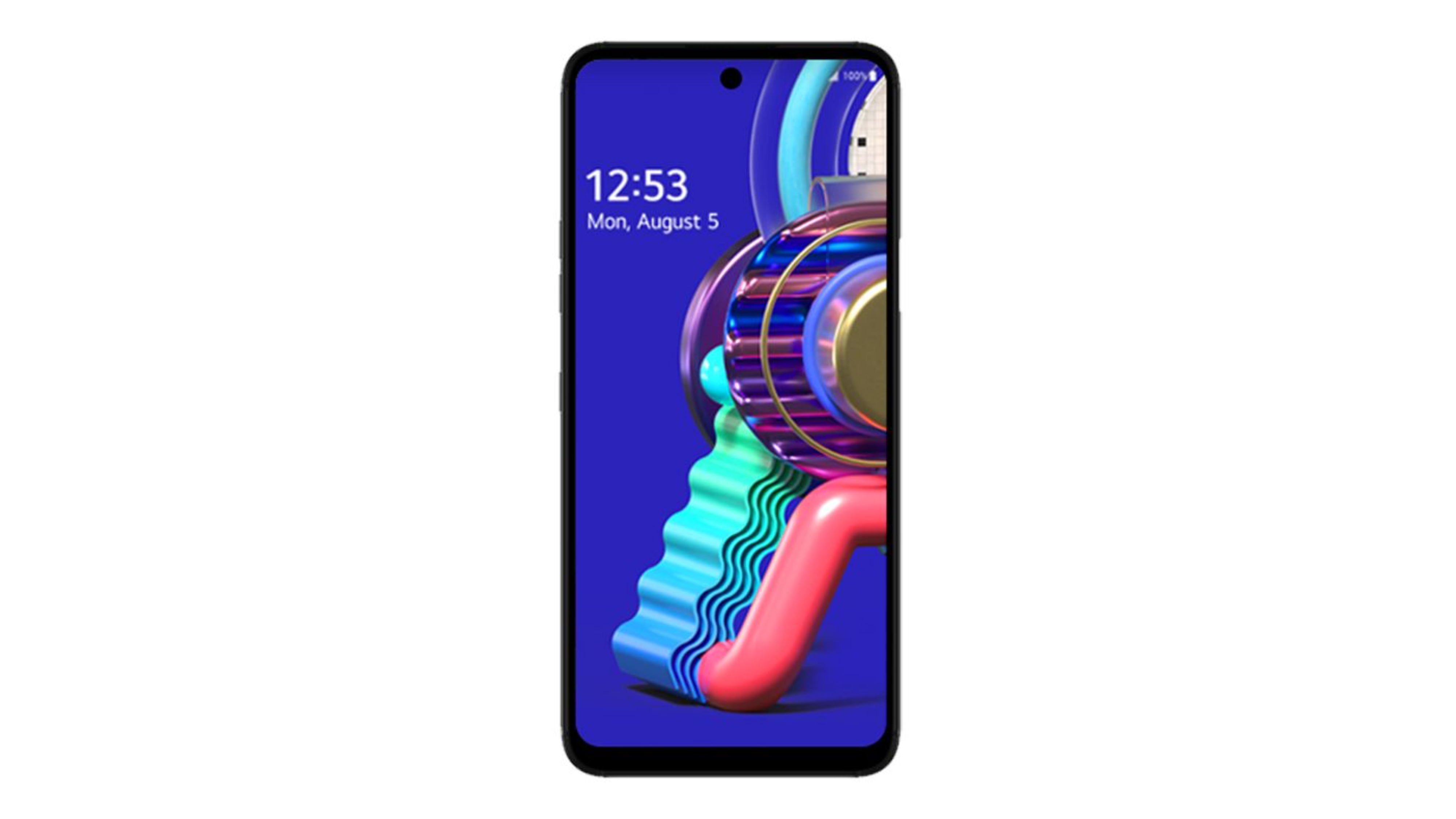
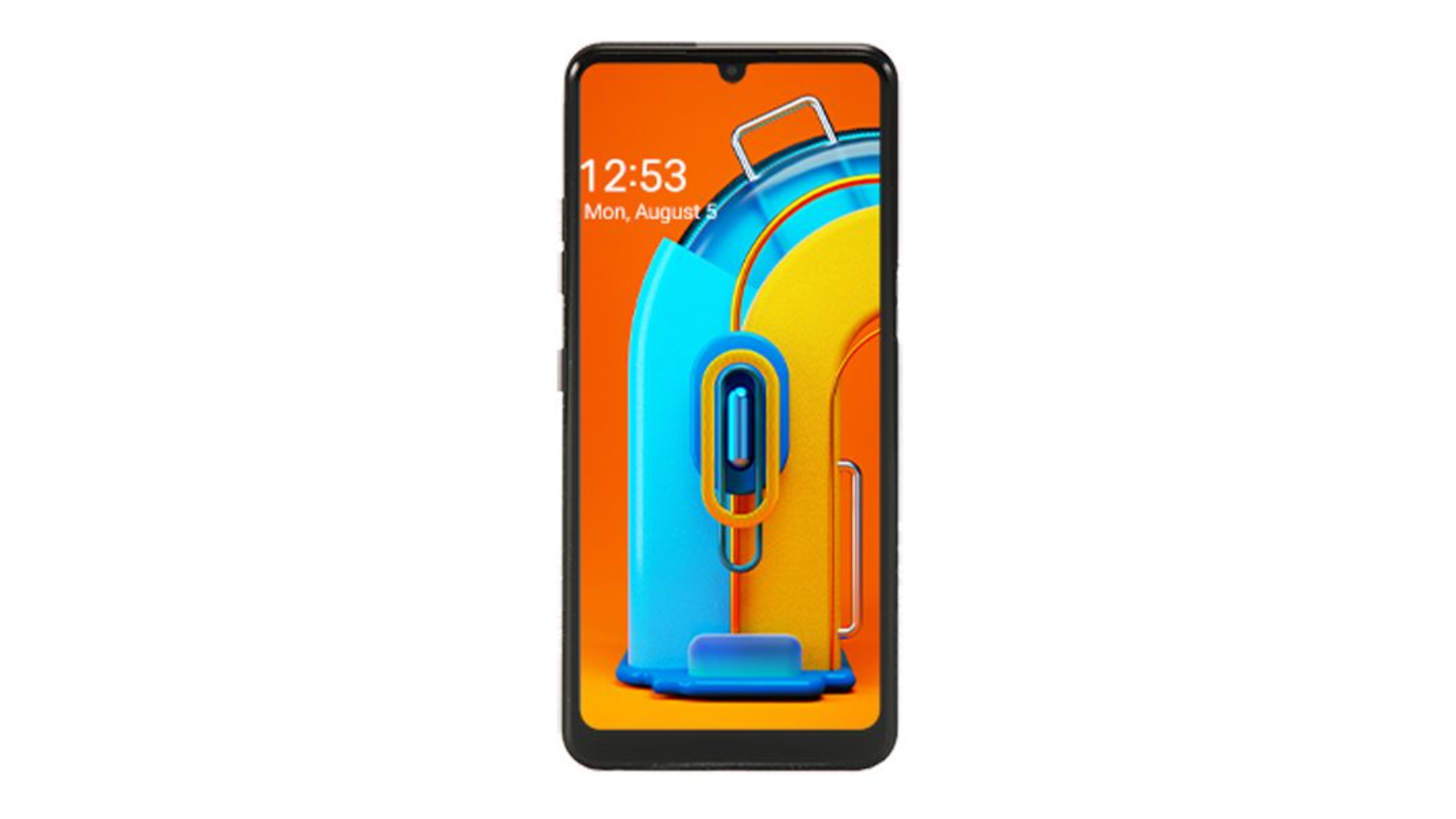
LG announced its exit from the mobile phone business in early April. Hence, unsurprisingly, the company canceled its upcoming devices. Some of these handsets are LG VELVET 2 Pro, a true flagship smartphone from the South Korean electronics giant after a very long time, and the firm’s first rollable smartphone. The other three are LG Stylo 7, LG K33, and LG K35. Their specs and front design have been revealed now.
LG Stylo 7 | Source: Google Play Console (via @evleaks)
Yesterday, popular leaker Evan Blass (@evleaks)shared the Google Play Console listings of four canceled LG smartphones, namely LG VELVET 2 Pro, LG Stylo 7, LG K33, and LG K35. We already know everything about the first phone on the list, thanks to multiple leaks. This handset and the LG Rollable were also sold to a select few LG employees recently.
On the other hand, the renders of LG Stylo 7 leaked in December 2020. The device was even spotted at Bluetooth SIG in mid-March. However, we are hearing about the LG K33 and K35 for the first time.
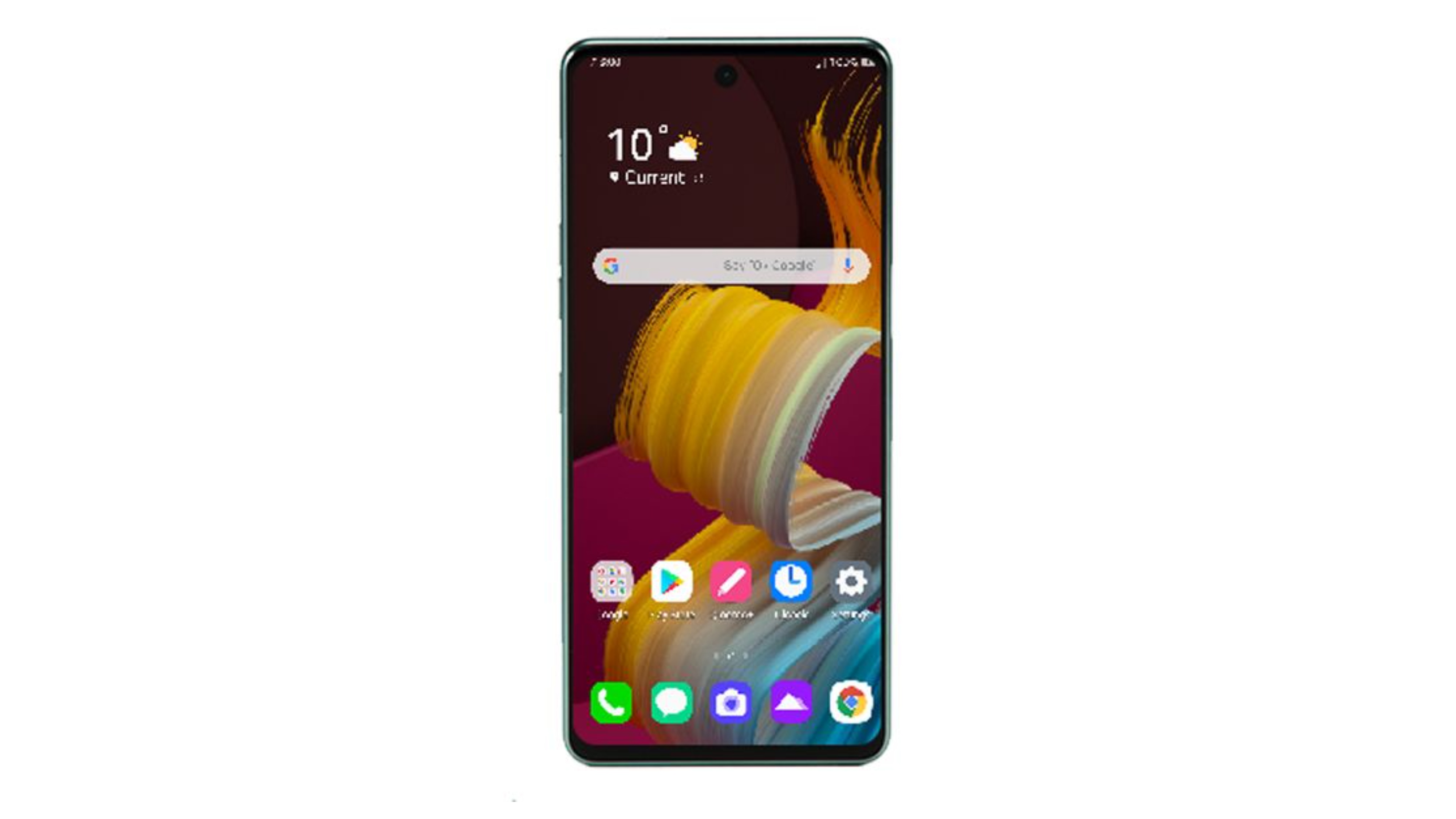
As per the listings, the LG Stylo 7 features an FHD+ (1080 x 2460 pixels) punch-hole display, Qualcomm Snapdragon 662 chipset, 4GB RAM, and Android 11. Whereas, the LG K33 and K55 sport an HD+ (720 x 1600 pixels) display, MediaTek Helio P35 SoC, 3GB RAM, and Android 11. The only difference between the two is dewdrop notch on the former and punch-hole on the latter.
1 of 2
LG K35 | Source: Google Play Console (via @evleaks)
LG K33 | Source: Google Play Console (via @evleaks)
It’s not known if these handsets ever made into the mass-production stage. Even if they did, they will be not going on sale for the public. Maybe, LG might arrange a special sale for its employees if there are some units.
Apple has just been hit with another lawsuit earlier this week. XR Communications filed a lawsuit against the company alleging that a number of its products infringed on its MIMO wireless technology patent.
The firm filed a complaint with the US District Court for the Western District of Texas (Via AppleInsider) against the Cupertino based giant for infringing on a single patent granted in 2020. In the lawsuit, a number of products were mentioned, including the iPhone 6s and higher, every iPad model from the first generation, iPad Air and iPad mini 2, all Mac models launched since 2016, and the Apple TV 4K. XR Communication cited the infringement of US Patent No. 10,715,235 for ‘Directed wireless communication.’
While the technology cited in the lawsuit is specific, the system described in the complaint is used by a large number of manufacturers in the market that offer devices with Wi-Fi capabilities. The patent in question was developed by now defunct WiFi infrastructure specialist Vivato Technologies, which was founded back in 2000. While the iPhone maker already owns a number of patents related to MIMO communications and related technologies, XR Communications lawsuit, filing as Vivato, is seeking damages for past and ongoing royalty, court fees, and injunctive relief in its case.
Demand for iPhones have surged in China after Huawei’s dominace from the market is slowing eradicating. In line with that, the Cupertino-based tech giant has registered an impressive sales numbers in the last day of 618 Sale in China.
As per the data shared by JD.com, it sold iPhone models worth more than 100 million yuan on the eCommerce platform, that too just in a second. While other brands also registered impressive numbers, Apple was at the top.
Companies such as Haier, Midea, and Gree generated sales worth 100 million yuan with a minute while brands like Siemens and Xiaomi crossed the market of sales worth 100 million yuan in three minutes.
Further, it has been revealed that Samsung’s smartphone sales increased by 200 percent year-on-year. Additionally, Realme and iQOO’s turnover in the first 15 minutes increased six times year-on-year. Also, the turnover of Active Noise Cancellation earphones increased by 260 percent YoY in the first 10 minutes.
The company has also reevaled that the overall turnover of JD Supermarket increased by more than 10 times year-on-year. It’s also noteworthy that a large number of merchants and stores broke through last year’s sales records throughout the day in the early morning. The average single store transaction volume of core stores settled this year was 4.3 times that of the same period of last year’s new store sales.
Realme is reportedly working on the Realme X9 and Realme X9 Pro smartphones in China. It is speculated that the latter could be the RMX3366 smartphone that was certified by the TENAA authority of China. According to a Chinese tipster, the X9 lineup will be debuting in July.
He added that the standard edition of the Realme X9 series will be replacing the Realme V15 handset, and the Realme X9 Pro is expected to replace the Realme X50 Pro. The same tipster had previously claimed that the Realme X9 and X9 Pro will be equipped with Snapdragon 778G and Snapdragon 870, respectively.
The Realme X9 is rumored to be priced between 2,000 Yuan (~$310) and 2,500 Yuan (~$388). On the other side, the Realme X9 Pro with a 120Hz display may cost between 2,500 Yuan (~$388) and 3,000 Yuan (~$465). The X9 lineup is also speculated to include a special Master Edition handset.
Realme X7 (left) and Realme X7 Pro (right)
Realme X9 Pro specifications (Rumored)
The Realme X9 Pro is expected to arrive with a 6.55-inch S-AMOLED E3 display with curved edges that will carry support for FHD+ resolution. The SD870 chip could be accompanied by 8 GB LPPDR4x RAM and up to 256 GB of UFS 3.1 storage.
For selfies, it may feature a 32-megapixel Sony IMX616 camera. Its rear could be fitted with a 50-megapixel Sony IMX766 lens, a 16-megapixel Sony IMX481 ultrawide lens, and a 2-megapixel B&W lens. It could be equipped with a 4,500mAh battery that may support 65W SuperVOOC 2.0 charging. It may come with other features like an in-display fingerprint scanner, Dolby panoramic sound, Z-axis linear motor, and NFC.
TSMC is apparently planning on entering into joint ventures with certain Japanese companies, including Sony, Toyota, and Mitsubishi. The news arrives after a recent report surfaced that stated that the firm is planning on building a chip production plant in Japan.
According to a UDNreport, the world’s largest contract chipmaker is rumored to be in talks to cooperate with Japanese tech giant Sony along with local automobile makers Toyota and Mitsubishi Electric as well. While the company has declined to comment on the matter as of right now, the report added that the firm is expected to focus on setting up a materials research and development center in Japan that could be completed within this year.
Taiwan’s media also reported that TSMC will be establishing joint ventures with Sony, Toyota, and Mitsubishi to build a factory in Japan. These joint ventures will apparently involve investments of up to 1.6 trillion Yen (roughly about 14.4 billion US Dollars). In our previous report, we had said that the chipmaker will be building its new production site in the Kumamoto Prefecture, which is also close to one of Sony’s plants. Similarly, we had also reported on the local government urging TSMC and Sony to build a 20nm chip production plant.
Furthermore, TSMC has stated that it is setting up a materials research and development center in Japan to expand the research of three dimensional chip materials. The company has already established a wholly owned subsidiary and has selected Tsukuba City, Ibaraki Prefecture for the location. On the other hand, its rumored joint venture will have Sony be responsible for land and the plant, while TSMC will provide the process technology to produce 20 to 40nm semiconductors for automobiles, machinery, and home appliances as well.
Realme fans in India are eagerly waiting for the arrival of the Realme GT 5G. Through the recent edition (episode 27) of the Ask Madhav session, Realme CEO Madhav Sheth revealed the launch timeframe for the Realme GT 5G in India. Moreover, he also revealed that the company will be launching the Realme Book laptops in the country.
Madhav revealed that the Realme GT 5G will debut before Diwali (Nov. 4) in India. Hence, there is a possibility that the smartphone may debut by late October or at the start of November in India. The handset is expected to arrive with Rs 30,000+ price tag in the country.
As far as the Realme Book is concerned, Madhav claimed that the first set of laptops from the brand will break cover before the end of the year. This indicates that the company could be planning to launch the Realme Book in India in multiple screen sizes/configurations.
The official render of the Realme Book, which was shared by the company recently revealed that it has a metallic build and a pair of USB-C ports. Leaked information that appeared earlier this month revealed that the Realme Book is fitted with a 3:2 aspect ratio display, thin bezels, and dual speakers.
Realme Book
Around two weeks back, the company revealed that is working on a camera-focused flagship under the GT branding. This phone is expected to debut in global markets in July. At present, there is no information available on its specs.
On June 16, Honor announced the Honor 50, Honor 50 Pro, and Honor 50 SE smartphones in China. The rumored Honor 50 Pro+ with Snapdragon 888 was not announced at the event, which suggests that such a device may not exist. Honor has confirmed that it will be launching the Snapdragon 888 powered Magic 3 series in Q3. Fresh information reveals that the company could be also launching a phone powered by the upcoming Snapdragon 888 mobile platform.
It can be said based on a tweet by reliable tipster Teme that Honor may have struck deal with Qualcomm for the SM8350 Pro chip, which is expected to debut as the Snapdragon 888 Pro. The tipster has claimed that the chip would remain rare as one has bought it except Honor.
it seems at least now that the SM8350 Pro would remain rare, just no one has bought it except Honor pic.twitter.com/5sUAQrCn1V
The tipster claimed through another tweet that the Magic 3 has a unique design, SD888 Pro chip, and it may offer the best photography experience. Unfortunately, there is no information on the specs of the device.
At the unveiling event of the Honor 50 series, Honor CEO Zhao Ming confirmed that the brand will continue to launch the Magic, numbered, X, and Play series of smartphones. The Magic line will include flagship models, whereas the numbered series will have mid-range phones. The X and Play series will have budget-friendly phones.
Ming also revealed that the Magic 3 lineup featuring the Snapdragon 888 will debut in Q3 this year. Recently, a tipster claimed that the Magic 3 will be equipped with the SM8350 Pro chip.
It is still unconfirmed whether the chip will debut as Snapdragon 888+ or 888 Pro. It is speculated to arrive as an overclocked edition of the SD888 chip featuring the new 3.0GHz X1 super core processor. The rumor mill is yet to spill information about the Magic 3 series.
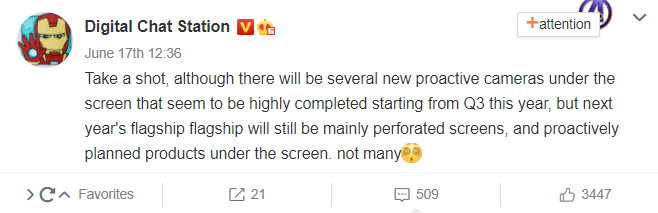
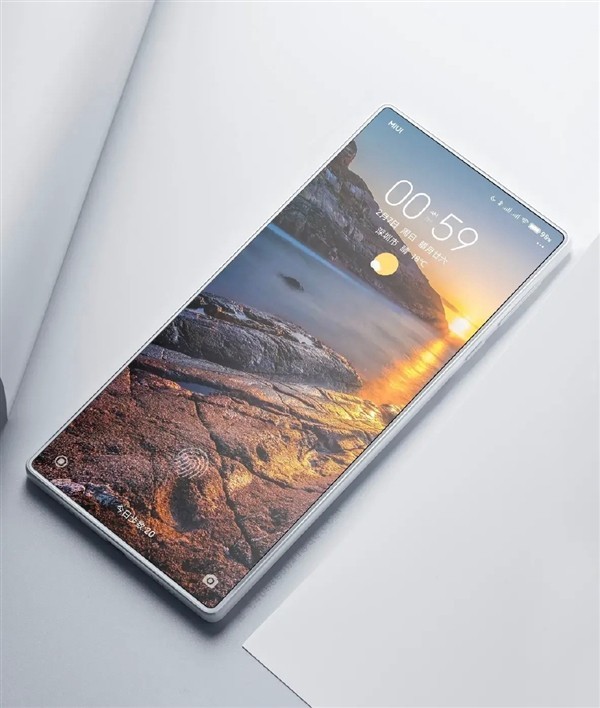
While we have heard about various companies working on their under display selfie camera technology, the premium grade flagship smartphones arriving next year might still launch with a punch hole selfie shooter.
According to tipster, Digital Chat Station on Weibo, a Chinese microblogging website, most top end handset from companies would still feature a punch hole display design on the front. The known tipster stated that while smartphones with under display camera technology are expected to debut sometime in the third quarter of this year, most premium devices next year would still skip this new camera technology.
Concept render of the Xiaomi Mi MIX 4 with a camera housed under the display
Unfortunately, this is all the information shared by the tipster on the social media platform. So, stay tuned for more, as we will be providing updates when additional information is available regarding this matter.
OnePlus has just announced that it is appointing renowned Indian Cricketer, Jasprit Bumrah, as the brand ambassador for its wearables category of products. The company made the announcement earlier today (18th June 2021) and even shared a video on YouTube.
As per the Chinese smartphone maker, the partnership with the athlete is a part of its efforts to pursue perfection, since the brand’s philosophy is ‘Never Settle.’ This move from the company seeks to help it connect with India’s youth as well and represents a “passion for a healthy, fit, and an active lifestyle while believing in constantly becoming better.” The company added that the association with Jasprit Bumrah also marked another milestone for OnePlus’ journey in India.
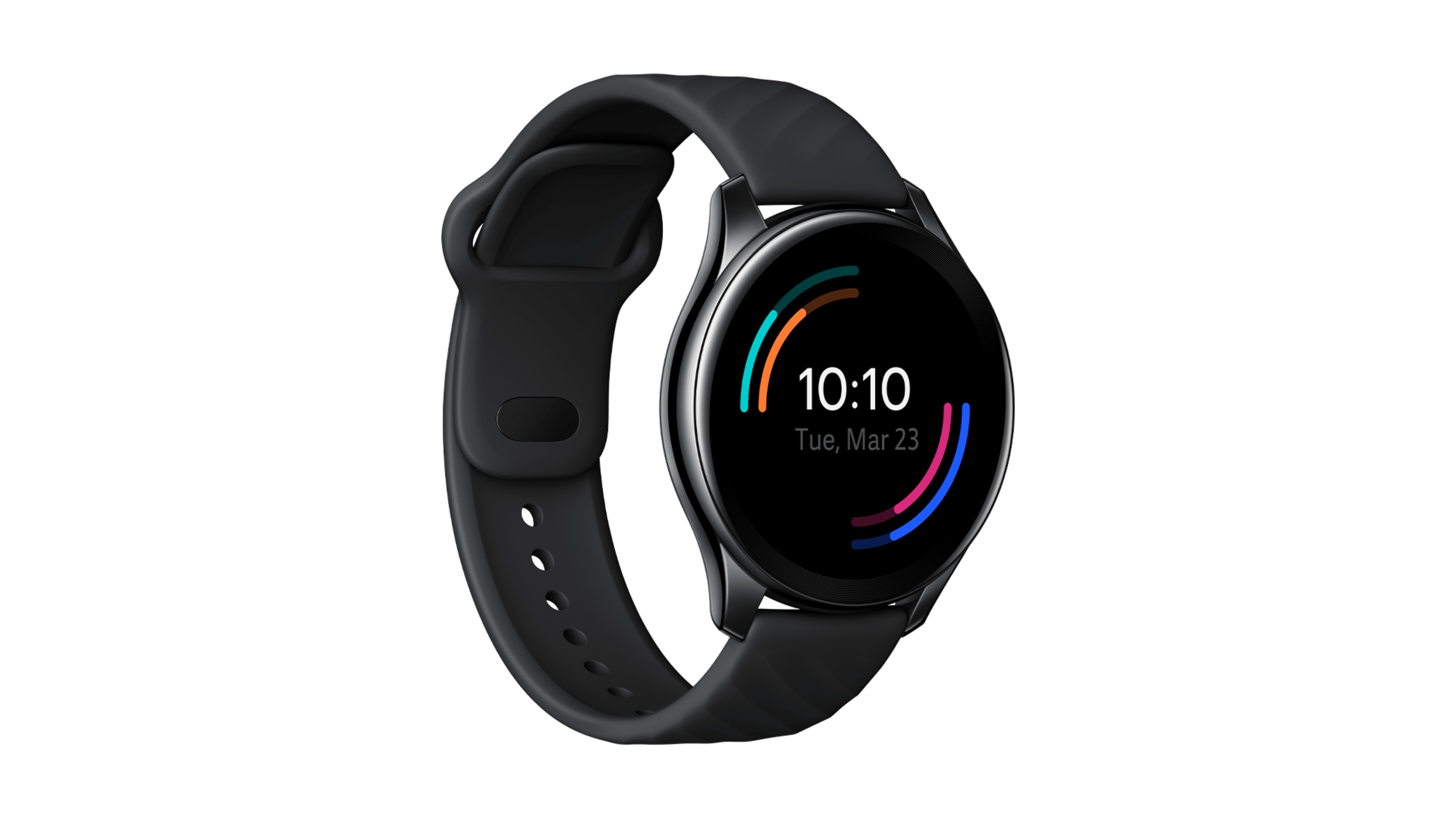
Furthermore, the wearable category from the brand includes the OnePlus Watch, which is the brand’s first smartwatch that launched globally. It offers a premium design along with smart tracking features and more. The device arrives with a blood oxygen tracking monitoring and can even track the users’ activity in sports like Cricket. The OnePlus Watch will be available in the region for a special launch price of 14,999 INR (roughly 203 US Dollars) while the OnePlus Band will be available for 2,499 INR (roughly 34 US Dollars) on Amazon India, the company’s official website, Flipkart.com, and other partner stores.
The Indian Cricketer Bumrah added that “It’s really wonderful to see a young brand empower the tech landscape and rise to the challenge of delivering exactly what consumers want. Premium, high performing, and comfortable, OnePlus’s straightforward approach to its wearables ensures that it integrates with various lifestyles and brings users one step closer to meeting their daily needs and fitness goals.”
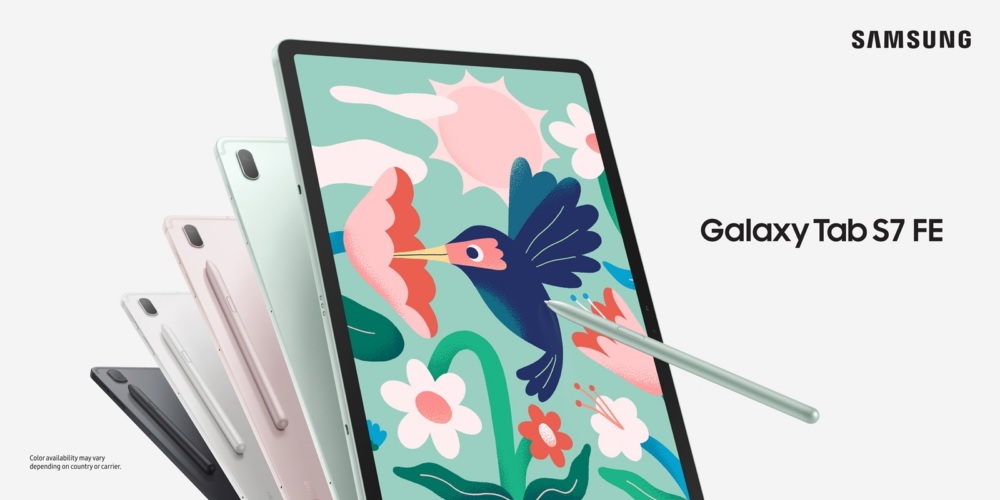
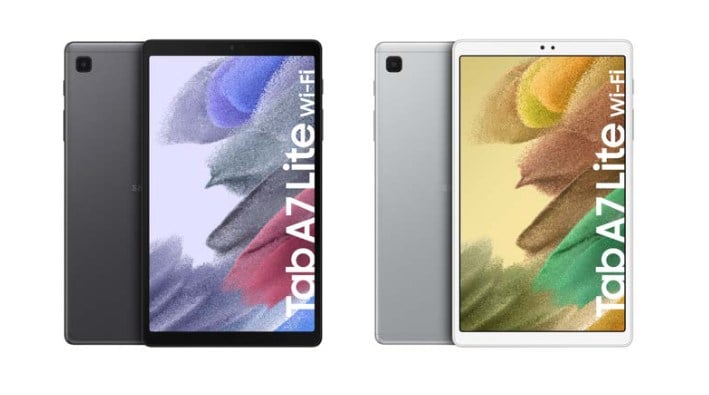
Samsung has silently announced the Galaxy Tab S7 FE and Galaxy Tab A7 Lite tablets in India. The latter is a budget-friendly tablet, whereas the Tab S7 FE is a stripped-down version of the Tab S7, which was announced last year.
Samsung Galaxy Tab S7 FE price in India, specifications
The Galaxy Tab S7 FE models such as 4 GB RAM + 64 GB storage and 6 GB RAM + 128 GB storage are priced at Rs 42,999 (~$581) and Rs 50,999 (~$690), respectively. It can be purchased in colors like Mystic Black, Mystic Pink, Mystic Green, and Mystic Silver. HDFC Bank cardholders can avail of Rs 4,000 (~$54) cashback on the device and Rs 10,000 (~$135) off on the optional keyboard cover.
Galaxy Tab S7 FE 5G
The Galaxy Tab S7 FE has a 12.4-inch TFT display that delivers 2560 x 1600 pixels resolution. The device is bundled with a magnetic S Pen. The Snapdragon 750G chip powers the device along with a 10,990mAh battery, which supports 45W rapid charging. It has an 8-megapixel rear camera and a 5-megapixel selfie snapper.
Samsung Galaxy Tab A7 Lite price in India, specifications
The Galaxy Tab A7 Lite comes in a sole version featuring 3 GB of RAM and 32 GB of storage. The LTE and Wi-Fi versions of the device are priced at Rs 11,999 (~$162) and Rs 14,999 (~$203). It comes in Gray and Silver colors. Buyers can avail of a 6-month no-cost EMI option starting at Rs 2,499 (~$34).
Samsung Galaxy Tab A7 Lite
The Galaxy Tab A7 Lite has an 8.7-inch LCD screen that delivers 1340 x 800 pixels resolution. The Helio P22T chipset powers the device along with a 5,100mAh battery, which supports 15W fast charging. The Tab A7 Lite has a front camera of 2-megapixel and a rear camera of 8-megapixel. It comes with other features such as LTE, Wi-Fi, Bluetooth 5.0, GPS, a microSD card slot, stereo speakers, a 3.5mm audio jack, and a USB-C port.
The Galaxy Tab S7 FE and Tab A7 Lite will be available for purchase through Amazon India, Samsung India’s online store, leading online retailers, Samsung’s exclusive stores, and other offline stores from June 23.
Xiaomi is rolling out MIUI 12.5 update to eligible devices worldwide. On the other hand, the company has established ‘MIUI Pioneer Group’ to solve the problem faced by users. On top of these, MUI 13 rumors have started circulating on the internet.
According to Digital Chat Station, a reliable tipster from China, MIUI 13 is indeed being tested by Xiaomi. Above all, he says that the devices released in the last two years will get an update. The latter information is not surprising as Xiaomi is known for providing three MIUI updates for flagships as well as popular mid-rangers, and two MIUI update for budget smartphones.
Additionally, earlier this week, another leaker said that the upcoming Mi MIX 4 will debut with MIUI 13 onboard. This smartphone is rumored to launch in Q3. Hence, the latest version of MIUI should also get announced at around the same time.
According to previous reports, Xiaomi has begun to adapt its system apps for MIUI 13. A rumor even suggested that MIUI 13 will launch in June. But it does not appear to be the case.
Anyway, we expect to learn more about the next major version of Xiaomi’s mobile operating system before its official announcement in the coming days.
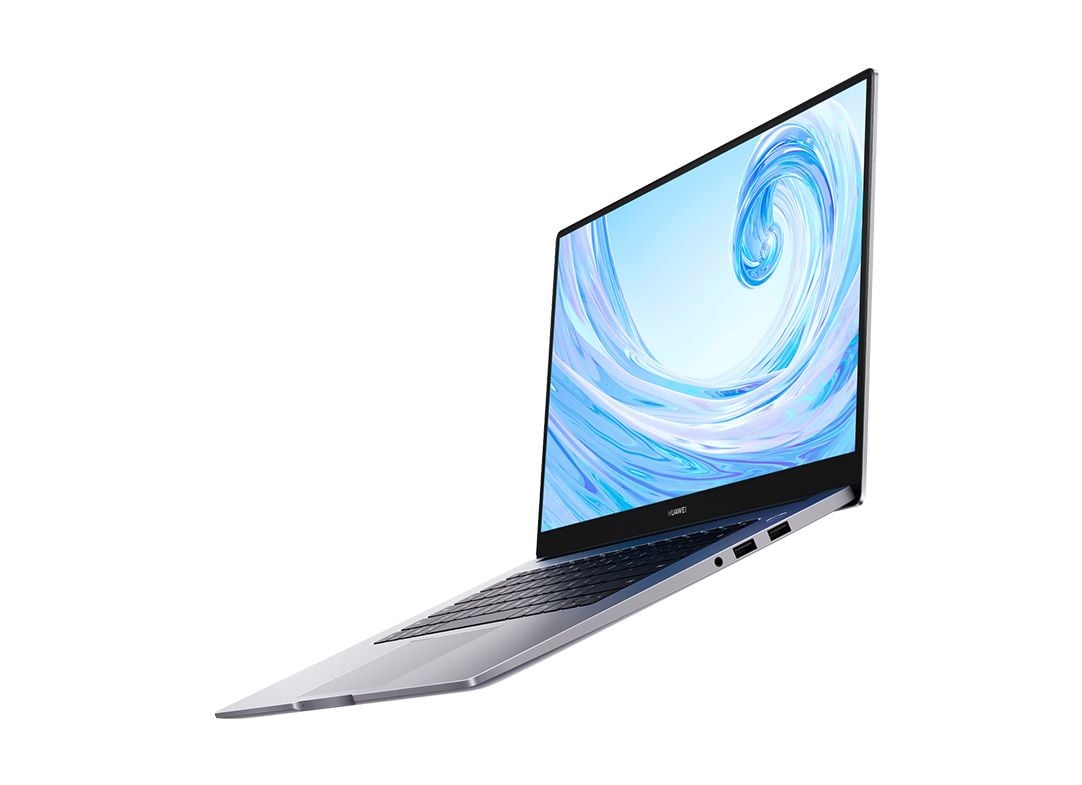
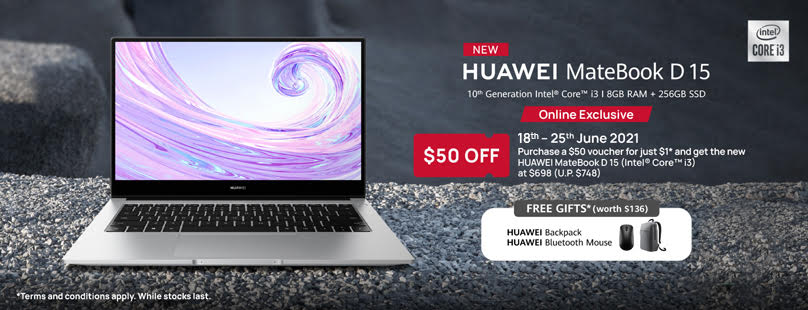
Earlier today (18th June 2021), Huawei announced the latest iteration of the MateBook D 15 in Singapore. It is a budget friendly ultralight notebook that is designed for everyday use and is powered by a 10th Gen Intel Core processor.
MateBook D15
The new MateBook D 15 model from the Chinese tech giant is aimed to deliver all round performance, along with a sleek and portable design. It is available in a Mystic Silver color and weighs only 1.56 kilograms. The company has added support for Multi screen collaboration and a Fingerprint sensor on the power button for security. This laptop was also designed for office work, with virtual meetings and multi tasking, and productivity based uses as well.
The new notebook features a 15.6 inch IPD LCD display with a FHD resolution (1920x1080px) and offers a 178 degree viewing angle. Under the hood, an Intel i3-10110U processor runs the device along with Intel UHD 620 integrated graphics card. For memory, the company is offering 8GB of RAM and 256GB of NVMe SSD storage. The laptop is powered by a 42Whr battery and even offers Bluetooth 5.0 support.
The new MateBook D 15 will be available for purchase starting from 26th June 2021 and will be available from Huawei official stores and Shopee. One can also purchase it from Lazada starting from 1st July 2021. It is available for a price of 748 Singapore Dollars (roughly 558 US Dollars). The company is also offering an exclusive product launch price of 698 Singapore Dollars (roughly 520 US Dollars) by applying a limited vouched that will be available on checkout from June 25 to June 30 on Shopee.
The New Energy Vehicle (NEV) market is expected to see steady and robust growth in China. The sale of the NEVs is projected to grow more than 40 percent every year for the next five years.
According to a Reutersreport, a senior official at the China Association of Automobile Manufacturers (CAAM) shared this information earlier today (18th June 2021). Fu Bingfeng, executive vice chairman of CAAM, made the statement regarding the growth at a conference in Shanghai. In this presentation, the official stated that CAAM has estimated that sales NEVs will hit 1.9 million units this year and 2.7 million units in 2022. This includes various NEV types like the battery electric, plug in hybrid, and even hydrogen fuel cell vehicles.
Notably, major NEV makers like Tesla, NIO, Xpeng, and BYD, are also expanding manufacturing capacities in the region. This arrives after the carmakers were incentivized by the government, which is promoting greener vehicles to lower pollution levels. For those unaware, China is planning on extending its tax exemption on NEV purchases beyond 2022 to support the development of this segment.
This news was further backed by Wan Gang, a high ranking government industrial policy adviser who is also known as China’s “father of EV” by local media. Furthermore, the shares of the country’s NEV related firms have also risen after this conference. These include major battery maker CATL that saw a 3.7 percent gain, along with Guangzhou Tinci Materials Technology Co Ltd and BYD that saw a surge between 2.9 percent and 10 percent, among others.
We use cookies on our website to give you the most relevant experience by remembering your preferences and repeat visits. By clicking “Accept”, you consent to the use of ALL the cookies.
This website uses cookies to improve your experience while you navigate through the website. Out of these, the cookies that are categorized as necessary are stored on your browser as they are essential for the working of basic functionalities of the website. We also use third-party cookies that help us analyze and understand how you use this website. These cookies will be stored in your browser only with your consent. You also have the option to opt-out of these cookies. But opting out of some of these cookies may affect your browsing experience.
Necessary cookies are absolutely essential for the website to function properly. This category only includes cookies that ensures basic functionalities and security features of the website. These cookies do not store any personal information.
Any cookies that may not be particularly necessary for the website to function and is used specifically to collect user personal data via analytics, ads, other embedded contents are termed as non-necessary cookies. It is mandatory to procure user consent prior to running these cookies on your website.