Advertisement

Samsung Kiosk is designed to change how stores take orders in this pandemic era

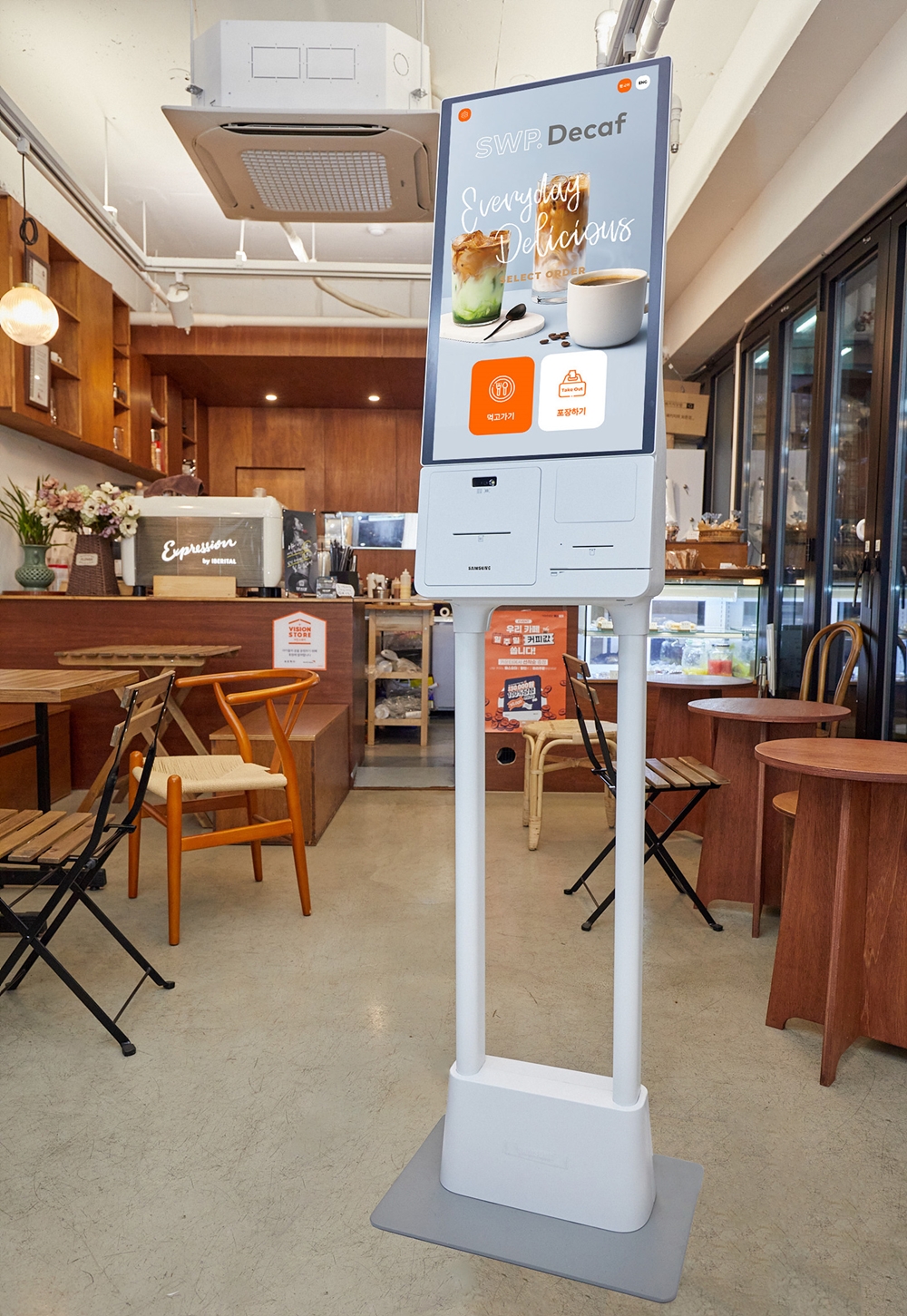
Samsung has unveiled a smart ordering solution known as Samsung Kiosk. The product is a large display that stands in the vertical direction and affords store owners the opportunity to deploy non-face-to-face ordering and payment in order to limit contacts between staff and patrons. The product has been introduced in the domestic market with a demonstration carried out at a café in Korea. Samsung says it would be launched for the global market in the first half of the year.Samsung Kiosk

Samsung Kiosk is an all-in-one product that allows customers to select products, place an order, and make payments at different points of sales such as restaurants, cafes, pharmacies, convenience stores, and marts. The smart display utilizes a high-performance SoC (System-on-Chip) which enables it to manage contents and payments without the need for a separate PC. The product can multi-functional product can be used as a card reader, receipt printer, and QR/barcode scanner. It also comes with NFC (Near Field Communication) which is optional, and Wi-Fi for contactless payments and other services.

The Samsung Kiosk packs a 24-inch touchscreen display and will be available in white color only. There are three mount methods; it can be mounted on a tabletop, can be placed on a stand, and can be mounted on the wall, depends on what suits the store. The table-top mount doesn’t require any other accessories but we believe the floor stand and wall brackets will be sold separately.Samsung Kiosk

Further, the touch screen used on the Samsung Kiosk is designed to promote hygiene as it has a special coating with antibacterial properties of up to 99.99% efficacy. Tests carried out in line with the Japanese Industrial Standard Z 2801 test method show that the coating can inhibit the growth of E. coli and Staphylococcus aureus by 99.99%.

In addition, Samsung’s antimicrobial coating technology passed the human toxicity evaluation test by the U.S. safety standards organization Underwriters Laboratories (UL). The antibacterial coating is made from Zinc Pyrithione (ZnP), a U.S. Food and Drug Administration (FDA) approved substance that can also be used in food packaging materials. The material doesn’t lead to a compromise in the image quality as the display still outputs clear image quality by supporting a high transmittance of 90% or more without being easily discolored by oxygen or sulfur components.Samsung Kiosk

The smart display is powered by the Tizen OS, a Linux-based open-source operating system utilized by Samsung on its TVs and smartwatches. This makes it easy for developers to develop various software applications that can be used for stores. The Kiosk also runs Samsung Knox, a multi-layered security solution designed to securely protect hardware, payment platforms, and applications from external threats such as hacking.Samsung Kiosk
Samsung kiosk managers can manage kiosks installed in stores nationwide in real-time through the Magic Info Remote Management function, and when a problem occurs, it can identify symptoms and take necessary measures through remote control, enabling efficient store operation.

Samsung also disclosed that it is selling the Samsung kiosks through a partnership with Fiserv, the world’s number one payment and financial service solution provider. The Korean tech giant also plans to expand its sales to overseas markets such as Asia and Australia in the first half of the year.

RELATED;


New Redmi TV MAX model incoming at the Redmi K40 series launch event

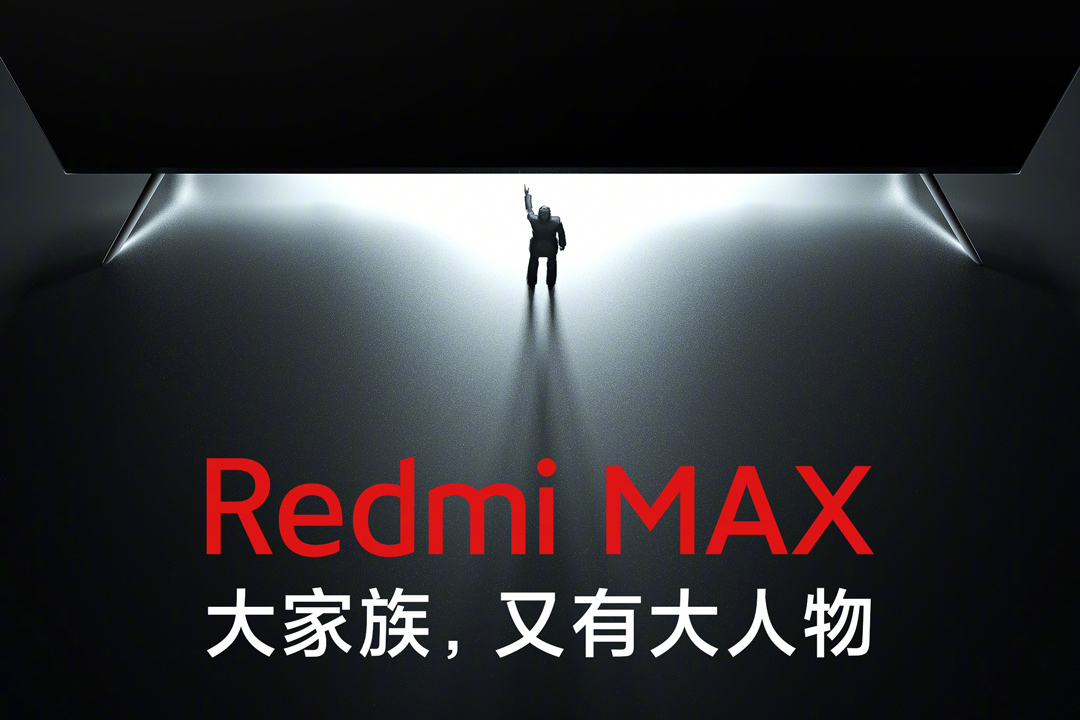
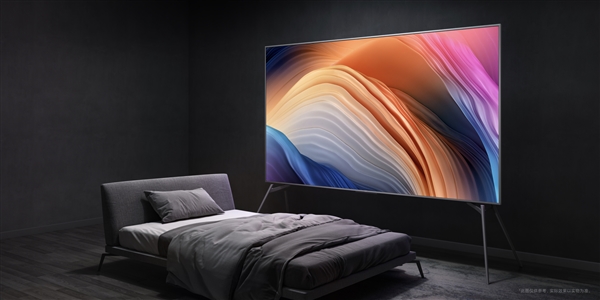
Last year, Xiaomi launched its largest smart TV ever called Redmi Smart TV MAX 98”.  Almost a year later, the company has now started teasing another such model. This television is said to be announced at the Redmi K40 series launch event, which is scheduled for February 25.

New Redmi MAX TV Teaser K40 Series Launch Event

Xiaomi’s official smart TV Weibo account posted a teaser for the upcoming Redmi MAX TV. In the post, the company asks netizens to guess the size of the newer model to win a Bluetooth speaker. 

So far, the company has not revealed any highlights of this TV. The firm has only hinted that the forthcoming Redmi MAX TV will be ‘so big that it almost can’t get into the elevator’.

For those unaware, the Redmi Smart TV MAX 98” released in 2020 is Xiaomi’s largest television till now. As the name suggests, this television flaunts a 98-inch LED-backlit LCD panel with a resolution of 3840 x 2160 pixels (4K) and a 60Hz refresh rate. The screen has a 178° viewing angle, 98.8% screen-to-body ratio, and supports 85% of the NTSC color gamut.

Redmi Smart TV Max 98 Inch Featured
Redmi Smart TV MAX 98″

It is powered by an Amlogic T972 SoC paired with 4GB RAM and 64GB internal storage. On the connectivity front, the TV comes with dual-band WiFi, Bluetooth, Infrared, 3 x HDMI (one of them is ARC compatible), AV composite, DTMB port, 2 x USB, Ethernet, and S/PDIF.

Other features of this TV include 2 x 8W speakers, Dolby Audio, DTS-HD, HDR, MEMC, Xiao AI voice assistant, and PatchWall content aggregation service. The product debuted for ¥19,999 and it is still listed at the same price on Mi.com.

Because of its sheer size, the Redmi Smart TV MAX 98” was only available online for a long time. It finally hit a single offline store in December 2020. This television is difficult to manufacture and its installation requires a specially trained workforce.


RELATED:


ZTE showcases its 2nd Gen Under Display Camera technology at MWC Shanghai 2021

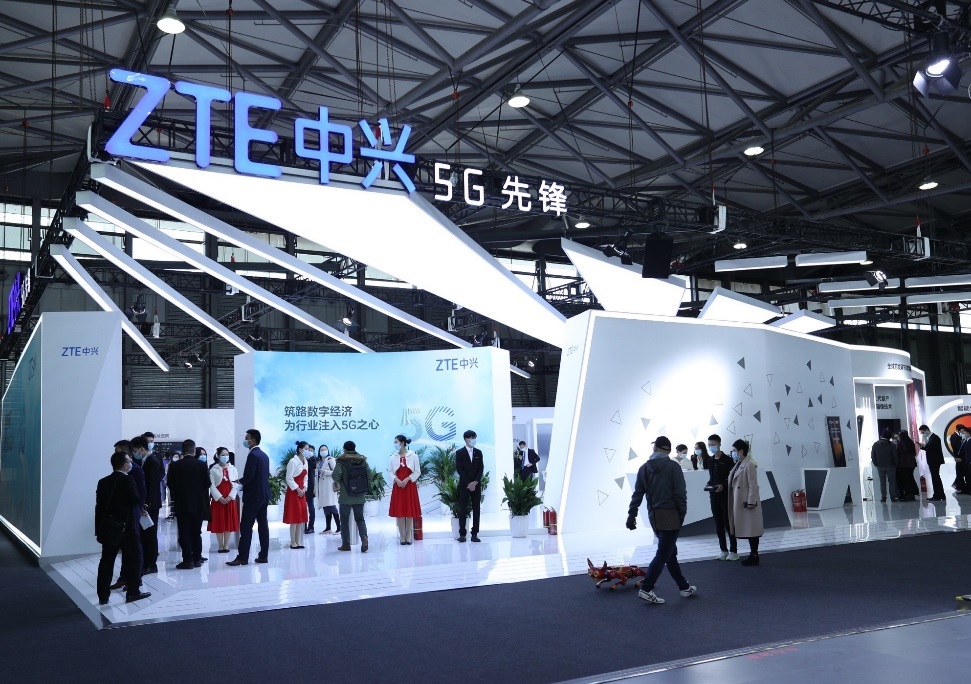
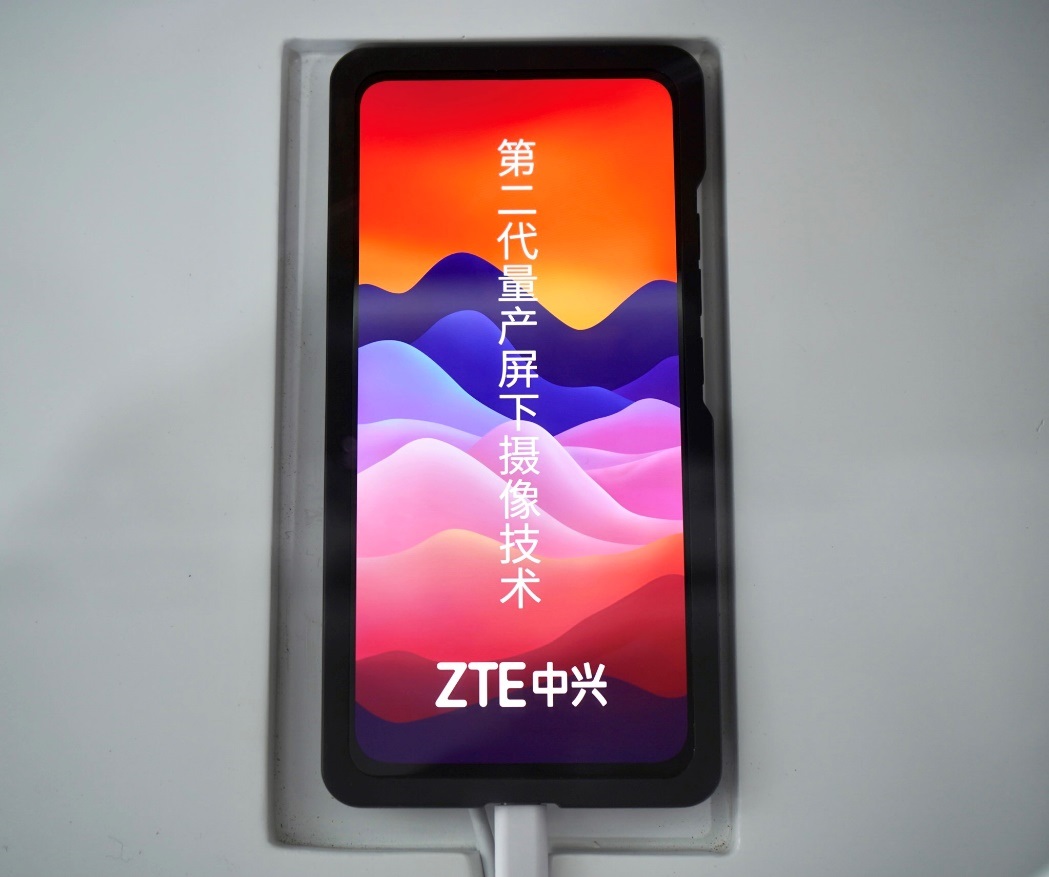
Earlier today (23rd February 2021), ZTE showcased its second generation of under display camera technology in the MWC Shanghai 2021 event. This is successor the company’s first under display camera technology and arrive with various improvements.

ZTE

For those unaware, the Mobile World Congress is a major event where various tech giants arrive to showcase their new and innovative technology. At the moment, various companies have announced their breakthroughs in fields like 5G, artificial intelligence, smart home, smart travel, and other innovations. ZTE also held a conference in the event, and unveiled its second generation of under display camera screen technology. The first device to feature the new type of display was the Axon 20 5G, which launched last year.

Since then, the company has made improvements to the new display technology, with one of the primary upgrades being pixel density on the camera region. While the first iteration arrived with a 200ppi pixel density, the second generation display panel features 400ppi pixel density. In other words, the screen will be able to display sharper and clearer images. Furthermore, the company also aimed at delivering a more consistent display performance on the main screen.

ZTE

Another notable improvements is on the refresh rate of the panel, as the new screen features a 120Hz refresh rate. This is higher than the 90hz seen on the first generation under display camera technology from ZTE. During the event, the company also demonstrated the world’s first under screen 3D structured light technology. This will enable 3D face recognition and live detection, which is better than the various existing 2D solutions. Meaning, it is currently one of the most strongest and safest biometric technology that can also be used for 3D modeling, augmented reality, and other applications as well.

RELATED:


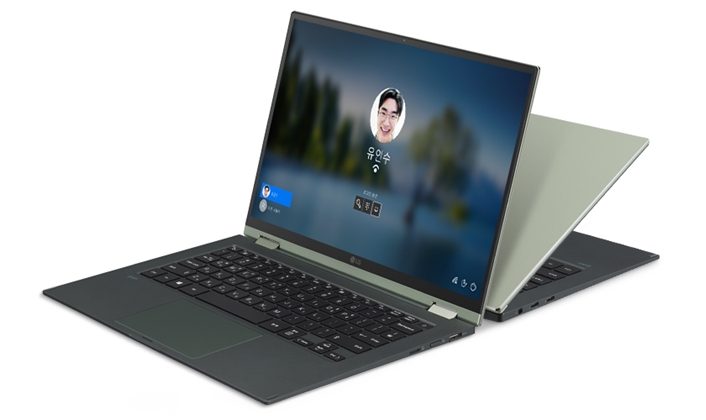
LG Gram 360 2-in-1 laptop powered by Intel 11th-generation processor announced

LG recently started selling the newly upgraded LG Gram laptops in the United States and now the company has launched a new laptop in its home country South Korea, dubbed as LG Gram 360. It is a 2-in-1 device which comes in two sizes — 14-inch and 16-inch.

The 14-inch model features a WUXGA IPS display with 1920 x 1200 pixels screen resolution while the 16-inch model comes with a WQXGA IPS display that offers a 2560 x 1600 pixels screen resolution. Both of them comes with a taller 16:10 aspect ratio.

LG Gram 360 2-in-1 Laptop

Under the hood, the devices are powered by the 11th Generation Intel Core i5-1135G7 processor along with Intel Iris Xe graphics. As for the memory, there’s an 8GB LPDDR4x RAM clocked at 4,266MHz and for storage, there’s a 256GB NVMe SSD.

The company is offering two 2W speakers with support for HD Audio and DTS:X Ultra. For connectivity, it comes with Wi-Fi 6, Gigabit Ethernet, headphone jack, a USB 3.1 port, and two USB Type-C ports.

There’s also an HD webcam on both the models, as well as a fingerprint reader. The keyboard is backlit and the touch has support for Windows gestures. The 14-inch model is backed by a 72Whr battery while the 16-inch model is backed by an 80Whr battery.

LG Gram 360 2-in-1 laptop is also MIL-STD compliant which means that the device has passed seven tests for shock, dust, high temperature, low temperature, vibration, salt mist, and low pressure.

The 14-inch model is priced at KRW 2.09 million (approximately $1,879) for the base configuration and is offered in Obsidian Black and Topaz Green colors. On the other hand, the 16-inch model is priced at KRW 2.24 million (about $2,014) and comes in Obsidian Black and Quartz Silver colors. The company has not yet shared the date of availability.

RELATED: 

Realme GT 5G leather variant’s design revealed through official poster

It was recently leaked that the upcoming Realme GT 5G flagship phone will be arriving in glass rear and leather back versions. The glass version was showcased yesterday. Today, Realme CMO Xu Qi shared an official poster to give a good look at the leather edition of the Realme GT 5G.

The yellowish-orange colored back of the leather edition has a thick black stripe running down starting from the camera module. It features a 64-megapixel camera in its triple camera setup. Speculations are rife that it includes a 13-megapixel ultrawide lens and a 13-megapixel telephoto sensor.

Realme GT Bumblebee leather back

A previous report dubbed the leather model as the Realme GT 5G Bumblebee leather edition. However, the machine translation of Xu Qi’s Weibo post calls the device “GT Ares Special Edition-Dawn.” The official moniker of the leather edition is expected to get confirm through the Realme GT’s launch event. Xu Qi claimed that every detail of the leather version, which is inspired by the classic GT models, has been meticulously designed.

So far, reports have revealed that the Snapdragon 888 powered Realme GT 5G has a 120Hz punch-hole AMOLED screen, 12 GB of LPDDR5 RAM, 256 GB of UFS 3.1 storage, Realme UI 2.0 based Android 11 OS, 65W fast charging support, and a 3.5mm audio jack. Today, the company confirmed that the Realme GT 5G has a VC boost 3D-tempered liquid cooling heat dissipation, which is 50 percent better than the previous generation.

The Realme GT 5G was teased today at the Mobile World Congress (MWC) Shanghai 2021, where it showcased its lifestyle products like backpacks, suitcases, and selfie sticks among others. Xu Qui revealed that when the market encountered a decline in Q4 2020, Realme met with a 428 percent year-on-year growth rate in the Chinese market.

RELATED:

Global smartphone sales declined by 5% in Q4 2020: Report

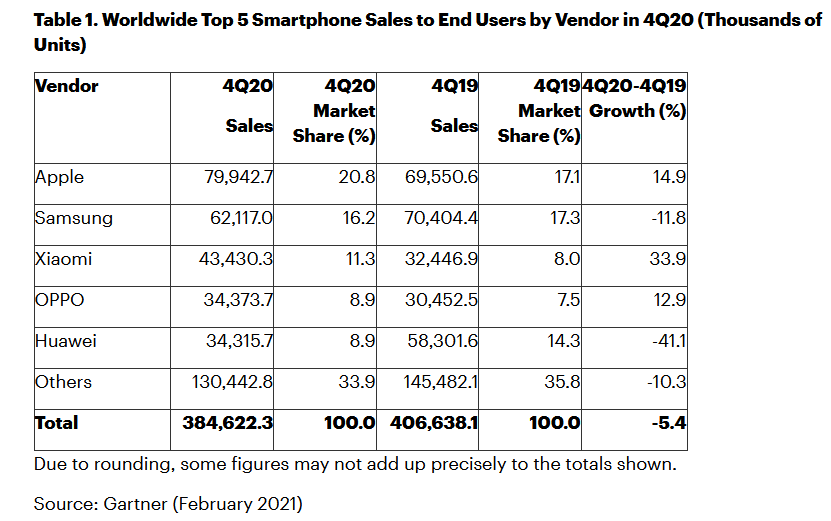
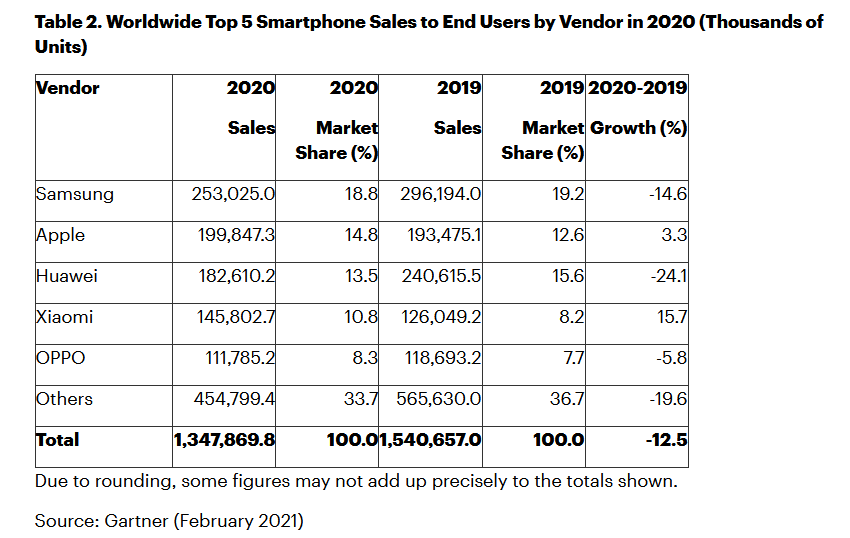
A new report has revealed that the global smartphone market saw a slight decline in the fourth and final quarter of last year. While Q4 2020 saw a decline of just 5.4 percent, the overall annual sales fell by 12.5 percent.

Smartphone

According to Anshul Gupta, senior research director at Gartner, “The sales of more 5G smartphones and lower-to-mid-tier smartphones minimized the market decline in the fourth quarter of 2020. Even as consumers remained cautious in their spending and held off on some discretionary purchases, 5G smartphones and pro-camera features encouraged some end users to purchase new smartphones or upgrade their current smartphones in the quarter.”

Furthermore, Apple was the top vendor smart vendor during the fourth quarter, and even surpassed Huawei as it held the No. 2 spot in the smartphone brand rankings for the full year of 2020. In the final quarter, the Cupertino based giant’s iPhone 12 series launch helped it achieve double digit growth, which also enabled it to overtake Samsung to become the leading smartphone vendor during the quarter. Notably, the last time Apple led the smartphone market was in the fourth quarter of 2016.

Smartphone

The South Korean tech giant still lead the annual smartphone vendor rankings. However, it saw a year on year fall of 14.6 percent last year. Although, despite the decline and intense competition from Chinese vendors like Oppo, Vivo, and Xiaomi, it still managed to retain the top spot. Interestingly, Apple and Xiaomi were the only two brands in the top 5 rankings to witness a growth. Meanwhile, Huawei witnessed the highest decline among every other vendor, with sales dropping by 24.1 percent year on year.

RELATED:


Meizu 18 series set to launch on March 3 in China

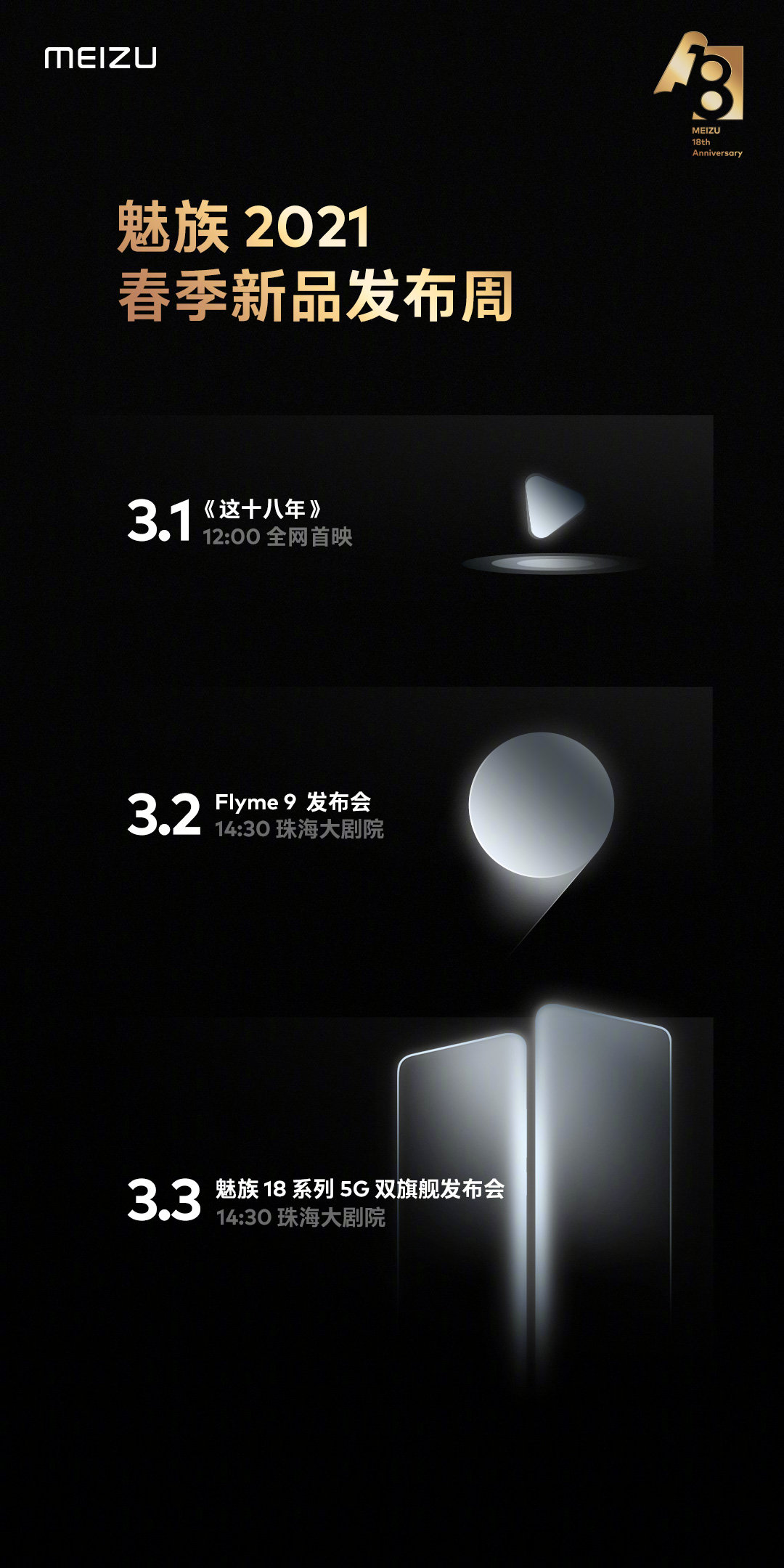
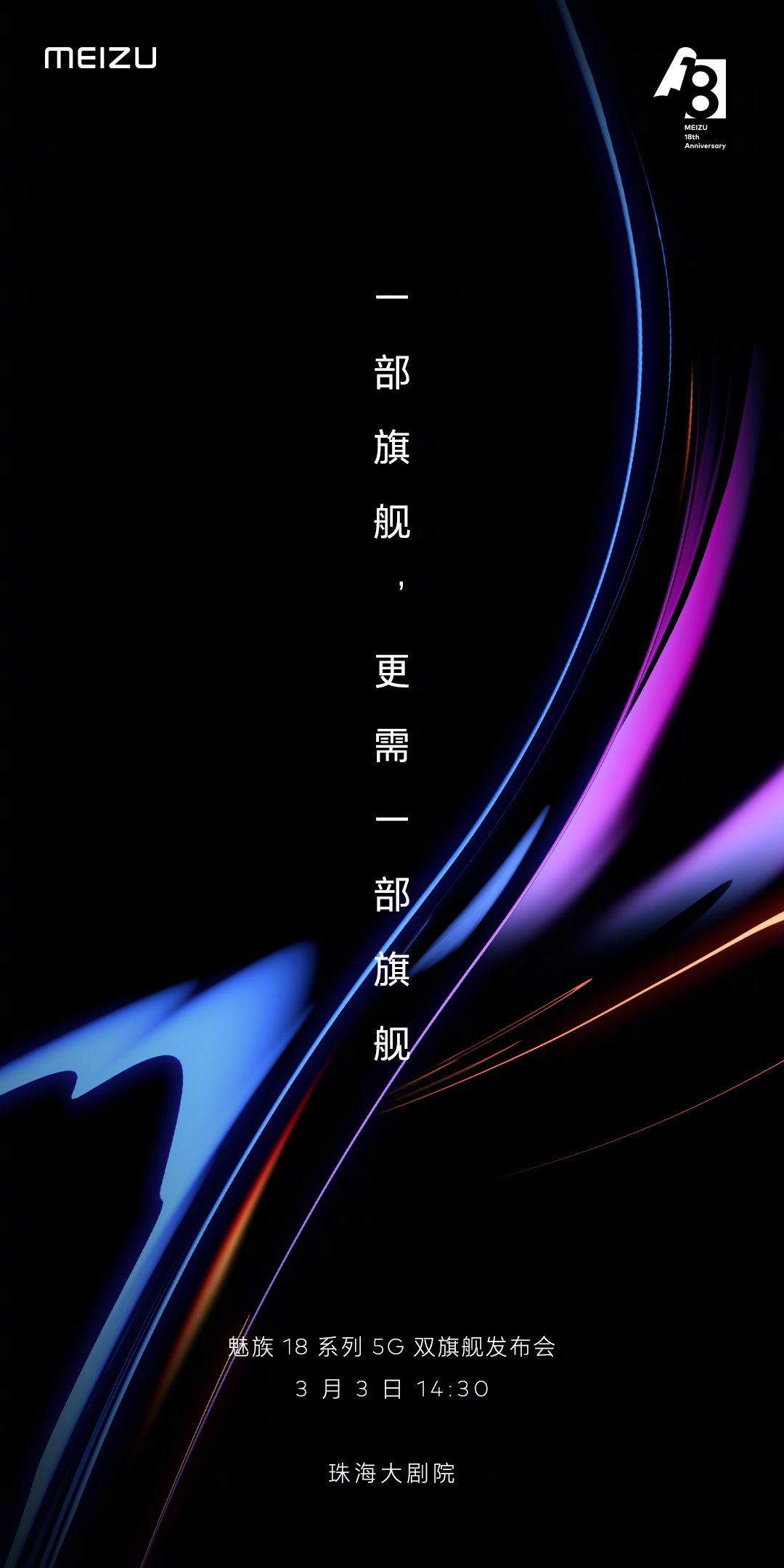
Today, Meizu confirmed that it will be releasing a movie named “These Eighteen Years” on March 1 in celebration of the company’s 18th anniversary. On March 2, it will be announcing the Flyme 9 UI in China. And on March 3, it will be announcing the Meizu 18 series.

The Meizu 18 series launch event will take place at 2:30 PM (local time) on the said date in China. The company will be announcing two flagship phones at the event. It is likely to announce the Meizu 18 in standard and Pro versions.

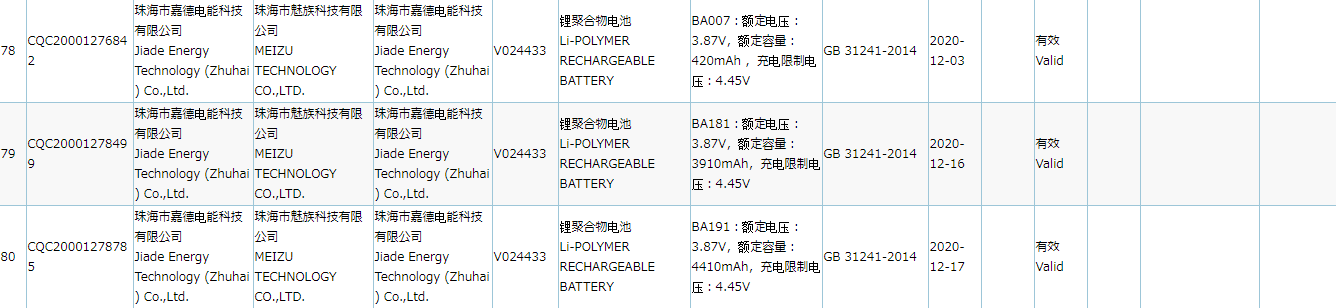
Reameizu has come across the battery capacities of the Meizu 18 models through the China Quality Certification Center (CQC). It found that the battery with model number BA181 and 3,910mAh capacity may belong to the Meizu 18. The BA191 battery with 4,855mAh capacity could be powering the Meizu 18 Pro.

Meizu 18 series and Meizu Watch battery

Meizu is also working on a smartwatch called Meizu Watch. The BA007 battery with 420mAh capacity that has appeared at CQC’s database seemingly belongs to the Meizu Watch. It is unclear whether it will go official along with Meizu 18 models.

The rumor mill is yet to spill accurate information on the specs of the Meizu 18 series. A recent report claimed that the Meizu 18 could be featuring the Snapdragon 870 mobile platform, 8 GB of RAM, 256 GB of storage, and 64-megapixel +12-megapixel + 5-megapixel triple camera system. Probably, the Meizu 18 Pro could be featuring the Snapdragon 888 SoC. Both models are expected to Samsung E4 AMOLED punch-hole displays that support FHD+ resolution and a 120Hz refresh rate.

The Flyme 9 UI will be succeeding the Flyme 8 UI, which was announced back in August 2019. The Flyme 9 could be based on Android 11 for newer models and Android 10 for older models.

RELATED:

Huawei saw ‘slight’ growth in 2020 despite various hurdles: Chairman

Huawei Technologies registered slight growth in its annual performance last year, despite suffering from various hurdles like the US sanctions. The company’s rotating Chairman, Ken Hu made the statement earlier today (23rd February 2021) at the Mobile World Congress 2021 event.

Huawei Logo MWC 2019

According to a Reuters report, the Chinese tech giant faced “extraordinary difficulties” last year. Despite this, its operations remained stable and relations with its partners remaining strong. Back in 2019, the company was placed in the Entity List (essentially an export blacklist) by the former US President Donald Trump, which prevented access from critical technologies made in the US. This, in turn, effected the brand’s ability to design and even source its own chipsets and other crucial components from vendors for its smartphone and telecom business.

The ban on Huawei was over national security risks, which the company had denied on multiple occasions. Recently, we had reported on CEO Ren Zhenfei hoping for the Biden administration to “harbor an open policy,” especially in regards to allow US firms to work with Huawei. The senior executive further added that the company saw positive growth and net profit as well last year.

Huawei Mate X2 featured

Notably, China has already spent more than 260 billion Yuan (roughly 40.27 billion US Dollars) in building its 5G network, with Huawei being one of the key 5G equipment supplier. Furthermore, the brand will also be launching its new Mate X2 5G foldable smartphone in its home market soon, which will feature its proprietary Kirin processors. The device will target the ultra high end segment of the markets and starts from 17,999 yuan (roughly 2,788 US Dollars).

RELATED:


Moto G10, G30 to launch in India in first week of March, claims leak

Last week, Motorola announced the Moto G10 and Moto G30 budget-friendly phones in Europe. According to tipster Mukul Sharma, the Lenovo-owned firm could be announcing both smartphones in India in the first week of March.

Moto G10 specifications

The Moto G10 has a 6.5-inch IPS LCD screen with a teardrop notch. It produces an HD+ resolution of 720 x 1600 pixels and a 20:9 aspect ratio. The Snapdragon 460 mobile platform powers the device with 4 GB of RAM. The device comes in two storage choices as 64 GB and 128 GB.

It has a front camera of 8-megapixel. Its rear shell has a quad-camera setup that includes a 48-megapixel main snapper, an 8-megapixel ultrawide lens, a 2-megapixel macro lens, and a 2-megapixel depth sensor. It has a 5,000mAh battery with 10W charging support.

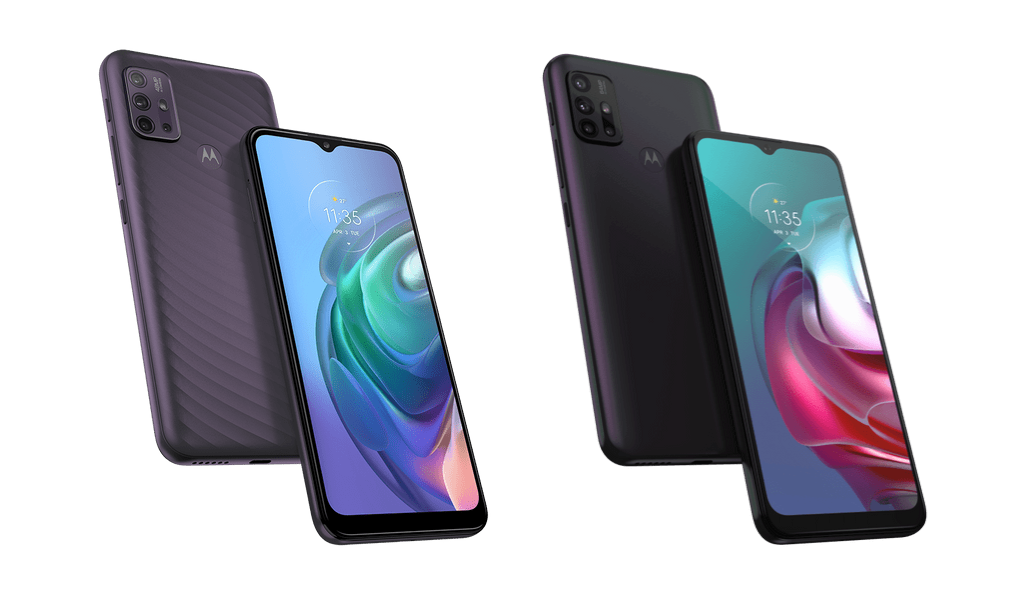
Moto G10 and Moto G30
Moto G10 (left) and Moto G30 (right)

Moto G30 specifications

The Moto G30 has a 6.5-inch IPS LCD HD+ panel with a 20:9 aspect ratio and a 90Hz refresh rate support. The Snapdragon 662 is present under the hood of the device. It comes in 4 GB and 6 GB RAM versions and in-built storage of 128 GB.

The Moto G30 has a selfie camera of 13-megapixel. The rear-mounted quad-camera system has a 64-megapixel primary camera, an 8-megapixel superwide lens, a 2-megapixel macro lens, and a 2-megapixel depth helper. Motorola offers 20W fast charging support for its 5,000mAh battery.

Both phones are loaded with Android 11 OS and they are fitted with rear-facing fingerprint sensors.

In Europe, the Moto G10 starts at 149 euros (~$181; ~Rs 13,300), whereas the Moto G30’s base model costs 179 euros (~$218; ~Rs 15,800). There is no word on the pricing of both devices for India.

RELATED:

OPPO Reno5k with Snapdragon 750G tipped to arrive soon

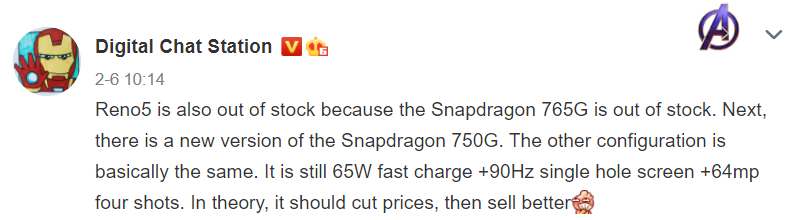
Earlier this month, a reliable tipster had claimed that OPPO is planning to launch a Snapdragon 750G SoC powered version of the Reno5 5G smartphone. Fresh information shared by another tipster suggests that the device could be launching as the OPPO Reno5k in China soon.

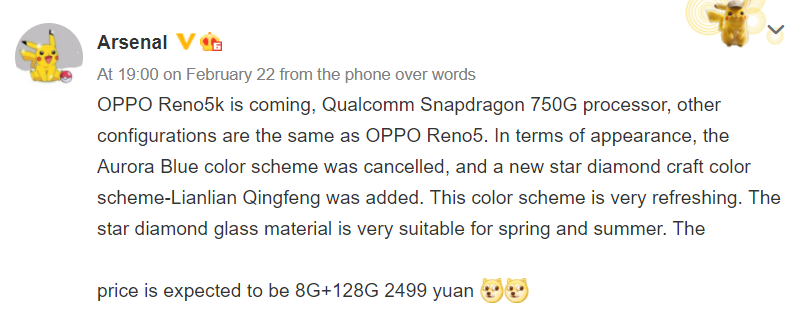
The previous leak had claimed that the OPPO Reno5 5G which debuted in December 2020 has gone out of stock. The Snapdragon 765G chipset powered phone was selling in China with a starting price of 2,699 Yuan (8GB RAM + 128 GB storage variant). The new leak speculates that the Reno5k’s 8GB+128GB edition could be priced at 2,499 Yuan (~$387).

The OPPO Reno5 5G was made available in hues like Aurora Blue, Midnight Black, and Starry Dream. It is likely that the Snapdragon 750G SoC powered OPPO Reno5k will not be available in the blue version. Instead, the company may introduce a new color option.

Except for the chipset, the OPPO Reno5k may borrow all its specifications from the Reno5 5G. Hence, it is likely to feature a 6.43-inch FHD+ punch-hole screen that offers a 90Hz refresh rate, a 32-megapixel front camera, a 64-megapixel + 8-megapixel (ultrawide) + 2-megapixel (macro) + 2-megapixel (depth) quad-camera system, a 4,300mAh battery with 65W fast charging support, an in-screen fingerprint reader, and Android 11 OS.

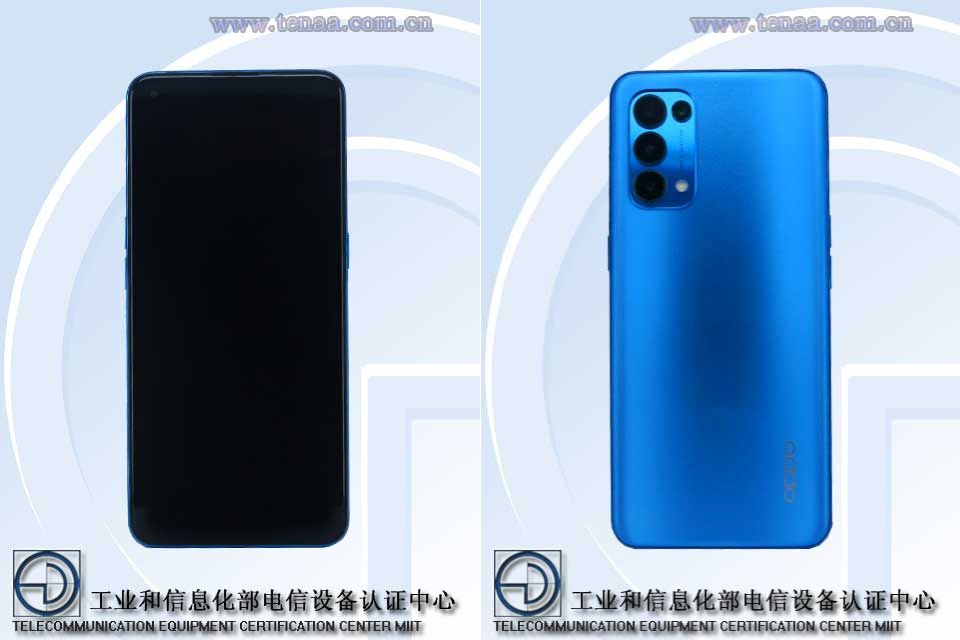
OPPO PEGM10, PEGT10 TENAA
Images of OPPO PEGM10 / PEGT10 at TENAA

In related news, an OPPO phone with model number PEGM10 / PEGT10 was certified by the TENAA agency of China. There is a possibility that it could be the upcoming OPPO Reno5k as the regular Reno5 5G has PEGM00 / PEGT00 model number. The images of the PEGM10 / PEGT10 show that its appearance resembles the Reno5 5G.

RELATED:

Black Shark 4’s Snapdragon 870 version with 120W charger certified by China’s 3C authority

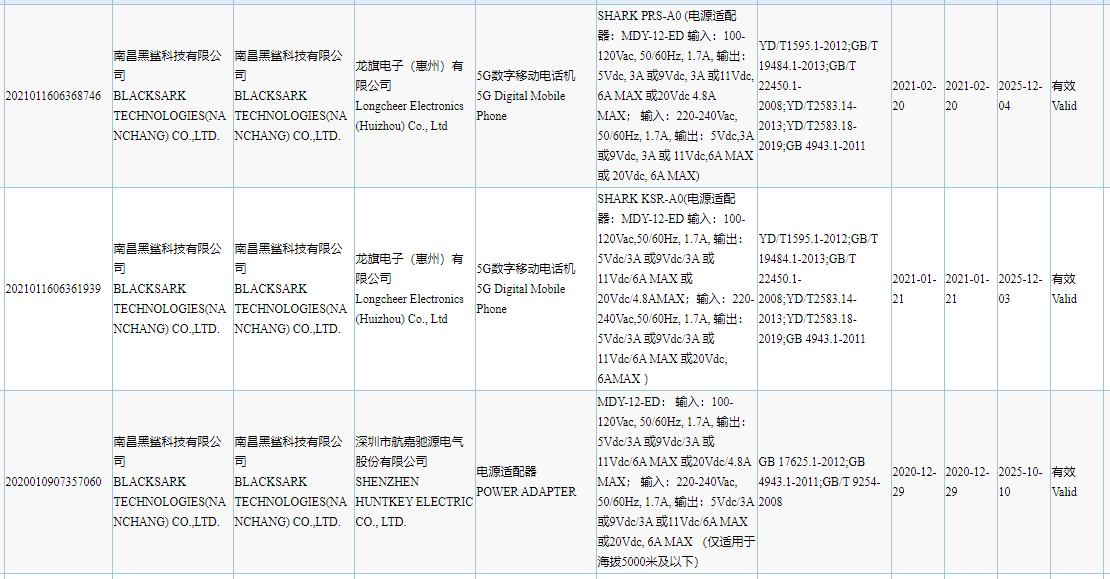
Black Shark is expected to announce the Black Shark 4 series of smartphones either by the end of this month or early in March. It is known through TENAA certification that KSR-A0 and PRS-A0 are the model numbers of the two phones that are said to belong to the Black Shark 4 lineup. Earlier this month, the KSR-A0 model was certified by the 3C authority of China. Now, the PRS-A0 variant has bagged the 3C certification.

The 3C certification of the Black Shark 4 (KSR-A0) revealed that it could be shipped with an MDY-12-ED charger that supports up to 120W fast charger. The PRS-A0 model has appeared with the same 120W rapid charger at 3C’s database today.

Black Shark 4 Variants 3C Certified

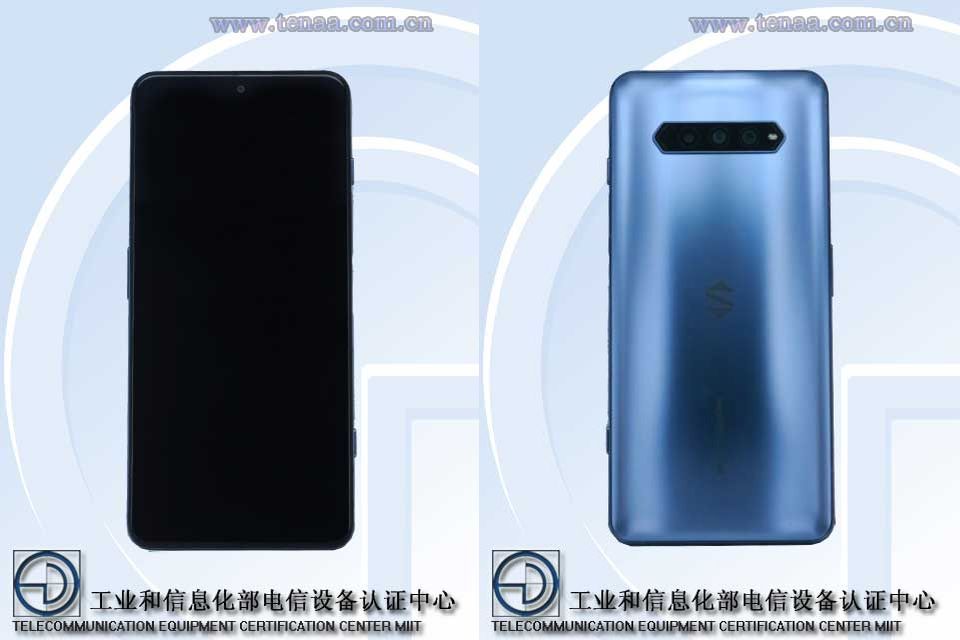
The TENAA images of the PRS-A0 variant revealed that it could be a cheaper gaming smartphone compared to the KSR-A0 phone. The reason behind it is that the PRS-A0 model was spotted with a plain rear design. The images of the KSR-A0 have not yet appeared at TENAA. However, the listing revealed that the KSR-A0 has a 6.67-inch display, Android 11 OS, a 4,500mAh battery, and 163.83 x 76.35 x 10.3mm dimensions.

Black Shark 4 PSR-A0 TENAA images

The KSR-A0 model is expected to feature the Snapdragon 888 mobile platform. According to a reliable tipster, the PSR-A0 is equipped with the Snapdragon 870. He added that it will be arriving as the most affordable gaming phone with a 120W fast charger.

The PSR-A0 model was recently spotted at the Google Play Console. The listing had incorrectly mentioned its SoC as Snapdragon 835. It revealed other specs like a Full HD+ resolution, 12 GB of RAM, and Android 10 OS.

RELATED:

Nintendo Switch Pro with 4K support to reportedly launch later this year

Nintendo Switch has been a popular gaming console and the company is expected to launch an upgraded version of the same, dubbed Nintendo Switch Pro. Now, the company’s insider has revealed that the new model will support 4K.

It has also been revealed that the Nintendo Switch Pro will be officially launched later this year. However, do note that the company has not yet confirmed the launch date or even the existence of the Switch Pro.

Nintendo Switch Super Mario Limited Edition

The rumors about the Nintendo Switch Pro started surfacing online around the launch of Sony PlayStation 5 and Microsoft Xbox Series X. It has been four years since Nintendo launched Switch and so people are expecting the company to launch an upgraded version in the near future.

A couple of months ago, Doug Bower, who is leading Nintendo in America, debunked Switch Pro rumors and said that the Switch Lite is performing well in the market and thus the company is not working on a new devices. However, experts are not convinced.

Industry leader Nate Drake said in a new forum post on Reset Era that he is “confident it [Switch Pro] gets announced this year.” He also added that “hope remains for a 2021 launch,” but if there is any sort of delay until 2022, this should be announced within the next few months.

The Nintendo Switch Pro is expected to come with the company’s resolution upgrade tool called DLSS and support for 4K functionality. It is also believed to have an improved portal mode and should have a few other meaningful upgrades.

RELATED: 

Xiaomi to launch the MIJIA Fascia Gun under crowdfunding on February 24

Around July last year, Xiaomi launched the Merach Merrick Nano Massage Gun for backing on the Youpin crowdfunding platform. Later on in December 2020, the product was launched for the global market on Indiegogo and the response was beyond impressive.

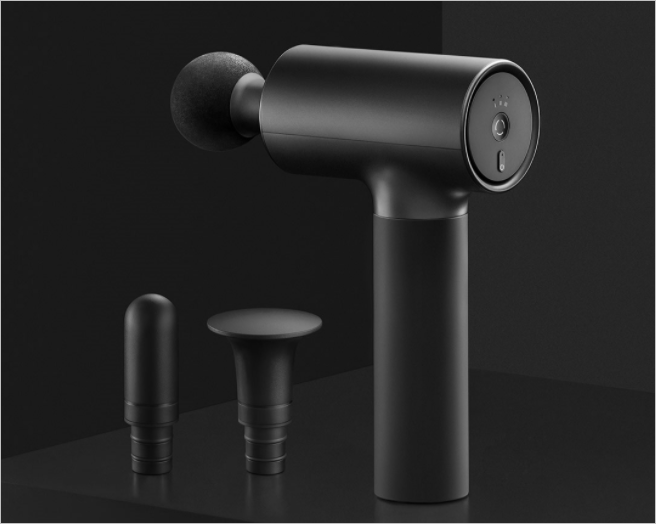
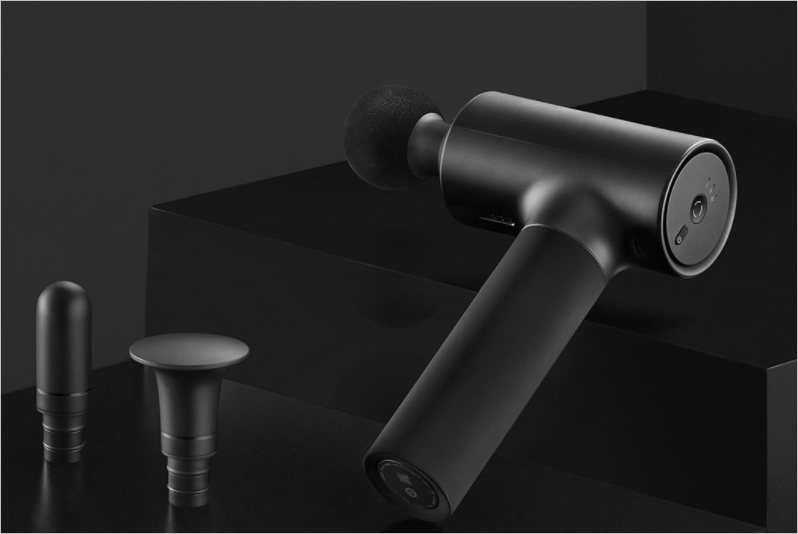
Xiaomi is about launching its own branded massage gun dubbed MIJIA Fascia Gun. The product page has already gone live on Xiaomi Mall while the crowdfunding will commence on February 24.

From the details on the product page, we can grab that the fascia gun or massage gun uses a high-speed brushless motor that supports three frequencies of 1,800 Hz, 2,400 Hz, and 3200Hz. The massage gun also comes with a reminder feature whenever excessive pressure is applied. The product also has a low working noise said to be just 45dB.

What makes this stand out is perhaps the portable design. The Mijia Fascia Gun weighs 856g and it has a handle with a diameter of 47mm. Further, the fascia gun is crammed with a decent 2600mAh lithium battery which charges over the USB Type-C interface. XIoami says the massage gun can be used for up to 12 hours but we believe that’ll depend on the usage style.

The MIJIA Fascia Gun will retail for 499 yunz (~$77) but it will be on crowfunding right now for 449 yuan (~$69). As stated erlier, the crowdfunding exercise will go live at 10 am on February 24.

RELATED;

Xiaomi launches IDMIX P10 Pro 10,000mAh power bank with Lightning port support

Apple recently launched the iPhone 12 series smartphones and with that, the company also introduced support for PD 20W fast charging. Since then, many manufacturers have launched fast charging products for these new devices and now Xiaomi has joined the list.

Xiaomi has launched the IDMIX P10 Pro power bank in China through its Xiaomi Youpin platform. The power bank is priced at 199 yuan (approximately $31) but the green version is currently available for 189 yuan, which is around $29.

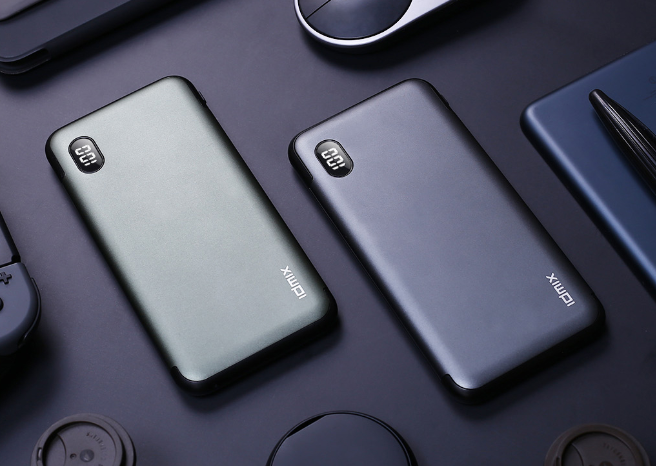
Xiaomi IDMIX P10 Pro Power Bank

The IDMIX P10 Pro power bank comes with support for 10,000mAh capacity and the highlight is that it is equipped with a MiFi-certified Lightning interface. It supports Apple PD 20W fast charge, which is claimed to charge the iPhone 12 up to 50 percent in just 30 minutes. Apart from that, there is also support for Huawei SCP 22.5W fast charge.

There is a Lightning input port and USB Type-C port for both input and output. The company notes that as loon as the device is equipped with a Lightning cable certified by IDMIX brand MiFi, it can be charged and self-charged.

It has an ergonomic double-sided arc design and the thickness measures only 12.8mm. The front side of the power bank is equipped with a small display that shows the remaining battery power in real-time.

With the 10,000mAh battery capacity, the power bank can charge two devices at the same time. As per the company’s claims, the iPhone 12 can be charged 3.1 times, Huawei P40 can be charged 1.8 times and the Xiaomi 10 can be charged 1.7 times.

RELATED: 

Redmi K40 with Snapdragon 870 spotted at Geekbench

Reports have revealed that model numbers such as M2012K11AC and M2012K11C belong to the Redmi K40 and Redmi K40 Pro smartphones. While the Pro model is expected to arrive with the Snapdragon 888 mobile platform, it is unclear which processor will be fueling the K40. Some reports have claimed that the vanilla could be equipped with Snapdragon 870, while other reports have said it could be featuring the Dimensity 1100 / 1200 or the upcoming Snapdragon 7-series chip. The Redmi K40 has emerged on Geekbench (via) benchmarking platform to reveal its processor.

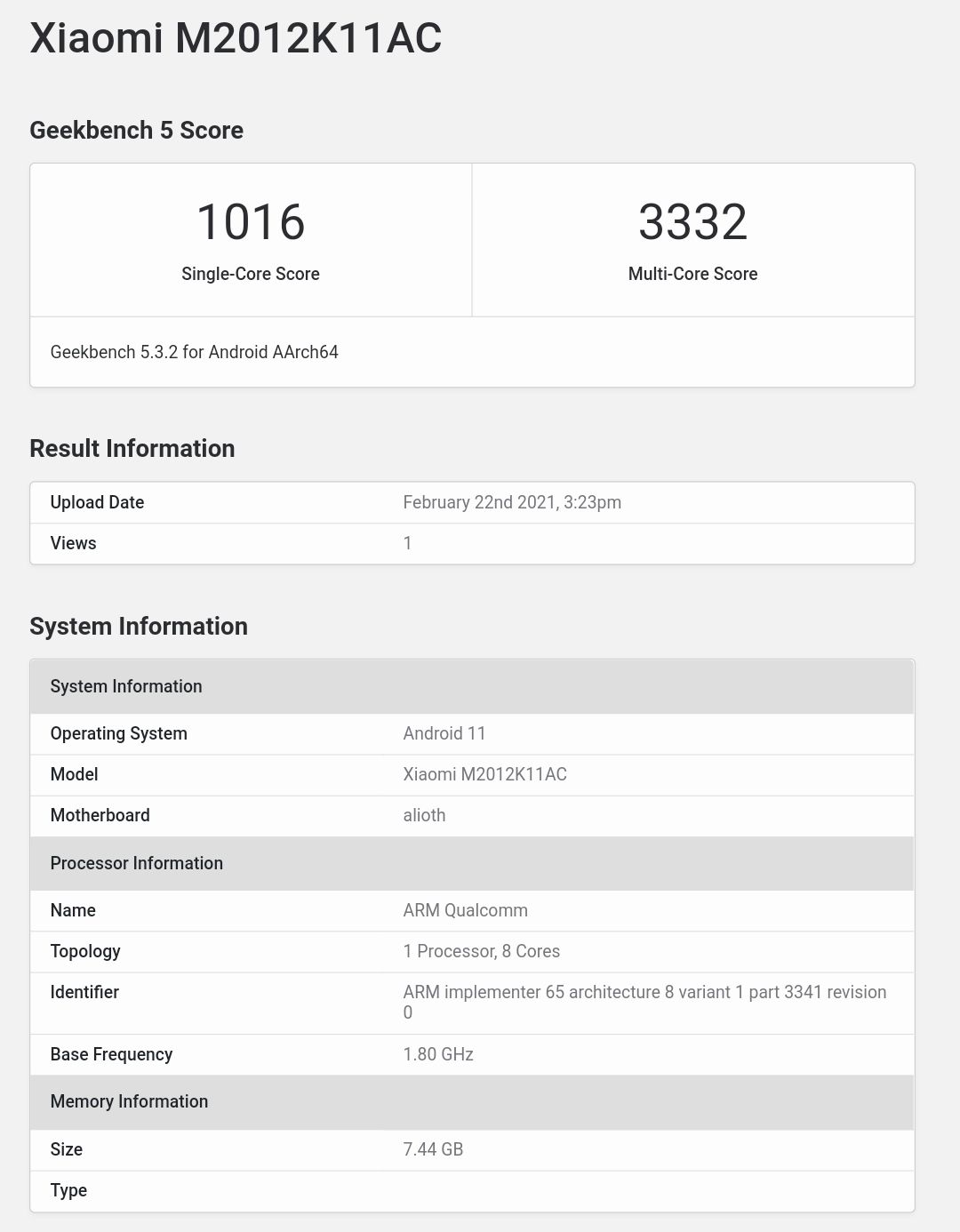
On Geekbench, the Redmi K40 has appeared with its M2012K11AC model number and ‘alioth’ codename. The listing reveals that it is a 1.80GHz Qualcomm processor, 8 GB of RAM, and Android 11 OS.

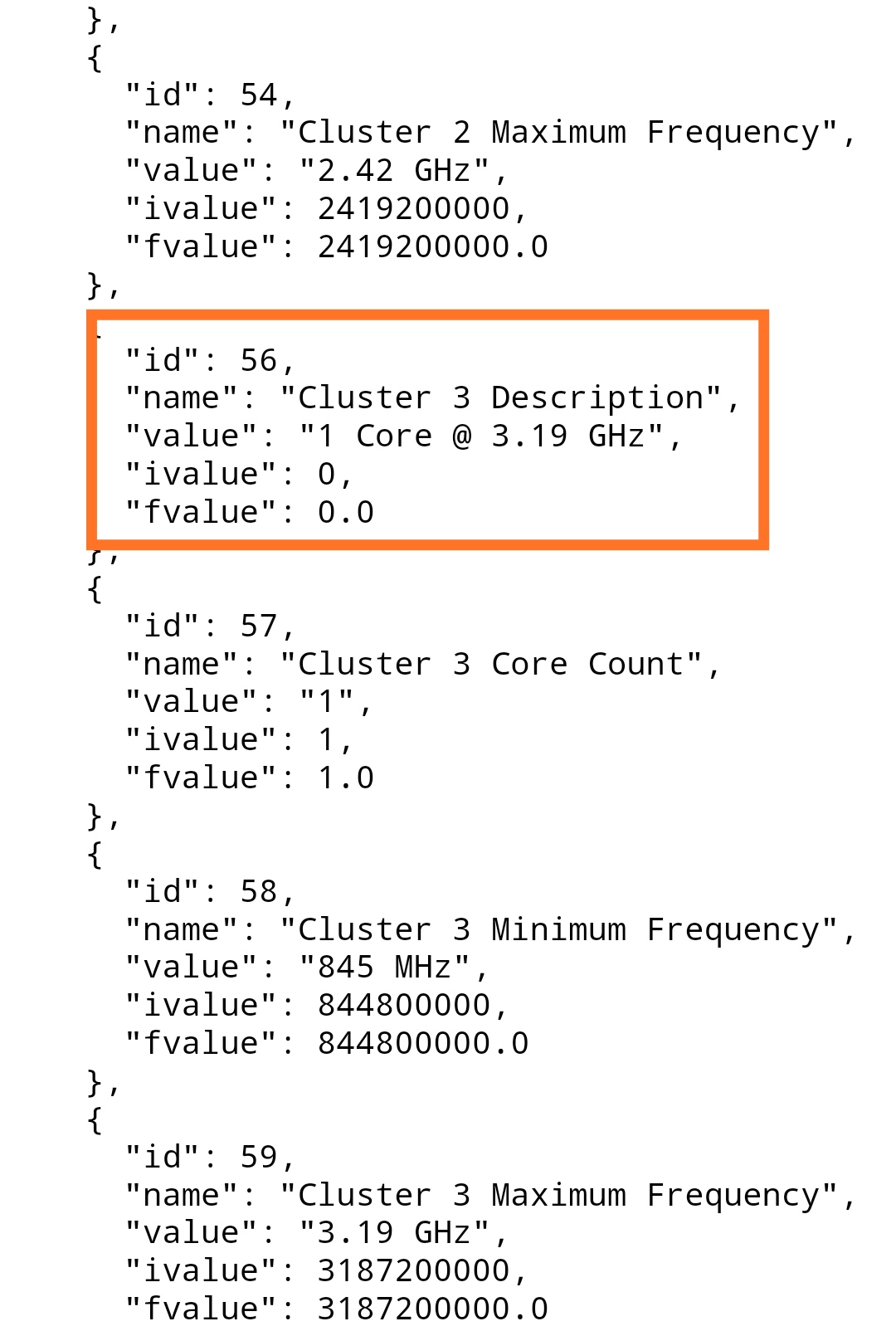
The source code of the Geekbench listing shows that the Qualcomm chip can achieve maximum speeds of 3.19GHz. This indicates that the device could be featuring the Snapdragon 870 mobile platform. It scored 1016 points in the single-core test and it recorded a score of 3332 in the multi-core test.

So far, it is known that the Redmi K40 will be flaunting a 6.6-inch Samsung AMOLED E4 display with a top-centered selfie camera cutout. The screen will support a Full HD+ resolution and a 120Hz refresh rate. It is backed by a 4,520mAh battery that supports 33W fast charging.

The Redmi K40 and Redmi K40 Pro are expected to arrive with identical specs, and they are expected to differ mainly in two departments like SoC and camera. Both phones are equipped with quad cameras, but their configurations are not known yet. The Redmi K40 series is scheduled to go official in China on Feb. 25.

RELATED:

ZTE’s Ni Fei teases new under-display camera technology ahead of MWC Shanghai

ZTE is one of the early adopters of the under-display camera technology for smartphones. Now, the Chinese company seems to have improved the tech and will be introducing it with the Axon 30 Pro smartphone.

Ahead of the launch of the smartphone, ZTE’s Business Unit President and President of the Nubia Technology, Ni Fei, has confirmed that the next-generation under-display camera technology will be unveiled at MWC Shanghai.

ZTE Axon 30 Pro Under-Display Camera Teaser

Ni Fei has now shared a teaser image on his personal Weibo account which gives us a hint at the improved technology. It appears that the in-display camera has less visible issues with the panel and offers improved image quality.

This new technology for the in-display camera sensor is expected to be the first to utilize the under-screen 3D structured light. Given that the Axon 30 Pro, which will feature this new tech, is said to be a flagship smartphone powered by Qualcomm Snapdragon 888 SoC, the image quality should have improved drastically to consider it a flagship-worthy.

The ZTE Axon 20 was the first smartphone to feature an under-display camera sensor, which was developed by Visionox. For the newer version also, we expect ZTE to continue working with Visionox. We will be getting more information about this in a few hours, when ZTE takes stage at MWC Shanghai.

RELATED: 

OPPO Find X3 series flagship smartphones to reportedly launch on March 11

OPPO is gearing up to launch its latest OPPO Find X3 lineup in which the company is expected to unveil four devices — OPPO Find X3, Find X3 Pro, Find X3 Neo, and Find X3 Lite. While the company has not yet confirmed the official launch date, it has been tipped by Jon Prosser.

According to the latest information coming via Jon Prosser, the OPPO Find X3 series flagship smartphones will be officially launched on 11th March. He has also revealed that the company will start taking pre-orders for the same from 31st March while the devices will be available for purchase from 14th April.

OPPO Find X3 Pro render
Leaked OPPO Find X3 Pro Render by Evan Blass

Based on the leaked images, it seems that the Find X3 Neo and Find X3 Pro will come with an edge-to-edge display. All these phones will feature a punch-hole cutout on the top-left corner of the screen.

Coming to the display, it is said that the Find X3 Pro will have a 6.7-inch AMOLED display with Quad HD+ screen resolution and 120Hz refresh rate support. The Neo variant is also said to have the same size of screen while the Lite model will feature a 6.4-inch display.

Oppo

The Pro variant is expected to come powered by the Qualcomm Snapdragon 888 chipset while the standard model is said to pack Snapdragon 870 SoC. The Pro model may come with a 4,500mAh battery and support for 65W SuperVOOC 2.0 fast charging and 30W VOOC Air wireless charging.

In the camera department, the Find X3 Pro will have a quad-camera setup which is expected to have 25x “microscope” macro zoom. It is also expected to feature two 50MP Sony IMX766 sensors.

It is believed that the OPPO Find X3 Lite will be a rebranded version of OPPO Reno5 5G and will have a flat display. Recently, we reported that the Find X3 Neo appears to be a rebranded version of the OPPO Reno5 Pro+.

RELATED:

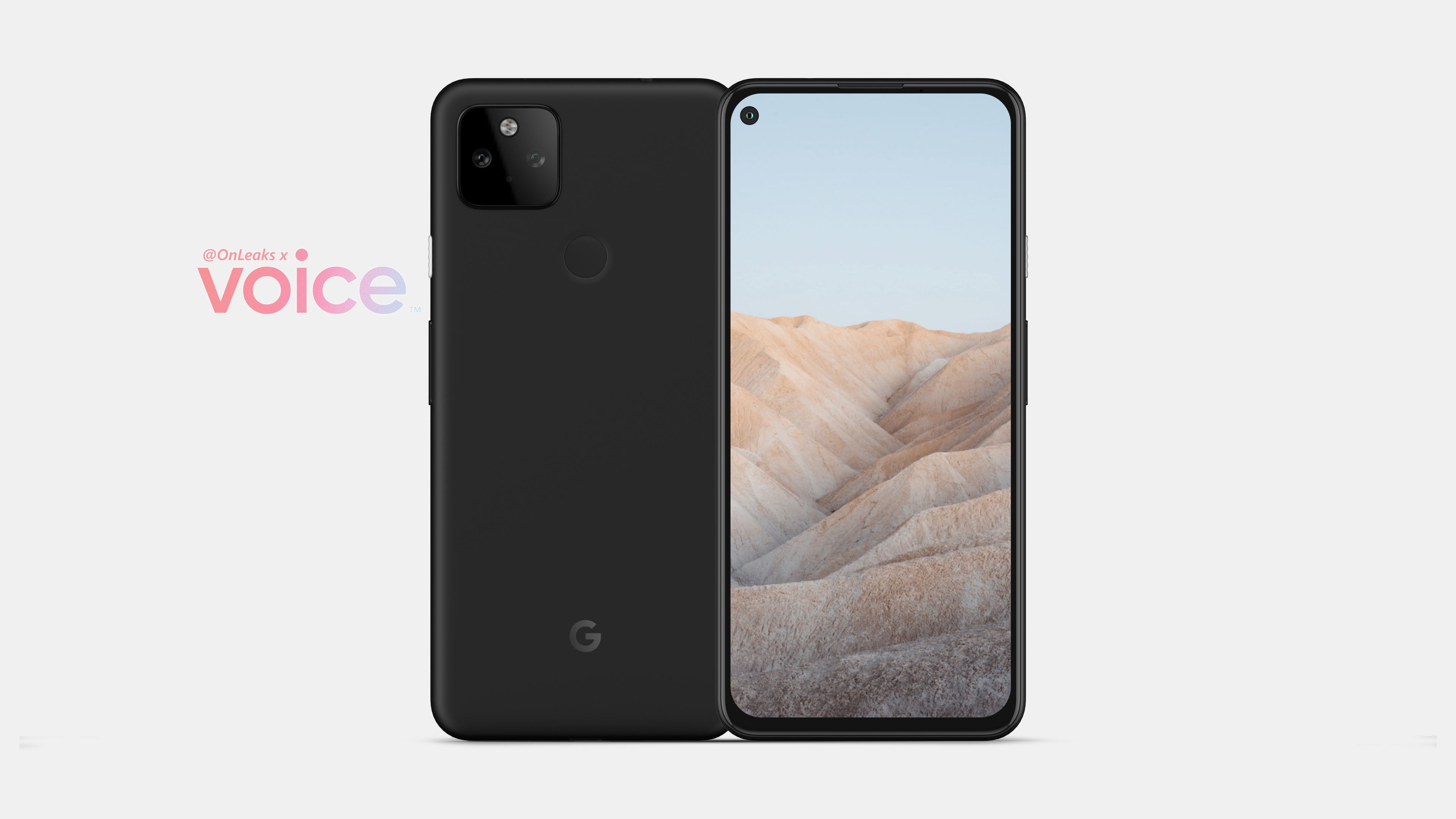
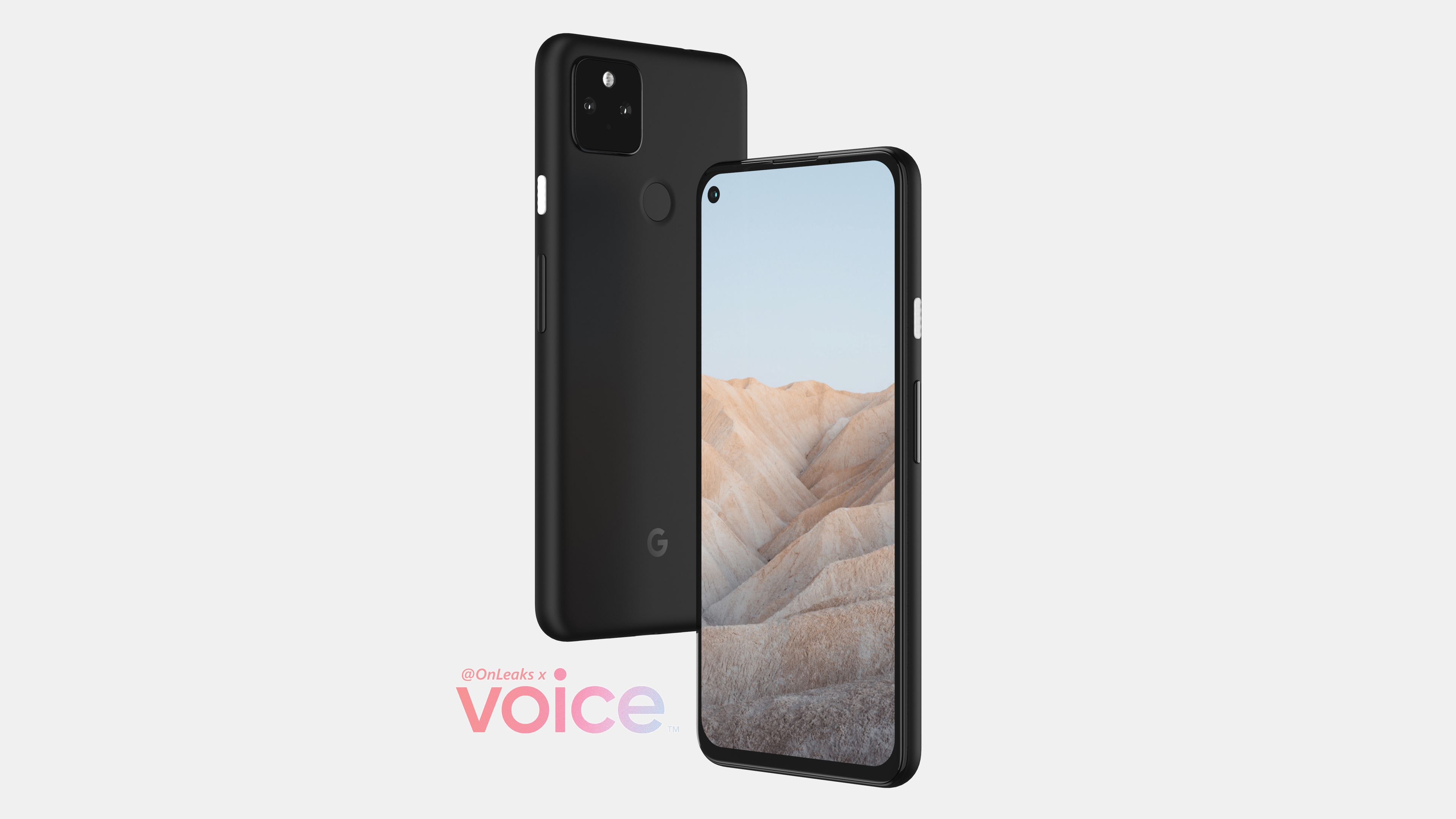
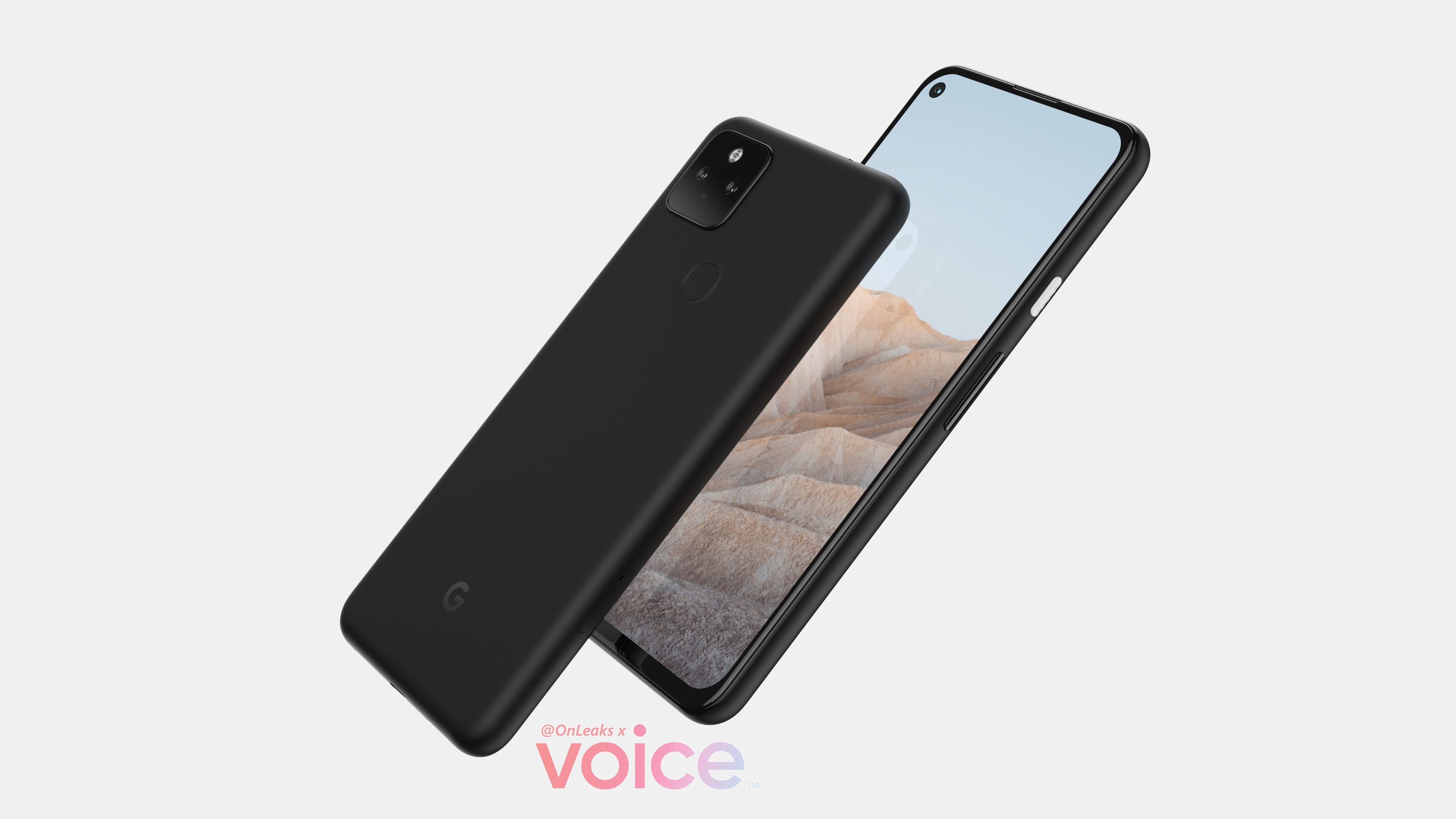
Renders provide a first look at the Pixel 5a and it looks a lot like the Pixel 4a 5G

Just like the Pixel 4 before it and the Pixel 3, the Pixel 5 will also be getting a more affordable variant which will launch as the Pixel 5a (no 5G). The renders show that the phone shares a striking resemblance to the Pixel 4a 5G.

Pixel 5a render

The renders were posted on Voice by Steve Hemmerstoffer who is best known by the moniker OneLeaks. The leaker has given us not only our first look at Google’s next budget Pixel phone but also some details.

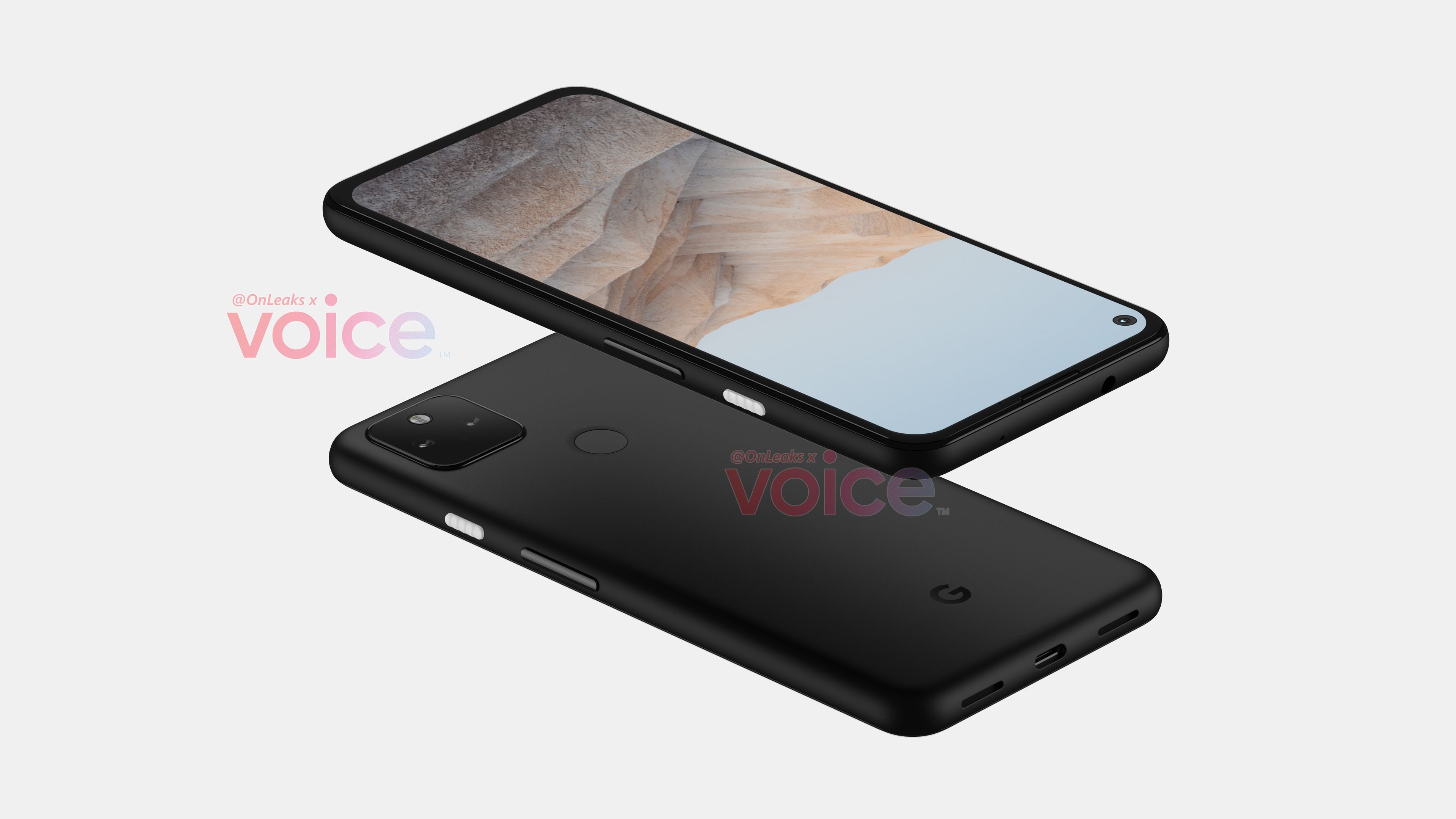
The Pixel 5a is shown as having a flat display with a punch hole at the top left corner for a camera. On the back, it has a squircle-shaped camera module with two sensors and an LED flash. There is also a rear-mounted fingerprint scanner on the device.

Pixel 5a render

Google will keep the audio jack on the Pixel 5a and the image above shows it will reside at the top. The bottom of the phone is home to the USB-C port which is flanked on each side by a slit. On the right-hand side is a textured power button that is painted white and below it is a volume rocker.

The Pixel 5a is said to have a 6.2-inch FHD+ OLED display just like the Pixel 4a 5G but there is no mention of it having a high refresh rate. The back of the phone is said to be made of plastic which isn’t surprising considering it will be Google’s most affordable phone this year.

The renders show the phone in black but we hope Google releases it in more colors. The Pixel 4a was announced in Just Black and Barely Blue while its 5G variant is sold in only one color – Just Black. The Pixel 5’s dimensions are given as 156.2 x 73.2 x 8.8 mm (9.4mm when you add the camera bump).

A lot of the specs of the upcoming phone are unknown but we can expect a bigger battery capacity, a more powerful processor, and better cameras than the Pixel 4a released last year.

There is no news of a release date too but more details should surface in the coming weeks.


RELATED:


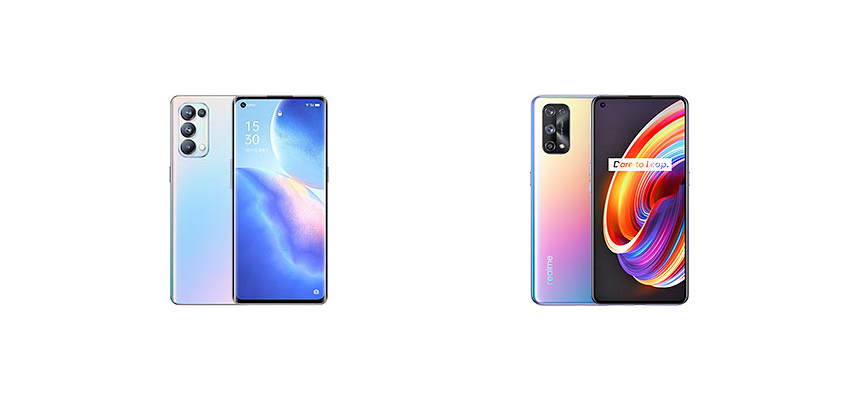
OPPO Reno5 Pro 5G vs Realme X7 Pro: Specs Comparison

Realme X7 Pro was recently launched in India after months from the first release in China. Despite several months passed, it is still one of the most impressive flagship killers out there. But at the end of the last year, even OPPO decided to release an amazing flagship killer: the Reno5 Pro 5G. Unlike the Reno4 Pro, the new handset is not a mid-ranger but it comes with a high-end chipset, one of the best by MediaTek. Is it better to spend a bit more and grab a unit of the OPPO Reno5 Pro 5G or Realme X7 Pro is a smarter purchase? This comparison will clear your ideas in regards.

OPPO Reno5 Pro 5G vs Realme X7 Pro

OPPO Reno5 Pro 5G Realme X7 Pro
DIMENSIONS AND WEIGHT 159.7 x 73.2 x 7.6 mm,

173 grams

160.8 x 75.1 x 8.5 mm,

184 grams

DISPLAY 6.55 inches, 1080 x 2400p (Full HD+), 402 ppi, 20:9 ratio, OLED 6.55 inches, 1080 x 2400p (Full HD+), 402 ppi, 20:9 ratio, AMOLED
PROCESSOR Mediatek Dimensity 1000+, octa-core 2.6 GHz Mediatek Dimensity 1000+, octa-core 2.6 GHz
MEMORY 8 GB RAM, 128 GB – 12 GB RAM, 256 GB 6 GB RAM, 128 GB – 8 GB RAM, 128 GB – 8 GB RAM, 256 GB
SOFTWARE Android 11 and ColorOS Android 10 and Realme UI
CONNECTIVITY Wi-Fi 802.11 a/b/g/n/ac/ax, Bluetooth 5.1, GPS Wi-Fi 802.11 a/b/g/n/ac/ax, Bluetooth 5, GPS
CAMERA Quad 64 + 8 MP + 2 + 2 MP f/1.7 and f/2.2 and f/2.4 and f/2.4
32 MP f/2.4 front camera
Quad 64 + 8 + 2 + 2 MP f/1.8 + f/.3 + f/2.4 + f/2.4
32 MP f/2.5 front camera
BATTERY 4350 mAh
Fast charging 65W
4500 mAh, Fast Charging 65W or Fast Charging 50W (market dependent)
ADDITIONAL FEATURES Dual SIM slot, 5G, reverse charging Dual SIM slot, 5G

Design

If you prefer having the most beautiful and gorgeous phone, then you should go for the OPPO Reno5 Pro 5G without thinking twice. First of all, it has a display with curved edges making it way more elegant. Further, it is a thinner and lighter device. Even the build quality is better: the phone is a glass sandwich protected by Gorilla Glass 5 and it has an aluminum frame. Even the screen-to-body ratio is higher compared to the Realme X7 Pro. The latter still comes with a good design and build quality, but the Reno5 Pro has flagship-like aesthetics which can be considered objectively superior.


Display

Do you need the best display in terms of image quality or for gaming? If you are a gamer, then you may prefer the Realme X7 Pro due to its higher 120 Hz refresh rate. But for all the other activities, the OPPO Reno5 Pro 5G is actually better: unlike the Realme X7 Pro, it features the HDR10+ certification and it even comes with a higher peak brightness (up to 1100 nits just like expensive flagships). Both the handsets come with an in-display fingerprint scanner and a punch-hole design.


Specs & Software

OPPO Reno5 Pro 5G and Realme X7 Pro are powered by the same flagship-class chipset: the Dimensity 1000+ by MediaTek. But there is a difference when it comes to the memory configurations. The OPPO Reno5 Pro 5G packs up to 12 GB of RAM, while you can get a max of 8 GB RAM with the Realme X7 Pro. Even when it comes to the software there is an important difference: Realme X7 Pro is still based on Android 10, while OPPO Reno5 Pro 5G ships with Android 11 out of the box.


Camera

If we talk about the camera setup, OPPO Reno5 Pro 5G and Realme X7 Pro are more or less at the same level, but the OPPO Reno 5 Pro 5G is slightly better. It has a brighter focal aperture for both the main rear camera and the front camera, which should allow for better photo quality, especially in low light conditions. For the rest, they have the same secondary sensors including an 8 MP ultrawide lens and a pair of 2 MP sensors for macros and depth.


Battery

The Realme X7 Pro is a slightly better battery phone because it has a slightly bigger battery: its capacity is 4500 mAh against the 4350 mAh offered by the OPPO Reno5 Pro 5G. Both feature 65W fast charging (SuperVOOC and Dart, different names for the same technology), but the OPPO Reno5 Pro 5G is faster to reach 100 percent because of its smaller battery. According to Realme, the X7 Pro needs about 35 minutes to go from 0 to 100 percent of the battery charge. However, you should note that OPPO Reno5 Pro 5G ships with Android 11 out of the box which provides further battery optimizations which could help you in a few scenarios.


Price

You can grab a unit of the Realme X7 Pro in India for Rs. 29,999 / $415 (for the configuration with 6 GB of RAM and 128 GB of internal storage), while you need Rs. 35,990 / $497 to get an OPPO Reno5 Pro 5G (for the 8/128 GB configuration). We believe there is no doubt about the fact that OPPO Reno5 Pro 5G is a better device: it provides a better display quality, cameras, and design. But you can save money by choosing the X7 Pro and, despite that, you do not have to face big compromises.


OPPO Reno5 Pro 5G vs Realme X7 Pro: PRO and CONS

OPPO Reno5 Pro 5G

PRO

  • Better design
  • Better cameras
  • Thinner, lighter
  • Reverse charging
  • Android 11 out of the box

CONS

  • Smaller battery


Realme X7 Pro

PRO

  • 120 Hz refresh rate
  • Bigger battery
  • More affordable
  • Stereo speakers

CONS

  • Inferior design


RELATED

Check the latest videos from our YouTube channel and subscribe:

Leaked Samsung AR Glasses concept videos give us an idea of what to expect

Last year, it was revealed that Samsung was granted a patent for its augmented reality (AR) glasses technology. With previous efforts at developing AR and VR (virtual reality) technologies in the past not yielding the desired results, it was expected that the new patent was indicative of tremendous progress made by the company in developing an improved and easier navigation system.

A couple of leaked videos may have further shown that indeed the South Korean tech giant may have perfected the design of its AR glasses, as we now know how they may look and some of their exciting features. From the videos themselves and the reviews from other tipsters, the Samsung Glasses Lite, as the AR glasses are called, are capable of projecting a virtual screen in front of the user’s eyes, making it possible to watch videos or play games while putting on the AR glasses. The incorporation of Samsung’s Dex Mode will also help users to carry out some of these tasks without a monitor or a PC.

The company has tinkered with a number of AR and VR patents and products in recent years, like the Gear VR headsets. The AR glasses come at a time when global rival Apple had been rumored with a soon-to-be-released AR headset.

The leaked concept videos also showed that the AR glasses will not be controlled by mid-air gestures but rather the control will come from a Samsung smartwatch. This is similar to the principles underlying Apple’s AR headsets and even a similar device being conceptualized by Facebook.

The possibilities of deploying the AR glasses for other applications hold a lot of promise. The glasses could be deployed in drones to provide a better view from the drone’s camera. They can also serve as sunglasses with the Sunglasses Mode and a host of augmented reality features for a compelling viewing experience.

RELATED;

(via)