Advertisement

Tablet shipments to decline by 31% worldwide in Q1 2021: Report

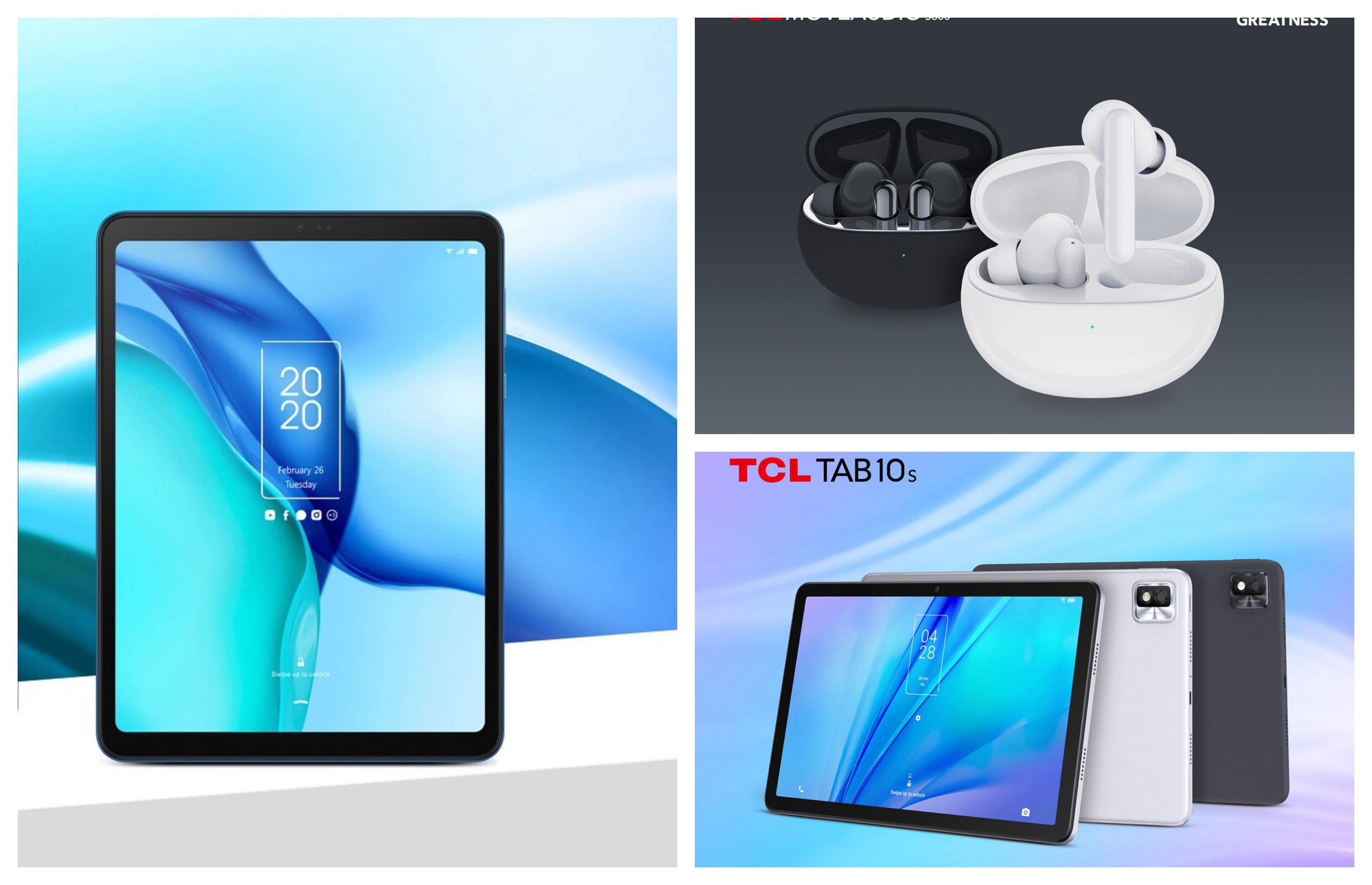
Tablet shipments across the globe are expected to face a decline in the first quarter of this year. A new report has suggested that in Q1 2021, global shipments for large screen devices will fall significantly by 31 percent.

Laptop Tablet Smartphone Featured
Photo by fauxels from Pexels

According to a DigiTimesResearch report, global tablet shipments had climbed to a 13 quarter high during the fourth quarter of last year, reaching 51.56 million units. However, this figure is expected to decline by 31 percent during the first quarter of this year. Shipments of tablets last year rose by 17.6 percent sequentially in Q4 2020 and by 19.3 percent annually year on year. This surge was backed by growing demand for large screen devices for online education and work from home demands due to the pandemic.

With the demand for tablets growing, various vendors also raised their component orders with their suppliers over fears of the deterioration of chip supply/shortages that might affect their supply chain in the first half of 2021. Apple launching the 10.2 inch iPad had also resulted in the bump in tablet shipments during the final quarter of last year. The fall in shipment numbers in this quarter is also due to the period traditionally being a slower season for tablet sales.
Tablet

In 2020, the global tablet shipments reached 159.76 million units, which marked a year on year rise primarily due to the pandemic. Although, the shipments are expected to face an on year decline this year because of component shortages within the first half of the year. At the moment, the lead times for new orders for tablet chips is around 20 weeks. In other words, the supply shortage is unlikely to recover until the end of the second half of 2021.

RELATED:


Vivo V2068A visits TENAA, reveals images and key specifications

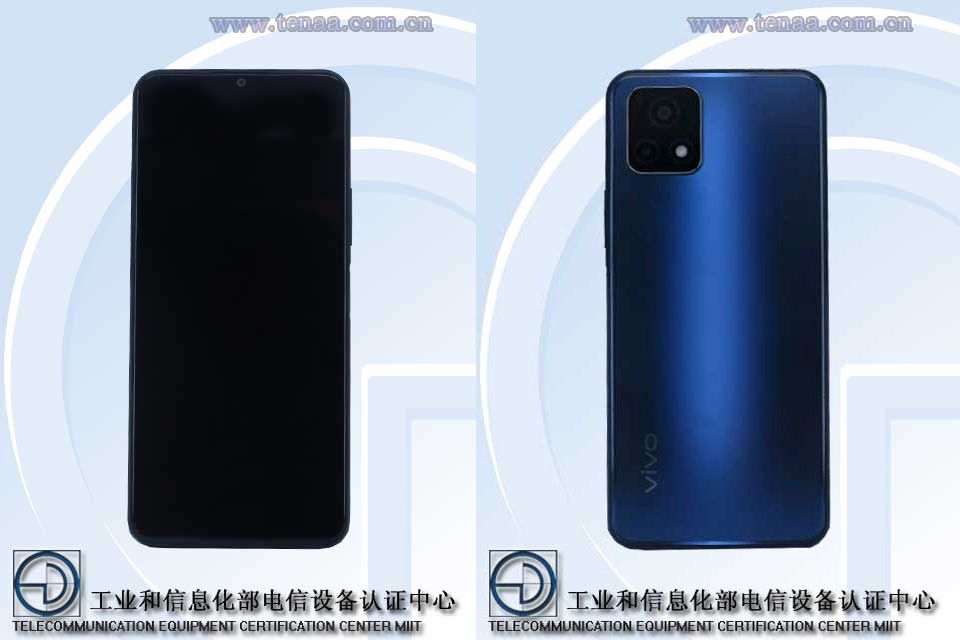
A new Vivo smartphone with V2068A received certification from the TENAA telecom authority recently. The device has appeared with key specifications and images at the certification site. The same phone was previously seen in the database of the 3C certification platform in January.

The front and rear design of the Vivo V2068A phone is almost identical to the Vivo Y31s 5G, Vivo Y52s 5G, and iQOO U3 5G phones that debuted recently in China. At the front, the Vivo V2068A has a teardrop notch screen and its rear side has a square-shaped camera with two cameras and an LED flash inside it.

Vivo V2068A TENAA

The Vivo V2068A measures 164.15 x 75.35 x 8.5mm and it is fitted with a 6.52-inch display. The handset runs on Android 11 OS and it is fueled 4,910mAh rated battery (5,000mAh typical value). Its 3C certification revealed that it could be shipping with an 18W rapid charger. These specs are also available on the Vivo Y31s 5G (V2054A model number), Vivo Y52s 5G (V2057A), and iQOO U3 5G (V2061A).

V2068A 3C certified

The Y31s is powered by the Snapdragon 480 chipset, the Y52s is driven by Dimensity 720 SoC, and the iQOO U3 has a Dimensity 800U chipset. Hence, it is likely that the newly spotted Vivo V2068A could be equipped with a different chipset. It is advisable to wait for further reports to know more about the device. With important certifications like TENAA and 3C under the belt, it may not take too long for the V2068A to go official.

In related news, the Vivo V2072A and V2048A are the two upcoming phones from the brand. The Vivo V2048A is expected to arrive with Dimensity 820 whereas the V2072A appears to be the Vivo S9 5G. The S9 is expected to come with specs like a 90Hz 6.44-inch FHD+ AMOLED display, Dimensity 1100 chipset, around 4,000mAh battery with 33W fast charge support, 64-megapixel main camera, and a 44-megapixel dual selfie camera system.

RELATED:

Metalenz raised $10 million to create 3D sensors 1,000 times smaller than human hair

Metalenz has recently reported that it has successfully raised about 10 million US Dollars for its project, which has it working on creating 3D sensors on chips that are 1,000 times smaller than a human hair.

Metalenz

According to a VentureBeat report, the company stated that the investment will enable it to scale production and even accelerate the development of other technologies as well. This includes miniature optics on a chip technology along with a new lens that can power next generations of imaging sensors, with applications in consumer electronic products like smartphones, the health care industry, and even the automobile industry. In other words, the new sensor technology could allow lenses to capture brighter images and enable higher quality infrared pictures as well.

These higher quality lenses could also bring improvements to the camera modules found in smartphones, boosting their photographic capabilities and making them more appealing to consumers. Simply put, these new sensors could help bring professional looking images even in unfavorable scenarios while also offering longer lasting battery life as well. Various smartphone makers are working on including 3D sensors in their camera modules. At the moment, companies like Apple include multiple image sensors in the rear camera modules to render 3D imagery.

Metalenz
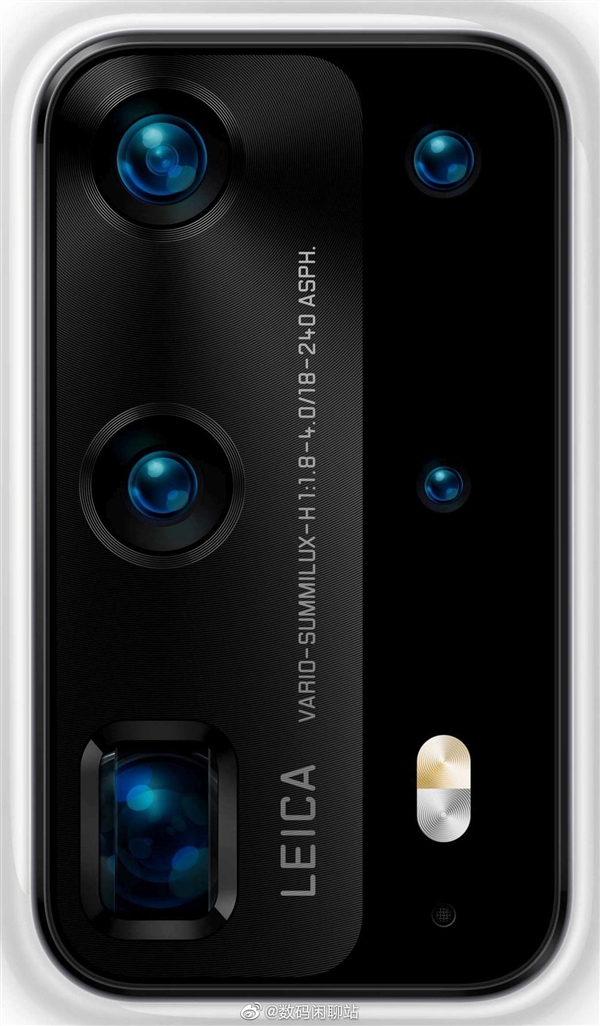
Huawei P40 Pro camera sensors

Metalenz has raised the money through multiple firms including the likes of 3M Ventures, Applied Ventures, Intel Capital, M Ventures, and TDK Ventures, and more. These new sensors are based on meta-optic technology that was pioneered at Harvard University. The company’s CEO Devlin added that “over the past 20 years, most of the advances in camera and sensing technology in consumer electronics has been to electronics and algorithms, but the optics themselves have remained relatively unchanged. At Metalenz, we’re providing new functionality to lenses that enable large-scale production in the same semiconductor foundries making the electronics for the first time.”

RELATED:


Next Gen Apple Watch’s chassis may help improve its wireless reception

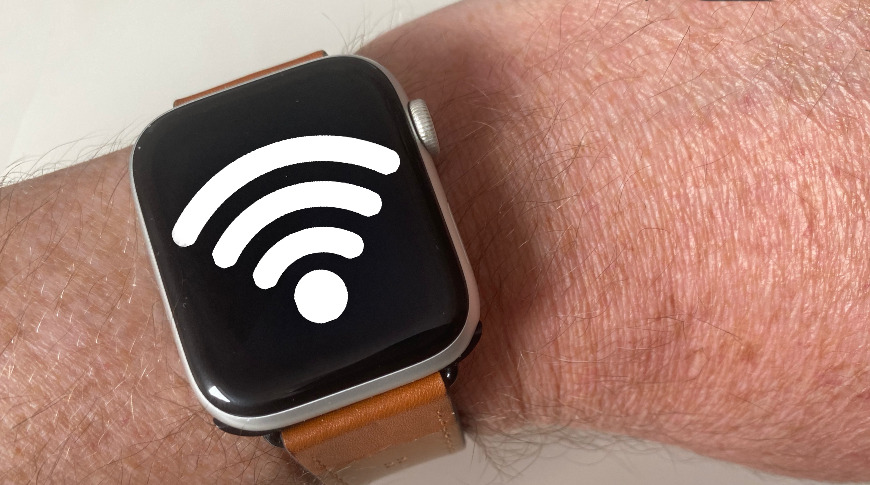
Apple is apparently working on making tweaks to the internal components of one of its most popular wearable products. The company is planning to make various parts of the Apple Watch to help in improving the device’s wireless reception.

Apple

According to an AppleInsider report, the Cupertino based giant is working on improving the reception of its WiFi, Bluetooth, GPS, UWB, and other antenna functions. The company is working on adding more utility to the components of the Apple Watch, by having them be incorporated with antennas. In other words, these different components could essentially serve the purpose of boosting wireless reception at different parts of the smartwatch.

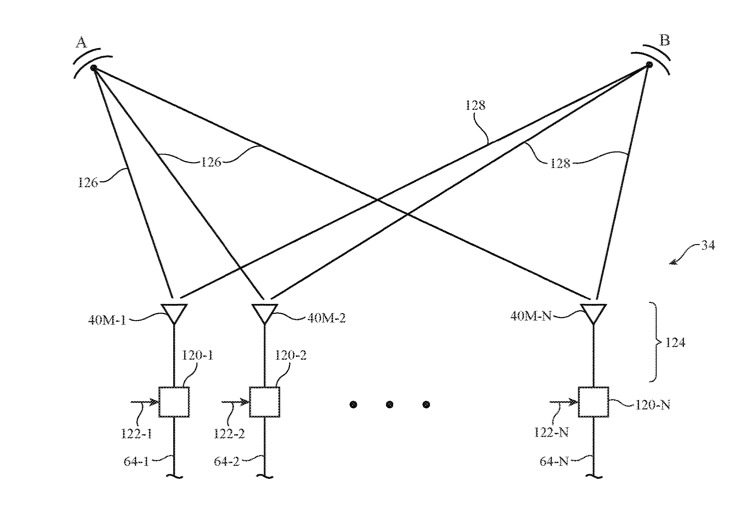
A recent patent titled “Electronic Devices Having Millimeter Wave Ranging Capabilities” was spotted that described a “phased antenna array.” This means that instead of using a single bulky antenna under the hood that takes up too much space on the insider, the company wishes to spread it out via smaller antennas embedded on different parts and across the chassis. Essentially, spreading out the “wireless communications circuitry.”

Apple

Furthermore, embedding the antennas to various locals/spreading it out would improve the reception of wireless signals. The patent application details multiple different ways of adding a phased antenna array, stated that this would help in “conveying first signals at a first frequency between 10GHz and 300GHz and a non-millimeter wave antenna for conveying second signals at a second frequency below 10GHz.” At the moment, it is unknown if the company would actually end up implementing this in future Apple Watches, so stay tuned for more.

RELATED:


ZTE appoints Chinese actress Liu Haocun as its new brand ambassador

ZTE had recently announced that it would be appointing a new brand ambassador to represent the company and its products. While it was assumed it would’ve been a prominent figure, it has now been confirmed that the brand has chosen the Chinese actress Liu Haocun.

ZTE

The smartphone maker made the announcement earlier today (5th February 2021) on its official Weibo account, a Chinese microblogging website. The move from ZTE to appoint the actress as the new brand ambassador arrives to appeal more to the youth demographic of its home country, China. For those unaware, Liu Haocun is a relatively new face in the Chinese cinema industry and already have a couple of notable movies under her belt.

This includes her debut film, “One Second”, the spy thriller movie “Above the Cliff”, and her most recent work in “Send You A Little Red Flower” (as per translation). For her debut, the Chinese actress even received an award for having the most potential actor of the year. Furthermore, the company’s President Ni Fei stated that making her the brand ambassador would help appeal to the youth in the country and even welcomed her on the behalf of the brand.

ZTE logo

2021 is said to be a crucial year for the Chinese tech giant. The company is aiming on launching new gadgets across various product line while also investing in local channels and brands. It is also focusing on expanding its presence and brand image, so it makes sense that the company would bring in a popular actress to help push its brand and its products.

RELATED:


Motorola Athena (Defy) with Snapdragon 662 surfaces at Google Play Console and Geekbench

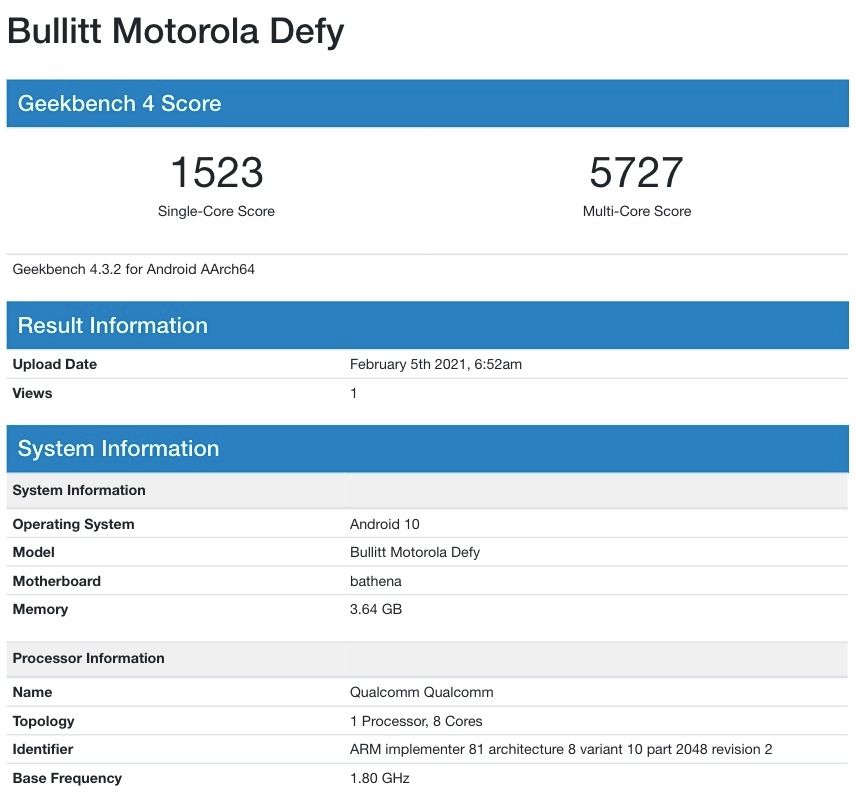
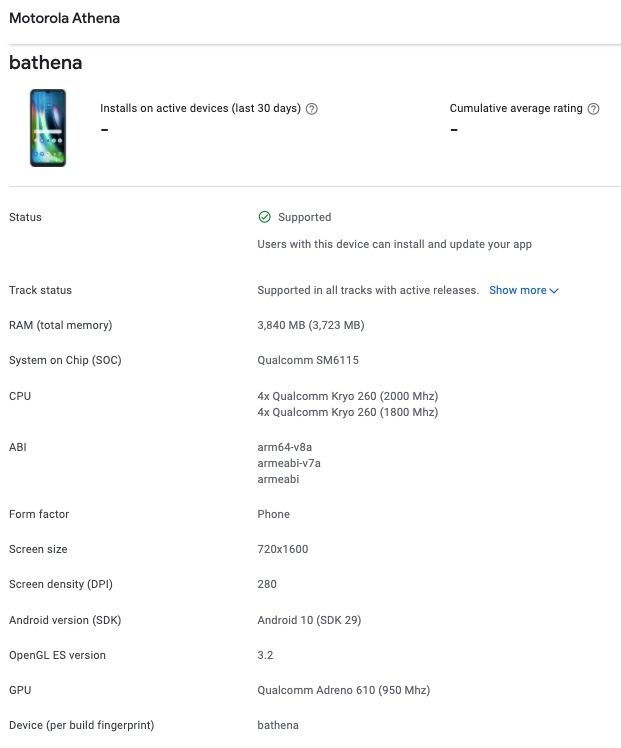
Earlier today, a Motorola phone labeled as “Bullitt Motorola Defy” appeared on Geekbench today. The listing suggests that the smartphone is codenamed as “bathena.” According to a report by My Smart Price, the same Motorola phone appeared as Athena at the Google Play Console and names like Motorola Defy, bathena, and Athena in the Google Play Console supported devices list. Hence, it appears that the Motorola Athena and Defy are one and the same phone.

On Geekbench (first spotted by Abhishek Yadav), the handset was spotted with 4 GB of RAM and Android 10 OS.  The listing further revealed that it is powered by a Qualcomm processor that has a base frequency of 1.80GHz. The source code of the listing revealed that the SoC has Adreno 610 graphics onboard. It scored 1523 in the single-core and 5727 in the multi-core tests of Geekbench.

The Google Play Console listing of the device reveals that is powered by a Qualcomm processor that has a sm6115 model number and it has Adreno 610 GPU. The listing confirms that it is powered by the Snapdragon 662 mobile platform. The SoC is coupled with 4 GB of RAM and it runs on Android 10 OS.

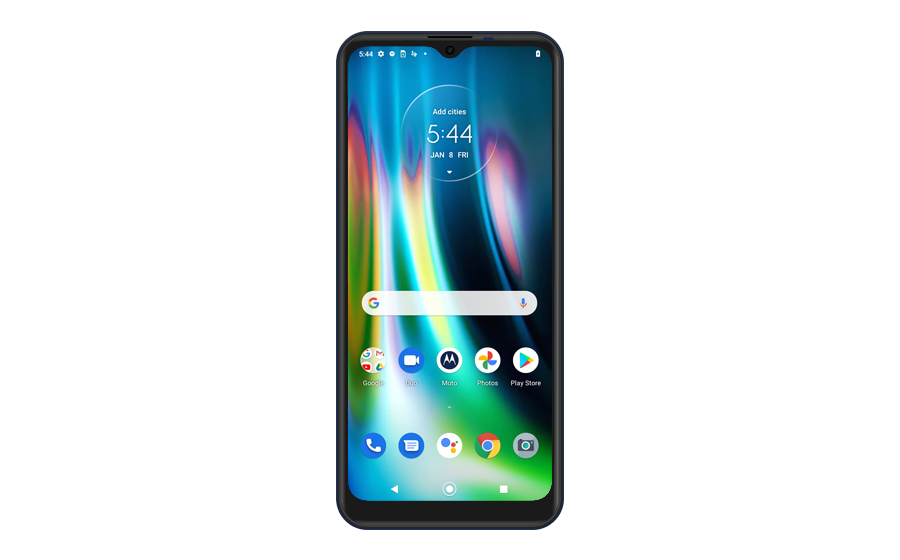
The Motorola Athena smartphone’s image that has appeared in the Google Play Console listing reveals that it has a teardrop notch display. It supports an HD+ resolution of 720 x 1600 pixels and a 280ppi pixel density. The other details of the smartphone are under wraps. Its final product name is not known yet.

Motorola-Athena-Google-Play-Console-Render-

Motorola is already selling the Moto G9 smartphone with a Snapdragon 662 chipset, 4 GB of RAM, and HD+ display. The same phone is selling as the Moto G9 Play in Europe. It remains to be seen what different features are available on the Motorola Athena phone as compared to the Moto G9/G9 Play.

RELATED:

ZTE Axon 30 Pro to be the first Snapdragon 888 device with an under display camera

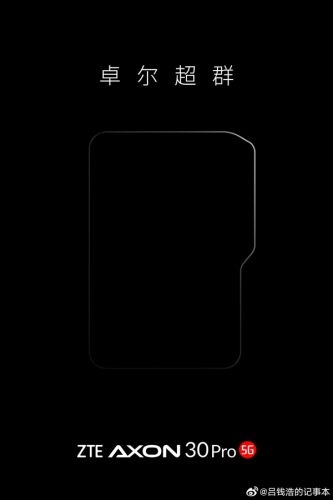
Back in 2020, the ZTE Axon 20 was launched, which was the world’s first commercially available device with an under display camera on the front. Now, the company has officially revealed that its successor, the Axon 30 Pro 5G, will also arrive with this feature.

ZTE

While the Axon 30 is the Chinese tech giant’s next gen flagship for 2021, it was yet to be officially confirmed to feature the new camera technology. But an official announcement through the company’s official Weibo account, a Chinese microblogging website, confirmed it earlier this week. The ZTE Axon 30 series will be the flagship lineup for this year and will sport top notch specs and features.

At the moment, the company has yet to officially reveal any specific details regarding the premium grade handset’s hardware, but it will likely feature a Qualcomm Snapdragon 888 SoC. In other words, the device will not only be the first flagship series successor to feature an under screen front camera, but also the first Snapdragon 888 powered device to arrive with the new camera technology.

ZTE Axon 30 Pro 5G

The company had achieved to equip this on its flagship handset by using ultra-high transparency micron-level materials, with an independently driven display chip, and an integrated circuit design. We can expect the company to offer additional improvements and tweaks to the camera technology for the successor. Although, it is still too early to provide any concrete statements regarding the matter. So stay tuned for more, as we will be providing updates when additional information is available.

RELATED:


SMIC struggles with client demands amid chip shortage and impacts of US sanction

The Semiconductor Manufacturing International Corp (SMIC) recently stated that it is facing troubles in meeting client demands. These orders are for mature technologies in plants that have been running at full capacity for several quarters now.

SMIC Logo

According to a Reuters report, the company’s CEO, Zhao Haijun, made the statement last week during a conference call after reporting its latest quarterly result. At the moment, SMIC is China’s largest chipmaker but is facing pressure due to US sanctions, which are affecting its operations that impact its revenue growth as well. In the fourth hand final quarter of last year, the company reported sales worth 981 million US Dollars, which marked a 16.9 percent rise year on year.

However, despite its notable growth during this period, the company only expects a revenue increase in the “mid to high” single digits this year. As per the CEO, “SMIC could have maintained last year’s record growth momentum,” if not for its current predicament. Zhao further added that “Although we cannot control external forces, we will cultivate new possibilities and opportunities in the face of crisis and changes.” Since it is a notable figure in China’s semiconductor market, the local government is also banking on the firm for the development and growth of the local semiconductor industry.

SMIC

At the moment, the company is in talks with its suppliers and the US government, hoping to obtain licenses, which would enable it to purchase equipment to boost its production capacities. SMIC is currently aiming at expanding its capacity in its 12 inch fabrication plants by 10,000 wafers per month and by 45,000 wafers for its 8 inch fab plants. But, the company is expecting delays in its plans due to longer lead times in procuring equipment for this move.

RELATED:


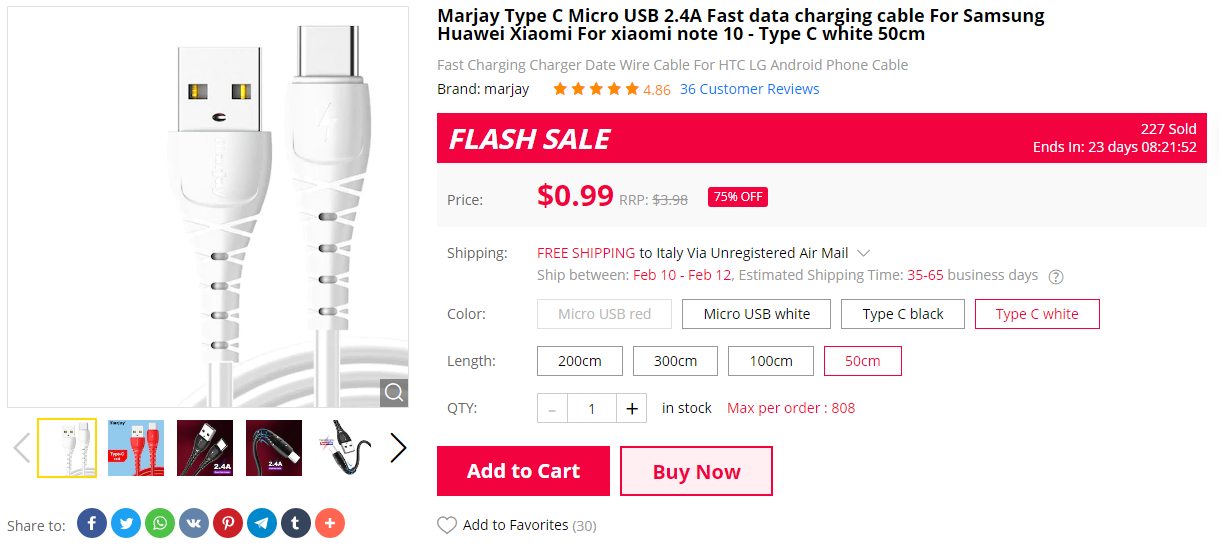
Buy Marjay Type-C Micro USB 2.4A Fast Charging Cable for $0.99 at Gearbest Sale

Marjay is a famous brand known for manufacturing good-quality USB cables. And today, Gearbest is offering a discount on Marjay Type-C Micro USB Fast Charging Cable. It usually sells for around $2.59, but you can now buy it for just $0.99. This cable is compatible with smartphones like Samsung, Huawei, Xiaomi Note 10, and more.Marjay Type-C Micro USB 2.4A Fast Charging Cable Gearbest

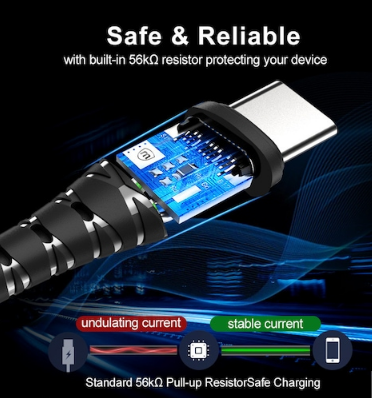
Marjay Fast Charging Cable has a reversible connector design and 2.4A current output that enables quick charging in type-C devices. It features tinned copper core conductors that are wrapped in ground wire and aluminum foil to prevent corrosion. Additionally, the PVC jacket, brass buckle, and reinforced cable joint offer durability. Its tangle-free form allows hassle-free use no matter how you store it.Marjay Type-C Micro USB 2.4A Fast Charging Cable

The Marjay Type-C Micro USB Fast Charging Cable is ideal for fast data transfer, charging, and various other purposes. You can now buy it at a discounted rate of $0.99 (original price: $2.59) from Gearbest. This limited-time deal ends on 25th February.

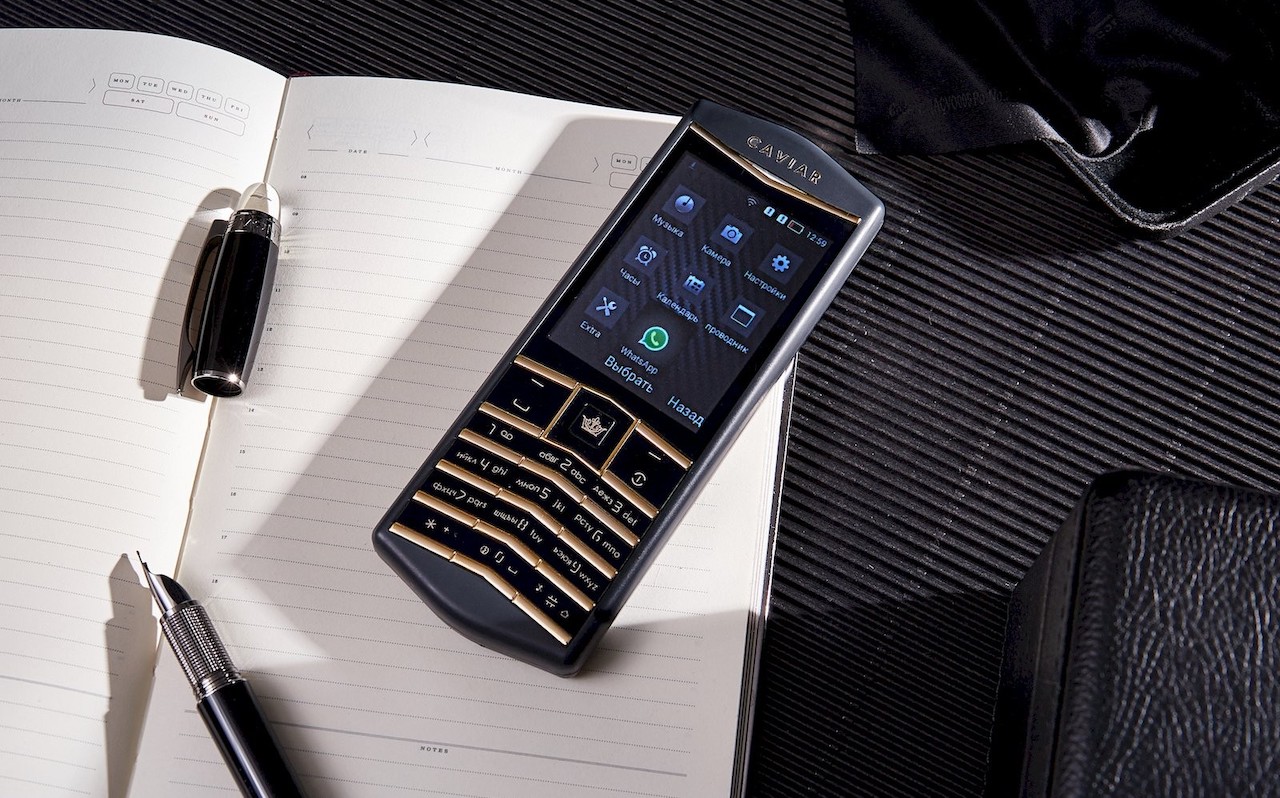
Caviar Origin concept smartphone design showcases gold-plated keypad

Caviar is a Russian brand that offers luxury smartphones based on Apple iPhone or Samsung Galaxy series. Now, the company seems to be working on something different and unique, which has been revealed as Caviar Origin.

The company has announced a concept smartphone called Caviar Origin. The device is just a concept phone and it remains to be seen if the company continues using the same design and material for the phone that is launched commercially.

Caviar Origin Concept Smartphone

As for the design, the Caviar Origin comes with a screen and a physical keypad at the bottom. It is not known if the display is touchscreen or not. Given that it’s a luxury phone, the keypad is gold-plated.

The smartphone runs the Android operating system out-of-the-box and thus, can run any compatible Android application. Currently, nothing more is known about this smartphone but we expect to get more information in the coming months.

The Caviar Origin smartphone will be made available for purchase in the fourth quarter of this year. Given that it is just a prototype at the moment, there’s a possibility that the phone may go through some minor changes.

As for the pricing, the device is suggested to have a starting price of $6,000 but for the final price, we will have to wait for the official announcement because of the cost associated with the precious metals and gemstones. It also remains to be seen in which markets the company plans to launch this smartphone.

RELATED: 

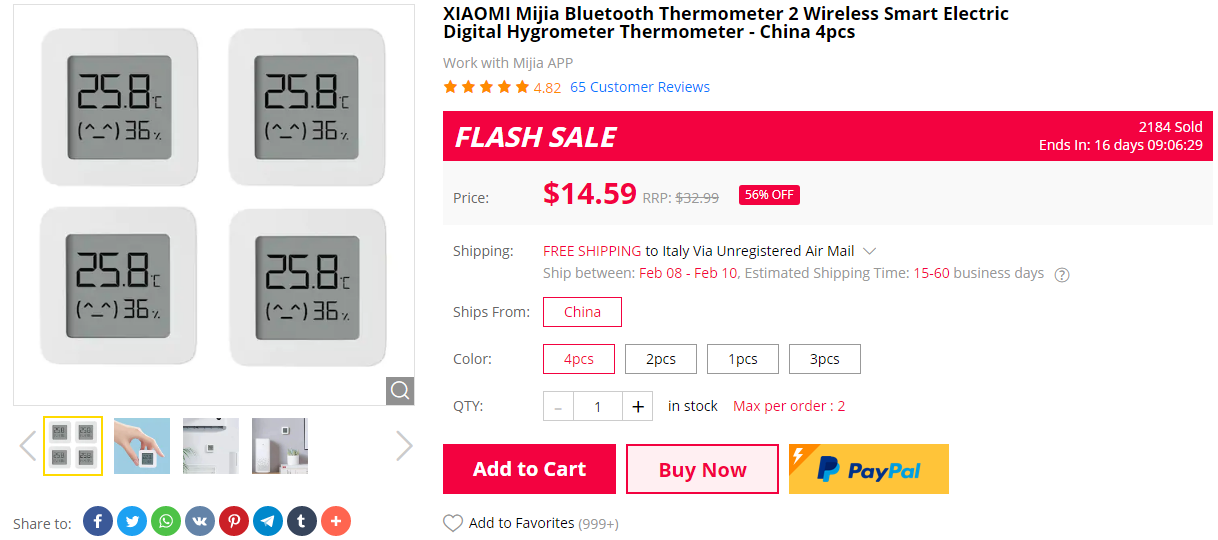
Xiaomi Mijia Bluetooth Thermometer (4-Piece Set) up for Sale at Gearbest

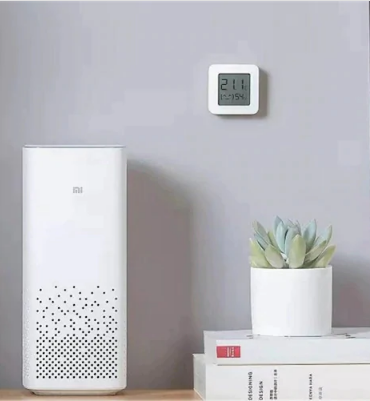
Ever since Xiaomi has broadened its horizon and entered into manufacturing various different products, we can’t get enough of their innovative products. The Mijia Bluetooth Thermometer is one such product that is also a hygrometer and can be controlled via the Mi App. At present, this unit is up on a flash sale at Gearbest and available for just $14.59 (set of 4 thermometers).Xiaomi Mijia Bluetooth Thermometer Gearbest

Xiaomi Mijia Bluetooth Thermometer has a highly sensitive and accurate built-in sensirion from Switzerland that can easily sense even a subtle change in the temperature. It offers a temperature accuracy f up to 0.1 degrees, humidity accuracy of up to 0.1 percent RH. This Xiaomi thermometer can be controlled via the Mi app, where the user can switch on the humidifier or air-conditioner according to the temperatures indoors. It comes with a CR2032 button battery that can last up to a year, thanks to the low-power consuming screen.Xiaomi Mijia Bluetooth Thermometer-2-

With Bluetooth connectivity and wireless design, the Xiaomi Mijia Bluetooth Thermometer offers added user convenience. You can now buy a set of 4 units for just $14.59 at the Gearbest flash sale. This is a limited time offer, and the sale ends on 21st February.

Xiaomi’s new concept smartphone features 88 degree curved waterfall display on all four sides

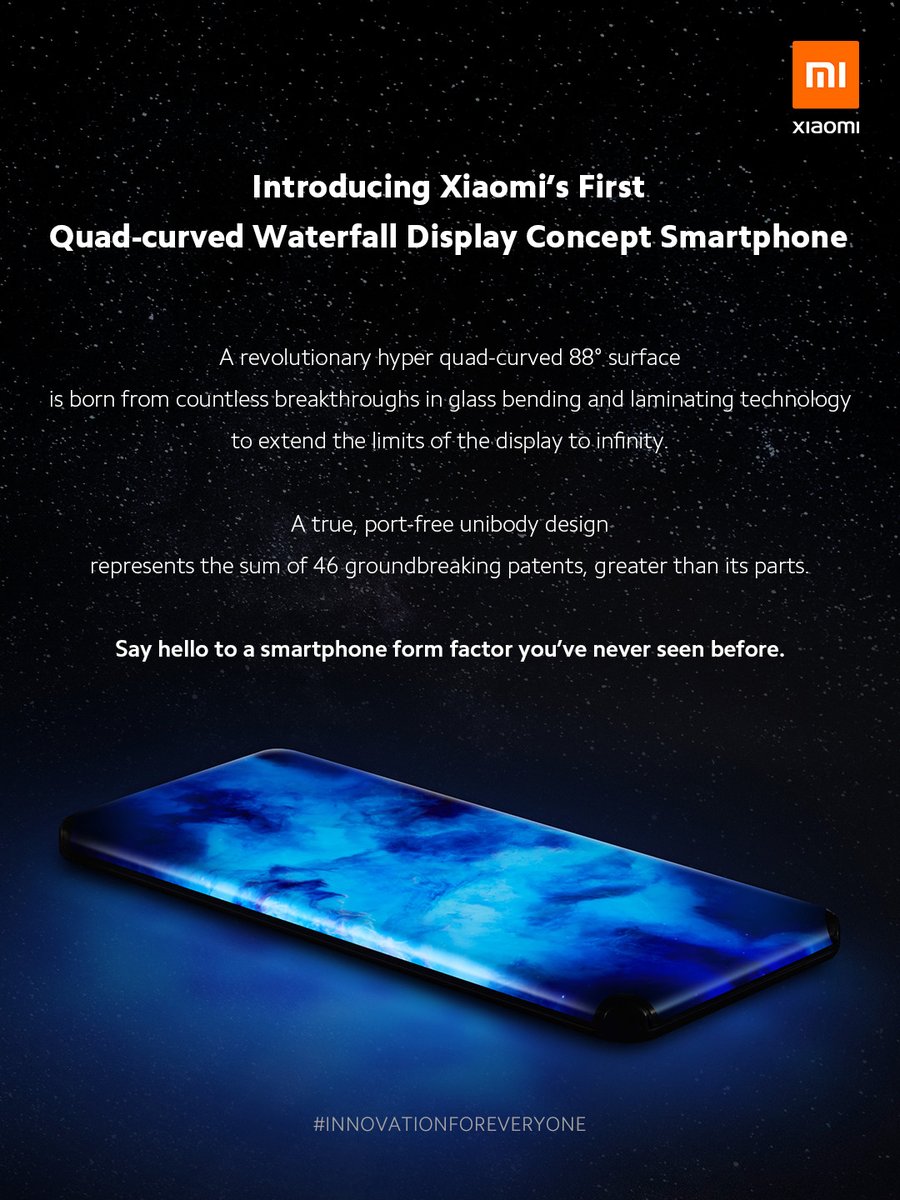
Earlier today (5th February 2021), Xiaomi had teased that it would be unveiling something new and innovative that would be “mind blowing.” And it seems the company kept its word as it revealed its first Quad Curved Waterfall Display Concept Smartphone, which features a curved display on all four edges of the device.

Xiaomi

Through its official Twitter handle, the Chinese tech giant shared an image poster revealing this concept device. Looking at this device, it can be observed that all four edges of the device are curve around the side of the device at an angle of 88 degrees. While curved edges aren’t something new in the industry, having all four edges being curved has never been seen before. In other words, the company’s first Quad Curved Waterfall Display Concept Smartphone is truly a unique handset that also signifies its emphasis on ‘innovation’. From the front, the device would seem to be mostly covered by the display, except the corners.

Furthermore, the smartphone manufacturer stated that it achieved the quad curve 88 degree surface through “countless breakthroughs in glass bending and laminating technology to extend the limits of the display to infinity.” Xiaomi also added that the device features a port free unibody design and has been built using a total of 46 different “groundbreaking” patents. Notably, the 88 degree curved edges have been prior to this in devices like the Mate 30 Pro.

Similarly, other OEMs have also showcased their curved edge smartphones in the past as well. However, these devices generally only feature just two curved edges that were on either side of the device and didn’t include the top notch and the bottom chin region of a handset. While the Xiaomi concept certainly looks futuristic and eye catching at the moment, it is unclear if the company actually aims on commercially launching such a product. Another major concern regarding the device would also be its durability, as having more edges as glass/display makes it more prone to cracks even from simple falls.

RELATED:


Realme V11 5G powered by MediaTek Dimensity 700 SoC launched in China

Realme has today launched a new budget 5G smartphone in its home country China. The smartphone, dubbed as Realme V11 5G, is the second device from the company in its affordable V-series of phones.

The smartphone features a 6.52-inch HD+ IPS LCD display that offers a screen resolution of 720 x 1600 pixels and a taller 20:9 aspect ratio. The screen has a waterdrop notch for housing the front-facing camera.

Realme V11 5G

Under the hood, the device is powered by the MediaTek Dimensity 700 chipset. As for the memory configuration, the device comes in two variants — 4GB RAM with 128GB internal storage and 6GB RAM with 128GB internal storage. There’s also a microSD card slot, allowing users to further expand the storage capacity.

Taking care of the photography needs is a dual-camera setup on the back that includes a 13-megapixel primary sensor and a 2-megapixel depth sensor. Along with support for Face Unlock using a front camera, the phone also has a side-mounted fingerprint sensor.

It is running the latest Android 11 operating system out-of-the-box with the company’s own Realme UI custom interface on top. The phone is powered by a 5,000mAh battery which comes with support for 18W fast charging technology.

The Realme V11 5G comes in two color options — Vibrant Blue and Quiet Grey. The 4GB RAM model is priced at 1,199 yuan (approximately $185) while the 6GB RAM model costs 1,399 yuan, which is roughly $216. It is now available for purchase in China.

RELATED: 

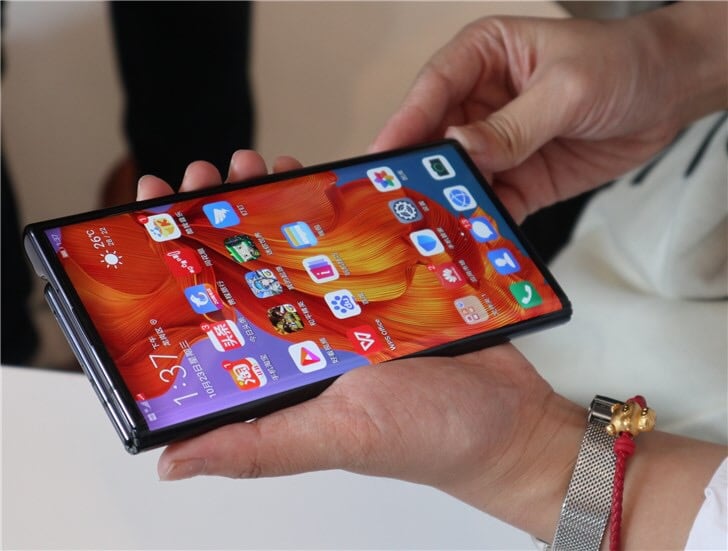
Huawei Mate X2 foldable screen is exclusively provided by BOE

Huawei recently confirmed that the next-generation Mate X foldable smartphone, dubbed as Huawei Mate X2, will be officially launched in China on 22nd February. Ahead of the launch, some information about its components has surfaced online.

The upcoming smartphone is confirmed to come powered by the Kirin 9000 SoC, which is probably the last flagship chipset from Huawei HiSilicon for the time being. Given that the company has a limited quantity of Kirin 9000 SoC available, it remains to be seen if Huawei launches this smartphone as a limited edition.


Huawei Mate X 5G
Huawei Mate X 5G

Recently, it was reported that the Huawei Mate X2 may have sourced display panels from two companies — Samsung and BOE. But now, a new report, citing sources from the supply chain, confirms that the screen for the smartphone is exclusively being offered by BOE and there’s no role of Samsung.

The report further adds that the South Korean giant has not yet received a special license from the United States Department of Commerce for doing business with Huawei. Thus, the company cannot supply display panels to Huawei for the Mate X2 smartphone.

Coming to the phone’s specifications, it is expected to come with an internal-folding dual-screen design, offering an 8.01-inch main screen with 2480 x 2200 pixels screen resolution and a 6.5-inch secondary screen with 2700 x 1160 pixels resolution.

In the camera department, the phone features a quad-camera setup on the back that consists of a 50-megapixel primary sensor, a 16-megapixel sensor, a 12-megapixel sensor, and an 8-megapixel lens. On the front, there’s a 16-megapixel selfie snapper.

The smartphone is likely to run the Android 10 operating system out-of-the-box with the company’s own EMUI on top. It is powered by a 4,400mAh battery and is expected to support 66W fast charging technology.

RELATED: 

Xiaomi Mi 11 5G pricing leaked ahead before next week’s launch

Xiaomi will be holding a global launch for the Xiaomi Mi 11 5G flagship on Feb. 8. Ahead of the launch, tipster Sudhanshu Ambhore has teamed up with 91mobiles to share the leaked pricing of the Xiaomi Mi 11.

The new leak states that the Xiaomi Mi 11 5G will come to Europe in variants such as 8 GB RAM + 128 GB storage and 8 GB RAM + 256 GB storage. The leak mentions that these variants will be priced at 799 euros (~$955) and 899 euros (~$1,075), respectively.

In China, the above-mentioned Xiaomi Mi 11 5G variants are priced at 3,999 Yuan (~$617), 4,299 Yuan (~$664). As it can be seen, the Mi 11 will be arriving with costlier price tags in Europe. The higher 12 GB RAM + 256 GB storage model is also available in China with a price tag of 4,699 Yuan (~$726). It is not clear whether the global market will be receiving the 12 GB RAM + 256 GB storage edition of the Mi 11.

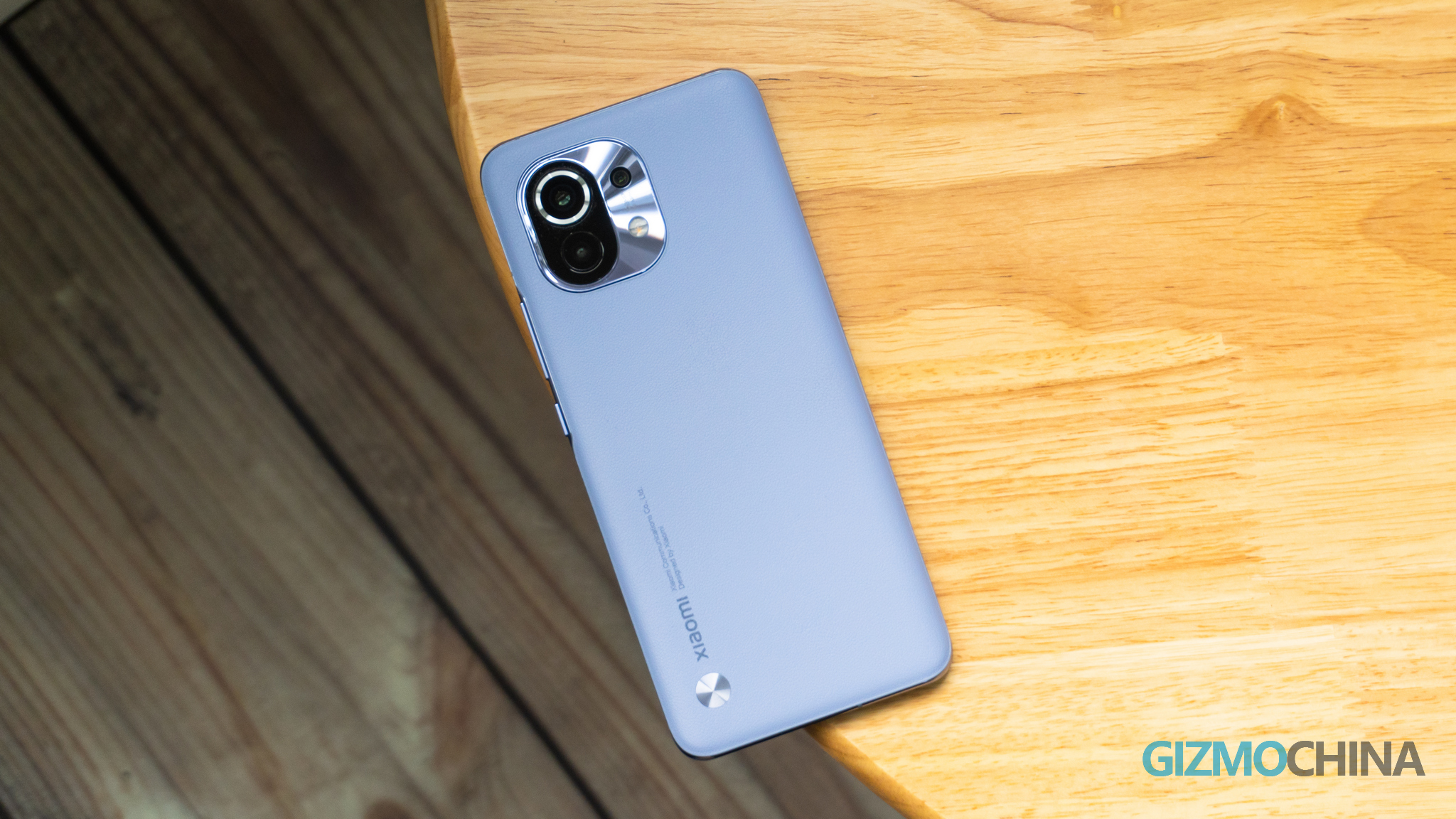
Xiaomi Mi 11 review 08

Xiaomi Mi 11 5G specifications

The Xiaomi Mi 11 5G has a 6.81-inch AMOLED display that offers a Quad HD+ resolution and a 120Hz refresh rate. The Snapdragon 888 mobile platform fuels the device with LPPDR5 RAM and UFS 3.1 storage. It has a 4,600mAh battery that supports 55W fast charging, 50W wireless charging, and 10W reverse wireless charging.

The Xiaomi Mi 11 5G has a front camera of 20-megapixel. Its rear camera setup has a 108-megapixel main camera, a 13-megapixel ultrawide lens, and a 5-megapixel macro shooter.

RELATED:

Huawei P40 4G with Kirin 990 4G in works, likely to launch soon

Huawei announced the Huawei P40 5G along with P40 Pro 5G and P40 Pro+ 5G in Q1 last year. Fresh information reveals that the company is gearing up to launch Huawei P40 in 4G version.

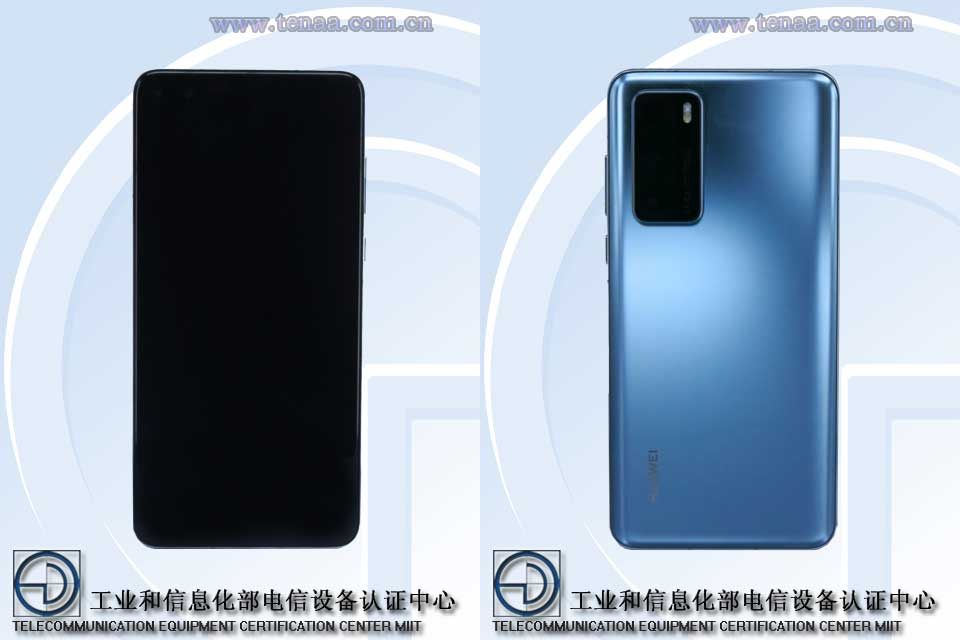
Today, reliable tipster Digital Chat Station shared TENAA images of an upcoming smartphone. He claimed that the device will be debuting as the Huawei P40 4G in China. He revealed that the phone is powered by the Kirin 990 4G chipset.

Huawei ANA-AL00

The images shared by the tipster belongs to the Huawei ANA-AL00 smartphone. The listing has revealed a few pieces of information about the device such as its dimensions, display size, and battery capacity. The details of the Huawei ANA-AL00 that have appeared at TENAA are an exact match with the Huawei P40 5G. Also, the 3C certification revealed that the ANA-AL00 phone may support 22.5W fast charging like its 5G version.

The Huawei P40 5G was powered by the 5G-ready version of the Kirin 990 chip. It seems that the only major change on the upcoming P40 5G will be the inclusion of a 4G version of the Kirin 990.

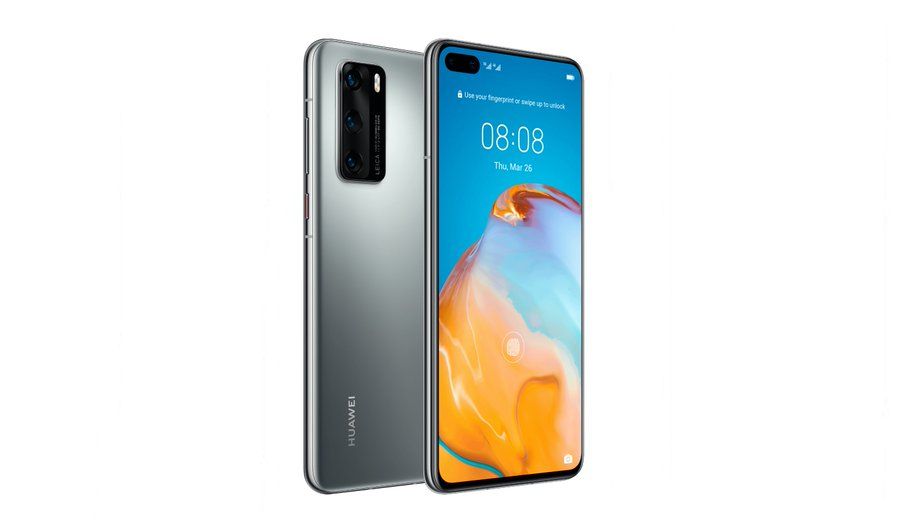
Huawei-P40-
Huawei-P40-

Huawei P40 5G specifications

The Huawei P40 5G featured a 6.1-inch OLED screen that offers a Full HD+ resolution of 1080 x 2340 pixels. The Kirin 990 5G phone shipped with 8 GB of RAM and 128 GB of built-in storage. It came with a 3,800mAh battery that supported 22.5W fast charging. The pill-shaped cutout on the display housed a 32-megapixel primary lens and an IR depth sensor. Its triple camera setup included a 50-megapixel main camera with f/1.9 aperture, a 16-megapixel ultrawide lens, and an 8-megapixel telephoto lens.

RELATED:

Google Pixel smartphones will soon be able to measure heart rate using camera

Google recently revamped its Pixel smartphone lineup and instead of offering top-of-the-line specifications, the company has shifted focus to offer a better user experience. In line with that, the tech giant has been trying to offer some interesting features.

The company has announced that it is adding new heart rate and respiratory rate monitors to its Fit app on Pixel smartphones. The feature is set to be available to all the users later this month but no specific date has been revealed yet.

Google Pixel Respiratory Rate Monitor

Interestingly, both of these new features rely on the smartphone’s camera. For monitoring the user’s heart rate, it tracks color change as blood moves through the fingertips. And for monitoring respiratory rate, it tracks the rise and fall of the user’s chest.

The company has clarified that the feature is being rolled out to allow users to track overall wellness and added that it cannot evaluate or diagnose medical conditions. Jack Po, Product Manager at Google Health, said “A doctor counts a patient’s respiratory rate by watching their chest rise and fall, and the Google feature mimics that procedure. The machine learning technique that we leverage basically tries to emulate that.”

Jiening Zhan, Technical Lead at Google Health said that internal studies on Pixel phones showed that the respiratory rate feature was accurate within one breath per minute both for people with and without health conditions, while the heart rate feature was accurate within 2 percent.

The heart rate monitoring feature is similar to what Samsung offered on several Galaxy smartphones, including the Galaxy S10. However, the South Korean giant removed the feature from Galaxy S10E, Galaxy S20 lineup, and phones launched after that.

RELATED: 

Xiaomi’s upcoming 67.1W GaN charger leaks online

Xiaomi has been making progress in the charging technology for its devices and the company has also launched several products in the market to support that. After launching a few fast chargers, the Chinese company is now gearing up to launch another one.

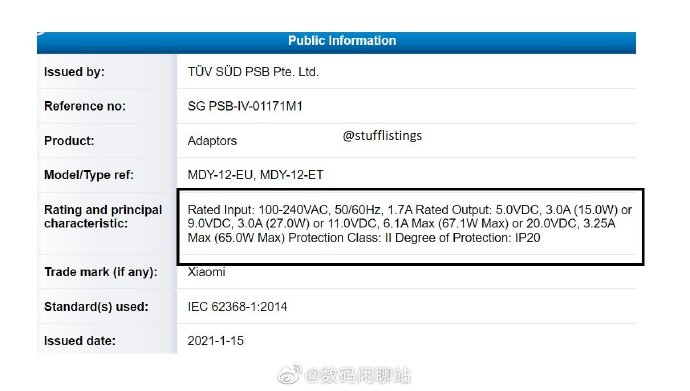
A new Xiaomi charger carrying model number MDY-12-EU recently appeared in the TUV Rheinland certification database. Now, a new report claims that it is a GaN charger that has support for 11V 6.1, with up to 67.1W fast charging.

Xiaomi 67.1W GaN Charger Leak

While this isn’t the fastest charger launched by the company, it could become the go-to choice for the upper mid-range devices from Xiaomi. There’s a possibility that the upcoming devices from Xiaomi in the mid-range to upper mid-range price point could adopt similar fast charging technology support.

Currently, not much is known about this upcoming GaN charger from Xiaomi but given that it has been certified (via stufflistings), we expect it to get officially launched in the coming days or weeks. Maybe the product could get announced with the upcoming smartphone later this month.

For those who are unaware, GaN chargers use gallium nitride semiconductor materials which have the advantages of super thermal conductivity, high-temperature resistance, acid and alkali resistance, and greatly reduces the size of the charger.

Recently, the company had launched the Xiaomi 55W GaN charger that can provide 55W fast charging for the Mi 11, as well as fast charging support for the Mi 10 (30W), Redmi K30 Pro (33W), Redmi K30 5G (30W), among others.

RELATED: 

Vivo S9 5G key specifications leaked, reveals 90Hz display and 64MP camera

Vivo is reportedly working on a new S-series smartphone called the Vivo S9 5G. A recent leak revealed that the company may launch the S9 smartphone on March 6 in China. Today, reliable tipster Digital Chat Station shared key specs of an upcoming smartphone. The leak suggests that he could be talking about the Vivo S9 5G smartphone.

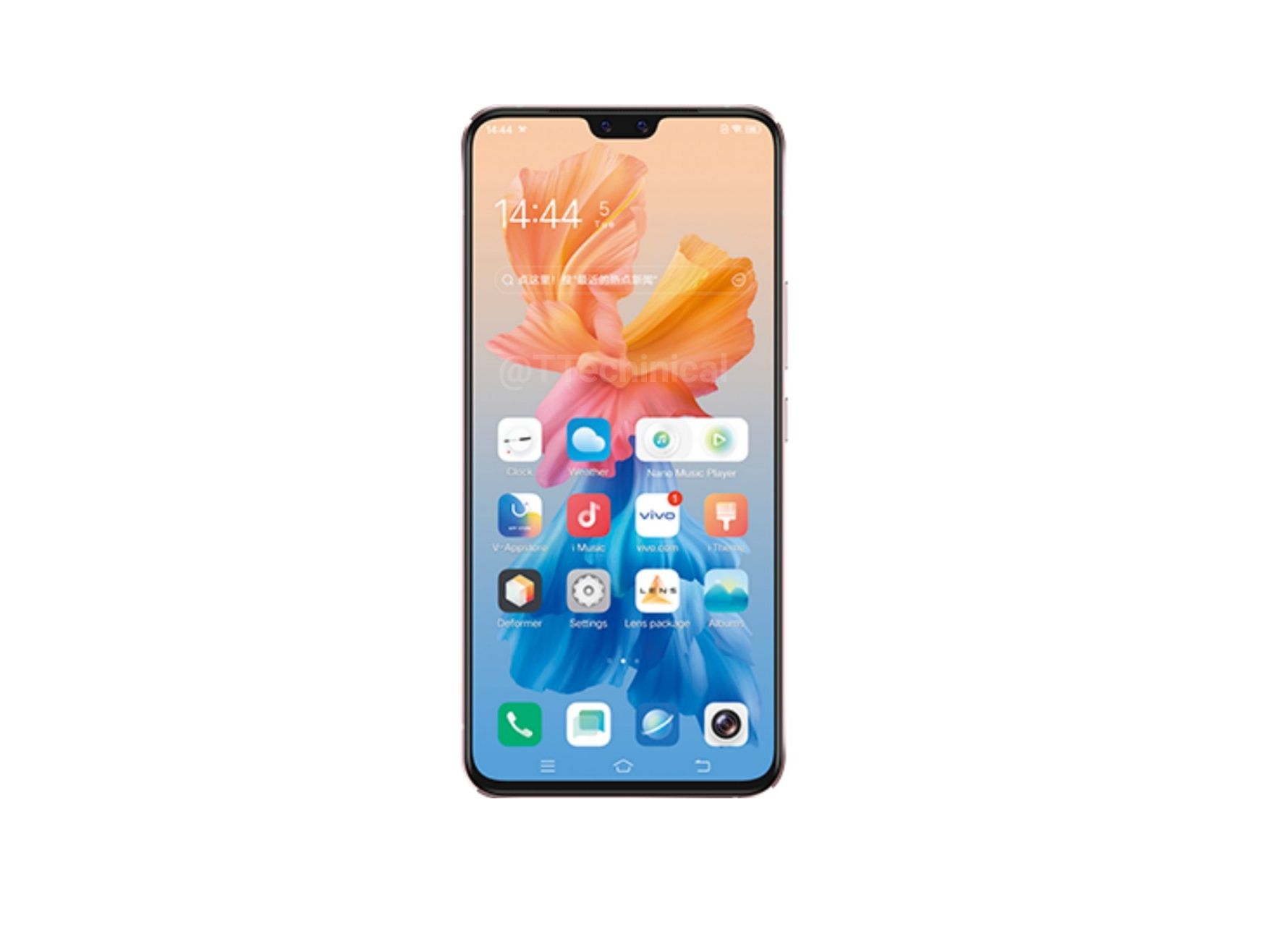
Recently, a Vivo phone with model number V2072A was seen at the Google Play Console. It revealed that the device this Vivo phone is powered by the Dimensity 1100 (MT6891 model number). It is speculated that this device will hit the Chinese markets as the Vivo S9 5G. The listing also revealed that the device has a 1080 x 2400 pixels FHD+ display, 12 GB of RAM and Android 11 OS. The image of the phone that appeared at the Google Play Console revealed that it has a wide notch for two front-facing cameras.

Vivo V2072A
Vivo V2072A phone is expected to debut as the Vivo S9 in China next month

A Chinese tipster recently claimed that the Dimensity 1100 powered Vivo S9 5G has a 6.44-inch notch display and a 44-megapixel dual selfie camera setup. The handset was spotted at the 3C certification platform yesterday with a 33W rapid charger.

Today’s leak reveals that the alleged Vivo S9 5G has a 90Hz refresh rate supporting OLED panel. Vivo has offered AMOLED panels on the predecessor S-series phones. However, it appears that the S9 will be the S-lineup phone to arrive with a higher refresh rate supporting screen.

Alleged Vivo S9 specs leak

The leak states that the device has a 44-megapixel selfie camera but does not mention anything on its secondary selfie lens. It could be sporting a 64-megapixel primary lens on the back. Lastly, it could be backed by a battery of around 4,000mAh capacity.

RELATED:

Realme Race to launch after Chinese New Year, reveals Realme Marketing Director

When Qualcomm announced the Snapdragon 888 mobile platform in December 2020, Realme was one of the first companies to reveal that it will be launching a Realme Race flagship with an SD888 chip in Q1 2021. Recent reports have revealed that the upcoming flagship phone from the brand is codenamed as “Race.” One of the recent reports referred to the device as Race Pro. Realme Marketing Communications Director Song Qi Arc revealed through a
that the Realme Race will be launching after the Chinese Spring Festival (aka Chinese New Year), which falls on Feb. 12.

Realme Race coming after Chinese New Year

The company is yet to confirm the final product name of the Realme Race handset. The Realme executive said that the device has a special name and meaning. Previous reports have claimed that OPPO has transferred its Ace series to Realme. Hence, there is a possibility that the Race smartphone could end up as the first Ace series phone by Realme.

Past reports have revealed that the model number of the Realme Race is RMX2202. A leak by GSMArena revealed that the Snapdragon 888 powered Realme Race has 12 GB of RAM, 256 GB of internal storage, and Android 11 OS overlaid with Realme UI 2.0.

Realme Race leaked shot-
Leaked shot of Realme Race

A recent leak revealed the existence of the Realme Race Pro handset, which suggests that there could be a vanilla model and a Pro variant. The leak mentioned that the Race Pro has a 6.8-inch OLED panel that offers a 160Hz refresh rate and offers a Quad HD+ resolution.

The Realme Race Pro is said to arrive with 12 GB of LPDDR5 RAM, up to 512 GB of storage, and a 5,000mAh battery with 125W ultrafast charging. Its rear camera setup may include a 64-megapixel primary lens and two 13-megapixel sensors.

RELATED: