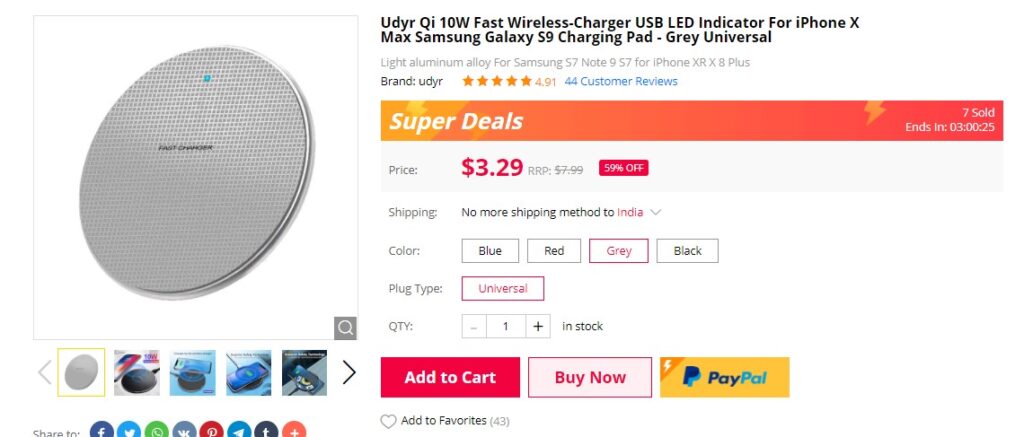
It’s raining discounts for Udyr Qi Wireless-Charger. Currently, the Udyr Qi 10W Fast Wireless-Charger is going at the massive discount of 59%. Udyr Qi Wireless-Charger will charge at a decent speed at the effective price of $3.29.
The Udyr Qi 10W Fast Wireless-Charger is currently available in four colour variants: Blue, Red, Grey and Black. As per gear best, the blue and the red variant is available for another 2 weeks, while the black and the grey colour variants are available for the next 10 hours.
The Udyr Qi 10W Fast Wireless-Charger has an aged micro-USB port. It provides 9V/2A, 5V/2A input and 10W/7.5W/5W output. It doesn’t come with additional adapters, although any adapters with 9V/2A,1.67A or 5V/2A can easily be compatible with it.
Talking about its dimensions, the device measures 101mm in length and 6.6mm in thickness. It weighs about 60g. The device has superior safety technology which ensures optimum safety for your device.
In addition, the wireless charger is made up of a light aluminium alloy process which covers the surface and offers an anti-skid layer. Other than that, the device also offers better security, coil, fast charge, a blue LED light indicator. The device is almost compatible with all the smartphones supporting wireless charging. Although it’s safe to say that people who are used to fast charging can find this wireless charger a bit slow.
As we all know, COVID-19 has impacted every sector from Technology to Agriculture. Hence, the smartphone industry is no exemption to this. For instance, the Global smartphone shipments have declined by 8%. Accordingly, a counterpoint research now says that the Refurbished smartphone market also dropped in 2020.
The refurbished smartphone market is considered a secondary market. Although they are sort of old devices, they are scrutinized for repairs, repacked, and re-sold. Some even include half of the New Smartphone warranty(which is the Primary market). And the report says it considers only such devices for the analysis.
It mentions that the global refurbished smartphone marketdropped by 9% YoY in 2020. Among the lot, LATAM(Latin America) and India seems to be the most affected with an individual drop of 24% and 20% respectively. China also faced the heat with an 8% drop in growth compared to 2019.
Reasons like the US-China trade war and tensions with Hong Kong are reportedly the reasons for this. Apparently, many resellers avoid china fearing scrutiny by the Chinese Govt, import duties, higher replacement part costs according to Research Director Jeff Fieldhack.
The refurbished market’s H1 2020 period saw a huge 16% drop compared to H1 2019. And as the pandemic worsened, Lockdowns and economic restrictions in the majority of areas meant a lower inflow of refurbished devices. Compared to last year, Europe, US, and others saw a 14%, 2%, and 10% drop respectively.
That said, the second half gave a bit of breath to the industry thanks to giants like Apple’s iPhone launch cycle. Precisely, according to Senior Research Analyst Glen Cardoza, Apple’s share in the secondary market grew from 39% to 42%.
The Black Market and Recommerce(reverse commerce- selling of old/new products) also grew in 2020. Add to this, the ASP(Average Selling Price) of refurbished LTE devices saw a rise in Price.
Overall, the majority of countries mainly faced a decline in the refurbished smartphone market due to the COVID-19 and as it is expected to subside with vaccine rollout, we can expect a rebound this year.
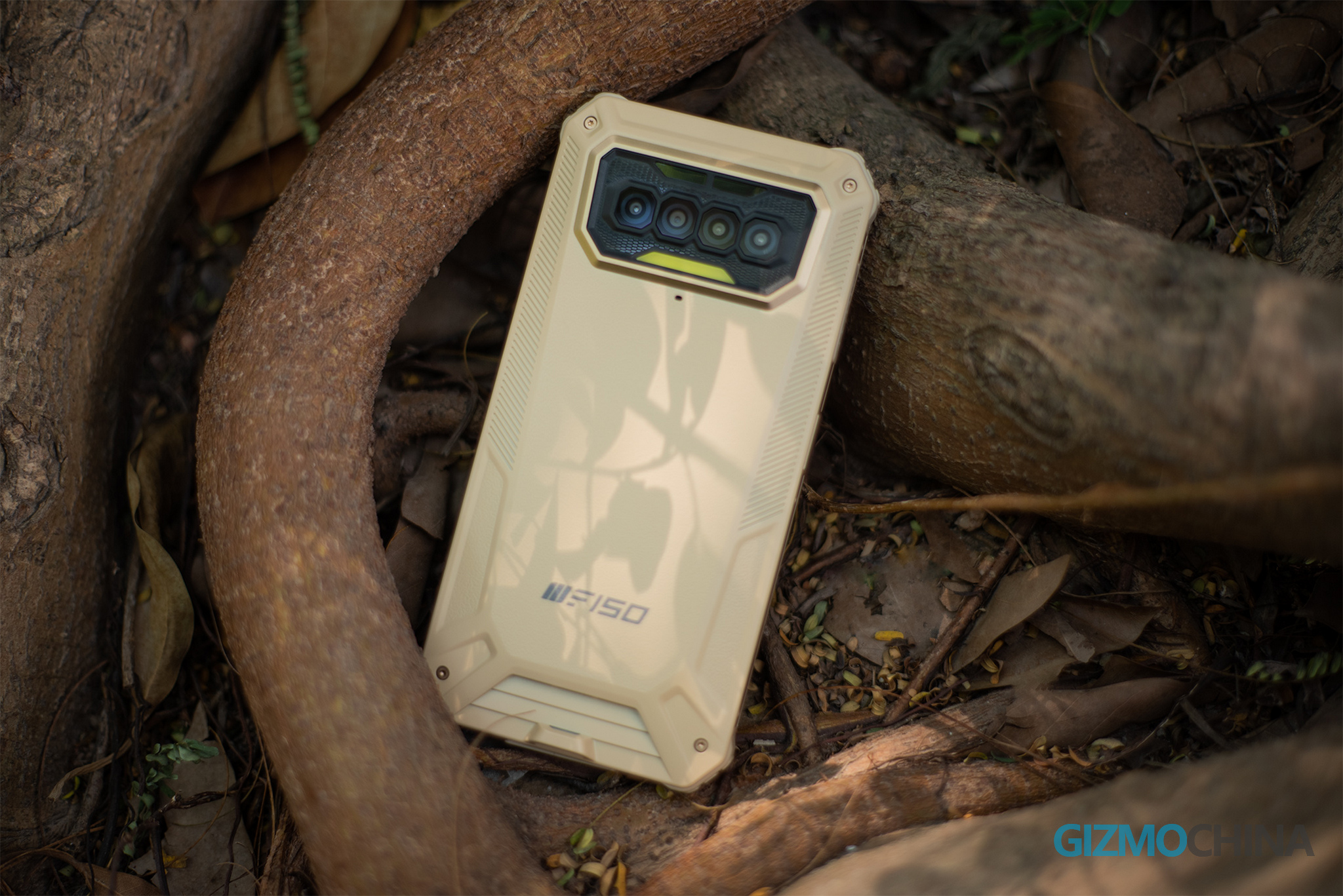
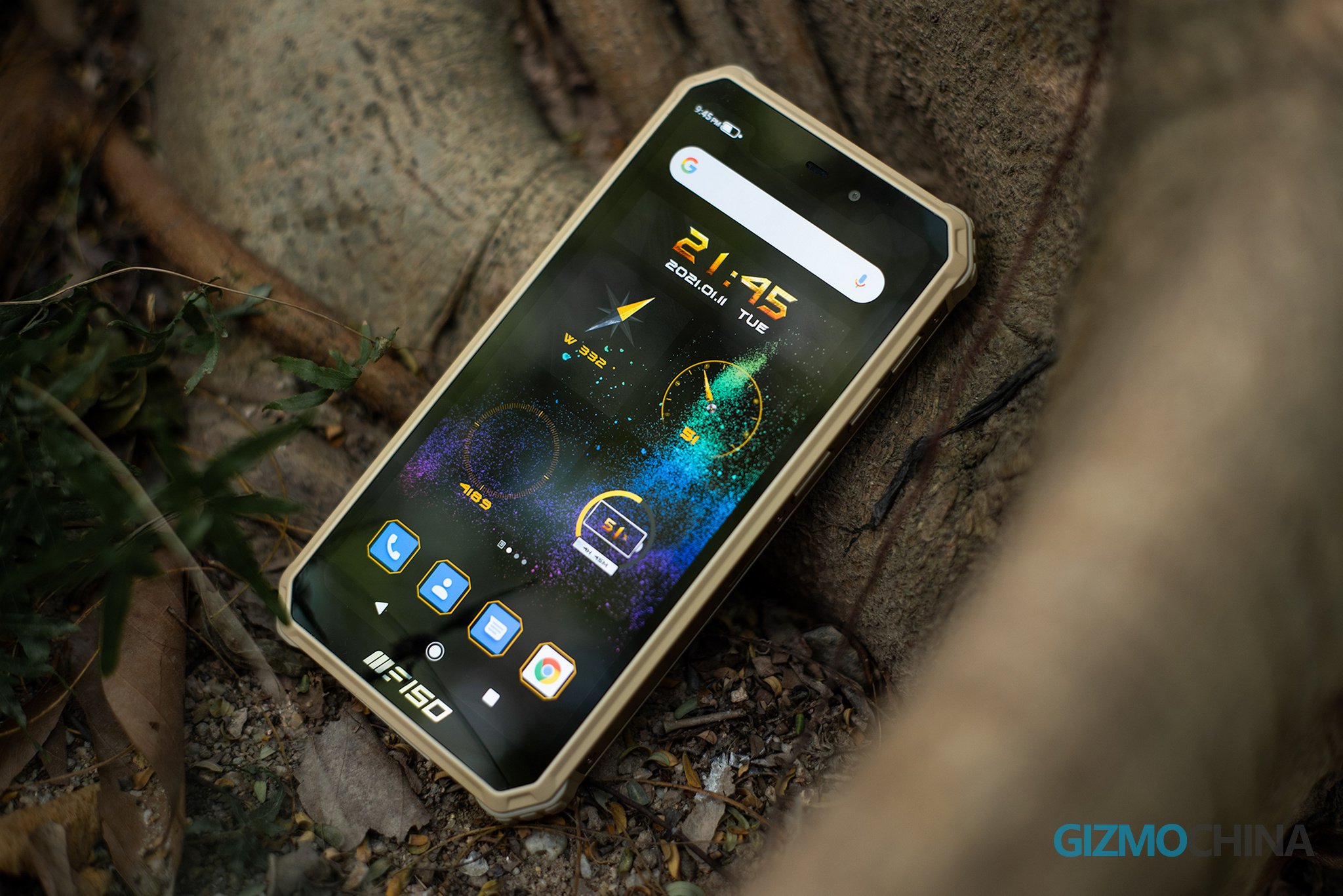
Rugged phones are a niche category on their own and recently a new brand F150 released its first rugged smartphone in the market called the F150 B2021. The phone is quite unique and special in its design and features.
Why do we say it’s special?
Because this phone not necessarily suited for everyone. Only those who really need its rugged features will ever consider getting one. The B2021 from the brand F150 is aimed at outdoor users and this is evident from its super-rugged design and also the super large battery on board.
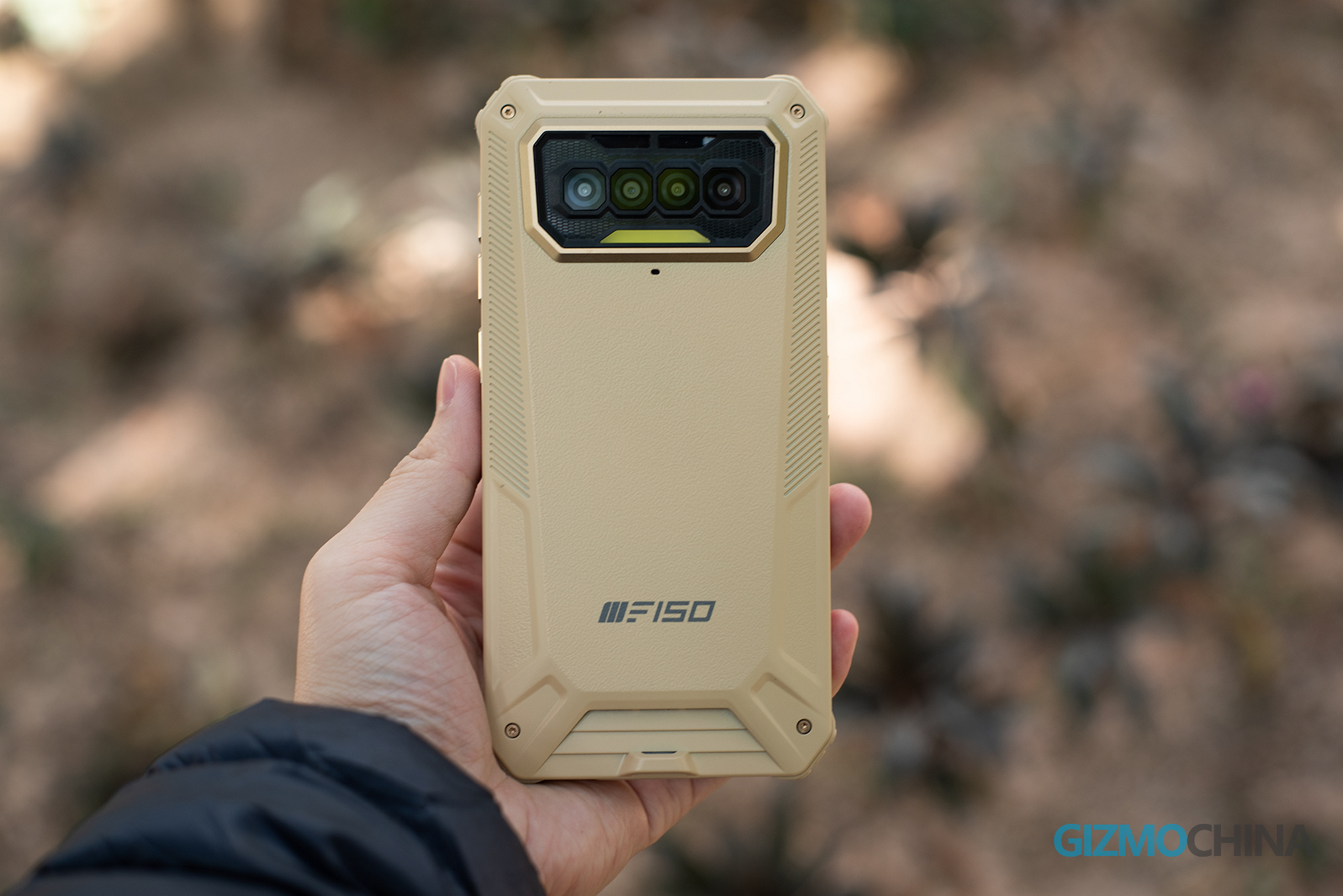
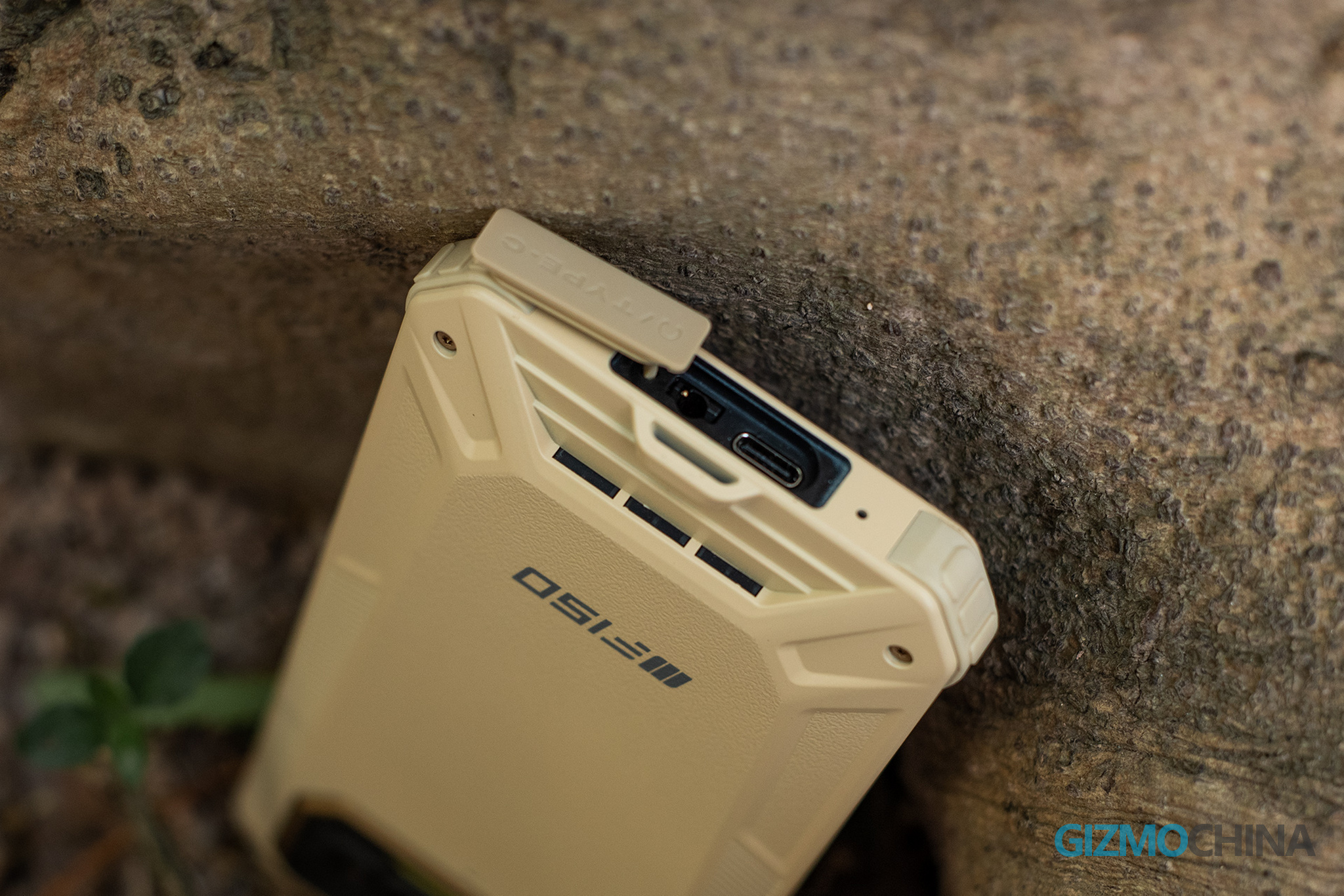
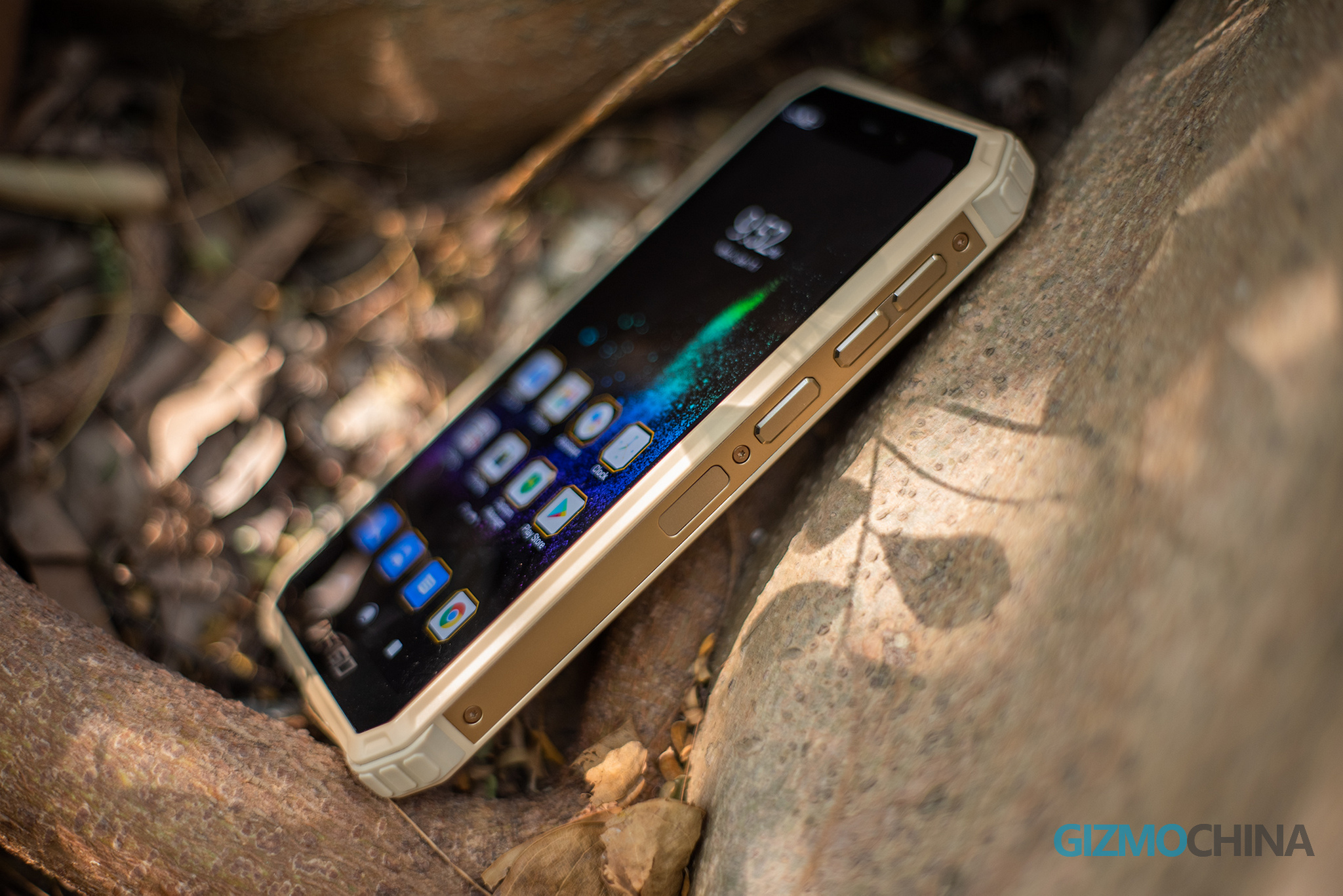
The version we’ve got is the 6GB RAM+64GB ROM Sahara version. A simple glance at its design will reveal its ruggedness. At 315g weight, it is destined to be made for “tough people” who often work outdoors. A large part of this weight is due to its heavy protection. There are thick rubbers around the corners, while thick engineering plastic and metal protect the back cover and frame. The front display is protected by the Corning 5th generation Gorilla Glass. Every single port and hole on the phone is covered with a rubber stopper. So it is guaranteed to be not only drop-resistant but also IP68 certified and can last up to 30 minutes underwater at 1.5 m.
The B2021 comes with a fingerprint sensor on the side. This also means that the back is clean. On the other side is a programmable functional button called the “F150 key”. You can use it to customize shortcuts, which is very convenient. The charging port is also Type-C and there is also a 3.5mm headphone jack. There is a small slot for a tether at the charging port. The card slot can hold two nano sims or a nano sim and a TF expansion card. And surprisingly, it’s also equipped with NFC. So you could say it’s pretty well equipped in terms of connectivity and features.
Let’s talk about its configuration now. It comes with a MediaTek Helio G25, which is not very powerful, but it’s definitely very power efficient. The B2021 is equipped with an 8000 mAh battery. Yes, you read that right, 8000 mAh is about the size of my power bank. With such a power-saving chip, it is possible to get nearly 18 hours of movie playback. Even if you don’t recharge your phone for 3 to 4 days I feel you’ll be fine. It is a pity that it only supports 18w charging. But the charger that comes inside the box is a 10W charger. We recommend that you get a charger that supports PD 18W charging when you get it.
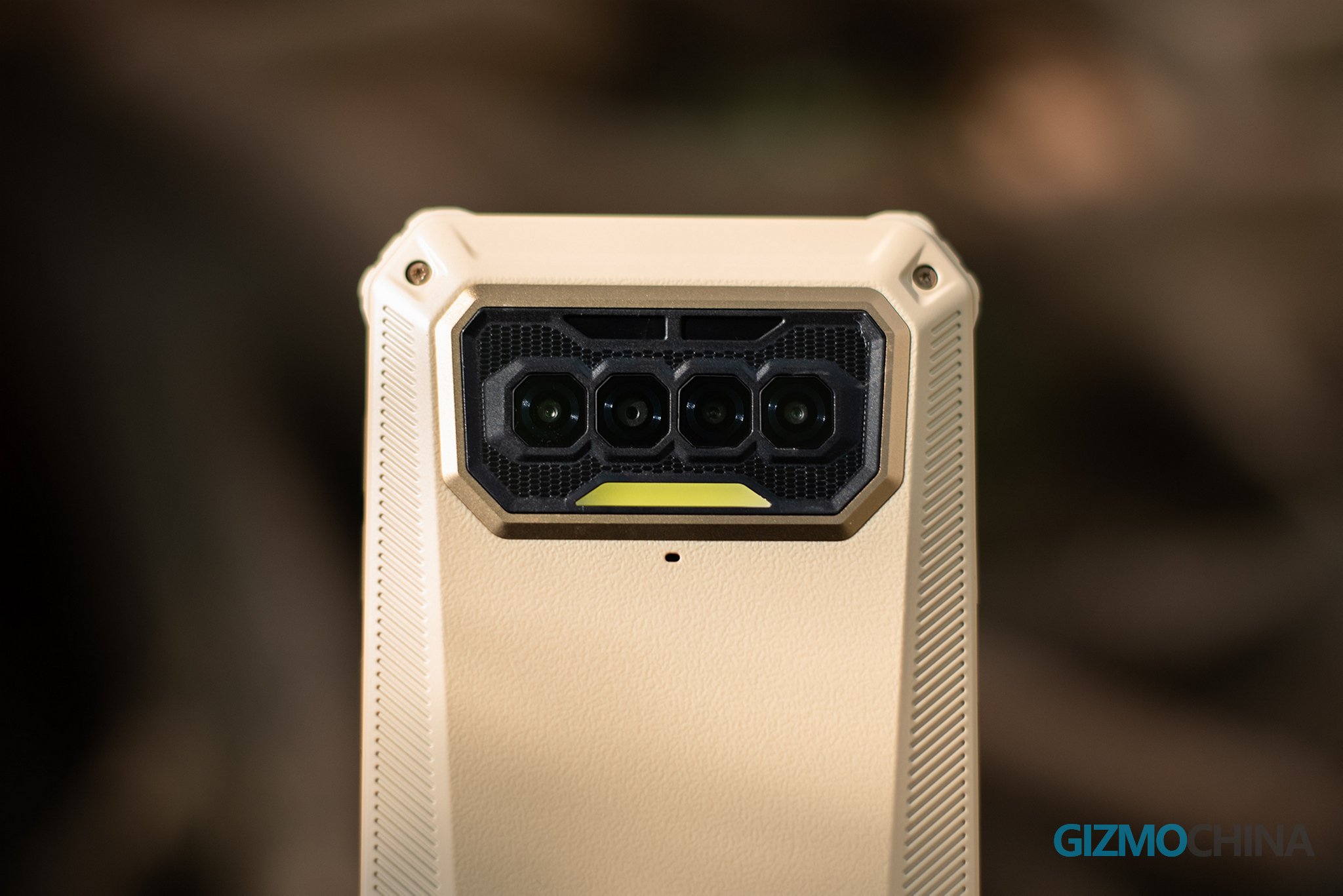
Although the B2021 focuses on its rugged features, it still comes with four cameras. The cameras are designed to look like the headlights of an off-road vehicle. The flashing lights look like the auxiliary lights on the bumper of an off-road vehicle, which is quite interesting. The four cameras include a 13MP primary camera, a 2MP macro camera, a 2MP depth camera, and a QVGA (low light sensor). Rugged phones have never been popular for their cameras. So if you ask me whether it can take good pictures, I’d have to say that it has a usable camera but don’t expect anything more.
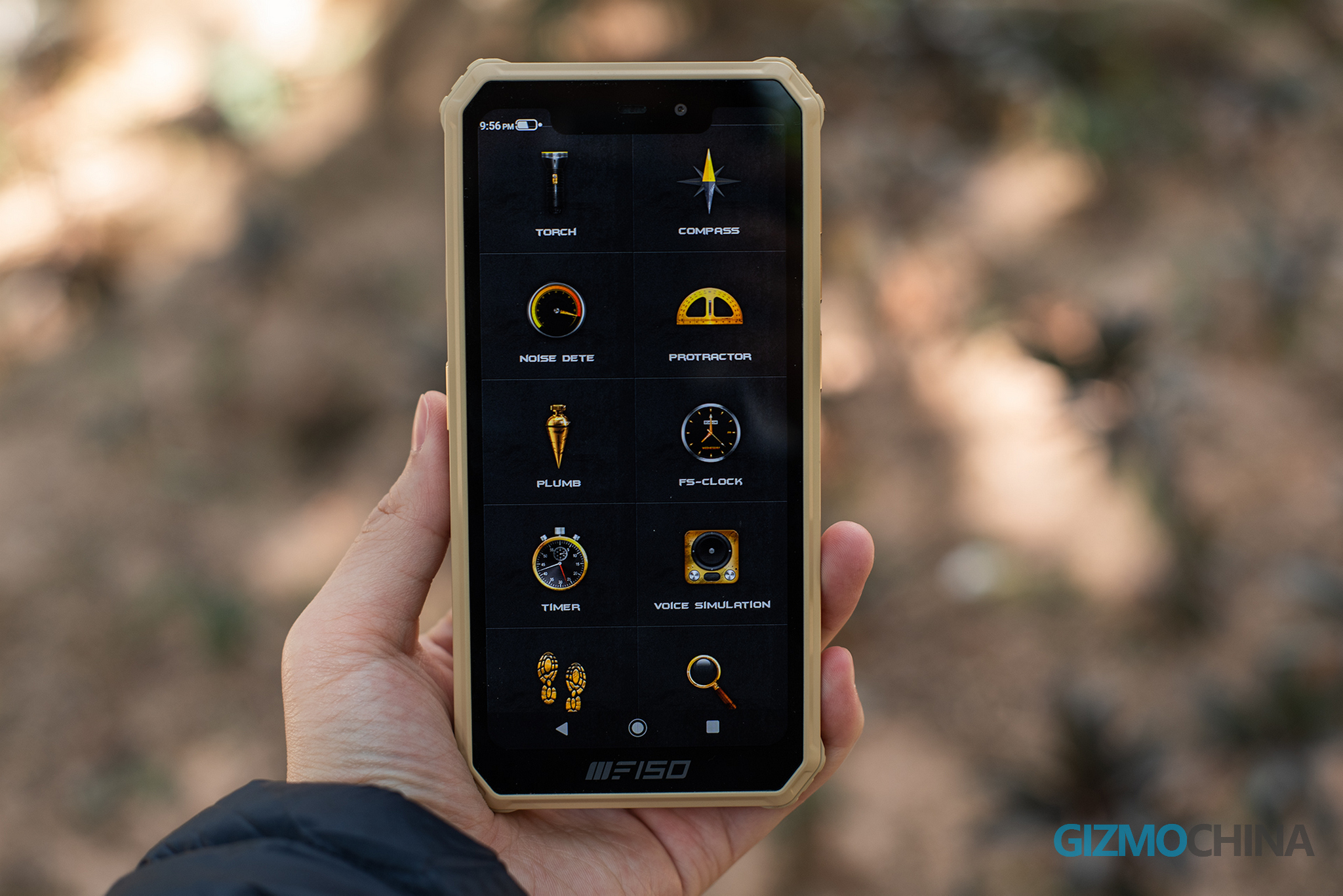
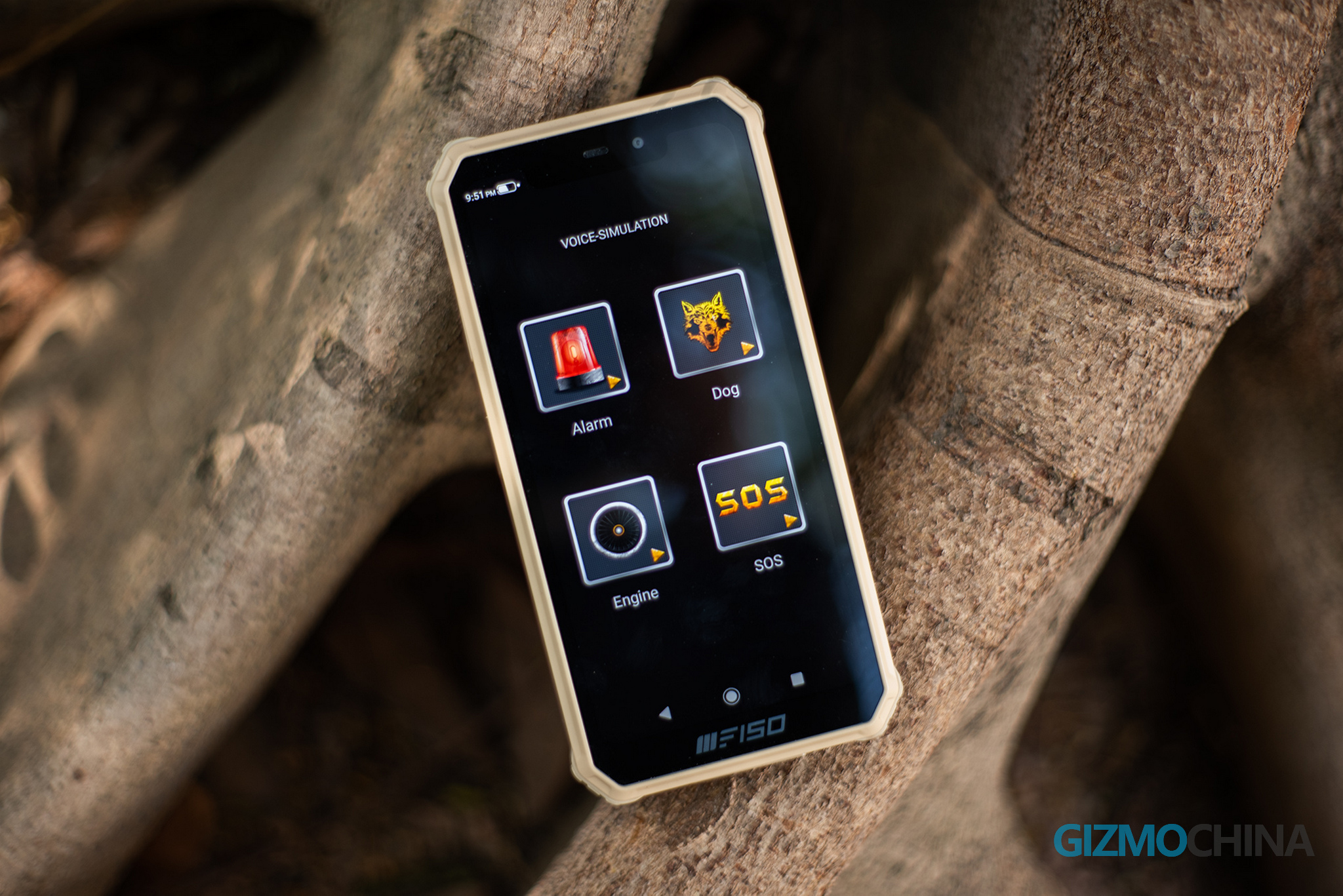
As an outdoor phone, it has a few selling points designed specifically for outdoor people. Press and hold the “F150 Key” button on the side to quickly switch between outdoor modes. The compass, noise detection, and other features appear on the display for easy viewing. The F150 B2021 has a ToolBag APP with 10 tools for outdoor measurements. One of my favorites is the Voice simulator. It can simulate the sound of an engine or a dog barking. In case of danger, you can use the Alarm or SOS for help.
Clearly, it’s a phone meant for people who often work or live outdoors. The F150 B2021 is available on AliExpress and Banggood for $169. Though not without drawbacks, the new F150 model is affordable and comes with pretty solid rugged features which makes it a really good option for rugged users. The brand has paid attention to drop, water, and dust resistance as well as battery life on the F150 B2021, which are the most essential features for a rugged smartphone. And those who are in need of a rugged phone will definitely fall in love with it. After all, it’s cheap, comes with useful features, and works well as advertised.
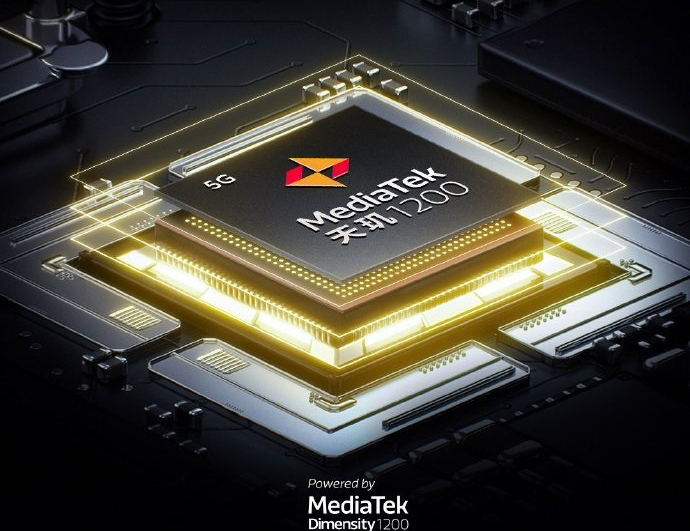
MediaTek has finally announced not one but two Dimensity 5G chipsets. These are the successors to the last year’s Dimensity 1000+ chipset. They feature the updated ARM Cortex-A78 core and are built on the newer TSMC’s 6nm process.
MediaTekannounced two new chipsets- Dimensity 1100 and Dimensity 1200 5G. These smartphone chipsets are built on the TSMC’s 6nm compared to 7nm on Dimensity 1000+. Also, you get the boosted clock speed of up to 3GHz on the Dimensity 1200. MediaTek says that the chipsets feature updated AI, Camera, Connectivity, and GPU capabilities.
Dimensity 1100- CPU, GPU, Memory Specs
Process– TSMC 6nm
CPU cores– ARM Cortex-A
4x Cortex-A78 Power cores clocked up to 2.6GHz.
4x Cortex-A55 Efficiency cores clocked up to 2.0GHz.
GPU: ARM Mali G77 MC9 nine-core GPU
Memory–
RAM– 4xLPDDR4x at 2133MHz
Storage– 2-lane UFS 3.1
Dimensity 1200- CPU, GPU, Memory Specs
Process– TSMC 6nm
CPU– ARM Cortex-A
1x Ultra-Core Cortex-A78 clocked up to 3.0GHz
3x Cortex-A78 Super Cores clocked up to 2.6GHz
4x Cortex-A55 power-efficiency cores clocked up to 2.0GHz
GPU– ARM Mali G77 MC9 nine-core GPU
Memory
RAM– 4xLPDDR4x at 2133MHz
Storage– 2-lane UFS 3.1
Both the chipsets have common features like MediaTek APU 3.0 for AI computing(APU on 1200 chipset has 10% more performance), MediaTek HyperEngine 3.0 gaming tech support, 5G call and data concurrency, multi-touch boost, ray tracing in games and AR apps, and super hotspot power savings.
Important Features of Dimensity 1100, 1200 5G chipsets
Connectivity– Both the Dimensity 1100 and 1200 have an integrated 5G modem inside. They also have the company’s special UltraSave tech to tackle huge power constraints of 5G. Additionally, the chipsets support SA/NSA 5G(sub-6GHz, 5G+5G Dual-SIM), 2CC carrier aggregation across frequency division duplex (FDD) and time division duplex (TDD), dynamic spectrum sharing (DSS).
It must be noted that Dimensity 1200 chipset has got TÜV Rheinland certification for its 5G performance covering 72 real-world scenarios.
Other connectivity features include the latest Wi-Fi 6, GNSS L1+L5(navigation), Bluetooth 5.2,
Camera Features– Out of the two, MediaTek says that Dimensity 1200 supports up to 200MP single camera. You also get the five-core HDR-ISP(Image Signal Processor) with 4K HDR video capture support. The Dimensity 1100, on the other hand only has up to 108MP single camera support.
Both the chipsets have common features like 32MP+16MP dual camera support.
This, coupled with improved AI performance means, you get AI-Panorama Night Shot, Multi-Person Bokeh, noise reduction, HDR camera features.
Display, Audio & Video playback support- The Dimensity 1100 and 1200 supports up to QHD display at 90Hz refresh rate. However, for FHD+, the D1200 has up to 168Hz whereas the D1100 is limited to a 144Hz refresh rate.
For video playback, they support HDR10+, hardware-accelerated AV1 encoding.
For Audio, you get ultra-low latency true wireless stereo audio, LC3 encoding for High-quality Audio, Lower latency streaming for TWS earbuds(power-efficiency).
OEM Adoption
MediaTek says that OEMs like Xiaomi, Vivo, OPPO and realme, showed support for including the new chipsets in their devices by end of Q1 2021.
Among these, Redmi and realme have already confirmed that the devices powering Dimensity 1200 chipset will hit markets very soon and Redmi’s device is expected to be the company’s first Gaming phone while realme could include it on realme X9 Pro.
Earlier today (20th January 2021), LG Electronics made a statement regarding the potential future of the company’s Mobile Communications or smartphone business. The statement likely arrives to calm employees regarding the prior announcement that the company might be ending its mobile phone operations by the end of this month.
In the official email sent to the MC employees, Kwon Bong-seok, CEO of LG, assured that the employment of the workers will remain secure as a general rule, regardless of the direction the South Korean tech giant takes regarding its smartphone business. In other words, the senior executive aimed to ease the worries of the employees in the company’s smartphone unit, and assured them regarding their job security.
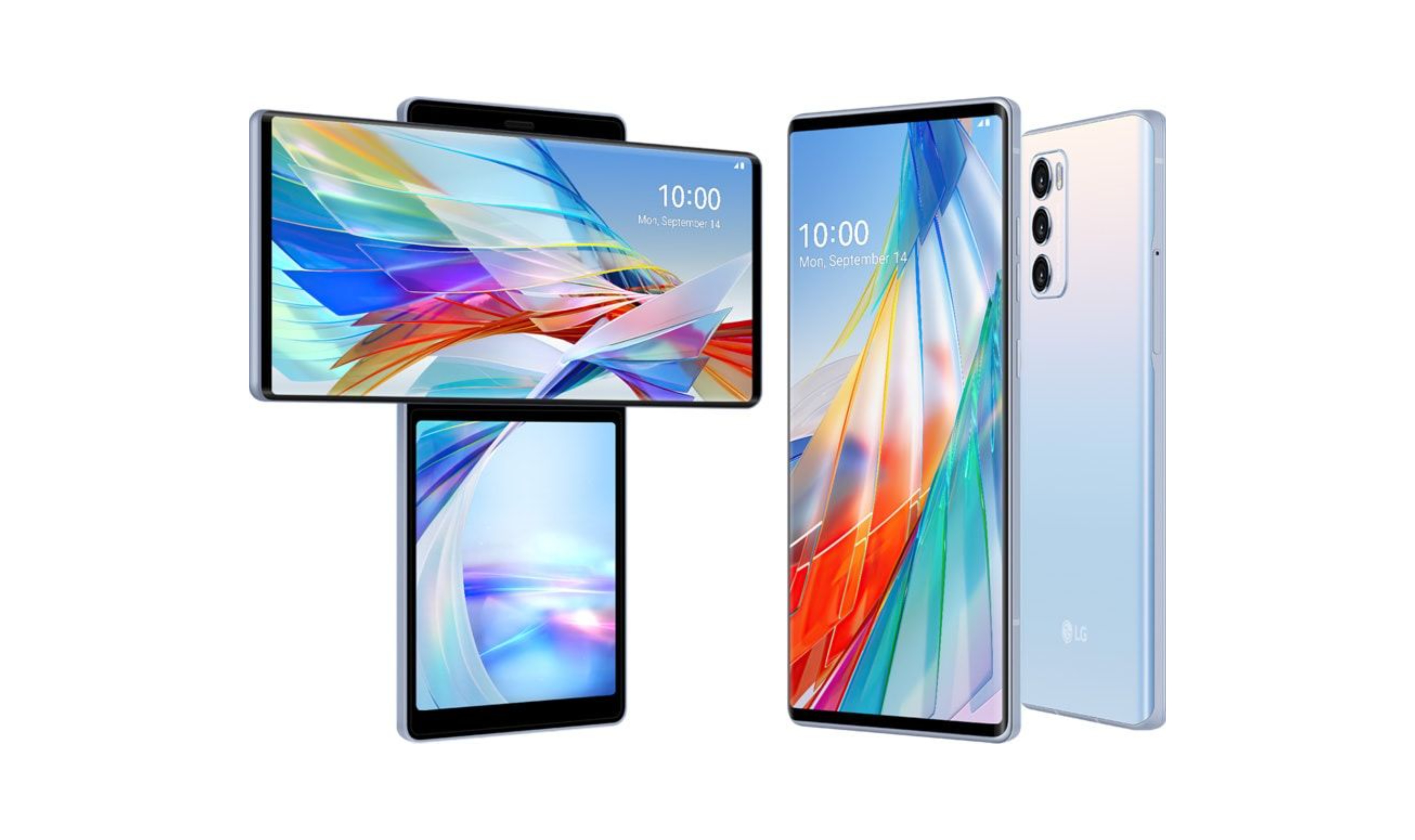
For those unaware, the smartphone business of LG has suffered 23 consecutive quarters of loss, which started from the fourth quarter of 2015 till the fourth quarter of last year as well. Near the end of 2020, the company had launched the LG Wing, which was dual display handset, that sold less than what the brand had expected. Similarly, its low end to mid tier devices was also struggling in comparison to Chinese counterparts. LG believes that it has reached a point where it has to make a tough decision regarding the future of its mobile business.
At the moment, the company stated that it was open to all possibilities and is reviewing its handset arm. In other words, we can expect the company to either exit the smartphone market entirely or sell its business, with a representative stating that it might consider both. Notably, TheElec had previously reported on the company also shutting down its smartphone business entirely earlier this month, which we had covered. However, LG representatives had called this news false back then. So it remains to be seen what path the company takes regarding its smartphones.
Recently, Xiaomi patented a wide variety of foldable smartphone designs. Now, another innovative patent by the company has emerged. This one is related to a unique pop-up camera module, which can be used to capture both regular and selfie pictures/videos.
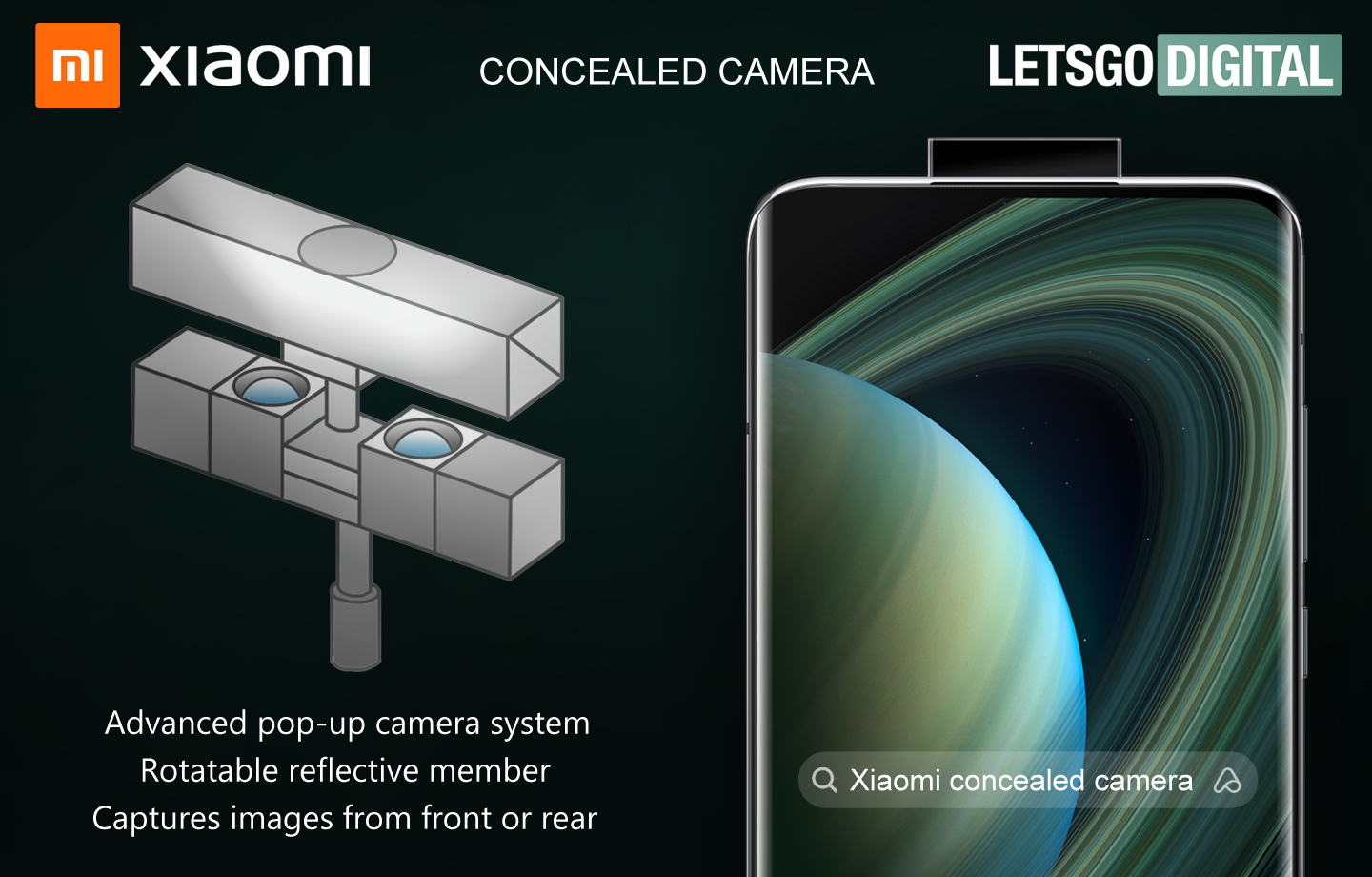
Xiaomi has patented many pop-up camera designs before. But this new design, filed by Beijing Xiaomi Mobile Software with the USPTO (United States and Trademark Office) and the WIPO (World Intellectual Property Office), is unlike any other. As per LetsGoDigital, the company calls it ‘Electronic device and concealed camera’ and it was approved on January 7, 2021.
This pop-up camera module is different than others as the sensors inside the module face upwards instead of sideways. Because it uses an adjustable reflective mirror to capture and record videos.
Due to the versatility of the reflective mirror with a help of a motor, the same camera sensors can be used to click both standard and selfie images/videos. Additionally, users can adjust the mirror as required to click pictures or record videos, which is not possible on traditional camera setup on regular smartphones.
That said, we don’t see Xiaomi implementing this tech in a commercial smartphone. That’s because it is planning to launch under-display camera smartphones in the near future. However, the firm could use this pop-up camera in a concept device.
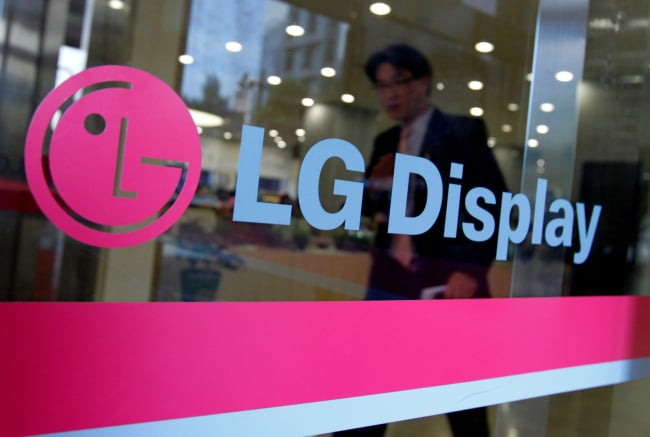
LG Display has halted the production of liquid crystal display (LCD) panels that are used by iPhones. The factory that made these panels is apparently being converted into an automobile display panel making site.
According to TheElecreport, the factory is being turned away from LCD panels used in iPhones to an automobile display panel site. The South Korean tech giant has halted the iPhone LCD production on its AP3 line at Gumi back in the third quarter of last year, and has even stopped making panels for other smartphones as well by the fourth quarter of 2020. For those unaware, the LCD line for iPhones has been low in terms of profitability for LG Display.
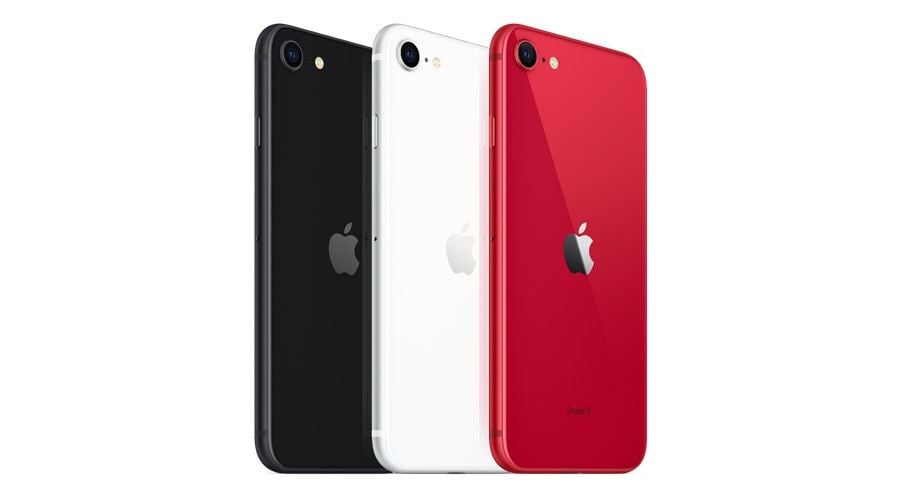
This holds especially true now after the Cupertino based giant’s latest iPhone lineup has switched to OLED (organic light emitting diode) panels recently. Thus, the sale of OLED panel sporting iPhones is also expected to surpass that of the LCD panel models this year. At the moment, the Apple iPhone SE 2020, which uses an LCD panel, will be using LCD panels made by JDI and Sharp, which was previously attempted and failed by LG Display.
The company’s AP3 line will now focus on producing automobile display panels that will produce low-temperature polycrystalline silicon (LTPS) thin-film transistors (TFT). LTPS TFT is a better alternative to the amorphous silicon (a-Si) TFT panels that are used by LG Display, which the company plans on downscaling due to rivals like BOE from China and AUO from Taiwan. These LTPS TFT panels have become increasingly popular in new car models that are launching in recent times.
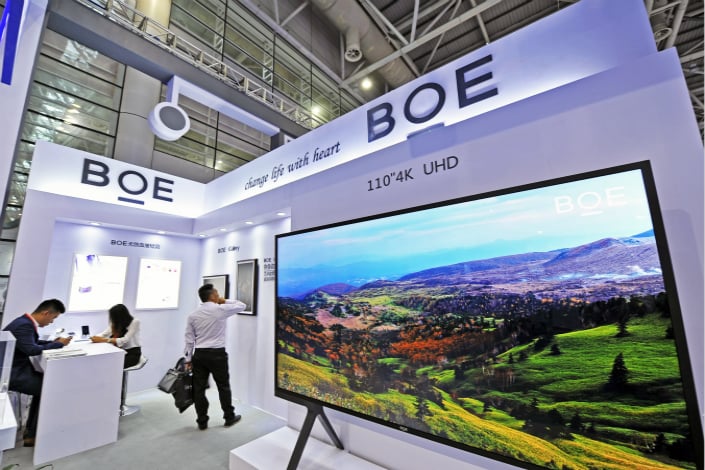
BOE is expected to secure 20 billion Yuan (roughly 3 billion US Dollars) in funds to expands its Chongqing display factory in China, which is also known as the B12 line. This site produces its OLED panels that are used on smartphones, while its 2nd Gen 10.5 LCD factory is also expected to reach its full capacity in H1 of 2021.
According to TheElecreport, local media has revealed that the Chinese display maker will be reaching max capacity on its 2nd gen 10.5 LCD factory within the first half of this year. In other words, the aforementioned funds secured by the company will be used to secure additional shares of Wuhan BOE Optoelectronics, its LCD factory that produces display panels over 32 inches.
Furthermore, BOE had also previously stated that its Wuhan factory will begin to run at full capacity in the first half of 2021. Notably, the factory is the company’s second after its Gen 10.5 CD plant that is situated in Anhui. The factory in Wuhan began operations back in 2019 and the company had planned an expansion in 2020, which got delayed due to the pandemic. During this time, the production had also halted temporarily. Both the Wuhan and Anhui factories have a production capacity of 120,000 substrates per month.
Additionally, the expanded production will also raise the dominance of BOE and CSOT in the LCD market. Back in 2020, BOE had bought Gen 8.5, and 8.6 LCD factories while CSOT is aiming on purchasing the Suzhou LCD plant of Samsung Display. The company has also told investors that its LCD panel supply will be tight in the first quarter of this year. For those unaware, the prices of LCD display panels have risen since the second half of 2020 and is still rising, as Samsung and LG downscale their respective production.
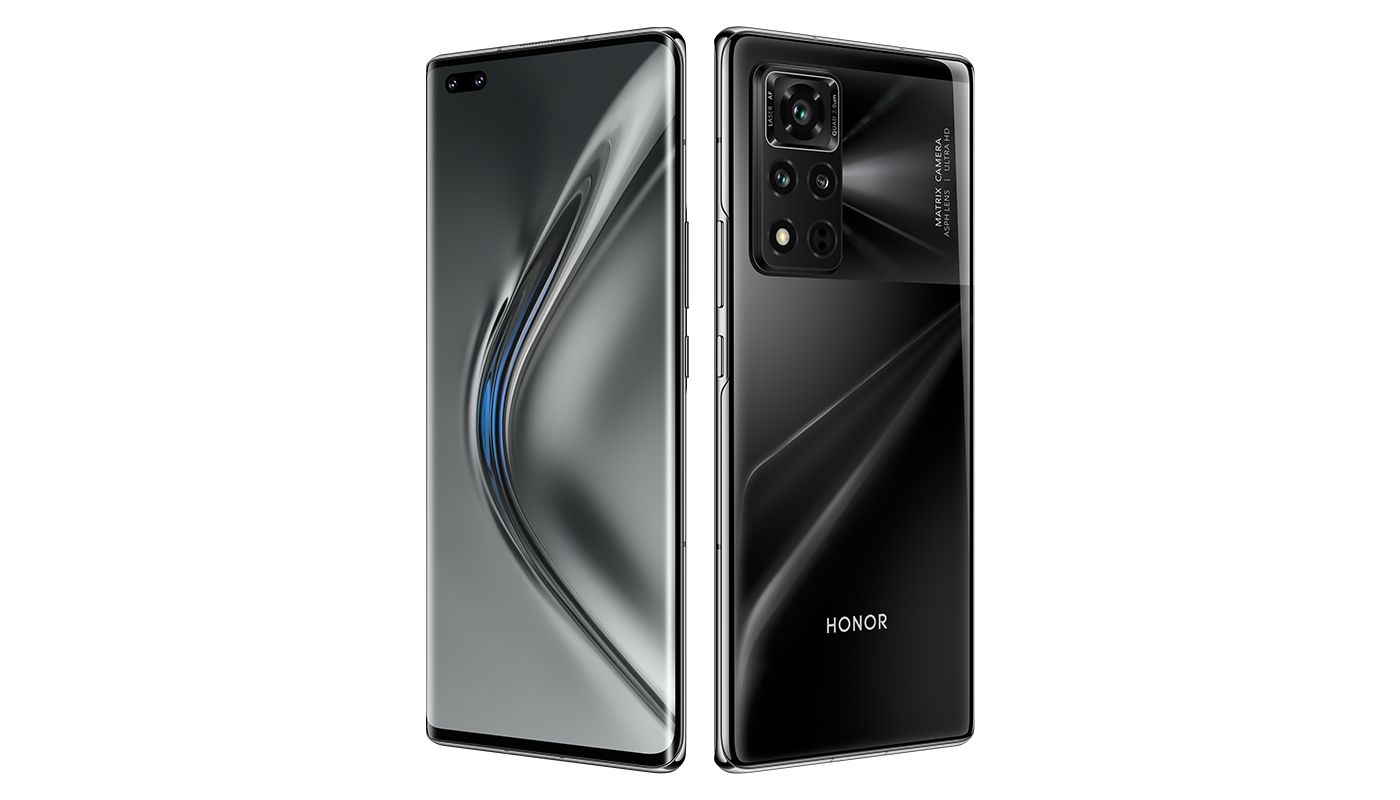
Honor became an independent company in November 2020. Huawei, the former parent brand of Honor, is yet to be freed from restrictions that have been imposed on it due to the US trade ban. Since Honor is free from the ban, it has been busy streamlining relationships with partners and suppliers. It was reported recently that Honor is working on bringing support for Google Mobile Services (GMS) on its devices. Fresh information shared by a Russian publication reveals that the Honor V40 could be the company’s first phone after the US ban to arrive with GMS support.
Honor was previously rumored to launch the Honor V40 smartphone in December. However, the launch date was pushed to January. It is speculated that the launch was delayed mainly because Honor wanted to add support for GMS on the V40.
The V40 with Google apps and services are expected to launch in European markets as the Honor View 40. The handset is expected to launch in Europe at some point in the second quarter of the year. The company is reportedly working on another phone with GMS support. It is unclear whether this device is a V40 series phone or some other handset. With Google apps and services available on Honor phones, forthcoming Honor phones are unlikely to feature Huawei’s AppGallery.
The Honor View 40 is speculated to feature a curved edge 6.72-inch OLED panel that offers a Full HD+ resolution, a 120Hz refresh rate, and a 300Hz touch sampling rate. The Dimensity 1000+ chipset will be powering the device.
It is speculated to arrive with a 32-megapixel + 16-megapixel dual selfie camera system. The rear camera setup of the phone may feature a 50-megapixel primary camera, an 8-megapixel superwide lens, and a 2-emgaixel macro shooter. Its 4,000mAh could be coupled with 66W rapid charging and 50W wireless charging support.
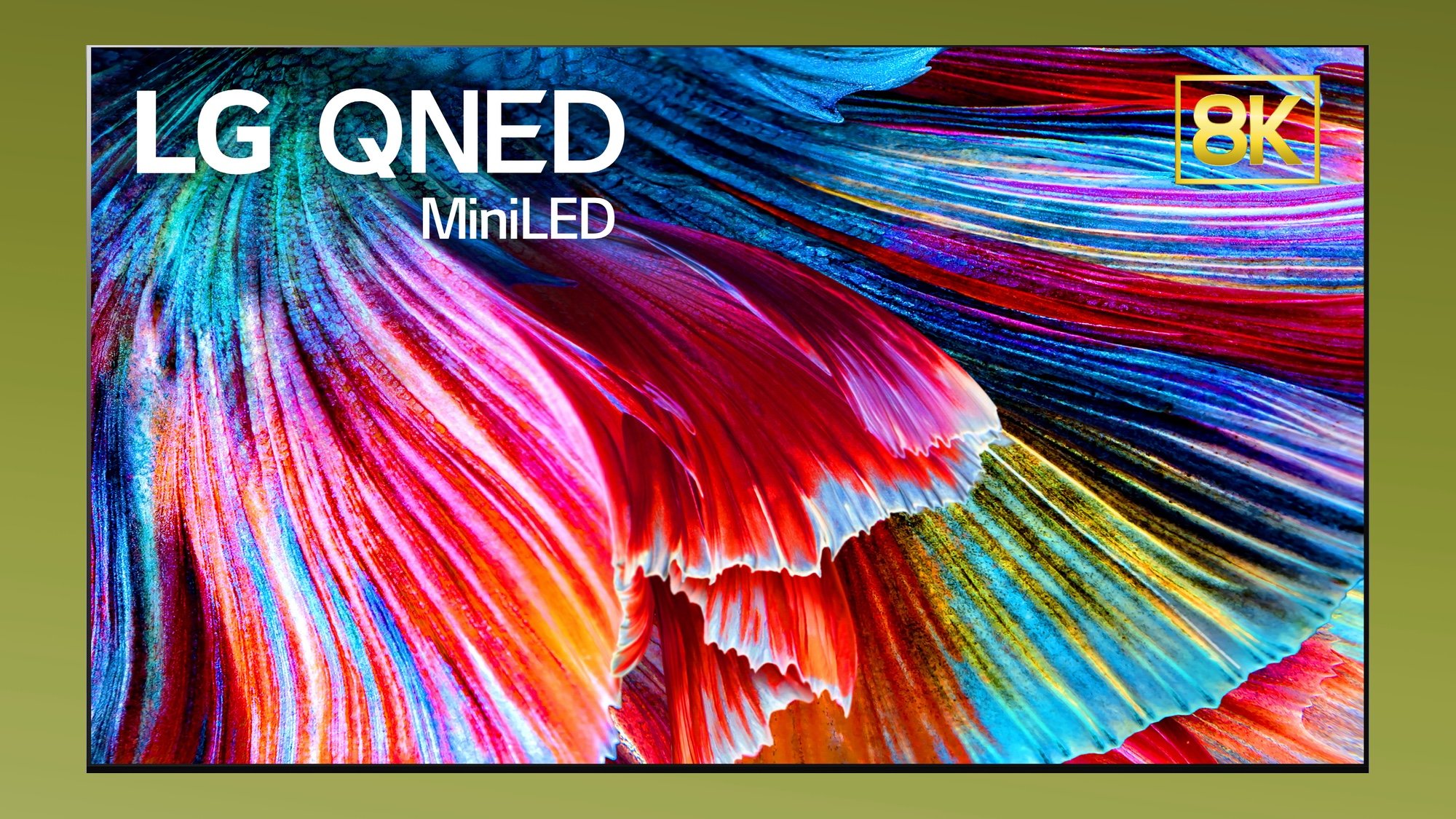
A new report has revealed that the MiniLED TVs will soon be leading the high end TV market by the year 2025. This would have it beat the current leader, OLED TVs, within the next couple of years.
According to TheElec, a UBI Research report found that China’s TCL will lead the development of MiniLED TVs, although, the market will be led by industry giants like Samsung and LG. The report also adds that after 2024, MiniLED TVs would have essentially overtaken the OLED TVs in terms of market share. For those unaware, MiniLED TVs is an LCD (liquid crystal display) panel that uses micrometer sized LEDs as the backlighting alongside the addition of a quantum dot film.
This leads to an increase in the color gamut range, along with dynamic range advantages as well, in comparison to traditional LCD TVs that are currently available in the market. These TVs can also have up to 3000 local dimming zones, which increases the overall contrast ratio of the panel while also reducing the halo effect. As per the UBI Research report, MiniLED display needs to have as many local dimming zones as the number of pixels to match OLED panel’s performance. However, the size reduction of the LEDs will only allow for 1000 to 3000 dimming zones.
The report also believes that within this year, around 2.5 million MiniLED TVs will be shipped. Notably, the technology behind this technology is expensive with each MiniLED backlight costing anywhere between 250 to 1,100 US Dollars for a 65 inch panel. Meaning, an average MiniLED TV can cost anywhere between 1,500 to 6,000 US Dollars, depending on the size and the number of dimming zones offered by a company as well.
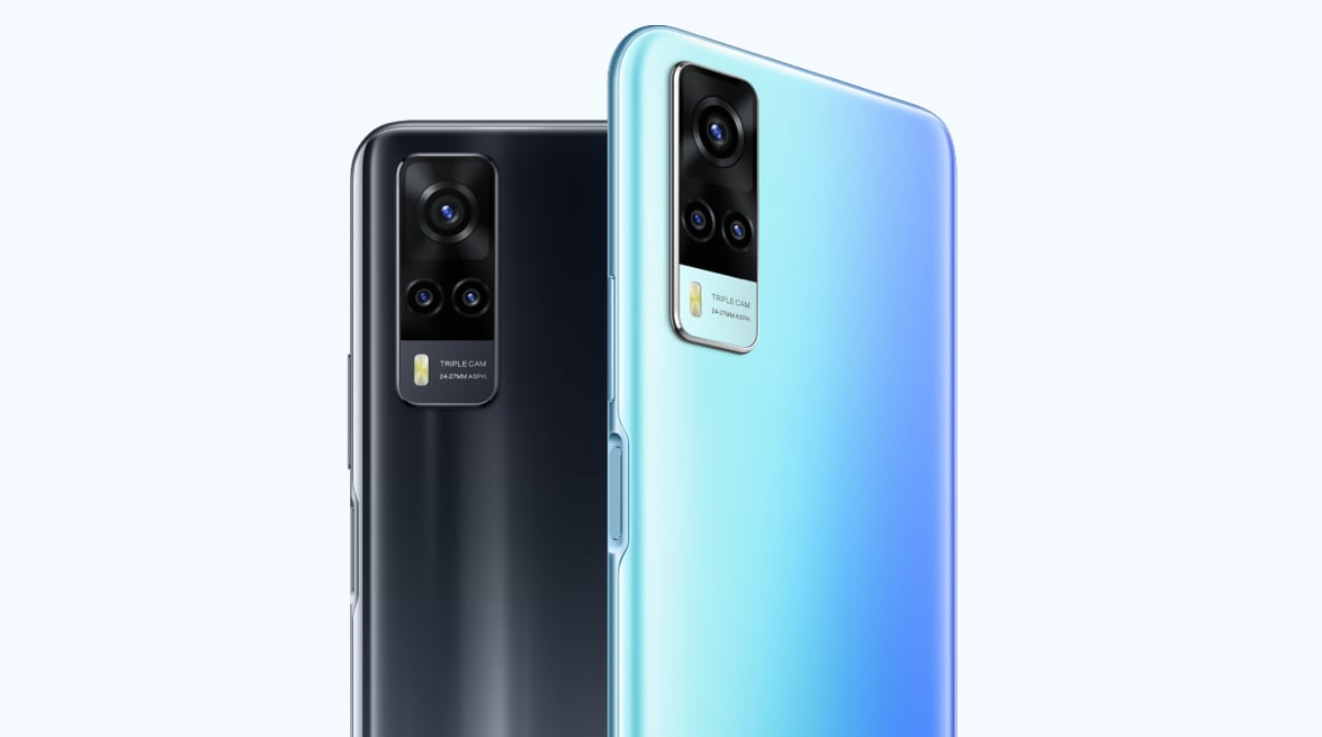
Vivo has discreetly launched the Vivo Y31 smartphone in India. The phone sports a waterdrop notch display, a massive battery with fast charging support, and a 48-megapixel triple camera system. After the Vivo Y20A, Vivo Y51A, Vivo Y12s, and Vivo Y20G, the Y31 is the first Y-series to launch in the country.
Vivo Y31 specifications and features
The Vivo Y31 mid-range phone has a 6.58-inch IPS LCD Halo FullView screen that produces a Full HD+ resolution of 1080 x 2408 pixels and a 20.7:9 aspect ratio. The display notch houses an 8-megapixel selfie camera with Super Night Selfie support. The rectangle-shaped camera housing placed on the rear shell of the phone has a 48-megapixel main lens, and a pair of 2-megapixel sensors for macro shots and depth effects. The rear cameras support Super Night mode and EIS video stabilization.
The Snapdragon 662 chipset fuels the handset with 6 GB of RAM. The phone ships with a big internal storage of 128 GB. The device boots to FunTouch OS 11 based Android 11 OS.
The 5,000mAh battery of the Vivo Y31 is coupled with 18W fast charging support. The device is equipped with other features such as dual SIM support, 4G VoLTE, Wi-Fi 802.11ac, Bluetooth 5.0, GPS, USB-C, a microSD card slot, a side-facing fingerprint scanner, and a 3.5mm headphone slot.
Vivo Y31 pricing and availability
The Vivo Y31 carries a price tag of Rs 16,490 (~$225) and it can be purchased in colors like Racing Black and Ocean Blue. Apart from major offline stores, the Y31 can be bought through online platforms like Vivo India’s online store, Amazon India, Flipkart, and Paytm.
HDFC Bank credit and debit users can avail up to Rs 1,000 cashback on the purchase of Vivo Y31. ICICI Bank, Bajaj FinServ, IDFC First Bank, HDB Financial Services, Home Credit, and TVS Credit are offering zero down payment schemes for Y31 buyers.
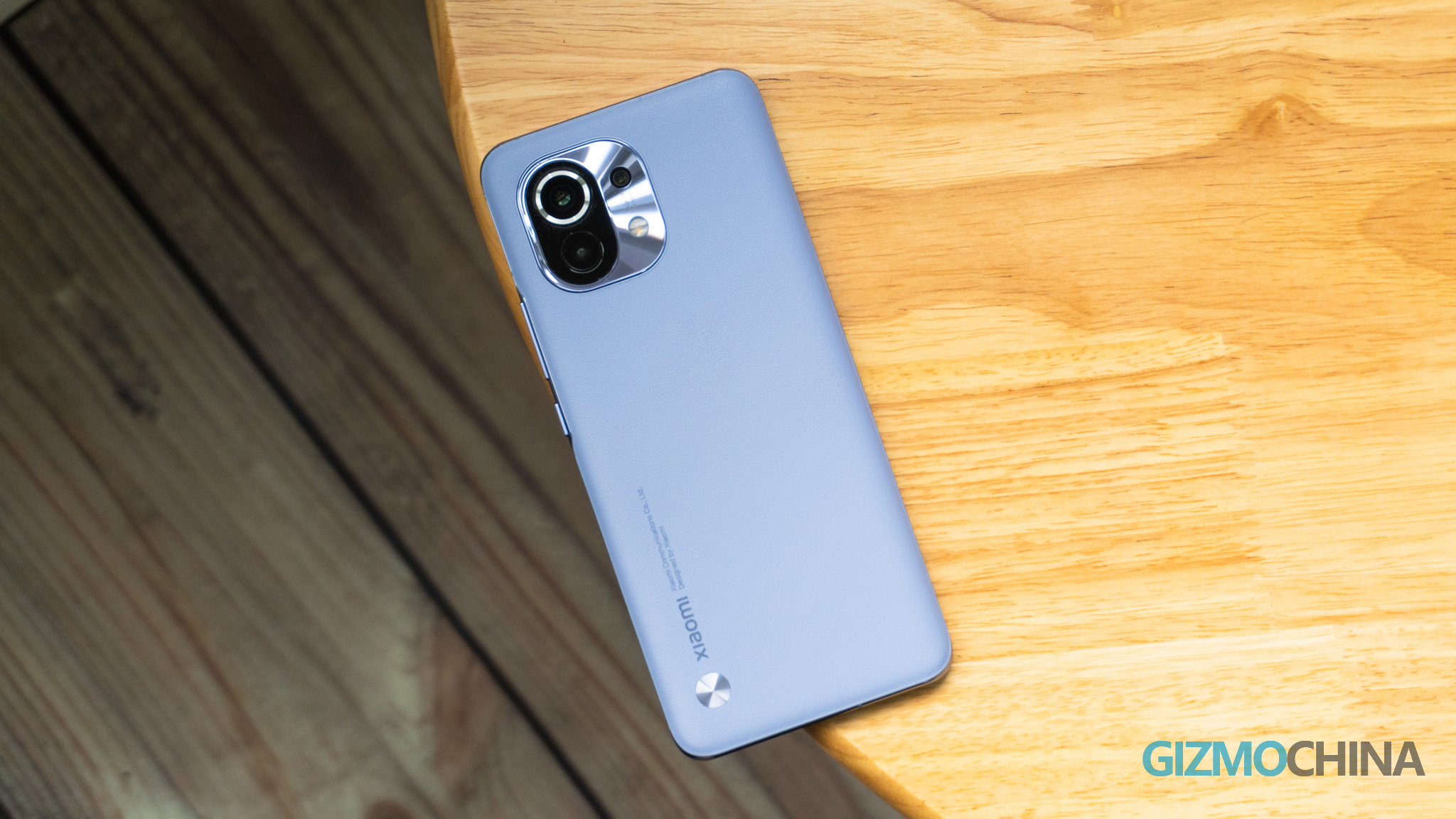
According to well-known tipster Ishan Agarwal, Xiaomi is gearing up to launch the Redmi Note 10 series and Mi 11 series in India starting February. The leakster has revealed the color options and storage variants for some of these devices. He has partnered with 91Mobiles to share this information.
Redmi Note 10/10 Pro India Launch, Price, and Colors Leak
As per Ishan, Xiaomi will be releasing the Redmi Note 10 series consisting of Redmi Note 10 and Redmi Note 10 Pro in India next month (February) itself. He says that due to Redmi Note 9 series’ poor sales, the company will be pricing these devices aggressively.
Further, according to him, the regular Redmi Note 10 will be available in three colors, namely Gray, White, and Green. However, he did not share anything about the Pro model.
Anyway, thanks to FCC, TÜV Rheinland, IMDA, EEC, BIS, and MCMC certifications, we know that Redmi Note 10 Pro will run MIUI 12 and will come in three storage configurations – 6GB + 64GB, 6GB + 128GB, and 8GB + 128GB.
Xiaomi Mi 11/11 Lite India Launch, Storage, and Colors Leak
On the other hand, Ishan did not expose the launch timeline for Mi 11 series in India. But he has disclosed their storage configurations and colors.
According to him, the Mi 11 and Mi 11 Lite will be available in the following storage variants and color options in India.
Xiaomi Mi 11 Storage Variants India
8GB + 128GB
8GB + 256GB
Xiaomi Mi 11 Color Options India
Gray
Blue
Xiaomi Mi 11 Lite Storage Variants India
6GB + 64GB
6GB + 128GB
8GB + 128GB
Xiaomi Mi 11 Lite Color Options India
Black
Blue
Pink
The Mi 11 is already official and is on sale in China. On the other hand, we exclusively reported that the Mi 11 Lite will be initially unveiled at the Mi 11 global launch event.
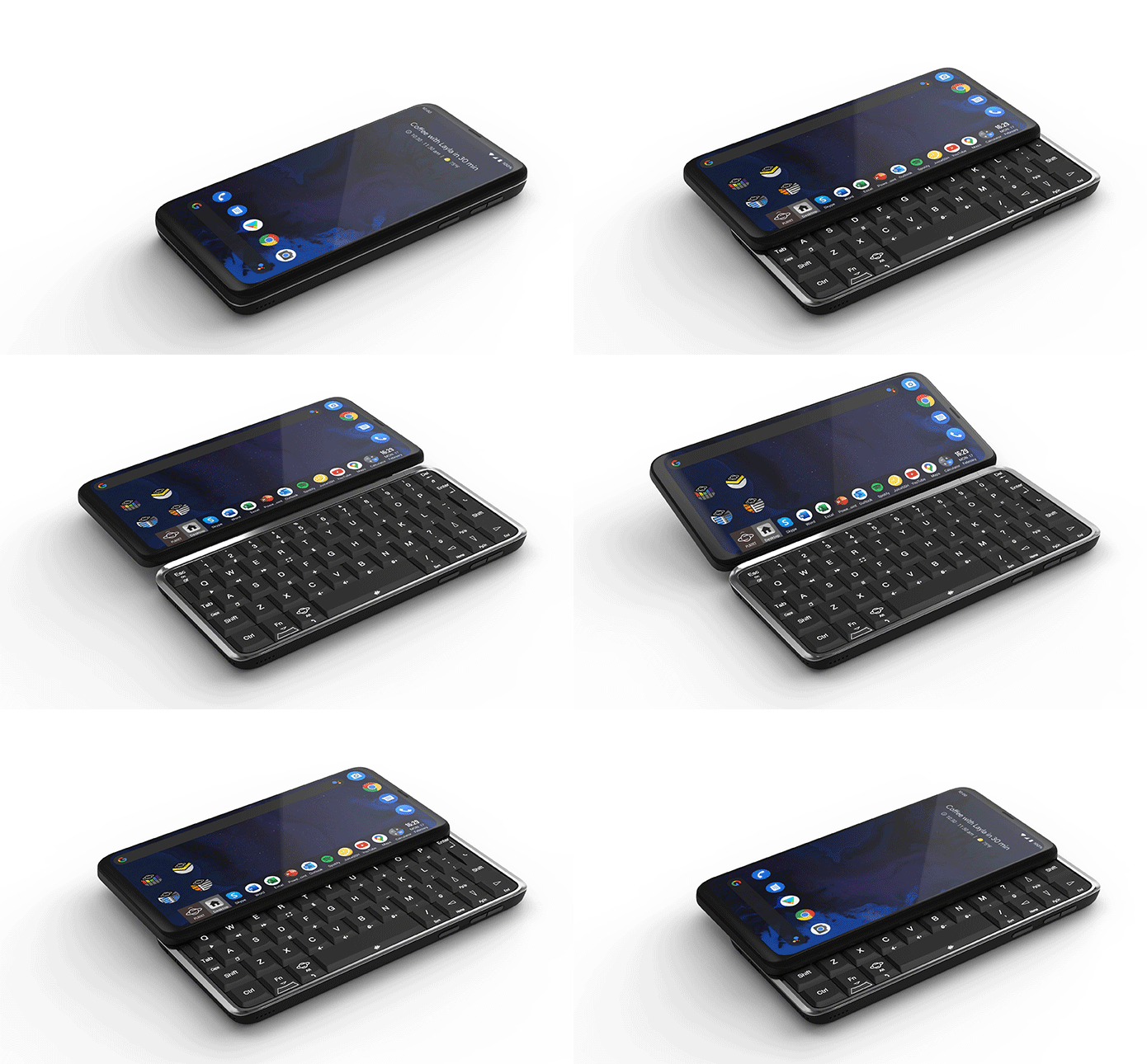
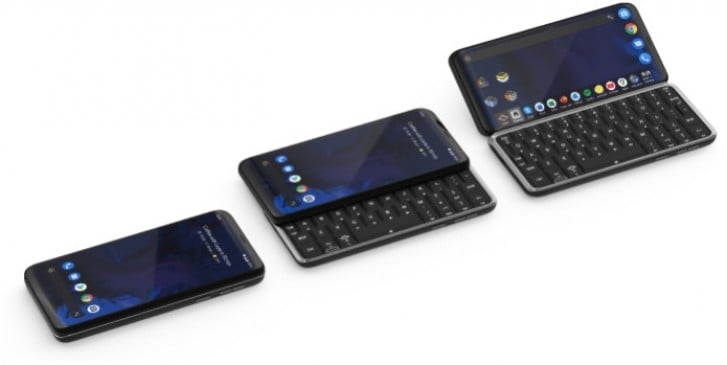
According to a PocketLint report, the Astro Slide 5G from Planet Computers is a 5G enabled smartphone, which is possible thanks to the MediaTek Dimensity 800 processor under the hood. Although, the company had originally previously promised to offer a flagship level processor, the Dimensity 1000 chipset. The most notable aspect regarding the device is undoubtedly its full sized QWERTY keyboard, which sits underneath the display and slides across the base.
The keyboard is housed underneath till the time the user slides it out and uses the Astro Slide 5G in landscape mode. Notably, sliding out the keyboard will also have the display incline upwards, offerings a better viewing angle through its hinge mechanism. To put things simply, the device resembles a tiny laptop. Furthermore, the smartphone also plays on nostalgia, when back in the early Android days full sized keyboards usually accompanied smartphones.
Talking about the specifications, the mid range device sports a 6.39 inch FHD+ AMOLED panel on the front, with 8GB of RAM and 128GB of storage along iwth supprot for microSD card. The device will be charged via a USB Type C port and also support Qi standard wireless charging up to 10W as well. Astro Slide 5G is expected to ship around June 2021 with Android 11 and will be priced roughly around 699 US Dollars.
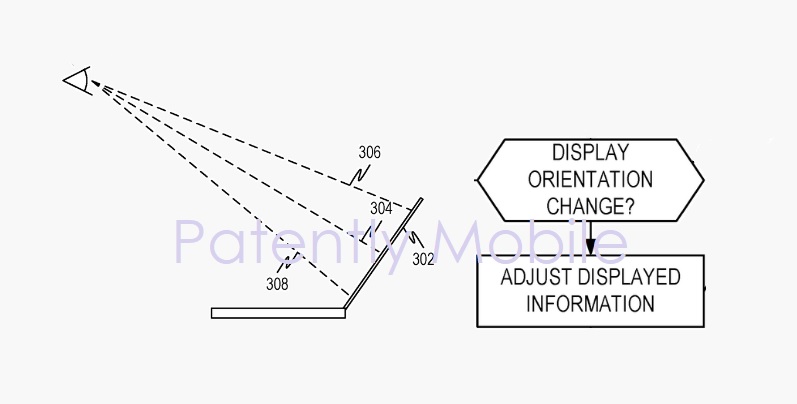
Earlier this month, Microsoft filed for a new patent in Europe for a unique laptop. This device would feature an automatic display that is capable of adjusting its viewing angles to match the gaze of the user.
According to a PatentlyApplereport, the American tech giant’s patent details a mechanism for an automatically adjusting display that can correct itself as per the users’ positioning in front of the notebook. This is unique considering the content being displayed on the screen could also have its orientation be changed so as to provide the user with the best possible viewing angle. Its applications in daily multimedia consumption are vast, especially in different settings like traveling or even be useful for differently abled people.
As per the official notes on the Microsoft patent, no user interaction or input is needed to change the orientation or angle of the display. Meaning, it’s a completely automated system that actively monitors and changes the angle of the screen as per the users’ positioning. The mechanism will also be able to measure the distance of the user’s eye from the screen and even process the required alterations based on the mapped data.
At the moment, it is unknown if Microsoft is actually working on such a laptop, or just covering the base towards newer technology. Although, it could be quite useful in the market, for both professional individuals or for users that consume a lot of popular media as well. The company had filed the patent application back in December 2020, which got published on 7th January 2021.
Google Lens is one of the many free useful tools provided by Google. A standalone app for this service was released on the Play Store in June 2018. Now, over two and a half years later, this application has reached 500+ million installs on Android’s official app store.
For those unaware, Google Lens is an image recognition tool that was first showcased at Google I/O 2017. Later that year, the search giant integrated this service into Google Assistant on Pixel 2 and Pixel 2 XL.
Then, it became available in Google Photos for both Pixels and other Android devices a few months later in 2018. At around the same time, Google’s partner OEMs began to integrated Google Lens into their smartphones’ camera app.
Only after that, Google Lens debuted as a standalone app on Google Play Store. Despite being an independent app, it depends on Google app for working, just like Google Assistant and Google Podcasts.
Apart from scanning texts and translating them, Google Lens also allows users to copy the scanned text to their computer, search for a particular object, solve maths and science questions, recognize handwritten notes, and more.
That said, it is interesting to note that though Google Lens is available on all Android phones with Google Assistant, users have been downloading the standalone application from the Google Play Store since its debut. As a result, it has hit over 500 million downloads within a short period of time.
Facebook recently updated the privacy policy for WhatsApp which was set to go in effect from 8th February but it has now been delayed because of the strong opposition to the new terms by the users. Turkey has even started an antitrust investigation over it.
Now, the Indian government is also getting involved. India’s technology ministry has written to Facebook, asking the company to withdraw the new privacy policy of the WhatsApp messaging platform.
The ministry says that the new terms are taking away choice from the Indian users. In the letter, it wrote that “the proposed changes raise grave concerns regarding the implications for the choice and autonomy of Indian citizens.”
It also points out that the users don’t have the choice to opt-out of these new data-sharing terms with Facebook and the Indian users are given less choice compared to the app’s users in the Europen market.
The technology ministry has also asked WhatsApp to respond to 14 questions including details on the categories of user data it collected, whether it profiled customers based on usage and cross-border data flows, and more.
In a statement, WhatsApp said that the company is working to address misinformation and remains available to answer any questions. It added: “We wish to reinforce that this update does not expand our ability to share data with Facebook.”
For those who are unaware, WhatsApp recently updated its privacy policy, giving users until 8th February to accept the new terms or lose access to the platform. However, after facing criticism for the move and millions of users switching to its competitors, the company recently announced that it is postponing the rollout of new terms to May.
The POCO M3 went official in the European markets in November. Tomorrow, the handset will be landing in Asian markets like Taiwan and Indonesia. A tweet by popular tipster Mukul Sharma suggests that the handset could be landing in India in February.
As it can be seen in the tweet, the tipster has not mentioned the exact launch date of the POCO M3, but only revealed that it will land in India in February. If the phone is really set to launch in India in the coming month, the company may start teasing its arrival by the end of January.
The model number of the Indian variant of the POCO M3 is M2010J19CI. It has been spotted at various places like the Bluetooth SIG, Google Play supported device list, the Bureau of Indian Standards (BIS), and TUV Rheinland certification in the recent past. Hence, it appears that the POCO M3’s India launch could be drawing near.
The POCO M3 was introduced with a price tag of $129 (~Rs 9,430) for the 4 GB RAM + 64 GB UFS 2.1 storage model and its 6 GB RAM + 128 GB UFS 2.2 storage variant was priced at $149 (~Rs 10,890). There is a possibility that the POCO M3 may start at Rs 9,999 in India.
POCO M3 specifications
The POCO M3 has a 6.53-inch IPS LCD screen with Full HD+ resolution support. It runs on MIUI 12 based Android 10 OS. The Snapdragon 662 mobile platform powers the device with LPPDR4x RAM and UFS 2.1/2.2 storage. It has a front camera of 8-megapixel and it has a 48-megapixel + 2-megapixel + 2-megapixel triple camera system. The 6,000mAh battery of the POCO M3 supports 18W fast charging.
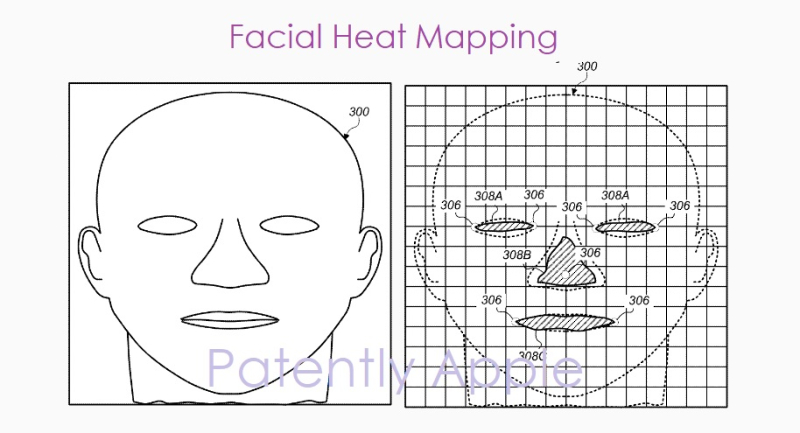
Apple has just been granted a new patent that is related to its Face ID biometric security system. The patent details a next gen advancement in facial recognition technology, which apparently uses facial heat mapping for authentication.
According to a PatentlyApplereport, the US Patent and Trademark Office awarded the Cupertino based giant the new patent. At the moment, a biometric form of security is a highly common feature in most smartphones and exists in one form or the other. Examples being both fingerprint recognition or facial recognition technology. Now, Apple seems to be working on the next gen Face ID technology, which maps heat on the users’ face for authentication.
Traditionally, the facial recognition technology we see today mostly uses the user’s face in a captured image. However, a major drawback to this method is that any obstruction like glasses, masks, or hair could potentially hamper the authentication process. This is where the new Apple patent comes in, which maps heat from the users’ face. The occlusion heat map may be in the form of a grid that represents different regions of the face’s surface.
In other words, a determined value of occlusion for these regions might be taken as the unique signature which is recorded by a device. Meaning, each persons’ unique facial heat signature can be used to unlock an Apple device. This could help remove the issues faced by conventional facial recognition technology and also enable the company to continue using its Face ID system, which has become rather impractical after the pandemic due to the more common use of face masks.
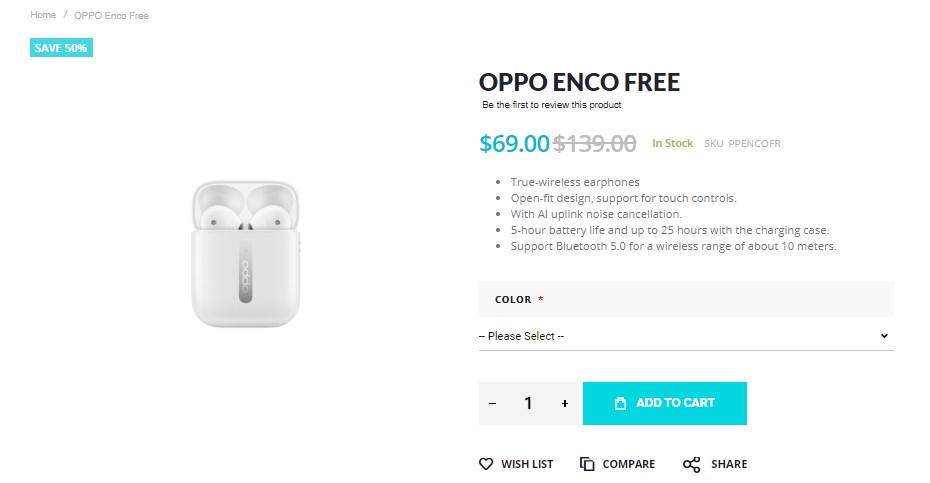
Giztop is offering a massive discount of 50% on Oppo Enco Free under its clearance sale. The interested users can grab these true-wireless earbuds for the effective price of $69. However, it usually retails for $139 n ordinary days. The wireless earbuds offer several useful features such as noise cancellation, open-fit design, Bluetooth 5.0 support and much more. Make sure to grab it soon otherwise it may get out of stock.
Oppo Enco Free is available in three color options of Black, Pink and White. The users need to shell $10 extra if you opt for the white color variant.
The Enco Free are nifty, and lightweight earbuds which are comfortable to wear. The charging case comes with the smooth-matte surface, houses a USB-C charging port at the bottom and it even acts as a charger for the earphones. The device offers seamless connectivity up to a range of 10 metres, thanks to Bluetooth 5.0.
Oppo Enco Free buds packs a 13.4mm dynamic drivers which delivers premium sound. To further enhance the listening experience, the device uses AI uplink Noise cancellation and Wear detection which pauses and resumes playback upon removing it from ears.
It features a useful open-fit design controls enabling touch control using fingers. The user can toggle music and switch tracks using the touch controls. Moreover, the Oppo Enco Free offers 25 hours of battery backup once the case and buds are fully charged. There’s a 31mAh battery in each earbud and a 410 mAh battery capacity is present inside the case.
Overall, it’s worth each cent at the super discounted price of $69. The discount is applicable without any coupon code or any other activity.
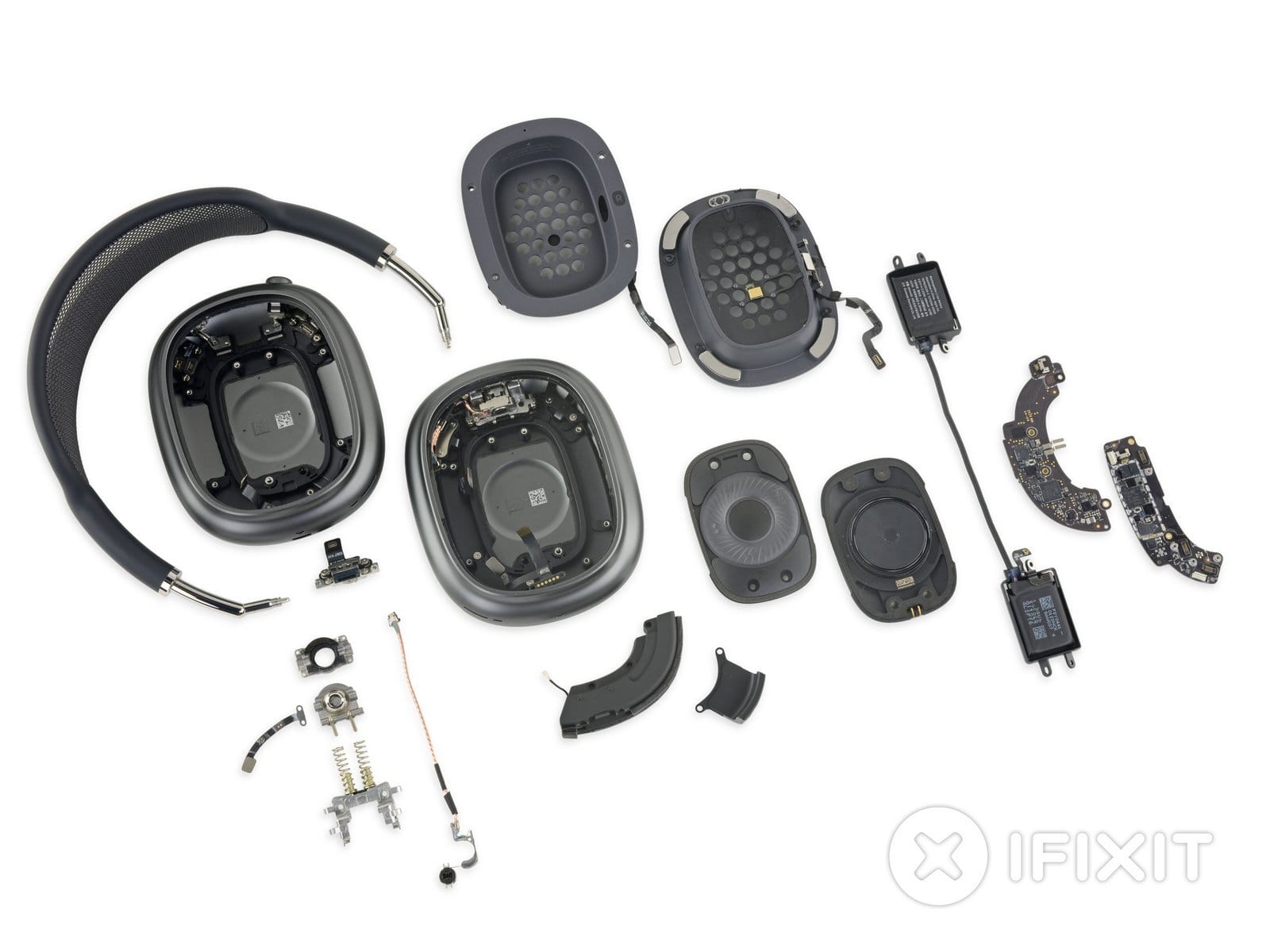
Apple recently launched the AirPods Max headphones in the market, expanding the portfolio of its audio offerings under the popular AirPods lineup. Now, weeks after the device getting launched, iFixit has completed its teardown.
In the teardown overview report, iFixit discovered some interesting details. However, the most surprising thing is the repairability score of six out of ten. This is the only AirPods product has doesn’t have a repairability score of zero.
So, why is that? The report reveals that a lot of internal components in the AirPods Max are held together through screws instead of glue, making it easier to swap them out. Also, the ear cushions are attached through magnetics. So, after wear-and-tear, if you want to replace them, that can be done quite easily.
Another thing that impressed the team of iFixit is the headband hinge mechanism which connects the band and the ear cups. It can be detached with just a SIM card removal tool without the need to open the ear cup.
However, not everything is easy and straightforward, as you expect from Apple. Although several components are tied up with screws, there are many different types involved. So, you need to be equipped with several screwdriver heads if you want to open it.
Also, for opening the AirPods Max, you will have to deal with adhesives which isn’t an easy job for everyone and pose a risk of breaking things down when attempting to do so. However, it notes that compared to popular offerings in this space — Sony WH-1000XM4 and Bose NC 700, the AirPods Max from Apple fares well.
We use cookies on our website to give you the most relevant experience by remembering your preferences and repeat visits. By clicking “Accept”, you consent to the use of ALL the cookies.
This website uses cookies to improve your experience while you navigate through the website. Out of these, the cookies that are categorized as necessary are stored on your browser as they are essential for the working of basic functionalities of the website. We also use third-party cookies that help us analyze and understand how you use this website. These cookies will be stored in your browser only with your consent. You also have the option to opt-out of these cookies. But opting out of some of these cookies may affect your browsing experience.
Necessary cookies are absolutely essential for the website to function properly. This category only includes cookies that ensures basic functionalities and security features of the website. These cookies do not store any personal information.
Any cookies that may not be particularly necessary for the website to function and is used specifically to collect user personal data via analytics, ads, other embedded contents are termed as non-necessary cookies. It is mandatory to procure user consent prior to running these cookies on your website.