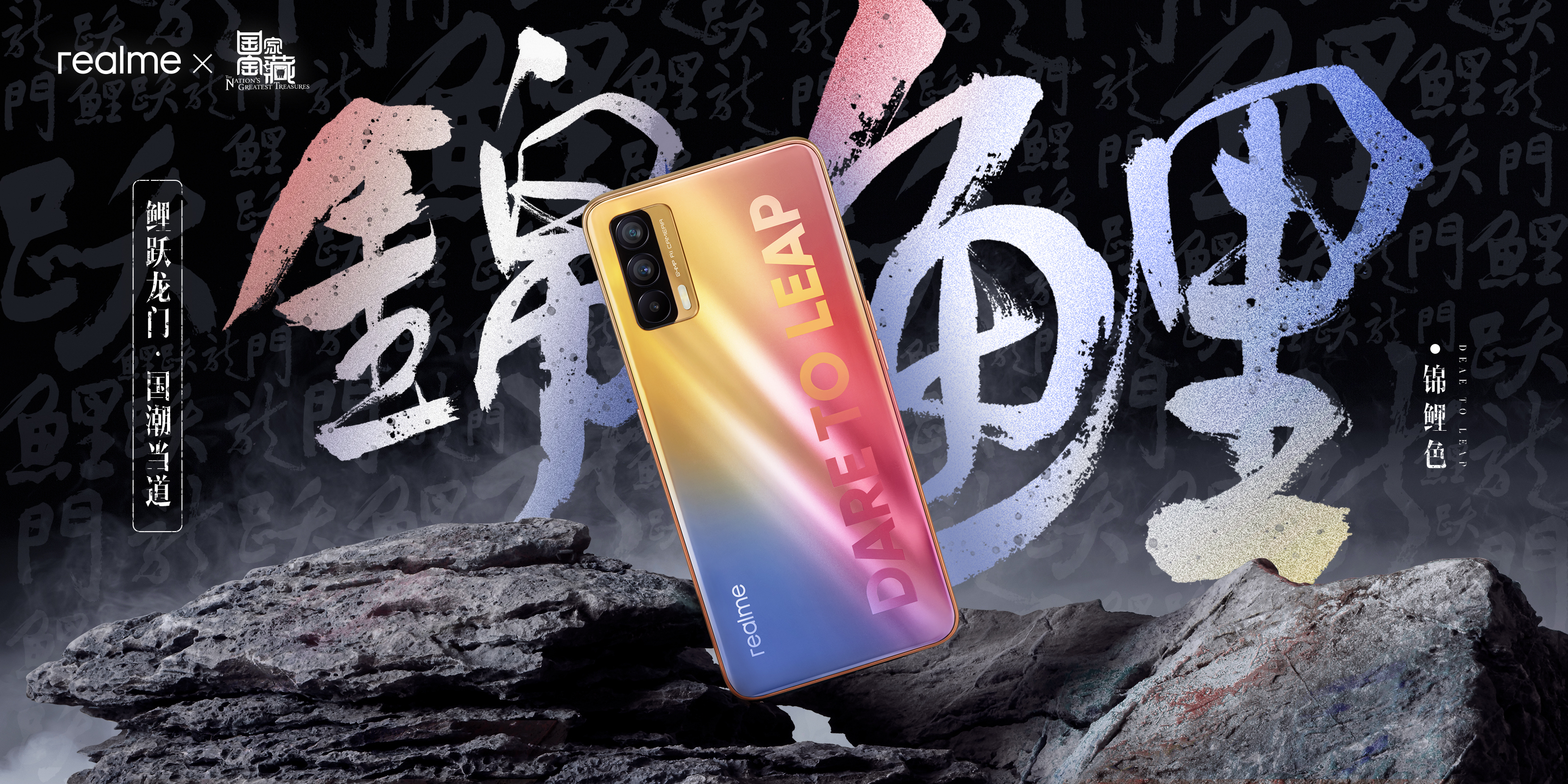
In December 2019, Realme confirmed the existence of the Realme Koi series. The first teasers suggested that the Koi series could be the name of an upcoming Snapdragon 888 SoC powered flagship phone from the brand. At the same time, there have been reports that the first Realme Koi series phone could be called the Realme V15. Today Realme China’s President Xu Qi revealed on Weibo that it will be announcing the Realme V15 smartphone at 2 PM (local time) on Jan. 7.
The Realme V15 posters shared by Xu Qi shows that it has a beautiful rear design, which is inspired by Koi ornamental fish that are found in Japan. The rectangle-shaped camera setup has a 64-megapixel primary shooter, and two other lenses along with an LED flash.
The Realme V15 is now available for reservations through multiple retailers in China. One of the listings has revealed the front design of the phone. It can be seen flaunting a punch-hole display with a slightly thick chin.
Xu Qi did not share any information on the specifications of the Realme V15. The rear appearance of the Realme V15 resembles its leaked shots that appeared last month. The leak had revealed that the V15 weighs 176 grams and it is powered by the Dimensity 800U chipset. The handset is also expected to arrive with 50W rapid charging technology.
In related news, two new Realme phones with model numbers RMX3092 and RMX3093 were seen at the Geekbench benchmarking platform recently. The listings revealed that both models have the Dimensity 720 chipset, 8 GB of RAM, and Android 11 OS. There is a possibility that the RMX3092 and RMX3093 could be the model numbers of the same phone. Hopefully, upcoming reports will soon reveal the identity of the Realme RMX3092/3 phone.
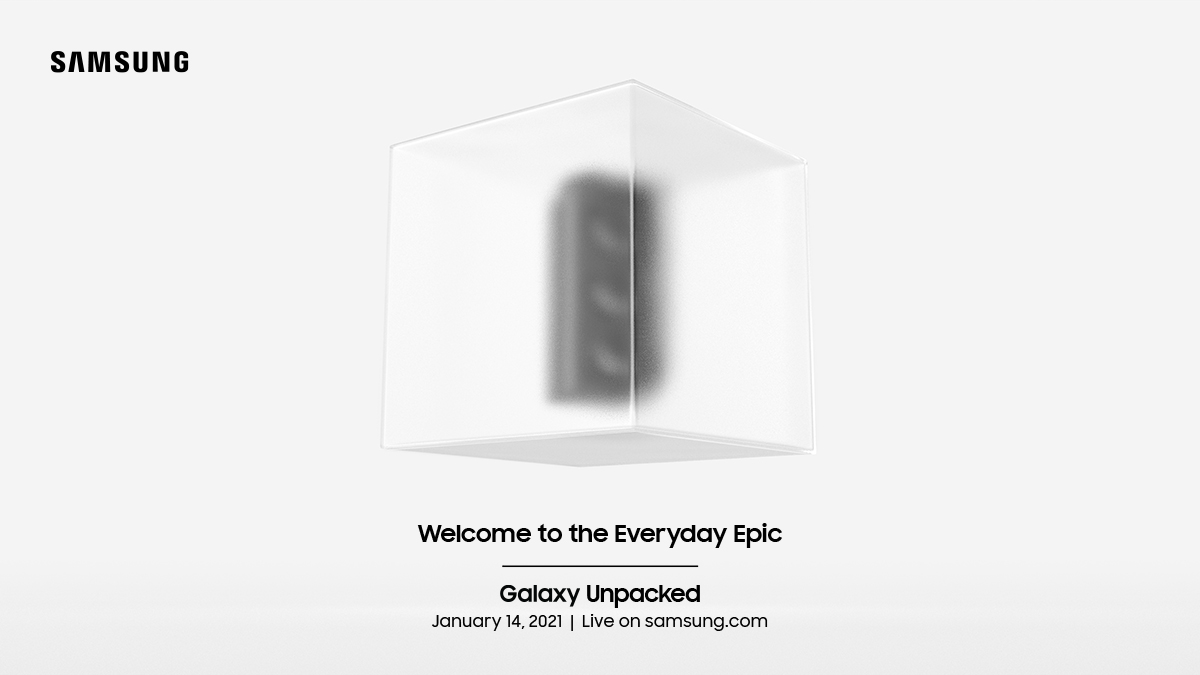
Since the past few months, the rumor mill has been relentlessly claiming that Samsung will announce the Galaxy S21 series on Jan. 14. Today, the South Korean company finally released an official confirmation that the next Galaxy Unpacked 2021 launch event will be indeed held at 10 AM EST on Jan. 14.
The PR released by the brand does not reveal anything on the specs of the Galaxy S21 series. It does not even mention the monikers of the phones that will be announced in the coming week. However, multiple reports have revealed that the next flagships from the South Korean tech giant will be called Galaxy S21, Galaxy S21+, and Galaxy S21 Ultra.
The launch poster has teased the camera module of the Galaxy S21. The leaked renders have revealed that the camera housing of the Galaxy S21 models is fused with the frame, which gives them a unique appeal.
Samsung Galaxy S21 series specifications (Rumored)
Recent reports have revealed that the Galaxy S21, S21+, and S21 Ultra are equipped with 6.2-inch, 6.7-inch, and 6.8-inch S-AMOLED panels with punch-hole design, respectively. The Ultra variant will support QHD+ resolution and the other will offer FHD+ resolution. These phones will also come with 120Hz refresh rate support and ultrasonic in-display fingerprint scanners. They are expected to house 4,000mAh, 4,800mAh, and 5,000mAh batteries, respectively.
The Galaxy S21 and S21+ will have a 12-megapixel (main) + 12-megapixel (ultrawide) + 64-megapixel (telephoto) triple camera setup. The Ultra model will be equipped with a 108-megapixel (main) + 12-megapixel (ultrawide) + 10-megapixel (telephoto) + 10-megapixel (telephoto) quad camera setup. The Ultra variant may get a 40-megapixel selfie snapper, whereas a 10-megapixel selfie camera will be available on the front side of the S21 and S21 Plus.
Depending on the region, the Galaxy S21 series could be featuring the Snapdragon 888 or Exynos 2100 SoC. Samsung is also expected to announce the Galaxy Buds Pro earbuds alongside the Galaxy S21 series on Jan. 14.
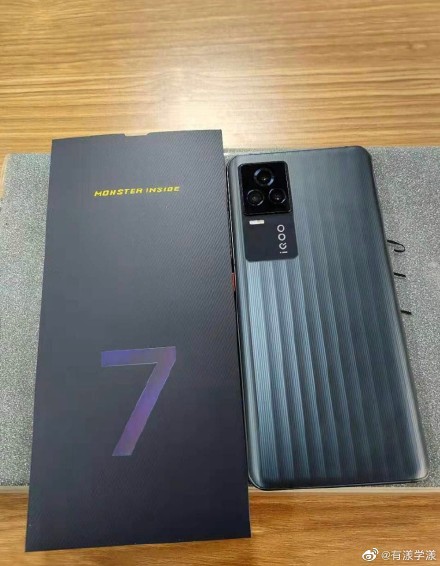
Vivo‘s subsidiary, iQOO, will announce a new phone next week. The phone which will hit markets as the iQOO 7 will have a Snapdragon 888 processor under the hood. This will make it the second smartphone in the world and from China to feature Qualcomm‘s new processor. Ahead of the launch, a live photo has been posted on the web that gives us an early look at the upcoming flagship.
The iQOO 7 is shown next to its retail box which has the brand’s “Monster Inside” tagline written in a yellow font at the top and a large “7” written in a gradient purple font at the bottom.
The phone itself is gray and has lines that run from top to bottom and give it a ridge-like appearance. We are not sure if this design is underneath the back panel or it is the back panel itself. If it is the latter, it should provide a firm grip for users when holding the phone even with a wet hand.
The iQOO 7 has three rear cameras that sit in a square housing. One of the sensors, most likely the main camera sits on top of the other two in a triangle shape. There is another square below the camera housing that is home to an LED flash and the manufacturer’s name. Unfortunately, the live photo does not give us a look at the front of the phone but official teaser posters have shown us that the phone will have a flat display with a centered punch hole for the selfie camera.
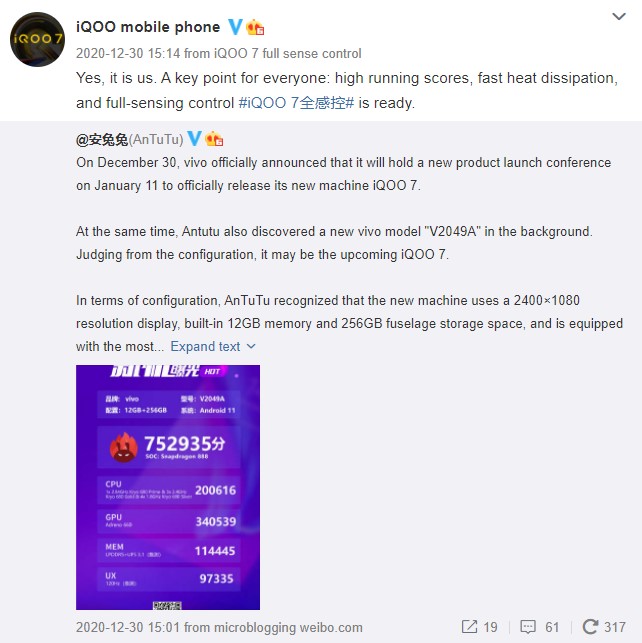
Some of the phone’s specs were revealed by an AnTuTu listing last week. Initially, there were speculations that the phone which was benchmarked as the Vivo V2049A is the iQOO 7. However, iQOO itself confirmed that the device is indeed the iQOO 7.
The phone has a 2400 x 1080 120Hz display, 12GB of LPPDR5 RAM, and 256GB of UFS 3.1 storage. It also runs Android 11. iQOO itself has confirmed that the phone will support 120W FlashCharge fast wired charging just like the iQOO 5 Pro. That is significantly faster than the Mi 11’s 55W fast wired charging. However, Xiaomi’s flagship also adds support for 50W fast wireless charging while the iQOO 7 will be missing out on wireless charging support entirely.
We expect more details of the phone to be revealed by both leakers and iQOO itself in the coming days.
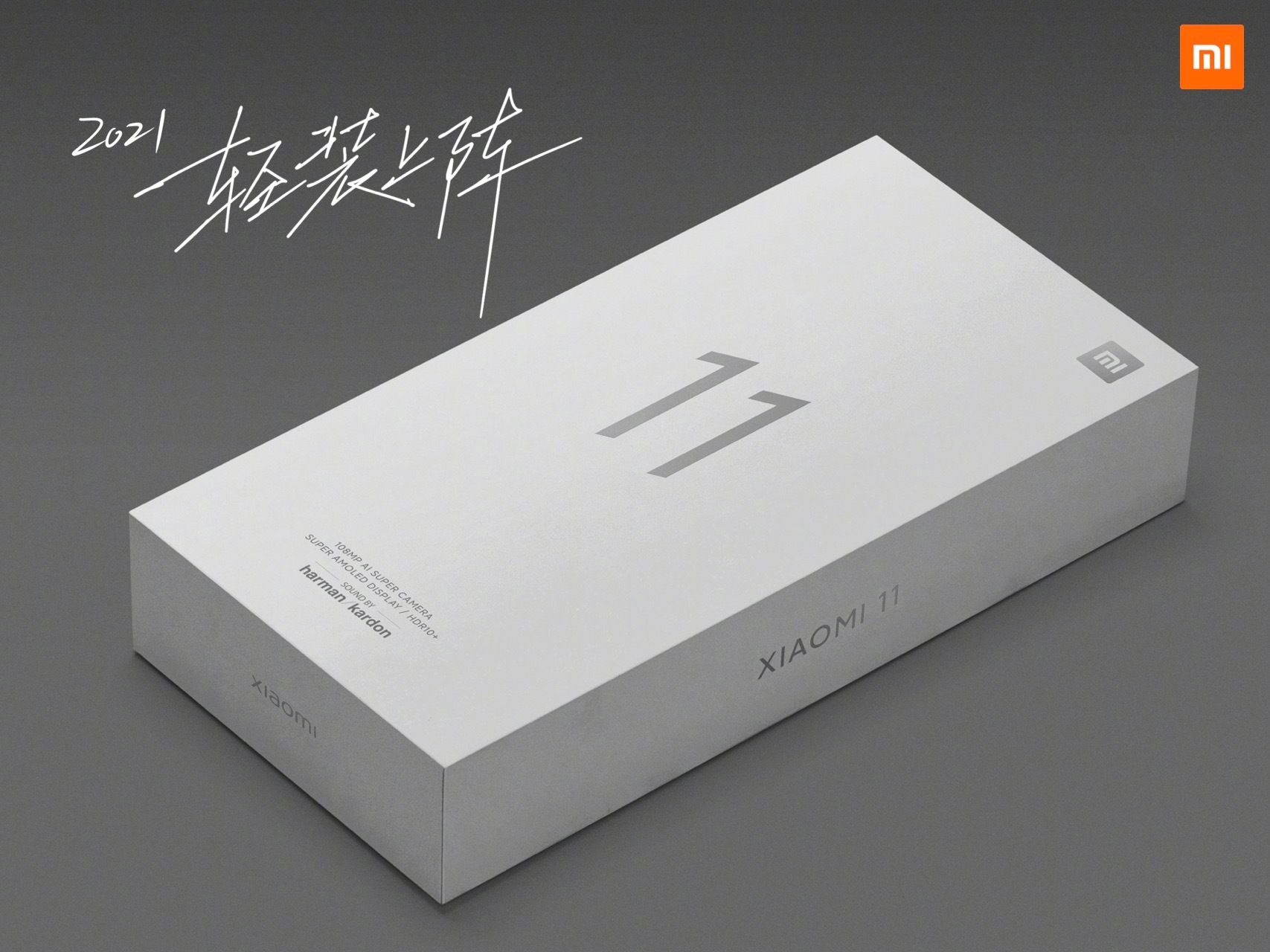
The Xiaomi Mi 11 was announced last week, and by default, the phone does not come with a charger and cable in the box. Xiaomi’s decision to not include a power adapter and charging cable follows Apple’s own earlier decision to not ship the iPhone 12 series and new units of older models with charging accessories.
Although unlike Apple, Xiaomi does provide an option for users to get these accessories for free at the point of purchase online, the fact remains that it made the decision to not include these accessories, and going forward, that will be the case for its other phones, at least its flagships.
So for this week’s poll, we want to know what you think about Xiaomi’s decision to not include a charger and charging cable with the Mi 11. Please take the poll below and also post a comment telling us your opinion on the matter.
A report carried by Bloomberg says a 12-year old girl domiciled in London has gotten the nod to remain anonymous while instituting legal proceedings against short-form video app TikTok. The girl claims the video-sharing app violated the European Union’s strict data protection rules.
The affirmation of her anonymity was done by a judge in London, giving her the push to go ahead with the lawsuit. The unnamed 12-year-old will be represented by Anne Longfield, the Children’s Commissioner for England. Longfield says that getting the court to provide her with anonymity was extremely imperative considering that she could face “direct online bullying by other children or users of the TikTok app” and “negative or hostile reactions from social media influencers” if her identity were made public.
In making his decision earlier this week, Judge Mark Warby said that the child “intends to go to a court asserting — rightly or wrongly — that her privacy rights and those of others like her have been infringed in ways that call for a remedy.” The judge added that not giving the girl her anonymity could “have a chilling effect on the bringing of claims by children to vindicate their data-protection rights.”
What makes this case particularly interesting is that according to TikTok’s terms and conditions, 13 is the minimum age to use the app. However, there’s a version of TikTok where persons under 13 can create videos but not post them, and they can view only videos deemed appropriate for children. So technically, the girl is not eligible to use the app unsupervised. But then, we don’t have access to details of the lawsuit just yet.
Tiktok has often come under scrutiny by Europe’s watchdogs especially on the aspect of the app’s collection of children’s private data. The Data-protection heads in June created a task force amid plans to coordinate an investigation into “TikTok’s processing and practices.”
In a statement, TikTok said, “Privacy and safety are top priorities for TikTok and we have robust policies, processes, and technologies in place to protect all users and our younger users in particular.” However, being owned by ByteDance, a Chinese company hasn’t helped its cause. The US government has been on the neck of ByteDance to sell its US business to an American company over privacy concerns or face an outright ban.
Despite its struggles, the app still remains one of the most popular apps. As of the end of 2020, Tiktok has seen over two million downloads on the App Store and the Google Play Store with more than 800 million active users.
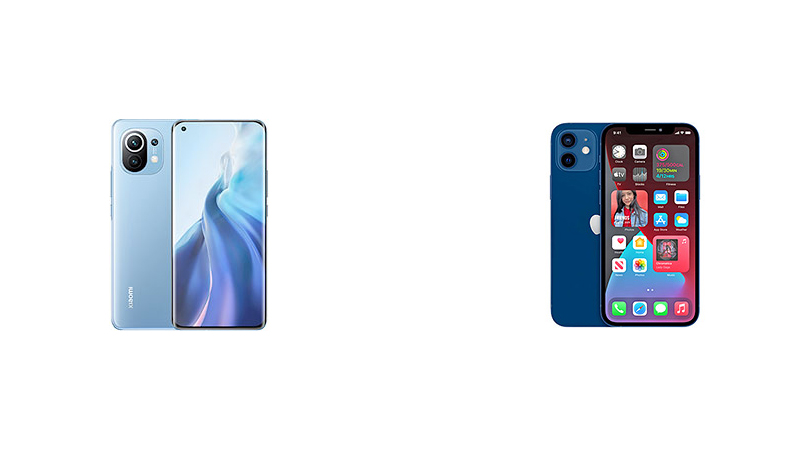
At first glance, Xiaomi Mi 11 and Apple iPhone 12 are very different handsets, but they have two important things in common: they are both affordable flagships and they lack the charger out of the box. If you just saw these two recent flagships released by the best smartphone manufacturers (excluding Samsung) and you do not know which one to choose, this is the perfect place for you. We decided to publish a comparison between the specifications of the Xiaomi Mi 11 and the iPhone 12 in order to let you understand whether it is worth spending more for the Apple flagship or saving money for the first Snapdragon 888 phone.
Xiaomi Mi 11 vs Apple iPhone 12
Xiaomi Mi 11
Apple iPhone 12
DIMENSIONS AND WEIGHT
164.3 x 74.6 x 8.1 mm, 196 g
146.7 x 71.5 x 7.4 mm, 164 g
DISPLAY
6.81 inches, 1440 x 3200p (Quad HD+), AMOLED
6.1 inches, 1170 x 2532p (Full HD+), Super Retina XDR OLED
Both Xiaomi Mi 11 and iPhone 12 offer a stunning design. I personally like the Xiaomi Mi 11 more due to its narrow bezels and the absence of that ugly notch, especially in the vegan leather version. But that is my opinion only if we consider the look. The iPhone 12 has a better build quality as it is built with better materials, and it is waterproof with the IP68 certification. Further, the iPhone 12 is more compact, thinner, and lighter than the Xiaomi Mi 11. These are very important features for those who desire a versatile and pocket device.
Display
On paper, it looks like the Xiaomi Mi 11 has a better display and even one of the best panels in the whole market. With the Xiaomi Mi 11, you get an amazing AMOLED panel that can show up to one billion colors, it has a 120 Hz refresh rate, the HDR10+ certification, and a peak brightness up to 1500 nits. It is the best Xiaomi display to date and it is even a very wide panel, with a 6.81-inch diagonal. Last but not least, it has an in-display fingerprint reader. With the iPhone 12, you actually get a lower resolution, a lower display diagonal, and lower peak brightness, and a lower refresh rate, but still one of the best panels out there. Note that iPhone 12 does not have a fingerprint reader, but it relies on Face ID (3D facial recognition) for authentication.
Specs & Software
You probably would not notice the difference between the Xiaomi Mi 11 and the iPhone 12 when it comes to the performance. They both feature a flagship-class hardware department with the latest chipsets in the market from each manufacturer. The Xiaomi Mi 11 is fueled by the Snapdragon 888 mobile platform paired with up to 12 GB of RAM and up to 256 GB of UFS 3.1 internal storage. With the iPhone 12, you get an Apple A14 Bionic chipset, 4 GB of RAM, and up to 256 GB of NVMe storage. Both the chipset are built at 5 nm and support 5G connectivity. Despite the lower quantity of RAM, iPhone 12 provides a comparable level of performance thanks to the iOS optimization. Xiaomi Mi 11 is based on Android 11, customized by the MIUI 12.5.
Camera
It is still too early to establish which phone is better between the Xiaomi Mi 11 and iPhone 12 when it comes to the cameras. The former has a triple camera including a 108 MP main sensor with OIS, a 13 MP ultrawide sensor, and a 5 MP macro camera. The iPhone 12 is equipped with a dual camera including an ultrawide sensor and OIS. Unfortunately, both the phones lack a telephoto sensor, so you do not get an optical zoom.
The Xiaomi Mi 11 packs a big 4600 mAh battery which is able to last more than iPhone 12 and a below-average (but still well optimized) 2815 mAh unit. Besides featuring a bigger battery, the Mi 11 has a faster 50W charging technology and it supports reverse wireless charging, while iPhone 12 does not.
Price
Xiaomi Mi 11 is priced at $611 in China in its base variant featuring 8 GB of RAM and 128 GB of internal storage. It is still not available in the global market. The iPhone 12 has a starting listing price of $1,129. There is not a clear winner of this comparison: if you need the best display, then you should go for the Mi 11. But the iPhone 12 has a more compact design and better build quality. For the rest, they are not so different, if we exclude the operating system.
The last week of 2020 was nothing short of eventful. The major announcements include the launch of new smartphones that are powered by brand new chipsets. Some manufacturers also pushed out some last-minute updates, one of which ended up bricking the device and leaving users without a working phone for the new year. If you missed out on the happening from last week, this post should bring you up to speed.
Here’s the Mi 11 with/without a charger but where’s the Mi 11 Pro?
Xiaomi announced the Mi 11 on Tuesday, 29th of December as the first Snapdragon 888 phone in the world. The phone comes with a new design, impressive specs, and a killer price tag. It also comes with or without a charger for the same price tag. If you are wondering how that decision went when the phone went on sale on New Year’s Day, here you go. Looking for the Pro model? Officially, there is not one. Unofficially, it is expected to launch later.
Vivo X60 and Vivo X60 Pro: My blood is blue!
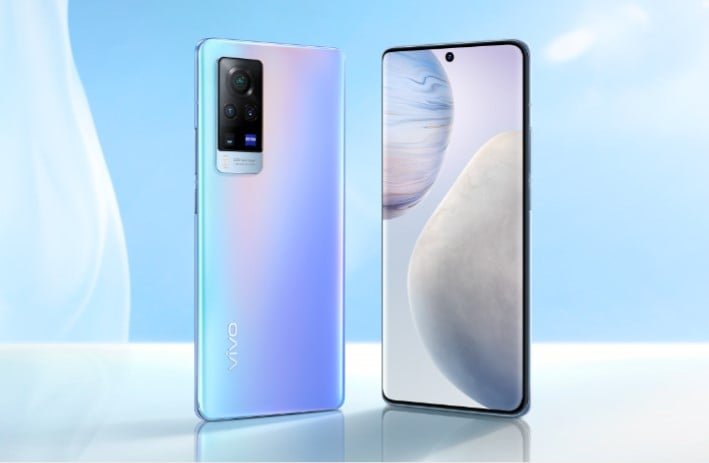
The Vivo X60 and Vivo X60 Pro arrived the following day (30th December) as the first phones powered by the Exynos 1080. Vivo has not only picked up a Samsung chipset for its phone but has also partnered with ZEISS whose logo is also blue for the lens technology. Vivo’s new phones are camera beasts and we look forward to their reviews.
OPPO Reno5 4G
OPPO enlarges the Reno5 family with a 4G variant Vietnam
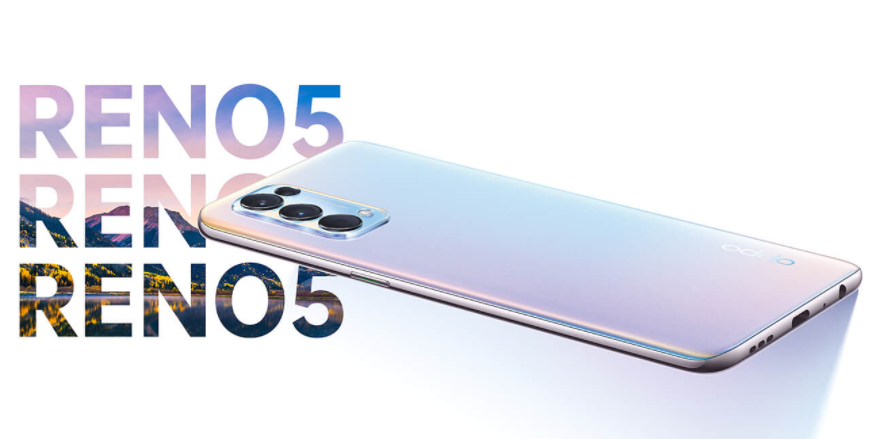
The Reno5 series already boasts three members – the Reno5 5G, Reno5 Pro 5G, and the Reno5 Pro+. A new model called the Reno5 4G was announced in Vietnam last week. The phone has upgraded cameras, a bigger battery, faster charging but the same processor as the Reno4 4G.
Most laptops available in the market have a 16:9 aspect ratio screen, which is fine for entertainment but, poses a drawback for productivity as it offers poor content and narrow width.
Microsoft vigorously promotes a 3:2 screen in its products because it helps maximize productivity and use efficiency. Surface is one great example of a device that boasts this aspect ratio.
Let’s take a look at why the 3:2 screen is a better option.
The vertical height for this ratio is higher and can display more content in the same screen size. It adds readability and working convenience as the user does not have to slide up and down constantly.
It can efficiently hold two pieces of A4 paper side by side, adding convenience while working on multiple documents.
3:2 screen boasts a wider field of view. Some laptops like Chuwi 3:2 series are designed with a narrow bezel, adding viewing ease while working for long hours.
13-inch series
CoreBook Pro
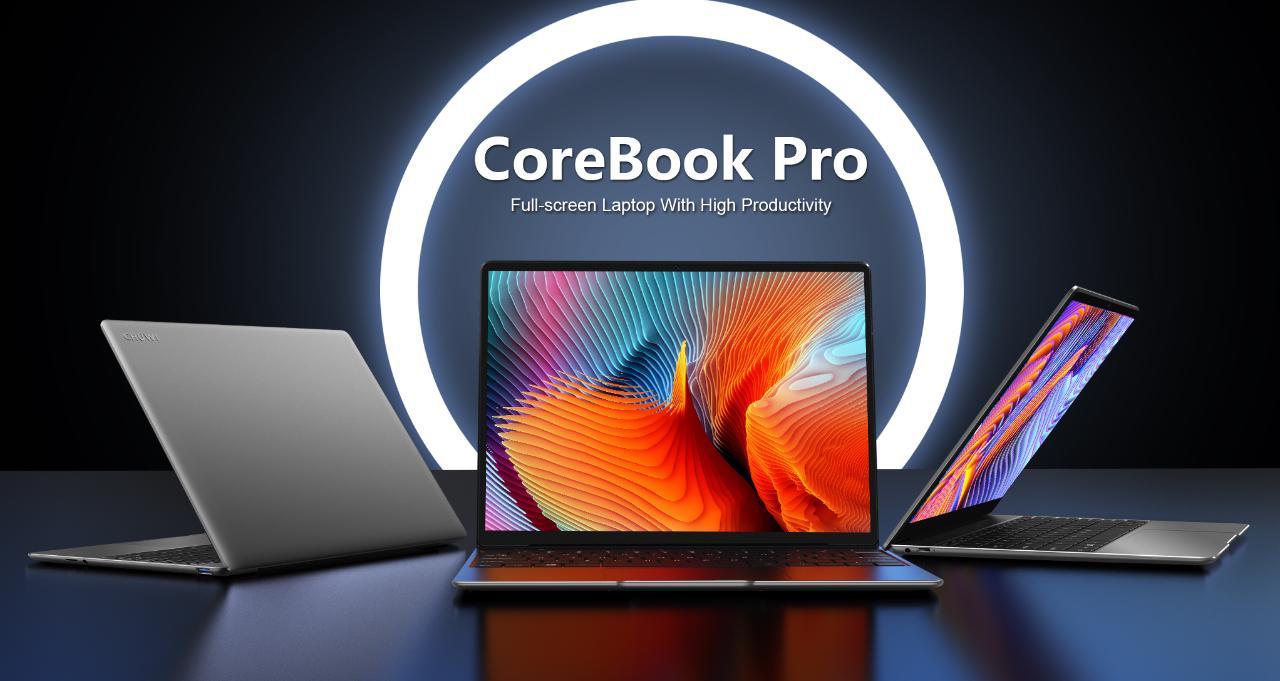
CoreBook Pro features a 13-inch all-metal body with a 3:2 productivity full-screen ratio to make the mobile office more convenient. It is equipped with a Core i3 processor, Iris 550 graphics card, 8GB dual-channel memory, and 256GB SSD. This device is a portable and lightweight model for people on-the-go.
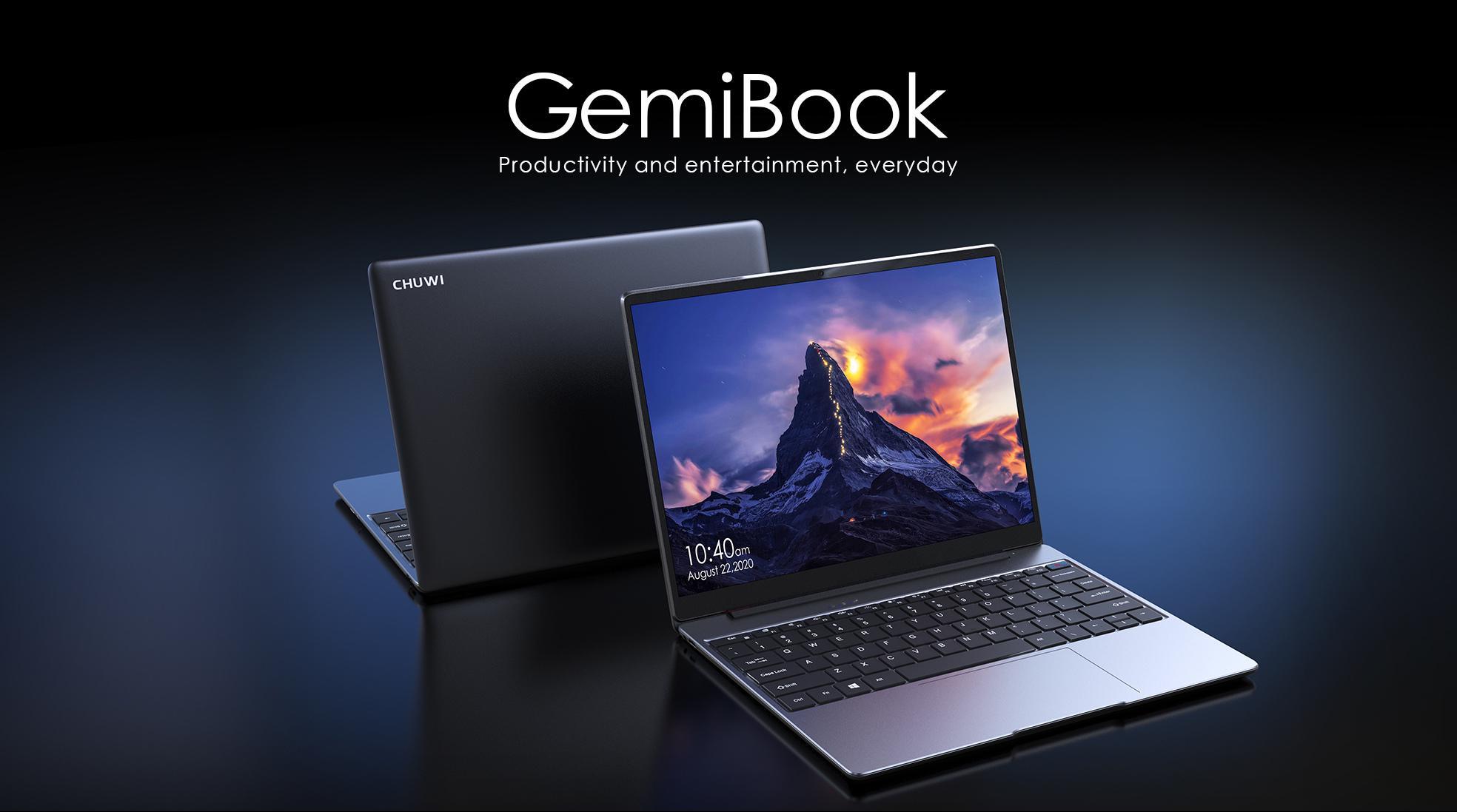
GemiBook
GemiBook adopts a similar appearance design as the CoreBook Pro with excellent portability capability. It features an Intel 10W low-power processor J4115, with a 12GB + 256GB SSD and a core frequency of up to 2.5ghz. It can maintain low power consumption to offer long-hour use. The 3:2 aspect ratio of the screen allows a comfortable viewing experience for seamless multi-tasking.
14-inch series
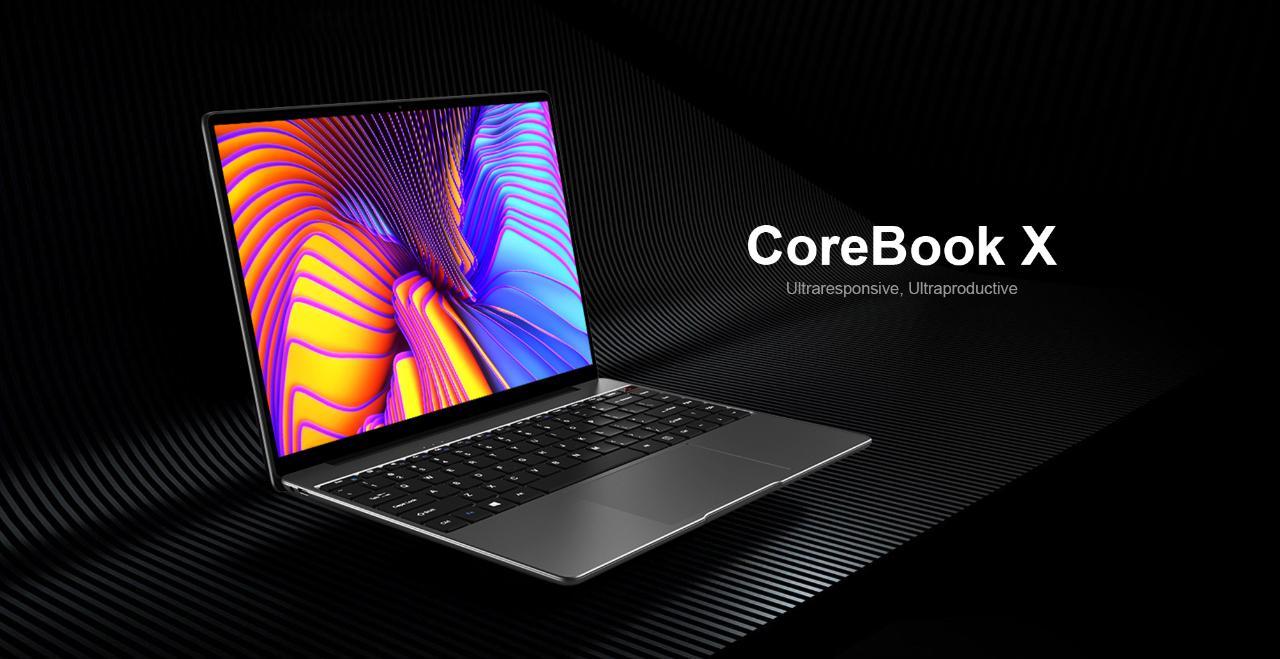
CoreBook X
CoreBook X features a 14-inch screen with a 2K resolution and 3:2 aspect ratio for comfortable viewing. It has a Core i5 processor with a frequency of 3.5 GHz. It has Iris Plus 650 core graphics and 16GB + 256GB SSD. Apart from the basic office work, this system can easily handle the load of video editing.
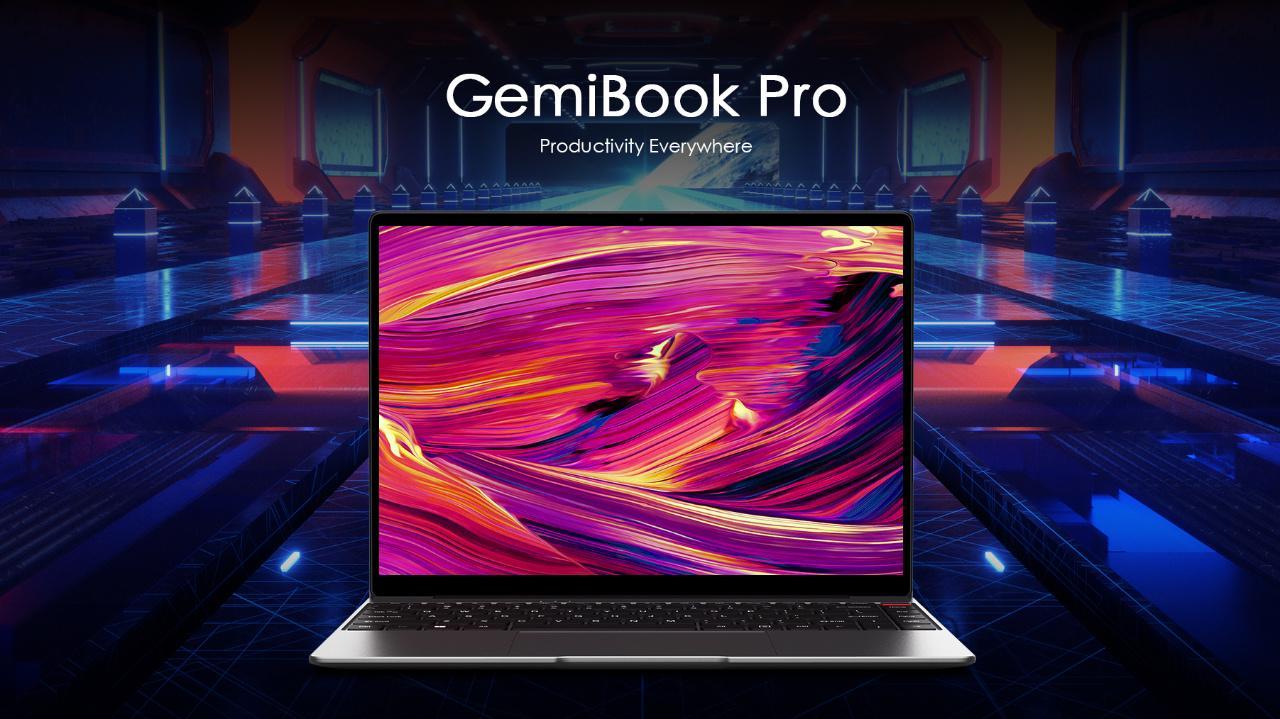
GemiBook Pro
It has a similar appearance and screen parameters as The CoreBook X and adopts a new generation of Intel J4125 processor that consumes low power. This system can run smoothly even when multiple large softwares are running at the same time. For smooth switching and multitasking, it has 16GB and 512GB SSD.
The above Chuwi laptops have a 3:2 screen ratio and are just slightly different from each other. Some offer portability, others have i5 core or high storage. Chuwi offers a variety of choices for consumers.
All interested users can visit the official website to know more about the products and make purchases.
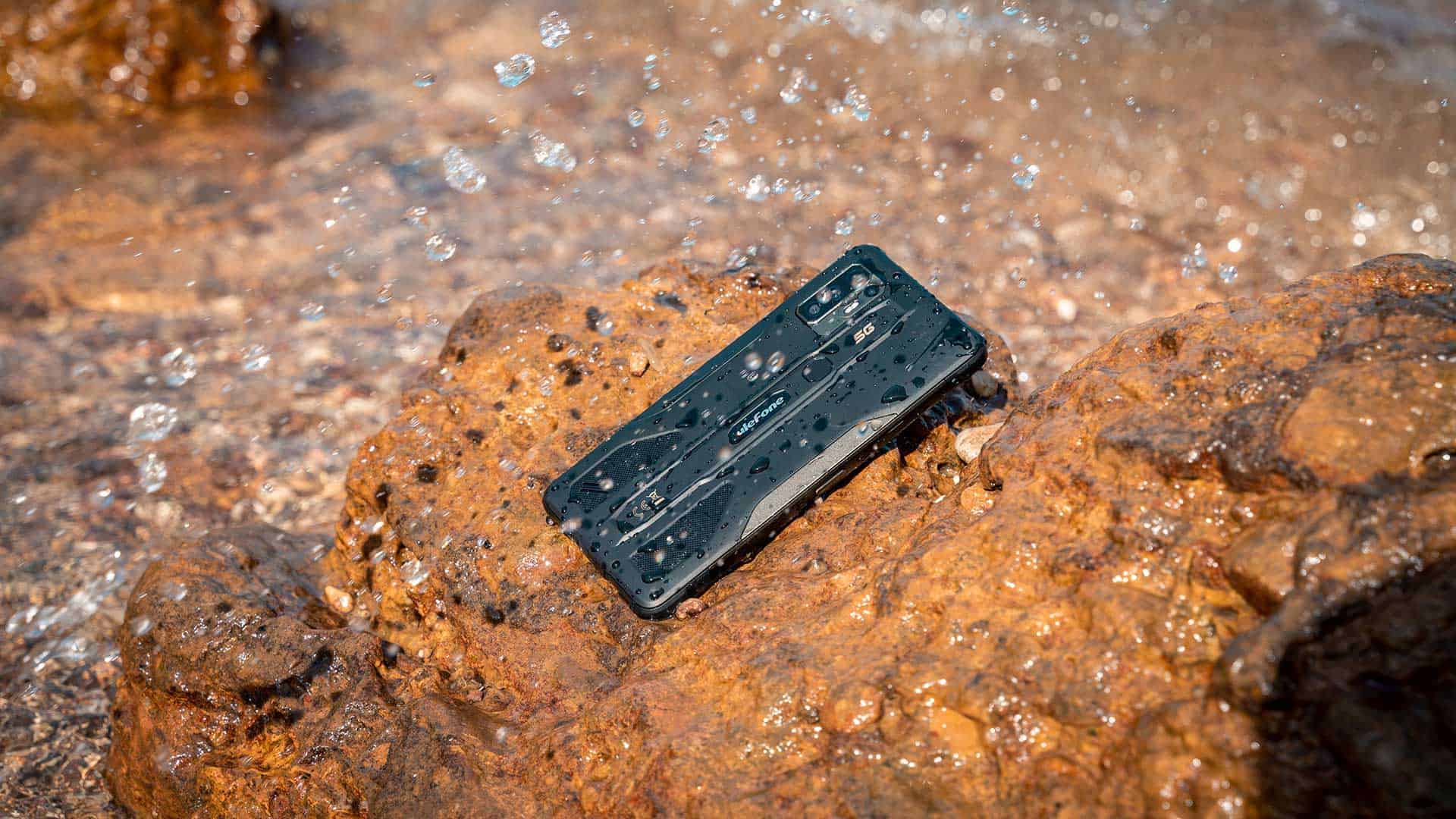
Recently Ulefone launched Armor 10 5G a rugged smartphone that offers ultra-fast connectivity and perfect durability with an 8000mAh battery. Ulefone recently released a video for a 4-hour battery test for Armor 10 5G. Let’s take a look.
According to the test, Ulefone Armor 10 5G boasts a 5800mAh battery that can run for up to 4 hours with a 39% charge. The 4 hours endurance test conducted by Ulefone includes the device being used for listening to music for 1 hour, watching videos for 1 hour, playing games online for 1 hour, 30 minutes video recording, and 30 minutes for video call. Give this information, one can assume that this smartphone can offer 10 hours of continuous use. For an average user who has about 5 hours of daily use, this device can provide more than enough juice for 2 days in a single charge. Based on the statistics, the company claims, this smartphone’s battery is better than iPhone 12.
Apart from the battery, this smartphone phone boasts a Dimensity 800 5G SoC with 8GB+128GB, 64MP quad-camera, 16MP front camera, ultra-large 6.67-inch FHD+ punch-hole display, NFC & Google Pay, and more. Ulefone Armor 10 5G is currently on sale on AliExpress and Banggood, with a discounted price of $399.99; the discount will expire on January 4th, 2021.
The Mi 11 has gone on sale in China already and the flagship phone is the first from the manufacturer to not ship with a charger and USB cable in the box. However, Xiaomi has provided another option for buyers to get these accessories at no extra cost. Now, it appears some buyers have found a way to get the charger for practically free without purchasing the phone.
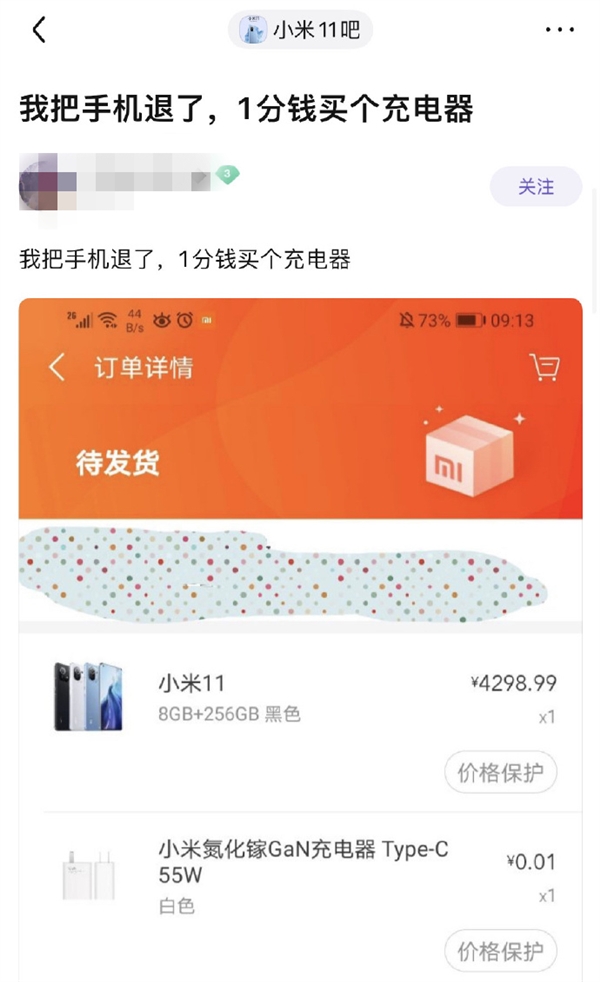
If you choose the bundle that comes with a charger and cable, you get a 55W Xiaomi GaN charger which costs ¥99 (~$15) if you were to purchase it separately. According to the Chinese online publication, MyDrivers, some buyers have figured out that they can get the charger for just ¥0.01 (~$0.0015) without having to hold on to the phone.
Apparently, when you select the Set Edition which is what the bundle with the accessories is called, the checkout page lists the order as two separate items. As seen in the image above, the buyer chose to purchase the 8+256GB Set Edition which is priced at ¥4299 (~$658) but at checkout, it is listed as two separate items – the phone itself has a ¥4298.99 price tag and the 55W GaN charger has a ¥0.01 (~$0.0015) price tag.
Some buyers have decided to take advantage of this listing format to order for the Set Edition, then return the phone while holding on to the charger. So when they get refunded, they get the money for the phone which is ¥4298.99 while holding on to the charger which they practically got for less than a Yuan.
Seeing as the phone just went on sale on Friday, we do not think that any of the buyers that decided to return their orders have gotten a refund yet so we cannot verify the info. Some are of the opinion that it is not possible to return the phone without returning the charger since it is a set while others hold the opinion that the full price of the charger will be deducted, so the buyer gets a refund of ¥4200 instead of ¥4298.99. The latter doesn’t seem possible since the phone doesn’t have a price tag of ¥4200.
Do you think Xiaomi should not have separated the items in the bundle? Or do you think it should add a disclaimer that a returned order should include all items that arrived with the said order? Let us know what you think in the comment box below.
OnePlus has only been able to update two of its devices to Android 11 and they are the OnePlus 8 and OnePlus 8 Pro. That is quite disappointing for a company that used to be great at releasing updates for its devices. If you own an older OnePlus phone and want to know when you will get the OxygenOS 11 update which is based on Android 11, OnePlus has released a statement that provides an update on the timeline for eligible devices.
A post on the OnePlus Forums by OxygenOS Product Lead, Gary C., the OnePlus Nord is next in line to get the Android 11 update. The mid-range 5G smartphone will receive its first OxygenOS 11 Open Beta build next week. Considering the post was made yesterday, on Saturday, then that means the update will arrive this week.
After receiving feedback from the open beta and fine-tuning the software, OnePlus says it will release a staged roll-out. How soon that will be is unknown but our guess is by the end of the month at the earliest.
For owners of the OnePlus 7 and OnePlus 7T series, OnePlus says it has begun running a Closed Beta test following the data encryption issue they encountered recently when they tried to port Android 11 to the phones. It expects to release an Open Beta for the phones soon but didn’t reveal a specific date.
The Nord N10 5G and Nord N100, as well as the OnePlus 6 and OnePlus 6T, will also receive the OxygenOS 11 update but there is no info about when that will be for now. OnePlus says it will reveal more details later.
OxygenOS 11 brings a new user interface to eligible OnePlus devices. This new UI can already be experienced with default OnePlus apps even if you are running an older software version.
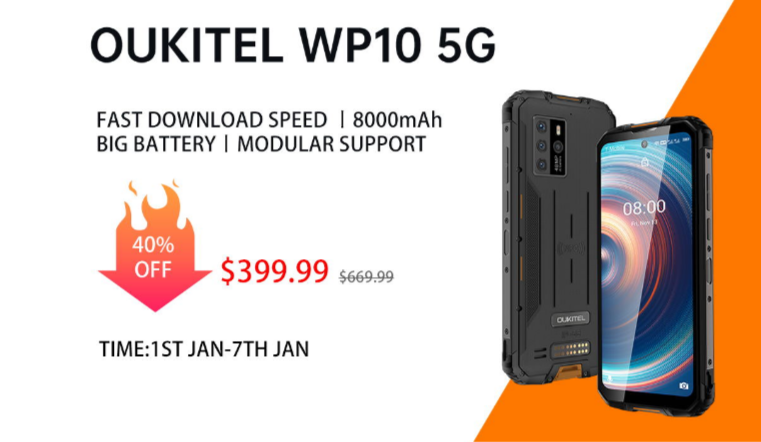
Oukitel recently released a mass-production video of their newly launched rugged smartphone – WP10 5G. It is dubbed as a “King Battery” 5G rugged phone and is currently up for sale on Aliexpress. As of January 1st, this flagship will be up with a massive 40% off and be available for just $399.99 (original price: $669.99). Additionally, the buyers can also get a $20 bonus off by using the promo code OUKIWP10.
Features:
Operating System
Android 10
Battery
8000mAh
Display
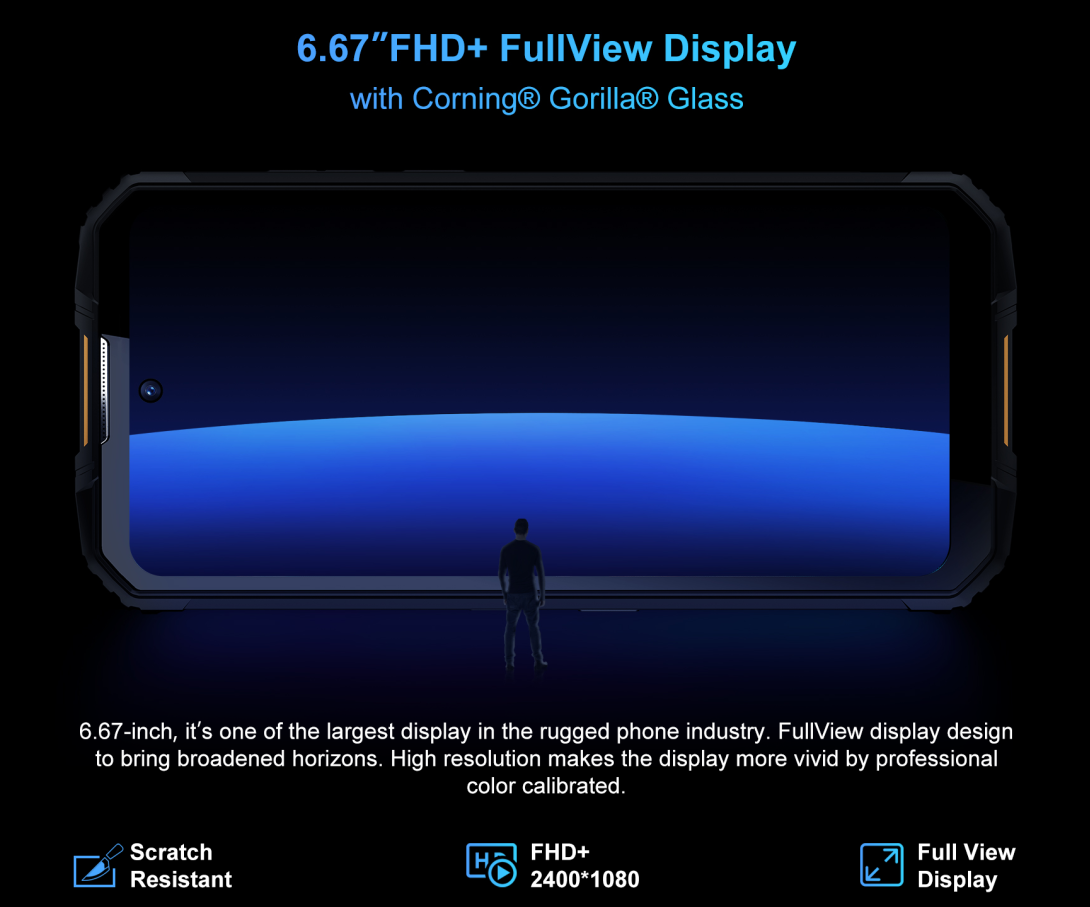
6.67-inch Corning Gorilla Glass FHD+ display
Resolution & Aspect ratio
1080 x 2400 pixels with an aspect ratio of 19.5:9
Chipset
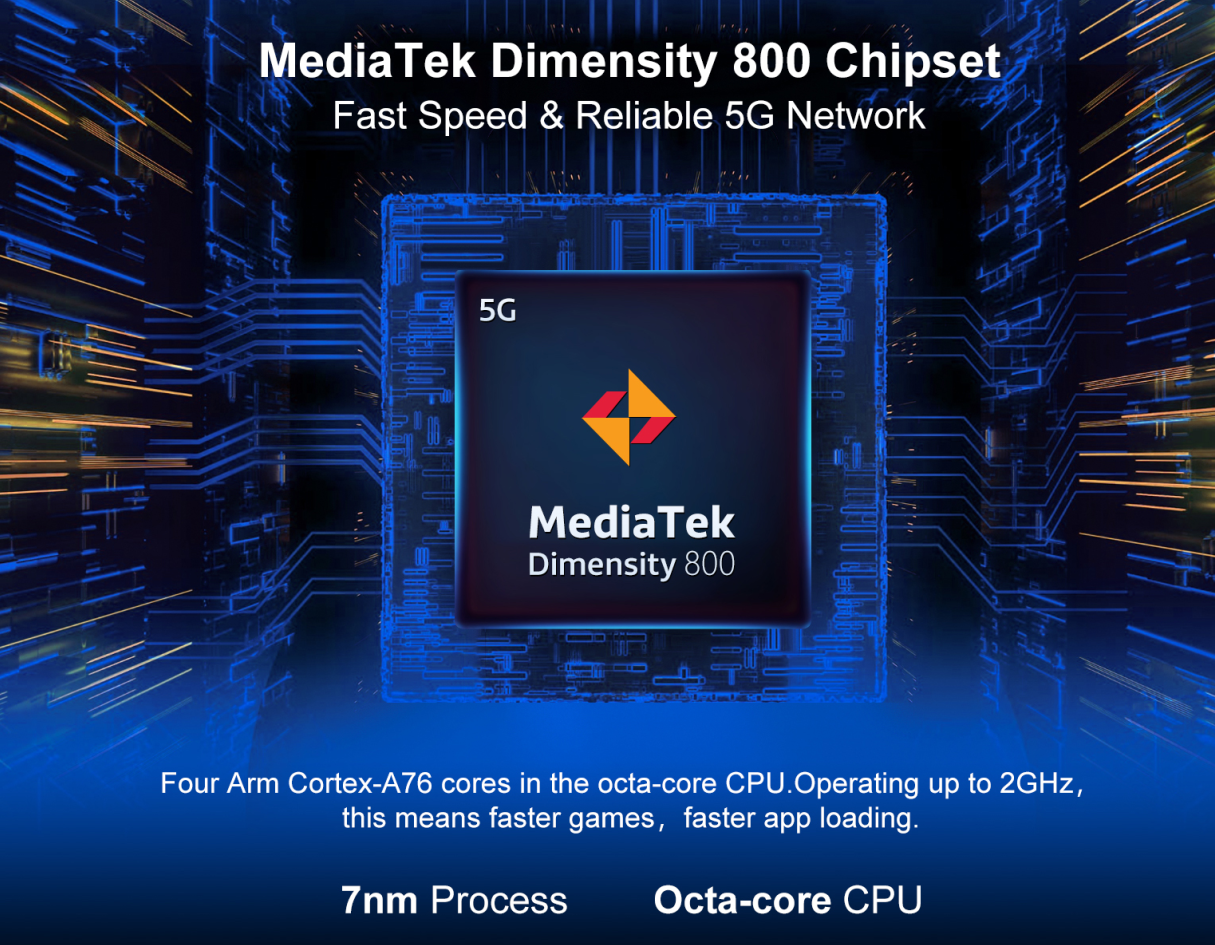
MediaTek Dimensity 800
RAM & ROM
8GB & 128GB
Rear Camera
48MP SONY IMX582 AI camera, 13MP Wide-Angle camera, 2MP Depth camera & 2MP Macro camera
Front Camera
16MP AI Selfie camera
Network Access
5G/4G/3G/2G
Other specifications:
Support for NFC
Supports glove mode
Dark screen gestures
Underwater camera mode
Ability to record 4k at 30fps
Support for 18W fast charge
Customizable button
According to the recent survey conducted, the users look for 3 main features in the smartphone – big battery capacity, quality display, and affordability. WP10 5G checks all of these boxes and provides a 5G network access with decent specs. Featuring massive internal storage, high processing power, and a professional-level camera system makes WP10 5G a good bargain for its price tag.
WP10 5G has a modular system meaning that this smartphone can offer ample customization to the users. Oukitel’s previous modular phone model featured a UVC Sterilizer and a flashlight module, and hence one can expect similar modular options for WP10 5G too.
5G network has brought about a revolution when it comes to high-speed data connection. All the major names like Apple, Samsung, Oneplus, Xiaomi, and Blackview have been accelerating the 5G deployments and in this article, we’ll have a look at the current and future 5G smartphones plans announced by them.
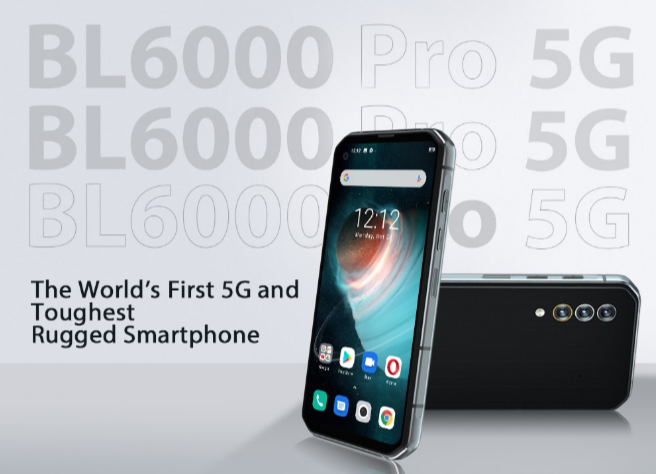
Starting with Samsung, the company introduced Galaxy S21 for 5G; Xiaomi 11 range too included 5G-ready handsets, One plus added this feature to its top-end phones, and every single member of the iPhone 12 family is built with 5G. Blackview, too, debuted its 5G-ready device- BL6000 Pro.
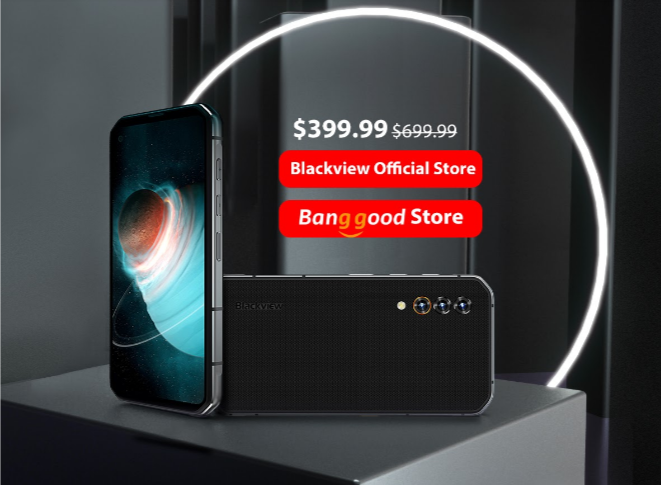
Considering we only had a few options of 5G handsets, it is remarkable that the latest Blackview BL6000 Pro 5G outdoor smartphone was launched with decent tech. Its current cost is just $399.99, making it one of the cheapest ways to get 5G. Apart from its spec sheet, the phone is also waterproof, drop-proof, and dustproof.
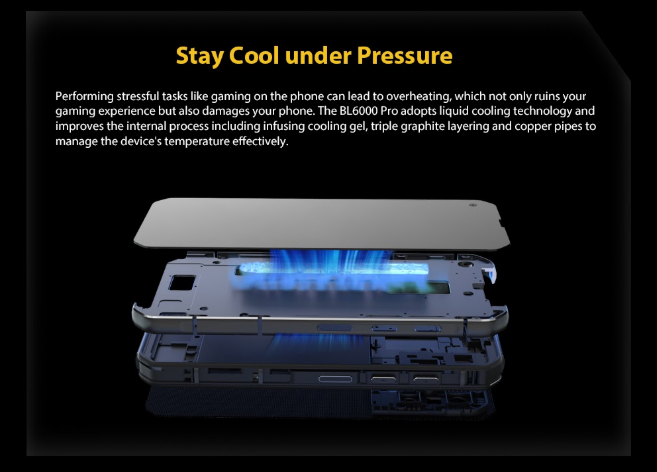
Blackview BL6000 Pro 5G is powered by MediaTek Dimensity 800(7nm chip) processor and coupled with 8GB RAM and 256GB ROM. It boasts a 6.36-inch screen and a 60Hz screen refresh rate. The liquid cooling technology allows seamless gaming and prevents lags and overheating.
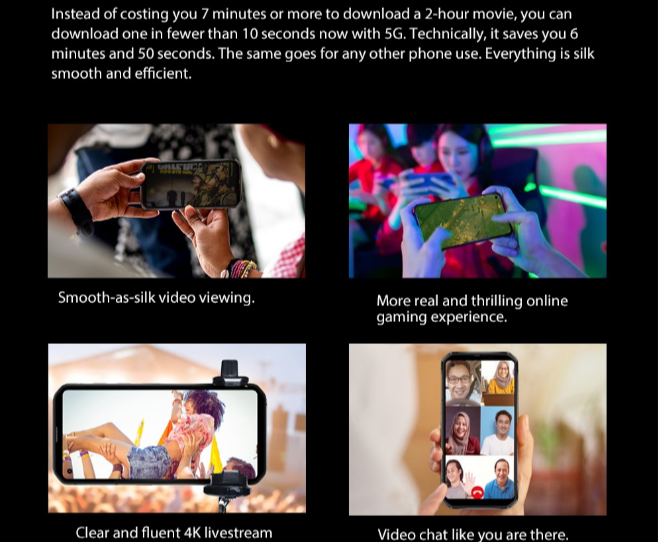
This Blackview flagship features a 4K HDR video mode that offers color accuracy in the pictures. 5G network access makes uploading and downloading footage from cloud services faster while also being reliable. The phone also offers customized and modified options to suit the user’s security requirements.
The holidays are over and work is expected to resume in earnest. For the tech industry, manufacturers should begin to announce dates for the launch of new products. A large number of these products will be announced at the all-virtual CES 2021 event which begins on January 11. However, some other announcements or product launches will happen outside of the annual tech show.
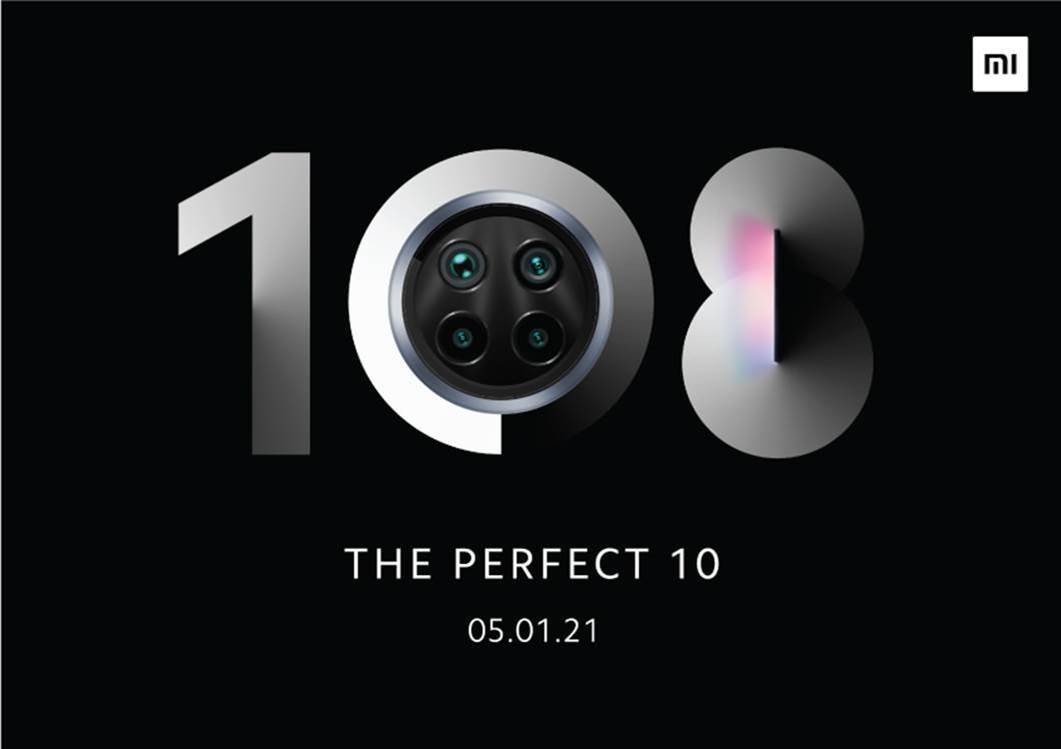
Xiaomi is one of those who has a launch scheduled for the first work week of the year and it is for the Indian-exclusive Mi 10i smartphone. The phone which will sport a 108MP primary rear camera will be unveiled on Tuesday, the 5th of January. Ahead of the launch, Xiaomi has already sent out review units, and we are sure a number of you have already seen photos of the phone. For those who haven’t, the Mi 10i is practically a rebadge of the Chinese Redmi Note 9 Pro 5G albeit with special features for the Indian market.
Alongside Xiaomi, Samsung also has an event scheduled for the first week in January. The Korean Giant has an event on Wednesday, January 6 which has been reported to be an early CES 2021 event. Samsung is expected to announce new TVs and new display technologies. Maybe, we will see a new cool TV like the Sero which can rotate to switch between portrait and landscape modes.
Wherever you are in the world, you’re invited to get a First Look at where the screen’s new vision begins.
Stay tuned to Samsung's #TheFirstLook event and find out more.
Chinese phone accessories manufacturer, ZMI, also has a product launch set for January 6 and according to teasers, the new product is supposed to be a power bank with a total power output of 200W. The portable battery pack has been reported to be able to output 120W of power from one of its ports. Like other ZMI products, this will be launching in China first.
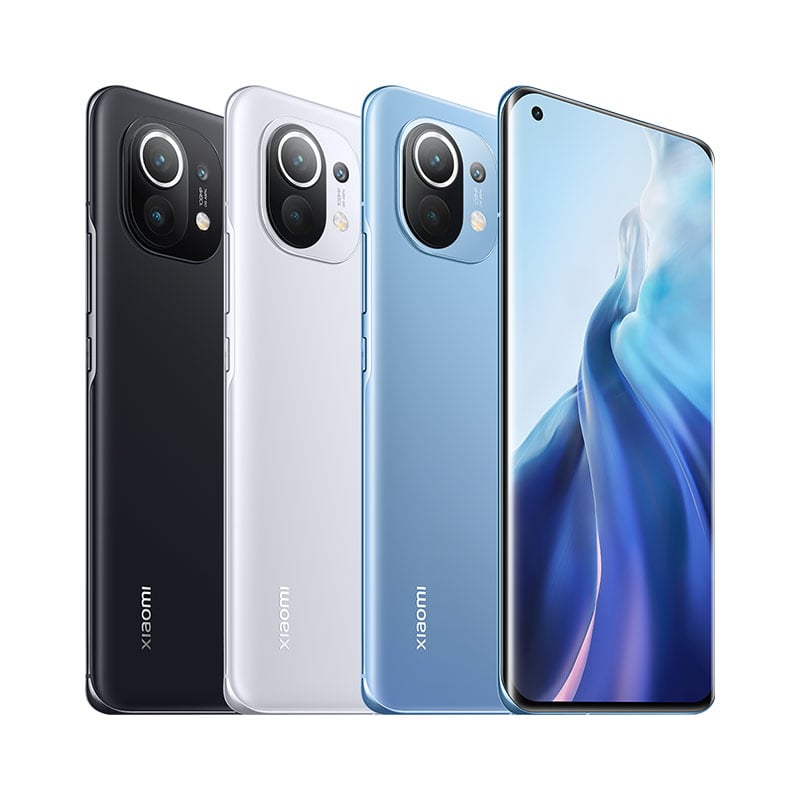
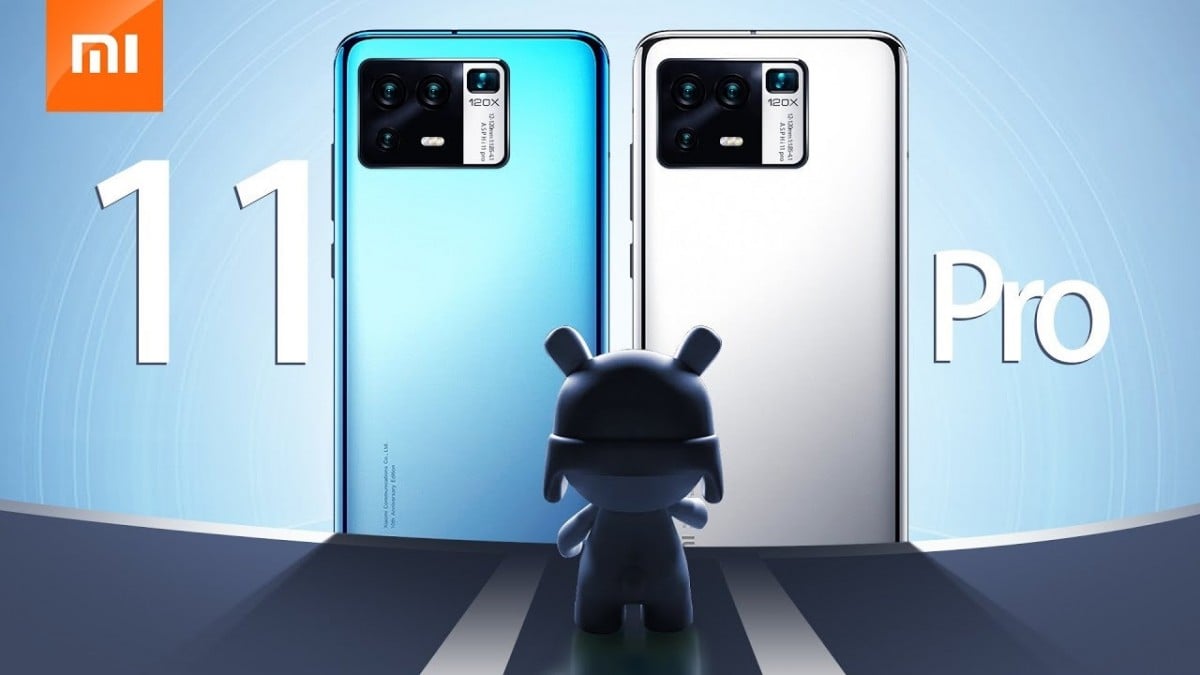
Xiaomi officially took the wraps off the flagship Mi 11 smartphone in December 2020 but the phone went on sale in China this month. The Mi 11 scores several firsts but the most prominent is being the first Snapdragon 888-powered smartphone. Xiaomi didn’t announce the Mi 11 Pro but going by precedence, there is lays a Pro version for its flagship models. Although the Xiaomi Mi 11 Pro release date is unknown, renowned tipster Digital Chat Station had hinted that the Pro model will be launched after the Chinese Spring Festival. Right now, a set of renders said to be those of the Mi 11 Pro have leaked online.
Alleged renders of the Mi 11 Pro
Xiaomi Mi 11 Pro will likely have several similarities with the vanilla Mi 11 but with a few upgrades. The renders show the device will be available in blue and silver but what is more spectacular is the refreshed rear camera design. The camera occupies a wider island than the Mi 11’s and that is because there is a fourth sensor onboard. One of the sensors seems to be a periscope lens and the 120x inscription on the housing suggests the device will be capable of 120x digital zoom just like the Mi 10 Ultra.
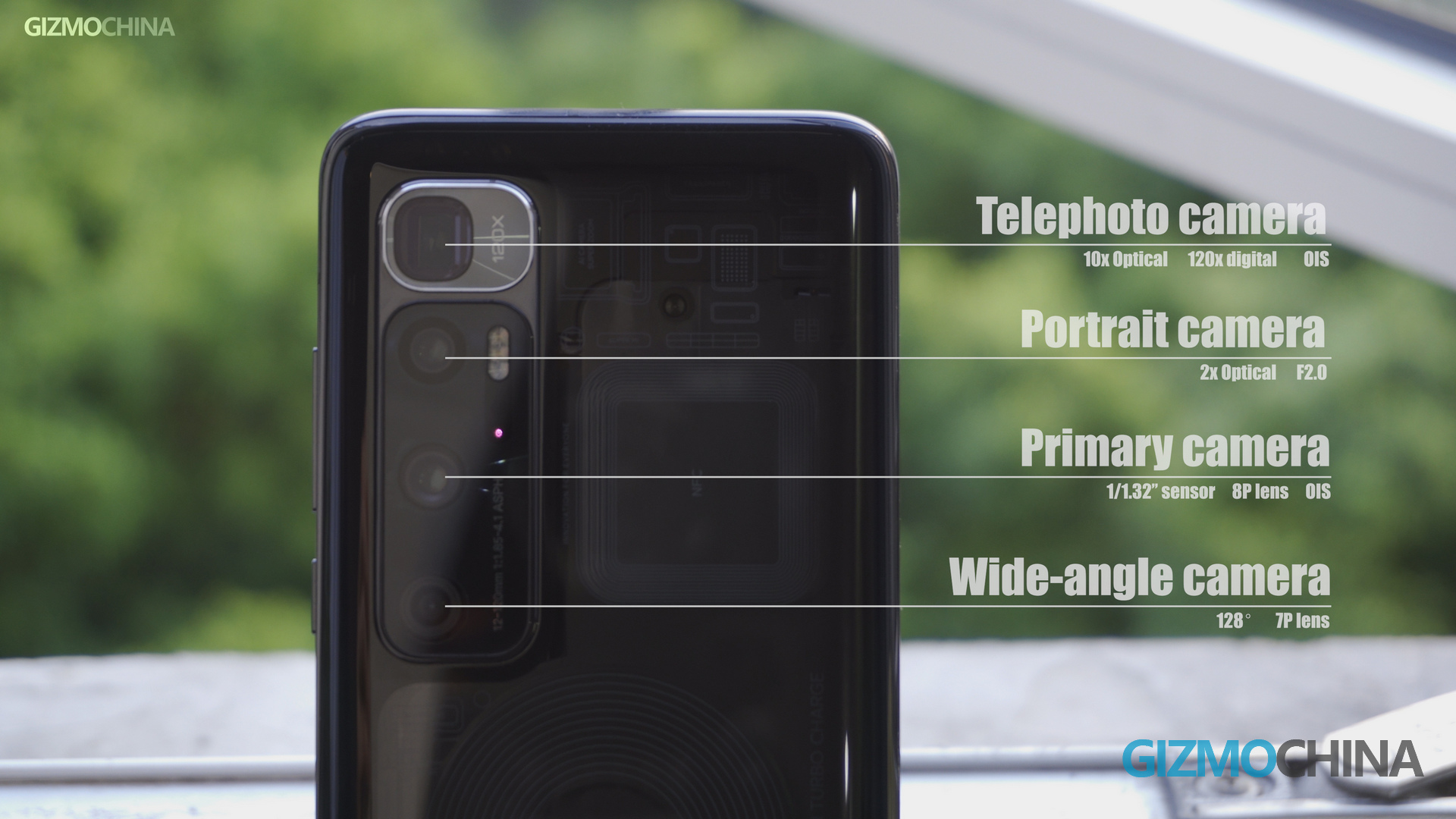
XIaomi Mi 10 Ultra features a 120x zoom periscope lens
For reference, the Huawei P30 Pro is capable of 50x zoom including moon shot and the output has received rave reviews since its release. However, the same can’t be said about the 120x zoom on the Mi 10 Ultra. Our review of the 10th-anniversary flagship didn’t really reveal a spectacular performance for the 120x digital zoom.
Other features inscribed on the camera island include a 35mm equivalent focal length of 12mm for the ultrawide camera, while the periscope goes to 120mm. One of the other shooters is likely to be the exact same 108 MP sensor as the one in the Mi 11, while the last camera could be a 2x or 3x telephoto lens for smoother zooming.
Xiaomi Mi 11 Pro will share display specs with the Mi 11
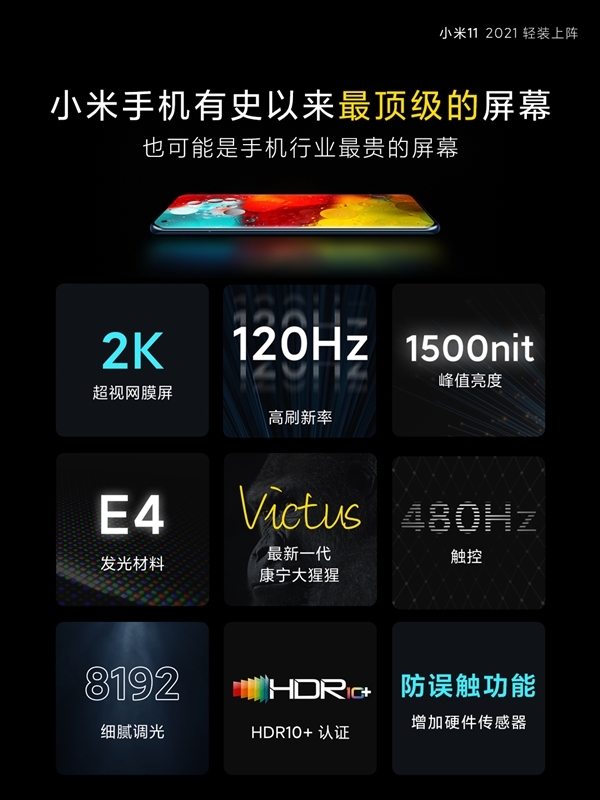
The renders didn’t include the front design but the Mi 11 Pro is said to have the same display design as the vanilla Mi 11. As a reminder, the Mi 11 packs a 6.81-inch curved display with a QHD+ resolution of 1440×3200 pixels, 120 Hz refresh rate, 480 Hz touch sampling rate, and 1,500-nit peak brightness.
We can’t say if this render is real or fake. Already, a source on an unofficial Xiaomi/MIUI news channel on Telegram claims it is fake. While that is an unverified claim, we’ll advise you to take this leak with a pinch of salt.
Shenzhen-based Chinese company Snoppa Technology is mainly known for its electronic 3-axis gimbal stabilizer series, including handheld, on-vehicle types, for sports cameras and smartphones. The brand is one of the leading manufacturers of stabilizing gimbals. The brand’s advanced self-developed multi-axis stabilizing technology gives it an edge in the manufacture of smart film shooting facilities for both professionals and individuals.
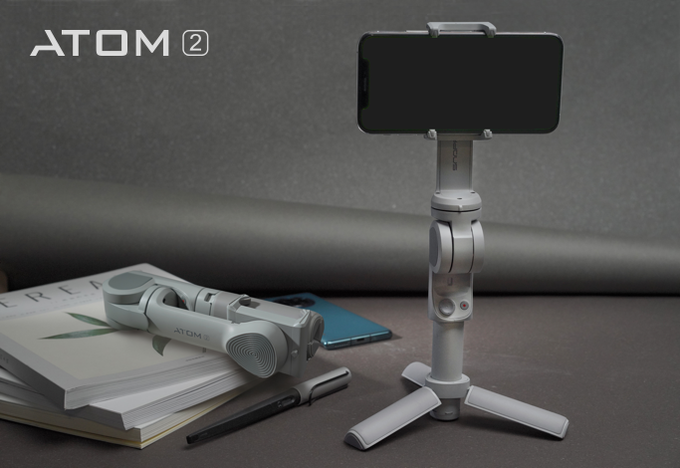
Snoppa Atom 2 phone gimbal
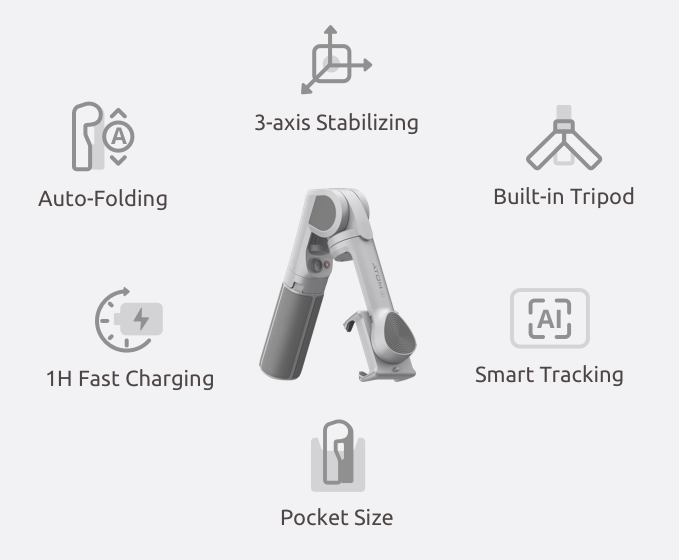
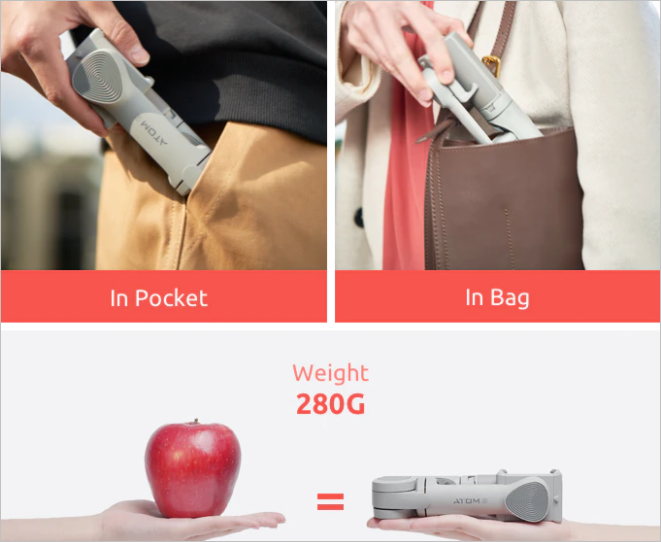
The brand has now launched the Atom 2 phone gimbal under crowdfunding on Kickstarter. Snoppa ATOM 2 phone gimbal is the world’s first auto-foldable 3-axis phone gimbal that is pocket size. The product takes over from the ATOM that was first launched in 2018 and which happens to be the first gimbal with a foldable design and which the DJI Osmo Mobile 3 seems to have borrowed some features from.
Snoppa ATOM 2 vs Snoppa ATOM
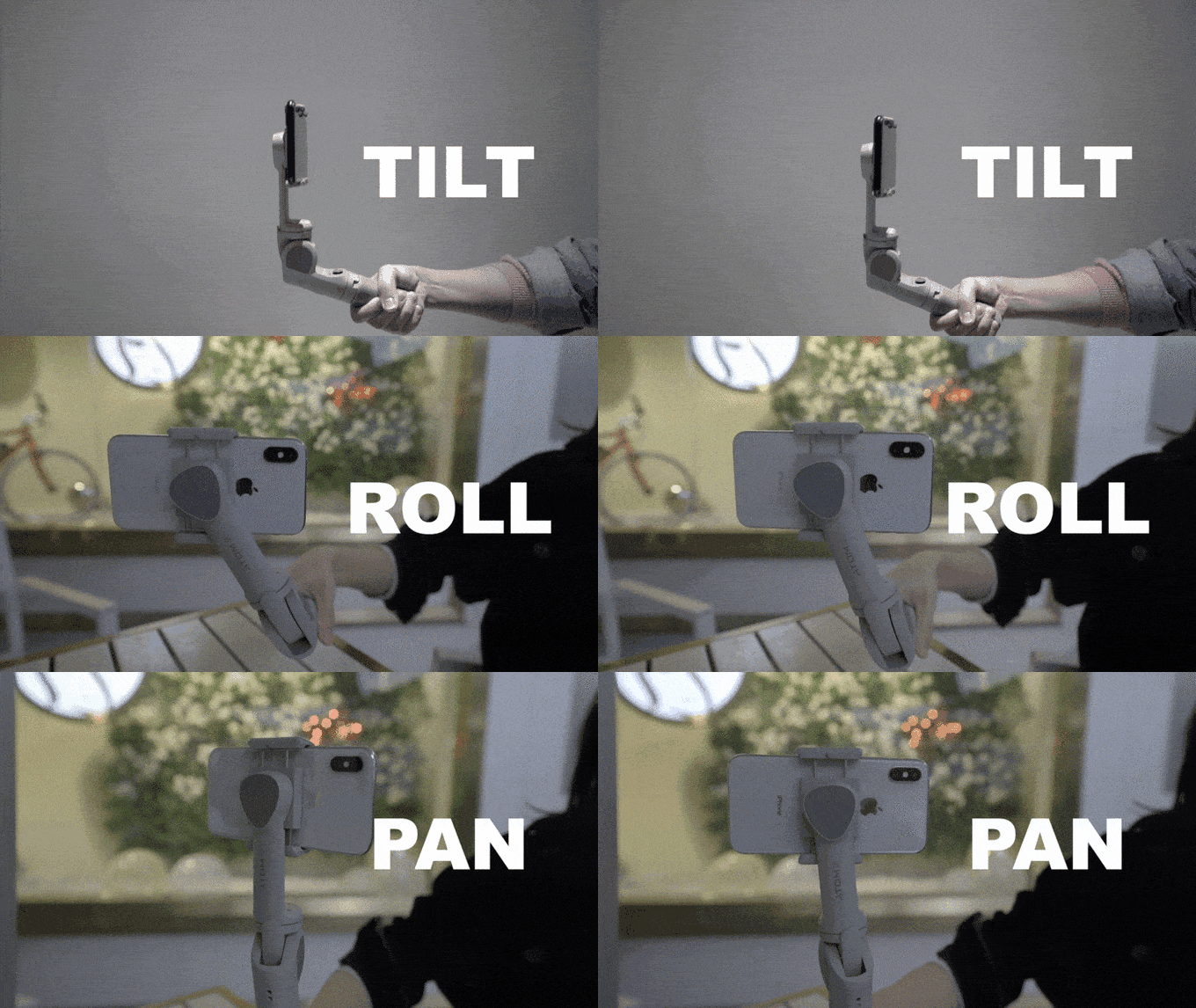
The ATOM 2 takes things a notch higher as it comes with an auto-foldable mechanism while retaining the 3-axis gimbal functions thanks to the ingenious hybrid 3-axis structural design. Compared with 1 or 2 axes selfie-stick style gimbals, a 3-axis gimbal can best eliminate shakes and jitters in all 3 axes of roll, tilt, and pan, balancing the phone camera in real-time which results in smooth and steady videos.
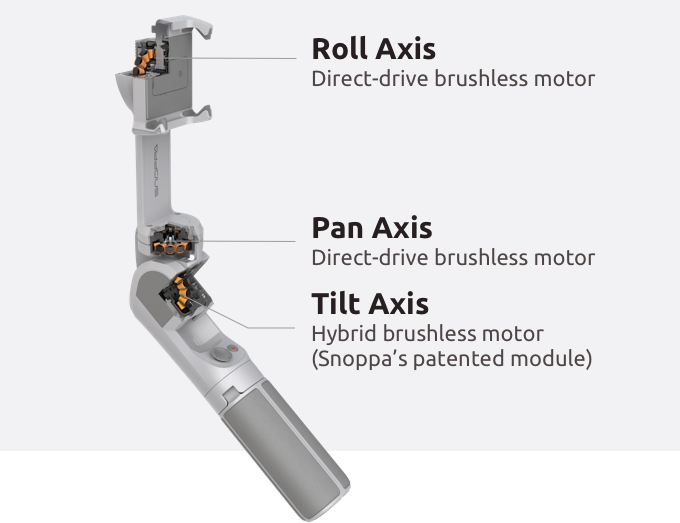
The roll and pan axes both use a direct-drive brushless motor while the tilt axis uses a special hybrid brushless motor self-developed by Snoppa. It has a much higher torsion and excellent stabilizing performance, which cannot be found in any other gimbal.
Snoppa which also takes the credit for the Vmate, a portable gimbal camera, says the ATOM 2 is a hassle-free phone filming assistant as it senses your action for auto startup and folding. It is also equipped with a built-in tripod and an extendable handle which expands the possible uses – phone-filming, vlogging, live-streaming, and selfies!
Snoppa ATOM 2 is currently the only gimbal that supports fast charging. It uses a USB-C port and charges the battery from zero to full in just 1 hour or 40 minutes charging to reach 80%. The gimbal also crams a built-in temperature sensor that can detect the battery status in real-time to ensure safety.
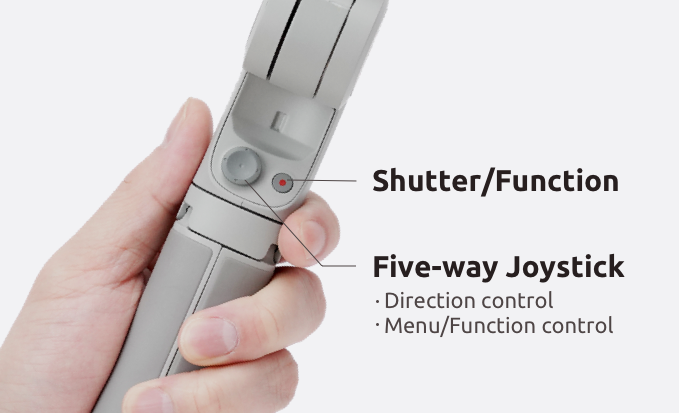
ATOM 2 has an embedded infrared sensor in the gimbal phone holder, which can actively sense the phone mounting status to prevent the motor from starting before the phone is mounted – helping to avoid motor damage. The gimbal also comes with AI gesture control which further makes it easy to use. Users can set customized gestures to start/stop shooting, to activate the shot clock, for inception mode, and more.
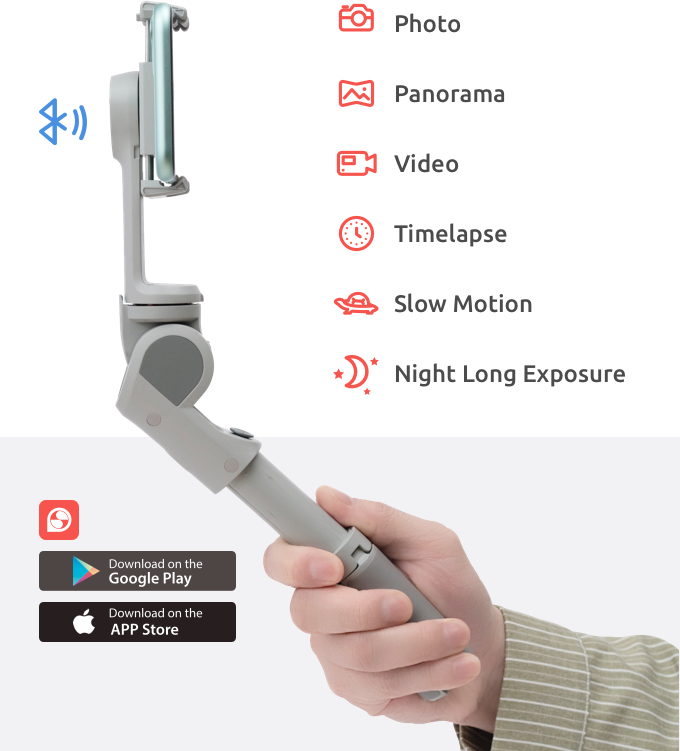
The ATOM 2 also includes a dedicated filming app that offers powerful functions for users to enhance their shooting experiences like AI recognition and tracking, time-lapse, slow motion, panorama, beauty mode, gesture control, and more. The app also offers a beauty mode which helps you edit images and video to bring out your best features in both your selfie pictures and vlogs.
As for the pricing and availability, the Snoppa ATOM 2 stabilizer gimbal is up for backing on Kickstarter with a starting price of $69 (HK$535). The product is expected to start shipping from February 2021 and will ship to anywhere in the world. Inside the box, apart from the user manual, USB-C cord, and Warranty card, Snoppa is including a free hand strap for all backers.
UPDATE: Tencent’s games have been relisted on the Huawei App store after they were pulled off over what is alleged to be a dispute over revenue sharing. Apparently, both parties have finally reached a consensus but there is no official statement to that effect. The original story continues below.
Tencent has confirmed that Huawei has removed its (Tencent’s) online game catalog from Huawei’s app store due to the failure of both companies to reach an agreement on revenue sharing.
A statement by Tencent reads; “Due to the failure of Huawei’s mobile game platform to renew its contract with our Mobile Game Promotion Project Agreement as scheduled, relevant products of Tencent Games were suddenly removed from the shelves early this morning.”
Although Xiaomi is referred to as China’s Apple, in the real sense, Huawei is the company that is the equivalent of Apple in China in terms of revenue and market share. Huawei presently controls 41.4% share of the China mobile phone market and 14.9% of the global market, according to data from market research firms IDC and Canalys.
Although Tencent sells some of the top-ranked online games worldwide, its partnership with Huawei is an important one as it leverages the hundreds of millions of Huawei phones that is in circulation in China, Tencent’s biggest market.
Huawei and Tencent did not immediately respond to a request by Reuters seeking comment. However, a source familiar with the matter hinted that the games were removed because the companies could not agree on a revenue-sharing deal for the app store sales. Huawei had reportedly insisted on receiving a 50% cut, a term Tencent disagrees with.
Tencent hints that they are actively communicating and negotiating with Huawei’s mobile game platform in a bid to reach a resolution as soon as possible. The brand also extended an apology to all users for the inconvenience.
Apart from Tencent, there is mounting resistance from game developers to Huawei’s revenue demands. Last year, Shanghai-based developer Mihoyo, decided not to place its hit game “Genshin Impact” on Huawei’s app store due to failure to reach an agreement with the commission structure for sales.
This dispute is reminiscent of the imbroglio between Apple and Epic Games which saw Apple remove Fortnite and other Epic Games’ titles from the App store due to disagreement over revenue collection.
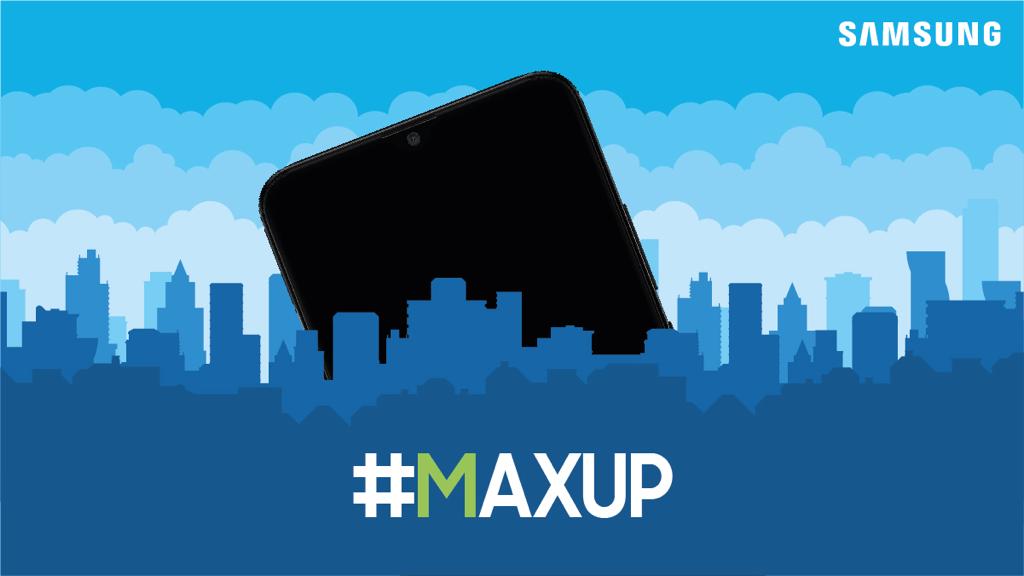
Samsung is reported to announce the Galaxy S21 series this month. But ahead of it, the company may launch a Galaxy M series device in India. In fact, this smartphone may go official as soon as next week. Even its teaser poster has been leaked but unfortunately, it does not say much about the phone.
The South Korean tech giant is expected to release a number of budget smartphones worldwide in the coming days. A bunch of them have already cleared necessary certifications and have been even spotted on benchmarking platforms like Geekbench.
One of these devices is the Galaxy M12, which is a strong contender to launch next week in India. But we could be wrong as the teaser poster shared by Mukul Sharma (@stufllistings) has the text #MAXUP. Also, he says that this handset will come with a ‘BIG’ screen.
Additionally, earlier this week, Tushar Mehta of XDA Developers also suggested that his phone will not be the Galaxy M12. Hence, the only thing that matches with #MAXUP and ‘BIG’ screen is the Samsung SM-M625F, which was reported last month to launch as the first Galaxy M series tablet – Galaxy Tab M62.
However, an older report on the same devices said it to be a smartphone – Galaxy M62. Also, the leaked teaser poster showcases a dew-drop notch. Hence, it could be a phablet like the Galaxy J Max instead of a tablet.
Anyway, we will know everything about this upcoming device if Samsung is indeed announcing it next week. Maybe, we will learn more about it before the official announcement itself.
In late 2019, Xiaomi announced a concept smartphone called Mi MIX Alpha with a surround display. The company said that it will go on sale in limited quantities but that never happened. Also, the firm did not unveil its successor even a year later. But the company did patent a few smartphone designs with a similar form factor. Now, again, two such designs have emerged after a one with pop-up cameras was exposed a few days back.
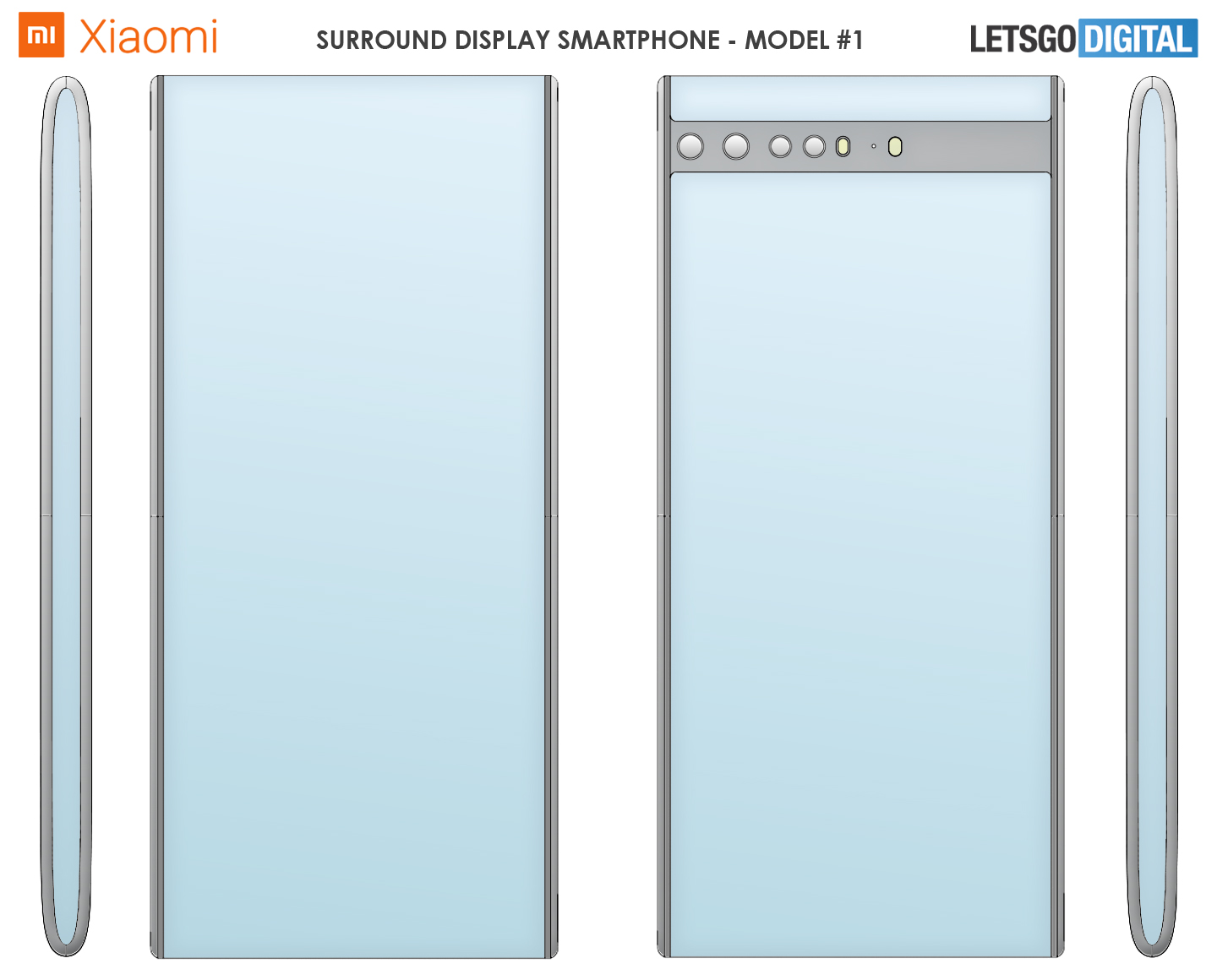
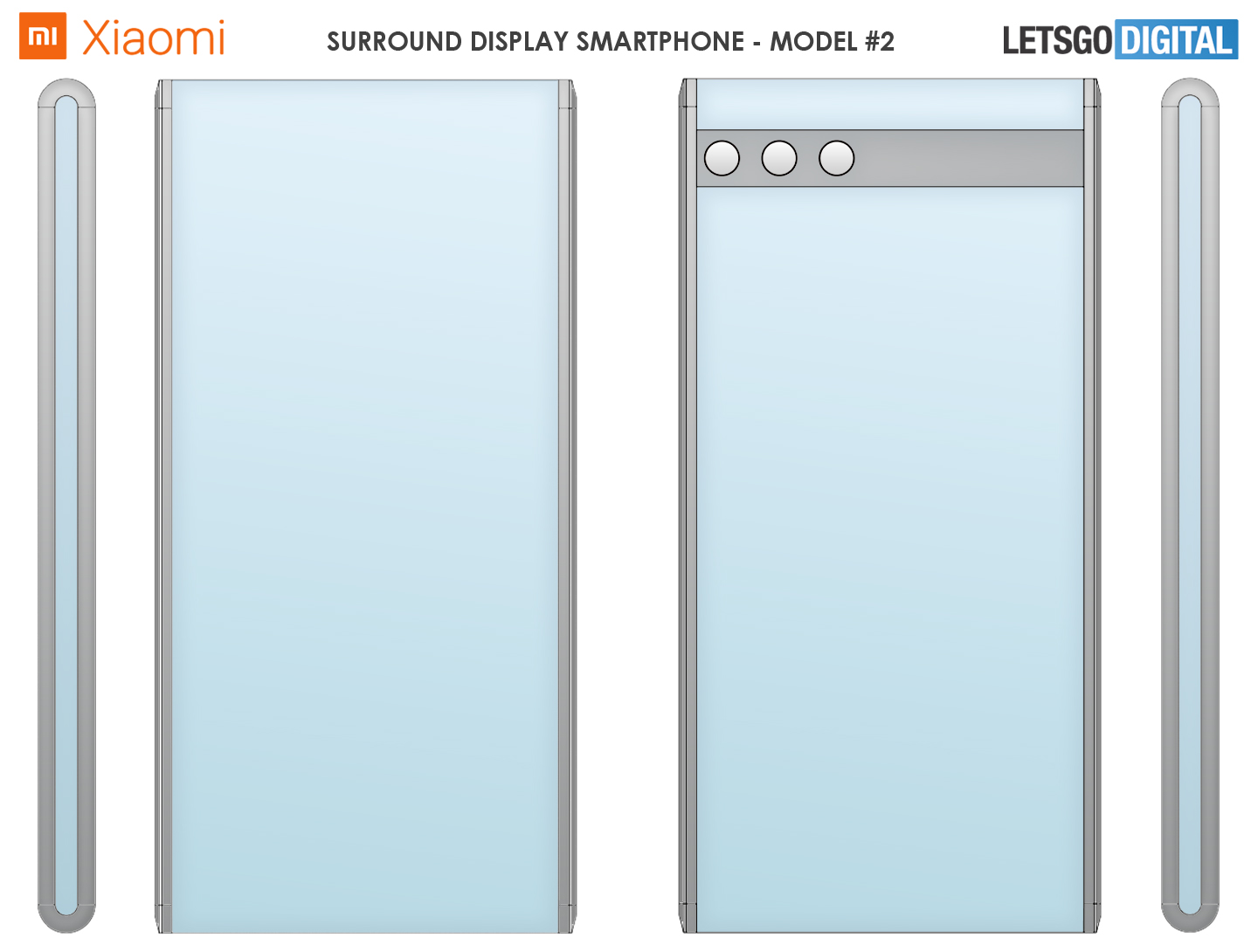
According to LetsGoDigital, Beijing Xiaomi Mobile Software filed a patent with the CNIPA (China National Intellectual Property Office) at the end of 2019. The documentation for the same was published on January 1, 2021. It exposed two surround display smartphone designs with some minor differences.
Talking about the first design, this phone’s display wraps around from top to bottom, instead of side to side as found on the Mi MIX Alpha. But there are two separate screens on either side. Further, the device features a horizontal frame on the back housing a quad-camera setup, dual-LED flash, and what appears to be a microphone.
The main highlight of this design is that this smartphone is slimmer than the MIX Alpha and is even elliptical in shape. On the other hand, the second design features a rounded shape. Also, this one includes a triple camera setup and there’s no LED flash or microphone.
Anyway, we don’t see Xiaomi launching such a handset in the near future. The company may showcase it may never enter mass-production just like the Alpha.
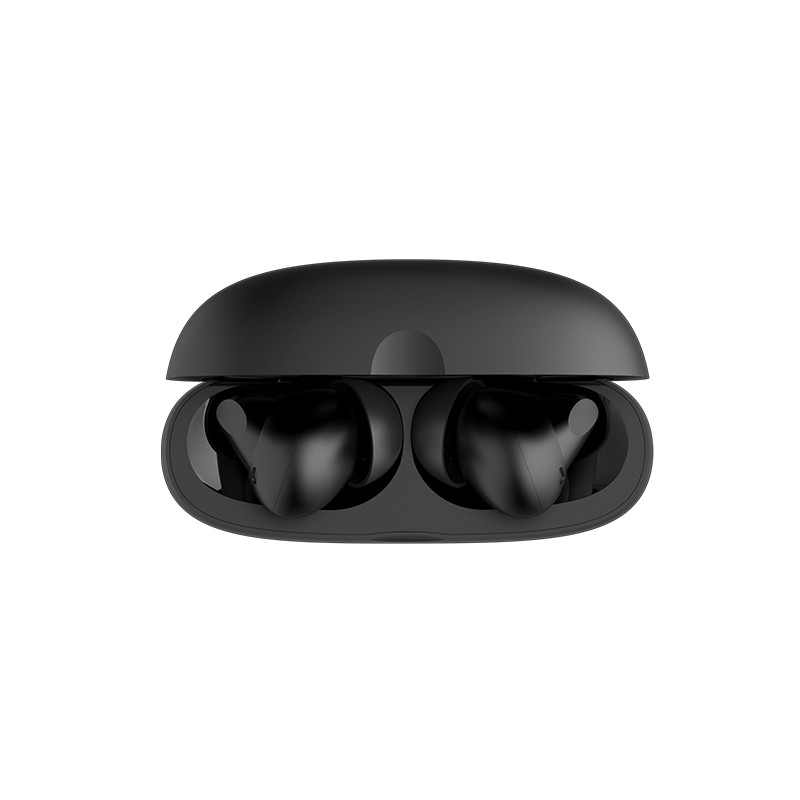
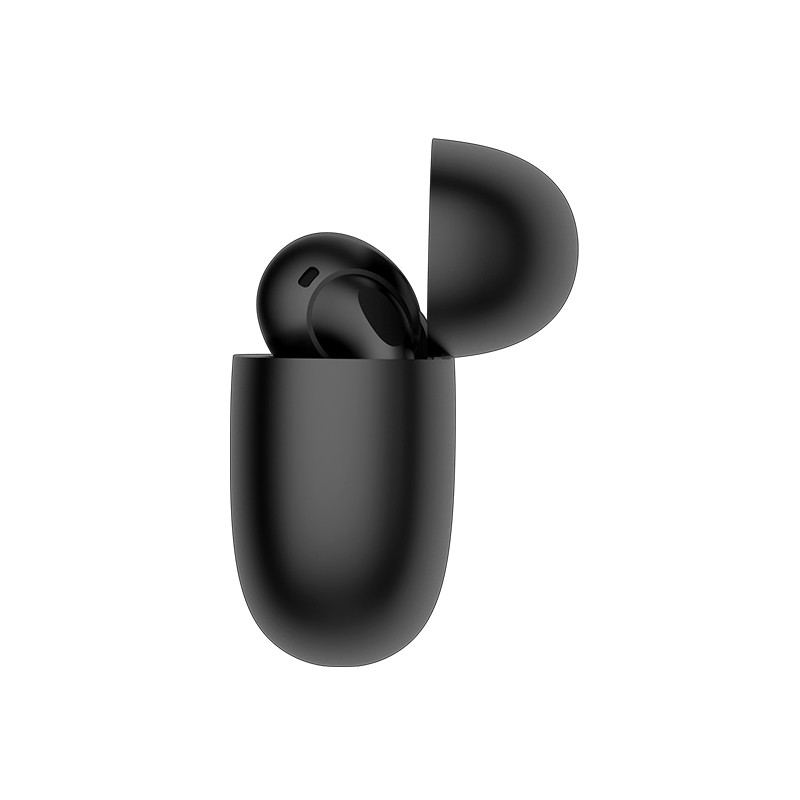
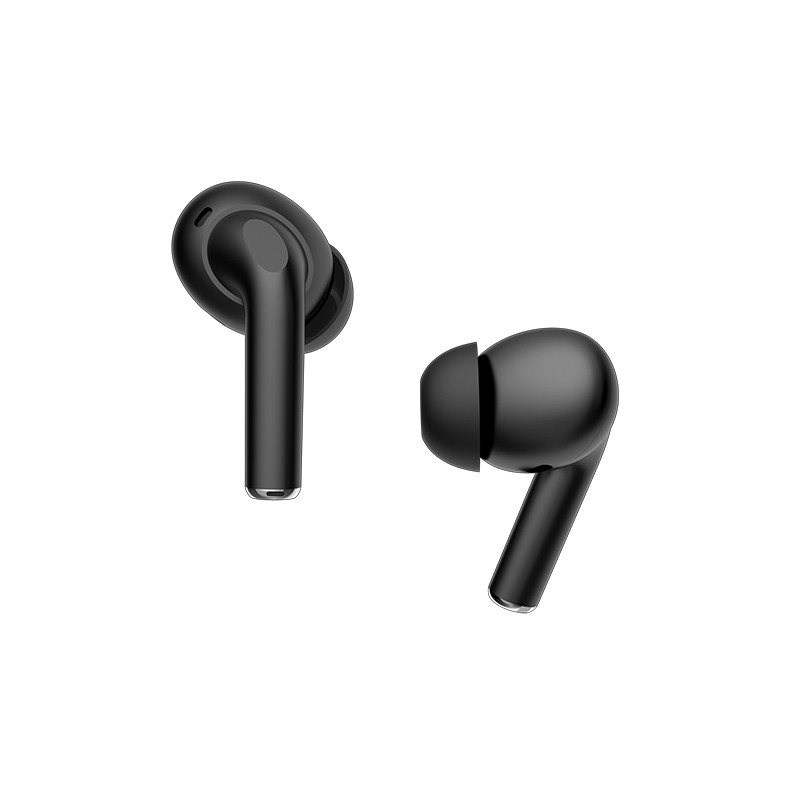
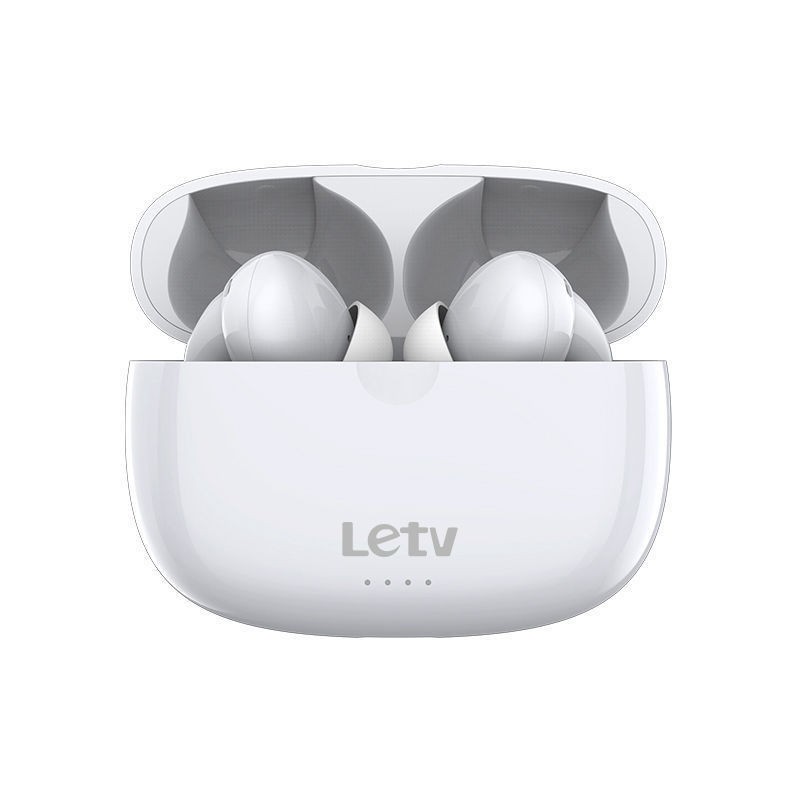
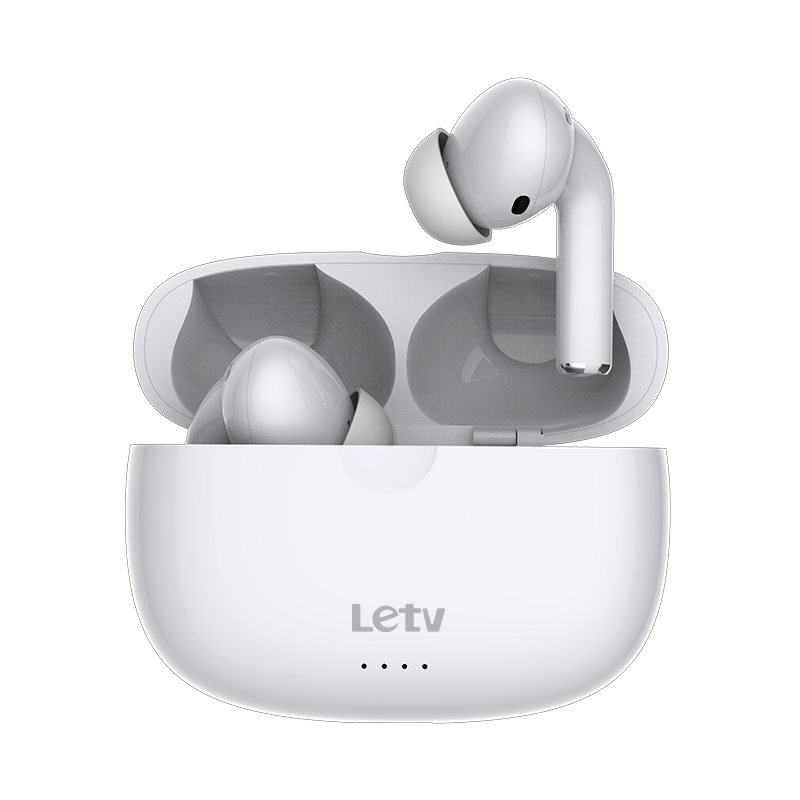
LeEco is no longer a popular company in international markets. But the firm is not dead yet despite financial troubles. It continues to sell a wide variety of products in its home country China. Hence, we are not surprised to learn it launching a new pair of TWS called Letv Super Earphone Ears Pro (translated).
Letv Super Earphone Ears Pro Specifications and Features
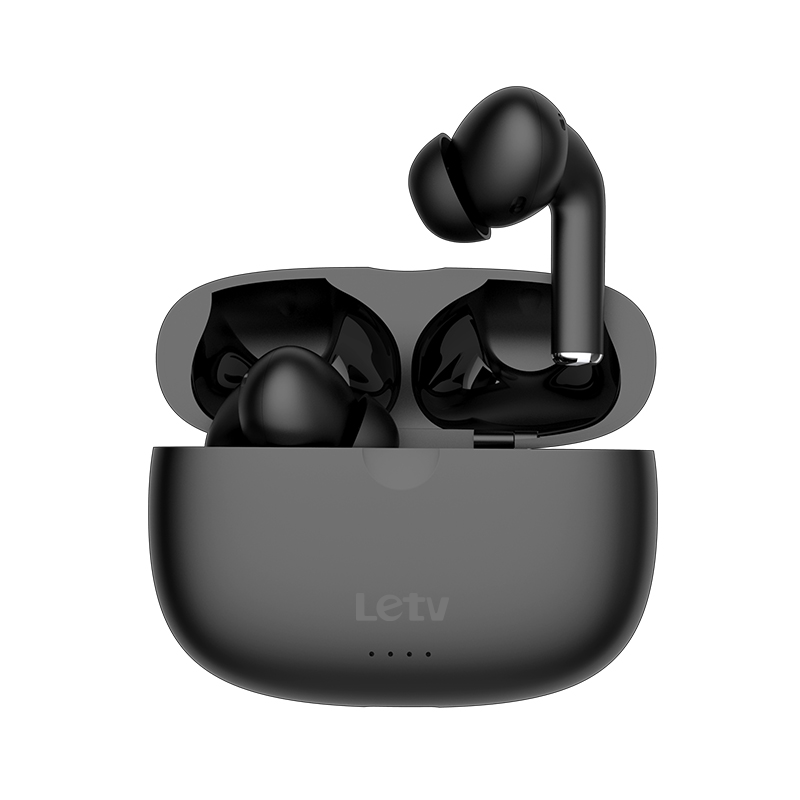
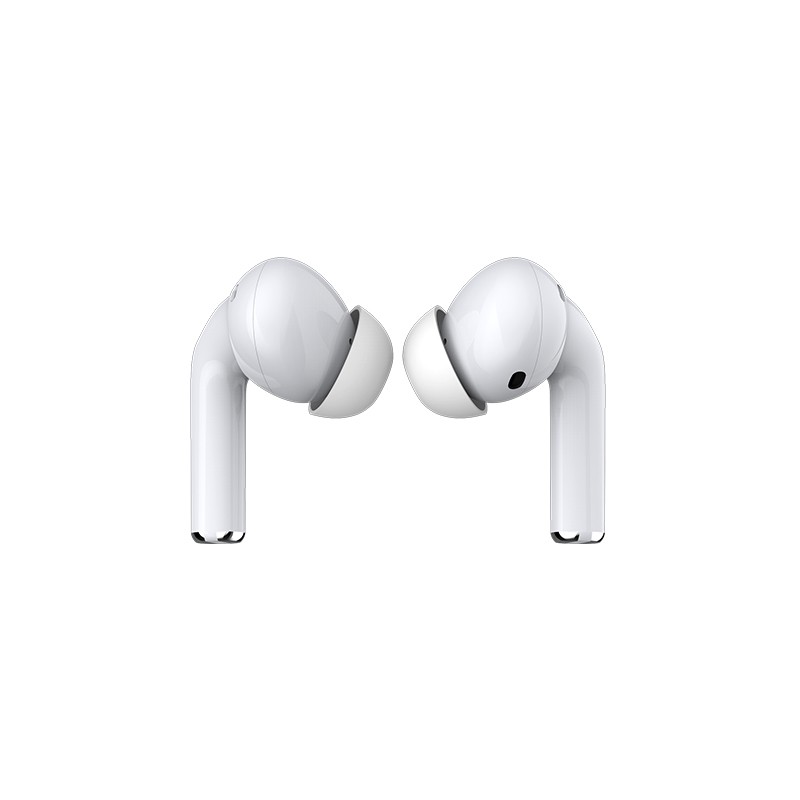
The newly announced Letv Super Earphone Ears Pro are just another pair of truly wireless earphones in the already crowded market but with some uncommon specs in its segment. They feature an in-ear design with silicone tips and come in two colors namely White and Black. In other words, they look like a fusion of Apple AirPods Pro and HUAWEI FreeBuds Pro.
The earbuds are powered by L1+ chip and connect with devices via Bluetooth 5.0. Unlike most budget TWS, these also come with ANC (Active Noise Cancellation). Another notable feature is that their charging case also supports Qi wireless charging, in addition to USB Type-C charging.
Further, the buds support HSP, HFP, A2DP, AAC, and SBC audio codecs. Also, since they feature touch gesture controls, users can single tap to play/pause, double-tap to play the next track, and tiple-tap to play the previous track.
As for battery life, the company claims this product to offer up to 4 hours using the buds’ 45mAh battery and extra 24 hours from the charging case. Hence, it comes with up to 28-hour battery life.
1 of 8
Last but not least, the buds measure 33.2 x 19.6 x 23.6mm in dimensions and weigh 4g each, whereas the charging case measure 62 x 22.8 x 46.3mm in dimensions.
Letv Super Earphone Ears Pro Pricing and Availability
The Letv Super Earphone Ears Pro are priced only at ¥218 ($33). They are currently up for pre-order on the company’s official online store in China and will start shipping from January 7.
There’s no word on international availability as of now but anyway, we highly doubt if they will ever make it out to global markets.
We use cookies on our website to give you the most relevant experience by remembering your preferences and repeat visits. By clicking “Accept”, you consent to the use of ALL the cookies.
This website uses cookies to improve your experience while you navigate through the website. Out of these, the cookies that are categorized as necessary are stored on your browser as they are essential for the working of basic functionalities of the website. We also use third-party cookies that help us analyze and understand how you use this website. These cookies will be stored in your browser only with your consent. You also have the option to opt-out of these cookies. But opting out of some of these cookies may affect your browsing experience.
Necessary cookies are absolutely essential for the website to function properly. This category only includes cookies that ensures basic functionalities and security features of the website. These cookies do not store any personal information.
Any cookies that may not be particularly necessary for the website to function and is used specifically to collect user personal data via analytics, ads, other embedded contents are termed as non-necessary cookies. It is mandatory to procure user consent prior to running these cookies on your website.