Add GIZMOCHINA as Preferred Source on Google
We, have already compiled a list of the Best 2020 Smartphones and Best 2020 Wearables. Among this, I am privileged to cover the most exciting topic that one could wait for – Concept Smartphones. Despite the rollercoaster ride the industry had, we saw some cool concepts of Smartphones in 2020. From the retracting cameras to rollable displays, companies have come a long way in experimenting with new technologies.
Although many of these concepts never see the light of the day, they do give a glimpse at what’s in store in our future. One such example would be foldable displays which, in 2021, is definitely going mainstream across different price points. That said, let’s look at some of the best concepts that came out this year.
7Xiaomi Retractable Camera concept
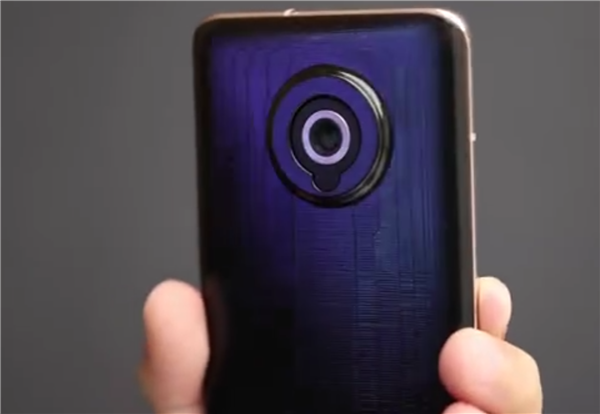
At the MIDC 2020, Xiaomi unveiled a concept by which a Telescopic Camera physically retracts (when not in use) inside a smartphone. This wide-aperture lens technology is inspired by conventional cameras in the market. This mechanism has two major advantages- more light, and videos without shake.
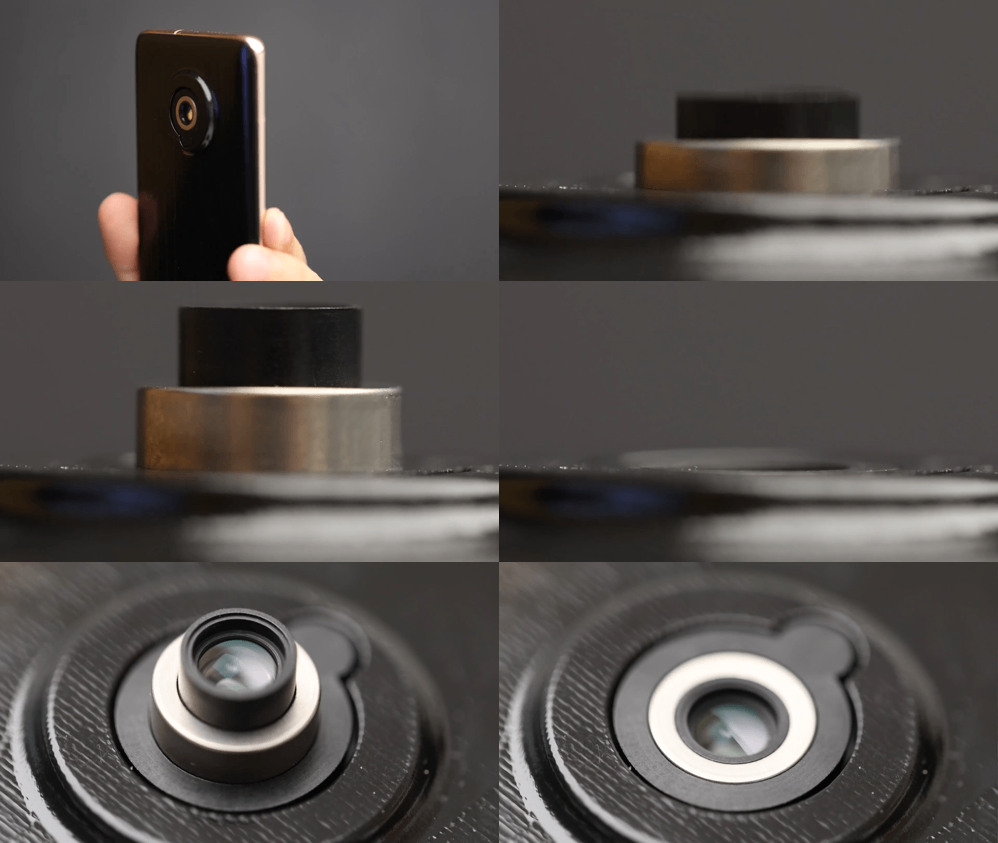
Precisely, such a wider aperture increases the amount of light by 300%(better for night mode) and produces a 20% crispier and stable image using the anti-shake feature. As you can see above, the retractable optical structure allows the lens to lodge in just like any point-shoot camera, and its response time is supposed to be quicker as well.
6OnePlus McLaren (Concept One) / 8T Concept
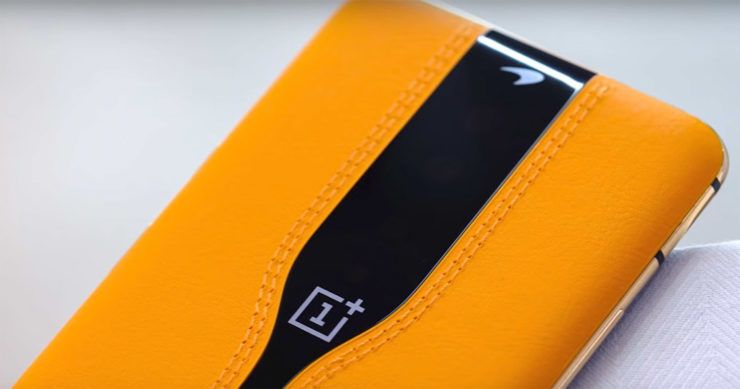
Back in January, OnePlus showcased it’s Concept One smartphone at CES 2020. This product is developed in collaboration with McLaren. It’s typically an OnePlus 7T Pro but has color shifting glass technology on the camera layout which is an Electrochromic Glass. Simply put, the glass changes from transparent to translucent (here it occurs in 0.7sec) if you vary the current/light through it.
You can spot these glasses on the sunroofs of some premium cars, Aeroplanes and buildings’ windows, etc. However, the significance of using it here is, it acts as a neutral density filter to capture the best shots in bright light scenarios.
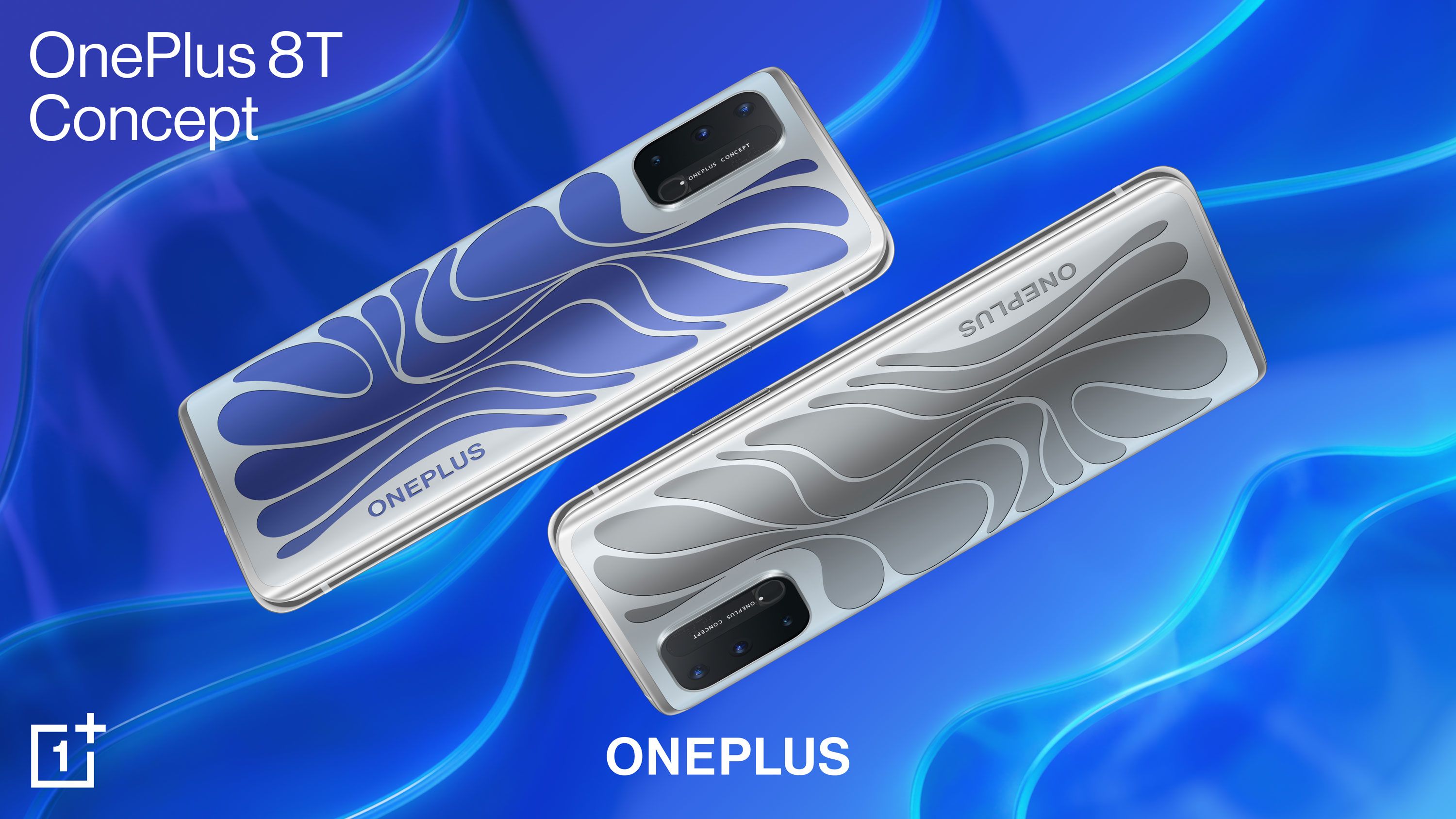
Recently, OnePlus also revealed what could have been a cool addition to the tally of the OnePlus 8T models. This concept phone has a rear glass with a metal oxide film underneath. Similar to the concept above, the glass changes color (dark blue to light silver) as you vary the voltage across it.
Inspired by the hot springs of Pamukkale in Turkey, the concept, when paired with a radar module (based on mmWave) on the camera housing, responds to gestures like waving hands (for call accept/reject), sense breathing, etc. Precisely, it transmits/receives EM waves and works in conjunction with CPU, DSP to locate and track objects.
EDITOR’S PICK: Gizmochina’s Best Android Smartphones of 2020 / Best Mid-Range smartphones of 2020 (India)
5Vivo Apex 2020 / Color Changing panel concept
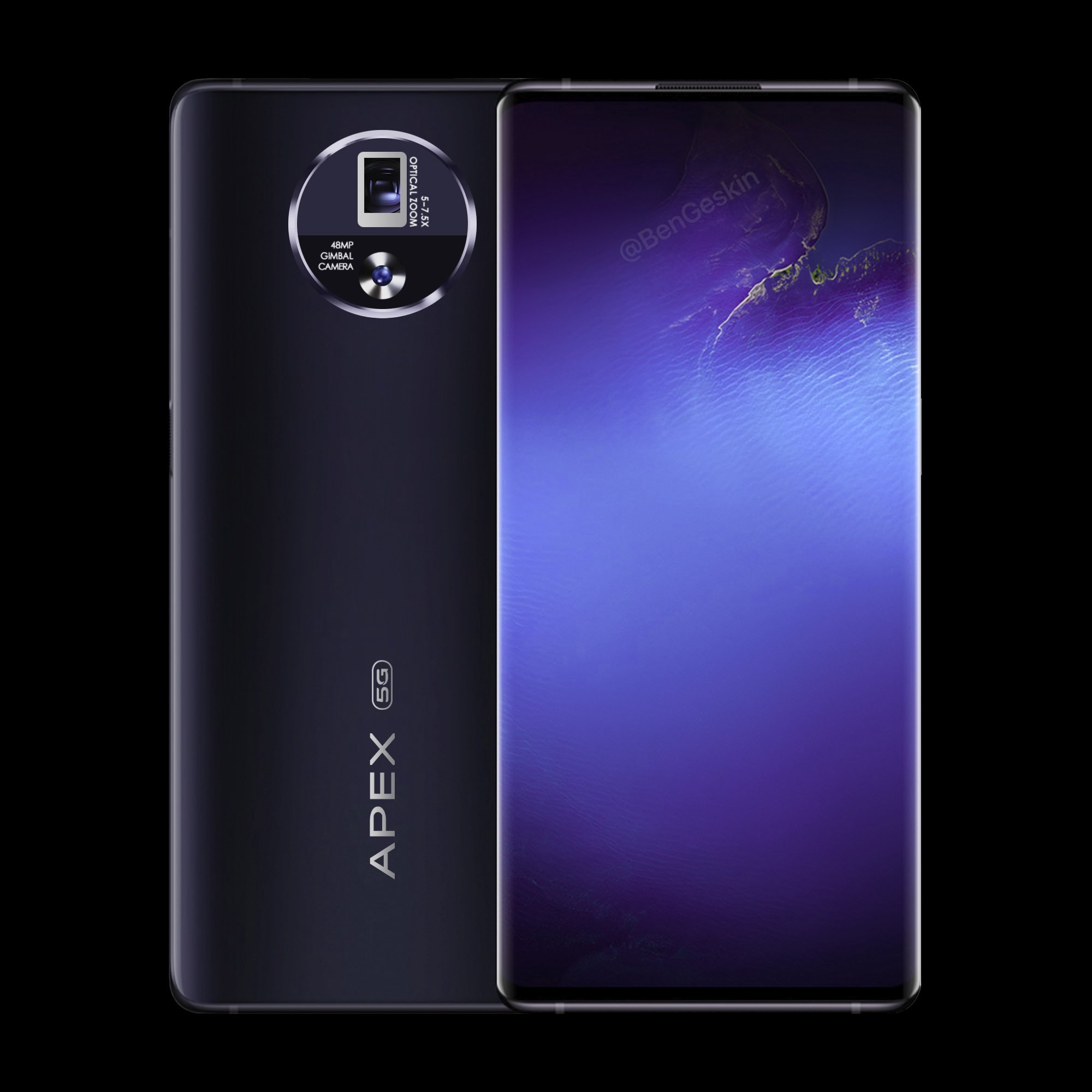
After the cancellation of MWC 2020, Vivo showcased its Apex 2020 Concept in February. The portless-smartphone has a 6.45-inch FullView Edgeless Waterfall display. Precisely, the display has a whopping 120° curved edges. The device also features an under-display 16MP selfie camera by increasing light-transmittance to that portion of the display by 6x times.
Vivo didn’t skimp on the cameras either. The rear layout has a 16MP active moving lens which Vivo coined as the “continuous optical zoom”(5x to 7.5x Optical) feature. Additionally, the device has a 48MP Gimbal-like camera (200% more stability than OIS), 60W wireless charging.
Just like OnePlus, Vivo also tapped into the peculiar property of the Electrochromic Glass tech in a color-changing panel concept. That is, the rear panel adopts the concept of Electrochromism where the color/opacity of material changes when the voltage is varied.
As you can see in the video below, the color changes from Blue to Silver to a Gradient of Purple colors. This is made possible by sandwiching two transparent electrodes and Glass sheets with an Electrochromic film in the middle. Nevertheless, this tech has all the possibilities to make it to commercial devices in the form of dynamic rear panels.
4
3TCL rollable/ tri-fold concept
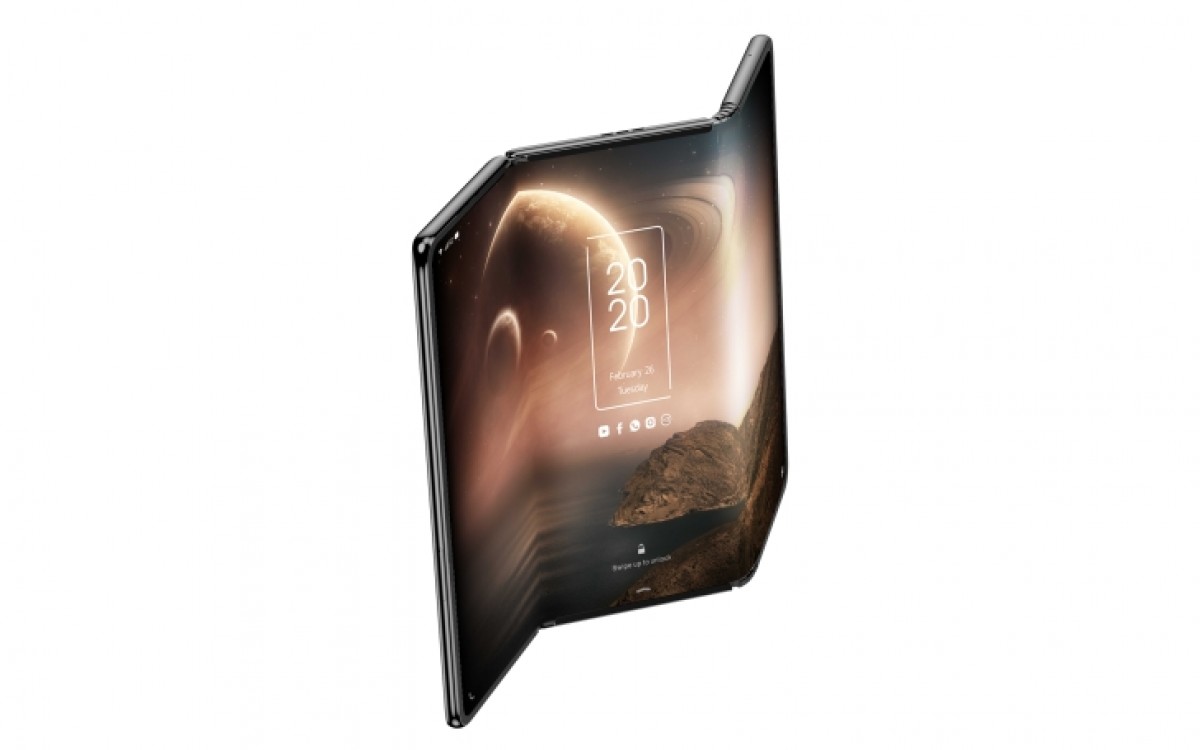
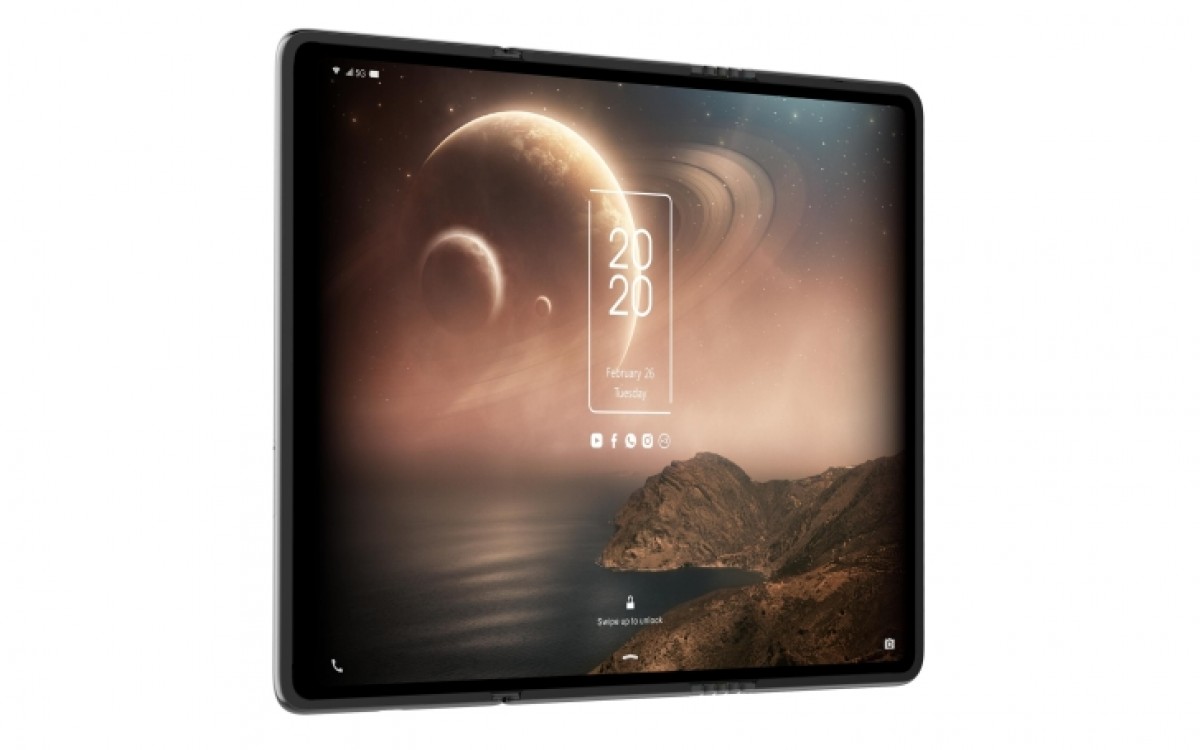
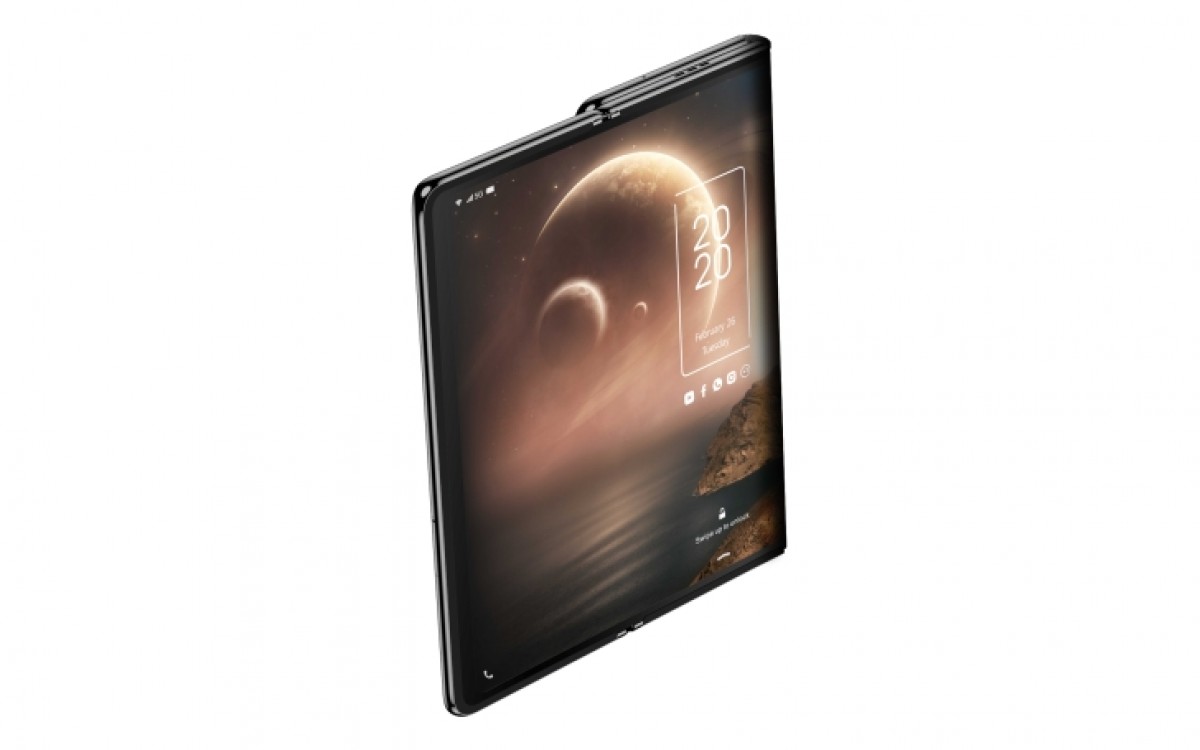
TCL, a brand famous for Smart TVs, out of nowhere, showed two Concept renders of smartphones in March 2020. One has a rollable screen and the other is a tri-foldable display design. The displays, which are from the in-house TCL-CSOT, feature a flexible AMOLED technology.
Further, the tri-fold device helps a 10-inch tablet contract into a smartphone with a 6.65-inch screen. It has an aspect ratio of 20.8:9 and a 3K resolution. The company also had two types of hinges- DragonHinge and ButterflyHinge. The former is like Galaxy Fold while the latter resembles Huawei Mate X.
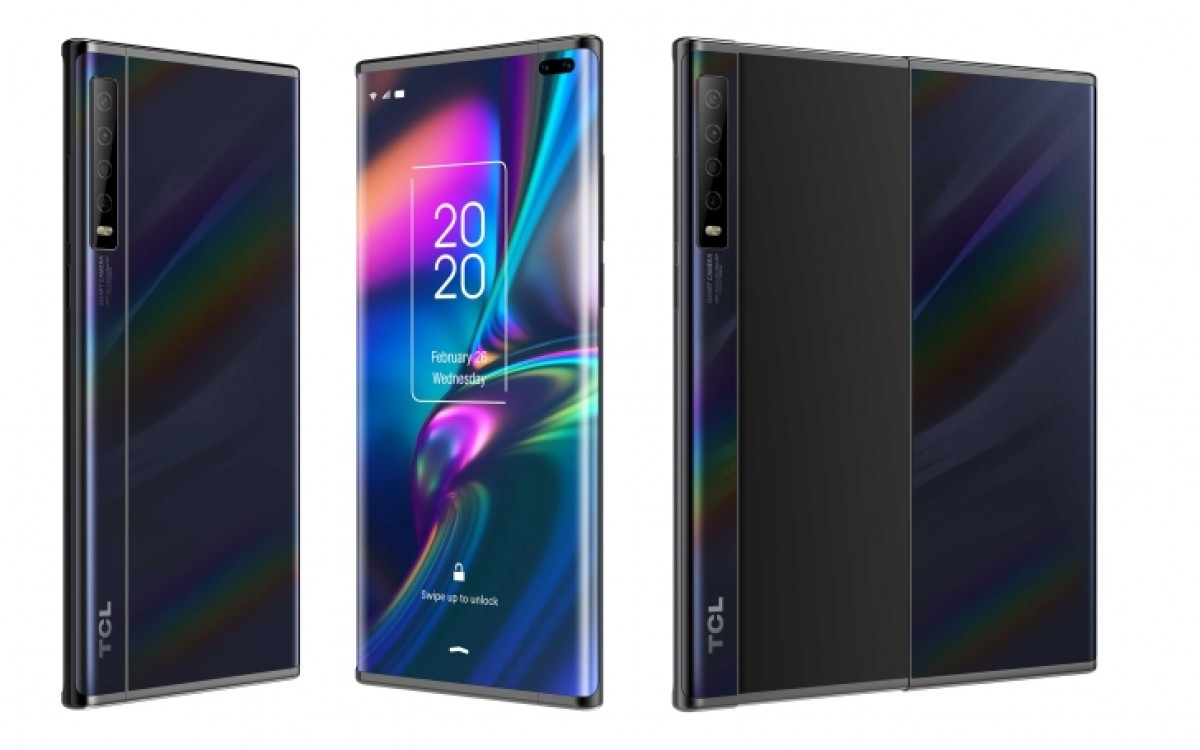
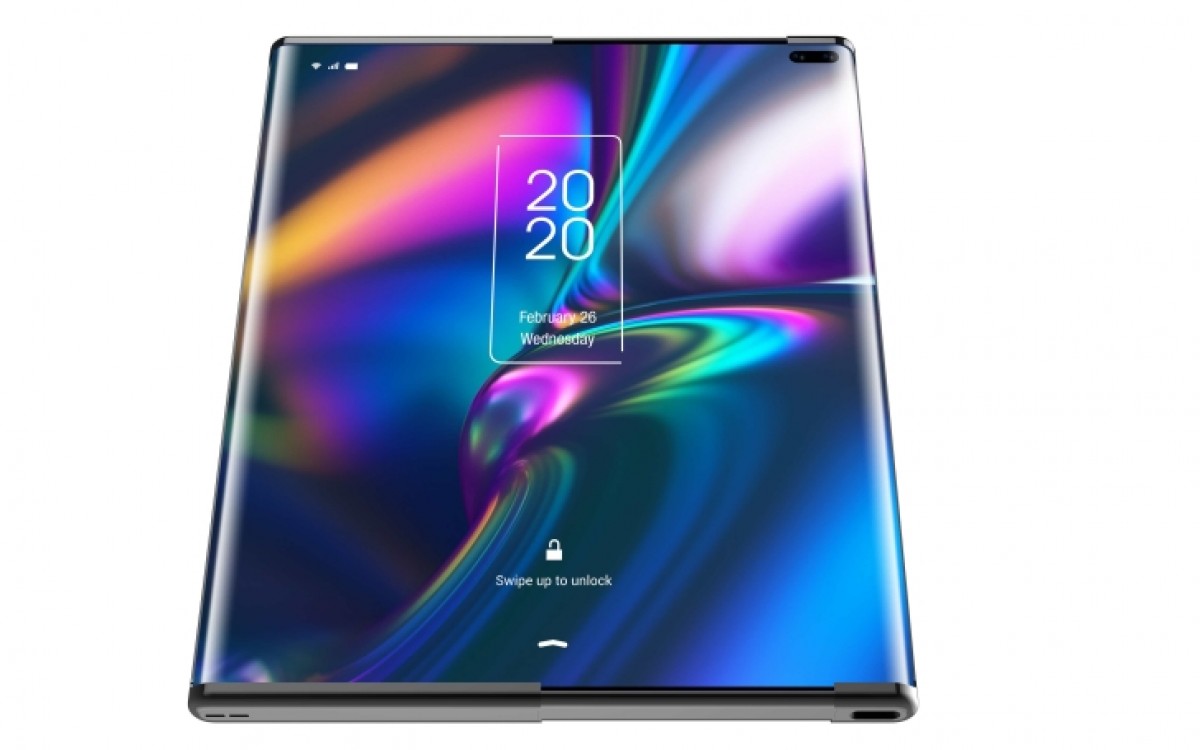
Besides, the highlight of the two concepts was the rollable display. Accordingly, the AMOLED display extends sideways to a 7.8-inch screen and retracts to a 6.75-inch display on pushing a button. However, unlike the tri-fold above, it uses a motorized mechanism so you don’t have to push it manually.
TCL, in a video(as shown below), showcased that the display adapts to either of the given screen real estates in real-time. This makes additional features like multi-tasking, split-screen windows a joy to use.
2OPPO X 2021 Concept
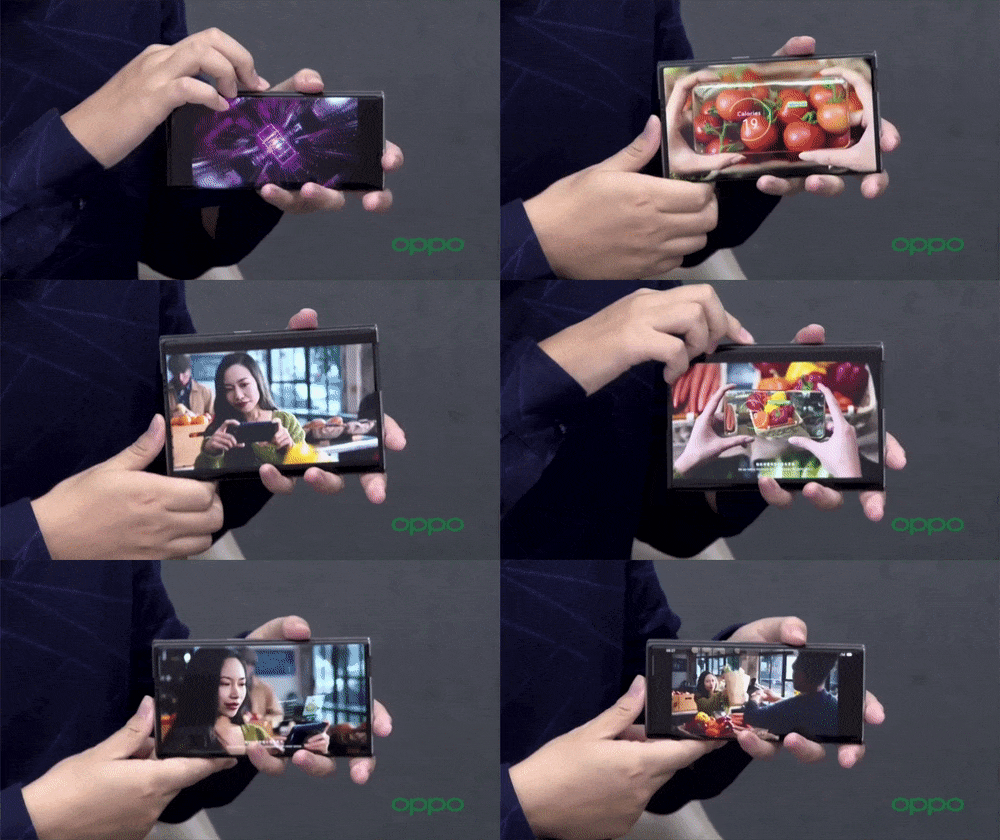
Last, but not least, and my personal favorite, is the OPPO X 2021 extending display Concept. Although TCL was like a front-runner of sorts, OPPO unveiled a working prototype of the tech making it a first of its kind. At the INNO DAY 2020, OPPO showcased a device whose display extends from 6.7 to 7.4-inches.
The display is obviously an OLED screen and it rolls into the frame via a 6.8mm Roll Motor and a proprietary rollable concept design. Additionally, you can also see a 2-in-1 support frame plate inside for taking care of the rolled-up screen. Apart from this, OPPO also used a 0.1mm Warp Track laminate to protect the screen.
That’s it! Those were some of the coolest smartphone concepts of 2020. Heading into next year, we expect some of these ideas to evolve into a whole new array of explosive out-of-the-box products from the brands. And we are as excited as you are.
Perhaps, if we ask you whether you would’ve imagined the feasibility of these at the beginning of this decade, what would have been your answer? Let us know down in the comments below!