Advertisement

Samsung Galaxy S21 is now up for reservation in the United States

Samsung is expected to launch its upcoming Galaxy S-series flagship smartphone under the Galaxy S21 lineup on 14th January. While the company has not yet confirmed the launch date, it seems that this is almost certain given the company’s latest move.

The South Korean giant has now started accepting reservations for the upcoming Galaxy S21 series smartphones in the United States which guarantees a pre-order slot when the device becomes available.
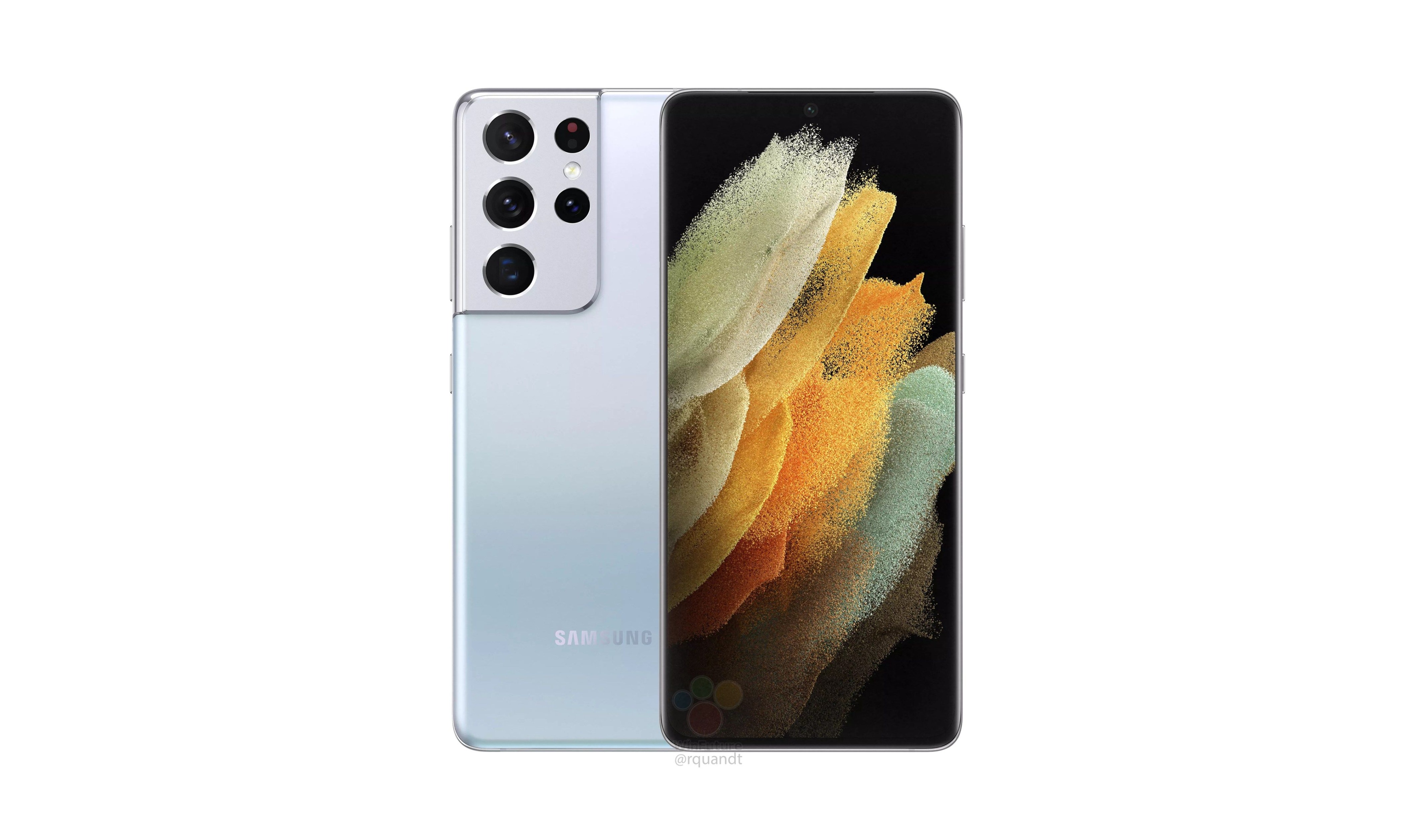
Samsung Galaxy S21 Ultra Phantom Silver Render Leak
Samsung Galaxy S21 Ultra Phantom Silver Render

It’s noteworthy that the company has not yet confirmed the launch date or has revealed information about models getting launched and the pricing or availability details. There is no need to pay anything for reserving the device.

The company is noting down basic information such as name, email address, and zip code. There’s also a trade-in offer where Samsung is offering $700 instant credit for trading in the iPhone 12 series device or the Galaxy S20/Note20 smartphone. Apart from this, there are a few other trade-in options available.

EDITOR’S PICK: Samsung Display confirms extending LCD panel production indefinitely as demand increases

Additionally, the company is offering $50 credit to anyone that reserves the smartphone for pre-booking which can be used for accessories like earbuds or smartwatches. If the user reserves the slot through the Shop Samsung app, the company is adding another $10.

For the first time, the upcoming Galaxy S-series flagship smartphones will come with S-Pen stylus support, which was so far limited to the Galaxy Note-lineup. Also, after excluding earphones from the Galaxy Note20 box, the company is now set to remove the charger from the box of Galaxy S21 phones.

We expect Samsung to officially confirm the launch date in the coming days. Ahead of the launch, most of the details about the upcoming smartphones have leaked online but it remains to be seen if the company has anything else planned for the event.


Apple Watch prototype spotted running pre-watchOS software in new images

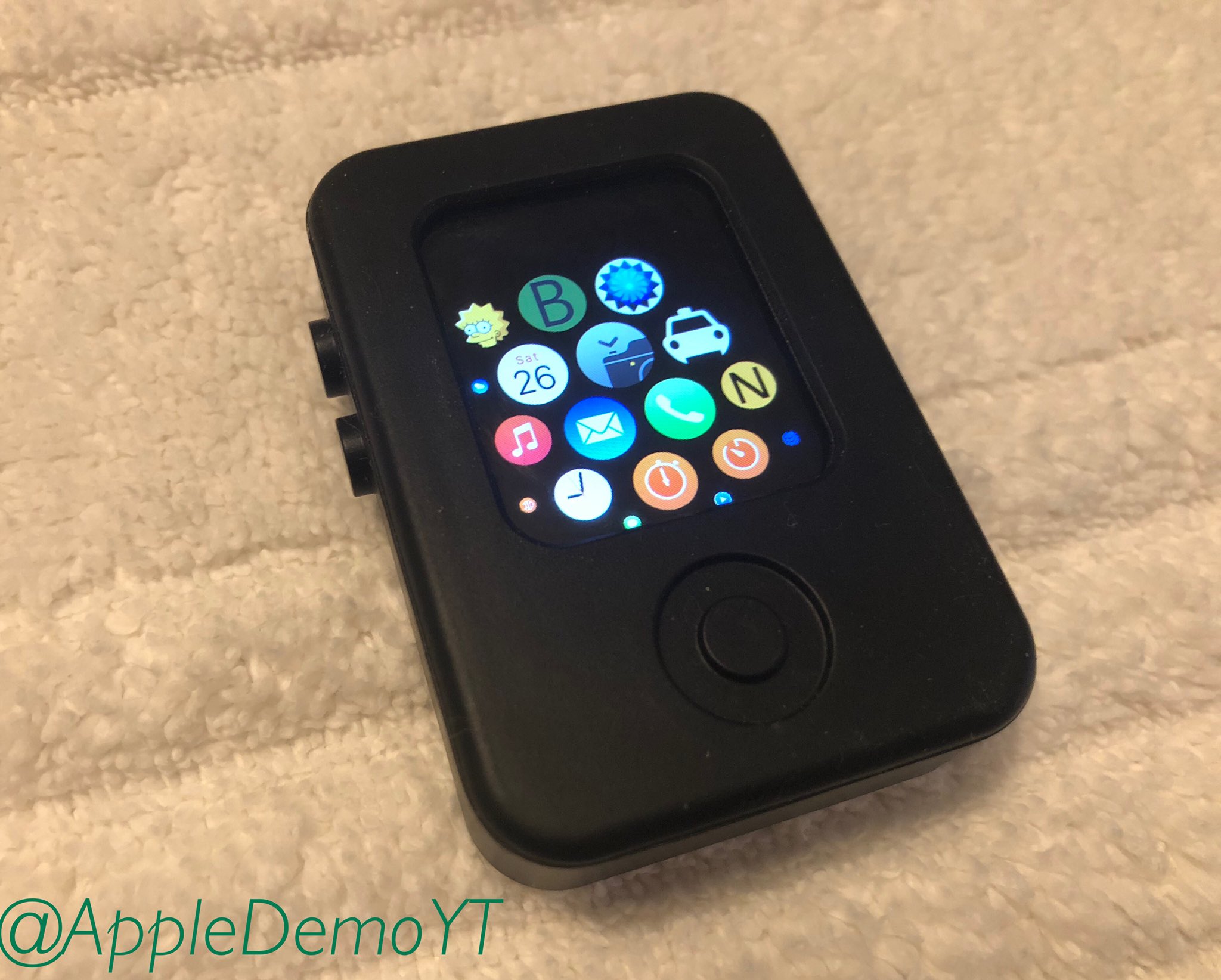
New images have recently surfaced that have showcased a prototype version of the Apple Watch. This iteration of the popular wearables can be seen disguised and running a pre-watchOS software build.

These new images of the wearable prototype from the Cupertino based giant were shared on Twitter by Apple Demo (via 9To5Mac). It is surprising to see such an old prototype, especially considering it hasn’t been destroyed and even features fully functioning internal software and development settings as well. Looking at these images, one can observe that the prototype is covered by what appears to be a security case that disguises the device.

For those unaware, it is done to hide the design and look of a prototype device. Notably, this version of the Apple Watch also arrives without the Digital Crown and features two buttons on the left side along with a supposed home button of sorts, which is built into the case itself. Furthermore, the software is pre-watchOS 1.0, and the tweet also mentions that its internal build is working with a number of images showcasing its UI and other functions.

Apple

Apple Demo also found a reference to the Apple Lisa computer from the 1980s, as there is a Lisa Simpson, which is used as an app icon on the Apple Watch prototype for the “Lisa Tester.” Similarly, this is also where the “Springboard zoom” app is housed, which includes an interactive experience of what the watchOS home screen would look like.


Canon might launch a DJI OSMO Pro counterpart of its own: Patent

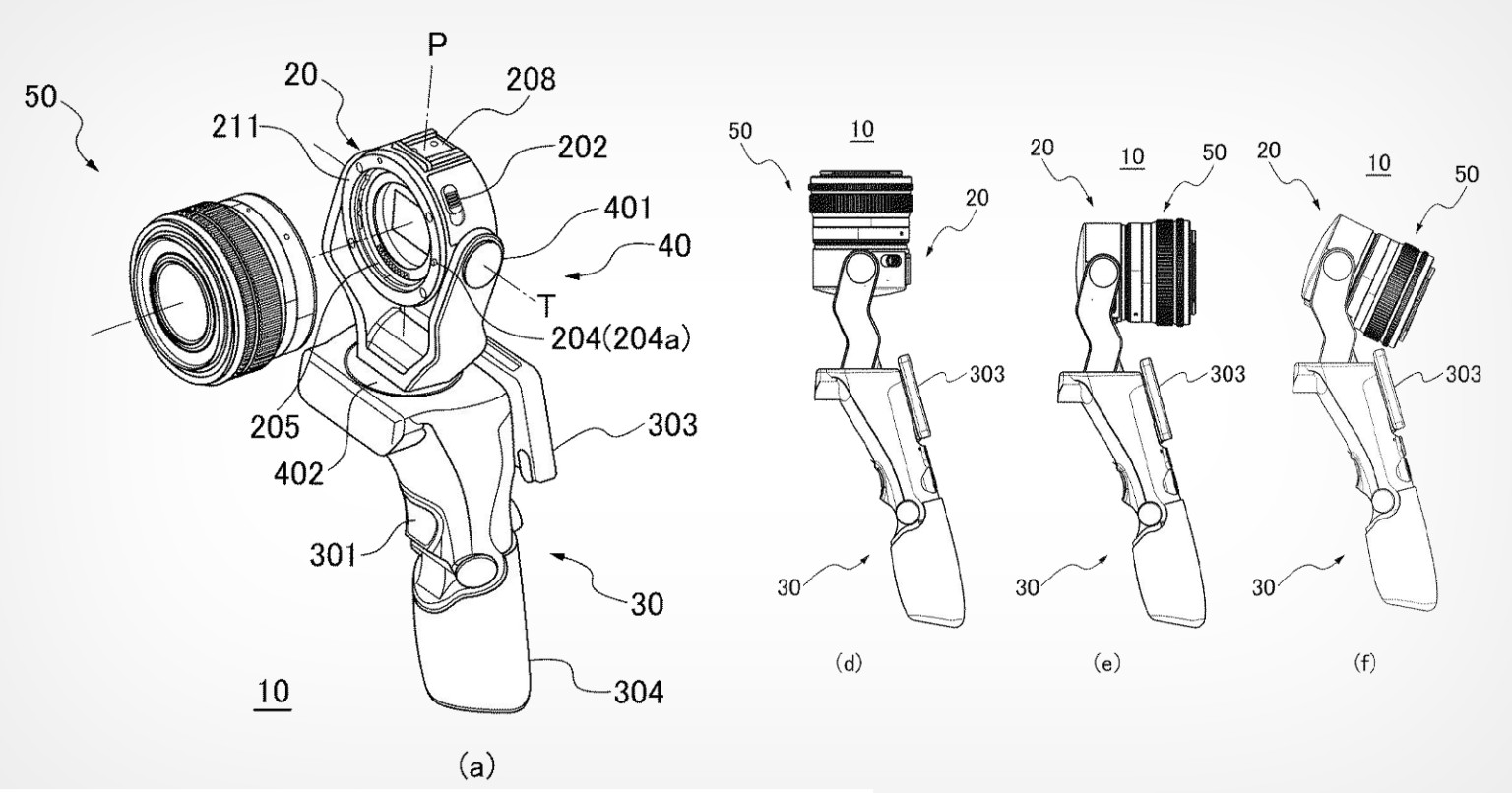
The known camera giant Canon might be working on a new all in one gimbal and camera of its own, which could be similar to and rival the DJI Osmo Pro. A new patent has revealed the design of this gimbal, which slightly resembles the Osmo Pro that launched a few years prior.

Canon

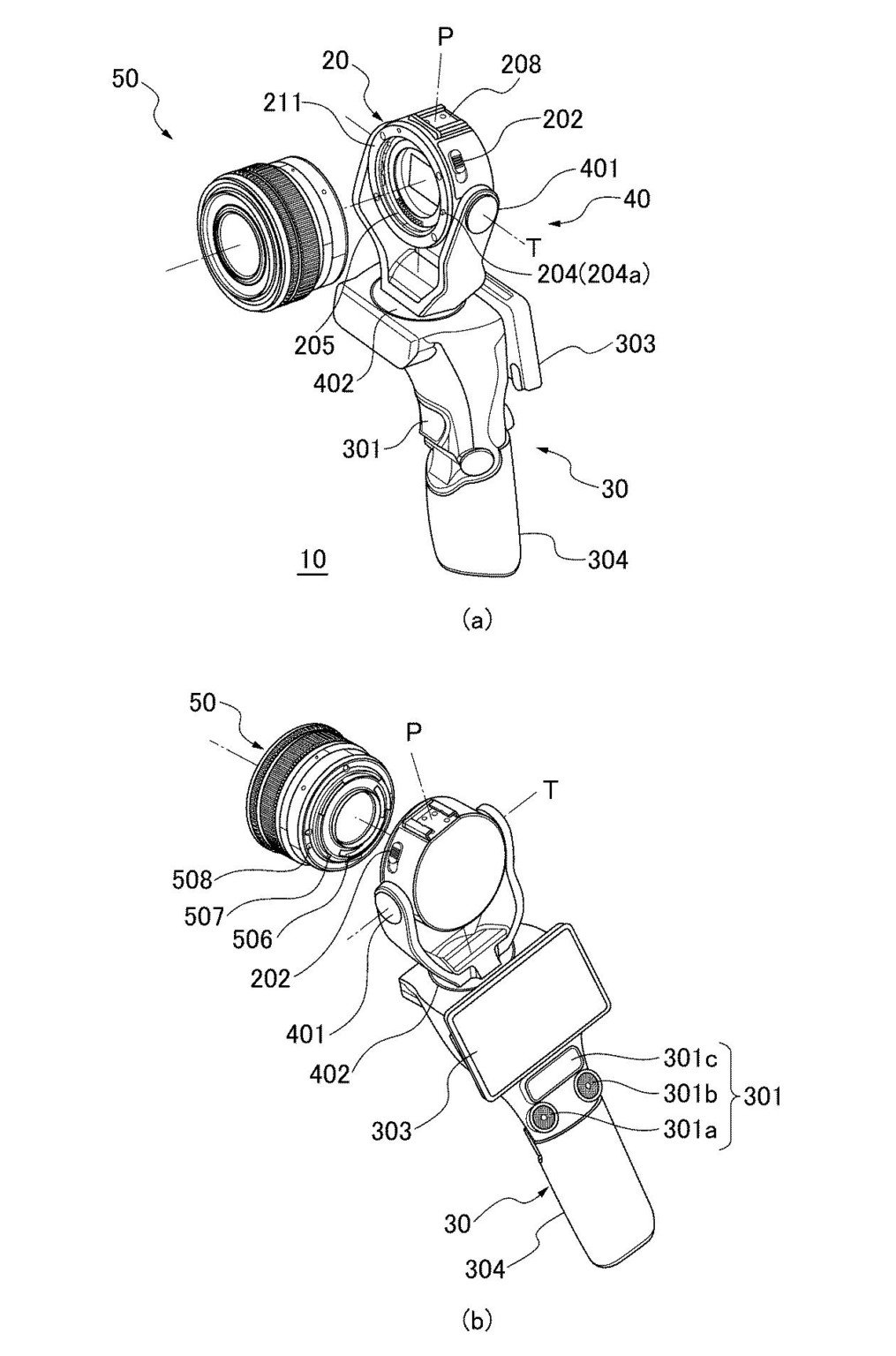
Looking at the new patent, the new Canon gimbal appears to feature a large rear facing screen for viewing and two joysticks for controlling the gimbal. The patent also arrives with drawings of this, which also reveals the overall design of the product. A handle can be observed that houses the battery, a gimbal with two axes, a rear display, the controllers, and the camera sensor itself that has a mounting point for the lenses.

Notably, the camera sensor also has a hot show shoe on the top, which is likely to mount accessories on top of it. Furthermore, there also appear to be various pins in the sketches. This means that there will be certain accessories that draw power directly from the main battery of the gimbal or even share data. An example would be an external flash. What appears to be a toggle switch can also be observed, which might be for in camera stabilizations or to remove the lenses, as per a DroneDJ report.

Canon

The two axis gimbal design offers both pros and cons, as it can improve in stabilization by removing the need for a tilt axis to stabilize the gimbal. although, it would also eliminate the ability to take rolling shots as well. The Canon gimbal might be controlled through the two joysticks and the large touch screen. A larger button can also be seen, which is likely the shitter button for the camera. Unfortunately, this is just a patent and we have no way of knowing if Canon is actually working on this product. However, the company might be trying to expand its product lineup.


Xiaomi Mi 11 Pro to reportedly launch after Spring Festival in China; Mi 11 now on pre-order
Xiaomi officially launched the company’s latest flagship smartphone — Xiaomi Mi 11, which has become the world’s first smartphone to come powered by the latest Qualcomm Snapdragon 888 chipset.

With a starting price of 3,999 yuan (~$612), the device is already up for pre-sale in China and is slated to be available for purchase from 1st January. Now, a leaker “Digital Chat Station” has taken to Weibo to reveal another model in the lineup, the advanced Mi 11 Pro.

Xiaomi Mi 11 Standard
Xiaomi Mi 11

As per the report, the Mi 11 Pro is expected to get launched in China after the Spring Festival, which is mid-February. However, an exact launch date for the smartphone is not yet known but we expect to know more about the phone in the coming weeks.

Coming to the Xiaomi Mi 11, the smartphone features a 6.81-inch 2K display that offers 3200 x 1440 pixels screen resolution, 120Hz refresh rate, 480Hz touch sampling rate, and Gorilla Glass Victus protection.

EDITOR’S PICK: Samsung Display confirms extending LCD panel production indefinitely as demand surges

Under the hood, the device is powered by the Qualcomm Snapdragon 888 SoC, coupled with up to 12GB of RAM and 256GB of internal storage. It comes with an in-display fingerprint scanner and a heart-rate scanner.

In the camera department, there’s a triple-camera sensor on the back that features a 108MP primary sensor with f/1.85 aperture, a 13MP super wide-angle lens with a 120-degree field of view, and a 5MP telephoto-macro lens. On the front side, the device has a 20MP snapper for taking selfies and video calling.

The smartphone runs the Android 11 operating system out-of-the-box with the MIUI 12 on top, although the company has officially released the MIUI 12.5 custom interface. It is powered by a 4,600mAh battery that supports 55W fast wired charging, 50W fast wireless charging, and 10W reverse wireless charging.


Apple AirPods Max now arrives in $108K ‘Pure Gold’ custom edition from Caviar

The Russian luxury brand Caviar has just announced that it would be launching a custom edition of the AirPods Max. The company, known for making luxury variants of popular tech products, has just unveiled the ‘pure gold’ variant of the newly launched Apple hearables from the whopping price of 108,000 US Dollars.

Apple

According to a MacRumors report, the custom AirPods Max will launch sometime in the year 2021 and will arrive in two color options, namely white and black. Each color variant is offered “in a single piece worldwide.” This implies that the headphone will be made to order and could be an exclusive item. Looking at the design of the Caviar custom edition of the Apple AirPods Max, one can easily notice why the headphones are expensive with its gold plating.

As per Caviar’s official notes, the pure gold design “looks elegant, emphasizing the status of the owners and their impeccable taste,” and is made for those who “want to always be on top.” Previously, Caviar had also launched a custom iPhone 12 Pro version, which apparently also housed a small piece of an original Apple I computer’s circuit board. Although, this claim has been disputed.

Apart from its bright gold aesthetic, it is most likely to sound similar to any other pair of AirPods Max headphones. In other words, one is basically paying for the exclusive design and gold plating. This isn’t for the general consumer and is likely being targeted towards Caviar’s elite customer base. Do let us know in the comments section down below what you think of this custom AirPods Max.


OPPO Reno5 Pro New Year Edition goes on sale in China

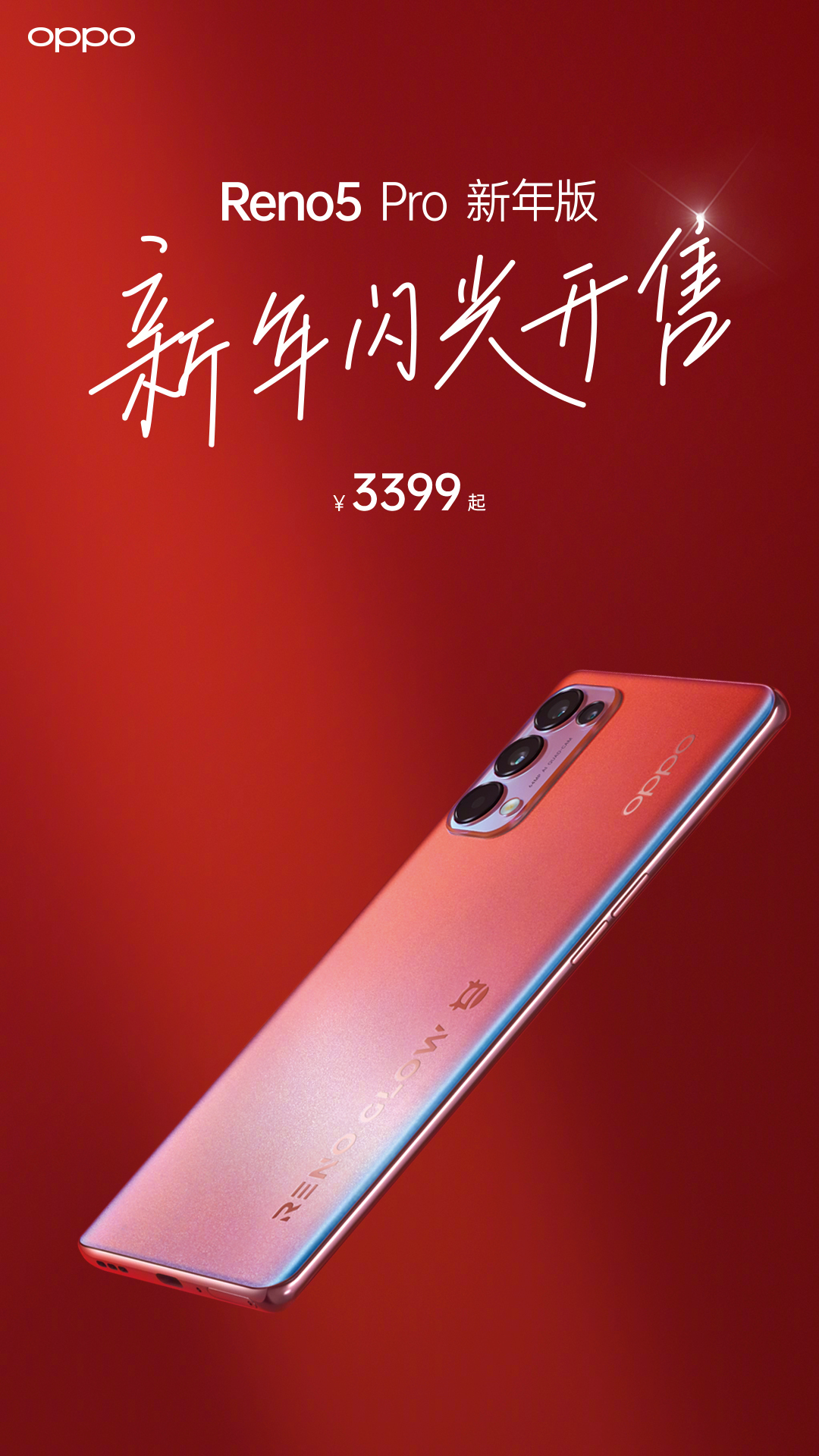
Earlier this month, OPPO announced the OPPO Reno5 5G and Reno5 Pro 5G smartphones in China. The Chinese manufacturer also unveiled the Reno5 Pro New Year Edition along with the Reno5 duo. The special edition of the Reno5 Pro is now available for purchase in China.

As can be seen in the poster, the OPPO Reno5 Pro New Year Edition comes in a Star Wish Red color and it is priced at 3,399 Yuan (~$520). The phone ships with 8 GB of RAM and 128 GB of built-in storage. The other specs of the device remain unchanged as compared to its regular version.

OPPO Reno5 Pro New Year Edition-

OPPO Reno5 Pro specifications

The OPPO Reno5 Pro 5G has a 6.55-inch AMOLED punch-hole display. The 90Hz screen offers a Full HD+ resolution and it comes integrated with a fingerprint reader. For snapping selfies, the phone possesses a front camera of 32-megapixel.

The backside of the Reno5 Pro 5G has a quad-camera system. It includes a 64-megapixel main camera with f/1.7 aperture, an 8-megapixel ultrawide lens, a 2-megapixel macro lens, and a 2-megapixel portrait shooter.

OPPO Reno5 Pro New Year Edition

The Dimensity 1000+ chipset by MediaTek powers the Reno5 Pro 5G along with LPPR4x RAM and UFS 2.1 storage. The device is backed by a 4,350mAh battery that supports 65W SuperVOOC 2.0 fast charging.

In related news, OPPO held a dedicated launch event for the Reno5 Pro+ 5G flagship phone in the previous week. As scheduled, it has gone on sale in China today. Reports have revealed that the device will remain exclusive to China, while the other two models will be releasing in global markets.


Samsung Display extends LCD panel production indefinitely as demand increases

Samsung Display has announced that the company will indefinitely extend the production of LCD panels for TVs and monitors as the demand for these products has increased during the COVID-19 pandemic.

For those who are unaware, the South Korean giant had announced earlier this year in March that it will end the production for all LCD panels by the end of this year and will instead focus on advanced technology.

Samsung Display

EDITOR’S PICK: Xiaomi Mi 11 arrives with the Snapdragon 888, a top-tier display, Harman Kardon speakers, and more

However, Samsung Display hinted about this move a couple of months back when Samsung revealed that it is considering a short-term extension. While it has officially extended the production for LCD panels, the company said that the length would depend on the market conditions and profitability.

Samsung had been making LCD panels in South Korea as well as China. But earlier this year, in August, the company sold a majority stake in its Suzhou LCD production unit to TCL Technology Group as the company shifted its focus towards the production of LED panels and the next-generation QD panels.

According to the report from TrendForce, due to the work-from-home or stay-at-home trend sparked by the COVID-19 pandemic this year, there has been a 30 percent increase in global panel demand in Q3 2020.


OPPO Reno5 Pro+ officially goes on sale in China; price starts at 3,999 yuan ($612)

A few days ago, OPPO officially launched its next-generation Reno-series smartphones in its home market China — OPPO Reno5 lineup. The flagship device in the lineup — OPPO Reno5 Pro+ is now available for purchase in China.

It is priced at 3,999 yuan, which roughly converts to $612 for the 8GB RAM and 128GB internal storage model. There’s also a 12GB RAM model which is priced at 4,499 yuan, which is approximately $689. The device comes in two color options — Black and White.

OPPO Reno5 Pro 5G

Coming to the specifications, the smartphone features a 6.5-inch Full HD+ curved display that offers a 90Hz refresh rate. Under the hood, it is powered by the Qualcomm Snapdragon 865 chipset with up to 12GB RAM and 256GB storage.

The phone’s highlight is the camera department, which features a quad-camera setup on the back. There’s a 50MP Sony IMX766 primary sensor, a 16MP ultra-wide-angle lens, a 13MP telephoto lens, and a 2MP maco lens.

EDITOR’S PICK: Xiaomi announces MIUI 12.5 — All-new Features, Supported devices, and Rollout details

On the front side, the device has a 32MP snapper housed inside the punch-hole cutout. Additionally, the phone comes with a three dimensional VC liquid cooling system and supports Hyper Boost 4.0 new GPA-AI frequency conversion technology.

In the software department, the smartphone runs the latest Android 11 operating system with the company’s own ColorOS 11 custom user interface on top. There’s also a gaming mode that offers a 4D experience.

Connectivity options on the device include 5G, 4G VoLTE, Wi-Fi 802.11 a/b/g/n/ac/6, Bluetooth 5.2, GPS, NFC, and USB Type-C port. The device is powered by a 4,500mAh battery that supports SuperVOOC 2.0 65W fast charging technology and reverse charging.


Vivo V2037 spotted at Geekbench could be Vivo’s first phone with Helio G80

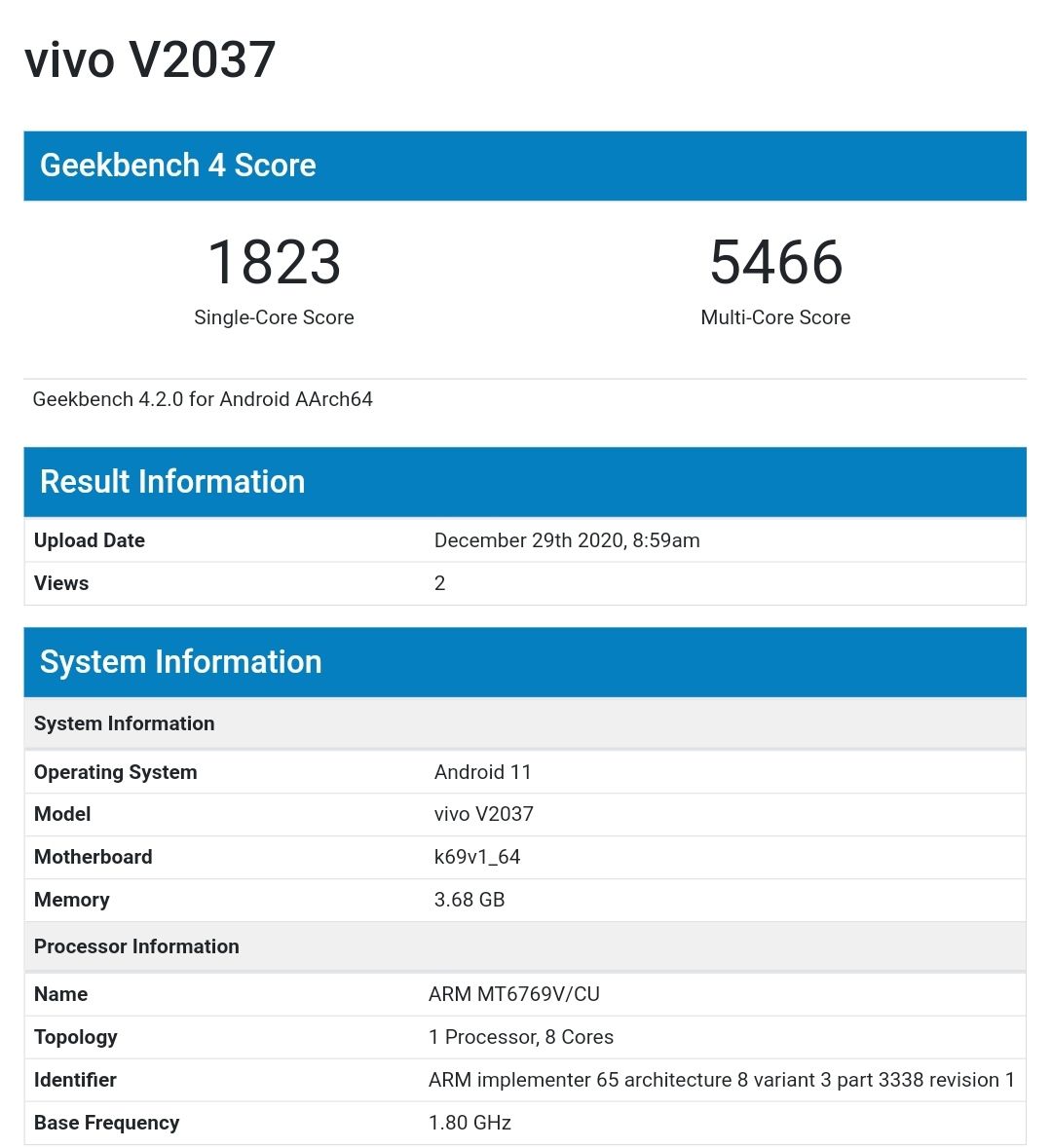
A mysterious Vivo smartphone with model number V2037 has appeared on the Geekbench benchmarking platform. The listing (via) has revealed that it could be an upcoming mid-ranger from the brand.

The Geekbench appearance of V2037 reveals that it is powered by MediaTek’s Helio G80 chipset. The SoC is mentioned with its MT6769V model number in the listing. It is coupled with 4 GB of RAM. The smartphone is preinstalled with Android 11 OS.

In the single-core test, the V2037 phone has scored 1823. It recorded a score of 5466 in the multi-core test. So far, brands like Huawei, Xiaomi, POCO, Realme, and Infinix have launched phones powered by the Helio G80 chipset. The mysterious V2037 could be Vivo’s first phone to feature the SoC. It may break cover as a Y-series mid-range phone. Hopefully, newer reports will reveal more information on the device in the coming days.

Vivo V2037 Geekbench

In related news, Vivo will be launching the Vivo X60 series of smartphones later today in China. The lineup is expected to include three phones such as the Vivo X60, Vivo X60 Pro, and Vivo X60 Pro+. While the Pro+ model is expected to arrive as a Snapdragon 888 SoC powered handset, the X60 and X60 Pro will be the world’s first phones to arrive with the Exynos 1080 chipset.

The Vivo X60 Pro was recently spotted at TENAA with specs such as a 6.56-inch AMOLED FHD+ display, an in-screen fingerprint sensor, a 4,130mAh battery, up to 12 GB of RAM, and up to 256 GB of storage. Its rear has a 48-megapixel + 13-megapixel + 13-megapixel + 8-megapixel quad-camera system and it has a 32-megpaixel camera for shooting selfies. It also features an in-screen fingerprint reader and it is expected to carry support for 33W fast charging.


Redmi 9T moniker appears in NBTC certification, global launch nearing

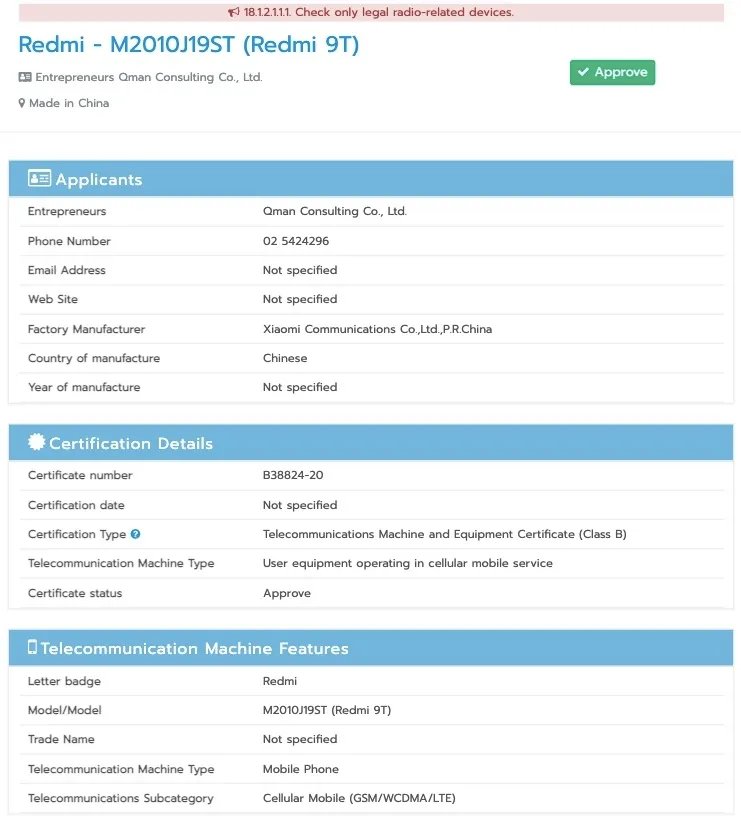
A new Redmi phone with model number M2010J19ST has received certification from the National Broadcasting and Telecommunications Commission (NBTC) authority of Thailand. The listing reveals that the device will be heading to the country as the Redmi 9T. It will be arriving as a rebranded version of an existing Redmi phone.

The model number of the Redmi Note 9 4G that debuted in China last month is M2010J19SC. A variant of the same phone with model number M2010J19SI recently debuted in India as the Redmi 9 Power.

Redmi 9T NBTC

Now, a new variant has popped up in Thailand’s NBTC with Redmi 9T moniker. As far as specs are concerned, the listing only confirms that it carries support for LTE connectivity. It can be said based on a recent report that some global markets will receive the device as Redmi 9T.

Redmi 9T specifications (Rumored)

The Redmi 9T has a 6.53-inch IPS LCD display with a waterdrop notch. The screen delivers a Full HD+ resolution and a 19.5:9 aspect ratio. The Snapdragon 662 mobile platform fuels the device up to 6 GB of RAM. The phone may arrive with up to 128 GB of storage. It features a microSD card slot for more storage. The device is loaded with MIUI 12 based Android 10 OS.

Xiaomi Redmi 9 Power Featured

The 6,000mAh battery of the Redmi 9T supports up to 18W rapid charging. On the photography front, it has an 8-megapixel front camera and a 48-megapixel + 8-megapixel + 2-megapixel + 2-megapixel quad-camera system. It is fitted with a side-facing fingerprint reader.

It is unclear when Xiaomi will be announcing the Redmi 9T. It is likely that the device may go official early in the coming month.


ZTE Axon 20 5G teardown shows how the under-display selfie camera works

Smartphone manufacturers have experimented with different innovative display tech in a bid to entirely remove the notch and bezels from sight. The latest experimentation is Under Display Camera technology. A couple of months back, Chinese tech giant ZTE unveiled the world’s first smartphone with an Under Display camera – the Axon 20  5G.ZTE Axon 20 5G

The Axon 20 5G was recently unveiled for a price tag of $449 for the global market. At the same time, popular YouTuber Zach Nelson of the YouTube channel JerryRigEverything recently posted a video review aimed at the device’s durability.ZTE Axon 20 5G

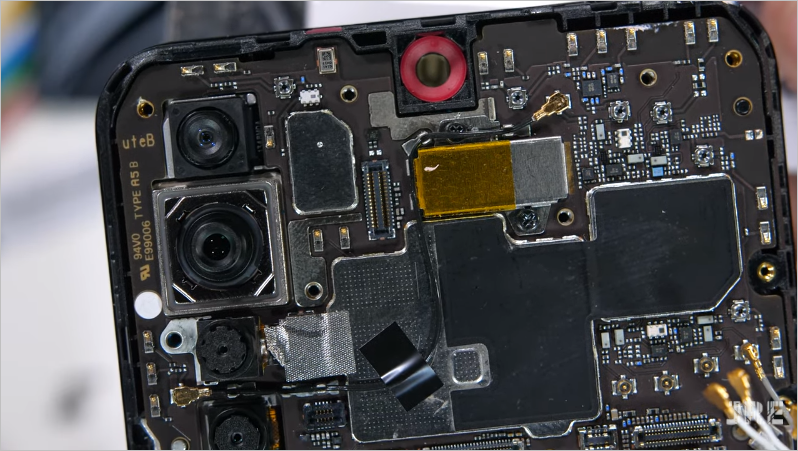
We have now gotten a full teardown video of the Axon 20 5G from the same YouTuber.  The Teardown video gives us a vivid glimpse at the internals especially the under-display camera onboard the Axon 20 5G.

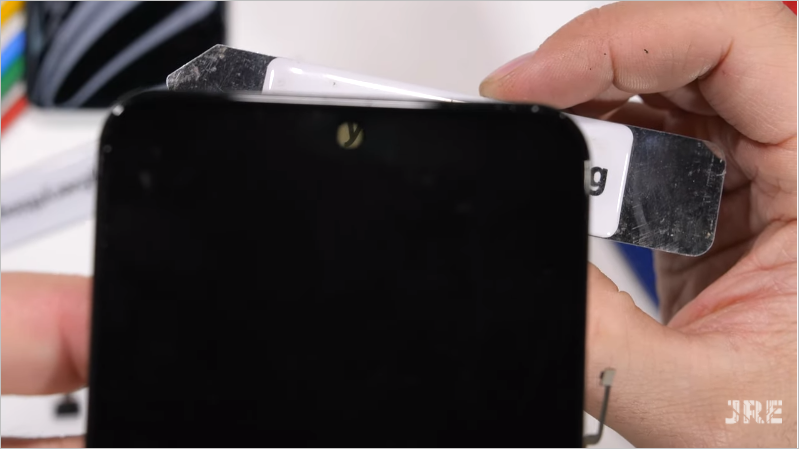
Apart from being only a dismantling of the different segments of an advanced mobile phone, the Axon 20 teardown shows us how ZTE is really utilizing two screens stacked on top of each other. This includes a compact, square screen on top of the selfie cam with a low resolution and the OLED panel on top. This arrangement allows the under-display camera peer out toward the user from underneath the top layer display.

The Axon 20 5G is a first-generation gadget, however, the release is without a doubt a sign of where smartphone design is headed in the near future. Moreso, tech giants strive to protect the edge-to-edge display without settling for cut-outs and notches for things like selfie cams and fingerprint scanners.

Check out the video of the Axon 20 5G teardown from above. You can also check out our video of how Xiaomi flagships have evolved over the years from the Mi 1 – Mi 10 below.


Ulefone is Offering up to 50% off on Aliexpress for Year-End Sale

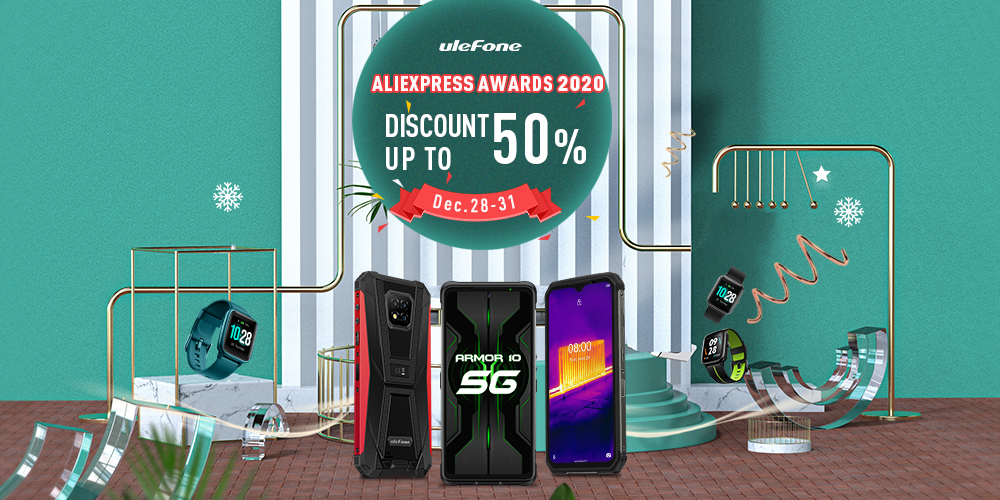
In light of the coming new year, Ulefone has decided to treat the consumers with various deals and discounts. The company is offering up to 50% off on AliExpress that includes this year’s flagship models. We have compiled a list of products the company will be adding to this year-end sale.

Ulefone Armor 10 5G

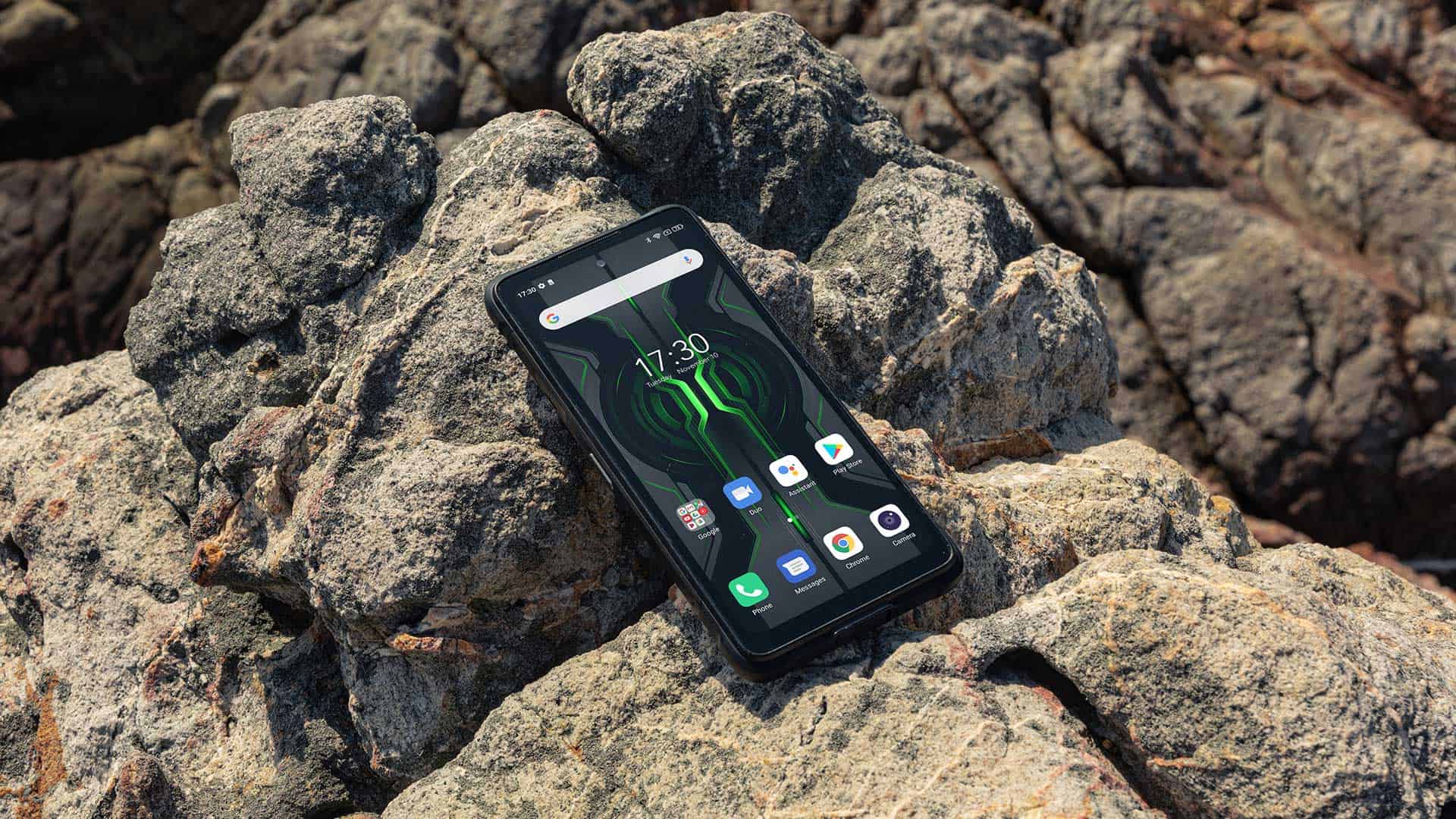
Ulefone Armor 10 5G is powered by MediaTek Dimensity 800 5G SoC and has 8GB of RAM and 128GB of internal storage. It supports both SA and NSA network bands and ultra-fast 5G connectivity. This rugged smartphone packs a 64MP quad-rear camera system and 16MP front camera. It sports a 6.67-inch punch-hole display and comes with a 5800mAh battery and 15W wireless charging. This Ulefone flagship supports NFC and Google Pay.

Currently, Ulefone Armor 10 5G is up with 40% off and is available for just $399.99.Ulefone-Armor-10-5G-image-17

Ulefone Armor 9

Ulefone Armor 9, too, is one of the flagship models and what makes it stand out is that it packs a thermal imaging camera from FLIR that can see through smoke and darkness. It runs on an Helio P90 AI processor with 8GB RAM and 128GB memory configuration. This smartphone features a 6.3-inch FHD+ waterdrop screen and has a 64MP rear camera. Some of its other highlights include a 6600mAh battery, NFC & Google Pay, Android 10 OS, and dual 4G dual VoLTE.

At present, Ulefone Armor 9 is available for only $419.99.UleFone Armor X5 Pro 3

Ulefone Armor 8

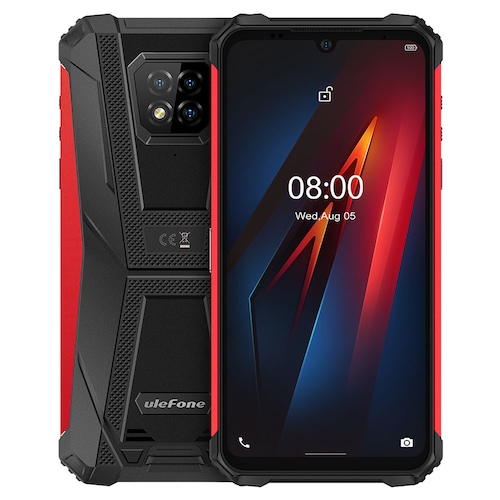
Ulefone Armor 8 is powered by MediaTek Helio P60 octa-core processor and has 4GB of RAM and 64GB of internal storage. It has a 6.1-inch waterdrop screen with a 19.5:9 aspect ratio and a 16MP triple rear camera system with a 5MP macro lens. This Ulefone smartphone runs on Android 10 OS and has a 5580mAh battery capacity.

For this sale, interested users can purchase Ulefone Armor 8 for $145.99.Ulefone Armor 8

Apart from the above flagship phones, the sale also includes two entry-level rugged phones- Armor X5 Pro and Armor X5.

Armor X5 Pro is currently up with a discount of 45% and can be purchased for just $109.99. It features an MT6762 octa-core processor and has 4GB RAM and 64GB ROM. This smartphone boasts a 5.45-inch HD screen and runs on Android 10 OS. Other highlights include a 5000mAh battery, NFC & Google Pay, and a 13MP dual camera. 

Armor X5 Pro and Armor X5 have the same hardware specifications with the only difference being the memory configuration. X5 comes has 3GB of RAM and 32GB of internal storage and is available for just $94.99.Ulefone Armor X5

The current year-end sale features many more models that are up with huge discounts. This promotional sale starts at 0:00 AM on December 28th and ends at 23:59 PM on December 31st.

To know more about the sale, interested users can visit the Ulefone official Aliexpress store.Ulefone year end sale

Nuro robot delivery cars will start operations in California in 2021

Robotic startup firm, Nuro has gotten official approval to start its paid delivery service with autonomous vehicles. This much was revealed by the California Department of Motor Vehicles (DMV). Steve Gordon, DMV director stated that the permit granted to Nuro marks a significant milestone in the evolution of autonomous vehicles in California.
The deliveries of groceries, food, and medicines will begin in two localities in the vicinity of the company’s Mountain View headquarters.Nuro robot delivery cars San Francisco and Silicon Valley’s streets have experienced a surge in self-driving vehicles in their roads for several years, albeit mainly on temporary permits for testing purposes. That has now changed with the entry of robotics-startup Nuro as a paid service provider for autonomous deliveries.

In 2017, the company was given the approval to test its vehicles with safety drivers inside, and in April 2020, the company got further approval to commence testing without safety drivers.

Nuro, earlier this year, raised $500 million as it expands its operations and said it will begin delivery service with modified Prius vehicles set in fully autonomous mode, and thereafter launch its fleet of fully autonomous R2 vehicles, that come without a steering wheel or driver’s seat.

The R2 has a top speed of 56 km per hour and is a four-foot sized car. It operates with thermal imaging, radar, and 360-degree cameras, to drive on the public road safely and intelligently.Nuro robot delivery cars

The company expects its new service to make an instant hit with Californians, as the delivery service will help streamline the lives of big, busy families, while also taking care of the needs of persons who can’t drive for one reason or the other.

The delivery service is just a tip of the expansion plans of the company, which recently announced the acquisition of autonomous trucking firm, Ike, for an undisclosed sum.
Nuro has also filed several patents including one to capture smart advertisements displayed on the side of a self-driving vehicle.

You can also check out our video below of how Xiaomi flagships have evolved over the years from the Mi 1 – Mi 10.


(via)


Xiaomi Mi 10 Lite 5G vs OnePlus Nord N10 5G vs Moto G 5G: Specs Comparison

Are you looking for a 5G-enabled phone with a Qualcomm chipset but you want to spend the minimum amount of money possible? In the global market, you actually have very interesting options. This comparison lists three of the best ones among 5G affordable phones: Xiaomi Mi 10 Lite, OnePlus Nord N10 5G, and Motorola Moto G 5G. In several communities I manage, I saw a lot of people unsure about which one to choose between devices like these ones, that is why I believe this comparison might be very useful to help people make the best choice for their needs. Let’s begin.

Xiaomi Mi 10 Lite 5G vs OnePlus Nord N10 5G vs Motorola Moto G 5G

Xiaomi Mi 10 Lite OnePlus Nord N10 5G Motorola Moto G 5G
DIMENSIONS AND WEIGHT 164 x 74.8 x 7.9 mm, 192 g 163 x 74.7 x 9 mm, 190 grams 166.1 x 76.1 x 9.9 mm, 212 grams
DISPLAY  6.57 inches, 1080 x 2400p (Full HD+), Super AMOLED 6.49 inches, 1080 x 2400p (Full HD+), 406 ppi, 20:9 ratio, IPS LCD 6.7 inches, 1080 x 2400p (Full HD+), 393 ppi, 20:9 ratio, LTPS IPS LCD
PROCESSOR Qualcomm Snapdragon 765G, octa-core 2.4 GHz Qualcomm Snapdragon 690 5G, octa-core 2 GHz Qualcomm Snapdragon 750G, octa-core 2.2 GHz
MEMORY  6 GB RAM, 128 GB – 8 GB RAM, 128 GB – 8 GB RAM, 256 GB 6 GB RAM, 128 GB – micro SD slot 4 GB RAM, 64 GB – 6 GB RAM, 128 GB – micro SD slot
SOFTWARE  Android 10, MIUI Android 10, Oxygen OS Android 10
CONNECTIVITY  Wi-Fi 802.11 a/b/g/n/ac, Bluetooth 5.1, GPS Wi-Fi 802.11 a/b/g/n/ac, Bluetooth 5.1, GPS Wi-Fi 802.11 a/b/g/n/ac, Bluetooth 5.1, GPS
CAMERA  Quad 48 + 8 + 8 + 2 MP, f/1.8 + f/3.4 + f/2.2 + f/2.4
16 MP front camera
Quad 64 + 8 MP + 5 + 2 MP f/1.8, f/2.3, f/2.4 and f/2.4
16 MP f/2.1 front camera
Triple 48 + 8 + 2 MP f/1.7, f/2.2 and f/2.4
16 MP f/2.2 front camera
BATTERY  4160 mAh, fast charging 22.5W 4300 mAh
Fast charging 30W
5000 mAh, Fast charging 20W
ADDITIONAL FEATURES Dual SIM slot, 5G Dual SIM slot, 5G Dual SIM slot, 5G

Design

Given that they are affordable phones, Xiaomi Mi 10 Lite, OnePlus Nord N10 5G, and Motorola Moto G 5G Plus are built with cheap materials. They have a plastic design and their look is what makes the difference. If you prefer the punch holes instead of the notch like most people, you would better go for the OnePlus Nord N10 5G or the Motorola Moto G 5G Plus. But with the Xiaomi Mi 10 Lite 5G, you actually get better color variants (gradient) and a cleaner back thanks to its in-display fingerprint scanner. Further, the Xiaomi Mi 10 Lite 5G is thinner and lighter, that is why I would go for it.


Display

The most advanced display belongs to the Xiaomi Mi 10 Lite 5G: the only one which boasts an AMOLED display. Besides providing more vibrant colors and deeper blacks thanks to its OLED display, it even comes with the HDR10+ certification allowing for better image quality on streaming platforms. The OnePlus Nord N10 5G lacks an OLED display, but it has a higher 90 Hz refresh rate which is useful for gamers and provides a smoother viewing experience. Motorola Moto G 5G has a pretty nice LTPS panel with the HDR10 certification, but it has a standard refresh rate. Note that Xiaomi Mi 10 Lite 5G is also the only one with an in-display fingerprint scanner, as mentioned above.


Hardware/Software

If you need the most advanced hardware, choose the Xiaomi Mi 10T Lite. It is powered by a more powerful Snapdragon 765G chipset paired with up to 8 GB of RAM and up to 256 GB of UFS 2.1 internal storage. Right after, there is Motorola Moto G 5G with a Snapdragon 750G and a 6/128 GB configuration in the most expensive variant. You get the same memory configuration with the OnePlus Nord N10 5G, but the chipset is the Snapdragon 690 5G which actually comes with an inferior GPU. OnePlus Nord N10 5G and Xiaomi Mi 10 Lite 5G have a customized user interface based on Android 10, while Motorola Moto G 5G is close to stock Android.


Camera

The most advanced camera department is the one provided by the OnePlus Nord N10 5G, equipped with a 64 MP quad-camera on the rear side. The second place goes to the Motorola Moto G 5G which comes with a 48 MP main sensor boasting a bright f/1.7 focal aperture. In each case, we are talking about midrange camera phones.


Battery

The battery king is the Motorola Moto G 5G with a huge 5000 mAh battery providing a full-day battery life even with intensive usage. With the OnePlus Nord N10 5G you get the fastest charging technology thanks to 30W power.


Price

OnePlus Nord N10 5G, Xiaomi Mi 10 Lite 5G, and Motorola Moto G 5G are actually priced around €300/$366, but you can also find them for less than €250/$305 thanks to online street prices. The most interesting device is the Xiaomi Mi 10 Lite since it boasts an AMOLED display and a more compact design, but some may prefer the OnePlus Nord N10 5G for its great cameras or the Moto G 5G due to stock Android and its bigger battery.


Xiaomi Mi 10 Lite 5G vs OnePlus Nord N10 5G vs Motorola Moto G 5G: PRO and CONS

Xiaomi Mi 10 Lite 5G

PROS

  • AMOLED HDR10+ display
  • More affordable
  • IR blaster
  • Great street prices

CONS

  • Inferior cameras


OnePlus Nord N10 5G

PROS

  • 90 Hz refresh rate
  • Best cameras
  • 30W fast charging
  • Stereo speakers

CONS

  • IPS display


Motorola Moto G 5G

PROS

  • Bigger battery
  • Stock Android
  • HDR10 display
  • Wide panel

CONS

  • IPS display

Tesla will reportedly commence operations in India in 2021

Electric cars giant, Tesla Inc will begin operations in India early next year, according to the country’s transport minister, Nitin Gadkari, who made the statement in an interview he granted a national newspaper, the Indian Express on Monday.tesla logo

The electric-car maker will commence its India rollout by first having a dealership in the country and then it may consider a more active presence via vehicle assembly and manufacturing, based on the initial feedback from the first stage, the minister told the newspaper.

Tesla is yet to make any definitive statement on the issue and it is unclear whether the Minister was speaking on the basis of advanced talks with the electric car maker. Also, the Minister’s office is yet to put out any statement concerning the matter.

India has been very keen to drastically scale down its reliance on oil to meet its growing energy and transportation needs, as well as reduce its carbon footprint by cutting down on pollution, but the plan to promote electric cars as an alternative, have been slowed down by a lack of investments in manufacturing and infrastructure such as charging stations.Tesla Model S

The first electric car model to be launched will be Model 3, the cheapest among Tesla vehicles, with prices hovering around $74,739 (5.5 million Indian rupees). This information was culled from a report in the Economic Times on Saturday.

In a positive spin to the impending India rollout from 2021, Tesla’s Chief Executive Officer Elon Musk on Sunday confirmed the news via his verified Twitter handle but said it would not happen in January.

In October 2020, the government of the Indian state of Maharashtra had invited the company to the state, several weeks after CEO Elon Musk hinted at making an entry into the sub-continent in 2021.

UP NEXT: Tipster hints the OnePlus 9 series won’t have a periscope lens


(source)


Yet another rumor says Apple’s 2021 iPad Pro with Mini-LED display is still on the cards

Apple iPad and its Mini-LED rumors never seem to die out as a recent report by DigiTimes says it’s coming sooner than expected. Despite being a ‘Pro’, Apple’s iPad Pro 2020 still doesn’t have an OLED tech. And several reports so far have speculated launch dates from next year to 2022.

iPad Pro (2018) featured

According to the report(via MacRumors), Apple will launch a 12.9-inch iPad Pro with a Mini-LED display in 2021. However, unlike the old rumors, this report says it’s coming sooner in Q1 which, if true, is somewhere around January-March. Additionally, a popular integrated touch display solutions maker GIS will churn out integrated touch modules for this iPad Pro.

Precisely, GIS(General Interface Solutions) has already allotted NT$2.198 billion (US$76.3 million) and NT$1.421 billion investments in China. The above investments(from Aug and Nov 2020) are going to help GIS for expanding operations at its subsidiary in Chengdu.

Apart from already producing integrated touch modules for iPads and MacBooks, it will reportedly invest another NT$753 million for automation to speed up the process.

Earlier in November, popular analyst Ming-Chi Kuo predicted that Apple will launch a Mini-LED iPad by Q2 2021. Later, a report from Korea said it could happen sometime before the first half of next year but a few tipsters believed it’s might happen a year later(2022). Anyway, today’s report somewhat corroborates with Ming-Chi Kuo’s prediction but we need concrete proofs to lay firm on them.

Apart from the Mini-LED rumors, a report says Apple will introduce a whole new Hybrid OLED display tech on iPads from 2022. It is reportedly thinner than a typical OLED with more strength. Also, for the unware, Mini-LED is typically an LCD tech but has thousands of small backlit LEDs(<0.2mm) instead of a single strip. It combines the crispier and contrasty images of OLED tech and blends them with higher brightness(than OLEDs).


Hisense L9F Laser TV series equipped with a smart AI camera launched

Hisense has recently launched a new laser TV series dubbed Hisense L9F Laser TV series. The new laser Tv series is available in two sizes- 75 inches and 80 inches models. It also happens to be Hisense’s first smart TV equipped with an AI camera.Hisense L9F Laser TV

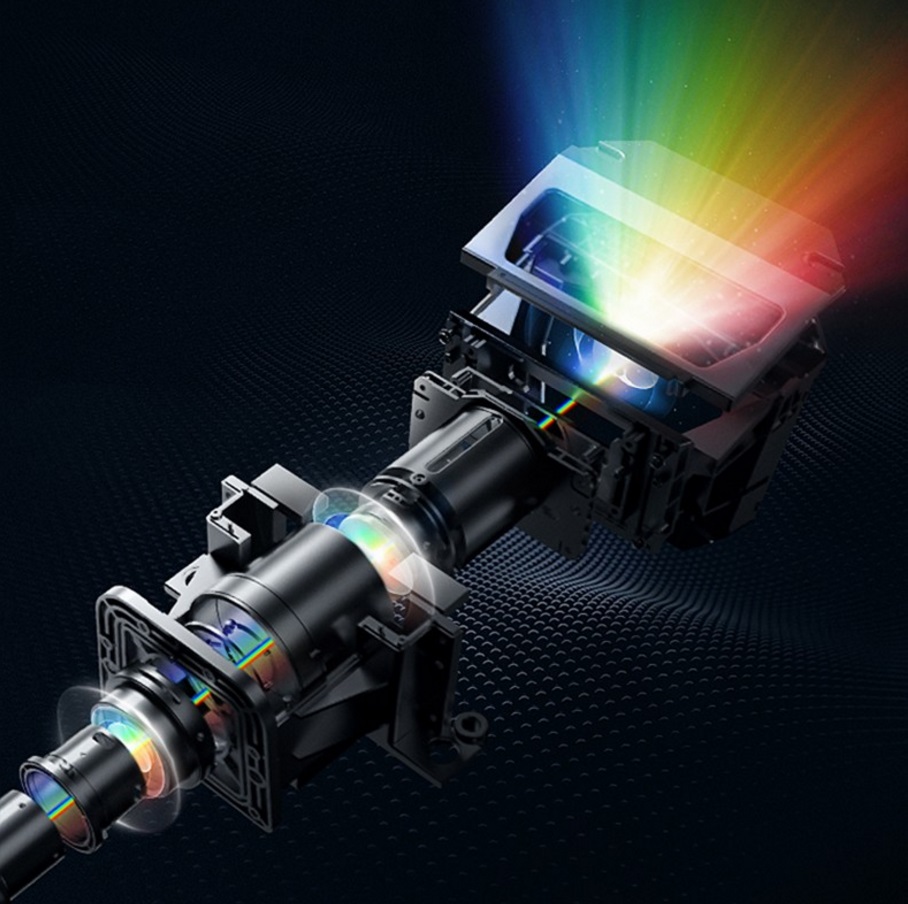
In terms of the light source, Hisense L9F Laser TV adopts a three-color independent laser light source which achieves a wide color gamut of 107% BT.2020, which is wider than DCI-P3. In addition, the D-Max chip can enhance the brightness, the heat dissipation system ensures the service life, and the TV resolution can reach 4K. Hisense L9F Laser TV

Hisense L9F series laser TV adopts a special reflective screen, which can resist ambient light and improve the picture clarity. The maximum brightness can reach 380nit, and a good viewing experience can be obtained during the day. The TV supports the distance detection function, and the brightness is automatically reduced within 1 meter for comfortable eye protection. In addition, the best viewing distance of this TV is about 3 meters.Hisense L9F Laser TV

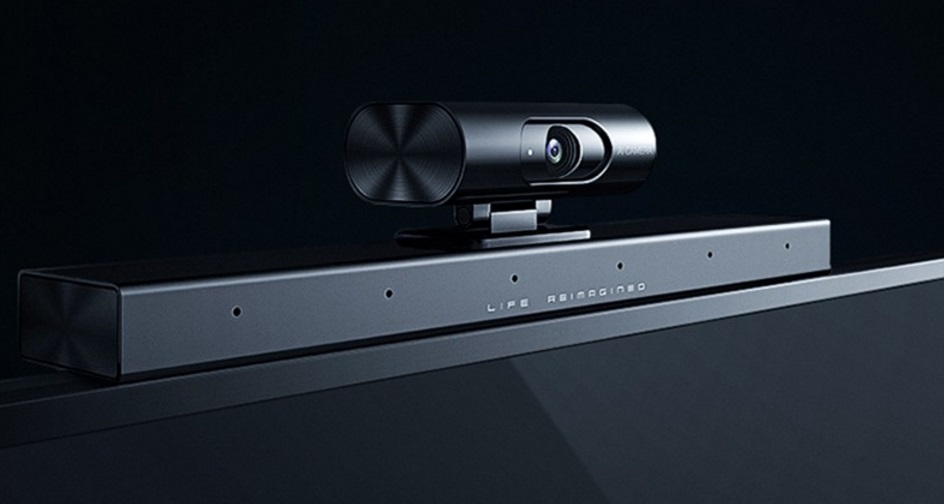
The TV host has its own audio and built-in DTS Virtual:X virtual surround sound technology. The 1080P AI camera uses a large-size photosensitive element. The TV is also equipped with a microphone, supporting voice control, and 6-channel video calls. The camera supports 35-degree pitch adjustment, with AI fitness, K song and microphone, and magic mirror cute shooting function.Hisense L9F Laser TV

Hisense L9F Laser TV series has a built-in MediaTek MT9639 quad-core processor paired with 3GB of RAM and 128GB of internal storage which can ensure smooth usage. As for the pricing, the 75-inch model with model number 75L9F is priced at 13,999 yuan (~$2,141) while the 80-inch model 80L9F is priced at 19,999 yuan (~$3,059). The product is on sale on Hisense’s official store.

You can also check out our video below of how Xiaomi flagships have evolved over the years from the Mi 1 – Mi 10.


‘Made in India’ Lava Smartphone launching on January 7; Fitness tracker to tag along

Lava International Limited., an Indian Smartphone company, recently started making phones for other brands. That hasn’t stopped it from launching its own devices. A new teaser confirms the arrival of a “Made in India” Smartphone. And a report says it could be as many as four devices and a wearable product.

Lava BeU

In a teaser shared by the company, Sunil Raina, President and Business Head, Lava Mobiles talks about the upcoming device that Probably has a centered punch-hole display(from poster). He stressed the words “never before”, “evolved and dynamic engineering”, “history in the making”, and “proudly Indian”. Clearly, he is indicating the device that is made locally.

Anyway, this is not the only device that’s going to be a made-in-India smartphone. The company launched Z61 Pro with an 18:9 display for ₹5,774($78.56) back in July. Last week, the company unveiled the female-centric smartphone Lava BeU for ₹6,888($93). If you see a pattern here, you are not alone.

Lava, after attempting comebacks a few times over the years, is clearly targeting the entry-level segment in the country. And according to the Gadgets360 report, it is going to do the same on next event that is scheduled on January 7 at 12 PM IST. Precisely, the report says it will launch a total of four new devices(excluding Lava BeU) between ₹5,000 and ₹15,000($68-$203) price bracket.

If this wasn’t enough for you, get ready for an all-new fitness tracker from yet another brand, only this time it’s Indian. Anyway, Lava has reportedly confirmed that the products will be available in online and offline stores in the country. Let’s wait for more official news.


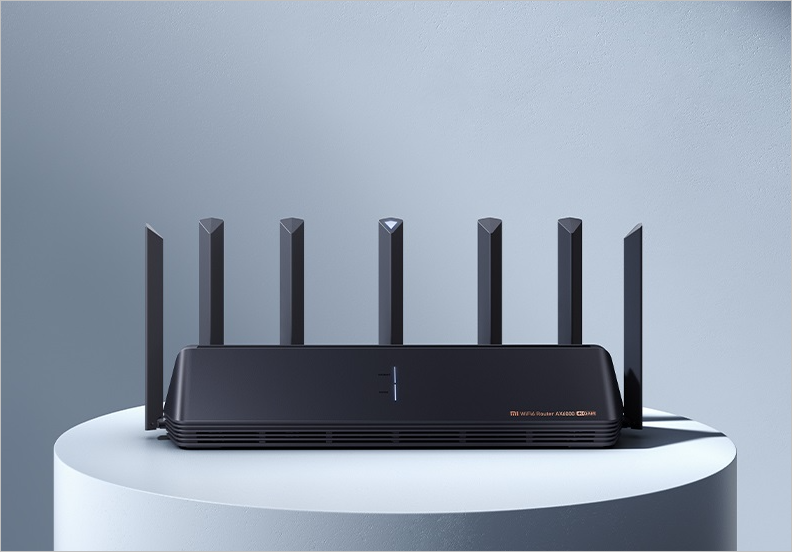
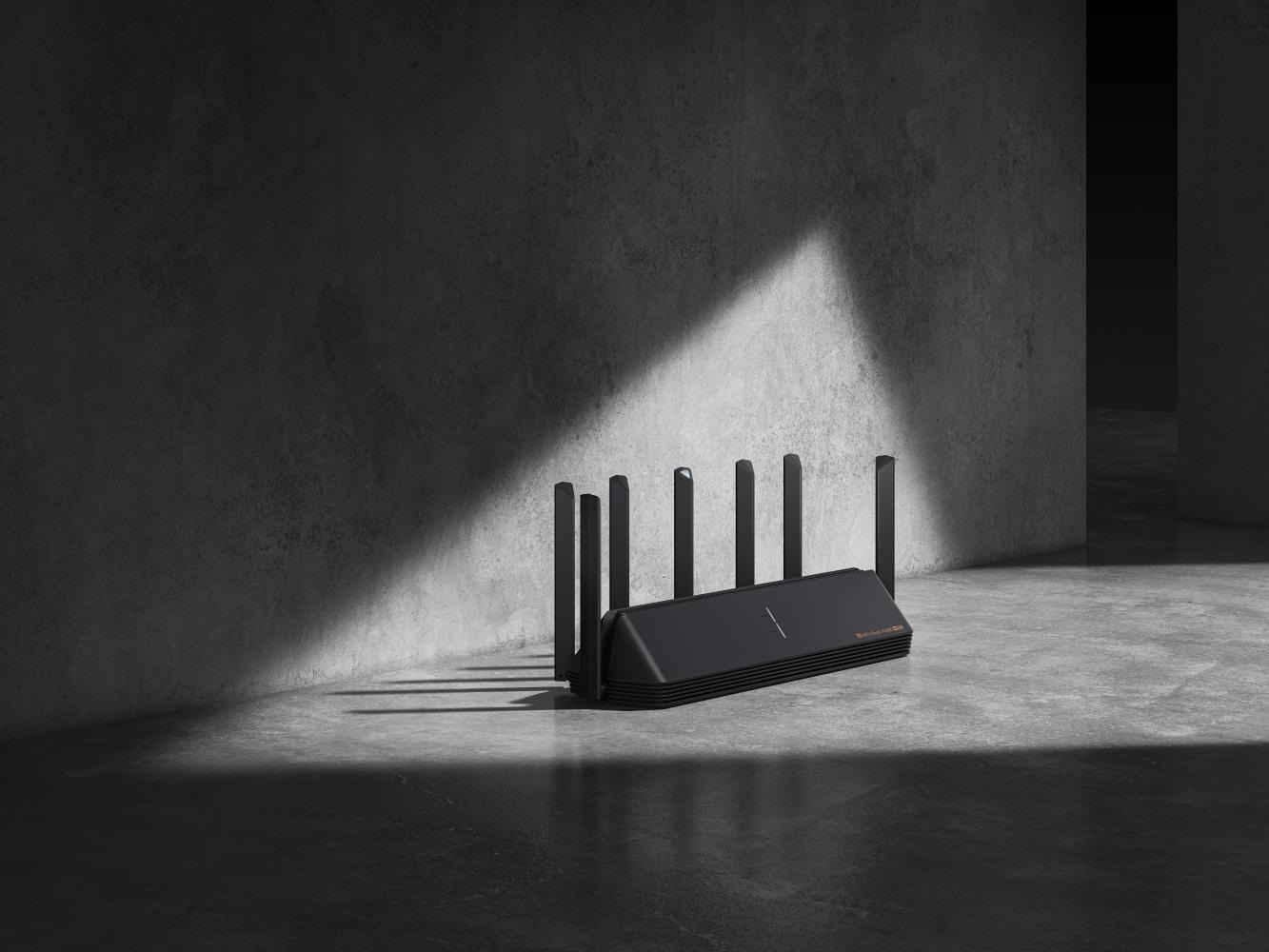
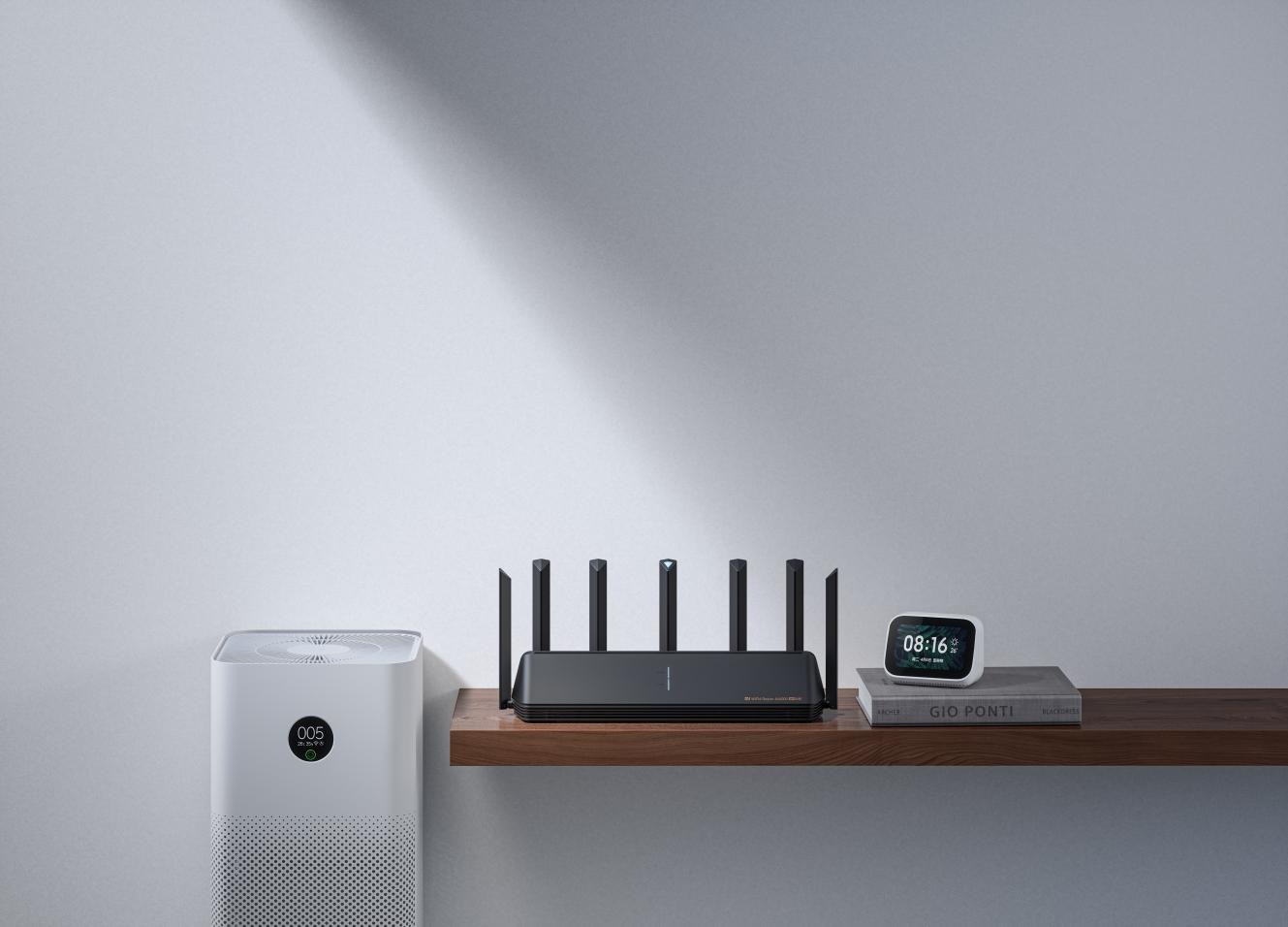
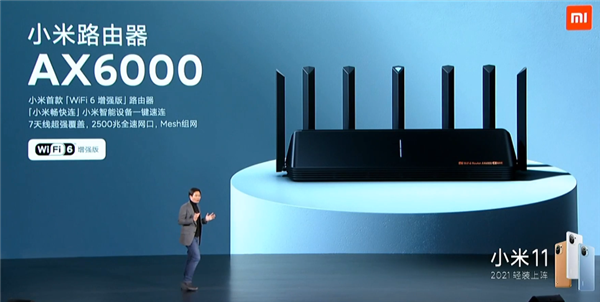
Xiaomi Mi Router AX6000 with Wi-Fi 6 Enhanced technology launched

At the Xiaomi Mi 11 flagship launch earlier today, Xiaomi officially launched the first high-end new router that supports “Wi-Fi 6 Enhanced” technology. The router dubbed Xiaomi Router AX6000 has a wireless rate of 6000 megabytes, which is the highest rate in the current Xiaomi router series.Xiaomi Mi Router AX6000

The router also comes with support for 4K QAM and 2500M full-speed network port and other technologies and configurations, claiming to bring a speed experience different from previous Wi-Fi 6 routers.

First of all, WiFi6 enhanced technology further supports 4×4 160MHz bandwidth, which can make the network speed of Xiaomi Mi 11 and other terminal devices that support this frequency band. Compared with the current mainstream WiFi 6 4×4 80MHz bandwidth, the bandwidth of this current version is doubled and also offers multi-device connectivity.

Secondly, the Mi Router AX6000 is also the world’s first to support the most advanced 4K QAM high-speed transmission technology so far. It can further compress data density and increase the amount of data transmitted at the same time by 20% compared to the previous generation of 1024 QAM. Using Xiaomi router AX6000 with 4K QAM devices such as Xiaomi 11, the network speed can be accelerated by another level.Xiaomi Mi Router AX6000

In terms of hardware ports, the Xiaomi Router AX6000 is equipped with a 2500M full-speed network port. The current household broadband has a trend of surpassing Gigabit. Compared with the Gigabit Ethernet port of traditional routers, the 2500M Ethernet port can better meet the needs of users for broadband upgrades in the next few years.

At the same time, the network port also supports WAN/LAN switching. When using the LAN port mode, it can be combined with a NAS high-speed family private cloud disk, and the high-speed WiFi 6 network can play high-definition videos smoothly.

The Xiaomi Router AX6000 also performs very well in signal coverage and stability. Through six independent signal amplifiers and Xiaomi Mesh networking, it can cope with various complex house types and achieve full house coverage without dead ends.

The router features a dedicated chip from Qualcomm which can provide a more stable network environment. The six independent signal amplifiers built into the Mi Router AX6000 can effectively enhance the signal transmission power and improve the signal reception sensitivity. The signal of the router can pass through the wall better, and the coverage is wider. A single router can also easily cover a large three-bedroom apartment.Xiaomi Mi Router AX6000

In the face of multi-layered houses, the Mi Router AX6000 supports Xiaomi Mesh networking, which can easily handle various super-large houses and upper and lower multi-layer houses. The device can automatically roam between multiple routers seamlessly, and you can walk and play without getting stuck.

As the network hub of the smart home, the Mi Router AX6000 can also bring a convenient experience unique to the Xiaomi AIoT ecosystem. The router comes with 512MB of RAM and supports simultaneous access of 248 devices.

Also, you can configure access to the network without entering a password. After the router changes the Wi-Fi password, the new password will also be synchronized to all Xiaomi smart devices that support the Xiaomi ChangKai Connect function. The devices use the new password to automatically connect to the router without resetting the network configuration one by one.Xiaomi Mi Router AX6000

In addition, the Xiaomi router AX6000 can also intelligently identify Xiaomi/Redmi phones and open exclusive acceleration channels in gaming scenarios. This significantly reduces game delays and freezes.

As for the pricing, the Mi Router AX6000 is priced at 599 yuan (~$91) and is presently on reservation in China. The device will be available for sale at 10:00 am on January 8.

You can also check out our video below of how Xiaomi flagships have evolved over the years from the Mi 1 – Mi 10.


Sony Xperia 1 III could cost the same as its predecessor; Alleged Specs leaked

Sony unveiled the Xperia 1 II flagship smartphone back in February 2020. The device had a vibrant 4K screen(a rarity with flagships), Snapdragon 865 SoC, and a sleek body. It looks like Sony wants to maintain the form factor, price but crank it up a notch in specs on the successor.

Sony Xperia 1 II White Featured

A Twitter user @TheGalox_(via ITHome) has revealed the alleged specs of the upcoming Sony Xperia 1 III smartphone. If it’s true, this should be the next iteration of the Xperia flagship from Sony going by the norm. Anyway, the surprise is it will reportedly cost the same as the predecessor.

If you recall, Sony revealed the launch price of Xperia 1 II months after its announcement. It was priced at 7,838 yuan( $1,199) in the US. As per the user, Xperia 1 III will feature a 6.5-inch 4K OLED HDR display. The same size indicates that Sony is likely to retain the form factor with a 21:9 cinematic ratio.

While he didn’t say anything about the bump in refresh rate, screen protection, he does say that the screen will be 15% brighter. Under the hood, it will feature a Snapdragon 888 SoC which is a no-brainer at this point. This means, Xperia lineup will follow the 5G-ready lineup trend as well.

Further, the device will reportedly retain the side-mounted fingerprint sensor, and 8GB RAM, 256GB storage option from the predecessor. However, Sony might pull-off a last-minute magic and launch additional variants too so let’s wait for official news.

Apart from this, he says the device will also have an IP65/68 water and dust resistance. But looking at the Xperia 1 II, we can safely say that it would at least be IP68-rating. That said, there’s still no info on the camera and other specs but it won’t take that long to appear on our radar.

It was recently reported that Sony canceled the Xperia 10 II Plus plans and planned to go ahead with all-5G devices in the future. With that in mind, we guess Sony would differentiate the mid-range from flagships through Camera and display. The Xperia 1 III aside, Sony is also rumored to be working on a compact smartphone with Snapdragon 775 and the successor to Xperia 10 II.