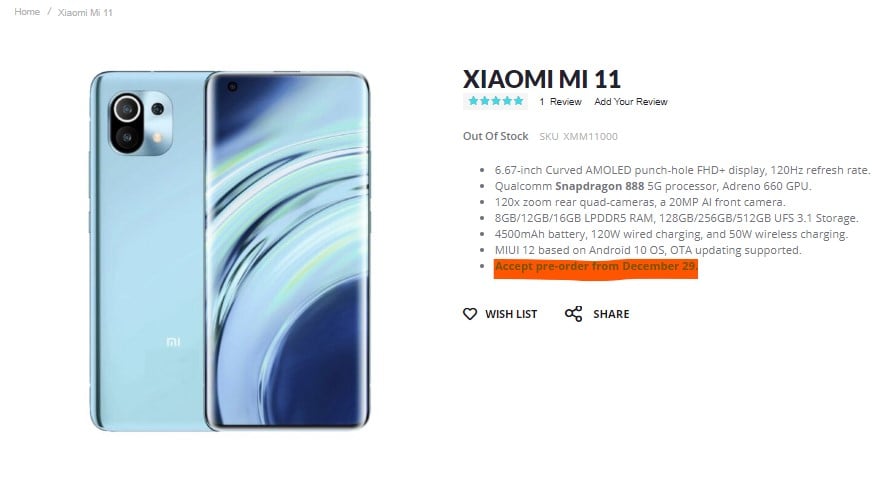
Xiaomi is all set to become the first manufacturer to launch a new smartphone running the Snapdragon’s newest chipset – Snapdragon 888. Xiaomi Mi 11 will launch on December 28 and the pre-orders will be live on Giztop from December 29. However, the specifications of the device are not yet official. But, recent rumours and leaks have grounded important information about the device.
Giztop offers international shipping at the same official price of the product. The users around the globe would be able to pre-order the device from December 29. However, the shipping date is not yet confirmed, but we expect more information after the device gets official.
Xiaomi Mi 11 Specs (Rumored)
In terms of specifications, the Xiaomi Mi 11 will be arriving with a 6.67-inch Curved AMOLED punch-hole display carrying curved edges. The display will feature Quad HD+ resolution and 120Hz refresh rate. It will debut in different storage options including 8GB RAM + 128GB storage and 12GB RAM + 256GB internal storage. There will be different colour options including Smoke Purple, Blue, and White.
It is speculated to feature a 108-megapixel triple camera module. There will be a 5000 mAh battery and 55W fast charging support. However, it will arrive loaded with Android 11 OS based MIUI 12.
In 2019, Motorola launch a wide range of smartphones in various markets. By launching the Motorola Edge and Edge+ also returned to launch flagship phones this year. Today, the company confirmed the names of the smartphones that are eligible to receive the Android 11 OS upgrade.
Among the various phones last year by Motorola, the Android 11 OS update will be only made available to the Motorola Razr (2019), Motorola One Action, Motorola One Vision, and Motorola One Hyper. The list does not include phones like the Moto G7 series, Moto G8 Plus, G8 Play, E6 series, Z4, and One Zoom.
The Moto E (2020), Moto E6s (2020), Moto G8 Power Lite, Motorola One Vision, and Moto E7 phones that went official this year are not mentioned in the list. Hence, it is unclear whether these devices will receive the Android 11 OS update or not.
Lenovo did not confirm when it will begin rolling out the Android 11 OS update. Probably, the flagship and upper mid-range phones could be the first phones that will be updated to the newest version of Android. Users of all the Motorola phones that are eligible to receive the Android 11 update can visit this link to check whether devices are ready to receive the new software.
Xiaomi India has just launched the Mi Robot Vacuum Mop-P in India. The new product is currently available through an open sale in the region and arrives alongside some limited time offers and deals.
The Mi Robot Vacuum Mop-P from the Chinese tech giant is essentially an automatic cleaning robot. It features the company’s advanced and smart solutions that should aid the customers in their cleaning needs. The robot is equipped with a smart Laser Distance Sensor (LDS) navigation system and a 12 way multi directional sensors that can provide an efficient cleaning for every corner of the users’ homes.
The Xiaomi Mi Robot Vacuum Mop-P sports a 2 in 1 sweeping and mopping functionality. Furthermore, it can be controlled via a smart app and sports a quad core Cortex-A7 processor under the hood. In terms of aesthetics, the company stated that the “Mi Robot Vacuum-Mop P is a thoughtfully designed product created for Indian homes.” The launch of the new product is a part of Xiaomi’s plans for growings its IoT portfolio in the region.
The automatic cleaning robot is available for purchase through an open sale on Mi.com, starting from 24,999 INR (roughly 340 US Dollars). As a part of its special launch offer, the company is even offering customers a Mi Smart Speaker along with the Mi Robot Vacuum-Mop P, which is worth 3,999 INR (roughly 54 US Dollars) for free. The company is even offering no cost EMI options for purchase ranging from 3/6/9 months.
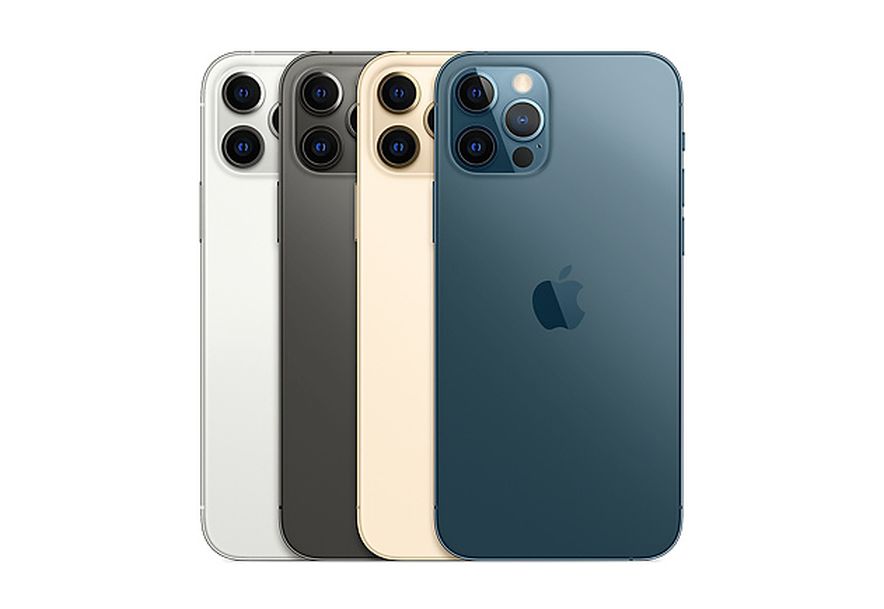
The Apple iPhone 12 has become the world’s highest selling 5G smartphone model in October 2020. This arrives despite the company facing a delayed launch but still managing to reach the milestone just within two weeks of its release.
The base iPhone 12 model took the lead with a global 5G smartphone market share of 16 percent in October 2020. Similarly, the Cupertino based giant’s higher end iPhone 12 Pro arrived second with an 8 percent market share. To put things into perspective, the third highest selling 5G smartphone during this month was the Samsung Galaxy Note 20 Ultra 5G, which only had a 4 percent market share showcasing Apple’s dominance.
According to a Counterpoint Research report, the iPhone 12 and iPhone 12 Pro alone accounted for nearly a fourth of the total 5G smartphone sales in October. Notably, the iPhone 12 even entered into the top 10 best selling list of 5G smartphone for the period of January and October 2020. The Apple handset arrived seventh in the list, which is a considerable achievement as the device was only available for two weeks and even suffered from inventory and stock issues.
The report states that the large pent up demand for 5G upgrades was one of the primary reasons, especially for iOS users, for the iPhone 12 lineups great sales. Furthermore, Apple aggressively promoted its device, especially in the US, which is its largest market, accounting for over one third of the iPhone 12 and iPhone 12 Pro sale alone. The 2020 iPhone series also made a push to mmWave which also helped in raising the mmWave enabled smartphone market to rise to 12 percent in October from 5 percent in September. Lastly, the report also estimates that the iPhone 12 series will carry forward its healthy sales figures to 2021 with a steady momentum.
Recent reports have revealed that Samsung could be soon launching the Galaxy A32 5G smartphone. Reports surrounding it have revealed that it will be the cheapest 5G phone from the brand. A new report by 91mobilessuggests that the company may sell its 4G version in certain markets.
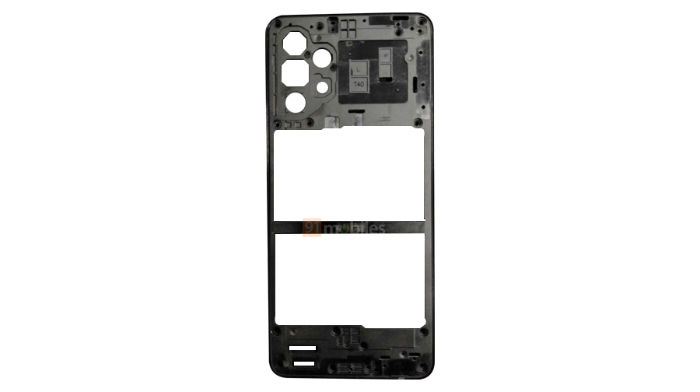
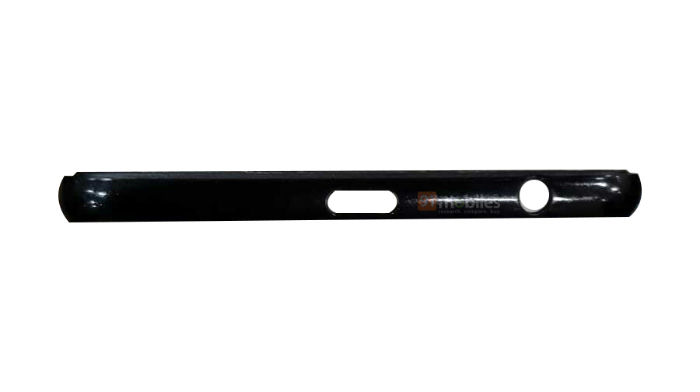
The publication has today shared the live shots of the rear panel of the forthcoming Galaxy A32 smartphone. The images match with the recently seen CAD renders of the smartphone. The new images reveal that the bottom edge of the device will have a USB-C port and a 3.5mm audio jack. The rear shell has cutouts for the quad cameras and an LED flash.
1 of 3
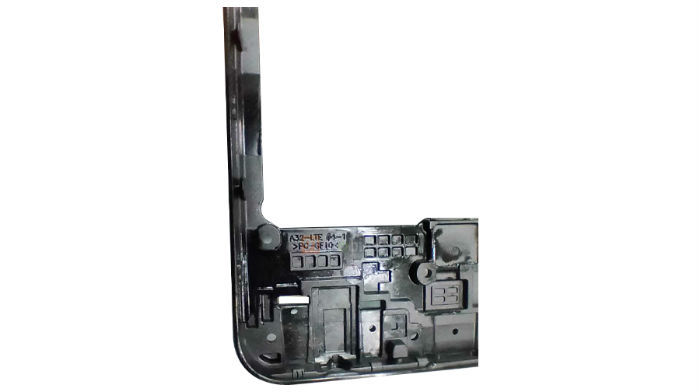
One of the images of the Galaxy A32’s rear shell has “A32 4G LTE” mentioned on it, which indicates that the phone will be arriving in the 4G version as well. It is likely that India will be treated with the 4G version of the Galaxy A32 5G. The 5G-ready countries are likely to receive its 5G variant. While the 5G and 4G versions of the Galaxy A32 5G will have different chipsets, it is unclear whether could be other differences between both variants.
Rumors have it that the Galaxy A32 5G is backed by a 5,000mAh battery. The smartphone could be equipped with a 48-megapixel primary camera. It is likely to arrive at a starting price of around 299 euros (~$365) in the European markets.
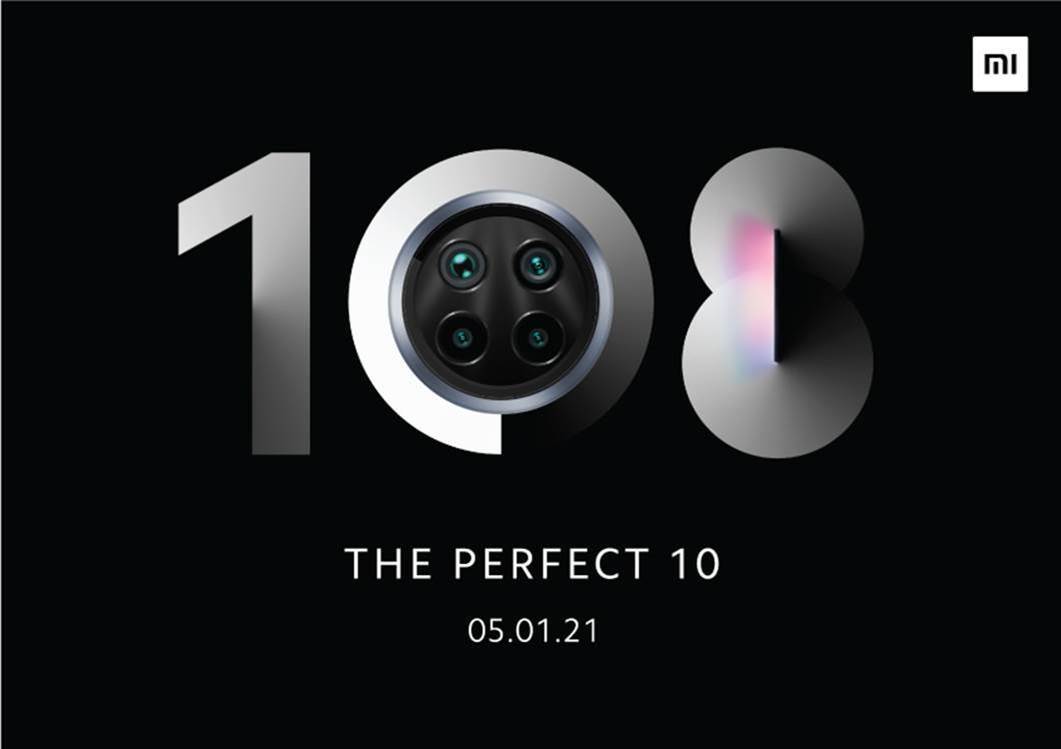
Xiaomi India is teasing to launch a new smartphone on January 5, 2021. As per the teaser poster, this handset will come equipped with a 108MP primary camera. Further, going by the camera layout, this device could be nothing but the rumored Mi 10i, which is said to be a rebadged Redmi Note9 Pro 5G.
Redmi, the sub-brand of Xiaomi launched the China-exclusive Redmi Note 9 series in late November. One of the three devices in this series, Redmi Note 9 4G has already been unveiled for India as Redmi 9 Power with an additional 2MP macro camera.
Similarly, the Redmi Note 9 Pro 5G is expected to debut in India as Mi 10i, as per multiple findings. Now, although Xiaomi India has not confirmed the phone’s official branding yet, it has revealed to announce this handset officially in the country on January 5.
This means the Mi 10i will be the first smartphone launch for Xiaomi India in 2021. As far as specs are concerned, we expect it to be the same as the original Redmi Note 9 Pro 5G, unlike the Mi 10T Lite, which is basically the same phone with a 64MP primary camera.
Last but not least, according to a leak, the Mi 10i will come in 6GB + 128GB and 8GB + 128GB storage variants as well as in Black, Blue, and Orange-Green gradient color options.
Samsung has scheduled an event named “First Look 2021” on 6th January where the company will be unveiling new display technologies along with new products showcasing its “vision for the future of the display.”
There’s a possibility that the company will be showcasing its new lineup of Smart TVs at the event, among others. Interestingly, the event is scheduled just ahead of the Consumer Electronics Show 2021, which will start on 11th January and end on 14th January.
While the company has not yet confirmed this but it’s likely that Samsung will be unveiling its new MicroLED TVs, Mini-LED TVs, as well as new models of its 4K and 8K QLED TVs. Do note that this is just speculation at this point in time.
The invitation poster shared by the company has an outline of devices and going by that, there’s also a possibility of new tablets and laptop devices getting announced at the event, probably featuring the new display technology.
Recently, the South Koren giant unveiled its 110-inch Micro-LED TV which features 4K resolution, zero bezels on all four sides, 5.1-channel speakers, and is powered by the company’s own Tizen operating system.
The Samsung First Look 2021 event will be live-streamed on the company’s website from 11 a.m. EST. To know for sure what’s up the company’s sleeves, we will have to wait till the official event kicks-off.
Samsung is also expected to host another event next month, in January, most likely on 14th January, to launch its next-generation Galaxy S-series flagship smartphones — Galaxy S21, S21 Plus, and S21 Ultra.
Apple has been working on several new technologies and one of them is for the autonomous car with which the company has entered another category of products — Electric Vehicles. Now, there’s some major development related to this.
A new report from Reuters claims that Apple is going forward with its self-driving car technology and is planning to start production by 2024. And it’s not just the car but the company is also working on a “next level” battery technology.
For those who are unaware, the autonomous car project of Apple, called Project Titan, has been in the works since 2014 and the company started the design of its own electric car from the scratch.
However, the project struggled to proceed smoothly and at one point, Apple decided to just focus on the software part of the technology. But a couple of years back, Doug Field returned to Apple from Tesla to oversee the project and revamped the team.
It seems that the development of this project has been significant enough for the company to build commercial vehicles. Reuters adds that Apple’s goal is to make a personal vehicle for the mass market while its competitors like Google‘s Waymo is building robo-taxis to carry passengers for a driverless ride-hailing service.
The report also sheds light on the battery that could be used in the car. A person aware of the development says that a new battery design could “radically” reduce the cost of batteries and at the same time, increase the vehicle’s range.
It is not yet clear which company would assemble the Apple-branded car. There’s also a possibility that Apple may decide to go ahead with the software part and integrate its technology into a car made by a traditional automaker.
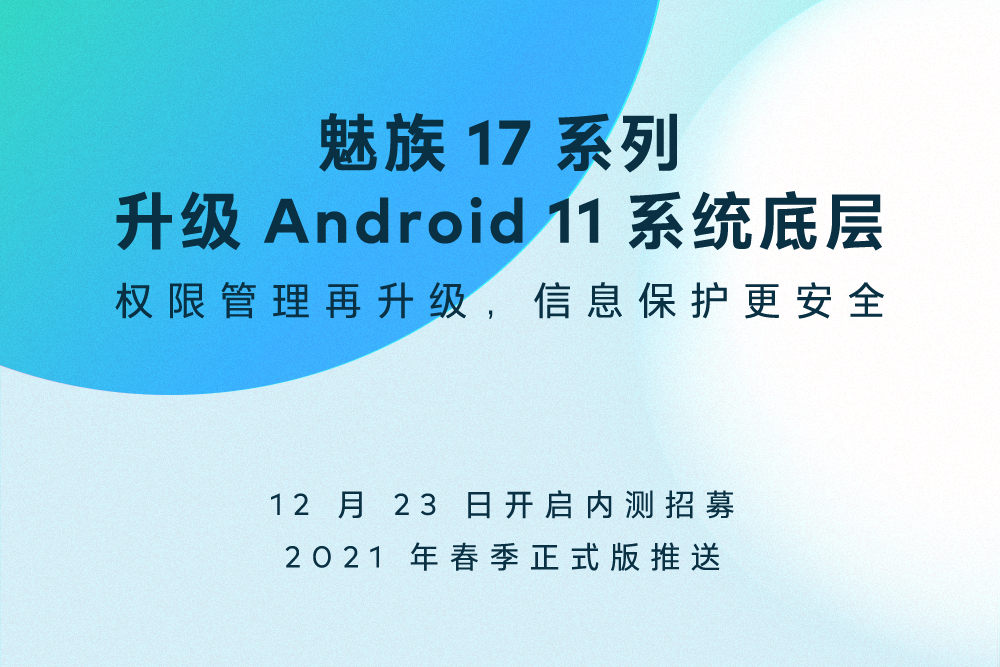
Yesterday, Meizu teased the arrival of Android 11 for its smartphones. Today, the company has officially confirmed the date on which it will start recruiting closed beta testers. Unsurprisingly, the brand’s flagship smartphones – Meizu 17 and Meizu 17 Pro will be the first in line to receive the update.
According to a post by the official Flyme Weibo account, Meizu will open registrations for the Meizu 17 series Android 11 Closed Beta program on December 23. Although the company did not mention when the beta builds will start arriving, it did reveal that the stable release will happen in Spring 2021.
In other words, owners of Meizu 17 and Meizu 17 Pro will have to wait until either the end of Q1 2021 or early Q2 2021 to experience Android 11 on their smartphones. Though the wait seems too long, it is much better than the Android 10 rollout, which only began in late May 2020.
That said, the brand is yet to disclose the list of eligible devices for Android 11. Hence, we are not sure which Meizu phones will be getting the update. Given the firm’s market share, we think only certain handsets such as Meizu 16S, Meizu 16S Pro, and Meizu 16T will make it to the list.
Meizu was once known for its Flyme Android skin. But with diminishing market share, it is sad to see the firm’s software support to degrade over the years.
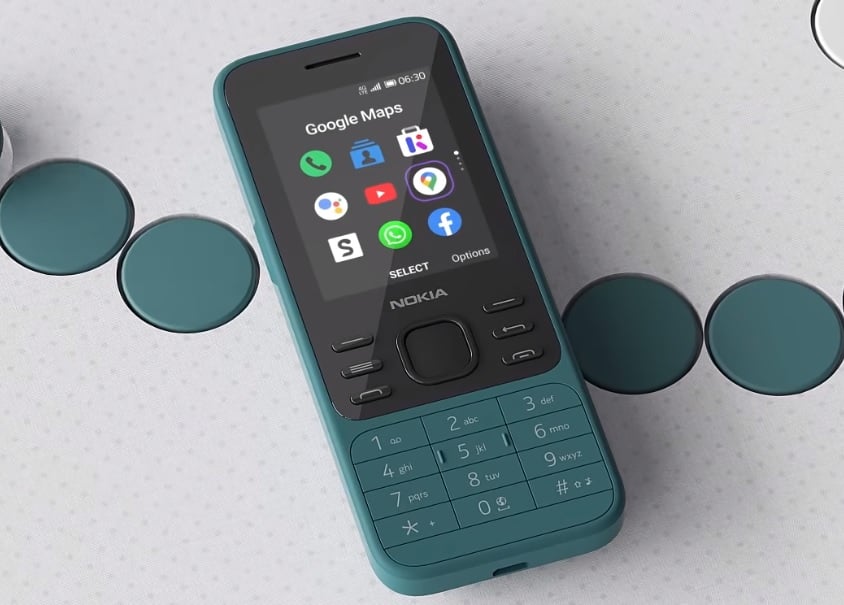
Last month, Nokia 6300 4G smartphone was announced, adding another device to the expanding portfolio of revived classic Nokia phones. As the name indicates, it is an upgraded version of the Nokia 6300 which was first launched in 2007.
Now, the feature phone with 4G connectivity support has been listed online for pre-sale in China for a price of 399 yuan which roughly converts to $61. It is likely to be available for purchase in the Chinese market from 30th December.
The Nokia 6300 4G features a 2.4-inch display, which is slightly bigger than the original model. Under the hood, it is powered by the Qualcomm Snapdragon 210 processor, along with 512MB of RAM.
As for the internal storage, the device comes with 4GB of inbuilt storage and also has a microSD card slot, allowing users to further expand the storage capacity up to 32GB.
In the software department, it is running KaiOS and comes with a bunch of pre-installed apps, including Facebook, WhatsApp, and YouTube. There’s also a VGA camera on the back with an LED flash that doubles as a flashlight.
Along with 4G, the phone also supports GPS and Bluetooth. The device is powered by an 860mAh removable battery, which can be charged through the MicroUSB port. The company has promised 27 days of usage on a single charge.
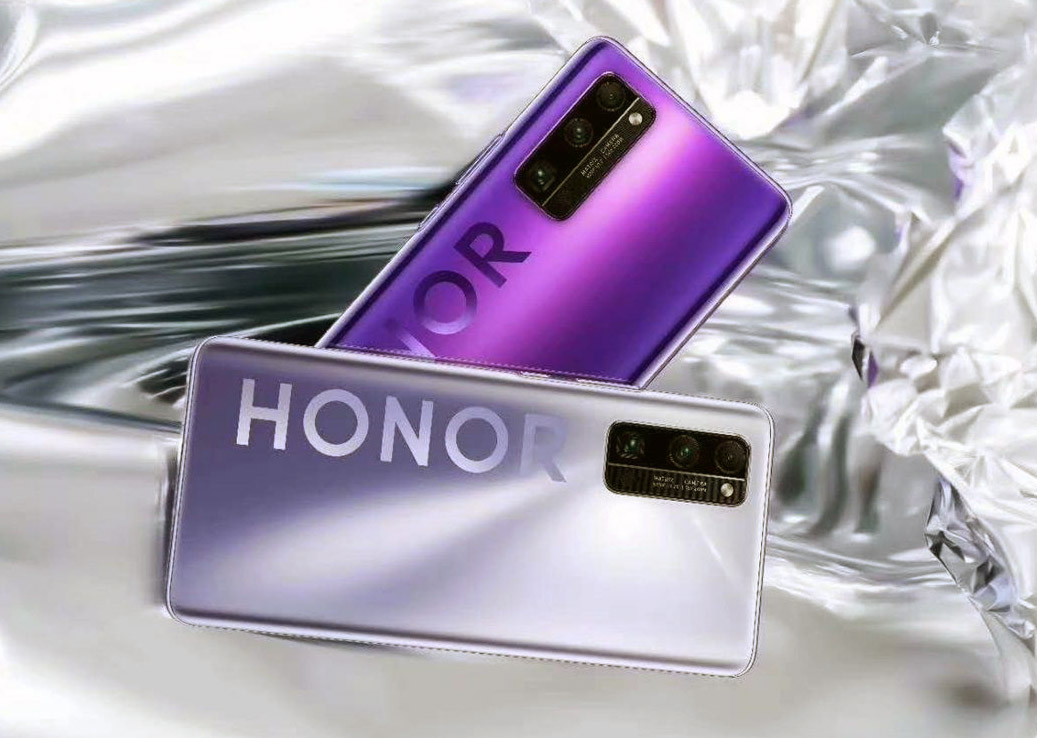
Honor, which was started as a sub-brand of Huawei, recently became an independent company after it was sold off to Zhixin New Information Technology Co. Ltd. Going forward, the company has some ambitious plans.
As per the report from Nikkei Asia, Honor has planned to produce about 100 million smartphone units and the company has already contacted its suppliers in the United States informing the same.
But it remains to be seen if the company manages to produce the required quantity of components as it will likely need to go through the approval process of the United States because of Huawei being put on Entity List.
The company is also working on strengthening its supply chain. Soon after the company became independent, it started talks with Qualcomm for chipsets and both of these companies are in advanced talks and could soon reach a deal. MediaTek is also evaluating legal options to supply chipsets to Honor.
So far, most of the devices from Honor were powered by the company’s own Kirin chipsets. But that is not possible now as the recent sanctions on Huawei have made it impossible for Kirin to manufacture chipsets.
Whether Honor manages to achieve its goal of making 100 million units in 2021 will be dependent on its ability to procure components. On the other hand, Huawei is expecting to make 60 million units next year.
So, in total, both these companies plan to make 160 million units of smartphones, which is about 20 percent less than what Huawei managed to produce in 2019. Although Huawei was the leading smartphone company globally earlier this year, its market share is declining rapidly because of the sanctions.
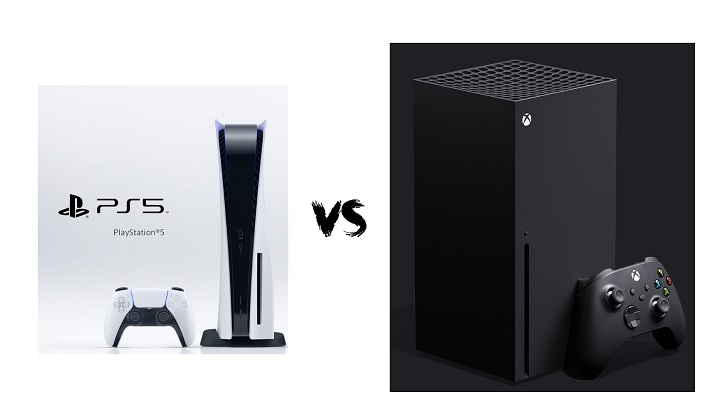
The launch of the new console generation is expected to lead to the increase in shipments of TVs next year. Sony’s Play Station 5 and Microsoft’s Xbox Series X were recently launched within a close time frame of each other and are now expected to bump TV sales globally.
According to TheElecreport, market research from Omdia has projected that the TV industry will see a rise in shipments in 2021. Notably, the launch of the game consoles from Sony and Microsoft marks the second time both companies have launched a console within the same year. Back when the previous generation was released, the PlayStation 4 and Xbox One were both launched in November 2013. Their launch led to a 32 percent rise in console shipment in the following year and a 5 percent increase in TV shipments as well, as per Omdia.
Hence, the market research assumes that a similar rise can be expected in 2021. Furthermore, TV manufacturers (eg: Samsung and LG) that take advantage of the newer console generation’s improved hardware like offering 8K resolution and 120Hz refresh rate would likely see increased sales as well. Before the 2013 launch of both consoles, TV shipments were falling. So, Omdia expects a positive outlook for 2021’s shipments. The market research report expects that both consoles will see a rise in shipments of more than 31 percent next year, in comparison to this year.
Some companies have been trying to expand their production capacity and diversity it. In line with that, China-based OPPO and South Koren giant Samsung will start manufacturing smartphones in Turkey.
OPPO entered the Turkish market sometime back and now the company is all set to start production in two facilities, one in Istanbul and another in Northwestern Kocaeli province. It is expected to start operations next month.
It’s noteworthy that the company will be carrying out the entire production process in these two locations and not just the assembly work. As per the report, the necessary procedures have been completed and the company has invested $50 million to start with.
With devices getting manufactured in Turkey, the company will be exporting some of its smartphone models to other regions. The European market seems to be the main focus for this as the company already has a few facilities in Asia.
On the other hand, South Korea-based Samsung Electronics also plans to start production in Turkey but unlike OPPO, the company won’t set up its own facilities but has hired a sub-contractor in Istanbul.
Just like other major companies, Samsung is also trying to expand its production facilities in other countries as the company focuses on reducing its reliance on Chinese companies. It recently started building a new display factory in India. The company already owns and operates the world’s largest smartphone production plant in Inda.
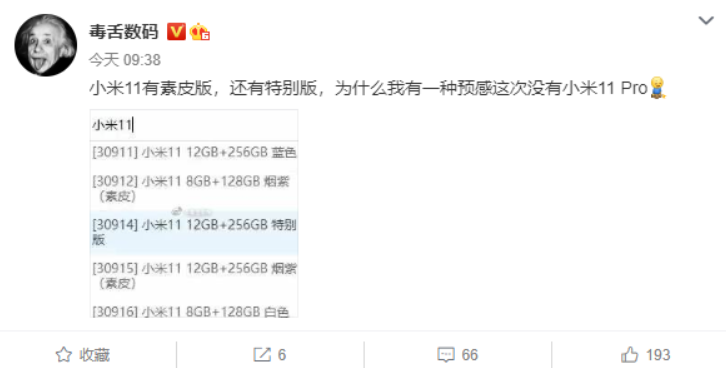
Xiaomi will be launching the Xiaomi Mi 11 series in China on Dec. 28. With the launch event drawing near, the rumor mill is expected to reveal new information on the Mi 11 series in the coming days. A fresh leak (via) that has appeared on Weibo has revealed the different variants of the Xiaomi Mi 11.
According to the leak, the Xiaomi Mi 11 will be arriving in two variants such as 8 GB RAM + 128 GB storage and 12 GB RAM + 256 GB storage. It further states that the 8 GB RAM variant will be available in Smoked Purple (leather) and White colors. The 12 GB RAM edition will come in Blue, Smoke Purple (leather), and a special version.
The authenticity of this leak could not be confirmed. Hence, it is recommended to gulp down this information with a pinch of salt.
It is speculated that the Xiaomi M2011K2C that has appeared at different places like the 3C certification platform, CMIIT’s database, and Geekbench could be the Xiaomi Mi 11 handset. The Mi 11 series will be the world’s first phones to debut with the Snapdragon 888 mobile platform.
Xiaomi Vice President and Managing Director, Manu Kumar Jain, has recently surprised a fan by gifting him a Mi 10T Pro for free. This arrived after the man had an unusual demand, which had him refuse marriage until he gets the new smartphone.
haha! I think you are now ready to get married 😂😂
On a serious note, #Mi10TPro is probably the best flagship phone in India right now. I hope you like it. 🙏 Please do try out the #108MP camera and share your feedback with us.
The Mi Fan Kamal Ahamad probably didn’t expect a direct reply to his request, as the senior executive from the Chinese tech giant personally replied to his tweet on Twitter. Kamal wrote that “I will not get marry until I get the #Mi10TPro,” to which the Xiaomi India official responded with “haha! I think you are now ready to get married. On a serious note, #Mi10TPro is probably the best flagship phone in India right now. I hope you like it. Please do try out the #108MP camera and share your feedback with us.”
For those unaware, the Mi 10T Pro 5G is the company’s flagship that was launched back in September 2020. It sports a 6.67 inch display and is powered by a Qualcomm Snapdragon 865 SoC paired with 8GB of RAM. The device runs Android 10 OS and is run by a large 5,000mAh battery pack. One of its most notable features is its 108 megapixel primary camera on the rear.
Finally received this monster. 🤩 The Mi 10T Pro display is indeed impressive. Most gorgeous phone. The amazing #108MP flagship #Mi10TPro. So many features. Under 40K, #Mi10T Pro is pretty good value for a phone. 👌 🥰 Thank you so much @manukumarjain@XiaomiIndia 🙏🙏
Kamal Ahamad even tweeted again after receiving the Mi 10T Pro stating that he “Finally received this monster. The Mi 10T Pro display is indeed impressive. Most gorgeous phone. The amazing #108MP flagship #Mi10TPro. So many features. Under 40K, #Mi10T Pro is pretty good value for a phone.” All in all, this was a bizarre yet wholesome sequence of events.
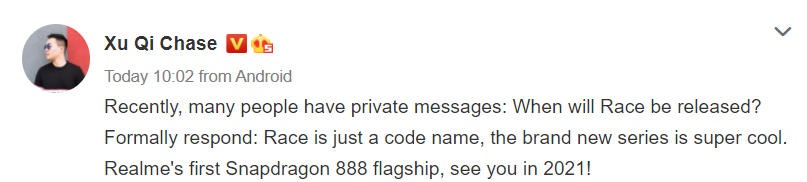
Qualcomm unleashed the Snapdragon 888 mobile platform at the beginning of December. Realme was one of the smartphone brands to confirm that the Realme Race will be its first Snapdragon 888 SoC powered flagship phone in 2021. Realme’s Vice President and President for China wing, Xu Qi had claimed that the Realme Race will be sporting a fashionable and eye-catching design. Today, the Realme executive revealed that the Realme Race will be part of a new series.
Xu Qi claimed that the Race is just a codenamed of the device, which means it will be arriving with a different moniker. OPPO unveiled the Ace2 flagship phone earlier this year. It was expected to release the Ace3 phone in the second half of the year, but it did not come true. The probable reason behind it could be that OPPO reportedly transferred the Ace line to Realme at some point after the launch of the Ace2.
Hence, it is likely that the Realme Race could be arriving in the market as an Ace series phone. While Xu Qi said that the device will be launching next year, he did not reveal a specific timeframe. A couple of Snapdragon 888 powered phones are expected to go official before China’s Spring Festival that will fall on Feb. 12. It is unclear whether the Realme Ace flagship phone will debut before the said date. In all likelihood, the Realme Ace Snapdragon 888 powered phone may debut within Q1 2021.
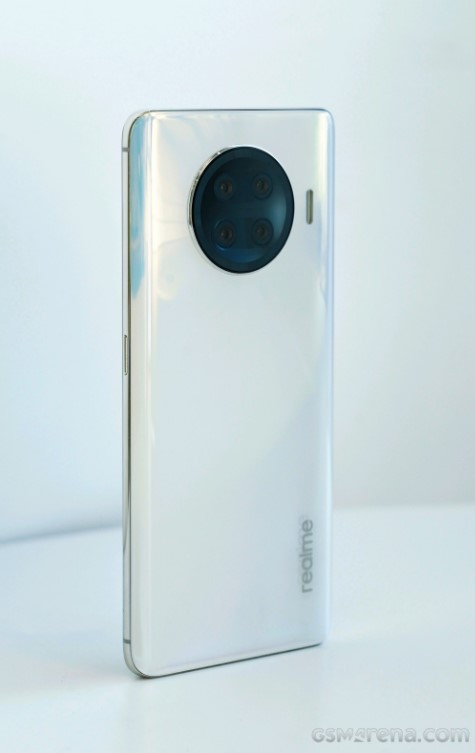
realme Race leaked shot by GSMArena
GSMArena had shared a leaked shot of the phone earlier this month along with a screenshot of its “About phone” page. The leak revealed that the Realme Race has a glass rear with curved edges and a circular camera module with an elongated LED flash unit it alongside it. The phone was found to be equipped with specs like SD888, 12 GB of RAM, 256 GB of storage, and Realme UI 2.0 based Android 11 OS. It was also revealed that the smartphone’s model number is RMX2022.
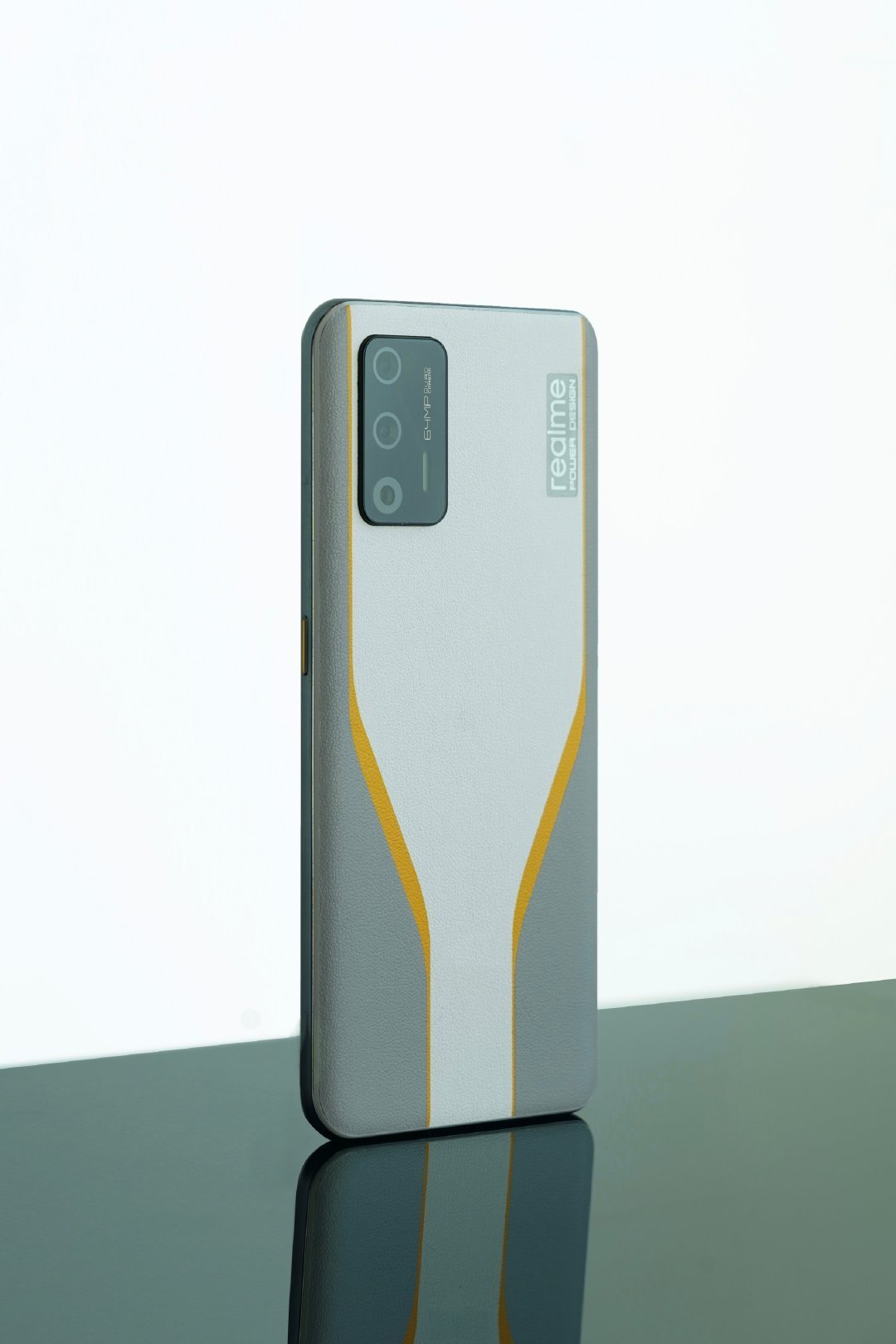
A new render of a mysterious Realme phone has appeared on Weibo. It seems to feature a leather back and a triple camera system led by a 64-megapixel lens. It is unclear whether it is an upcoming Realme Race series phone or some other phone from the brand.
At the beginning of this month, Qualcomm announced the Snapdragon 888 5G mobile platform that will power most of the flagship Android phones in 2021. Soon after its launch, Xiaomi took to Weibo to tell the world that it will be the first brand to launch the Snapdragon 888 powered smartphone. We exclusively revealed that the company was likely to announce the Xiaomi Mi 11 flagship series by the end of this month. And today, the company has released an official confirmation that the Mi 11 series will break cover on Dec. 28.
As the poster reveals, the Xiaomi Mi 11 series will launch at 7:30 PM (local time) on Dec. 28. The company did not share any information on the specs of the Mi 11 lineup. With around a week remaining for the launch, it appears that the company may soon rollout official renders or confirm some features in the next few days.
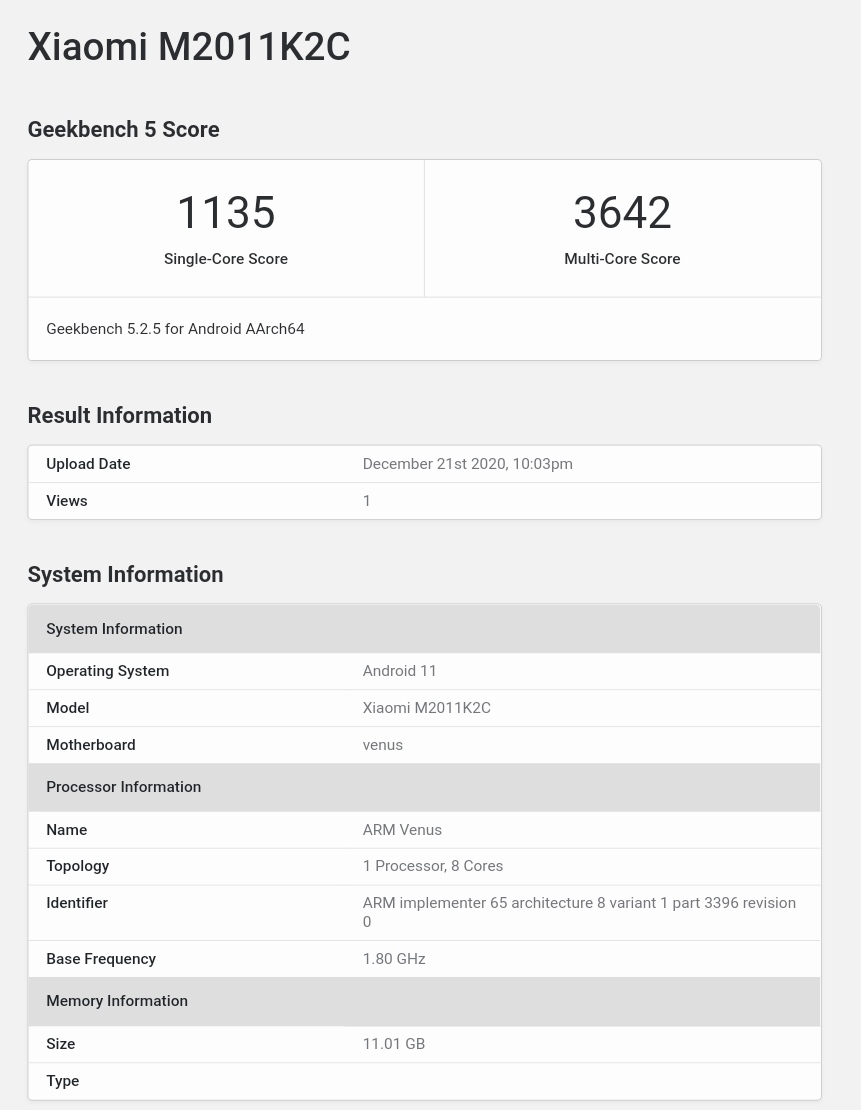
It is believed that the Xiaomi M2011K2C phone that has been previously spotted at places like CMIIT, 3C, and Geekbench could be the Xiaomi Mi 11 series phone. Like the Mi 10 series, the Mi 11 lineup may include two flagship phones such as the Xiaomi Mi 11 and Mi 11 Pro. The M2011K2C model number may belong to the vanilla model that is codenamed, Venus.
The Geekbench listing revealed that the Snapdragon 888 powered handset is equipped with 12 GB of RAM and Android 11 OS. Its 3C appearance revealed that it may ship with a 55W fast charger. Both Mi 11 and Mi 11 Pro are expected to debut as the first Xiaomi phones with support for quad HD+ resolution. Both phones are also expected to arrive with 120Hz refresh rate support.
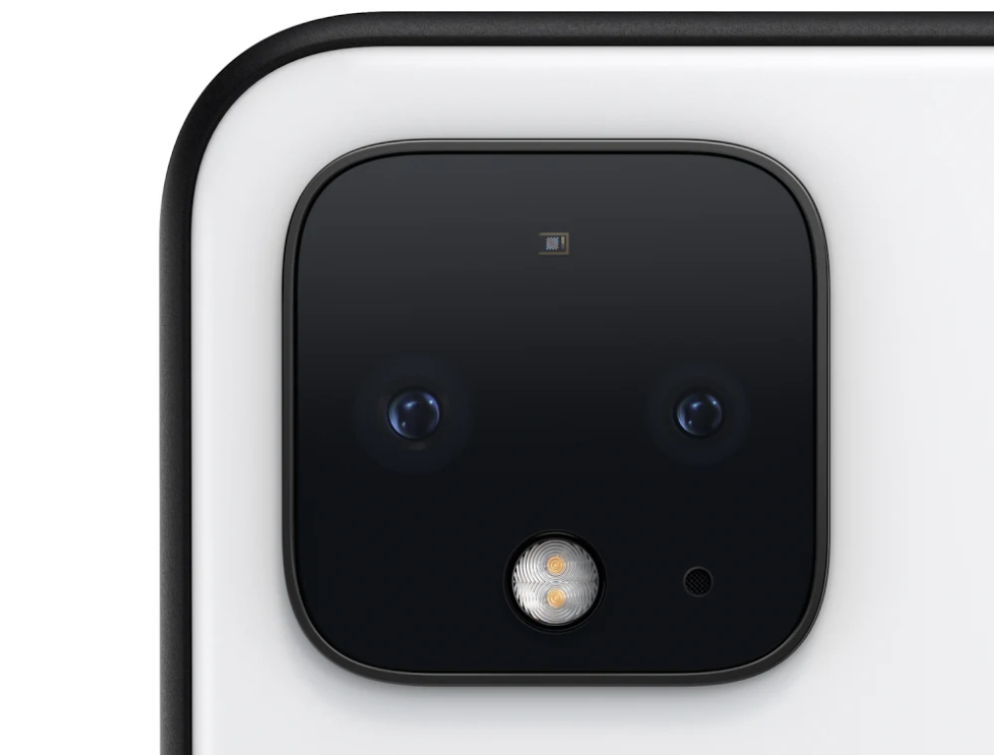
The rear side of the Xiaomi Mi 11 duo could be fitted with a square-shaped camera module with a 108-megapixel main camera. It was speculated based on 3C listings that the Mi 11 has a 4,780mAh rated battery, whereas the Mi 11 Pro has a 4,970mAh rated battery.
Smartphones have evolved in the past couple of years in different areas including the camera department. One feature that has become a sort of constant in modern smartphones is Night Mode or Night Sight or whatever the manufacturer has decided to call it which allows users to capture better photos in low-light without the need for the camera flash.
With this new feature, the way we take photos in low-light conditions has changed such that certain hardware – the flash – now gets less use, which brings us to this week’s poll.
Do you still use the flash on your phone when taking photos or do you just switch to Night Mode when taking photos in low light? So, please take the poll below and also share how new camera features have changed how you take photos.
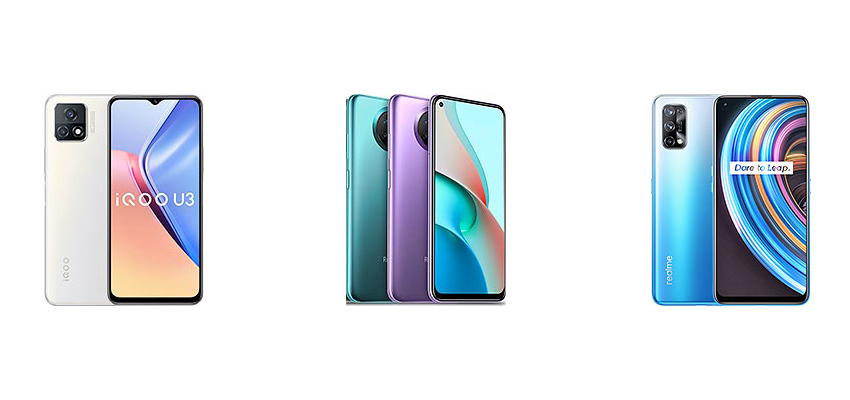
The Chinese market recently welcomed the new Redmi Note 9 5G: the first 5G phone from the Redmi Note series. But several other 5G mid-rangers hitten the Chinese market in the last period, that is why the Redmi Note 9 5G is not necessarily the best choice in its price range. With our comparison, we usually give our readers the chance to understand the differences between handsets released in the same price range. We believe the best actual rivals of the Redmi Note 9 5G are the iQOO U3 and the Realme X7. Through this specs comparison, we will try to tell you which one is the best for your needs.
Vivo iQOO U3 vs Xiaomi Redmi Note 9 5G vs Realme X7
Dual 48 + 2 MP, f/1.8 + f/2.4
20 MP f/2.0 front camera
Triple 48 + 8 + 2 MP f/1.8, f/2.2 and f/2.4
13 MP f/2.3 front camera
Quad 64 + 8 + 2 + 2 MP f/1.8, f/2.3, f/2.4 and f/2.4
32 MP f/2.5 front camera
BATTERY
5000 mAh, fast charging 18W
5000 mAh
Fast charging 18W
4300 mAh, Fast charging 65W
ADDITIONAL FEATURES
Dual SIM slot, 5G
Dual SIM slot, 5G
Dual SIM slot, 5G
Design
The design award goes to the Realme X7. It is thinner, it is lighter and it is even more compact than Redmi Note 9 5G and Vivo iQOO U3. Further, it has an in-display fingerprint reader making the overall design cleaner and an amazing look. iQOO U3 and Redmi Note 9 5G are bigger and thicker due to their bigger displays and batteries. The interesting pro of the Redmi Note 9 5G is its water-repellent coating. Further, note that the Redmi Note 9 5G has a punch-hole display, while iQOO U3 has a classic waterdrop notch.
Display
If you want the best display, you should go for the Realme X7 without thinking twice. Thanks to its AMOLED panel, the Realme X7 is able to provide more brilliant colors and deeper blacks. Further, as mentioned above, it sports an under-display fingerprint scanner. Unfortunately, both iQOO U3 and Redmi Note 9 5G feature an IPS panel. The iQOO U3 is more interesting because it supports a 90 Hz refresh rate, while Redmi Note 9 5G has a 60 Hz display. In both cases, you get a side-mounted fingerprint reader.
Hardware/Software
Vivo iQOO U3, Redmi Note 9 5G, and Realme X7 all pack an octa-core MediaTek Dimensity 800U chipset which supports 5G connectivity. It is a mid-range chipset more or less at the same level as the Snapdragon 765G. With the iQOO U3 and the Redmi Note 9 5G, you actually get a slightly faster internal storage thanks to the UFS 2.2 technology. But the Redmi Note 9 5G offers more space: up to 256 GB. Further, Redmi Note 9 5G features expandable storage, while its rivals do not. All the phones run Android 10 with heavy customizations.
Camera
The Realme X7 packs the most advanced camera department. On the rear side, it sports a 64 MP main camera, an ultrawide 8 MP sensor, and a pair of 2 MP sensors for macros and depth calculation. Further, the handset features a better 32 MP front camera. The second place goes to the Redmi Note 9 5G featuring a 48 MP triple camera. Unfortunately, iQOO U3 lacks an ultrawide sensor and it offers a 48 MP dual camera: a disappointing thing for a phone released in 2020.
Battery
Redmi Note 9 5G is the battery champion with its 5000 mAh capacity. The iQOO U3 has a 5000 mAh battery as well, but it should provide an inferior battery life due to its higher refresh rate. The Realme X7 has a smaller 4300 mAh battery, but thanks to 65W fast charging it reaches 100% in less than 35 minutes.
Price
Vivo iQOO U3 is priced at about €200/$245 in its base variant, just like the Redmi Note 9 5G. For the Realme X7, you need at least €220/$270. The Realme X7 is the winner of this comparison thanks to its AMOLED display and better camera department. Right after, we got the Redmi Note 9 5G offering a micro SD slot and slightly better cameras. The iQOO U3 is like a Redmi Note 9 5G with a higher refresh rate and inferior camera department.
Xiaomi is expected to launch the flagship Mi 11 on December 29 according to rumors. The flagship is expected to debut as the first Snapdragon 888-powered smartphone. Before now, a couple of leaks have emerged giving some hint of what to expect. The Mi 11 has now appeared on the GeekBench database.
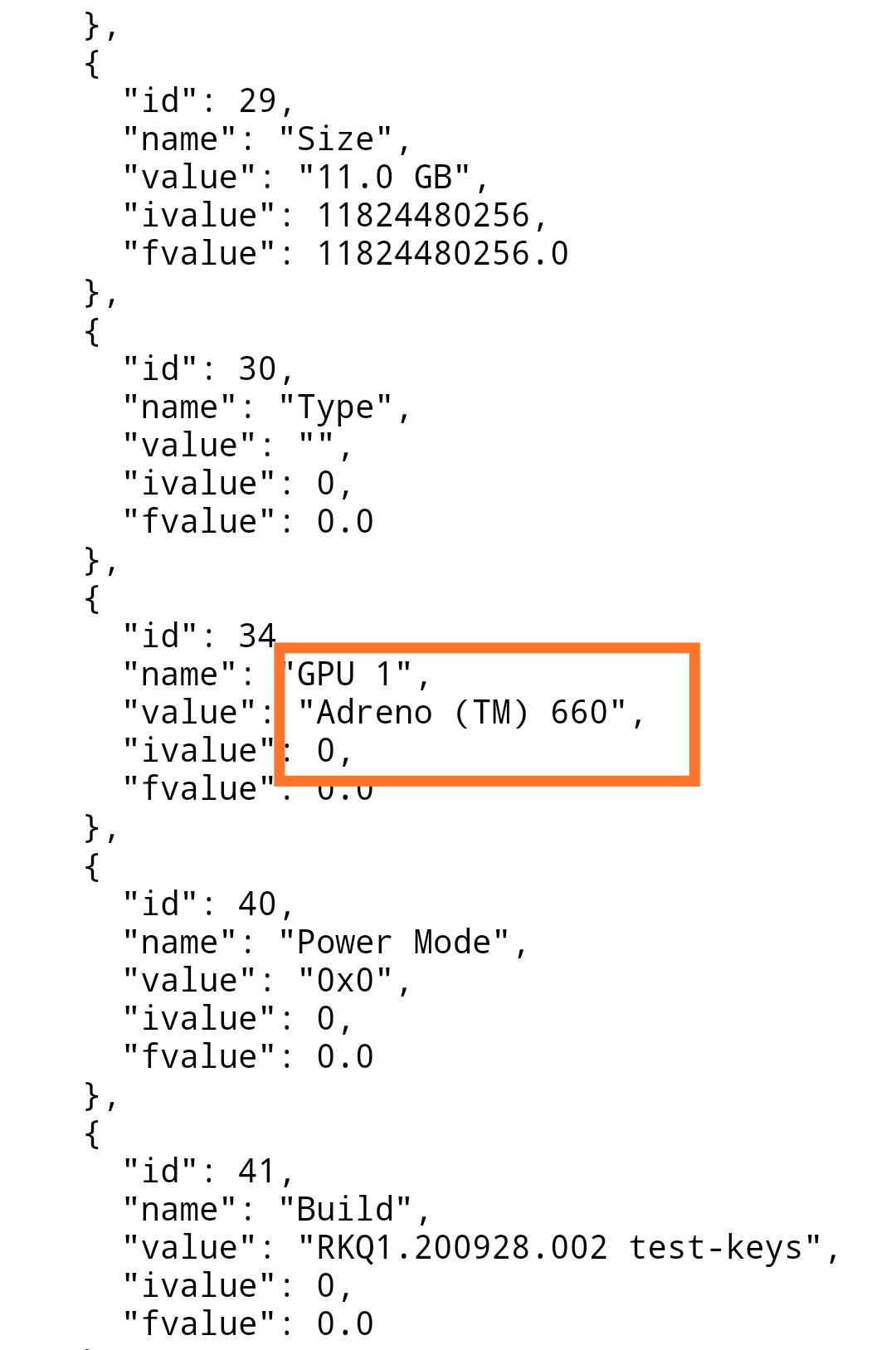
The Xiaomi Mi 11 GeekBench listing shows the device will run on Android 11 which will definitely be based on MIUI 12. The device will also be powered by a processor codenamed ARM venus which is the Snapdragon 888. The Adreno 660 GPU will fire up the graphics. The device is also listed with 12GB of RAM which should be the topmost variant in terms of memory configuration.
Although not listed, the high-end variant will likely have 512GB storage onboard. Rumour also has it that the high-end variant will feature a Samsung 2K AMOLED screen and have support for 120Hz refresh rate. The high-end version is also expected to support 120W ultra-fast flash charging.
In terms of core configuration, in addition to the Snapdragon 888 flagship processor, the Mi 11 is also expected to get an 8GB RAM variant and will equally have support for 55W fast charging.
In terms of the camera, the device will have a triple camera setup on the back along with an LED flashlight. This is horizontally stacked inside a squircle housing. As per the concept renders, the layout will also have a Blue Gradient color with a chamfered bump. The triple-camera array will likely have a 108MP main camera, 13MP ultra-wide, and a 5MP macro sensor.
We use cookies on our website to give you the most relevant experience by remembering your preferences and repeat visits. By clicking “Accept”, you consent to the use of ALL the cookies.
This website uses cookies to improve your experience while you navigate through the website. Out of these, the cookies that are categorized as necessary are stored on your browser as they are essential for the working of basic functionalities of the website. We also use third-party cookies that help us analyze and understand how you use this website. These cookies will be stored in your browser only with your consent. You also have the option to opt-out of these cookies. But opting out of some of these cookies may affect your browsing experience.
Necessary cookies are absolutely essential for the website to function properly. This category only includes cookies that ensures basic functionalities and security features of the website. These cookies do not store any personal information.
Any cookies that may not be particularly necessary for the website to function and is used specifically to collect user personal data via analytics, ads, other embedded contents are termed as non-necessary cookies. It is mandatory to procure user consent prior to running these cookies on your website.