DJI has been announcing new products for the past few weeks and now the company has launched yet another device — DJI Mini 2. As the name indicates, the product is a successor to the Mavic Mini — the company’s smallest drone, but the company seems to have dropped with Mavic branding.
Being a second-generation product, the newly launched DJI Mavic Mini 2 comes with some additional and improved features. It now supports shooting 4K videos at 30fps, an upgrade compared to its predecessor that supports 2.7K recording.
The company is still using the same 1/2.3-inch 12-megapixel camera sensor that was found on the original model. This new version also offers support for 4X zoom, where 2X zoom is lossless. Additionally, it also allows users to shoot in RAW format.
DJI has replaced the “enhanced Wi-Fi” feature with its own OcuSync 2.0 for transmission or video streaming. With this, the maximum range has been doubled from 4km to 10km. In the software department, along with QuickShot, it now supports features like QuickTransfer, Enhanced Photo, and Trimmed Download.
As for the flight time, the company adds that it can fly for around 31 minutes on a single charge, almost the same as the original model, with a top speed of 35.8mph. It weighs 249 grams, which means that users won’t need to register this drone with the FAA.
The DJI Mavic Mini 2 is priced at $449 in the United States, which is $50 more than the original model. The device is now available for purchase.
LG is known to have been working with rollable displays for a while now. The company has already unveiled TVs with rollable displays, and now, the South Korean tech giant has also trademarked the name LG Rollable in Europe.
The company had recently launched the LG Wing under its Explorer Project, which basically is an initiative from the brand to launch innovative new products. Thus, we can expect the LG Rollable to also be a part of this project as well. Previously, we had also reported on a patent from the company, which described a device with roll up display that extended from either side of the smartphone.
Shortly after, LG has now registered a trademark for the name LG Rollable with the EUIPO (European Union Intellectual Property Office). This trademark also carried a short description of the product, which suggests that the device might also feature a stylus pen support. Furthermore, the company is also aiming for a very direct and simple branding for its first handset with a rollable device, as per a LetsGoDigital report.
The South Korean company is expected to launch its first rollable device within the first quarter of 2021. Unfortunately, finer details regarding the device are also currently unknown as well. So we will have to wait for an official company announcement or a leak to know to have more information regarding the rollable device. So stay tuned for more updates.
In April, Huawei announced the Huawei Nova 7 SE smartphone as the base model of the Nova 7 family. Today, the Chinese manufacturer took off covers from the Huawei Nova 8 SE through an offline launch in China. The new phone has arrived in two chipset variants. While the predecessor model sported an LCD screen with a punch-hole design, the Nova 8 SE features an OLED panel with a waterdrop notch. It comes equipped with 64-megapixel quad cameras and it ships with the same rapid charging that comes along with the Huawei Mate 40 models.
Huawei Nova 8 SE specifications and features
The Huawei Nova 8 SE has a 20:9 aspect ratio supporting display of 6.53 inches. The OLED screen produces a Full HD+ resolution and it is integrated with a fingerprint reader. The phone features a front-facing camera of 16-megapixel. The backside of the device is fitted with a square-shaped camera module that features a 64-megapixel main camera with f/1.9 aperture, an 8-megapixel ultrawide lens with f/2.4 aperture, a 2-megapixel macro lens with f/2.4 aperture, and a 2-megapixel depth assist lens with f/2.4 aperture.
The Huawei Nova 8 SE Standard Edition is powered by the Dimensity 720 chipset. It brings support for 5G + 4G dual SIM connectivity. On the other side, the Nova 8 SE High Edition is driven by the Dimensity 800U chip and it supports 5G + 5G dual SIM connectivity. Apart from differing chipsets, the Standard and High Editions of the Nova 8 SE carry the same specs.
The Nova 8 SE is preinstalled with Android 10 OS and EMUI 10.1 UI. The phone ships with 8 GB of LPDDR4x RAM and 128 GB of UFS 2.1 storage. There is a microSD card slot on the device for extra storage. The Nova 8 SE is backed by a 3,800mAh battery that supports 66W fast charging. The phone comes with usual connectivity features like dual SIM support, 5G, Wi-Fi 802.11ac, Bluetooth 5.1, GPS, USB-C, and a 3.5mm audio jack.
Huawei Nova 8 SE pricing and availability
The Nova 8 SE has arrived in China with a price tag of 2,599 Yuan (~$391) for the Dimensity 720 variant. The Dimensity 800U model is priced at 2,699 Yuan (~$406). It comes in colors like Magic Night Black, Dark Blue, Silver Moon Start, and Sakura Snow Clear Sky.
Apple’s AirPods lineup of true wireless earphones have become one of the best-selling products from the company and now the company is gearing up to launch the third-generation model of the same.
The upcoming TWS earphones from Apple, which is likely to be called AirPods 3, have been leaked online. A photo of the same has been leaked, which showcases the new design for the new headsets.
As per the leak, the rumored AirPods 3 will feature a design that is similar to the AirPods Pro, completely reshaping the earbuds. However, do note that the report indicates that the parts of the upcoming earphones that have been leaked are similar in terms of design to AirPods Pro but not identical.
Additionally, unlike the regular design with a narrow exterior, the leaked design of the earphones show a larger circular driver output onto which users can attach silicone ear tips for a better fit, similar to the AirPods Pro.
Apple has been rumored to gearing up to launch a newly refreshed audio product lineup in the market. Recently, it was reported that the third-generation AirPods as well as the second-generation AirPods could get launched in early 2021.
While the exact details of the AirPods 3 specs, features, and launch are not yet available, Apple has scheduled a “One More Thing” launch event on 10th November, where the company is expected to announce its Apple Silicon-powered Mac devices.
Amazfit has been a popular wearable devices brand, especially in the smartwatch sector given its strong presence in the budget segment. The company is now gearing up to launch a new smartwatch under its Zepp brand.
A new teaser poster shared by the company confirms that a new Z-series smartwatch under the Zepp brand will be launched on 17th November. From the teaser, it seems that the device will come with a classic design and circular dial.
It also seems that the device will have a metal body with a leather strap. There are also two buttons visible on the right side of the watch, but we expect at least one more such button, which is not visible in the teaser image.
Earlier, the company had launched the Zepp E smartwatch in the market which is offered in two models — one with a square-shaped dial and the other with a circular dial. It has a 3D curved bezel-less design and offers an always-on display along with health and activity tracking features.
For those who are unaware, Amazfit’s parent company Huami acquired California-based Zepp in 2018, and earlier this year, the company rebranded its Amazfit app to Zepp. It is planning to keep the Amazfit brand for the smart wearable hardware product whereas Zepp will be a platform for the management of personal well-being.
Most smartphone manufacturers have their own custom user interface for the Android operating system and similarly, China-based Vivo has been offering FunTouch OS on its smartphones. But, that is about to change soon.
The company has confirmed that the FunTouch OS will be replaced by a new OriginOS, as confirmed by Vivo a couple of weeks ago during the 2020 Developer Conference.
Now, Vivo has teased this new OriginOS on its official Weibo account. The custom user interface, which is being developed under Origin Studio carries the tagline “Brave New World”, hinting at a complete rehaul of the UI.
Earlier reports reveal that the company will be offering two different types of interface for the users — OriginOS and Stock Android and the users will be able to choose and switch between the two options.
Recently, a product manager of iQOO, which is Vivo’s sub-brand for premium devices, revealed that the new user interface for the company has been designed by an Apple designer and it will offer several new features.
Vivo is expected to officially launch the OriginOS on 19th November in China, along with the announcement of several other products from the company, including apps, games, business partnerships, etc.
The company had previously stated that the upcoming custom user interface will be available for Vivo’s existing smartphones as well. To know for sure which devices will be compatible with the OriginOS, we will have to wait for the official launch.
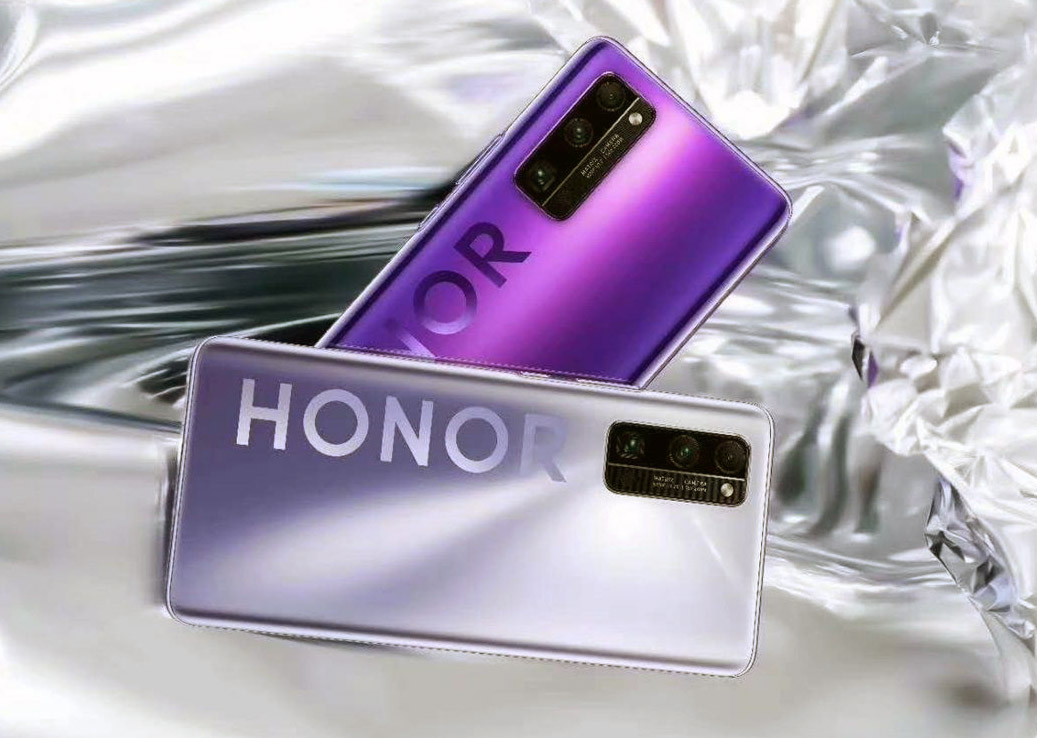
The Honor 10X Lite features a 6.67-inch LCD panel that produces a Full HD+ resolution of 1080 x 2400 pixels and an aspect ratio of 20:9. The punch-hole that is placed at the top-center position of the screen is the home for its 8-megapixel selfie camera.
The back panel of the phone has a rectangle-shaped camera housing. It houses an LED flash, a 48-megapixel main camera, an 8-megapixel superwide lens, a 2-megapixel macro camera with a 4cm focal length, and a 2-megapixel depth assist lens. The phone is equipped with a side-mounted fingerprint reader.
The Honor 10X Lite is powered by the older Kirin 710 chipset and 4 GB of RAM. The device ships with built-in storage of 128 GB and it has a microSD card slot for additional storage. The phone lacks support for Google apps and services. The handset is preinstalled with Android 10 OS that tags along with Magic UI 3.1 and Huawei Mobile Services (HMS).
The Honor 10X Lite houses a 5,000mAh battery that is equipped with support for 22.5W SuperCharge rapid charging technology and 2.5W wireless charging. It has other features such as dual 4G VoLTE, Wi-Fi 802.11ac, Bluetooth 5.1, GPS, USB-C, and a 3.5mm audio jack.
The handset is available in Saudi Arabia for SAR 799 and its three color editions are Midnight Black, Emerald Green, and Icelandic Frost.
Since the past few weeks, more and more companies are getting approval from the United States to resume doing business with the Chinese giant Huawei. In line with that, the world’s leading chipset maker Qualcomm has now confirmed that the company has applied for a license to supply chipsets to Huawei.
The confirmation comes from Qualcomm’s CEO Steven Mollenkopf when he was revealing the company’s performance for the fiscal year 2020. However, it has been confirmed that Qualcomm has applied for the license but hasn’t been granted it yet.
In the past few weeks, companies like Intel, AMD, Samsung Display, and Sony among others have received permission from the United States government to continue doing business with Huawei.
This is an important development for the Chinese giant, which is currently working on its options to keep its business afloat as more and more restrictions imposed on the company threatens its survival.
As per the reports, more than 300 companies have applied for a special license that is needed from the U.S. government to continue conducting business with Huawei. From that, about one-third have been granted a license.
Recently, it was reported that the United States is providing licenses to the companies as long as the components supplied to Huawei are not being used for the 5G business. Apart from Qualcomm, Samsung Electronics is also waiting for approval.
In the fourth-quarter results published by Qualcomm for the fiscal year 2020, it reported $6.5 billion in revenue, higher than its estimation of $5.93 billion. The company had reported $4.8 billion in revenue over the same period last year, making this a 35% year-over-year increase.
In August, Lenovo unveiled the much-hyped Lenovo Legion Pro gaming smartphone in China. The same device is dubbed as the Legion Duel in markets outside of China. It is one of the few phones that are powered by the Snapdragon 865 Plus mobile platform. At the end of the previous month, Lenovo Mobile’s General Manager Chen Jin took to Weibo to confirm that there a transparent edition of the device. Today, the company that it will be officially announcing the Lenovo Legion Pro Extreme Transparent Edition on the Double Eleven (Nov. 11) shopping festival day of China.
The Explorer Edition of the Xiaomi Mi 8 and Mi 9 were touted as transparent devices. However, the real internals of these devices was not visible. The official images of the Lenovo Legion Pro Extreme Transparent Edition that were released last month and the official poster that was shared today show that its transparent rear will allow users to view its real internal components.
The Lenovo Legion Pro Extreme Transparent Edition has 16 GB of RAM and 512 GB of storage. The regular version of the phone with the same RAM and storage was priced at 5,999 Yuan. Its transparent version also carries the same pricing. It is now up for reservations in China and its limited sales will be carried out on Nov. 11. The handset ships with a 90 GaN charger.
Lenovo Legion Pro Extreme Transparent Edition specifications
The Lenovo Legion Pro Extreme Transparent Edition has a 6.5-inch AMOLED FHD+ display that supports a 19.5:9 aspect ratio and a 144Hz refresh rate. The Legion OS based Android 10 OS comes preinstalled on the device. Its SD865+ chip is coupled with LPDDR5 RAM and UFS 3.1 storage.
It has a side-facing pop-up selfie camera of 20-megapixel and a rear-facing 64-megapixel + 16-megapixel dual camera setup. The device is backed by a 5,000mAh battery.
An unidentified OPPO phone that has a model number of PEGM00 was certified by China’s TENAA authority. Its network variant that has the PEGT00 model number was also approved by TENAA. At present, the TENAA listings of PEGM00 / PEGT00 phone have only preliminary specs. However, a reliable tipster from China has revealed the other specs of the phone.
The TENAA listings first spotted by Nashville Chatter Class states that it measures 159.1 x 73.4 x 7.9mm and it houses a 6.43-inch display. The device has a dual-part battery setup. The rated capacity of one of the batteries of the PEGM00 / PEGT00 phone is 2,100mAh. While the TENAA listings of the phone are yet to be populated with full specs, a tipster has its other details.
The leakster revealed that the smartphone is equipped with an OELD panel with a punch-hole design. The screen supports a refresh rate of 60Hz and a touch sampling rate of 180Hz. The handset is powered by a 2.4GHz octa-core processor. There is no word on the RAM and storage variants of the phone.
The OPPO PEGM00 / PEGT00 smartphone has a 4,300mAh battery that supports 65W rapid charging. The ColorOS 11 based Android 10 OS comes preinstalled on the device.
The PEGM00 / PEGT00 handset has a 32-megapixel camera for shooting selfies. The rear side of the phone has a 64-megpaixel + 8-megapixel + 2-megapixel + 2-megapixel quad-camera system. The leak has no information on its product name and pricing. With TENAA certification in tow, the OPPO PEGM00 / PEGT00 is likely to go official as early as this month.
OPPO is yet to launch a foldable smartphone but the company has been patenting designs for such devices for a while now. So far, almost all of them have been generic without much to brag about. But now, the company has filed four different patents that showcase smartphones that can fold multiple times sporting a unique block structure.
These four patents were filed by Guangdong Oppo Mobile Telecommunications Corp Ltd. with the Japan Patent Office (JPO) on May 11, 2020. But they got approved and published on November 2, 2020. We stumbled across them while confirming some details of the company’s under-display camera smartphone design patent earlier today.
Now that being said, let us have a look at all the four foldable smartphone design patents by OPPO.
Patent 1
This patent details a design with six blocks and two hinges. The phone folds inwards and the dual-camera setup with an LED flash is located at the bottom front. Whereas, the rear of the handset is blank.
1 of 7
Lastly, due to the two hinges, this handset can be folded either completely or half.
Patent 2
This design patent also has two hinges and six blocks. However, the triple camera setup with an LED flash is located at the back of the phone instead of the front. Above all, it is the only design out of four to fold both inwards and outward.
1 of 12
To be clear, the top portion of the phone folds inwards while the bottom section of the device folds outwards. Hence, it can be folded at both the hinges at a time, making it smaller to carry in pockets easily.
Patent 3
Unlike the first two patents, this one has a total of eight blocks but the number of hinges remains two. Interestingly, there are no cameras on this one. Maybe it features under-display cameras.
1 of 12
As far as folding is concerned, both the hinges fold outwards.
Patent 4
The last patent is similar to the previous one but with two differences. That means it also has two hinges and eight blocks.
1 of 10
But it folds inwards and also sports a triple camera setup on the back accompanied by an LED flash.
Having said that, we are not sure if these designs will ever make it to the hands of consumers in near future. Maybe they will but probably not now as foldables are still a new category of devices with risks like durability and app compatibility.
Xiaomi smart home has a new product – the MIJIA Smart Door lock Pro. Before now, the launch of the product has been the subject of a couple of teasers pointing to the November 4 launch. The product comes with a price tag of 1699 yuan (~$255) and is presently available to pre-order on Jingdong (JD.com).
The MIJIA Smart Door Lock Pro product isn’t just a smart door lock but also integrates a cat’s eye doorbell and a wide-angle camera to achieve a comprehensive security system of the entrance into the home.
The camera system utilises a 1080P high-definition camera with up to 161° ultra-wide angle with the ability to detect when someone is at the door. It also comes with an alert system, video recording, an intercom system that enables two-way communication and other functions.
As a result of the high definition camera, the door lock system crams a 5000mAh removable polymer battery in addition to 4 AA batteries. The user will need to recharge the battery every 3 to 4 months. Thus, even though the battery life is unknown, we can conclude that it can last for months on a single charge.
In terms of the design, it adopts a straight plug-in C-level lock cylinder. The lock cylinder is inserted into the lock body, giving the lock better concealment. Even if the panel is damaged, the door cannot be opened directly through the lock cylinder hole.
Xiaomi MIJIA Smart Door Lock Pro comes with a total of seven (7) unlocking methods, including key, fingerprint, password, remote password, Bluetooth, NFC, and even supports Apple HomeKit.
The product is expected to start shipping on November 12.
The Honor Band 6 launched yesterday, and we bet we are not the only ones who can see the similarity in design between the new fitness tracker and the Honor Watch ES which was announced in September. The Honor Watch ES, itself, shares most of its features with the Huawei Watch Fit. If you want to know how those two differ, you should read this.
Honor Band 6 (l) and Honor Watch ES (r)
For this post, we will highlight how the Honor Band 6 differs from the Honor Watch ES, and we hope this makes it easier for you to decide which of the two wearables suits your needs better.
The table below compares the specs of the two devices:
Honor Band 6
Honor Watch ES
Display
1.47-inch AMOLED Touch Display
194 x 368 resolution
1.64-inch AMOLED Touch Display
456 x 280 resolution
Built-in storage
No
Yes (4GB)
Straps
Non-removable straps
20mm quick-release straps
Sports Modes
10 Sports Modes
Automatic exercise detection
No animated workout courses
95 workout modes (10 professional sports + 85 customized training modes)
Automatic workout detection
12 animated workout courses
Female Cycle Tracker
Yes
Yes
Sensors
Optical Heart Rate Sensor
SpO2 Sensor
Accelerometer
Gyroscope
Optical Heart Rate Sensor
SpO2 Sensor
Accelerometer
Gyroscope
Ambient Light Sensor
Connectivity
Bluetooth 5.0
2.4GHz Wi-Fi
No built-in GPS
Bluetooth 5.0
2.4GHz Wi-Fi
No built-in GPS
Water Resistance
5 ATM
5 ATM
Battery Capacity
Battery Life
180mAh
Typical usage - 14 days
Heavy usage - 10 days
180mAh
Typical usage - 10 days
Heavy usage - 7 days
Price
Standard Version - ¥249 (~$37)
NFC Version - ¥289 (~$43)
China - ¥599 (~$90)
Europe - €99.99
India - ₹7,499
Colors
Meteorite Black
Seagull Gray
Coral Powder
Meteorite Black
Coral Pink
Icelandic White
Display and Battery Life
As you can see, the Honor Watch ES packs a larger display and has a higher resolution. The spec sheet also says it has Always-on Display but Honor doesn’t mention if the feature is available for the Band 6 even though it also has an AMOLED screen.
The Watch ES also has an ambient light sensor which means that the brightness can be adjusted automatically. For the Band 6, you will have to adjust the brightness when you are indoor or outside.
Both fitness trackers have the same battery capacity but the larger display of the Watch ES means that its battery life is lesser.
Built-in Storage
Another major difference is built-in storage which is not available on the Honor Band 6. If you don’t like taking your phone along when going on a run but don’t want to miss out on your exercise playlist, then the Honor Watch ES is the one for you.
Workout modes
The important part of a fitness tracker is how is its activity tracking. Clearly, the Honor Watch ES has the upper hand as it features more workout modes than the Honor Band 6. It also has animated workouts. However, the Honor Band 6’s 10 sports modes include the most popular ones such as indoor (treadmill) running, outdoor running, swimming, elliptical, indoor and outdoor cycling, indoor and outdoor walking, rowing, and free training. If your favorite exercise(s) isn’t mentioned above, then the Band 6 isn’t for you.
Price and Conclusion
The Honor Band 6 is only available in China for now and its price tag is less than half of that of the Honor Watch ES. Also, the tradeoffs aren’t ones you can’t live without, however, we wish it had more workout modes.
So if you like the design of the Honor Watch ES but aren’t willing to shell out that much for a fitness tracker, then go ahead and grab the Honor Band 6. You will be saving more than half of the price but you won’t be missing out on much.
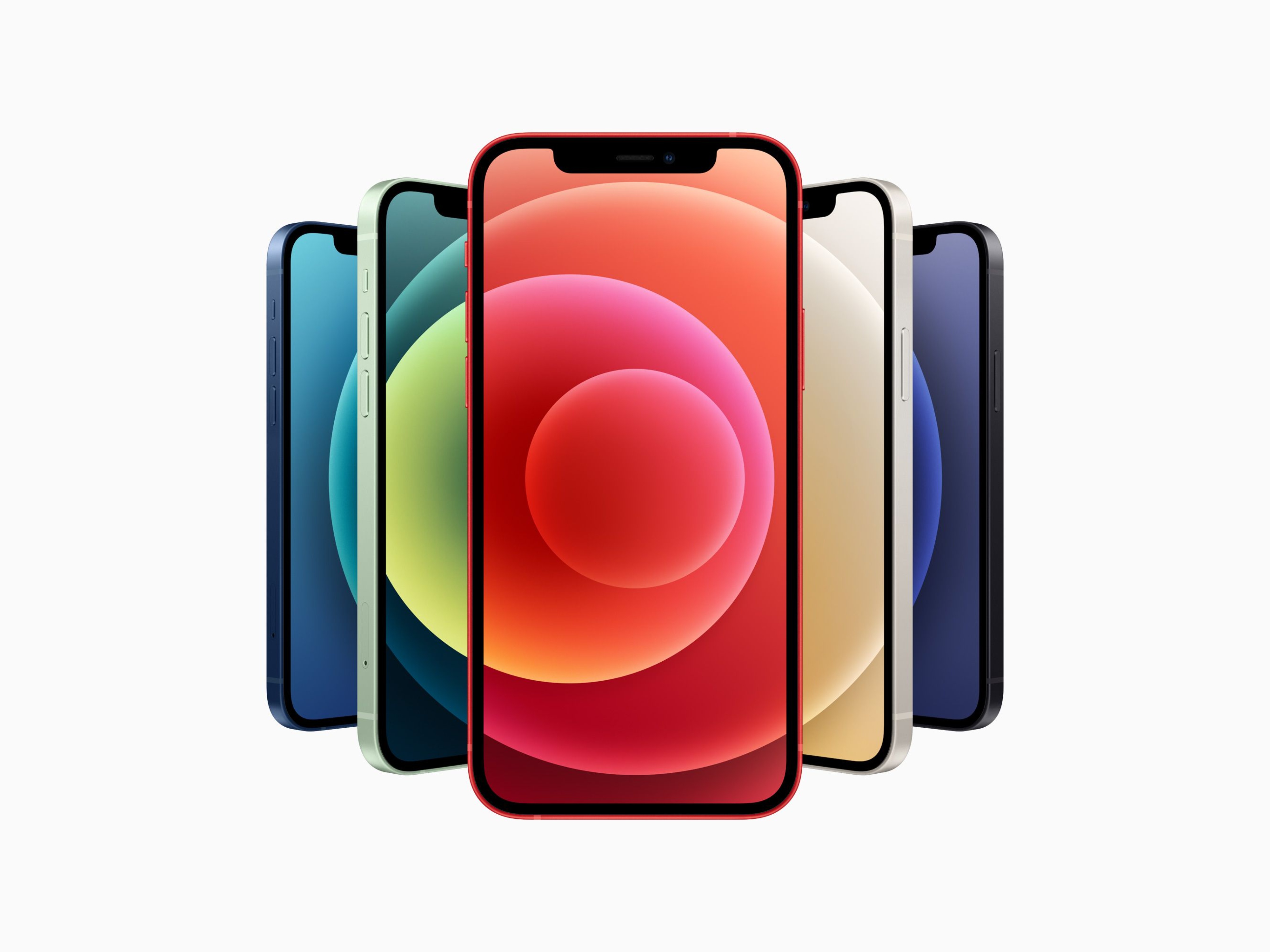
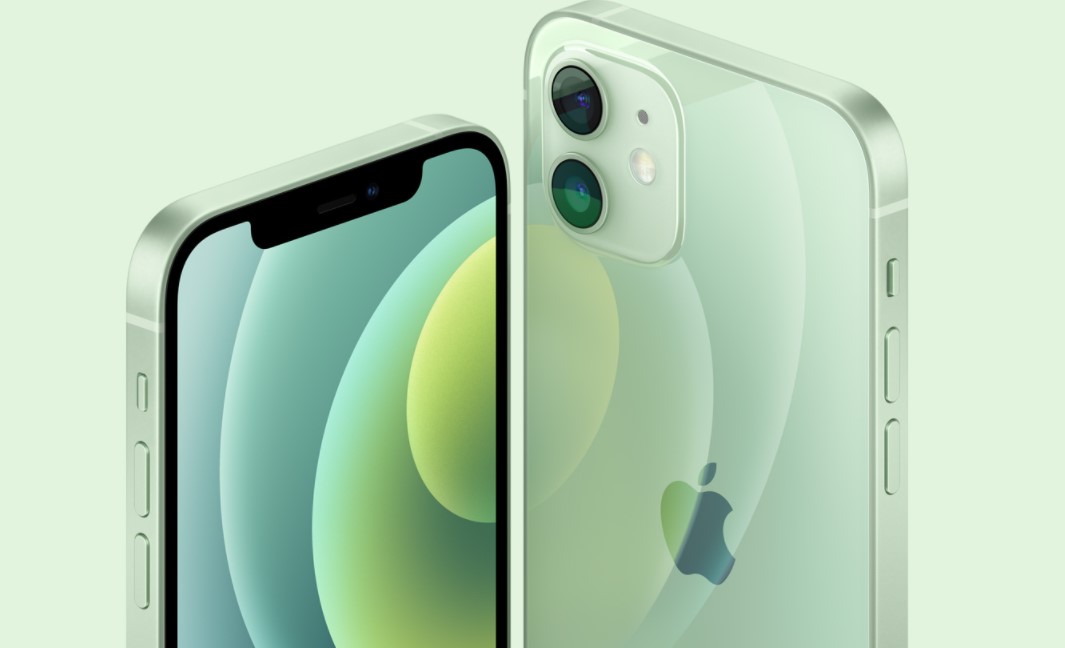
A lot of people are usually focused on the Pro variants of top-tier flagships, but with the vanilla version, you can save a lot of money while still getting a flagship. This comparison is dedicated to the standard version of the latest flagship lineups by Apple, Huawei, and Samsung. We decided to compare the iPhone 12, the Huawei Mate 40, and the Samsung Galaxy Note 20 for obvious reasons: they are the base variants of the flagship lineups from the main smartphone manufacturers and they offer a high value for money. Let’s discover together which one is worth buying with their prices and specifications.
Apple iPhone 12 vs Huawei Mate 40 vs Samsung Galaxy Note 20
Apple iPhone 12
Samsung Galaxy Note 20
Huawei Mate 40
DIMENSIONS AND WEIGHT
146.7 x 71.5 x 7.4 mm, 164 g
161.6 x 75.2 x 8.3 mm, 192 g
158.6 x 72.5 x 8.8 mm, 188 g
DISPLAY
6.1 inches, 1170 x 2532p (Full HD+), Super Retina XDR OLED
6.7 inches, 1080 x 2400p (Full HD+), Super AMOLED Plus
Which device is the most beautiful of the trio? It mostly depends on your tastes. They all come with premium designs including a glass back and an aluminum frame. The iPhone 12 is the most compact but it has a big notch on the front panel, while the Samsung Galaxy Note 20 is the biggest one, so not exactly the best for one-handed use and mobility. Another advantage of the iPhone 12 is the fact that it is thinner and lighter than its opponents. Further, it has better water resistance as it is waterproof up to 6 meters deep instead of 1.5 meters. On the other hand, Samsung Galaxy Note 20 supports the S Pen making it better for productivity users.
Display
The most advanced display belongs to the iPhone 12 showing very realistic colors and sporting a very high brightness, as well as the HDR10 certification and Dolby Vision. The Huawei Mate 40 offers a smoother viewing experience thanks to its 90 Hz refresh rate, while the Samsung Galaxy Note 20 supports HDR10+ for great image quality on streaming services. Samsung Galaxy Note 20 and Huawei Mate 40 are equipped with in-display fingerprint readers (the fingerprint reader is ultrasonic on the Note 20, so better than the optical one found on the Huawei Mate 40), while the iPhone 12 relies on Face ID (3D facial recognition) for authentication.
Hardware and Software
The Huawei Mate 40 and the iPhone 12 are actually more advanced in terms of hardware because they are powered with mobile platforms built at 5 nm: Apple A14 Bionic and Kirin 9000E. But the Samsung Galaxy Note 20 is still an amazing flagship as it is fueled by the Snapdragon 865+ chipset in the U.S. market and Exynos 990 in the EU. With the Huawei Mate 40, you do not get Google Mobile services in the global market due to the U.S. ban. Instead, you get Huawei Mobile Sevices to replace them.
Camera
Unfortunately, despite the Huawei Mate 40 comes with great cameras, it lacks OIS for the main sensor and it is inferior when it comes to stabilization. The iPhone 12 lacks a telephoto sensor and it only comes with a dual camera including an ultrawide sensor. The Samsung Galaxy Note 20 has both OIS and a telephoto sensor as it sports a triple rear camera.
Battery
You should not get big differences between these devices when it comes to battery life. Samsung Galaxy Note 20 and Huawei Mate 40 come with similar battery capacities, so their battery life should not be so different. The iPhone 12 is expected to be more disappointing, but it will still provide a good battery life. Note that Huawei Mate 40 lacks wireless charging.
Price
Huawei Mate 40 will be priced at €900/$1055, Samsung Galaxy Note 20 starts from €650/$762, and iPhone 12 costs €939/$900. At the end of the day, each phone has its pro and cons. The Huawei Mate 40 offers a 90 Hz display but inferior cameras: I would not go for it. The Samsung Galaxy Note 20 is the best for productivity as it supports the S Pen, and it also comes with great cameras. The iPhone 12 has an amazing display and great performances. Which would your choice be?
Xiaomi‘s products are usually known for their sleekness despite always having a traditionally minimalistic design. That design language doesn’t look like what will change anytime soon and we love that fact. The Chinese tech giant has just launched a new product under crowdfunding with a cool minimalist design. The product dubbed Mi Desktop Water Dispenser will retail for 1,499 yuan (~$225) but carries a crowdfunding price of 1,299 yuan (~$195).
The Mi Desktop Water Dispenser is an instant hot drinking machine with water purification capabilities. You can enjoy fresh and purified water at any time without having to do any form of installation. Xiaomi says the device has professional reverse osmosis (RO) filtration capabilities. The filtration principle is the same as that of the Xiaomi water purifier. It adopts 6-stage deep filtration and the filtered water can be directly consumed.
In terms of design, the Mi Desktop Water Dispenser panel is equipped with an OLED screen which can display real-time information such as water mode, water temperature, water volume, filter element life, working status, and water change reminders. The machine has a power rating of 2100W and a rated water purification capacity of 2000L. It supports 3 seconds of rapid heating and 1°C water temperature accuracy. The water tank is detachable and has a capacity of 5 litres.
In addition, the device supports connection to the MIJIA app and the water outlet mode can be customized through the settings in the app. The customized water outlet mode can be synchronized with the machine with just the push of a button.
Vivo has officially taken the wraps off the S7e 5G smartphone, its latest affordable smartphone that offers 5G connectivity. The Vivo S7e is a successor to the Vivo S7 5G which was launched earlier this year.
Vivo S7e 5G specifications
Unlike its predecessor which packs a Snapdragon 765 processor, the S7e packs a MediaTek Dimensity 720 SoC which equally brings support for SA/NSA dual-mode 5G. The processor is paired with 8GB of RAM while there is a single 128GB UFS 2.1 flash storage onboard.
Vivo S7e 5G
The Vivo S7e sports a 6.44-inch AMOLED display which has a Full HD+ resolution of 2400×1080 pixels. The device utilises a dot notch design whhcih houses a 32MP selfie camera. At the rear, there is a triple camera setup consisting of a 64MP rear camera with f/1.89 aperture, an 8MP 120° wide-angle camera with f/2.2 aperture and a 2MP portrait camera with f/2.4 aperture.
Vivo S7e 5G
In addition, the smartphone features an in-display fingerprint sensor and runs on the Android 10-based Funtouch OS 10.5. Keeping the lights on is a 4100mAh battery with support for 33W fast charging which charges over a USB-C port. You also get dual SIM support, a 3.5 mm audio jack, Dual 4G VoLTE, Wi-Fi 802.11 ac (2.4GHz + 5GHz), and Bluetooth 5.1.
The Vivo S7e 5G will be available in three colour options namely; Mirror Black, Phantom Blue and Silver colours. The phone will go on sale in China on 11.11 (singles’ day) which is November 11. The price will be announced on the same day but reservation is on now on Vivo’s official website.
A DIY project on the latest Microsoft Surface Duo has turned it into a device with a metal(Al) on one side of the rear panel. A Reddit user has posted the images, along with information on how he did it.
As reported by Windows Central, he had to replace it after shattering the rear glass of one of the sides. Accordingly, a user going by the name WALLY_MAMM0TH on Reddit shared the images of the rear Aluminium Panel. However, he thought of throwing in a Carbon Fibre sheet but reportedly didn’t have it lying around. This post also comes at a time when few users are facing cracked frame issues near charging ports.
How did he do it?
Starting off, he took the measurements of the broken rear-side. Then, after drawing it in Fusion 360 which is a cloud-based CAD/CAM tool for product development. And exporting it to Silhouette studio, he used it to carve a new Aluminum rear-panel.
He adds that even after fitting it, features like folding mechanism, signal reception work fine. Thank god he didn’t face any network issues that some users had a while ago. Also, the Aluminum panel has reportedly helped in dissipating the heat of the device better. However, that’s something that could be due to the placebo effect. Moving on, the user has also replied to one of the users about the adhesive used to fuse the panel.
He says that a “double-sided extra-strength permanent adhesive tape” from Hobby Lobby(US- Art & Craft Store) worked fine. In fact, it was about the same thickness as an old adhesive and reportedly sealed well without air gaps. That said, the process looks very tedious and doesn’t recommend others to try it out. Also, in one of the instances, he “painstakingly took the damaged back glass off piece by piece using a razor blade and tons of patience”.
Microsoft launched the Surface Duo in October 2019. However, made it available only a year later. It currently retails for $1,399 as per Microsoft’s Official Store listing. The device has a pair of 5.6-inch PixelSense AMOLED screen, Snapdragon 855 SoC, 6GB RAM, 128/256GB storage, 3,577mAh battery with 18W fast charging, 11MP rear-sensor, and runs Android 10 OS.
WhatsApp has become an ultimate social messaging app for most of the smartphone users around the globe. The chat application has over 1.5 billion active users contributing 100 billion messages every day. At such a scale, it becomes an equally difficult and challenging task for the developers to bring some new features without affecting the service even for a fraction of the second. In such addition, WhatsApp has added a new Storage Management Tool to aid the users for easy media management. It further brings the ability to bulk delete WhatsApp Media Forwards – Images, Videos, GIFs, and others with just a few taps.
It’s an uphill task to select every single media forward and delete the unnecessary images, videos, audios and documents. It takes a lot of effort and time to these unnecessary items. But, thanks to the WhatsApp developers, who have introduced the WhatsApp Storage management Tool to introduce bulk media removal options.
WhatsApp Storage Management Tool
In September, WhatsApp added the Storage Usage Section to its Beta Build. The users were quite thankful for its “Suggested Clean up” feature leading to the deletion of forwarded and large files. It even lists the chats according to the storage space used. All these features and functions are now rolling out for the stable build along with some other changes.
WhatsApp took to Twitter to formally announce the new feature for the public. All the users can now update or download the latest build by heading to the Play Store.
Note: WhatsApp update may take a whole week to reach every corner of the globe.
Steps to bulk delete WhatsApp Media Forwards
It is quite easy to now to delete the Media Forwards, you can follow the steps below to accomplish the bulk removal of Media forwards.
Update WhatsApp to the latest version by heading over to the Play Store.
Now, head over to the Settings > Storage and Data > Manage Storage and select Manage Storage.
In the following window, you will see Media details and the “Review and delete items” option.
Tap on the “Review and delete items” option and then choose the option to either select Media Forwards or file larger than 5MB size.
After tapping, the respective media will open in the gallery where you can easily select and remove it permanently.
That’s it!
It is a better way to clear safe and manage the files where users can identify, review, and bulk deletes the content. It is available for both Android and iOS devices.
We hope WhatsApp will introduce more such useful features to further enhance the user experience. However, the company introduced a forever mute option for chats.
It has become a norm for manufacturers to include pre-order gifts for their flagship phones. The pre-order gifts sometimes vary from country to country but it is usually always worth it. For a few years now, Samsung has included its Galaxy Buds earbuds as pre-order gifts for its flagship phones but news from Korea says it may become a standard accessory included in the box for all purchases, starting with the Galaxy S21 series.
Galaxy Buds+ was included with pre-orders of the Galaxy S20+ and S20 Ultra
According to the Korean publication, TopDaily, Samsung is considering removing accessories included in the box such as the AKG wired USB-C earphones to lower prices.
However, the lack of earphones will result in buyers having to purchase their own earbuds/earphones, and there is a high chance they will not purchase one made by Samsung. The source says an industry insider has revealed that Samsung is planning to include wireless earphones in the box, and this is presumed to be its upcoming earbuds, the Galaxy Buds Beyond.
The decision to include wireless earbuds in the box is supposed to help Samsung increase its share of the wireless earbuds’ market which is currently dominated by Apple. Another option Samsung is considering if it removes the wired earbuds is to provide discount vouchers for buyers.
The Galaxy Buds Beyond is expected to bring significant upgrades over its predecessors such as a higher IP rating, better sounds, and an improved battery life. The Galaxy Buds Live launched for $169 but is currently sold for $139. We don’t know how much the new Galaxy Buds Beyond will sell for but having it included free of charge in the box for all Galaxy S21 purchases sounds enticing.
Following its first R&D Center, OnePlus has launched its World’s largest Experience Store in Hyderabad today. On the occasion, the company has also announced that it plans to invest ₹100 crores to expand its offline business. Launched virtually, OnePlus says it is the “first-ever, fan-controlled store reveal” on Twitter Live.
OnePlus, in a Press release, says that the new building spans across 16,000 sq ft. Named OnePlus Nigam Palace, the new Store is located at Himayat Nagar, Hyderabad. And, the naming looks like a conscious decision to match the cultural heritage of the city. Talking about the design, the store has an outer Aluminium Facade at the front, And a Red Brick wall beneath.
OnePlus also says that the newly launched OnePlus 8T 5G will be available at Nizam Palace Store starting tomorrow(November 5).
Highlights of New OnePlus Nizam Palace
First-ever Community-led Store launch
Design- Burdenless, and Unique
Aluminum Facade- Represents bright and lustrous future
Red Brick Wall- Represents a loyal community
Inside Features- Interactive desk for catalogs, horizontal LED walls- show #ShotOnOnePlus content from users across India
Large Customer Service Center- with Glass Cubicles for transparency in service.
Display Unique Visual Elements of the latest OnePlus 8T 5G.
A Holographic View of Display Elements with emulation of Camera lens effect.
Offline Expansion
Additionally, OnePlus says it has followed all stringent norms including safety and hygiene to honour the Government’s protocol. Accordingly, it follows social distancing, sanitation of premises, and temperature check of staff members. Also, OnePlus’ new Store is in-line with its omnichannel strategy to expand offline. Previously, the company opened its first offline partner store in Mumbai back in 2018. And an Experience Store in Bengaluru in 2017.
After a lot of expansion strategies, it now has over 5,000 stores including partners. And OnePlus says the offline expansion will continue with a new ₹100 crores investment. It aims to take the premium store experience deep into interior regions of the country beyond Metro cities via new retail alliances. Not to mention its commitment to cover 100 cities through the service center network will be covered by next year(2021).
We use cookies on our website to give you the most relevant experience by remembering your preferences and repeat visits. By clicking “Accept”, you consent to the use of ALL the cookies.
This website uses cookies to improve your experience while you navigate through the website. Out of these, the cookies that are categorized as necessary are stored on your browser as they are essential for the working of basic functionalities of the website. We also use third-party cookies that help us analyze and understand how you use this website. These cookies will be stored in your browser only with your consent. You also have the option to opt-out of these cookies. But opting out of some of these cookies may affect your browsing experience.
Necessary cookies are absolutely essential for the website to function properly. This category only includes cookies that ensures basic functionalities and security features of the website. These cookies do not store any personal information.
Any cookies that may not be particularly necessary for the website to function and is used specifically to collect user personal data via analytics, ads, other embedded contents are termed as non-necessary cookies. It is mandatory to procure user consent prior to running these cookies on your website.