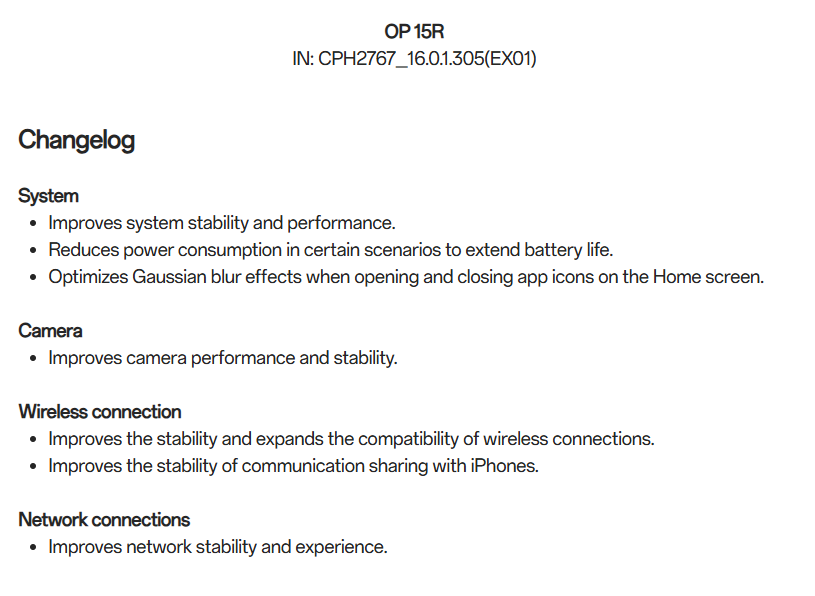
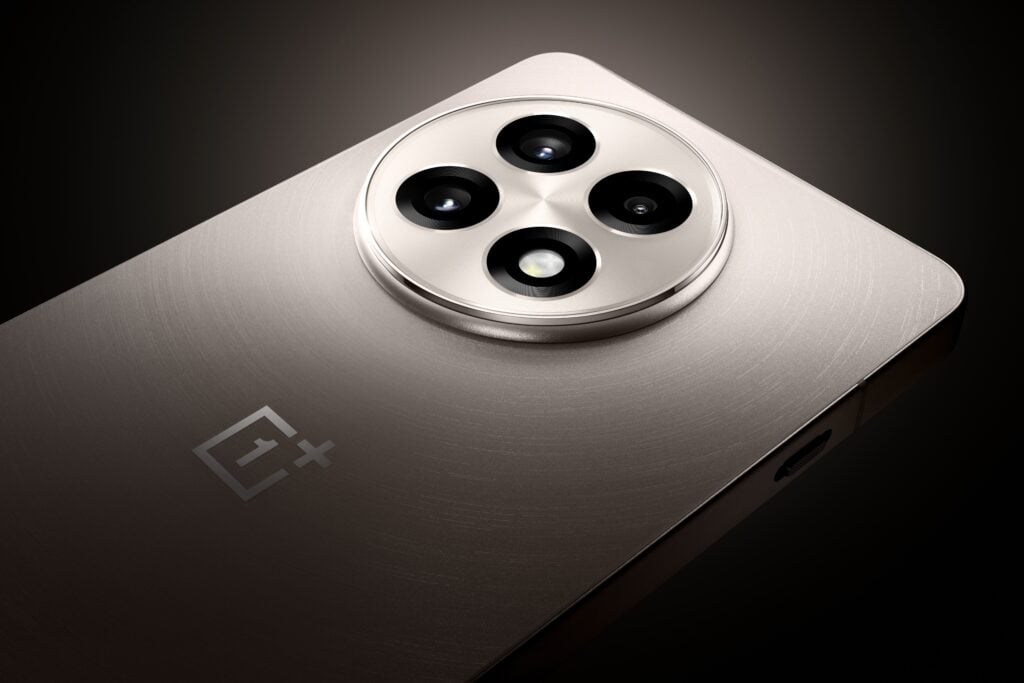
OnePlus started rolling out OxygenOS 16.0.1.305 for the OnePlus 15R in India. This is the first update for the smartphone. The update targets model CPH2767_16.0.1.305(EX01) and brings system stability improvements, better battery life, camera enhancements, and more reliable wireless and network connections.
What’s New
The system gets better stability and performance. OnePlus fixed power consumption problems in certain situations to make the battery last longer. The Gaussian blur effect when opening and closing apps on the home screen now works smoother.
Camera and Connections
The camera performs better and runs more stable. Wireless connections are now more reliable and work with more devices. Sharing communication features with iPhones is more stable. Network connections are also more stable with better overall experience.
How the Update Works
OnePlus is releasing this update in batches. A small group of users gets it first, then everyone else receives it in a few days. The features in the update can differ depending on your region.
Reporting Problems
Indian users have two ways to report bugs. Open the OnePlus Community App, go to your profile, and find the “Bug Report” section. You can also dial *#800# on your phone to open the feedback tool.
If you haven’t received the update notification yet, you can check for it manually by navigating to Settings > System > System updates. OnePlus has not said when other regions will get this update.
Realme is expanding its audio lineup with another budget model with premium specs and features. The brand has just confirmed that the Realme Buds Air 8 will be launching alongside the Realme 16 Pro series, bringing high end hardware with an elegant new look. So let’s check it out.
Realme Buds Air 8 Specifications & Design
Realme’s next gen Buds Air lineup of TWS earbuds is in collaboration with known industrial designer Naoto Fukasawa, who also helped design the upcoming Realme 16 Pro models. We get a glimpse of this with recent teaser posters, which showcase the hearables with a new charging case design and three color options. This includes the Gold, Dark Gray, and Purple. Realme is calling this the new Master Design that includes both matte and glossy finishes on the charging case.
Realme Buds Air 6
The teasers from the Chinese brand also confirmed some of the key specs and features. Realme’s new Buds Air 8 will pack a dual driver setup with 11mm + 6mm drivers. Furthermore, the TWS will offer up to 55 decibels of ANC (Active Noise Cancellation), which promises to offer improved noise cancelling. The brand also claims an enhanced sound quality with Hi-Res Audio wireless certification and support for LHDC Bluetooth codec.
Apart from this, the Realme Buds Air 8 comes with an AI powered Sound Master, which is basically a system that uses AI to enhance voice interactions and optimize sound depending on whether you’re listening to music or making calls. These TWS earbuds will debut in the Indian market on 6th January 2026 and will be available for purchase via the company’s official website, Flipkart, and Amazon India.
Asus VM670KA has officially launched in India, marking the brand’s first Copilot+ PC-enabled All-in-One desktop for the local market. While ASUS has confirmed its arrival and positioning, early details point towards a clean, space-saving desktop that focuses on AI readiness, daily productivity, and multimedia use.
Asus VM670KA Copilot+ AIO PC specifications and features
Asus Copilot+ AIO PC
The Asus VM670KA is powered by up to the AMD Ryzen AI 7 350 processor, paired with a dedicated 50 TOPS NPU to handle on-device AI workloads alongside everyday tasks. It runs Windows 11 and is certified as a Copilot+ PC, bringing AI-assisted features into a desktop form factor.
The All-in-One features a 27-inch Full HD IPS display with touch support, offering a 178-degree viewing angle and a smooth 75Hz refresh rate. Narrow bezels and a high screen-to-body ratio help it maintain a modern, uncluttered look.
Asus Copilot+ AIO PC
For audio, Asus has equipped the VM670KA with dual 5W stereo speakers supported by Dolby Atmos, along with AI-powered noise cancellation for clearer video calls. A 5-megapixel IR camera enables Windows Hello facial recognition and can be retracted when not in use for added privacy. The system includes 16GB DDR5 RAM via dual SO-DIMM slots and a 1TB PCIe Gen 4 SSD, expandable up to 2TB.
Connectivity options include multiple USB ports, HDMI-in and HDMI-out, Wi-Fi 7, Bluetooth 5.4, and Gigabit Ethernet, making it suitable for both workstations and home setups. The aluminium chassis focuses on minimal cable clutter and a slim profile.
Asus VM670KA Copilot+ AIO PC price in India and availability
The Asus VM670KA is priced starting at Rs 1,09,990 (~$1225) in India. It will be available through Asus Exclusive Stores, the Asus eShop, Hybrid Stores, ROG Stores, Flipkart, and Amazon, with no-cost EMI options and flexible monthly plans also on offer.
For more daily updates, please visit our News Section.
It’s rare that a smartphone gets a software update after reaching the end of life (EOL), but if that happens, it essentially means the device is facing some issue — often critical issues. Well, the Xiaomi Mi 11 is receiving a new HyperOS update after reaching the end of the update cycle over a year ago.
As spotted by Ytechb, the latest update for the Mi 11 comes with the firmware version OS2.0.6.0.UKBCNXM. It’s based on Android 14 and currently rolling out to the users in China. If you’re carrying a Mi 11 in China, check for the latest update via the software update section in the Settings app.
According to the changelog, the update addresses bugs in some usage patterns. The system stability also gets better. As expected, the update doesn’t include any new features or upgrades, as such updates primarily focus on squashing bugs or critical issues. However, it’s great that Xiaomi is still committed to fixing problems on a discontinued device.
The latest update for Xiaomi Mi 11 is currently exclusive to the China ROM. However, if the same issues also affect models outside China, the update may be expanded to more regions.
If you’re still running Mi 11 as your daily driver, you’re missing out on a bundle of new features and groundbreaking upgrades, such as HyperIsland, cinematic lock screens, AI tools, cross-device connectivity, strong security features, and many more. Besides those, the Mi 11 is also not eligible for regular security patches. I would highly recommend upgrading to a newer model with longer software support. Check out the list of Xiaomi devices offering six years of software updates or four major Android OS updates.
Be sure to regularly visit the Xiaomi section on Gizmochina for the latest updates. If you prefer your news instant and on-the-go, hop into our Telegram channel for the software updates and all the biggest tech headlines, and don’t forget to sign up for our daily newsletter of top stories.
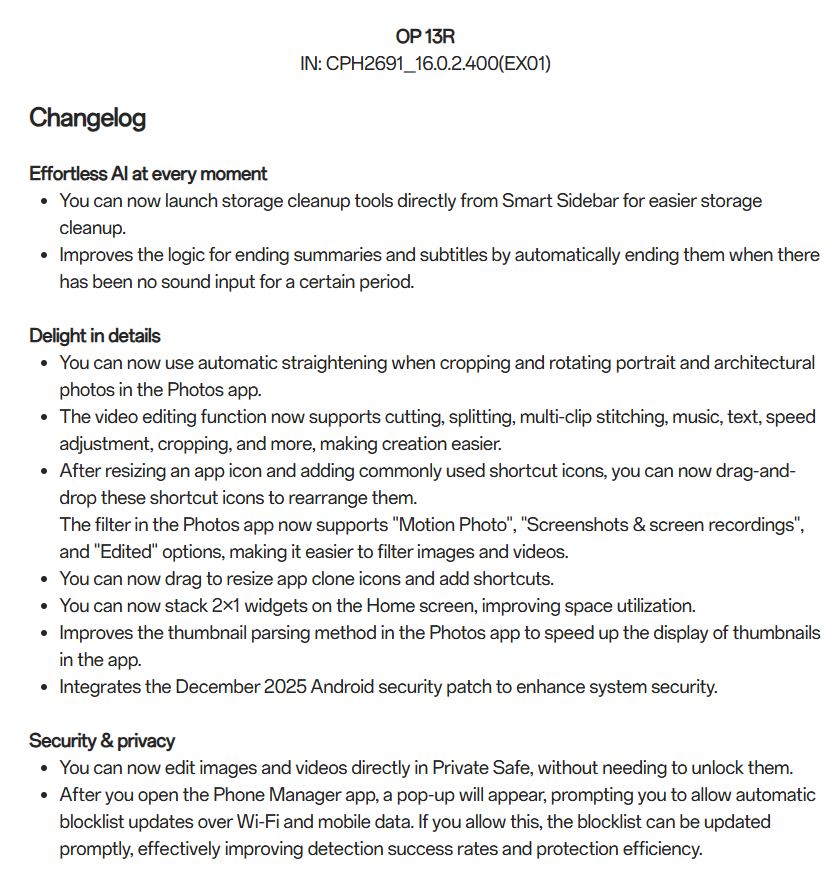
OnePlus has started an incremental rollout of OxygenOS 16.0.2.400 for the OnePlus 13R in India. The update carries the build number CPH2691_16.0.2.400 and is being released in batches. It focuses on AI feature refinements, stronger photo and video editing tools, expanded home screen customization, system security improvements, and easier bug reporting.
The update brings several functional changes focused on AI tools, media editing, home screen customization, and security.
On the AI front, users now get direct access to storage cleanup tools through the Smart Sidebar, making routine device maintenance faster. AI-generated summaries and subtitles have also been refined. These features now stop automatically when there is no audio input, which improves accuracy and avoids unnecessary processing.
Photo and video tools receive a major upgrade. The Photos app now supports automatic straightening for portrait and architectural images while cropping or rotating. Video editing has been expanded with support for cutting and splitting clips, stitching multiple videos, adding background music, inserting text, adjusting playback speed, and cropping footage. Image loading is faster due to improved thumbnail parsing. Content sorting has also been improved with new filters such as Motion Photo, Screenshots and screen recordings, and Edited items.
Home screen customization is more flexible with this release. Users can resize app icons and add shortcuts that can be rearranged using drag and drop. These options also apply to app clone icons. The update adds support for 2×1 widget stacking, allowing more widgets to fit on the home screen without using extra space.
On the security side, the update includes the December 2025 Android security patch. Private Safe has been improved to allow users to edit images and videos directly without unlocking the files first. Phone Manager now prompts users to enable automatic blocklist updates over both Wi-Fi and mobile data to improve protection against threats.
OnePlus 13R OxygenOS 16.0.2.400 changelog
Bug reporting has also been simplified for users in India. Issues can now be reported through the Bug Report section in the OnePlus Community app or by dialing *#800# to open the feedback tool directly.
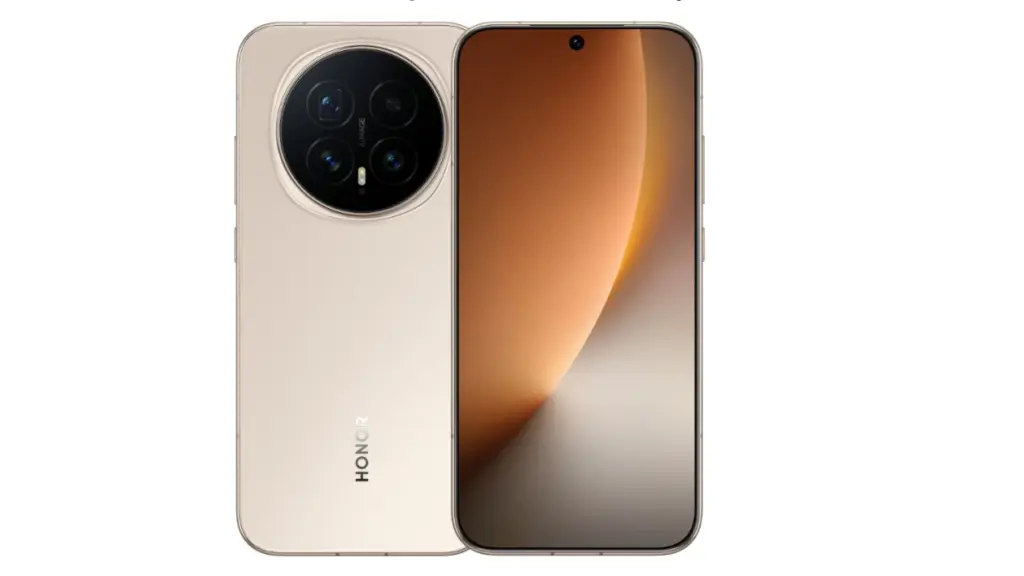
Honor appears to be joining the growing trend of compact premium smartphones, with the new Honor Magic 8 Air. Fresh leaks have suggested that the new model is a part of the brand’s flagship smartphone. So it will likely bring cutting edge hardware and a familiar premium look. So here’s everything we know so far.
Honor Magic 8 Air Rumored Specifications
With compact premium smartphones growing in popularity, Honor is the latest Chinese brand to join the trend. The latest information arrives from known tipster RODENT950, who shared the key details on X (formerly Twitter). While this is also a flagship phone with high end specs, the Magic 8 Air is reportedly switching from Qualcomm to MediaTek for its powerful chipset. Unlike its siblings, this model could pack the Dimensity 9500 over the Snapdragon 8 Elite Gen 5.
Honor Magic 8
The tipster adds that the device will sport a 6.31-inch LTPS OLED display that likely offers 1.5K resolution and a 120Hz refresh rate. On the rear, you get a 200MP main camera with a 1/1.5-inch sensor size along with a 50MP telephoto shooter. It is unclear if there will be an ultra wide angle lens included in the rear camera module. A sizeable 5,500mAh battery pack is expected to power this device.
One of the more notable aspects of its design will be its super slim design. As the name suggests, this model likely rivals the iPhone Air, with the leak hinting at a 5 to 6mm body. This is quite impressive considering its hefty specs and big battery. The Chinese brand might release the Honor Magic 8 Air sometime in the second half of January 2026.
For more daily updates, please visit our News Section.
A decision by the US FCC has shaken the country’s drone industry, leaving many commercial pilots worried about how long they can keep their businesses afloat.
The FCC just announced it would add foreign-made drones and key components to its “Covered List,” citing national security concerns. The move prevents most new foreign drone models from receiving the FCC approvals required for sale in the US.
While existing drones remain legal to use, and previously approved models can still be sold, future imports are effectively blocked. The decision is expected to hit DJI hardest, as the Chinese company dominates the US drone market.
Estimates suggest DJI controls between 70 and 90 percent of the commercial, government, and hobbyist drone space in the US. For many pilots, there is simply no comparable alternative.
The backlash has been immediate. Nearly 500,000 commercial drone pilots are registered in the US, and many rely on DJI equipment for work in construction, agriculture, real estate, infrastructure inspection, and public safety. Pilots argue that American-made drones are often more expensive and lag behind in performance.
“I’m a die-hard American-made advocate and drive a Chevrolet pickup truck,” said Eric Ebert, owner of Falcon Unmanned, a construction monitoring firm in Indiana. “But American drones are simply not competitive.”
Some operators are now stockpiling drones, batteries, and spare parts. One pilot working on solar and wind projects said he has already stored dozens of drones to keep operating through the next few years. “We know very well what 2026 means for us,” he said.
A recent survey by Greg Reverdiau of the Pilot Institute, based on responses from around 8,000 commercial pilots, paints a grim picture. About 43 percent said the ban would have an “extremely negative” or “potentially bankrupt” impact, while 85 percent said their businesses could survive two years or less without access to new foreign-made drones.
As petitions reach Congress and the White House, pilots warn that without viable domestic alternatives, the FCC’s move could cripple an industry that has become essential to modern infrastructure and emergency response.
Samsung Galaxy A37 and Galaxy A57 are reportedly launching much earlier next year. In line with this, the two phones have appeared on multipleplatforms so far, confirming ongoing development.
Now, a new report has revealed the possible camera specifications of both the Galaxy A37 and A57. And there’s not much new to the story.
According to the report, the Galaxy A37 will feature a Sony IMX906 main camera, an 8MP Samsung GC08A3 ultrawide sensor, and a 5MP macro lens. The phone will also offer a 12MP camera for selfies and video calls.
Sasmsung Galaxy A56 (left) and Galaxy A36 (right)
As for the Galaxy A57, the model is rumored to come with a 50MP Sony IMX906 main camera, a 13MP ISOCELL S5K3L6 ultrawide sensor, and a 5MP macro shooter. Interestingly, the report mentions that some regions might instead get a 50MP ISOCELL GNJ main camera. Regardless, both sensors share the same 1/1.56-inch size. Selfies are said to be handled by a 12MP ISOCELL S5K3LC sensor.
So, what’s actually changing?
Honestly, not much. The Galaxy A57 has a more or less similar camera setup to last year’s. And while this isn’t necessarily a bad setup, we were hoping Samsung would finally introduce a telephoto lens on its most expensive A-series phone in 2026. Based on this report, though, it doesn’t look like that’s changing anytime soon.
The Galaxy A37, on the other hand, does bring a meaningful ultrawide upgrade, jumping from 8MP to 12MP. The main sensor is also larger, measuring 1/1.96-inch, which should help improve light intake.
Samsung is known for being slow to introduce major hardware upgrades, outside of generational processor changes. The Galaxy S26, for instance, is said to retain the same camera setup Samsung has been using since the Galaxy S23 series.
Anyway, the Galaxy A37 and A57 are expected to launch sometime in January 2026.
For more daily updates, please visit our News Section.
The Snapdragon 8 Gen 5 was announced in November, and the major highlights were the Oryon cores, which were previously exclusive to “Elite” chips. It’s a slightly toned-down version of the Snapdragon 8 Elite Gen 5 chip, but still a flagship SoC with plenty of power and capabilities.
The Snapdragon 8s Gen 4, on the other hand, is also a flagship-grade chipset and the last Snapdragon 8-series chipset to feature ARM cores, at least at the time of writing this post. From the name itself, it’s clear that the 8s Gen 4 sits under 8 Gen 5, but we’re more interested in learning about the performance gap and other major differences. So, let’s dig further to find out.
Let’s begin with the spec sheet:
Snapdragon 8 Gen 5
Snapdragon 8s Gen 4
Announced
November 2025
April 2025
Process node
TSMC’s 3nm (N3P)
TSMC’s 4nm (N4P)
CPU cores
8-core
8-core
CPU cores
2 x 3.8GHz — Oryon (3rd gen) 6 x 3.32GHz — Oryon (3rd gen)
1 x 3.21GHz — Cortex-X4 3 x 3.0GHz — Cortex-A720 2 x 2.8GHz — Cortex-A720 2 x 2.02GHz — Cortex-A720
GPU
Qualcomm Adreno 840 GPU Ray tracing support Snapdragon Elite Gaming features
Qualcomm Adreno 825 GPU Ray tracing support Snapdragon Elite Gaming features
NPU
Qualcomm Hexagon NPU Agentic AI support
Qualcomm Hexagon NPU
Memory
LPDDR5x, up to 4.8GHz
LPDDR5x, up to 4.8GHz
Storage
UFS 4.1
UFS 4.0
Camera
Qualcomm Spectra triple AI ISP (20-bit) Up to 320MP single camera up to 108MP single camera with zero shutter lag up to 48MP triple cameras with zero shutter lag real-time semantic segmentation (limitless) 4K/120fps video recording 1080p/480fps slow-mo video recording
Quacomm Spectra triple AI ISP (18-bit) up to 320MP single camera up to 108MP single camera with zero shutter lag up to 36MP triple cameras with zero shutter lag real-time semantic segmentation (up to 250 layers) 4K/60fps video recording 1080p/480fps slow-mo video recording
Note: The benchmark tests were performed on the OnePlus 15R (powered by the Snapdragon 8 Gen 5) and the iQOO Neo 10 (powered by the Snapdragon 8s Gen 4)
Snapdragon 8 Gen 5 vs 8s Gen 4: Geekbench score
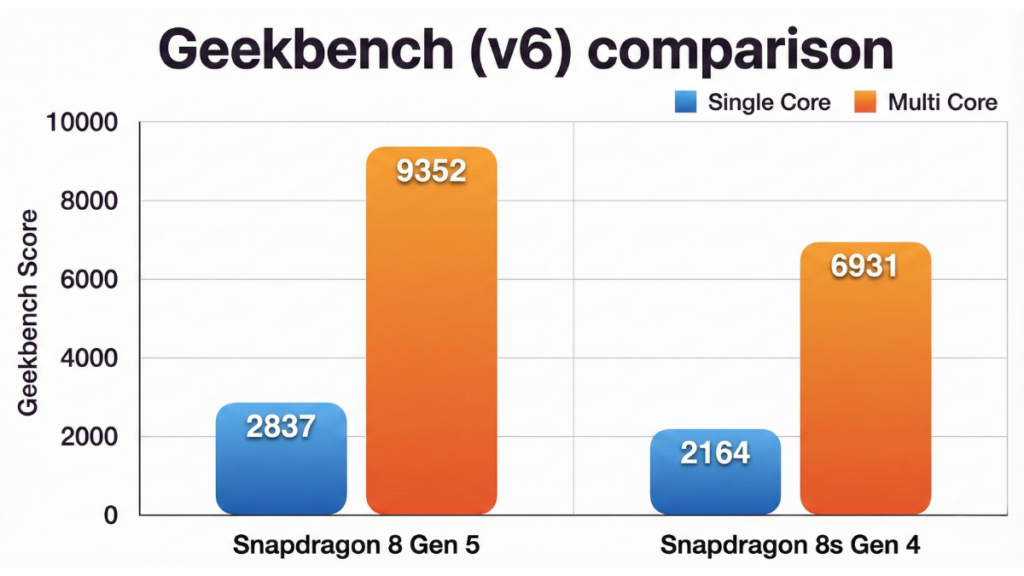
Thanks to powerful Oryon cores, the Snapdragon 8 Gen 5 achieves significantly higher scores on Geekbench than the 8s Gen 4. The single-core score is 2,837, which is 31% higher than the 8s Gen 4’s 2,164 points.
The gap widens further in multi-core performance, with the 8 Gen 5 achieving 9,352 points, while the 8s Gen 4 only manages 6,931 points. That’s an impressive 34% boost for the Gen 5 chipset.
Snapdragon 8 Gen 5
Snapdragon 8s Gen 4
Single core
2,837
2,164
Multi core
9,352
6,931
Snapdragon 8 Gen 5 vs 8s Gen 4: AnTuTu score
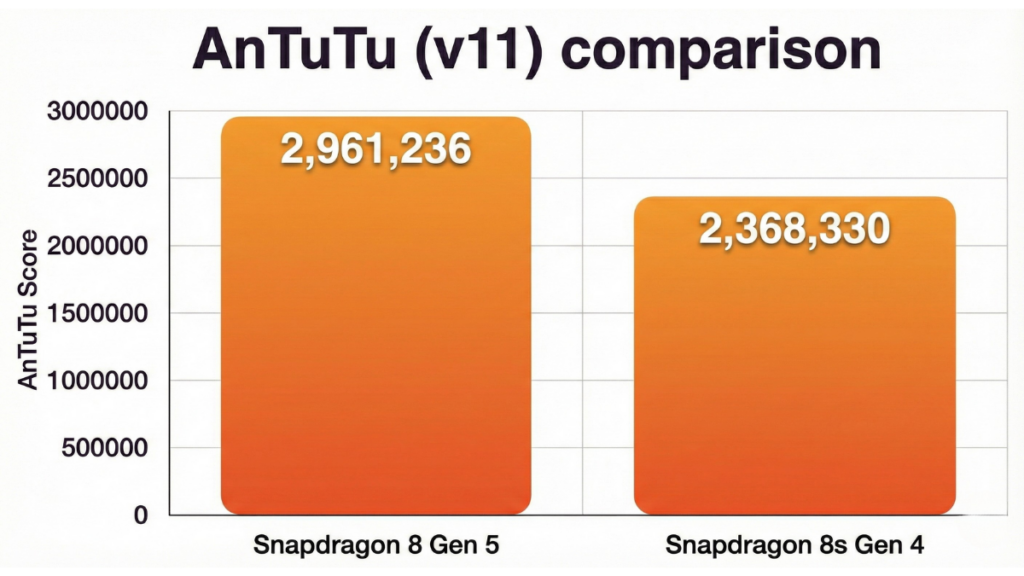
The Snapdragon 8 Gen 5 on AnTuTu almost reaches the 3 million mark, whereas the 8s Gen 4 couldn’t surpass 2.4 million in total AnTuTu score. That gives the 8 Gen 5 a 25% boost in the overall score.
The breakdown reveals that the 8 Gen 5’s CPU achieves a 32% higher score (914,878 vs. 688,724) and the GPU performance receives a 22% uplift (799,818 vs. 974,402). The memory and user experience performance also favor the newer chip.
Snapdragon 8 Gen 5
Snapdragon 8s Gen 4
AnTuTu score
2,961,236
2,368,330
CPU
914,878
688,724
GPU
974,402
799,818
Memory
382,729
359,695
UX
689,228
520,093
So, the Snapdragon 8 Gen 5 easily outperforms the 8s Gen 4 on synthetic benchmarks. In the real world, the results are mostly the same.
Beyond performance, these benchmarks do not reveal many details. So, let’s look at the major differences to get a better picture.
The newer 8 Gen 5 uses the advanced 3nm (N3P) process node from TSMC, which offers better performance and power efficiency compared to TSMC’s 4nm (N4P) node used for 8s Gen 4. The chip also benefits from powerful third-gen Oryon cores, the same cores from the top-tier Snapdragon 8 Elite Gen 5 flagship.
The 8 Gen 5’s octa-core CPU has two prime cores clocked at 3.8 GHz and six performance cores at 3.32 GHz. In contrast, the 8s Gen 4 features one prime Cortex-X4 core at 3.21 GHz, five performance Cortex-A720 cores (three at 3.0 GHz and two at 2.8 GHz), and two power-efficient Cortex-A720 cores at 2.02 GHz. The 8 Gen 5 not only benefits from higher CPU speed, but the Oryon cores are also more powerful and power-efficient than 8s Gen 4 cores, which also reflects in the benchmark score.
The two Snapdragon chips also differ in terms of GPU capabilities. For instance, the 8 Gen 5 rocks an Adreno 840 GPU, offering smoother gaming performance and better power efficiency compared to the Adreno 825 GPU on the 8s Gen 4. Furthermore, the chip offers newer versions of the gaming features as part of Snapdragon Elite Gaming suite.
The Snapdragon 8 Gen 5 and 8s Gen 4 feature dedicated Qualcomm Hexagon NPUs and Qualcomm AI Engine for advanced AI capabilities. The 8 Gen 5 also offers agentic AI capabilities and integrates hardware matrix acceleration.
The newer Snapdragon chip also excels in network and connectivity, as it features a newer modem with higher download and upload speeds. It also leads the camera aspect with advanced video recording capabilities and limitless semantic segmentation.
Snapdragon 8 Gen 5 vs 8s Gen 4: Which chip should you choose?
Whether big or small the differences are, the Snapdragon 8 Gen 5 outperforms the 8s Gen 4 in almost every aspect. So, if you’re a power user with gaming being a primary concern, the 8 Gen 5 is a no-brainer pick. That said, the 8s Gen 4 isn’t bad for gaming, but the newer chip offers better performance.
If extensive gaming sessions aren’t your thing, the Snapdragon 8s Gen 4 won’t disappoint you. In fact, most users wouldn’t even notice a performance gap on day-to-day tasks like browsing the internet, scrolling through social media apps, and playing videos.
A fresh concept design called the Pixel Duo imagines a smartphone that ditches the usual. Instead of a single display on the front, this model features two distinct screens that deliver different visual experiences. So here’s what makes this phone so unique.
Pixel Duo: New Concept Phone With Dual Front Displays
Even with a typical dual display smartphone, one screen is the primary panel with a secondary one usually being housed on the outside/back as a cover panel. But with the Pixel Duo concept, both displays have moved to the front, creating a unique dual screen layout. However, this isn’t even the wackiest bit yet. One of the screen is a conventional LCD panel, although it is the smaller of the two (3.5 inches). The much larger 5.2-inch screen is an E-ink display.
Pixel Duo Concept Smartphone with Dual Front Displays
The 3.5-inch IPS panel carries a 1280 x 800 pixel resolution and a 120Hz refresh rate. Meanwhile, the 5.2-inch E-ink has a 1300 x 838 pixel resolution. If you’re unfamiliar with the E-ink tech, this screen only shows content in the grayscale. You’ll often find this display technology being used in e-books.
So this will offer a more natural reading experience to the users. On the other hand, the LCD panel allows a better experience when using the camera (as a viewfinder and to view the captured pictures and images). We can expect an impressive battery life experience as well considering how the E-ink display is more energy efficient compared to typical screens. Keep in mind that this is still just a concept phone, so it’s unclear if such a device will ever see a commercial release.
For more daily updates, please visit our News Section.
Samsung is reportedly preparing a notable shift in its foldable strategy for 2026. New leaks suggest the company could align some of its upcoming Galaxy Z Fold designs with Apple’s long-rumored foldable iPhone.
According to reports, Samsung plans to launch two Galaxy Z Fold models next year. One of them is said to feature a noticeably wider form factor, similar to what Apple is expected to use for its first foldable iPhone.
This alleged Galaxy Z Fold Wide is tipped to use a near 4:3 aspect ratio when unfolded. The inner display is said to measure around 7.58 inches, offering a more square, tablet-like experience. The wider layout could make multitasking and app scaling more comfortable, especially for productivity-focused users.
When closed, the device would also be wider than current Galaxy Z Fold models. This approach is closer to designs seen on the original Pixel Fold and Oppo Find N, rather than Samsung’s tall and narrow Fold series so far.
Reports also suggest Samsung could introduce a third foldable in 2026. This version may feature a 7.6-inch inner display with a similar 4:3 ratio and a much wider outer screen, potentially around 5.4 inches. If accurate, it would be significantly broader than the cover display on the upcoming Galaxy Z Fold 8.
All three foldables are expected to arrive in the second half of 2026, possibly around the same time Apple debuts its own foldable device.
Design changes may not be the only overlap. Samsung is also rumored to be upgrading wireless charging speeds across its premium lineup. The Galaxy Z Fold Wide is said to support upgraded 25W wireless charging, which would be the fastest seen on a Galaxy foldable so far.
This would bring Samsung in line with Apple’s current wireless charging speeds, already supported by recent iPhones using Qi2-compatible chargers. The Galaxy S26 Ultra is also expected to receive the same 25W wireless charging upgrade.
For now, these details point to a more aggressive strategy from Samsung as it prepares for increased competition in the foldable market—especially if Apple enters the space in 2026.
Mini PCs are evolving rapidly. The category is no longer limited to compact, office-focused systems, with upcoming designs aiming at gaming, AI workloads, and modular computing.
Over this year, several companies have previewed next-generation mini PCs through early showcases, technology summits, and brand presentations, revealing bold form factors, powerful chipsets, and unconventional cooling approaches. Some concepts prioritize extreme compactness, while others push raw performance closer to full-size desktops.
Based on confirmed specifications, official previews, and early disclosures, these are the most promising mini PCs you can wait for in 2026.
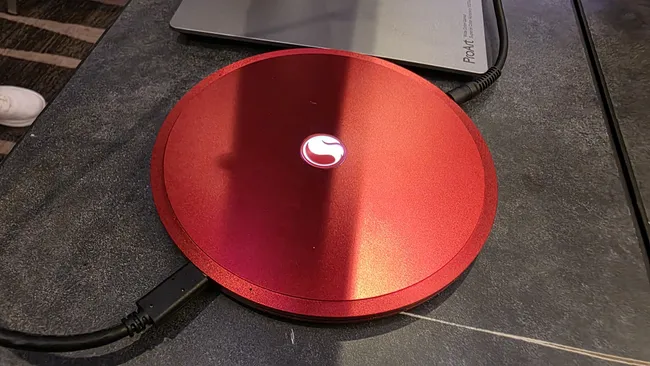
Qualcomm revealed two experimental Snapdragon X2 mini PC reference designs during the Snapdragon Summit. The first is a circular model that looks like a frisbee. It features the new Snapdragon X2 Elite Extreme chip, with 12 Prime cores clocked up to 5.0GHz and six performance cores at 3.6GHz. The total 18-core configuration supports up to 228 GB/s memory bandwidth.
This saucer-shaped PC is milled from metal, finished in Snapdragon red, and includes USB-C, a headphone jack, and barrel power input. It also runs fanless thanks to Frore Systems’ AirJet cooling technology, which uses piezoelectric membranes instead of fans.
Image credit: Future
The second model is a square-shaped module that docks directly into a monitor base. It uses the same chipset and includes two Type-C ports and a 3.5mm jack. This all-in-one design allows users to swap out the computing module while keeping the monitor.
Qualcomm confirmed that at least three Taiwanese OEMs are working on Snapdragon X2-based systems. These reference designs may never become retail products, but they showcase what ARM PCs could look like in the near future.
2. Thunderobot Mix G2
Thunderobot plans to launch the Mix G2 mini PC globally at CES 2026. This compact 3.2-liter system includes Intel’s Core Ultra 9 275HX processor and Nvidia’s GeForce RTX 5090 Laptop GPU. The processor supports 24 cores and 24 threads, while the GPU brings 24GB of GDDR7 memory and up to 1824 TOPS of AI performance.
Thunderobot targets gamers and content creators with this high-end configuration. The Chinese version already launched with up to 64GB RAM and prices starting at around $3,800. Global pricing and region availability will be announced during CES.
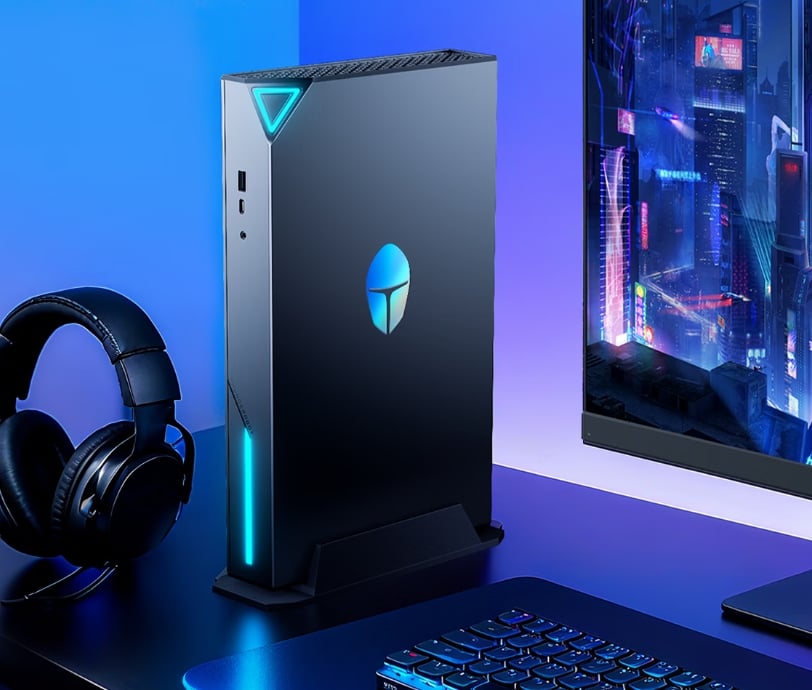
The AtomMan G1 Pro is a vertical gaming mini PC powered by AMD’s Ryzen 9 8945HX processor and a 145W GeForce RTX 5060 GPU. The system has a 3.8-liter chassis and features a built-in 350W power supply and a high-efficiency dual-fan Glacier cooling system.
The G1 Pro supports up to 96GB of DDR5 memory, two PCIe 4.0 SSD slots, and up to four 4K displays. It includes dual HDMI, DisplayPort 2.1, 5GbE LAN, USB-C, Wi-Fi 7, and Bluetooth 5.4.
The mini PC is currently available for pre-order, with prices starting at $1,430. Shipments are expected to begin in early January.
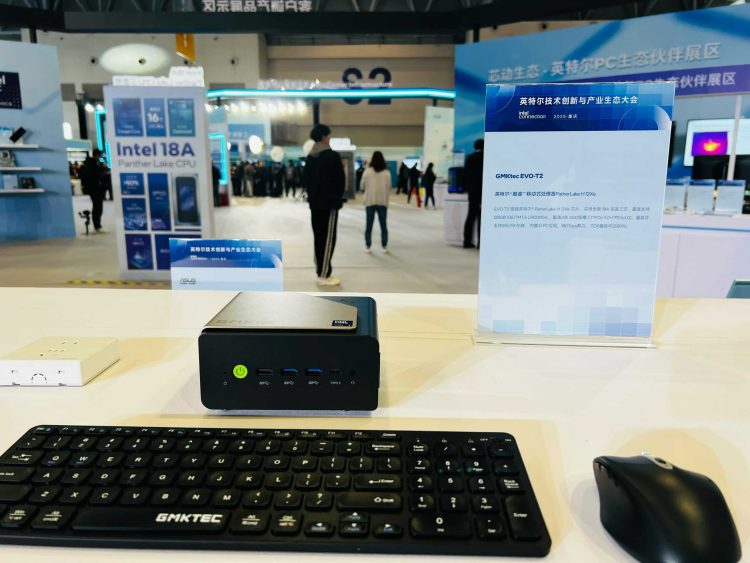
Gmktec showcased the Evo-T2 at Intel’s 2025 conference in China. The system is powered by Intel’s Panther Lake H 12Xe3 chip, which uses the 18A process and includes 12 Xe3 GPU cores. It also delivers up to 180 TOPS of AI performance.
The Evo-T2 supports up to 128GB of LPDDR5X-10677 memory and 16TB of total storage across two M.2 slots. It includes front-facing USB-A and USB-C ports along with a 3.5mm jack. Full I/O and pricing are expected to be announced in Q1 2026.
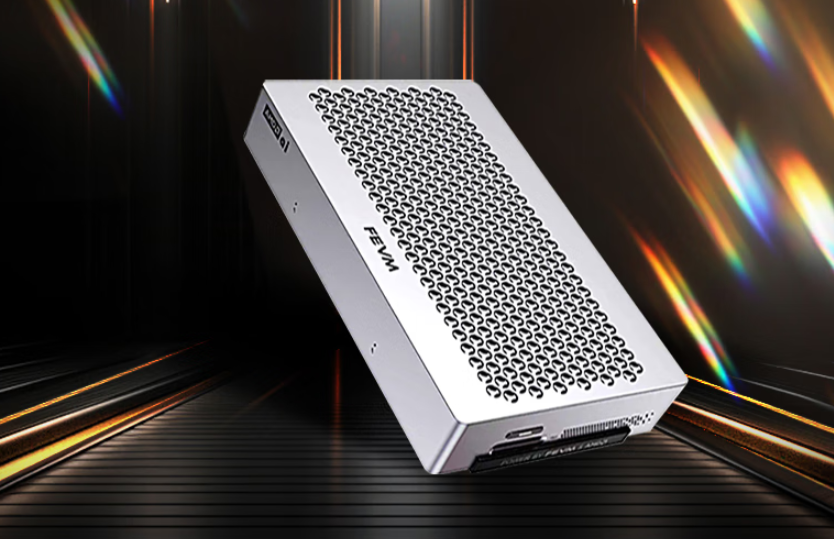
FEVM already launched its FAEX1 mini PC in China with the Ryzen AI Max+ 395 processor. The 16-core chip supports 128GB of LPDDR5X-8533 memory and integrates the Radeon 8060S GPU, which performs similarly to an RTX 4070 Laptop GPU.
The FAEX1 includes three M.2 PCIe 4.0 SSD slots, a 10 GbE and a 2.5 GbE Ethernet port, and external GPU support via OCuLink and USB4. It also includes HDMI 2.1, DisplayPort 2.0, an SD card reader, stereo speakers, and Wi-Fi 7.
The base model, which comes with 64GB of RAM, is priced at 10,999 yuan in China, roughly $1,550. There is no word yet on global availability, though it may appear on AliExpress later on.
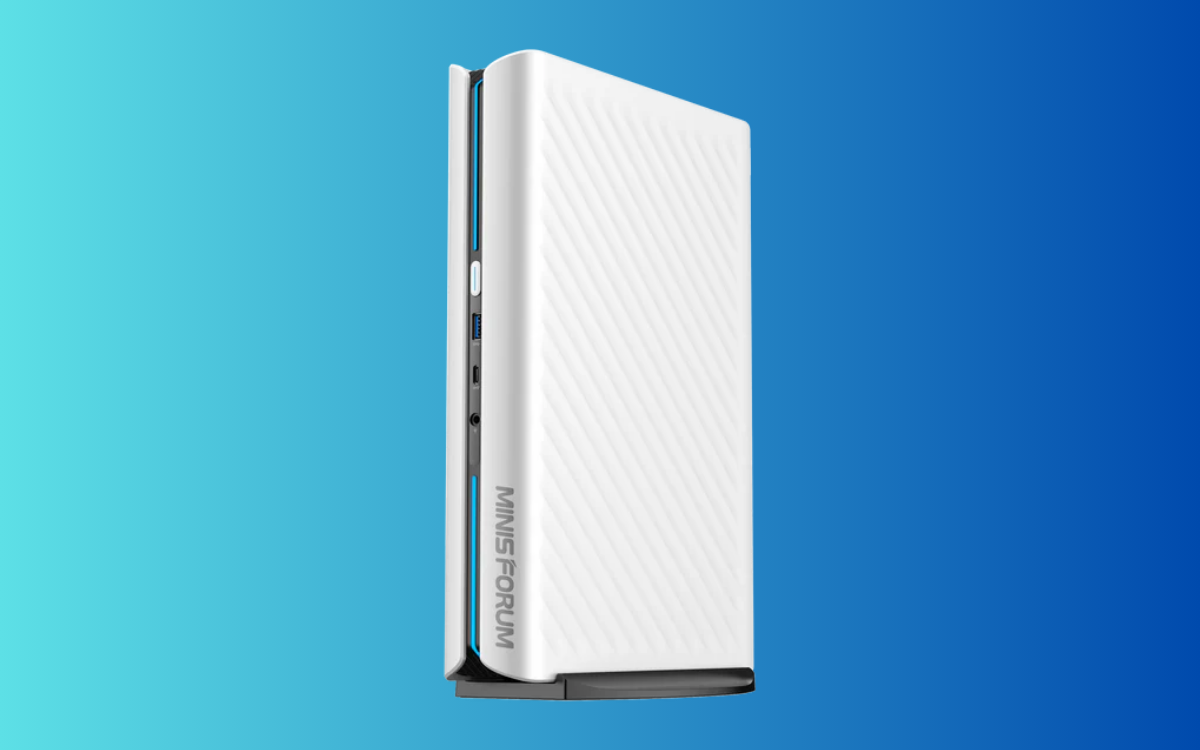
6. Minisforum MS-02 Ultra
Minisforum MS-02 Ultra is a relatively recent launch, so we are adding this to the list as well. It is a compact 4.8-liter desktop that supports up to 256GB of DDR5 ECC memory, four M.2 SSDs, and three PCIe expansion slots. The system is powered by an Intel Core Ultra 9 285HX mobile processor, featuring 24 cores and a boost clock of up to 5.5GHz.
The system includes a 350W internal PSU and a slide-out chassis for easy upgrades. The cooling system features six heatpipes and dual fans. Networking includes dual 25 GbE SFP+ ports, 10 GbE and 2.5 GbE RJ45, and Wi-Fi 7.
Models start at $1,199 for barebones and go up to $2,899 for 192GB RAM and 2TB SSD configurations. The 192GB variant will start shipping from December 25th this year.
Yesterday, the upcoming OnePlus Turbo smartphone surfaced on Geekbench, and it has now appeared on AnTuTu as well. As expected, the latest listing sheds light on key hardware specifications while also revealing the phone’s overall performance output. At the same time, reliable tipster Digital Chat Station has shared additional information, which also hints at the existence of another OnePlus Turbo-series device currently in development.
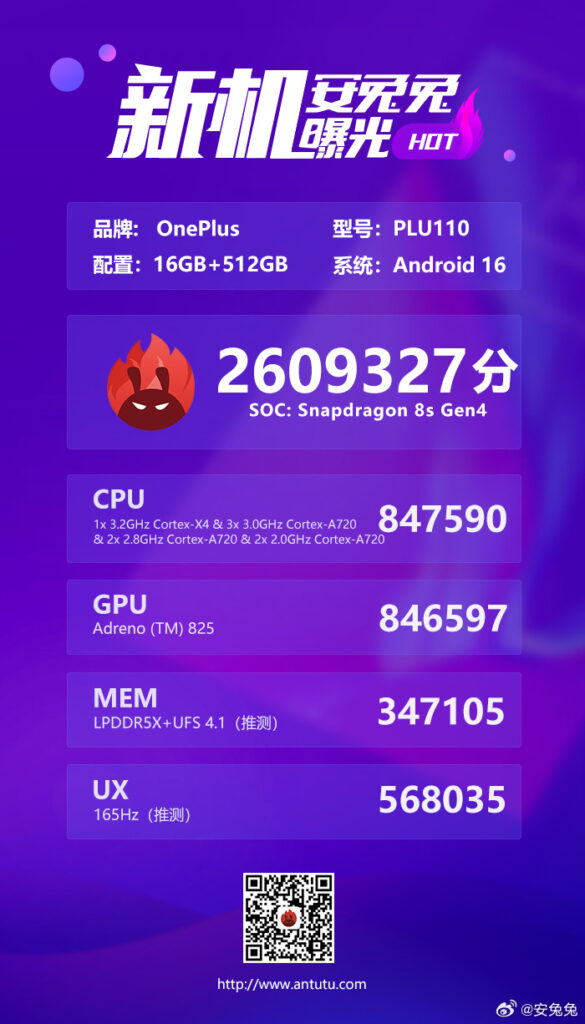
The AnTuTu listing of the OnePlus Turbo (model number PLU110) reveals that the device will be powered by the Snapdragon 8s Gen 4 chipset and paired with LPDDR5X RAM and UFS 4.0 storage. It also confirms the presence of a high-refresh-rate display, with the phone expected to support up to a 165Hz refresh rate.
In terms of benchmark results, the OnePlus Turbo managed to achieve an overall AnTuTu score of 2,609,327. Breaking this down, the score is made up of individual results across different tests, including strong numbers in CPU, GPU, memory, and user experience evaluations. In other words, the final tally reflects combined scores of 847,590 for CPU performance, 846,597 for graphics, 347,105 for memory, and 568,035 in UX-related tests, highlighting balanced performance across all areas.
According to Digital Chat Station, the OnePlus Turbo will feature a 6.78-inch flat LTPS OLED panel supplied by BOE, offering a 1.5K resolution and a 165Hz refresh rate. The phone is said to arrive in multiple configurations, ranging from 12GB RAM with 256GB storage to a top-end 16GB RAM and 512GB storage variant. It is also expected to launch in China in colour options such as Unique Black, Ocean Green, and Light Chaser Silver.
Other reports suggest that the device will house a massive 9,000mAh battery with fast charging support, a metal middle frame, and an ultrasonic in-screen fingerprint sensor. Despite the large battery, the phone is tipped to weigh around 217 grams.
Interestingly, DCS has also hinted at another OnePlus Turbo-series phone with V-branding. This model is expected to feature a Snapdragon 7-series chipset, a 165Hz display, and a large battery, with colour options likely to include Unique Black, Nova White, and Fearless Blue. More details on this variant are expected to surface soon.
The OnePlus Turbo is expected to hit the Chinese market in January 2026. A recent report claims that it will also release globally.
For more daily updates, please visit our News Section.
OnePlus has begun rolling out OxygenOS 16.0.2.400 for the OnePlus 13s in India through an incremental deployment, with broader availability expected within days.
OnePlus 13s
AI and Storage Management
The update integrates storage cleanup tools into Smart Sidebar, enabling users to manage device storage without navigating through settings menus.
Interface and Customization Improvements
Users gain enhanced control over home screen organization. Resized app icons and shortcuts can now be rearranged through drag-and-drop functionality. App clone icons support resizing and shortcut additions. The update introduces 2×1 widget stacking, maximizing home screen space efficiency.
Circle to Search activation has been refined in gesture navigation mode, allowing feature access even when the gesture guide bar is hidden by touching its typical location.
Camera and Photos Enhancements
The Camera app adds a “Neon” filter replicating CineStill 800T film characteristics, designed for atmospheric night portraits. The Photos app introduces new filtering options for Motion Photos, screenshots, screen recordings, and edited content. Thumbnail loading speeds have improved through updated parsing methods.
Security and Privacy Updates
Private Safe now supports direct editing of images and videos without requiring unlocking. Phone Manager introduces automatic blocklist updates over Wi-Fi and mobile data through opt-in prompts, enhancing spam detection and protection efficiency.
The update incorporates December 2025 Android security patches.
Indian users can submit device issues through the OnePlus Community App’s Bug Report section or by dialing *#800# to access the feedback tool. Users can check for updates through Settings > System > System updates if they haven’t received the installation notification.
Oppo has started teasing the Reno 15 series of smartphones. In a new press release, the brand has revealed that the country will be treated with Reno 15 models, such as the Reno 15 Pro, Reno 15 Pro Mini, and Reno 15. Continue reading ahead to know the official about their design, build, durability, and display.
Oppo Reno 15 Pro, Reno 15 Pro Mini design and display details
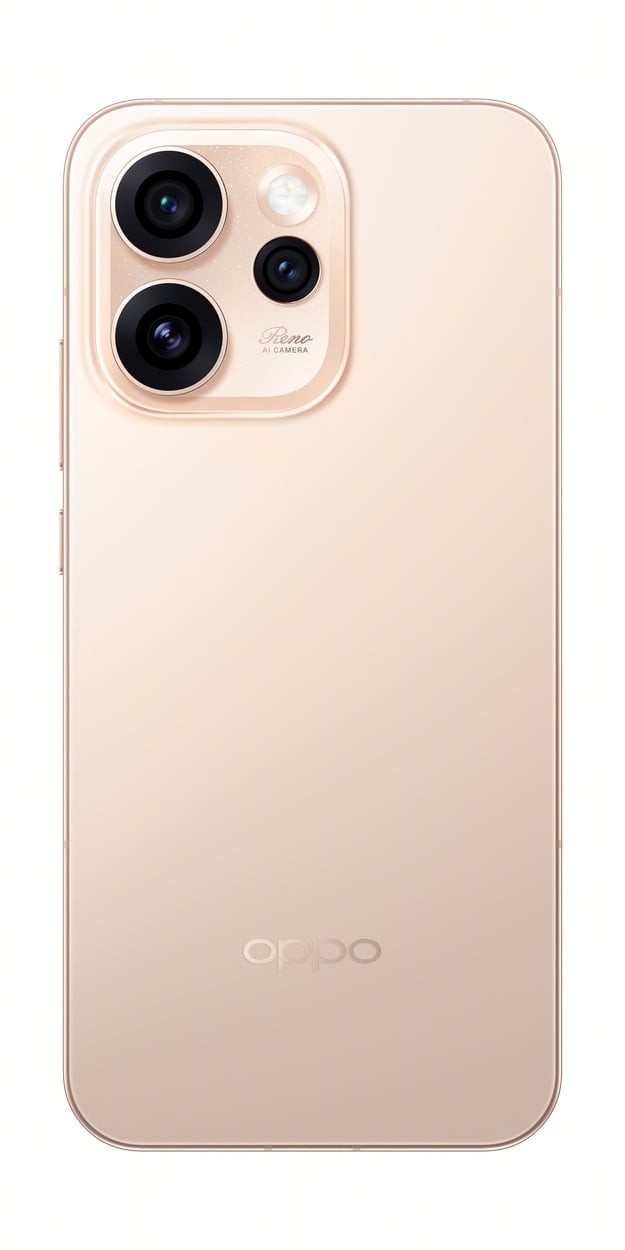
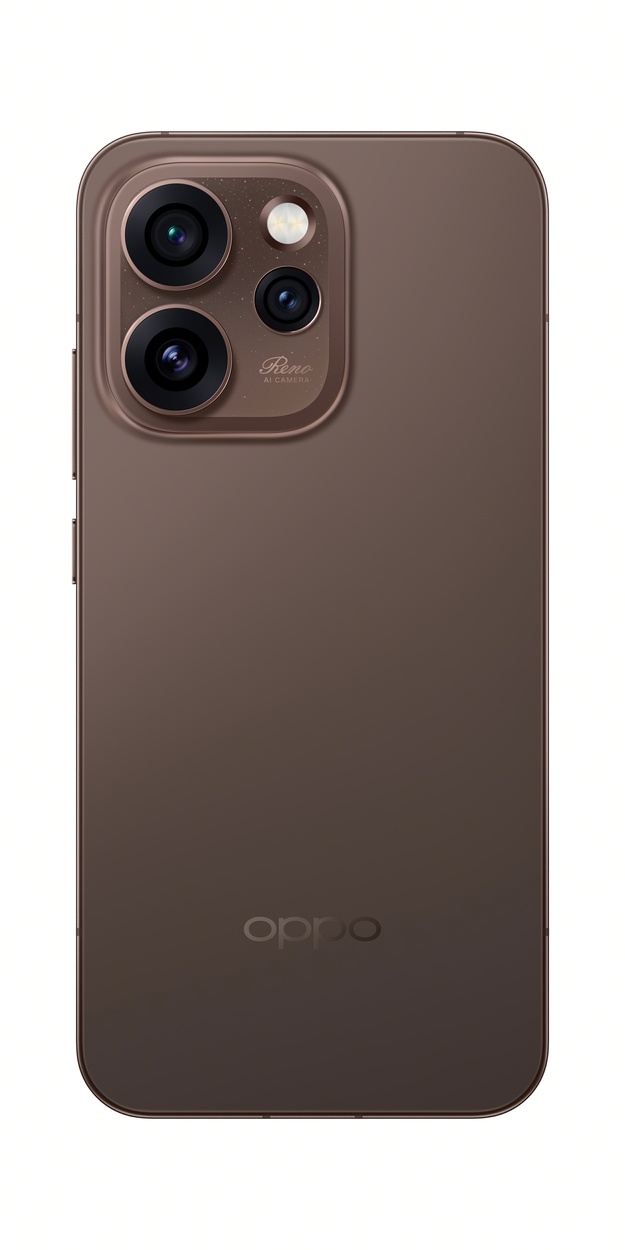
Oppo Reno15 Pro – Sunset GoldReno15 Pro – Cocoa Brown
The Oppo Reno 15 Pro is positioned as the most premium offering in the lineup, featuring a one-piece sculpted glass rear enhanced by HoloFusion technology. It will be available in Sunset Gold and Cocoa Brown shades and features a Dynamic Stellar Ring camera layout. Despite its slim 7.65mm profile, the phone weighs around 205 grams and uses an aerospace-grade aluminium frame combined with Oppo’s All-Round Armour Body and Sponge Bionic Cushioning for improved drop resistance.
The front houses a 6.78-inch AMOLED panel with ultra-thin 1.15mm bezels, a 95.5 percent screen-to-body ratio, FHD+ resolution, 10-bit color depth, and an adaptive refresh rate of up to 120Hz. Brightness levels go up to 3,600 nits at peak, while Corning Gorilla Glass Victus 2 protects the display.
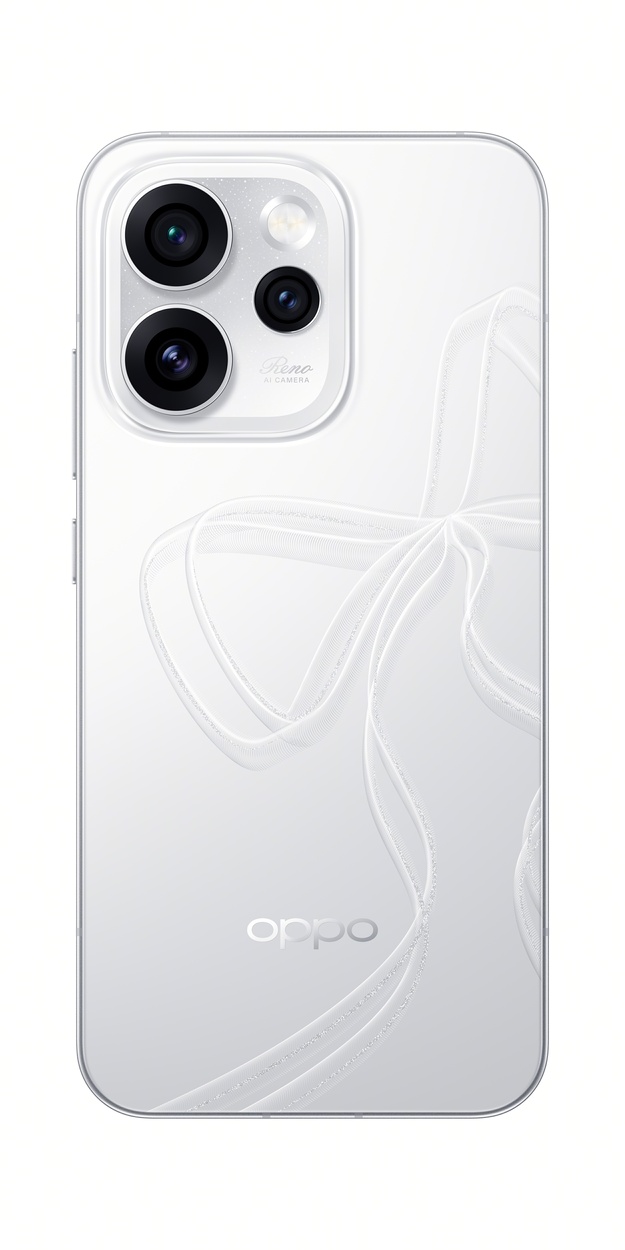
Oppo Reno 15 Pro – Mini Glacier WhiteOppo Reno15 Pro Mini – Cocoa Brown
The Reno 15 Pro Mini caters to users looking for a more compact device without compromising on premium materials. It comes in Cocoa Brown and Glacier White, with the latter featuring a 3D ribbon texture created using HoloFusion. The device measures 7.99mm thick, weighs about 187g, and retains the same reinforced internal structure and aluminium frame as the Pro model. Its 6.32-inch AMOLED display offers FHD+ resolution, 10-bit color, up to 120Hz adaptive refresh rate, and peak brightness reaching 3,600 nits. Protection is handled by a combination of Corning Gorilla Glass 7i and AGC DT-STAR D+, while ultra-slim bezels as narrow as 1.6mm help achieve a 93.35 percent screen-to-body ratio.
The standard Oppo Reno 15 focuses on balanced proportions and nature-inspired aesthetics. It will be offered in Glacier White, Twilight Blue, and Aurora Blue color options, with thickness varying slightly depending on the finish. The phone weighs roughly 197 grams and carries forward the same reinforced chassis, cushioning system, and aluminium frame used across the series. On the front, it sports a 6.59-inch AMOLED screen with FHD+ resolution, 10-bit color, and an adaptive refresh rate reaching 120Hz. The display supports brightness levels of up to 1,200 nits in bright outdoor conditions and is protected by Corning Gorilla Glass 7i.
Across the lineup, Oppo has prioritized durability and long-term reliability. All three models feature IP66, IP68, and IP69 ratings for dust and water resistance, along with a platinum-coated USB port designed to resist corrosion. The all-round armor body and sponge bionic cushioning are standard, aiming to improve impact absorption without adding excessive bulk.
While Oppo has not officially confirmed the launch timeline, the Reno 15 series is widely expected to debut in multiple Asian markets, including India, in January 2026. In India, it will be sold through Amazon, Flipkart, Oppo India’s online store, other leading online platforms, and offline stores.
For more daily updates, please visit our News Section.
The Xiaomi 17 Ultra is all set to be unveiled on Dec. 25 in China. Ahead of the launch, the brand has been busy confirming key details about the upcoming flagship. Today, Xiaomi shared official information about its 200-megapixel periscope telephoto camera, which is positioned to deliver a standout optical zoom experience and redefine smartphone telephoto photography.
Leica 200MP continuous optical zoom explained
Xiaomi 17 Ultra – 200MP periscope telephoto camera
At the centre of the Xiaomi 17 Ultra’s camera system is a Leica-engineered 200-megapixel periscope telephoto lens that supports a continuous focal range from 75mm to 100mm. Unlike conventional smartphone telephoto cameras that rely on digital cropping between fixed focal lengths, this solution delivers full 200-megapixel optical output throughout the zoom range.
Xiaomi says this is the first smartphone lens to achieve this while also securing Leica APO optical certification, which focuses on advanced colour correction and reduced chromatic aberration. The lens uses a complex 3G plus 5P dual floating lens structure, allowing internal lens groups to move with precision to achieve true optical zoom in a compact form factor.
According to Xiaomi executives, this design follows the same optical principles seen in professional camera zoom lenses rather than standard periscope implementations, helping preserve detail and colour accuracy across commonly used telephoto focal lengths.
Xiaomi 17 Ultra camera samples
Xiaomi has shared camera samples comparing the Xiaomi 17 Ultra with rival smartphones at focal lengths such as 75mm, 85mm, 90mm, and 100mm. The samples suggest improved sharpness, richer fine detail, and more natural color reproduction, with reduced reliance on aggressive image processing. This approach also benefits portrait photography by delivering consistent background compression without digital interpolation.
Alongside the telephoto camera, the Xiaomi 17 Ultra will feature a new Leica one-inch primary sensor known as the OmniVision Light Fusion 1050L. It introduces LOFIC ultra-high dynamic range technology to better handle highlights and shadows in high-contrast scenes. Xiaomi has also confirmed that this will be its slimmest Ultra phone yet at 8.29mm. Pricing is expected to rise due to higher component costs, though the company maintains that the overall experience will justify it.
For more daily updates, please visit our News Section.
Samsung’s upcoming Galaxy S26 series could see another chipset split, and one detail about the Exynos option is already drawing attention. The Galaxy S26 and S26+ models are already expected to ship with Samsung’s new Exynos 2600 processor, at least in South Korea. It’s notable for being Samsung’s first 2nm smartphone chip, but it reportedly comes with a trade-off: an external modem.
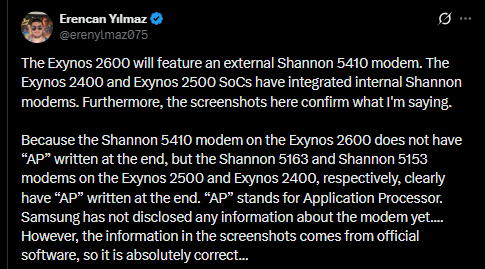
Tipster Erencan Yilmaz claimed that the Exynos 2600 does not include an integrated cellular modem. Instead, it is said to rely on a separate modem, believed to be the Exynos 5410. A Samsung Semiconductor official has already confirmed to Android Authority that the 2nm-based chip indeed uses an external modem.
Most modern smartphone chips, including the Exynos 2400 and Exynos 2500, use integrated modems. Keeping the modem on the same die reduces data travel and helps limit power draw and heat, especially during mobile data use.
External modems are typically less efficient. Qualcomm’s Snapdragon 865 in 2020 followed a similar approach, and it was often criticized for higher power consumption during connectivity-heavy tasks. If the same applies here, Exynos-powered Galaxy S26 models could see slightly higher battery drain when using mobile data, calls, or hotspot features. Whether this external solution will behave differently from the integrated solution of the Snapdragon variants—especially in weak signal conditions—remains to be seen.
The Exynos 2600 is based on Samsung’s new 2nm process node, and opting for an external modem instead of integrating it into the main chip is seen as a potential cost-saving move. As Android Authority notes, the external design may help Samsung manage yields while freeing up space for other components.
Samsung hasn’t detailed how this setup will affect real-world battery life. That will only become clear once Exynos-equipped Galaxy S26 devices hit the market early next year. For now, Snapdragon variants may remain the safer choice for users who prioritize connectivity efficiency.
As usual, final judgments will depend on execution, not just specifications.
Samsung has quietly hired a senior executive with a long background at AMD and Intel, signaling a renewed push to improve its in-house Exynos processors.
John Rayfield, previously a Corporate Vice President at AMD, recently updated his LinkedIn profile to confirm that he joined Samsung about two months ago. He is now serving as Senior Vice President of the Advanced Computing Lab (ACL) at the Samsung Austin Research Center (SARC) in Texas.
Rayfield brings decades of experience in chip design and system architecture. Before joining Samsung, he held senior roles at AMD, Intel, Arm, Imagination Technologies, and NXP Semiconductors. At AMD, he worked closely with Microsoft on Copilot+ PCs powered by the Ryzen AI 300 series. Earlier, he led Intel’s Client AI and Visual Processing Unit (VPU) IP divisions, focusing on graphics, AI acceleration, and compute architecture.
Samsung’s Exynos chips have faced criticism in recent years. Models like the Exynos 990 and Exynos 2200 often lagged behind Snapdragon alternatives in performance and efficiency, particularly in graphics and sustained workloads. The company has since increased investment in internal silicon development to narrow that gap.
Rayfield’s role will reportedly involve overseeing GPU development, SoC architecture, and system IP research—areas that have traditionally been weaker points for Exynos. The ACL team under his leadership is focused on delivering practical improvements in gaming performance, AI workloads, and power efficiency.
The move comes as Samsung prepares future flagship chips, including the recently announced Exynos 2600, built on a 2nm process. While Rayfield’s impact will likely take time to materialize, the hire suggests Samsung is serious about strengthening Exynos and reducing its reliance on Qualcomm over the long term.
For Galaxy users, that could eventually mean more consistent performance across regions—but meaningful results are likely still a few product cycles away.
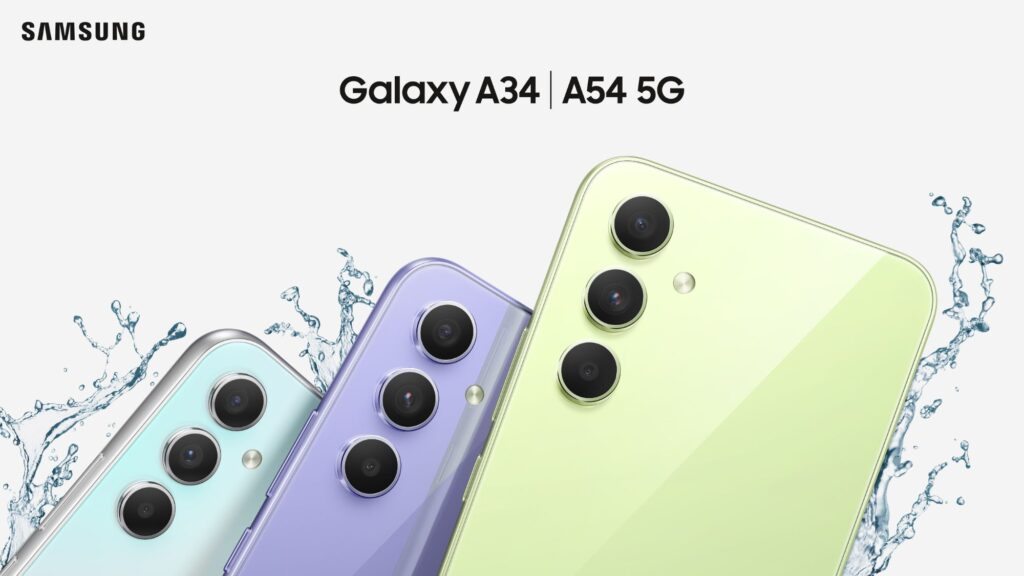
Some Galaxy A34 owners are reporting an unusual streaming bug following a recent security update, with high-definition video playback breaking when USB-C audio accessories are connected.
The issue appears to affect users mainly in parts of Latin America, including Brazil. According to user reports, video quality drops sharply when streaming content through apps like Netflix while using USB-C headphones or adapters. Without anything plugged into the USB-C port, playback works as expected.
Several affected users say the problem only occurs when audio is routed through the wired connection. Once headphones are connected, video becomes heavily compressed or pixelated, even when the internet connection is stable. Switching to Bluetooth headphones reportedly avoids the issue.
The bug may be linked to Widevine DRM
Early investigation suggests the bug may be linked to Widevine DRM, which controls whether a device can stream content in HD or Full HD. When the system fails to verify Widevine L1 support, playback falls back to Widevine L3, limiting streams to standard definition. In this case, the verification process appears to fail when USB-C audio is in use.
The Galaxy A34 is powered by a MediaTek chipset, and similar Widevine-related issues have been documented in the past on other MediaTek-based devices. A GitHub report referencing a comparable bug points to a possible certification or handshake problem introduced by a recent software update.
For now, there is no permanent fix. Users are either avoiding wired headphones or accepting lower-quality video playback. The issue will likely require a software update to restore proper Widevine L1 functionality. Until then, affected users are encouraged to report the bug through Samsung Members to help push the issue higher on Samsung’s priority list.
The Galaxy A34 remains a popular mid-range phone, but this bug is a reminder that even routine security updates can sometimes bring unintended side effects.
Samsung may be stepping back from the ultra-thin smartphone trend sooner than expected. According to recent reports, the company has halted development of a follow-up to the Galaxy S25 Edge. The reason is said to be weak sales and limited consumer interest in the ultra-thin design.
Earlier rumors suggested Samsung was considering replacing the Galaxy S26+ with a refreshed Edge model in 2026. Those plans later shifted to a more cautious wait-and-see approach. Now, sources indicate the project has been scrapped altogether.
The Galaxy S25 Edge focused heavily on achieving an ultra-slim profile. That design choice came with major trade-offs. Battery life from the 3,900mAh unit drew criticism for falling short in day-to-day use.
Another compromise of the slim design is camera versatility. The S25 Edge lacks a telephoto lens, while the iPhone Air only manages to pack a single rear sensor. Taken together, additional lenses, full-day battery life, and better heat dissipation appear to matter more to buyers than an ultra-slim and lightweight design.
According to a report from October, Apple scaled back production of the iPhone Air by one million units. With no strong push from its main rival, Samsung may see little reason to invest further in a niche category with limited demand.
While a larger battery was said to be under consideration for a next-generation Edge model, it remains unclear whether that would have been enough to offer full-day battery life and change buyer sentiment. For now, Samsung is expected to focus on more balanced flagship designs.
The situation points to a broader industry shift. While ultra-thin phones attract attention, consumers continue to prioritize battery life, performance, and overall usability. If current trends hold, 2026 could mark a pause—or an end—to the ultra-thin flagship experiment for both Samsung and Apple.
We use cookies on our website to give you the most relevant experience by remembering your preferences and repeat visits. By clicking “Accept”, you consent to the use of ALL the cookies.
This website uses cookies to improve your experience while you navigate through the website. Out of these, the cookies that are categorized as necessary are stored on your browser as they are essential for the working of basic functionalities of the website. We also use third-party cookies that help us analyze and understand how you use this website. These cookies will be stored in your browser only with your consent. You also have the option to opt-out of these cookies. But opting out of some of these cookies may affect your browsing experience.
Necessary cookies are absolutely essential for the website to function properly. This category only includes cookies that ensures basic functionalities and security features of the website. These cookies do not store any personal information.
Any cookies that may not be particularly necessary for the website to function and is used specifically to collect user personal data via analytics, ads, other embedded contents are termed as non-necessary cookies. It is mandatory to procure user consent prior to running these cookies on your website.