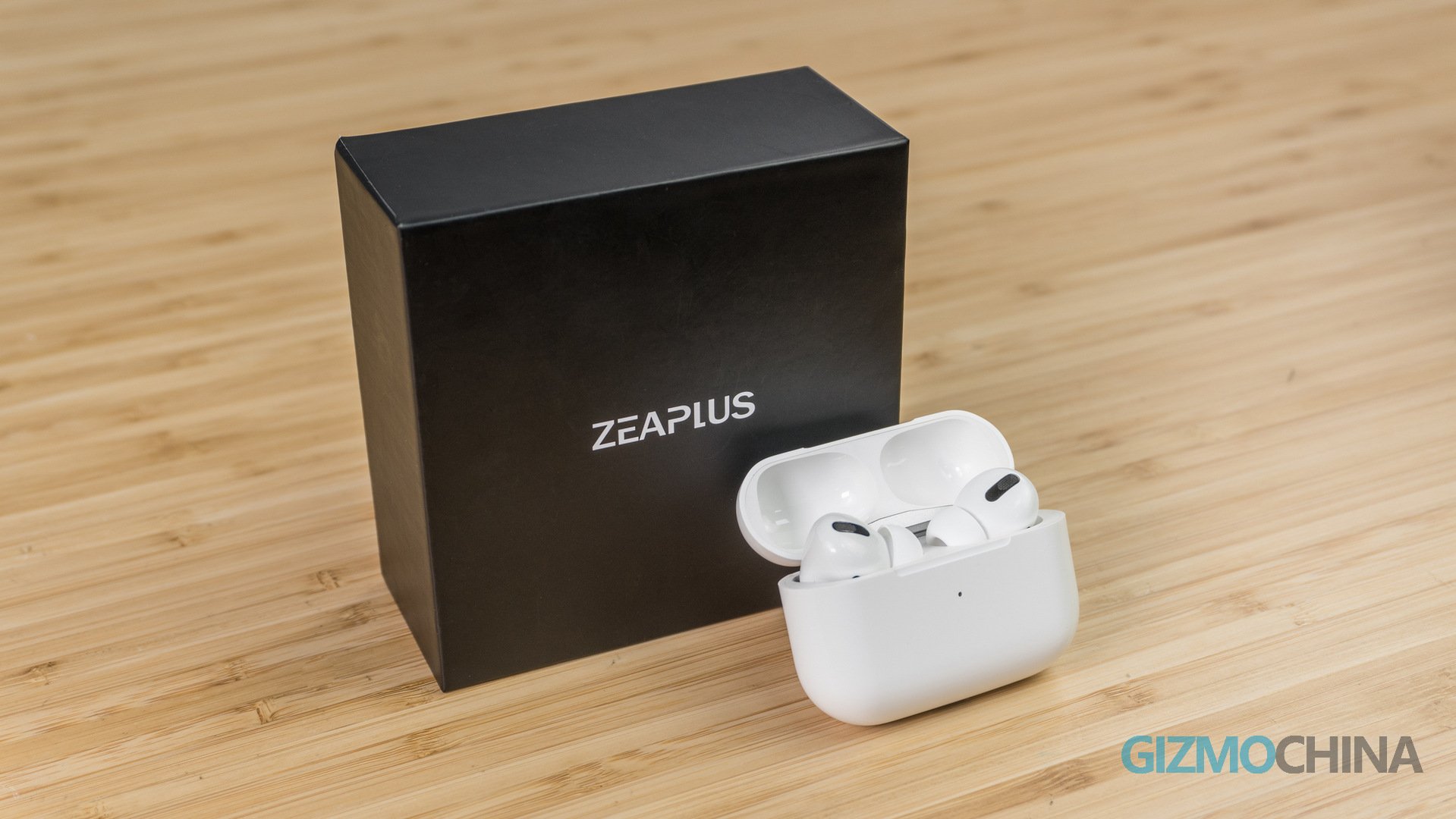
AirPods Pro is considered as one of the best earbuds in the market right now, particularly because of its Active Noise Cancelling feature. However, Apple’s Pro earbuds also demands an extremely high price tag of $249.
An average user is not willing to spend anything over $30-50 for a pair of earbuds which means features like active noise cancellation is never even considered by most consumers. However, there are companies like Zeaplus who are trying to bring premium features such as Active Noise Cancellation at an extremely affordable price tag. And its latest Zeaplus Buds boasts of ANC at an unbelievable $25 price tag.
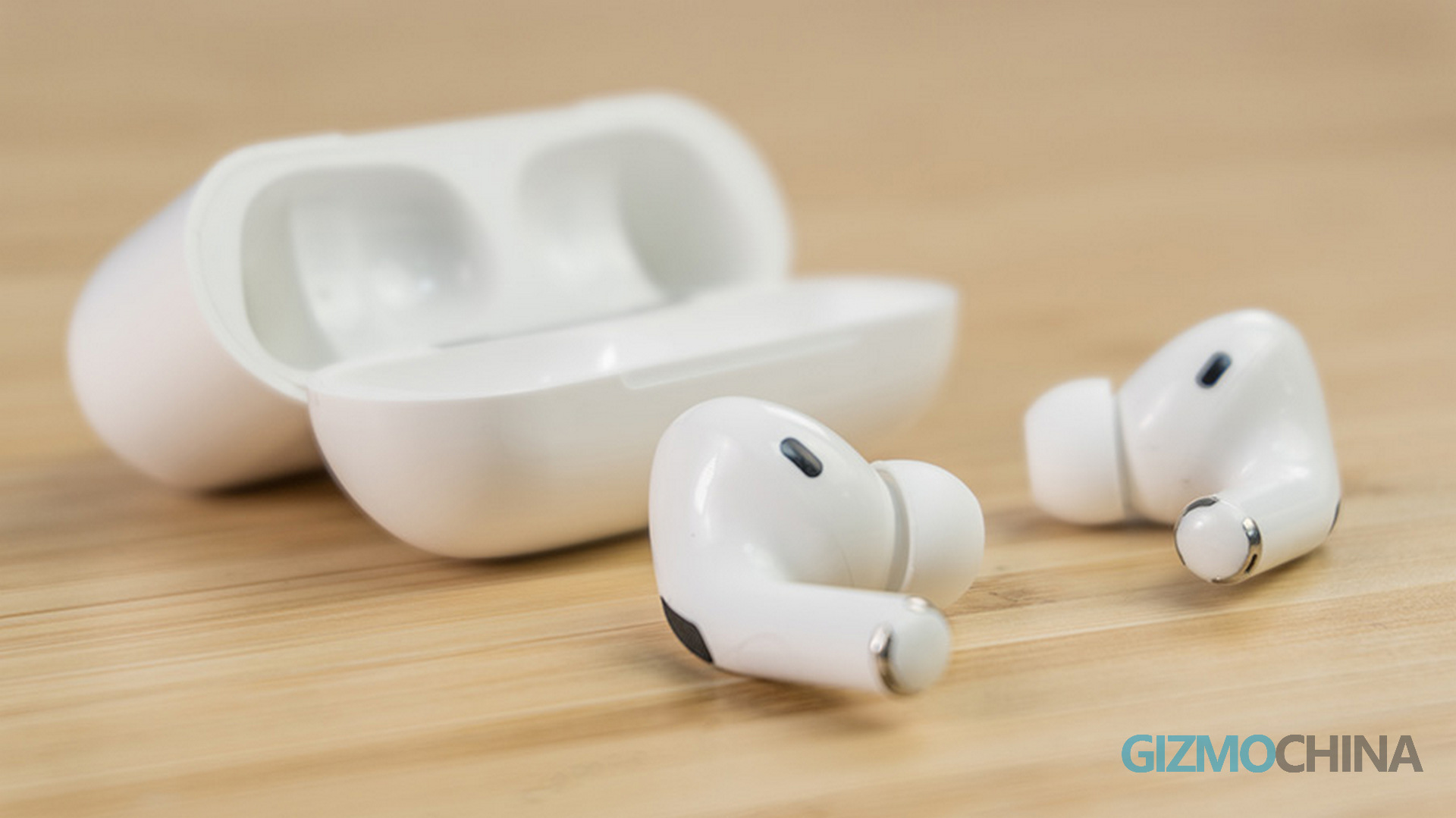
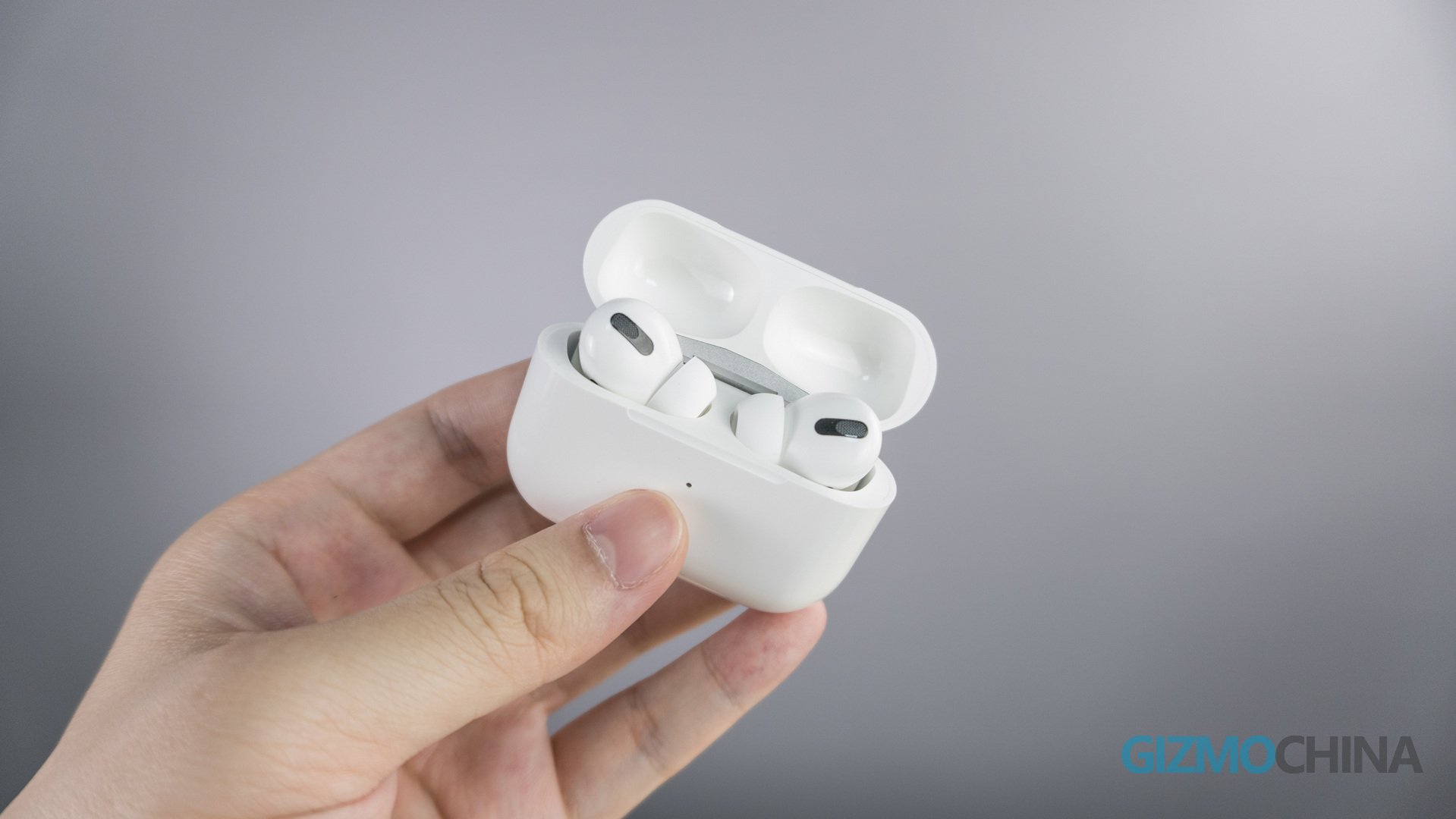
If you are looking for a similar design and fit as the AirPods Pro without having to spend a fortune, the Zeaplus Buds can be a really good alternative. It’s basically an AirPods Pro clone with a similar stem and tip design, featuring a white and black color scheme. While there are a bunch of AirPods Pro clones in the market, the Zeaplus buds comes with Active Noise Cancellation.
It even features transparent mode – similar to the AppleAirPods Pro which lets in the sound from the surroundings. Naturally, the ANC and transparency mode isn’t expected to be anywhere near the AirPods Pro, but we did try it out and it’s definitely not a gimmick. The ANC mode does work and gives you some noise isolation enabling an immersive experience.
The Zeaplus Buds offers 4 hours of battery life and a total of 20 hours with the case. Note that the case supports wireless charging too, which is a really handy addition considering its $25 price tag.
Our review of the Zeaplus Buds will be up very soon so stay tuned for that. Meanwhile, you can get the Zeaplus buds at just $25 (first 1000 units) instead of the usual $50 price tag.
IMINT, a Sweden-based company is known for offering video enhancement solutions for smartphone cameras. The company’s flagship product “Vidhance” is used by a plethora of OEMs like HUAWEI, OPPO, vivo, Xiaomi, Motorola, and Infinix. Now, this company is partnering with Taiwanese chipmaker MediaTek to deeply integrate both their products.
Up until now, IMINT’s Vidhance is only integrated at the software level in smartphones powered by MediaTek chipsets. But with the new partnership, it can be integrated at a deeper (hardware) level to improve the overall performance of video stabilization by consuming less energy.
The following IMINT products will be integrated at a deeper level in MediaTek chips.
Vidhance Dynamic Motion Blur Reduction
Vidhance Super Stabilization
Vidhance Field of View Correction
Vidhance Horizon Correction
The Swedish company says that its technologies are deployed in over 250 million smartphones. Apart from handsets, the firm’s products can be also found in bodycams, modular cameras, and drones.
As GSMArena points out, OEMs are lately turning towards MediaTek for cheaper alternatives to costlier 5G-equipped Qualcomm chipsets. If this trend continues, budget smartphone users will have access to the products offered by IMINT, which will help in providing better video recording performance.
[Update: 28/09/2020] Mi Band 5 and Mi Watch Revolve Prices tipped:
Tipster Ishan Agarwal has said that MRPs of Xiaomi Mi Band 5, and Mi Watch Revolve will be ₹2,999($41) and ₹10,999($149) respectively. He adds that both the products will hence be sold below the specified MRP and could start at around ₹2,499 for Mi Band 5 and less than ₹9,999 for Mi Watch Revolve.
We are still a week away from the Xiaomi Smarter living 2021 Event that is scheduled to happen on September 29 at 12 PM IST in India. However, the company has been consistently teasing new products every day. That said, let us have a look at what is coming on next Tuesday.
Just like last year, Xiaomi is focussing on bringing more IoT products. It has so far teased Mi Band 5, an AI speaker (rebranded XiaoAI Speaker from China), a Mi SmartWatch, and a Soap Dispenser.
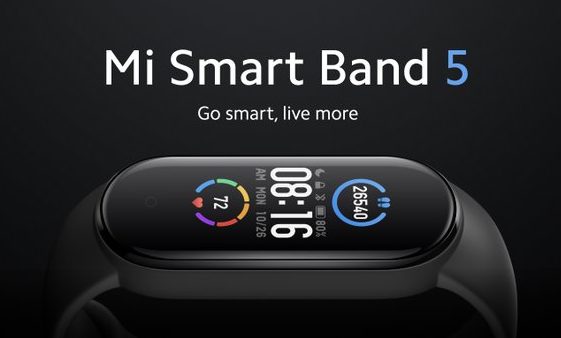
Mi Smart Band 5
Xiaomi launched the Mi Band 5 back in China back in June and a month later globally. Just like the predecessor, this one is also be rebadged as Mi Smart Band 5 in India. It has a bigger 1.1-inch AMOLED display with 450 nits brightness. Further, it has a six-axis accelerometer, a PPG sensor for heart-rate, and sleep monitoring. It also features a slightly higher 125mAh battery with 14-days of battery life, and supports magnetic charging.
Other features include 11 sport modes with PAI index, 100s of animated watch faces. However, there are chances we might lose the NFC on the Indian variant.
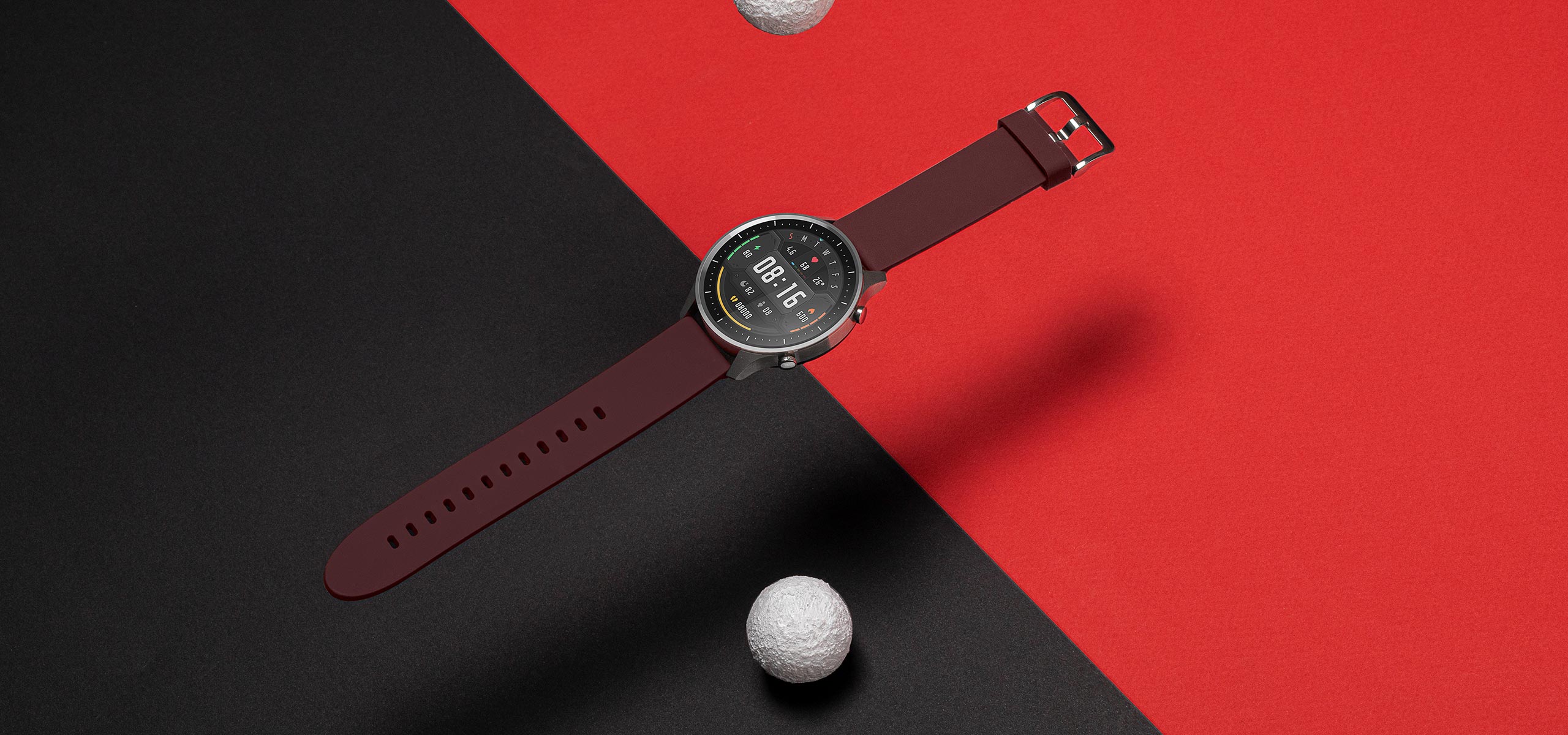
Back in December, Xiaomi brought a stripped-down version of the Mi Watch dubbed the Mi Watch Color in China with colorful straps. Later, it got rebadged as Mi Watch Revolve elsewhere. And going by the teasers from Xiaomi India, the Mi SmartWatch could indeed be the Mi Watch Revolve. However, the company is teasing the word “Evolve” in its teaser so we aren’t sure about the naming just yet.
That said, the Mi Watch shares some of its features from Huami’s Amazfit despite being made by Shangai Suo Prime Technology Ltd. It has a 1.39-inch circular dial with a 454×454 resolution. All the essential sensors including Accelerometer, Barometer, Heart-rate sensor along with 5ATM water-resistance is present. It also has a 420mAh battery, 24×7 heart-rate, sleep, and stress monitoring, 10 sport modes, and Wi-Fi, Bluetooth for connectivity.
AI Smart Speaker
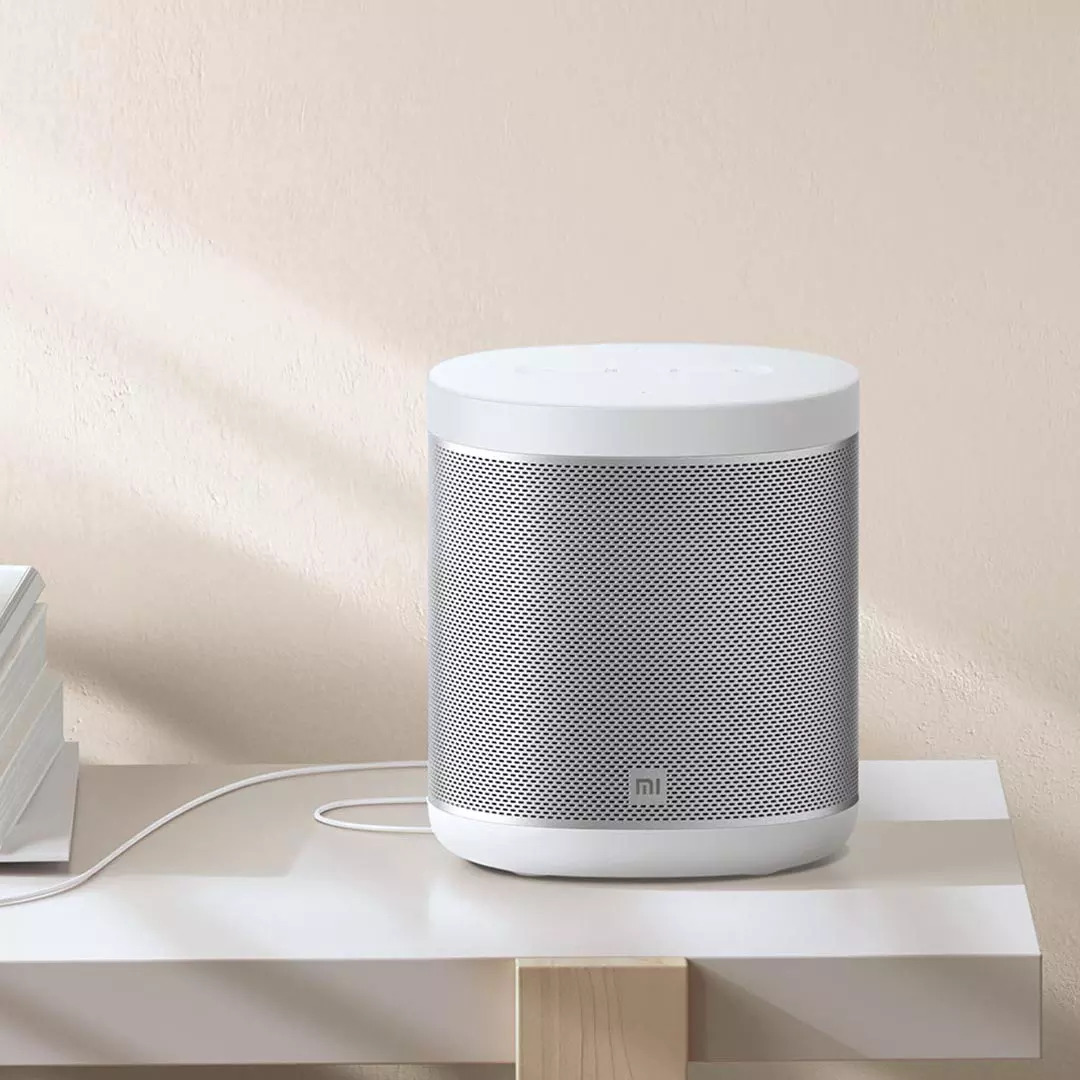
Xiaomi XiaoAI Speaker Art
Xiaomi announced a smart speaker Art powered by Xiao-AI assistant back in May in China. Teasers from Xiaomi India suggests that this might be heading to India. However, considering the Xiao-AI assistant is sort of limited to China, we can expect the Indian variant to be powered by Google/Amazon’s Alexa but we will have to wait for that.
The AI speaker has a 2.5-inch speaker unit with a DTS sound profile. Featuring a metallic build, the speaker has capacitive touch keys for media controls. Other features include Bluetooth 4.2, Wi-Fi 5 for connectivity, and Stereo 2.0 sound.
Automatic Soap Dispenser
Xiaomi seems to have captured the market’s moment as one of the products at the smarter living event will be an Automatic Soap Dispenser. From the teaser, it looks more like the Mijia Soap Dispenser from 2018. It has a dispenser top with a protruding tip, a 320mm flask of soap enough for 400 hand-washes.
It uses a near-field Infrared Sensor to sense the hand motion and as we bring our hands near to the tip, it spills out the soap required for one hand-wash. The Chinese variant also comes with anti-bacterial and PH-Neutral soap solution in the box. However, it requires 4-AA batteries to run the dispenser. At a time when keeping our hands clean and maintaining social distancing is necessary, this seems like a bang-on product from Xiaomi.
Other products
Xiaomi’s poster for the Smarter living event also includes an image of a Smart Bulb. This could be another variant of the recently launched Smart Bulb. Further, Xiaomi has teased the arrival of new Sneakers in India and this could be a rebadged Mijia Sneakers 3/4 but we aren’t sure about it yet.
Mobile World Congress (MWC) Barcelona is known to take place in the first quarter of the year, but that changes next year as the GSMA has announced new dates for its events.
The new dates announced by the GSMA in a press release informed us that MWC Shanghai, which used to take place in June, will now hold in February, while MWC Barcelona moves to June. The Barcelona event was originally scheduled for the first week of March 2021. Below are the exact dates for the events in 2021:
MWC Shanghai: February 23 – February 25
MWC Barcelona: June 28 – July 1
*MWC Los Angeles remains unchanged with this year’s edition set to take place between October 28 to October 30.
The GSMA says the decision to move the Barcelona event to June is so as to deal with external circumstances related to COVID-19. The decision was also taken after planning and consultation with all key stakeholders. The Director-General of the GSMA, Mats Granryd, has said that “the health and safety of exhibitors, attendees, staff and the people of Barcelona are of paramount importance”.
MWC Barcelona is one of the biggest tech events in the world. The tech show is a platform for exhibitors to show off new technologies. A lot of phone manufacturers also use the platform to announce new products. It remains to be seen if these products will still be unveiled in the first quarter of the year at individual events or if they will be delayed so that they can be announced at MWC Barcelona.
Earlier today, Xiaomi officially announced to launch Mi TV LUX Ultra 8K 5G (Mi TV Master Series Extreme Commemorative Edition) on September 28. A few hours later, the company dropped another teaser confirming it to feature mini-LED panel.
So far, Xiaomi has launched two models under its Mi TV Master series, which is known as Mi TV LUX in global markets. The first model called Mi TV LUX 65” OLED was released in July 2020. A month later, the company launched another television called Mi TV LUX OLED Transparent Edition as the world’s cheapest as well as first mass-produced transparent TV.
Now, more than a month later, the company will launch Mi TV LUX Ultra 8K 5G as the world’s first mass-manufactured 8K mini-LED TV with 5G connectivity. That means two of the three models under Xiaomi’s premium smart TV series are world firsts.
That said, mini-LED fixes almost all the problems that OLED has. These type of panels are brighter, burn-in free, and consume less power. Above all, they are as thin as OLED and hence, the televisions equipped with them are not thicker.
Since the screen on this upcoming Mi TV will be of 8K (7680 x 4320) resolution, it will also come with an integrated 5G modem to enable users to stream high-quality content at higher speeds.
Though Xiaomi is yet to reveal the size of this television, it has been already leaked to feature an 82-inch panel supplied by LG Display.
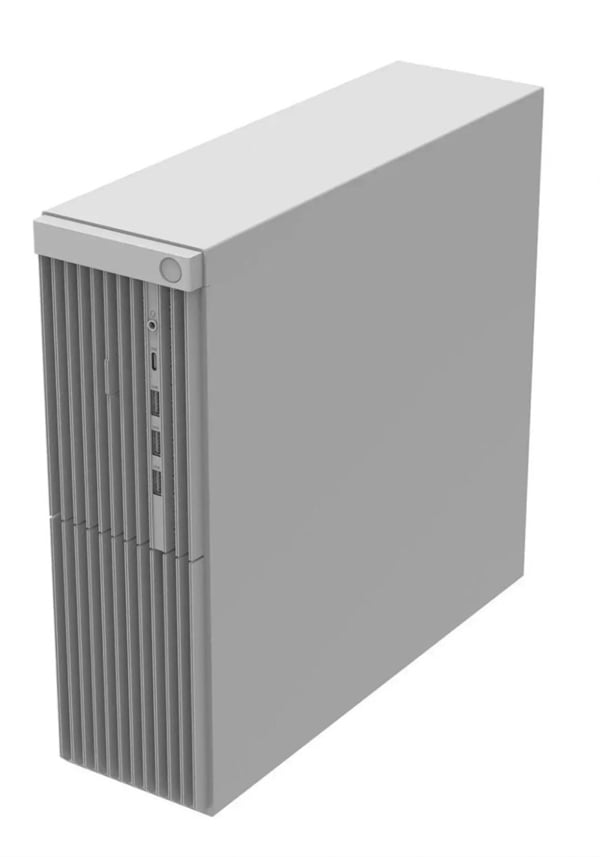
In a conference earlier today (23rd September 2020), Wang Yinfeng, President of Huawei Tablet and PC product line, confirmed that the company is actively working towards launching consumer grade desktops in the market along with new monitors in the near future.
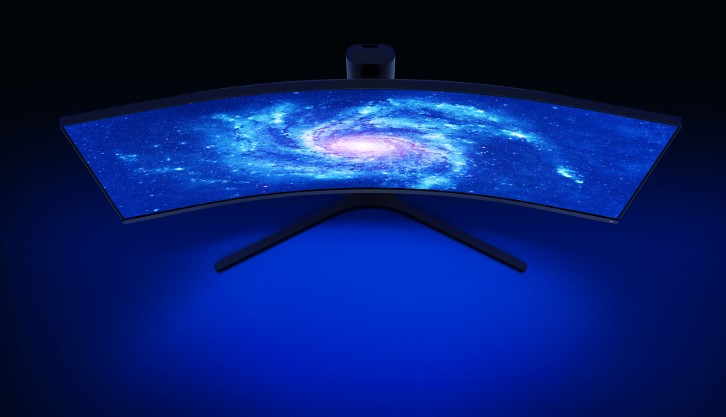
Previously, we had reported on the Chinese tech giant looking to launch a curved gaming monitor series, which is likely a part of the company’s proprietary monitor brand. With this, Huawei will also be competing with another Chinese company that recently entered the monitor market, Xiaomi. Reports have also revealed the supplier, BOE, that would ship the first 2 to 3 batches of the displays panels. The sizes of the Huawei monitors have been hinted at 27 inch and 34 inch variants.
Furthermore, the company had also recently launched a workstation desktop that was powered by a Kunpeng 920 processor. However, this was only aimed at developers and not the consumer, but the conference from today revealed that Huawei will soon launch desktop PCs for consumers as well, as per a MyDriversreport. According to the senior executive, the company is developing commercial grade desktop products as well that should arrive soon.
Unfortunately, no specific deadlines or launch dates were given out during the event. It is also unknown what exactly the branding of these new desktop and PC peripheral products will carry. However, we now know for sure that the Chinese company is planning on entering the consumer PC market. So stay tuned for more updates that should arrive soon.
San’an Optoelectronics, a China based LED chip maker, might soon be one of the sources in the supply chain of Apple. This would put the Chinese firm in direct competition with another Taiwan based chip maker that also develops mini LED backlighting applications which might be seen in the upcoming iPad and MacBook models in 2021.
According to a DigiTimesreport, Sanan had lagged behind Epistar for about a year in terms of the development of mini LED technology. But with recent progress, the company might finally be beginning the production of mini LEDs by the end of 2020. These will then likely be certified by mid 2021 and can enter the Cupertino based giant’s supply chain by 2022.
For those unaware, Apple is reportedly set to acquire mini LED backlighting for its iPad Pro from Epistar, who is their sole supplier as per industry sources. The upcoming generation of products from the brand is expected to feature mini LED in various different categories like tablets to computers, so it would seem likely that the company will have more than one supplier.
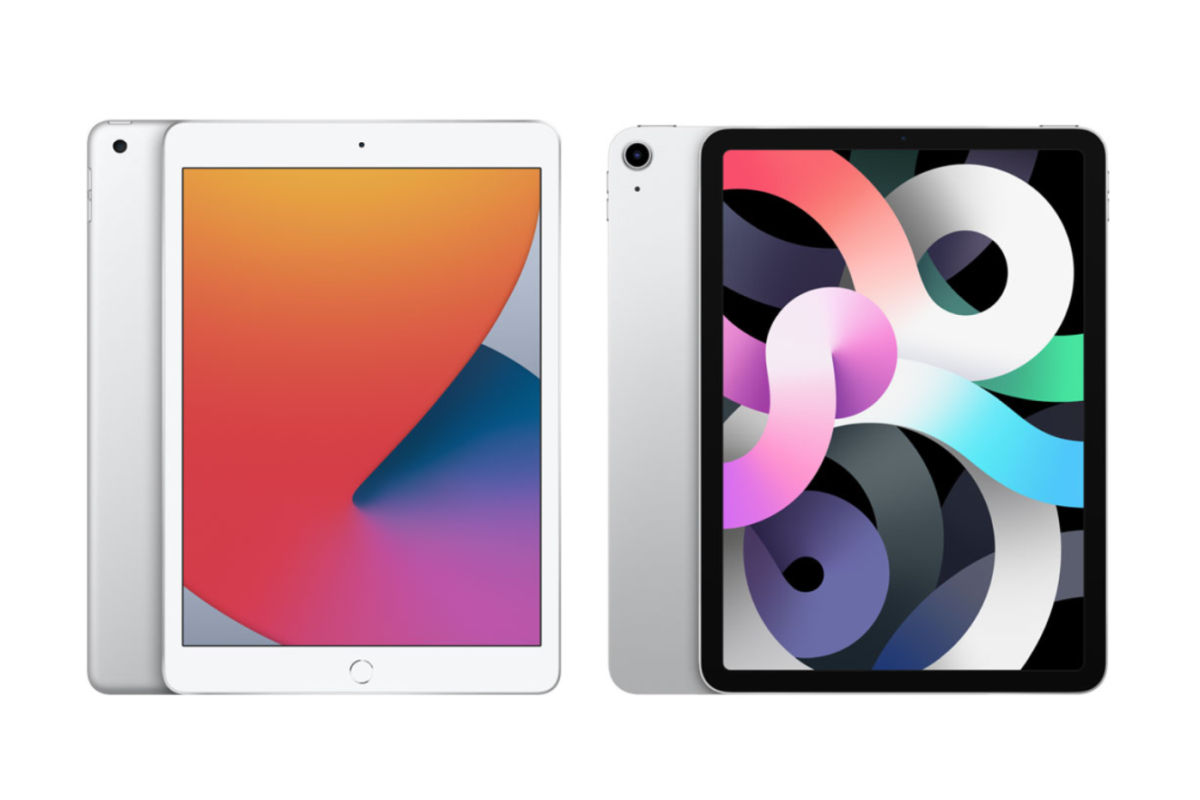
iPad 8th generation (left) and iPad Air 4th generation (right)
Thus, with Sanan making leaps in its developments of the display technology it would soon be a viable supplier to Apple. Although, another important factor to consider is that even if it does manage to start mini LED production by 2021, the yield rates will be crucial to whether or not Apple starts ordering from the Chinese company.
India is one of the largest smartphone markets in the world. While it is a key market for various brands from across the globe, Chinese OEMs have seemingly dominated the market in recent years. Now, Reliance Jio is seeking to disrupt the market share with an Android device that costs just 50 US Dollars.
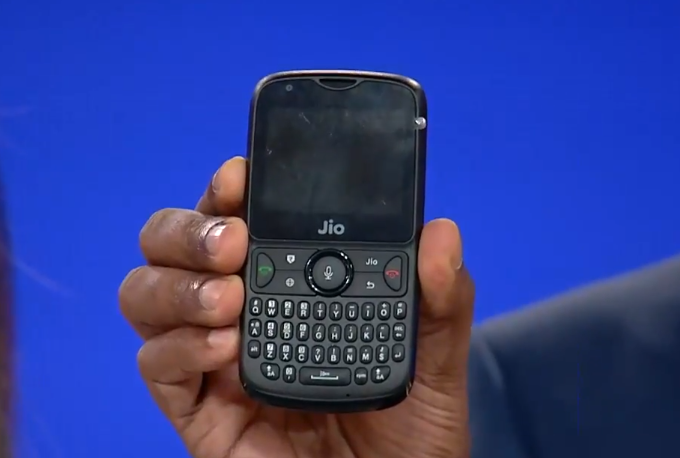
JioPhone 3, successor to the JioPhone 2 (above) will have a full touchscreen display
According to a TimesofIndiareport, Reliance has asked local suppliers to bump the production capacity in India to raise smartphone production to 200 million units over the next two years. Sources close to the matter revealed this information and even stated that this would boost India’s technology ambitions and raise the competition against major Chinese players like Xiaomi.
Reliance Jio is currently in talks with various domestic assemblers to make an extremely affordable version of its Jio Phone that runs on Google‘s Android and costs just 4,000 INR (roughly 54 US Dollars). If this device launches, it would be one of the cheapest handset offerings in the market and will also stand with Jio’s known low cost wireless telecom data plans. For those unaware, Jio is a leading telecom operator in the Southeast Asian country and is also actively working to develop 5G networking as well.
Mukesh Ambani, Reliance Chairman, is apparently seeking to reform the country’s smartphone industry in a manner similar to when he reshaped the telecom services. When Reliance Jio first launched as a wireless data plan provider, it had a simple strategy of offering great deals at very aggressive pricing, which was extremely successful in India. Now that the company also has the government’s support, the billionaire is also aiming at building more domestic manufacturing sites that would likely also benefit other local brands like Karbonn Mobiles, Lava International, Dixon Technologies, and others.
WhatsApp is one of the world’s most used instant messaging services. Despite this, it is always the last app to get features that are already present in its competitors. The only plausible reason we could think is that Facebook does not want to confuse its users with a plethora of features that they may never use. Therefore, the company has begun to test a feature called “Expiring Meda” only now in the second half of 2020.
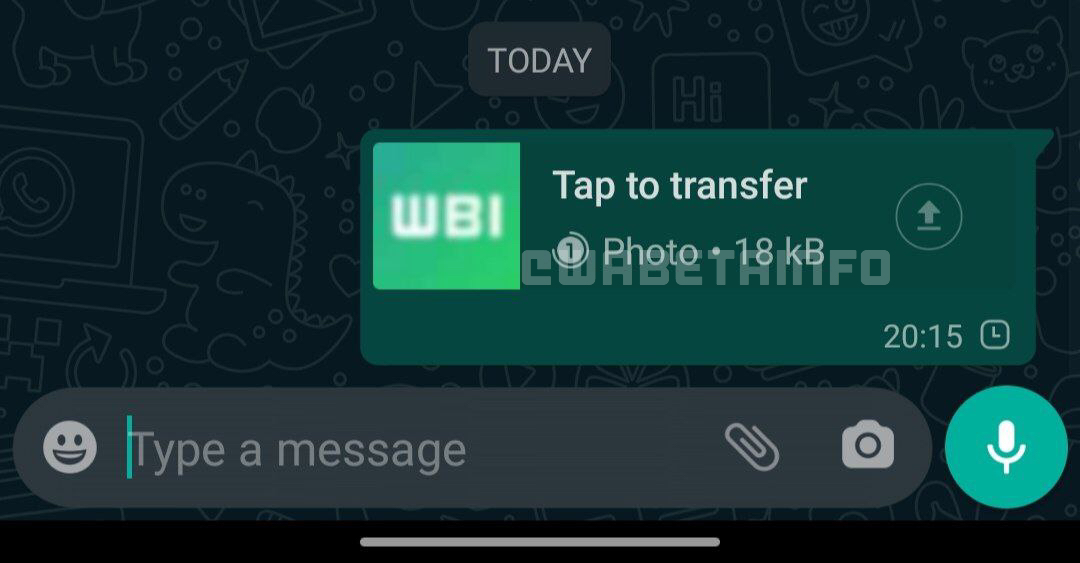
Recently, WhatsApp Beta for Android v2.20.201.1 was released on the Google Play Store. As usual, the folks at WABetaInfo dug deeper into the new APK to discover interesting things. This time they found that the company is working on a new feature called “Expiring Media”, which they say to be an extension of “Expiring Messages”.
This upcoming WhatsApp feature is similar to that found in Snapchat, which was later copied by Instagram. According to the publication, when this feature will be enabled, users will have an option to set expiration when they share media files.
The recipients who receive any “Expiring Media” can only view them for a single time and once they exit the chat, they will disappear without any trace unlike “This message was deleted” message when the sender deletes messages.
1 of 3
Currently, there’s no option for timer for this feature and it also lacks screenshot detection. Anyway, the final version could be different whenever it arrives in the stable channel.
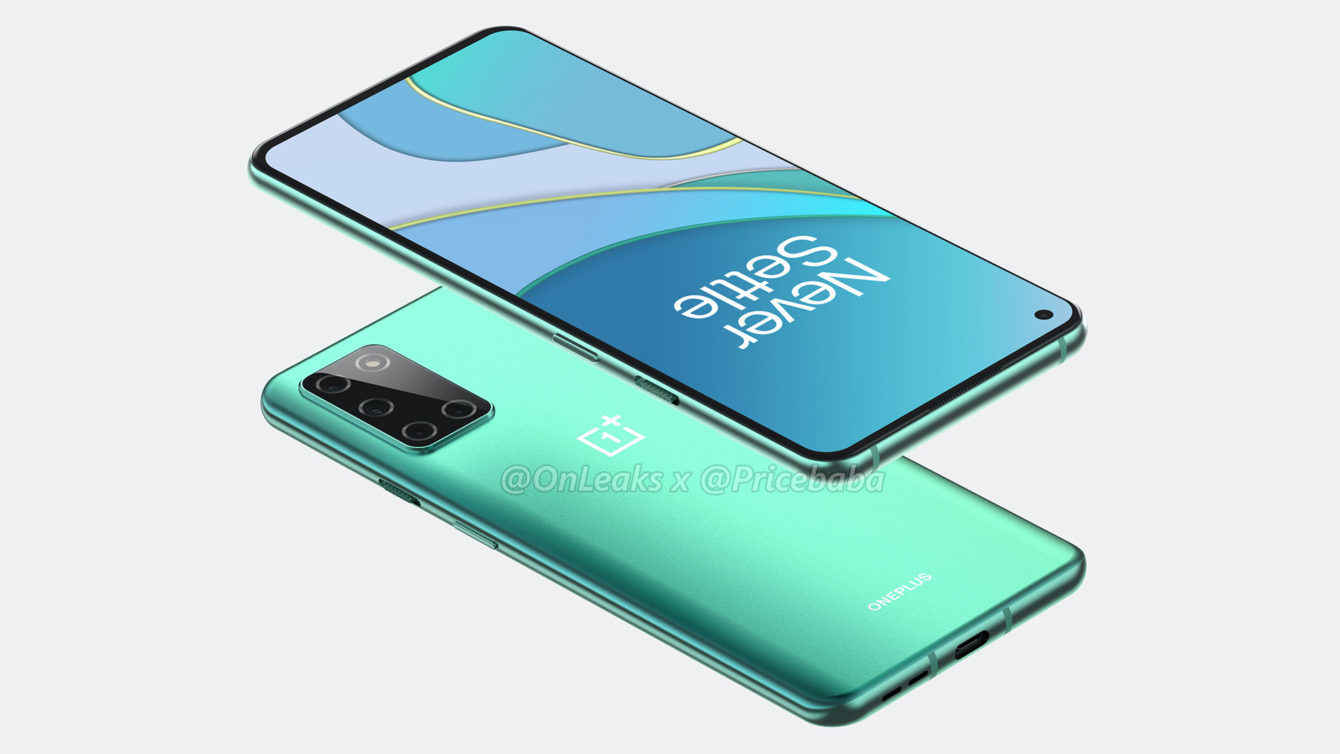
Recently, various brands have started hosting their product launch conferences offline in China. However, the OnePlus 8T event will have the company not selling any of its tickets to its fans and will only have a limited number of media attending the conference.
Due to the Coronavirus pandemic, most launches that were traditionally held in venues and at major events, had to shift to online streaming. Although recently, a few brands have started allowing audiences in these conferences. Now, OnePlus is also hosting an offline launch event for its OnePlus 8T series, but it won’t be attended by any fans as the company’s CEO, Pete Lau, said that no tickets will be sold this time around in a post on Weibo, a Chinese microblogging website.
For those unaware, the Chinese brand generally sold tickets to dedicated fans, who even received goodies and other merchandise during these events. Although, the OnePlus has made the decision that only select media and individuals will be allowed in the launch conference in light of the ongoing pandemic. According to the senior official, this is being done for prevention and control. In other words, it is for everyone’s safety.
While only a few people will be allowed to watch the event offline, the live stream that will take place in October is open to everybody. The move from OnePlus is cautionary and understandable in regard to the crisis that has gripped the world. Furthermore, the OnePlus 8T will be the company’s latest flagship and the anticipation for its launch is already here. So stay tuned for more.
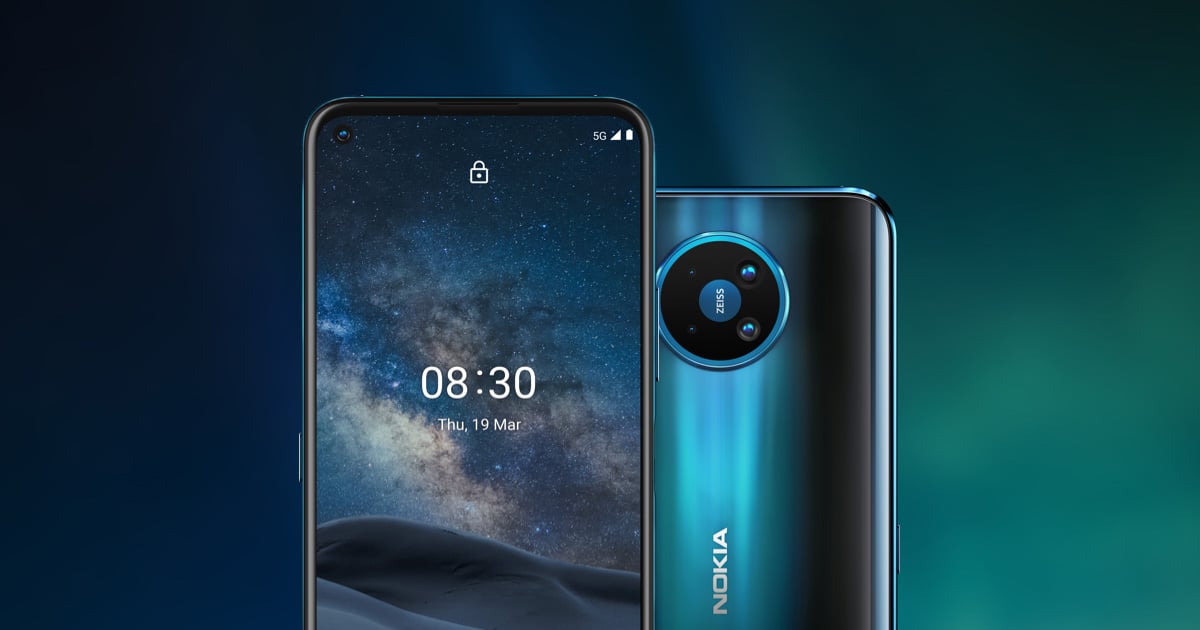
Back in March, HMD Global unveiled the Nokia 8.3 5G, an upper mid range smartphone with support for the newer and faster bandwidth. Now, 6 months after its initial reveal, the device is finally being rolled out globally.
Nokia 8.3 5G
The Nokia 8.3 5G features a 6.81 inch FHD+ LCD display that has an aspect ratio of 20:9 and a 120Hz high refresh rate panel. Under the hood, a Qualcomm Snapdragon 765G runs the device along with 6GB or 8GB of LPDDR4X RAM and 64GB or 128GB of internal storage, which can be expanded via a microSD card slot. It runs Android 10 out of the box and supports dual SIM cards as well.
For optics, the Nokia 8.3 features a quad camera setup with a 64 megapixel primary sensor alongside a 12 megapixel ultra wide angle lens, 2 megapixel macro camera, and another 2 megapixel depth sensor. On the front, a 24 megapixel selfie shooter is housed while the fingerprint scanner is mounted on the side. The device also features a 3.5mm headphone jack and is powered by a large 4,500mAh battery pack that supports up to 18W fast charging.
The Nokia 8.3 5G arrives in Polar Night color and is priced at 599 Euros (roughly 701 Us Dollars) for the base 6GB+64GB variant and 649 Euros (roughly 760 US Dollars) for the 8GB+128GB variant. Furthermore, all Nokia 8.3 5G buyers will receive a free 6 month trial of Google One, with an additional 100GB of online storage. Keep in mind, that prices for different regions may vary so stay tuned for more updates. Notably, the company even advertised the device by having it make an appearance in the upcoming James Bond movie ‘No Time To Die.’
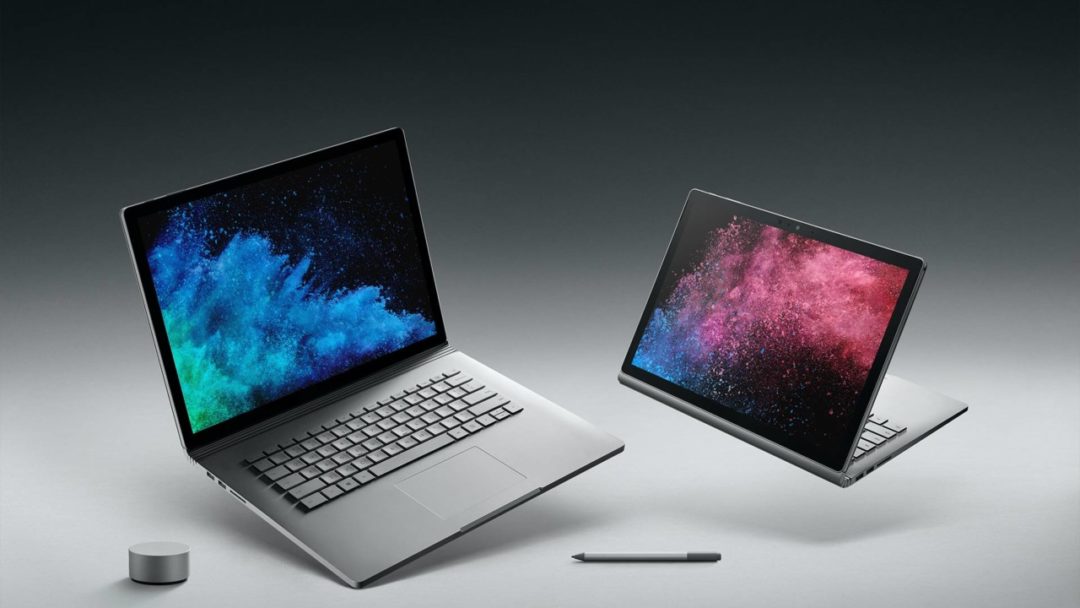
Microsoft has today announced a partnership with Qualcomm under which the company will extend the App Assure with FastTrack testing platform to developers working on developing apps to run well on ARM-based Windows 10.
The App Assure with FastTrack program from Microsoft is available to qualify developers or customers without any cost. For those who are unaware, App Assure is a program designed to help customers, developers, and independent software vendors address application compatibility issues.
With this Microsoft and Qualcomm partnership, it seems that the focus will now be on engaging software vendors to come with a version that’s compatible with Windows 10 running on Snapdragon compute platform.
Keith Kressin, SVP & GM, Computing & Edge Cloud, Qualcomm, said: “The future of mobile computing is powerful, thin and light PCs equipped with 4G/5G connectivity, and offer multi-day battery life… We are pleased that the expansion of Microsoft’s App Assure program will help ensure great user experiences across Snapdragon-powered Windows laptops and 2-in-1s.”
This is a major development from Microsoft and Qualcomm given that more PCs are planning to move towards ARM-based chipsets. However, app compatibility issues remain one of the biggest roadblocks but this could help to address those issues.
With Apple iPhone 12 series launch being just around the corner, a number of reports and leaks have started surfacing online. The latest one arrives with a rather last minute bad news as the upcoming iPhone 12 model, might be dubbed as the iPhone 12 mini and could possibly be the least powerful handset in the upcoming lineup.
Apple B14 chip
They have a midrange chip ready 👀 idk if its the battery-saving-but-less-powerful A14 i´ve leaked before, or a whole new chip for the iPhone 12 Mini maybe? SE2 Plus? SE3? idk i´ve had it for months but #AppleEvent in 14 hours.. cant risk it
The iPhone 12 model in question is the 5.4 inch model that would apparently house a new mid range chip called the Apple B14 SoC. This news was first shared by MauriQHD on Twitter and a Tom’sGuidereport, which details that the iPhone 12 mini will have a “battery-saving-but-less-powerful A14.” However, this is still an unconfirmed report and the leakster did state that this chip might be seen later down the road on the iPhone SE Plus or iPhone SE 3.
Notably, the use of a less powerful energy efficient chip could also mean the iPhone 12 mini would be a bit more affordable than previously speculated. While previous reports had suggested that the upcoming handset will be more expensive than the base iPhone 11 due to the addition of 5G support, but the iPhone 12 mini could skip the newer and faster bandwidth and adopt a similar price point as last gens iPhone 11.
If this is true, then the 6.1 inch variant could be the actual iPhone 12 base model and would be the true successor of the iPhone 11. Although, the rumor arrives quite close to the launch. Meaning, we would generally have heard more from regarding the new chip by now. Although, nothing is certain at the moment, so take this report with a pinch of salt and stay tuned for more updates, which should arrive soon.
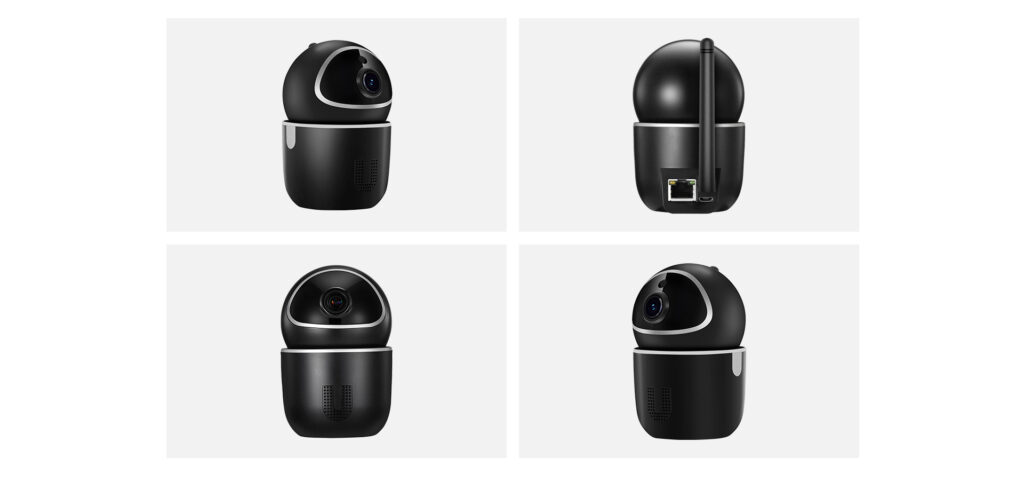
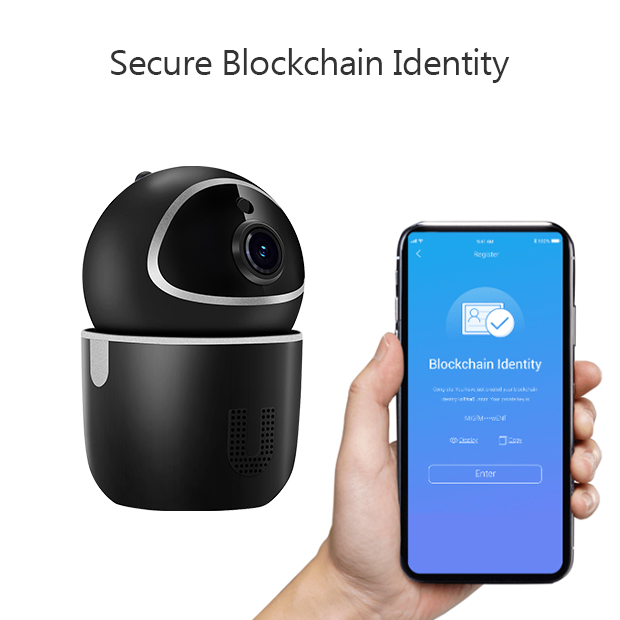
IoTEX in partnership with Tenvis announced the new UCAM which is the world’s first Blockchain-powered home security camera. Let’s delve into the features of the device. If you have some basic understanding about Blockchain then go ahead. In case if you’ve hearing blockchain for the first time, no worry, we’ve explained briefly below in this article.
Wikipedia has a simple definition of Blockchain. “A blockchain originally blocks chain, is a growing list of records, called blocks, that are linked using cryptography”. A blockchain is a decentralized, distributed, and most public. The invention of the blockchain for bitcoin made it the first digital currency to solve the double-spending problem without the need for a trusted authority or central server.
IoTEX and Tenvis UCAM Security Camera
The UCAM functions very much similar to that of any home security camera except with some added benefits which will be discussed below. UCAM comes with most premium features such as Full-HD 1080p video recording and playback, 360 ° coverage, night vision, motion detection alerts, and two-way audio.
What really makes the UCAM unique from other security cameras is the built-in privacy features. End-to-end encryption makes the data accessible only to the users at either end. No one can access it during transmission because of encryption. The UCAM uses the IoTeX blockchain and decentralized identity to authorize who can view what content and for how long. Furthermore, all the content acquired by UCAM is the exclusive property of the user. No one will be able to access it, not even IoTeX or Tenvis.
IoTeX and Tenvis are introducing an exciting new paradigm for privacy: their new cameras including the UCAM will be user-centric, allowing consumers to own their data. No one else has tried this before making it a versatile product. Interested users can visit their official website for more information on the product and avail the best offers. However, it is retailing at the discount price of $44.99. The product is even facilitated with CES 2020 Award in the cybersecurity and personal privacy category.
Key Features
Enhanced Privacy and Security
1080p HD Video recording
360-degree coverage
Motion Detection
Night Vision
Two-way Audio
Lifetime Technical Support
4.2″ x 2.6″ x 3.4″ size and 8.0 ounces weight
3.6mm Lens with f/2.0 aperture
Flip and Mirror Image
Infrared LED: 8x IR-LEDs
5Watt Power consumpetion
5V/1A Power Supply
Ethernet port, SD Card and Cloud Service
2.4GHz WiFI
Blockchain
Blockchain can be defined as a digital ledger consisting of digital records called Blocks. Blocks are used to record transactions across many computers so that any involved block cannot be altered retroactively, without the alteration of all subsequent blocks and requires consensus of the network majority. By design, a blockchain is resistant to modification of the data. This allows the participants to verify and audit transactions independently and at a much lower cost. A blockchain database is managed autonomously using a peer-to-peer network and distributed timestamping server.
Block
Blocks hold batches of valid transactions that are hashed and encoded into a Merkle tree. Each and every block includes the cryptographic hash of the previous block in the blockchain, which links the two. The linked blocks form a chain. This iterative process confirms the integrity of the previous block, all the way back to the original genesis block.
Block Time
It is the average time it takes for the network to generate one extra block in the blockchain. For example, in the case of Bitcoin, it takes on an average of 10 minutes to generate a new block.
Decentralization
This is an important security feature of blockchain. By storing data across the peer-to-peer network, blockchain eliminates risks that come with data being held centrally. The decentralized blockchain uses ad hoc message passing and distributed networking. These blockchain networks lack centralized points of vulnerability that computer crackers can exploit also one thing to note is that it has no central point of failure.
Blockchain security methods include the use of public-key cryptography. A public key is a long, string of numbers that looks random. It is an address on the blockchain. Value tokens sent across the network are recorded as belonging to that address. A private key is like a password that gives its owner access to their digital assets or the means to otherwise interact with the various capabilities that blockchains now support.
Well, that’s a lot of information. Hope you enjoyed reading about the UCAM and blockchain in general.
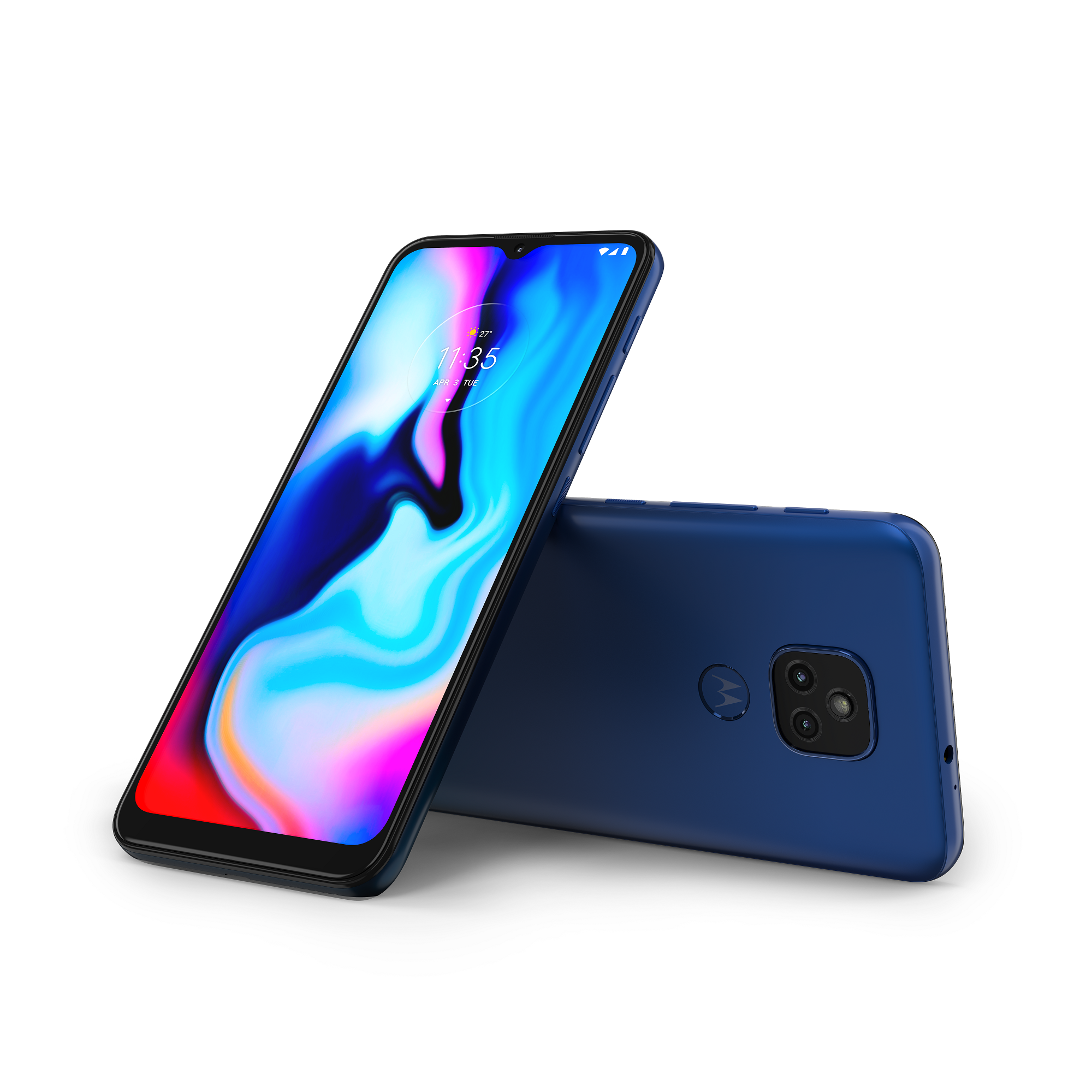
Motorola has just launched the latest iteration of its budget entry level smartphone, the Moto E7 Plus. The E series is best known for its affordability and the company is offering some notable specs for an under 10,000 INR price point (roughly 135 US Dollars).
Moto E7 Plus
Despite being an entry level device, the Moto E7 Plus features a 48 megapixel dual cameras. While dual cameras aren’t very uncommon in this price range, Motorola has heavily focused on its f/1.7 primary camera, claiming that it would offer one of the best camera performance in the sub 10K INR price range. It features a 6.5 inch HD+ Max Vision HD Display and offers a Stock Android experience as well. Notably, the Moto E7 Plus powered by a large 5,000mAh battery that claims 21 hours of video streaming and 15 hours of web browsing endurance.
The display has an aspect ratio of 20:9 with a large screen to body ratio. Under the hood, a Qualcomm Snapdragon 460 SoC runs the device, which is a 1.8GHz processor octa core processor. For memory, 4Gb of RAM is offered along with 64GB of internal storage that can be expanded up to 512GB via a microSD card and the Moto E7 Plus runs Android 10 OS out of the box, with the promise of 2 years worth of security updates. Furthermore, the device is water repellent just as an added safety measure while face unlock is also offered to the user.
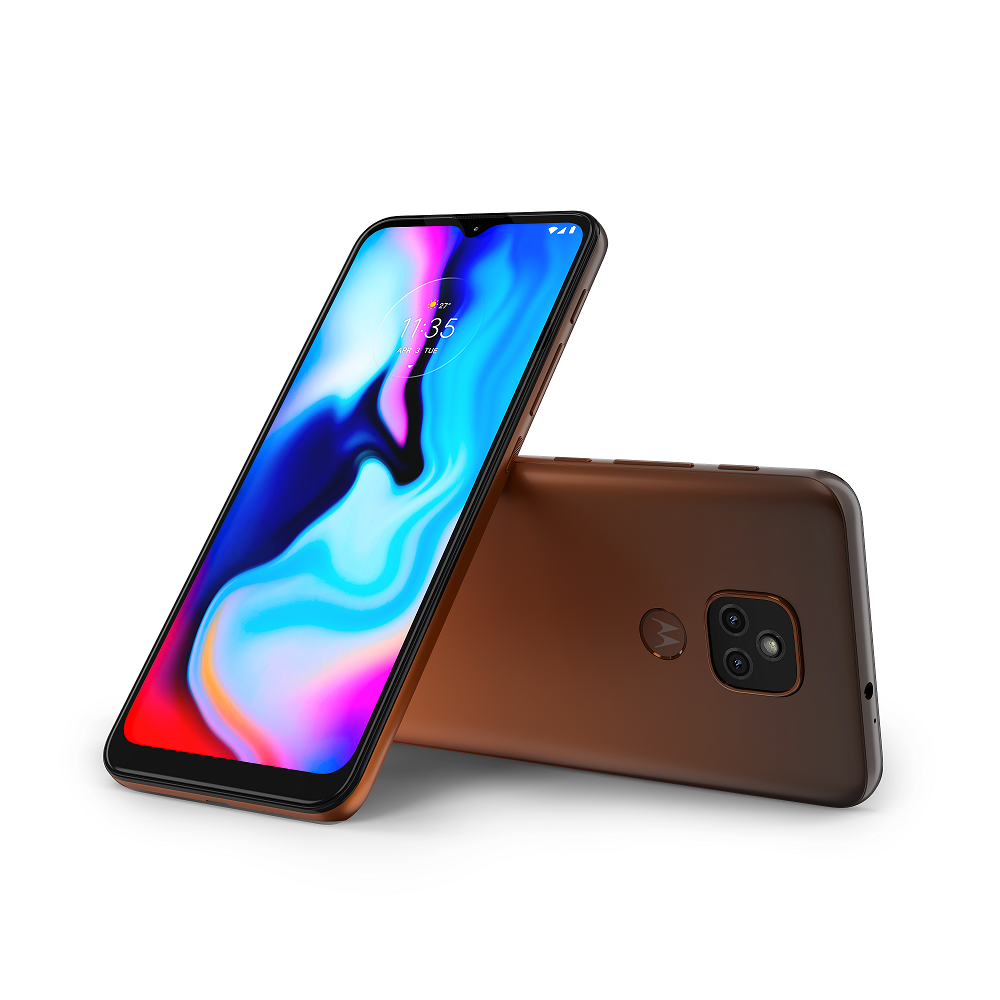
On the rear, a 48 megapixel primary sensor is housed in the square shaped camera module, which also features the 2 megapixel depth sensor and an LED flash. Below the camera system, a rear mounted fingerprint scanner can be seen that also sports the signature batwing ‘M’ logo of the company. Motorola has heavily emphasized on its camera performance, with a special focus on its Night Vision mode that lets users take bright pictures even in low light scenarios. Other features like slow motion videos and timelapse are also offered that are powered by its AI algorithms.
Price and Availability
The Moto E7 Plus has been built completely in India and arrives at a price of just 9,499 INR (roughly 129 US Dollars). It will be available exclusively through Flipkart, which is a major e-retailer in the country and starts sale from 30th September 2020 from 12 pm onwards. The device arrives in two color variants, namely Misty Blue and Twilight Orange, so for those that are looking for an affordable new handset, this might be a worthwhile to pick to consider.
A few days ago, Apple announced its new Watch Series 6, Watch SE as well as new iPad and iPad Air models at a special ‘Time Flies’ event. Now, the company is gearing up to hold a new special event in the coming weeks to launch iPhone 12 models.
While the company has not yet confirmed when the next event will take place, the latest report indicates that the Apple iPhone 12 launch event could happen on 13th October. It also adds that pre-orders for the devices could start as soon as 16th October.
Another report claims that Apple is gearing up for a product launch event and in an internal presentation for BT and EE by British Telecom CEO Marc Allera revealed that Apple is close to launching the new 5G iPhones within days.
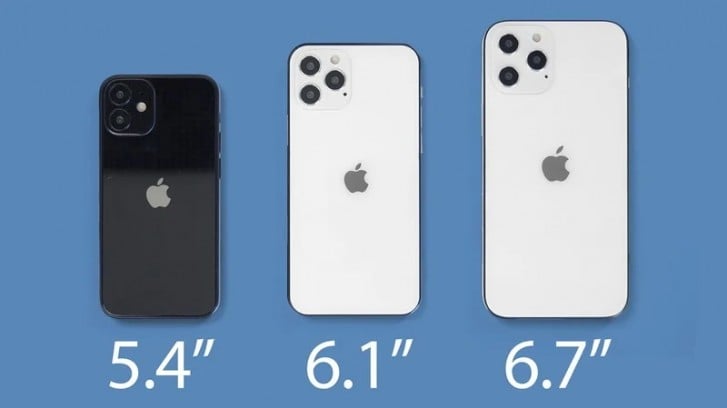
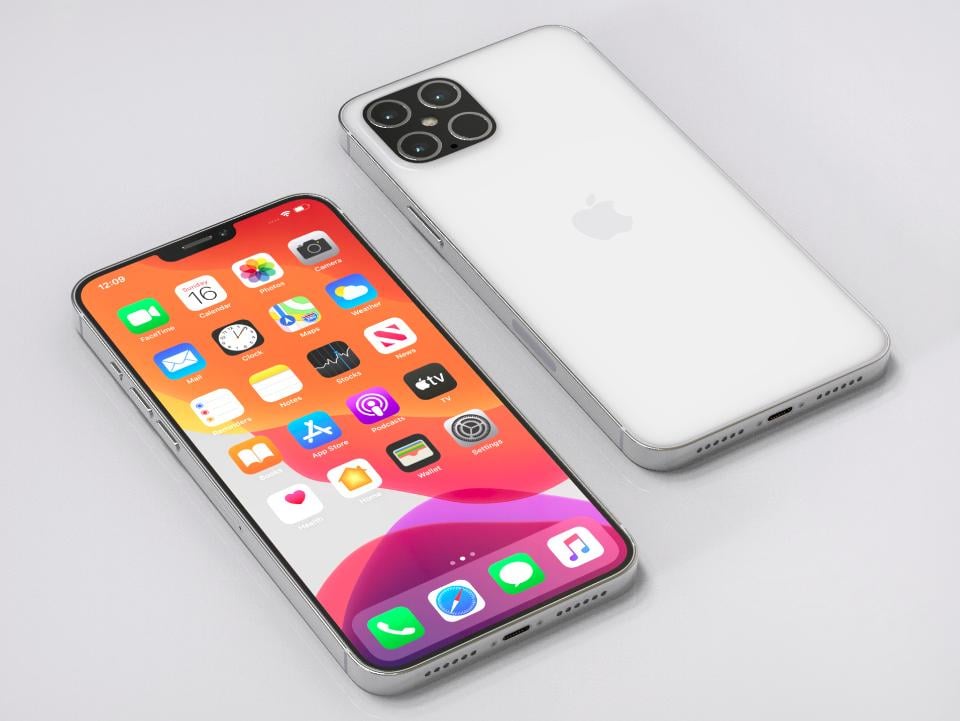
Apple is anticipated to launch four iPhone models this time and their names have been leaked online. The 5.4-inch model of the device will be called Apple iPhone 12 Mini. The model with a 6.7-inch display will be called iPhone 12 Pro Max while the two devices with a 6.1-inch display will be called iPhone 12 and iPhone 12 Pro.
Reports indicate that the 6.1-inch and 6.7-inch models of the iPhone 12 will have the same display notch as the iPhone 11 models. However, the 5.4-inch model will have a slightly narrow notch to show more information on the screen at the top edges.
Recently, it was revealed that the upcoming iPhone 12 could cost somewhere between $699 to $749 while the iPhone 12 Max could be priced around $799-849. The Pro and Pro Max models are expected to be priced between $1,100 to $1,200. To know for sure, we will have to wait for the official announcement from the company.
Smartphone manufacturers have been trying to come up with a perfect solution for a full-screen device. After offering a pop-up camera module, manufacturers are now working on under-display camera technology.
While ZTE has already launched the world’s first smartphone with an under-display camera — ZTE Axon 20 5G, other manufacturers like OPPO and Xiaomi are working on the same. Now, it seems that Realme has also joined the list.
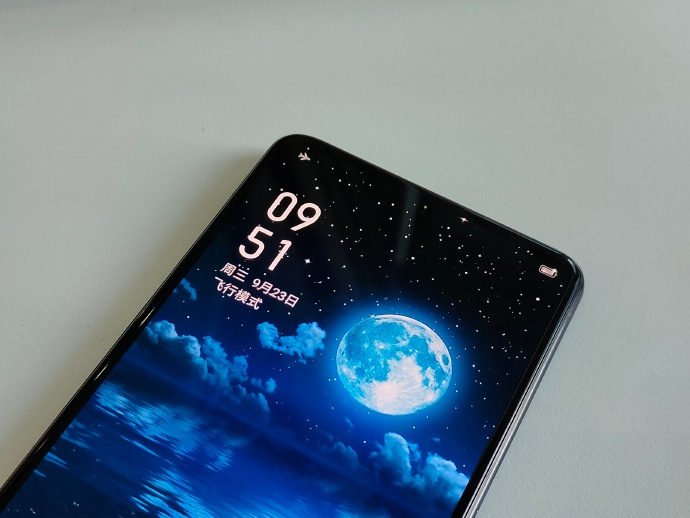
Realme’s Vice President and President of Global Marketing Xu Qi has today shared a photo on Weibo which shows a smartphone without any notch on top of the display. This hints that the company is gearing up to launch a device with under-display camera technology.
However, do note that the Xu Qi has not explicitly confirmed that this is the company’s upcoming smartphone using in-display camera technology. But going by his comments on the same post, he has teased selfies and confirmed there’s no pop-up camera, hinting that the phone is using under-display camera technology.
Huawei, which was ranked as the world’s leading smartphone brand for the second quarter of this year, is now struggling to keep its business afloat. The company is now battling for the survival against the US sanctions and has a few tricks up its sleeves.
Guo Ping, Huawei’s rotating chairman, has said that the company is now focusing on the development of its HMS ecosystem. After getting banned from using Google services last year, the company developed its own Huawei Mobile Services (HMS) and made it available for all, as a replacement for Google.
He has also added that the company will continue to invest in connectivity, high-performance computing, cloud technology, and artificial intelligence. Guo also added that the company will continue to support supply chain partners who still work with Huawei.
It is also confirmed that Huawei has sufficient chips for the telecom equipment, server, and cloud business, as we previously reported. However, Guo Ping said that the company is still looking for solutions for the smartphone chipsets, which the company needs hundreds of millions every year. He added that the company is willing to procure chips from U.S.-based companies who receive the license from the government, including its rival Qualcomm.
Zhang Ping An, President of Huawei’s Consumer Cloud Services said that the company is in talks with Chinese vendors to expand the usage of HarmonyOS. If the Chinese giant manages to convince smartphone makers to adopt HarmonyOS, even only for the Chinese market, then it could be a major blow to Google’s Android.
Recently, AMD and Intel confirmed that they have been granted a license by the United States to continue doing business with Huawei, but the scope is not yet known. Apart from them, MediaTek and SMIC have also applied for a license to supply chipsets to Huawei.
Currently, all the major suppliers of Huawei, including TSMC, Samsung Electronics, SK Hynix, Kioxia, Sharp, Micron, and Sony have stopped doing business with Huawei in order to comply with the new U.S. regulations.
After launching the Mi 10 Ultra and Redmi K30 Ultra smartphone to commemorate the company’s 10 year anniversary, Xiaomi is now set to launch its new TV in China.
The company has today confirmed that the Xiaomi TV Master Ultra Edition will be made official in China on 28th September. It is also confirmed that the TV will have support for 8K display and 5G connectivity.
However, Xiaomi has not yet announced the size of the TV. For that, it seems like we will have to wait for the official launch event on 28th September. It could be related to the Xiaomi Mi TV Master series that was recently launched in a 65-inch OLED version.
The Xiaomi Mi TV Master 65-inch OLED model comes with support for 4K display with a 120Hz refresh rate and offers a screen-to-body ratio of 98.8 percent. It has support for features like high-speed motion compensation, AI image quality engine, and Dolby Vision, among others.
Recently, an 82-inch Smart TV from Xiaomi with support for 8K and 4K resolutions were spotted on 3C certification. The 82-inch Mi TV 8K has a model number L82M6-8K and is reportedly using a panel from LG Display.
The smart TV has an integrated 5G modem for streaming 8K content. As for the pricing, it is said that the television will be super expensive but will be cheaper than the company’s 49,999 yuan ($7,330) transparent TV.
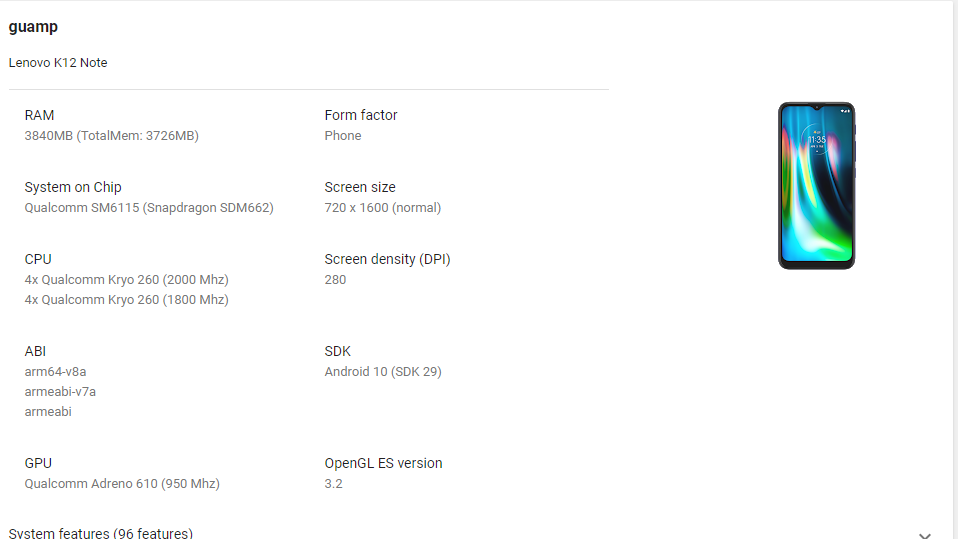
Lenovo is no longer a popular player in the smartphone market. Ever since the company acquired Motorola, it has been focussing more on that brand rather than its own due to nostalgia and brand power associated with its subsidiary. The Chinese company has now reached a certain point that it is rebranding Motorola devices as its own. The newly certified Lenovo K12 Note is nothing but a rebadged Moto G9 Play/Moto G9 (India).
According to Google Play Console, the upcoming Lenovo K12 Note is codenamed guamp. It will sport an HD+ (720 x 1600 pixels) with 280 DPI. Under the hood, it will feature Qualcomm Snapdragon 662 chipset and 4GB RAM. Last but not least, it will run Android 10 out of the box.
The above mentioned specs and the image included in the listing confirms that this phone is indeed a rebranded Moto G9 Play. This Motorola device debuted in late August in Europe and last week in the UK.
What’s even more interesting is that this very same Moto G9 Play handset is sold as the vanilla Moto G9 in India. That means Lenovo is selling it with three different names across the world. That said, we are not certain where the K12 Note will launch first.
A few years back, Lenovo K series smartphones were one of the best budget phones available in the market. Those devices would compete directly with Xiaomi Redmi series phones. Unfortunately, slowly and steadily, the company not only gave up on this popular series but also its entire smartphone lineup.
Back in July, Lenovo released its first gaming smartphone called Legion Duel. Sadly, it is still limited to China and the company is yet to confirm if it will ever hit global markets.
We use cookies on our website to give you the most relevant experience by remembering your preferences and repeat visits. By clicking “Accept”, you consent to the use of ALL the cookies.
This website uses cookies to improve your experience while you navigate through the website. Out of these, the cookies that are categorized as necessary are stored on your browser as they are essential for the working of basic functionalities of the website. We also use third-party cookies that help us analyze and understand how you use this website. These cookies will be stored in your browser only with your consent. You also have the option to opt-out of these cookies. But opting out of some of these cookies may affect your browsing experience.
Necessary cookies are absolutely essential for the website to function properly. This category only includes cookies that ensures basic functionalities and security features of the website. These cookies do not store any personal information.
Any cookies that may not be particularly necessary for the website to function and is used specifically to collect user personal data via analytics, ads, other embedded contents are termed as non-necessary cookies. It is mandatory to procure user consent prior to running these cookies on your website.