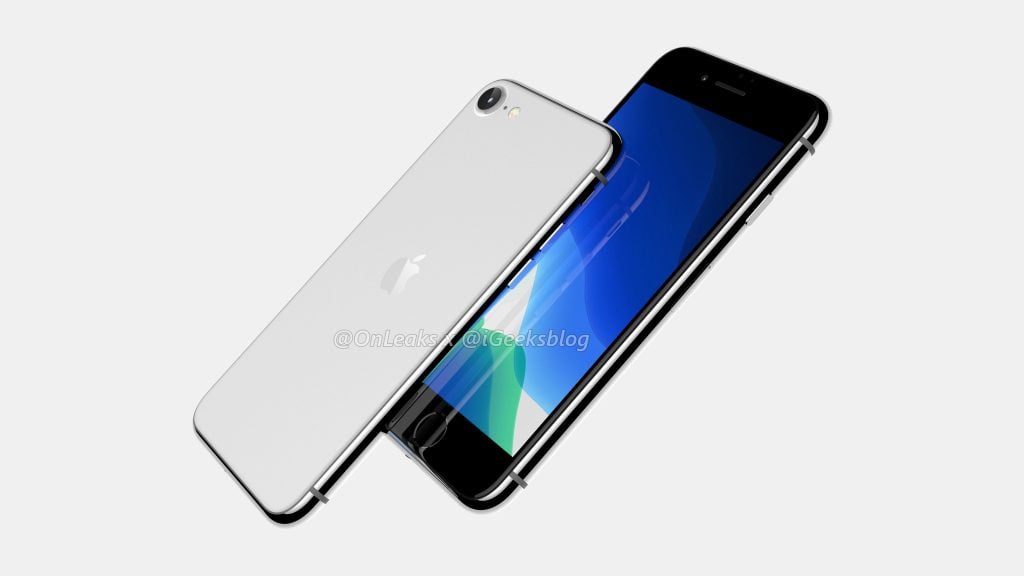
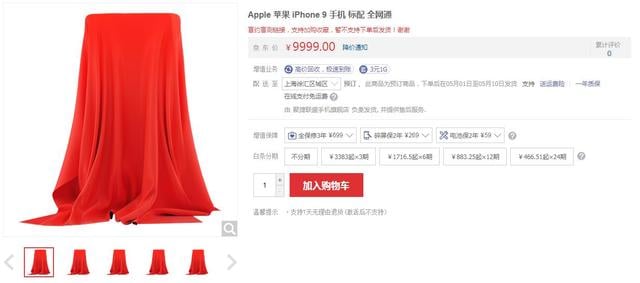
A recent report had disclosed that Apple will launch the iPhone 9 as the iPhone SE 2. Before the report, the next-gen compact and affordable model which will be a successor to the iPhone SE was rumoured to launch this year as iPhone 9. Despite the new report, a third-party retailer is now accepting pre-orders for the iPhone 9 on Jingdong (JD.com) in China.
The listing generated a lot of discussions among netizens in China where Apple products are still relatively popular. The third-part store known as JD Sanfang Store listed the iPhone 9 to start shipping between May 1 and May 10.
The landing page doesn’t reveal any detail of the iPhone 9 except that it won’t have support for 5G connectivity. Of course, Apple is yet to launch a 5G phone and we don’t expect the iPhone 9 to beat the flagship models to that crown. There also no pictures of the device on display.
The iPhone 9 or iPhone SE 2 has been tipped to be launched on April 15 and go on sale from April 22. But like all details of Apple’s unannounced product, information about the product has been a closely guarded secret. The company is yet to officially announce a launch date for the smartphone.
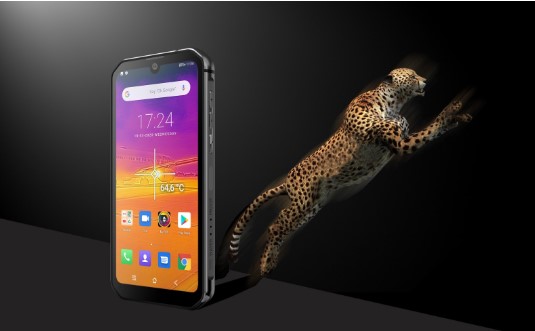
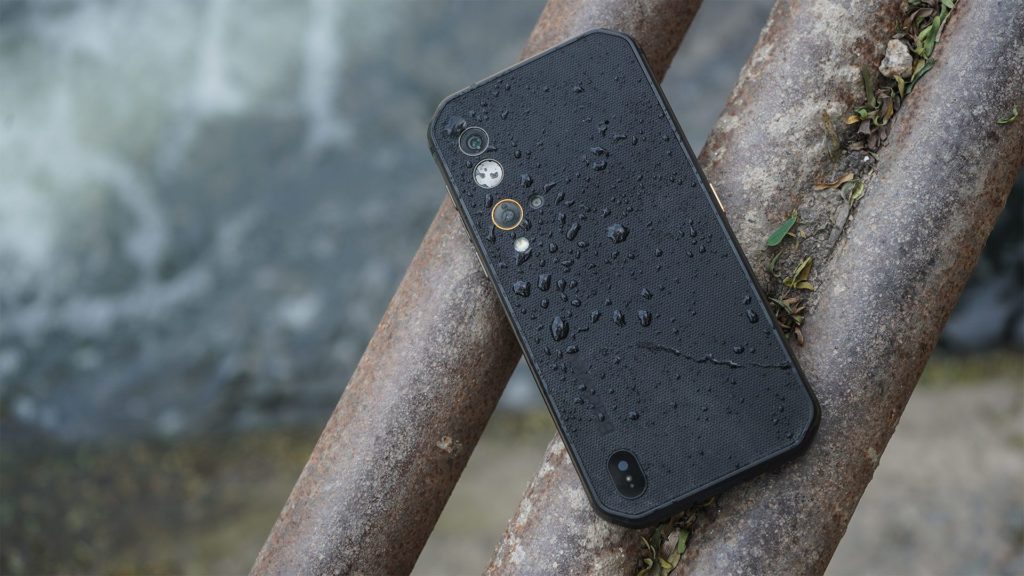
Last month, Blackview launched a BV9900 Pro rugged smartphone featuring 4K display and various other magnificent features. The smartphone hosts a thermal imaging camera that can be useful in industries or while doing adventurous activities. BlackView BV9900 Pro is the newest member fo the Blackview’s rugged smartphone series with 4K video recording capabilities.
The new smartphone is a beautiful yet powerful smartphone housing a MediaTek Helio P90 processor coupled with 8GB RAM and 128 GB internal storage. You would be amazed by its camera features as it houses Sony’s 48-megapixel ultra-clear visible camera with the ability to record 4K videos at 30 frames per second. There won’t be any wear and tear of the hardware and the users will be able to enjoy without distorting the multimedia experience. It is capable of shooting high-quality pictures possessing greater details.
Blackview BV9900 Pro features a FLIR thermal imaging camera for an outstanding thermal experience. The sensor from the industry’s leading company will allow the users to detect temperature anomalies, measure temperature values of objects, detect insulation problems at home or work, etc. Moreover, the users will be able to inspect critical machinery and electrical connections from a safe distance. It is also useful for doing some fun activities outdoors or indoors while experiencing detectable thermal imaging.
BlackView BV9900 Pro carries a rugged design with IP68, IP69K, and MIL-STD-810G ratings. It can even run smoothly under -30°C thanks to the IceMod. There’s a 5.84-inch Full HD+ waterdrop display and comes with Corning Gorilla Glass 5. The users can initiate wireless payments by using inbuilt NFC. There’s a heart rate monitor and barometer to know heart rate and air pressure respectively.
BlackView BV9900 Pro is now available from AliExpress for the discount price of $549. However, from April 4 to April 10 the users can get it for $439 on the occasion of appreciation flash sale at AliEpress. You can buy it here.
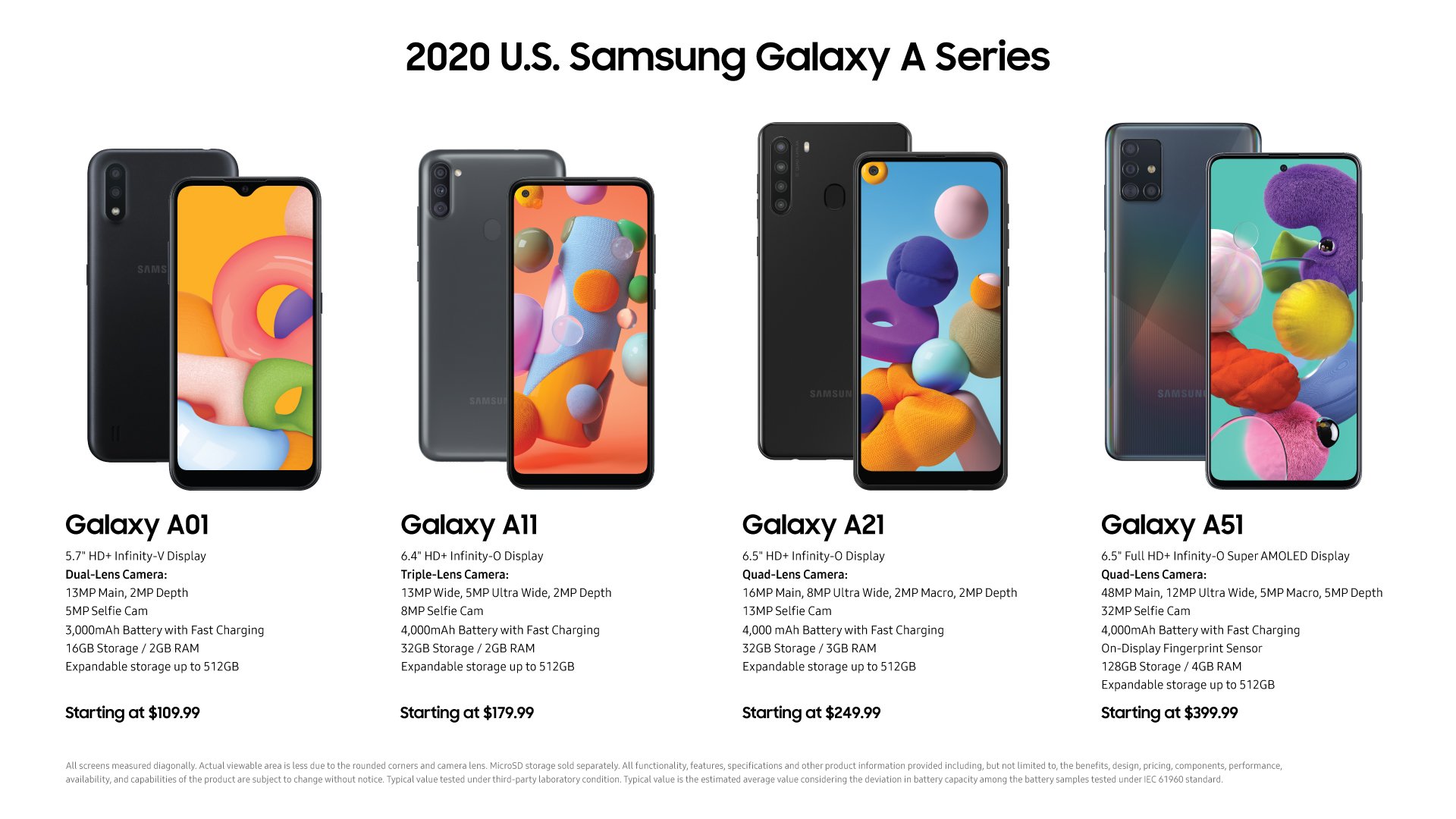
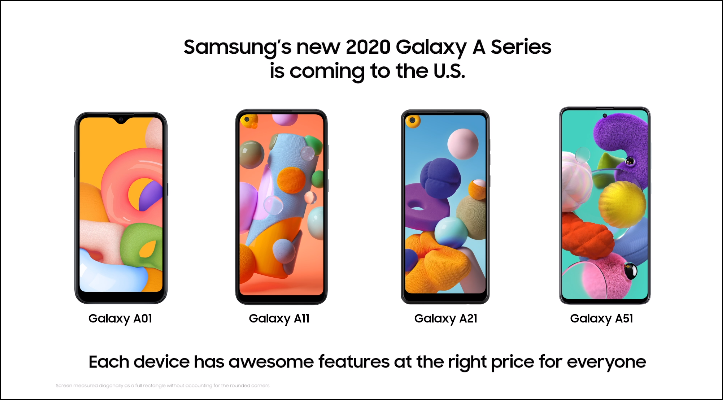
Samsung has unveiled a number of its 2020 Galaxy A-series models for the US market. The A-series smartphones unveiled includes the much-touted Galaxy A71 5G, the Galaxy A51 5G and the Galaxy A21. Some of the models will go on sale on Thursday (April 9) in the US while others, including the Galaxy A71 5G and Galaxy A51 5G, are scheduled to be released in the summer.
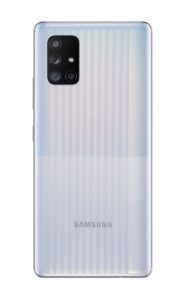
The Samsung Galaxy A71 5G is an upgraded version of the Galaxy A71 that was launched earlier this year. The phone has the same design with its sibling and the 5G chipset onboard this new variant is the only distinguishing feature.
Samsung Galaxy A71
As for the specs, the Galaxy A71 5G features a 6.7-inch Super AMOLED display FHD+ resolution of 1080pixels. The device utilises a punch-hole design which houses a 32MP selfie camera.
At the rear, the Galaxy A71 5G packs a Quad camera setup. The setup consists of a 64MP main camera paired up with a 12MP ultra-wide camera, a 5MP macro cam and finally, a 5MP depth sensor.
Samsung didn’t reveal the chipset onboard the device but considering that the 4G version is powered by a Snapdragon 730 chipset, this model is likely using the Snapdragon 765G SoC. The phone gets its juice from a 4,500mAh battery and supports 25W fast charging.
Samsung Galaxy A21
Samsung Galaxy A21
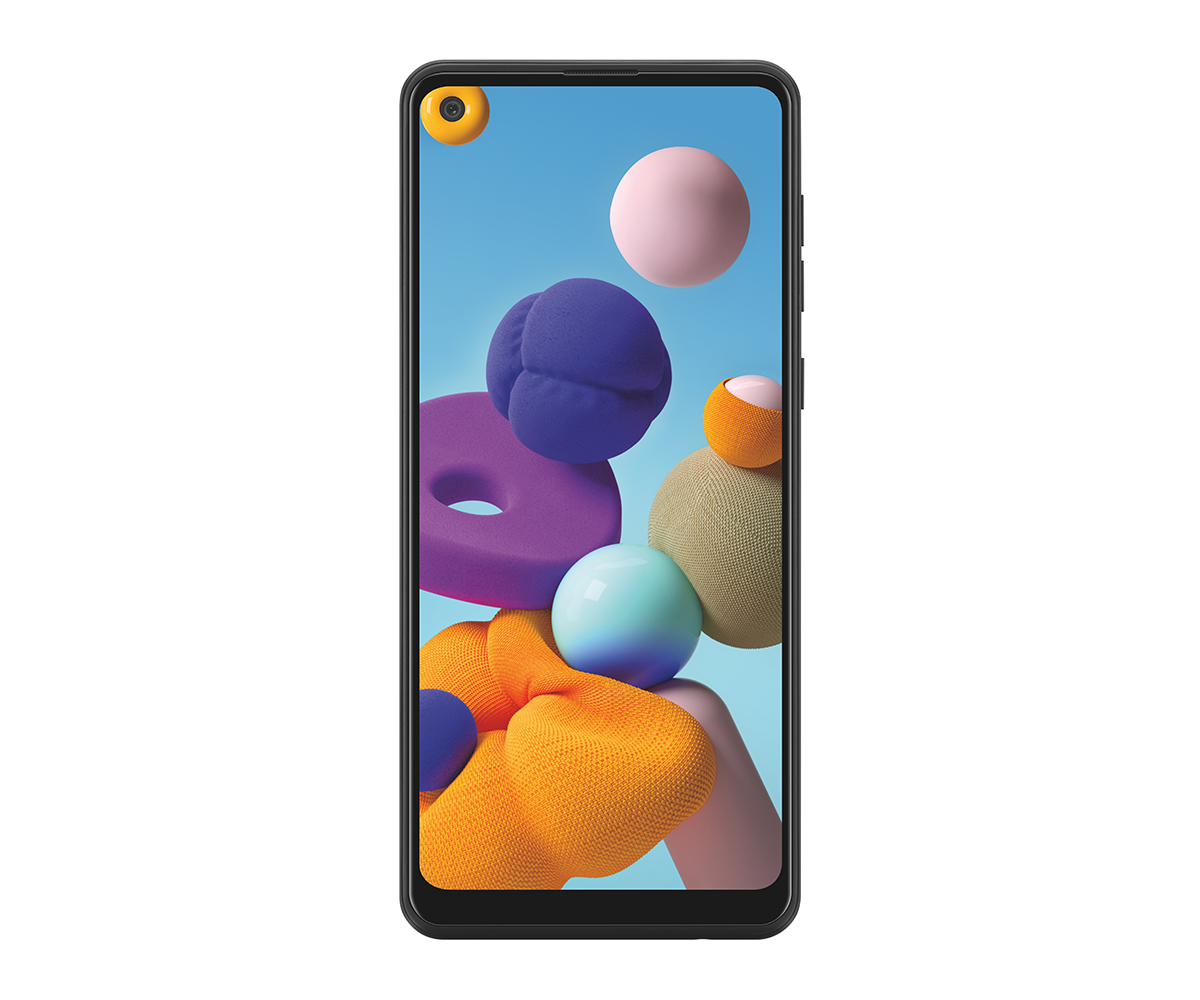
Samsung equally took the wraps off the Galaxy A21 which has not been launched anywhere else. The phone features a 6.5-inch display with 720p+ (HD+) resolution. The device crams a massive 4,000mAh battery under the hood and has support for 15W fast charge.
The phone’s processor wasn’t mentioned but it pairs with 3GB of RAM and there is 32GB of storage onboard. The device has a microSD card slot which means the storage is expandable.
On the camera end, the Samsung Galaxy A21 packs a quad-camera arrangement on the back. The cameras include a 16MP main sensor, an 8MP ultra-wide and 2MP macro cameras and finally, a 2MP depth sensor. For selfies,m the Galaxy A21 utilises a punch-hole design which houses a 13MP sensor.
The Galaxy A21 comes with a price tag of $250.
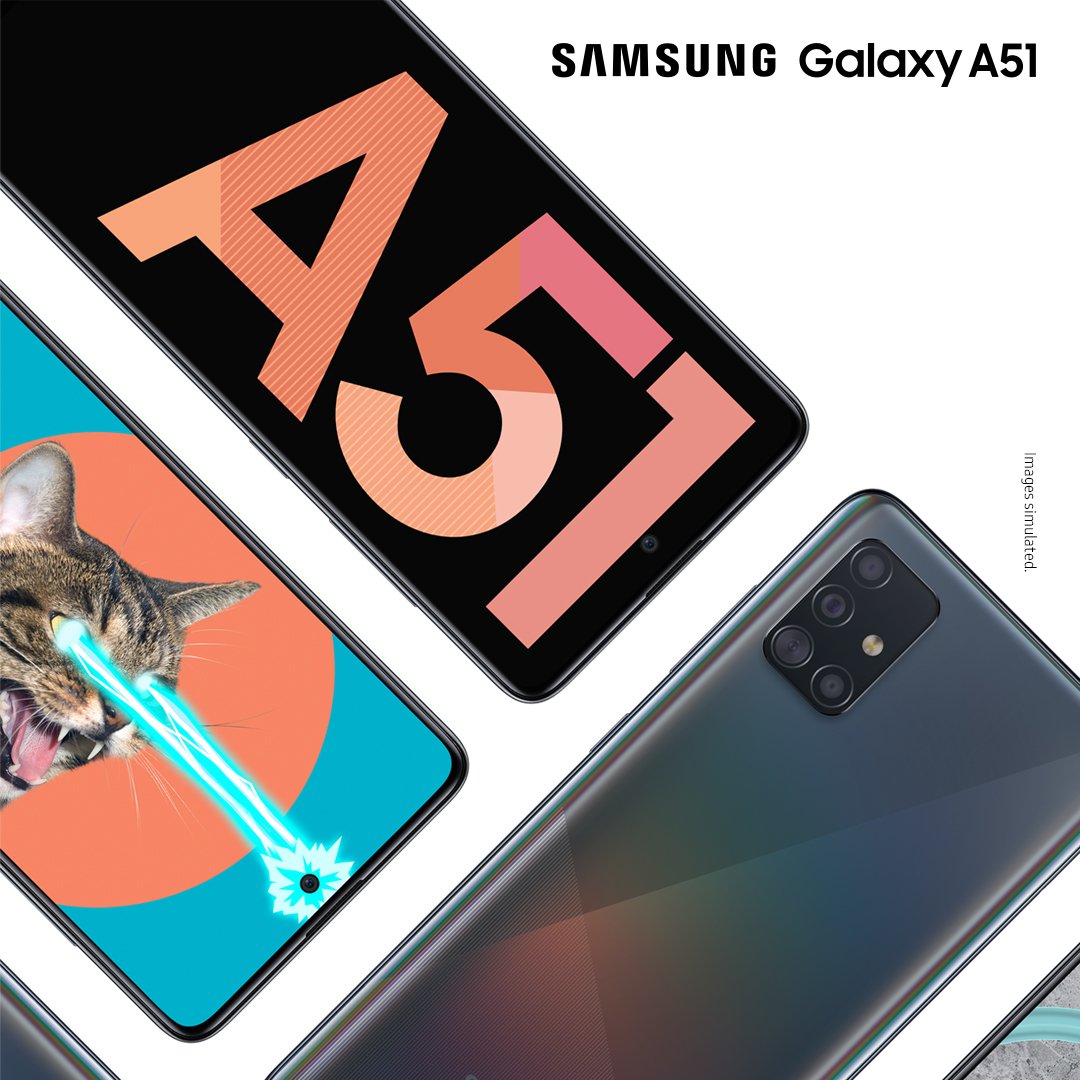
Samsung Galaxy A51
Samsung also launched the premium midrange Galaxy A51 for the US market. The Galaxy A51 will be among the models that will go on sale tomorrow. The Galaxy A51 will be available in 4GB RAM + 128GB storage option which costs $400.
Samsung is also scheduled to release the 5G version of the Galaxy A51 this summer. The major difference with this model is the Exynos 980 chipset onboard that model which will usher in 5G connectivity. The phone will come in at $500 which is just $100 higher than the 4G version.
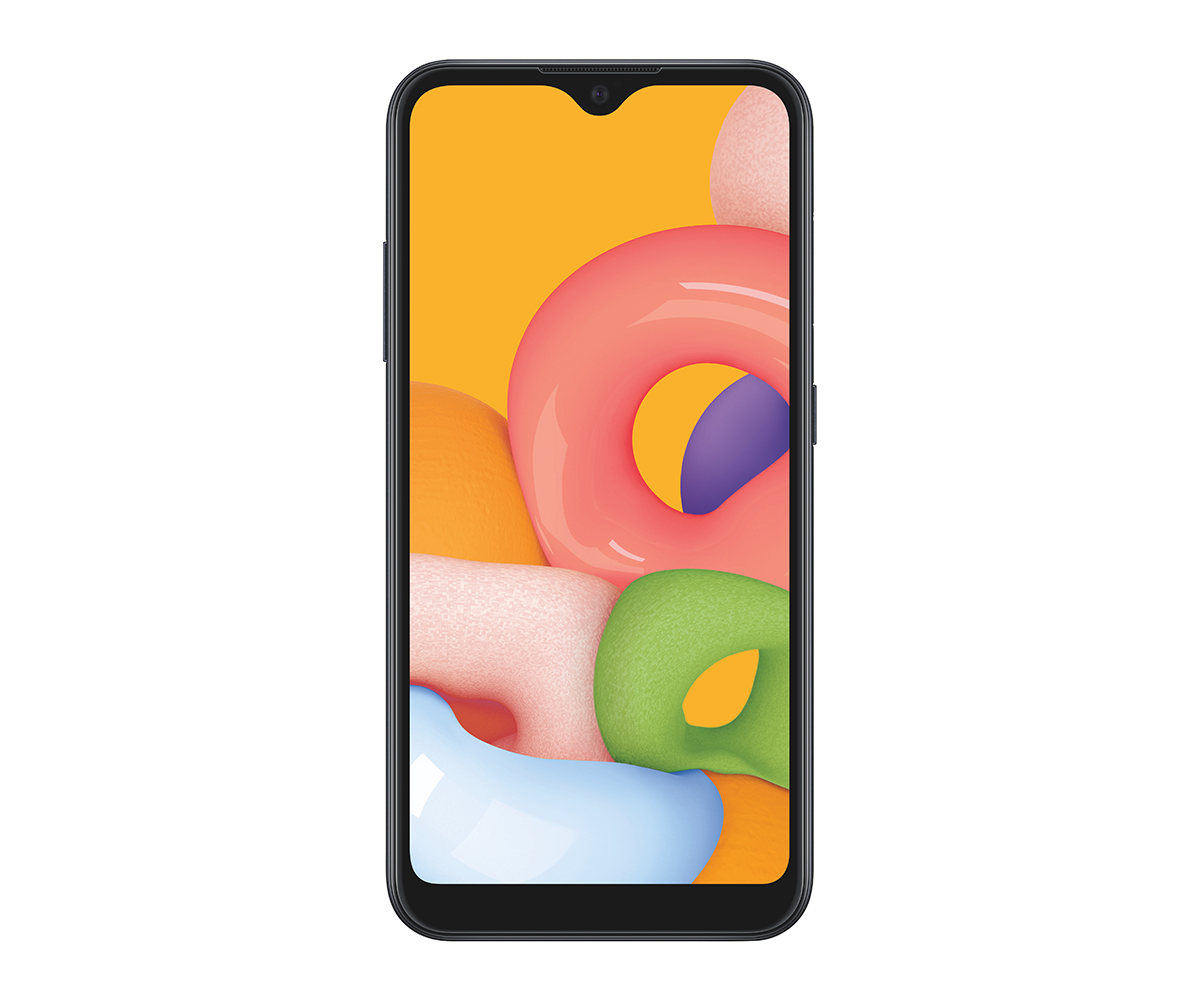
Samsung Galaxy A01
Samsung Galaxy A01
In addition, Samsung announced two cheaper models that adopt the moniker Galaxy A01 and Galaxy A11. The Galaxy A01 is an entry-level model but it runs on full Android and is not a Go Edition model. It carries a $110 price tag.
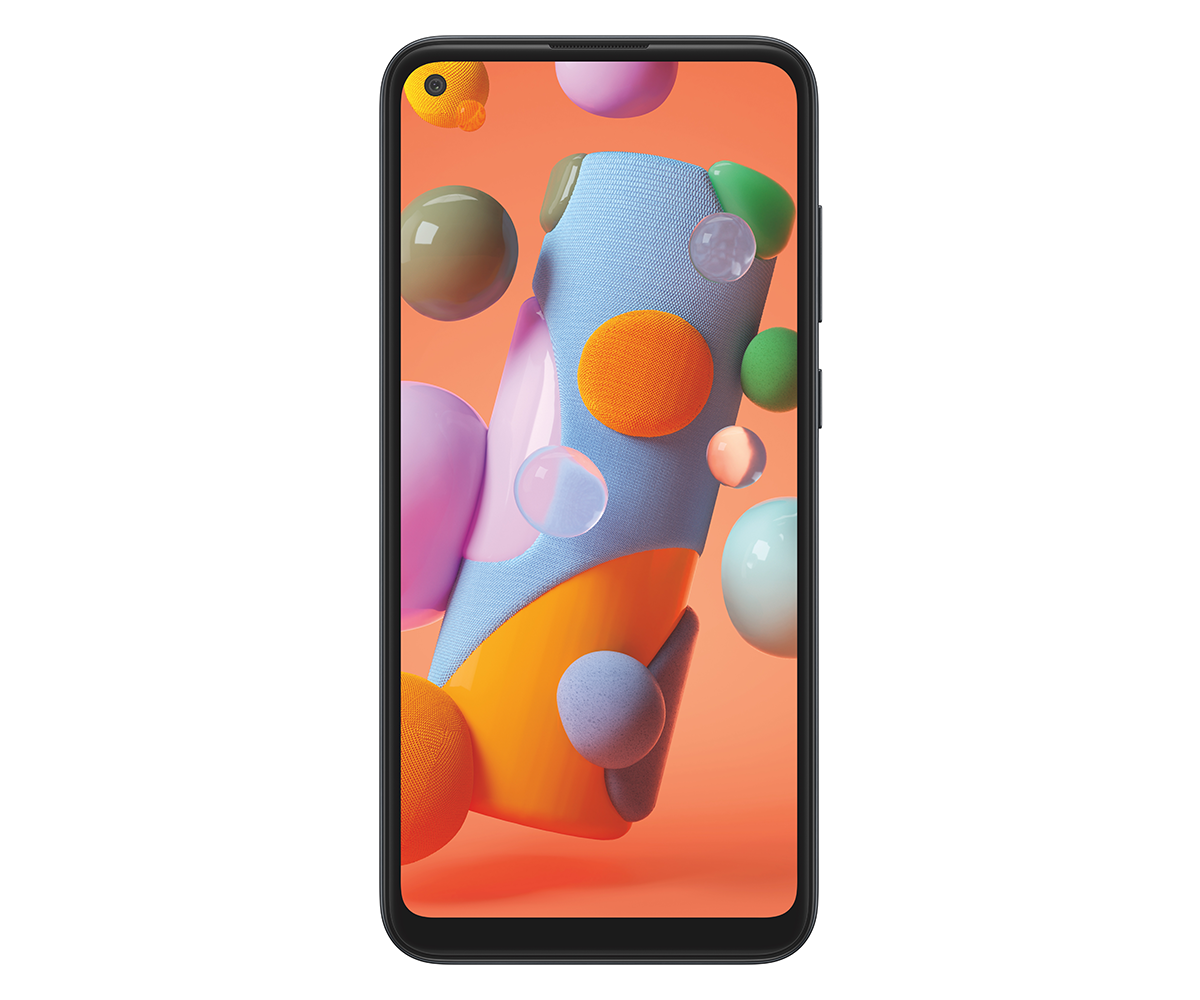
Samsung Galaxy A11
Samsung Galaxy A11
On the other hand, the Galaxy A11 is said to be a more affordable version of the A21. It packs the same 4,000mAh battery with 15W charging support. However, the device defers from the A21 in the rear camera configuration which makes the camera less powerful than the Galaxy A21’s.
Last week, Samsung Display announced its plan to stop making LCD displays by the end of 2020. Now, according to insiders from Taiwan, Sharp will be supplying LCD panels to Samsung Electronics for its lineup of TVs in place of its sister company.
Sharp ditched supplying LCD panels for Samsung Electronics in 2017 when it was acquired by Foxconn, which is one of the biggest competitors of Samsung’s TV business. Since then, Samsung Display, its sister company has been providing the panels.
But now, as Samsung Display is ending its production of LCD panels to focus more on quantum dot displays, Samsung Electronics and Sharp will once again partner after over 2 years since their partnership last ended. However, this new deal is expected to only last for a short while.
According to the announcement made last week by Samsung Display, the company is no longer taking new orders for LCD panels. It will only continue to deliver the existing orders, most of which are place by Samsung Electronics. Thus, to fill in this gap, Samsung has once again roped in Sharp for the aid.
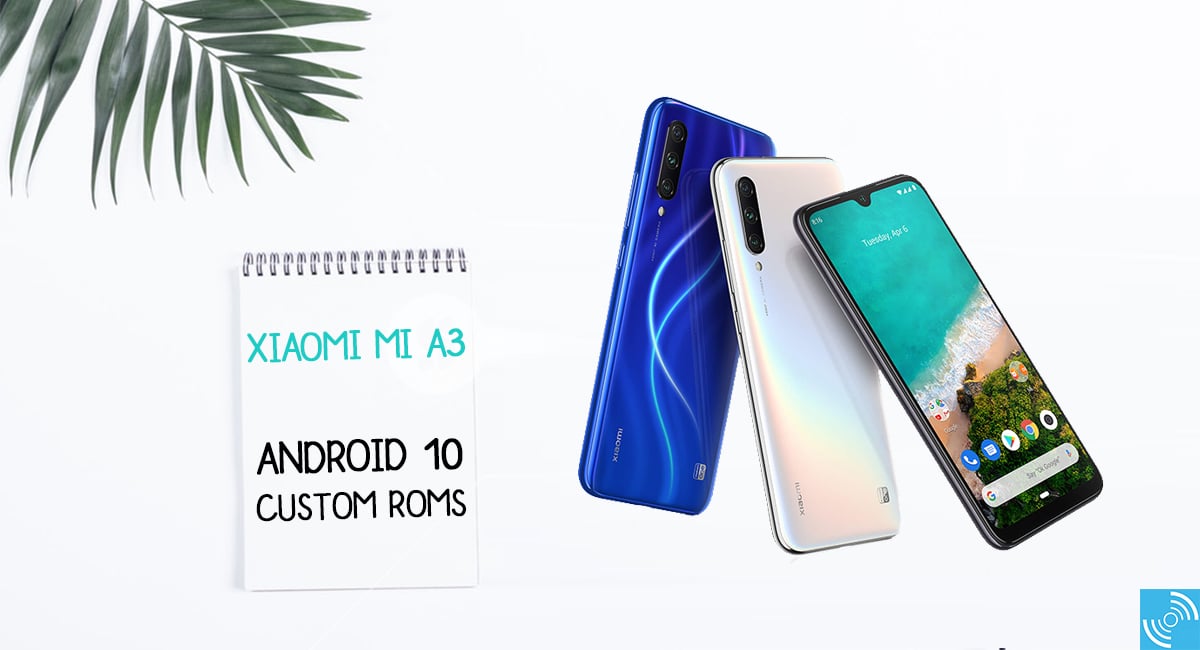
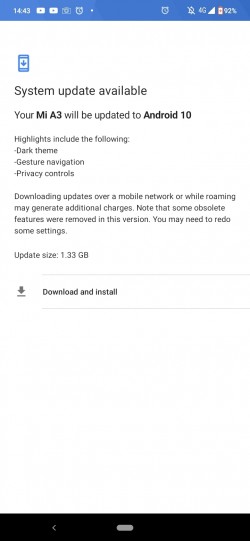
When Xiaomi first launched the Mi A1 running stock Android, fans outside China were ecstatic about the development. Moreso, it was launched under Google’s Android One programme which meant Android updates would be prompt and regular. However, that hasn’t really been the case. Owners of the company’s latest Mi A3 had to petition Xiaomi over the delay to push the latest update.
The update was also reportedly delayed by the Coronavirus outbreak. However, when it started rolling out, the ROM was full of bugs and even got some models bricked. Xiaomi had to roll back the OTA update. The company has now started pushing the Android 10 update to the Mi A3.
The update comes with the version number V11.0.11.0 QFQMIXM and is expected to hit Mi A3 units Over-The-Air. Of course, the rollout should be pushed in batches so as to ensure there is no issue. So, if you are yet to receive the update you may want to exercise some patience. Alternatively, you may check from the system setting if a new update is available for your device.
The update for the Mi A3 is 1.33GB in size and some of the new features include a system-wide dark mode, gesture navigation and privacy controls, among others. It is hoped that this new update won’t come with any issue.
Huawei entered the smart TV market last year with the lunch f the Honor Vision and later the Huawei Vision Smart TV. Both models featured Huawei’s proprietary Hongmeng OS which is the company’s Android replacement OS. The smart TV models are already on sale in China and overseas. Huawei has now taken things a notch higher with the launch, today, of the Huawei Vision Smart TV X65.
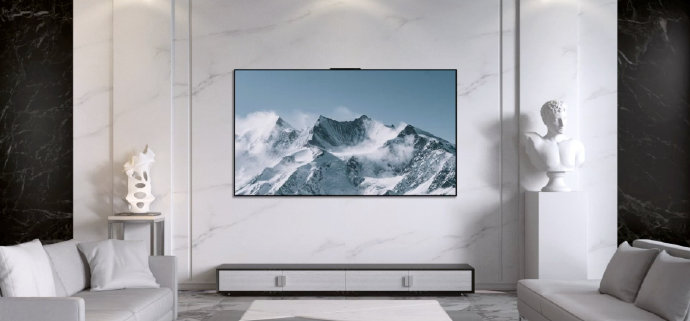
The Huawei Vision Smart TV X65 comes as Huawei’s first OLED TV as it packs a humongous 65-inch self-illuminating 4K OLED panel with a high screen ratio. Huawei has garnered a reputation for beautifully-designed products especially its smartphones. The Huawei X65 adopts an ultra-thin body with 24.9mm thickness. The smart TV equally has a high screen to body ratio as a result of the thin bezels that surround the display.
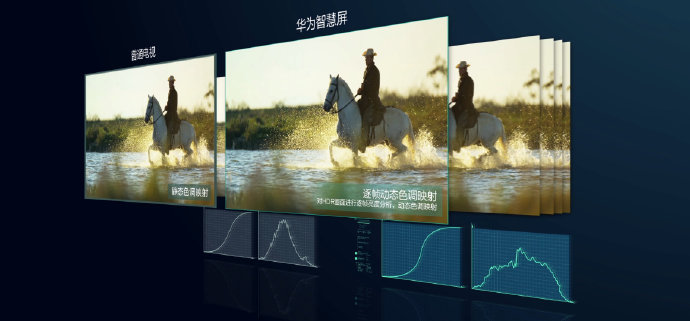
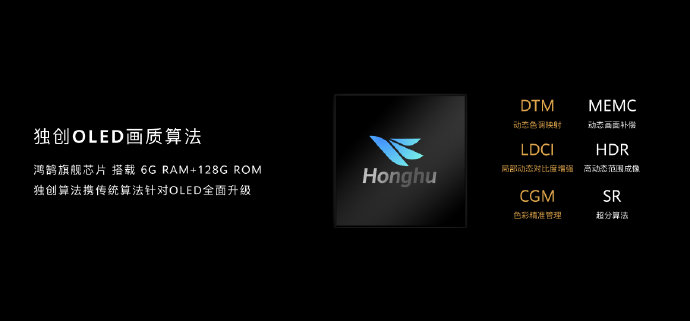
The smart OLED TV is equipped with HiSilicon’s new self-developed Honghu 898 flagship smart chip designed for OLEDs. The processor uses advanced multi-channel sensors to adjust the color and speed of the screen. It also adapts the display to ambient light, making the display more natural as well as allows rich and dark details to be displayed, thus improving the image quality.
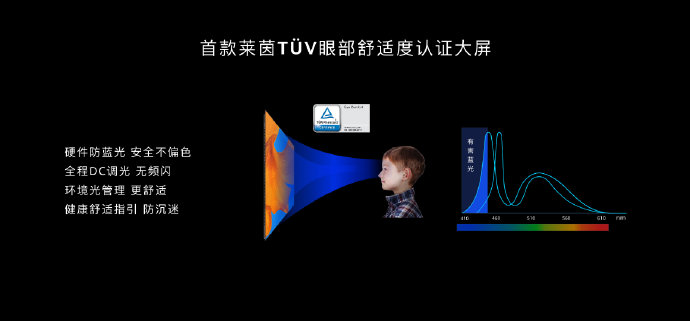
The processor automatically matches the image standard accurately in order to display images in their original color atmosphere, as well as light and shadow texture. The display is certified by German TUV Rheinland for eye comfort which makes it the first large-screen device to get such certification.
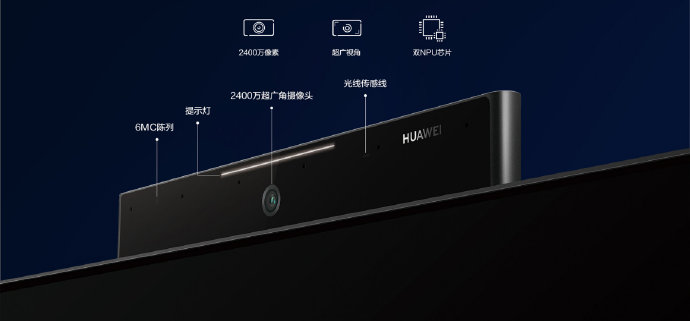
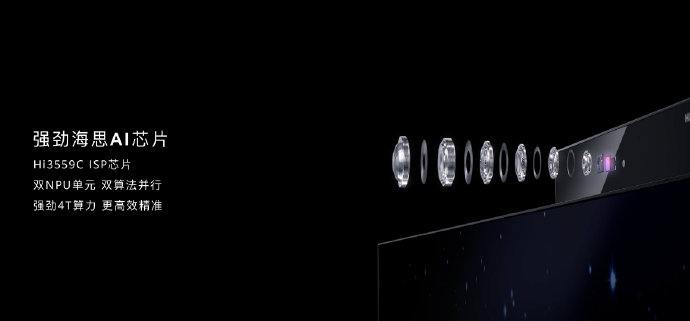
One of the spectacular features of the display is a 24MP ultra-wide-angle AI camera which is equipped with the self-developed HiSilicon dual NPU chips and 4T super-powerful computing power. The camera is wider, clearer and smarter. The camera supports Air gesture control which will definitely bring ease to the control. It equally supports video calling.
The smart TV is equipped with 14 speakers which provide a surround sound field. It also comes with 5.1 channels and provides a distributed 3D smart sound field with stunning sound effects. The smart TV can intelligently identify the spatial structure and emits sound waves to detect the room structure and receive feedback. This helps in establishing a virtual spatial sound field model, and to create an exclusive sound field by automatically matching the sound effect solution in the spatial scene.
The Huawei Vision Smart TV X65 is priced at 24,999 yuan ($3,522). However, there is no word yet on the availability.
Huawei Vision Smart TV V55i
Huawei also launched the Huawei Vision Smart TV V55i with an LCD display. The smart TV models are powered by the Honghu 818, quad-core 1.5GHz processor. It also has a 1080p front pop-up camera. It comes in two storage variants – V55i-B (4 + 32GB) which is priced at 3799 yuan ($535), and V55i-A (4 + 64GB), priced at 3999 yuan ($563). The Smart vision V55i will go on pre-order tonight and will start shipping on April 30
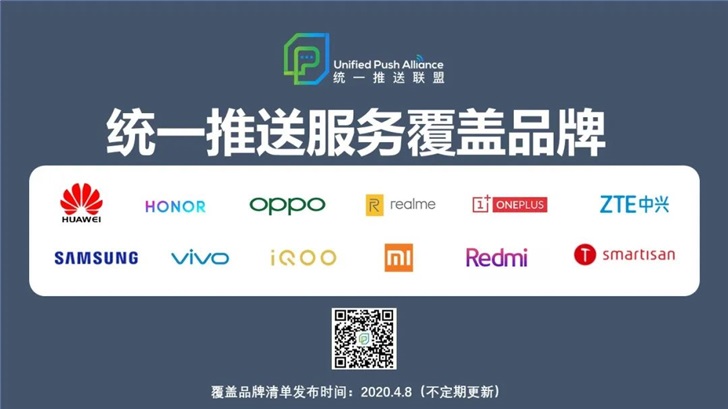
Smartisan officially joins the Unified Push Alliance in China for notifications on its smartphones. The company has successfully met the requirements of the alliance’s T-UPA0002-2019 unified push interface layer specification.
The unified notification protocol will be first available on Smartisan Nut Pro 3 smartphone and all the upcoming models from the company. Also, old devices will be supported via a system update in the coming days.
Notifications on smartphones is a crucial part of the experience. Improper implementation could lead to various complications such as battery drain, waking of apps in the background, and more. On Android smartphones, Google Play Services takes care of proper delivery and maintenance of notifications from apps, however, since Google is banned in China, this service is not available in smartphones sold in the country.
In China, OEMs have their own implementation of notifications in their devices. To mitigate this, The Ministry of Industry and Information Technology of China formed Unified Push Alliance in 2017. The smartphones released by the member companies follow a common protocol for notifications.
Now, Smartisan is the latest smartphone company to join the Unified Push Alliance. Last, when we reported on this topic, Samsung had joined the alliance. In addition to these two OEMs, the alliance also has all the popular smartphone manufacturers like Oppo, Vivo, Xiaomi, Redmi, OnePlus, iQOO, and Realme to name a few.
At the P40 series launch today in China, Huawei announced a new product called AR Maps that it didn’t announce at the launch in Paris last month. It is understandable why Huwaei’s AR Maps is debuting in its home country and the reason is that the places on the maps are only in China.
Huawei says it has focused on details for the AR Map and boasts centimeter accuracy. Huawei says the 3D locations are actually a 1:1 replica of their real-world counterparts.
With the AR Map, users can experience virtually real-world locations. The AR map isn’t just for experiencing virtual locations from the comfort of your home, it actually works like a regular map too and includes live navigation and seamlessly integrates with the real world when you step out of your home.
1 of 3
Huawei says it has also added fun activities such as mythical creatures and virtual characters which can be found when using the map in the real world.
The app is currently available on Huawei AppGallery but as stated above, it only works on the P40 series. Hopefully, more devices are supported soon.
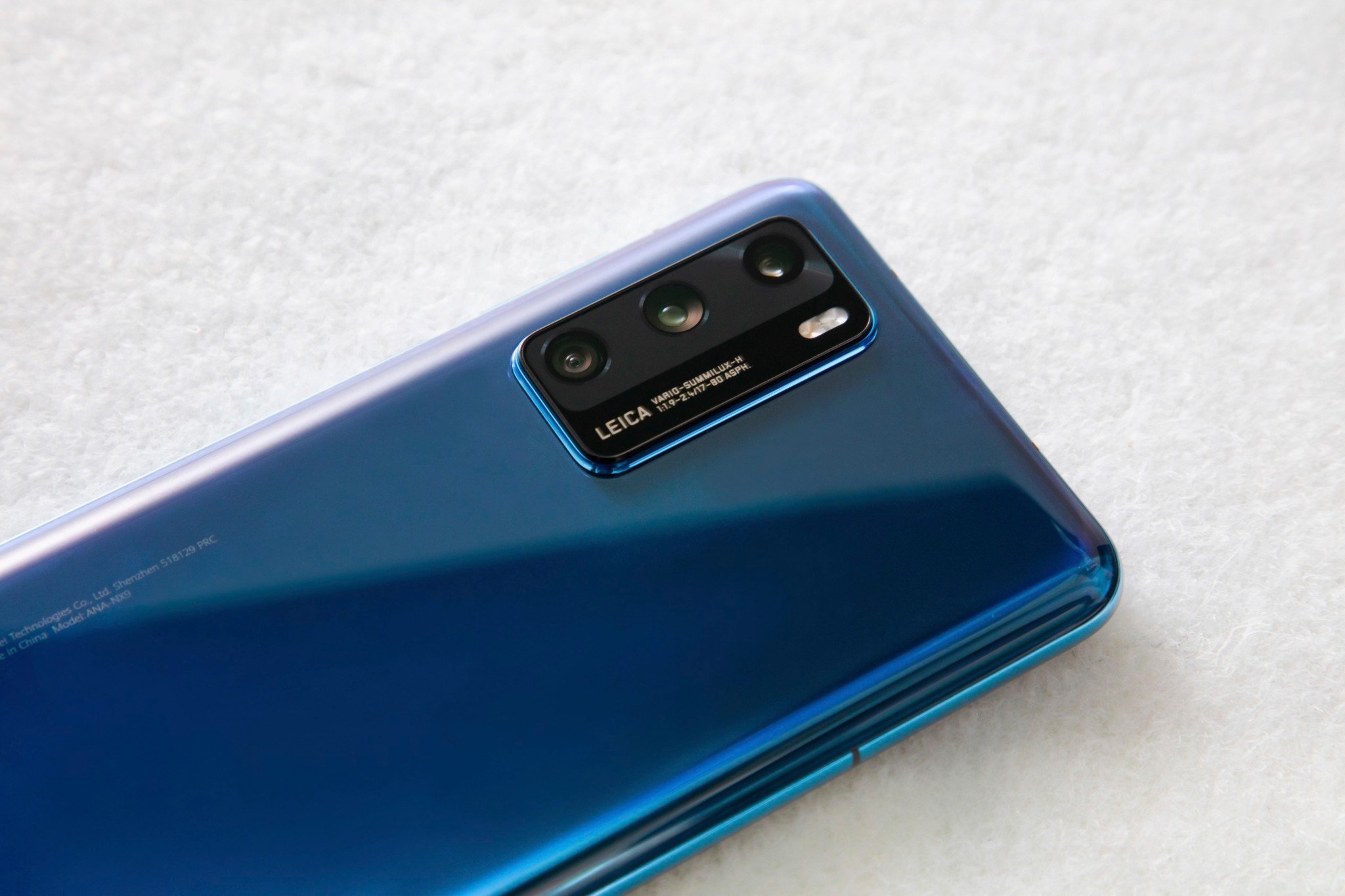
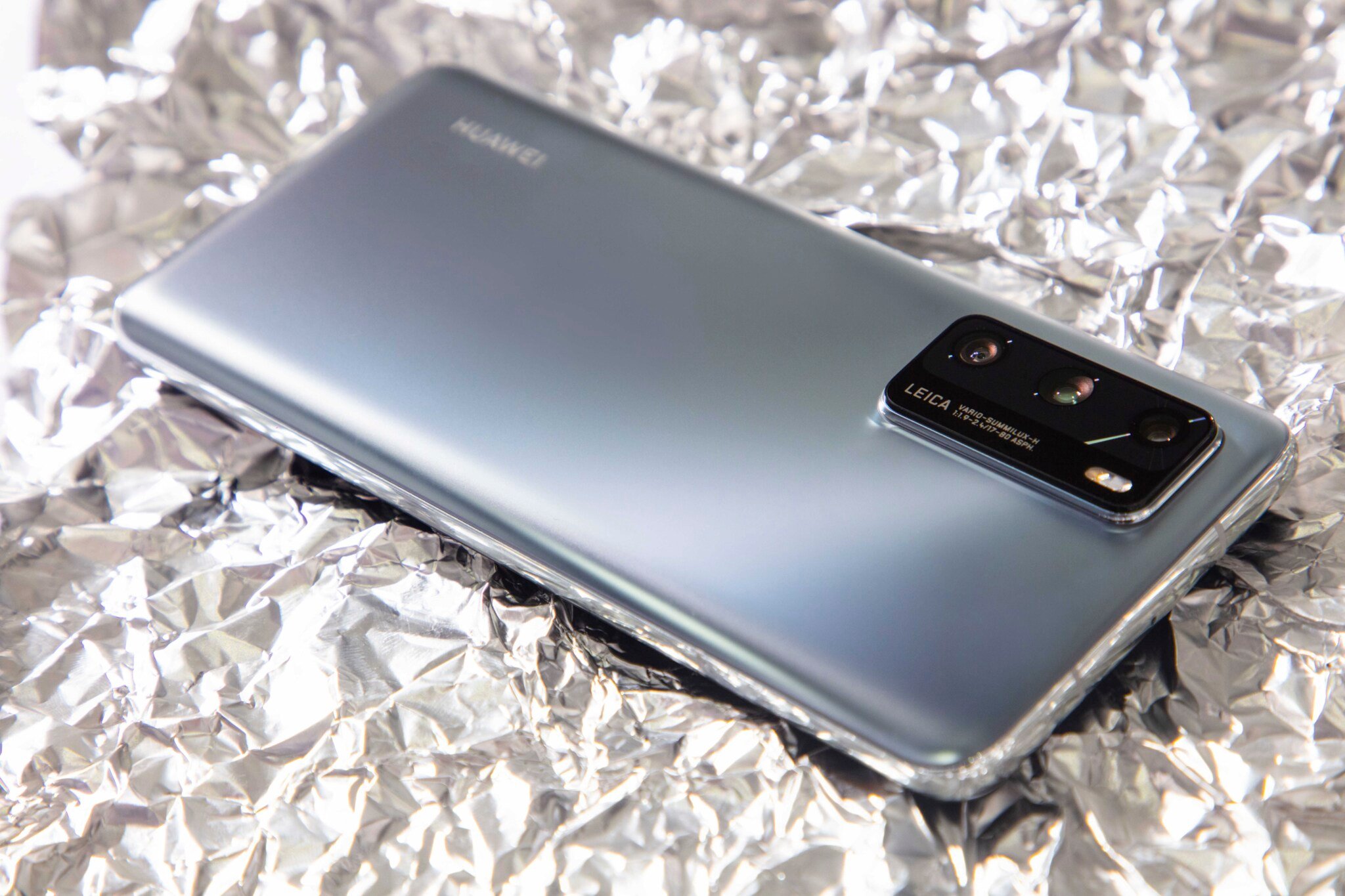

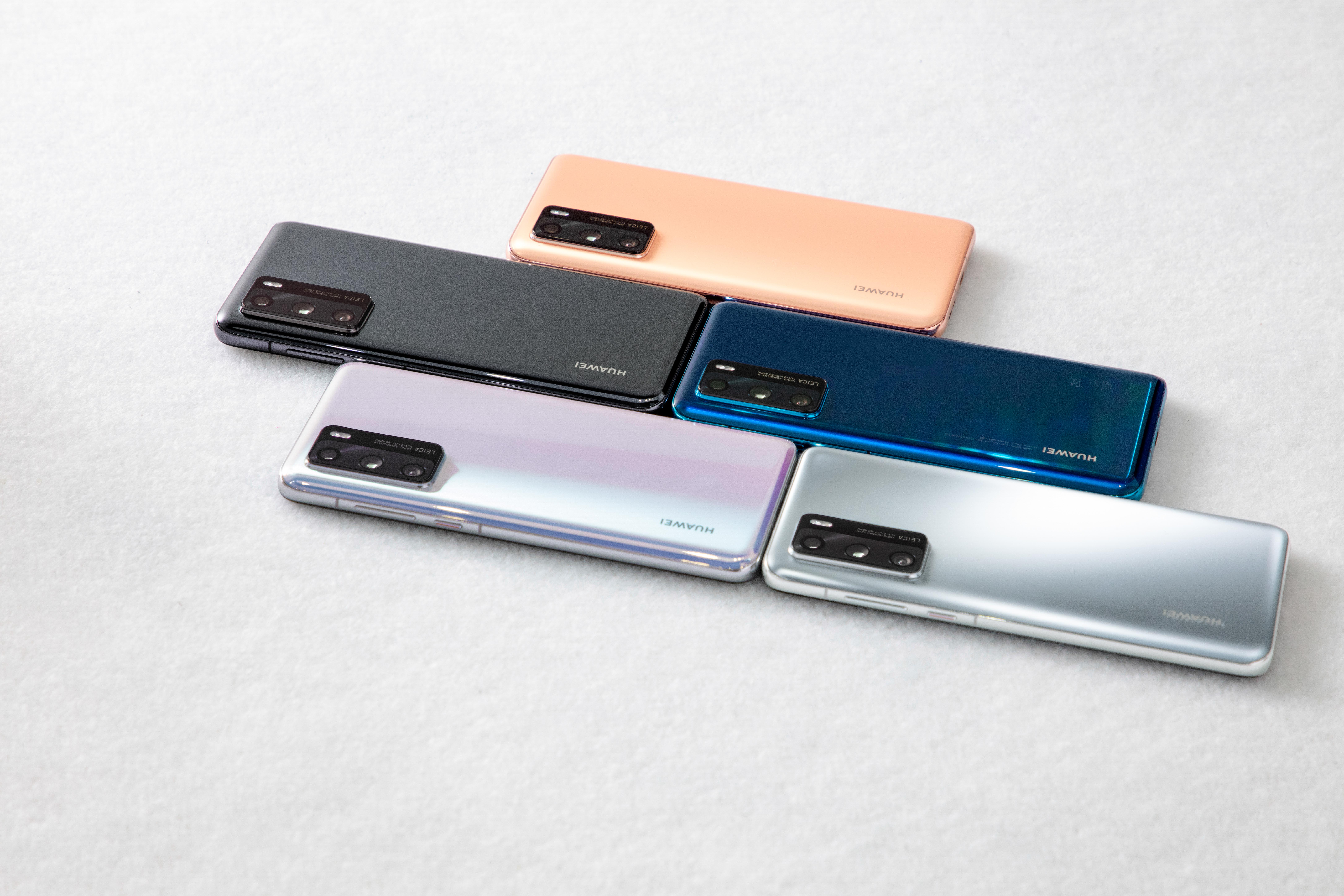
Huawei has officially launched the Huawei P40 series in China today, nearly two weeks after it was announced internationally via an online event. The company has unveiled three flagship smartphones in the domestic market: Huawei P40, Huawei P40 Pro, and Huawei P40 Pro Premium.
Since we already know all about the specs and features of the new devices, let’s first take a look at the China pricing of the Huawei P40 series.
Huawei P40 China Pricing & Availability
The Huawei P40 China pricing is as follows.
6GB RAM + 128GB ROM – 4188 yuan (~$593 | €545)
8GB RAM + 128GB ROM – 4488 yuan (~$635 | €584)
8GB RAM + 256GB ROM – 4988 yuan (~$706 | €649)
In comparison, the Huawei P40 starts at €799 ($880) for 8GB RAM and 128GB ROM in Europe.
Huawei P40 Pro China pricing is as follows.
8GB RAM + 128GB ROM – 5988 yuan (~$848 | €778)
8GB RAM + 256GB ROM – 6488 yuan (~$918 | €844)
8GB RAM + 512GB ROM – 7388 yuan (~$1046 | €961)
8GB RAM + 256GB ROM – 6888 yuan (~$975 | €896) – GIFT BOX SPECIAL EDITION
In comparison, the Huawei P40 Pro starts at €999 ($1095) for 8GB + 256GB variant in Europe.
Huawei P40 Pro Plus China pricing is as follows.
8GB RAM + 256GB ROM – 7988 yuan (~$1131 | €1039)
8GB RAM + 512GB ROM – 8888 yuan (~$1258 | €1156)
In comparison, the Huawei P40 Pro Plus starts at €1399 ($1533) for its 8GB RAM and 512GB ROM variant in Europe.
As you can see, the Huawei P40 series models are priced way cheaper in China, just like its predecessors. This difference in the European and Chinese pricing of the P40 series is similar to what we saw for the P30 series last year.
The Huawei P40 and P40 Pro models will go on sale in China later today (April 8) at 10 PM. The Huawei P40 Pro Plus will go on sale on June 1, 2020.
huawei p40 Silver Frost
Huawei P40 Series Specs
The Huawei P40 series share a similar design profile. So you get a rectangular camera housing at the back with soft-matte glass finish on the P40 and the P40 Pro models. The premium P40 Pro Plus comes with a ceramic back. Up front, the P40 model comes with a 6.1-inch flat OLED display with dual punch-hole cameras on the top left corner. On the other hand, the P40 Pro and Pro Plus models feature an “overflow” curved 6.58-inch display with dual punch-hole cameras in the same position as the P40.
Owing to a smaller display and battery, the standard Huawei P40 is lightweight and compact. The phone weighs just 175 grams and measures just 8.5mm in thickness. In comparison, the P40 Pro weighs 209 grams and is nearly 9mm thick. The P40 is not as water-resistant as the IP68 certified Pro and Plus models, but the IP53 rating ensures it can withstand a few splashes. All three models feature a larger screen fingerprint sensor which is 30 percent larger and faster than its predecessor.
Under the hood, all three models feature Huawei Kirin 990 5G flagship processor, starting with 8GB of RAM. They support NaVIC in addition to GPS, AGPS, Glonass, and BeiDou along with Wi-Fi 6 and Bluetooth 5.1. The new Huawei P40 series comes with the latest EMUI 10.1 OS based on Android 10 with HMS.
The Huawei P40 comes with a 3800mAh battery with 22.5W SuperCharge charging technology. The P40 Pro and Pro Plus have much faster wired charging solutions for its 4200mAh battery, maxing at 40W. What’s even more interesting is that the Huawei P40 Pro Plus comes with 40W wireless charging support, making it the world’s fastest wireless charging smartphone right now.
The Huawei P40 has a triple camera setup. The P40 Pro has quad-cameras while the P40 Pro Plus has a penta-camera setup.
The standard Huawei P40 comes with a 50MP RYYB f/1.9 UltraVision camera along with a 16MP UltraWide Angle shooter and an 8MP f/2.4 telephoto shooter. The telephoto lens supports 3x optical zoom, 5x hybrid zoom, and 30x digital zoom. The phone gets OIS and AIS for image stabilization and can shoot 4K 60fps videos.
The Huawei P40 Pro comes with a 40MP f/1.8 Ultra Wide Cine lens, an upgraded 50MP RYYB f/1.9 sensor with OIS, an 8MP optical periscope camera, and a ToF sensor. The Huawei P40 Pro Plus has an additional 8MP f/2.4 SuperPeriscope lens. This enables 10x optical, 20x hybrid, and up to 100x digital zoom on the Pro Plus model. On the other hand, the P40 Pro features a 5x optical zoom, 10x hybrid zoom, and 50x digital zoom.
China is an important market for Huawei and the P series has been extremely well received in the domestic market. We can expect the same response for the P40 series as well.
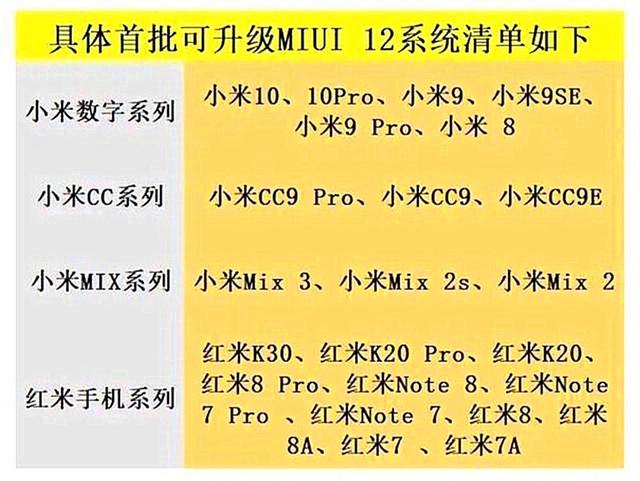
Xiaomi‘s next-generation custom ROM MIUI 12 was confirmed to be in development as early as January this year. Since then, we have seen some few details pop up here and there. Even though Xiaomi is yet to announce the commencement of beta test or any release date, a list of the Xiaomi models that will possibly be among the first set of models to get MIUI 12 has appeared online.
The models listed include the new Xiaomi Mi 10, Mi 10 Pro, as well as the Mi 9, Mi 9SE, Mi 9 Pro. Other models include the Mi 8, the discontinued Mi CC9 Pro, Mi CC9, and Mi CC9e. Xiaomi will also push the update for the Xiaomi Mix 3, Mix 2s, and Mix 2.
The list also includes Redmi series models such as the flagship Redmi K30, Redmi K20 Pro, and Redmi K20. Others are Redmi 8 Pro, Redmi Note 8, Redmi 7 Pro, Redmi Note 7, Redmi 8, Redmi 8A, Redmi 7, and Redmi 7A.
These models are tipped to be among the first set of Xiaomi models that would get MIUI 12 when it starts rolling out. That explains why some models such as the first-gen Xiaomi Mix is conspicuously missing from the list. It is said that models that are not listed would likely get updated later on. However, we can’t vouch for the authenticity of the list. It could as well be fake.
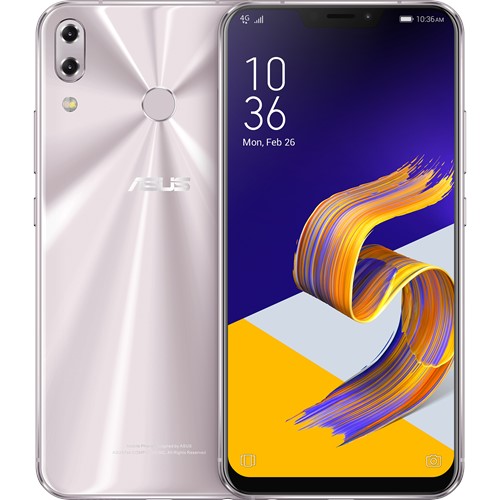
In 2018, when ASUS announced the Zenfone 5z flagship, it also announced a mid-range phone called the Zenfone 5. Both phones actually share a lot in common save for the processor, RAM + storage configuration, and fast charging technology. However, while the Zenfone 5z has gotten the Android 10 stable update since last year, ASUS is yet to roll it out to the Zenfone 5.
A new report says ASUS has now released an Android 10 beta update for the phone but one that is based on AOSP. While that may be sad news for owners of the phone who like the customizations ZenUI offers, it is good news to know it won’t be stuck on Android Pie.
ASUS advises users who prefer ZenUI to stay on their current build and not switch as the custom features it offers will not be available in the new update.
There is no changelog yet for the update but expect features such as Dark Mode, Smart Replies, new gesture navigation, and new Digital Wellbeing features.
The beta update is available for download here but you have to backup your device first as installing it will wipe your data. Also, the beta update is available for those with the WW SKU only. ASUS is yet to reveal a date for the stable update but we do not expect it to take long.
In related news, ASUS is yet to reveal any info on a successor to the Zenfone 6/ASUS 6z.
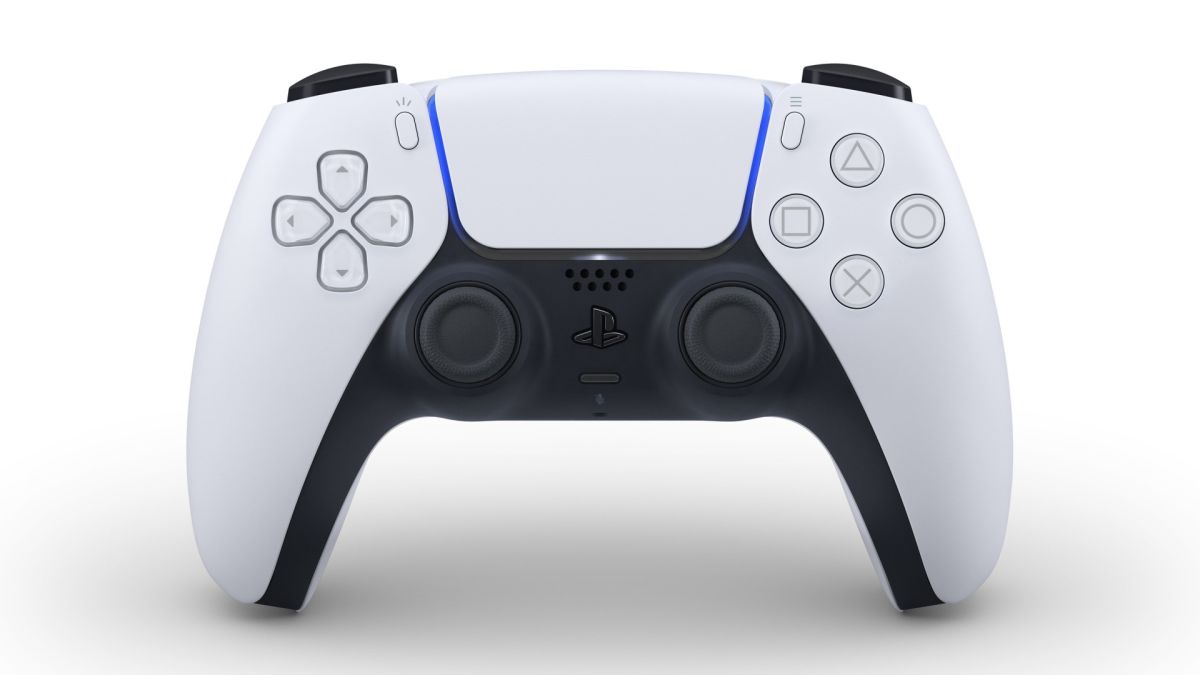
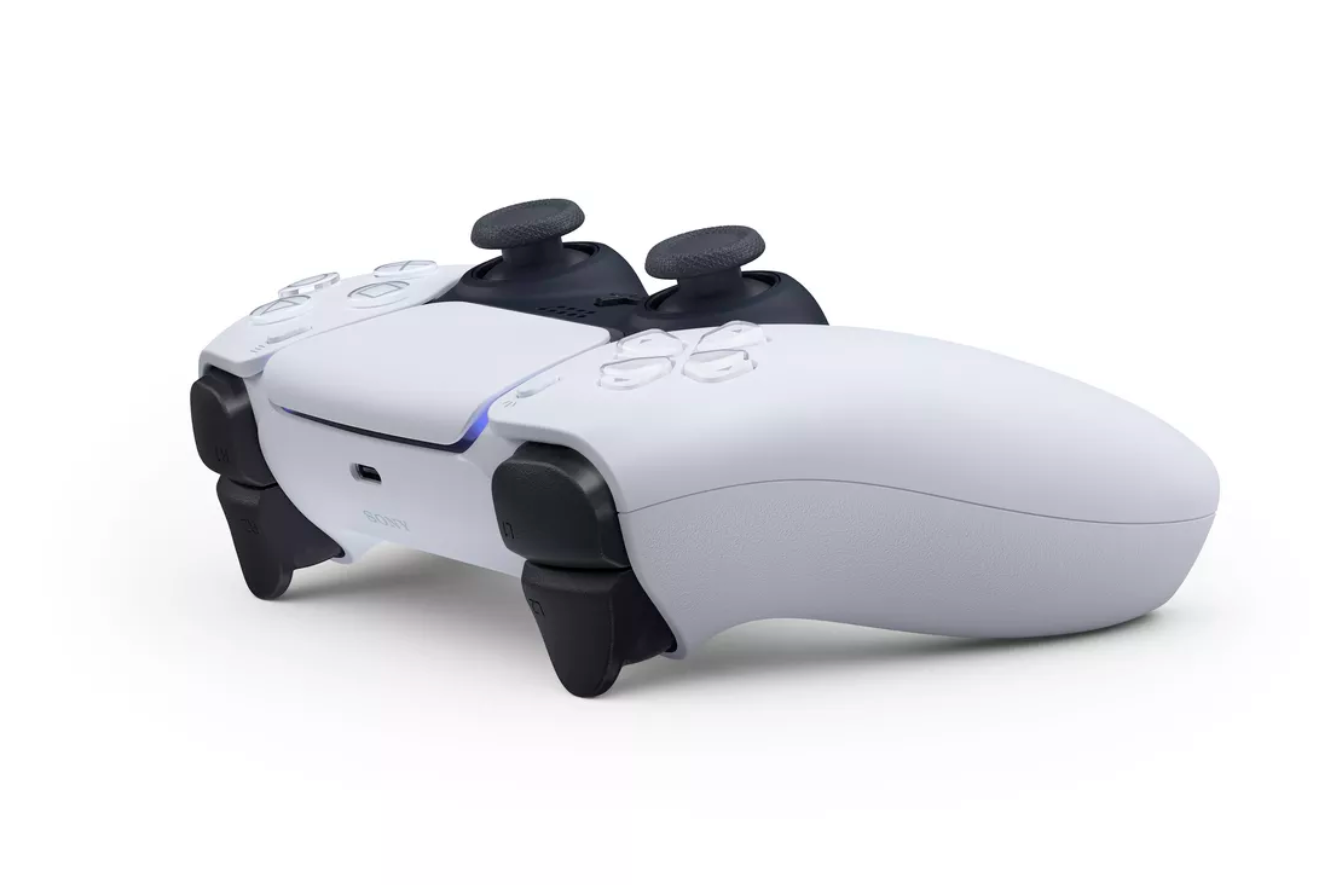
Despite the PlayStation 5 being months away from actual release, Sony has unveiled the new DualSense controller that will arrive with the new generation of the gaming console.
The new controller bigs a couple of major changes both in design and in the internals. Unlike the PlayStation 4‘s DualShock controllers, the old ruble technology is being replaced by new haptic feedback and the new “adaptive triggers” can have their resistance for triggers adjusted for different gameplay effects. Meaning, more immersive experience can be gained through this.
The DualSense controller now features an in built integrated microphone along with a USB Type-C port (which has been highly requested). Coming to the design, the new controllers follow a dual tone color scheme which makes it look similar to the PSVR gear. Its design has also been overhauled, with a more rounded design that is said to aid in grip and button controls.
Among the new changes, the share button has now been rebranded as the “create” button. This will allow for “new ways for players to create epic gameplay content to share with the world.” Although, exact details of how this gameplay sharing feature actually works, is currently unknown. But Sony plans on sharing additional information close to the launch date.
Another new aesthetical change is the PlayStation button, which is now an actual cut out of the console’s logo and not just a button that features it. In terms of similarity, the overall button layout and format have been kept relatively untouched, so users will still feel comfortable with the newer design. It follows the same symmetrical pattern with the D-pad and face buttons on the top half and the matching analog sticks on the bottom.
The OnePlus 8 Pro is packing a number of “firsts” for a OnePlus phone. We already know it is the first OnePlus phone with support for wireless charging. We also know it is the first to have a MEMC chip that upscales videos and games from 24fps to a higher frame rate. A complete spec sheet leak by Winfuture.de has revealed the phone will also be the first with an IP68 certification.
While some of OnePlus’s previous phones are waterproof to an extent, OnePlus has never gotten an IP certification for any of its devices. If you remember, OnePlus said you can dunk the OnePlus 7 Pro in a bucket of water even though it doesn’t have an IP-rating. In the video ad, they explained why the phone does not have an IP-rating and that is because it costs money which they would have to include in the cost of production and then pass on to buyers.
With the OnePlus 8 Pro getting an IP-rating, it means buyers will be paying more for the phone. Yes, we already expect the new phone will cost more compared to its predecessor. However, it also means OnePlus can further justify the higher price tag with the IP-rating.
Sadly, the OnePlus 8 doesn’t have an IP-rating but it will be nice to know if it is water-resistant to an extent.
The OnePlus 8 series launches on April 14, a month earlier than the launch date of the OnePlus 7 series last year. OnePlus will also announce a couple of new accessories including a wireless charger and a pair of new Bullets Wireless earphones.
Wait! Carl Pei teased a power bank back in February but we have not heard anything new. Let’s hope OnePlus surprises us with a new power bank with support for Warp Charge.
OnePlus has just announced the Crackables 2.0, which is the second competition it is hosting that was brought back after popular demand. The original was a cryptic, yet addictive, puzzle phenomenon that was conceptualized alongside Google.
The Crackables 2.0 will be available for free via mobile gameplay on 14th April 2020. Similar to the original, it is a cypto puzzle based competition and will feature digital puzzles with enhanced state of the art design, user experience, and cryptography. The global registration are already open, so users can go apply by clicking here and following the link.
The difficulty of the puzzles will start low so as to bring more people an oppurtunity to participate and have fun in the game. Once a challenge has been passed, players will advance through “gates” to get to the next level. Notably, a few of the levels have been orated through community participation, meaning the game will test people’s ability to work together to cross the hurdles and obstacles.
The first 10 people to finish the final level of the competition will be eligible to compete for an oppurtunity to win 10,000 US Dollars. Interestingly, OnePlus is also giving out another 10,000 US Dollars to the winner, but this will be directly donated to charity to support those affected by the ongoing Coronavirus Pandemic. The competition ends on 30th April 2020, with its grand finale tournament being live streamed across the globe on 7th Mar 2020.
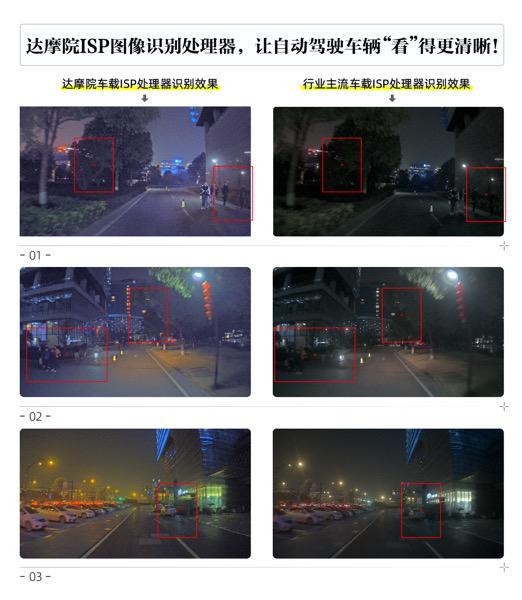
Alibaba has just announced that its DAMO institute has developed a new ISP process. This advancement will bring about a better vision technology for autonomous cars or self driving cars, especially during the night or in low light scenarios.
According to official notes, the new ISP will allow for greater safety for self driving cars since it improves upon the 3D noise reduction and image enhancement algorithms that were previously developed. In other words, this will allow the autonomous automotive to “see” clearer. At the moment, the process is already being utilized by unmanned logistics vehicles, while it’s on road tests that have already reached industry leading levels, according to the Alibaba institute.
For those unaware, ISP stands for Image Signal Process and is an integral part of a camera. Its primary function is to process and perform the arithmetic behind the signal output by the image sensor on the front, namely the CMOS. Through the ISP, a self driving vehicle can “see” the environment around it clearly. In simpler terms, it enables the car to understand and guide the car through the environment using the camera sensor.
According to the DAMO institute, the self developer ISP process has greatly been improved upon. Its image recognition capabilities are better during the day and night. Test results have revealed an improvement of more than 10 percent in object detection and recognition capabilities even during the night. The range has also been improved and the sensor now trumps the industry’s current mainstream processors.
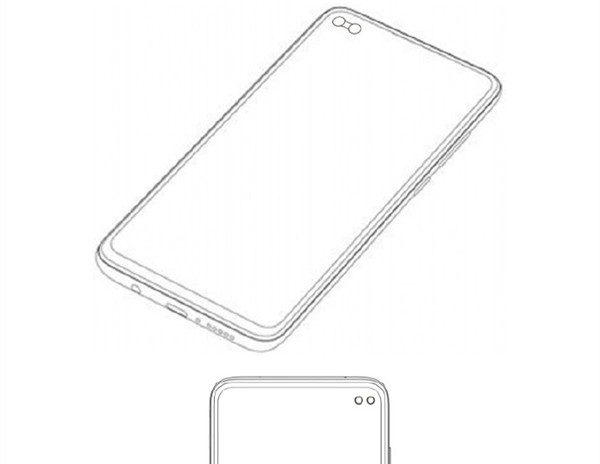
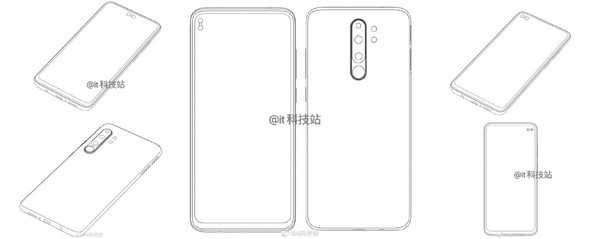
A new Xiaomi patent has recently surfaced online. It is currently unknown if the patent application has been granted. The patent reveals 3 different designs for a single smartphone, which features a dual camera setup on the front.
The patent was leaked online on Weibo, a Chinese microblogging website, and carries images that reveal three configurations for the dual front cameras. These selfie shooters are housed in punch hole format and can be seen in three different configurations. The first is where the dual selfie shooter is placed in the middle just under the top bezel.
The other two patents depict the same dual selfie shooter, but on the top left corner. However, one of these is vertically stacked while the other is horizontally placed. Notably, each patent image depicts both sensors being joined together. This area might feature other essential features like proximity and ambient light sensors. On the rear, a vertically stacked triple camera setup can be observed, alongside either a dedicated zoom lens or fingerprint scanner.
Another important aspect of the design that can be observed is its screen to body ratio, which is not relatively high. One can easily notice the bezels on all four edges, which may suggest that it is a new Xiaomi entry level or even mid range handset. Unfortunately, this has yet to be confirmed officially by the company. So, take it with a grain of salt.
Huawei will be hosting the Spring 2020 Launch event tonight in China to unveil Huawei P40 series in its home country. According to supply chain insiders, the company will also launch a 65W Gallium Nitride multi-device charger at the same event, which will begin in a few hours from now.
For years, we have been using silicon chargers to fuel up our electronic devices. But that will change soon as Gallium Nitride (GaN) chargers, simply known as Nitride chargers are expected to take over the world soon.
We already have a number of nitride chargers in the market from the likes of Xiaomi, Anker, RAVPower, Aukey, and more. Now, Huawei will be also joining the list with its upcoming 65W Gallium Nitride Charger. This charger will have both USB Type-A and Type-C to charge smartphones, tablets, and even laptops.
Smartphone manufacturers have been already shipping some of its phones with Gallium Nitride Chargers. Oppo Reno Ace, Realme X50 Pro 5G, and Nubia Red Magic 5G are the phones that come bundled with GaN chargers. Additionally, all of them charge at the rate of 65W similar to the Xiaomi charger and the forthcoming Huawei charger.
Gallium Nitride (GaN) is a better alternative to silicon in chargers because it can withstand more power and temperature. Also, these chargers are relatively smaller than the regular high capacity silicon chargers. This makes them better in portability and can also be used to charge multiple devices with its high power capacity.
Last night, the world witnessed the largest and the brightest super moon of the year. Using this opportunity, Honor captured two pictures of the phenomenon on its upcoming Honor 30 Pro smartphone and shared them on Weibo to tease the capability of the handset’s camera setup.
Huawei was the first to introduce ‘Moon Mode’ in P30 Pro early last year to click images of the moon. The company even marketed this feature in a number of teasers and advertisements, including a special one at the end of Avengers Endgame movie in selected theatres.
Following the footsteps of its parent company, Honor seems to be also adding the ‘Moon Mode’ in its forthcoming Honor 30 Pro smartphone. The brand has shared two camera samples from the phone teasing the prowess of its new improved camera setup.
Out of the two pictures, one looks to be shot from the main sensor, which as per the previous render leak, could be the 50MP Sony IMX700 from the Huawei P40 series. Whereas, the second closeup picture of the super moon is definitely from the periscope camera, which was also confirmed by the same render leak.
Though we cannot judge the phone’s camera performance simply from the samples shared by the brand, they do look impressive anyway. Honor 30 Pro will officially launch on April 15 but the device has already leaked multiple times confirming most of its specs. The recent TENAA listing of the device is more than enough to know about it wholly.
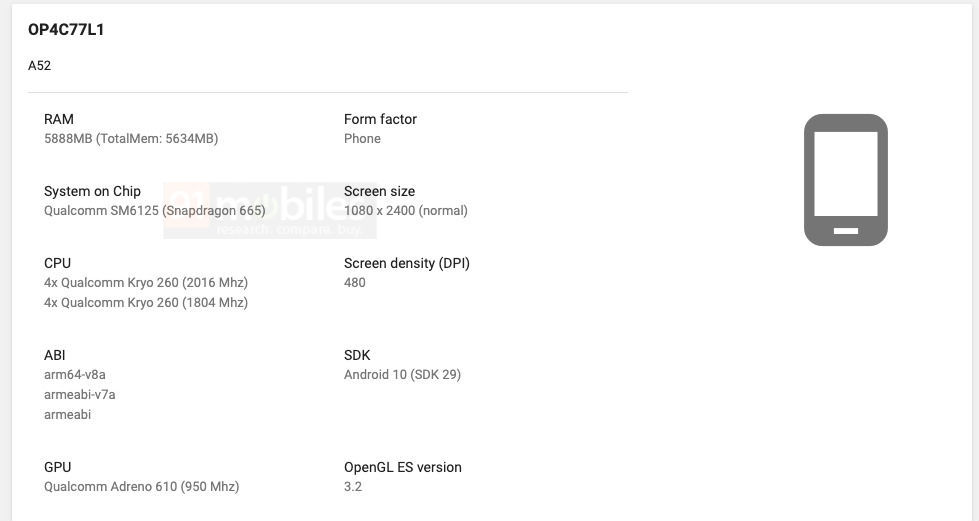
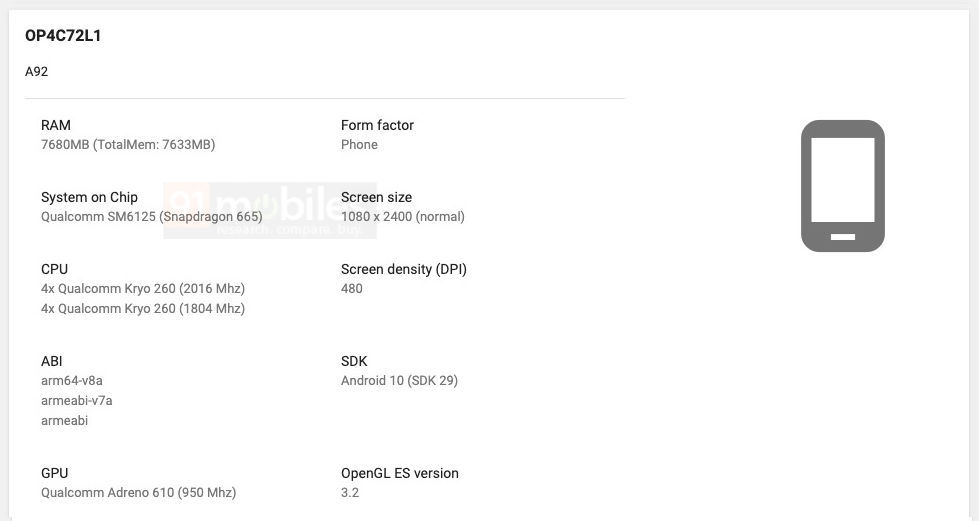
Oppo just recently announced its Find X2 series of premium phones with ColorOS 7.1 on board. And now, the company is set to bring Oppo Ace 2, another high-end device. Between all this, the brand is also expected to announce two budget smartphones named A52 and A92 as both of them were recently spotted on Google Play Console.
Oppo A52 & A92 Google Play Console Listings
1 of 2
According to the listings on Google Play Console, the upcoming Oppo A52 and Oppo A92 seem to be similar in terms of specifications except for RAM. The listings reveal some of the key specifications of these phones but unfortunately, they do not have the renders of the phones yet and hence the design of these handsets is a mystery for now.
Since both the Oppo A52 and A92 share specifications as mentioned earlier, they will be powered by Qualcomm Snapdragon 665 SoC paired with Adreno 610 GPU. However, the former will only have 6GB RAM compared to 8GB RAM on the latter. Further, both will sport an FHD+ (1080 x 2400 pixels) display and will run Android 10 (ColorOS 7) out of the box.
The Oppo A92 is not new since it was earlier certified in Singapore and Indonesia but this is the first time we are hearing about the Oppo A52. These devices may simultaneously launch in the above markets and might slowly make their way to other markets like India.
While many economies and industries across the globe have been seeing a decline due to the ongoing crisis, the software side sees a contrary pattern. The time people spend on their smartphones has increased, and with it, the amount of spending on apps as well. Since people are stuck indoors, a record 23.4 billion US Dollars have been spent in Q1 of 2020 alone.
According to a new report from App Annie, the first quarter of 2020 saw the largest number of purchases and consumer spending on applications. Furthermore, statistics have even revealed that the average weekly time spent on apps and games worldwide has increased by about 20 percent over 2019. This translates to a record increase in consumer spending on the app stores that are available across the globe.
App Annie reported on a total of 23.4 billion US Dollars in consumer purchases, out of which $15 billion came from the iOSApp Store from Apple and $8.3 billion from Google Play on the Android OS. Both popular platforms saw a year on year increase of 5 percent over 2019. Additionally, non-gaming applications accounted for about 35 percent of consumer spending on iOS and 15 percent on Google Play.
Thus, a vast majority of 16.7 billion US Dollars has been spent on games in this quarter. Data reports show that the US and China were the largest contributors to consumer purchases on iOS, while Japan and South Korea were the largest for Google Play. Popular apps in Android OS include games, social media and entertainment apps, including streaming services like Disney+ and Twitch.
TikTok
However, iOS users spent a majority on Games, Entertainment and Photo and Video apps. This includes TikTok, which recently broke into the top 5 of consumer spending apps in iOS, just behind YouTube and Tinder. Notably, 31 billion new apps were also downloaded during this period, which is an increase of 15 percent over last year. This shows the scale of social distancing and isolation that is taking place due to global Coronavirus fears.
We use cookies on our website to give you the most relevant experience by remembering your preferences and repeat visits. By clicking “Accept”, you consent to the use of ALL the cookies.
This website uses cookies to improve your experience while you navigate through the website. Out of these, the cookies that are categorized as necessary are stored on your browser as they are essential for the working of basic functionalities of the website. We also use third-party cookies that help us analyze and understand how you use this website. These cookies will be stored in your browser only with your consent. You also have the option to opt-out of these cookies. But opting out of some of these cookies may affect your browsing experience.
Necessary cookies are absolutely essential for the website to function properly. This category only includes cookies that ensures basic functionalities and security features of the website. These cookies do not store any personal information.
Any cookies that may not be particularly necessary for the website to function and is used specifically to collect user personal data via analytics, ads, other embedded contents are termed as non-necessary cookies. It is mandatory to procure user consent prior to running these cookies on your website.