Xiaomi has been slow to upgrade most of its smartphones to Android 10-based MIUI 11. Even though the company has released the latest MIUI 11 for all eligible models, most of them are still stuck on Android 9. In a few cases where Android 10 updates have been announced, it has been enmeshed in one issue or the other which has sometimes resulted in the rollback of the update.
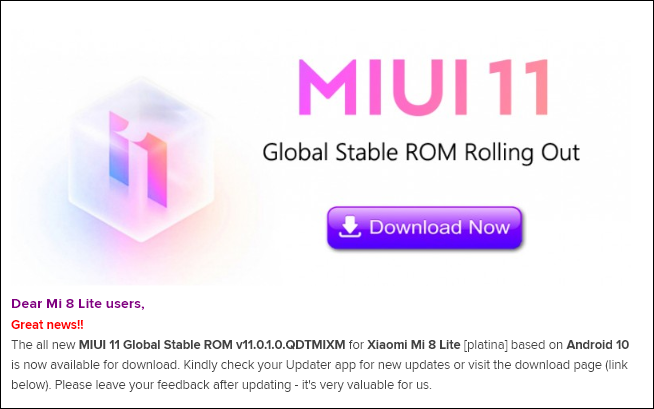
The update ushers in MIUI V11.0.1.0.QEDMIXM for the Mi Max 3 while the Mi 8 Lite brings MIUI V11.0.1.0.QDTMIXM. Both updates bring along the February 2020 Android security patches. These updates will likely be the last for both models. The Mi Max 3 may also be the last Mi Max model that Xiaomi will release, as per previous reports.
Visit the source link below to see how to download the update in case you own any of the two models.
Three months after giving us a glimpse at the TCL 10 series, the phones have now been officially announced. The TCL 10 series includes the TCL 10L, the TCL 10 Pro, and the TCL 10 5G. What these phones have going for them are their affordable price tags.
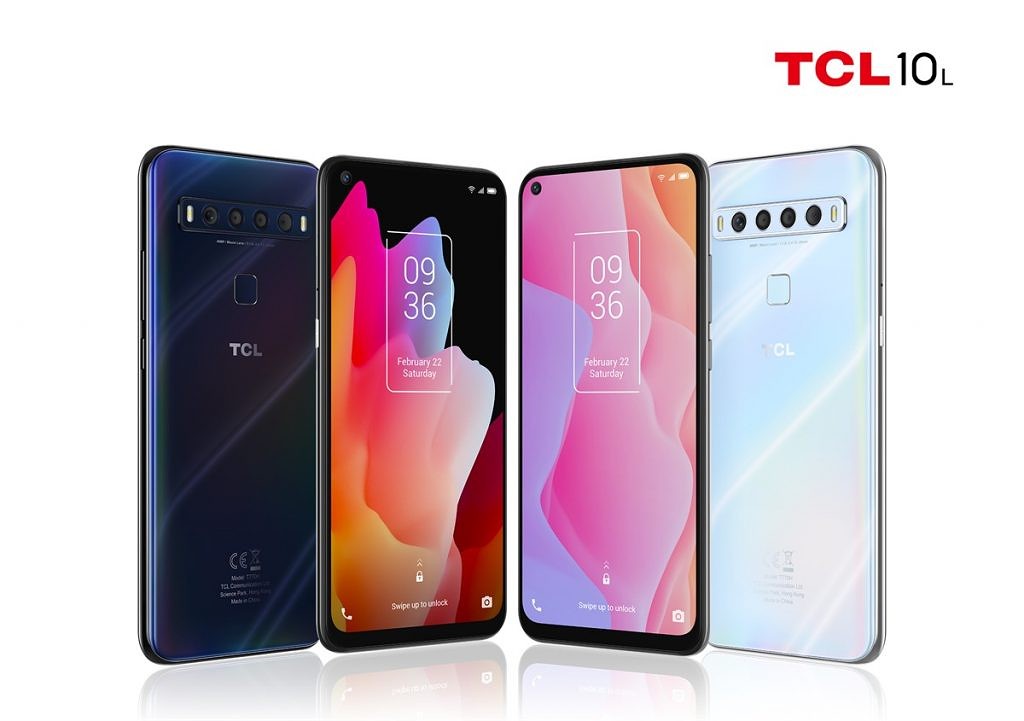
TCL 10L
The TCL 10L is the cheapest of all three phones and it packs specs you will find in 4G mid-range phones of 2019.
The phone has a 6.53-inch LCD LTPS FHD+ display with a punch hole at the top left for the selfie camera. It has a dedicated PixelWorks chip that converts SDR to HDR in real-time.
Inside the phone is a Snapdragon 665 chipset with 6GB of RAM and 64GB (eMMC) or 128GB (UFS) expandable storage (256GB max.). The TCL 10L has a 48MP f/1.8 primary rear camera and it is paired with an 8MP f/2.2 ultrawide angle camera. It also has a 2MP macro camera and a 2MP depth sensor. Inside the punch-hole is a 16MP f/2.2 camera.
There is NFC, Bluetooth 5.0, dual-band Wi-Fi, and an audio jack. It also has a dedicated audio chipset, an audio amplifier and a feature called Super Bluetooth which allows you to connect to up to four Bluetooth speakers or headphones at the same time. There is a rear-mounted fingerprint scanner and an extra hardware button called the smart key which can be customized to call up Google Assistant or launch a preset app depending on the settings. The TCL 10L runs Android 10 with TCL UI on top.
It will be available this quarter in Europe for €249, in North America for $249, and in the UK for £199. It will also be available in Australia but there is no info on the price.
TCL 10 5G
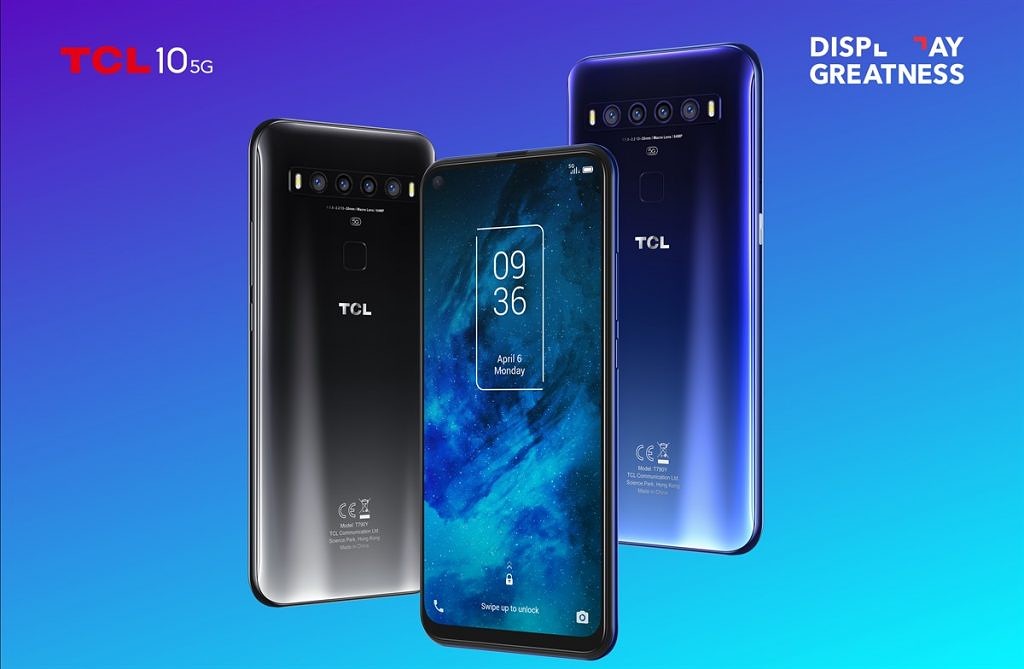
The TCL 10 5G shares some of its features with the TCL 10L but adds a more powerful processor, better cameras, and a bigger battery.
So you get the same 6.53-inch FHD+ display and display chip. The processor inside is a Snapdragon 765G and it is paired with 6GB of RAM and 128GB of expandable storage (1TB max.). The primary rear camera is a 64MP f/1.9 camera. There is an 8MP f/2.2 ultrawide angle camera, a 5MP macro camera, and a 2MP depth sensor. Its selfie camera is a 16MP sensor.
The TCL 10 5G also has NFC, Super Bluetooth, Bluetooth 5.0, Smart Key, audio jack, and a rear-mounted fingerprint scanner. It runs Android 10 out of the box. It has a 4500mAh battery capacity with support for Quick Charge 3.0.
The phone will be sold in Europe for €399 and £399 in the UK.
TCL 10 Pro
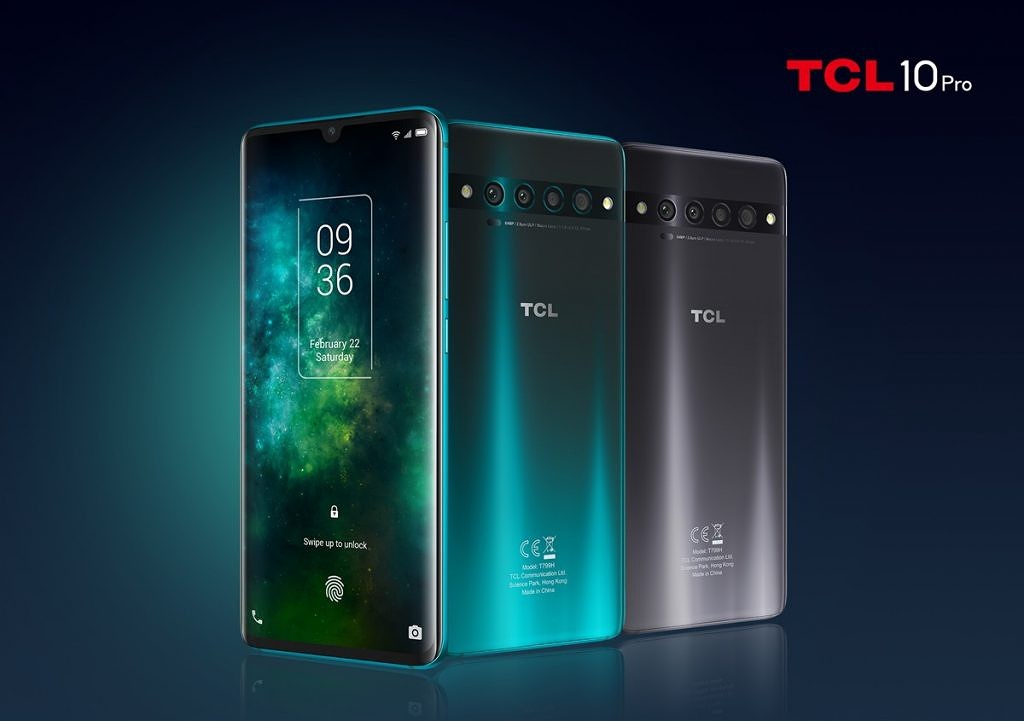
This is the most expensive of the trio but like the TCL 10L, it is a 4G device.
The TCL 10 Pro makes up for its higher price tag with a 6.47-inch curved AMOLED FHD+ display. However, it ditches the punch-hole for a notch. Just like its siblings, it too comes with a dedicated display engine for real-time SDR to HDR conversion.
There is a Snapdragon 675 processor inside along with 6GB of RAM and 128GB of UFS 2.1 storage. There is a MicroSD card slot, so owners can add up to an extra 256GB. There is a 64MP GW1 camera on the back along with a 16MP f/2.4 ultrawide angle camera, a 5MP macro camera, and a 2MP f/1.8 depth sensor. The selfie camera is a 24MP sensor.
There is NFC, Bluetooth 5.0, Super Bluetooth, an audio chipset, an audio amplifier, and an audio jack. It also an in-display fingerprint scanner and a Smart Key. The TCL 10 Pro packs a 4500mAh battery too with support for Quick Charge 3.0. It runs Android 10 and TCL promises an Android 11 update.
The phone will sell for €449 in Europe, $449 in North America, and £399 in the UK. It will also be sold in Australia. TCL says it will be available this quarter.
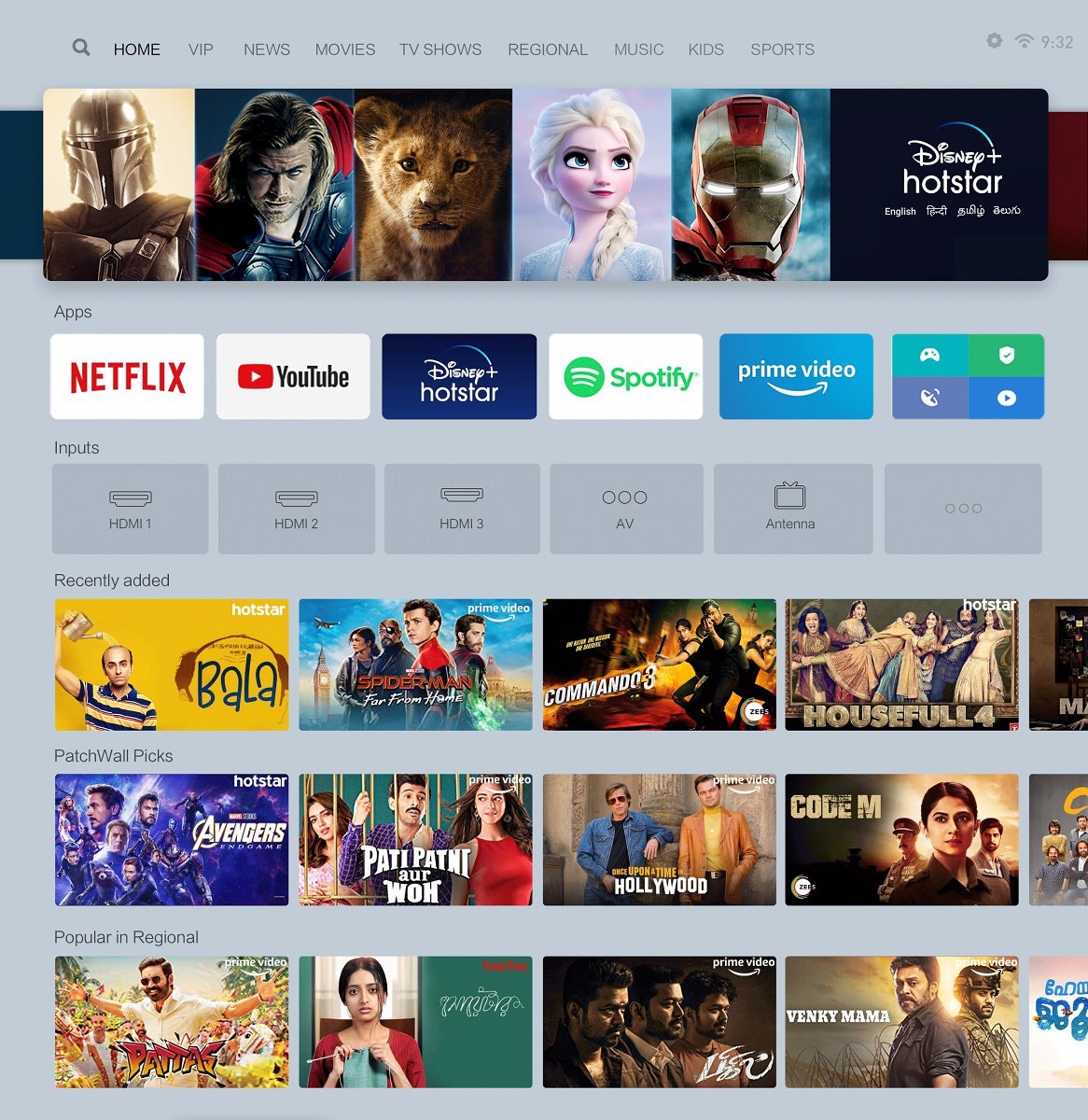
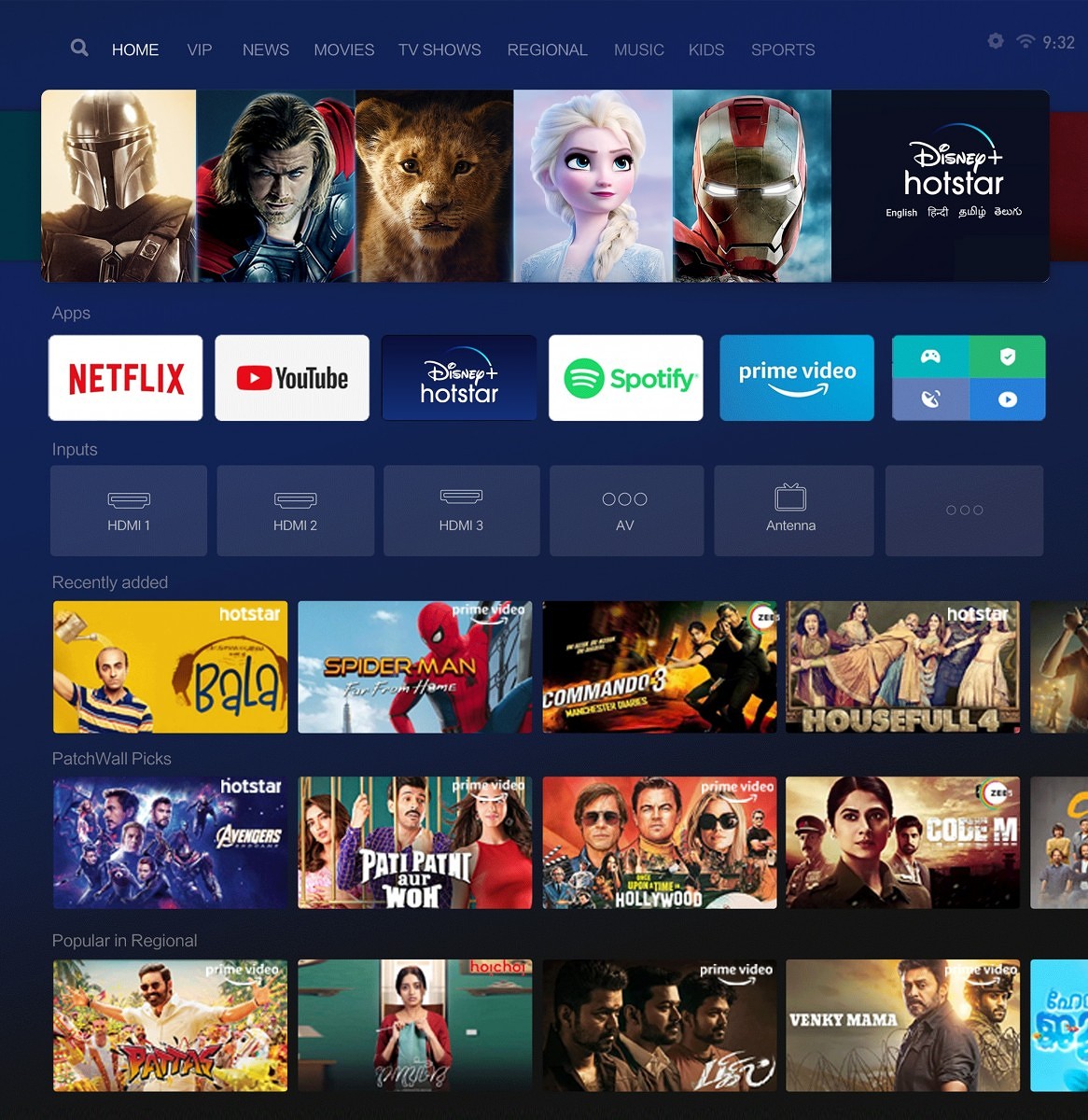
Xiaomi sells a number of products in India including a range of smart TVs. After turning the smartphone market upside down, the Chinese tech company also revolutionized the smart TV market in the country by introducing its lineup of smart Mi LED TVs in March 2018. Since then, the company has launched multiple models and has even improved its content aggregation launcher called PatchWall, which is now receiving its v3.0 update with Disney+ Hotstar integration and much more.
PatchWall 3.0
1 of 2
Earlier in September 2019, Xiaomi introduced PatchWall 2.0 UI when it launched the new range of 4K TVs in India. The new update brought content integration from Amazon Prime Video and even Netflix made its way to a plethora of Mi TVs excluding the first three models, which launched with an AOSP build of Android TV-certified OS.
Fast forward six months, the company is now rolling out Patchwall 3.0 update to all of its smart TVs running Android tvs such as Mi TV 4A, Mi TV 4C Pro, Mi TV 4A Pro, Mi TV 4 Pro, Mi TV 4X, and Mi TV 4X Pro. Anyway, do note that the new update will not pop-up right away as it is being seeded out in a phased manner.
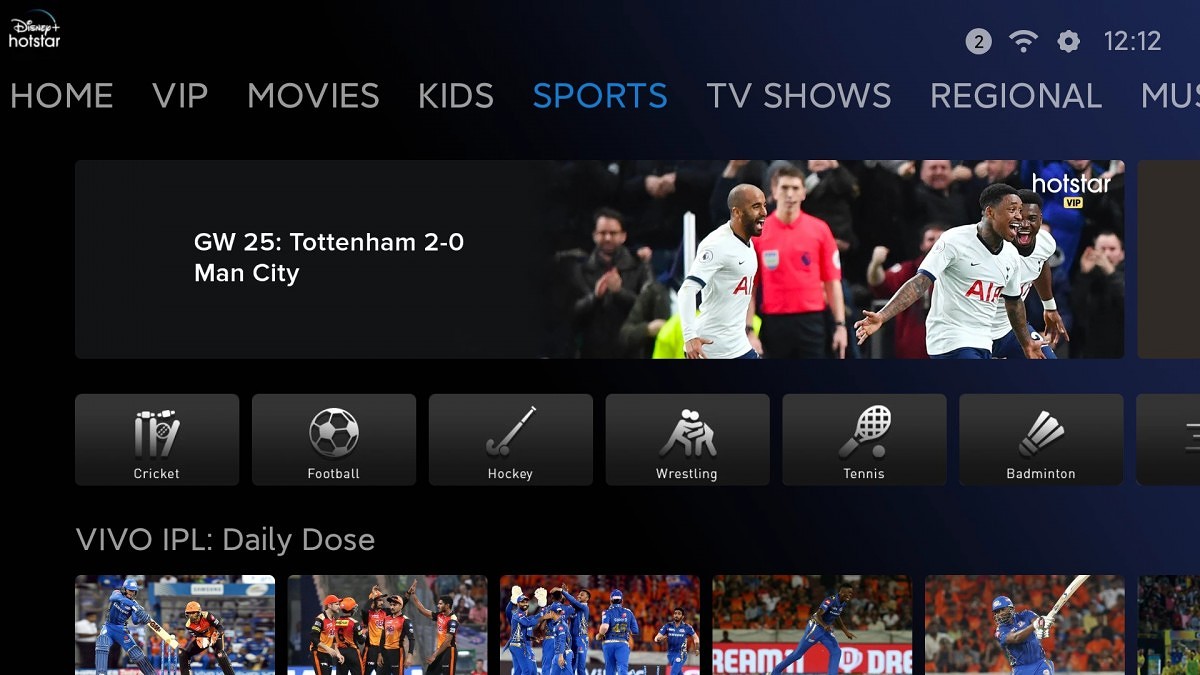
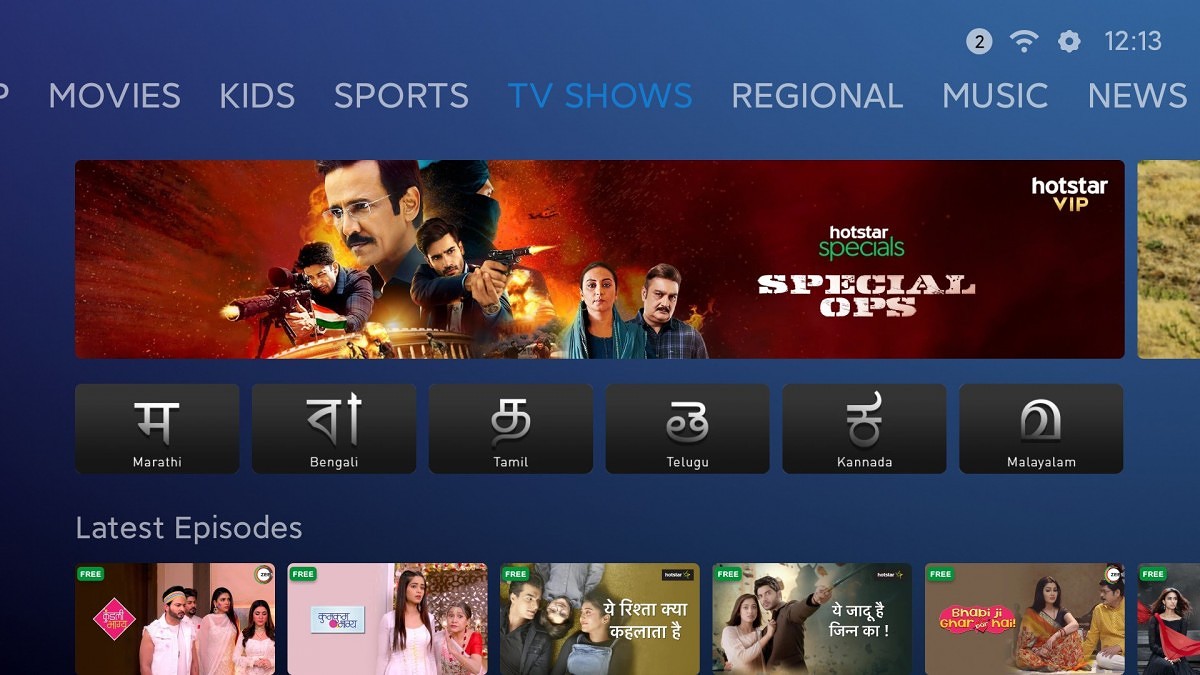
The new features of Patchwall 3.0 include Disney+ Hotstar integration with a dedicated page for Sports and Disney content. Further, the update also adds two new content partners namely Docubay and Lattu Kids. Other changes include Mi Lanting Pro font from MIUI 11, horizontal scrolling in lists, cleaner animations, and more.
1 of 3
Here’s the complete official changelog for Xiaomi PatchWall 3.0 Update
Disney+ Hotstar integration: This integration has allowed Xiaomi to introduce a dedicated sports channel, that helps with content discovery as well as giving users a one-click Play option for various sports content such as ongoing tournaments across sports like Kabaddi, Tennis, Cricket and more.
New content partners: Docubay and Lattu Kids have been added as content partners. Docubay allows the streaming of international documentaries across various topics, while Lattu Kids boasts of over 1,500 hours of children-focused content.
Mi List: Mi List now features curated lists of movies and TV shows from different genres, alongside being contextually-aware.
UI enhancements such as:
Cleaner animations: Animations for browsing through carousels have been redesigned to give greater focus on the current selection.
Horizontal scrolling: The zero-screen in PatchWall 3.0 and on the Show Details page now enables horizontal scrolling through different lists.
New Mi Lanting Pro font: The new font from MIUI 11 has also been added.
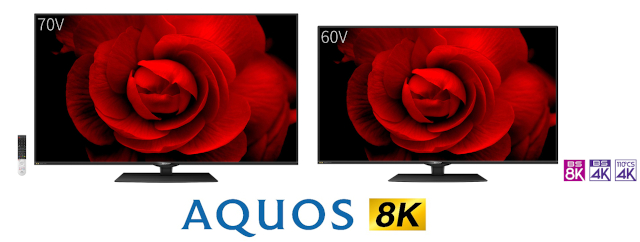
Sharp has announced two new 8K smart TVs for the Japanese market named Sharp Aquos 8T-C70CX1 and Sharp Aquos 8T-C60CX1. As their name suggests, they feature 70-inch and 60-inch 8K panels, respectively. The company will be only manufacturing 2,500 units of them and they will go on sale from April 25 at an undisclosed price.
The new Sharp Aquos 8T-C70CX1 and Sharp Aquos 8T-C60CX1 smart TVs feature the company’s 8K Pure Color panel with a 16% wider color gamut than the display manufacturer’s conventional 4K TVs.
The TVs come with Sharp Medalist Z1 image processing engine and Rich Color Technology Pro to offer rich and realistic colors as well as good viewing angles. The TVs also offer good brightness levels via UV2A liquid crystal technology by analyzing video signals along with detecting light sources and reflectors.
Both the TVs come with two HDMI 2.1 ports for 8K 60Hz and 4K 120Hz video inputs. The TVs also support dedicated 8K sports mode and can also upscale 4K content to 8K. They are even certified for HDR10, Dolby Vision, and HLG.
Further, these TVs also come with 70W (2.2.2) speakers powered by Eilex PRISM. Finally, they run Android TV 9.0 Pie OS with Cocoro Vision on top of it for content recommendations.
In recent times, a high screen refresh rate has become an important component of flagship models. We have seen OEMs bump up the refresh rates of their smartphone models from the usual 60 Hertz to 90 Hertz and even up to 120 Hertz especially on gaming smartphones. This has brought improvement to the gaming experience. In this same vein, we have seen developers unlock hidden refresh rate options from the software kernel.
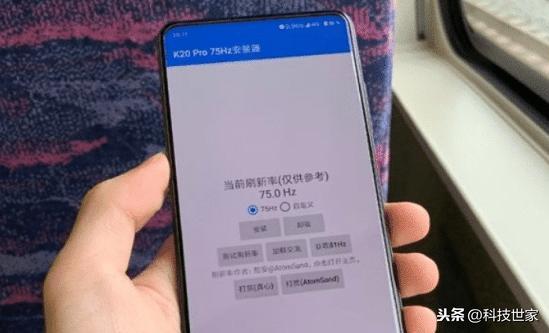
The Redmi K20 Pro is the latest recipient of such software tweak. The first flagship model under the Redmi brand was launched last year with support for 60 Hz refresh rate. A developer in China has now rooted the smartphone to increase the refresh rate to 75 Hz. A refresh rate is the number of times the display updates with new images each second. For example, a 60 Hz refresh rate means the display updates 60 times per second. In the same manner, a 75 Hz refresh rate updates 75 times per second. A higher refresh rate results in a smoother picture. Going from 60 Hz screen to a 75 Hz screen will show a slight, noticeable improvement. But it won’t be a huge difference compared to a 120 Hz refresh rate.
Recently, the Galaxy S20 was revealed to have an unofficial 96 Hz refresh rate option that wasn’t made available by Samsung. The guys at XDA Developers were able to force the device to load the 96 Hz refresh rate which will offer a better battery consumption than 120 Hz. The Redmi K30 Pro was also revealed to have got a higher refresh rate via software tweak which involved rooting the phone. The Redmi K20 Pro refresh rate increase also involves rooting the phone which voids the warranty. Do note, though, that rooting and bumping up the screen refresh rate could damage the screen or even brick the smartphone. So, do it on your own risk.
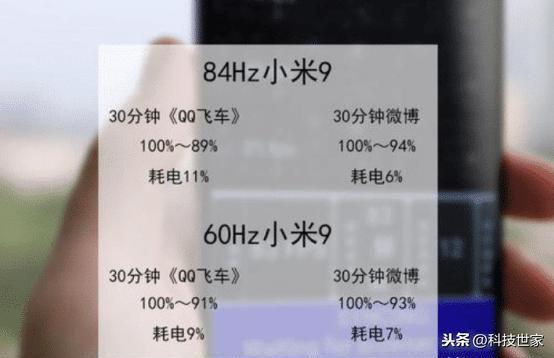
In addition to the K20 Pro, Xiaomi Mi 9 software was also tweaked to increase the refresh rate to 84 Hz.
Perhaps, some developers will come up with something similar for the Global ROM soon.
Xiaomi’s Mi Festival kicked off on April 3. The Chinese tech behemoth took the wraps off various products across multiple categories. During the event, Xiaomi unveiled a pair of Mi Smart PTZ cameras.
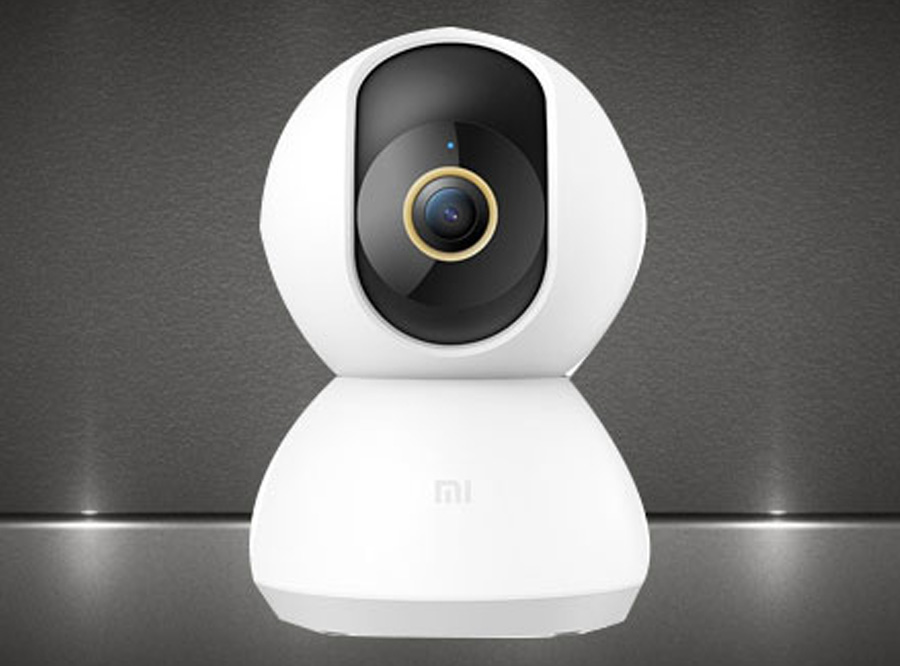
The two recently unveiled cameras including the Mi Smart Camera PTZ and Mi Smart Camera PTZ Pro have been placed under Xiaomi’s smart home appliances category as they can come in handy to remotely monitor suspicious activities in and around the users’ homes. In short, they can be used as security cameras for homes.
The Pro variant of the Xiaomi Mi Smart Camera PTZ has gone up for sale bearing a price tag of just $49. With low light recording support, the Mi Smart Camera PTZ Pro can record footages at 2K with 2304×1296 pixels resolution. Moreover, it can capture videos in higher fidelity, delivering more detailed images.
It supports Dual-band Wi-Fi (2.4GHz + 5GHz) and offers relatively more Bluetooth gateway functions. The Xiaomi Mi Smart Camera PTZ Pro houses a 3MP camera with f/1.4 aperture and can record crystal clear videos even low light with full colors.
On top of that, the Mi Smart Camera PTZ Pro comes with AI detection, which effectively filters invalid alarms. It has a 6P lens that can provide a 360-degree field of view as it is capable of rotating.
To know more about the Mi Smart Camera PTZ Pro and place your order through Giztop, simply follow this link. The Gizmochina Coupons is a community that finds, reports and evaluates deals and coupons of Chinese products from online shops. Please visit it here to find more coupons to save money on mobiles and smart gadgets.
Xiaomi had a strong performance in 2019 in terms of revenue but the same cannot be said for the Chinese tech company in 2020. This is because of the increased competition in global markets as well as the COVID-19 pandemic.
Xiaomi’s revenue grew 17.7% to over CNY200 billion ($28.2 billion) in 2019 with net profit surging 35% to CNY11.53 billion, thanks to the increased number of shipments of different products such as handsets, TVs, and IoT devices. Xiaomi shipped 12.8 million TVs last year and its IoT business alone contributed CNY62.1 billion to its total revenue.
Apart from shipping over 100 million units of handsets a year, Xiaomi also claims to have shipped 230 million IoT devices. But its total revenue in 2019 was only one-sixth of Huawei, which is one of its biggest rivals both domestically and internationally. As per industry observers, this data clearly suggests Xiaomi has to work hard to increase its profitability in 2020 and beyond.
Above all, Xiaomi is facing intense competition in its home country China from companies like Oppo, Vivo, and Huawei as they have too ventured into IoT business. Additionally, the company’s business in India, Spain, France, and Italy will be affected severely due to the ongoing COVID-19 pandemic, even though its shipments in the above-mentioned European nations increased over 60%.
After more than a year after the Find X launched, OPPO finally released a successor – rather, two successors (not counting the Lamborghini Edition) which launched as the Find X2 and Find X2 Pro. Now, OPPO is set to announce a third variant called the Find X2 Lite and it will be the cheapest model of all.
An exclusive post by Winfuture.de has provided press renders and specs of the phone which is actually a rebadged Reno3 Vitality Edition.
[envira-gallery id=”315106″]
The OPPO Find X2 Lite will be available in two colorways – White and Black. There is a waterdrop notch at the top of the screen with a moderately sized lower bezel while the back is home to four rear cameras. The phone is covered in glass on both sides.
The phone packs a 6.4-inch AMOLED display with an FHD+ resolution. There is a Snapdragon 765 processor inside along with 8GB of RAM and 128GB of non-expandable storage. Winfuture.de reports that the phone has just one SIM slot which is unusual for a Chinese phone.
[envira-gallery id=”315107″]
On the back of the Find X2 Lite is a 48MP + 8MP ultrawide + 2MP depth + 2MP macro lens for a quad camera setup. The selfie camera is a 32MP sensor. You get an in-display fingerprint scanner, an audio jack, NFC, and Wi-Fi 6. The phone packs a 4025mAh battery with support for 30W fast charge and will run Android 10 with ColorOS 7 on top out of the box.
OPPO is asking for €499 for the flagship phone which is significantly higher than the €349 Mi 10 Lite 5G. However, it is cheaper than the €599 Nokia 8.3 5G.
Samsung‘s strategy of releasing premium smartphones on all front have been yielding result. The most spectacular is the A-series with several popular models. The Galaxy A51 was launched in January this year but Samsung is planning to release a 5G version which would bring 5G connectivity at affordable pricing.
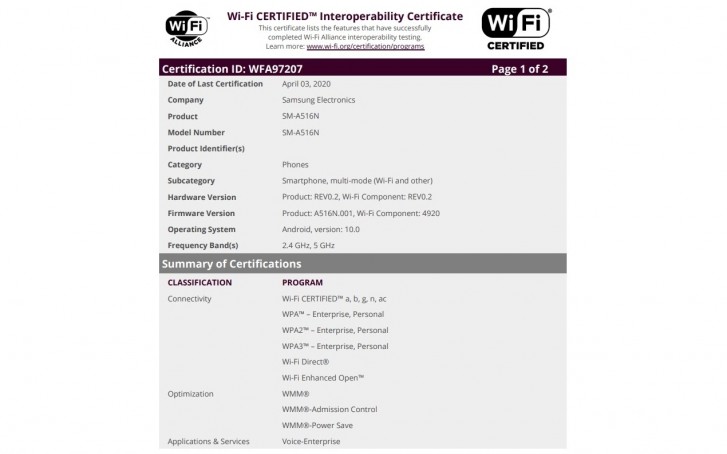
The Galaxy A51 5G has now been certified by the Wi-Fi Alliance, an indication that the model will be released soon. The smartphone appeared with the codename SM-A516N. The listing shows the 5G version of the Galaxy A51 will support Wi-Fi 802.11 b/g/n/ac standards on both the 2.4GHz and 5GHz frequencies. The model is equally listed to boot Android 10 out of the box which will definitely be with the One UI 2 overlay.
The Samsung Galaxy A51 5G had appeared earlier on GeekBench with a few details in tow. The device features an in-house Exynos 980 SoC integrated with a 5G modem as well as 6GB of RAM, apparently on the base model. The phone is expected to retain the L-shaped camera setup, punch hole design and a 6.5-inch Super AMOLED screen on the Galaxy A51 4G version.
There is no word yet as to when the premium 5G smartphone will be launched.
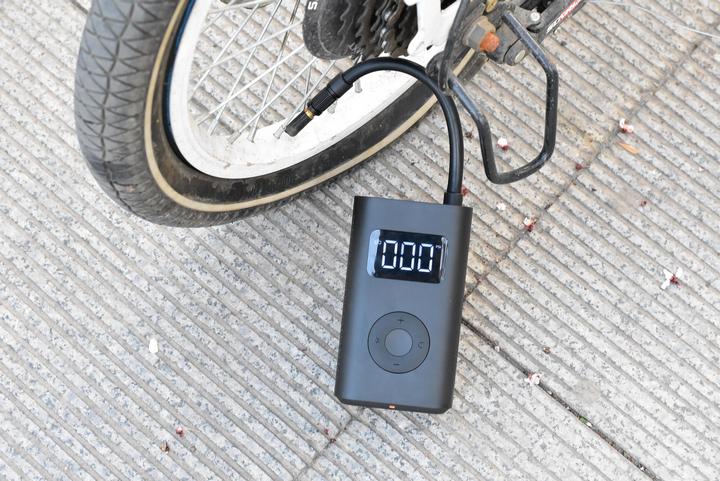
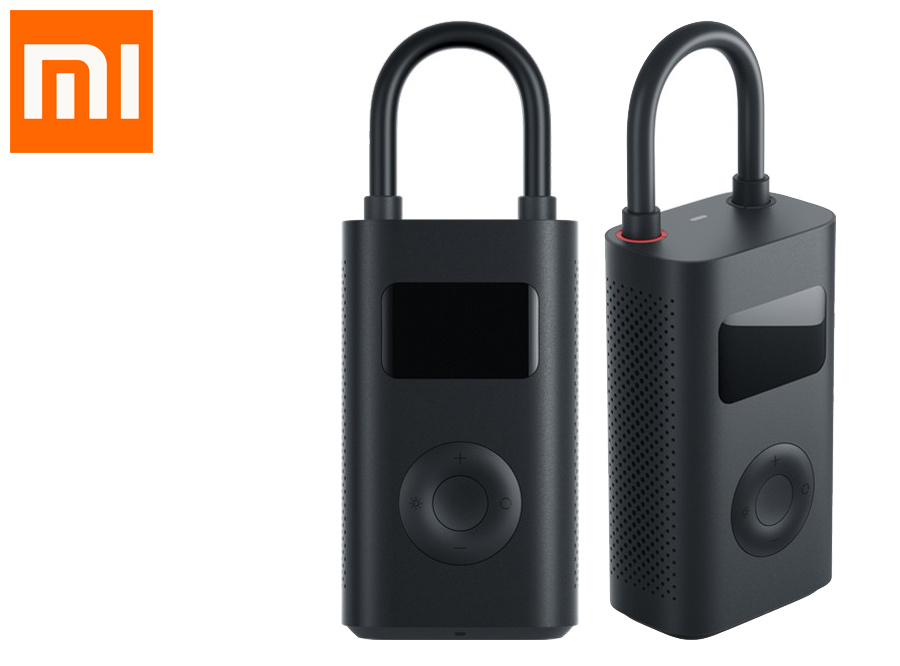
Xiaomi offers a slew of exciting products across multiple categories under its ecological chain brands, aside from making top-end mobile devices. The Chinese tech giant teams up with MIJIA from time to time to make innovative and super advantageous products available to its consumer base.Living up to its notoriety, Xiaomi launched a new MIJIA Bicycle Pump during a hush-hush launch event in April in China last year. Housed in a compact body, the easy-to-carry bicycle pump is backed by a 2000mAh lithium battery and is loaded with an array of impressive functions including pressure detection, pressure preset, and more.
Furthermore, it adopts the latest high-precision technology to make its cylinders from alloy. Using a significant 150 psi pressure limit, the MIJIA Bicycle Pump can efficiently fill up tires of bicycles, bikes, and even cars. As if that weren’t enough, the device can be used to inflate handball, basketball, football, etc.
The Xiaomi MIJIA Bicycle Pump can inflate 215/60 inch R17 car tires for five times on full charge. It is worth mentioning here that the pump is designed to work more efficiently with 8x bicycle refills from 0 psi to 120 psi, and it can provide six times refilling of motorcycle tires and seven times of a football from 0 psi to 12 psi.
The Xiaomi Mijia Smart Bicycle Pump would normally set you back $49, but Giztop is currently offering it for a lowered price of only $39. You can follow this link to place your order.
The Gizmochina Coupons is a community that finds, reports and evaluates deals and coupons of Chinese products from online shops. Please visit it here to find more coupons to save money on mobiles and smart gadgets.
Reports from South Korea indicate that tech giant LG will launch a new 5G-enabled smartphone in the country in May. The information credited to have emanated from an LG official equally says the company will be rating the G series in the domestic market and will launch the model under a new brand name.
According to The Korean Times, the tech company was already reportedly set to launch the phone which is said to be cheaper than the Galaxy S20 premium models and having all the dressings on a flagship phone on May 15. However, an official of the company is quoted to have refuted the May 15 date, revealing that the release date is flexible but the new 5G smartphone would make its debut next month.
Korean giant LG had already hinted that it would be dropping the G series which has been the firms premium series but the flagship V series would be retained. The company is adopting different approaches for different regions in a bid to regain lost grounds in its ailing smartphone business. To this end, the premium V60 ThinQ 5G was released earlier this year in some counties in North America and Europe. The model is targeted at customers who would like to try their hands on a faster 5G-enabled smartphone.
The tech giant will adopt a different approach for its home market where it plans to launch a “mass premium” smartphone that will come in at a cheaper price tag but offers premium features such as a large screen, larger battery capacity, and better cameras compared to the now-rested G series phones.
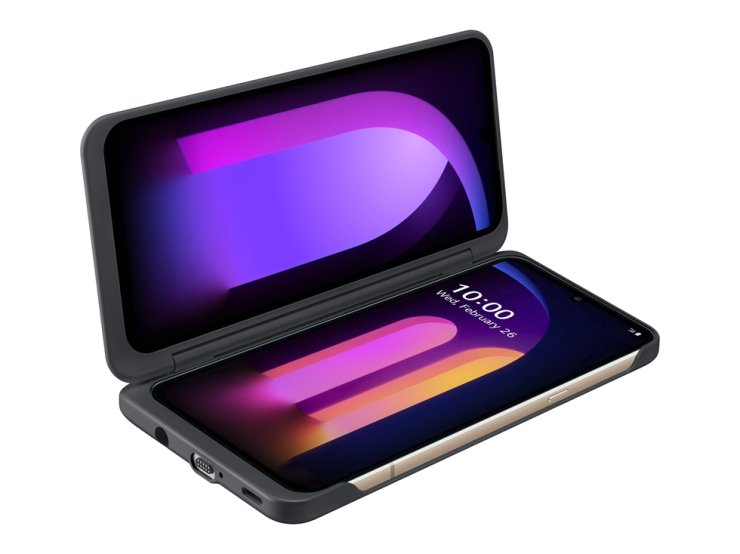
The phone will utilise either of Qualcomm’s 5G-enabled Snapdragon 765 or 765G processors. This lends credence to an earlier report that LG and Google were planning to ditch the Snapdragon 865 in favour of the 5G SD 765 series. The premium device will equally come with a dual-screen attachment accessory. The company is also rumoured to have bumped up the design in a bid to revive the glory days of the Chocolate phone, which happened to be the company’s most popular line till date.
Xiaomi has just launched a new set of products on its official Mi website in China. These include the new hygiene related products from MIJIA, namely the Sonic Facial Cleanser and the 5-Piece set Nail Clipper as well.
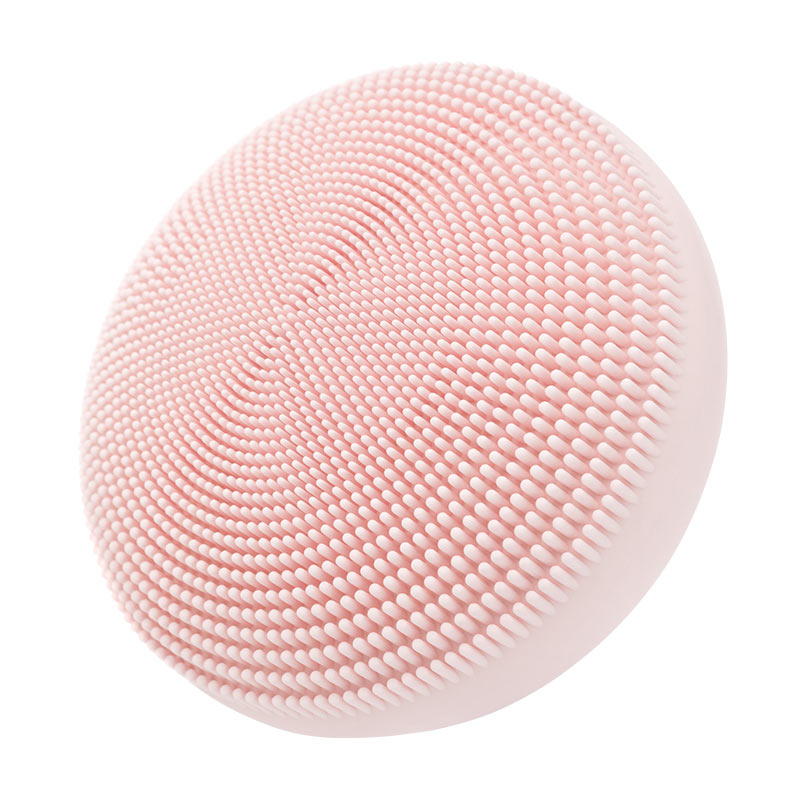
Starting with the MIJIA facial cleanser, the product is essentially a tool for facial massage/scrubbing. It has soft bristles that are made from an antibacterial silicone material. This is essential considering it will likely be in contact with water and any bacterial could cause unnecessary health complications. The cleanser offers 5200 revolutions every minute through its high frequency vibration motors.
It is touted to help with acne breakout and dry skin issues for users and is also rated IPX7 for water resistance. The MIJIA Sonic Facial Cleanser features a 400mAh battery pack that can be charged by a USB Type-C port. It is priced at 129 Yuan (roughly 18 USD) and arrives with a charging cable, a cover and the device itself in either pink or blue colors.
Arriving at the MIJIA 5-Piece Nail Clipper, the product is priced at 39.9 Yuan or roughly 5.63 US Dollars. It arrives in a case that carries the two nail clippers alongside a pair of small scissors, filers as well. The case is relatively compact and will suit those that travel frequently. The material used is high quality and durable stainless steel and is only available in a single white color. For those interested, you can purchase the products on the official Xiaomi website, Mi.com.
Huawei is gearing up for its Spring 2020 launch event which will take place on 8th April 2020. The announcement for this event was shared on Weibo, the Chinese microblogging website, where new leaks have revealed certain details regarding the upcoming products that will be announced.
One of the products that are expected to be announced on 8th April includes the Huawei X65 Smart Vision TV. Now, a recent report online has revealed leaked image posters of the TV. According to the image, the X65 Smart Vision TV will feature a 24 megapixel AI assisted image sensor alongside an OLED display and a 14 speakers sound field system.
Looking at the poster, a popup mechanism can be observed to rise from the TV’s body and will house the wide angle lens. Previously, Huawei had stated that the Smart Vision TV can be controlled without a remote or even voice control. This leaves the area of gestures to fill in the gaps. In other words, the Huawei X65 Smart Vision TV could support Air Gesture functionality.
The gadget is touted to feature AI powered lens, so it doesn’t seem to far fetched to assume that gesture control is difficult. Unfortunately, this has yet to be officially confirmed. But it can be noted that the technology does exist since Huawei’s NPU AI can detect pupillary distance, bone, and joint recognition, face tracking recognition, and other functions as well.
In terms of other features, the X65 Smart Screen TV is said to arrive with HongMengOS (HarmonyOS) preinstalled alongside a well optimized adaptive OLED display. The 14 speaker system will replicate a complete sound field for a better immersive and audio experience. Although, take this report with a grain of salt and stay tuned for the 8th April 2020 launch event for official coverage.
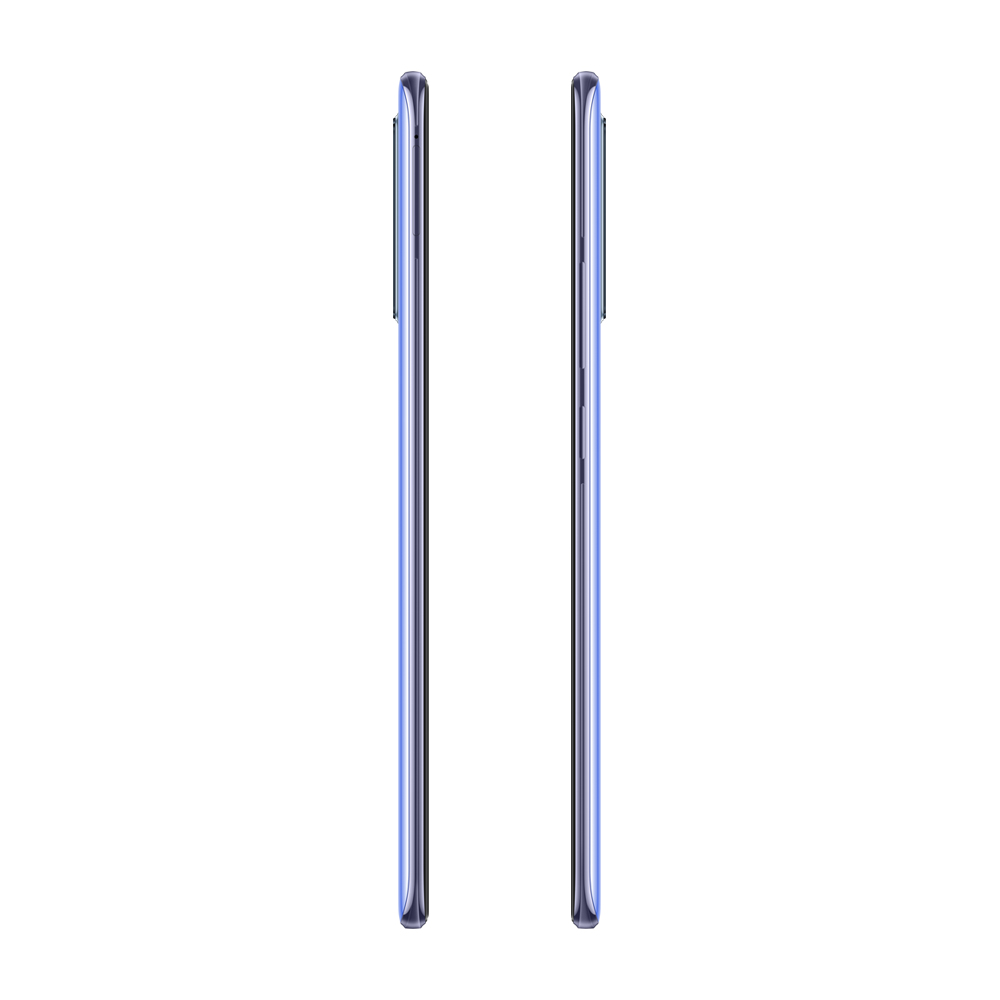
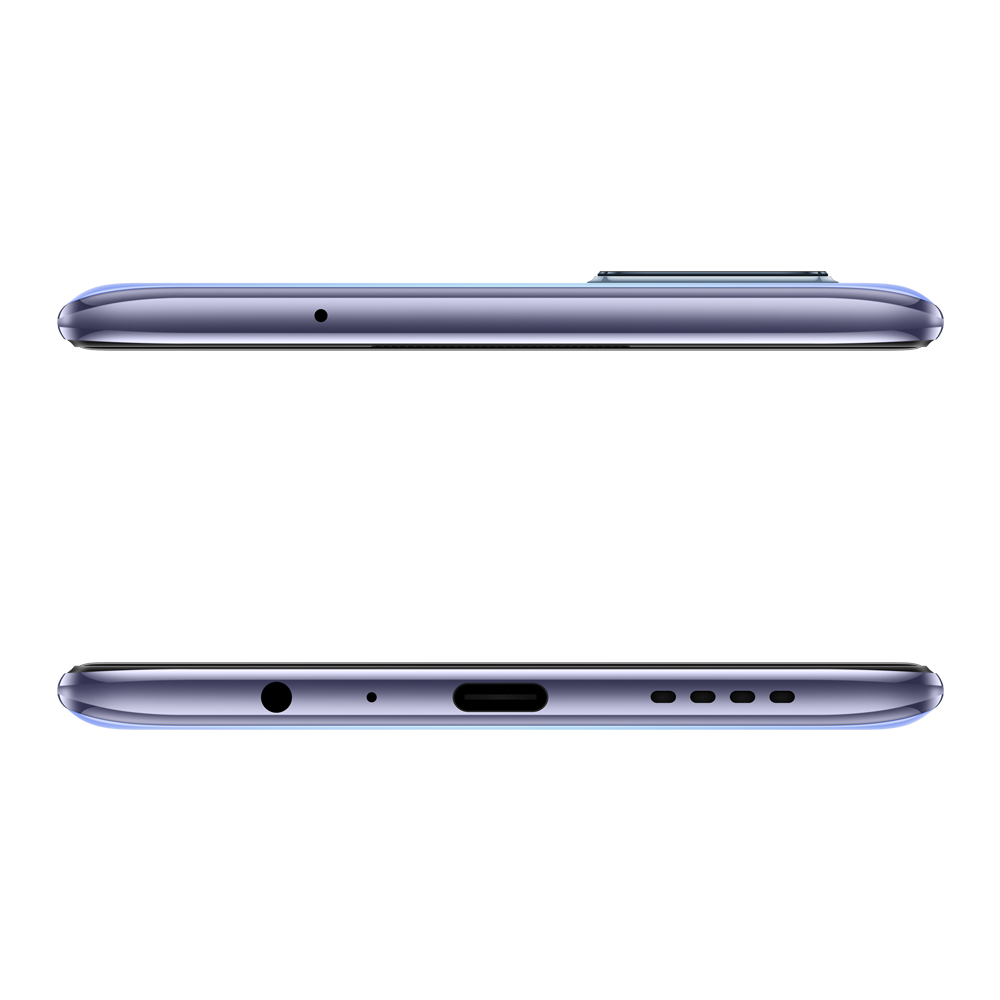
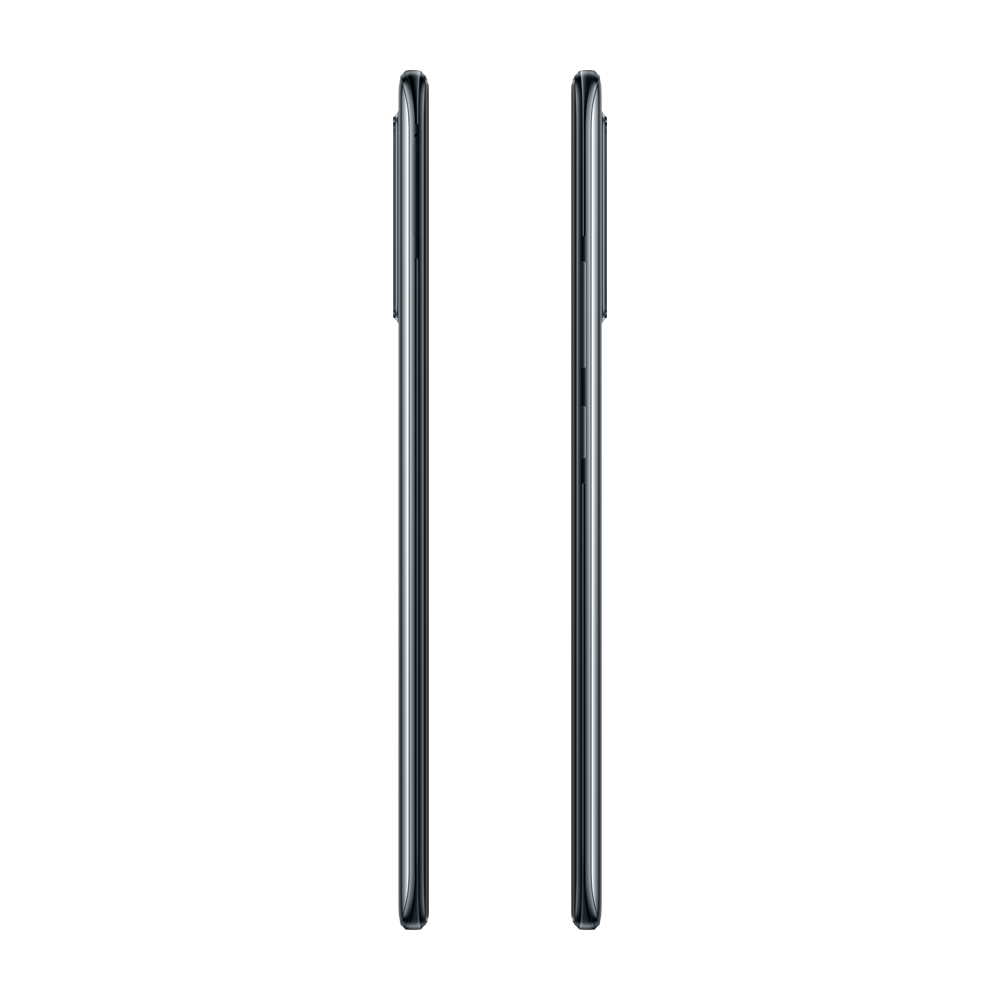
Vivo had earlier planned to launch the V19 on March 27 in India, however, it was later postponed indefinitely due to coronavirus outbreak. But now, to everyone’s surprise, the Chinese smartphone maker has listed the device officially on its global website.
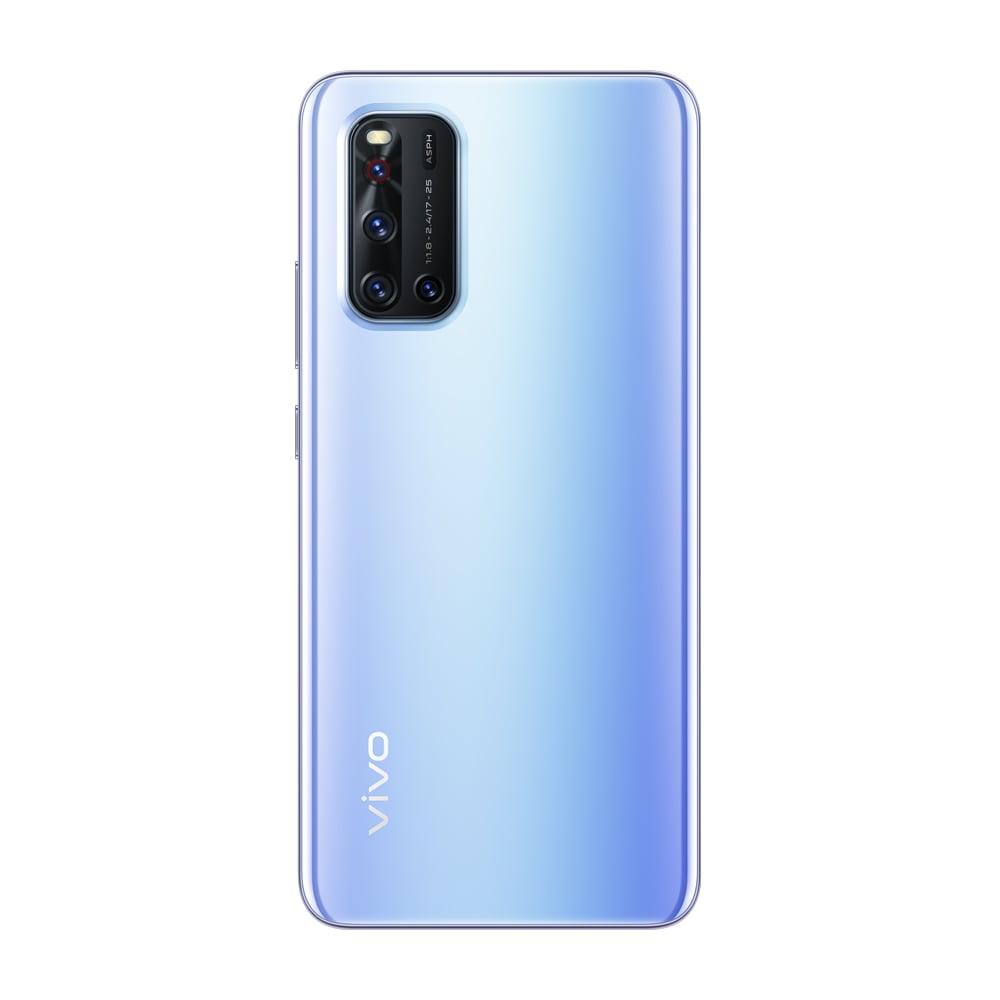
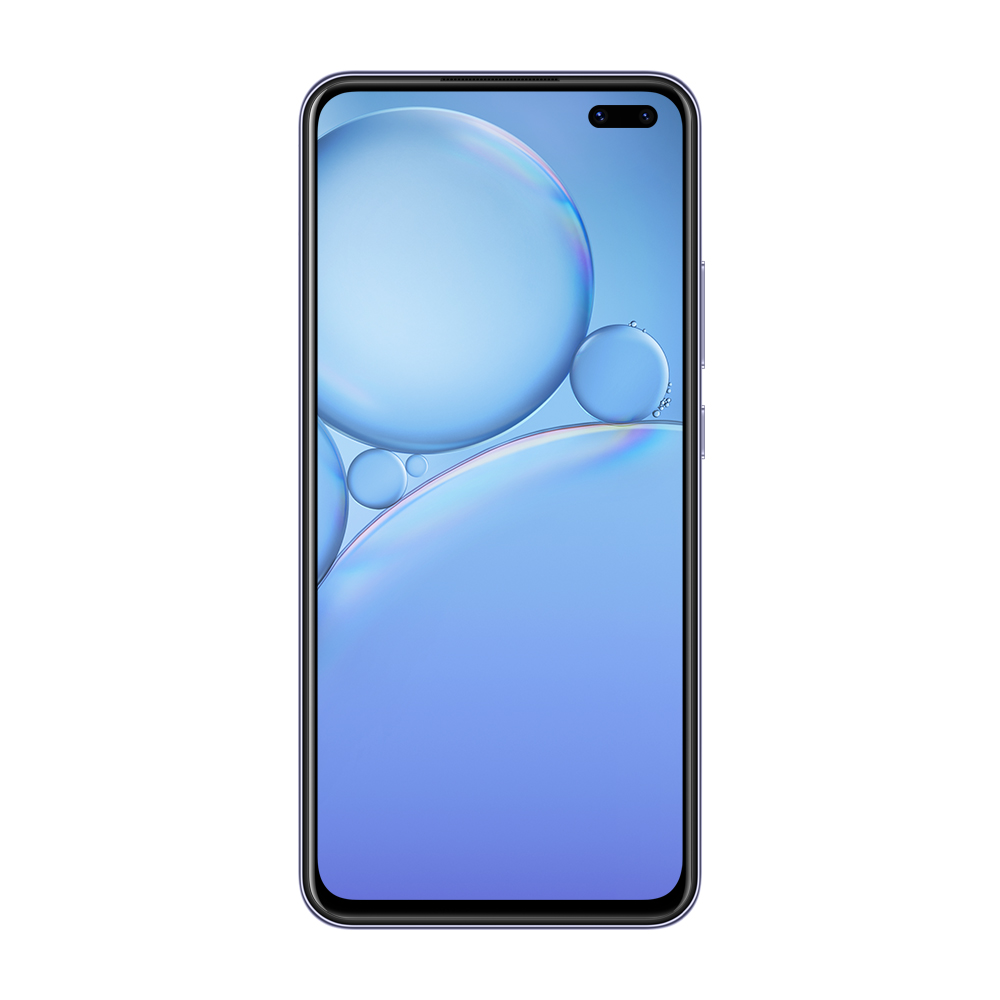
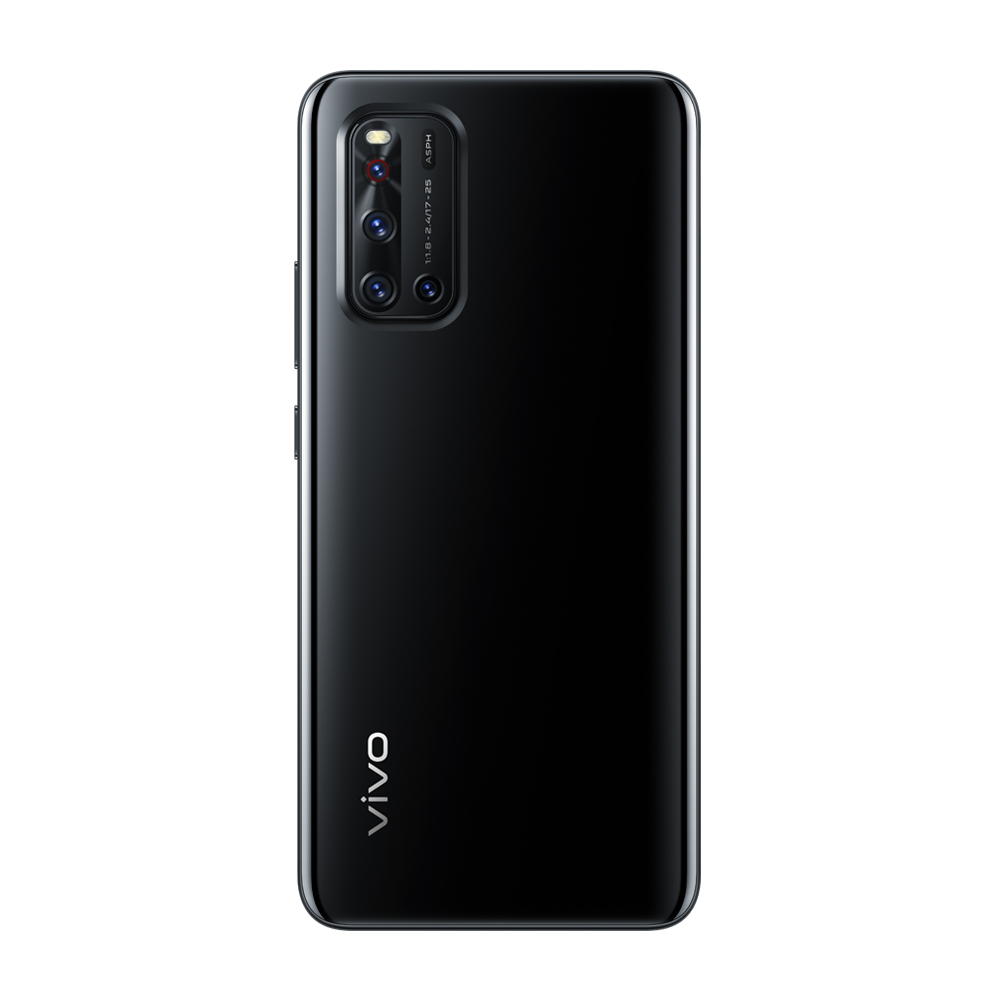
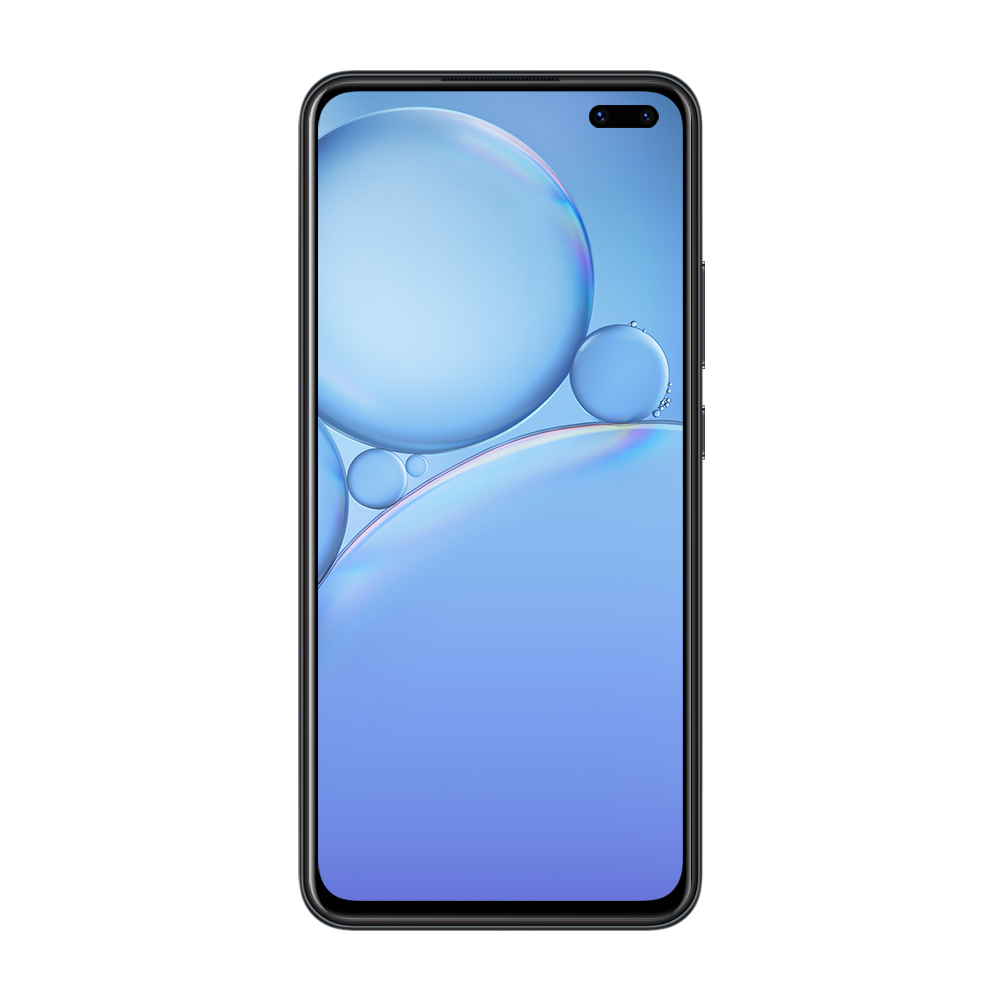
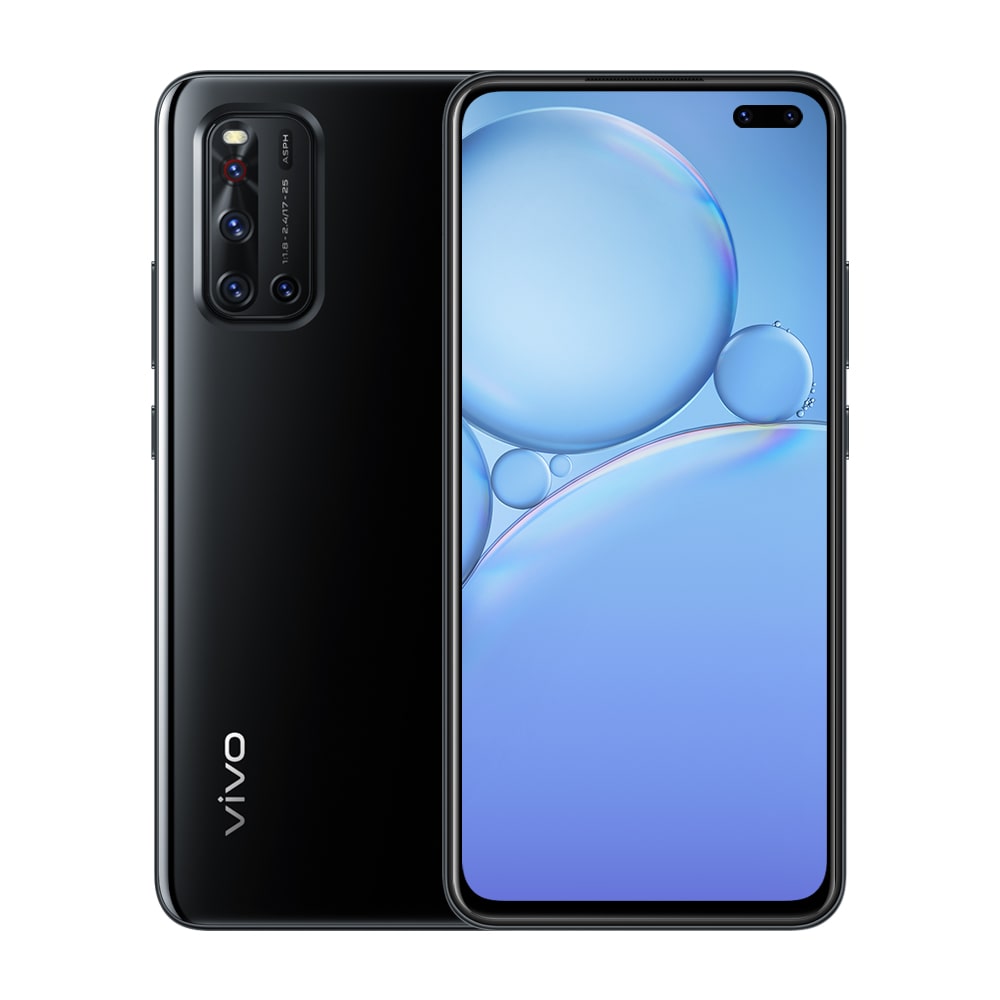
The Vivo V19 initially debuted in Indonesia last month but that device is merely a rebranded Vivo V17, which was launched in December 2019 in India. But now the original global V19 is official, becoming the company’s first smartphone with a dual punch-hole display.
Vivo V19 Sleek Silver
1 of 5
Under the hood, the Vivo V19 features a Qualcomm Snapdragon 712 SoC paired with 8GB LPDDR4X RAM and 128GB / 256GB UFS 2.1 ROM. On the front, it sports a 6.44-inches FHD+ (2400 x 1080 pixels) Super AMOLED display with dual punch-holes housing a 32MP primary snapper and an 8MP ultra-wide shooter. The display also accommodates an in-screen fingerprint reader just like other recent Vivo mid-range smartphones.
Whereas, on the back, the phone comes equipped with a rectangular quad-camera setup featuring a 48MP main sensor paired with an 8MP ultra-wide unit and two 2MP sensors for depth (bokeh) and macro photography. The camera features on the handset include super night mode, ultra-stable video, art portrait video, and much more.
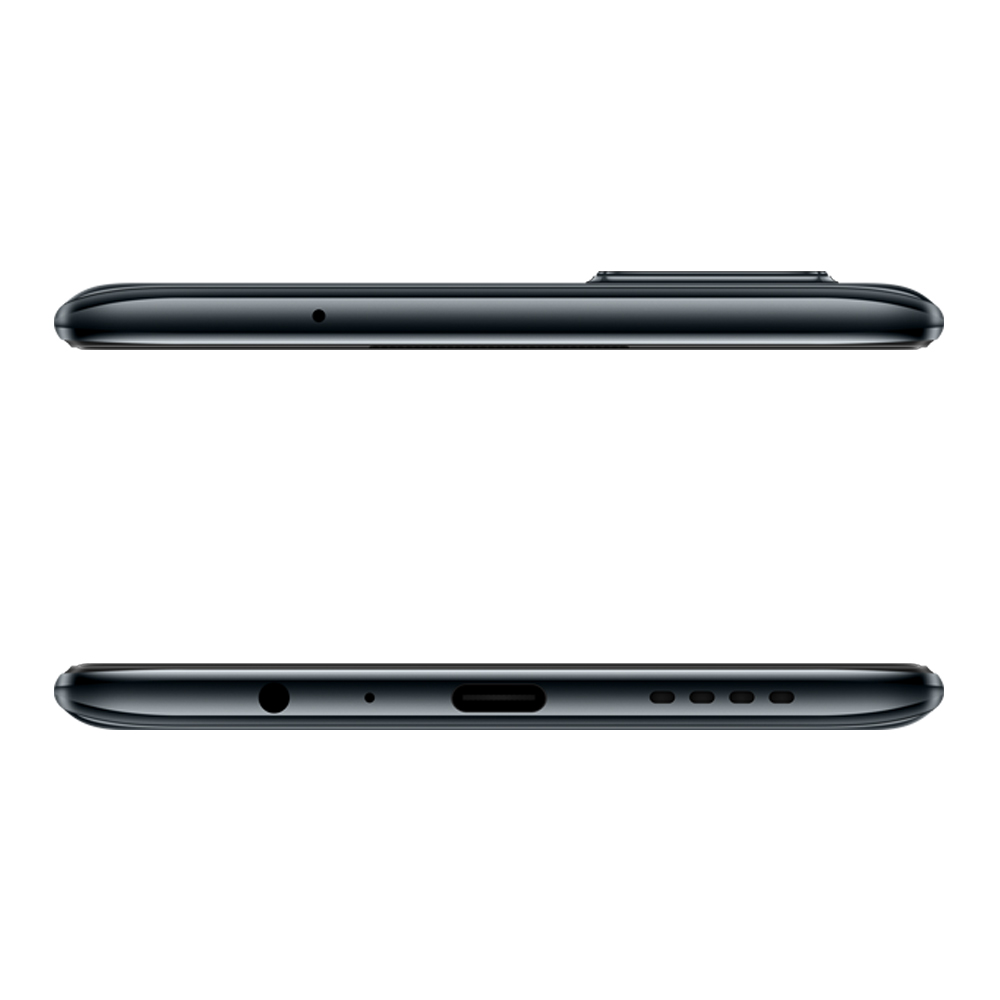
On the software front, the Vivo V19 runs Functouch OS 10 based on Android 10 out of the box. It gets its juice from a 4,500 mAh battery with support for 33W Vivo FlashCharge 2.0 fast-charging technology over USB Type-C port. Other features of the phone include accelerometer, ambient light sensor, proximity sensor, e-compass, gyroscope, WiFi, Bluetooth 5.0, GPS, Beidou, Galileo, GLONASS, 3.5mm headphone jack, and a triple card slot.
Vivo V19 Gleam Black
1 of 5
The Vivo V19 will come in two colors – Sleek Silver and Gleam Black. Although everything about the phone is out officially, the company is yet to reveal its price and availability.
With every launch of a new OnePlus phone comes pop-up events that are held across various cities. A pop-up event is a chance for fans to get a hands-on experience of the new devices and also an opportunity for interested buyers to purchase before the first sale. However, this year’s pop-up event will be different.
The coronavirus pandemic has caused several manufacturers to switch to an online-only launch for their events as gatherings are high-risk places for the spread of the disease. Based on this, OnePlus is changing its traditional pop-up event to an online experience this year.
According to a press release on the official OnePlus forum, the pop-up experience will be online and will begin immediately after the live-stream ends on April 14. OnePlus is keeping a tight-lip on details but says teasers will be posted this week.
Since it will be online, everyone can partake, unlike physical pop-up events that are limited to certain countries and select cities. However, we are curious as to how many folks will get the freebies handed out at pop-up events or if there will even be any this year.
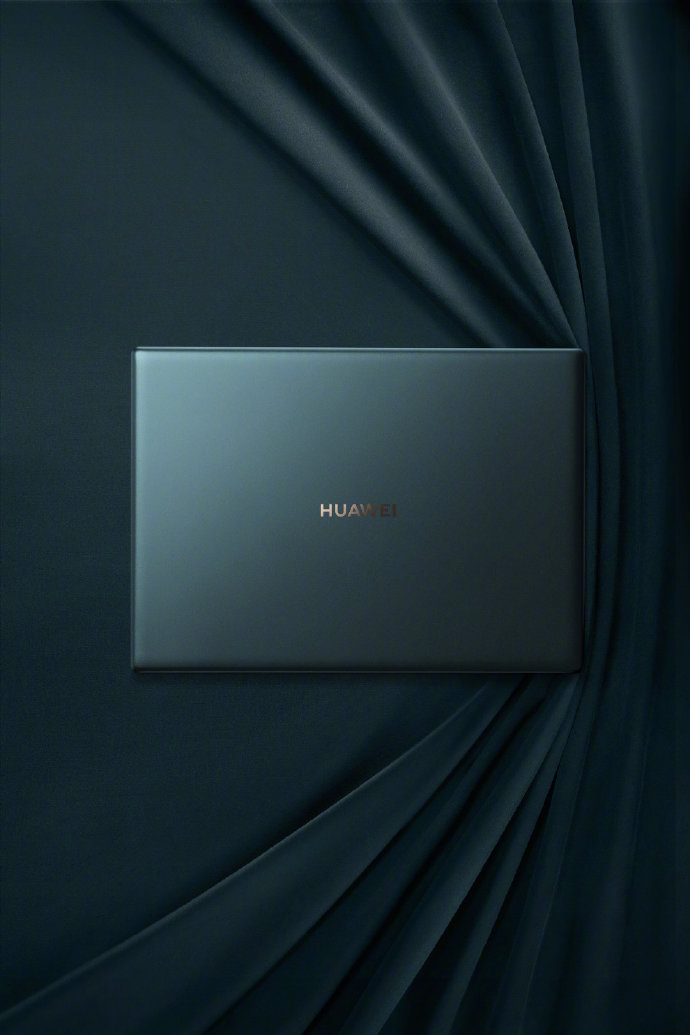
On 5th April 2020, Huawei released a short video alongside related image posters online. This promotional content was for the Huawei MateBook X Pro 2020 edition, which will now arrive in a new premium Emerald Green color.
Huawei Mate X Pro 2020 Emerald Green Edition
For those unaware, the MateBook X Pro from the Chinese tech giant is one of its flagship notebook series. It features a 3K display with a high screen to body ratio of 91 percent, 100 percent sRGB color gamut and also supports touch screen with up to 10 points at the same time.
The laptop is housed on a thin metallic frame with different variations of internal configurations being available. This makes it in line with other ultra thin notebooks in the market, like the Apple MacBook Air or the Microsoft Surface laptops.
The Huawei MateBook X Pro 2020 features either an Intel Core i5 or an i7 processor, alongside Nvidia’s mobile MX250 graphics processing unit. It will be sold in 4 color variants, which include Space Gray, Silver, Rose Gold, and the new Emerald Green version. The device will be officially released at the Huawei Spring launch conference that will take place on 8th April 2020. So stay tuned.
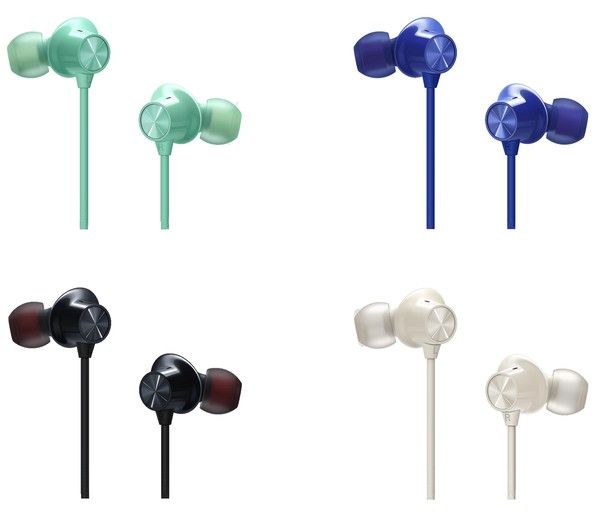
OnePlus’s launch event is scheduled for next week Tuesday, and alongside the OnePlus 8 series, the manufacturer is also expected to launch a new pair of wireless earphones called the OnePlus Bullets Wireless Z. New details regarding the earphones have surfaced today.
According to a leak from Ishan Agarwal (@ishanagarwal24), the OnePlus Bullets Wireless Z will have support for OnePlus’s fast charging technology called Warp Charge. Additional info, provided by PriceBaba, says a 10-minute charge of the earphones will provide up to 10 hours of use while a full charge will provide 20 hours of use.
The Bullets Wireless 2 also supports Warp Charge and provides 10 hours of use when charged for 10 minutes. However, its total battery life is 14 hours. We do not know the dimension for the upcoming earphones neither do we know its battery capacity. However, if OnePlus is using new components just like Samsung’s new power management ICs, it is possible for them to fit in a bigger battery in the same space as the previous generation.
Other features mentioned include Bluetooth latency of 110ms, surpassing the AirPods Pro’ latency of 144ms. The wireless earphones will also have an IP55 rating which means it will survive light rain and sweat. While not mentioned, the OnePlus Bullets Wireless Z should have a USB Type-C port.
There is no info on the price of the OnePlus Bullets Wireless Z but we expect it to remain at $99 while the Bullets Wireless 2 gets a permanent price cut.
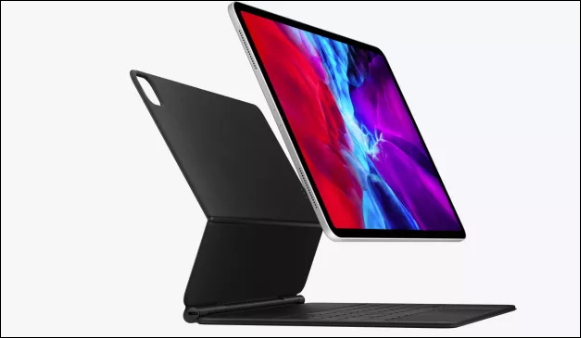
Apple has always been a promoter of privacy. The Cupertino-based tech giant introduced T2 security chip on its 2018 MacBooks. It is now present in all the Apple MacBook and Macs released since those models This proprietary security chip helps in disconnecting the microphone when the lid of the notebook is shut. Now, according to the Apple Security Platform document, the company has included a similar feature in the newly-launched iPad Pro 2020 models.
The new iPad Pro 2020 is basically the 2018 iPad Pro with a newer A12Z Bionic processor and a third LIDAR camera for AR applications. But it is the first of its kind to feature hardware-level microphone disconnect functionality as a privacy measure. In fact, Apple confirms that going forward all the new iPads will come with this feature.
The automatic microphone disconnect feature on iPad Pro 2020 and the forthcoming models require the users to shut their Apple tablets with an MFI (Made for iPad) compliant case. By doing so, the microphone on the iPad will be disconnected in hardware and thus microphone audio data cannot be used by software, even with root or kernel privileges.
However, it is worth noting that Apple says the cameras on MacBooks don’t disconnect as their field of view is obstructed by the lid. As for iPads, it does not mention anything about the camera disconnection since there’s no need for it anyway as the case covers the whole front and the rear cameras are faced down.
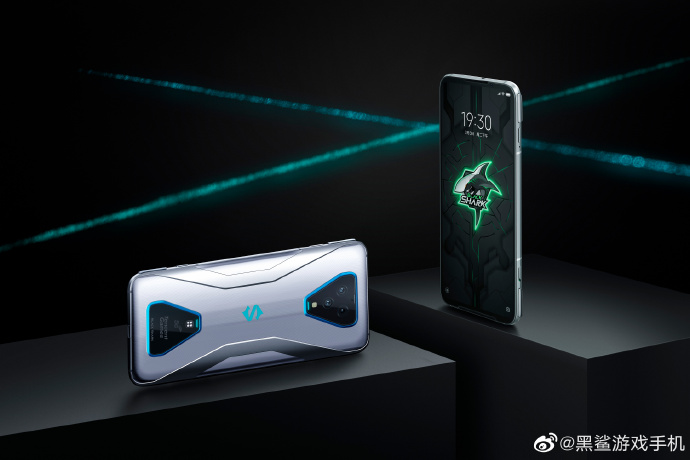
Black Shark 3 series launched as the world’s first 5G gaming smartphones in early March this year. The major difference between the standard and the pro models is their display size and resolution. It has been only over a month since these two devices debuted but now, we are aware of their panel suppliers who happen to be Samsung Display and BOE respectively.
According to industry sources, the Black Shark 3’s 6.7-inches OLED panel with 2400 x 1080 resolution is supplied by Samsung Display. This is the same OCTA OLED rigid panel the firm is supplying to Huawei for its new P40 and P40 Plus.
However, the OCTA technology used on Samsung Display panels, which is equipped on the standard Black Shark 3 units are better than add-on touch BOE panels on the Black Shark 3 Pro.
Samsung Display is the only display manufacturer to have mastered OCTA tech. BOE is yet to get a better yield in this tech and hence it continues to use the old tried and tested add-on touch solution.
Tim Cook, the CEO of Apple Inc, has shared a short video on the popular social media platform Twitter. In the tweet, the senior executive provides an update to its current response to the ongoing crisis at hand. The Cupertino based giant has specially designed and easy to assemble Face Shield, which will ship to various locations that are fighting the recent Coronavirus pandemic at critical stages.
Apple is dedicated to supporting the worldwide response to COVID-19. We’ve now sourced over 20M masks through our supply chain. Our design, engineering, operations and packaging teams are also working with suppliers to design, produce and ship face shields for medical workers. pic.twitter.com/3xRqNgMThX
According to Cook, Apple has sourced more than 20 million units of face mask through its various supply chains across the globe. He said that the company is working with the different governments to donate in locations with dire need. Furthermore, Apple is also working on launching “a company-wide effort bringing together product designers, engineering, operations, packaging teams, and our suppliers to design, produce and ship face shields for health workers.”
In the video, Tim shares one such face shield. It is built primarily from plastic based synthetics from the looks of it and is designed to fit all sizes. Apparently, the company has already shipped its first batch to the Kaiser hospital in the Santa Clara Valley, US, this past week and the doctors’ reception was “very positive.” Another advantage of this face mask is packaging since it can fit about 100 into a single box as they are placed flat.
The assembly of the face shield requires just two minutes and has been sourced from both the US and China. Apple is planning on shipping more than one million of these by the end of this week, and further million by the next week. As of right now, the face shields are available only in the US, but the company has plans on expanding and supplying other critical regions soon. The video was also showcased appreciation for all those fighting the COVID-19 and the face shields have been made from them.
We use cookies on our website to give you the most relevant experience by remembering your preferences and repeat visits. By clicking “Accept”, you consent to the use of ALL the cookies.
This website uses cookies to improve your experience while you navigate through the website. Out of these, the cookies that are categorized as necessary are stored on your browser as they are essential for the working of basic functionalities of the website. We also use third-party cookies that help us analyze and understand how you use this website. These cookies will be stored in your browser only with your consent. You also have the option to opt-out of these cookies. But opting out of some of these cookies may affect your browsing experience.
Necessary cookies are absolutely essential for the website to function properly. This category only includes cookies that ensures basic functionalities and security features of the website. These cookies do not store any personal information.
Any cookies that may not be particularly necessary for the website to function and is used specifically to collect user personal data via analytics, ads, other embedded contents are termed as non-necessary cookies. It is mandatory to procure user consent prior to running these cookies on your website.




 Living up to its notoriety, Xiaomi launched a new MIJIA Bicycle Pump during a hush-hush launch event in April in China last year. Housed in a compact body, the easy-to-carry bicycle pump is backed by a 2000mAh lithium battery and is loaded with an array of impressive functions including pressure detection, pressure preset, and more.