Advertisement

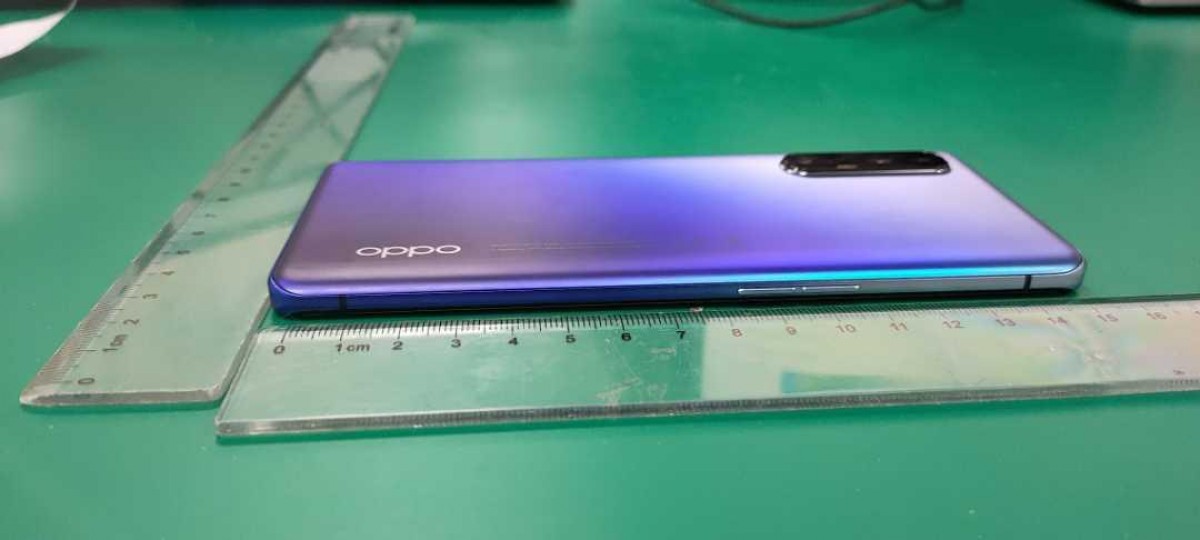
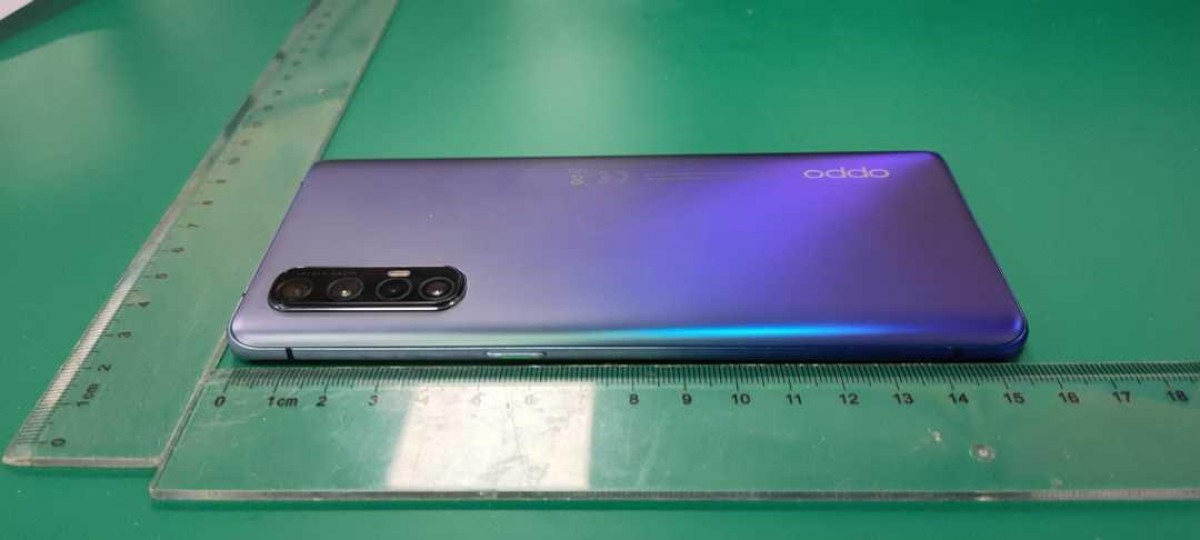
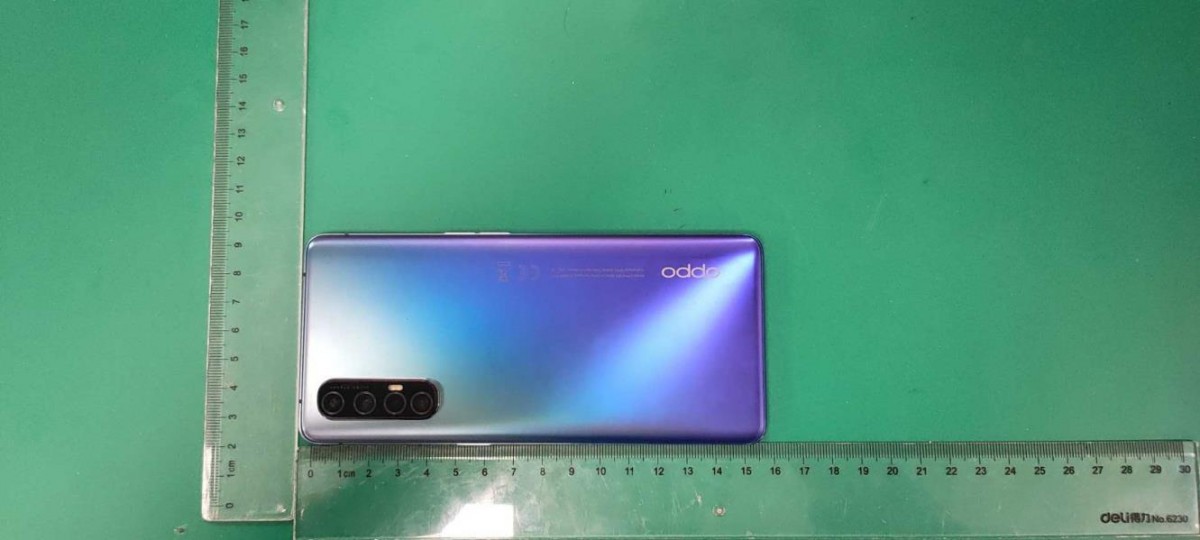
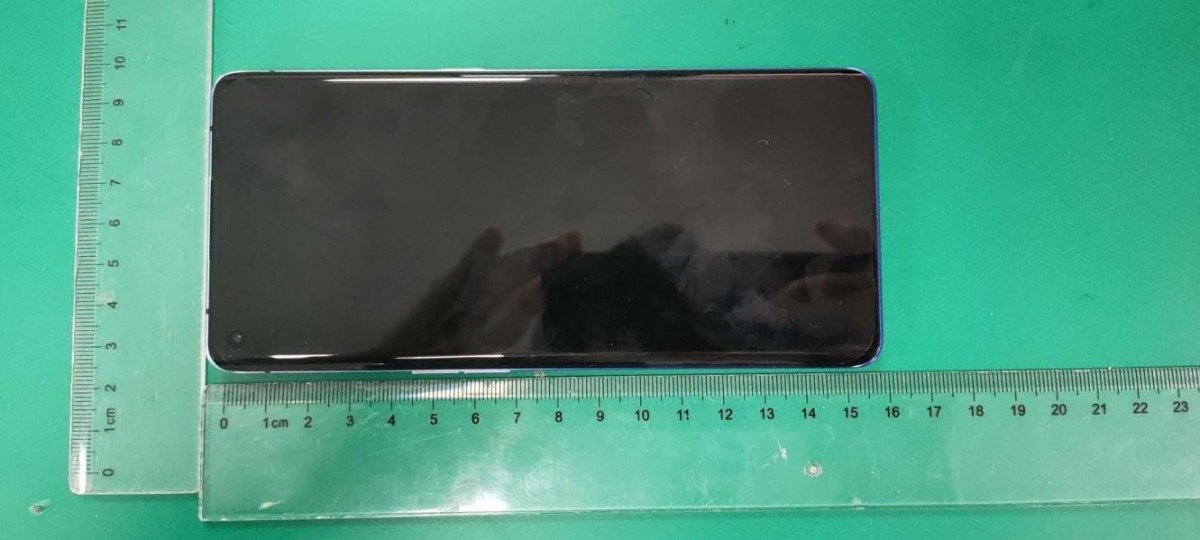
Alleged OPPO Find X2 Neo live shots revealed through FCC certification

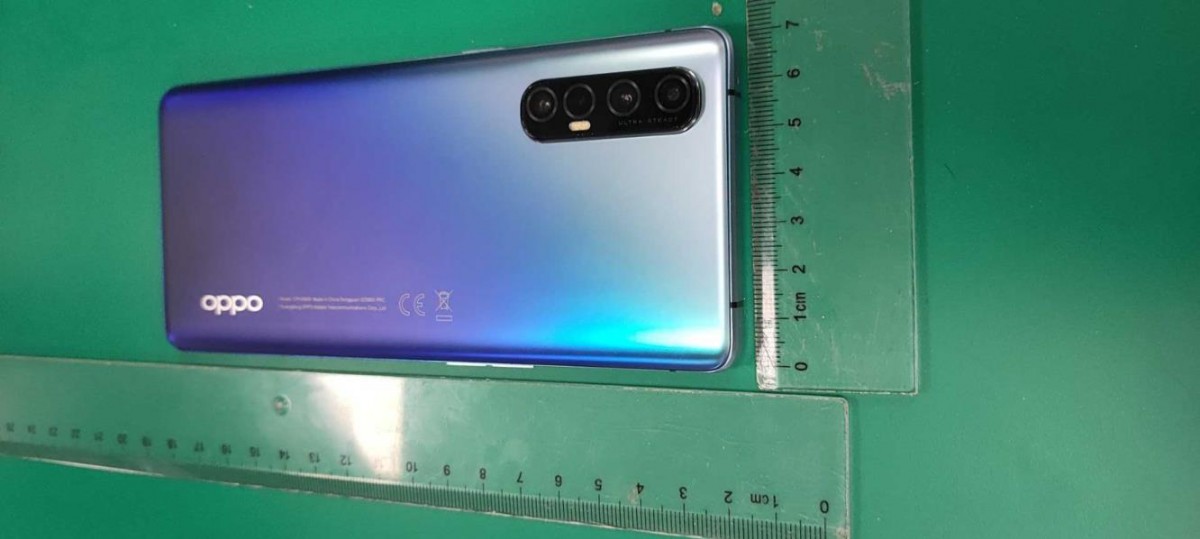
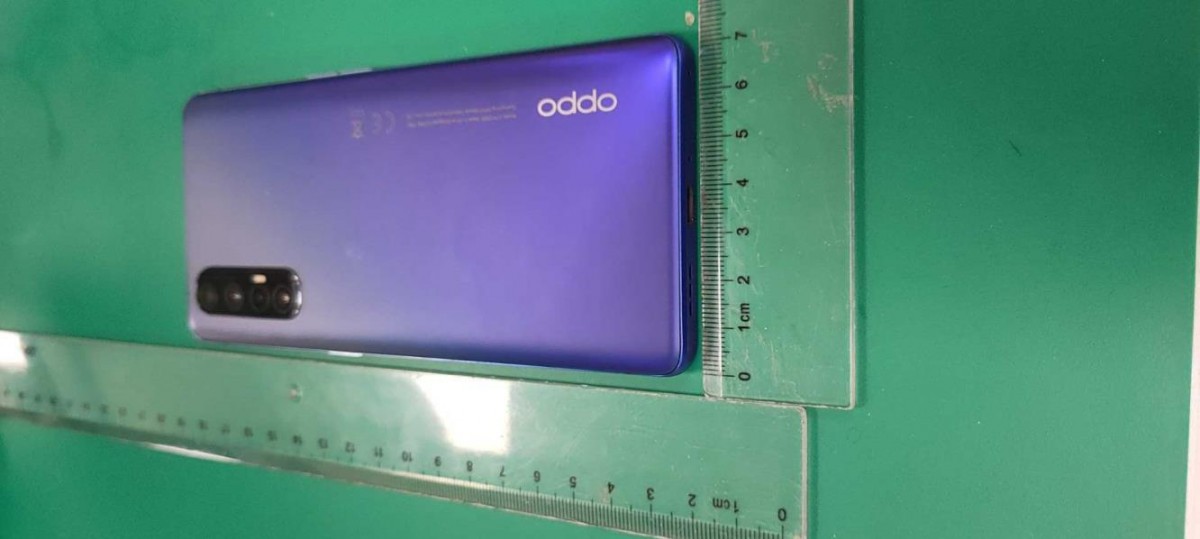
OPPO had launched the OPPO Reno3 Pro 5G phone driven by Snapdragon 765G in China in December 2019. Recent reports have claimed that there will be a global version of the Chinese Reno3 Pro 5G. A recent leak had claimed that it may debut in international markets as OPPO Find X2 Neo. Images of a handset (model number CPH2009) that match exactly with China’s Reno3 Pro 5G has appeared at the Federal Communications Commission in the U.S. It suggests that the Find X2 Neo has just passed FCC approval.

The images of the OPPO CPH2009 phone reveals that it has a curved display. A punch-hole can be seen at its top-left corner. The gradient blue colored glass rear has a vertical camera setup. It lacks a 3.5mm audio jack.
OPPO Find X2 Neo specifications (Rumored)

The Find X2 Neo has a 6.5-inch full HD+ AMOLED screen that support 90Hz refresh rate. The Snapdragon 765G fuels the phone with up 12 GB of RAM. The device may offer users with up to 256 GB of built-in storage.

The ColorOS 7 flavored Android 10 will be available on the Find X2 Neo. It has a front camera of 32-mgeapixel. The back panel features a 48-megapixel quad camera setup. The phone houses a 4,025mah battery that is coupled with 30W fast charging.

In related news, OPPO launched the Reno3 Vitality Edition in China last month. The same phone may debut in global market as Find X2 Lite.


(source|via)

Mi True Wireless Earphones 2 Basic gets Bluetooth Certification; should launch as Redmi AirDots 2

Xiaomi’s TWS lineup is messy and that is because one product can go by multiple names. For example, the Mi AirDots Lite, the Redmi AirDots, and the Mi True Wireless Earphones Basic are practically the same product. Now, a successor seems to be on the way.

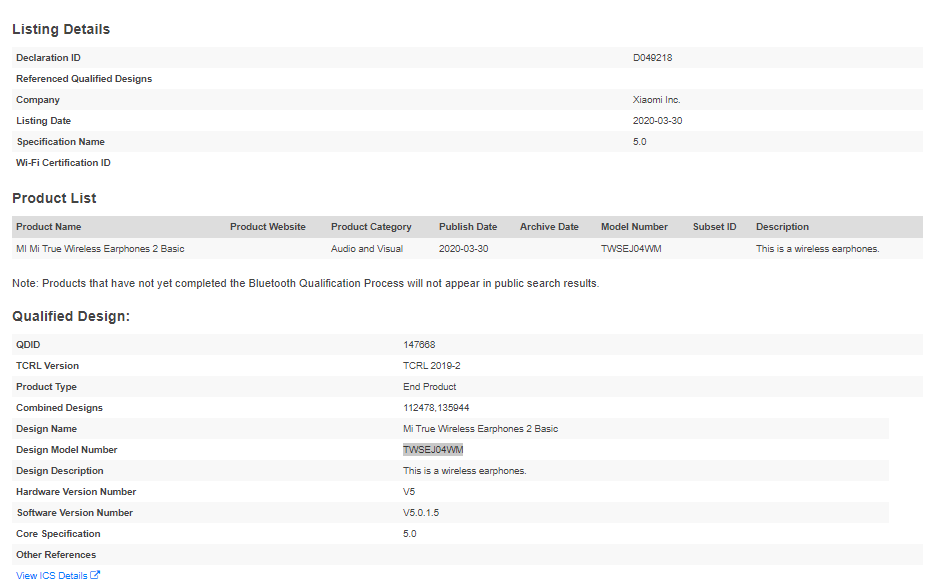
The Bluetooth SIG has certified a pair of TWS from Xiaomi called the Mi True Wireless Earphones 2 Basic. Going by the info in the first paragraph above, this should be the successor of the Mi AirDots Lite and should also be the successor of the Redmi AirDots.

Mi True Wireless Earphones 2 Basic

The Mi True Wireless Earphones 2 Basic has model number TWSEJ04WM and will connect via Bluetooth 5.0. We have no idea what it will look like, so we can’t say if it will keep the design of its predecessor.

While the design is important for comfort, the features are equally important. The Redmi AirDots, which I own, is terrible when it comes to calls as there is no noise-canceling microphone. Hopefully, this is fixed with the new iteration. We also would not mind it having a USB Type-C port and better battery life.

What features do you want to see in the Mi True Wireless Earphones 2 Basic? Let us know in the comment box.


(Source)

Huawei P40 series Chinese pricing leaked, 30% lower than global price

On 26th March 2020, Huawei had announced its latest flagship series, the Huawei P40, P40 Pro and P40 Pro+. Both smartphones arrived with top notch specs and pricing, with the top models crossing the $1,000 mark. But now, the pricing details for the Chinese launch have been leaked, which reveals pricing nearly 30 percent lower than its foreign launch in certain cases.

Huawei

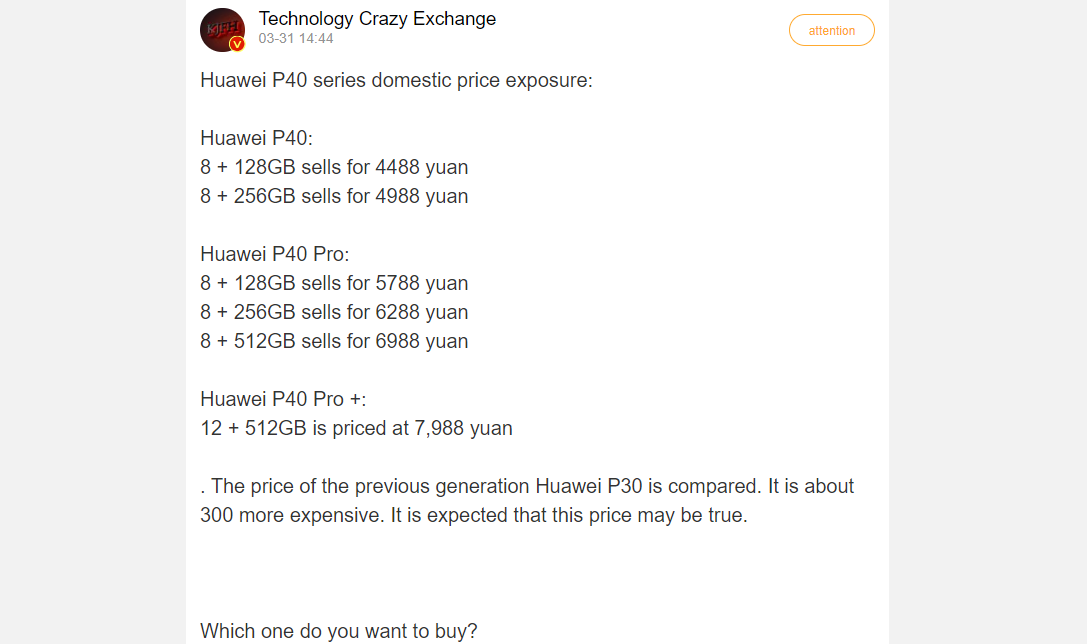
According to a new report, the Huawei P40 with 8GB of RAM and 128GB storage will sell for 4,488 Yuan (roughly 632 US Dollars). This is lower than the European pricing of 799 Euros (roughly 6,195 Yuan). Similarly, the Huawei P40 Pro 8GB + 128GB will sell for 5,788 Yuan (roughly 815 US Dollars) while the 8GB + 256GB variant will be sold for 6,288 Yuan (roughly 885 US Dollars).


Again, these prices are noticeably lower than the foreign launch that had the Huawei P40 Pro priced at 999 EUR for the 256GB models (roughly 7,745). Finally, the most pricey higher end model, Huawei P40 Pro, is reportedly priced at 7,988 Yuan (roughly 1,125 US Dollars), which is again lower than the 1,399 EUR price tag in Europe (roughly 10,845 Yuan).

Huawei P40 Pro Plus Ceramic

This makes the Huawei P40 series about 30 percent lower in price when compared to the global launch variant. Notably, it is about 200-300 Yuan higher than the last year’s Huawei P30 series, although that is expected since the newer version feature 5G networking with the general pricing logic also being considered. Unfortunately, this has yet to be confirmed by Huawei. So, it is unclear if this is the official pricing from the Chinese tech giant. Thus, take this report with a grain of salt for now.

Realme increases smartphone pricing in India due to GST hike

The ongoing COVID-19 pandemic that has caused supply shortage, fluctuating Indian Rupee value and the hike of GST rate that goes into effect from today has caused smartphone OEMs to increase the cost of their handsets. Xiaomi, Vivo, Samsung and OPPO have increased the rates of their smartphones. Realme too joins the bandwagon as it has released a list of revised pricing for the base model of its smartphones.

The Realme 6 and Realme 6 Pro will soon carry new starting prices of Rs. 13,999 (~$183) and Rs. 17,999 (~$235). These phones were made official in India at the beginning of this month as the successors for the Realme 5 Pro and Realme X phones from last year. At launch, they were priced at Rs. 12,999 (~$170) and Rs. 16,999 (~$222).

The Realme X2 Pro carried a starting price of Rs. 27,999 (~$367). It will be soon available for Rs. 29,999 (~$393). The Realme X2 Pro Master Edition’s price has been increased to Rs. 36,999 (~$484) from its regular price of Rs. 34,999 (~$456). The Realme X2 will soon sell for Rs. 17,999 instead of its usual price of Rs. 16,999.

realme x2 pro
Realme X2 Pro

The Realme 5 Pro, Realme 5s and Realme 5i will start at respective price tags of Rs. 13,999, Rs. 10,999 (~$144) and Rs. 9,999 (~$131). These phones have been selling for Rs. 12,999 (~$170), Rs. 9,999 and Rs. 8,999 (~$118), respectively. The Realme C3 now starts at Rs. 7,499 (~$98) instead of its regular cost of Rs. 6,999 (~$91).

GST hike has increased Realme XT’s price to Rs. 16,999 from its regular price of Rs. 15,999 (~$209). The Realme X and Realme X Master Edition previously sold for 16,999 and Rs. 19,999. They will soon sell for Rs. 17,999 and Rs. 20,999 (~$275).


OnePlus 8 Pro may be priced less than $1000, Features SD865, LPDDR5 and UFS 3.0 memory

OnePlus has finally announced the launch date of the OnePlus 8 series, after months of teasers. The latest flagship series will be announced on 14th April 2020 and the device will feature 120Hz and 5G networking. However, the details didn’t end there as Pete Lau, CEO of OnePlus, also revealed a few more interesting information regarding the upcoming launch.

OnePlus 8 Pro green

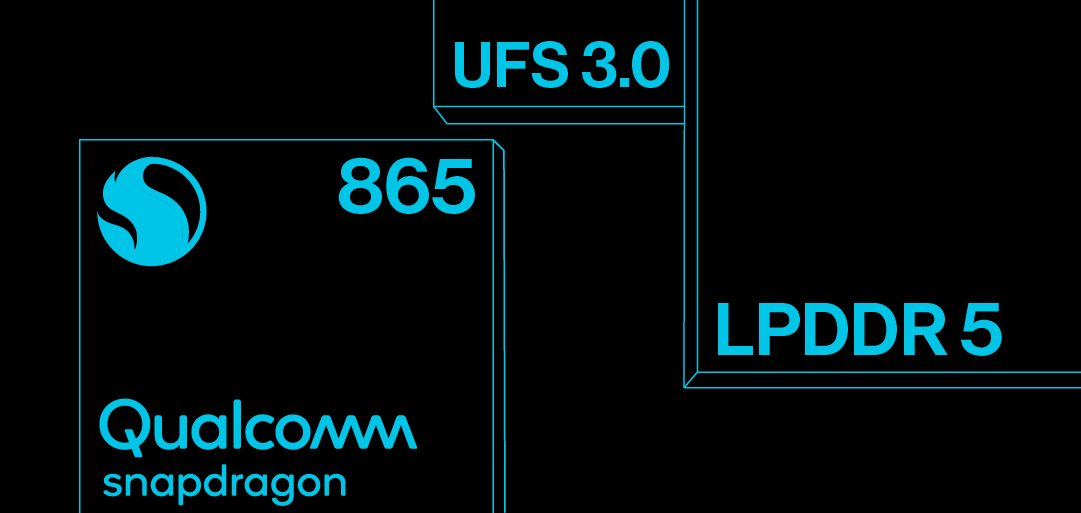
According to a community post by the senior executive, the OnePlus 8 series will feature Qualcomm’s Snapdragon 865 SoC alongside LPDDR5 RAM and UFS 3.0 storage. This updated hardware enables “fast and smooth” performance and will give the series a 20 percent bump in CPU and a 25 percent jump in GPU performance. The new LPDDR5 RAM will allow for high transfer speeds reaching up to 6,400Mbps on bandwidth as high as 51.2 GB/s, all the while running on lower power consumption compared to the previous generation.

Similarly, the display is also top notch with a 2K+ display and a high pixel density of 512ppi and 120Hz refresh rate. Keeping all of this in mind, one would probably assume that the price of the OnePlus 8 series will also be just as high as the specs. But a report suggests otherwise, as according to Business Insider, the OnePlus 8 series will not exceed the $1000 mark in the US.

OnePlus
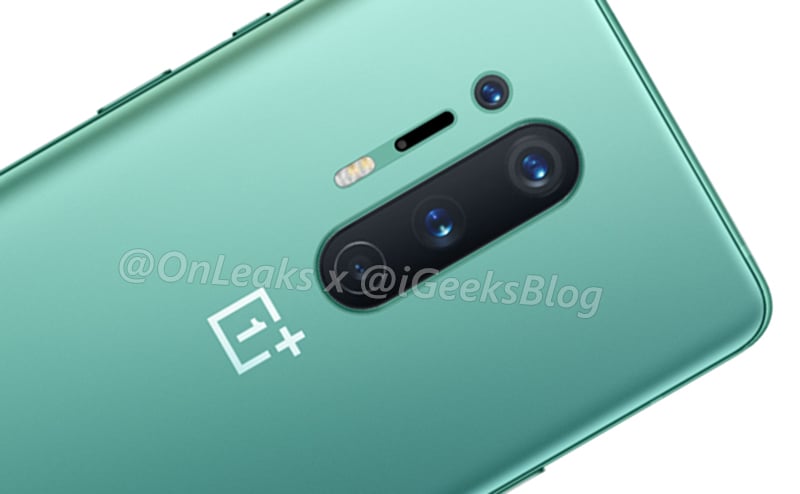
OnePlus 8 Pro was allegedly spotted in a live image

This makes the OnePlus 8 Pro one of the cheapest premium grade flagship which has the above mentioned specifications alongside 5G networking. Although the company has yet to officially reveal the pricing, it is a possibility that OnePlus still stands by its original philosophy of a “flagship killer” but with a lower cost overall. So stay tuned for the coming launch event and pricing details as well.


(Via)

Xiaomi, Redmi phones prices increased in India; Checkout the entire list with revised pricing

Starting from today, smartphone will be selling at increased pricing in India. The reason behind the price hike is the increase in the GST rate from 12 percent to 18 percent. Xiaomi India has confirmed the revised pricing of its Mi and Redmi branded phones. The below mentioned phones will be available with new pricing on the official online store, e-commerce sites and retail stores soon.

Redmi Note 9 series

The Redmi Note 9 Pro Max models like 4+64, 6+128 and 8+128 launched for Rs. 14,999 (~$197) Rs. 16,999 (~$222) and Rs. 18,999 (~$249) price tags. Their new prices are Rs. 16,499 (~$216), Rs. 17,999 (~$236) and Rs. 19,999 (~$262). The Redmi Note 9 Pro variants such as 4+64 and 6+128 debuted for Rs. 12,999 (~$170) and Rs. 15,999 (~$209). They will now sell for Rs. 13,999 (~$183) and Rs. 16,999.

Redmi K20 series

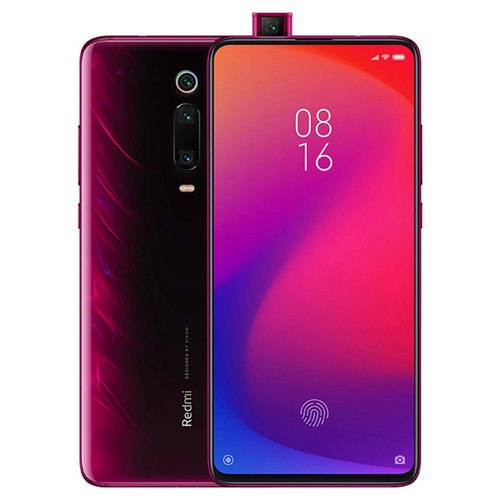
The vanilla Redmi K20 editions like 6+64 and 6+128 were selling for Rs. 19,999 and Rs. 22,999 (~$301). They will now sell for Rs. 21,999 (~$288) and RS. 24,999 (~$327). The Redmi K20 Pro editions like 6+128 and 8+256 were priced at Rs. 24,999 and Rs. 27,999 (~$366). Their new prices are Rs. 26,999 (~$353) and Rs. 29,999 (~$393).

redmi-k20-pro-500-red

Redmi Note 8 series

The Redmi Note 8 Pro 6+64, 6+128 and 8+128 debuted for Rs. 14,999, Rs. 15,999 and Rs. 17,999. These will be available for Rs. 15,999, Rs. 16,999 and Rs. 18,999, respectively. The Redmi Note 8 models such as 4+64 and 6+128 have been available for Rs. 10,499 and Rs. 12,999. Their new prices are Rs. 10,999 (~$144) and Rs. 13,999.

Redmi 8 series

The Redmi 8A Dual 2+32 and 3+32 will be available for Rs. 6,999 (~$91) and Rs. 7,999 (~$105) instead of its regular price tags of Rs. 6,499 (~$85) and Rs. 6,999. The Redmi 8A variants like 2+32 and 2+32 previously sold for Rs. 6,199 (~$81) and 6,499. They will now be available for Rs. 6,699 and Rs. 6,999. The Redmi 8 4+64 edition will carry new price tag of Rs 8,999 (~$118) instead of its Rs. 7,999 (~$105) pricing.

Redmi Note 7 Pro, Redmi 7 and Redmi Go

There is no change in the pricing of Redmi Note 7 Pro. Hence, its 4+64, 6+64 and 6+128 variants will continue to cost Rs. 10,999, Rs. 12,999 and Rs. 13,999.

The Redmi 7A editions like 2+16 and 2+32 previously sold for Rs 5,999 and Rs. 6,199. Their increased price tags are Rs. 6,499 and Rs. 6,699 (~87). The Redmi Go will now sell for Rs. 4,999 (~$65) instead of its regular price of Rs. 4,499 (~$59).

Xiaomi Mi A3

The Xiaomi Mi A3 editions like 4+64 and 6+128 sold for Rs. 11,999 and Rs. 14,999. The pricing of its 6 GB RAM edition hasn’t changed, but the base model’s cost has increased to Rs. 12,999.


Nubia in trouble after failing to deliver on the promised 5G accessory for Red Magic 3

2019 saw the breakout of many new technological advancements and trends in the smartphone industry. A crucial one was the new 5G networking bandwidth now being capable in certain smartphones. While 2019 is touted to be the year 5G broke out, 2020 will be the year dominated by it. Nubia was one such company that would launch a 5G smartphone in 2020. But before this, it had also promised to bring 5G to the Red Magic 3.

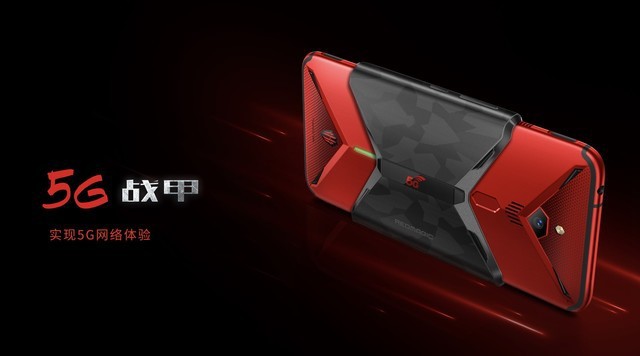
For those unaware, Nubia had previously stated that the Red Magic 3, the flagship device from 2019, would soon support 5G network support. This is not something that a simple software update could ever bring, but a dedicated supplementing hardware. In other words, a separate hardware accessory was to be launched, which will bring the newer and faster bandwidth on the handset.

Nubia

However, as of right now, this dedicated 5G accessory from Nubia has yet to be released. Recently, the company launched the Red Magic 5G, the first 5G enabled smartphone. This has made many Red Magic 3 users believe that the 5G accessory has been canceled and will not be launch, and many are criticizing Nubia for false advertisements that mislead its customers.

On 27th March 2020, this became confirmed as the official customer support from Nubia stated that there are currently no plans for an actual launch due to “restricted technical conditions.” Apparently, this product which was specifically advertised alongside the launch of the Red Magic 3 has all but disappeared on official channels as well. It is likely that development constrictions and the move to a proper 5G enabled handset shifted focus.

Nubia
Red Magic 3S

However, this might bring trouble to the Chinese smartphone maker, since it did technically advertise one thing that it failed to deliver on. Whether or not legal recourse is taken, remains to be seen. Although we will have to wait and see. So stay tuned for more updates.


(Via)

POCO X2 price in India increased due to GST hike

The POCO brand that took a sabbatical last year came back as independent entity this year. It introduced the POCO X2 phone with an attractive starting price of Rs. 15,999 (~$210). Today, the company took to Twitter to confirm that has increased the pricing of POCO X2 due to couple of reasons like GST hike and failing Rupee. With the price revision, the POCO X2 is now available with a starting price of Rs. 16,999 (~$223).

POCO India said that its business has been affected due to multiple factors. There has been a significant in the GST rate in India. It has now increased to 18 percent from 12 percent. The COVID-19 outbreak has impacted its supply chain and the falling Rupee value against US dollar have also caused the company to increase the pricing of POCO X2.

The POCO X2 variants such as 6 GB RAM + 64 GB storage, 6 GB RAM + 128 GB storage and 8 GB RAM + 256 GB had debuted with price tags of Rs. 15,999 (~$210), Rs. 16,999 (~$223) and Rs. 19,999 (~$262). The new pricing of these models are Rs. 16,999 (~$223), Rs. 17,999 (~$236) and Rs. 20,999 (~$275).

poco x2

POCO X2 specifications

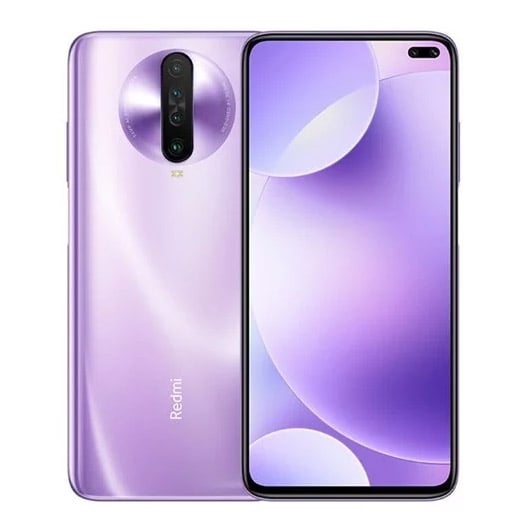
The POCO X2 arrived as the rebranded version of the Redmi K30 4G that debuted in China last year. It features a 6.67-inch IPS LCD display that offers full HD+ resolution and a refresh rate of 120Hz. The dual punch-hole on its screen features a 20-megapixel main lens and a depth sensor of 2-megapixel.

The back panel of the phone has a quad camera setup. It includes a Sony IMX686 64-megapixel main lens, an 8-megapixel ultrawide lens, a 5-megapixel macro shooter and a 2-megapixel depth sensor. It has a side-facing fingerprint reader. The POCO X2 is powered by Snapdragon 730G processor and comes with LPDDR4X RAM and UFS 2.1 storage. It is loaded with Android 10 OS and MIUI 11.


(source)

Qualcomm doesn’t have a product to compete with Kirin 820: Honor President

Honor had held a press conference on the evening of 31st March 2020. While the focus of the conference was the Honor 30S, the President of Honor, Zhao Ming (or George Zhao) also accepted an interview after the event.

In the interview, the senior executive from the Huawei subsidiary answered various questions regarding the new products and the company’s current direction and plans for the year 2020. One such question was regarding the new proprietary chipset the Kirin 820 5G SoC, which is housed in the Honor 30S. The chipset is notable because it is a great balance between powerful performance and pricing, according to the President.

Honor Kirin 820 5G featured
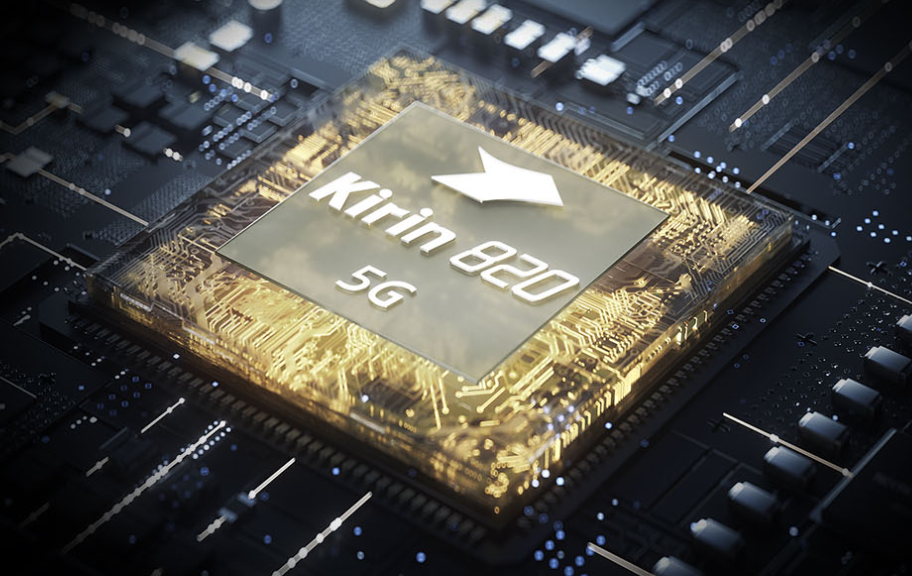
Kirin 820 5G SoC

The Kirin 820 SoC utilizes much of the same architecture as the company’s current flagship processor, the Kirin 990. It is built on a similar 7nm process technology and features a built in 5G modem, which is impressive considering it will be found in a smartphone priced between 2000 to 2500 Yuan (roughly 281 to 352 US Dollars). So, it can be assumed that it fills in the gap between high end and mid range smartphones.

In regards to one of its primary rivals, Qualcomm, George Zhao stated that Kirin 820 is a mid to high end SoC with an integrated 5G modem. This is different from Qualcomm’s current flagship the Snapdragon 865 SoC which features a discrete 5G modem. In simpler terms, the latter is capable of noticeably better performance, but the key difference here is pricing as the Qualcomm chipset is primarily found in premium grade flagships which are generally expensive.

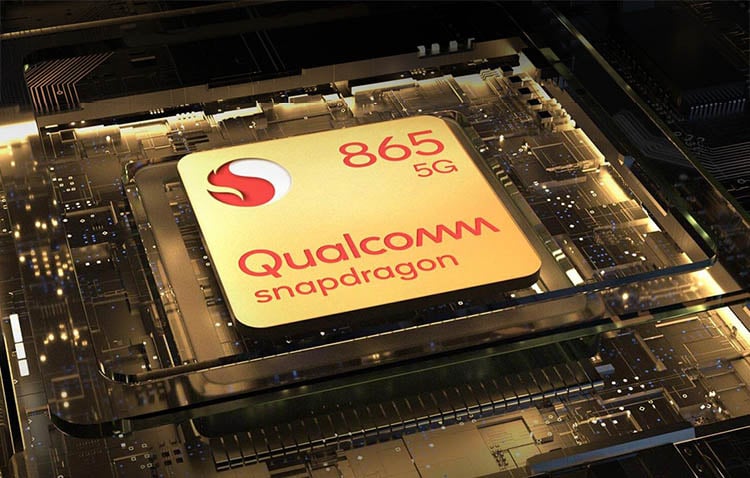
Qualcomm Snapdragon 865 Soc
Qualcomm Snapdragon 865 SoC

Thus, in this regard, Qualcomm has no immediate and direct competitor to the Kirin 820 SoC, since the Snapdragon 865 is a flagship processor while the SD700G series have yet to catch up. During the interview, George Zhao also placed an emphasis on competition, stating that rivalry and innovation is what drives the industry forward in advancement.


(Via)

Motorola Razr India release delayed to April 15

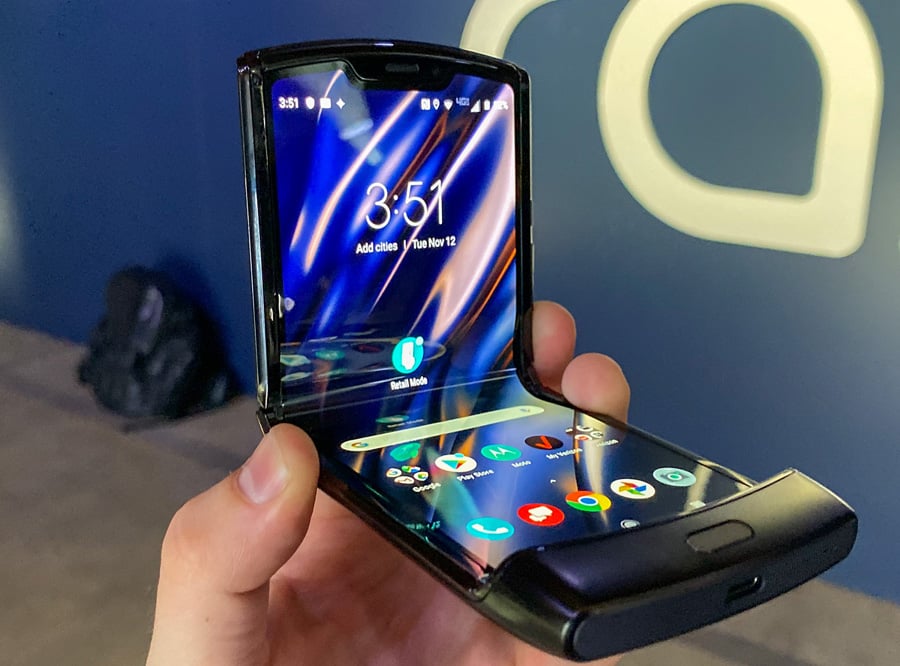
Motorola had announced the Motorola Razr 2019 clamshell phone with foldable screen in November last year. Soon after the launch, the Lenovo-owned company had started with the registrations of the device in India. While the Razr 2019 has been made available for purchase in other markets, its sales were scheduled to begin on April 2. The Chinese firm has now confirmed that the market release of the Motorola Razr in India has been postponed to April 15 due to COVID-19 lockdown in the country.

The Motorola Razr was introduced in India on March 16 and it was scheduled to go on sale in the country tomorrow. The nation-wide lockdown in India has resulted in the launch of some smartphones such as Vivo V19 and Realme Narzo 10 series. Motorola confirmed that the sales of the Razr 2019 will begin on April 15 which is the first day after the 21-day lockdown in the country.

Motorola Razr

The Motorola Razr will be available in black color in India. The gold edition of the device is expected to hit the Indian markets later. It carries a price tag of Rs. 1,24,999 ($1,642).

Motorola Razr specifications

The Motorola Razr features an inner screen of 6.2 inches. Dubbed as Flex View display, the p-OLED screen supports 21:9 aspect ratio and a resolution of 876 x 2142 pixels. There is a 2.7-inch outer screen that can be used for checking notifications. It has a front camera of 16-megapixel and a selfie snapper of 5-megapixel.

The Snapdragon 710 chipset fuels the Motorola Razr along with 6 GB of RAM. The internal storage of the device is 128 GB. There is a microSD card slot onboard for additional storage.

The Razr is backed by 2,510mAh battery that is coupled with 15W fast charging. The connectivity features available on the device re e-SIM, Wi-Fi 802.11ac, Bluetooth 5.0, NFC and USB-C.


Meizu’s April Fool Pranks involve a Meizu 16T with Solar Panel and Aicy Voice Assitant leaking Meizu 17’s release date

On April Fool’s Day, Meizu used its existing Meizu 16T and the upcoming Meizu 17 to prank its fans. For the first prank, the smartphone maker announced a new variant of the 16T, whereas, for the second prank it used its virtual voice assistant Aicy to tease the forthcoming 17.

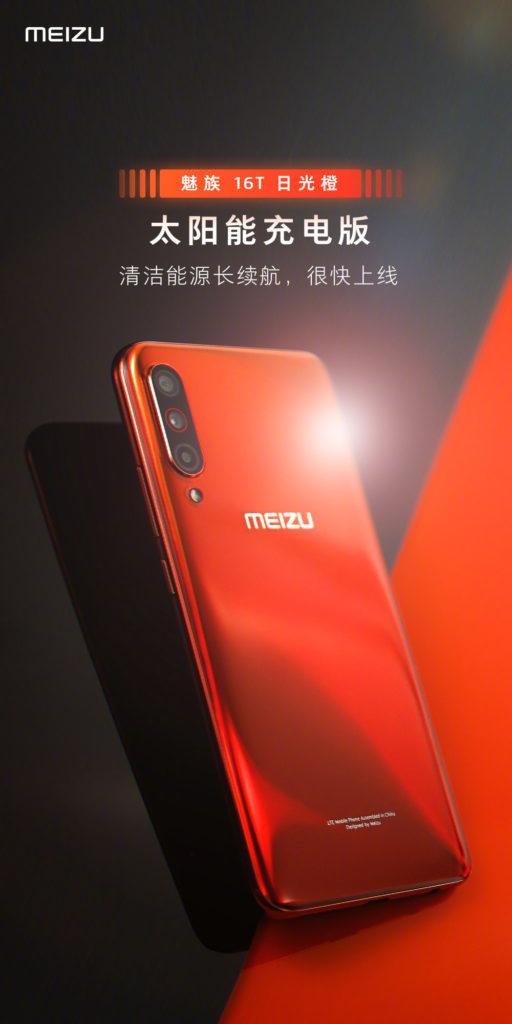
Meizu’s official Weibo account announced a new variant of Meizu 16T earlier today. This version of the device comes in ‘Daylight Orange’ colour with support for solar charging. Thus, the company says the user need not to worry about the battery on this phone as long as there is sunlight.

As expected, this new version of Meizu 16T is merely an April Fool’s Day prank pulled out by the company. Although this one was a prank, solar-powered smartphones can be a reality. Last year, Xiaomi even patented a smartphone design with a solar panel. But we don’t think it will make it to the public soon as the solar charging tech on mobile phones is still not efficient.

Coming to the second prank, the Weibo account of Flyme OS teased its Aicy AI voice assistant to have evolved enough to leak devices itself and urges the users to ask ‘When Meizu 17 will be released?’ As it is another prank by the brand, the answers to this question by the virtual assistant are sarcastic and do not reveal anything about the company’s next flagship phone.

There have been multiple rumors and leaks of Meizu 17 over the past few weeks. It is expected to be the company’s first 5G smartphone featuring Qualcomm Snapdragon 865 SoC, LPDDR5 RAM, UFS 3.0 storage, 6.5-inches 90Hz OLED display, 64MP + 20MP + 12MP triple camera setup, 4,5000 mAh battery, 30W fast charging, and a 3999 Yuan ($564) starting price.


Xiaomi Wearable Shipments exceed 100M in 6 years: Mi Band 5 launch could be near

According to a new report from the IDC, the global wearable smart product lineup from Xiaomi has exceeded 100 million units in sales between the period of 2014 to 2019. It is a significant milestone achieved by the company in just 6 years, and is also teasing an upcoming launch.

Xiaomi

The IDC report, known analytics, and research firm, showcases the Chinese tech giant’s popularity and success in the wearables industry. Xiaomi is known for offering various IoT products as well, with a notable one being its Mi Band series. The series has been popular not just in China, and may have just been teased in a Weibo post, a Chinese microblogging website, that also celebrated the 100 million unit shipments.

In the online post, the company also mentioned a new product. Although we are not sure what it exactly is but will likely be in the wearables category. According to Xiaomi, 3rd April 2020 is the date where a press conference will announce the new product on a live stream online. It may be the Mi Band 5, which is the latest in the entire series. However, we will have to wait and see what exactly the company has in store for us.

Xiaomi

Although its specifications are unknown at the moment, a typical Mi Band arrives with a few useful health tracking features and more. Thus, we can expect more of the same around this time as well, but with improvements around the battery life, and a few new inclusions are also likely. So stay tuned for more coverage and for the 3rd April 2020 live stream reveal.


OnePlus Bullets Z TWS, 30W wireless charger debuting soon, claims report

On April 14, OnePlus will be announcing the OnePlus 8 series of flagship phones in India. The Chinese manufacturer is expected to announce some other devices alongside the OnePlus 8 and OnePlus 8 Pro at the upcoming unveil event. A fresh report on 91mobiles that cites information from tipster Ishan Agarwal reveals that the company will be soon announcing OnePlus Warp 30W Wireless Charger and OnePlus Bullets Z TWS in India. While there is no word on the launch time of the truly wireless earphones from OnePlus, the new leak reveals that the 30W fast wireless charger may debut with OnePlus 8 phones on April 14.

Nothing is known on the specs of the OnePlus Bullets Z TWS. However, it is speculated that it could be a premium product. It may bear resemblance Bullets Wireless earbuds and it could be equipped with features like noise cancellation and Bluetooth 5.0. The charging case of the device may carry support for rapid charging through USB-C.

The OnePlus 8 Pro is expected to break cover as the company’s first phone with wireless charging capabilities. While many companies have already launched phones with wireless charging, OnePlus delayed on adding the feature on its smartphones mainly because the wireless charging tech wasn’t as fast as wired charging.

OnePlus 8 Pro green

Rumors have revealed that the OnePlus 8 Pro will support 30W fast wireless charging. While the new leak reveals the arrival of the OnePlus Warp 30W Wireless Charger alongside the OnePlus 8 phones, there is no information on its design. Also, there is no confirmation on whether the OnePlus 8 will be also equipped with wireless charging technology.

Smartphones in India are now selling at a higher price due to hike in GST. OPPO, Vivo and Xiaomi are some of the companies have revealed the revised pricing of their existing phones. The GST hike and the inclusion of new features like IP68 certification, SD865, LPDDR5 RAM and 120Hz refresh rate display suggests that OnePlus 8 series may carry expensive pricing.


(source)

Xiaomi smartphone sales take a hit from Coronavirus, but demand expected to pick up

Xiaomi, the popular smartphone manufacturer, has stated that it expects a short term fall in its smartphone sales in the first quarter of 2020. The primary reason for this is the recent Coronavirus pandemic that has affected the world but is also expecting the demand to soon pick up.

According to Lei Jun, Founder and CEO of Xiaomi, “While the entire world is still under the dark shadows of COVID-19, we have maintained our keen focus on efficiency to tide over this economic ‘black swan’ with everyone.” In other words, despite having to also shut down its factory and production lines temporarily, the company is almost back up to its full capacity.

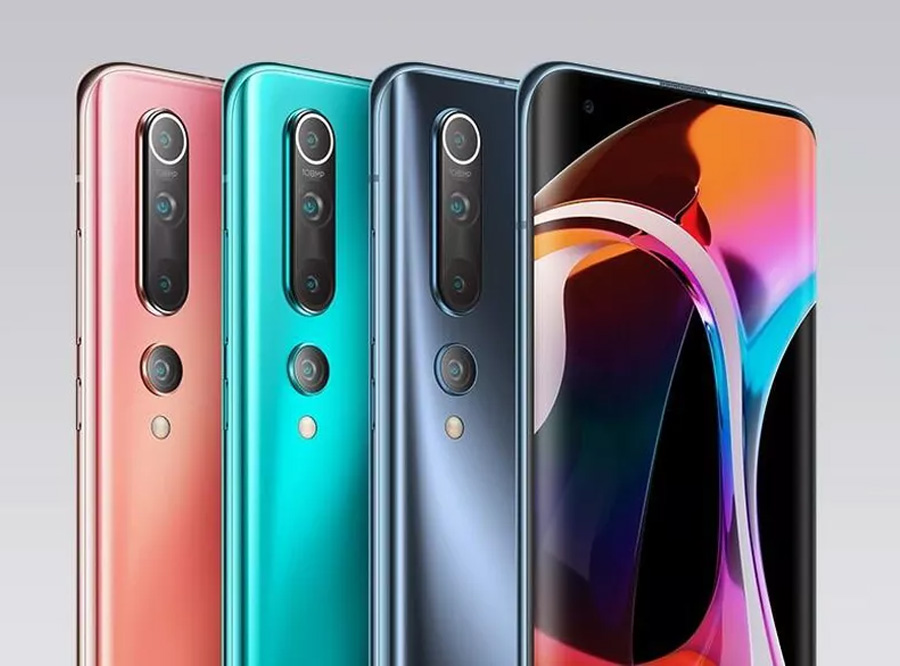
Xiaomi Mi 10 Global Version
Xiaomi Mi 10

For those unaware, the Chinese government had initially taken steps to curb the further spreading of the viral outbreak. This was mainly done by shutting down manufacturing sites and other places with a large number of workers. As of right now, Xiaomi has indicated that 80 to 90 percent of its production capacity in China has been revitalized, according to senior executives in a conference call.

Wang Xiang, the President of Xiaomi, also mentioned that “production was affected, but the pace of recovery has exceeded expectations.” Wang said that the effects of the COVID-19 have been lesser on the Chinese tech giant over its other rivals in major smartphone markets like India, Europe, and the US. Just last week, Xiaomi opened more than 1,800 retail stores in China, with 80 percent of its suppliers also have resumed operations.

Xiaomi Logo

Xiaomi is among many OEMs that had to suspend its production in India, after the local government issued a 21 day countrywide lockdown. Analysts are expecting smartphone shipments to fall during this time by about 50 percent, in comparison to Q1 of 2019. However, the overall Indian smartphone market may see a 4.2 percent decline this year in the worst case scenario.


(Via)

Xiaomi India pledges INR 15 Crore to fight Coronavirus Outbreak in the country

Last week, Xiaomi India announced the donation of N95 masks to the medical workers in the country who work tirelessly to fight the coronavirus outbreak. Now, once again, Manu Kumar Jain, the Managing Director of the Indian arm of the Chinese smartphone makers pledges a total amount of INR 15 crore for a couple of relief funds and NGOs to help the people in need.

India is the biggest market for Xiaomi outside its home country China and the company has been leading the smartphone market in this country for over two years now. Being a popular brand in the region, the firm has been donating to NGOs on a regular basis. Even now, when the COVID-19 virus outbreak begun in India, Xiaomi was the first smartphone brand to donate masks and hazmat suits.

Followed by that, the company now pledges a sum of INR 15 crore to fight the coronavirus in India. Out of the total amount, INR 10 crore will be donated to PM relief fund as well as CM relief funds of various states of the country.  Further, the company has partnered with an NGO called GiveIndia to raise INR 1 crore to make hygiene kits consisting of soaps, sanitizers, and masks available for 20,000 families.

Whereas, the remaining amount will be covered by donations made earlier and by 1000+ Xiaomi employees and partners who are requested to make donations to PM and CM relief funds. Also, Mr. Jain urges Mi Fans to donate for this good cause either on Mi.com or directly to the respective relief funds.


Xiaomi-backed Airstar virtual bank pilots its service in Hong Kong

AirStar, a virtual banking service provider backed by Chinese smartphone maker Xiaomi, has now announced the launch of a pilot program in Hong Kong. The company has revealed that the pilot trial for the service will be conducted within the Hong Kong Monetary Authority’s Fintech Supervisory Sandbox.

As a part of this pilot project, the company will be onboarding around 2,000 users on the platform, which will be employees of Airstar, Xiaomi Hong Kong and AMTD Group as well as their friends and family members. This will help the company gather user feedback and gauge requirements ahead of a full roll-out.

Airstar Bank

Airstar will be offering tiered-pricing savings deposits with an interest rate of up to 1% per annum for deposits between HK$500,000 and HK$1 million. Customers also have flexibility to customize the time deposit maturity dates, such as a 8-day, 19-day or 27-day time deposit. They can also terminate the time deposit anytime prior to maturity without any penalty or surcharge.

Unsecured lending products will also be available to customers with transparent pricing and the interest will accrue on a daily basis. The company says that customers can repay in advance without paying any handling fees.

Commenting on this development, Airstar’s spokesperson said, “Airstar strives to embrace innovation and financial inclusion, and promotes ‘Financial Innovation for Everyone’. We truly believe Airstar will be a valuable contributor to the banking industry in Hong Kong, and become ‘Everyone’s Bank’.”

Airstar Bank is a joint venture between Chinese electronics company Xiaomi and AMTD Group – Asia’s largest independent corporate finance and advisory house. It was among the eight firms to receive a virtual bank license from HKMA in 2019 and is the second to launch trials, following ZA Bank. It is expected to officially begin operations in July 2020.


Huawei HiLink Zhengtai Smart Power Strip with 22.5W Fast Charging support is up for Crowdfunding

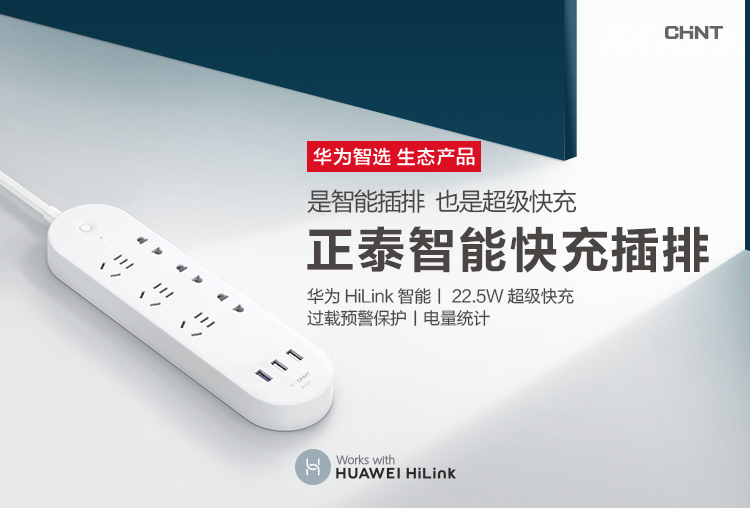
Huawei announces a new IoT product called ‘Huawei HiLink Zhengtai Smart Power Strip’ with support for 22.5W fast charging in China. It is already up for crowdfunding on the company’s official online store in the country for only 129 Yuan ($18).

The new power strip from the company comes with a total of 9 sockets including 3 USB ports, out of which only one in purple colour supports Huawei’s proprietary 22.5W fast charging technology. That means, this port can be used to fast charge a wide range of Huawei / Honor devices such as Mate 20 Pro, Mate 30, Mate Xs, P30 ProNova 5 Pro, Honor V30, MatePad Pro, and more. Whereas, the remaining two USB ports can be used for devices that require low power.

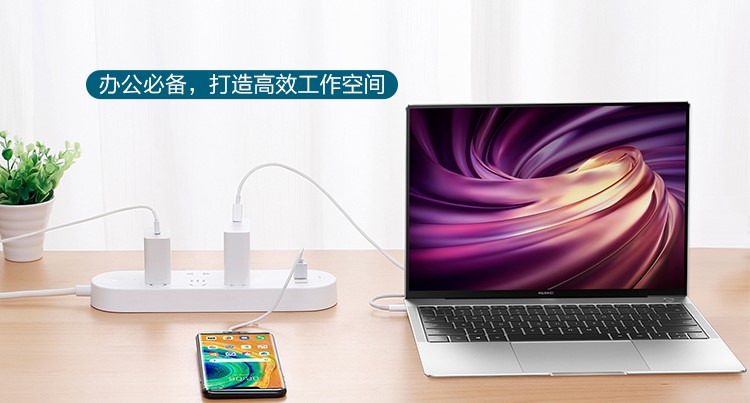
The other 6 normal sockets can be used to plug-in a variety of electronic products including household appliances. Additionally, as this power strip has a Huawei HiLink Certified Wi-Fi Module and runs the company’s IoT operating system called LiteOS, it can be controlled using a respective app on a smartphone/tablet along with voice control. Thus, non-smart home appliances can be made smart by plugging them into this power strip as it comes with a number of features including power management, remote switching with timer, and more.

With all these features, the power strip also comes with the necessary safety measures which make it withstand up to 850-degree Celcius. In a nutshell, apart from delivering power to the electronic products, it also acts as a hub for Huawei HiLink smart home ecosystem.


Xiaomi to announce 22 new products as a part of Mi Fan Festival to celebrate its 10-year anniversary

Xiaomi has announced that the company will be holding a new event on 3rd April and as a part of its Mi Fan Festival to celebrate the 10-year anniversary, it will be announcing 22 new products.

However, the company has not yet revealed what those products will be that will get launched on 3rd April for the Mi Fan Festival. To know, we’ll have to wait for the official event that will kick-off at around 02:00 PM local time in China.

Mi Fan Festival 2020

While the company has not revealed details about the upcoming products, we expect that Xiaomi will be launching several smart home products, a category which the company has been highly focused on.

This is a similar move from Xiaomi last year where the company had announced 20 new products as a part of its Mi Fan Festival 2019. However, do note that not all the devices are debuted but some of them have already been launched but might get relaunched at a crazy pricing for the Mi fans.

To find out what’s up the company’s sleeves this time for the Mi Fan Festival 2020, we’ll have to wait for the kick-off on 3rd April. The development comes just as the company is recovering from the disruption caused by coronavirus in China.


OnePlus CEO Pete Lau reveals performance details for the OnePlus 8 series

After months of leaks and reports, OnePlus has now confirmed that the upcoming OnePlus 8 series flagship smartphones will be officially launched on 14th April. Because of the coronavirus pandemic, the launch event will be hosted online.

Ahead of the launch of the OnePlus 8 and 8 Pro smartphones, the company has already revealed some of the key features of the upcoming devices. Now, in a new forum post, the company’s founder and CEO Pete Lau talks about improvements in the OnePlus 8 phones.

OnePlus 8 Series Performance

He confirms that the OnePlus 8 series will come powered by the Qualcomm Snapdragon 865 processor which promises 25 percent increase in CPU and GPU performance while reducing power usage by 25 percent.

Further, the chipset offers a 16 percent reduction in power consumption when shooting videos and a 40 percent increase in video noise pixel processing power. Pete says that its AI performance is at least twice as fast as its predecessor, thanks to the Hexagon 698 DSP, which also offers 35 percent better power efficiency.

As for the memory, the devices will come packed with LPDDR5 RAM for the first time in a OnePlus device. Its transfer rate reaches a blazing 6,400Mbps at a bandwidth as high as 51.2GB/s and 45 percent less power compared with the previous generation.

The devices use UFS 3.0 flash storage which is capable of dramatically raising read and write speeds to about 1,700MB/s. The company has also introduced Turbo Write and Host Performance Booster to further increase the performance.

Turbo Write uses the upper section of the ROM’s storage as a high-speed read/write interval, allowing each read/write to enter high-speed buffer, and then proceed to the next command of data transfer. On the other hand, HPB (Host Performance Booster) can further improve the random read performance after extended use.

OnePlus had previously confirmed that its flagship smartphone will come with the newly announced 120Hz refresh rate display. The devices will also have support for the 5G communications technology, in line with other flagships in the market.

(Source)

Xiaomi and OPPO hikes pricing in India as increased GST rate takes effect

A couple of weeks ago, the Indian government announced that mobile phones will fall under 18 percent GST slab, increasing the tax rate by 50 percent. Previously, the GST rate for mobile phones was set at 12 percent in India.

While several industry leaders complained about the change and requested the government to reconsider the decision, there has been no change yet. As the new tax rate takes effect from today, i.e. 1st April, smartphone manufactures have now increased pricing in India.

Xiaomi Logo

Xiaomi has announced that the pricing for Mi and Redmi branded smartphones in India has been increased following the 50 percent hike in GST. The company says that it has no choice other than hiking the prices of their products with the new GST rates in place effective today.

The company also cited the continuous depreciation of the Indian rupee against the US dollar as one of the reasons to hike pricing. Xiaomi has said that the newly updated pricing will soon appear for devices on Mi.com.

Another smartphone brand that increased pricing is OPPO but the company has not yet officially announced this move. As per the report, it has started notifying dealers and partners across the country about its plan to increase pricing.

It seems that the company could not have picked up the worse day to announce this price hike given that today is April Fool’s day and many will consider this announcement from Xiaomi to be a joke. But, to be clear, this is not a joke and the prices for Xiaomi’s smartphones have gone up on Flipkart.


(Sources — 1, 2)