Nokia did hint earlier today that it has some surprises line out for its product launch event scheduled to hold in London on March 19. We are not too sure but the Nokia 9.2 PureView may be one of the surprises. Even if it isn’t, Nokia is expected to unveil a next-generation model of the Nokia 9 PureView that was launched last year packing a spectacular Penta-camera design.
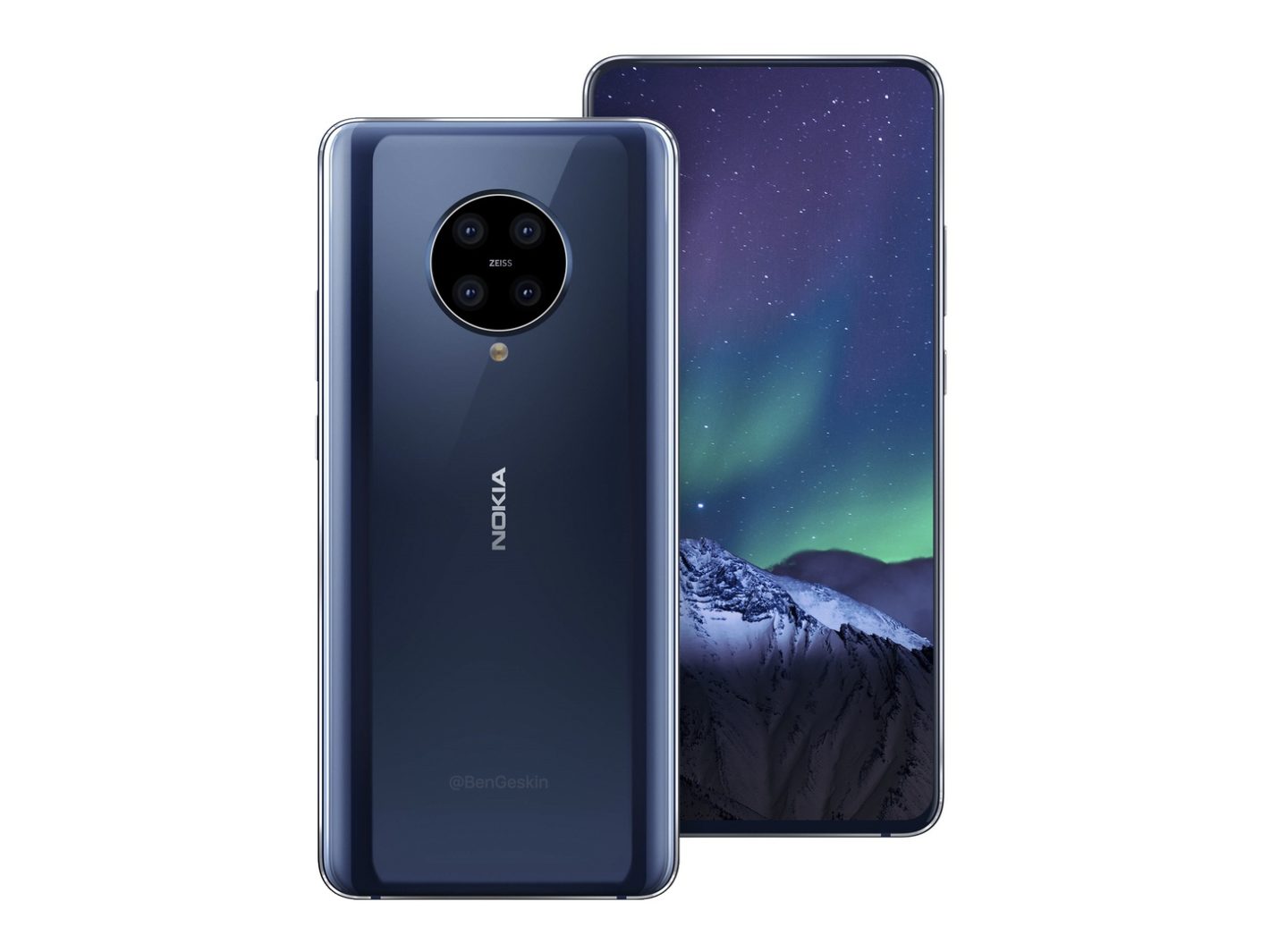
Popular concept creator Ben Geskin has dished out a cool concept design said to be that of the Nokia 9.2 PureView, a successor to the Nokia 9 PureView. The design is basically a product of Geskin’s imagination and isn’t based on leaks or anything of that sort. However, the design draws inspiration from the Nokia 9 PureView.
The moniker falls in line with rumours that Nokia will skip calling the next model Nokia 9.1 PureView for some unknown reasons. Such rumors have been popping up online for quite some time now. The Nokia 9 PureView was announced back in February last year, but its successor still has not arrived.
Talking of the design, the concept envisions a device with a full-screen design with perfect symmetry. That means there will be no notch and there is no sign of a hole-punch either. The 9.2 PureView is envisioned to feature an under-display selfie shooter, something that is yet to find its way into any smartphone. A Xiaomi exec recently said that under-display cameras are not yet ready for primetime. On the bright side, Vivo utilised the under-display camera design on the APEX 2020 Concept phone that was unveiled last week. So, the display design may go commercial this year. We’ll see what happens.
All the physical keys are located on the right-hand side of this concept smartphone. The backside of the device reminds us of the Nokia 9 PureView but there are only four camera sensors housed in a round module. The camera module protrudes on the back, and below it, you’ll notice an LED flash. Nokia’s logo is also placed on the back and the panel also has curved edges.
The concept creator didn’t reveal any details of the specs but the Nokia 9.2 PureView should pack a Snapdragon 865 processor. The phone will also include a large RAM and ZEISS optics as well as Android 10 OS.
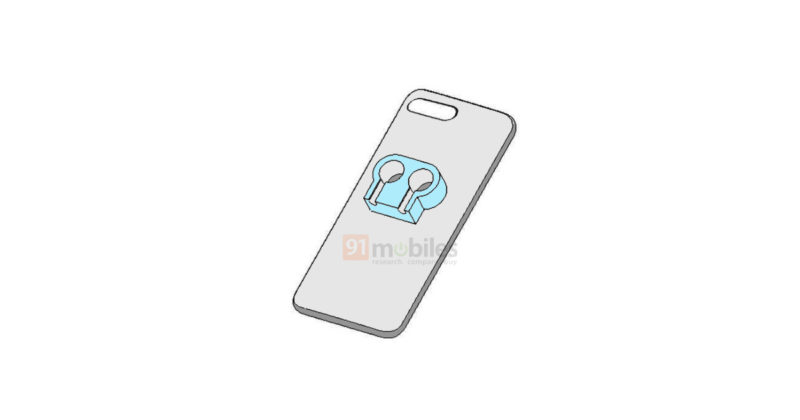
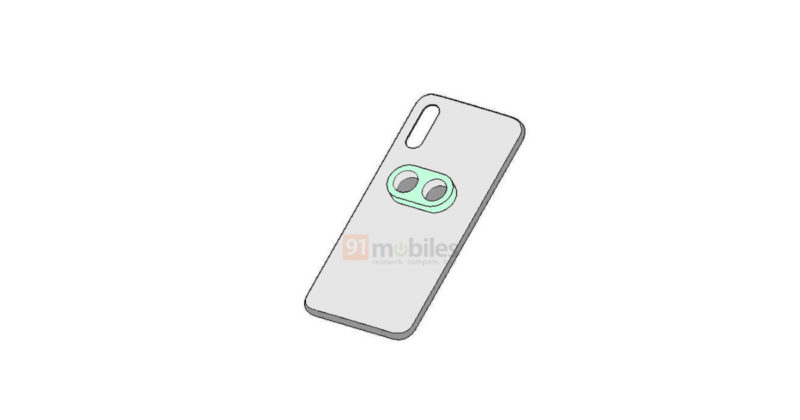
Xiaomi has filed a design patent application before China Intellectual Property Association (CNIPA). The patent which was first uncovered by Indian blog 91Mobiles shows the company may be working on something spectacular and interesting. The patent points to a new design for an accessory that would charge your true wireless earbuds using a smartphone. The solution will utilise the reverse charging feature of smartphones but this time around, it will be entirely wireless.
The patent description reads, “This appearance design product is a mobile phone accessory, which can be installed on the mobile phone, used to store the earphone, and charge the headset.” From the description, we can grab that the device will be a phone case with a holding bay at the back which could serve as a storage case for the pair of earbuds. The case can also be used to charge the earbuds while inside. The only way this can happen is via reverse wireless charging.
At present, there is no Xiaomi phone that supports such a function. So, it is unlikely that this peripheral device will be released for the current models of Xiaomi AirDots earbuds and smartphones. The likely scenario is that the company will release a smartphone with reverse charging support as well as earbuds which support wireless charging.
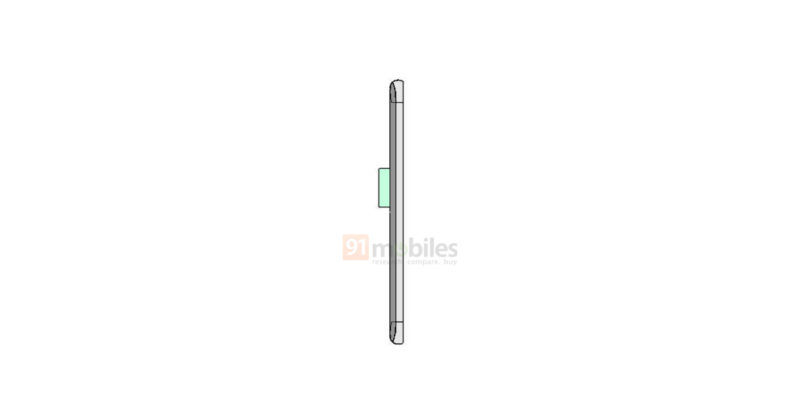
Of course, if we are to comment on the schematic design, we think the phone case will lose its ergonomic appeal if there is a hump at the back where the earbuds would be housed. It’ll be difficult to move around with the phone with such a protrusion. But then, it is likely a removable pouch that you can take off and put back on when there is need to charge the earbuds which are always in the ears of those who use it as their daily drivers. In another light, this is just a patent and may never see the light of day.
With the Galaxy S20 series out of the way, Samsung has turned its attention towards new models for the Galaxy A and Galaxy M Series. The world’s number one phone company is expected to announce some new mid-range phones soon and one of them is the Galaxy M21.
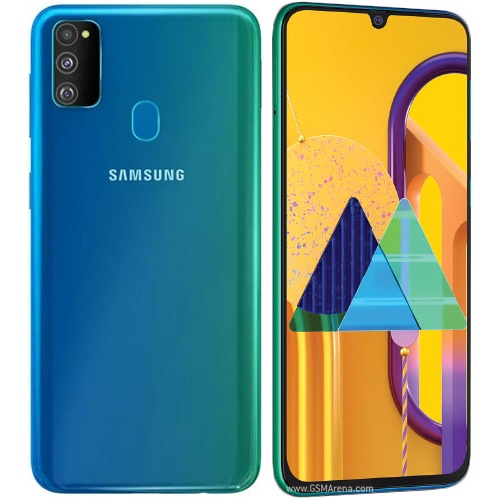
The phone already received its Bluetooth certification and was also spotted on Geekbench recently. Now, more details have surfaced about its specs; and according to 91Mobiles, the M21 will have the same specs as last year’s Galaxy M30s.
The Galaxy M21 is reported to have the same specs as the Galaxy M30s pictured above
The Indian tech blog says their source is Ishan Agarwal, the teenage leaker. Ishan revealed to them that the upcoming Galaxy M21 will share similar specifications to the Galaxy M30s. These specs include its Exynos 9611 processor, 6000mAh battery capacity, and 48MP triple rear cameras.
The Galaxy M30s was announced six months ago. We are not sure how Samsung wants to convince folks to buy the Galaxy M21 since it is practically just a renamed Galaxy M30s. The only thing we can think of is if the M21 is available in different configurations from the M30s. The M30s comes in two variants – 4GB + 64GB and 6GB + 128GB. Samsung may decide to launch the M21 with 4GB of RAM + 32GB of storage and also add a 3GB RAM + 32GB version.
The Galaxy M21 will run Android 10 out of the box with One UI 2.0 on top. There is no info on a release date yet.
Ishan also revealed that Samsung is working on two new Galaxy M -series phones called the Galaxy M01 and Galaxy M01s. These two phones should be entry-level devices like the Galaxy A01.
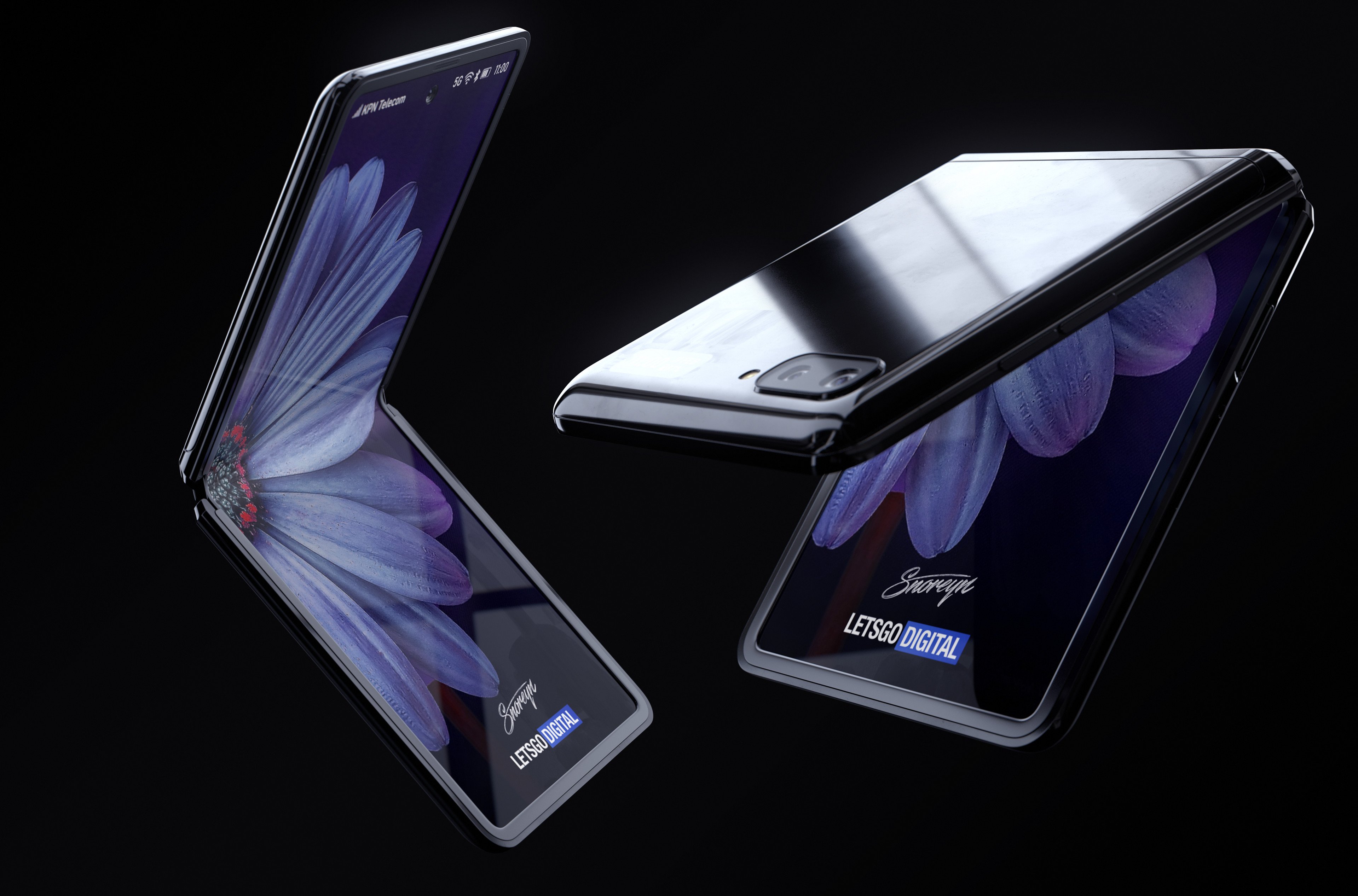
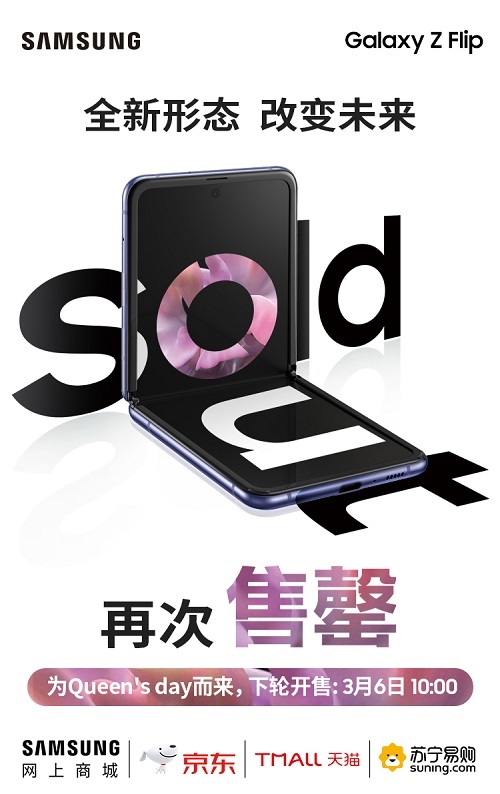
After the Galaxy Z Flip was announced in Europe, Samsung took the wraps off the device alongside the Galaxy S20 series in China on February 27. The Z Flip went on sale the same day and was sold out instantly. Samsung again made the Galaxy Z Flip foldable phone available in China again and reports indicate that the model was sold out in just 30 minutes.
If Samsung was told the Z Flip would receive such wild patronage, the company may have had doubts. The flip design seems to have received approval from most fans as the foldable design they prefer. The Galaxy Z Flip comes with a staggering 11,999 Yuan (~$1,712) price but that has not dissuaded many people. The phone is sold via Samsung’s official website and major e-commerce platforms in China. The device is presently available for reservations on several e-tailer channels including Jingdong and would go on sale yet again on March 6.
As a reminder, the Galaxy Z Flip is a 4G device with 8 GB of RAM and 256 GB of storage. The clamshell phone packs a 6.7-inch flexible OLED panel with 22:9 aspect ratio, Full HD+ resolution of 2636×1080 pixels and 425ppi. It has an outer 1.1-inch secondary display which can be used for checking notifications.
The flip phone is powered by a Snapdragon 855+ and keeping the lights on is a 3,300mAh battery. The phone packs a 10-megapixel selfie camera housed in a hole-punch on the screen. At the rear,m there is a 12-megapixel + 12-megapixel dual camera setup. It comes in colors like Pandora Purple, Cyber Black and Sahara Gold.
AnTuTu also published its ranking of the top 10 most-powerful midrange smartphones for February 2020. Unlike the ranking for the month of January that saw a rich blend of mid-range SoCs slugging it out on the models that make up the top 10, this time around only five mid-range processors is contenders. The Redmi K30 4G and OPPO Reno2, both powered by a Snapdragon 730G SoC were edged out.
The OPPO Reno3 5G powered by a MediaTek Dimensity 1000L processor maintained its lead of this category with an average score of 409380 points. The second spot is retained by the Exynos 980-powered Vivo X30 5G ut the distance between the first and second-ranked model is more than 80,000 points, showing the prowess of the Dimensity 1000L. The Dimensity 1000L is built with a 7nm process and uses the Cortex-A77 architecture in an octa-core arrangement. The GPU uses the G77 architecture and the SoC also comes with built-in 5G baseband. The chipset equally supports NSA / SA dual-mode 5G.
At the third spot is the Redmi K30 5G packing a Snapdragon 765G processor. OPPO’s latest Reno3 Pro 5G enters at the fourth spot and as the last 5G model in the midrange category.
Huawei’s Hisilicon Kirin 810 chipset propelled five different Huawei and Honor models into the list. The phones include the Honor 9X Pro, Huawei Nova 6 SE, Honor 20S, Honor 9X and the Huawei Nova 5, all occupying the fifth to ninth spots respectively.
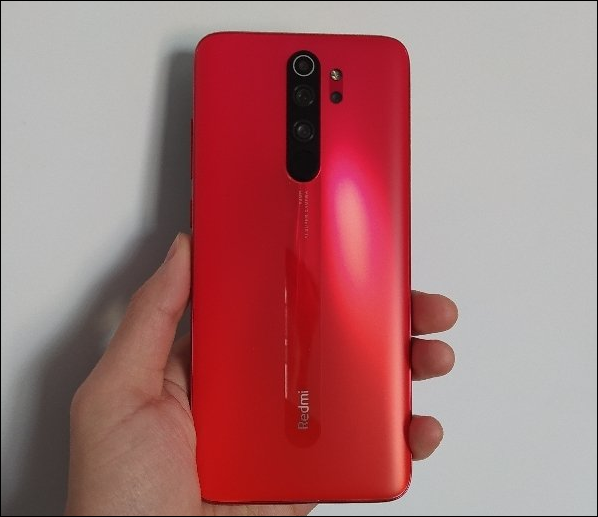
Another MediaTek chipset, the Helio G90T makes the cut onboard the Redmi Note 8 Pro and with an average score of 289936 points.
The top 10 ranking only has four different 5G smartphones onboard. With the rising number of 5G mid-range phones that are being released including some late last month like the Vivo Z6, we expect the list to be dominated by only 5G phones pretty soon.
You must have come across Wi-Fi 6 a number of times in the past couple of months. Wi-Fi 6 (IEEE 802.11 AX) is the new wireless standard just as 5G is the new network standard. This post will try to explain all you need to know about the new wireless standard in the simplest way possible.
What is Wi-Fi 6?
Wi-Fi 6 is the latest wireless technology that brings significant improvements to the wireless standard. It was created as a solution to our increasing needs for data connectivity and bandwidth requirement as there are now more devices that need to be connected to the internet.
How fast is Wi-Fi 6?
Wi-Fi 6 is way faster than Wi-Fi 5. Its speeds can reach up to 9.6Gbps compared to Wi-Fi 5’s 3.5 Gbps. These speeds are the maximum for both wireless standards but you most likely will never reach those speeds in real-world usage.
How is Wi-Fi 6 (802.11 AX) different from Wi-Fi 5 (802.11 AC)?
Speed isn’t the only difference between Wi-Fi 6 and WiFi 5. Its greatest strength is its capacity to support more devices while keeping the speeds up. Wi-Fi 6 supports 4x the bandwidth than Wi-Fi 5, so all the additional devices that are now connected to your network do not slow down your network speeds.
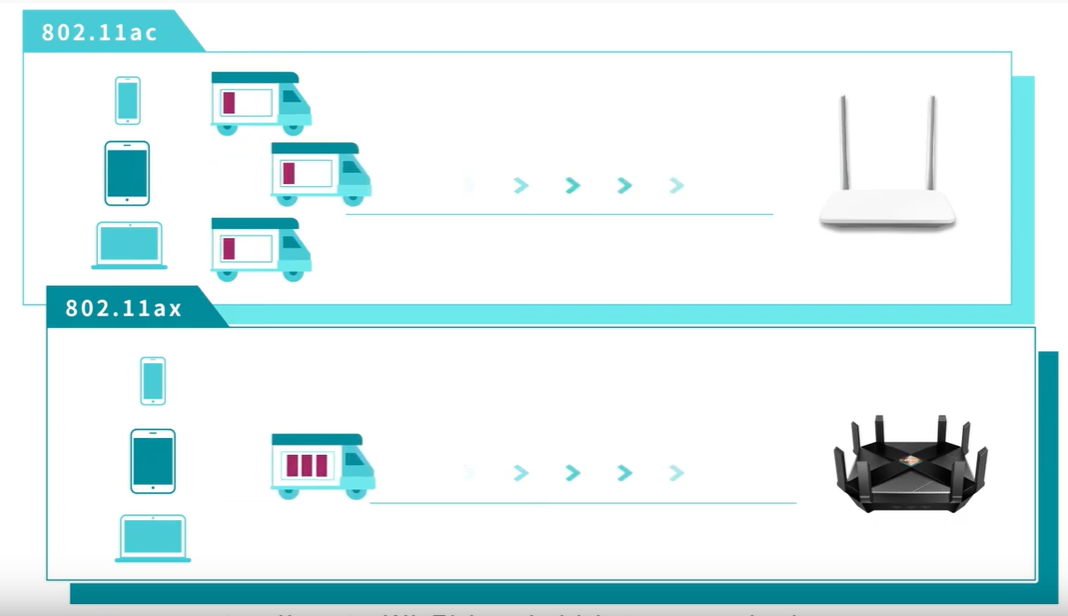
One pretty straightforward way the benefits of Wi-Fi 6 is explained is by using trucks and highways. Think of Wi-Fi 5 as a road with one lane for vehicles going in one direction and another lane for vehicles going in another direction. For Wi-Fi 6, you have more lanes for each direction. This means even with more cars on the road (read more devices on the network), the fact that there are more lanes, means speeds are not reduced.
Wi-Fi 6 is able to achieve this thanks to two new technologies – MU-MIMO (Multi-User, Multiple-Input and Multiple-Output) and OFDMA (Orthogonal Frequency Division Multiple Access).
MU-MIMO (8 x 8) is explained by using delivery trucks. MU-MIMO on Wi-Fi 5 allows routers to connect to 4 devices at a time (even if there are more) but with Wi-Fi 6, the number of devices is increased to 8. So it is like having more trucks going to deliver goods to your customers.
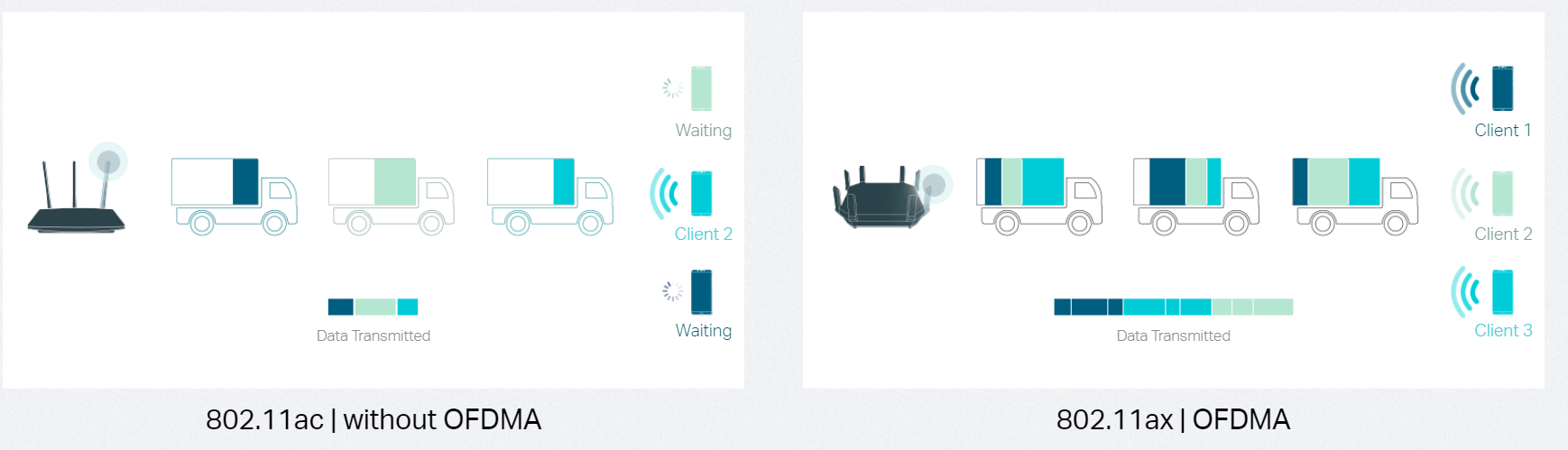
OFDMA even takes it further. Bringing back the analogy of the trucks, OFDMA allows a truck to carry goods (data packets) to multiple locations (devices) at the same time. The image below should help you understand better.
While discussing how Wi-Fi 6 differs from Wi-Fi 5, we have mentioned some of its advantages such as speed, support for more devices without sacrificing speeds, as well as efficiency but there are more.
Security: Wi-Fi 6 brings a new security protocol called WPA3 (Wi-Fi Protected Access version 3) which replaces WPA2. WPA3 encrypts the connection between your device and the access point it is connected to. It also protects against brute-force attacks even if your Wi-Fi password is weak. WPA3 is not new as some current non-WiFi 6 devices and routers support it but with Wi-Fi 6, it is now a requirement.
More Data with 1024-QAM: Wi-Fi 6 connections are able to carry more data thanks to 1024-QAM which is also 25% faster than Wi-Fi 5’s 256-QAM.
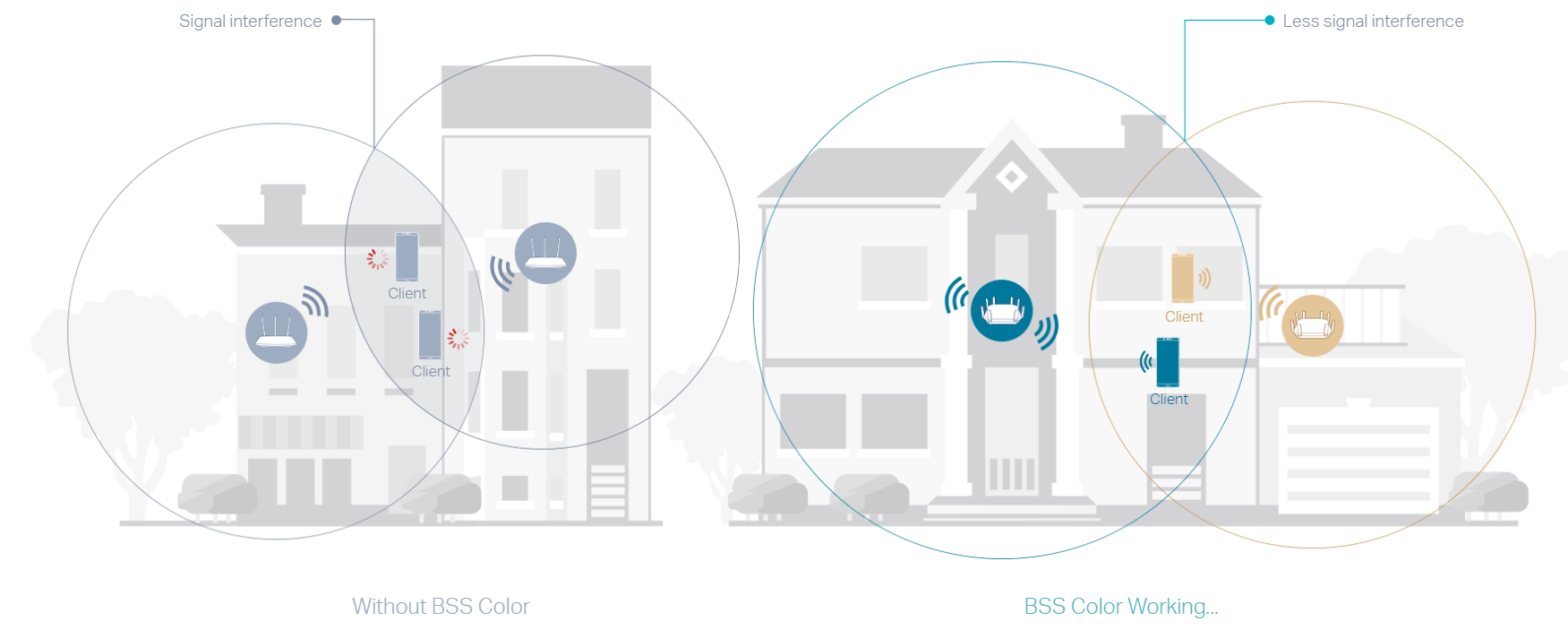
No more Wi-Fi conflicts thanks to BSS Color: You know how there can be interference from neighboring connections, Wi-Fi 6 solves that with what is called BSS (Sase Service Station) Color. What it does is it marks other networks and causes the router to ignore them.
Image source: TP-Link
Improved battery life: With Wi-Fi 6, battery consumption is reduced thanks to a feature called Target Wake Time. What this does is it creates a schedule when devices check-in with a router. That way, a device doesn’t have to be awake all the time if there is no need to.
How Do I get Wi-Fi 6?
To get Wi-Fi 6, you need to get a device that is Wi-Fi 6 certified. Devices that are certified will have the logo below.
It is important that you know that you need both a Wi-Fi 6 device and a Wi-Fi 6 router to enjoy the benefits Wi-Fi 6 brings. This is the same way one will have to purchase a pair of headphones that connect via Bluetooth 5.0 and having a phone that has Bluetooth 5.0 for you to be able to enjoy the benefits of Bluetooth 5.0.
It is important that you remember that you will also need to get a Wi-Fi 6 router such as Xiaomi’s Mi AIoT Router AX3600.
As more devices launch, Wi-Fi 6 should become more popular but do not expect all phones to come with the new wireless standard. That said, most flagships should have it.
OnePlus released a teaser for an announcement a few days ago. Prior to the release of the teaser, the official OnePlus UK twitter account had stated they were working on a project that is neither a phone nor a commercial product. Fast forward to today and OnePlus has announced “Snowbots” which are actually snowball-firing robots that are controlled by 5G phones. Doesn’t sound exciting? There is more.
OnePlus didn’t just make robots that fire snowballs. It has actually organized a snowball fight, one that you can partake in from the comfort of your home, or if you are lucky, you can be one of 18 people chosen to fly to Lapland, Finland, to witness the battle in person.
The snowbots are actually powered by OnePlus 5G phones. To partake in the Snowbot Battle, all you need is a phone with a good Wi-Fi connection or 5G network. You will get one chance to control one of four snowbots in Lapland in a team battle. The snowbots actually fire at over 120mph according to OnePlus.
The battle begins at 2PM (Finnish time) on March 9 and runs till midnight on March 12. The battle will go on 24 hours a day, so everyone gets a chance to play.
There is a queue system, so the earlier you register, the better. You will also need to be ready as it may be your turn to play at any time.
If you do not mind a trip to Finland with a friend, all you have to do is post your response to the questions below in the official thread created for the competition:
Why I want to experience Snowbots in Lapland:
Who my friend is:
Which European country we’re from:
To be selected, you must meet the following conditions too:
You must live in Europe
You must be available to travel to Finland from March 8 to March 10
OnePlus says you only have 24 hours to enter. The deadline is 11 AM GMT, so hurry.
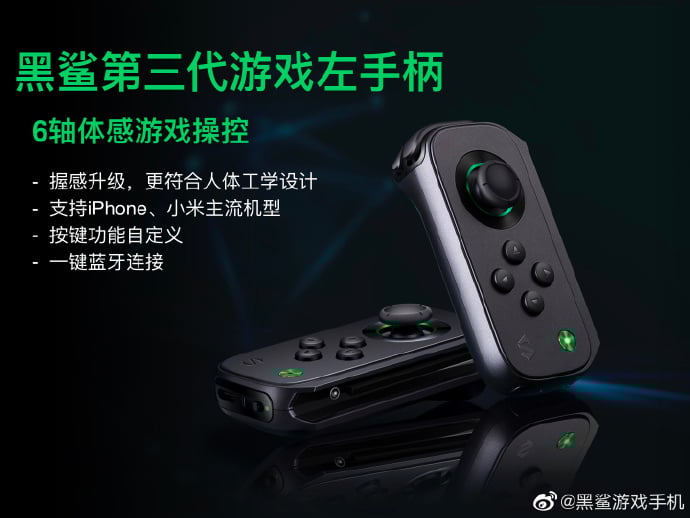
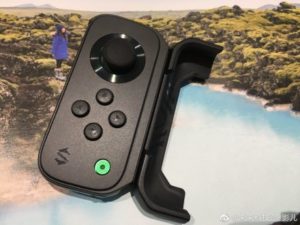
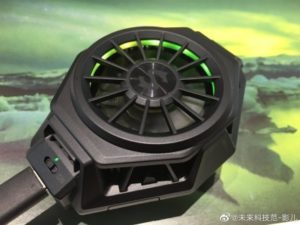
Apart from the Blackshark 3 and 3 Pro gaming smartphones that were the star products of the night during Blackshark‘s launch event today, the company equally announced a couple of accessories for its gaming smartphones. The accessories include a third-generation version of the Blackshark Gamepad, a Bluetooth gaming headset and a clip-on fan which is the same as the Xiaomi Clip-on external cooling fan for smartphones that was launched in mid-February but in black and look premium than the white version Lei Jun unveiled.
The gamepad is the third generation model after the Blackshark Gamepad 1.0 which was released alongside the Blackshark and the Gamepad 2.0 released with the Blackshark 2. The Gamepad 3.0 left side version features almost the same design as its predecessor. The design is upgraded to provide better grip feel and improve the ergonomics. The buttons are arranged in the same format as its predecessor. That is, it has a joystick at the top with 6-axis somatosensory game control. There are also four gameplay buttons that are mappable. You also get a function button at the bottom which is used to activate the Bluetooth. There is an indicator light on the button to show the Bluetooth is active.
The Bluetooth Gaming Headset is the first wireless headset from Blackshark. It offers a durable battery life with an amazing 14 hours of music playback. The headset equally comes with colourful RGB light effects that become active when it is in use. It brings Bluetooth 5.0 support.
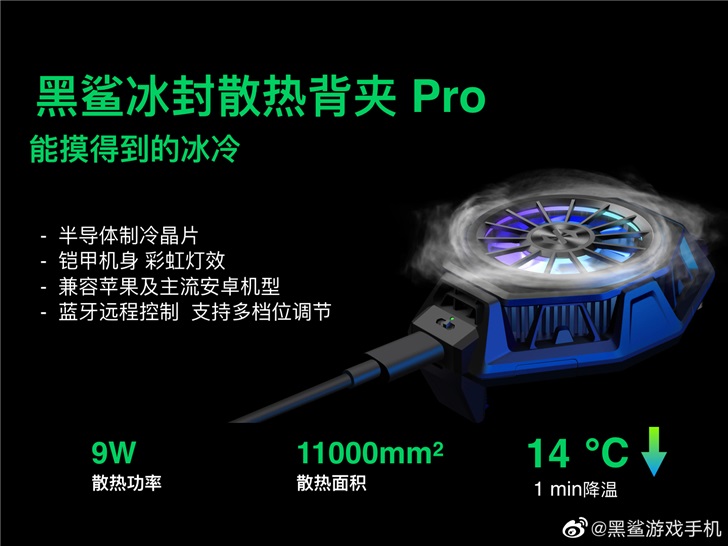
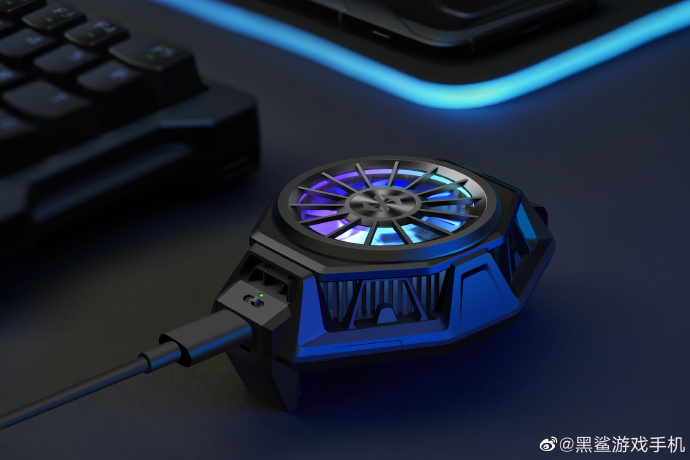
The Blackshark Frozen Back Clip Pro is perhaps the most fascinating peripheral that was announced. The device uses a semiconductor cooling chip, an armoured body design, an RGB light effect and is compatible with Apple and mainstream Android models. It equally supports Bluetooth remote control and supports multiple gear adjustments.
The cooling power of the Frozen Back Clip Pro reaches 9W and the heat dissipation area is 11000mm2. Blackshark claims it can cool down a hot device to 14 degrees Celsius in 1 minute. In addition, a demonstration of the workability of the Clip Pro showed the cooling effect after 10 minutes brought the surface temperature to -13.9 degrees Celsius and a layer of frost was formed.
As for the prices, the Black Shark Frozen Back Clip Pro is priced at 179 yuan ($25) while the Black Shark Gamepad 3.0 comes in at 199 yuan ($28). Blackshark is yet to announce the price of the Bluetooth gaming headset.
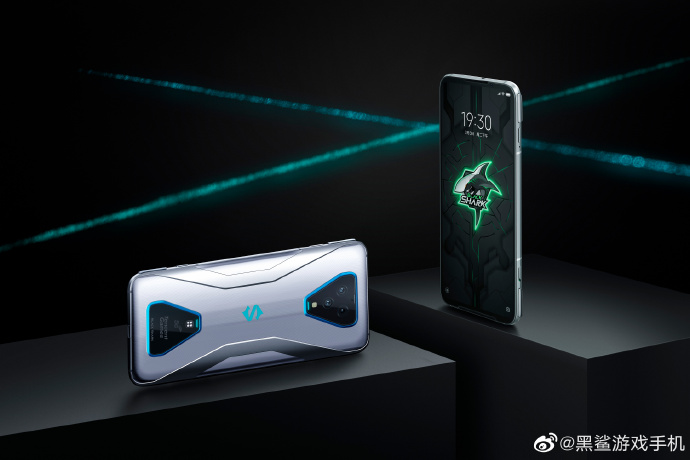
Black Shark has never failed to surprise us with their gaming flagships. Traditionally, the company used to release a gaming device at the start of the year and then an updated version in the second half of the year. However, today, the company disrupted its release cycle by announcing a regular version as well as a Pro version in its Black Shark gaming lineup. So China gets two new Black Shark gaming phones: the Black Shark 3 and the Black Shark 3 Pro.
Let’s take a close look at both these devices.
Black Shark 3 Pro Design
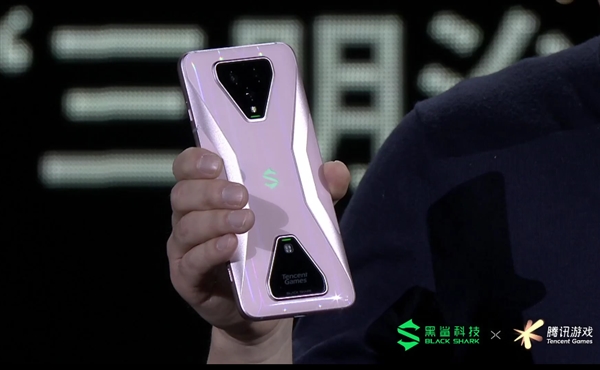
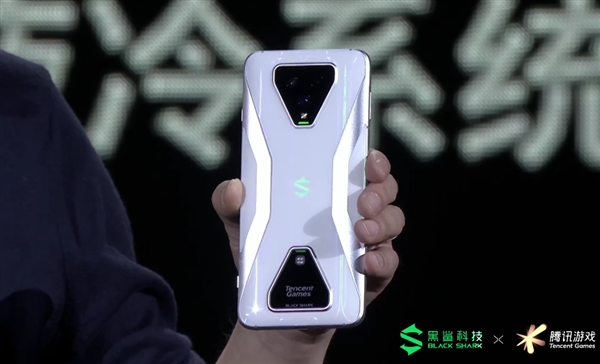
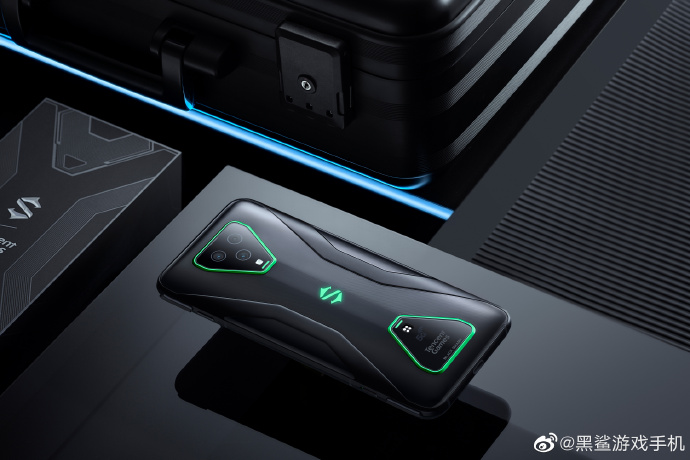
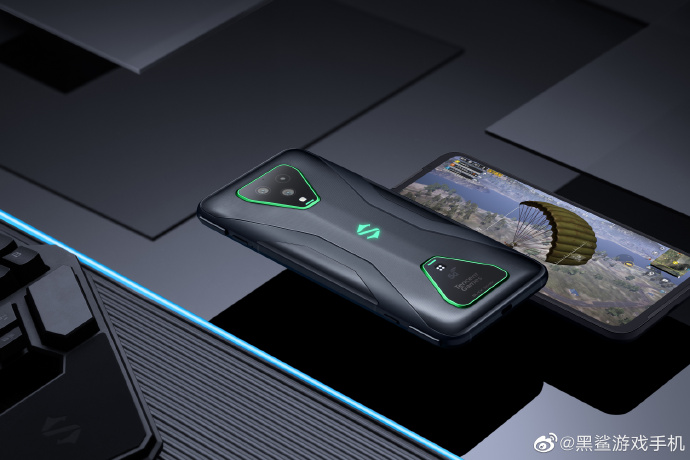
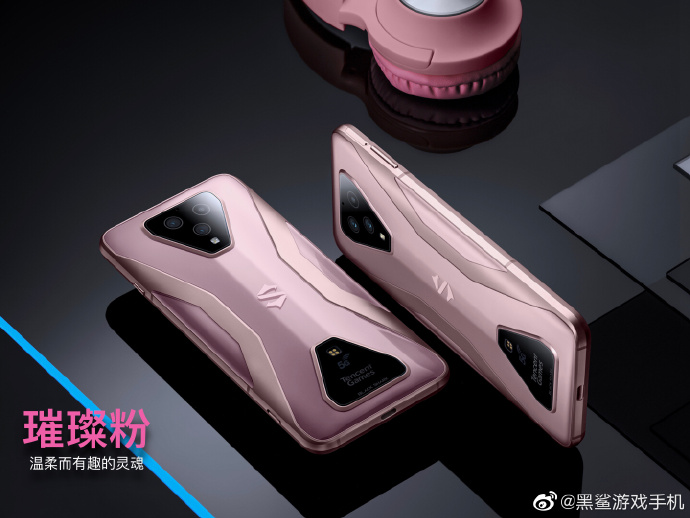
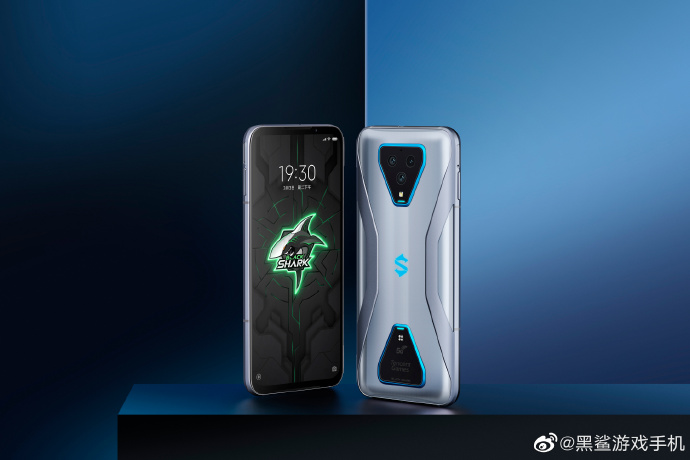
Both the new models continue with the brand’s X themed design, with sharp geometrical curves and grooves on the back. The biggest change in the Black Shark 3 lineup is the redesigned triangle camera housing. The company continues to opt for a symmetrical design philosophy, so you get a matching triangle-shaped design at the bottom half of the back as well.
There are several important upgrades in the Black Shark 3 lineup’s design. First up, you have a new Tencent Games and 5G logos on the bottom half of the two devices. The company has partnered with Tencent games to optimize gameplay on both these devices. So the Black Shark 3 and 3 Pro models feature Tencent’s SolarCore Gaming Acceleration Engine in addition to Black Shark’s own Gaming Engine.
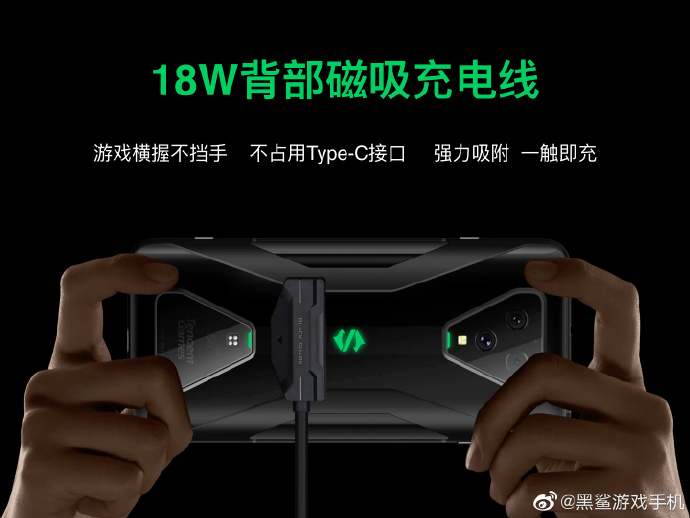
Black Shark magnetic 18W charging
There are three cameras at the back of the device, and in case you are wondering, the Black Shark 3 lineup gets rid of a telephoto sensor in favor of an ultra-wide-angle sensor. The third sensor is a dedicated depth of field shooter. Both the models get a dedicated 3.5mm headphone jack and feature special magnetic pins (capable of 18W charging).
1 of 2
Black Shark 3 Pro tactile buttons
Black Shark 3 No buttons
The biggest difference between the two models in terms of design is the presence of two tactile physical buttons on the right side of the Pro variant which the standard variant lacks.
Black Shark 3 Pro Specs
The display gets a massive upgrade on both the models. Instead of the 6.39-inch AMOLED screen on the Black Shark 2 Pro, the new Black Shark 3 features a 6.67-inch AMOLED panel with the industry’s first 270Hz touch sampling rate. This combined with a 24ms touch response time and a 28ms multi-finger touch response time ensures that you face minimal touch lags during gameplay. The touch panel refreshes at 90Hz, ensuring smooth scrolling and animations.
The Black Shark 3 Pro model takes things to another level. It comes with a tablet-sized 7.1-inch AMOLED panel with a Quad HD+ 3120 x 1440p resolution display. It’s nearly the size of Mate 20 X’s massive screen but with a higher resolution! Clearly, the Black Shark 3 Pro has one of the best displays for mobile gaming.
As for the other specs, both the models feature the new Snapdragon 865 flagship processor with up to 12GB of LPDDR5 and 256GB of UFS 3.0 storage. Sadly, iQOO seems to be the only brand that has updated its top-end lineup to UFS 3.1. The rest of the brands, including Xiaomi’s Mi 10 Pro 5G continues to feature UFS 3.0 standard as last year.
Both the models feature 5G and Wi-Fi 6 and there’s a special mode that can combine both these connections to increase bandwidth.
Black Shark 3 Pro Gaming Features
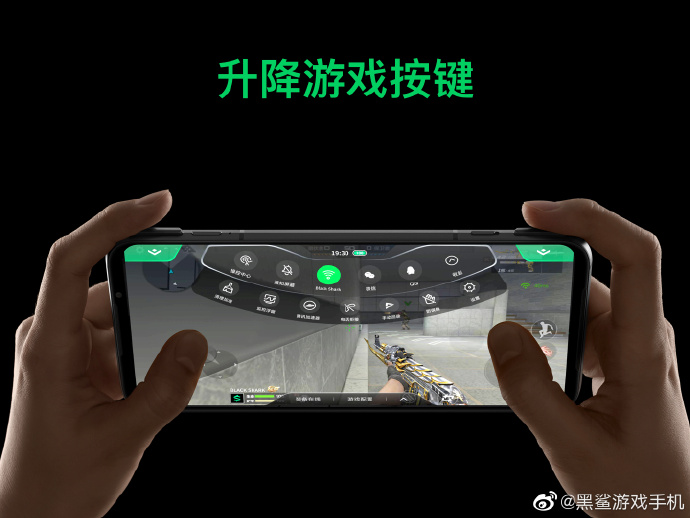
As mentioned above, the Black Shark 3 Pro features two mechanical gaming buttons on its right side. Black Shark explains that each of these buttons is 21mm long and features a 1.5mm keystroke. They are good for over 1 million clicks. Unfortunately, the standard variant skips on these buttons. The Pro variant also gets horizontal linear motors for better tactile feedback during gameplay.
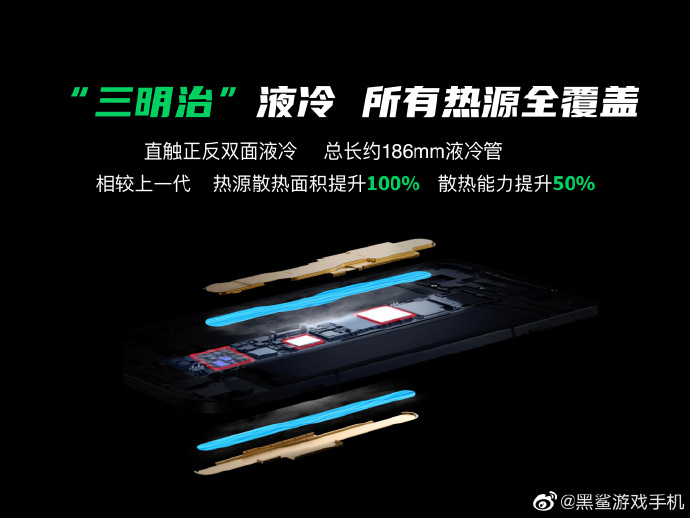
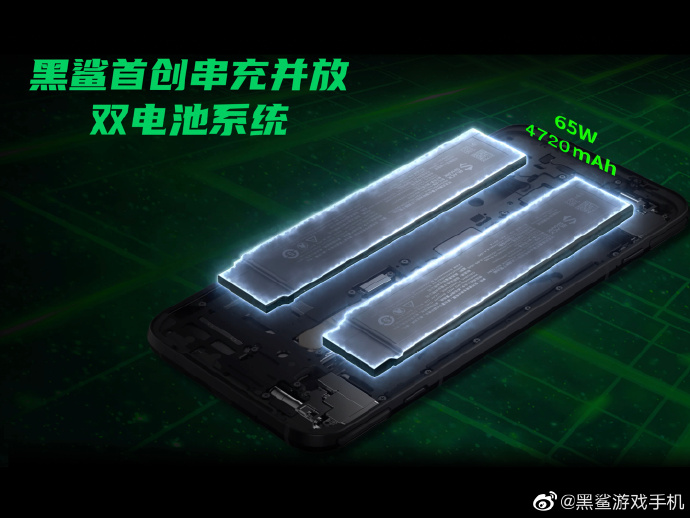
The rest of the gaming-centric features are common to both the models. This includes a special liquid “Sandwich Cooling system”. Black Shark explained at the event that its new models employ a dual-battery design with a 116mm motherboard in between. The company has placed heating components like the CPU and 5G modems as far apart as possible. In fact, the company claims that the distance between the two units on the motherboard is nearly 39mm.
Blsck Shark 3 cooling
In addition to this, the Black Shark 3 models feature two 100mm liquid cooling units placed on the two sides of the motherboard. This creates a sandwich design and now you know how this cooling design gets its name. Further, there’s graphite coating on the two cooling units as well. If this wasn’t enough, Black Shark is also selling a clip-on ice-cooling external fan for the device, similar to what we saw for the Mi 10 series.
There’s also a special voice control feature that allows you to initiate actions during gameplay. For example, if you call out “grenade” while playing a game like Arena of Valor, the player will throw out grenades. We are not sure of how exactly this works but we expect limited games to support this.
Black Shark 3 Pro Cameras
Cameras were never the selling point of gaming smartphones but the new Black Shark 3 lineup adds a couple of upgrades in this department. Note that the setup is identical on both the models.
The primary camera gets upgraded from 48MP to 64MP. The two models ditch the telephoto shooter from the Black Shark 2 Pro and add two sensors: A 120-degree ultra-wide-angle shooter of 13MP and a dedicated 5MP depth of field sensor.
Black Shark 3 Pro Battery
The Black Shark 3 features a 4720mAh battery with 65W fast charging while the Pro version increases the battery size to 5000mAh with the same fast charging tech. Incredibly, despite featuring a larger battery, both models take the same time to charge to 100%. So you can charge the two models up to 100% in just 38 minutes!
Black Shark 3 5G dual batteries
Black Shark 3 Pro Pricing & Availability
The Black Shark 3 Pro pricing is as follows:
8GB RAM + 256GB ROM – 4699 yuan (~$674)
12GB RAM + 256GB ROM – 4999 yuan (~$717)
Black Shark 3 Pricing is as follows:
8GB RAM + 128GB ROM – 3499 yuan (~$502)
12GB RAM + 128GB ROM – 3799 yuan(~$545)
12GB RAM + 256GB ROM – 3999 yuan (~$573)
It is worth noting that the 12GB RAM + 128GB ROM variant of the Black Shark 2 Pro started at a much cheaper $430 price tag. So the new series definitely takes a big leap in its pricing.
The Black Shark 3 model goes on sale for the first time on March 6, while the Pro variant will go on sale much later on March 17 in China.
Update: The post was corrected to reflect that Moto G8 Power Lite looks like the Moto G Power and not the Moto G8 Power.
Last month, Motorola announced the Moto G power in the US and the Moto G8 Power in the UK. Both are mid-range phones with a Snapdragon 665 processor and a 5000mAh battery capacity. However, the former has three rear cameras while the latter has a quad-camera setup on the rear. Last week, it was revealed that Motorola was working on another version called the Moto G8 Power Lite.
The leak revealed this “Lite” version swaps the Snapdragon 665 processor for MediaTek’s Helio P35 chipset while keeping the 5000mAh battery capacity.
Press renders of the upcoming smartphone have now leaked and they show that Motorola will be retaining the design of the US’ Moto G Power.
The images of the Moto G8 Power Lite were posted on Twitter by Roland Quandt (@rquandt). The device has a hole in the top left corner of its display. It also has three rear cameras arranged vertically and a fingerprint scanner. The inscription beside the camera housing reveals the phone has an ultrawide camera and a macro camera paired with the primary sensor.
[envira-gallery id=”308278″]
The images also show the Moto G8 Power Lite has an audio jack at the bottom, to the left of the USB port. The textured power and volume control buttons are on the right while the SIM tray is on the left.
There is still a lot we do not know about the Moto G8 Power Lite but we presume it will come with less RAM and storage than the Moto G Power which has 4GB of RAM and 64GB of storage. We also expect it to be slightly cheaper.
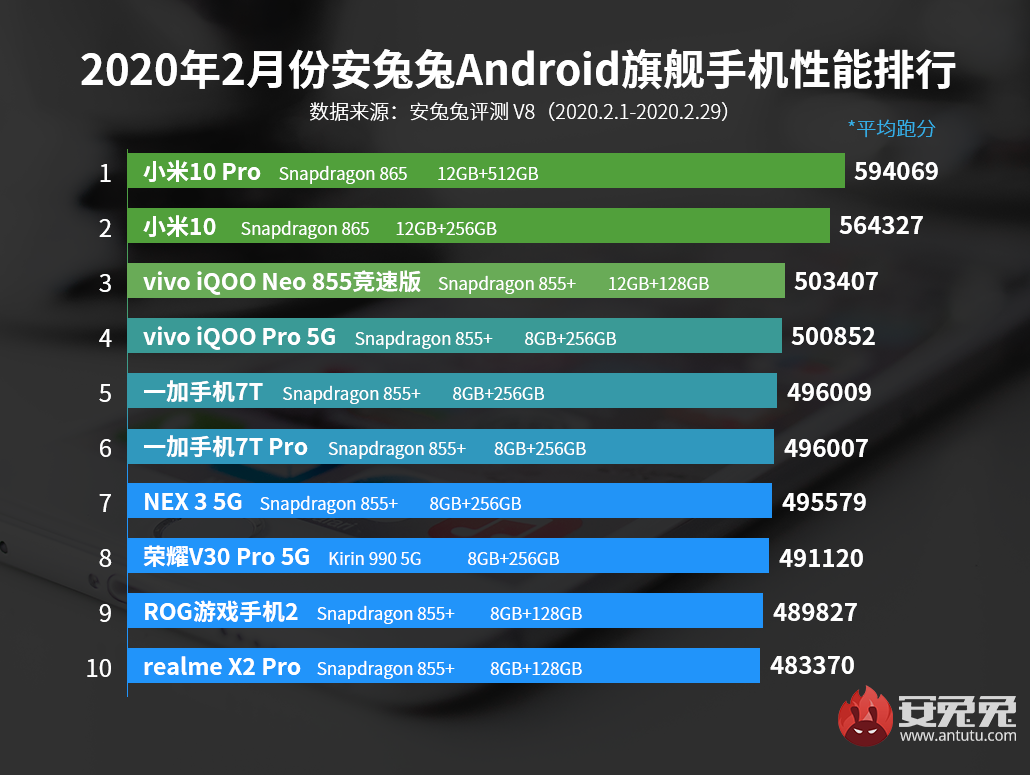
AnTuTu has a long tradition of sieving the thousands of models that run through the app monthly to pick out the best-performing Android phones each month. Recall that in January 2020, the iQOO Neo was the best-performing phone. The benchmark outfit has released its ranking for February and this time around, the Xiaomi Mi 10 Pro held sway.
The ranking is based on data collated between the period of February 1 and February 29, 2020. It also takes into account the fact that the models must have appeared on the app more than 1000 times. So, the ranking is based on the average AnTuTu score of each model and not just the single highest score. In addition, this month’s list is based on models that ran on AnTuTu V8 public beta version released on August 1, 2019.
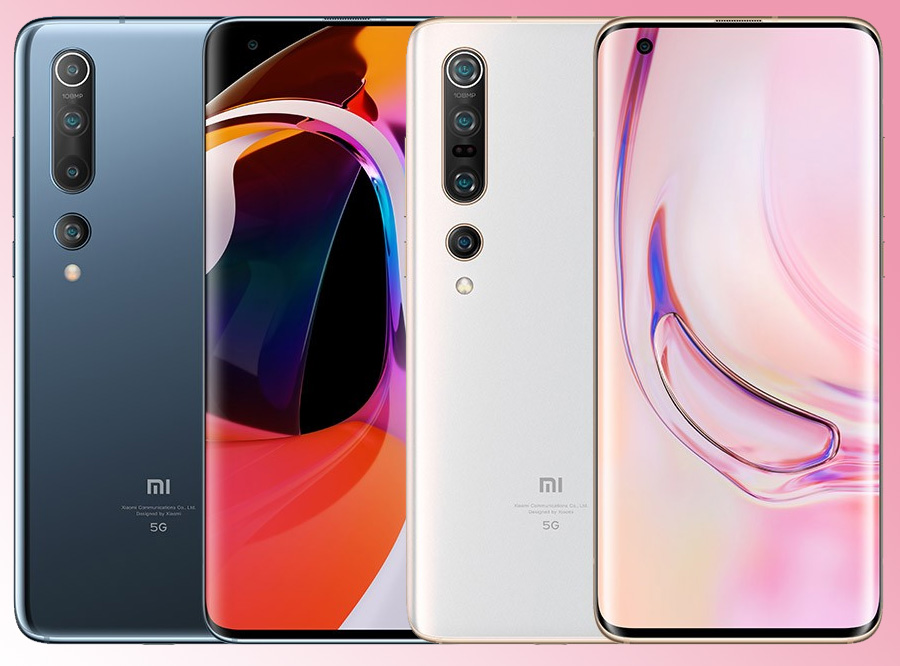
With an average score of 594069 points and 564327 points respectively, the Mi 10 Pro and Mi 10 emerge as the first and second best-performing models in February. Both models pack a Snapdragon 865 chipset. We must add that this ranking basically concerns models that went on sale in February. The iQOO 3 was announced in February and the peak score floors the Mi 10 Pro’s but it fails to meet the AnTuTu criteria for this ranking as stated above.
Another aspect worthy of note is the dominance of models running Qualcomm’s Snapdragon 855+ chipset. A total of seven models powered by a Snapdragon 855+ chipset made it into the list. This includes the iQOO Neo, iQOO Pro, OnePlus 7T,OnePlus 7T Pro and Vivo Nex 3 ranked as the third to seventh position. Huawei’s V30 Pro with a Kirin 990 chipset comes in at number 8. The Snapdragon 855+-powered ASUS ROG 2 and Realme X2 Pro complete the top 10.
On the whole, the February 2020 AnTuTu best-performing flagship phone ranking affords us yet another opportunity to see the massive performance increase brought about by the Snapdragon 865. The difference in the average score between the Mi 10 Pro and the iQOO Neo in third place is more than 90,000 points. We expect the list to experience a massive change in March as more and more Snapdragon 865 phones go on sale.
Oppo has officially announced certain details regarding its highly anticipated upcoming launches. The Chinese company’s Find X2 smartphone will debut on 6th March 2020 alongside its IoT offering, Oppo Watch, which is confirmed to sport a 1.91 inch display.
Oppo announced the specs of its smartwatch display online through an image depicting a waterfall
According to the image post shared online, the Oppo Watch appears to arrive with a hyperboloid 3D curved screen. This was the same type of display used on the original Find X and also makes a return on the wearable. Earlier today (3rd March 2020), the brand revealed a poster that showcased the smartwatch in more detail and also revealed the size of its screen.
The 1.91 inch colored screen as seen in the image is also illustrated with a waterfall. This clearly hints at its 3D curved display which will be likely be one of its highlighting features. Furthermore, other finer details regarding the gadget was also revealed. It is confirmed to arrive with 100% DCI-P3 color gamut screen with a high PPi (Pixels Per inch) of 326.
Other details that have been discerned are its color offerings. It is confirmed to arrive in 3 colors, including white, yellow and blue. The Oppo Watch will also feature a built in eSIM module and support at least three major operators. This is all that is known so far, and we will have to wait for an official announcement for additional specifications and features. So stay tuned for the launch event on 6th March 2020 for the Find X2 and the Oppo Watch.
Earlier today (3rd March 2020), a senior executive from Xiaomi announced that the upcoming Redmi Note 9 has its launch event canceled. In its stead, the sub brand will unveil the device in an online broadcast. The reason for this and the general impact on the smartphone industry has been due to the recent Coronavirus outbreak.
According to Manu Kumar Jain, Global Vice President of Xiaomi, the recent cases of infection spreading in certain parts of the Indian subcontinent. Thus, it has been decided by the company that it will not host product launch events on-ground in the month of March 2020. The notice arrives after certain cases of the virus have been detected in the country’s capital and certain other regions. These events serve as the perfect place for the infection to spread, considering media and personnel from across the globe are in attendance.
📢#Note the update: Due to recent reports of COVID-19 #CoronaOutbreak in certain parts of the country, we've decided to not host product launch events on-ground in March.
This is keeping in mind safety of fans, media friends, employees & partners. I urge you all to stay safe. 🙏 pic.twitter.com/SOdDZtSkmo
For those unaware, China was recently hit with an epidemic that originated from the Wuhan region. The disease is a new strain and is known to cause symptoms resembling cold leading up to pneumonia. Due to this, the Chinese government had to stop factories and other places with high headcounts to prevent further propagation of the infection.
Hence, Xiaomi announced that the latest Redmi Note series entry’s launch event, which was supposed to be held on 12th March around 12 PM, has been canceled. This is leading to a growing trend of product launches being held virtually via live broadcast online through streaming on social media and other platforms. Hence, we may also see other notable upcoming launches, like Realme, to also follow a similar strategy.
In light of current reports of #coronavirus impact & related advisory by health officials to maintain social distance as a precautionary measure, I'm calling off our biggest event. Will still give live speech in stadium with you watching #realme6series event online. #HealthFirst
We have an official announcement that has stated that Realme has also backed down from a physical launch event. The company is also taking such measures due to the on going Coronavirus epidemic and will live stream the Realme 6 series in a stadium which will be broadcasted online.
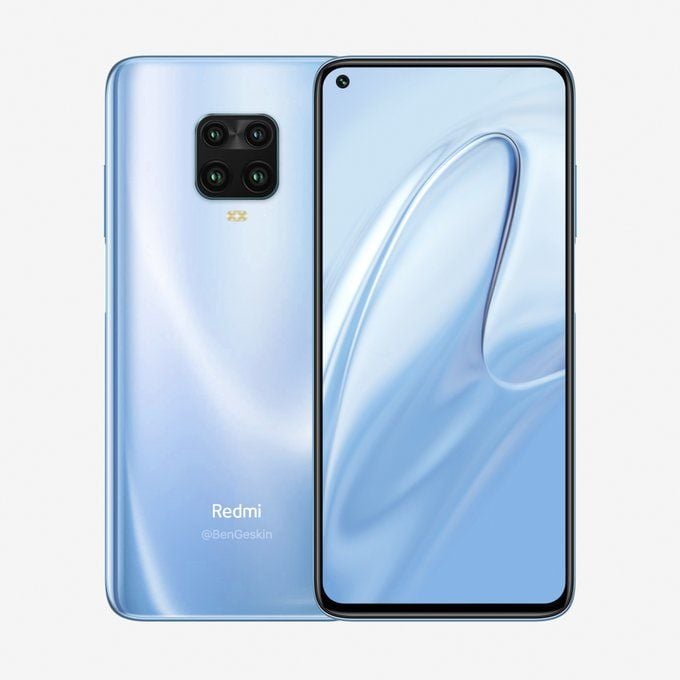
Redmi Note 9 Pro concept render by Benjamin Geskin
The infection is highly contagious and has been recognized as one of the worst epidemics of all time. So a preventive philosophy is essential at this point. The tweet from Manu on Twitter also carried a small apology alongside a note that held an important update on the events and decisions taking place.
The Coronavirus outbreak which led to the cancelation of MWC 2020 has forced manufacturers to reschedule their product launches. A number of companies have had to resort to online-only events while others have pushed their events forward. HMD Global (Nokia Mobile) was one of those that had a launch event originally scheduled for February 23 but had to postpone the event. Today, the manufacturer’s chief product officer has announced a new date for the product launch.
According to a tweet by Juho Sarvikas, there will be an event on March 19, 2020, in London. The event is expected to be for the devices that were originally scheduled for February 23.
There have been speculations regarding the new phones to be unveiled. The manufacturer is expected to announce its first 5G smartphone which is believed to be the Nokia 8.2 (or 8.3). It is also expected to announce a mid-range phone and an entry-level phone which may be the Nokia C2 or Nokia 1.3 or even both. Last but not least is a feature phone called the Nokia 400.
HMD Global is not yet ready to launch a flagship but there are reports a successor to the Nokia 9 PureView is in development. The phone should have a Snapdragon 865 chipset and a 5G modem.
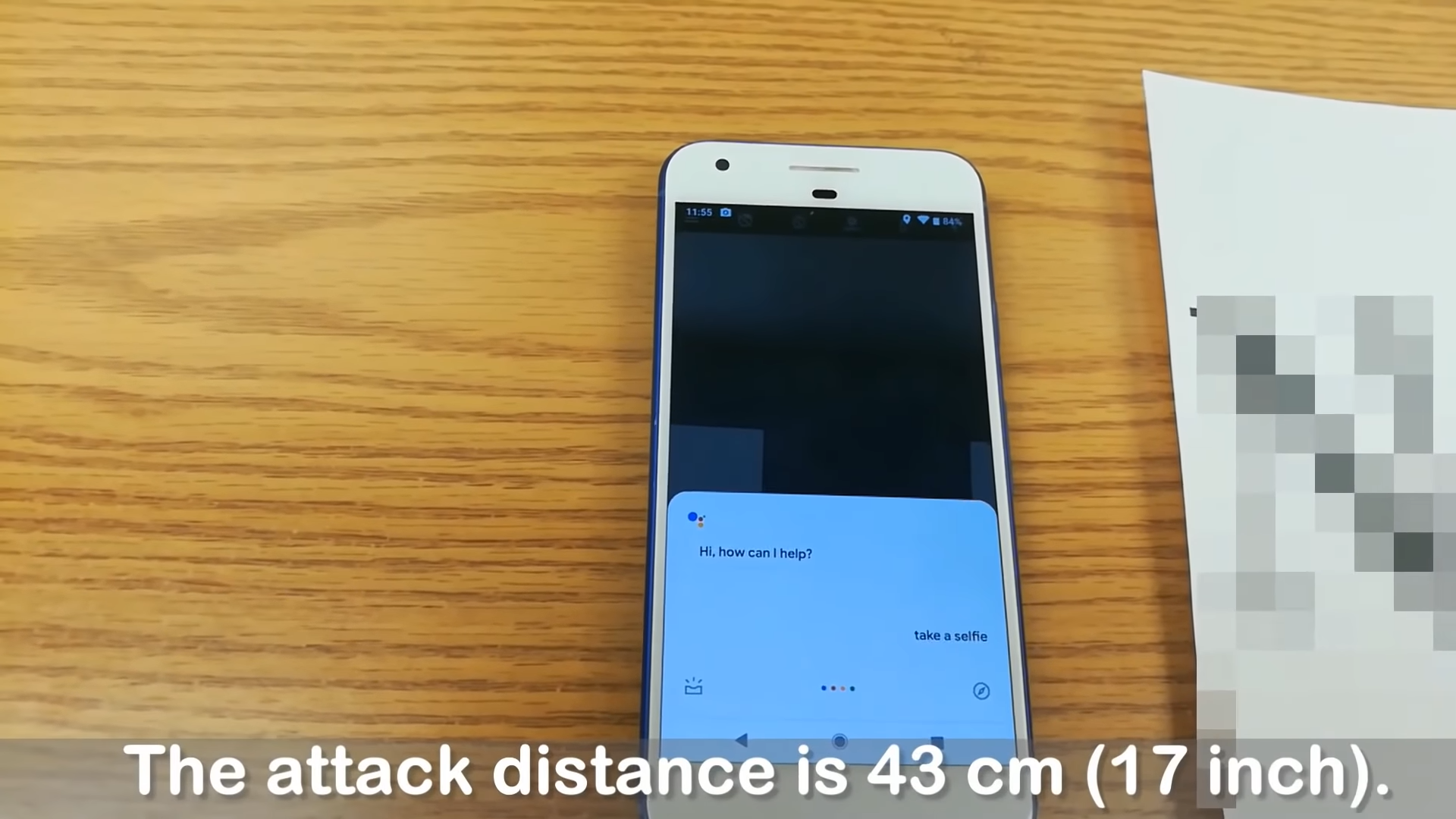
In a world moving more towards digital technology all around us, safety and online safety is becoming a more prominent concern. But now, even sounds aren’t safe as researchers managed to hack into smartphones using ultrasonic waves passed through a table, on which a smartphone was laying.
This was achieved by a team at Washington University St Louis. The members of the project guided ultrasonic waves to trick the voice assistant into performing various tasks. For those unaware, smartphones are capable of detecting such sounds/vibrations at frequencies inaudible to general humans. Through this, the team managed to make calls, take pictures, adjust volume and even get the passwords via text messages.
The most notable aspect of the entire process was that the device was not accessed via a common network or physical connection. Rather, it was just kept on a table. So, even keeping it on a flat surface is now a dangerous thing, including flat surfaces made out of glass, wood, and metal. The researchers achieved this by attaching a microphone and piezoelectric transducer to the bottom of the table.
This allowed them to generate a waveform near the device to reproduce relevant signals. The software used has dubbed as the Surfing Attack software and researchers found that 15 of the 17 total smartphones are affected by this exploit. The handsets were from different brands and included Google, Motorola, Samsung, Xiaomi, and Apple models.
Thus, the researchers concluded by stating methods to protect your devices from such attacks. With the foremost solution being, using a thicker case to cover the smartphone. This makes it harder for the hack to occur in the first place. A cover like a tablecloth on the table or the flat surface also works against the hack. Turning off lock screen personal results on Android devices helps prevent this as well.
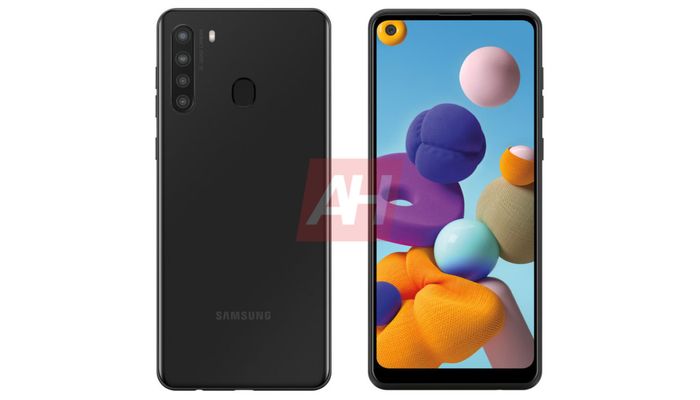
Samsung unveiled the Galaxy A51 and Galaxy A71 smartphones in December 2019 and it is now reportedly working on the launch of newer A-series phones such as Galaxy A11, Galaxy A21, Galaxy A31 and Galaxy A41. The renders and specs of the Galaxy A11 had surfaced at the end of the previous month. The CAD renders of the Galaxy A41 also surfaced around the same time. A fresh report on Android Headlines has revealed the key specs and features of the Galaxy A21 along with its leaked press render.
The Galaxy A21 can be seen sporting a punch-hole at the top-left corner of its screen. The exact size of the Infinity-O display is not known yet. The low budget phone may support HD+ resolution. The mid-ranger phone has a thick-sized chin.
The rear side of the Galaxy A21 has a quad camera setup positioned at the upper-left corner. The back panel of the phone that seems to be made out of polycarbonate material also features a fingerprint reader. The exact configurations of the phone’s cameras are not known yet. A dual LED flash unit can be seen on right side of the camera setup.
The Galaxy A21 has volume up and down buttons and a power key on its right spine. The predecessor Galaxy A20 from last year came with a USB-C port. Hence, the Galaxy A21 is also expected to feature it along with a 3.5mm audio jack at its bottom edge. Some of its rumored specs are Exynos 7904 SoC, 4 GB of RAM, 64 GB of storage, 4,000mAh battery and microSD slot. The publication claims that the Galaxy A21 and Galaxy A11 may debut soon in the U.S.
DJI, the known Chinese Drone maker, has recently announced its plans for the near future. The company is now looking at global expansion as the next step, by taking its class leading product offerings to a broader market.
The company wishes to “become a technology company that continues promoting the progress of the human race.” In other words, DJI seeks on becoming a leading figure in the technology its offers and be more known globally. It is already popular for its drones and various supplementing equipment for both enthusiasts and professional in photography.
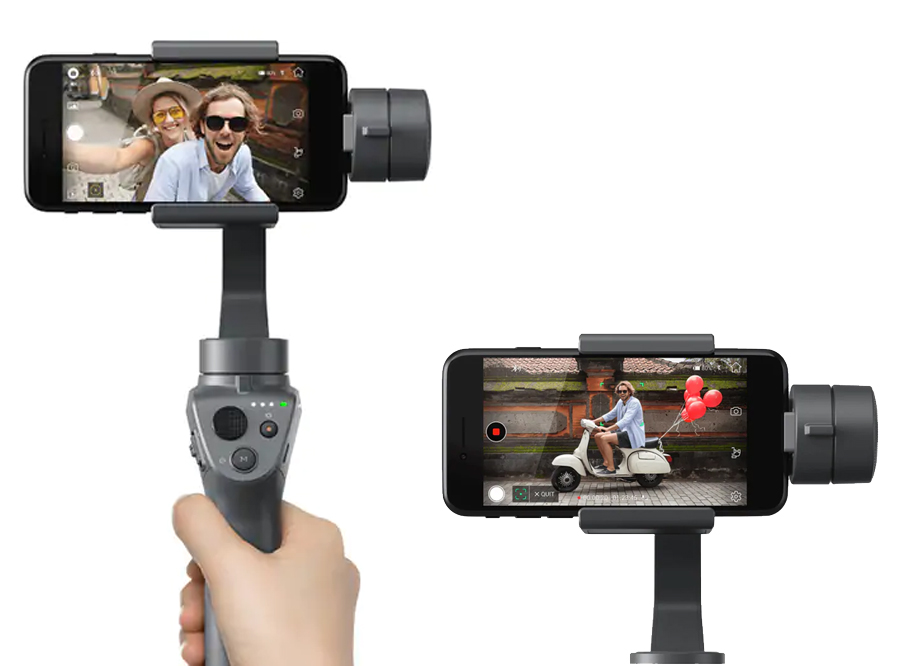
DJI even offers handheld gimbals for mobile photography/videography
As of right now, DJI is seeing success in the growing consumer drone market with its various product offerings. The brand is well known in this industry, although the company doesn’t plan on just stopping there. Previously, DJI used the CES 2020 event as a platform to introduced new technology like LiDAR, which carries a lot of significance and applications in various fields, and also showcase the advancements being made.
Simply put, DJI’s LiDAR technology allows a new product to use light detection to map the range and shape of the objects around it. One field its showing promise in is the self driving automotive or the car industry. Through technologies such as this, the company plans on diversifying and growing its business portfolio. However, DJI is expected to face heated competition with rivals that are already established in the field.
Furthermore, the company is also planning to make its drones more useful in other areas as well. One of the fields the unmanned flying crafts are being more popularly utilized in is agriculture. Even her DJI faces stiff competition with the likes of XAG, previously known as XAircraft. Although the former is superior technologically with better navigation and reliability, the latter is more user friendly. Infamously, DJI has come under fire for being more business centric, lacking in its customer support and after sales efforts.
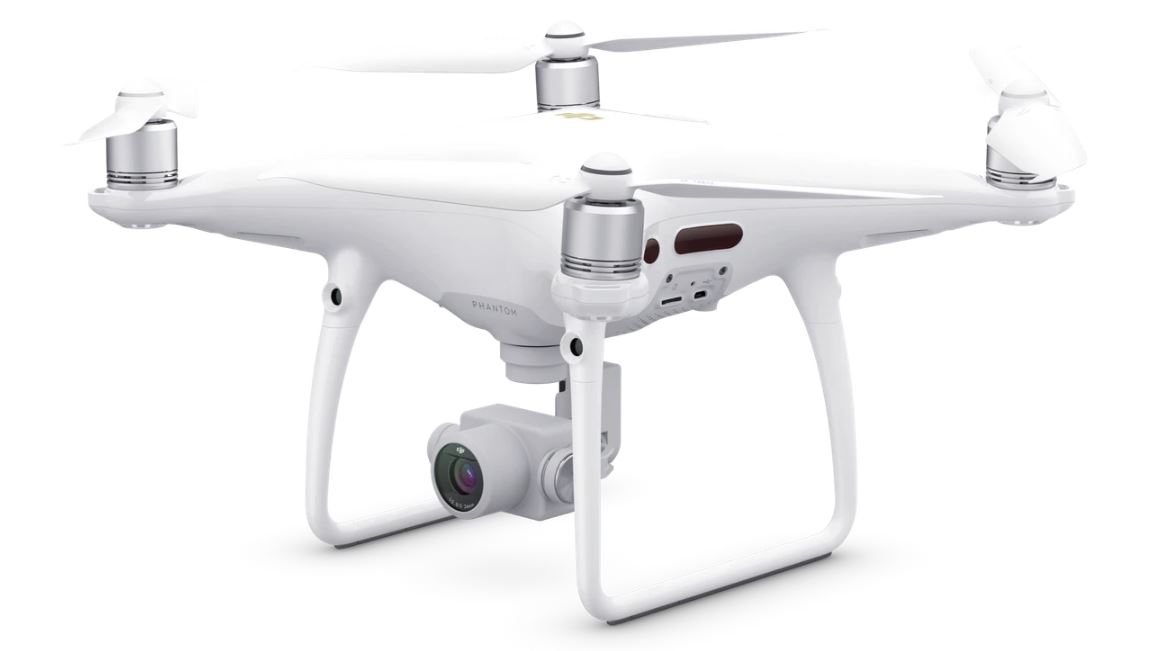
DJI Phantom 4 Pro V2.0
Thus, various analysts have also stated that the company has to step up its services to be more viable and seem more friendly. DJI is seen as a more affordable alternative to the American company, GoPro, during various comparisons. So, a solid after sales support will go hand in hand in reaching across more markets, at least on the consumer electronics side of things.
According to an IDC report, the drone market is expected to grow by 10 to 20 percent in the drone market in North America and Europe. Furthermore, the report also forecasts that the Chinese market will see an even higher growth between 40 to 50 percent in the same time period. With DJI already being a class leader in the field with few rivals, its dominance is all but guaranteed.
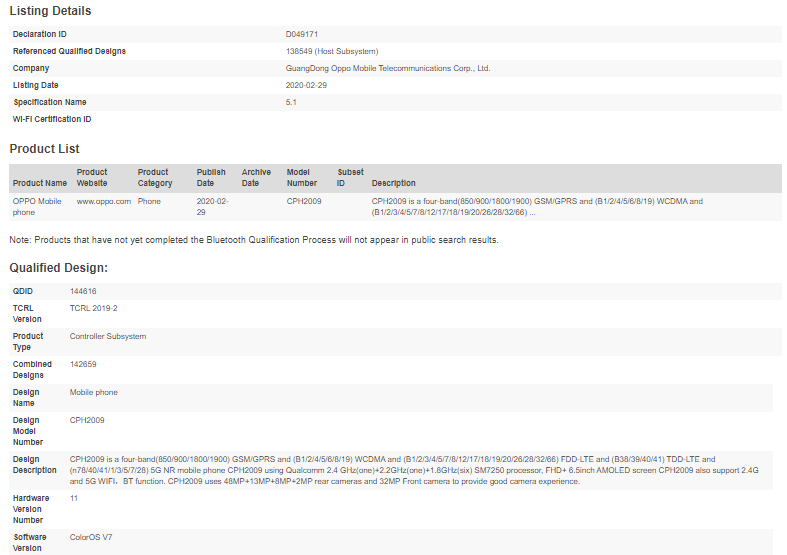
The OPPO CPH2009 was certified by the Eurasian Economic Commission (EEC) in February. At that time, it was speculated that it could be a global version of an OPPO phone released in China. The CPH2009 smartphone has been certified by the Bluetooth SIG authority through which some of its key specs have been revealed. The leaked specs suggest that the CPH2009 could be the international edition of the Snapdragon 765G powered Reno3 Pro 5G phone that debuted in China in December 2019.
The Bluetooth SIG appearance of the CPH2009 revealed it has a 6.5-inch AMOLED display and it is fueled by the Snapdragon 765G 5G chipset which is mentioned as SM7250 processor. It has a front camera of 32-megapixel and its rear shell has a 48-megapixel + 13-megapixel + 8-megapixel + 2-megapixel quad camera setup. It further revealed that the phone supports 2.4GHz and 5GHz dual-band Wi-Fi and Bluetooth 5.0. The ColorOS 7 based Android OS runs on the device.
The Bluetooth SIG listing of the CPH2009 OPPO phone did not reveal its name. The aforementioned specs of the CPH2009 are exact match with the Reno3 Pro 5G phone that went official in China at the end of last year. Since the Chinese firm uses “CPH” in the model numbers of the international versions of its smartphones that are launched in China, the CPH2009 seems to be the global edition of the OPPO Reno3 Pro 5G.
The Reno3 Pro 5G has a punch-hole display that is integrated with a fingerprint reader. The phone houses a 4,025mAh battery that comes with an enhanced version of 30W VOOC 4.0. The new charging tech can let the phone reach 50 percent battery power by charging it for only 20 minutes. It comes with 8 GB of RAM and 256 GB of storage.
In related news, OPPO launched the Reno3 Pro 4G version powered by Helio P95 in India yesterday. Its specs include full HD+ 6.4-inch dual punch-hole display, 44-megapixel + 2-megapixel dual selfie snappers, 64-megapixel + 13-megapixel + 2-megapixel quad cameras, 8 GB of RAM, up to 256 GB of storage, 4,025mAh battery with 30W VOOC 4.0 support and in-display fingerprint reader.
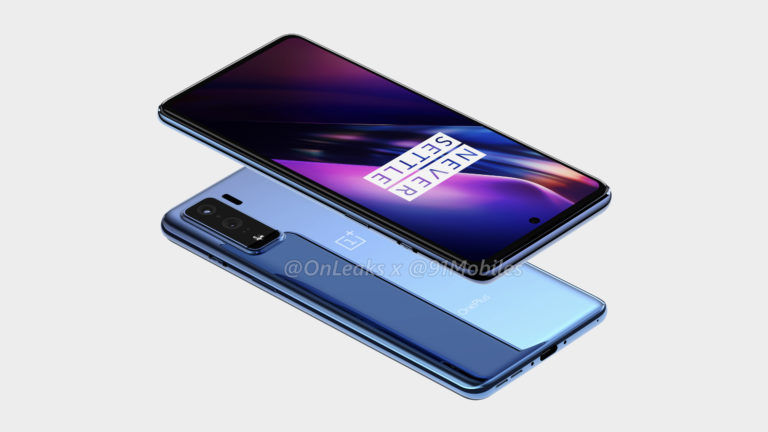
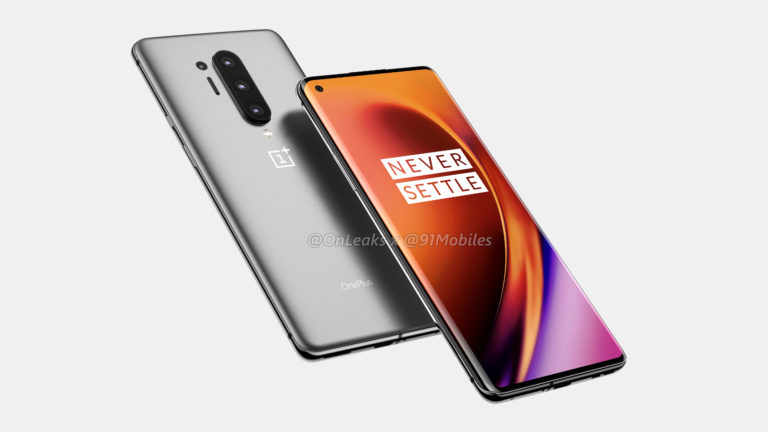
OnePlus might be taking a pre-emptive step with the launch of its upcoming flagship series’ launch. A new report has suggested that the popular Chinese smartphone manufacturer will announce the OnePlus 8 series in mid-April, earlier than its usual launch cycle.
According to a source close to the company, the OnePlus 8 series can be expected to be revealed within the second week of April 2020. So far, OnePlus usually holds the global and Indian launch events on the same date or around a similar time frame to each other. So it is likely that the same can be expected again. India has become a key market for the brand, which is one of the most popular smartphone OEM in the premium segment of India.
OnePlus 8 Lite
From what we already know, OnePlus will launch at least three variants, including the base variant, the pro variant, and a new Lite variant as well. Reportedly, OnePlus 8 Lite will arrive with a new angular design and will sport a 6.4 inch display, with a punch hole selfie camera on the front. It is also likely to have a high refresh rate of 90Hz, a trend becoming more popular in its flagship series. The leaked render also showcased a triple camera module on the rear and MediaTek‘s new Dimensite 1000 SoC is expected to power the device, a first for the company.
Coming to the OnePlus 8, the device is reported to sport a slightly larger 6.6 inch curved display alongside a punch hole selfie camera. The resolution will be FHD+ and may arrive with an even higher 120Hz refresh rate. The camera system comprises a similar triple camera setup as well.
OnePlus 8 Pro Renders
The OnePlus 8 Pro, on the other hand, is said to feature a QHD+ display with a 120Hz refresh rate. It will also sport a punch hole camera and will be powered by Qualcomm’s Snapdragon 865 SoC. The flagship in the series is said to house a Quad camera module and the series is expected to feature faster Warp charging rates alongside bigger batteries as well.
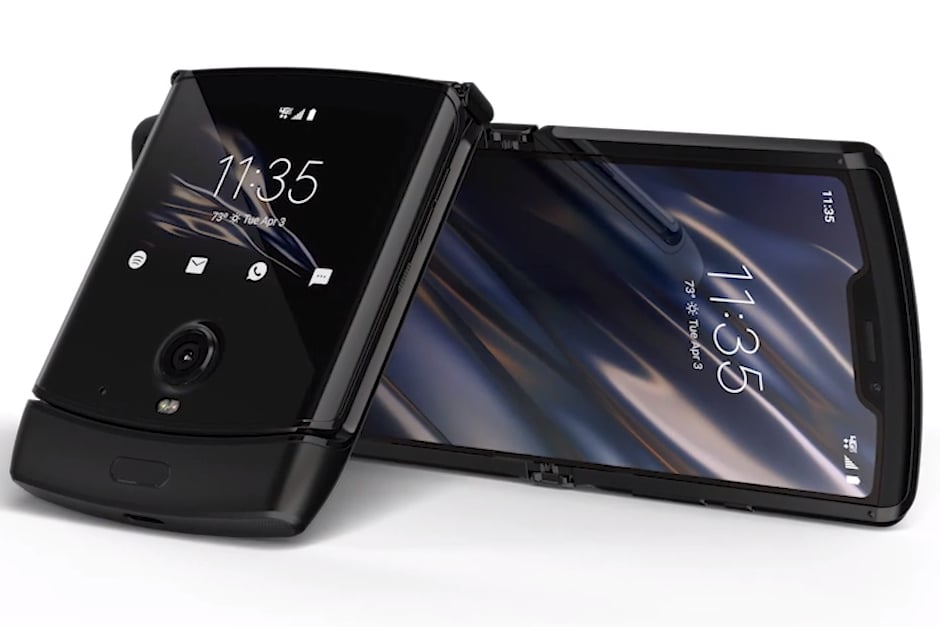
In November 2019, Motorola had launched the renewed Motorola Razr phone with foldable screen. The Snapdragon 710 powered device was introduced with a whopping price tag of $1,499. Soon after its launch, Motorola India began with the registrations of the phone. However, it did not confirm on its release date for India. The Lenovo-owned company have sent out invites for the dedicated Motorola Razr 2019 launch event that will be held on March 16. It appears that the Motorola clamshell phone with foldable display could be available for purchase later this month.
The Motorola Razr 2019 is weaker than the Snapdragon 855+ powered Samsung Galaxy Z Flip foldable phone that was made official with a price tag of Rs. 1,09,000 in India. In the international markets, the Razr is selling for $1,499. It remains to be seen whether the Motorola Razr with inferior specs arrives with a cheaper price tag than the Galaxy Z Flip in India.
The Motorola Razr 2019 has an internal P-OLED foldable display that offers 876 x 2142 pixels. It offers an aspect ratio of 21:9. It has an outer G-OLED screen of 2.7 inches which supports 600 x 800 pixels. The Snapdragon 710 mobile platform drives the foldable phone with 6 GB of RAM.
The display notch of the Razr 2019 has a selfie camera of 5-megapixel. It has a rear camera of 16-megapixel with f/1.7 aperture along with dual LED flash. The Android 9 Pie OS comes preloaded on the device. The phone ships with a native storage of 128 GB and has a microSD card slot for more storage.
The Razr 2019 is backed by a 2,510mAh battery. It supports 15W TurboPower fast charging through USB-C. The chin of the device is equipped with a fingerprint sensor. The connectivity features available on the phone include e-SIM, Wi-Fi 802.11ac, Bluetooth 5.0, NFC, GPS and USB-C. It does not feature a 3.5mm audio jack.
We use cookies on our website to give you the most relevant experience by remembering your preferences and repeat visits. By clicking “Accept”, you consent to the use of ALL the cookies.
This website uses cookies to improve your experience while you navigate through the website. Out of these, the cookies that are categorized as necessary are stored on your browser as they are essential for the working of basic functionalities of the website. We also use third-party cookies that help us analyze and understand how you use this website. These cookies will be stored in your browser only with your consent. You also have the option to opt-out of these cookies. But opting out of some of these cookies may affect your browsing experience.
Necessary cookies are absolutely essential for the website to function properly. This category only includes cookies that ensures basic functionalities and security features of the website. These cookies do not store any personal information.
Any cookies that may not be particularly necessary for the website to function and is used specifically to collect user personal data via analytics, ads, other embedded contents are termed as non-necessary cookies. It is mandatory to procure user consent prior to running these cookies on your website.