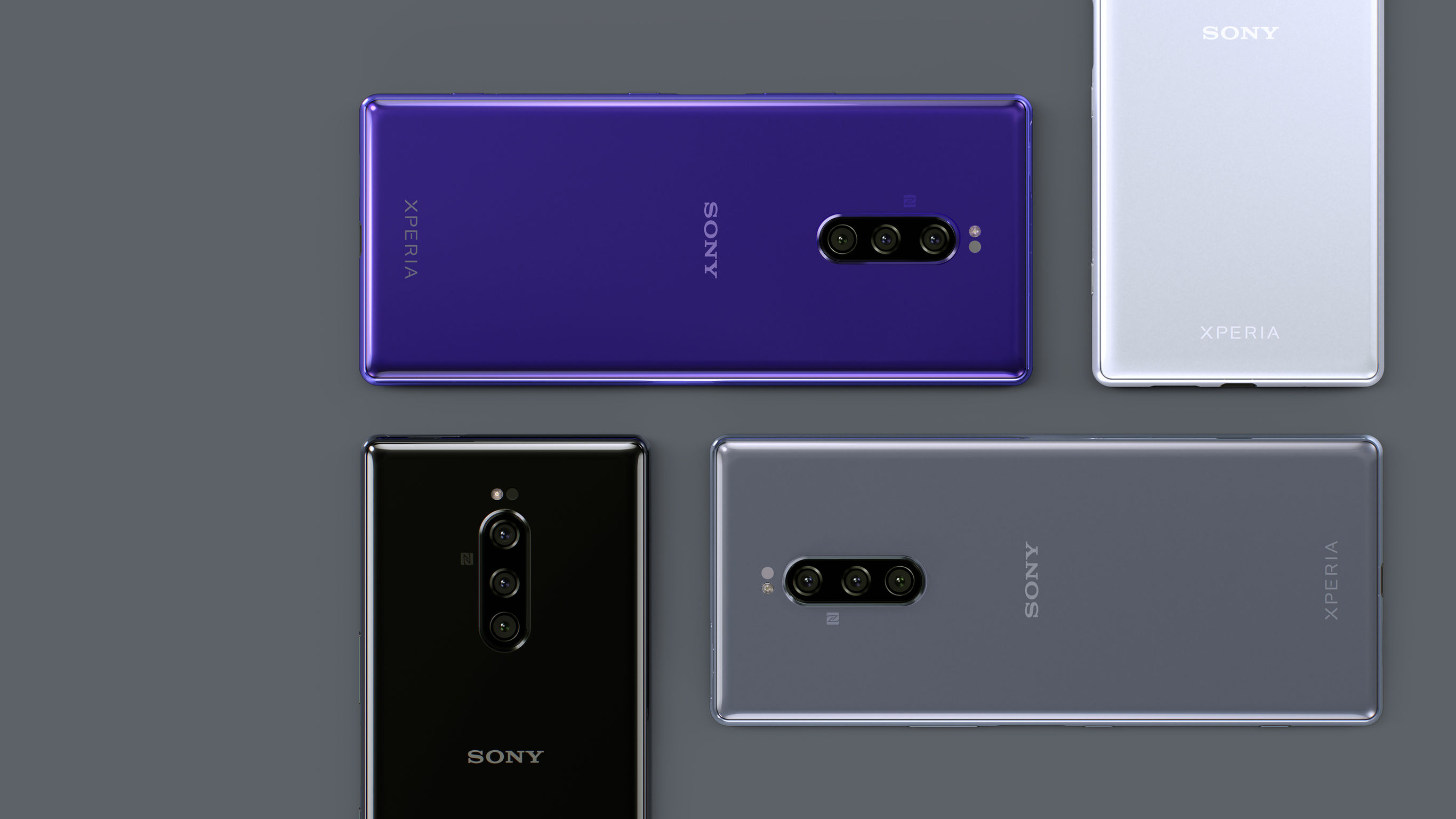
Japanese tech giant Sony has got some of the most amazing designs you will find on a smartphone. The company’s smartphone brand was in recent time experiencing some difficulties until recently when the company rejigged its design style culminating in the launch of the Xperia 1 smartphone in February 2019.
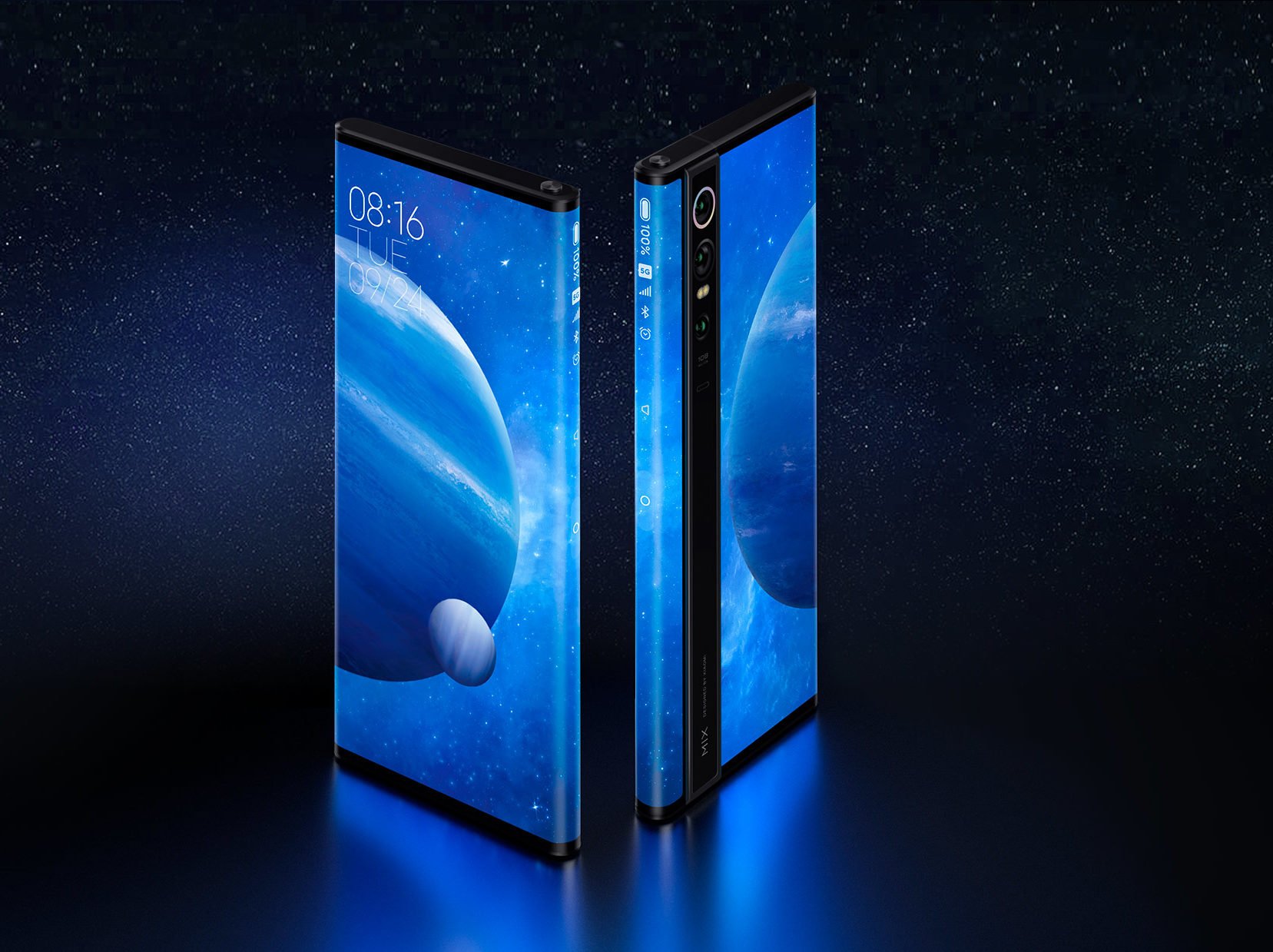
The flagship phone has gone on to corner rave reviews from users and tech enthusiasts alike. One year after the device was launched, it has now been selected as one of the winners of the 2020 German iF award. Apart from the Xperia 1, several other smartphones were selected among the winning designs for the iF Design Award 2020. The models include the Xiaomi MIX Alpha, Redmi K20 Pro, Pixel 3a/3a XL, Galaxy M series, Galaxy Note 10/10+, Meizu Zero, Mi 9, Mi 9 SE and Mi 9 Transparent Edition. Others are the Motorola One vision, One Action and One Zoom, OnePlus 7T/ 7 Pro, Blackshark 2 Pro, ASUS Zenfone 6 among others.
Sony is likely going to continue the full-screen design on its 2020 models just like it did with the Xperia 5. Apart from its aesthetic appeal, the Sony Xperia 1 smartphone equally packs a well-studded specs lineup this includes a Snapdragon 855 chipset, as well as a massive 6.5 inch OLED display. The device comes with 6GB of RAM on the base variant and up to 128 GB of internal storage.
After waiting for over a few months, WhatsApp finally received permission from NCPI (National Payments Corporation of India) for its digital payment platform, WhatsApp Pay. The digital payment service from WhatsApp was delayed due to its non-compliance with data localization norms. However, WhatsApp has finally agreed to comply with rules and regulations laid by the regulators in India.
According to Business Standard, “The National Payments Corporation of India (NPCI) has granted WhatsApp permission to operate its digital payment service in a phased manner.” It means initially WhatsApp Pay services will be limited to only 10 million users in the country. However, the limit will be withdrawn once the company complies with all other points.
WhatsApp Pay will be one of the most prominent payment players in the country. The service is going to use Unified Payments Interface (UPI) for real-time payments transfer. It will pose a severe threat to present players, including PhonePe, Google Pay, PayTM, and others.
Every major tech giant is in the race to dominate the 400 million users market in India. However, WhatsApp plans to launch the Pay service in the other six countries. In Q4 2014 Facebook financial report, Mark Zuckerberg told about the WhatsApp Pay rollout in other countries. He said, “One example we’ve been working on is WhatsApp Payments. You’ll be able to send money as quickly and easily as sending a photo. We got approval to test this with a million people in India back in 2018, and when so many of the people kept using it week after week, we knew it was going to be big when we get to launch. I’m really excited about this, and I expect this to start rolling this out in several countries and for us to make a lot of progress here in the next six months.”
Payments option on the world’s most used social messaging app is a convenient way to transfer money. At the same time, it’s a tough job for the WhatsApp to provide security and privacy by taking care of the local laws. We hope WhatsApp Pay will reach masses and will ensure safe and secure payment transfers.
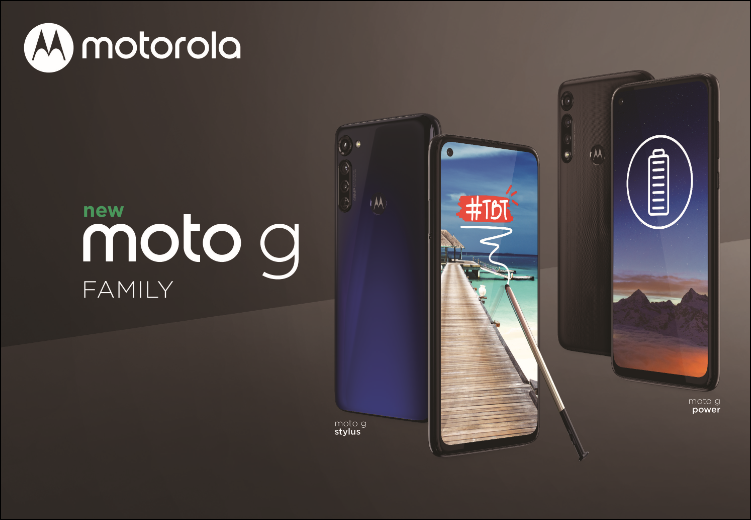
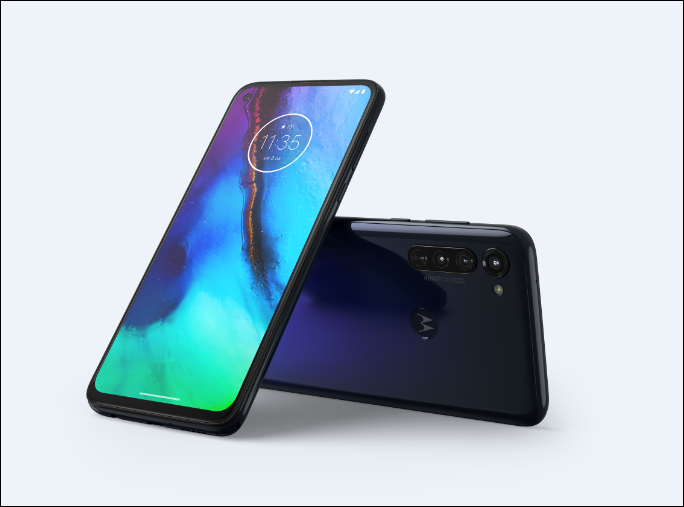
Motorola is still in celebration mood as a result of the sales of the Moto G series exceeding 100 million units. The US company has now launched to new G series models to commemorate this monumental feat. The Moto G Power and Moto G Stylus were announced today for the US and Canada markets. The two models are not really new as they have been keeping the tech media space buzzing from several weeks running. However, Motorola dropped the number from the name, opting for G instead of G8.
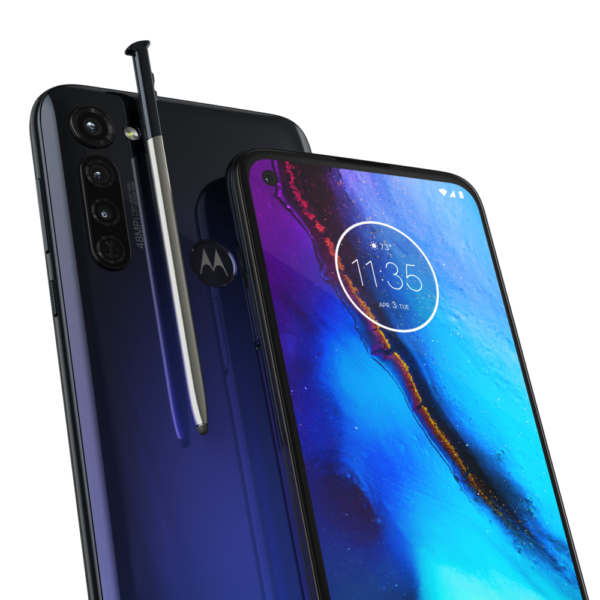
Both the Moto G Power and Moto G Stylus ar premium mid-range models bt the G Stylus is on top of the line. This isn’t as a result of only the Stylus pen which it bundles along but also due to better camera setup.
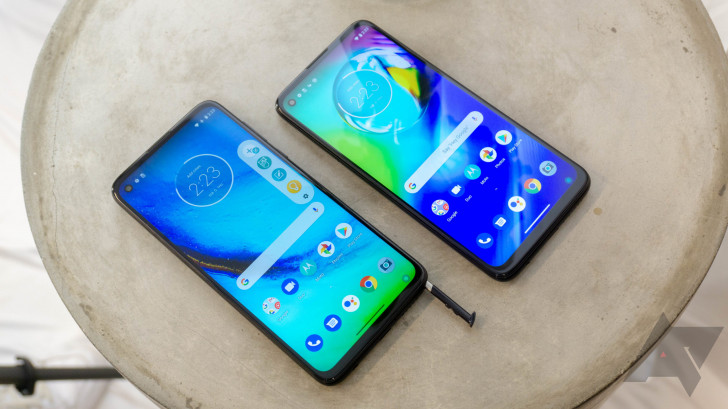
The Motorola Moto G Power sports a 6.4-inch LCD display with a FullHD+resolution of 1080p and a punch-hole camera. The device is powered by a Qualcomm Snapdragon 665 chipset paired with 4GB of RAM and there is 64GB of storage onboard. Motorola has trimmed down the bezels a little this year, but there’s still a noticeable “chin” below the screen.
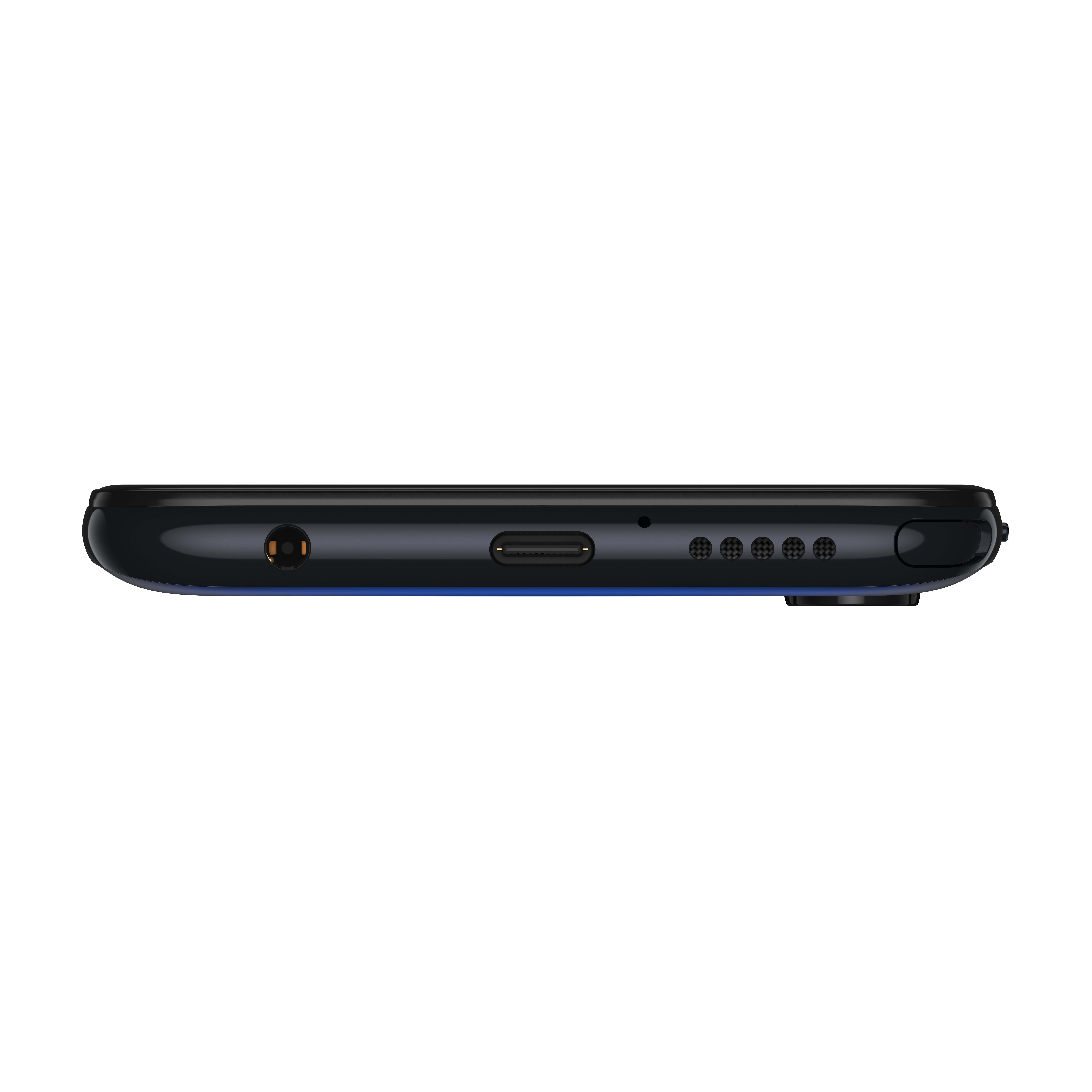
The G Power packs a mammoth 5,000mAh battery which Motorola says should get you about three days on a full charge. The device utilises a plastic body and is equipped with stereo speakers. The device has a thickness of 9.63mm. The phone also packs a fingerprint sensor at the back embedded with the Moto logo. There is equally a headphone jack onboard.
For photography, the Moto G Power packs a triple camera setup arranged vertically at the top left corner. The camera includes a 16MP main sensor, a 2MP macro camera, and an 8 MP ultra-wide shooter (118-degrees). The samples shared by Motorola shows the camera setup has some prospect.
Moto G Stylus
The Moto G Stylus packs a similar plastic chassis under a similar 6.4-inch LCD FHD+ display. The fingerprint sensor, processor, and RAM are similar to those of the G Power. But the 4GB RAM teams up with 128GB of internal storage. The device also packs a smaller 4000mAh battery which isn’t too bad. Despite having a stylus pen, the G Stylus is slightly thinner at 9.2mm. Talking of the stylus, it is located at the bottom right edge f the display and it has to be removed manually as there is no pop-up mechanism.
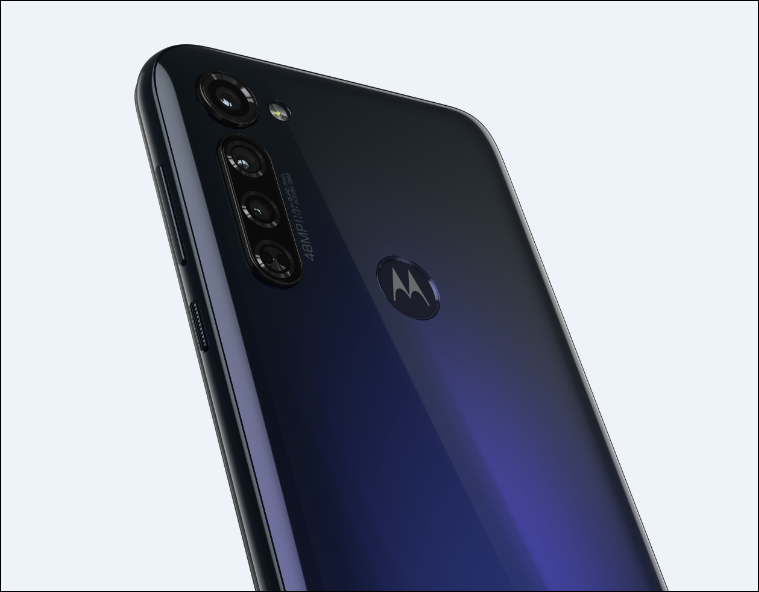
On the camera aspect, the G Stylus features a triple camera setup as well, but the sensors are a bit different. The only camera the new G phones share is the 2MP macro lens. There’s a 48MP main sensor on the G Stylus that defaults to “quad-pixel” binned images at 12MP. Plus, the pixels are larger at 1.6μm compared to the Power’s 1.12μm pixels. There’s also a 16MP action cam with a 117-degree field-of-view. Like the One Action from last year, you can hold the phone vertically and capture landscape video. There’s a button to toggle between “regular” video and the action cam video
Pricing and Availability
The new Moto G models are expected to be released in the US and Canada sometime in the Spring. The G Power will retail for $249.99 while the G Stylus will cost $299.99.
Ericsson, one of the largest exhibitors at the Mobile World Congress 2020 that is set to kick-off later this month, has pulled out from the event. The company is citing coronavirus outbreak as the reason for this decision.
This is a major blow to the MWC 2020, which is touted as the world’s largest event for the telecom industry. The development comes just days after LG and ZTE had announced that will not take part in this year’s Mobile World Congress.
Making this announcement, Ericsson said that the company took this decision as a precautionary measure after an extensive internal risk assessment. It also added that following the outbreak and continued spreading of the novel corona virus, the company closely monitored the development and adhered to recommendations from relevant national authorities and international bodies.
Ericsson said that it will now showcase the company’s portfolio and innovations planned for MWC Barcelona with local events called “Ericsson Unboxed”.
GSM Association, which organises MWC, said in a statement that it respects Ericsson’s decision and is encouraged that the company committed to the 2021 show. It also reemphasised that the show will go on as planned.
Further, the association said that it is continuing to monitor and assess the virus situation to make appropriate changes. The group previously said it would increase medical support and disinfection measures on site and communicate best practices to attendees.
The Mobile World Congress, which is scheduled from February 24 to 27, attracts more than 100,000 visitors. It has come under increased scrutiny since the World Health Organization declared the coronavirus epidemic a public health emergency of international concern.
Xiaomi is known for its competitive smartphones at aggressive pricing. The Chinese smartphone maker is now expanding its brochure of products by introducing flagship killer smartphones. They have even diversified the portfolio by launching new sub-brands like Poco and Redmi. Xiaomi has become a major Android smartphone manufacturer with availability across Asia, Europe, and North America. Xiaomi’s support over its community and third-party forums has multiplied over time. The company has even developed dedicated softwares for unlocking bootloader or getting root access. The users can download the Xiaomi Mi Flash Tool from the link below to flash the stock firmware.
Xiaomi’s policy of providing diversified smartphones based on the user’s needs across different countries is working like a charm. The company has managed to improve smartphone sales across various countries. The Chinese company is vying ahead of the primary smartphone manufacturers like Apple, Smasung, LG, and Sony. According to recent IDC data for Q4 2019, Xiaomi has become India’s number one handset brand by replacing Samsung.
A successful manufacturer always tends to provide support for the smartphones along with providing hardware at affordable prices. Xiaomi also stands along with this saying and provide regular software upgrades and security patches for the smartphones. They also provide dedicated tools for users who want to root or unlock the smartphone bootloader.
What is Xiaomi Mi Flash Tool?
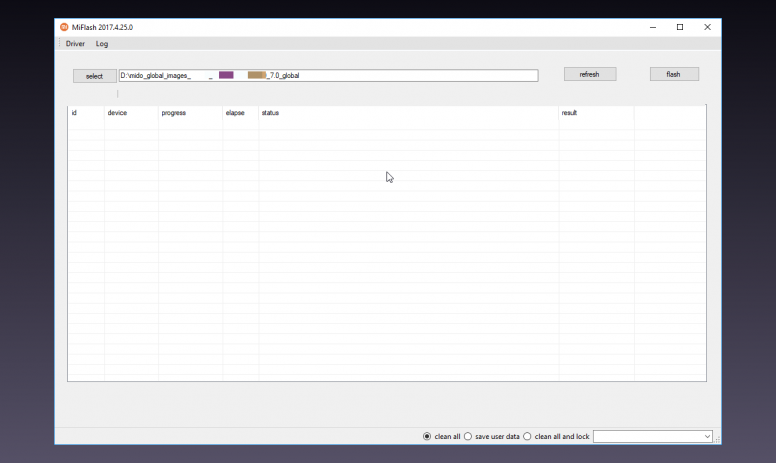
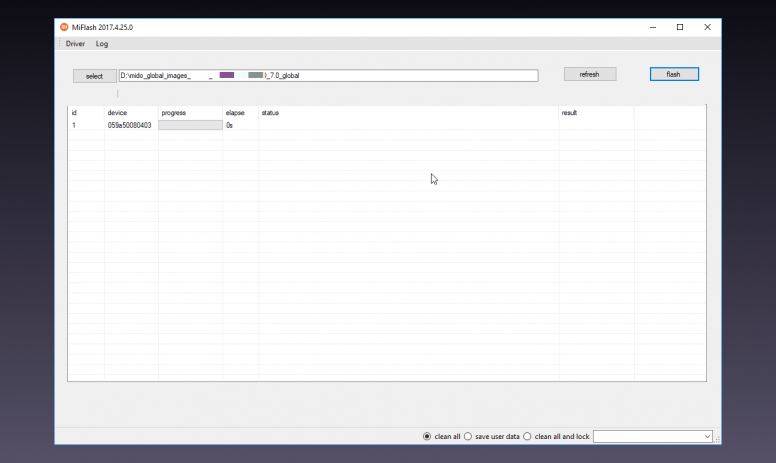
Xiaomi Flash Tool is one such software that helps the users to flash the stock firmware. This nifty tool installs MIUI firmware on Xiaomi smartphones or tablets is available freely. It comes to aid when a user hard or soft brick his/her device by either installing third-party MODs or custom ROMs. There can be various other reasons behind such device status.
Xiaomi Mi Flash Tool carries all the important scripts to flash your smartphone. It simplifies the process of flashing the stock ROM by verifying any files for the security anomalies. It even enhances the Anti Roll Back Protection, error logging, driver installtion, and device detection.
Important:
Xiaomi Mi Flash Tool is compatible with Windows 7/8/10 PC only.
The tool will only work for Xiaomi devices.
It is compatible with only Qualcomm Devices.
It misses the ability to flash OTA files.
Download the latest version of the Mi Flash Tool.
Xiaomi Mi Flash Tool Features
All in One Tool: The Xiaomi Mi Flash Tool is all in one tool and consists of ADB Tool, Mi Tool, and all necessary drivers. It’s just a full package if you want to tweak your phone.
In-Built USB Driver: The Xiaomi Mi Flash Tool by default packs USB drivers for Microsoft RNDIS, MTP, Qualcomm, USB Serial and Google ADB drivers. You will not have the hassle to install USB drivers.
Different Flashing Options: Xiaomi Mi Flash Tool offers three flashing tools – “Flash All Except Data & Storage”, “Flash All Except Storage” and “Flash All”.
Download Mi Flash Tool for Windows
The Mi Flash Tool is available in different versions. We have provided a download link for all the versions. The latest is present just below this line.
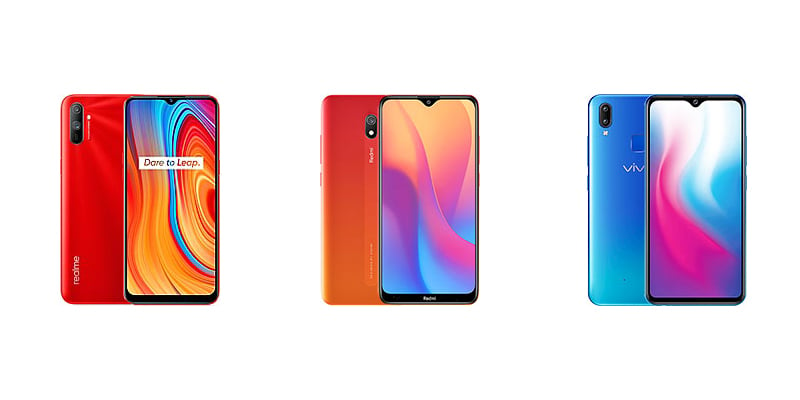
Realme just launched the new Realme C3 in India and a lot of people are already considering it as the king of entry-level smartphones. But is it true? Is it the best phone you can get for that price? We already gave you an idea about it by comparing it to the Redmi 8 and the Infinix Hot 8 actually available in the Indian market, but there are other entry-level devices among its rivals. That is why we made a second comparison: Redmi 8A and Vivo Y91 are the new rivals to beat: go ahead with this post if you want to know which one offers the highest value for money.
Dual 13 + 2 MP f/2.2 and f/2.4
8 MP f/1.8 front camera
Dual 12 + 2 MP f/1.8 and f/2.4
5 MP f/2.4 front camera
Single 12 MP f/1.8
8 MP f/2.0 front camera
BATTERY
4030 mAh
5000 mAh, battery charging 10W
5000 mAh, fast charging 18W
ADDITIONAL FEATURES
Dual SIM slot
Dual SIM slot, reverse charging
Dual SIM slot
Design
If you want an entry-level device, then you have to face several compromises and one of them is the design. These three devices all come with a plastic design and they do not feature premium materials like flagship smartphones. But they are still elegant and well-built. Realme C3 and Redmi 8A are even splash resistant. In each case, you get narrow bezels around the display thanks to a waterdrop notch, but the Redmi 8A is my favorite one since it has a more compact size than Realme C3. Note that in this trio, only the Vivo Y91 sports a fingerprint reader.
Display
Entry-level displays, nothing special. A high brightness, but a below-average resolution, with either 720 x 1520 or 720 x 1560 pixels. You do not get a high level of detail, neither very accurate colors. But they are sufficient displays. What you should be very interested to know is that Realme C3 has a much wider panel than Redmi 8A and Vivo Y91: 6.5 inches vs 6.22 inches. So Realme C3 is a better device for power users and multimedia lovers, despite it has a lower pixel density due to its wider diagonal.
Specs & Software
Both Redmi 8A and Vivo Y91 are equipped with a Snapdragon 439 SoC, while Realme C3 sports a much more powerful Helio G70. It is a toned-down version of the Helio G90 and it is one of the best MediaTek midrange chipsets. It provides higher CPU and GPU performance and it is a good SoC even for gamers. Further, only the Realme C3 comes with Android 10 out of the box. Redmi 8A is based on Android 9 Pie, while Vivo Y91 still comes with the old Android 8.1 Oreo. We think you already got the ranking: Realme C3 wins, then Redmi 8A, then Vivo Y91.
Camera
On the paper, Realme C3 offers the best rear camera setup. It consists of a primary 12 MP lens with a bright f/1.8 focal aperture and a secondary 2 MP depth sensor. Right after, we got the Redmi 8A, even though it has just a single rear camera. Vivo Y91 wins the selfie comparison with a very interesting selfie snapper, while the second place goes to Redmi 8A when it comes to selfies.
Battery
Redmi 8A and Realme C3 feature a mammoth battery: with a 5000 mAh capacity, they are able to last three days with moderate usage. We believe Redmi 8A will last a bit more due to its smaller display and good software optimization. Redmi 8A even offers a faster charging technology, while Realme C3 is the only one who supports reverse charging.
Price
To get Realme C3 in India, you just need Rs.6,999/€90/$99. Redmi 8A sets you Rs.6,499/€83/$90, while Vivo Y91 starts from Rs.8,890/€114/$125. The clear winner of this comparison is Realme C3: it ships with Android 10, it has a way better hardware department, it features a huge battery, a wider display and it even supports an innovative feature such as reverse charging. Redmi 8A comes right after, despite Vivo Y91 is the only sporting a fingerprint reader.
Xiaomi has been working on its next-generation flagship smartphones — Mi 10 and Mi 10 Pro and now the company is all set to make them official. Xiaomi has sent out media invites for a launch event later this month.
The company is hosting an event on 23rd February in Barcelona, Spain just ahead of the Mobile World Congress 2020 — the world’s biggest event for the telecom sector.
The invite shared by the company clearly shows the number “10” hinting that the launch event is for the Mi 10 series. Further, it also shows graphics related to the camera lens, which seems like a reference to the optical zoom capability.
Both the phones are expected to come powered by the latest Qualcomm Snapdragon 865 chipset. The company had earlier revealed that it would be one of the first manufacturers to launch a device powered by SD865 SoC.
It has also been confirmed that the Mi 10 series devices will come with LPDDR5 RAM supplied by Micron which is claimed to be 20 percent more power-efficient and can offer 50 percent faster data speed.
As per the rumors and leak, the Pro variant of the flagship smartphone could come with up to 16GB of RAM and 512GB of internal storage. As for the camera department, the phone is expected to feature 108-megapixel Samsung ISOCELL Bright HMX sensor along with an ultra-wide, telescope lens, and a dedicated macro lens.
While details about the battery capacity are not yet known, it is reported that the standard model will come with 48W fast charging support whereas the Pro model will have support for 66W fast charging. Further, both the variants will reportedly come with support for fast wireless charging.
To know for sure what the upcoming Mi 10 series packs, how the company prices them and when they will go be up for purchase, we’ll have to wait for a few more weeks for the launch event to take place.
Huawei could be planning to pre-install up to 70 apps on its upcoming international smartphone models to make up for the lack of Google services. The Chinese smartphone maker is banned from using software from US companies like Google, putting its phones at a disadvantage as compared to competitors like Samsung in the international market.
Google services won’t be available on upcoming Huawei smartphones
According to Mobiltelefon.ru, Huawei could pre-load nearly 70 selected apps on its smartphones this year. They are expected to be the most popular apps from the Google Play store or viable alternatives to the apps that are dependent on Google services. The pre-loaded apps will vary according to the region.
Since Huawei smartphones can’t run google services, the company will have to provide viable alternatives to popular apps like YouTube and Google Maps. The report states that Huawei will launch its own video service called as Huawei Video sometime in March this year. This is likely going to coincide with the P40 launch in the same month.
Huawei’s app store, called the Huawei AppGallery, has around 45,000 apps right now, but it is still nowhere close to the 3 million figure on the Google Play Store. Without access to the Google Play Store, the Chinese smartphone maker will have to ensure that popular apps like Uber, Spotify are available in its own store. Also, it will have to provide viable alternatives to Google’s own apps. In this regard, the company is already in talks with companies like Tomtom (for Google Maps alternative) and Russia’s Yandex.
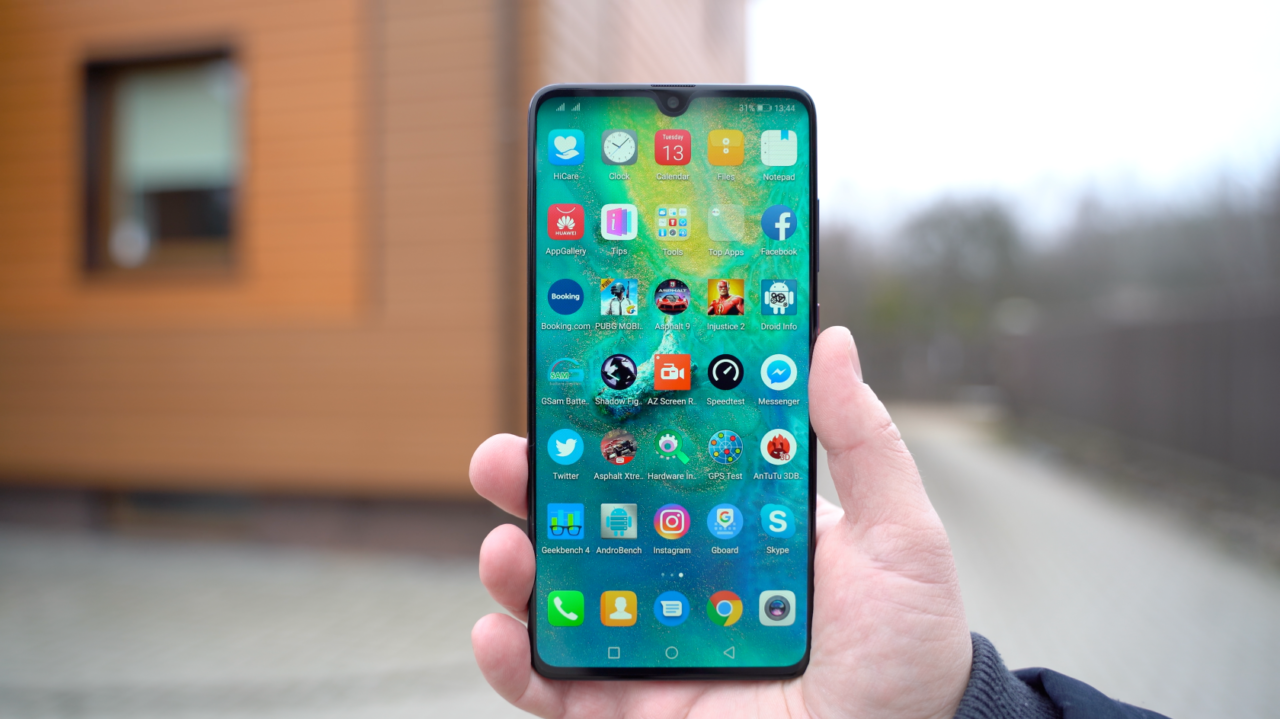
Huawei Mate 20 Pro – Gizmochina –
Huawei reportedly plans to pre-load these apps on at least nine models in the next four months. Mobiltelefon.ru’s source says that Huawei is likely to use this strategy on mid-range models using Kirin 810 and Kirin 710 chipsets. This could include the Huawei Y7p and P40 Lite E models. So Huawei could be using a different strategy for upcoming flagship devices like the Kirin 990 powered Huawei P40 series.
It makes sense why Huawei would want to pre-load a bunch of apps on its international smartphones. Without Google services, the availability of apps would be a big concern on Huawei’s phones. But if most of the popular apps are already on the device, users might be less worried.
However, pre-loading as many as 70 apps doesn’t sound like a good idea, even if they are curated according to the market. Imagine the nightmare sorting out 70 different apps on a brand new smartphone!
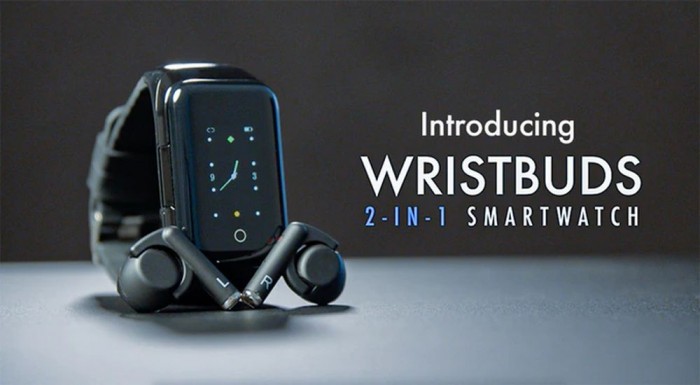
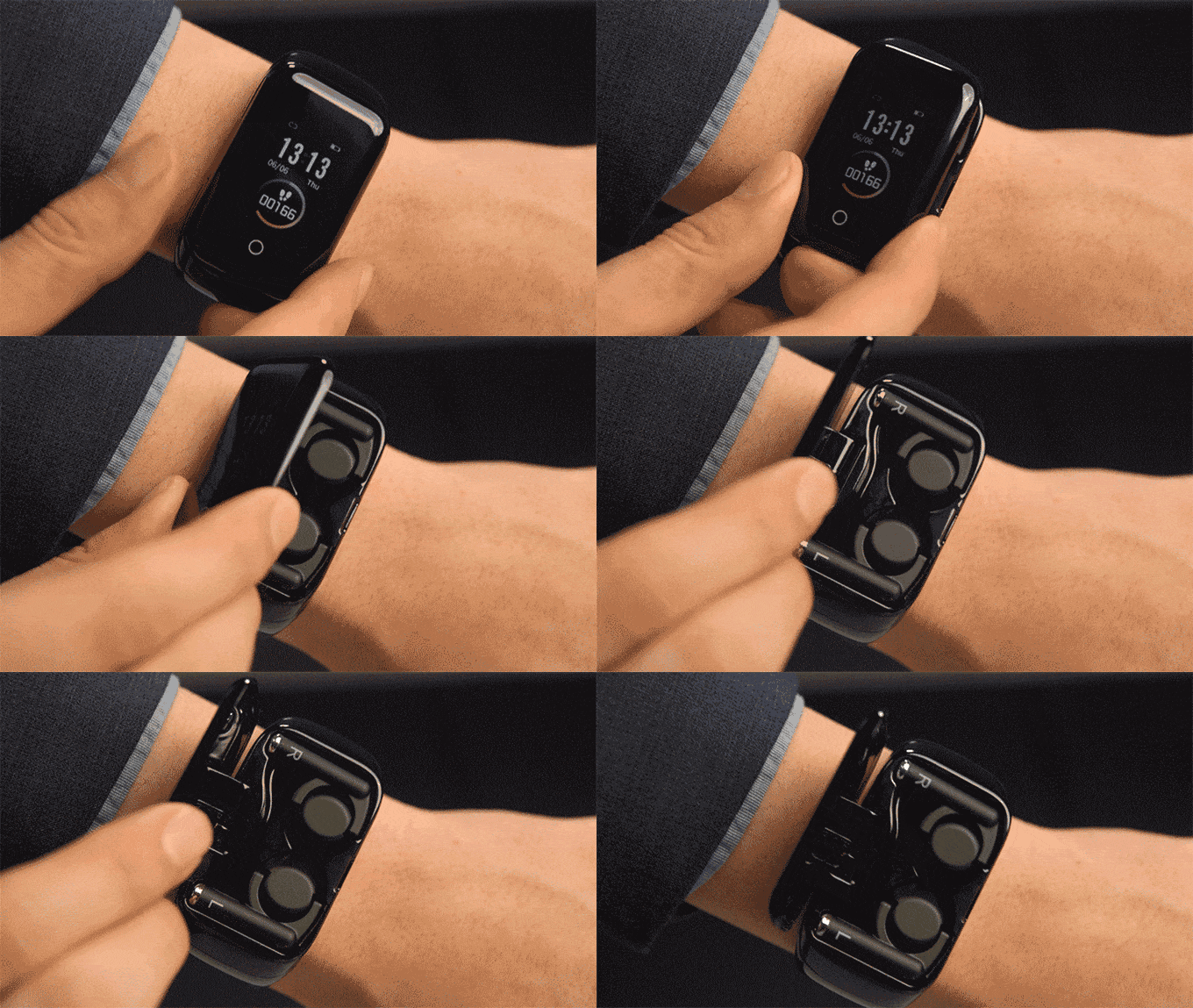
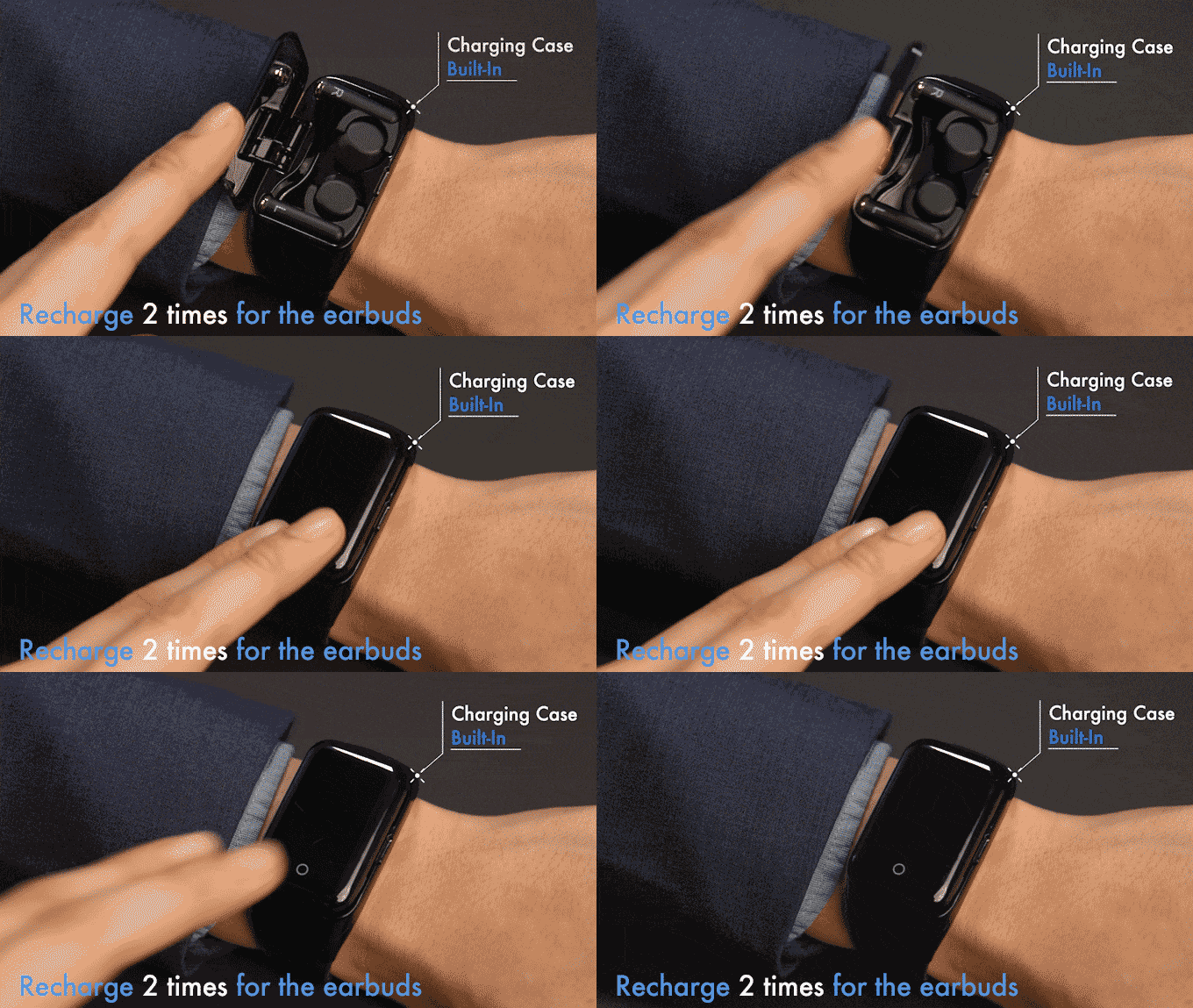
Having the option to follow a morning run and hear out some tunes without carrying a phone around is most likely one of the key selling purposes of present-day smartwatches – so why not consolidate the smartwatch and a couple of remote earbuds in one minimal form? That’s the idea behind the Wristbuds, as of now looking for financing on Kickstarter. Flick back the display of the smartwatch, and you have a pair of AirPods-style wireless earbuds prepared to blast tunes direct to your ears via Bluetooth.
The crowdfunding exercise has just blasted past its US$5,000 goal but you can still join by paying just $99 and get a Wristbuds smartwatch shipped to you around April. You’ll also need to pay an extra $30 to get an expanded storage version to enable you to store MP3 files inside. Not only does the smartwatch provide a storage compartment for the earbuds, it equally charges them, so there’s no need for a different charging case.
The battery life of the earbuds isn’t recorded, which appears to be an odd exclusion, yet obviously the wearable can go for as long as four days between charges, which is impressive. The earbud is touted to come with good sound quality as well as noise cancellation. It is equipped with graphene-covered drivers which clearly improve constancy. They’re being publicized as having the option to remain safely attached to the ear during exercises regardless of the type of exercise.
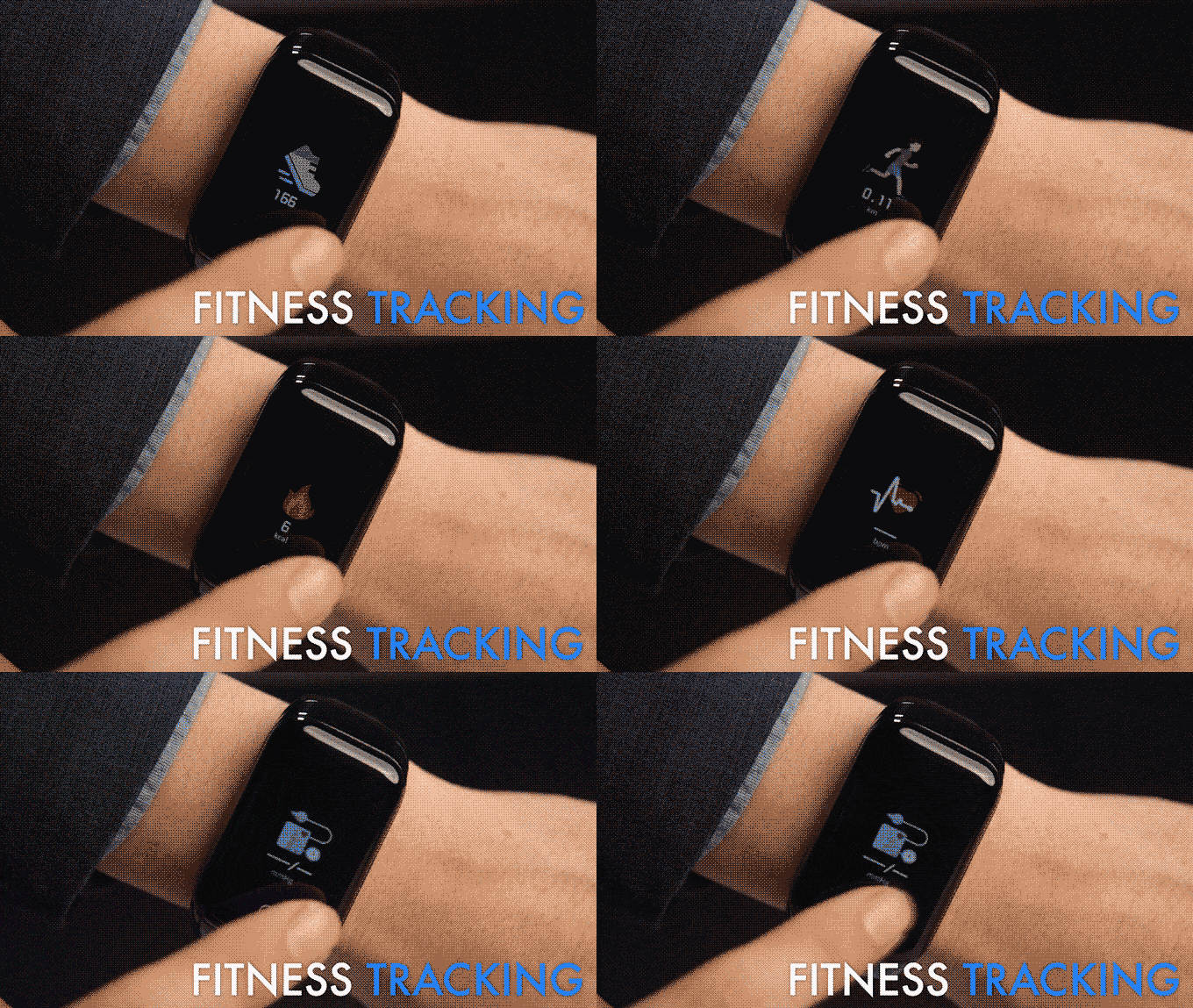
The Wristbuds smartwatch will track your exercises and we expect it to come with all the major functions found on smartwatches/ fitness trackers such as pedometer, sleep tracker, call function, heart rate monitor etc.
After the crowdfunding ends, the smartwatch will go on sale at a retail cost of $149.It’s evident that other equipment creators are quick to get a portion of the Apple AirPods showcase, and the Wristbuds wearable is one of the more inventive takes on the genuinely remote earbuds structure that we’ve seen up until this point.
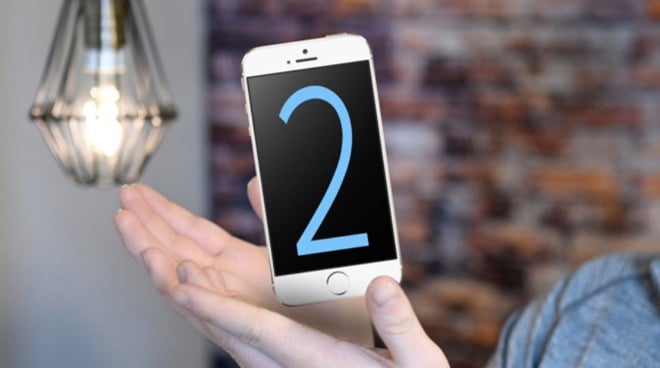
In the year 2016, Apple had launched its first budget smartphone named iPhone SE and now the company is reportedly set to launch yet another budget device, dubbed iPhone SE 2 or iPhone 9.
As per the reports, Apple has already started trial production of the upcoming iPhone SE 2 and is all set to start mass-production from mid-February. Now, Evan Blass claims that the device will get launched in March this year.
Reports indicate that the device could come with a body design of iPhone 8 and will be powered by Apple’s own A13 processor and carry the same RAM as iPhone. As per the report, the current production of iPhone 9 is two to four million units each month.
As for the pricing, the iPhone 9 or iPhone SE 2 is expected to be priced under $432 or CNY 3,000 in China. The first budget phone from Apple, iPhone SE, was a success because of its competitive pricing as it was launched at $399, which was way cheaper than iPhone 6S.
He believes that the iPhone SE 2 will arrest Apple’s faltering sales in 2020 and also estimates suppliers selling anywhere between 2 and 4 million devices every month with a total of 30 million devices sold at the end of 2020.
While all these reports about the budget-friendly Apple iPhone SE 2 aka iPhone 9 are making rounds online, the company has not yet confirmed by the company so far.
China is yet to curb the Coronavirus epidemic but the country has been able to deploy technology to fight the disease, in order to prevent the spread. Aside from the quarantine efforts, China recognises the need to cater to the needs of patients who have been infected by the virus and have deployed robots to do what humans would ordinarily have to do.
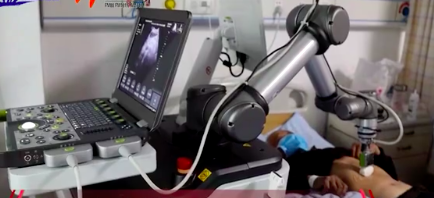
In several hospitals, a large number of robots are now being used, to a certain extent, to perform tasks such as disinfection, food delivery, dispensing drug, and remote diagnosis, reducing the workload of frontline medical staff and reducing cross-infection.
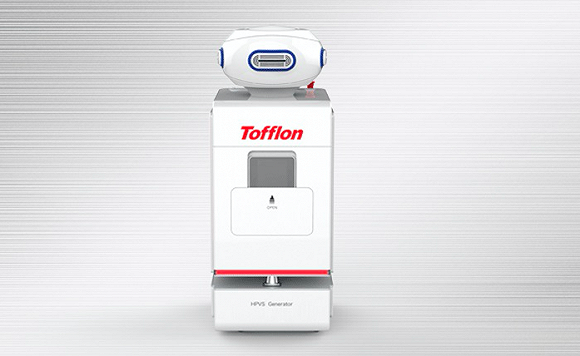
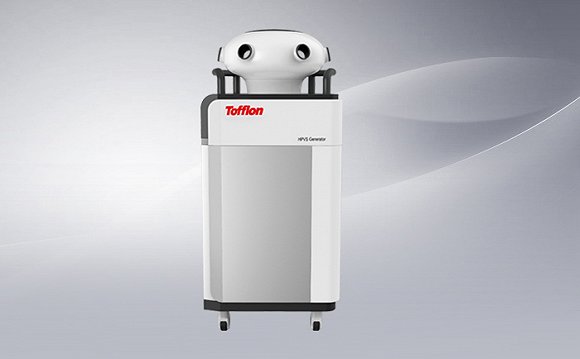
Recently, the first batch of 140 disinfection robots developed by Shanghai Dongfulong Technology Co., Ltd. have been delivered to Wuhan Jinyintan Hospital and other hospitals on the front line of epidemic resistance. The robots are said to use programmable logic controller (PLC) modules provided by German industrial giant Siemens, which are mainly divided into two categories: vaporized hydrogen peroxide disinfection machines and intelligent sterilization robots. They are all sterilized with hydrogen peroxide steam.
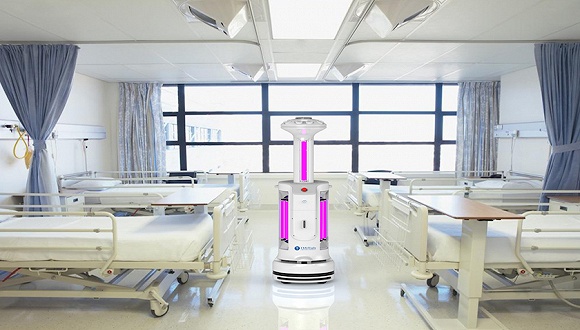
The medical personnel remotely control the disinfection robot through the tablet WIFI, set the room sterilization sequence according to the sterilization needs, independently plan the path and avoid obstacles. This device uses a lithium battery for cyclic charging, and the continuous working time after charging can reach 5 hours.
According to an engineer from Dongfulong, these two artificial intelligence disinfection machines can achieve a 6-log killing effect on microorganisms. 6-log refers to a 99.9999% reduction in bacteria.
Further, more than 30 smart disinfection robots manufactured by Shanghai Titanium Robot Technology Co., Ltd. are also in the isolation ward, ICU, operating room, and fever clinic of six hospitals including Wuhan Xiehe Hospital and Wuhan Central Hospital. Titanium’s disinfection robot uses Chloric acid + plasma disinfection method. In the environment of human and machine coexistence, it performs autonomous mobile multi-point disinfection for the environmental surface and air, and the disinfection level reaches 6-log level.
In addition to disinfection robots, a large number of robots such as nursing robots, consultation robots, and transport robots have also been deployed to the front lines of epidemic prevention. There are also robots that can deliver materials including food to specific wards.
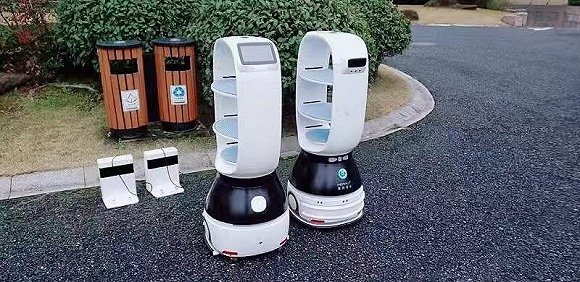
Qinglang, a robot company that focuses on unmanned delivery also sent dozens of food delivery robots to the quarantine areas in Hangzhou, Shanghai and other places. The robots can also deliver mineral water, fruits, medicines, etc. According to Qinglang’s WeChat official account, the food delivery robot is called Peanut. The staff can place meals on the robot’s three-layer tray during mealtimes and enter the room number of the quarantine area on the touch screen. Track the room number to serve the meal.
The company says the food delivery robot is fully autonomous and the contact-free distribution method can block the “human-to-human” new Coronavirus infection chain, reduce the possibility of infection within the quarantine zone, and improve the efficiency of food delivery and save the use of disposable protection.
Outside the hospital setting, JD Logistics stated on its official Weibo that it has basically completed map collection and robot testing of robot distribution in Wuhan. The firm is deploying distribution robots from various places to assist Wuhan. It intends to provide Wuhan with supplies and user orders required for the epidemic.
In rural areas such as Hebei, Shaanxi, and Jiangsu, JD Logistics’ drones have begun preparations for drone distribution and plan to provide logistics services to already closed areas.
The Xiaomi Youpin platform has launched a new Disposable Raincoat earlier today (7th February 2020) that carries a price tag of 29.9 Yuan, which roughly translates to about 4.3 US Dollars.
As the name suggests, the product is a disposable raincoat that is made for protecting one from unexpected rains. It is being sold and distributed by the Xiaomi Youpin platform while the Zhongke Hongrun Technology Co. Ltd will be providing the after sales services for the same.
The disposable raincoat arrives with a few useful functionalities as well apart from just protecting the user from the rain. It is very convenient to use with its opening and closing being very easy, percent for quickly gettings in to avoid rain drops. This is made possible through its open button design with four snap buttons being present on the front row.
It is also available in two color variants, including yellow and blue and arrives with a widened hem, making it easier to use during walking and even cycling as well. The disposable raincoat can also be used to protect one from other elements like snow and dust and can act as a simple and effective backup in case of surprising weather elements, like a cloud burst.
The materials used in the disposable raincoat is made of 0.05mm thick PE material, making it durable regardless of its thin layer. This also makes it a better alternative over conventional affordable raincoats. Despite its intended purpose of use and name, the raincoat can be used multiple times and can easily be dried up and folded for storage, which is inevitably better for the environment by reducing unnecessary wastage.
New information has just surfaced that reveals that Xiaomi is planning on releasing a flagship Router that features Wi-Fi 6 alongside its flagship smartphone series, the Xiaomi Mi 10. The information was shared on Weibo, which is a Chinese microblogging website, earlier today (7th February 2020).
For those unaware, Wi-Fi 6 is the latest standard in WiFi technology (Wireless Fidelity). It is also known as AX WiFi or 802.11ax WiFi and is the next generation succeeding the current 802.11ac WiFi standard. The latter which is commonly used in most routers suffers from a series of issues, including network congestion, lacking coverage area and the constant need to switch SSIDs. However, Wi-Fi 6 seems to improve in all of the above mentioned areas.
Compared to its predecessor, Wi-Fi 6 optimizes power consumption and coverage capabilities of a router, supporting multi high speed concurrent connections. In other words, the connection is stronger with a wider range and can better support multiple connections at the same time. Other benefits include lower latency overall, high rate of data transmission and more.
Xiaomi’s upcoming flagship Wi-Fi router offering is expected to support this new WiFi technology standard. Furthermore, the Xiaomi Mi 10 series, the Mi 10 and Mi 10 Pro are also expected to support Wi-Fi 6, making the router compatible with the smartphones as well. Currently, the new standard has yet to be highly adopted and become more active in commercial circulation.
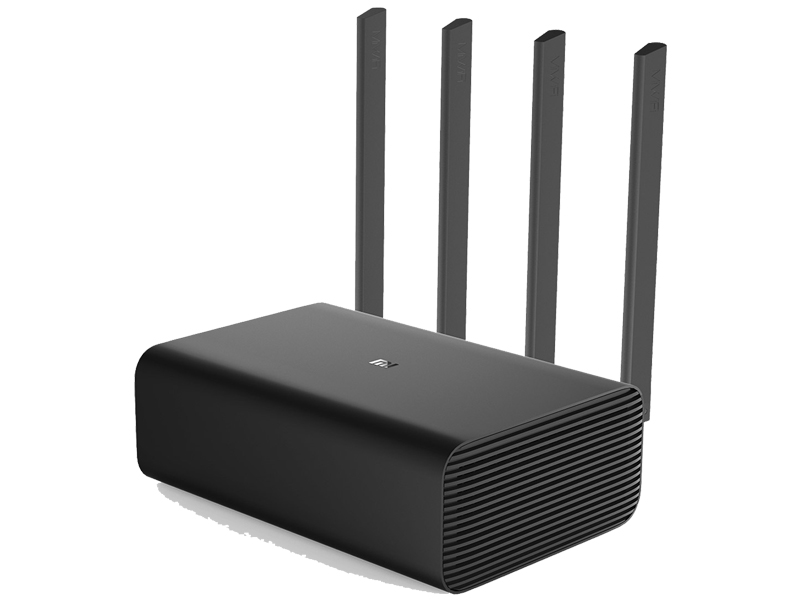
Xiaomi Mi Smart Router Pro
Unfortunately, information is still scarce regarding the launch and finer details are unavailable, for now. The new Xiaomi router could share the stage with the Mi 10 series but is also likely to be launched separately as well. So stay tuned for more developments regarding upcoming Xiaomi launches.
Security researcher Vladislav Yarmak has published details about a backdoor mechanism he discovered in Xiongmai firmware, used by millions of smart devices across the globe, such as security cameras, DVRs, NVRs, and others. A firmware fix is not currently available as Yarmak did not report the issue to the company, citing a lack of trust in the vendor to properly fix the issue.
In a detailed technical rundown that Yarmak published on Habr, the security researcher says the backdoor mechanism is a mash-up of four older security bugs/backdoors that were initially discovered and made public in March 2013, March 2017, July 2017, and September 2017 — and which the vendor failed to adequately fix.
According to Yarmak, the backdoor can be exploited by sending a series of commands over TCP port 9530 to devices that use HiSilicon chips and Xiongmai firmware. The commands which are the equivalent of a secret knock will enable the Telnet service on a vulnerable device.
Yarmak says that once the Telnet service is up and running, the attacker can log in with one of six Telnet credentials listed below, and gain access to a root account that grants them complete control over a vulnerable device.
These Telnet logins have been found in previous years as being hardcoded in the firmware, but despite public disclosures and their abuse by Mirai botnets, Yarmak says the hardcoded credentials were left in place, while the vendor chose to disable the Telnet daemon instead.
Because Yarmak did not intend to report the vulnerability, firmware patches are not available. Instead, the security researcher has created proof-of-concept (PoC) code that can be used to test if a “smart” device runs on the vulnerable firmware.
If a device is found to be vulnerable, the Russian researcher advises that device owners should ditch and replace the equipment. The proof-of-concept code is available on GitHub. Build and usage instructions for the PoC are available in the Habr post.
This backdoor is said to likely be on a countless number of devices, as the Hangzhou Xiongmai Technology Co which manufactures the Xiongmai firmware is a known seller of white-label products, sold under tens of other brands. The researcher cited the work of another researcher who in September 2017 tracked down the same backdoor mechanism in the firmware that was being used by DVRs sold by tens of vendors.
The World’s biggest 3D printed building has official been opened in Dubai. It is a large two story building encompassing 6,900 foot surface area which has been made for local general administrative functions by the Dubai Municipality; and is a part of a plan to have 25 percent of all new constructions being made in a similar manner by 2030.
The 3D printer was positioned by a large crane to build the outer wall before moving upward to reach the final height of the building
The building was originally designed in Boston, US and was a joint effort with Apis Cor, which is a company that specializes in 3D printing and construction of buildings. Intersetingly, the newly completed structure is not the tallest 3D printed building, that title goes to a five story apartment building in China. However, the area in which the 3D printed building in Dubai wins is the total surface area.
Similar to conventional construction, the foundation was laid first with concrete mixtures before the 3D printed walls were erected. The construction utilized a fast drying mix of recycled construction debris, cement, and other construction leftovers which also makes this a less environmentally impactful and economical project. In comparison to a traditional building of this size, the materials used are roughly about 50 percent lighter and are said to be considerably more durable in the longer run.
The newly constructed building that will serve administrative functions for Dubai’s Municipality
Initially, the construction process used the 3D printer to line the outer walls, making it a few inches thick before the walls reached full height. After this was completed, construction workers took over and started working on the roof and also worked on cutting out spaces for windows whilst filling in the walls with insulating materials.
Notably, Apis Cor claims that an affordable 500 square foot house can be 3D printed in just about 24 hours, which is indicative of the quick pace of its technology. The company is planning on working on such projects in the states of Louisiana and California as well.
Google recently launched its flagship smartphones — Pixel 4 and Pixel 4 XL. The company is now expected to launch a budget-friendly variant of the same which could be named Pixel 4A and Pixel 4A XL.
While there have been three codenames for the same, it has now been confirmed that the Pixel 4A is codenamed “sunfish”, which will be the successor to Google Pixel 3A. Based on the previous leaks, the device will come powered by the Qualcomm Snapdragon 730 SoC.
This also confirms that the smartphone won’t have support for 5G connectivity. However, there’s no information available if other devices — redfin, bramble, or both code-names will have Snapdragon 765 SoC.
If those two devices end up having 5G connectivity support, it could mean that the phones will be powered by the Qualcomm Snapdragon 765 SoC. However, there’s not much information available about these phones yet.
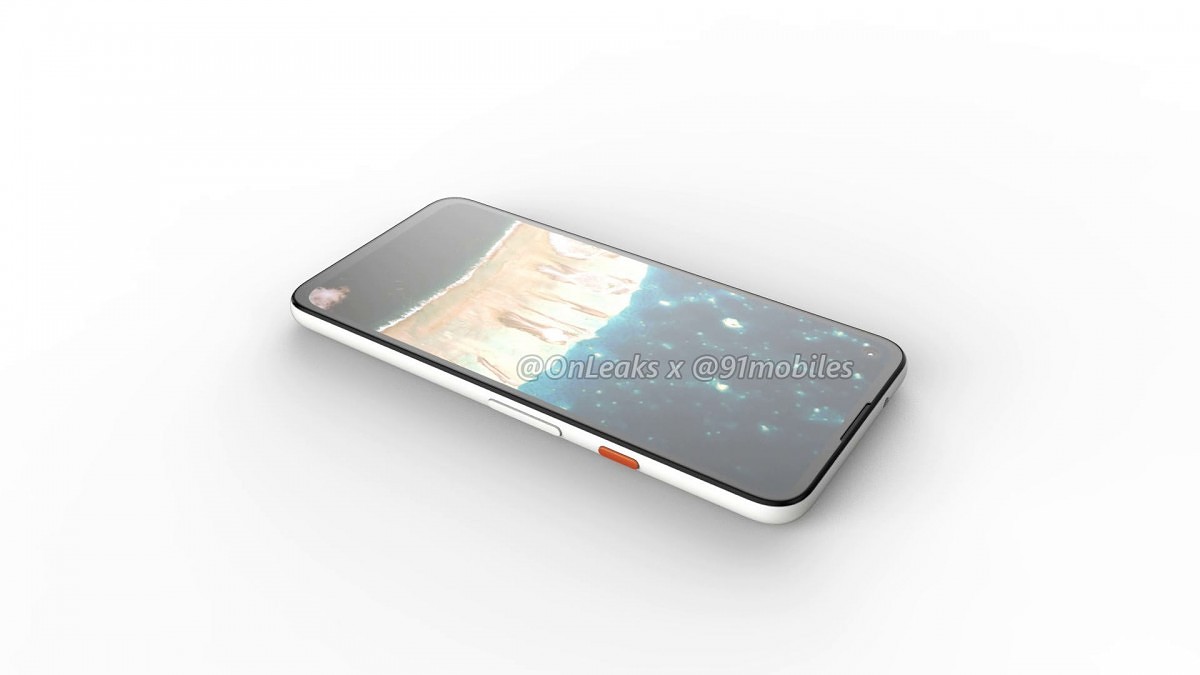
So far, it has been revealed that the Pixel 4a could come with a 5.7 or 5.8-inch single hole-punch display. The device is said to have a single rear camera setup and will feature a rear-mounted fingerprint sensor.
It will reportedly have around 3.5mm headphone jack and USB Type-C port. Google’s Pixel 3a series was successful and if the company plays its cards right, the upcoming Pixel 4a series could also be a huge success. Given that the Pixel 4 lineup hasn’t debuted in the Indian market, the budget-friendly 4A has lots of things riding on it.
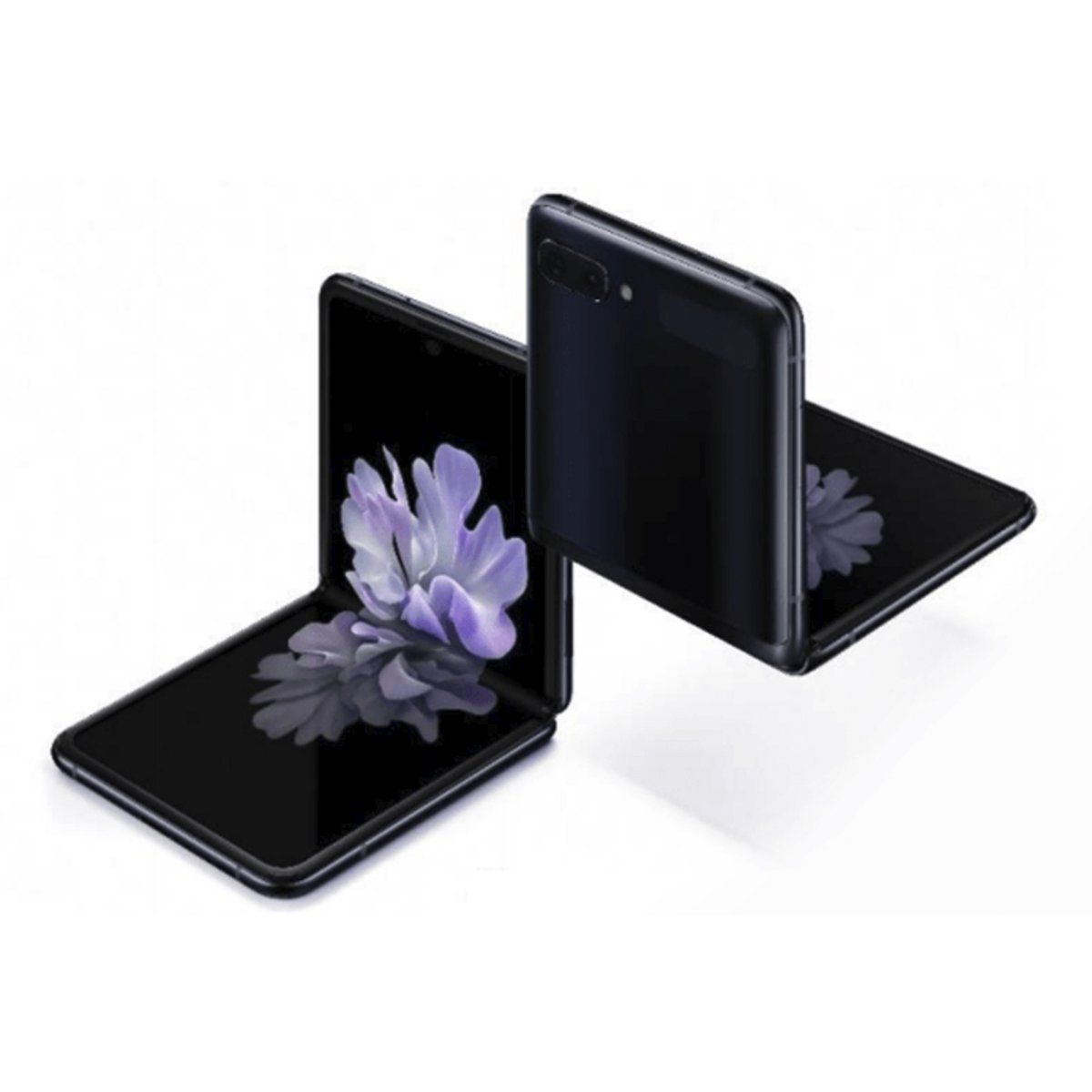
Since 2019’s Galaxy Fold, multiple reports have surfaced regarding Samsung working on other smartphones with a foldable display. One such smartphone is the upcoming Galaxy Z Flip which has been spotted again in another video that was leaked.
Samsung Galaxy Z Flip
The Samsung Galaxy Z Flip was caught on camera again in an undisclosed location at a retail store. It was spotted by an Instagram user that also filmed and posted a short video on their account. As seen in the video, the upcoming foldable smartphone was covered by a thick case that is designed more for covering the device to prevent leaks rather than protection.
Previously, the South Korean tech giant had utilized a similar tactic to hide its Galaxy Fold smartphone to showcase just the screen, back in November 2018. Unfortunately, the video does not reveal any surprising new detail regarding the Samsung Galaxy Z Flip but does indicate its imminent announcement. We might see it in the Samsung Unpacked event which is going to be held on 11th February 2020, where the Galaxy S20 flagship series will also be announced.
For those unaware, the Galaxy Z Flip was recently spotted earlier this week in a leaked video. The design follows a clamshell display that also resembles the Motorola Razr 2019. Unfortunately, finer details regarding the smartphone are currently unavailable and we will have to wait for an official announcement from Samsung for more details. So stay tuned, as more information is expected to arrive soon and we will be covering the upcoming Samsung Unpacked 2020 event as well.
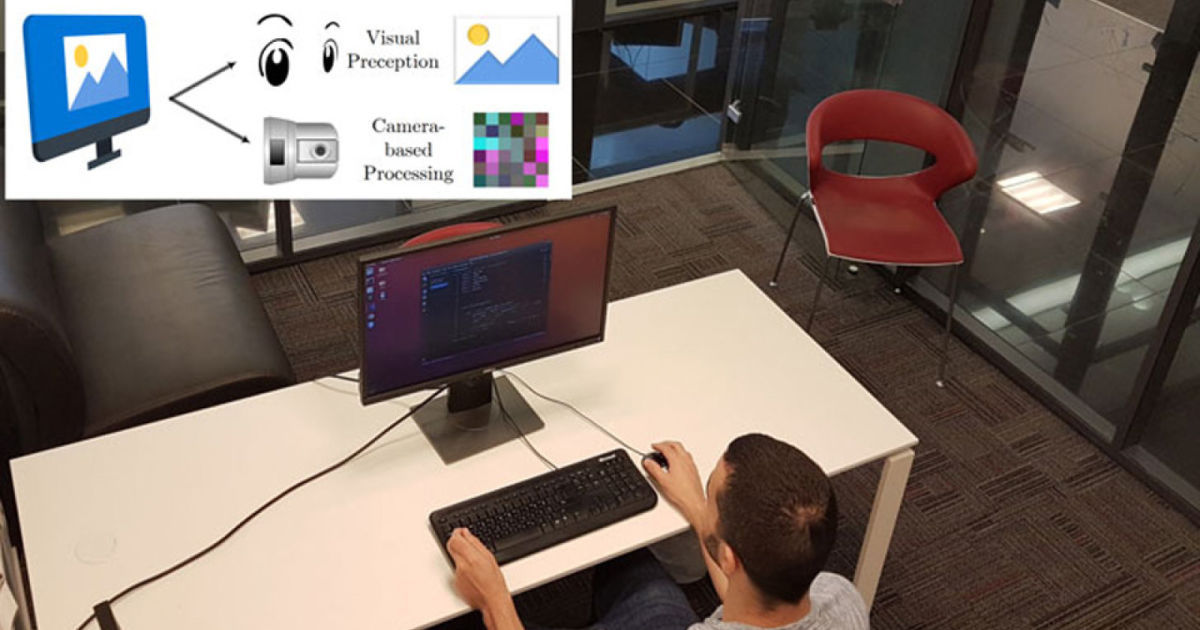
According to a new report, researchers have found a new method to steal data from computers that are not connected to any external system or other computers. They achieved this by mapping the brightness of the LCD monitor.
A camera equipped device can map the subtle changes in the LCD monitor’s RGB colors to extract user data
The method utilizes a previously compromised computer to relay changes in the LCD’s RBG color values through a camera. The changes are imperceptible, meaning its almost impossible to map it with the naked eye, thus it requires a camera equipped device. Theoretically speaking, one can also trick someone into loading malware on their computer through a USB drive and use nearby security cameras, that have been hacked, to relay the relevant data.
In other words, all of this sounds like a technique out of science fiction or a hacking scene in a movie, but it is now also a method of extracting data out of one’s system. However, don’t worry too soon, as it is not yet possible for hackers to simply gain access to your computer’s important credentials and sensitive data through brightness alone.
A data thief would have to go through many loops like gaining access to a camera that is pointed towards the target computer for it to be possible. As it stands right now, the technique will supposedly more helpful to intelligence agencies and other such organizations rather than a hacker keeping track of your PC monitor. Although the development does give rise to a new avenue of hacking altogether, even between air-gapped computers that are completely isolated.
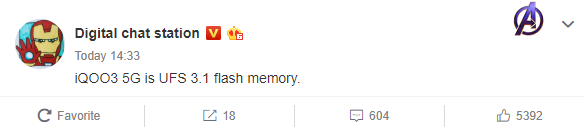
Everything on the specifications of the rumored iQOO 3 smartphone is known since has appeared on China’s TENAA database. While the China launch of the phone appears to be close at hand, some reports have claimed that it may debut first in India. In fact, India which is still not a 5G-ready country will possibly a Snapdragon 865 powered 5G iQOO phone and a 4G phone this month. The Indian variant of the phone has been benchmarked on Geekbench 5 through which it some of its specifications have been revealed. At the same time, a reputed Chinese tipster has revealed that it could be equipped with UFS 3.1 storage. Hence, it could be debuting as the world’s UFS 3.1 supported device.
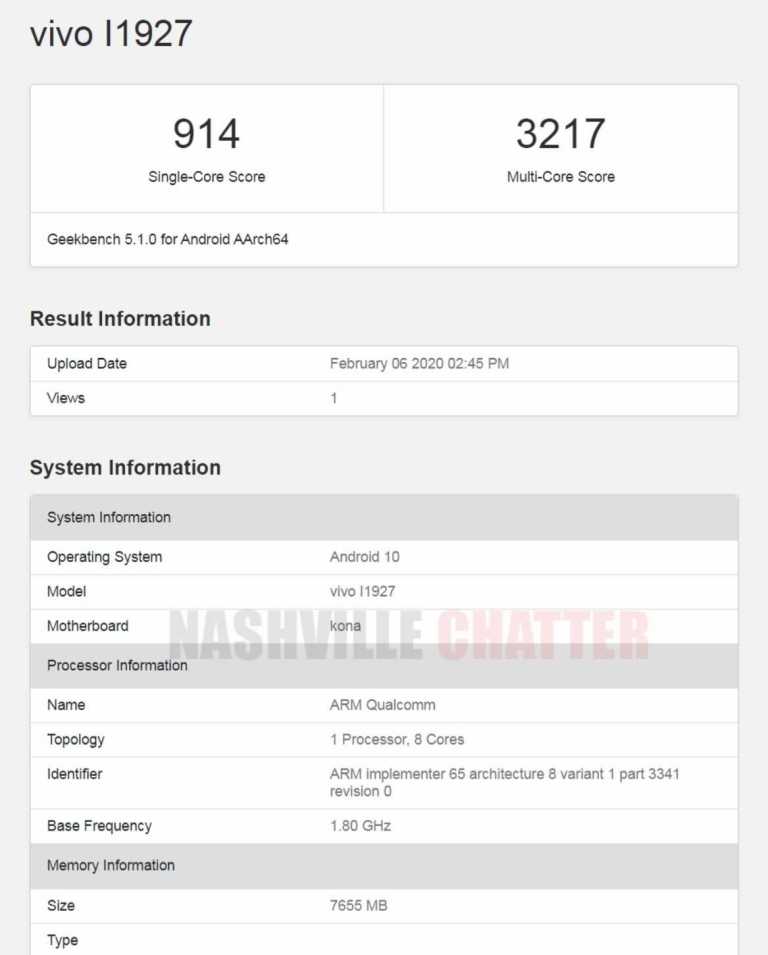
The Bureau of Indian Standards (BIS) had recently approved two iQOO phones with model numbers such as I1927 and I1928. These could be two different phones. The I1927 has seemingly appeared on Geekbench 5 today as “Vivo I1927.” It appears to be the Snapdragon 865 5G phone from iQOO phone that will debut soon in India. It is yet to be confirmed whether it will be debuting as iQOO 3.
According to the Geekbench 5 listing, the Vivo I1927 has scored 914 and 3217 in the single-core and multi-core tests, respectively. The listing reveals that the smartphone is driven by “kona” octa-core processor that offers a base speed of 1.80GHz. Past reports have confirmed that Kona is the codename of the Snapdragon 865 5G mobile platform.
The Geekbench 5 listing of the alleged iQOO 3 phone reveals that it is loaded with Android 10 OS. The SoC of the device is equipped with 8 GB of RAM. The TENAA listing of the phone has revealed that the phone may also come in 6 GB and 12 GB RAM edition in China.
The TENAA appearance of the purported iQOO 3 has also revealed that China will be receiving it in 128 GB and 256 GB storage editions. A Chinese tipster has claimed that iQOO 3 could become the first phone to arrive with UFS 3.1 that was made official earlier this month. In the recent past, iQOO China’s product manager had hinted that the next iQOO phone will be not be not only coming with SD865, but also the latest UFS 3.1 storage technology.
The alleged iQOO 3 TENAA listing revealed that it has a 6.44-inch full HD+ AMOLED display with in-screen fingerprint reader. It will be a punch-hole screen with 60Hz refresh rate. The handset will have a 16-megapixel front camera and a 64-megapixel + 13-megapixel + 13-megapixel + 2-megapixel quad cameras setup on its back.
Allegegd iQOO 3 (right) with purported OPPO Find X2 (left)
The SD865 and UFS 3.1 surely is a lethal combination. iQOO will be also using Micron’s LPDDR5 RAM technology. However, there is no confirmation whether the iQOO 3 will be equipped with LPDDR5. The phone may house a 4,410mAh battery that will probably support 55W fast charging.
Samsung is all set to launch its second flagship smartphone — Samsung Galaxy Z Flip. Even before the phone goes official in next week at the Unpacked event, Russian jeweler Caviar has designed a custom luxury version of the unannounced phone.
The company has launched “The Joker and Harley Quinn Limited Edition” of the Samsung Galaxy Z Flip smartphone. It says that the back panel of the device will be inlaid with 24 carat gold.
The upper part of the back panel shows the clown as a Joker reference while the lower part of the same is of Harley Quinn. The back of the phone looks like two playing cards — while Harley Quinn is referred as ‘Queen’ while the Joker is a trump card.
Given that its a foldable smartphone, when it is folded in half, the device shows both Harley Quinn and Joker on each side of the device. This new limited edition smartphone is up for pre-order for a price of $5,210 and Caviar says that only 54 units are currently available for order.
Samsung is all set to launch the Galaxy Z Flip smartphone at its Unpacked event on 11th February in San Francisco. As per the reports, the device is expected to be smaller than the Galaxy Fold and will not be as expensive as the first-generation Fold smartphone.
As per the rumors, the Galaxy Z Flip will launch with a 6.7-inch FHD+ flexible screen and a 1.06-inch secondary display. There will be a Snapdragon 855+ processor inside the device along with 8GB of RAM and 256GB of UFS 3.0 storage.
The dual rear cameras are a 13MP f/1.8 primary sensor and a 12MP f/2.2 123° ultrawide-angle camera. The selfie camera is a 10MP f/2.4 sensor. The phone has a 3300mAh battery that is split into two and supports 15W wired charging and also supports wireless and reverse wireless charging. Samsung will ship it with Android 10 with One UI 2 on top.
We use cookies on our website to give you the most relevant experience by remembering your preferences and repeat visits. By clicking “Accept”, you consent to the use of ALL the cookies.
This website uses cookies to improve your experience while you navigate through the website. Out of these, the cookies that are categorized as necessary are stored on your browser as they are essential for the working of basic functionalities of the website. We also use third-party cookies that help us analyze and understand how you use this website. These cookies will be stored in your browser only with your consent. You also have the option to opt-out of these cookies. But opting out of some of these cookies may affect your browsing experience.
Necessary cookies are absolutely essential for the website to function properly. This category only includes cookies that ensures basic functionalities and security features of the website. These cookies do not store any personal information.
Any cookies that may not be particularly necessary for the website to function and is used specifically to collect user personal data via analytics, ads, other embedded contents are termed as non-necessary cookies. It is mandatory to procure user consent prior to running these cookies on your website.