Advertisement

Vivo X200 FE or OnePlus Nord 5 – The Better Choice in 2025

Vivo X200 FE and OnePlus Nord 5 target different ends of the premium mid-range spectrum, making their comparison essential for buyers seeking the best value. Both bring strong hardware, modern design, and advanced displays, yet differ in durability, camera versatility, and performance focus. This matchup highlights whether paying extra for flagship features is worth it or if a well-balanced, more affordable option delivers enough.

1. Design and Display

VIVO X200 FE
Vivo X200 FE

Build and Feel:
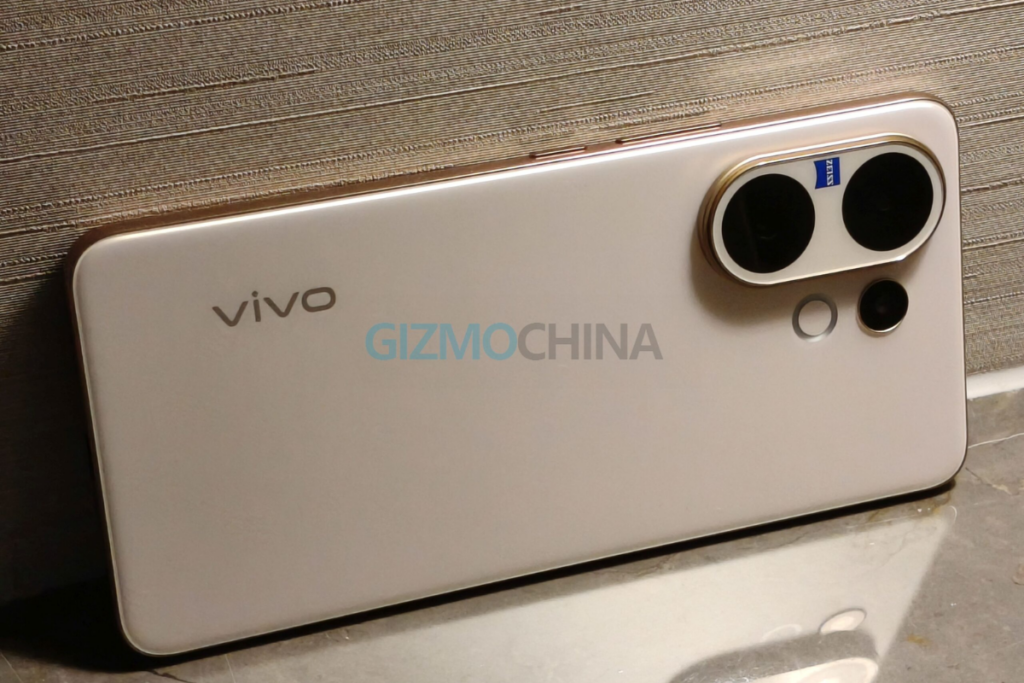
The Vivo X200 FE features a premium aluminum frame with glass on both sides, along with IP68/IP69 protection, meaning it can withstand high-pressure water jets and submersion. The OnePlus Nord 5 uses a glass front and back but has a plastic frame, offering IP65 protection, which is less robust against water ingress. The Vivo feels more durable and premium, while the Nord 5 focuses on being lighter in the hand. The X200 FE takes the edge for those prioritizing ruggedness and premium materials.

Display Quality:
Vivo offers a 6.31-inch LTPO AMOLED with 1B colors, HDR10+, and an impressive 5000 nits peak brightness, ideal for sunlight visibility. The Nord 5 has a larger 6.83-inch Swift AMOLED with a 144Hz refresh rate, HDR10+, and 1800 nits peak brightness. While Vivo wins in brightness and LTPO power efficiency, the Nord 5’s higher refresh rate and larger size cater more to gamers and media lovers.

Verdict:
Vivo X200 FE is better for durability, compact use, and outdoor visibility, while the Nord 5’s size and 144Hz refresh rate make it more appealing for immersive viewing and gaming.

Please Note: When you buy something using the links in our articles, we may earn a small commission at no cost to you.

Please Note: When you buy something using the links in our articles, we may earn a small commission at no cost to you.

2. Specifications 

OnePlus Nord 5
OnePlus Nord 5

Performance:
Vivo runs the flagship MediaTek Dimensity 9300+, delivering higher peak performance and better sustained GPU capabilities for heavy multitasking and gaming. The Nord 5 uses Snapdragon 8s Gen 3, which is highly efficient but slightly below the flagship tier in raw power. Vivo’s chipset is better for demanding workloads, whereas Nord 5 emphasizes a balance between performance and thermals.

Battery and Charging:
The X200 FE packs a 6500 mAh battery (global) with 90W wired charging, hitting 100% in 57 minutes. Nord 5’s global version offers 6800 mAh with 80W wired charging, plus PPS and PD support, reaching 100% in 54 minutes. Nord 5 has slightly more capacity and more charging standards, while Vivo’s battery chemistry (Si/C Li-Ion) focuses on longevity.

Verdict:
Vivo X200 FE leads in raw performance and battery technology durability, while Nord 5 offers marginally longer endurance and more versatile charging options.

3. Camera

VIVO X200 FE
Vivo X200 FE

Main and Secondary Lenses:
The Vivo X200 FE features a triple setup with a 50MP main sensor, a 50MP periscope telephoto with 3x optical zoom, and an 8MP ultrawide, co-engineered with Zeiss optics. The Nord 5 uses a dual setup with a 50MP main and 8MP ultrawide. Vivo’s telephoto addition significantly improves zoom versatility, making it better for photography enthusiasts.

Selfie Camera:
Both sport 50MP selfie cameras with autofocus and 4K video recording. The X200 FE adds HDR capabilities for more balanced exposure in challenging lighting, while the Nord 5 emphasizes a wide field of view for group selfies. For detail and HDR performance, Vivo has the advantage.

Verdict:
Vivo X200 FE wins in rear camera versatility and quality, while both are strong in selfies, with Vivo slightly ahead in HDR performance.

4. Pricing

OnePlus Nord 5
OnePlus Nord 5

The Vivo X200 FE is priced around $750, while the OnePlus Nord 5 comes in at about $550. The $200 difference reflects Vivo’s flagship-level processor, higher-grade water resistance, brighter LTPO display, and telephoto zoom lens. 

However, the Nord 5 still offers excellent performance, a large high-refresh display, and bigger battery capacity for significantly less money, making it better for budget-conscious buyers.

5. Conclusion

Vivo X200 FE
Vivo X200 FE

The Vivo X200 FE stands out with its IP69 durability, Zeiss camera tuning, brighter LTPO display, and Dimensity 9300+ flagship chip. The OnePlus Nord 5 offers a larger 144Hz display, a slightly bigger battery, multiple fast-charging standards, and competitive pricing.

Verdict:
Choose the Vivo X200 FE if durability, camera versatility, and top-tier performance are priorities. Pick the OnePlus Nord 5 if you want a large, fast display, strong battery life, and solid performance at a more affordable price.

Read More:

These Budget Oppo TWS Earbuds Offer Dual Device Connection & 54 Hours of Battery Life

Oppo has unveiled the new Enco Buds 3 Pro, which is a pair of budget friendly TWS earbuds. These arrive with a bunch of useful features and a long battery life without breaking the bank. The earbuds are the latest from its Enco lineup, so here are their specs, features, pricing, and more.

Oppo Enco Buds 3 Pro: Here’s What You Get for Under Rs 2,000?

The Chinese tech giant just unveiled the Oppo K13 Turbo and K13 Turbo Pro in the Indian market and alongside these gaming phones, it released the new Enco Buds 3 Pro. These TWS feature large 12.4mm titanium coated dynamic drivers that promise powerful bass. The hearables connect via Bluetooth 5.4 and also support Google Fast Pair. Notably, you also get the nifty dual device connection feature, which allows the user to pair two separate devices for seamless switching between the two audio sources.

Oppo Enco Buds 3 Pro

You also get SBS and AAC codecs along with an ultra low latency mode for 47ms. The low latency mode makes it great for mobile gamers as it reduces the lag between audio and visuals during wireless connection. For Oppo smartphone owners, the Enco Buds 3 Pro even offers camera control via a double tap. Apart from this, a highlight feature is the long battery life, with up to 12 hours of playback from the earbuds alone (58mAh cell) and up to 54 hours of total battery when paired with the charging case (560mAh).

It also supports fast charging, with just 10 minutes of charging enabling 4 hours of audio playback on the earbuds and 8 hours of battery on the charging case. The Oppo Enco Buds 3 Pro was announced in two color options, namely Graphite Gray and Glaze White. It will go on sale from the brand’s official store and Flipkart on 27th August 2025 for just Rs 1,799.

For more daily updates, please visit our News Section.

Tech enthusiast? Get the latest news first! Follow our Telegram channel and subscribe to our free newsletter for your daily tech fix! ⚡
Oppo’s K13 Turbo Series Gaming Phones Drop in India With Fast Chips, Cooling Fans, & More

Gaming smartphones are getting more powerful and affordable with each passing year. Chinese brands have been at the forefront of this category, and Oppo‘s new K13 Turbo and K13 Turbo Pro are the latest in the segment. You get powerful processors, high refresh rate, massive batteries, and a new active cooling system. These models first debuted in China last month, so here are all the details regarding the Indian release.

Oppo K13 Turbo Pro

Talking about the more expensive option first, we have the Oppo K13 Turbo Pro. The Chinese tech giant offers a tall 6.8-inch flat AMOLED display with a 1.5K resolution, a 120Hz refresh rate, 240Hz touch sampling rate, and up to 1600 nits of peak brightness. Under the hood, Oppo equips this model with Qualcomm’s latest Snapdragon 8s Gen 4 SoC, which is paired with up to 12GB of LPDDR5X RAM and 256GB of UFS 4.0 storage (UFS 3.1 on the 128GB variant).

Oppo K13 Turbo Pro
Oppo K13 Turbo Pro

A massive 7,000mAh battery pack powers this device, which supports 80W wired fast charging. But one of the more impressive features is the cooling tech on the new phones. Smartphones with high-end chips typically go for a vapor chamber/large cooling surface materials for passive thermal dissipation, but the K13 Turbo lineup brings cooling fans along with the large VC cooling setup. This helps keep temperatures in check and prevents performance throttling, which can be pretty handy for long term gaming.

For optics, the rear has a 50MP main camera with a 2MP depth sensor, while the front houses a 16MP selfie shooter. Other notable features include an in-display fingerprint scanner, infrared sensor, and IPX6 + IPX8 + IPX9 water resistance, Android 15 OS based ColorOS 15 custom skin, stereo speakers, NFC, Bluetooth 5.4, and WiFi 6.

Oppo K13 Turbo

Oppo K13 Turbo
Oppo K13 Turbo

The more affordable model base variant’s specs and features are nearly identical, with only one major difference. So you get the same display specs, battery capacity and fast charging specs, an active cooling fan, water resistance, cameras, and more. However, the biggest difference between the two models is the processor. Unlike the Oppo K13 Turbo Pro, the standard K13 Turbo gets a MediaTek Dimensity 8450 SoC. This is still a powerful chipset that is great for gaming enthusiasts.

Pricing and Availability

Oppo announced the K13 Turbo in three color options, namely Purple Phantom, White Knight, and Midnight Maverick, while the K13 Turbo Pro has the same colors but replaces the White Knight version with a Silver Knight option. These are also available in multiple storage configurations, so here are the pricing details:

Oppo K13 Turbo

  • 8GB + 128GB – Rs 27,999
  • 8GB + 256GB – Rs 29,999

Oppo K13 Turbo Pro

  • 8GB + 128GB – Rs 37,999
  • 12GB + 256GB – Rs 39,999

There is a dedicated accessory with these devices, which is the Oppo Turbo back clip, which is sold separately for Rs 3,999. Both models will go on sale via Oppo’s official online store, Flipjkart, and offline retailers. However, the K13 Tubro Pro has its first sale kick off on August 15, while the K13 Turbo drops on August 18. Oppo is also offering bank discounts of up to 3,000 INR.

For more daily updates, please visit our News Section.

Don’t miss a thing! Join our Telegram community for instant updates and grab our free daily newsletter for the best tech stories!

Baseus S2 Outdoor Security Camera Review: Sharp 4K Video, Smarter Alerts, Zero Cables

When Baseus reached out with their S2 outdoor security camera, I was curious but not entirely sure what to expect. I reviewed the Baseus S1 Pro last year, and while it looked very similar, that older model needed a hub to operate. This one doesn’t. The S2 is completely self-contained; open the box, mount it, connect it to Wi-Fi, and it’s good to go. No extra hardware. No hub. No permanent wiring.

Baseus S2 Outdoor Security Camera Review

I tested the S2 in some pretty unforgiving rainy weather, followed by a period of intense heat. And after several weeks of real-world use, I have a pretty good sense of where it shines, where it struggles, and whether it’s worth the asking price.

Design and Build

The first thing you notice is the housing. It’s chunky without being oversized, with clean lines and a matte finish that makes it look more expensive than it is. The IP67 weatherproof rating means it’s happy to live through rain, dust storms, and the kind of temperature swings that would make cheaper hardware groan. I tested it in the Indian monsoon with some intense rainy days as well as some hot days touching 40°C, and it kept recording without a hiccup.

Baseus S2 Outdoor Security Camera Review

On the back, you get a mount that makes installation refreshingly simple: just three screws into a wall or post, click the camera onto the bracket, and you’re ready to angle it. The design also accounts for the solar panel’s needs.

Instead of being fixed, the panel has an auto-tracking system that tilts and pivots to follow the sun. It’s not just a party trick either, it’s pulling in up to 900mAh a day, keeping the built-in 7,800mAh battery topped off without me touching a charging cable.

The ports and microSD slot live under a rubber gasket, which seals tightly enough that I never worried about water ingress. Everything about the build says it’s designed to be mounted once and then left to get on with its job for years.

Setup: Cable-Free Freedom

Setting up the S2 is a reminder of how far Wi-Fi-only cameras have come. I connected it to my 2.4GHz network in a couple of minutes through the Baseus Security app, updated the firmware, and had it streaming live video to my phone without touching a cable. It supports microSD cards up to 512GB for local storage, no forced cloud subscription, no “free trial” countdown timers threatening to lock me out of my own footage.

I mounted it on the front balcony once, as well as on a corner near the top terrace, angled to face the lower terrace. Since I already had the mount from the S1 Pro, I simply swapped the S1 Pro for the S2, which made the process very easy for me. If you’re setting it up for the first time, though, you’ll need to drill it in place.

The app gives you a live view while you adjust the angle, making it easy to frame the scene without any guesswork. It was ready to go in under 20 minutes, and from that point on, I didn’t have to think about battery life once.

Video Quality

Many consumer security cameras claim 4K resolution yet end up producing muddy, compressed footage that barely outperforms 1080p. The Basis S2 isn’t flawless, but its 8MP sensor and f/1.6 aperture lens make a convincing case for the extra pixels. In daylight, license plates remain legible even at the far end of my driveway, and pausing footage reveals small details as well.

The 145° field of view is wide enough to capture the whole scene without distorting it into a fisheye mess. The 8x digital zoom is where the resolution pays off; you can punch in to check a face or object without it turning into a pixelated blur.

Nighttime performance is where the S2 really flexes. You get three modes: full infrared for classic black-and-white stealth footage, no night vision at all (if you’re trying to save battery in a well-lit area), and full-color night vision using the built-in 100-lumen spotlight.

I ran it in full infrared and color mode for most of my testing, and the results were surprisingly good. The spotlight doesn’t just help the camera; it makes its presence known to anyone in frame, which has its own deterrent effect.

Motion Detection

This is where things get interesting. Most cameras rely solely on PIR (passive infrared) sensors that trigger whenever there’s a temperature change in the frame, which is why they’re prone to false alerts from animals, hot air vents, or even bursts of sunlight. The S2 doubles up with radar detection, cross-checking movement before sending an alert.

In practice, this reduced my false notifications dramatically. I went from getting six or seven random “motion detected” pings a day with my previous camera to maybe one every few days on the S2. It was smart enough to ignore wind-blown leaves, passing cars, and neighborhood cats, while reliably catching actual people entering the frame.

The AI layer on top is still in beta, but it already recognizes faces, people, vehicles, and pets with decent accuracy. I set up a whitelist of family members (although I turned off this feature later), and it really did stop alerting me when they walked up the driveway, a feature I didn’t know I needed until I realized how much mental noise it cut down.

App Experience

The Baseus Security app is clean, with a timeline scrubber for reviewing clips, a big live view window, and quick-access buttons for the spotlight, siren, and two-way talk. The two-way audio impressed me most; voices come through clear and without lag, which makes quick exchanges actually viable.

You can also set privacy zones, which mask parts of the frame from being recorded. It’s a small but important feature if your camera points near a neighbor’s property or a public sidewalk. The processing happens on-device, and data is AES + RSA encrypted, so there’s no third-party cloud server holding your video unless you choose to store it there.

The only drawback is that the app can occasionally feel sluggish, with videos taking longer to load or sometimes failing to load. Otherwise, it works fine.

Solar and Battery Life

The solar panel is the star here. Over several weeks, the battery never dipped below 95%, even during a few cloudy days. The combination of a high-efficiency ETFE surface (resistant to yellowing and curling) and the sun-tracking system means it’s pulling in charge far more effectively than fixed-panel competitors I’ve tested. If you install it somewhere with at least a few hours of sunlight a day, you could realistically never have to bring it down for charging.

Of course, you can still plug it in via USB-C if you ever need to, but in my testing, I never had to.

Daily Use

Good security cameras are the kind you stop noticing, until you actually need them. The S2 slipped into that role easily. Alerts arrive promptly, the live feed loads relatively quickly, and the footage quality means I’m not squinting to figure out what I’m seeing. Over time, I checked in less often because the motion detection proved reliable enough that every ping felt worth opening.

Voice assistant integration with Alexa and Google Home is there if you want to view the feed on a smart display or control it via voice, though I mostly stuck to the app.

Final Thoughts

The Basis S2 isn’t trying to reinvent the outdoor camera; it’s refining it. By pairing a genuinely useful 4K image with reliable motion detection, zero-maintenance solar charging, and a privacy-first local storage model, it sidesteps two of the most common frustrations with security cams: false alerts and battery anxiety.

It’s not perfect. The frame rate in 4K could be smoother, the AI still needs training, and you’ll want to make sure you have a solid 2.4GHz connection where you plan to mount it. But in day-to-day use, those are small trade-offs for a camera I can install once, leave running indefinitely, and trust to tell me when something important is happening.

If you’ve been waiting for a solar-powered outdoor cam that doesn’t feel like a compromise, the Basis S2 is the closest I’ve tested yet. At its current price, it’s a no-brainer.

Pricing and Availability

The Baseus S2 is priced at around $133.32 on the official website, with an extra 10% discount available at checkout. On Amazon, it’s currently listed for about $129.99.

For more daily updates, please visit our News Section.

Stay ahead in tech! Join our Telegram community and sign up for our daily newsletter of top stories! 💡

Prepare your Samsung device for the One UI 8 beta upgrade

Samsung One UI 8 beta upgrade

After a long wait, Samsung is finally expanding the One UI 8 beta program beyond the Galaxy S25 series. The beta update starts rolling out today for Galaxy S24 series, Galaxy Z Fold 6, and Galaxy Z Flip 6 in select regions, and is planned to reach more Galaxy phones (including some mid-range phones) in the coming weeks.

While it feels great to test out new features before the majority gets to experience them, there are a couple of steps you must follow for a smooth upgrade, especially when it’s a beta update.

1. Understand the risk

While most of you may already be aware of the risks associated with beta builds, it’s just a reminder that you shouldn’t test such builds on your primary device. For those uninitiated, beta builds generally contain bugs and unfinished/broken features. The software experience may also be less than smooth.

Also, note that there’s no easy way to roll back to stable One UI 7 software without erasing your data. Hence, it’s strongly recommended to take a complete backup before installing a beta build (more on that below).

Related: These Samsung phones are eligible for One UI 8 beta program

2. Back up your data

Before installing a major upgrade like One UI 8, it’s recommended that you take a complete backup to prevent data loss in case of installation failures. Although such things happen rarely nowadays, it’s always better to safeguard data so as not to cry later.

The best way out is to set up automatic backups using cloud storage, such as Google Drive or Mega. You can also use Samsung Cloud to back up your files for free, with no storage limit. The only catch here is that your files remain stored on servers for 30 days. So, remember to restore your files from Samsung Cloud before they are automatically deleted.

3. Install pending updates

Your Samsung phone must be running the latest software to participate in the One UI 8 beta program. To check for available updates, go to Settings > Software updates and tap the Download and install button.

Although not mandatory, it’s also recommended that you update all the updates on your device. You can update Samsung apps via the Galaxy Store and the remaining via the Google Play Store.

4. Install the Samsung Members app

To participate in the One UI 8 beta program, you must have the Samsung Members app on your device. You can install it from the Galaxy Store.

If you already have the app, ensure it’s up to date. You’ll find the One UI 8 beta banner inside the app when your device becomes eligible for it.

5. Ensure the device has sufficient storage and battery

One UI 8 is a major upgrade, and its download size is likely to be a couple of gigabytes (GBs). You must make sufficient room on the internal storage. For optimal performance, you should keep at least 10GB of free space.

Battery is another key thing to look at before installing a major upgrade. It’s recommended that you keep at least 30% battery before hitting the install button, so the device doesn’t shut off during the update installation. Otherwise, it might lead to installation failure, which can be a headache to fix later on.

Remember to visit the One UI 8 section regularly for the latest news. You can also follow our Telegram channel and subscribe to our free newsletter for your daily dose of tech!

Also Read:
1. Here’s when Samsung will push the stable One UI 8 update
2. Samsung makes significant changes to One UI rollout strategy
3. One UI 8 will be the last big upgrade for these Samsung devices

Blaze AMOLED 2 Debut: Lava’s New Slim & Affordable Phone with a 50MP Sony Camera

Lava is stepping up its game in the budget smartphone segment with the launch of the Blaze AMOLED 2 in India. It is an affordable feature packed smartphone that brings notable specs in a slim form factor. On paper, this model seems to be a compelling budget phone, so here’s its specs, features, and pricing.

Lava Blaze AMOLED 2: Big Battery & More in a Sleek Body

The Indian brand just announced the Lava Blaze AMOLED 2 with what it calls the Linea Design. It is claiming that this device is the smallest in this segment (smartphones under Rs 15,000), measuring just 7.55mm in thickness. While it isn’t as notable as something like the Galaxy S25 Edge or Infinix Hot 60 Pro+ with sub-6mm bodies, this is a budget phone that costs around 150 US Dollars. It sports a tall 6.67-inch AMOLED display with an FHD+ resolution and a 120Hz refresh rate.

Lava Blaze AMOLED 2
Lava Blaze AMOLED 2

Under the hood, the Lava Blaze AMOLED 2 is equipped with the MediaTek Dimensity 7060 SoC, which is paired with 6GB of RAM and 128GB of internal storage. A sizeable 5,000mAh battery pack powers this model, which supports 33W wired fast charging. The budget phone runs on Android 15 OS out of the box. For photography, the company has even packed the Blaze AMOLED 2 with a 50MP Sony main camera. Other notable features include virtual RAM expansion, an IP64 rating for water and dust resistance, and an in-display fingerprint scanner.

Lava just announced this budget slim phone in two color options, namely Midnight Black and Feather White. You can purchase it in India for Rs 13,499 via offline smartphone retailers. First sales of this model in Amazon kicks off on 16th August 2025.

For more daily updates, please visit our News Section.

Tech enthusiast? Get the latest news first! Follow our Telegram channel and subscribe to our free newsletter for your daily tech fix! ⚡

Tecno’s MegaPad Pro leaks with big screen, big battery, and stylus support

Tecno seems ready to unveil its next tablet, allegedly called the MegaPad Pro. The device has surfaced in the rumor mill, revealing its key specs and images.

Tecno MegaPad Pro Leak

The tablet features a 12-inch display with a sharp 2K resolution and an 86% screen-to-body ratio. Design-wise, it sports squared-off edges along with a rear camera module. It will be available in two colors—grey and purple—and has a slim, metal build that’s just 7mm thick and weighs 550g.

AI Button, 10000mAh battery, and more

Tecno has also integrated its AI-powered smart assistant, which can help with multitasking, provide quick on-screen suggestions, and even handle translations. There’s also a dedicated AI Quick Button for instant access to the ELLA voice assistant.

The tablet supports Tecno’s MEGA Pencil stylus for note-taking, offering 4,096 pressure levels, low latency, and an eraser function. You can draw, write, annotate, convert sketches into AI images, or perform quick searches with gestures.

Powering the device is a 10,000mAh battery with support for 33W fast charging. According to the leak, it will also support microSD cards. However, the leak doesn’t spill the beans on the processor, RAM, or onboard storage just yet.

For audio, the MegaPad Pro boasts quad speakers tuned with Dolby Atmos, promising richer and more immersive sound for movies, games, and calls.

According to the leak, the device could launch at around ₹18,000–₹22,000 in India or $200–$250 in Europe. There is no word on launch timing yet, but we will keep you in the loop as we hear more about it.

For more daily updates, please visit our News Section.

Stay ahead in tech! Join our Telegram community and sign up for our daily newsletter of top stories.

(Source)

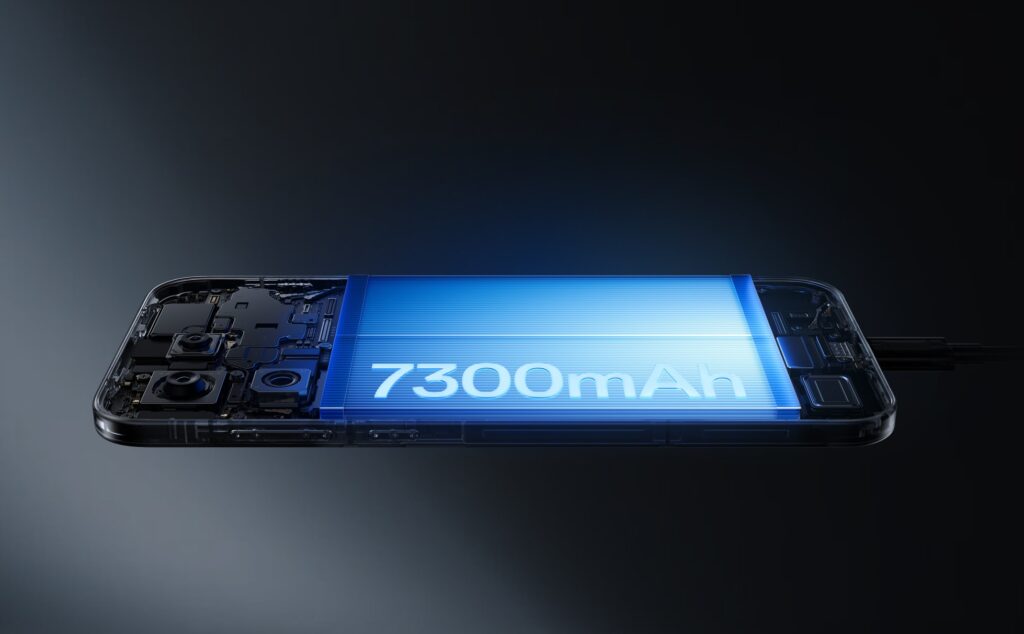
Honor’s Dimensity 8500 phone to pack 10000mAh battery

A recent leak by tipster Digital Chat Station revealed that Redmi, Honor, and iQOO are working on phones powered by the next-generation Dimensity 8500 chipset. Today, DCS released a Weibo post to confirm the battery size of Honor’s D8500 phone.

Honor’s Dimensity 8500 phone’s battery size revealed

honor’s Dimensity 8500 phone with 10000mAh battery in works

According to DCS, Honor’s upcoming Dimensity 8500 phone is being tested with a 10,000mAh battery. He further said that the phone has reached the NPI (New Product Introduction) verification phase. At present, there’s no information about the device’s final moniker.

To recall, the said phone entered the NPI stage in the last week of July and has been gradually progressing ahead. As mentioned at the beginning of this post, a couple of brands are working on Dimensity 8500-powered phones. However, it is being said that the Redmi Turbo 5 will launch as the first-ever phone equipped with the D8500 SoC.

This indicates that Honor’s Dimensity 8500 phone may launch in China soon after the Redmi Turbo 5 in December, or it may break cover in January 2026. At present, only the chipset and battery size of the Honor D8500 phone are known. Hopefully, upcoming reports will shed more details about its other specifications.

As far as the Dimensity 8500 SoC is concerned, it is said to be a 4nm chip built by TSMC. While its CPU architecture remains unchanged compared to the Dimensity 8400, which debuted last year, its Mali-G720 GPU is said to deliver a superior gaming experience. The chip is projected to achieve over 2 million points on AnTuTu benchmarks. The tentative names of other Dimensity 8500 phones include the Realme Neo 8 SE and iQOO Z11 Turbo.

For more daily updates, please visit our News Section.

Stay ahead in tech! Join our Telegram community and sign up for our daily newsletter of top stories.

Vivo Vision launch fast approaching, reveals Vivo exec

The Apple Vision Pro, a mixed reality headset, went official in February 2024. Rival brand Samsung officially confirmed during its recent earnings report that it will release an XR-capable headset dubbed Project Moohan, running Android XR, this year. Now, Vivo’s Product Manager has released an official statement that its mixed reality headset, named Vivo Vision, is also in the works.

Vivo Vision coming soon

Vivo Vision MR headset

Han Boxiao, Vivo’s Product Manager, shared his excitement about the upcoming Vivo Vision mixed reality headset. According to him, the company recently set up an MR experience zone, where he personally tried the soon-to-be-launched device and was left impressed.

He also shared the above image to tease the Vivo Vision’s design. To recall, the device was showcased at the Boao Forum for Asia, which was held in March 2025.

He highlighted three key impressions from his experience. First, the wearing comfort felt “addictive,” as the headset is extremely light. Although the exact weight remains undisclosed, he compared it to the comfort of wearing AirPods Max over-ear headphones.

Second, he praised the design as “addictive,” describing it as stunning, minimalist, elegant, and refined, with a flagship-level finish. Third, the user experience also left a strong impact; while he could not reveal too much, he shared that viewing panoramic photos taken by the upcoming Vivo X200 Ultra on the headset was a truly breathtaking experience. He added that preparations for the launch event are in full swing and encouraged interested users to follow official updates.

Meanwhile, tipster Digital Chat Station said that the Vivo Vision MR headset – Explorer Edition will be the first Apple Vision Pro–style MR device from a mainstream smartphone brand. He added that the device is expected to deliver an effortlessly immersive experience, and its launch is fast approaching.

Vivo’s next major launch event for the Chinese market will probably be held in September or October this year. It is likely to unveil the Vivo X300 series of flagship phones at the event. There is also a possibility that the Vivo Vision may debut alongside the X300 lineup.

For more daily updates, please visit our News Section.

Stay ahead in tech! Join our Telegram community and sign up for our daily newsletter of top stories.

SanDisk launches 512GB microSD Express card with SSD-level speeds & Nintendo Switch 2 support

SanDisk has launched a new 512GB microSD Express card aimed at creators, adventurers, and gamers who need high-speed, durable storage in a compact format. It is priced at 1499 yuan on JD.com and $119.99 on Amazon.

SanDisk 512GB microSD Express

SanDisk 512GB microSD Express Specifications

The card uses PCIe 3.1 NVMe technology to deliver read speeds of up to 880MB/s. The 512GB and 256GB models reach write speeds of up to 650MB/s with sustained write speeds of 210MB/s.

The 128GB model offers the same maximum read speed but writes at up to 480MB/s, with a sustained rate of 100MB/s. These speeds place it close to mainstream portable SSDs and far ahead of standard microSD UHS-I cards.

The card supports 5.3K and 4K video recording, high-resolution RAW photography, and slow-motion footage. It works with PCIe NVMe and is backward compatible with microSD UHS-I devices, covering Android smartphones, tablets, drones, action cameras, laptops, and handheld gaming consoles. It is also compatible with the Nintendo Switch 2.

SanDisk 512GB microSD Express

The card is resistant to water, extreme temperatures, humidity, drops, shocks, magnetic interference, X-rays, and abrasion. SanDisk includes its ThermAdapt technology, which uses a specially designed shell and controller with dynamic thermal management to prevent overheating during heavy workloads.

When paired with the SanDisk Pro-Reader SD Express dual-slot card reader, the card reduces transfer times significantly. Transfers of a 60-minute 4K30 video can be up to 2.8 minutes faster, while 2,000 10MP RAW images move up to 2.9 minutes faster. Under optimal conditions, a two-hour HD movie transfers in less than 3.5 seconds

The card comes with a lifetime limited warranty and a two-year subscription to SanDisk’s RescuePro Deluxe file recovery service. It measures 14.99mm by 10.92mm by 1.02mm and operates in temperatures from -25°C to 85°C, with storage tolerance from -40°C to 85°C.

Please Note: When you buy something using the links in our articles, we may earn a small commission at no cost to you.

In related news, SanDisk has unveiled a 256TB SSD designed for AI applications and data-intensive workloads, set to launch in the first half of 2026.

For more daily updates, please visit our News Section.

Stay ahead in tech! Join our Telegram community and sign up for our daily newsletter of top stories! 💡

TCL and Hisense surge as global TV shipments rise 2% in early 2025

Global TV shipments grew modestly in the first half of 2025, but analysts warn that the second half could face challenges. TrendForce reported that shipments reached 92.5 million units between January and June, representing a 2% year-on-year increase.

The research firm lowered its full-year shipment forecast to 195 million units, down 1.1% from 2024. It said many brands pushed shipments forward to take advantage of early demand, which could leave the holiday season with weaker sales.

Hisense TV

TrendForce identified two main factors affecting the market. High panel costs continue to restrict brands from expanding promotional activities. In addition, expected tariff changes have influenced buying behavior, prompting some consumers to purchase earlier than planned. In the United States, TV sales rose 2–3% year-on-year in the first half, pulling forward demand that might otherwise have occurred later in the year.

Global TV Shipments H1 2025

Samsung, TCL, Hisense, LG Electronics, and Xiaomi remained the top five global brands, holding a combined market share of 65.6%. Samsung’s shipments stayed flat compared to last year. TCL increased shipments by 12.5% year-on-year, while Hisense grew 7.3%. Xiaomi posted a 1.5% rise, and LG saw a 1.1% decline. TrendForce said TCL and Hisense benefited from favorable domestic policies and strong global demand, which boosted their market share.

Mini LED TVs are expected to be a growth driver for the rest of the year. TrendForce forecasts global shipments of Mini LED TVs to grow 67% year-on-year to 12.9 million units in 2025. TCL, Hisense, and Xiaomi are projected to capture 62% of the Mini LED market. Mini LED TV penetration is expected to reach around 6.6% globally, supported by policy subsidies that make the technology more competitive.

In related news, Elista has launched new QLED Google TVs in India starting at ₹23,990, while Acerpure has introduced 65-inch and 75-inch QLED gaming TVs with 120Hz displays and Dolby Vision.

For more daily updates, please visit our News Section.

Stay ahead in tech! Join our Telegram community and sign up for our daily newsletter of top stories! 💡

(Via)

Which Mac Should You Buy? Complete Apple Mac Buying Guide

Apple offers a wide range of PCs from its Mac lineup. But the multiple models can make it overwhelming for new buyers. Some cater to students and casual users, while there are high end Macs that are more suited for creative professionals. From the ultra-portable MacBook Air to the powerhouse Mac Studio, each device has their unique strengths. So here’s a quick buying guide for the Apple Macs to help you decide which one fits your needs and budget.

1. MacBook Air: Best for Students & Everyday Use

MacBook Air
Apple MacBook Air

The MacBook Air is Apple’s lightest and most affordable laptop, perfect for those who prioritize portability and battery life. Powered by its M series chips (M4 being the latest), you get enough horsepower for every day tasks, light photo editing, and productivity apps. Due to its fanless design, it can’t sustain intense tasks for too long, but thanks to its power efficient design, you get great battery life. If you travel often or need a reliable laptop for classes and work, the MacBook Air is a top pick.

Please Note: When you buy something using the links in our articles, we may earn a small commission at no cost to you.

2. MacBook Pro: Best for Creatives & Power Users

Apple discontinues 13-inch MacBook Pro with Touch Bar
Apple MacBook Pro

Apple’s MacBook Pro lineup offers more performance for intensive workloads. Available in 14-inch and 16-inch sizes, these machines feature an active cooling system, higher refresh rate, and the more powerful Apple silicon (M Pro and Max versions). They are built for professionals working with video editing, coding, music production, and more on the go. While they’re heavier and pricier than the Air, the performance gains are well worth it for demanding tasks.

Please Note: When you buy something using the links in our articles, we may earn a small commission at no cost to you.

3. Mac Mini: Best for Budget Desktop Users

Apple Mac Mini M4
Apple Mac Mini

The Mac Mini is the most affordable desktop Mac. Despite its small size, it packs impressive performance thanks to the latest M4 chipset. This is basically a mini PC, so you’d still need to get a monitor and the rest of the peripherals like keyboard and mouse. However, the Mac Mini is perfect for home offices, casual creators, and anyone who needs the performance of the Mac without breaking the bank.

Please Note: When you buy something using the links in our articles, we may earn a small commission at no cost to you.

4. iMac: Best All-in-One Solution

Apple confirms no 27-inch iMac with M3 chip
Apple iMac

For users who prefer a clean, all-in-one setup, the 24-inch iMac is a stylish and capable option. The latest iteration of the iMac features vibrant color options, a gorgeous 4.5K Retina display, and the M4 chip for solid performance. It’s great for family computers, small creative studios, and anyone who values a clutter-free desk.

Please Note: When you buy something using the links in our articles, we may earn a small commission at no cost to you.

5. Mac Studio: Best for High-End Professionals

Apple
Apple Mac Studio

Apple made another compact desktop PC and even built it as a powerhouse. The Mac Studio was designed for professionals who need extreme performance. Powered by the M4 Max or the M3 Ultra, it is ideal for heavy-duty workflows like 8K video editing, high-end 3D rendering, and advanced machine learning. It’s not cheap, but for top-tier creators, it’s an investment that pays off.

Please Note: When you buy something using the links in our articles, we may earn a small commission at no cost to you.

For more daily updates, please visit our News Section.

Don’t miss a thing! Join our Telegram community for instant updates and grab our free daily newsletter for the best tech stories!

Apple’s Next MacBook Pro Might Feature OLED & Dynamic Island

Apple may be gearing up for a significant redesign of its MacBook Pro lineup, with rumors suggesting that a future model will be getting a notable update. The next gen MacBook Pro could feature a stunning OLED display that removes the notch for something even smaller.

What’s New on the Next Apple MacBook Pro?

The Cupertino based giant kicked off the sale of its 2025 MacBook Air with the M4 chipset a couple of months ago. Meanwhile, the successor is said to be in the works with the newer and faster Apple M5 processor. The higher end MacBook Pro will likely get the more powerful variants of this chip, which could be the Apple M5 Pro and M5 Max. But apart from the newer processor, the brand could even make the MacBook Pro lighter and thinner than its predecessor.

Apple M4 MacBook Pro unboxing
Apple MacBook Pro

To recall, the current gen MacBook Pros feature mini LED display technology, which offers great brightness levels and deeper blacks compared to typical LCD panels. But recent rumors have pointed to the MacBook Pro featuring a new OLED panel. So we can expect truer blacks, wider viewing angles, and superior contrast as well. This could even help make the screens on the MacBook Pro more power efficient.

The Omdia report further adds that the next gen MacBook Pro’s notch is also getting an update, replacing the large notch with a new punch hole cutout for the webcam. Meaning, we might be seeing some Dynamic Island like functionality with the new models. Keep in mind that this is still just an unconfirmed report, so take this news with a pinch of salt for now.

For more daily updates, please visit our News Section.

Tech enthusiast? Get the latest news first! Follow our Telegram channel and subscribe to our free newsletter for your daily tech fix! ⚡

(Via)

iQOO 15’s arrival teased again, could be one of the first Snapdragon 8 Elite 2 adopters

The upcoming iQOO 15 could be one of the early adopters of the Snapdragon 8 Elite 2. During a popular gaming livestream in China, a company executive hinted it will debut soon.

iQOO’s arrival is confirmed again

iQOO 15 teased

During a League of Legends: Wild Rift live event in China, viewers noticed actress Zhao Lusi still using the older iQOO 11S. Following this, iQOO’s product manager jokingly suggested gifting her the upcoming iQOO 15. The official account quickly confirmed that Zhao Lusi would indeed receive the new phone, effectively revealing its existence ahead of schedule.

This is not the first time that the brand has hinted at the arrival of the iQOO 15. Just before the recently held ChinaJoy event, iQOO confirmed that the winners of the “Honor of Kings” 5v5 tournament would win the iQOO 15.

iQOO 15, 15 Ultra specifications (rumored)

Reports indicate that the upcoming iQOO 15 lineup will comprise two models – the standard iQOO 15 and the iQOO 15 Ultra. Both are expected to feature high-end specifications, including a 6.85-inch 2K LTPO OLED display, Qualcomm’s Snapdragon 8 Elite 2 processor, and a triple rear camera configuration with each sensor offering 50 megapixels. The setup will also include a 3x periscope telephoto unit with a medium-sized sensor.

The series is expected to house a battery of around 7,000mAh capacity and run on OriginOS 6-based Android 16. The Ultra variant is said to have additional features, such as a built-in cooling fan and dedicated gaming trigger buttons. A recent leak claimed that while the standard model will launch this year, the Ultra edition may debut in the first half of 2026.

For more daily updates, please visit our News Section.

Stay ahead in tech! Join our Telegram community and sign up for our daily newsletter of top stories.

Realme GT 8 to feature a 6.6-inch screen, a 7,000mAh battery

Realme has already confirmed that the Realme GT 8 series will be announced in October in China. The lineup will include two devices, the Realme GT 8 and GT 8 Pro. So far, the leaks have mainly focused on the Pro edition, but now a new leak that has surfaced on Weibo reveals that the Realme GT 8 will be a smaller device compared to the Pro edition. The leak has tipped the display and battery capacity of the standard model.

Realme GT 8 display, battery size leak

Realme GT 8 display leak

Reports have suggested that the Realme GT 8 Pro will feature a 6.85-inch 2K OLED panel. As far as the standard model is concerned, the above leak suggests that it will be a smaller device, as it will pack a 6.6-inch screen with a flat design.

Despite packing a comparatively smaller display, the Realme GT 8 may pack a battery of around 7,000mAh, suggests the new leak. The tipster did not reveal anything else about the device. Rumours suggest that the GT 8 and GT 8 Pro will both feature the next-generation Snapdragon 8 Elite 2 chipset.

The GT 8 series is also expected to arrive with design improvements compared to the previous generation. One of the major highlights of the GT 8 duo is that it will run on the next-generation Realme UI 7-based Android 16.

According to reports, the Realme GT 8 Pro’s rear camera setup is expected to feature a 200-megapixel periscope telephoto camera. It is also said to be equipped with an improved motor, dual speakers, a metal middle frame, and an ultrasonic in-screen fingerprint sensor.

It is also being said that the Realme GT 8 Pro will be costlier than its predecessor. While the GT 7 Pro was priced at 3,599 Yuan (~$500) at launch, there is a possibility that the GT 8 Pro may arrive with a 3,999 Yuan (~$555) starting price.

For more daily updates, please visit our News Section.

Stay ahead in tech! Join our Telegram community and sign up for our daily newsletter of top stories.

HTC Wildfire E4 Plus launched with 6.74-inch display, 50MP primary camera

HTC has been gradually launching Wildfire-branded entry-level category phones in a few markets. Earlier this year, it announced the Wildfire E7 Plus in Vietnam. Now, it has taken the covers off the Wildfire E4 Plus for the Thai market. Here’s a closer look at what the Wildfire E4 Plus brings to the table.

HTC Wildfire E4 Plus specifications and features

HTC Wildfire E4 Plus

The HTC Wildfire E4 Plus sports a 6.74-inch HD+ screen offering a 90Hz refresh rate and a 20:9 aspect ratio. Powering the device is the Unisoc T606, paired with 4GB of RAM and 128GB of onboard storage, which can be expanded using a microSD card.

Running on Android 14, the smartphone houses a 5,000mAh battery with 10W charging support via USB Type-C. On the front, there’s an 8-megapixel selfie camera placed within a notch, while the back hosts a 50-megapixel main shooter accompanied by a 0.3-megapixel depth sensor.

HTC Wildfire E4 Plus

For security, it includes both a fingerprint scanner and face unlock. When it comes to connectivity, it offers features like dual SIM, LTE, Wi-Fi 802.11, Bluetooth, and a 3.5mm headphone jack. The handset weighs 200 grams and measures 168.5 x 77.9 x 9.4 mm.

HTC Wildfire E4 Plus price and availability

Priced at THB 3,599 (~$110) in Thailand, the HTC Wildfire E4 Plus will be offered in black and light blue colors. Apart from the E4 Plus, HTC is also offering the Wildfire E5 and E5 Plus in the Thai market.

For more daily updates, please visit our News Section.

Stay ahead in tech! Join our Telegram community and sign up for our daily newsletter of top stories.

Tecno Spark Go 5G set to launch on August 14, design, key details confirmed

Earlier this year, Tecno unveiled the Tecno Spark Go 2 smartphone with a price tag of Rs 6,999 in India. The 4G-enabled phone came with key specifications, such as a 6.67-inch 120Hz display, a 5,000mAh battery, and an IP64-rated chassis. Now, the brand is gearing up to launch yet another Spark-branded phone in the Indian market. The dedicated microsite available on Amazon confirms that the Tecno Spark Go 5G will break cover on Aug. 14 in India. The listing has confirmed the design and key specifications of the device before launch.

Tecno Spark Go 5G key details confirmed

Advertised as the slimmest 5G phone in its price segment, the Tecno Spark Go 5G has a thickness of only 7.99mm. Weighing 194 grams, the device packs a massive 6,000mAh battery.

Apart from 5G, the Spark Go will support offline calls, which means it may allow users to carry out calls via Bluetooth within its limited range. The Ella AI assistant will come with support for multiple Indian languages, such as Hindi, Marathi, Gujarati, Tamil, and Bangla. It will also have some AI-powered features, such as Circle to Search and AI Writing Assistant.

The other details of the Spark Go 5G are under wraps. With a few days remaining for the launch, the brand is expected to confirm new details in the days leading up to the launch.

It appears that the Spark Go 5G will be the company’s first-ever Spark series phone to support 5G connectivity. Likely, the device may hit the Indian market with a sub-Rs 10,000 price tag.

Please Note: When you buy something using the links in our articles, we may earn a small commission at no cost to you.

For more daily updates, please visit our News Section.

Stay ahead in tech! Join our Telegram community and sign up for our daily newsletter of top stories.

Huawei launches Mobile Router 5 with 4G, Wi-Fi 4 & up to 32 devices support

Huawei has launched the Huawei Mobile Router 5 in China as a compact and versatile networking solution for users who do not want a fixed broadband connection. The device is priced at 329 yuan ($46) and is available in two versions: a standard edition and a SkyPass edition with additional data services.

Huawei Mobile Router 5

Huawei Mobile Router 5 Specifications

The Mobile Router 5 supports Wi-Fi 4 and offers three internet modes. It can convert a mobile network to Wi-Fi, a mobile network to a wired connection, or a wired network to Wi-Fi. Huawei is targeting home offices, student dorms, retail shops, rural areas, and industrial warehouses with this flexibility.

The router includes a nano-SIM slot for direct 4G connectivity. It features dual 100 Mbps Ethernet ports, allowing simultaneous wired connections for devices such as PCs and surveillance systems. The device uses HPUE (High Power User Equipment) technology to boost signal coverage by up to 30 percent compared to regular devices, which improves performance in low-signal areas such as basements or dense urban environments.

Huawei Mobile Router 5

Huawei claims peak speeds of 195 Mbps for mobile networks and 300 Mbps for Wi-Fi connections. The router can connect up to 32 devices at once, supporting smartphones, laptops, tablets, and other wireless gadgets.

The Huawei Smart Life app manages the network, allowing users to track data usage, monitor signal strength, set monthly data limits, and optimize router placement. It also offers WPA3 encryption, device blacklists and whitelists, and Huawei’s HomeSec for threat protection, along with a guest Wi-Fi option for visitors.

The router features wall-penetration, standard, and sleep Wi-Fi modes for performance and power control, along with security tools like brute-force protection, malicious activity blocking, and one-tap removal of unknown devices.

The SkyPass version includes 5GB of free data for seven days. Huawei offers a monthly plan for 99 yuan ($14) and an annual plan for 599 yuan ($83).

In related news, D-Link recently introduced the R95, M95, and G572 Wi-Fi 7 routers with AI capabilities and tri-band speeds. TP-Link has also unveiled its first Wi-Fi 7 travel router, the TL-WR3602BE, offering 3600Mbps speeds and USB-C power.

For more daily updates, please visit our News Section.

Stay ahead in tech! Join our Telegram community and sign up for our daily newsletter of top stories! 💡

Tmall launches a portable projector with 360° stand, 4K decoding & Wi-Fi 6 for under $100

Tmall has launched its latest compact home projector, the Magic Screen C3 Air Youth Edition, in China. It is priced at 699 yuan ($97) and is now available on JD.com. The package includes a free KuMiao streaming membership for Youku content.

Tmall Magic Screen C3 Air Youth Edition

Tmall Magic Screen C3 Air Youth Edition Specs

The C3 Air Youth Edition delivers 246 CVIA lumens, ensuring uniform brightness across the screen with no dark corners. The projector supports 4K decoding and outputs native 1080p resolution for sharp, detailed images.

It features a sealed optical engine that blocks dust and prevents black spots, preserving image quality over time, while a dual-channel triple-turbine cooling system manages heat efficiently and keeps fan noise to a minimum.

The device includes 32GB of storage and an SSD2381 processor for smooth performance. It offers AI-assisted functions including automatic focus, keystone correction, screen alignment, and obstacle avoidance. It also supports voice control and one-touch casting with Apple, Android, Windows, and Huawei Cast+ devices.

Tmall Magic Screen C3 Air Youth Edition

The projector sits on a 360° integrated gimbal stand with a metal pivot, allowing projection onto walls, screens, or ceilings. Its 84mm thickness makes it easy to move or store. The lens uses triple optical coating for improved light transmission, while built-in dual-channel stereo speakers deliver clear, immersive audio.

In terms of connectivity, it includes dual-band Wi-Fi 6 for faster streaming, Bluetooth for wireless audio, and ports for USB, HDMI, and audio out. The C3 Air Youth Edition supports screen sizes from 40 inches to 120 inches and can be mounted in front, rear, desktop, or ceiling configurations.

Tmall has positioned the device as a multi-purpose family projector. It includes modes designed for children and seniors, has a no-ad start-up experience, and supports a wide range of entertainment apps, including options for movies, karaoke, fitness, and gaming. Low-latency console gaming is also supported, making it suitable for more than just casual viewing.

In related news, Xming recently launched the Q6 Neo projector featuring a dual-arm gimbal, 245 CVIA lumens brightness, HDR10+ support, and Mi Home integration. Epson has also unveiled the LS9000 4K laser projector with HDR10+ and HDMI 2.1 support.

For more daily updates, please visit our News Section.

Stay ahead in tech! Join our Telegram community and sign up for our daily newsletter of top stories! 💡

(JD)

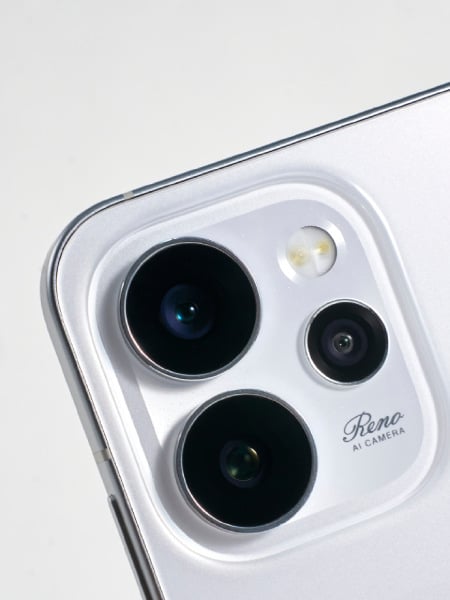
Oppo Reno 14 5G review: An all-rounder that delivers on design, battery, and photography

The Oppo Reno series has always struck a balance between style and substance. The Oppo Reno 14 5G carries that legacy forward, offering advanced imaging, a large battery with fast charging, and a capable chipset in a slim, elegant profile. Having used it for a while, I can say you will not feel short-changed by choosing this over the Reno 14 Pro 5G. It is a well-engineered all-rounder with a strong emphasis on AI-powered photography and everyday usability.

Next

5. Verdict

The Oppo Reno 14 5G is a well-rounded package that blends design finesse, durability, and capable performance with one of the most versatile camera systems in its class. The combination of a large 6,000mAh battery, fast charging, and a bright, high-refresh OLED screen makes it easy to recommend for those who want a phone that can handle long days without compromise.

There are a few small caveats. The ultra-wide camera is not as strong in low light as the main and telephoto sensors, and audiophiles might find the speaker bass a bit lacking. Overall, this is a handset that strikes an excellent balance between style, substance, and smart features.

If you’re after a phone that delivers premium touches without a premium price tag, the Reno 14 5G is a compelling choice. It’s proof that a device can be sleek, sturdy, and smart, all at once.

The Reno 14 4G comes in three options such as 8GB+256GB, 12GB+256GB, and 12GB+512GB. It can be bought in shades like Forest Green and Pearl White.

For more daily updates, please visit our News Section.

Stay ahead in tech! Join our Telegram community and sign up for our daily newsletter of top stories.

Oppo Reno 14 5G
Oppo Reno 14 5G
Next