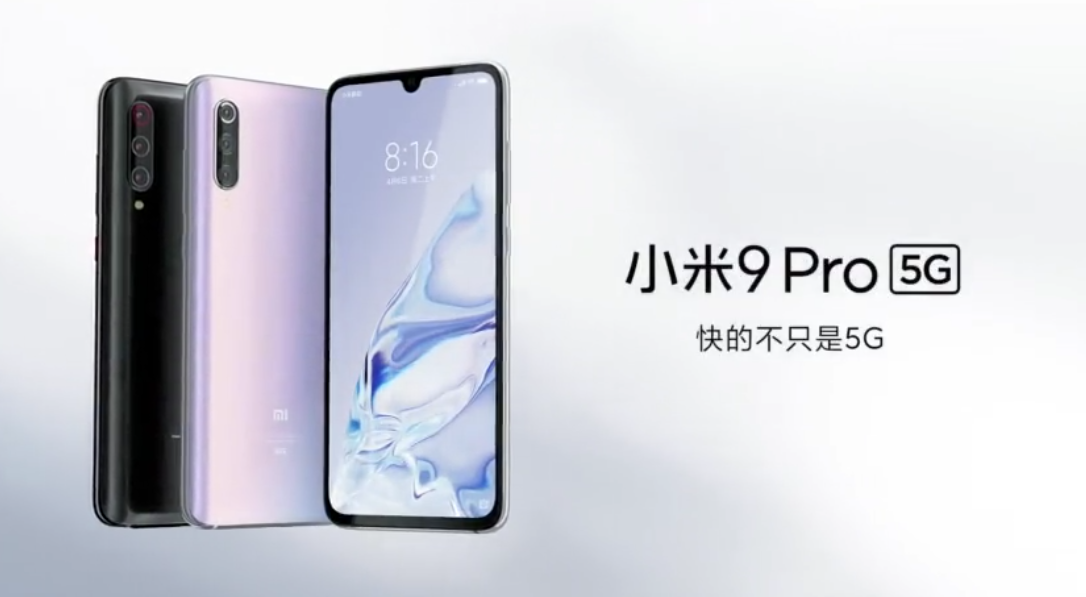
On 27th November 2019, the Xiaomi group held a conference for the third quarter of 2019. Lei Jun, the billionaire co-founder of Xiaomi, stated in the conference that he believes that an affordable 1000 Yuan ($142) 5G smartphone will be available in the market by 2021. He also stated the true transition to 5G networking is just 3-4 years away for the people of China.
Xiaomi Mi 9 Pro 5G
Notably, Xiaomi is expected to release over 10 smartphones in 2020 that are capable of 5G networking; and in general, it is estimated that the penetration rate of 5G mobile phones will be around 40 percent to 50 percent in the Chinese market alone. The Chinese tech giant aims to provide affordable priced 5G smartphones during this time. Additionally, the 5G smartphone market is expected to boom in the next 3-4 years which Xiaomi can capitalize on. This is further made possible by the company’s good cash flow and sufficient inventory which lays a good foundation to build the 5G business on as well.
The smartphone manufacturer released its financial report for the third quarter of 2019. In the report, the average selling price (ASP) of Xiaomi smartphones increased by 4.6 percent in China. Furthermore, it also announced that the company is pushing ahead with the development of 5G smartphones. Knowing Xiaomi, it is not farfetched to assume a 1000 Yuan 5G smartphone might just be available in two years’ time.
The ASUS ROG Phone launched last year as the mobile industry’s top gaming smartphone. While its hardware is nothing short of impressive, its software support has been disappointing.
Yes, the first-gen ROG Phone (ZS600KL) is now receiving Android Pie even though other devices are already getting Android 10. The news was announced on ASUS ZenTalk forums.
The update arrives as version 16.0410.1910.91. Below is the full changelog:
Upgraded system to Android P.
Removed PAge Marker, ZeniMoji, Report Location in Safeguard, weather animation setting, AI Charging.
Removed the Yandex cloud operation of File Manager application.
Upgraded Game Center to Armoury Crate with a whole new design.
Added “Adaptive brightness”, “Adaptive Battery”, “New notifications”, “Status bar icon manager”, “Screen recorder”, and “Local backup” in Settings.
Upgraded Game Genie panel with new design and features.
Added Android P “Swipe up on Home button” gesture.
Support 24-hour forecast in Weather application.
Revamped Mobile Manager, Contacts, File Manager, Calculator, Clock, Gallery, and Weather applications.
Redesigned volume control panel following Android P.
ASUS is currently working on updating the ROG Phone 2 to Android 10. It already rolled out the update to the Zenfone 6 and Zenfone 5Z. However, we do not think the ROG Phone 1 will be getting Android 10 anytime soon, if at all.
The Android Pie update is rolling out gradually, so if you check your device now and it isn’t available yet, you may want to give it a few more days.
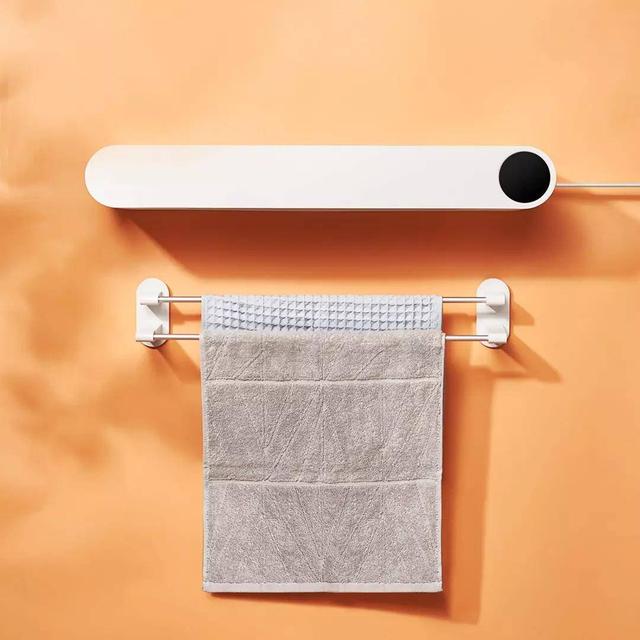
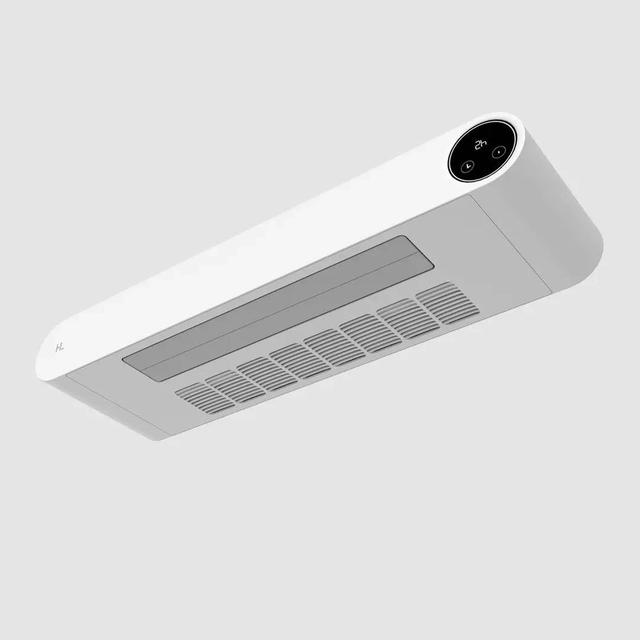
Xiaomi has announced the 451st product under the Youpin crowdfunding platform. The product is the HL towel disinfection dryer and it comes with a crowdfunding price of 299 yuan ($42). It is expected to start shipping in China on January 6.
The product is tailored towards ensuring clothes washed at home dry up on time even during wet conditions. It is also useful in keeping our towel dry after use since the bathroom usually doesn’t get enough sunlight to dry it before the next use.
This equally prevents the towel from turning into a breeding ground for bacteria. The HL towel disinfection dryer is equipped with a high-efficiency UV sterilization and disinfection function, which can effectively inhibit the growth of viruses and bacteria. If the human body is detected within 2.5m, this function is automatically turned off to create a good bathroom environment and eliminate potential safety hazards.
In order to effectively reduce noise in the hot air duct, the HL towel disinfection dryer uses DC brushless motor technology to ensure high efficiency and large air volume while also saving energy. HL towel disinfection dryer can also intelligently maintain a constant temperature. If the temperature gets too high, the device will automatically cut off the power, giving you continuous warmth in humid and cold seasons.
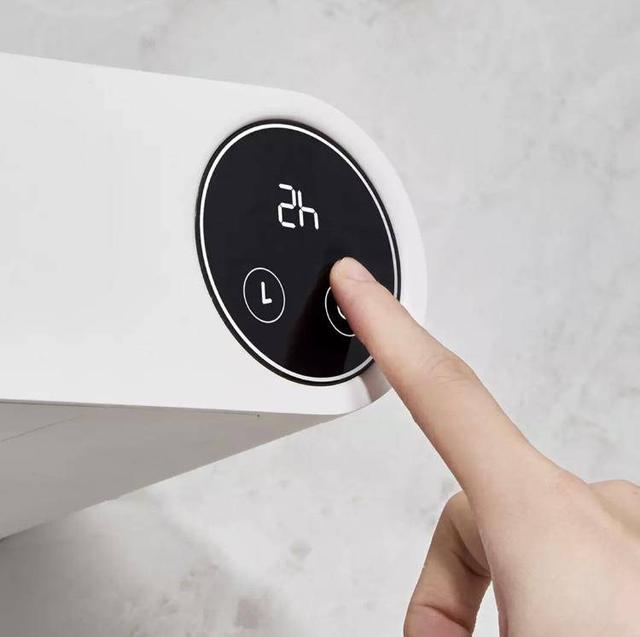
In terms of design, the HL towel disinfection dryer adopts a simple design. There is a touchscreen display panel at the right edge which shows the working temperature among others. It comes with 3M VHB tape at the back with which it is mounted on the wall. The device uses a twin-blade fan which can supply air at 86 degrees in a wide area. The airstream can reach a distance of 1.5m.
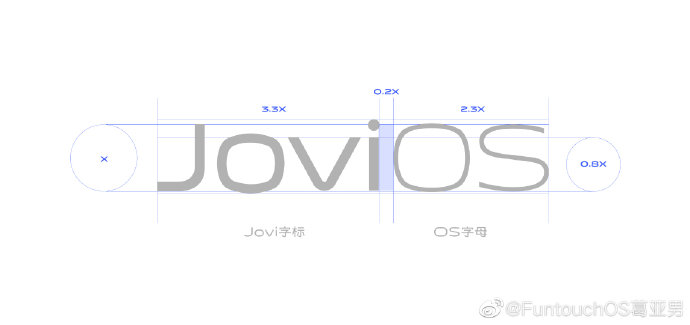
Vivo’s forked version of Google’s Android operating system is called Funtouch OS. The latest is version 9.2 but there is a possibility the operating system may get a new name, albeit one that is familiar.
Today, the project manager for Funtouch OS shared a logo design image for what is called Jovi OS and a caption that translates to “Thank you for having us, we will definitely explore forward!”.
Jovi is the name of Vivo‘s smart assistant that ships with its phones. It offers features such as an image recognizer and a smart scene mode that automatically sends news or notification based on the selected scene/mode.
There are no details about Jovi OS but we believe more details will surface soon. We also presume it may be unveiled in December alongside the Vivo X30 phone and may even debut on the new phone. Hopefully, it brings Android 10 too and not just a name change.
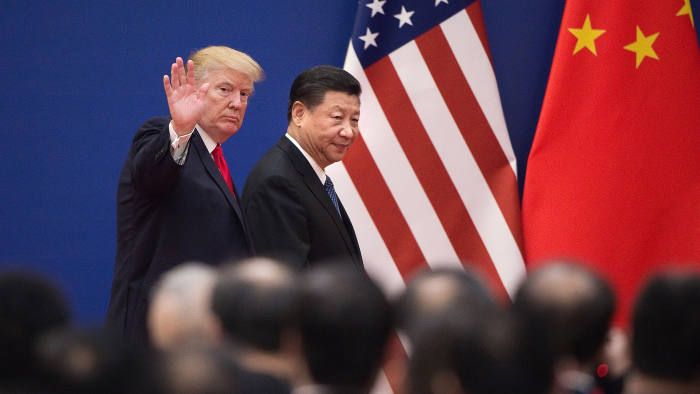
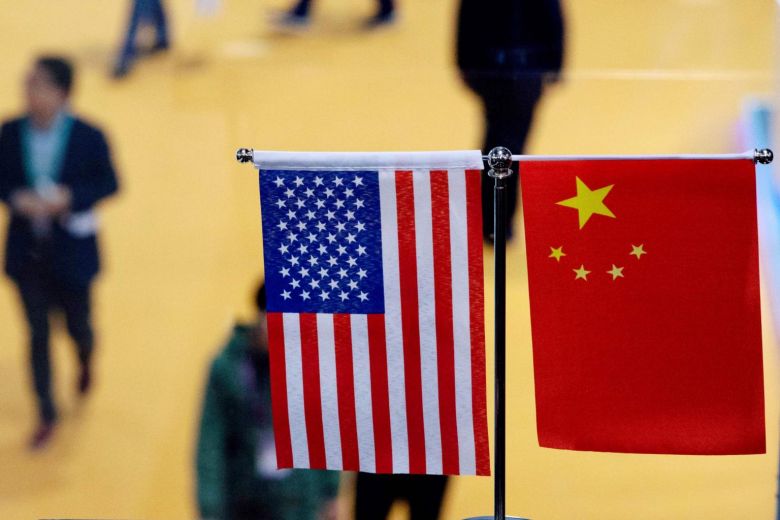
Phase One of the US-China trade discussion is complete, according to the official statement of POTUS Donald Trump. Top negotiators from both countries spoke for hours over the telephone on Tuesday, sorting out the primary concerns. Both countries have agreed to continue working on their remaining differences. According to Trump’s statement, Washington is finalizing the deal that could potentially end the 16-month trade war with Beijing.
As a result of the ongoing trade war, China’s industrial revenue declined considerably. China released a statement on Wednesday claiming its factories recorded the sharpest sales drop in October, compared to the previous eight months. Profits are down by 9.9% to 427.56 billion Yuan (~$60.74 billion) as slow demand at home begins to take its toll. The trade war has put additional pressure on the Chinese economy.
The Hong Kong Issue
Although trade discussions have been smooth so far, Trump seemed keen on the Hong Kong protests, which was one of the original concerns raised by the US leading to the trade war. During the Press meet outside the White House, Trump said, “We are close to finalizing a very important deal, and would like to see it go down smoothly in Hong Kong too.”
China summoned US Ambassador Terry Branstad on Monday, to complain against the Hong Kong Human Rights and Democracy Act, which was recently passed in the US Congress. China believes the bill meddles with the country’s internal affairs. Trump mentioned his grand ties with the Chinese President, Xi Jinping, expecting a favorable outcome in Hong Kong. The democrats won almost 90% of Hong Kong’s 452 district councils seats in the election held on Nov. 24.
“I believe President Xi can make it happen. I know him and I know he would like to make it happen.” Trump said, without disclosing his expectations from the Chinese President. In an interview with O’Reilly, Trump added, “I am holding up the discussion as it needs to be a good deal. We cannot have a deal that is simply even. We need a much better deal since we need to catch up.”
Trump’s motivational comments reflected on Wall Street, with three of the largest indices breaking all-time highs on Tuesday. The Asian market reflected the gains on Wednesday with Japan’s Nikkei rising 0.41% while MSIC’s Asia Pacific shares outside Japan grew by 0.14%. The Australian market reflected a 0.46% growth.
According to the Chinese Commerce Ministry, Trump’s remarks on Tuesday were closely followed by a telephone call from US Treasury Secretary Steven Mnuchin and Trade Representative Robert Lighthizer with Chinese Vice Premier Liu He. The negotiators discussed concerns and reached common ground on resolving the issue.
Phase one of the trade discussions was scheduled to be completed by November. However, analysts and people close to the White House expected a slight delay considering China’s demand for greater tariff rollbacks. This includes the 25% tariff imposed on Chinese industrial and consumer goods imported into the US before Sept. 1, 2019, and 15% tariff levied on $125 billion worth of import post-September 1.
If phase one remained incomplete until Dec. 15, Trump could choose to act on his previous threat of implementing a 15% tariff on $160 billion imports from China. White House Advisor Kellyanne Conway said phase one was almost complete. Trump wanted to conduct the discussion in phases since this was a large and historic trade deal for the US.
Iowa Republican and Senate Finance Committee Chairman Chuck Grassley told reporters he believes the US-China trade debacle will end by the end of 2019. Beijing invited Munchin and Lighthizer for in-person talks and the pair have might take the offer if Washington sees a real chance of reaching a final agreement.
According to Reuters, the US Trade Representative and Treasury were unavailable for comment. A source familiar with the trade discussions revealed the US Officials might visit Beijing post the Thanksgiving holidays. Back in October, Trump had shown a keen interest to delve into phase two of the trade discussions quickly once phase one was in order. Phase two focuses on deeper issues related to China’s demand for US companies to hand over technology to direct Chinese rivals.
The US and Chinese officials have clearly stated such follow-on negotiations might be difficult considering the hovering US Presidential Elections scheduled for November 2020. “We will continue to negotiate. But the theft of intellectual property, forced technology transfer and trade deficit of more than half a trillion per year with China – the world’s second-largest economy- makes zero sense for the US” Conway added. “The President wants a deal. But he always waits for the best deal”.
According to Beijing’s official statement, Central Bank Governor Yi Gang, Commerce Minister Zhong Shan and Vice Head of State Planning Ning Jizhe were also part of the trade negotiation.
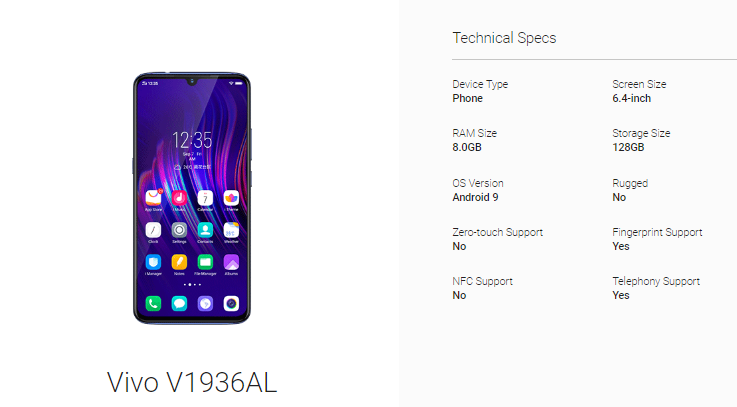
Vivo has a new iQOO phone waiting in pipeline to go official in China. The model number of the phone is Vivo V1936AL. It seems to be a new variant of the recently launched Vivo iQOO Neo 855 phone that has a model number of V1936A/L. The iQOO Neo 855 is powered by Snapdragon 855 chipset. Yesterday, the Master Lu benchmarks listing of the Vivo V1936AL had appeared to reveal that it will be driven by Snapdragon 855+ chipset. Today, a listing of the Vivo V1936AL phone has been spotted on Google’s Android Enterprise site. The new listing has revealed few more details of the phone.
The Android Enterprise listing of the Vivo V1936AL has revealed that it features a 6.4-inch display with a waterdrop notch. It has 8 GB of RAM and 128 GB of storage. The handset is loaded with Android 9 Pie OS. There is no support for NFC on the device. Like all the other iQOO phones, the Vivo V1936AL could be coming with an in-display fingerprint reader.
The Master Lu benchmarks listing had confirmed that the display of the phone supports full HD+ resolution of 1080 x 2340 pixels. It further revealed that the 8 GB RAM variant of the phone will be equipped with 128 GB of native storage. The 3C certification of the phone had revealed that it may ship with a 33W fast charger.
The SD855 powered Vivo iQOO Neo was dubbed as iQOO Neo 855. Probably, its Snapdragon 855+ edition could be branded as iQOO Neo 855+. The iQOO Neo 855 is available in multiple variants of up to 8 GB of RAM and up to 256 GB of native storage. It remains to be seen how Vivo will be pricing the Vivo V1936AL phone in China since it is already selling the Snapdragon 855+iQOO Pro in the country. Hopefully, the entire specifications of the phone will be revealed through its TENAA listing. It may go official in the coming month.
Amidst plans of expanding in Europe, Huawei is facing yet another ban. This time, The smartphone manufacturer is facing complications with Spain’s Ministry of Defense. It arrives after the US ban, which occurred during the US-China trade disputes, that had seen the company being placed on the ‘Entity List’ by the US Commerce Department.
To clarify, the Chinese tech giant is not banned from selling their smartphones to its Spanish customers. Although, the company’s devices have their access banned from the Spanish Government’s data servers which incudes employee emails. According to the report, a few members of the Ministry of Defense are still allowed to retain their Huawei handset for personal use but have been specifically instructed to use other devices to access data from the Ministry’s data servers (like emails). Members that are still using the Huawei smartphones to access such data must ‘immediately disconnect.’
Unlike the US which accused Huawei of espionage, Spain did not cite the exact reason for the ban. However, the reasons might be similar if they are considering the prevention of sensitive data leaks. Furthermore, a spokesperson from Huawei went on record to say that the company had never faced any cyber-security related issues in the past 30 years of its operations in over 170 countries; and “security” is the highest priority of Huawei.
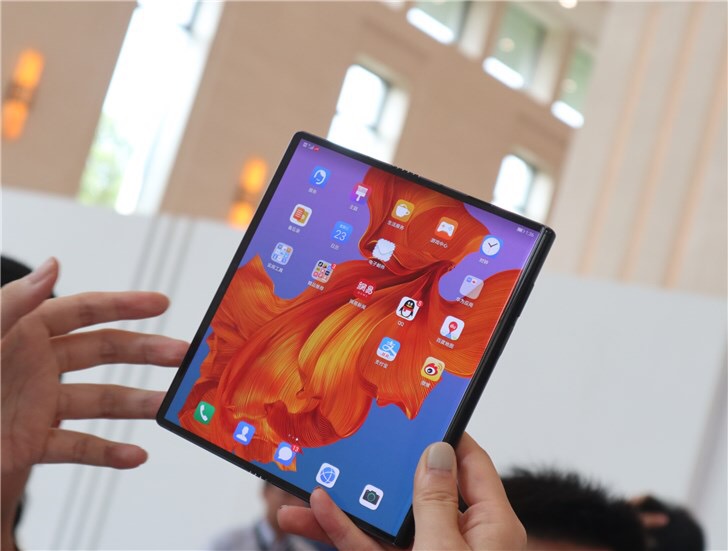
Huawei Mate X 5G
Although this arrives as a sour moment for the company, Huawei is still second in position in terms of smartphone shipments in Europe in Q3 of 2019. The company is seeing steady growth in the region and even more so in China.
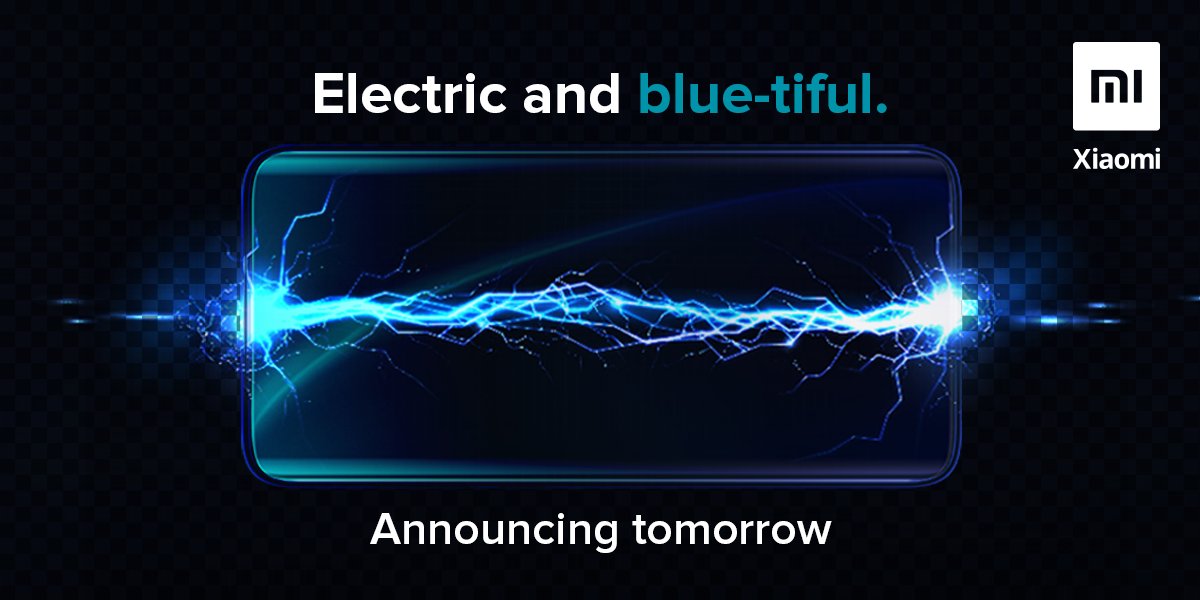
Yesterday, Xiaomi India’s CEO, Manu Kumar Jain shared a teaser for an announcement. The teaser image partially showed a phone with electricity coursing through it and the words “Electric and blue-tiful”. Today, the phone manufacturer has announced an Electric Blue color variant of the Redmi Note 8 Pro.
The announcement comes just a day after the unveiling of the Cosmic Purple Redmi Note 8. The new Electric Blue Redmi Note 8 Pro brings the available color variants sold in India to four. When it first launched, the phone was available in Shadow Black, Gamma Green, and Halo White.
The new color variant will go on sale tomorrow at 12 noon (IST). It will be available on Mi.com and Amazon India.
The Redmi Note 8 Pro has a 6.53-inch display with a 2340 x 1080 resolution and a waterdrop notch. It is powered by the Helio G90T and is available in three configurations – 6GB+64GB, 6GB+128GB, and 8GB+128GB.
There are four cameras on the rear of the device – a 64MP primary sensor, an 8MP ultrawide angle camera, a 2MP macro camera, and a 2MP depth sensor. In front is a 20MP sensor for selfies.
There is also a rear-mounted fingerprint scanner, NFC, an audio jack, IR blaster, Bluetooth 5.0, and a USB Type-C port. The phone packs a 4500mAh battery with support for 18W fast-charging.
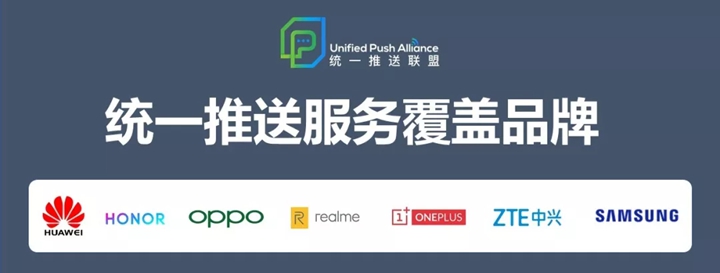
United Push Alliance has today officially announced that the South Korean giant Samsung has sent a test application which is in accordance with the alliance standard. They have also confirmed that Samsung’s push service has met the technical requirements.
It revealed that the company has completed the development work in accordance with their latest version of the alliance standard “T-UPA0002-2019 unified push interface layer specification.” This basically means that unified push service will be soon available on smartphones from Huawei, Honor, OPPO, OnePlus and Realme in China.
Push notifications are an important feature on Android devices. However, Chinese smartphone OEMs provide their own notification systems through their custom ROM instead of Google’s push notifications service.
Push notifications can impact the device’s performance by running in background. The Ministry of Industry and Information Technology of China has formed Unified Push Alliance to resolve the issue by unifying push notifications on all Android devices that are sent through different apps.
Apart from the companies mentioned above, the alliance has 74 members including Xiaomi, Qihoo 360, Alibaba, JD.com and more. The alliance was formed to ensure that unified push notifications will allow handsets to receive push messages without waking up apps.
It also aims to improve the user experience on Android devices as unified push notifications will consume less memory, standby power and data. Huawei and Honor have made it available with EMUI 10 while Oppo is set to bring its support to devices running ColorOS 3.0 and above by 31st December.
Xiaomi, the smartphone manufacturer, has announced its very own smart bed. The company’s main focus is definitely smartphones, but that doesn’t stop them from coming up with new and unique products. The new smart bed is called 8HMilan Smart Electric bed and has been developed by Chengdu Fun Sleep Technology Co. Ltd which is a Xiaomi ecological chain enterprise.
Xiaomi’s 8HMilan Smart Electric Bed is controlled via button and voice controls. These can make the smart bed lift up slowly to the desired angle of the user. It is being advertised with the ability to provide high-quality sleep at night while the bed controls offer improved comfort and relaxation.
Xiaomi 8HMilan Smart Electric Bed
The electric smart bed is equipped with a dual-motor mechanism that lets users control both the upper and lower half of the bed independently. This enables user control and freedom greater than that of a single motor. Furthermore, the back is adjustable from 0 to up to 60 degrees while the legs are able to rise up to 30 degrees. By default, users are also provided with 5 preloaded modes. The first is the flat mode, then the anti-snore mode, a reading mode, TV mode, and even a zero-gravity mode.
The 8HMilan Smart Electric Bed is made from high-strength glass fiber and alloy steel frame. It means that the frame has great fatigue resistance and tensile strength. A single frame can support up to 75kg while the whole bed can support up to 1000kg. The skeleton frame has 5 partitions which are also in line with a human body’s weight distribution and is rated to last for 10 years.
Xiaomi 8HMilan Smart Electric Bed
Notably, the Xiaomi Smart Electric Bed is fully covered with 8th generation Litchi technology. It is a unique environment-friendly fabric with a texture and luster similar to leather. However, it is claimed to be stronger than leather as it is capable of withstanding 20,000 friction tests. Users also need not worry about scratches, wear and tear during daily use either. The product starts crowdfunding on the 3rd of December 2019 for a price of 1999 Yuan or roughly 285 USD.
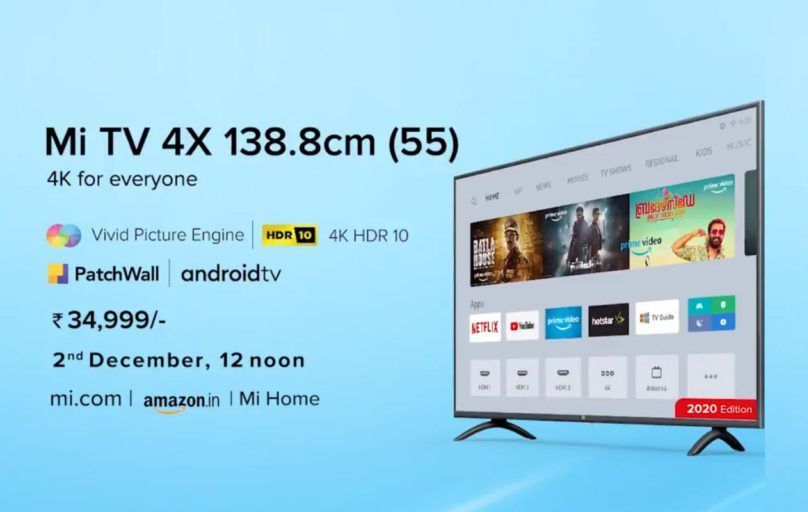
Chinese technology stalwart Xiaomi launched the Mi TV 4X (55) 2020 Edition in India today. The smart TV will only be available on Amazon, the official website and Mi Home offline stores. Xiaomi has partnered with Airtel DTH, and is offering a four-month subscription at a discounted price of Rs. 1,800 (~$25) as part of the introductory offer.
Xiaomi Mi TV 4X (55) 2020 Edition Specifications, Features and Price
The Mi TV 4X (55) 2020 Edition flaunts a 55-inch 4K HDR display with Xiaomi’s patented Vivid Picture Engine that offers a balanced color contrast and saturation. It flaunts 20W Dolby Atmos stereo speakers with DTS-HD. Xiaomi partnered with a total of 16 content providers for the Mi TV 4X, meaning users no longer need to sideload the mobile version of these apps from third-party sources. The Mi Remote now gets dedicated buttons for Netflix and Amazon Prime Video.
The 55-inch Mi TV 4X joins Xiaomi’s impressive Smart TV line-up in India and slots comfortably above the 50-inch Mi TV 4X in terms of pricing. The highlights of the TV include a 55-inch 4K HDR display, Android TV OS (runs on Android 9 Pie OS) with PatchWall 2.0 and pre-loaded streaming platforms like Amazon Prime Video, Netflix and Hotstar Premium. Mi TV 4X also comes preloaded with Chromecast, YouTube, Data Saver Services and Google Assistant.
The 55-inch Mi TV 4X is priced at Rs. 34,999 (~$488). The device will go on sale starting 12 PM on Dec. 2, which is also the last day of the Xiaomi Black Friday Sale beginning Nov. 29.
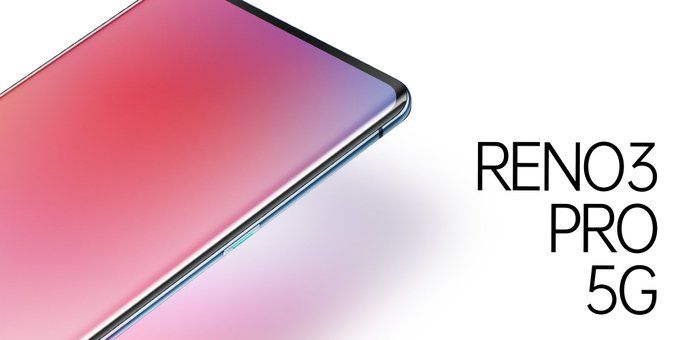
OPPO is expected to announce the Reno 3 series of smartphones in December. It will be debuting as the first phone with the company’s all new ColorOS 7 UI. Today, OPPO VP Brian Shen released the first teaser of the Reno 3 Pro 5G smartphone to reveal that it will be arriving with a slightly curved display. Shen has claimed that it may debut as the slimmest dual-mode 5G enabled smartphone in China.
In the below shown image, the display of the Reno 3 Pro 5G can be seen curving towards its edge. Shen has revealed that the thickness of the device is only 7.7mm. The predecessor Reno2 had come with a notch-less display and it featured a shark-fin shaped pop-up camera module that housed a selfie camera and an LED flash. It had a thickness of 9.5mm.
The company has drastically reduced the thickness of the Reno3 Pro 5G to only 7.7mm. This seems to have been achieved by axing the shark-fin shaped pop-up camera system. While the top-left corner of the phone is not shown in the first teaser of the Reno 3 Pro 5G, a leaked screenshot that surfaced yesterday revealed that it could be arriving with a punch-hole display design. The thin-shaped power button can be seen on the right edge of the device. It seems to be featuring a notification LED. The volume rocker could be lodged on the left side of the device. While the entire display is not visible, it could be featuring an in-screen fingerprint reader.
OPPO Reno 3 5G Specifications
Previous reports have revealed that the OPPO Reno 3 5G will come equipped with a 6.5-inch AMOLED display with 1080 x 2400 pixels full HD+ resolution and 20:9 aspect ratio. It may offer 90Hz refresh rate. The Reno 3 5G may debut as the first phone fueled by the Snapdragon 735 5G SoC. It may come with up to 8 GB of RAM and storage editions like 128 GB and 256 GB.
The OPPO Reno 3 5G could be backed by a 4,500mAh battery coupled with VOOC 4.0 Flash Charge technology. The two storage versions of the phone may cost 3,299 Yuan (~$469) and 3,599 Yuan (~$512) in China. There is no information available on the specs of the Reno 3 Pro 5G phone.
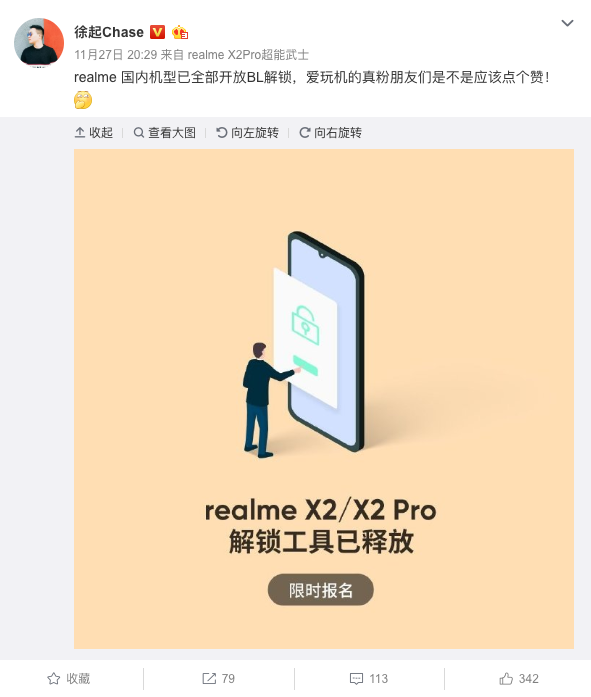
Realme, in an interesting move, has unlocked the bootloader of all of its smartphones that are currently available in the Chinese market. A senior Realme executive went on Weibo, the Chinese microblogging website, to announce that all domestic smartphone models have been opened for bootloader unlocking. This allows for a much greater degree of control and freedom for Realme smartphone users.
The Official Announcement on Weibo
For Android smartphone enthusiasts, complete control and customizability is everything. In other words, such users often tend to BL (Bootloader) unlock their smartphones to root their devices and flash new skin or custom UI. To achieve this, users had to download third-party tools which led to loss and voidance of official warranties. However, Realme has now officially unlocked its devices so users can flash custom, unique and even self-made ROMs. Furthermore, users are now also able to obtain the root permissions of the handest to tweak the performance of the device as well.
Notably, only the smartphones that have been bought through official channels in China are eligible for the tool.
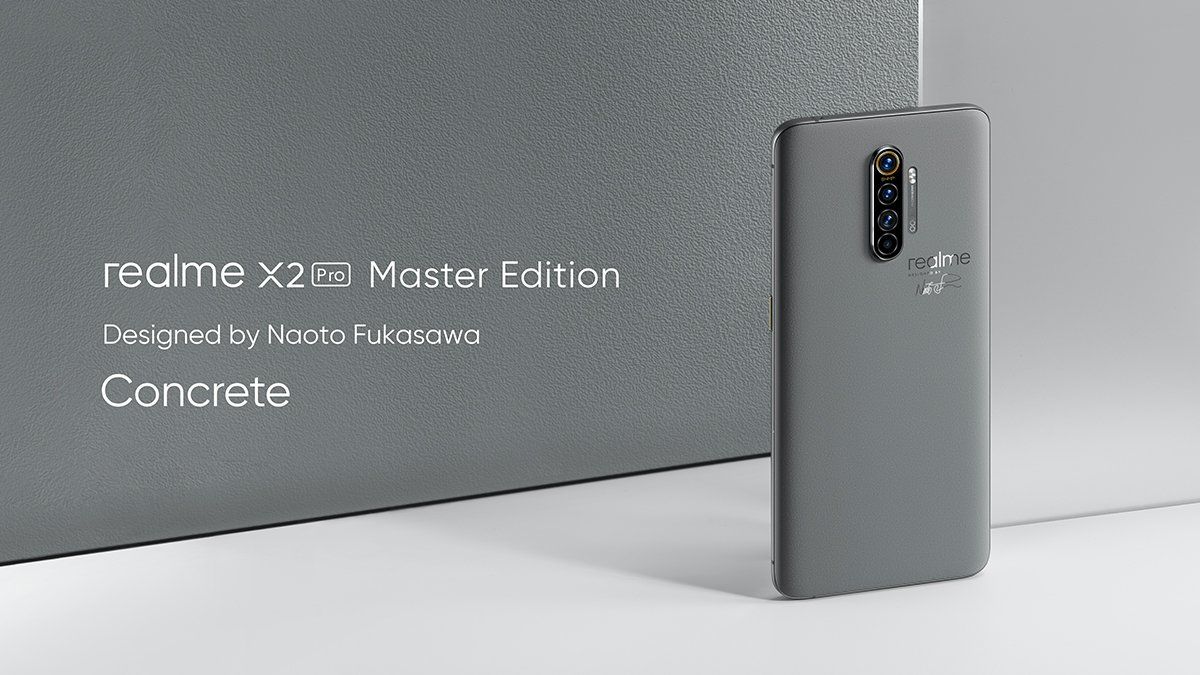
Realme X2 Pro Master Edition Concrete
Note To Readers
For those looking forward to unlocking their smartphones, keep certain points in mind regarding their unlocked devices.
Any third party software and firmware used might cause some of the device’s functions to not operate optimally like certain camera functions.
After unlocking, users might notice a slight difference in the everyday use of their smartphones.
Unregulated software and firmware might cause private information being leaked or data being stolen. It is unlikely but users caution is advised.
Once unlocked, users that flash new ROMs will no longer be able to receive the official Realme system updates in the future.
Users are advised to back up their smartphone’s data as unlocking the device is similar to a factory reset.
For security reasons, Realme will disable the fingerprint unlock function to prevent privacy leak of fingerprint data on their independently encrypted fingerprint chip.
Users can contact Realme’s service centers for help after rooting to help in flashing their devices. Notably, if users return to the official ROM build of Realme, the warranties of the smartphone will still be available and not voided. However, the warranty does not cover damaged hardware after rooting.
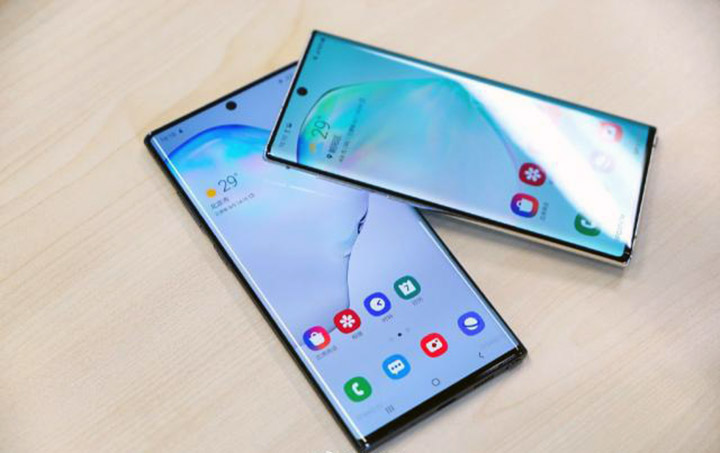
Samsung is reportedly working a cheaper version of the Galaxy Note 10. The rumored Galaxy Note 10 Lite has a model number of SM-N770. The said device has appeared on Geekbench benchmarking platform to confirm that it will be powered by Exynos 9810 chipset. The S Pen stylus that will accompany the SM-N770 phone has received certification from the Federal Communications Commission (FCC) in the U.S.
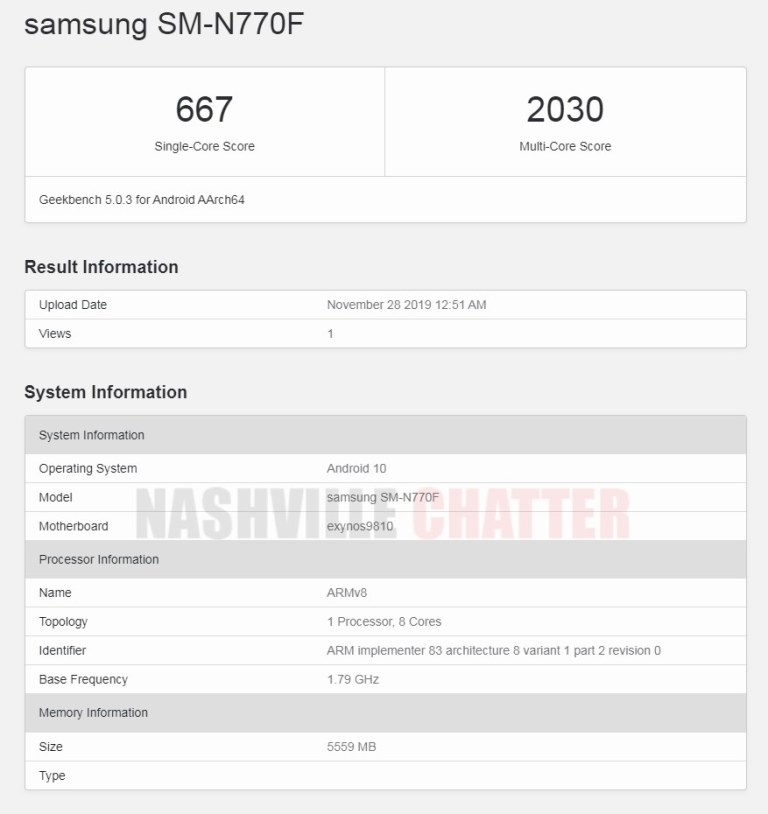
Galaxy Note 10 Lite Geekbench Listing
The Geekbench 5 appearance of the SM-N770F Galaxy Note 10 Lite has revealed that it has recorded a score of 667 in the single-core test and 2030 in the multi-core test. The phone is running on Android 10 OS and its SoC is assisted by 6 GB of RAM.
The 1.79GHz Exynos 9810 is present under the hood of the SM-N770F smartphone. Samsung has used the same chipset in 2018 to power the Galaxy S9, Galaxy S9+ and Galaxy Note 9.
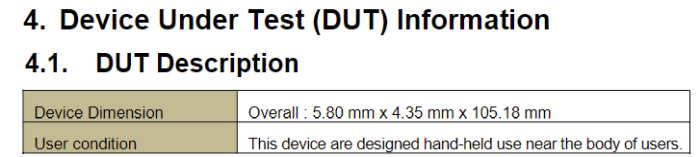
The FCC certification of the S Pen for Galaxy Note 10 Lite reveals that it is a Bluetooth enable device and it features gyroscope. The latter will bring support for Air Actions (air gestures) on the Note 10 Lite. Its dimensions are identical with that of the S Pen that ships with Note 10 Lite as it measures 5.80 x 4.35 x 105.18mm.
The FCC documents of the S Pen has its external photos. Unfortunately, it is withheld until May next year. This could be a hint the Galaxy Note 10 Lite that is speculated to debut in December may actually break cover in the coming year. If it goes official in May 2020, it will be arriving well after the Note 10 series that went in August and around three months after the Galaxy S11 series that will be unveiled in February. Hence, the Galaxy Note 10 Lite seems to be Samsung’s strategy of boosting its sales by mid-2020.
Apart from the specs revealed through Geekbench, very few details are known on the specs of the Galaxy Note 10 Lite. The smartphone may continue to sport an Infinity-O notch display like the Galaxy Note 10 models, and it may come with a native storage of 128 GB.
Arriving as Galaxy A81 in Some Markets?
Recently, Sammobile had claimed that the South Korean company may rebadge the Galaxy Note 10 Lite as Galaxy A81 in specific markets. The publication claimed that the SM-AN815F is the model number of the Galaxy A81. Samsung is known for denoting its Note series of phones with letter N in their model number. For instance, the Galaxy Note 10 has SM-N970 model number and the Galaxy Note 9 has SM-N960 model number. Hence, the inclusion of letter ‘N’ in Galaxy A81’s model number suggests that it could ship with an S Pen stylus and it could be a rebranded Note 10 Lite.
We already reported about Nokia entering the Smart TV market and have also shared some of the key details of this upcoming television set. Now, the company has officially confirmed the launch date of the same.
The company has started sending out media invites for a launch event on 5th December in China where the Nokia Smart TV will be officially launched. As the device is getting launched in partnership with Flipkart, it will be exclusively sold through its platform.
Since Flipkart is the official brand licensee and thus, it will exclusively sell Nokia-branded Smart TVs in the country. The e-commerce company will also manage the end-to-end go-to-market strategy for Nokia branded Smart TVs. Furthermore, the brand will manufacture and distribute the Smart TVs as well.
Recently leaked images of the upcoming Nokia Smart TV teases corner frame design from two angles, clearly showcasing that the TV has brushed metal finish top left corner and at the bottom top right, there’s “Sound by JBL” branding.
Flipkart has already revealed that Nokia’s new offering will come with features like Minimal Harmonic Distortion and Clear Vocal Tones to ensure immersive sound experience. Further, Dolby Audio and DTS TruSurround will enable high-quality audio playback from the TV’s front speakers. The Nokia Smart TV will also be able to decode surround sound with the help of the DTS TruSurround.
The Nokia smart TV was recently spotted on the BIS (Bureau of Indian Standards) database which confirmed that there will be a 55-inch panel with 4K Ultra HD resolution. It is reported that the device will run Android 9-based proprietary OS and will come with access to the Google Play Store.
In India, the Nokia Smart TV will compete against the likes of Xiaomi’s Mi TV, OnePlus TV and the recently launched Motorola TV. It’s noteworthy that Motorola TVs are launched in India under a strategic partnership of the Lenovo-owned company with Flipkart, similar to this deal of Flipkart with Nokia.
Interestingly, Nokia Mobile is also hosting a launch event on 5th December where the company is expected to three new smartphones — Nokia 8.2, Nokia 5.2, and Nokia 2.3 but the company has not officially confirmed the devices getting launched.
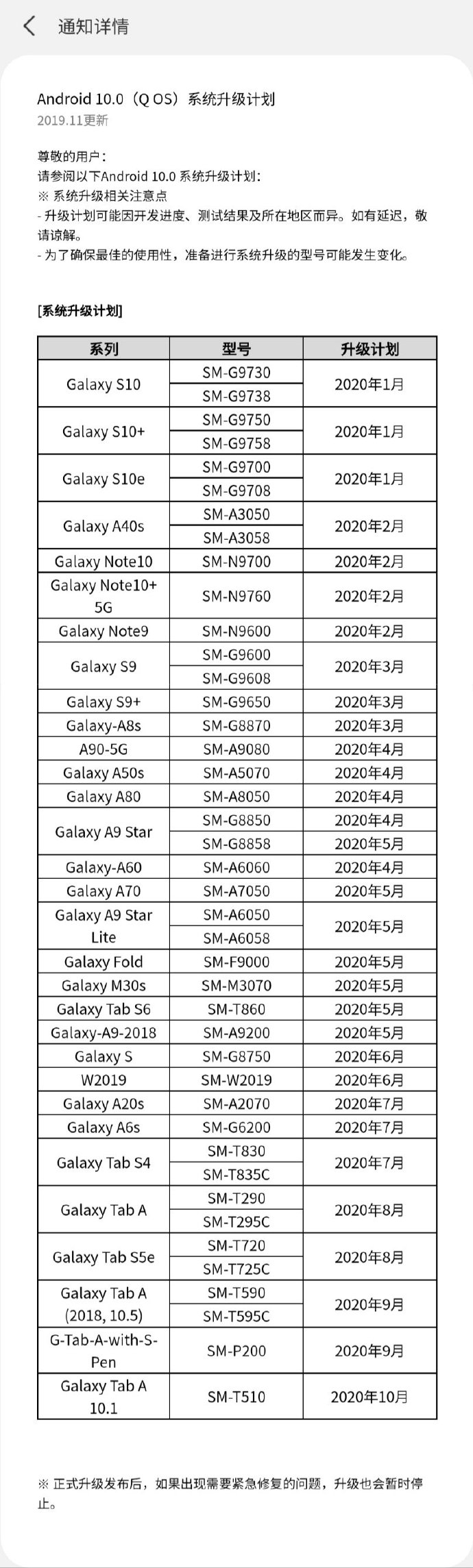
Samsung holds a dismal market share of less than 1 percent in China’s smartphone market. However, the company has been actively launching new phones in the country. It has recently launched the Galaxy W20 5G and Galaxy Fold foldable phones in the market. Today, the South Korean company has confirmed its Android 10 roadmap for its smartphones and tablets in China.
The Galaxy A20s, Galaxy A6s and Galaxy Tab S4 will be provided with Android 10 update in July. In August, the Galaxy Tab A and Galaxy Tab S5e will the new Android edition. The upgrade will be made available for Galaxy Tab 10.5 2018 and Galaxy Tab A with S Pen in September. The Galaxy Tab A 10.1 will be updated with Android 10 in October.
The Android 10 update for the aforementioned devices will be skinned with the latest One UI 2.0. The company has claimed that the arrival of Android 10 for the above listed devices may vary depending on the development progress, test results and location. The older flagship phones such as Galaxy S8 and Note 8 will not be receiving the Android 10 upgrade. The upcoming Samsung phone such as Galaxy S11 series, Galaxy Note 10 Lite, Galaxy A51 and Galaxy A71 are all expected to deliver Android 10 out of the box experience.
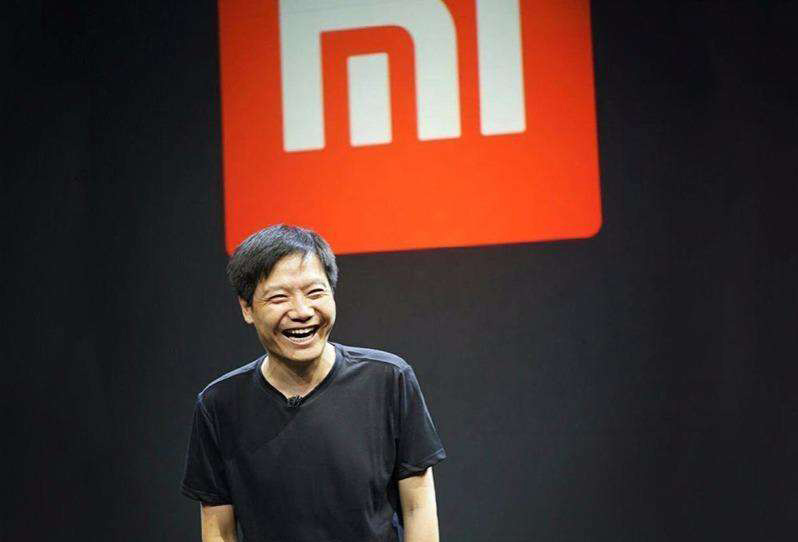
Today, while announcing the third quarter financial results of this year, Xiaomi CEO Lei Jun explained why the company’s smartphones are cost-effective. He says that the company has a gross profit margin of just 8 percent to 9 percent, which makes the company’s devices cost-effective.
He believes that the costing of the smartphones will get more outrageous and the devices will become expensive as the industry is moving towards 5G technology. However, he adds that compared to others, Xiaomi’s price-performance ratio will be better.
Lei Jun, Founder and CEO of Xiaomi Group
Lei Jun said: “I think the gross profit margin of 8% -9% is very low and since our sales model is based on e-commerce sales, the pricing that the end customer ends up paying will buy will be very cheap. The most important thing is that our own gross profit is very Low, and the middle channel is very short, so the final price in the retail market remains very attractive to the buyers.”
He further reiterated that the company will be continuing with the same sales strategy going forward in the 5G phase as well. This makes sense given that the current model of the company seems to be working fine.
Coming to the financial data for the Q3 2019 shared by the Xiaomi Group, the company’s total revenue for the said quarter stands at RMB 53.7 billion, which represents an year-on-year increase of 5.5 percent — making it the highest quarter since Xiaomi’s establishment.
The company reveals that its adjusted net-profit was RMB 3.5 billion which shows year-on-year increase of 20.3 percent, exceeding the market expectations. The total combined net profit of the company for the first three quarters of this year stands at 9.2 billion yuan, exceeding the total net profit of the last year.
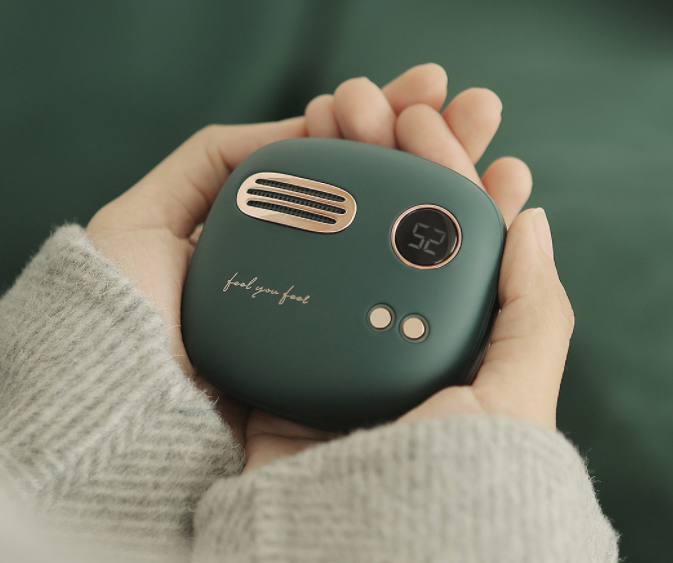
Xiaomi, along with launching value-for-money smartphones, is also known for launching some unique utility devices and accessories. Today, the company has launched a small power bank which also works as a hand warmer, perfect for this winter season.
The hand warmer provides dual-side heating at a constant temperature of 52-degrees. As for the design, it looks like a small retro radio and the company says that the body is made up of aluminium which can quickly conduct heat.
Coming to the safety part, Xiaomi claims that the device is made using multi-material composite technology and is combined with fire-resistant ABS, making it safe and reliable.
There are two buttons visible on the device. Pressing the left button controls the mobile power function and also display the power remaining in the device while pressing the right button for around three seconds activates the heating function and also displays current temperature.
Once the hand warming function is activated, the power bank quickly starts heating within five seconds and as it reaches 52-degrees, it keeps temperature constant, which is quite helpful during winter season.
Coming to the power bank, as we mentioned it is a small one, having just 5,000mAh battery capacity. It can be useful for emergency charging and comes with built-in security measures such as automatic power-off and overcharge protection.
This new Xiaomi Powerbank and Hand Warmer comes in three color options — Green, Pink, and Red. It is now available for purchase in China for a price of 138 yuan, which roughly converts to $20.
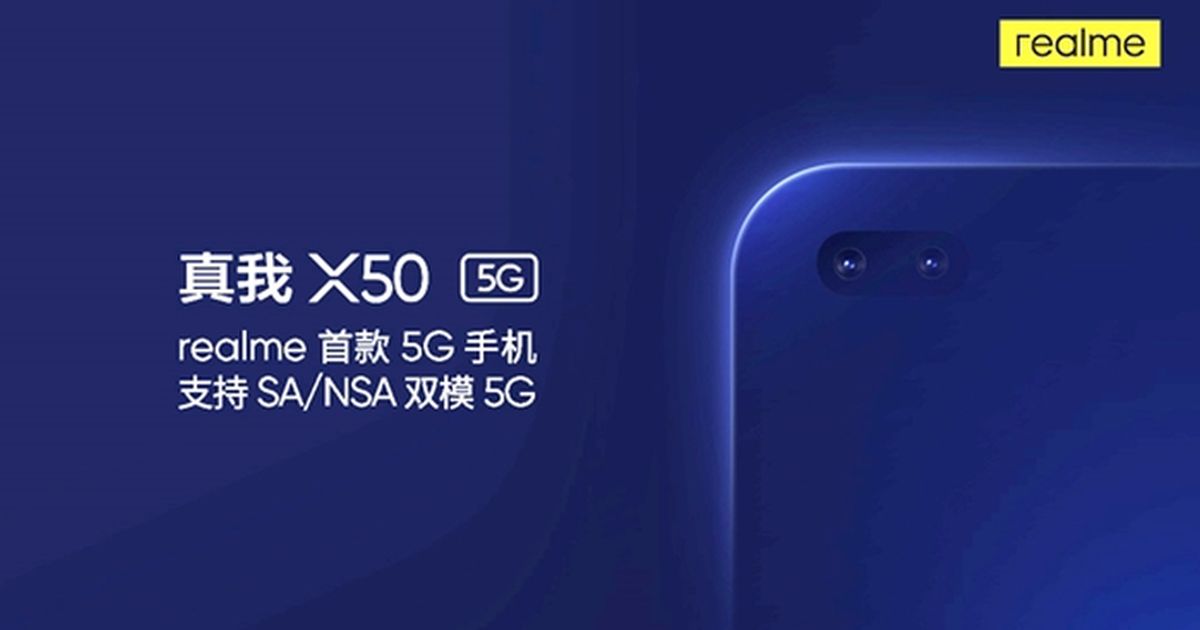
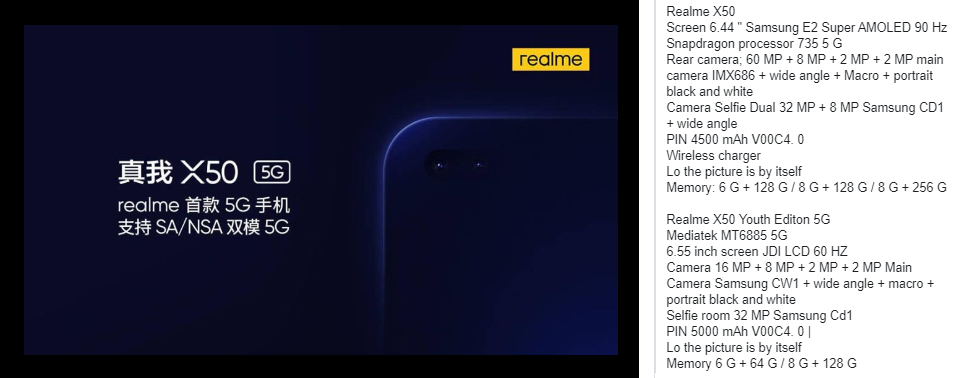
Realme has recently confirmed that Realme X50 is the name of its first 5G smartphone. Today, a poster appeared on the Facebook page of Realme Fans to reveal the specifications of the Realme X50 5G phone. Moreover, the image also reveals that the specifications of another phone called Realme X50 Lite (Youth Edition).
Earlier this week, Realme confirmed the Realme X50 5G moniker and it also revealed that the device will be equipped with a display that sports a pill-shaped punch-hole at the upper-left corner. The phone will be arriving with dual-mode 5G connectivity.
Realme X50 5G Specifications [Rumored]
According to the new leak, the Realme X50 5G will be featuring a S-AMOLED display of 6.44 inches that will offer 90Hz refresh rate. The Snapdragon 735 5G chipset is yet to go official. However, the leak states that the SD735 will be fueling the smartphone. The rear shell of the phone is expected to house a quad camera setup with Sony IMX686 60-megapixel primary lens, an 8-megapixel ultrawide lens, a 2-megapixel macro lens and another 2-megapixel portrait lens.
For shooting selfies, the device will feature 32-megapixel + 8-megapixel wide-angle lens. The device will draw power from a 4,500mAh battery and carry support for Super VOOC 4.0 Flash Charge technology. It could be the first phone from the company to arrive with wireless charging support. The expected variants of the Realme X50 5G include 6 GB RAM + 128 GB storage, 8 GB RAM + 128 GB storage and 8 GB RAM + 256 GB storage.
Realme X50 Lite (Youth Edition) 5G Specifications [Rumored]
The same leak states that the Realme X50 Lite (Youth Edition) 5G will be featuring a larger 6.55-inch IPS LCD display by JDI that will support the regular 60Hz refresh rate. The handset will be powered by MediaTek MT6885 5G that is yet to go official. It will be also flaunting a quad camera setup on its back. It will include a 16-megapixel main lens, an 8-megapixel wide-angle lens, a 2-megapixel macro lens and a 2-megapixel portrait lens.
The Realme X50 Lite (Youth Edition) 5G may feature a single front-facing camera of 32-megapixel. Probably, the phone will be featuring a single punch-hole on its display. The X50 Lite 5G will be featuring a massive 5,000mAh battery that will support VOOC 4.0 Flash Charge technology. The device may arrive in China in variants such as 6 GB RAM + 64 GB storage and 8 GB RAM + 128 GB storage.
The leak has no information on the pricing of the Realme X50 5G and Realme X50 Lite Youth Edition 5G. Probably, the latter may debut as the cheapest 5G phone in China. Readers are recommended to take the report with a pinch of salt as the authenticity of the leak could not be confirmed.
Realme X50 BIS Certified?
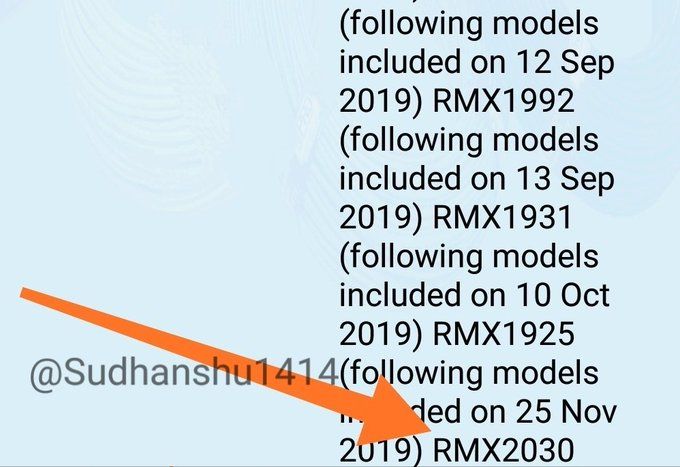
In related news, an Indian tipster has revealed that a new Realme phone that has a model number of RMX2030 has received approval from the Bureau of Indian Standards (BIS) in India. It is speculated that it could be the Realme X50 5G that may debut in India next year. Probably, the country will only receive its 4G edition as 5G networks are not yet ready.
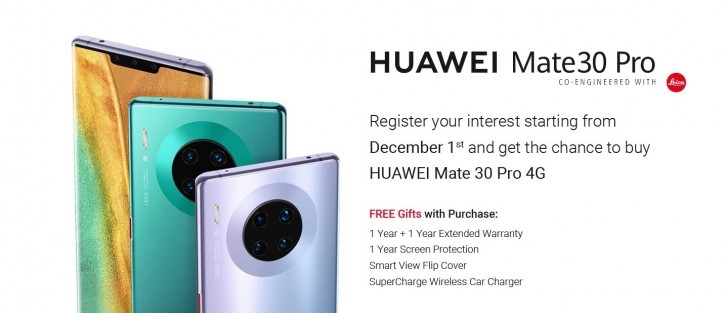
The launch of the Mate 30 series coincided with news that Google won’t give Huawei license to use the official Android with Google Services. This was as a result of the trade ban which the US government imposed. Despite the restrictions, Huawei did announce recently that it had sold 7 million units of the Mate 30 series. Most of the units would definitely have been sold in China but the flagship model was also released in limited quantities in some countries. The United Arab Emirates will soon join the countries where the Mate 30 series have gone official.
Huawei has confirmed via a teaser on its official UAE website that the Mate 30 Pro will be available for pre-order on December 1. The teaser also suggests the company will make an announcement on that day, possibly revealing the launch date. You can even register your email address to get notified when the pre-order opens on Sunday. The teaser also reveals the Mate 30 Pro purchase will come with additional perks which include an extended warranty, screen protection, smart view flip cover or SuperCharge wireless car charger.
The Mate 30 Pro is undoubtedly an amazing smartphone both in terms of the design ad hardware. It is powered by the home-brewed Kirin 990 chipset but the snag is that it doesn’t ship with official Google Services.
We use cookies on our website to give you the most relevant experience by remembering your preferences and repeat visits. By clicking “Accept”, you consent to the use of ALL the cookies.
This website uses cookies to improve your experience while you navigate through the website. Out of these, the cookies that are categorized as necessary are stored on your browser as they are essential for the working of basic functionalities of the website. We also use third-party cookies that help us analyze and understand how you use this website. These cookies will be stored in your browser only with your consent. You also have the option to opt-out of these cookies. But opting out of some of these cookies may affect your browsing experience.
Necessary cookies are absolutely essential for the website to function properly. This category only includes cookies that ensures basic functionalities and security features of the website. These cookies do not store any personal information.
Any cookies that may not be particularly necessary for the website to function and is used specifically to collect user personal data via analytics, ads, other embedded contents are termed as non-necessary cookies. It is mandatory to procure user consent prior to running these cookies on your website.