Devialet has brought its special-edition Mania Opéra Rouge portable speaker to India, equipped with a luxury-focused design and adaptive audio features. The limited-edition speaker arrives with a garnet red finish accented by gold detailing, paired with smart functionalities to elevate the listening experience. Here is a closer look at the features and details shared ahead of wider availability.
Devialet Mania Opéra Rouge key features
Devialet Mania Opéra Rouge
This Devialet Mania Opéra Rouge limited-edition speaker has been created in partnership with the Paris National Opera and incorporates visual elements inspired by the Palais Garnier. The body features a deep red color palette, while the handle and woofers are coated in burgundy, and the frame is finished with a 24-carat gold alloy.
The speaker retains the technology seen on the standard Devialet Mania, including Active Stereo Calibration with four microphones that adjust the sound in real time according to the speaker’s position in a room. The device uses a 360-degree cross-stereo setup supported by six independent drivers made up of four full-range units and two woofers. Devialet’s Speaker Active Matching algorithm helps maintain clarity and low-end response.
It is powered by a quad-core ARM Cortex-A53 processor and offers up to 10 hours of battery life from a 3200mAh cell. Connectivity options include Wi-Fi, Bluetooth 5.0, AirPlay, Spotify Connect and control through the Devialet app. Alexa voice support is available when connected to Wi-Fi, and the speaker carries an IPX4 rating for splash resistance.
Devialet Mania Opéra Rouge
Devialet Mania Opéra Rouge price and availability
The Devialet Mania Opéra Rouge is priced at Rs 1,24,999 in India. It is available from in the country through selected retail channels across the country. The package includes a wireless charging dock, a USB-C cable and a carrying bag.
For more daily updates, please visit our News Section.
Ray-Ban Meta smart glasses first debuted back in May, with the display version being unveiled in September. Now, the Ray-Ban Meta Gen 1 models have finally had their Indian release date and availability details confirmed. So here’s what you need to know.
Ray-Ban Meta Gen 1 Smart Glasses Officially Drop in India This Month
The company has just announced that the Ray-Ban Meta Gen 1 smart glasses will be available in the Indian market on 21st November 2025. These smart wearables will be available for purchase via Reliance Digital, Amazon India, and Flipkart. As of right now, the e-retailer microsites have gone live, with the Amazon listing offering a sign up to notify users of its release. The Ray-Ban Meta Gen 1 arrives in multiple frame and lens options. So you can buy the frames with prescription, sun, polarized, and transition lenses.
Ray-Ban Meta Gen 1 Smart Glasses
With a full color display support with a resolution of 1280 x 1280 pixels per eye. You get camera on the front that can take 12MP still shots and 6MP video recording. There is also Meta AI integration with the voice activation being “Hey Meta”. Users can use this launch command, users can get information search and hands free control. For the Indian market, Meta Ray-Ban Meta Gen 1 smart glasses supports Hindi and even Celebrity AI voice with Deepika Padukone’s voice as an interactive option.
Other notable features include the Restyle command to help transform pictures, UPI Lite payment support, 3rd Gen Hexagon NPU, WiFi 7 support, an LED indicator for privacy, and a compact charging case. The pricing details will likely be revealed on the launch date, so stick around for more.
For more daily updates, please visit our News Section.
OnePlus recently confirmed that its next flagship, the OnePlus 15, will make its global debut (including India) on Nov. 13. Ahead of its arrival, the company has shared early details that outline improvements in performance, display quality, and overall efficiency, giving a clearer picture of what users can expect from the OnePlus 15 when it comes to performance.
OnePlus 15 battery, charging details revealed
OnePlus 15 battery size
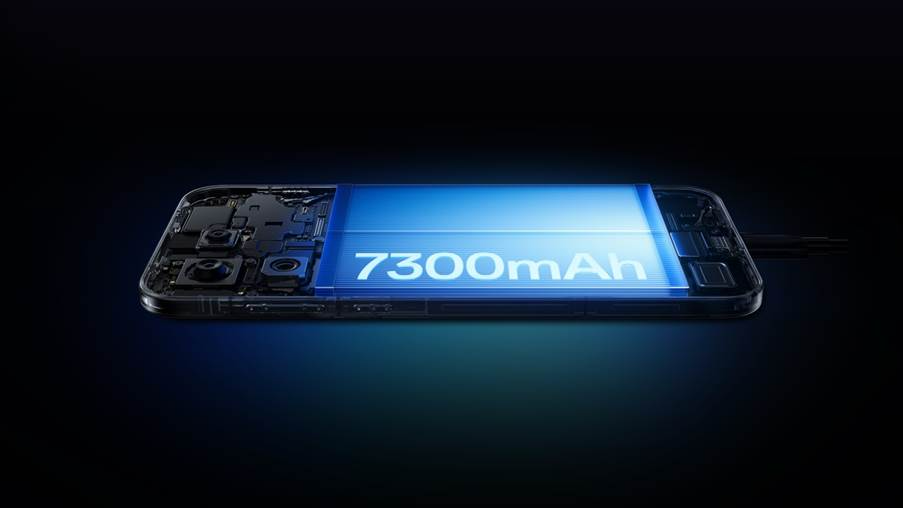
Today, the brand revealed the OnePlus 15 will feature a 7300mAh silicon battery, which is the largest capacity ever used on a OnePlus device available in the global market. It supports 120W wired charging and 50W wireless charging, along with a bypass charging mode that powers the device directly during gaming to reduce heat and protect long-term battery health. The company claims the battery should retain over 80 percent of its health after four years and can function reliably in temperatures as low as minus 20 degrees Celsius.
Keeping performance stable is a reworked Cryo-Velocity Cooling System based on a 3D vapor chamber, aerogel insulation layer and graphite components to distribute heat efficiently. This cooling structure is designed to keep the phone comfortable to hold during extended gaming or multitasking.
The OnePlus 15 features a 6.78-inch 1.5K LTPO panel with a 165Hz refresh rate, offering smoother visuals for supported titles. Brightness reaches 1800 nits outdoors, while the minimum brightness of 1 nit aims to improve comfort at night. The display also carries TUV Rheinland Intelligent Eye Care 5.0 certification and includes adaptive features to lower visual fatigue over long sessions.
Performance is powered by the Snapdragon 8 Elite Gen 5 chip, supported by a dedicated touch chip with 3200Hz sampling and a Wi-Fi chip for consistent connectivity. Combined with OxygenOS 16 optimisations, the phone targets stable gameplay at high frame rates and lag-free app switching. The device also arrives with IP66, IP68, IP69 and IP69K ratings for dust and water protection
For more daily updates, please visit our News Section.
Lexar has launched the TouchLock (SL280) portable SSD in China. The new drive starts at 499 yuan ($70) for the 512GB version and 899 yuan ($126) for the 1TB variant. The company has not yet announced the price or availability of the 2TB model.
Lexar TouchLock SSD Specifications
The TouchLock SSD features a dual-encryption system that includes an integrated NFC chip and AES hardware encryption. Each unit is tied to a unique ID, allowing secure access only through a registered smartphone. The drive unlocks when users tap a supported NFC-enabled phone against it. Once the phone disconnects, the SSD locks automatically to prevent unauthorized access.
Lexar has equipped the drive with a self-developed controller and TLC NAND flash memory. The TouchLock supports sequential read speeds of up to 450MB/s and write speeds of up to 420MB/s. It uses a USB 3.2 Gen 1 interface and supports Windows, macOS, Linux, Android, and iOS. The SSD ships with both USB-C to USB-C and USB-C to USB-A adapters for broad compatibility.
The Lexar app handles the NFC unlock function and supports automatic photo backups from smartphones. During the initial setup, users must set a password, after which the drive can be accessed without entering it again. The app currently lacks compatibility with HarmonyOS Next.
Lexar has designed the TouchLock to be compact and portable. It measures 85.6 × 53 × 7 mm and weighs 40 grams. It includes a MagSafe-compatible magnetic ring that allows it to attach to the back of iPhones during data transfers. The drive also offers 2-meter drop resistance and operates in temperatures ranging from 0°C to 50°C.
Lexar provides a limited three-year warranty with the product.
In related news, Lexar also recently launched a 6mm-thin portable SSD featuring USB-C connectivity, transfer speeds of up to 400MB/s, and storage options reaching 1TB.
For more daily updates, please visit our News Section.
The Realme GT 8 Pro, which debuted last month (October) in China, is preparing for its global arrival. Its official microsites on Flipkart and the Realme India website have revealed several details about the device ahead of its launch. Here’s a look at what to expect from it.
Realme GT 8 Pro launch date, key specifications
Realme GT 8 Pro launch date
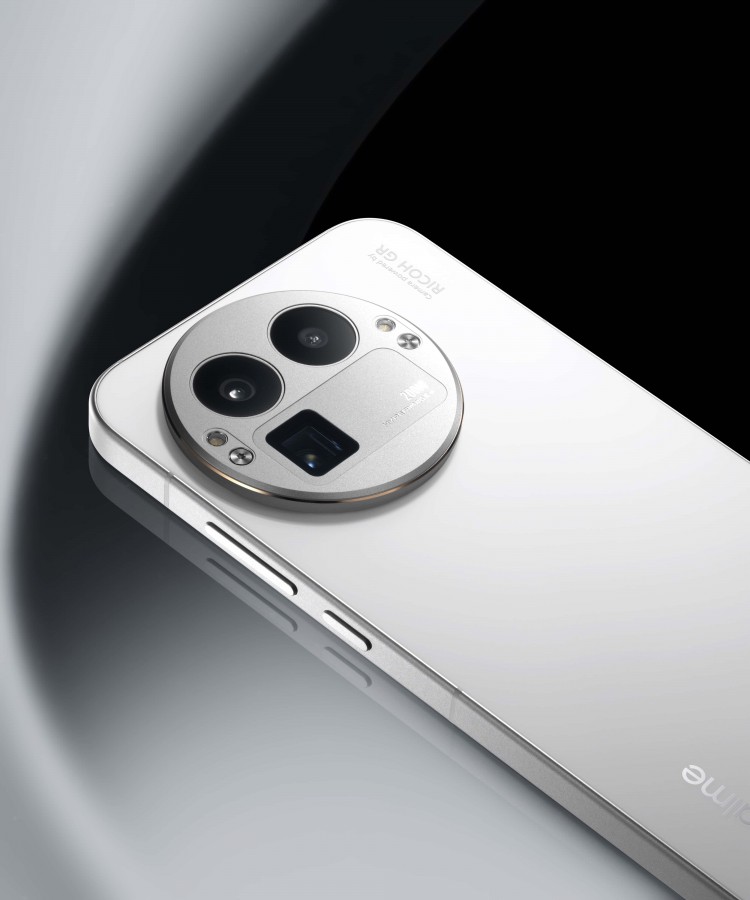
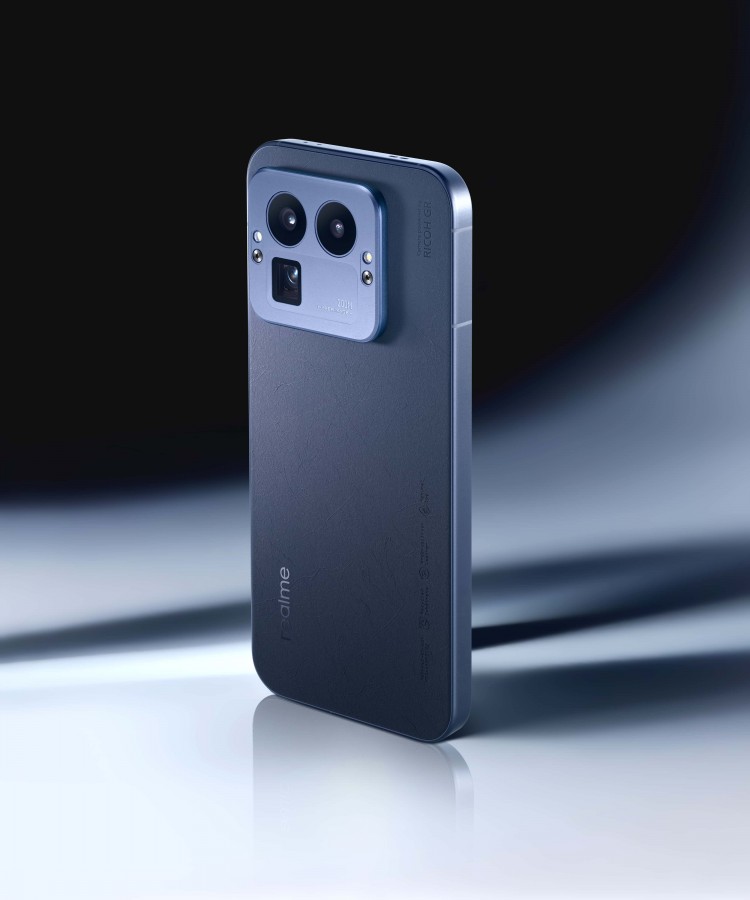
Realme has revealed that the Realme GT 8 Pro will launch in India on November 20, the same day it debuts globally. It will be available in two shades: Urban Blue and Diary White.
As expected, the device carries the Snapdragon 8 Elite Gen 5 chipset built on TSMC’s latest 3nm process. It is paired with LPDDR5X RAM, UFS 4.1 storage, and a Hyper Vision+ AI chip for enhanced image processing and real-time scene optimization.
The phone features a 2K AMOLED display with a 144Hz refresh rate and 7,000 nits peak brightness. For heat management, it integrates a 7,000 sq mm vapour chamber cooling system. The device includes a 7,000mAh battery supported by 120W fast charging, with Realme claiming extended gaming and video playback durations. The Indian variant also offers IP69 protection, dual stereo speakers, and an in-display fingerprint sensor for security.
Realme is positioning the GT 8 Pro as a premium photography device, supported by a triple camera setup co-engineered with Ricoh GR imaging. It is expected to feature a 50-megapixel main lens with OIS, a 50-megapixel ultrawide sensor, and a 200-megapixel periscope camera with 3x optical zoom. The phone also includes AI-enhanced night photography, 8K video recording, and RAW HDR capture for professional-grade imaging.
Realme GT 8 ProRealme GT 8 Pro
The phone runs Realme UI 7.0 based on Android 16. One of its standout design elements is the interchangeable rear camera module, offering swappable styles for personalization. The device is expected to cost around Rs 65,000 (~$730) in India, although final pricing will be confirmed at launch. It will compete with other similarly priced Snapdragon 8 Elite Gen 5 phones such as the OnePlus 15 and iQOO 15.
For more daily updates, please visit our News Section.
The Honor 500 series is allegedly coming before the end of 2025, and unsurprisingly, the leaks are starting to pile up. Earlier this week, a leak revealed the design schematics of the Honor 500, followed by a Geekbench listing that seemed to confirm its chipset.
Now, a new leak sheds light on what to expect from the Pro model.
Honor 500 Pro Specifications
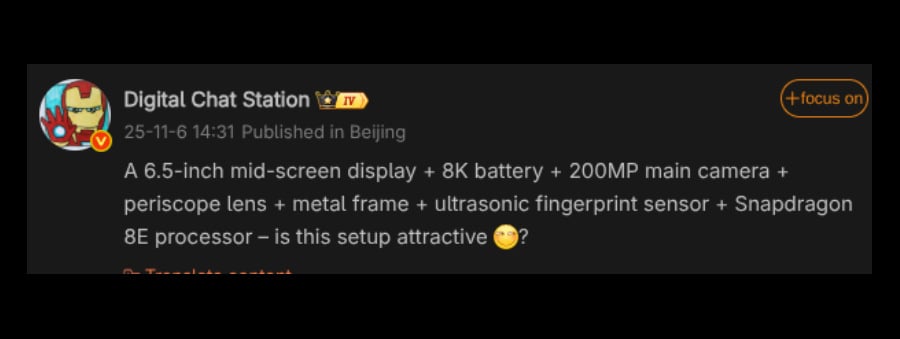
According to reliable tipster Digital Chat Station, the Honor 500 Pro will feature a mid-sized 6.5-inch display encased in a metal frame. The screen will also house an ultrasonic fingerprint scanner for biometrics.
There’s been some back-and-forth over which chipset Honor plans to use across the lineup. That should be clear now as the tipster claims the Honor 500 Pro will run on the Snapdragon 8 Elite, leaving the Snapdragon 8s Gen 4 for the standard Honor 500, as also previously suggested by Geekbench.
Moreover, the Honor 500 Pro reportedly packs a triple-camera system. The setup is led by a 200-megapixel main sensor and a periscope telephoto lens, and the third camera is likely an ultrawide.
Both phones are expected to share a similar design language, with the main visual difference being the number of rear cameras. Powering all this is said to be an 8,000mAh battery.
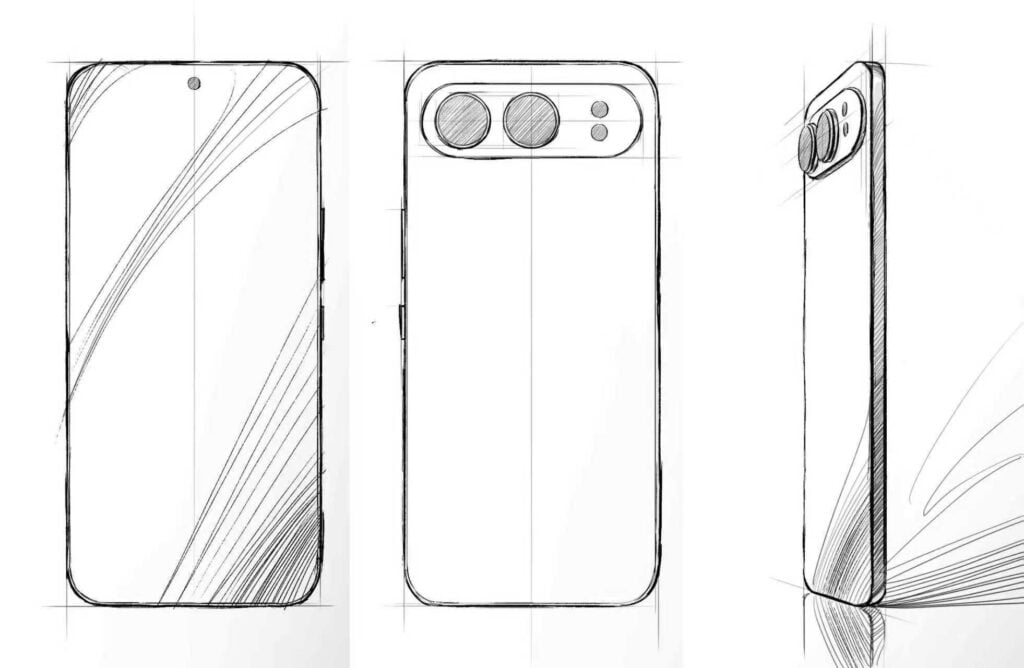
Honor 500 series design sketch by DCS
Spec-wise, it’s not wildly different from the regular Honor 500. The non-Pro model is rumored to include a similar display with 1.5K resolution, a 200MP dual-camera setup, and 100W fast charging.
Both phones are expected to launch in China later this month. There’s no word yet on whether the Honor 500 lineup will make it to global markets.
For more daily updates, please visit our News Section.
LG has just unveiled a new 3-in-1 projector in its home market of South Korea. The company’s new MoodMate projector has just been announced with built in features that enable it to act as a projector, mood light, and Bluetooth speaker. So here are all the details.
LG MoodMate Projects, Plays, & Sets the Mood
LG MoodMate 3-in-1 Projector
The LG MoodMate is a projector that features a tall floor stand. This design gives it enough elevation for its various functions. It can project a screen size of up to 120 inches at 1080p resolution, a projection ratio of 1.2:1, 300 ANXI lumens brightness, and up to 105 degree projection angle. LG’s latest DLP projector also offers HDR support and a dynamic contrast ratio of 150,000:1.
Furthermore, you get an HDMI port, USB, and support for various streaming platforms since it runs on the webOS platform. While the LG MoodMate is a projector, its 3-in-1 aspect comes into play since it features a built-in lamp that acts as a mood light and wireless speakers. Users can wirelessly stream music with the MoodMate, and you can even choose between nine colors and five brightness levels to help set the mood.
Features a Built-in Mood Light
The LG MoodMate PF600U projector has just been announced in South Korea, with first sales kicking off on 6th November 2025. This model has a retail price of 990,000 KRW (roughly 685 US Dollars). Notably, the projector is dubbed the Cinebeam M in Europe and will be rolling out in the region later this year. LG announced this projector after it released the UltraGear 27GX704A OLED monitor in the US.
For more daily updates, please visit our News Section.
Apple is said to be moving ahead with a successor to the iPhone Air despite its disappointing sales. According to details shared by well-known tipster Digital Chat Station, the second-generation iPhone Air’s development is progressing normally and hints at some design and camera upgrades. His post provides an early glimpse of what Apple may be planning for the next-generation iPhone Air, leading to further expectations about the company’s 2026 smartphone lineup.
iPhone Air 2 design, key specifications tipped
iPhone Air 2’s mock render
The tipster indicates that the second-generation iPhone Air (referred to as the iPhone 18 Air tentative name in the Weibo post) will maintain its ultra-thin and lightweight profile. DCS shared an image to showcase how the device would look, but readers should note that it is not representative of the actual product.
Apple will retain the horizontal camera bar that defined the exterior of the first-generation device. The handset is said to feature a 6.5-inch high-refresh-rate screen paired with 3D facial recognition.
A key change under consideration is an additional rear camera. Apple is evaluating a dual setup combining a 48-megapixel primary sensor with a 48-megapixel ultra-wide lens. This marks a clear step up from the first iPhone Air, which shipped with a single 48-megapixel camera and no ultra-wide option.
Earlier leaks have also pointed to new A20 and A20 Pro chips being developed for the iPhone 18 range. If Apple follows its previous pattern, the iPhone 18 Air could adopt the A20 Pro chipset, which would promise gains in performance and efficiency.
Current expectations place the iPhone Air 2 in Apple’s 2026 lineup, sitting alongside the iPhone 18 Pro, 18 Pro Max, and Apple’s first foldable phone, with other models such as the iPhone 18 and iPhone 18e likely arriving in early 2027.
Vivo is expected to unveil the Vivo S50 series later this month as a successor to the Vivo S30 lineup, which debuted earlier this year. The S40 branding will be skipped as the number “4” is considered unlucky in some Asian markets, including China. It appears that the company will apply the same naming strategy for its flagship line next year. Through this, we could see the possible name for the Vivo X300 series’ successor.
Vivo X400 series to be skipped
As can be seen above, tipster Digital Chat Station has claimed that the next generation after the X300 will be called the X500. So, this means that the next-generation lineup may possibly include the Vivo X500, X500 Pro, and X500 Ultra as the successors to the current generation’s Vivo X300, X300 Pro, and X300 Ultra.
Likely, the Vivo X500 and X500 Pro will debut in September or October 2026. Early speculations suggest that these devices will be the first to feature the Dimensity 9600, which is said to be manufactured through TSMC’s 2nm process, making it MediaTek’s first-ever 2nm mobile chip.
It is reported that TSMC’s enhanced 2nm process technology has a 1.2 times higher logic density than the existing N3E process, a performance improvement of up to 18 percent at the same power consumption, and a power consumption reduction of about 36 percent at the same speed.
At present, it is too early to talk about the X500 series as the company has several new phones lined up for launch in China in the coming months. After the S50 and S50 Pro Mini, expected by this month’s end, the company is expected to unveil the Vivo X300s and X300 Ultra in the first half of 2026. While the X300s will be an updated version of the Vivo X200, the Ultra edition is expected to debut as the world’s first phone with dual 200-megapixel cameras.
For more daily updates, please visit our News Section.
After confirming the update schedule for OriginOS 6 in India, Vivo and iQOO have confirmed that the next gen software will also be arriving on two more older iQOO smartphones. The device in question is the iOQO Neo 7 and Neo 7 Pro. So here’s everything you need to know.
iQOO Neo 7 and Neo 7 Pro to Get OriginOS 6
The Chinese smartphone maker has officially confirmed the OriginOS 6 update in India following its global announcement. We recently got a confirmation for the smartphone models that will be receiving the update, along with the rollout timeline for these devices. For example, the Vivo X200 series is set to receive the update in early November, while the older X100 series, the older foldable phone, and a few others will get the update later this month.
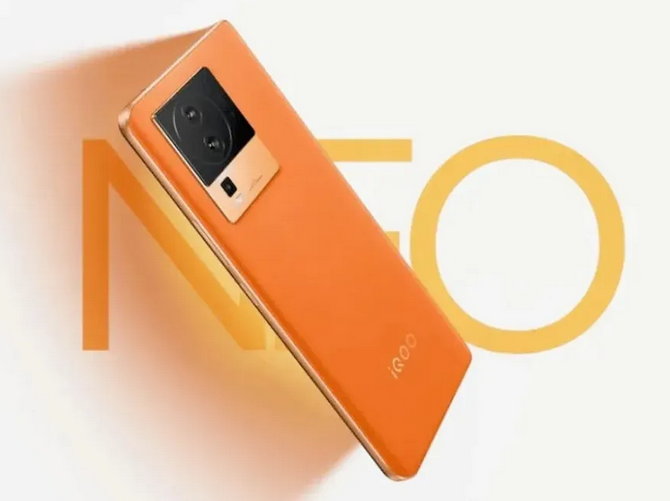
iQOO Neo 7 Pro
The update schedule continued on till 2026. But now, iQOO has confirmed that its iQOO Neo 7 and Neo 7 Pro models are also included for the OriginOS 6 update. To recall, the iQOO Neo 10, Neo 9 Pro, and Neo 10R are already set to receive this update, which is replacing the FuntouchOS platform with OriginOS. The Neo 7 and Neo 7 Pro were two models not originally included in this list and are devices that were first unveiled in 2023.
So Vivo’s OriginOS 6 update will bring the Android 16 OS. The OriginOS 6 update first arrives on the iQOO 13 and iQOO 12 for iQOO branded phones. Meanwhile, the Neo 7 and Neo 7 Pro will get the update sometime in the first half of 2026. This is all the information we have at the moment, so stick around for more.
For more daily updates, please visit our News Section.
Following its global debut, Google is bringing its latest premium smartwatch to India. The Pixel Watch 4 has finally arriving in the Indian market that brings cutting edge hardware, longer battery life, faster performance, and much more. So here are all the details.
India Finally Gets the Google Pixel Watch 4
Just like its predecessors, the Pixel Watch 4 retains the circular display. The domed screen is called the Actua 360 display, which offers 3000 nits of peak brightness, slimmer bezels, and Always on support. This is housed in an aluminum casing that is rated with 5ATM and IP68 for water and dust resistance. Under the hood, it is equipped with the Snapdragon W5 Gen 2, with the smartwatch running on Wear OS 6.0. The Qualcomm wearable chip is also paired with 2GB of RAM and 32GB of storage.
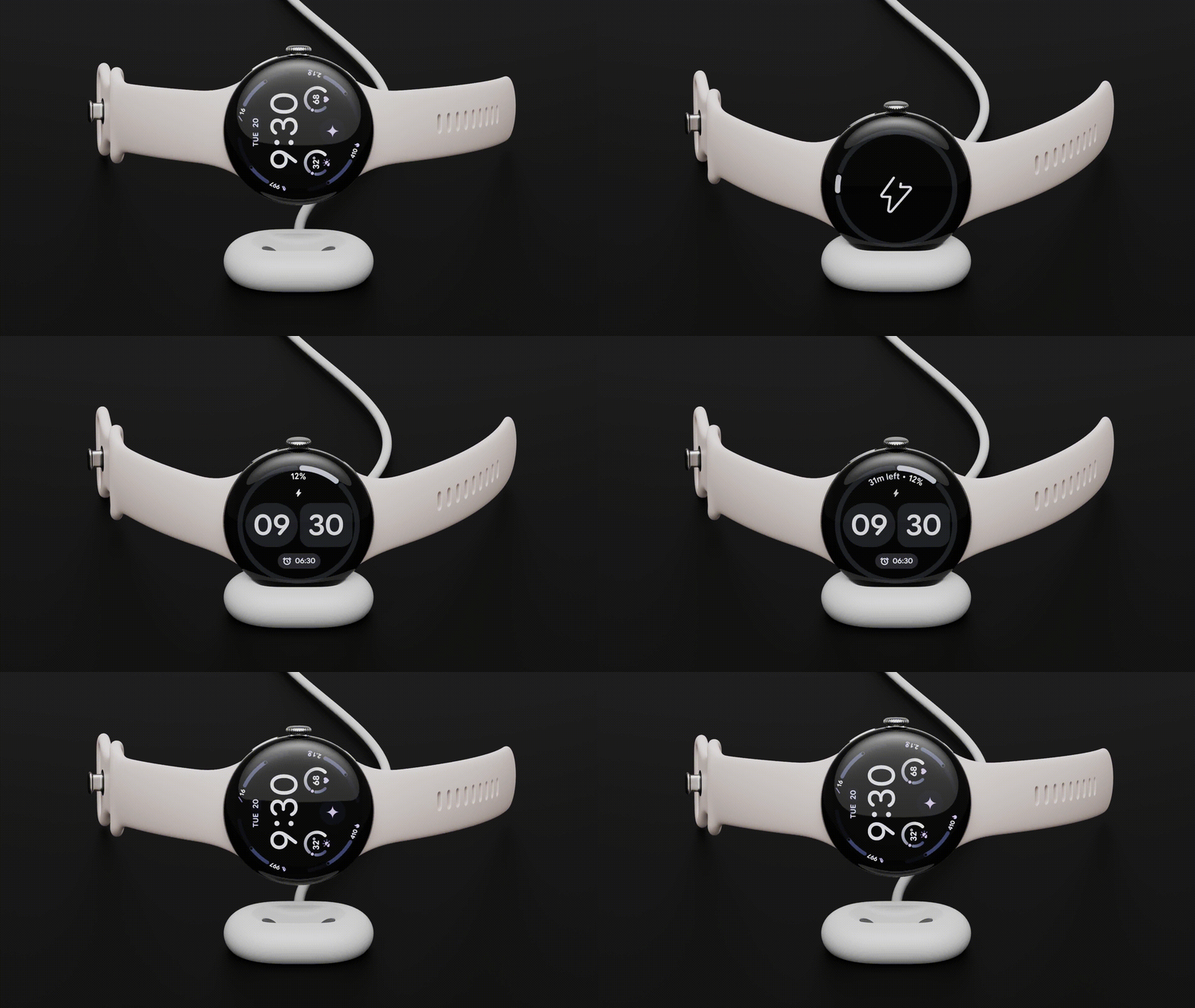
Google Pixel Watch 4
Google’s Pixel Watch 4 is available in two size options, namely 41mm and 45mm models. The former has a 325mAh cell that is rated for 30 hours, while the 45mm has a 455mAh battery that promises 40 hours of runtime. With Battery Saver enabled, the battery life extends to two days on the smaller version, and the larger model gets three days of operation. The smartwatch supports quick charge, with just 15 minutes of charging offering up to 50 percent charge.
Other notable features include various health related sensors for heart rate tracking, blood oxygen mapping and more, Gemini AI integration with Raise to Talk, Bluetooth 5.3 LTE, WiFi 6, GPS, and more than 50 workout types. The Google Pixel Watch 4 41mm WiFi only version is priced at Rs 39,900. On the other hand, the Pixel Watch 4 45mm is available for Rs 43,900.
You can purchase the 41mm model with an Iris Band, a Polished Silver Aluminum case with a Porcelain Band, a Champagne Gold Aluminum case with a Lemongrass Band, and a Matte Black Aluminum case with an Obsidian Band. Meanwhile, the 45mm version comes with a Satin Moonstone Aluminum case and Moonstone Band, a Polished Silver Aluminum case with a Porcelain Band, and a Matte Black Aluminum case with an Obsidian Band.
XPENG has taken a major step into the future of mobility and artificial intelligence with the unveiling of its latest technologies at the 2025 XPENG AI Day, themed “Emergence.” Held at XPENG Science Park in Guangzhou, the event showcased the company’s biggest achievements yet in Physical AI, including the launch of XPENG VLA 2.0, Robotaxi, Next-Gen IRON humanoid robot, and flying car systems under ARIDGE.
The event marked XPENG’s transformation from a “future mobility explorer” to a “global embodied intelligence company.”
A New Era of Physical AI
Chairman and CEO He Xiaopeng opened the event by explaining XPENG’s vision for the coming decade. He said that just as AI revolutionized the digital world and electricity replaced oil in the physical world, the next revolution will come from the combination of both, Physical AI.
XPENG is now the only company in China to have built a full-stack self-developed Physical AI system, covering chips, large AI models, and intelligent hardware. This system will serve as the technological backbone for its AI cars, Robotaxis, humanoid robots, and flying vehicles.
He Xiaopeng announced XPENG’s upgraded identity as “a mobility explorer in the Physical AI world and a global embodied intelligence company.”
XPENG VLA 2.0: Redefining Large Models for the Real World
One of the biggest highlights of the event was the unveiling of the XPENG VLA 2.0 large model, described as the “operating system of the Physical AI world.”
Unlike traditional models that depend on language translation, VLA 2.0 follows a “Vision–Implicit Token–Action” structure. This allows the model to generate direct actions from visual signals, enabling true end-to-end intelligence.
The model can perform self-learning and understand the real world, making it adaptable across different platforms, from cars to robots to flying vehicles. With 72 billion parameters, trained on 100 million driving clips (equal to 65,000 years of human driving), it’s one of the largest and most advanced models ever created.
XPENG’s powerful 30,000-GPU cloud cluster and optimized software allow VLA 2.0 to run efficiently, even on vehicles. The model brings features like “Narrow Road NGP”, which improves performance in complex urban environments by 13 times, and gesture recognition for real-world interaction.
VLA 2.0 will begin user testing in December 2025 and roll out to XPENG Ultra models in early 2026. XPENG also announced that the model will be open-sourced globally, with Volkswagen as the first launch partner.
Robotaxi: China’s First Full-Stack Self-Developed Autonomous Taxi
XPENG also revealed its Robotaxi, China’s first fully self-developed, mass-producible autonomous taxi. The Robotaxi is powered by four Turing AI chips with a combined computing power of 3000 TOPS, the highest in the world.
It relies entirely on pure vision, removing the need for lidar or high-definition maps. Designed for driverless operation, it features a dual-redundancy system for safety and integrates XPENG’s VLA 2.0 and VLM models for real-time decision-making.
The Robotaxi includes the industry’s first sun visor external display, allowing it to “communicate” with pedestrians through visual signals.
XPENG also introduced a new intelligent trim called “Robo”, launching in 2026. It shares the same technology as the Robotaxi but is built for personal use. The company plans to open the Robotaxi SDK for global collaboration, with Amap (Alibaba’s mapping platform) as its first global ecosystem partner.
Next-Gen IRON: The Most Human-Like Robot Yet
Another major launch was XPENG’s Next-Gen IRON humanoid robot, featuring 82 degrees of freedom, bionic muscles, a flexible skin, and a humanoid spine. It even supports custom body designs and performs graceful, catwalk-style walking.
Powered by three Turing AI chips with 3000 TOPS, it combines three large models, VLT, VLA, and VLM, to achieve high-order intelligences like conversation, movement, and interaction.
XPENG emphasized “extreme anthropomorphism” as its design philosophy, aiming to make robots more adaptable to real-world scenarios. The Next-Gen IRON also features all-solid-state batteries, offering lightweight and safe performance.
A new “Fourth Law of Robotics” was introduced: “Privacy data does not leave the robot.”
XPENG plans mass production by the end of 2026, starting with applications in industries such as retail, tourism, and factory inspection. Baosteel Stock will partner with XPENG to deploy the robots in industrial settings.
ARIDGE Flying Cars: Expanding into Low-Altitude Mobility
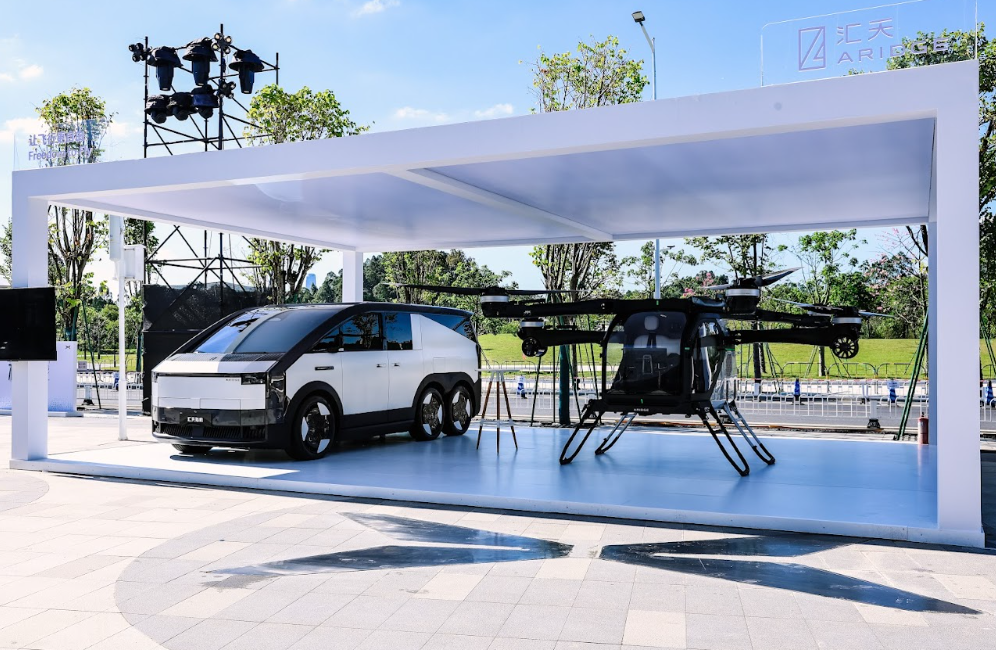
XPENG’s flying vehicle division, ARIDGE, showcased two parallel systems for low-altitude travel:
A868 Full Tiltrotor Hybrid Flying Car: a 6-seater business model capable of 360 km/h speeds and 500 km range.
Land Aircraft Carrier: a personal flying vehicle designed for short-range travel, already nearing mass production with 7,000 global orders.
The Land Aircraft Carrier includes an intelligent cockpit and a single-stick four-axis control system, making it easy for beginners to fly. Production has already begun at XPENG’s new flying car factory, capable of producing one aircraft every 30 minutes.
In 2026, ARIDGE will collaborate with the Dunhuang Government to launch China’s first low-altitude self-driving tourism route.
XPENG Science Park: Where Innovation Meets Collaboration
The event was held at XPENG Science Park, home to over 10,000 employees working across AI, robotics, cars, and aviation. The company says its multidisciplinary teams are driving daily innovations that fuel the emergence of Physical AI.
Looking ahead, XPENG will begin mass production and rollout of its AI-driven mobility products from 2026, paving the way for a new era where cars, robots, and flying vehicles coexist under one intelligent ecosystem.
XPENG’s message is clear: The future of mobility is not just smart, it’s embodied. With its breakthroughs in Physical AI, the company is positioning itself at the forefront of a global transformation that blends intelligence with motion, bringing tomorrow’s innovations into today’s world.
It took a few months, but Google’s latest smartwatch has finally made its way to India. The Pixel Watch 4, first unveiled back in August, is now available through the Google India online store.
Pixel Watch 4 Price in India and availability
The Pixel Watch 4 comes in two sizes. The 41mm Wi-Fi model is priced at ₹39,900, while the larger 45mm version costs ₹43,900. Google says the watch will soon expand to other outlets, including Flipkart and select offline retailers.
Both models offer a variety of finishes and strap combinations. The 41mm version comes in:
Polished silver case with an iris band
Champagne gold case with a lemongrass band
Matte black case with an obsidian band
Polished silver case with a porcelain band
You can get the 45mm model in:
Satin moonstone case with a moonstone band
Polished silver case with a porcelain band
Matte black case with an obsidian band
What’s new
The Pixel Watch 4 keeps the familiar round silhouette of previous models but introduces a sharper Actua 360 display that curves across the body. Google claims it offers a 10% larger active area with slimmer bezels, along with up to 3,000 nits peak brightness.
Inside, the watch is powered by Qualcomm’s Snapdragon W5 Gen 2 platform, paired with an ML-powered co-processor. Google says this setup delivers 25% more speed while consuming half the power.
The 41mm model gets a 325 mAh battery rated for 30 hours, while the 45mm version bumps that to 455 mAh for 40 hours.
As for health and wellness, sleep tracking is now 18% more accurate, and the watch can track skin temperature. The addition of dual-frequency GPS should deliver more precise location data.
The Watch 4 supports more than 50 workout types, including basketball and pickleball, and can automatically detect some of these activities.
For more daily updates, please visit our News Section.
Motorola has just introduced the Moto Buds Bass in the global market. The company’s latest audio product arrives with long battery life and some high end features like ANC (Active Noise Cancellation), all for an affordable price tag. So let’s check it out.
Meet the Moto Buds Bass: Motorola’s Budget TWS Earbuds
The Moto Buds Bass was first unveiled in the Indian market back in August 2025. Now, these TWS earbuds are hitting the global market with in-ear silicone eartips and a stem design. It houses 12.4mm dynamic drivers that support Hi-Res Audio certification for 24 bit depth and 96KHz sampling. The Moto Buds Bass features up to 50 decibels of dynamic active noise cancellation thanks to its triple microphone setup. Users can even customize the ANC modes via the Moto Buds app.
Moto Buds Bass
On a single full charge, the budget TWS earbuds promise up to 9 hours of audio playback from the buds alone, while the charging case bumps the figure to 43 hours. Just a quick 10 minute charge offers up to 2 hours of playtime. Other notable features include Bluetooth 5.3 support, LDAC audio, Google Fast Pair, customizable touch controls, splash resistant design, and ENC support for clear calls.
Motorola just unveiled the Moto Buds Bass in the European market and the UK. It is available in multiple color options, namely Pantone Dark Shadow, Posy Green and Pantone Blue Jewel. Users can purchase the budget earbuds for £49.99 in the UK and €59.99 in European regions like Germany and Italy.
Recently, an Honor phone with model number MEY-AN00 appeared in the Geekbench database. Since it was found to be equipped with a Snapdragon 8-series chip, it initially appeared to be the Honor 500 Pro. However, new Weibo posts from tipster Fixed-focus Digital and an Honor engineer reveal that the MEY-AN00 model is the standard Honor 500.
Honor 500 series to feature Snapdragon 8-series chip
According to the tipster, the entire Honor 500 series will use Snapdragon 8-series chips this time. The standard model is said to upgrade directly to the Snapdragon 8s Gen 4, and its battery life reportedly reaches the “8-something” range, suggesting a battery capacity of around 8,000mAh.
Another tipster (Experience More) reveals that the Honor 500 Pro will have a Snapdragon 8 Elite chipset. However, it is unclear whether it will also have an 8,000mAh+ battery. The leak also suggests that the entire lineup may support wireless charging and offer full water resistance, which appears to be an IP68/69 rating.
Bolstering the above rumors, Honor Performance Optimization R&D engineer A Yong said that the chipset in their standard model (Honor 500) should be significantly stronger than the competitor’s Pro variant (referring to the Oppo Reno 15 Pro).
He added that he hopes the performance standards for devices in this segment will improve quickly so users can enjoy a better experience.
As per other reports, the Honor 500 series will have a 6.5-inch flat OLED 1.5K 120Hz screen. The standard model may feature a 200-megapixel + ultra-wide dual-camera system, whereas the Pro version’s rear camera setup may include a 200-megapixel main camera, an ultra-wide lens and a 64-megapixel periscope telephoto camera. Both phones are expected to support 100W charging.
For more daily updates, please visit our News Section.
Several reports have claimed that Oppo will unveil the Reno 15 series this month in China. While the company is expected to reveal official details about the next-generation Reno series only after the upcoming Double Eleven (Nov. 11) shopping festival, a new poster that has surfaced on Weibo today has revealed its launch date. Readers are advised to digest the report with a pinch of salt as the legitimacy of the poster could not be verified.
Oppo Reno 15 series launch date
Oppo Reno 15 series launch date
As per the above poster, the Oppo Reno 15 series will be announced at 7pm (local time) on Nov. 17 in China. As mentioned above, an official confirmation from the brand is expected to surface next week.
Oppo Reno 15 series specifications (rumored)
According to reports, the Reno 15 family will include a standard, a Pro and a Mini model. The standard model is expected to feature a 6.59-inch flat OLED screen, but its other details are under wraps.
The Reno 15 Pro is expected to feature a 6.78-inch flat OLED 1.5K display, whereas the Reno 15 Mini will be a compact phone equipped with a 6.31-inch flat OLED screen with similar resolution. Both devices are said to be equipped with the Dimensity 8450 chipset. Likely, the Pro edition may ship with up to 16GB of RAM.
The Reno 15 Pro and Reno 15 Mini are said to feature a 200-megapixel Samsung HP5 (main, OIS) + 50-megapixel (ultra-wide) + 50-megapixel (periscope telephoto) triple camera unit. The Pro edition is said to have a 32-megapixel front camera.
The entire series will run on ColorOS 16-based Android 16. The Pro version will pack a 6,300mAh battery with 80W wired and 50W wireless charging support.
The Reno 15 series is also expected to debut in India in the coming month (December).
For more daily updates, please visit our News Section.
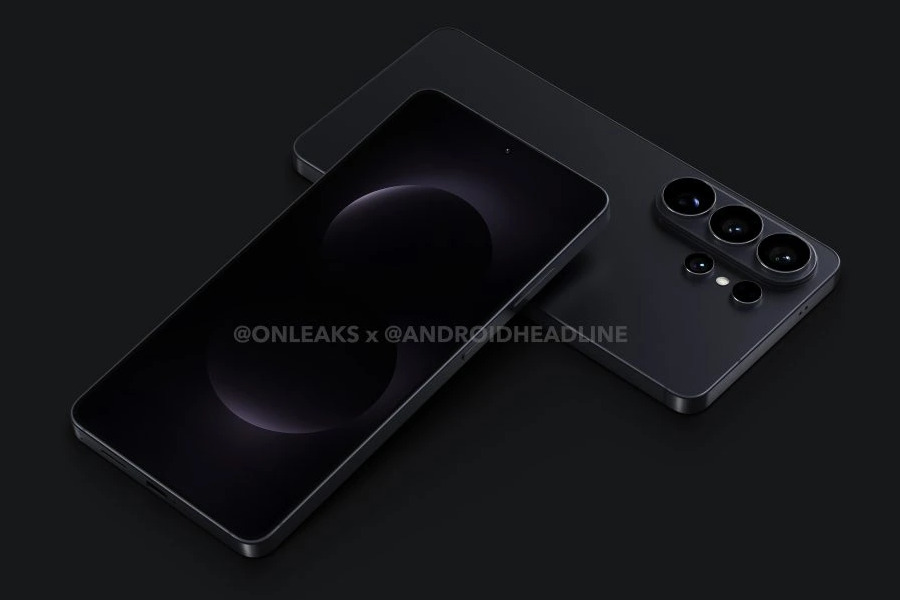
If you’re still not tired of reading Galaxy S26 series leaks over the past couple of weeks, there’s more news to unpack today.
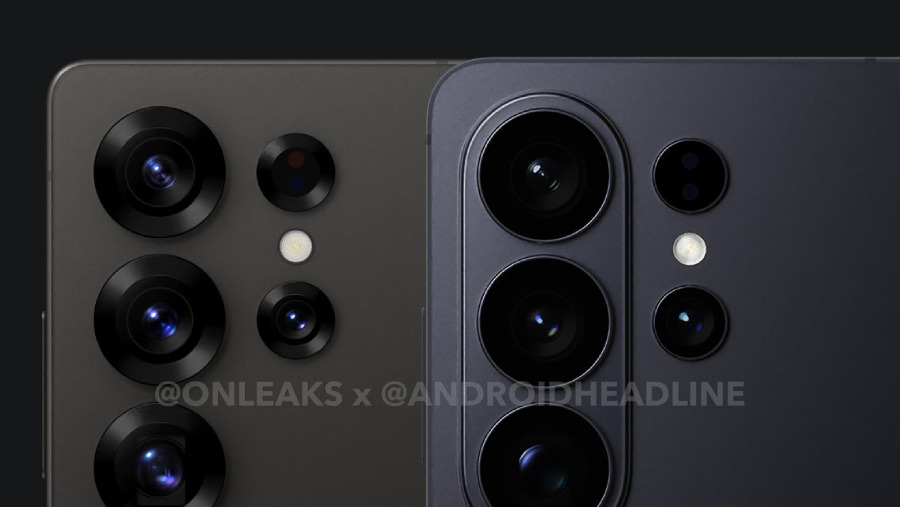
A new leak from X (formerly Twitter) user Yawn has revealed the full camera specs of Samsung’s upcoming Galaxy S26 Ultra, and unfortunately, Samsung isn’t making any big changes.
According to the leak, the Galaxy S26 Ultra will retain the same overall camera configuration as the S25 Ultra, led by a 200-megapixel HP2 main sensor.
Alongside it, Samsung is reportedly sticking with a 50-megapixel JN3 ultrawide, a 50-megapixel IMX854 5x periscope telephoto, and a 12-megapixel IMX874 selfie camera.
A solitary camera upgrade for S26 Ultra
The only real change this time seems to be in the 3x telephoto lens. The old 10MP from previous Ultras is reportedly being replaced by a newer 12MP Samsung S5K3LD sensor.
The leak also mentions the device will support Samsung’s new video recording format called APV (Advanced Photo Video) in two formats. The APV HQ reportedly uses 1.5GB of storage per minute, while APV LQ cuts that down to 750MB per minute.
The leak aligns well with another report from September. While that was an early report, the fact that new information matches suggests Samsung may not be very interested in changing its hardware.
The new telephoto is said to have an f/2.4 aperture and 20 percent more pixels compared to the S25 Ultra.
It might also come with Qi2 wireless charging, which opens the world of MagSafe-like magnetic accessories to Android phones. The phone is also said to be larger, thinner, and slightly rounder than its predecessor.
For more daily updates, please visit our News Section.
Oppo’s Find-series flagship phones have been receiving good reception not just in China, but also in other markets. While the brand launches the Find X-series in standard, Pro, and Ultra options in the home market, it has only been releasing the standard and Pro models globally. This is likely to change next year as a new leak reveals that the Find X9 Ultra will be released globally.
Oppo Find X9 Ultra global release
OPPO-Find-X8-Ultra
It goes without saying that the Find X9 Ultra is one of the most-awaited phones of 2026. As per a new X post by tech blogger Yogesh Brar, the X9 Ultra will debut globally by late Q1 2026.
He further said that the Find X9 Ultra’s India release will mainly depend on how well the Find X9 and X9 Pro sell in the country. To put it into context, these phones are scheduled to launch this month in India, but the exact launch date is yet to be confirmed.
Oppo Find X9 Ultra specifications (rumored)
According to reports, the Oppo Find X9 Ultra will feature a massive 6.8-inch OLED 2K screen with a 120Hz refresh rate and an ultrasonic in-screen fingerprint sensor. It will come preloaded with ColorOS 16-based Android 16.
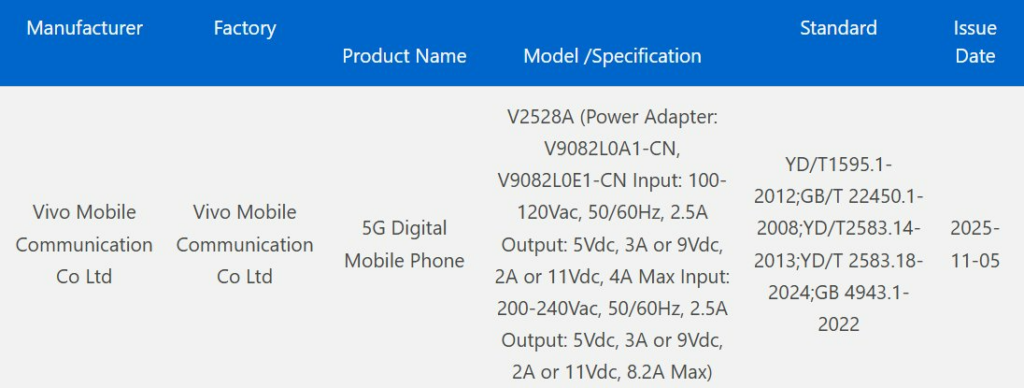
Vivo is scheduled to launch the Vivo Y500 Pro on Nov. 10 in China. After that, the company is expected to tease the arrival of the Vivo S50 series of smartphones. With the launch drawing near, one of the alleged S50 series phones has surfaced in the database of China’s 3C certification platform, giving a hint about its fast-charging capabilities.
Vivo S50 series phone’s 3C listing
Alleged Vivo S50 3C certified
As can be seen above, an upcoming Vivo smartphone with model number V2582A has been approved by China’s 3C authority. The listing reveals that the device may ship with a 90W fast charger but has no other information about its other specs.
Rumours suggest that the V2528A could be the standard Vivo S50. On the other hand, the V2572A, which was recently spotted at the country’s radio certification platform, could be the Vivo S50 Pro Mini. The Vivo S50 series is expected to rival the likes of the Oppo Reno 15 series and the Honor 500 lineup, which are also expected to launch later this month.
Vivo S50 series specifications (rumored)
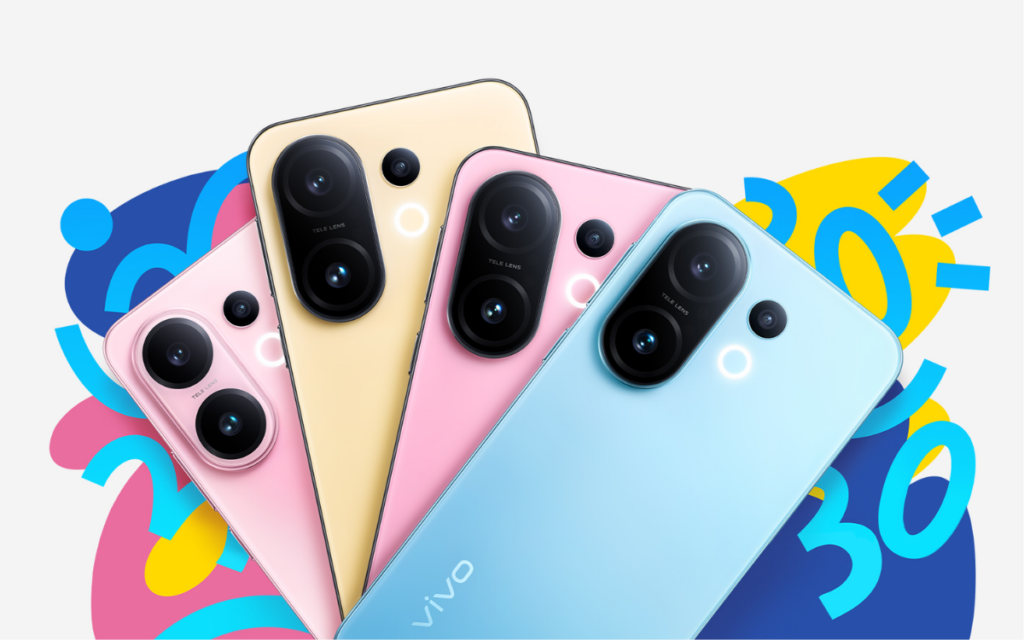
Vivo S30 series
Reports have revealed that the Vivo S50 will have a 6.59-inch flat OLED 1.5K screen, a Snapdragon 7 Gen 4 chip, a triple camera setup equipped with a periscope telephoto camera, and a metal middle frame. On the other hand, the S50 Pro Mini is said to be a compact phone featuring a 6.31-inch flat OLED 1.5K screen.
The S50 Pro Mini will be one of the first phones to feature the new Snapdragon 8 Gen 5 chip. Its rear-facing triple camera setup will feature a flagship-quality periscope telephoto snapper. Its battery is said to be larger than the Vivo X300’s 6,040mAh unit. Both phones will run on OriginOS 6-based Android 16.
For more daily updates, please visit our News Section.
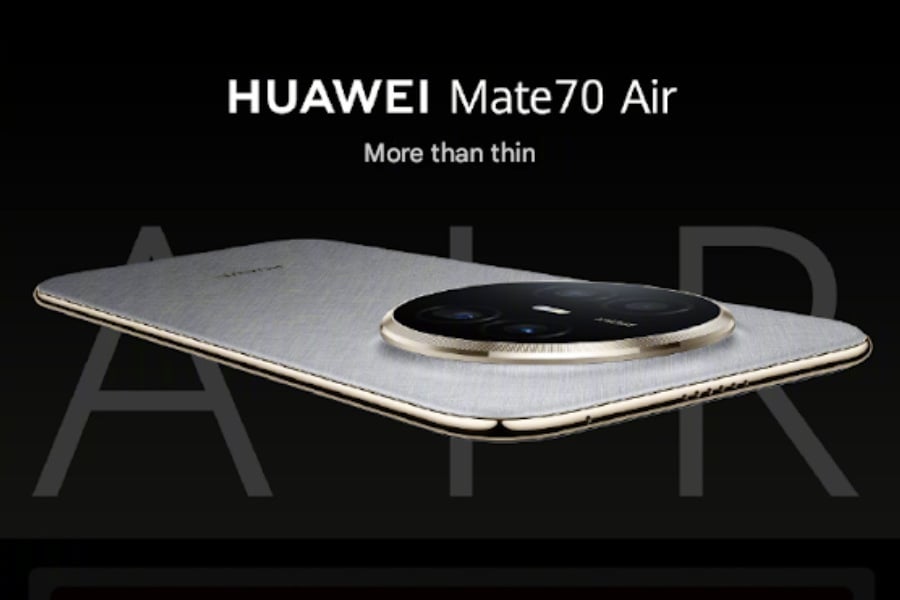
Huawei has officially taken the wraps off its new ultra-thin smartphone, the Huawei Mate 70 Air, in China today. It will be available for pre-booking from 10:08 AM CST.
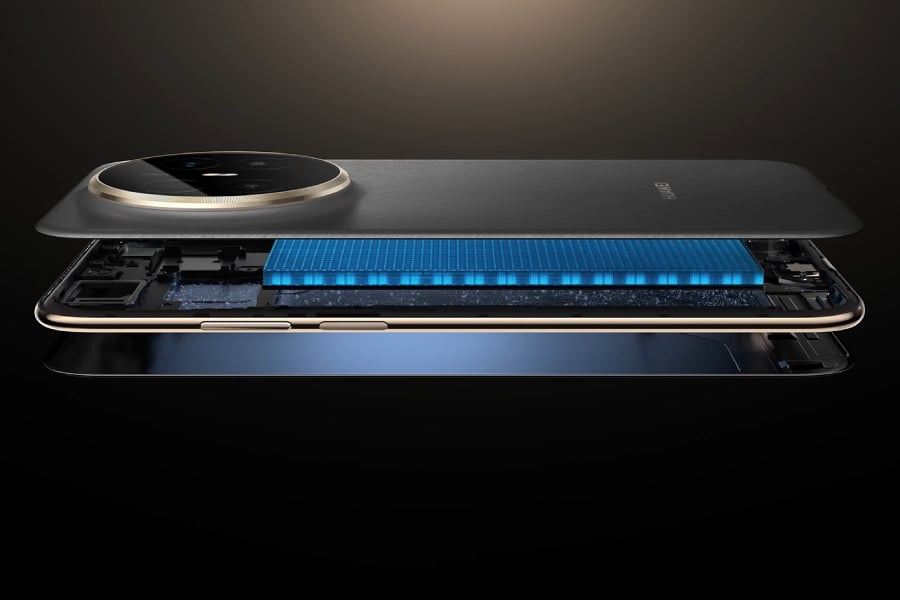
The Mate 70 Air is the company’s direct rival to the iPhone Air. At 6.6mm thick, it’s not quite as slim as the iPhone Air, which measures just 5.6mm. However, Huawei offers a more complete package with the Mate 70 Air, including a bigger battery and better cameras.
Huawei Mate 70 Air Specifications
The phone sports a 7-inch 1.5K+ OLED display (2760 × 1320 pixels) with a 120Hz refresh rate and an 18.8:9 aspect ratio. A 10.7MP front camera sits in a centered punch-hole cutout.
Under the hood, Huawei offers two chipset options depending on the configuration:
Kirin 9020B for the 12GB RAM variants
Kirin 9020A for the 16GB RAM variants
The software side of things is handled by HarmonyOS 5.1.
Powering the device is the aforementioned 6,500mAh battery, supported by 66W wired fast charging via USB 2.0. The phone also supports Wi-Fi 7+, two-way Beidou satellite messaging, and features side-mounted fingerprint unlocking.
It comes with IP68/IP69 water and dust resistance, which is a nice surprise given its ultra-thin build.
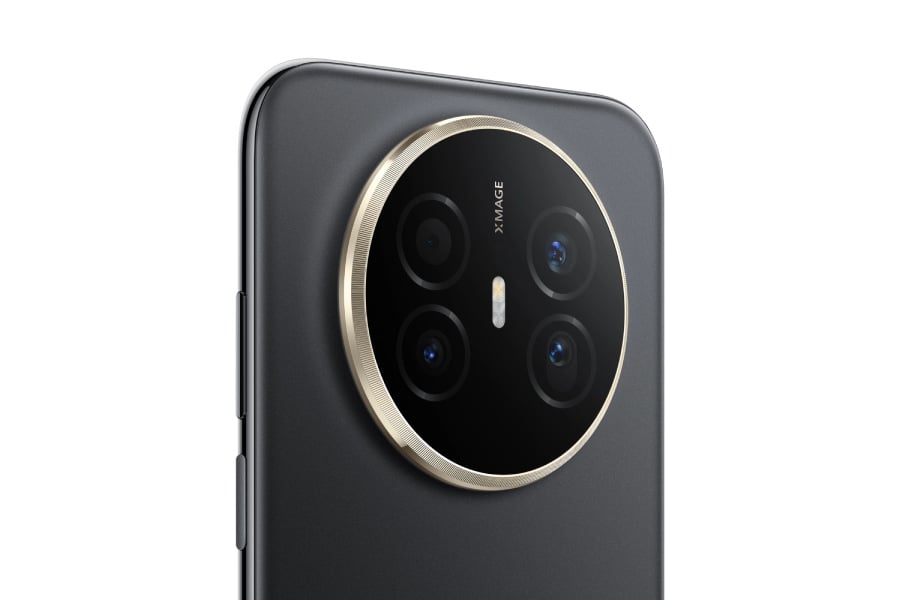
On the back, Huawei is going all in with a quad-camera setup, headlined by a 50MP 1/1.3-inch ultra-large sensor main camera. It’s joined by an 8MP ultra-wide-angle lens, 12MP RYYB 3x telephoto, and a 1.5MP red maple multispectral sensor to enhance color accuracy and detail in different lighting conditions.
Storage, Colors, and Pricing
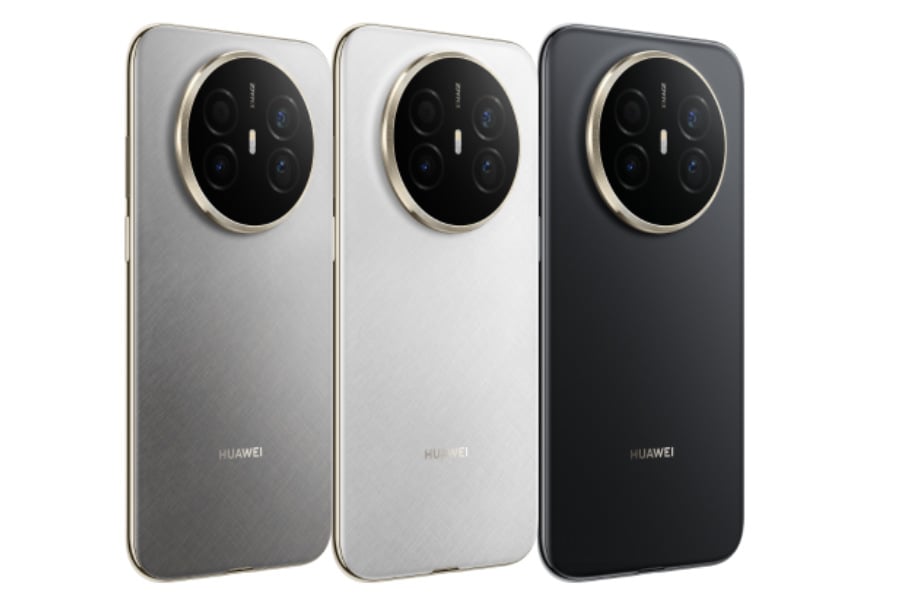
The Huawei Mate 70 Air is available in Obsidian Black, Feather White, and Silver Brocade color options. Buyers can choose from four configurations:
12GB + 256GB – 4,199 yuan (~$575)
12GB + 512GB – 4,699 yuan (~$645)
16GB + 256GB – 4,699 yuan (~$645)
16GB + 512GB – 5,199 yuan (~$715)
For more daily updates, please visit our News Section.
We use cookies on our website to give you the most relevant experience by remembering your preferences and repeat visits. By clicking “Accept”, you consent to the use of ALL the cookies.
This website uses cookies to improve your experience while you navigate through the website. Out of these, the cookies that are categorized as necessary are stored on your browser as they are essential for the working of basic functionalities of the website. We also use third-party cookies that help us analyze and understand how you use this website. These cookies will be stored in your browser only with your consent. You also have the option to opt-out of these cookies. But opting out of some of these cookies may affect your browsing experience.
Necessary cookies are absolutely essential for the website to function properly. This category only includes cookies that ensures basic functionalities and security features of the website. These cookies do not store any personal information.
Any cookies that may not be particularly necessary for the website to function and is used specifically to collect user personal data via analytics, ads, other embedded contents are termed as non-necessary cookies. It is mandatory to procure user consent prior to running these cookies on your website.