DJI has released the Osmo Action 6 in China ahead of its global launch on November 18. The camera arrives as the successor to the Osmo Action 5 Pro, which debuted in September last year.
The Osmo Action 6 uses the same 1,950 mAh (7.5 Wh) battery from the Action 5 Pro. DJI claims up to 240 minutes of use on a full charge, with continuous 4K recording rated at 52 minutes, one minute less than before. The camera has a 1.46-inch OLED screen on the front and a 2.5-inch OLED display on the back, both with up to 800 nits of brightness.
Most changes come from the camera hardware. DJI replaced the 1/1.3-inch CMOS sensor with a new 1/1.1-inch sensor that offers 13.5 EV of dynamic range. It keeps a 155-degree field of view and adds a variable aperture that ranges from f/2.0 to f/4.0. The Osmo Action 6 can record 4K video at 60 fps in a 1:1 format or 4K at 120 fps for slow motion in 16:9. Still photos reach up to 38 megapixels.
In China, the camera starts at CNY 2,998 (about $422). The standard kit includes the camera, one battery, and basic accessories, while combo kits for biking, snorkeling, and other activities add mounts and protective cases. DJI has not announced international pricing yet.
Unitree Robotics has officially introduced the G1-D, its first wheeled humanoid robot designed for advanced data collection and model training. The robot serves as the centerpiece of a full-stack solution that combines high-performance humanoid hardware with a scalable software platform for data acquisition, AI training, and real-world deployment.
Specifications
The G1-D is available in two versions: Standard and Flagship. Both models stand between 1260 mm and 1680 mm tall and weigh up to 80 kg. The Standard version is stationary, while the Flagship version features a mobile base that supports differential drive and can move at speeds of up to 1.5 meters per second. The mobile base includes sensors such as LiDAR, depth cameras, and collision detection units.
Unitree has equipped the G1-D with 17 degrees of freedom on the Standard model and 19 on the Flagship model, excluding the end effectors. Each arm has seven degrees of freedom and supports a payload of up to 3 kg. The robot’s waist joint allows motion along the Z-axis up to ±155 degrees and along the Y-axis between -2.5 and +135 degrees. The platform supports a vertical working range of 0 to 2 meters.
The robot features a high-definition binocular camera on its head and an additional HD camera on each wrist. It supports various end effectors, including a two-finger gripper, three-finger dexterous hands with or without tactile sensors, and a five-finger dexterous hand. Unitree has powered the G1-D with an Nvidia Jetson Orin NX module that delivers up to 100 TOPS of AI performance. The Flagship version offers a battery life of up to six hours.
The G1-D is designed for a wide range of real-world applications. It can perform repetitive manual tasks in industrial and service environments, assist in warehouse automation, collect and annotate data for AI training, and even interact with retail or consumer settings using its onboard vision and mobility. The robot’s dexterous hands and mobile base allow it to manipulate objects, conduct inspections, or serve as a data-gathering agent in complex environments.
Alongside the hardware, Unitree has launched a comprehensive software stack that manages the entire AI workflow. This includes data acquisition tools, task management, annotation systems, and real-time tracking. The platform supports distributed training and integrates with popular open-source frameworks such as GROOT and PI. It also includes a simulation environment for model evaluation and supports seamless export and deployment of trained models.
Samsung’s foldable lineup is seemingly gearing up for its biggest year yet — not with wild new form factors, but with smart refinements aimed at everyday users. Leaks out of Korea hint that the upcoming Galaxy Z Flip8 and Z Fold8 will be leaner, smarter, and built to push foldables out of the niche corner and into the mainstream.
Samsung Galaxy Z Fold 7 and Galaxy Z Flip 7
According to The Bell Korea, Samsung’s 2026 MX (Mobile eXperience) business roadmap sets a goal of 6.7 million combined Flip8 and Fold8 units, about a 10% boost over last year’s sales. The push is led by the Flip8, which is reportedly getting a major hardware revamp. There’s no mention of a Flip8 FE yet.
The Galaxy Z Flip8 is shaping up to be Samsung’s thinnest clamshell yet. Sources suggest the phone could measure just 9.5 mm when folded, roughly 30% slimmer than the Flip7’s 13.7 mm profile. Early leaks suggest the same 6.9-inch inner display, and the slimmer design should make it easier to pocket.
The Galaxy Z Fold8, meanwhile, is expected to stay closer to the Fold7 formula. Expect brighter AMOLED panels and S Pen support refinements, but no major redesign.
With the TriFold expected to arrive as a limited release and the Galaxy S26 series on the horizon, the Flip8 and Fold8 carry the task of bringing foldables to more people. If Samsung can deliver a 9.5 mm Flip that feels as sturdy as it looks, it might finally have a clamshell ready for the masses.
As 2026 approaches, Samsung’s message seems to be clear: the next chapter in foldables isn’t about showing off — it’s about shaving down, selling more, and making foldables feel like the future again.
URBAN has launched the Vibe Clip 2 Open-Ear Wireless Earbuds in India, adding to its open-ear audio range. The earbuds have a clip-on design that fits around the ear, keeping them steady during workouts or long use. The open-ear style lets users stay aware of their surroundings, making them suitable for both indoor and outdoor use.
The Vibe Clip 2 features 16.2 mm dynamic drivers for clear audio and stronger bass. It includes AI Environmental Noise Cancellation (AI-ENC) to improve call clarity by reducing background noise. The earbuds support Bluetooth 5.3 and Dual Device Pairing, allowing users to connect two devices at once.
URBAN has added features like Air Beam, Deep Bass, Smart AI EQ, and 3D Panoramic Sound. There is also a low latency mode for better sync while watching videos or gaming. The earbuds have touch controls for playback, volume, and calls, and support voice assistants such as Siri and Google Assistant.
Battery life is rated at up to 18 hours on a single charge and 50 hours with the charging case. Type-C fast charging is supported for quicker top-ups. The Vibe Clip 2 is IPX5 water-resistant, protecting it from sweat and light rain.
Please Note: When you buy something using the links in our articles, we may earn a small commission at no cost to you.
Pricing & availability
The URBAN Vibe Clip 2 Open-Ear Wireless Earbuds are priced at Rs. 1,999 and are available in Starlight Beige, Lilac Purple, and Storm Black. They can be purchased from URBAN’s official website, Amazon.in, Flipkart, and select offline stores across India.
For more daily updates, please visit our News Section.
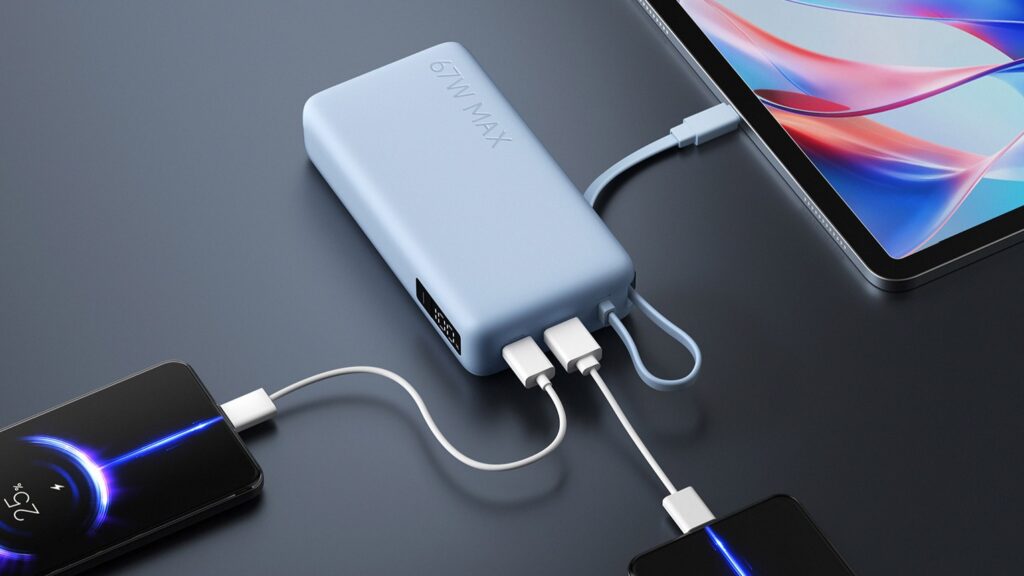
Xiaomi has quietly launched its latest fast-charging power bank in Europe, and it’s built for travel. The new 67W Power Bank 20000 (Integrated Cable) comes with a built-in USB-C cable that doubles as a lanyard — so you’ll never dig through your bag looking for a cable again.
The power bank supports up to 67W USB-C fast charging (PD 3.0, PPS, QC 3.5) and includes a USB-A and a USB-C port alongside the built-in cable, letting you charge up to three devices at once. When all three ports are in use, total output is capped at 15W. Still, it can be useful when charging low-power devices like smartwatches and earphones.
According to Xiaomi, the power bank has a nominal capacity of 12,000mAh (5V/3A), enough to charge most phones from 0 to 100% at a solid speed.
It also recharges quickly via 65W USB-C input, taking around 2.5 hours to top up completely. There’s a low-current mode for accessories like earbuds, plus a digital display showing the exact battery percentage.
The design is simple but practical: beige or blue, measuring 140 × 72 × 31.2 mm and weighing 415 g.
The 67W Power Bank 20000 is available now in Germany for €45.99 on mi.com/de, with availability expanding to more EU countries in the coming weeks. Xiaomi is also bringing the 67W 10000 and Super Slim Magnetic 5000 to the region.
With fast charging, three ports, and that built-in cable, Xiaomi’s latest power bank looks like a handy little upgrade for anyone who travels light — or just hates tangled cords.
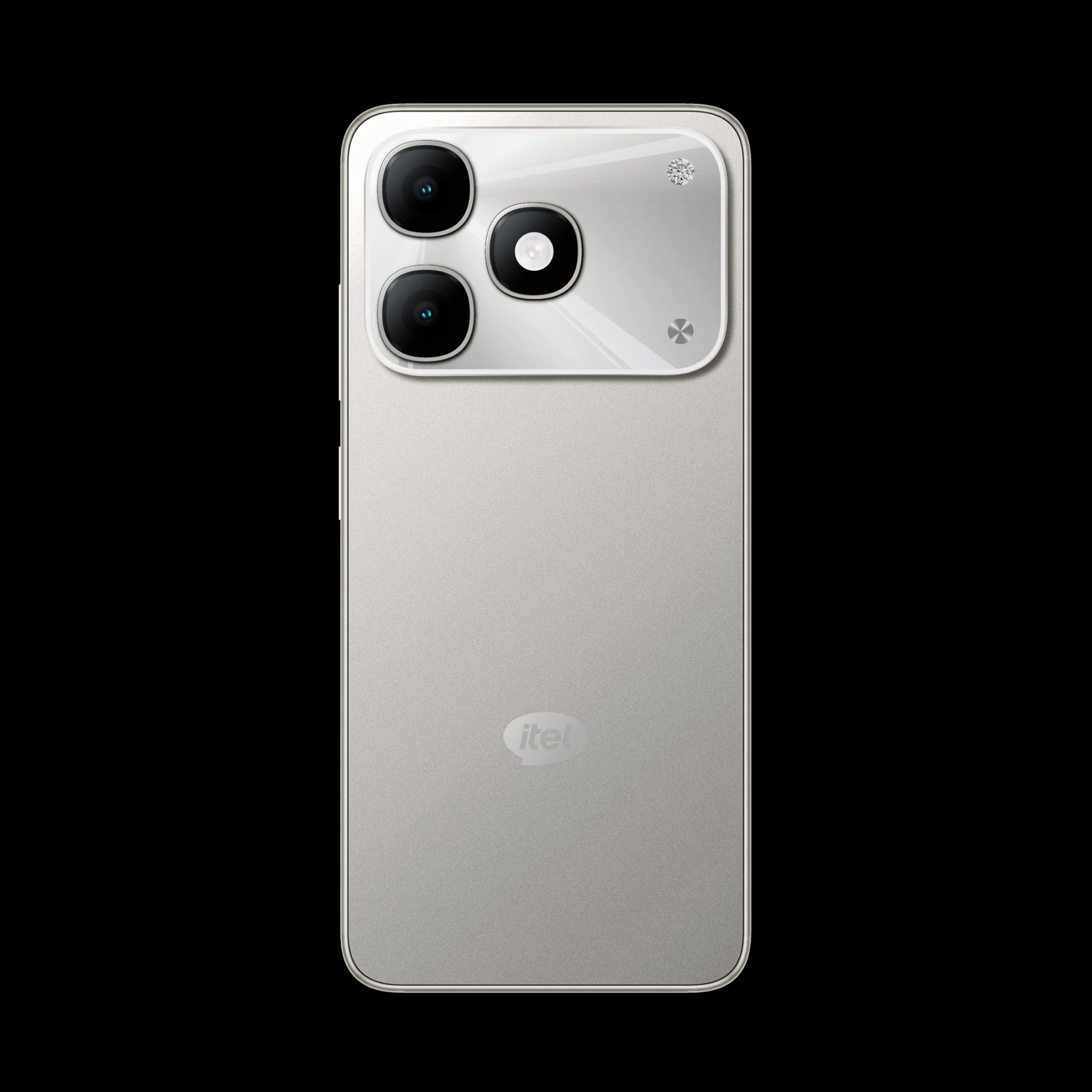
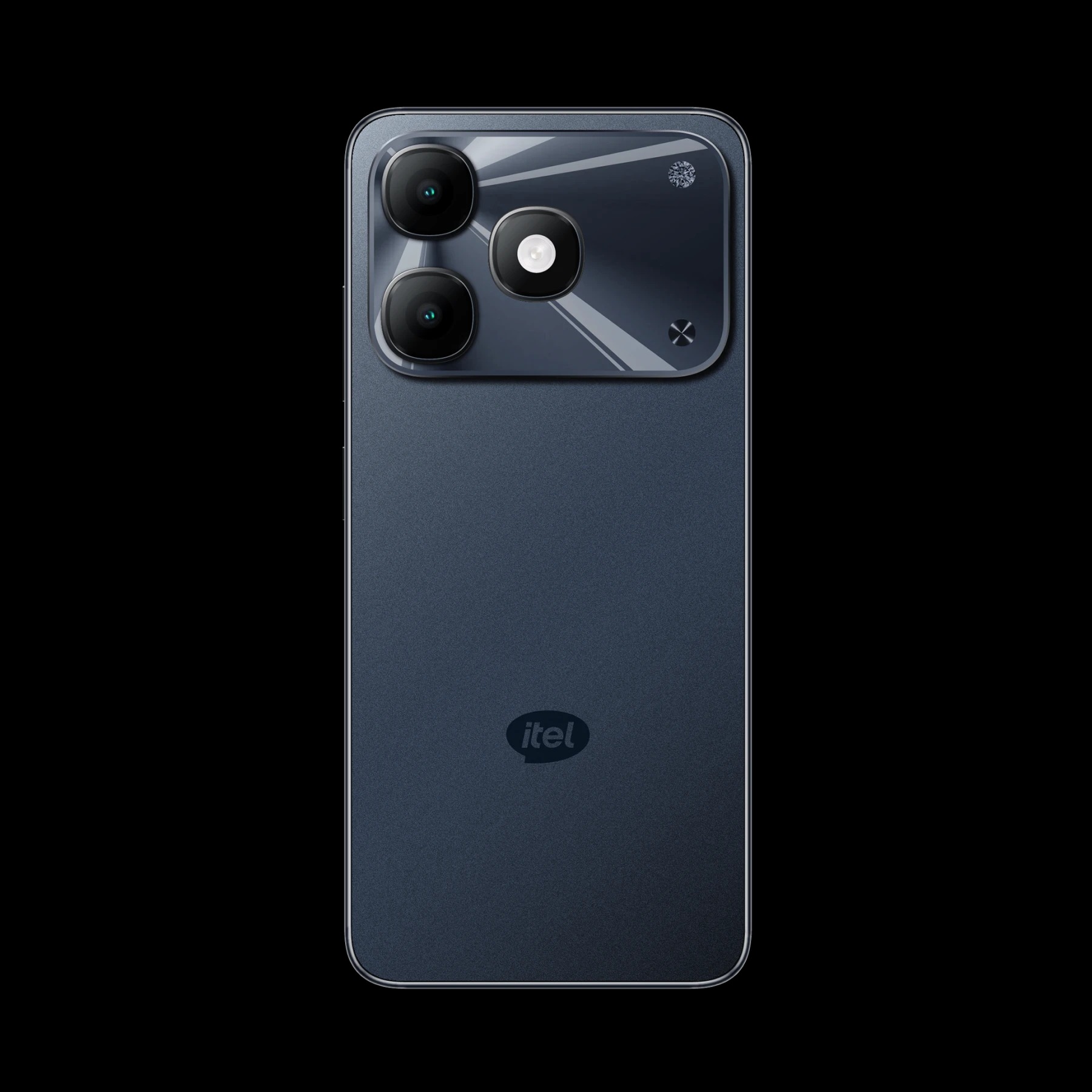
itel has launched the 128GB variant of the A90 Limited Edition in India. The phone was initially launched in September 2025 in two configurations. It comes with MIL-STD-810H certification, an IP54 rating, and itel’s 3P protection that helps against dust, water splashes, and accidental drops.
The device is powered by a 2.2GHz Octa-Core UNISOC T7100 processor with a Mali G57 MP1 GPU on a 12nm process. It has a 6.6-inch HD+ IPS display with a 720 x 1612 resolution, a 90Hz refresh rate, 180Hz touch sampling, Dynamic Bar support, and 480 nits brightness. The Always on Display feature shows important alerts without unlocking the screen. DTS audio improves sound output.
On the back, the A90 Limited Edition has a 13MP camera with LED flash, advanced image processing, and a sliding zoom button that allows one handed zooming and quick photos. The front camera is 8MP. The phone includes 12GB total RAM with 4GB physical RAM and 8GB virtual RAM, along with 128GB internal storage. Storage can be expanded up to 2TB using a microSD card.
It supports Dual Nano SIM cards and has a dedicated microSD slot. Network options include Dual 4G VoLTE, Wi Fi 802.11ac, Bluetooth 5, GPS, GLONASS, and Beidou. Other features include a 3.5mm headphone jack, DTS audio, a side mounted fingerprint scanner, Face Unlock, USB Type C, a G sensor, and itel’s AI voice assistant. Dynamic Bar navigation is also available. The phone runs on Android 14 Go Edition. It has a 5000mAh battery with a 10W in box charger and support for 15W fast charging.
Pricing and Availability
The itel A90 Limited Edition 128GB is priced at Rs. 7,299. It comes in Space Titanium, Starlit Black, and Aurora Blue and will be sold through retail stores across India. Buyers also get a free screen replacement within 100 days.
For more daily updates, please visit our News Section.
Minisforum has launched the X1 Lite-255 mini PC in the Chinese market, a compact 0.84-liter system powered by AMD’s Ryzen 7 255 processor. The device targets users who need desktop-grade performance in a portable form factor. The barebones version, which comes without RAM or storage, starts at 1,999 yuan ($281).
Minisforum X1 Lite-255 Mini PC Specifications
The Ryzen 7 255 is based on AMD’s Zen 4 architecture. It features 8 cores and 16 threads with a maximum boost clock of 4.9GHz and a 65W TDP. The processor integrates Radeon 780M graphics, which support DirectX 12 and can handle creative tasks, 3D workloads, and light gaming.
The X1 Lite-255 supports external GPU expansion through an OCuLink connection, which is included via an M.2 adapter. This feature allows users to pair the system with a discrete graphics card for improved performance in AAA games or GPU-accelerated applications.
The device includes two DDR5 SO-DIMM slots that support up to 128GB of 5600MHz memory. It also features two M.2 2280 PCIe 4.0 x4 SSD slots, allowing storage expansion up to 8TB. These options provide flexibility for both multitasking and large data processing needs.
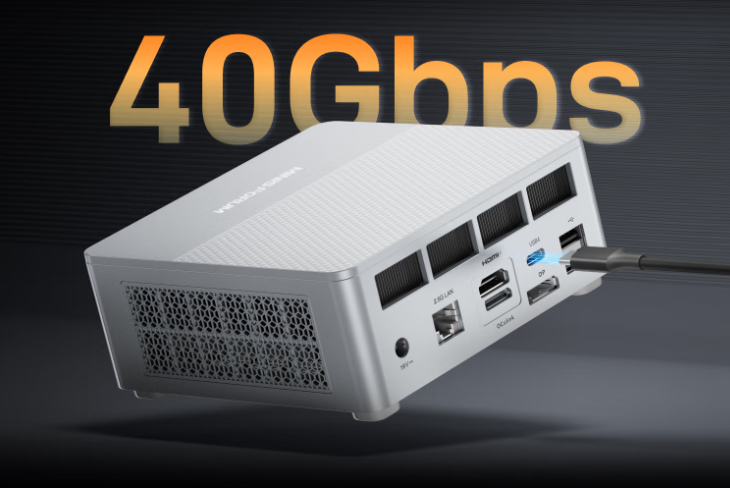
The mini PC includes a wide range of I/O ports. It has one USB4 port with 40Gbps bandwidth and support for PD input (65-100W) and output (15W). Other ports include two USB 3.2 Gen 2 Type-A, two USB 2.0, a 2.5G Ethernet port, a 3.5mm audio jack, HDMI 2.1, and DisplayPort 1.4. The device supports video output through USB4 as well. It can drive up to three 4K displays or one 8K display at 60Hz.
The X1 Lite-255 features Wi-Fi 6E and Bluetooth 5.2 for wireless connectivity. It supports VESA mounting and has compact dimensions of 130 × 126 × 47.2 mm, weighing approximately 0.67 kg. The system uses a large fan, dual heat pipes, and phase-change thermal materials for cooling. Minisforum claims that fan noise remains under 35dB during regular operation.
OPPO will launch the OPPO Enco Buds 3 Pro+ in India on 18 November 2025 alongside the Find X9 series. The earbuds are already listed on Flipkart, which reveals the full set of features ahead of the event.
The Enco Buds 3 Pro+ support Bluetooth 5.4 and offer a 47 ms low-latency mode. This is meant to keep audio stable while gaming or watching videos. The earbuds are built to handle daily use with an IP55 rating for dust and water resistance. OPPO also highlights reliability tests that include 20,000 fold tests for the case hinge, a 1.8 meter drop test for the earbuds, a 1.5 meter drop test for the charging case, and temperature resistance up to 55 degrees Celsius.
Battery life is one of the main upgrades. The earbuds deliver up to 43 hours of total playback with the charging case when ANC is off. Each earbud can run for up to 12 hours on its own. A 10 minute charge gives up to 4 hours of listening. The battery setup includes a 58 mAh cell inside each bud and a 440 mAh battery in the case. The earbuds also have TÜV Rheinland battery health certification and can retain at least 80 percent capacity after 1,000 charge cycles.
Sound quality is handled by 12.4 mm titanized dynamic drivers that are tuned for stronger bass and clearer audio. Users can switch between Bass Boost, Clear Vocals, and Original Sound through the Enco Master Equalizer. OPPO Alive Audio adds a wider soundstage for music and gaming. The earbuds support 32 dB active noise cancellation along with a transparency mode. Dual mic AI Clear Call technology is included to improve voice clarity in noisy places.
The Enco Buds 3 Pro+ come in Sonic Blue and Midnight Black. The design uses a glossy, droplet shaped stem for comfort and grip. Touch controls include single tap for play or pause, double tap for the next song or taking pictures, triple tap for the previous song, touch and hold to switch between ANC and Transparency Mode, and long touch and hold for volume control.
For more daily updates, please visit our News Section.
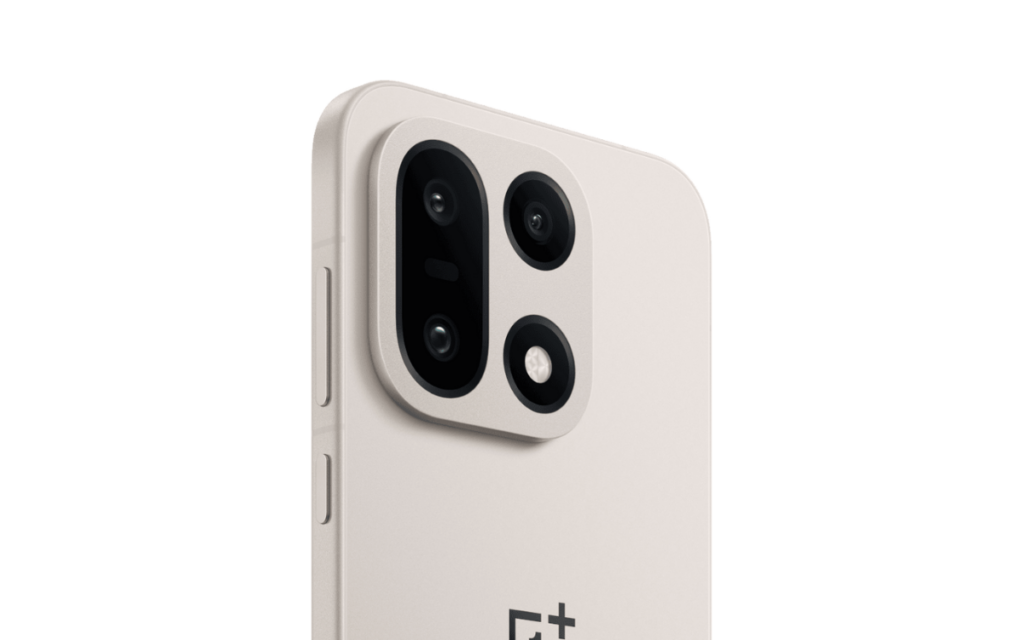
OnePlus has officially unveiled the OnePlus 15 for global markets, following its debut in China. The flagship smartphone introduces powerful new hardware, AI-enhanced software features, and a refined design focused on both durability and visual appeal.
OnePlus 15 Specifications
The OnePlus 15 has a 6.78-inch 1.5K LTPO AMOLED display (2772×1272) that supports adaptive refresh rates from 1Hz to 120Hz, reaching 165Hz in supported games. It features up to 1800 nits HBM brightness, can dim to 1 nit for night use, and is protected by Gorilla Glass Victus 2. It also sports a 3200Hz touch sampling rate and a dedicated touch chip that ensures ultra-fast response times, especially during gaming.
Under the hood, the device is powered by the Snapdragon 8 Elite Gen 5 chipset built on a 3nm process, paired with the Adreno 840 GPU. It supports up to 16GB of LPDDR5X Ultra+ RAM and 1TB of UFS 4.1 storage. The phone incorporates a 360° Cryo-Velocity Cooling System with a 5,731mm² 3D vapor chamber, aerospace-grade aerogel insulation, and a white graphite back to manage heat dissipation effectively.
The OnePlus 15 ships with Android 16 with OxygenOS 16 on top, featuring enhanced AI-powered tools for communication, photography, and everyday use. It integrates Google Gemini for seamless contextual awareness through the new Plus Mind system.
On the rear, the phone sports a triple 50MP camera setup: a Sony IMX906 main sensor with OIS, a 116° ultra-wide Omnivision OV50D sensor, and a 3.5x periscope telephoto lens using a Samsung JN5 sensor. The camera supports 4K 120fps Dolby Vision recording and up to 8K video.
On the front, it includes a 32MP RGBW selfie camera with 4K 60fps support. The new DetailMax Engine powers advanced photography modes like Ultra-Clear 26MP, Clear Burst for motion, and Clear Night Engine for low-light clarity.
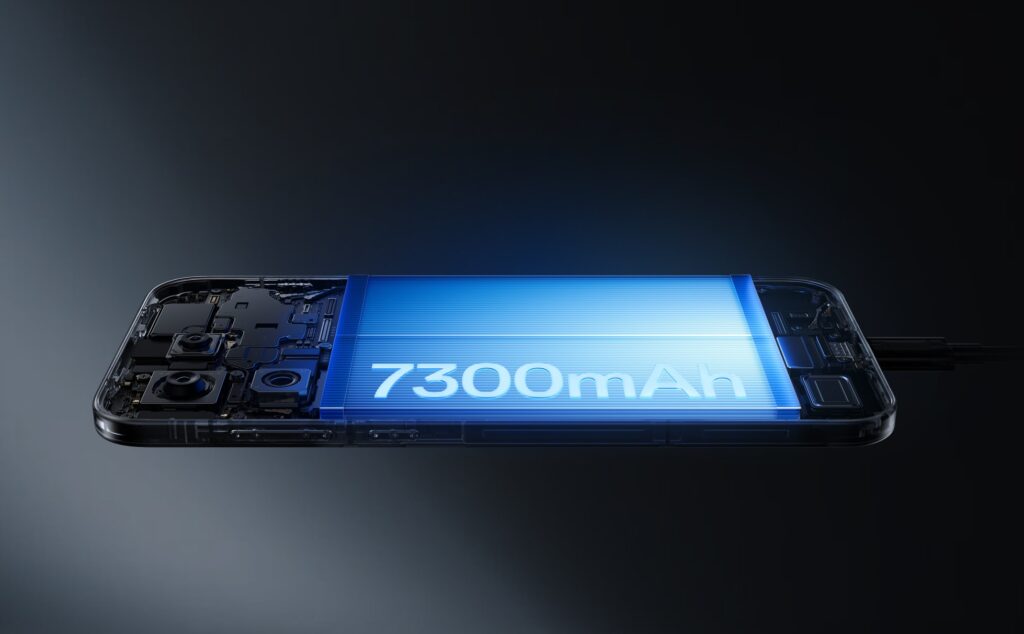
Under the hood, the phone houses a 7300mAh Silicon NanoStack battery, the largest in OnePlus history. It supports 120W SuperVOOC wired charging and 50W AirVOOC wireless charging. The battery is designed to retain over 80% health after four years and offers Bypass Charging to avoid heat during intensive tasks like gaming.
The phone includes an in-display ultrasonic fingerprint sensor, stereo speakers, and support for USB Type-C audio. It is IP66, IP68, IP69, and IP69K rated for dust and water resistance. For connectivity, the device includes 5G SA/NSA, Wi-Fi 7, Bluetooth 6.0, dual GPS bands, and NFC.
Pricing and Availability
OnePlus 15 is available in Infinite Black, Sand Storm, and Ultra Violet finishes.
In India, the OnePlus 15 is priced at ₹72,999 for the 12GB+256GB model and ₹79,999 for the 16GB+512GB variant. Global pricing is set at $900 / €950 / £850 for the base model and $1,000 / €1,100 / £980 for the higher variant.
The device is now available for purchase from the official OnePlus website and select retailers.
Samsung has officially launched the Galaxy Tab A11+, an upgraded variant of the previously announced Galaxy Tab A11. First revealed earlier this year, the Tab A11+ has now debuted in select global markets, including the UK and Ukraine.
Samsung Galaxy Tab A11+ Specifications
The tablet features an 11-inch WUXGA (1920×1200) LCD display with a 90Hz refresh rate that delivers smoother visuals during scrolling, gaming, and video playback. It is powered by the MediaTek Dimensity 7300 processor, offering improved CPU and GPU performance compared to the Unisoc chip found in the standard model. The device supports up to 8GB of RAM and 256GB of internal storage, expandable to 2TB via microSD card.
On the software side, the Galaxy Tab A11+ runs One UI 8 based on Android 16. Matching Samsung’s flagship update policy, the tablet will receive seven years of Android version upgrades and security updates, extending software support through Android 23. It also supports Google Gemini integration.
For photos and video calls, the tablet includes an 8MP rear camera with autofocus and a 5MP front camera optimized for clear video conferencing, though it lacks an LED flash. It packs a 7,040mAh battery with 25W fast charging, an upgrade over the 15W charging on the base Tab A11. Samsung claims up to 15 hours of video playback per charge.
The Galaxy Tab A11+ also features quad speakers with Dolby Atmos audio and retains a 3.5mm headphone jack. For connectivity, it includes Wi-Fi 5, Bluetooth 5.3, GPS, and optional 5G support, making it a versatile device for entertainment, study, and light productivity.
Pricing & Availability
The Galaxy Tab A11+ comes in Grey and Silver finishes. It is now available in select regions, including the UK and Ukraine, with a broader global rollout expected in the coming weeks.
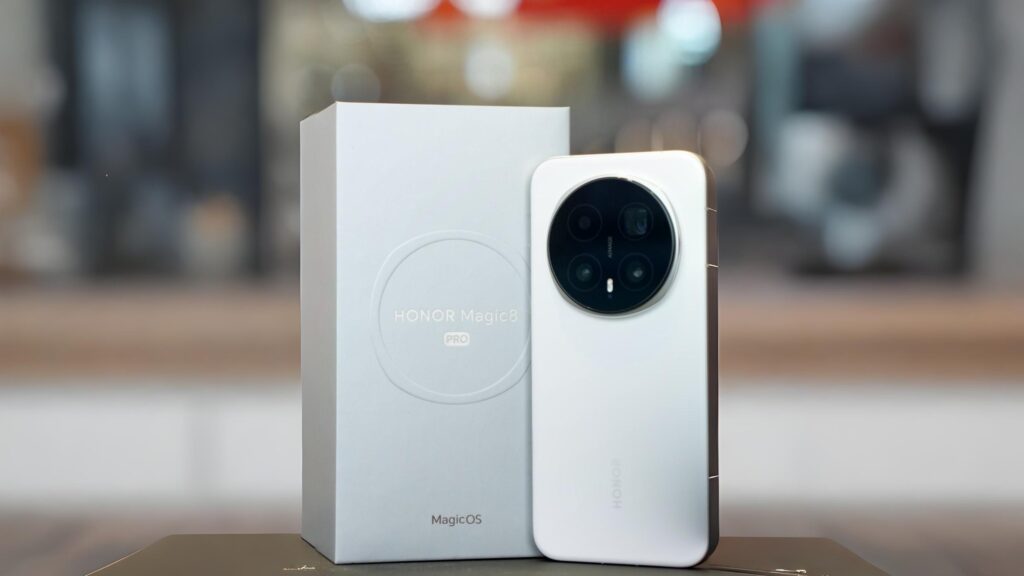
European buyers looking forward to the Honor Magic 8 Pro might want to temper their expectations. The version headed for the EU reportedly won’t have the same monster 7,200 mAh battery as the Chinese model — instead, it’s getting a noticeably smaller cell.
According to GSMArena, which claims to have received “first-hand” confirmation, the EU-bound Magic 8 Pro will feature a 6,270 mAh battery — approximately 13 percent smaller than the Chinese variant and 930 mAh less overall. The global model is said to sit somewhere in between at 7,100 mAh.
That said, it’s still a decent bump from the 5,270 mAh battery in last year’s Magic 7 Pro, so the downgrade isn’t as bad as it sounds.
Honor hasn’t commented on the difference, but EU-specific safety, recycling, and transport regulations could explain the smaller capacity. As per the source, charging could also see a downgrade as compared to the Chinese version: 100W wired charging. In China, the phone supports 120 W wired and 80 W wireless charging.
Otherwise, the specs remain identical to the Chinese release:
So, while the performance and camera setup stay top-tier, battery life could take a small hit — maybe an hour or two less screen-on time in real use.
That said, the downgrade in battery capacity may indeed sting a little regardless of the reason. The EU still gets the Magic 8 Pro, just not quite the full magic.
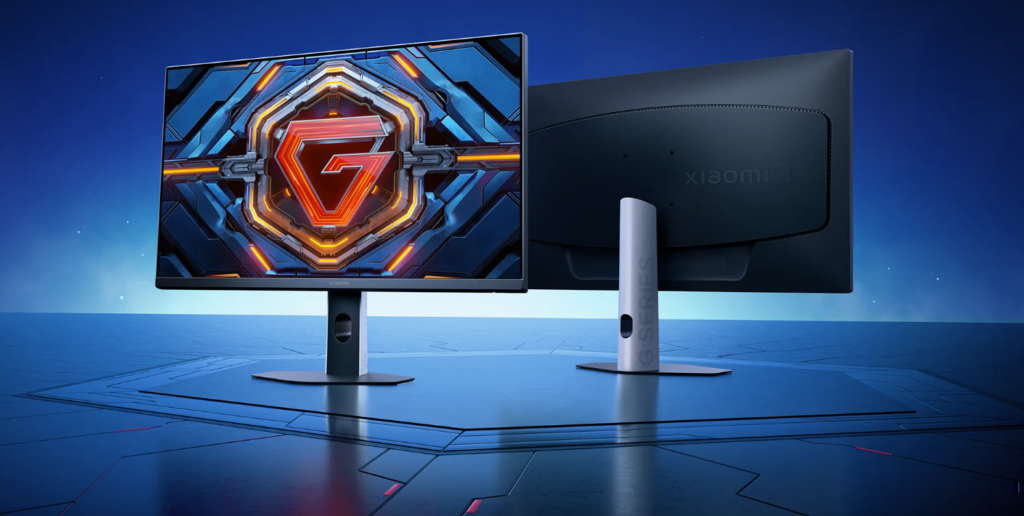
Xiaomi has released the Gaming Monitor G24i 2026 in Europe, built for players who want a fast and simple 1080p display. It uses a 23.8 inch Fast IPS panel that reaches 200 Hz and delivers a 1 ms grey to grey response time for clearer motion during quick gameplay.
The monitor has a 1920 x 1080 resolution and a 178 degree viewing angle. Xiaomi says the 1 ms GTG response time was measured in controlled lab conditions at 200 Hz with the “Ultrafast” mode enabled. The high refresh rate works with FreeSync Premium and also supports G Sync Compatible mode. Both features help reduce tearing and stutter when frame rates change.
HDR400 support allows peak brightness to hit 400 nits. This increases the brightness range, making dark scenes deeper and bright elements more visible. The panel is factory calibrated to ΔE<2 colour accuracy. It covers 100 percent of the sRGB colour space and 95 percent of the DCI P3 gamut. An 8 bit colour depth is included for smoother gradients and better detail.
For comfort, the monitor includes TÜV Low Blue Light certification and DC dimming to reduce flicker and eye strain during long sessions. The design is simple, with a tilt adjustable stand, VESA 75 x 75 mm support and built in cable management. The monitor weighs 3 kg and measures 539.2 x 441.5 x 105.4 mm with the base.
Ports include one DisplayPort, one HDMI port, an audio jack and a DC power input. It runs on a 12V 3A power supply with a rated power of 36 W.
Pricing & availability
The Xiaomi G24i 2026 is now on sale in Europe for €120, with pricing for other regions to be announced soon.
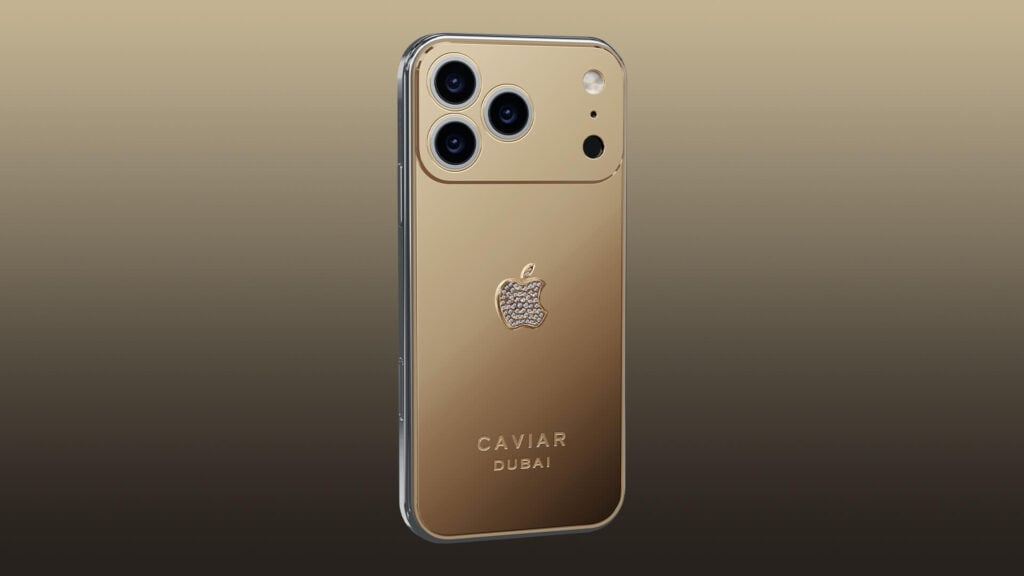
Caviar, the international luxury brand known for its custom-made smartphones and watches, has announced its new Gold Collection for the iPhone 17 series, featuring three ultra-luxury models crafted entirely from 18-karat gold. Each handset is crafted entirely from 18-karat gold, priced above $67,000, and produced in extremely limited quantities.
Design Details
The Palmette model draws inspiration from the palm trees of the United Arab Emirates and the geometric lines of Art Deco architecture. The body features a palm-leaf motif engraved into 18K gold. Over 100 diamonds are hand-set into the design, and the Apple logo is encrusted with precious stones. Caviar has positioned Palmette as a reflection of Eastern refinement and architectural elegance. The edition starts at $72,500.
The Bitcoin edition shows the rise of cryptocurrency by placing a raised Bitcoin emblem at the center of its 18K gold body. Caviar has designed cryptographic patterns across the chassis to represent digital wealth and independence. The design merges the symbolism of the crypto world with the precision of luxury jewelry. This version starts at $67,640 and aims to appeal to cryptocurrency investors and enthusiasts.
The Solar edition showcases a polished gold surface designed to resemble a solid ingot. The body features a smooth, reflective finish with a diamond-set Apple logo as the central accent. Caviar describes this model as a tribute to the raw brilliance and strength of gold. The company has set its starting price at $71,070.
Limited Availability
Each phone comes in Caviar’s Supreme packaging made from wood and leather with gold-plated accents. The company includes a certificate of authenticity with every purchase. Only three units of each model will be produced, making them some of the most exclusive smartphones in the market.
Samsung’s foldable lineup might be about to get a third fold — and a serious price bump. The long-rumored Galaxy Z TriFold is reportedly set to launch on December 5, bringing a massive 10-inch display, a beefier 5,600mAh battery, and a jaw-dropping $3,000 price tag. That makes it nearly twice as expensive as the Z Fold7 — and possibly the boldest (and bulkiest) experiment Samsung’s ever shipped.
According to the leak, Samsung will produce just 20,000 to 30,000 units, focusing sales in Korea and select Asian markets, including China. No plans for the US or Europe yet, which makes sense — this one looks more like a concept turned collectible than a mass-market product.
When folded, the TriFold reportedly resembles the Z Fold7, complete with a 6.5-inch outer screen. Unfold both sides, though, and you get a 10-inch tablet-like canvas (vs. 8 inches on the Z Fold 7) for improved multitasking or entertainment. Power comes from a 5,600mAh battery — about 27% larger than the Fold7’s (4,400mAh unit) — to handle the triple-hinge setup and all that extra screen real estate.
At 14 mm thick when folded, it’s definitely no slim pocket companion — around 60% thicker than the Fold7 and still chunkier than Huawei’s Mate XT Ultimate, which measures 12.8mm and weighs 298g. But that’s the trade-off Samsung seems willing to make in pursuit of the ultimate foldable showcase that also protects the softer foldable display when not in use.
The TriFold is shaping up to be less of a mainstream launch and more of a tech statement — a proof of concept for Samsung’s next phase in foldables. Whether that $3,000 price tag buys you innovation or just bragging rights, we’ll find out soon enough when the curtain lifts on December 5.
Imagine turning on your Windows laptop and seeing Android 16’s familiar homescreen instead. That might not be far off. Qualcomm is reportedly working to bring Android 16 to its Snapdragon X series chips — the same silicon now powering Arm-based Windows laptops.
A leak from tipster @Jukanlosreve shows internal code from Qualcomm’s repository for “Purwa,” the codename tied to the Snapdragon X Elite and X Plus. The manifest files mention firmware for key hardware components like the camera, Bluetooth, and audio, all built around Android 16 support. In other words, this isn’t a concept — it’s something Qualcomm’s engineers are actively testing.
This move comes right as Google begins blending Android and Chrome OS, paving the way for more hybrid systems. Android 16 already adds desktop-friendly features like resizable windows (primarily through its new “desktop windowing” mode), full keyboard navigation, and improved file handling — all signs that Google is thinking beyond phones.
If Qualcomm gets this right, it could mean Android PCs without emulation — just native apps running on efficient Arm hardware. Android started its journey on phones with a little over a 1000 mAh batteries and while over the years
Android is designed for devices with relatively small batteries — just a few thousand milliamp-hours — and can stay active in standby while using very little power. The same can’t really be said for Windows. That’s why this combination is expected to enable ultra-portable devices that stay cool, sip power, and still run Google’s full ecosystem.
Of course, it’s not without hurdles. Drivers, app scaling, and heat management all need fine-tuning for bigger, more powerful systems. But it’s an intriguing direction — and a potential escape hatch for Qualcomm, which currently depends on Microsoft’s slow-moving Windows-on-Arm ecosystem.
If development continues at this pace, we could see the first Android 16–powered Snapdragon X devices in the near future. And if they deliver the right balance of performance, battery life, and app support, they might finally make Android-on-PC more than just a developer experiment.
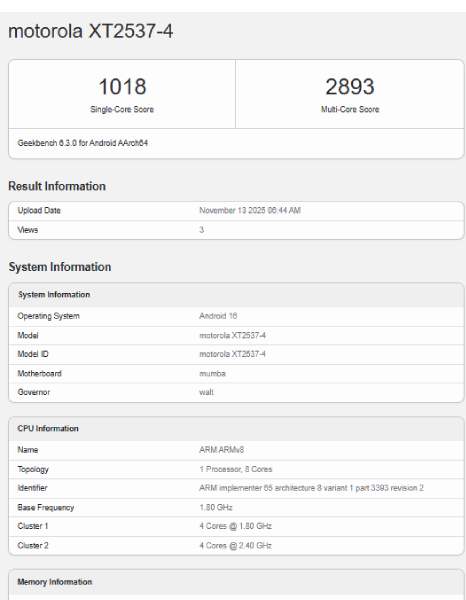
Motorola seems to be gearing up for another mid-range launch, as a new smartphone believed to be the Moto G76 5G has surfaced on Geekbench. The device is listed under the model number XT2537-4 during the benchmark run.
According to the listing, the Moto G76 5G scored 1018 points in the single-core test and 2893 points in the multi-core test. Those numbers place it comfortably in the mid-tier zone.
The benchmark also reveals 8GB of RAM, confirming that Motorola will likely offer at least one variant catering to users who like to multitask.
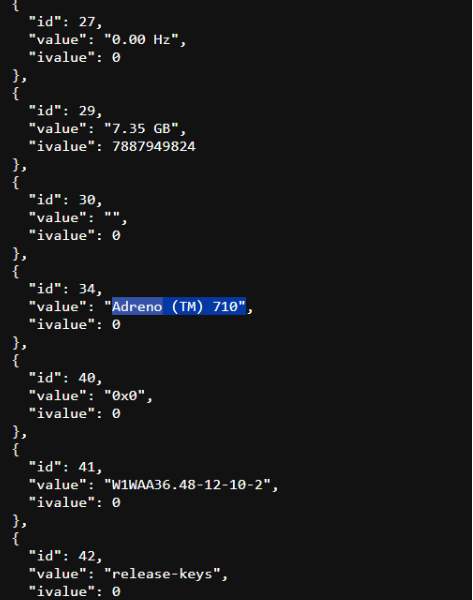
Under the hood, the phone runs on an octa-core Qualcomm chipset with four cores clocked at 2.40GHz and another four at 1.80GHz, paired with the Adreno 710 GPU. Based on the details, the device is likely powered by Qualcomm’s Snapdragon 6s Gen 4.
According to the user @ZionsAnvin, who shared the Geekbench results, the Moto G76 5G could be a rebranded version of the Moto G100s, which recently launched in China.
Moto G100s Specs
If true, we can expect the phone to have a 6.72-inch LCD panel with an FHD+ resolution, a 120Hz refresh rate.
Under the hood, the Moto G100s is equipped with the Snapdragon 7s Gen 2 SoC, which is paired with 8GB of RAM and up to 256GB of internal storage.
Motorola G100s
Keeping all things powered is a 7000mAh battery that charges via a 30W adapter. The camera setup includes a 50MP main lens and an 8MP ultrawide lens. The selfie camera is a 32MP lens.
Other features of the device include an IP64 rating for water and dust resistance, NFC, dual speakers, and a side-mounted fingerprint scanner.
For more daily updates, please visit our News Section.
Oppo has shared new details about its upcoming Find X9 series alongside insights from its latest announcement for the Indian market. The company revealed that its next flagship lineup, set to launch on Nov. 18 India soon, will introduce several new imaging capabilities. At the same time, Oppo has confirmed a new initiative designed to bring local perspectives into its camera development process. The announcement outlines both the incoming hardware features and the broader imaging strategy that Oppo aims to expand in the country.
Oppo announces Lumo Lab for India-focused imaging
Lumo Lab
Oppo has introduced the Lumo Lab, an India-only program that aims to strengthen smartphone imaging by working directly with photography experts. The company has partnered with Joseph Radhik, Ashik Aseem and Zaid Salman to study India’s diverse visual environment, ranging from skin tones and festive scenes to intricate handmade artwork.
Their insights will be shared with Oppo’s internal imaging team to refine tuning across colour science, portrait handling and low-light rendering. The Lumo Lab will contribute to current and future Find X devices, beginning with the Find X9 series.
The Oppo Find X9 series will introduce multiple camera upgrades designed to improve clarity, colour accuracy and dynamic range. The highlight is a 200-megapixel Hasselblad telephoto camera engineered for distant subjects, offering 13.2x lossless zoom and up to 120x hybrid zoom. It includes a floating lens design, a wide f/2.1 aperture and a 10cm close-focus capability for tele-macro shots.
Oppo Find X9 Pro’s 200MP periscope camera
The series also brings Real-Time Triple Exposure HDR, which captures three exposure values simultaneously to eliminate ghosting and improve highlight control. Another addition is the True Colour Camera, enabled by an 8-channel spectral sensor that measures light characteristics across a 48-zone grid to maintain consistent color across all lenses.
The Find X9 lineup is also the first to capture full 50-megapixel photos by default across all rear cameras, offering more detail and cropping flexibility. These capabilities are supported by the Lumo Image Engine, which enhances clarity and tone while reducing power consumption for extended photography sessions. Together, these elements form the core of Oppo’s next flagship platform, aiming to deliver a more natural and precise imaging experience guided by India’s visual diversity.
For more daily updates, please visit our News Section.
Oppo is preparing to introduce the Reno 15 lineup in China soon, while reports continue to shed light on what the global audience can expect. A new leak from SmartPrix suggests that the global Reno 15 model will differ significantly from the version launching in the Chinese market, not only in terms of hardware but also overall positioning. With both models expected to debut within months of each other, Oppo appears to be taking a regionalized approach for its upcoming mid-range flagship.
Global Oppo Reno 15 specifications
The report states that the global Reno 15 will feature a larger 6.59-inch OLED display offering 1.5K resolution and a 120Hz refresh rate. Unlike the Chinese unit, the global edition is said to run on the Snapdragon 7 Gen 4 chipset, paired with a 6,500mAh battery that supports 80W wired charging.
For imaging, the international model is tipped to include a triple rear setup consisting of a 50-megapixel primary camera, an 8-megapixel ultra-wide sensor, and a 50-megapixel periscope telephoto lens offering 3.5x optical zoom. Additional expected features include Wi-Fi 7, NFC, an under-display fingerprint reader and Android 16. According to the leak, the global rollout of the Reno 15 series may take place in February 2026.
Chinese Oppo Reno 15 specifications
The Chinese variant, scheduled for launch on Nov. 17, will take a different approach. It is expected to feature a smaller 6.32-inch OLED screen with the same 1.5K resolution and 120Hz refresh rate. Powering the device will reportedly be the Dimensity 8450 chipset, along with a 6,200mAh battery that also supports 80W charging.
Where the Chinese edition stands out most is its camera hardware. Leaks suggest a 200-megapixel main sensor accompanied by two 50-megapixel cameras for ultra-wide and periscope telephoto functions, giving it a more photography-centric configuration.
For more daily updates, please visit our News Section.
The global rollout of ColorOS 16 began earlier this month, starting with premium models, such as Oppo Find N5 and Find X8 Pro. Later, it expanded to more Oppo phones and tablets. If you’re still waiting for this Android 16-based major upgrade, Oppo has announced a precise update roadmap for November along with the exact rollout dates.
Oppo releases a monthly roadmap that reveals which devices will receive the update in the month, but more importantly, it also reveals the exact rollout dates. Here’s the ColorOS 16 rollout plan for November 2025:
November 6
Oppo Find N5 – released
Oppo Find X8 – released
Oppo Find X8 Pro – released
November 11
Oppo Find N3 – released
Oppo Find N3 Flip – released
Oppo Pad 3 Pro – released
Oppo has already begun the ColorOS 16 stable rollout for these devices, as per the roadmap. However, it’s important to note that the rollout happens in batches, and therefore, the update may not appear immediately on your phone. You can manually check for updates from the software update section inside the Settings app.
More devices to get the ColorOS 16 update this month
The November 2025 ColorOS 16 roadmap only lists a total of six devices, but the update will expand to more Oppo devices later this month. The official community post also says “that this list is not final, and we’ll continue to update it with more and more devices when it’s their time.”
According to the official rollout schedule, announced during the ColorOS 16 global launch, the update should also reach several Reno phones and Oppo Pad 3 Pro this month.
Here’s a list of Oppo devices that will also receive ColorOS 16 in November:
Oppo Reno 14 Pro 5G
Oppo Reno 14 5G
Oppo Reno 14 5G Diwali Edition
Oppo Reno 14F 5G
Oppo Reno 13 Pro 5G
Oppo Reno 13 5G
Oppo Reno 13F 5G
Oppo Pad 3 Pro
Again, as the rollout happens in batches, several regions may receive it before others. To ensure your phone is ready for this major upgrade, make sure there are no pending updates for installation.
ColorOS 16, based on Android 16, is a major upgrade for Oppo devices, bringing numerous improvements, AI enhancements, visual upgrades, and a range of new features. It’s a bulky update with a download size of several gigabytes. Therefore, ensure the device has sufficient storage before downloading the update package and that the battery is at least 40% charged before installing it.
You can visit our Oppo section regularly to ensure you never miss any updates. Alternatively, you can join our Telegram channel to get instant notification about latest software updates, product launches, and breaking tech news.
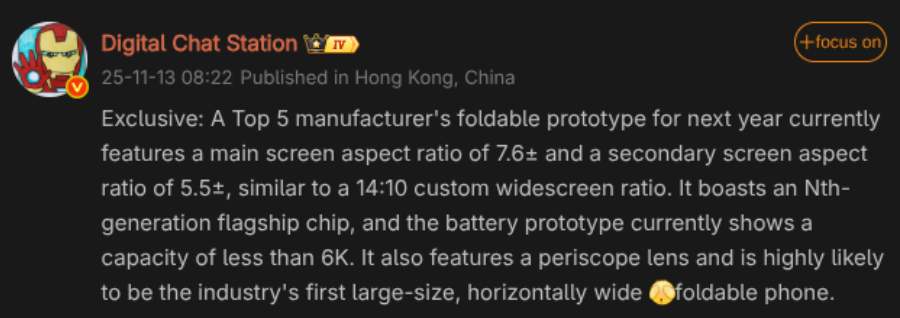
A new leak out of China suggests Huawei could be preparing a new entry in its foldable lineup. Reliable tipster Digital Chat Station took to Weibo to reveal that one of China’s top-five smartphone makers has begun testing a large-screen foldable phone.
According to the leak, the device will feature a 7.6-inch main display and a 5.5-inch cover display, with an aspect ratio close to 14:10. It’s said to run on a flagship-tier chipset, include a periscope telephoto camera, and pack a battery just under 6000mAh.
While DCS didn’t explicitly name the brand, the mention of an “nth-generation flagship chip” suggests the device is likely from Huawei. The tipster also ruled out the possibility of it being the Oppo Find N6.
A new kind of Pura X?
DCS also claims this could be the industry’s first large-sized, horizontally wide foldable, and this is a form factor Huawei is no stranger to experimenting with.
The company’s Pura X, for instance, is the first wide foldable smartphone in the industry. It features a 6.3-inch OLED main display with a 2120×1320 resolution and 16:10 aspect ratio, alongside a 3.5-inch square cover screen with a 980×980 resolution.
If this new device is indeed Huawei’s next foldable, it could be part of the company’s strategy to counter Apple’s rumored foldable iPhone, which is also said to have a similar aspect ratio.
The rumored iPhone Fold is said to have a 7.7-inch display with a 14.1:10 aspect ratio, essentially resembling a small iPad when unfolded.
Compared to traditional vertical foldables, this new wide-screen approach could open up a different kind of user experience: more immersive reading, movie watching, browsing, and gaming without the need for constant scrolling or zooming.
For more daily updates, please visit our News Section.
We use cookies on our website to give you the most relevant experience by remembering your preferences and repeat visits. By clicking “Accept”, you consent to the use of ALL the cookies.
This website uses cookies to improve your experience while you navigate through the website. Out of these, the cookies that are categorized as necessary are stored on your browser as they are essential for the working of basic functionalities of the website. We also use third-party cookies that help us analyze and understand how you use this website. These cookies will be stored in your browser only with your consent. You also have the option to opt-out of these cookies. But opting out of some of these cookies may affect your browsing experience.
Necessary cookies are absolutely essential for the website to function properly. This category only includes cookies that ensures basic functionalities and security features of the website. These cookies do not store any personal information.
Any cookies that may not be particularly necessary for the website to function and is used specifically to collect user personal data via analytics, ads, other embedded contents are termed as non-necessary cookies. It is mandatory to procure user consent prior to running these cookies on your website.