If you are looking for a better alternative to the new Google Pixel 4, the OnePlus 7T may be the one to get. The OnePlus flagship gets a lot of things right such as having a bigger battery, faster charging, a fingerprint scanner, and an ultrawide angle camera. The phone will also get 3 years of OS and security updates which is what the Pixel 4 will get too. Oh! Let’s not forget that it is also available in India, a major market where the Pixel 4 will not be sold.
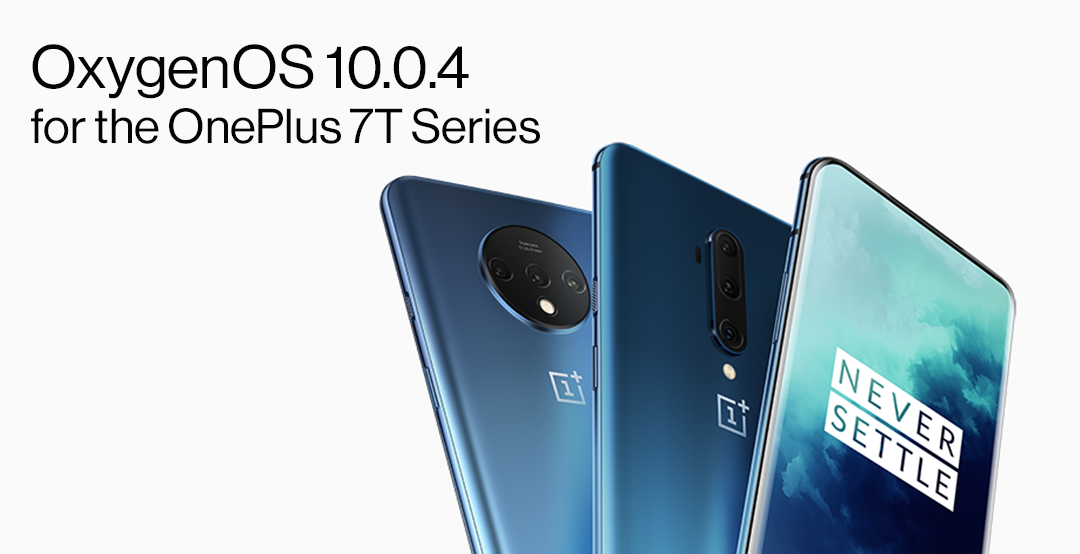
OnePlus is rolling out a new update to the OnePlus 7T and OnePlus 7T Pro and it brings optimizations and bug fixes as well as a new feature that was promised when it launched last month.
The update brings Cloud Service for Gallery. This is a new feature that OnePlus announced at the launch event last month. With this, users will be able to back up their photos to the cloud. When it was announced, it was revealed that OnePlus 7T owners will get 50GB of free storage (should be the same for 7T Pro owners too). The Cloud Service feature is available to Indian users only, so don’t expect it if you are not in India.
Arriving as OxygenOS 10.0.4 for the OnePlus 7T and OxygenOS 10.0.3 for the OnePlus 7T Pro, below is the changelog for the update:
System
Optimized translation accuracy.
Optimized overall communication (network, phone calls, mobile data) performance.
General bug fixes and improvements.
Added Cloud Service for Gallery (India only).
Camera
Optimized quality of the front camera for better pictures at night.
You think you’ve heard everything sometimes, but then you hear something that blows your mind all over again. Today is one of those days. Forget protective covers – there are now smartphone cases that are meant to simulate the feel of real skin. As if that weren’t weird enough, it also responds to being touched and pinched.
The project, which was in collaboration with researchers from HCI Sorbonne Université and CNRS, is called the “Skin-On Interface.” As you’d expect, it’s essentially a phone case made from artificial skin. That in itself would be a creepy enough prospect, but this is combined with interactivity that elevates it to the next level of nope.
According to Marc Teyssier of Telecom Paris, the skin responds to different gestures that mimic human emotional communication. Sudden hard pressure on the skin is associated with anger and tapping is a means of seeking attention, while sustained contact and stroking are associated with providing comfort. Yes, you can comfort your phone.
So the obvious question here is, why? Well, Marc says “I wanted to pinch my phone,” which isn’t only somewhat bizarre, but also really answers nothing. Regardless of reasoning, it’s rather impressive that they’ve made an artificial skin that responds to touch. The skin is able to detect a variety of gestures, including sliding, stretching and rotation.
“This is the first time we have the opportunity to add skin to our interactive devices. The idea is perhaps a bit surprising, but skin is an interface we are highly familiar with so why not use it and its richness with the devices we use every day?” said University of Bristol Professor Anne Roudaut who supervised the research.
“Artificial skin has been widely studied in the field of robotics but with a focus on safety, sensing or cosmetic aims. This is the first research we are aware of that looks at exploiting realistic artificial skin as a new input method for augmenting devices,” Teyssier said.
No words on when (if ever) these monstrosities will be available for purchase. The researchers and designers behind Skin-On will present their work at the ACM Symposium on User Interface Software and Technology in New Orleans starting Sunday.
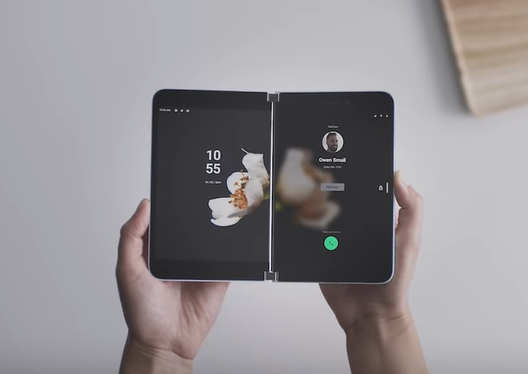
Earlier this month, Microsoft took covers off its first convertible/foldable smartphone which is dubbed Surface Duo. More surprising than the design of this futuristic gadget is the operating sytem it runs on. Unlike previously launched smartphones from Microsoft that ran on Windows Mobile, the Surface Duo runs on Android.
As a reminder, the development of Android is led by Google which is one of Microsoft’s biggest rival. Having said that, Panos Panay who is the chief product officer at Microsoft’s hardware division, made an intriguing statement that ” Android is the best OS for this product”.
As previously mentioned, Microsoft has already tried their luck with a mobile operating system which was called “Windows mobile”. Unfortunately, the OS could not stand the test of time due to several reasons, out of which, lack of hi-quality apps was one of the most prominent ones.
While Microsoft might have given up on OS for mobile but it still wants to a piece of the action in the rapidly booming smartphone industry, especially foldable smartphone/tablet hybrid devices. Panay further added “we wanted to meet customers where they were… and they were with Android.”. It is clear that Microsoft does not want history to repeat itself.
To recall, the Microsoft Surface Duo has two 5.6 inch displays. Under the hood, it features the Snapdragon 855 which is found on most other Android flagships launched in the current year. In terms of thickness, the device is just 4.8 mm thick and to securely bypass the lock screen it features a fingerprint scanner. While the battery capacity of the device is currently unknown, it can be charged via a bottom-mounted USB C port.
All in all, the Surface Duo due to its design and Android OS that has a massive library of applications can put Microsoft on the map in this domain.
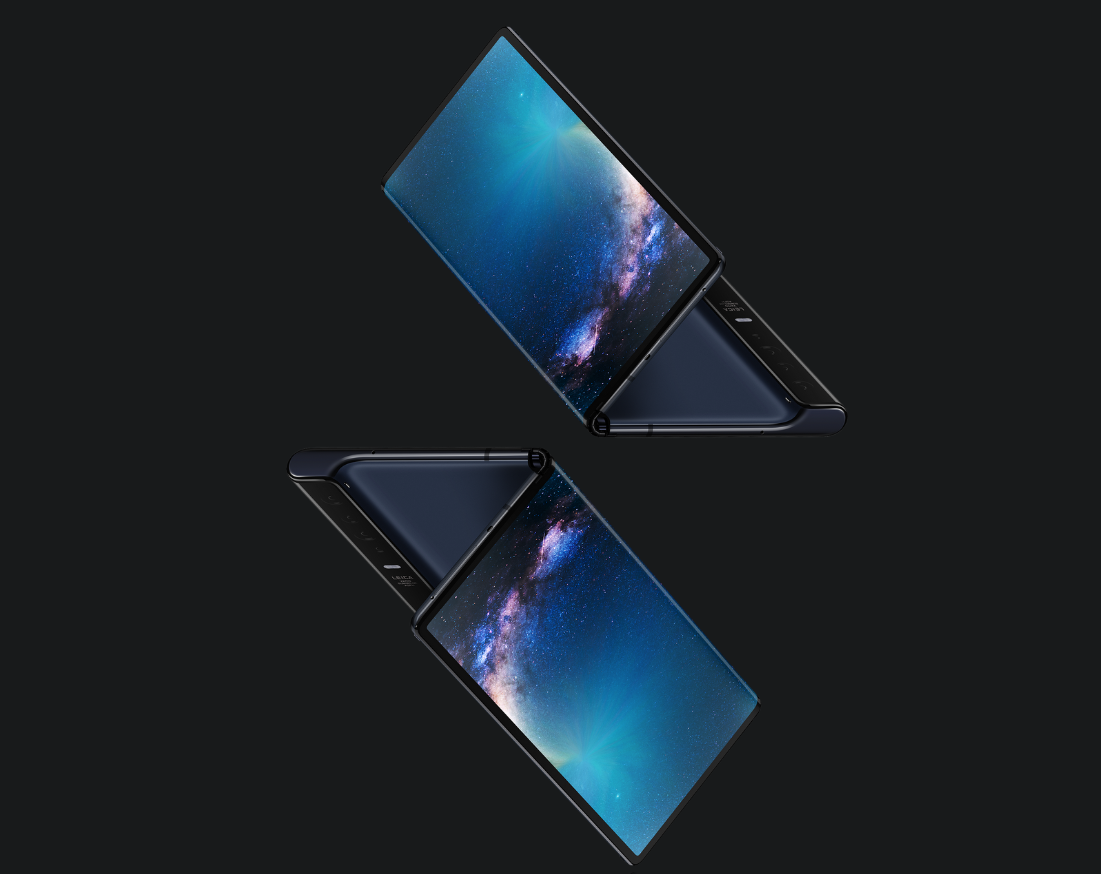
The Huawei Mate X foldable phone has been rumored to get a launch in China on Wednesday, October 23. The official Huawei Weibo account is still yet to confirm that info, and seeing that the day is almost here with no official confirmation, the possibility of the device launching on Wednesday is getting slimmer. Nevertheless, the alleged prices of the Mate X have leaked today.
The info comes from Huawei Central, one of the sources that reported it will launch on Wednesday. The Mate X will have two versions – a base model with a Kirin 980 model + Balong 5000 5G modem and a high-end model with a Kirin 990 5G chipset.
The Kirin 980 model will have a price tag of ¥9999 (~$1414) while the Kirin 990 5G version will sell for ¥13,999 (~$1979). The price of both models is significantly cheaper when compared to the launch price of €2299 (~$2563) announced in Europe back in February, which of course is for the Kirin 980 version.
The Mate X has 8GB of RAM and 512GB of storage. We don’t know if the Kirin 990 5G version will have the same configuration or differ in other ways but ¥4000 (~$565) is a lot if the difference is limited to only the chipset.
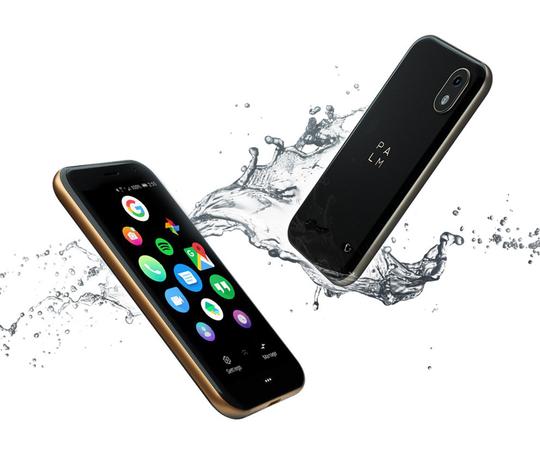
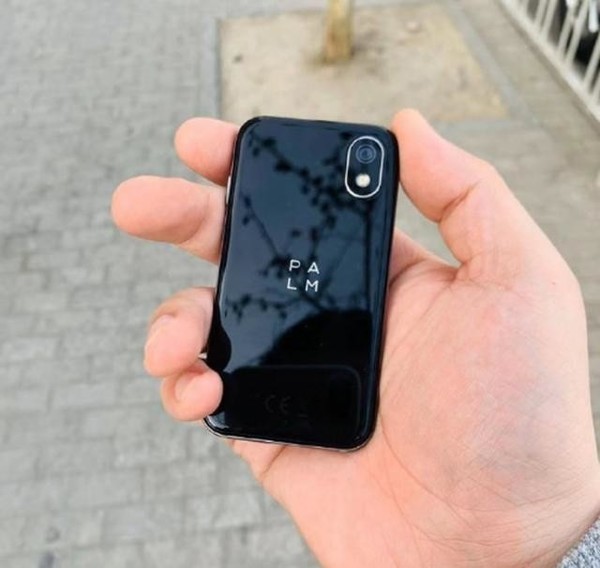
TCL has been bringing some vigour to the Alcatel brand as well as the BlackBerry brand after acquiring it. The brand also acquired rights to the Palm brand and around October last year, it launched a new Palm phone codenamed Pepito in the US. The phone was designed by the company named Palm and was first sold exclusively on Verizon Wireless but is presently available unlocked.
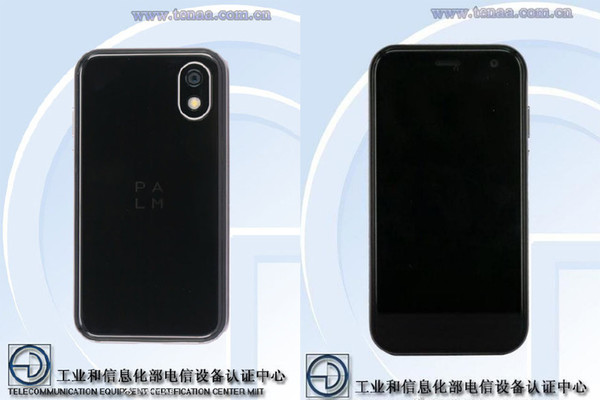
The company is already planning to launch another Palm-branded phone or is planning to launch the phone in China as a new model has been certified by China’s Telecoms regulatory agency (TENAA). The listing shows the device is manufactured by TCL and the specs align with those of the Verizon-exclusive model. It is listed to have a 3.3-inch display with a resolution of 1280×720 pixels.
The device is powered by a Qualcomm Snapdragon 435 processor which is similar to what you’ll find on budget phones. The processor is paired with 3GB of RAM and there is 32GB of storage. On the camera end, it packs a 12MP main sensor. There is equally an 8MP sensor at the front for selfies. Further, the TCL Palm phone runs on Android 8.1 OS with a new custom overlay. It also supports IP68 dust and water resistance.
Although the specs lineup smarks of an entry-level model, the Palm phone is sold in the US for $349 which is pricey but there aren’t so many options to chose from. We expect a cheaper price tag whenever it is launched in China. For now, we can’t say when that will happen.
Earlier this year, Xiaomi announced that it is making Redmi an independent brand, separating ti from the Mi brand. After parting ways with the Chinese electronics giant, Redmi has launched amazing smartphones that helped it build a loyal fanbase.
The now-independent brand has teamed up with Gearbest to offer the Redmi 8A and Redmi Note 8 smartphones for considerably affordable prices. We will show how you can save more money at checkout.
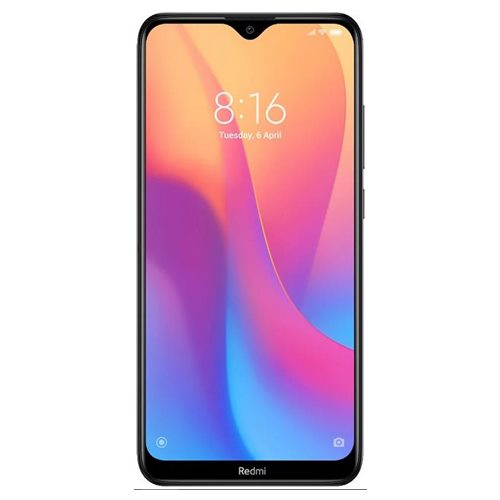
Xiaomi Redmi 8A [2GB RAM+32GB ROM] – Black
Announced in September this year, Redmi 8A is an irresistible smartphone that boasts an impressive array of features including a 6.22-inches Dot Drop display with a high resolution of 1520×720 pixels. It packs a powerful Snapdragon 439 processor, along with Qualcomm Adreno 505 GPU.
The well-received smartphone has gone up for sale bearing a $139.99 price tag. You can use coupon code GBRMI8A01 for a $22 off during the checkout process. As a result, the original asking price of the Redmi 8A reduces to just $117.99.
You can visit this link to check out more details about the Redmi 8A smartphone and place your order. With over a hundred pieces sold at the time of checking out, the promo is slated to end in nine days.
Redmi announced the Redmi Note 8 smartphone in August this year. Even months after hitting the store shelves, the phone continues to garner popularity among the brand’s huge fanbase. It sports a 6.3 inch in-cell LCD display with 2340 x 1080 pixels resolution.
The Redmi Note 8 is powered by Snapdragon 665 processor and runs MIUI 10 OS for superior user experience. The aforesaid model usually carries a $209.99 price tag on both online, as well as offline stores, but you can buy it for a lowered price with the help fo coupon code GBNOTE801.
The above-mentioned coupon enables you to save $22 at checkout. As a result, the original selling price of the phone drops to just $187.99.
To avail the discount which is valid for the black color version of the phone, all you need to do is to follow this link without wasting time. The promo will end in nine days and more than a hundred have already sold out.
While smartphone sales are currently observing a downfall, the sales of wearables is rising rapidly. According to a report published by IDC (International Data Corporation), in comparison to last year, the shipment of smart wearable devices in Europe grew 154.4% to 13.4 million units in the Q2 of 2019. Out of which, 52.3% of the share is held by earwear, followed by smartwatches which hold 26.7% share and the remaining 20.7% is accounted by smart bands. The top five countries in the list are the UK, France, Germany, Russia and Italy, in respective order.
Company
2Q19 shipments
2Q19 share
2Q18 shipments
2Q18 share
Y/Y
Apple
4.83
36%
1.9
35.9%
154.7%
Samsung
2.43
18.1%
0.51
9.6%
379.3%
Fitbit
0.87
6.5%
0.62
11.8%
40.3%
Garmin
0.75
5.6%
0.62
11.7%
22.3%
Huawei
0.75
5.6%
0.09
1.8%
697%
Others
3.78
28.2%
1.54
29.2%
145.5%
Total
13.42
100%
5.28
100%
154.4%
When it comes to the most number of units sold, Apple leads the chart with 4.83 million units sold in Q2 of 2019 which is about 154.7 % increase, compared to the same time period last year. At number two is the Korean electronics giant, Samsung which recorded an impressive growth of 379.3% during the Q2 of the two years.
Followed by Samsung are two American corporations, Fitbit and Garmin. The two companies sold 40.3% and 22.3% more smart wearable devices in Q2 of 2019. in contrast to the preceding year.
At number five is Huawei, which recorded an astounding growth of close to 700%. The company managed to sell only 0.09 million smart wearable devices in the Q2 of last year, which grew to 0.75 million in the same quarter of this year.
All other companies combined together, which include Xiaomi and also saw a notable sales bump. While last year, they managed 1.54 million units, it grew close to 4 million this year.
Lastly, IDC experts have predicted the combined sales of smart wearables in the region could reach 72.8 million units in 2020 which could generate total revenue of upto $ 14 billion.
Xiaomi has announced a new pair of HiFi earphones for audiophiles. The new earphones are unlike Xiaomi’s previous HiFi earphones. Xiaomi says this a flagship and it is not only reflected in its features but also in its price.
The Xiaomi HiFi Hybrid Flagship Earphones have four drivers – 2 x dynamic driver units and 2 x balanced armature units. The two balanced armature units are placed before the dynamic driver units for richer details.
Xiaomi uses a silicon layer for the bass while the treble uses a titanium composite inside the diaphragm. This allows the earphones to produce better mid and bass ranges. Also, the earphones feature gold-plated MMCX connectors with thicker coatings. The new connectors should improve connection, last longer and withstand four times the insertions of standard MMCX connectors. It is stated that the connectors can be easily replaced if they break or get damaged.
The sound chamber of the Xiaomi HiFi Hybrid Flagship Earphones is made of Zirconia which is highly durable.
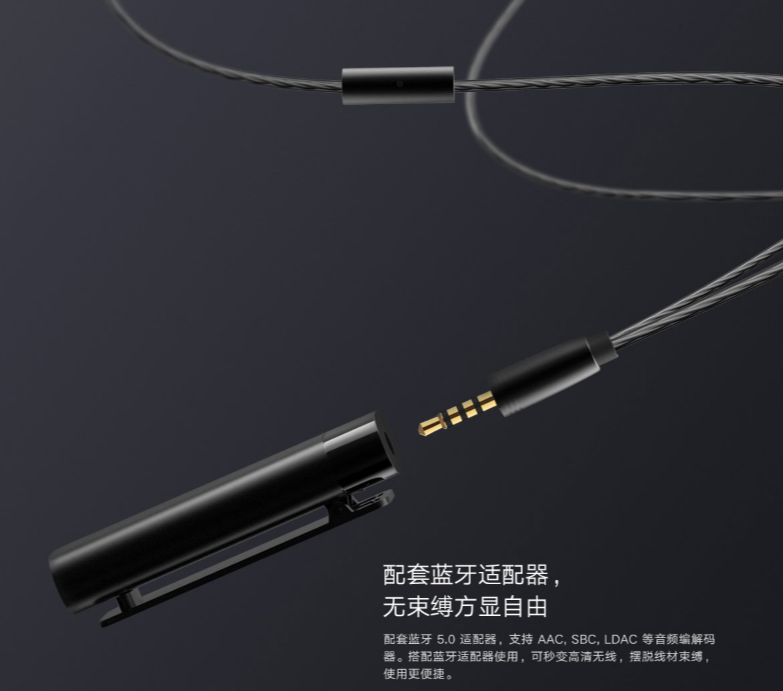
The earphones have been designed to work in wireless or wired mode. In wireless mode, you plug it to a Bluetooth DAC amplifier that supports Hi-Res SBC, AAC, and LDAC. In wired mode, you can decide to use it via the bundled 3.5mm jack cable or the USB Type-C cable which has a DAC chip. Xiaomi says the cables are made of silver-plated oxygen-free copper.
[envira-gallery id=”284265″]
The Xiaomi HiFi Hybrid Flagship Earphones is already available for pre-order on Mi.com up until November 10. It will be available for purchase on November 11. The price is ¥999 and those who pre-order will have to pay a deposit between ¥100 to ¥400. The balance should then be paid between 5 PM on November 10 and 4:59 on November 11. Those living outside China can order it from Hifigo.com.
Inside the box, you will find the earphones, 1 x short 3.5 mm cable, 1 x long 3.5 mm cable, 1 x Type-C audio connector cable, 1 x Bluetooth adapter, 4 pairs of silicone eartips, 2 pairs of memory sponge eartips, 1 x earphone case, 1 Type-C charging cable, 1 pair of ear hooks, and a user guide.
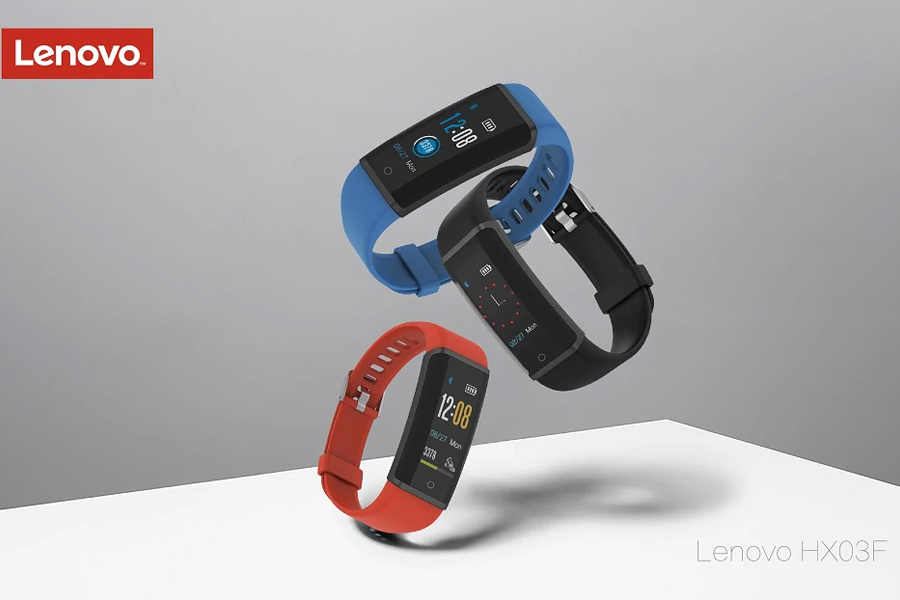
Expanding its already impress a range of fitness trackers, Lenovo recently took the covers off the Lenovo HX03F smartwatch. Crafted to continuously monitor the health of the wearer, the new smartwatch can also check your heart rate automatically.
Marketed as ‘Your Fitness Partner,’ can efficiently track your workouts and keep an eye on calories burnt, steps taken, distance covered, while offering daily, weekly, monthly, as well as yearly statistics. With a waterproof rating of IP68, the watch can be used in humid and wet conditions.
It helps you to stick to your fitness routine by monitoring the calories you burn throughout the day. Furthermore, the Lenovo HX03F is compatible with Android, as well as iOS smartphones, and you download the Lenovo Healthy app to synchronize it with your phone.
To ensure you do not miss any important call or messages, the smartwatch shows notifications of calls, SMSs, etc. The band of the Lenovo HX03F is made using high-quality silica material so that you can wear it for a long time without experiencing any sort of discomfort.
A high-end smartwatch offering comparable features would normally set you back a pretty penny, but the Lenovo HX03F smartwatch can be yours for a lowered price of only $23.99 if you order it through Gearbest. This is a 15 percent reduction in the device’s original asking price of $28.30.
As if that weren’t enough, you can extend the aforesaid discount by applying coupon code J399EAB6C9D8D001 at checkout. The coupon helps you save $6 more by reducing the retail price of the smartwatch to just $17.99 even before you place your order.
You can follow this link to grab the discount and take advantage of the coupon, which is slated to expire soon. With just one piece sold at the time of writing, the promo will come to an end in nine days.
Marketed as the best solution for comfort riding and long-distance commuting, the new Xiaomi Ninebot MAX G30 offers an unparalleled range and distance traveled on the market with a 65Km max mileage. With a top speed of up to 25km/h, it enables you to explore more without worrying about the battery.
Powered by the stronger 350W brushless motor, the Ninebot MAX G30 is relatively faster than other e-bikes available on the market. Moreover, it uses an upgraded vacuum anti-puncture tire for enhanced shock absorption and can adapt to complex road conditions.
Even if it is punctured with nails, the tire will not leak air. The Ninebot MAX G30 adopts a 3 seconds fast-folding design so that you can effortlessly carry it wherever you go and store it without requiring a lot of space. It features an easily readable LED display that shows the remaining power and other information that indicates the situation of the bicycle.
Furthermore, the Xiaomi Ninebot MAX G30 electric bicycle comes with three riding modes including energy-saving mode, standard mode, and sports mode. It has an advanced braking system, kinetic energy recovery system, cruise control system and intelligent system for superior riding experience.
While you’d normally expect a feature-laden e-bike offering comparable features to cost a bomb, the Xiaomi Ninebot MAX G30 Portable Folding Electric Scooter can now be yours for a lowered price of just $679.99 through GeekBuying. This is a 5 percent reduction in the e-bike’s original asking price of $715.99.
Moreover, you can use coupon code GKB50PP for an extra $50 off. In other words, you can reduce the retail price of the e-bike to just $629.99 by applying the aforesaid coupon. Those making their payment via PayPal will be eligible for an extra 5 percent discount.
You can follow this link to get the discount and use the coupon before it expires. Note that the promo is slated to end in just three days.
Last month, Huawei released its new flagship model, the Mate 30 Pro, which is one of the most important smartphones of 2019, featuring a powerful hardware and camera setup. However, there’s a HUGE obstacle that this phone has to overcome to be successful in the international markets.
However, unlike the global market, domestic users in China can use substitutes for most google apps. And it’s a 1.4 billion people’s market, which why Huawei is still confident they can make their new flagship without google services.
If you keep the Google issue aside, the Mate 30 Pro is an excellent 2019 smartphone. We would definitely recommend it to our readers, and here’s why!
Note that our review video is shot entirely by the Mate 30 Pro! It should give you a fair idea on how the phone performs in the video department.
Huawei Mate 30 Pro Design
Let’s start with the design of Huawei’s Mate 30 Pro, which comes standard with a 6.53-inch edge-less curved screen. Our source revealed that the leading suppliers for the display are BOE and Samsung. The instant visual experience of the fully-covered curved display is quite remarkable.
And although it looks pretty cool, some users still have concerns like accidental edge touching and color deviation around the edges. But you don’t have to worry about that much.
After several weeks of use, I can say that the colors on the display are a bit dark around the curved edges, but it’s not distracting at all. Also, Huawei cuts almost all the touch functions on its edges. But the edge does reserve a few useful but limited features. For example, because they removed the physical volume button, you can adjust it just by double-clicking the edge. So, no matter how you hold it, there are no accidental touches. Plus, there’s also an option to adjust the display aspect ratio which won’t cover the edges, if that’s what you want. This can be handy during times like gameplay, as the buttons and the display won’t move over to the sides of the screen.
The circular cameras on the back resemble the Nokia Lumia 1020, which was one of the best camera smartphones of its time. And the round combination protrudes up a bit, so I worry whether it will get scratched soon and affect the image quality. But so far, the cameras have remained unscratched.
The Huawei Mate 30 Pro is equipped with a super-sensitive Leica quad-camera combination. There’s an 8-megapixel telephoto camera with 3x optical zoom (5x hybrid zoom and 30x digital zoom), a 40-megapixel super sensing camera with a larger standard sensor, a 40MP cine wide-angle camera dedicated for video use, and an additional 3D depth-sensing camera.
Huawei Mate 30 Pro is one of the best smartphones in the market today but does not come with Google apps
Thanks to DAVINCI’s dual-core, independent NPU neurons, the image capture and review is indeed much faster than the previous Huawei phones. The Mate 30 Pro was able to reproduce the rich colors of an object in full daylight. Even in backlit scenes, it was able to suppress the brightness and preserve the details of the characters.
The super night scene further enhances the resolution of the photos in low light environments. The results are pretty close to the effect that you get with long exposure on professional cameras, but here you don’t need a tripod, just your bare hands! Honestly, even in the standard photo mode, most night scenes came out well lit and detailed. So, the super night mode can be reserved for those extremely low-light conditions. But it does come in handy sometimes especially when regular mode mess up the exposure in some night scenes.
One of my favorite things about the Mate 30 Pro’s camera is the color reproduction. You probably have your own opinion about how Huawei handles saturation, but it’s hard to deny that such color reproduction is unique among all smartphones. The uniqueness is probably because of Leica’s contribution to the phone’s camera.
The samples come out pretty emotional and dramatic. So I would definitely recommend it for those who are into travel photography and humanistic photography. It’s really hard to explain why I like the Mate 30 Pro’s camera, so it’s best that I allow the below samples to show you what I’m talking about.
Huawei MAte 30 Pro Camera Samples
1 of 32
Now let’s talk about the telephoto camera with 3x optical zoom. The equivalent focal length is around 81mm. This sensor is really convenient when you want to have to shoot portraits or focus on a distant object. I do have to add that Mate 30 Pro’s telephoto camera was not as good as we expected in backlit scenes. This is especially true when we compared it with the photo shot by 2x zoom telephoto camera on Samsung Galaxy Note 10.
If we have to pick up one highlight of this camera setup, it should be the 40MP cine camera, which is the first step for Huawei to target the video market. It has a wide-ratio sensor with an 18mm equivalent focal length. The high resolution makes it one of the best wide-angle cameras in the market right now. It won’t disappoint you at all. I used it more frequently than the primary camera as it reserved the same-level detail and captured more objects in landscape photography.
The 3D depth-sensing camera measures the depth-of-field as an additional piece of information for the three other cameras. So, when you shoot it in portrait mode, the sensor helps in simulating the blurring effect. The additional information from this sensor helps to make the subject stand out of the background and get an excellent blurred effect.
But the Huawei Mate 30 Pro’s camera isn’t without flaws. For example, the white balance detection is pretty weak and unstable, even under the same lighting conditions. The white balance shifts between the three cameras under the same lighting. And when using the 40MP high-resolution camera, the zoom option is no longer be available in its wide-angle mode.
Huawei Mate 30 Pro Videography Review
Traditionally, we have focused on the photography skills of a smartphone camera but not much on their videography skills, mainly because smartphones were not great in shooting videos. But things have changed in 2019.
Huawei and Apple flagships have excellent filming capabilities. We’re working on a comparison of their videography skills in an upcoming video, so please stay tuned. But in this video, we want to focus on the Huawei Mate 30 Pro, which can shoot up to 4k 60fps video.
First of all, I have to say the color reproduction is improved quite a lot thanks to the wide-ratio sensor. But it’s unstable at times as you might experience some flicker when it shoots the same scene. And such color flickers often exist when switching between different zoom cameras. Mate 30 Pro’s inconsistent video color solution makes it quite hard to edit a video in a unified color style that combines multiple shots with different zoom options. The main culprit could be Huawei’s auto AI detection.
Meanwhile, the white balance can also be an issue in videos. Sometimes it’s not easy to have the correct white balance under some complicated lighting conditions. Please check out review video above for video samples.
Remember how terrible the stabilization was on the P30 Pro? But this time, the Huawei Mate 30 Pro has fixed it well through image cutting and OIS. We found both the moving shots and the stabilized shots were smooth with excellent stabilization. It even remained quite stable when we were holding the phone for 3x zoom filming.
From the video samples shot by the wide-angle cine camera, we did see the ambition of Huawei in the video department. The dynamic range was improved significantly. Again, thanks to the RYYB pixel arrangement, it reserved an excellent brightness under most lighting conditions. But under strong contrast, the images were not sharp enough with the loss of darkness detail. As we used the telephone camera for a closer shot, the detail loss problem is much more apparent due to its 8MP resolution.
Overall, right now, the Mate 30 Pro is not able to challenge those professional filming machines. If you want great video quality, you probably need some accessories or equipment for extreme conditions.
Professional filming would include some smooth zoom-in or zoom-out shots. Unfortunately, the Mate 30 Pro is still not able to simulate it smoothly. There were visible image stutters and color changes.
The official camera app features a dual-view mode for filming, but it is limited among the rear cameras. Unfortunately, we cannot use the front and back cameras at the same time. This could have been a fabulous feature for vloggers, but note that Huawei can still add it via a future update. So, we’re looking forward to seeing more features in the camera app.
I would also like to add Huawei has killed a few bugs in the Mate 30 Pro’s camera in the recent update. So, if you have any issues with zoom or wide-angle modes, please update your phone.
The Mate30pro also supports 7,680 frames of ultra-high-speed photography in slow motion, making it the most powerful Huawei smartphone for video recording. And we will have a special video to introduce it to you soon.
So that’s all the essential details that you need to know about the Mate 30 Pro.
Is the Huawei Mate 30 Pro leading the camera competition in the smartphone market? Yes, at least for now.
For general users or most vloggers, the overall quality of the quad-camera combination is very powerful. However, if compared with professional filming machines, the drawbacks would impact your outcomes quite significantly.
To conclude, the Mate 30 Pro is one of the best camera flagships in the smartphone market right now, especially for photography!
For our detailed review of the Mate 30 Pro including its battery and performance, please check this article.
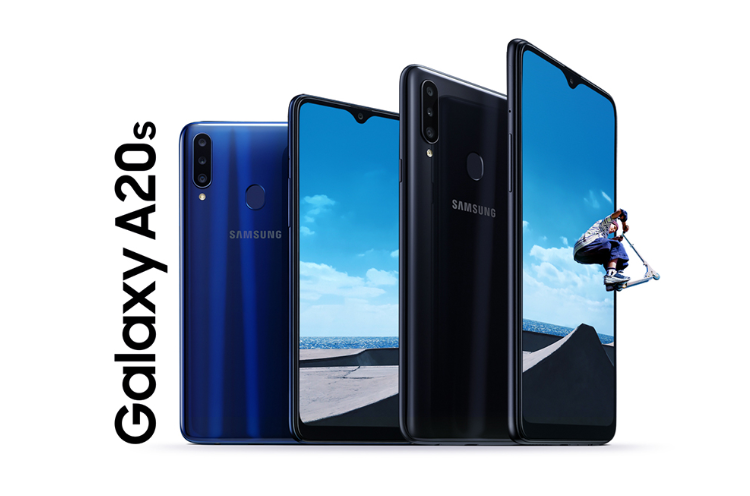
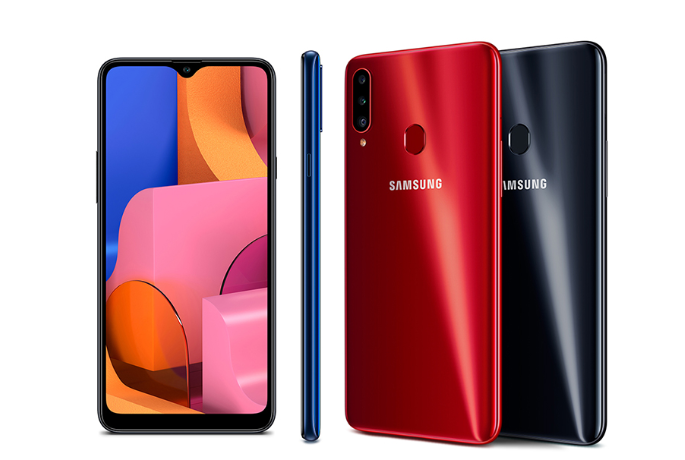
Samsung is now receiving pre-orders for the Galaxy A20s in China. The pre-order opened on October 18 and will run till November 1. During this period, buyers can book a unit of the Galaxy A20s on Samsung’s official flagship store on Jingdong (JD.com) with just a deposit of 1 yuan. The phone is on offer for 799 yuan (~$122) for those who pre-order which is a pretty cheap price considering the specs lineup but the actual price is 999 yuan ($141).
The Samsung Galaxy A20s is one of the latest model launched under the revamped Galaxy A series. The series has been a successful one so far with amazing smartphones like the Galaxy A20, A30 etc. The A20s is a revamped Galaxy A20 having some improvements. The device packs a 6.4-inch HD+ Infinity-V display with 1560 x 720 pixels screen resolution, which is actually a downgrade compared to the Super AMOLED display on the Galaxy A20. Under the hood, the device is powered by Qualcomm Snapdragon 450 octa-core processor with Adreno 506 GPU. The Galaxy A20s comes in 3GB RAM+32GB internal storage and 4GB RAM with 64GB internal storage versions.
nt, the device packs a triple camera setup consisting of a 13MP primary camera sensor with LED flash, f/1.8 aperture, an 8MP 120-degree ultra-wide-angle lens with f/2.2 aperture, and a 5MP depth sensor. On the front side, it comes with an 8MP snapper with f/2.0 aperture for taking selfies and video calling.
Further, you a rear-mounted fingerprint sensor and a 4000mAh battery on the device as well as the usual connectivity options like Dual 4G VoLTE, Wi-Fi 802.11 b/g/n, Bluetooth 4.2, GPS + GLONASS, and USB Type-C port. The phone runs Android Pie-based OneUI while the battery supports 15W fast charging.
The smartphone is running Android 9 Pie operating system out-of-the-box with the company’s own One UI on top. The device is powered by a 4,000mAh battery along with 15W fast charging support. It comes in Black, Blue, Green and, Red.
Recent reports have revealed that Huawei’s sub-brand Honor is prepping up to launch the Honor 9X series of smartphones in India. Today, Honor India President, Charles Peng confirmed in an interview with the Press Trust of India that the company plans to bring the Honor 9X to India by the end of 2019.
The Chinese electronics giant also plans to introduce the Internet of Things or IoT in the country. According to Peng’s official statement at the time of launch, “We are going to introduce the Honor 9X in India by the end of the year. The smartphone uses the Android OS”.Since Honor launched the Honor 9X series back in July 2019, the smartphone is likely to feature the Google Play Store and related apps.
Apart from smartphones, Honor India further plans to introduce the Honor Vision smart TV in India by the first quarter of 2020. Honor 9X users will be able to access the Honor TV with the smartphone. Furthermore, Honor is currently in discussion with a number of leading entertainment companies in India to support the Honor Vision when it launches in the subcontinent.
Honor 9X Specifications and Features
The Honor 9X flaunts a notch-less 6.59-inch full HD+ LCD display with a resolution of 2340 x 1080 pixels and 391ppi pixel density. The device is powered by the octa-core Kirin 810 SoC with up to 6 GB of RAM and up to 128 GB of internal storage. The storage can be further expanded up to 512GB with a microSD card.
The Honor 9X features a 48-megapixel primary camera with an aperture rating of f/1.8 along with a 2-megapixel depth sensor. The secondary camera is a 15-megapixel unit with an aperture rating of f/2.2. The device draws power from a 4,000 mAh battery and runs on the Android 9.0 Pie-based EMUI 9.1.1. Connectivity options include Bluetooth, Wi-Fi 802.11 ac, USB Type-C and a 3.5mm AUX port. The smartphone features a side-mounted fingerprint scanner and face detect in terms of security. It measures 163.11 x 77.2 x 8.8mm and weighs 206 grams.
There is no official word on the pricing of Honor 9X for India. Also, there is no confirmation on whether India will be receiving the Honor 9X Pro smartphone.
Leaked information that had surfaced over the weekend had revealed the specifications and pricing of the upcoming Xiaomi Mi CC9 Pro smartphone. Another leak has surfaced to reveal more information on the next Mi CC9. The leak carries the pricing of the different variants of the Mi CC9 Pro. It also states that the phone is equipped with wireless charging technology.
Xiaomi Mi CC9 Pro Specifications (Rumored)
The new leak slightly differs from the leaked details of the Xiaomi Mi CC9 Pro that had cropped up over the weekend. New information reveals that the Mi CC9 Pro will come with an AMOLED display with waterdrop notch and it will be equipped with an in-screen fingerprint reader. The display of the phone will be shielded by Gorilla Glass 6 and it will have a Gorilla Glass 5 panel on its back.
The 8nm Snapdragon 730G octa-core processor is expected to fuel the Xiaomi Mi CC9 Pro. The front notch of the phone may flaunt the Samsung GD1 32-megapixel sensor. The rear side of the phone will have a triple camera system that will include a 108-mgeapixel main lens by Samsung, an 8-megapixel superwide lens and a 12-megapixel telephoto lens. The handset won’t carry support for Optical Image Stabilization (OIS).
The Xiaomi Mi CC9 Pro may draw power from a 4,000mAh battery. The handset may come with support for 27W fast charging. The Chinese manufacturer may also provide 20W wireless charging technology on the device. The previous leak had revealed some other details like the Mi CC9 Pro will arrive with Android 10, IR blaster, NFC support, 9mm thick body and it may weigh 180 grams.
Xiaomi Mi CC9 Pro Pricing (Rumored)
The leak further states that the Xiaomi Mi CC9 Pro will be arriving in three variants such as 6 GB RAM + 128 GB storage, 8 GB RAM + 128 GB storage and 8 GB RAM + 256 GB storage. These models could be respectively priced at 2,199 Yuan (~$311), 2,399 Yuan (~$339) and 2,699 Yuan (~$382). Rumors have it that the company will announce the Xiaomi Mi CC9 Pro smartphone in China on Oct. 24. However, there is no official confirmation on it yet.
Readers are advised to take the report with a pinch of salt. Hopefully, Xiaomi may reveal some information on the Mi CC9 Pro in the coming days.
The punch hole design first surfaced late last year. Expected to be the trend this year, most manufacturers have stuck to notches and pop-up selfie cameras. Most of the phones with a punch-hole display have been from the same manufacturers that pioneered the design and they are Huawei and Samsung. However, 2020 may actually be the year of the punch hole as more manufacturers will be adopting the design. ZTE may be among the adopters too but their design is unlike any we have seen.
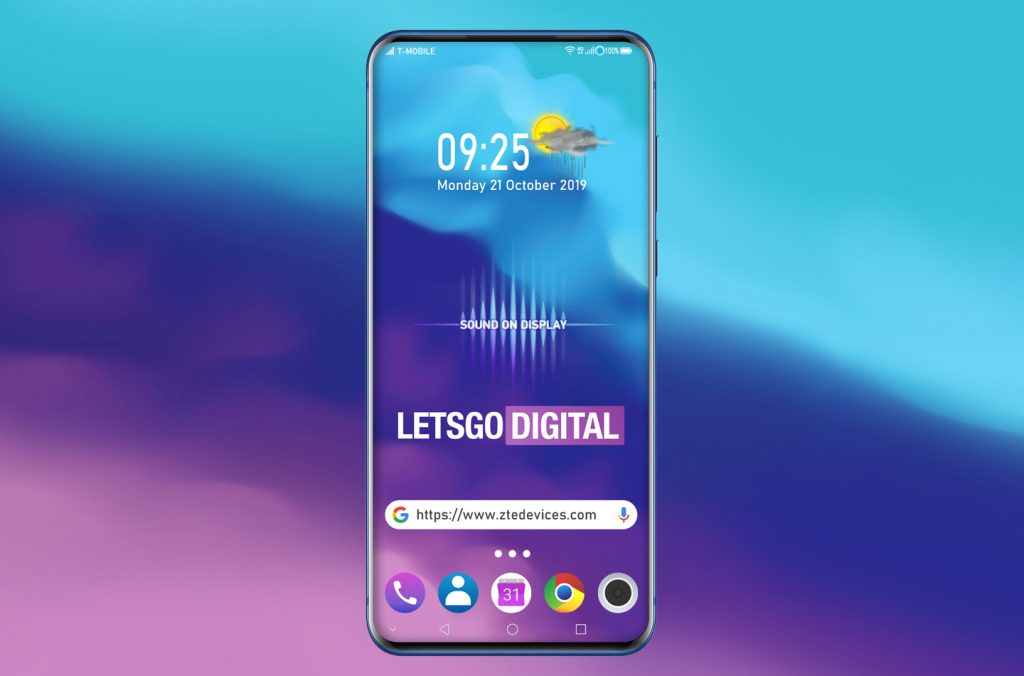
A patent filed by the company at the World Intellectual Property Office (WIPO) in April 2019 was published a few days ago. The patent which is for a “display panel, camera device, terminal, and screen manufacturing method” describes a phone with a really small punch hole camera.
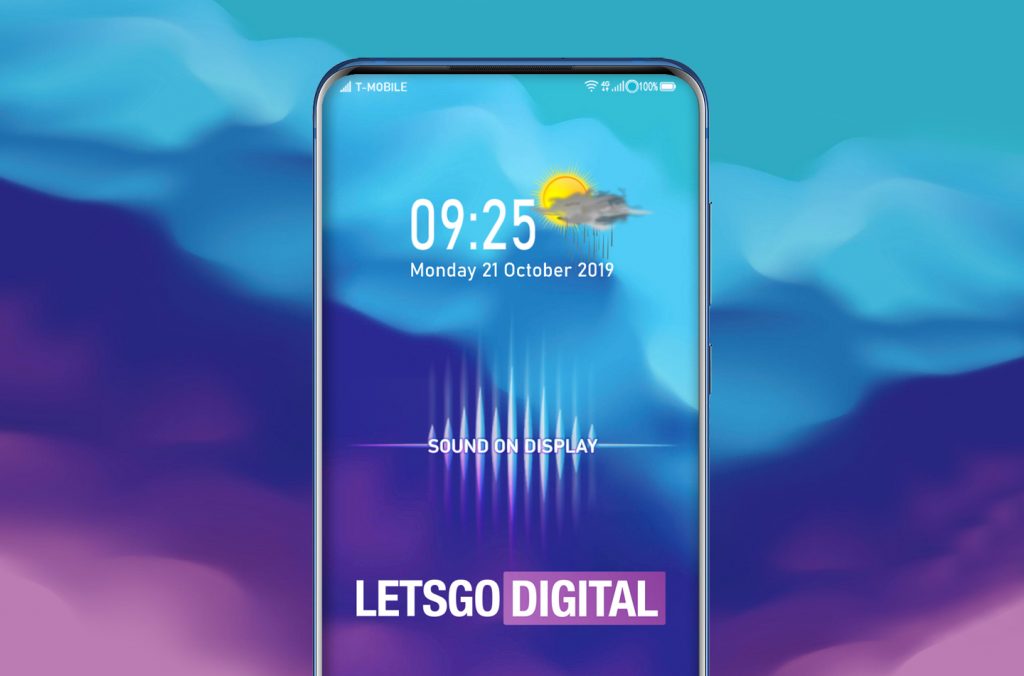
The size of the hole isn’t the interesting part but where it is located. Rather than placing it in the middle of the screen or in the corner as we have seen on the Galaxy Note 10 and Huawei Nova 5i respectively, the punch hole is nestled between the network and battery icons at the top of the screen. You can still say it is positioned in the corner but it is different since the hole is smaller and the icons flanking it on each side make it less noticeable.
LetsGoDigital has created renders based on the patent description to give us an idea of the design but the final product may be different.
The punch hole design isn’t the only thing about the patent. The description also mentions the phone will not have a traditional earpiece but will use Sound-on-Display technology. We have seen this technology appear on a number of phones such as the LG G8 ThinQ and the Galaxy A80. This technology vibrates the display to transmit sound and allows for a more full-screen device.
The Axon 10 Pro is ZTE’s flagship for 2019. It has an affordable price tag that made it a contender for the “flagship killer” title when it launched, runs near-stock Android on the international version, has a curved AMOLED display, triple cameras with optical zoom and support for wireless charging. We expect its successor will come with better features and hope it retains its affordable price tag.
In the gaming PC market, monitors are often seen as the windows to the powerful hardware configuration. Buying a gaming monitor is a necessity for gamers to fully enjoy their highly sufficient hardware. It is always considered a difficult job to find a suitable yet affordable gaming monitor.
A user might be buying a secondary display for different purposes. So before buying a gaming monitor, the user needs to be aware of the features which are most important. We have compiled a list of gaming monitors available in India for a reasonable price while offering good support for gaming.
Note: We have a curated list on the basis of affordability and refresh rate. We have divided list in two categories of less than 75Hz refresh rate and more than 144Hz refresh rate. The list includes items in ascending price order.
Gaming Monitors < 75Hz Refresh Rate
The list below includes budget monitors available under 75Hz refresh rate in India.
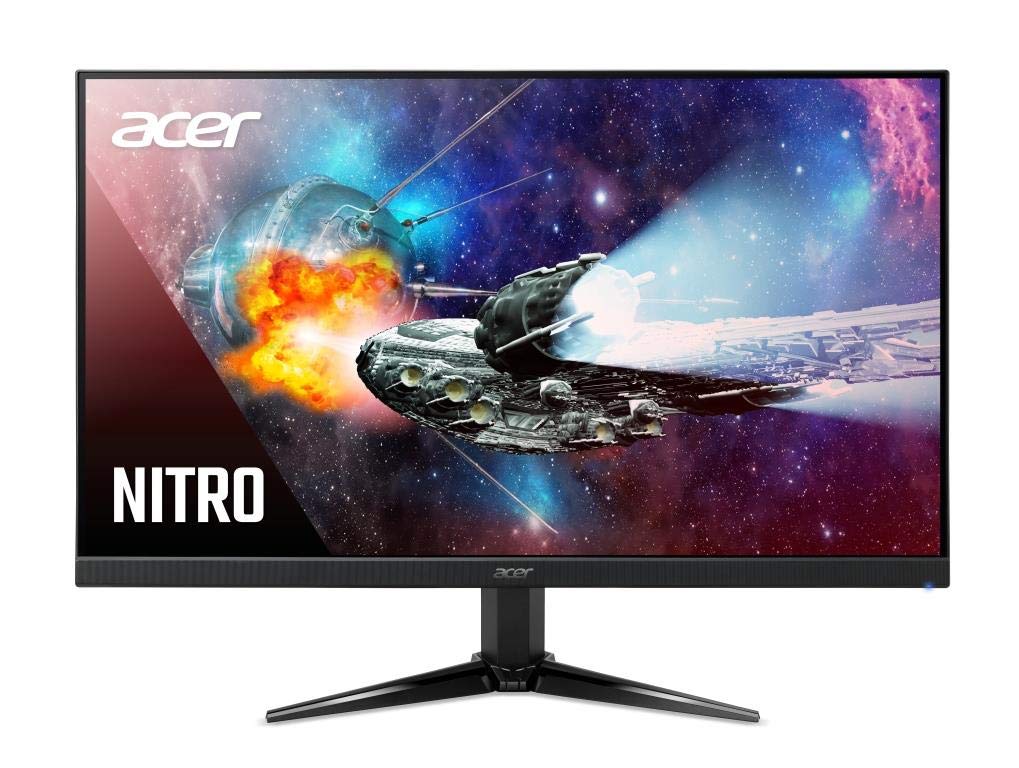
Acer Nitro QG221Q Monitor
A new inline with 75Hz refresh support and AMD Free Sync is also on our list. Its 21.5 inch VA Panel with Full HD 1920 x 1080 pixels resolutions support has forced us to add the Acer Nitro. It comes with a single VGA 2 HDMI Ports for connectivity. Its low pricing compensates for some features like low brightness and display port.
However, benefits at such an affordable price overlap its cons. The features such as Eye Safety First, Optimized Colors, Picture Perfection, Superbly Synced and Fast-Paced Frames reduce lag and enrich the user experience with AMD Radeon FreeSync.
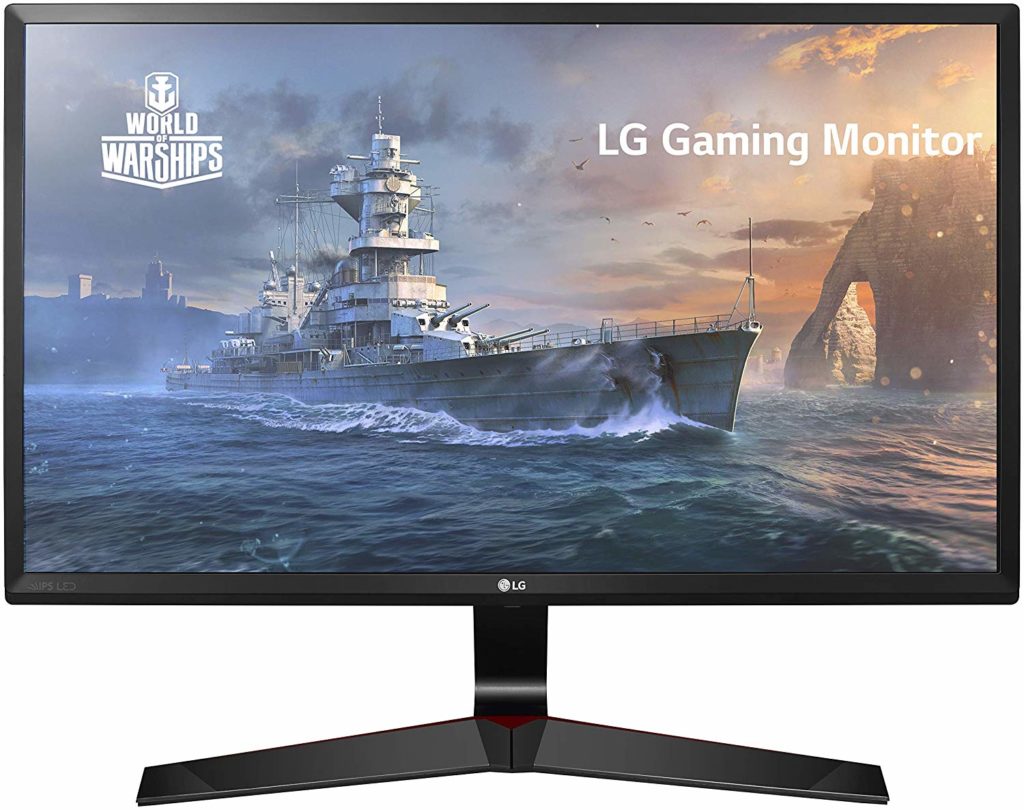
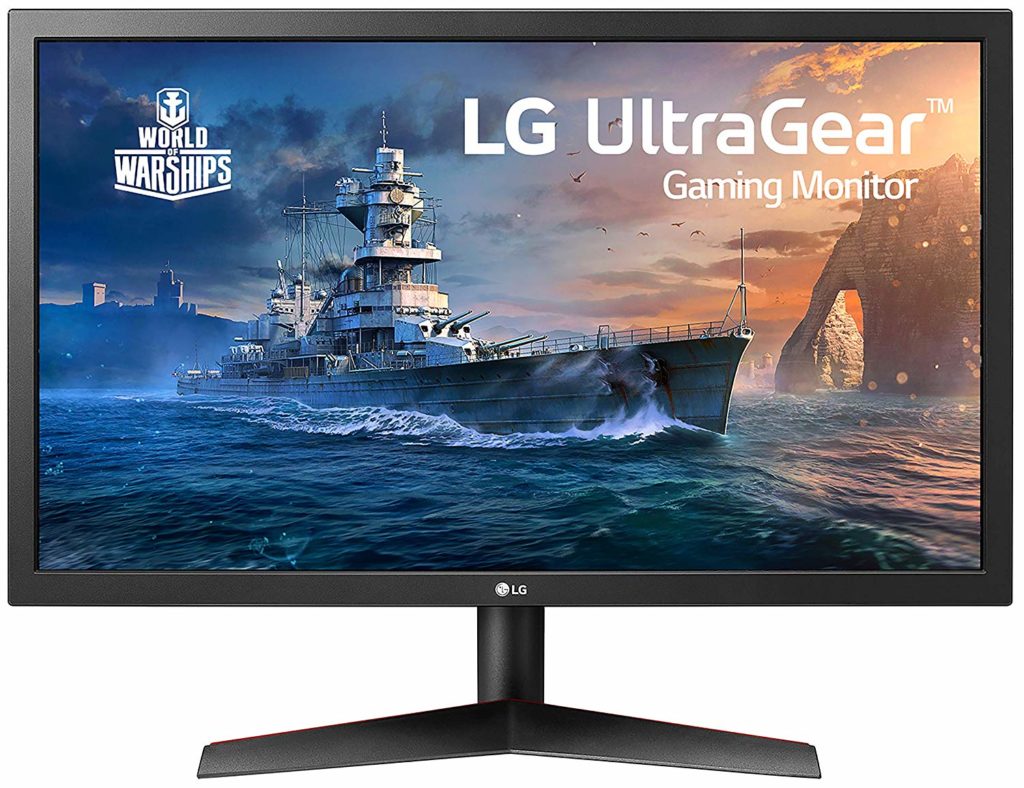
If you are low on the budget to buy a gaming Monitor, then LG 24MP59G can be the best choice. It is the best Monitor available under ₹10000 in India. It supports Display Port and carries 75Hz display for the enhanced gaming experience. The monitor can excel in the league with 1ms motion blur reduction response time at the cost of ₹8999. The anti-glare display is efficient enough to keep away the reflection from any outer object.
The device supports optimized gaming features like dynamic action sync, black stabilizer, and game mode. AMD FreeSync is part of the package to reduce tearing and stuttering while playing fast-moving games. It enables seamless and fluid movement through the games.
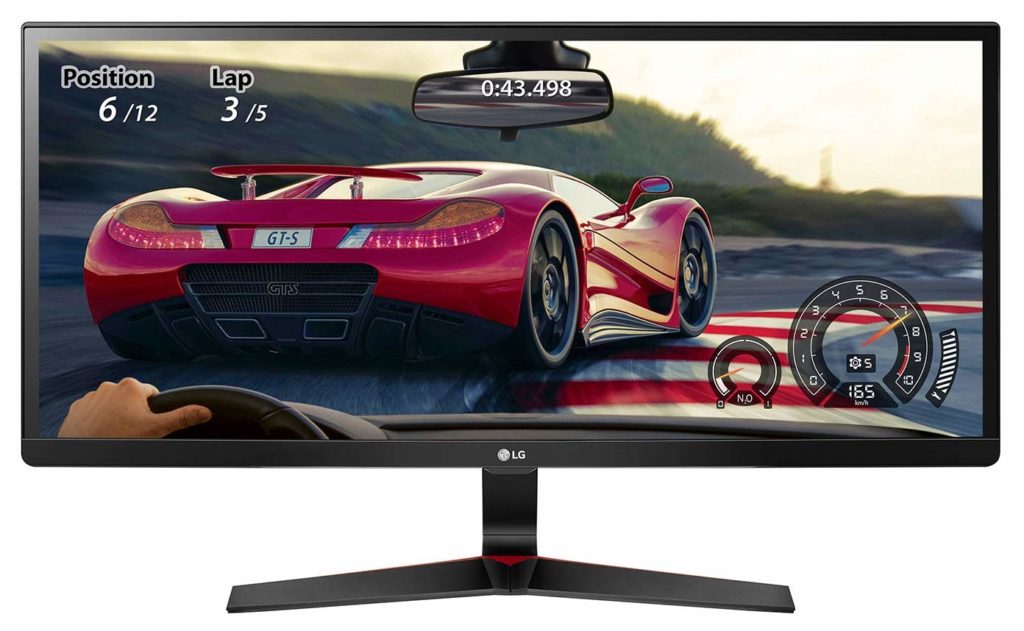
The gamers usually prefer a little wider monitors to enjoy the immersive gaming experience. The LG 29UM69G is such a monitor which carries a 29 inch Full HD IPS Panel display featuring 21:9 aspect ratio. AMD FreeSync empowers it to reduce stuttering while improving fluidic movement throughout games. The 1ms motion blur reduction is another merit of the display.
To reduce input lag and make games more responsive, LG has added Dynamic Action Sync. It even helps the user to illuminate the dark scenes to make gameplay easier using Black Stabilizer technology. Other features include smart Energy Saving and Automatic Standby with Six Axis Control and On-Screen Control.
These are high-performance gaming monitors at affordable pricing with a refresh rate of at least 144Hz or more.
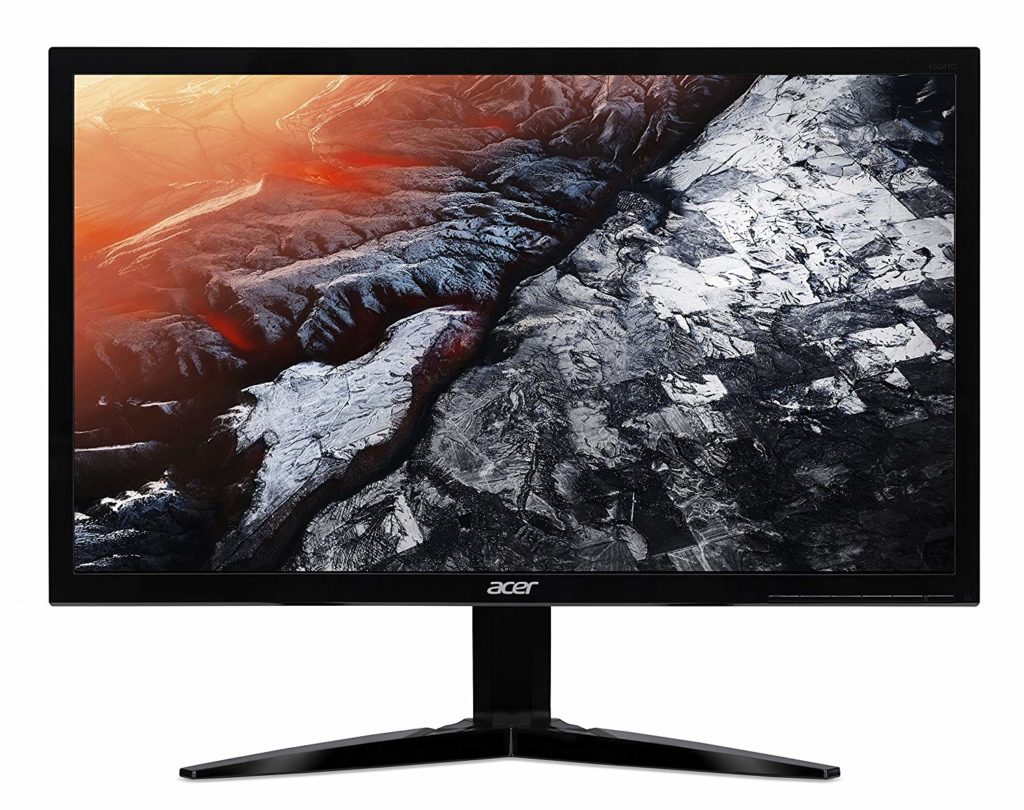
Acer 23.6 inch KG241Q P Monitor
The Acer 23.6 inch display is supported with 1920 x 1080 pixels widescreen display with AMD FreeSync technology. Its 1 millisecond response time is ideal for gaming and that too at 144Hz refresh rate. There are 2 HDMI Port and 1 Display port with Inbox HDMI cable.
Other features include a 6-axis color adjustment for perfect color gameplay. It measures 23.2 x 56.7 x 43.8 cm and weighs 5.46Kg. It works best with AMD systems as several features depend on each other.
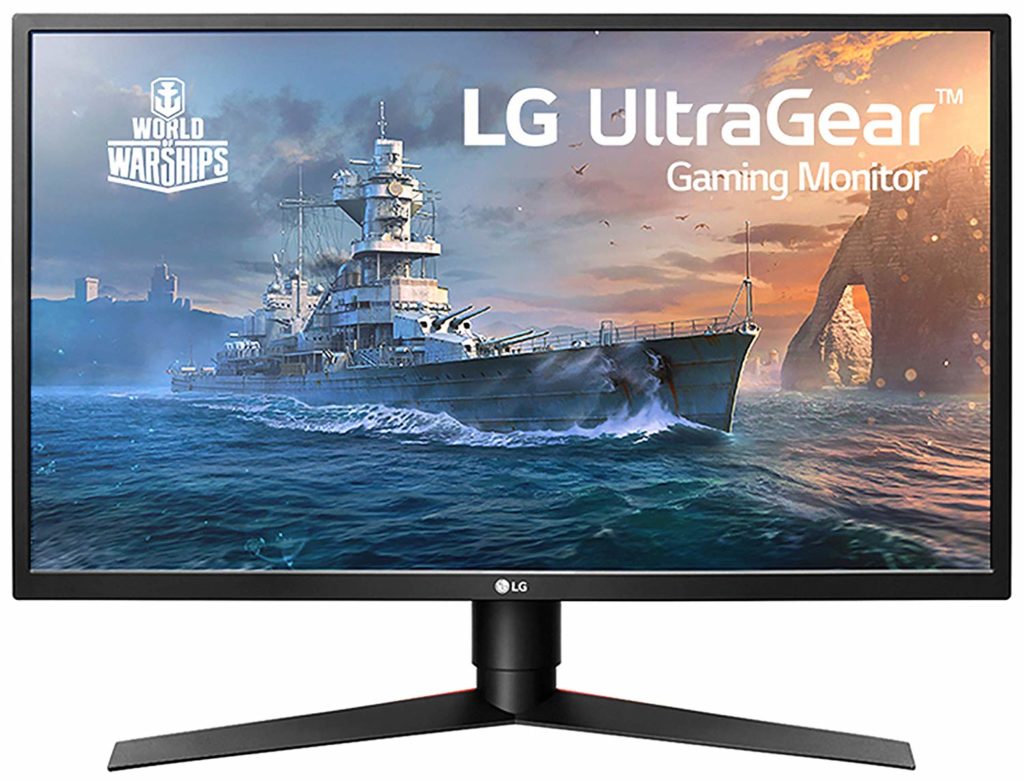
LG Ultragear is a new fairly priced monitor with 24-inch (~23.6 inches) TN Panel display. It is enriched with Display Port, HDMI, and Headphone Out. It can provide lag-free experience without any tearing and stuttering with Radeon Freesync’s support. The Full HD display is capable of providing smooth animation featuring high-performance features. It is specially optimized for games with the help of RTS and FPS.
The monitor supports 1ms response time with native 144Hz Refresh Rate allowing to capture the smallest movements. It is good to pick up as it is available for ₹14499.
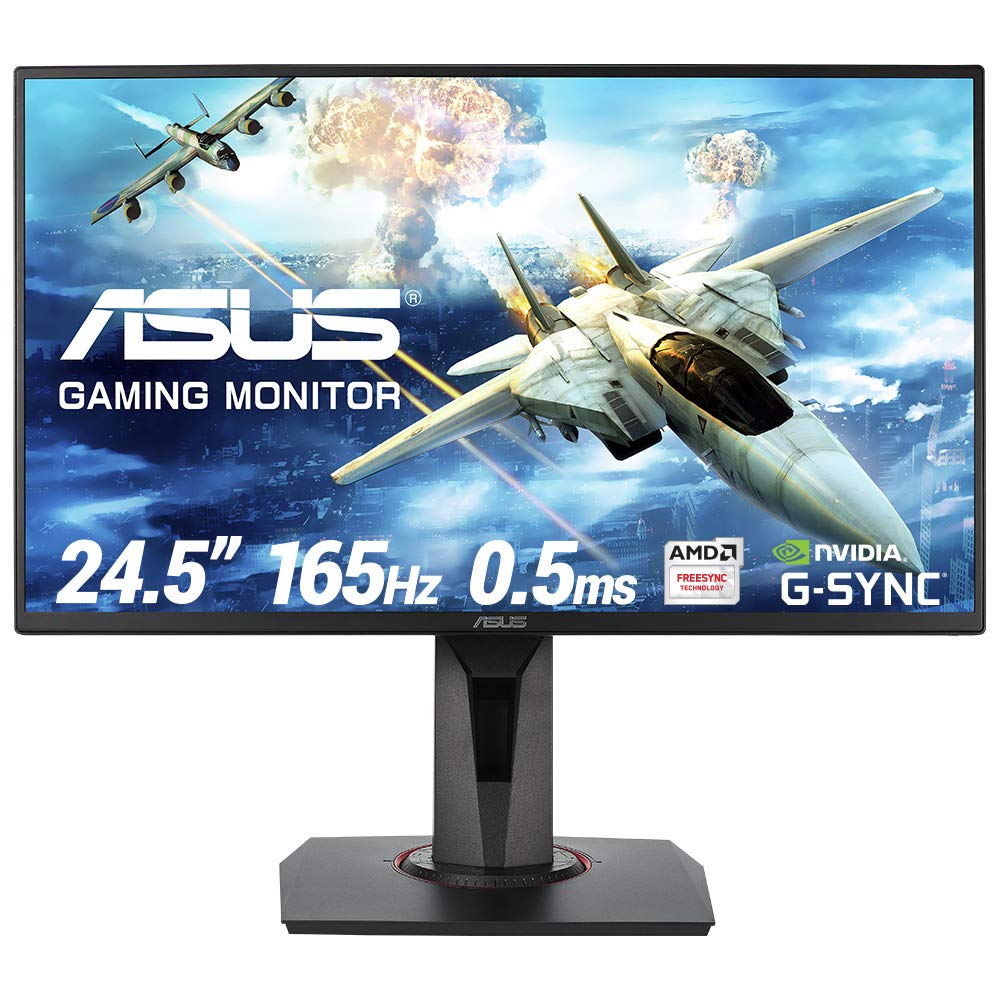
Are you looking for Nvidia G-Sync compatible Esports Monitor at Affordable Price? Then it appears your search will end here as ASUS VG258QR is Nvidia G-Syncg compatible monitor with a 165Hz refresh rate. The 0.5 ms response time makes it responsive for smoothe gameplay and further reduce ghosting and motion blur with ASUS Extreme Low Motion Blur Technology.
The Game fast input Technology minimizes the input lag for faster motion delivery. A dedicated GamePlus hotkey makes it easier for the users to switch for optimized and enhanced GameVisual. The 24.5-inch Full HD gaming display is G-Sync compatible with tear-free gaming and enabling variable refresh rate.
It is a full value for money display if your PC config supports a 240Hz refresh rate. It is a powerful monitor with a 27-inch Full HD display built on TN Panel. LG Ultragear supports 2HDMI, a single Display Port, Headphone Out and three USB 3.0 ports. It can eliminate tearing and stuttering with FreeSync and G-Sync technology. Further, its 1ms response rate further improves the smoothness while gameplay.
Moreover, it also facilitates customized gaming with Environment Gaming GUI. It allows to easily and quickly access screen modes presets for FPS, RTS and Reader Mode. Environment Gaming GUI diminishes the need for individual adjustments.
To enable G-Sync, the user needs a display port connector as it is not available over HDMI connectivity.
Key Features
FreeSync with HDMI and NVIDIA G-Sync with Display Port
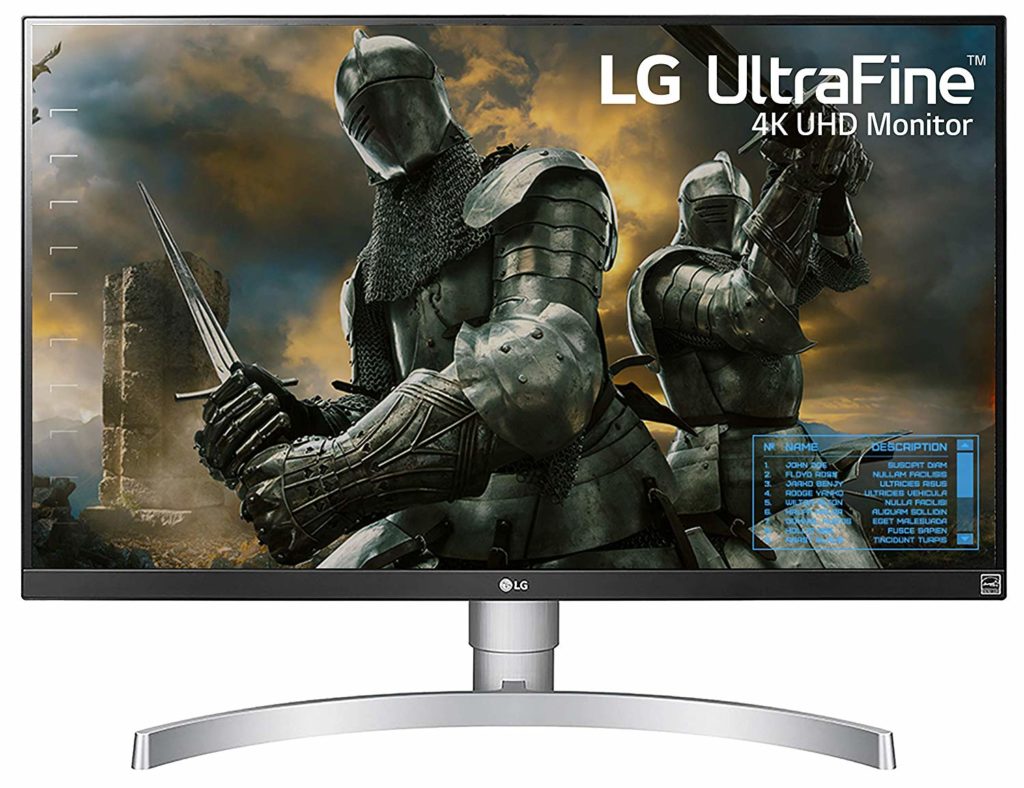
A new gaming monitor directly from LG aims to bring 4K UHD experience at an affordable price for its users in India. It has a huge 27-inch display with a 21:9 aspect ratio for an immersive experience. The IPS display panel is sufficient for 3840 x 2160 pixels resolution. For better connectivity, there’s support for a Display Port and HDMI along with a single audio-out port.
However, the users have to compensate with a 60Hz refresh rate and 5ms response time while playing games. It is an adequate refresh rate for the displays featuring 4K support. The LG 27-inch 4K UHD display supports High Dynamic Range to get enhanced color and contrast. It cat lit up to a maximum brightness of 450 nits. The display houses AMD FreeSync support with Dynamic Action sync to minimize input lag.
We hope you have slected the best budget gaing monitor from the list above. We will keep the list updated if any new monitor arrives. So stay tuned to us for similar listicle articles. If you have any suggestions or recommendations, just let us know via the comments below.
Chinese smartphone manufacturer Vivo just launched a new variant of the Vivo Y3 today in China. The mid-range smartphone comes packed with the latest hardware including a triple camera setup at the rear. Vivo introduced two variants of the Y3 in China back in May 2019. The smartphone arrived previously with 4 GB + 128 GB and 6 GB + 128 GB configurations. The latest variant to join the lineup features a 4 GB + 64 GB setup.
Vivo Y3 Price and Availability
The Vivo Y3’s new variant with 4 GB RAM + 64 GB storage is priced at 1.098 Yuan (~$155). The existing 4 GB RAM + 128 GB storage variant is priced at 1,298 Yuan (~$184) while the top-of-the-line variant with 6 GB RAM + 128 GB storage is priced at 1,598 Yuan (~$226). The smartphone is available in three color options including Peach Pink, Peacock Blue and Ink Blue Blue. However, the newly introduced can be bought only in Ink Blue and Red-Black gradient color.
The Vivo Y3 flaunts a 6.35-inch capacitive LCD display with thin bezels on three sides and a waterdrop notch housing the front camera. The display features a 1544 x 720 pixel HD+ resolution with an aspect ratio of 19.3:9 and a screen-to-body-ratio of 89%. The smartphone draws power from a 2.3 GHz octa-core MediaTek Helio P35 SoC with up to 6 GB of RAM and 128 GB of native storage. The device features expandable storage up to 256GB with a microSD card.
The Vivo Y3 features a 13-megapixel primary camera with an 8-megapixel wide-angle lens and a 2-megapixel depth sensor. AI enhancements include PDAF, bokeh effect, exposure compensation, continuous shooting, face detection, high dynamic range mode (HDR), geo tagging, white balance presets and ISO control. The front camera of the 4 GB RAM + 64 GB storage edition is an 8-megapixel unit whereas the existing variants have a 16-megapixel selfie snapper.
The Vivo Y3 draws power from a 5,000mAh battery with 9V 2A dual engine flash charging. The device runs on Android 9.0 Pie-based Funtouch OS 9. Connectivity options include dual-SIM 4G VoLTE, Wi-Fi, Bluetooth, WLAN, 3.5mm headphone jack and microUSB. The Vivo Y3 has a fingerprint sensor at the rear and supports face unlock. The smartphone measures 159.43 x 76.77 x 8.92 mm and weighs 190.05 grams.
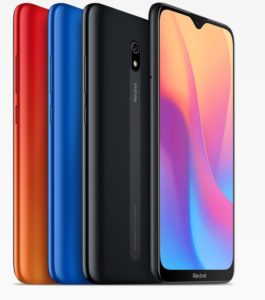
Xiaomi has now officially introduced a ‘secret feature’ of the Redmi 8 and Redmi 8A, that being that they both have what the company’s calling a sonic dust removal feature. It’s essentially just a way to clear out the dust and gunk that tends to gather up in smartphone speakers, which is a fairly common problem.
According to Xiaomi, the Redmi devices achieve this by playing a custom sound designed to achieve the maximum amplitude of the speaker for 30 seconds. This allegedly gets all the dust out by pure force, without damaging the speaker we’d hope. It’s an interesting solution to a common problem, and one that we’re surprised we haven’t seen elsewhere.
The Redmi 8 and 8A have identically designed polycarbonate bodies. These phones come with P2i nano-coating for splash resistance. The Redmi 8 and 8A phone house 6.22-inch IPS LCD displays that offer 19:9 aspect ratio and HD+ resolution of 720 x 1520 pixels. The displays on both phones are protected by Gorilla Glass 5. These handsets measure 156.5 x 75.4 x 9.4mm and weigh 188 grams.
The Redmi 8 has a fingerprint scanner below its dual camera system. The said feature is not available on the Redmi 8A. The other common features available on the Redmi 8 and 8A include IR blaster, wireless FM radio, dual-SIM support, 4G VoLTE, Wi-Fi 802.11 b/g/n, Bluetooth 4.2, GPS and 3.5mm audio jack.
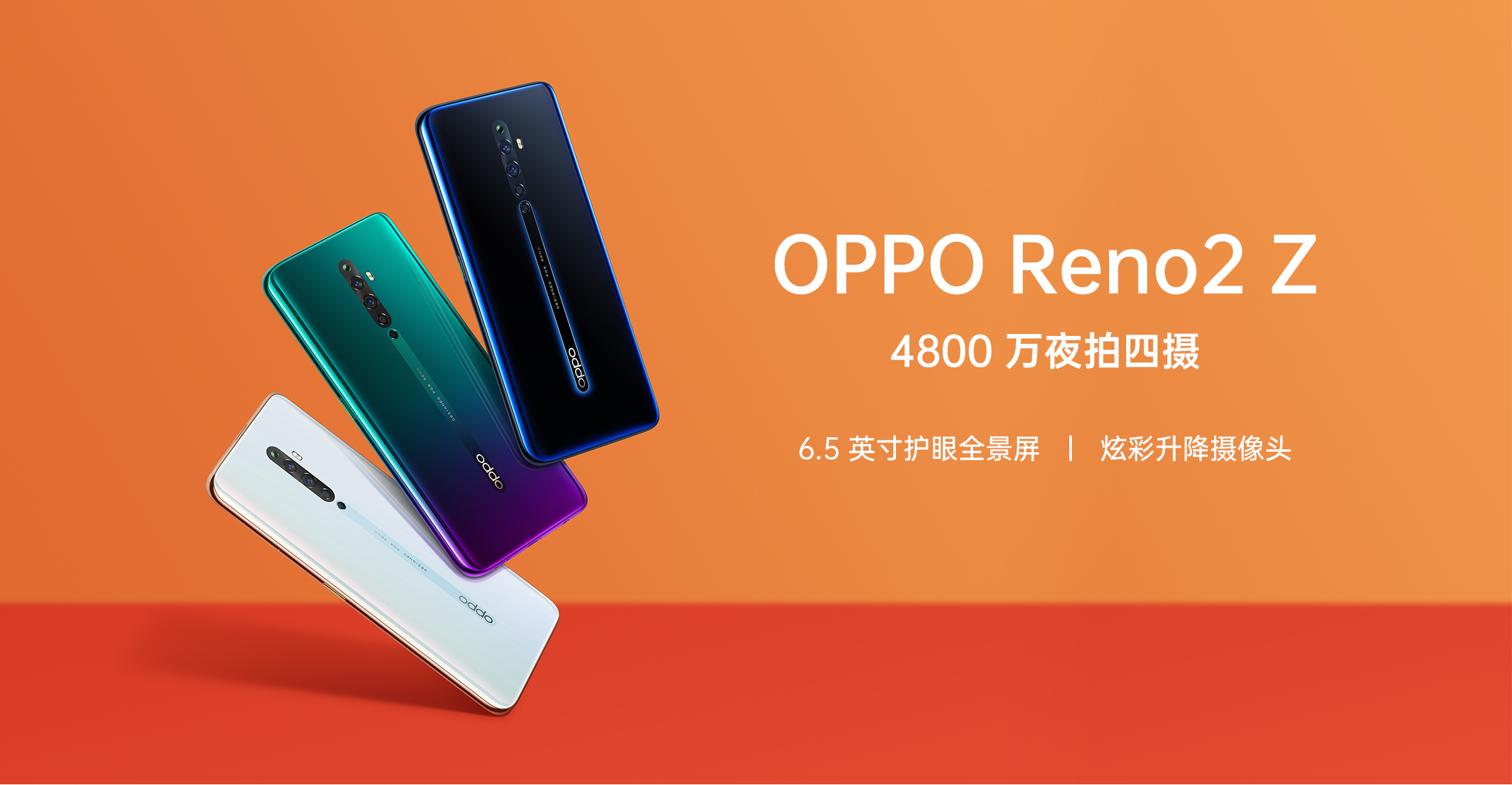
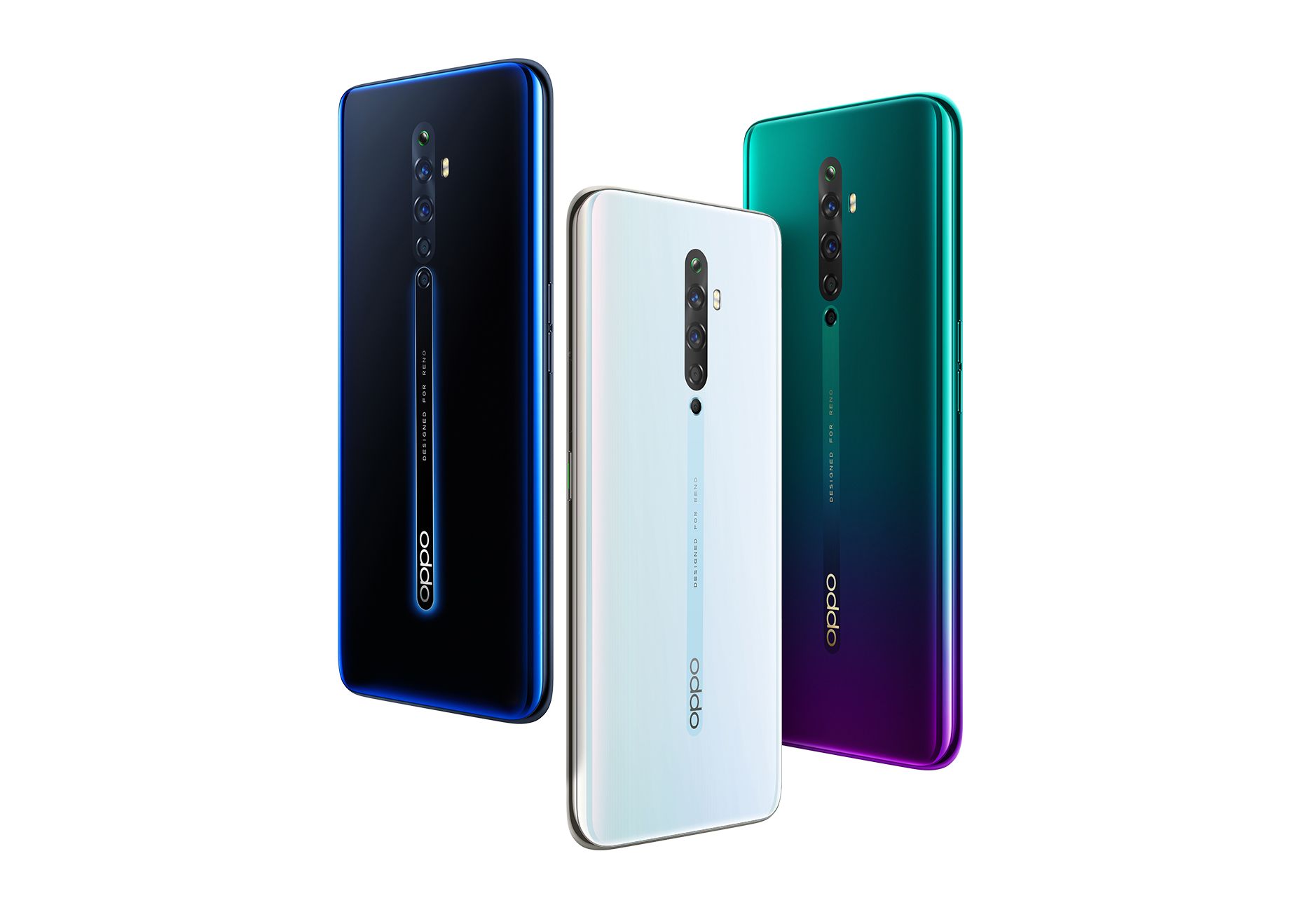
The OPPO Reno2 Z smartphone has discreetly gone official in China today. The successor of the OPPO Reno Z has arrived with a notch-less display, a pop-up selfie camera and four rear-mounted cameras. It has arrived with a pricing of 2,499 Yuan (`~$353).
OPPO Reno2 Z Specifications and Features
The glass-bodied OPPO Reno 2 Z smartphone has a 6.53-inch AMOLED full HD+ display. The notch-less screen offers 19.5:9 aspect ratio and is embedded with an in-screen fingerprint reader. The display of the phone is protected by Gorilla Glass 5. The handset offers users with a huge screen space of 91 percent.
The rear shell of the OPPO Reno2 Z features a vertical quad camera system that includes a 48-megapixel Sony IMX586 sensor as the primary lens, an 8-megapixel superwide lens, a 2-megapixel macro lens and a 2-megapixel depth assist sensor. The smartphone offers 10x digital zoom, EIS, professional mode, night scene mode, time-lapse, slow-motion video shooting and 4K video recording at 30fps. The Reno2 Z is equipped with a pop-up selfie camera of 16-megapixel with f/2.0 aperture and support for 1080p video recording at 30fps.
The MediaTek Helio P90 chipset along with 8 GB of RAM powers the smartphone. It has an internal storage of 128 GB. For additional storage, the handset has a microSD card slot. The Android 9 Pie OS runs on the device which is customized with ColorOS 6.1. In India, the Chinese manufacturer is selling OPPO Reno 2Z with 8 GB RAM and 256 GB of storage
The OPPO Reno2 Z is backed by a 4,000mAh battery. The VOOC 3.0 Flash Charge technology brings support for 20W fast charging on the device. The other features that are available on the device are dual-SIM support, 4G VoLTE, Wi-Fi 802.11ac, Bluetooth 5.0, GPS and 3.5mm audio jack.
OPPO Reno2 Z Price and Availability
The OPPO Reno2 Z is now listed on the official OPPOShop.cn online store for reservations. The smartphone is priced at 2,499 Yuan (~$353). The three color editions of the smartphone for China are Morning Fog White, Extreme Night Black and Deep Sea Blue. The handset is expected to go on sale for the first time on Oct. 25 in the home market. In India, it carries a price tag of Rs. 29,990 (~$424).
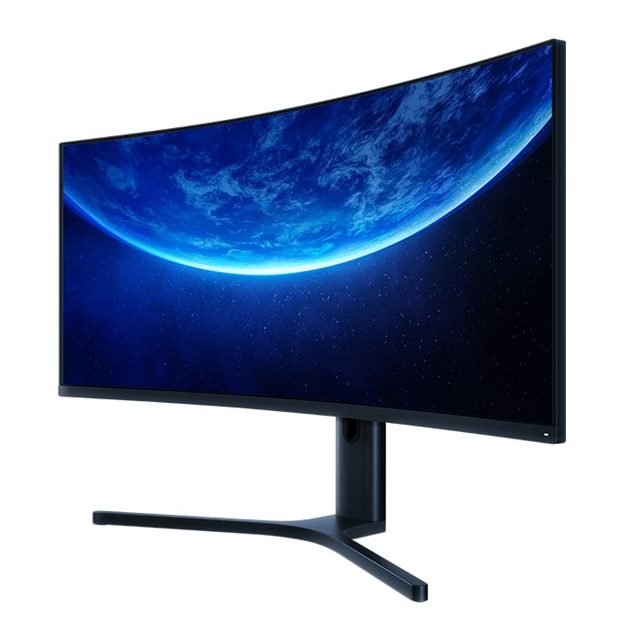
Last week, Xiaomi launched two gaming monitors — Mi Surface Display and Mi Display. Today, the company has started taking pre-orders for the Mi Surface Display, a 34-inch curved gaming monitor.
While the price of the gaming monitor is 2,499 Yuan (~$353), but those who pre-order the product will be able to get it for just 1,999 Yuan, which is roughly $283. It is up for pre-order through Xiaomi Mall, Mi Home Stores, Youpin, Tmall, and JD.com.
The newly launched Mi Surface Display 34-inch comes with a massive 34-inch large curved screen having 21:9 aspect ratio, 3440 x 1440 pixels screen resolution, and 144Hz refresh rate, 1500R curvature, 16:9 aspect ratio and 1500R large curvature design.
There’s also AMD Freesync and low Blu-ray mode and the color gamut is 121 percent sRGB. The curved display also comes with a bracket which allows users to make adjustments for lifting and rotating the screen.
The company has said that the display and the bracket and magnetically snapped together and Xiaomi is also providing a three-year warranty for the same. While Xiaomi has not revealed this, reports indicate that the display is provided by Samsung.
The Mi Surface Display has a narrow bezel of just 2mm and has 2 x HDMI 2.0 ports, 2 x DP1.4, and an audio port. Xiaomi’s new Mi Surface Display 34-Inch is priced at 2,499 Yuan which roughly converts to $352. However, as mentioned, the pricing for those who pre-books the products is 1,999 Yuan (~$282) and is expected to start shipping in the coming days.
We use cookies on our website to give you the most relevant experience by remembering your preferences and repeat visits. By clicking “Accept”, you consent to the use of ALL the cookies.
This website uses cookies to improve your experience while you navigate through the website. Out of these, the cookies that are categorized as necessary are stored on your browser as they are essential for the working of basic functionalities of the website. We also use third-party cookies that help us analyze and understand how you use this website. These cookies will be stored in your browser only with your consent. You also have the option to opt-out of these cookies. But opting out of some of these cookies may affect your browsing experience.
Necessary cookies are absolutely essential for the website to function properly. This category only includes cookies that ensures basic functionalities and security features of the website. These cookies do not store any personal information.
Any cookies that may not be particularly necessary for the website to function and is used specifically to collect user personal data via analytics, ads, other embedded contents are termed as non-necessary cookies. It is mandatory to procure user consent prior to running these cookies on your website.


 To recall, the Microsoft Surface Duo has two 5.6 inch displays. Under the hood, it features the Snapdragon 855 which is found on most other Android flagships launched in the current year. In terms of thickness, the device is just 4.8 mm thick and to securely bypass the lock screen it features a fingerprint scanner. While the battery capacity of the device is currently unknown, it can be charged via a bottom-mounted USB C port.