Huawei today held its much-anticipated launch event in Munich, Germany where the Mate 30 series was the star product for the day. Apart from the Mate 30 smartphones, the tech giant also officially announced the Huawei Watch GT2. Huawei is always pushing the bar higher with each new product and the Watch GT 2 comes with several improved features over its predecessor.
The Watch GT 2 is the second-generation model of the premium Huawei Watch GT that was launched last year. It adopts a more premium design than the previous iteration. The features onboard the smartwatch also saw several improvements over the previous version.
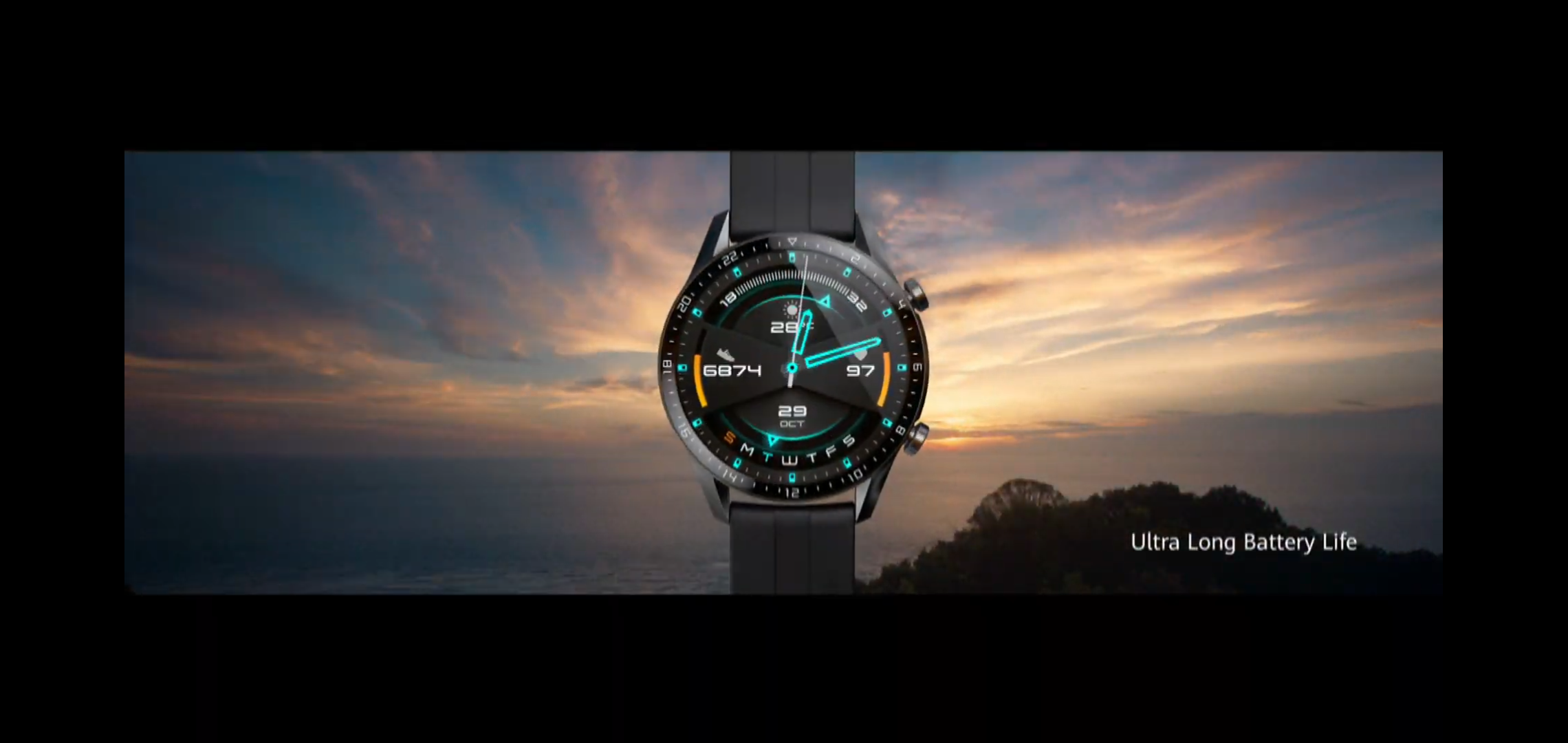
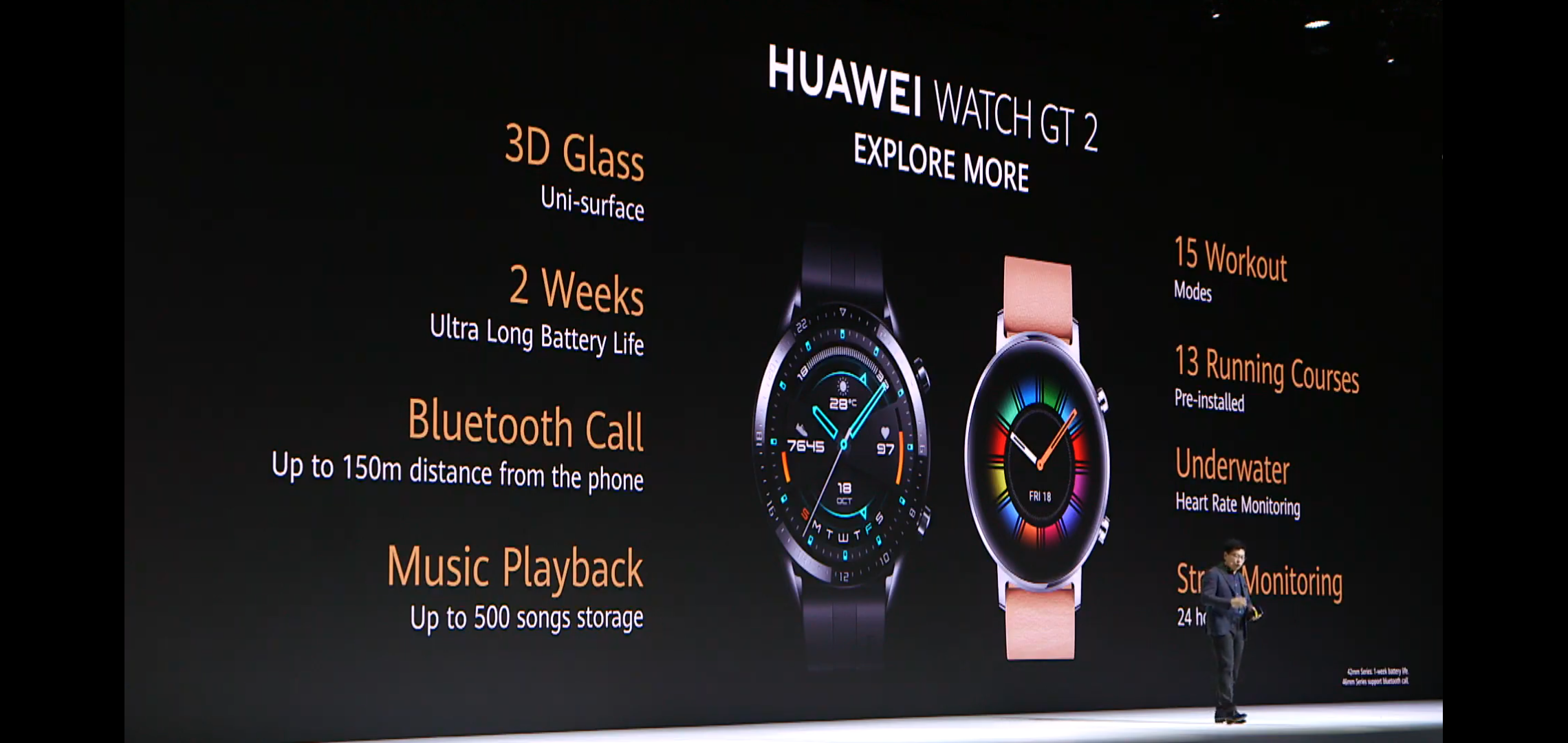
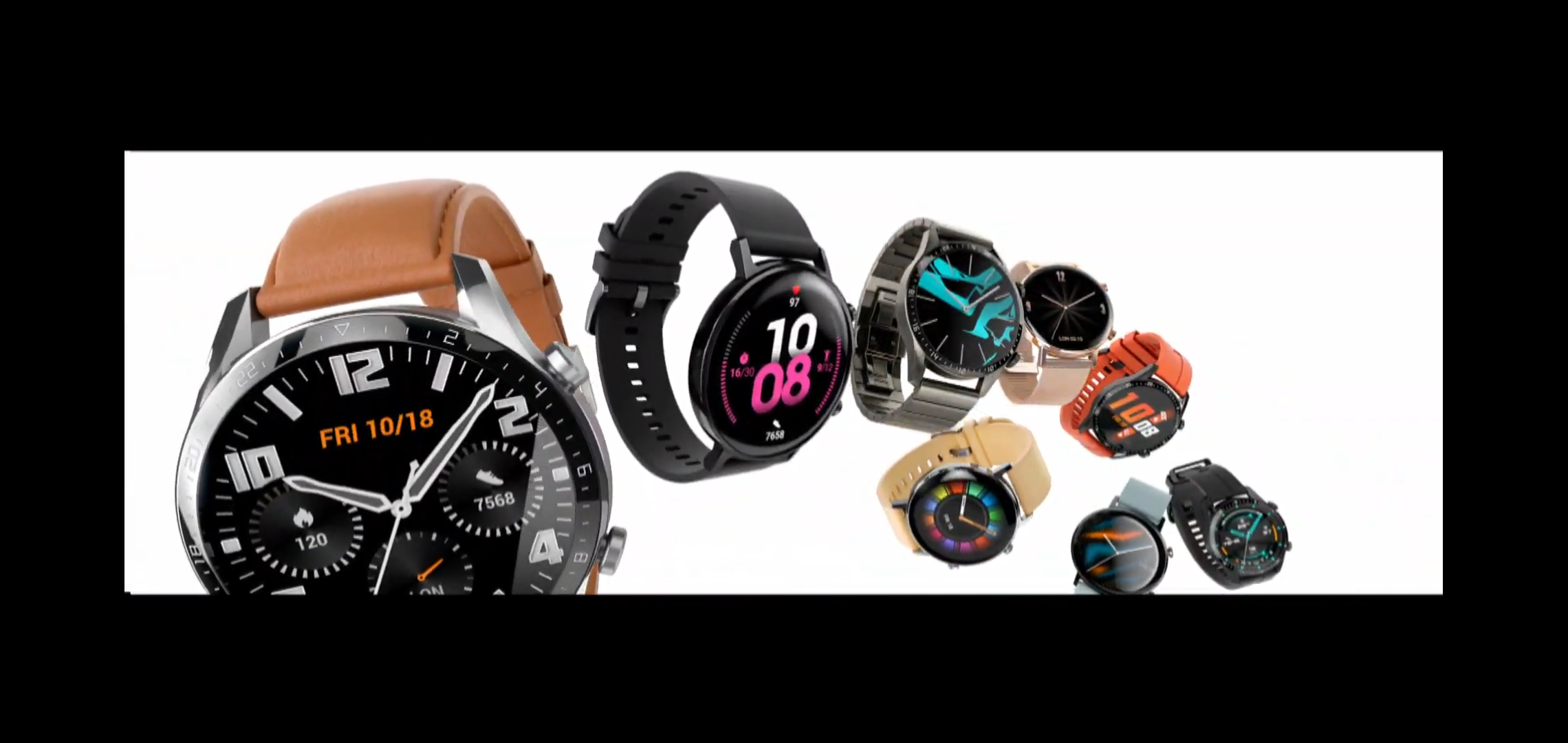
The watch adopts a 1.39-inch display with a 3D glass uni-surface. It comes in two sizes, a 42mm and 46mm versions. Both have two control buttons at the side which looks more sturdy than those on the Watch GT. Some of the spectacular features onboard the smartwatch includes underwater heart rate monitoring, Bluetooth call from a distance of up to 150m. The watch also comes pre-installed with 13 running courses and 15 workout modes.
Furthermore, the smartwatch comes with an ultra-long battery life that can last up to two weeks. Trust Huawei, it did compare the Watch GT 2 battery to that of the Apple Watch Series 5. On a typical daily use, the Watch GT2 can last up to 14 days whereas the Apple Watch Series 4 lasts less than a day. On GPS mode the Watch GT2 will ast up to 30 hours on a full charge and 24 hours when used for music playback. The battery can last for 10 hours during Bluetooth call.
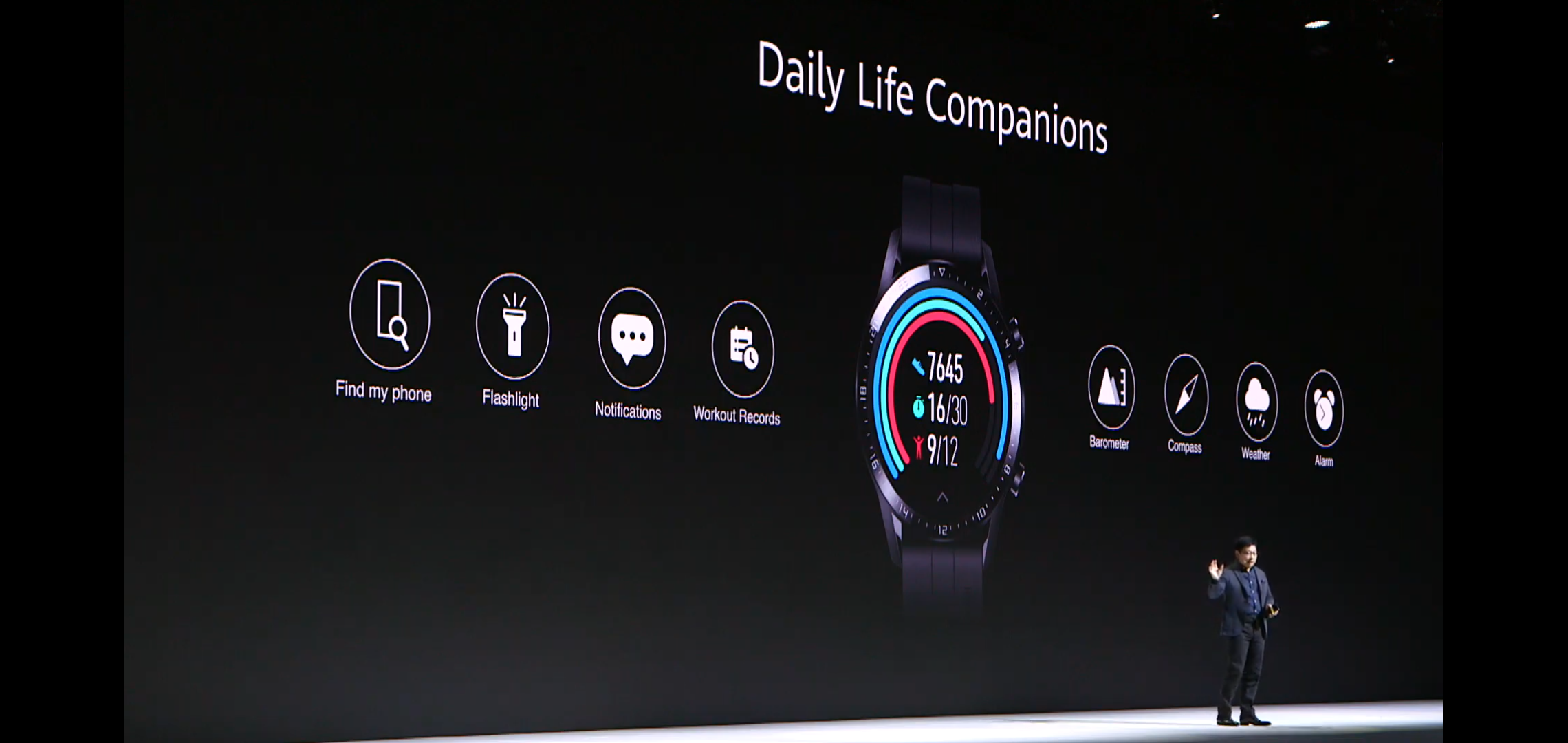
In terms of the specifications, the Watch GT 2 packs a Kirin A1 chip. It comes with an Always-On display, Find phone feature, flashlight, notification, alarm, in addition to regulars such as sleep monitoring, Bluetooth call, remote control camera, GPS and other functions. The watch will equally come in Sports and Classic versions. It also comes with 50ATM water resistance.
The Huawei Watch GT 2 will go on sale from October. The pricing starts at 229 Euros for the 42mm version and 249 Euros for the 46mm version.
Huawei’s Mate series has become one of the best flagship lines of smartphones. Every year, Huawei sets a new standard with its phones and the Mate 30 and Mate 30 Pro are no different. The theme for this year is Rethink Possibilities and Huawei does just that.
Design
Just like last year’s Mate 20 series, the Mate 30 and Mate 30 Pro also look different with respect to design, mainly on the front.
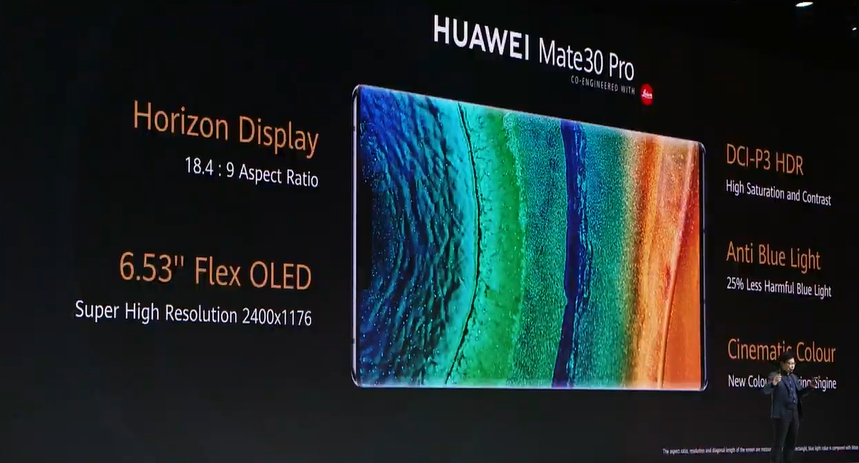
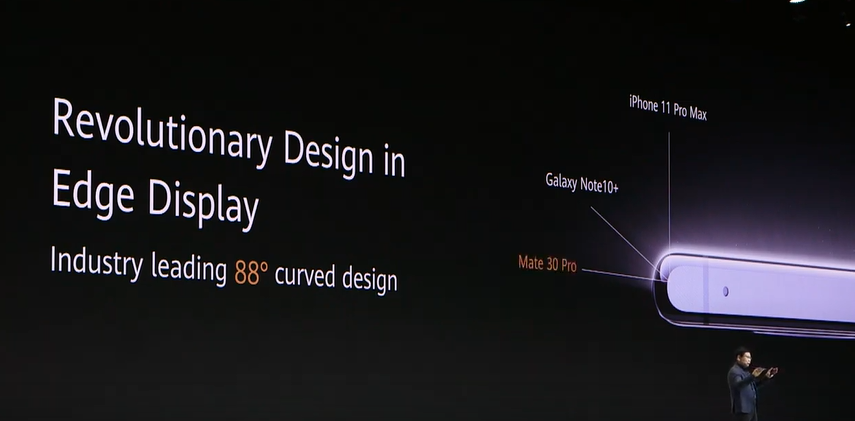
The Mate 30 Pro features what is called a Horizon Display which is its name for what is generally referred to as a waterfall display. The screen curves at an angle of 88°, just shy of a right-angle. Theses curves mean there are no side buttons on the Mate 30 Pro. So Huawei uses what is called Side-touch Interaction which is invisible virtual keys. Because these are virtual keys, they are customizable, so if you like the buttons on the left, you can have them on the left instead of the right. Side-touch interaction also adds a virtual camera shutter key and like the volume keys, you can also change its position.
1 of 4
Huawei Mate 30 Pro display
Huawei Mate 30 display
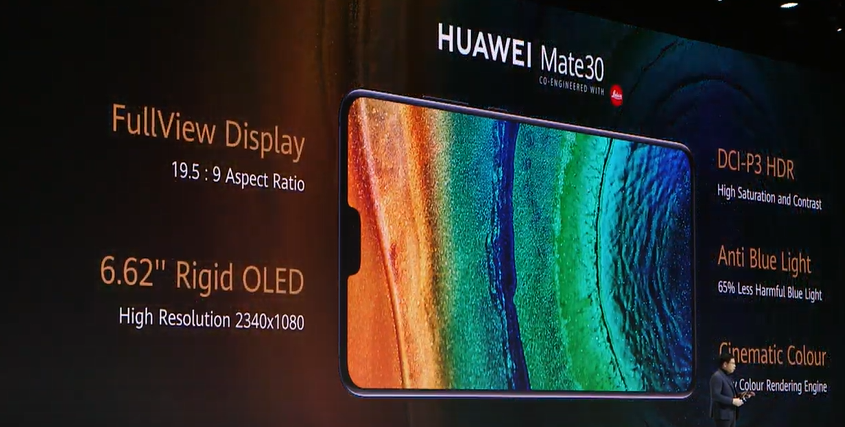
The Mate 30, on the other hand, has what Huawei calls a Rigid OLED display which is actually just a flat display.
Both phones have a notch at the top while, while that of the Mate 30 Pro is smaller than its predecessor’s, the Mate 30 has a bigger notch.
On the back of the Mate 30 series is a new camera design called Halo Ring. Huawei says the design was inspired by that of a DSLR camera. The Mate 30’s camera housing holds three sensors while the Pro model has a quad-camera setup.
Huawei also revealed that its Mate 30 series 5G phones boast a total of 21 antennas, 14 of which are 5G antennas which trump the 6-antenna design we have seen in other 5G phones like the Vivo NEX 3 5G.
Huawei Mate 30 Pro and Mate 30 Pro 5G
The Huawei Mate 30 Pro comes in two versions – a 5G and a 4G model. Both have a 6.53-inch Flex OLED display with a 2400 x 1176 resolution and an 18.4:9 aspect ratio.
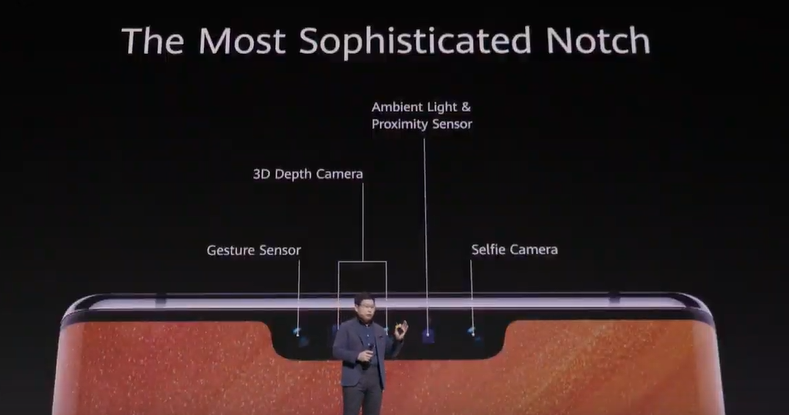
The notch at the top of the display is home to a Gesture Sensor which allows users to wave to scroll and make a hand grab gesture to screenshot without touching the screen. There is also a pair of 3D depth cameras, ambient light and proximity sensor, and a selfie camera inside the notch. The Mate 30 Pro also has 3D Face Unlock.
Two other pretty tricks the Mate 30 Pro can do are AI Auto-Rotate and AI Private View. AI Rotate switches the screen’s orientation when you move from portrait to landscape even if the phone is not in your palms. AI Private View will automatically hide sensitive information when it senses someone is looking over your shoulder.
The Mate 30 Pro is powered by the Kirin 990 while the Mate 30 Pro 5G is powered by the Kirin 990 5G. The Kirin 5G chip doesn’t just have a 5G modem. It also differs from the non-5G model in other ways. For example, its NPU chip has 2 big cores and 1 small core while the regular Kirin 990 has 1 big core and 1 small core. The Kirin 990 5G also has its 4x Cortex A55 cores clocked higher at 1.95GHz and its 2x Cortex A76 cores clocked at 2.36GHz against the non-5G’s 1.86GHz and 2.09GHz.
Both versions of the Mate 30 Pro has 8GB of RAM and 256GB of storage. There is dual SIM support and the 5G version supports dual SIM 5G which means either of the two SIM slots can be set to 5G. The tray is a hybrid SIM tray which allows for two nano-SIM cards or 1 nano-SIM and an NM Card (SIM 2 slot).
The Mate 30 5G supports 5G bands n79, n78, n77, n38, n28, n3, and n1 which makes it usable around the globe.
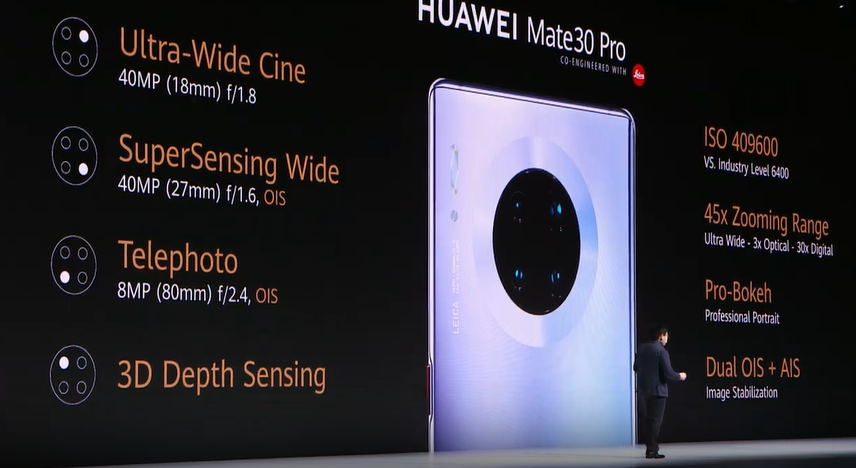
The Mate 30 Pro series boasts an impressive camera setup. The quad cameras o the back are a SuperSensing 40MP f/1.6 camera with OIS, a 40MP Cine f/1.8 camera, an 8MP f/2.4 telephoto camera with OIS, and a 3D depth-sensing camera. The phones also have a dual-LED flash, a laser focus sensor, and a color temperature sensor. The selfie camera is a 32MP f/2.0 sensor and with the 3D sensor.
The Mate 30 Pro duo pack a 4500mAh battery with support for 40W wired charging and 27W wireless charging. Owners will have to purchase the wireless charger separately. Reverse wireless charging is back and this time it is 3 times faster than that of the Mate 20 Pro. There is no audio jack but there is an IR sensor.
The Mate 30 Pro runs EMUI 10 based on Android 10. It has an IP68 rating and weighs 198 grams. Its dimensions are 158.1 x 73.1 x 8.8 millimeters.
The Mate 30 Pro is available in Black, Space Silver, Cosmic Purple, and Emerald Green. The Mate 30 Pro 5G comes in the aforementioned colors and adds a Vegan Leather version that is available in Orange and Forest Green. The Vegan Leather version is skin-friendly, durable, and IP68 water and dust resistant.
Mate 30 and Mate 30 5G
The Mate 30 and Mate 30 5G both have a 6.62-inch FullView Rigid OLED display with a 2340 x 1080 resolution and a 19.5:9 aspect ratio.
Just like the Mate 30 Pro differs from its 5G version when it comes to processors, the same applies to the Mate 30 and its 5G version. The Kirin 990 chipset is paired with 8GB of RAM and 128GB of storage on both versions.
The Mate 30 duo have a 40MP f/1.8 SuperSensing primary rear camera which is paired with a 16MP f/2.2 ultrawide angle camera, and an 8MP f/2.4 telephoto camera with OIS. There is dual-LED flash, a laser focus sensor, and a color temperature sensor too.
The Mate 30 and Mate 30 5G pack a 4200mAh battery and also support 40W wired charging. Thankfully, Huawei has also added wireless charging this year instead of via an add-on case. They also support 27W wired charging and not a slower charging speed but no reverse wireless charging. It keeps the audio jack and also has an IR sensor.
The Mate 30 duo run EMUI 10 based on Android 10. They are available in the same colors as the Mate 30 Pro with the 5G version also having Vegan Leather variants.
1 of 3
Price
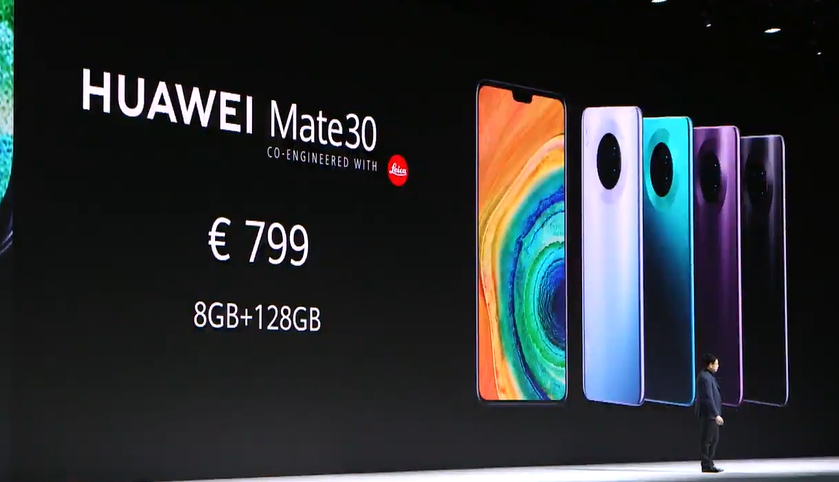
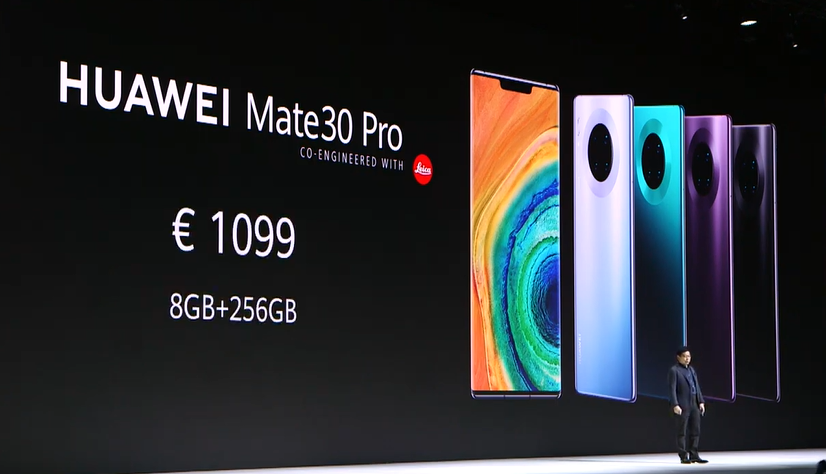
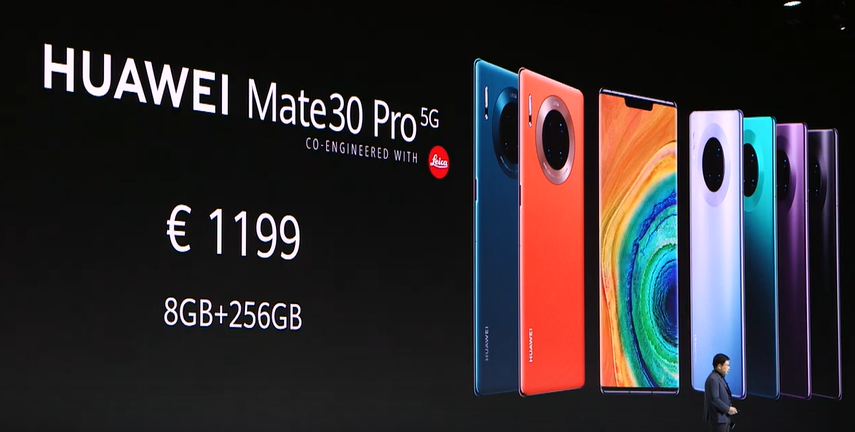
The Mate 30 is priced at €799 while the Mate 30 Pro is priced at €1099. Huawei didn’t reveal the price of the Mate 30 5G but the Mate 30 Pro 5G will sell for €1199.
Noise-canceling headphones are all the rage in 2019. Immensely popular among music lovers who prefer uninterrupted listening experience, these accessories aren’t easy on the pocketbook.Those who settle for low-priced headphones, on the other hand, usually end up compromising on quality. If you are in the market for inexpensive wireless noise-canceling headphones that do not disturb in terms of performance, we got good news for you.
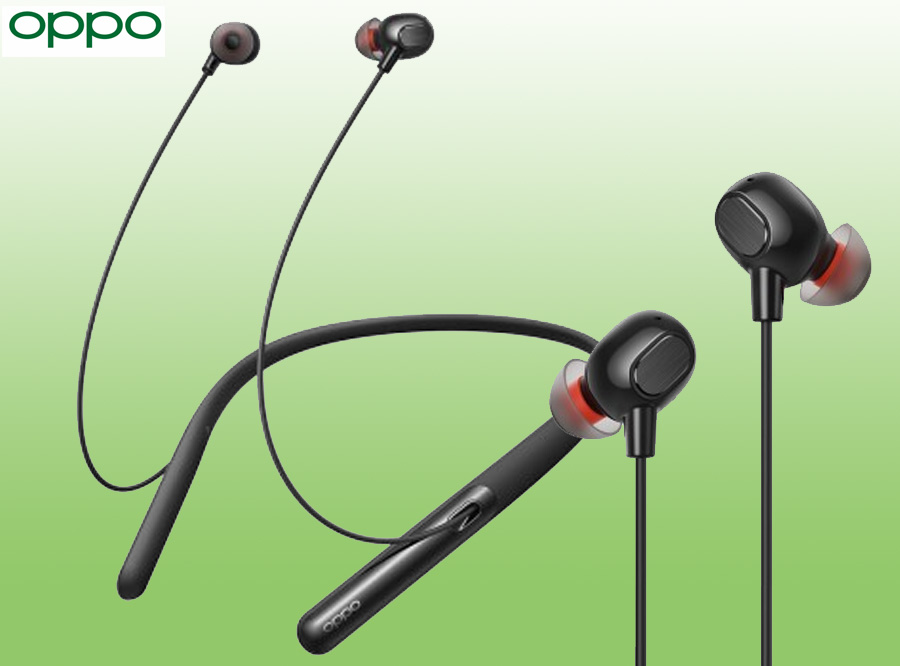
The Official OPPO Enco Q1 wireless noise-canceling headphones that adopt a flexible 3D neckband design has gone up for sale bearing a $105.99 on Giztop. Much to the relief of those on a tight budget, we will show how you can get a discount on this feature-rich music accessory.
The black-tinted OPPO Enco Q1 comes with the dedicated coupon code OPQ1 on Giztop. The aforesaid coupon helps you save $30 by bringing the original asking price of the headphones down to just $75.99 even before you place your order.
An absolute steal at this price, the OPPO Enco Q1 offers three types of immersive 3D audio with the help of the dynamic driver units, which boasts 11.8 mm composite diaphragms. On top of that, it features dual Active Noise Cancellation with 4 Mics to reduce noise.
The Enco Q1 draws its juices from a 160mAh battery that supports 15-hour Playtime in noise-canceling mode. They can fully be charged in just a couple of hours.
In terms of connectivity, the Enco Q1 uses the latest Bluetooth 5.0 technology faster and more stable connection with compatible devices. It delivers an unparalleled performance as far as anti-interference and transmission distance is concerned.
On top of that, the Enco Q1 has an IPX4 rating that makes the headphones water-resistant. Moreover, it comes with a USB Type-C charging port.
You can visit this link to check out more details about Enco Q1 wireless noise cancellation headphones and take advantage of the coupon before it expires. Note that the coupon will be valid only for the black color option of the headphones.
While the “Pro” moniker has been used specifically for MacBooks and iPads, Apple broke with the tradition this year. Marketed as the first iPhone powerful enough to be called Pro, the iPhone Pro model is designed to offer something extra as far as features are concerned.
Nevertheless, these additional features are likely to come in handy to extreme mobile users and mobile phone photography enthusiasts. If you fancy protecting your new iPhone from scratches and other accidental damages, while enhancing its overall functionality with a phone case that doesn’t cost a bomb, you have come to the right place.
Here are 10 best cases for the Apple iPhone Pro that you can buy without shelling out a fortune.
iPhone 11 Pro Leather Case
Designed by Apple, this case fits comfortably over the curves of your iPhone without making it look bulkier. Specially tanned and finished European leather have been used to make this sturdy, yet elegant phone case.
The phone case undergoes numerous hours of testing during the design and manufacturing process. Available in Meyer Lemon, Forest Green, Midnight Blue, Saddle Brown, Black, and Red color options, the iPhone 11 Pro Leather Case is available for $49 on Apple online shop.
You can buy your favorite color option of the leather case by following this link.
Made using specially tanned and finished European leather, the iPhone 11 Pro Leather Folio sports a premium look and offer a luxurious feel as it fits snugly around your iPhone 11 Pro. The phone wakes up when you open the case and sleeps when you close it.
There’s a soft microfiber lining inside for additional protection with storage space to keep your bills, cards, etc. Striking a perfect balance between an eye-catching appearance and durability, the iPhone 11 Pro Leather Folio is available for $129 on the Apple online store.
The case is available in two appealing color option including black and aubergine. You can visit this link to place your order.
TPU Scrub Solid Color Phone Case for iPhone 11 Pro
Touted as one of China’s best online stores for electronic items, Gearbest is now offering the TPU Scrub Solid Color Phone Case for iPhone 11 Pro for a lowered price of just $2.85. This is a 5 percent reduction in the device’s original asking price of $3.
An absolute steal at this price, the TPU Scrub Solid Color Phone Case is made using high-quality TPU material. The anti-knock back cover weighs in at just 0.0192 kg and has dimensions of 5.71 x 2.95 x 0.39 inches.
You can visit this link to check out more details about the TPU Scrub Solid Color Phone Case and avail the discount. Moreover, you can get an add-on item worth $4.59 if your cart value exceeds $20.
Gearbest is doling out a noteworthy 4 percent off on the TPU Painted Pattern Phone Case, which would normally set you back $3.85. Thanks to the aforesaid discount, you can now buy this iPhone 11 Pro case for a lowered price of just $3.68.
This simple, yet elegant back case protector features a high quality painted pattern that grabs everyone’s attention. Aside from sporting a premium look, the back case is skid resistant and has anti-fingerprint capabilities.
Moreover, it has a built-in airbag to protect your iPhone X1 from shock. It is made using highly flexible TPU material for shatter resistance. You can follow this link to take advantage of the discount before the promo ends. You can get an add-on item worth $4.59 for placing an order of $20.
Designed to accommodate all your daily essentials, while offering full-screen protection for your phone, the Wallet S has gone up for pre-order bearing a $29.99 price tag on Spigen. The sturdy phone case is made using PC + premium synthetic leather for durability.
Available in saffiano black, the case sports a sophisticated look, which is further enhanced with finely-stitched synthetic leather. The foldable cover gives you complete viewing without any sort of inconvenience.
You can follow this link to place your pre-order through Spigen. Note that the Wallet S ships in ten business days.
The Slim Armor Essential S adopts a smart design that helps your phone to stand the test of time. The outer bumper of the case protects the edge without hiding the awe-inspiring design of your phone.
The Slim Armor Essential S not only offers protection from scratches, while the kickstand enhances your overall viewing experience. The case is available in Crystal Clear, as well as, black color options for $34.99 through Spigen. You can follow this link to place your order.
iPhone 11 Pro Defender Series Screenless Edition Case
The well-received Defender Series Screenless Edition guards your iPhone. The iPhone 11 Pro protective case gives a multi-layer defense while covering ports to avoid dirt.
Equipped with a holster, this case gives you a non-slip grip. Thanks to its screenless design, you can perform multiple tasks such as tap and swipe directly from the screen. The iPhone 11 Pro protective case is available in the black, purple nebula, gone fishing blue, lovebug, Realtree edge, and petal pusher.
You can follow this link to buy this unique case from OtterBox. You can grab a 10 percent off on select series including Alpha Glass, Alpha Flex, or the Amplify model if you purchase both an OtterBox case, and screen protector.
The Great Emboss Phone case comes in a wide range of color options bearing a lowered price tag of $13.15 on AliExpress. This is a 6 percent drop in the device’s original selling price of $13.99.
If you are a new user, you can even take advantage of the € 1,85 New User Coupon and save more money before placing your order. This coupon is slated to expire on October 1st.
The Great Emboss Phone case is compatible with various iPhone models including iPhone XS/MAX/XS/XR/X/11 PRO MAX. You can check out more details about the Great Emboss Phone case and place your order before the promo ends by following this link.
Available in Espresso Brown, and Shadow color options, the iPhone 11 Pro Strada Series Case offers functional fashion. While the folio cover not only protects the display but also gives you ample space to keep your card and cash.
The iPhone 11 Pro Strada Series Case is a perfect blend of premium protection and traditional handcrafted style that will grab everyone’s attention. You can buy this eye-catching and highly useful case from OtterBox for $69.95 by following this link.
Baseus AirBag Shockproof Crystal Clear Transparent Soft TPU Protective Case
Living up to its reputation for offering the best bang for your buck, Banggood is giving its loyal users a chance to Baseus AirBag Shockproof Crystal Clear Transparent Soft TPU Protective Case for $6.94. Those who end up spending over $19.99 will be eligible for free shipping as well.
An absolute steal at this price, this Baseus branded protective case comes in three color options including transparent black, transparent, and transparent gold. It is made using TPU material and is compatible with the iPhone 11 Pro.
You can head straight to this link to check out more details about the Baseus AirBag Shockproof Crystal Clear Transparent Soft TPU Protective Case and place your order without wasting time.
China’s wearable market registered strong growth in Q2 2019 reports IDC’s Quarterly Wearable Tracker. The wearable device shipments grew at a solid 34.3% YoY in the previous quarter, taking the total shipments to 23.07 million units. Of these, low-end wearables like smart bands and headsets which do not support third-party applications contributed 18.46 million units, up by 31.9% YoY. As for the smart wearables which do support third-party applications, they contributed 4.61 million units in the same time period, growing at 45% YoY.
Source: IDC
Xiaomi took the lead in the wearable market with products such as the Mi Band 4 and the Redmi Airdots. The company captured a 22.9% market share in Q2 2019, ranking first in the region. In second place is yet another Chinese giant, Huawei, shipping just a few hundred thousand units less than Xiaomi and taking 22% market share. Huawei’s notable wearable products include Huawei Band 3, Watch GT and children’s watches. In the third place is Apple with its ultra-premium Apple Watch series and Airpods capturing 13.8% of the market.
Xiaomi’s Mi Band 4 is already a hit in China
BBK and Qihoo 360 take up the remaining two spots with a market share of 5.03% and 3% respectively. For the complete report from IDC, hit this link.
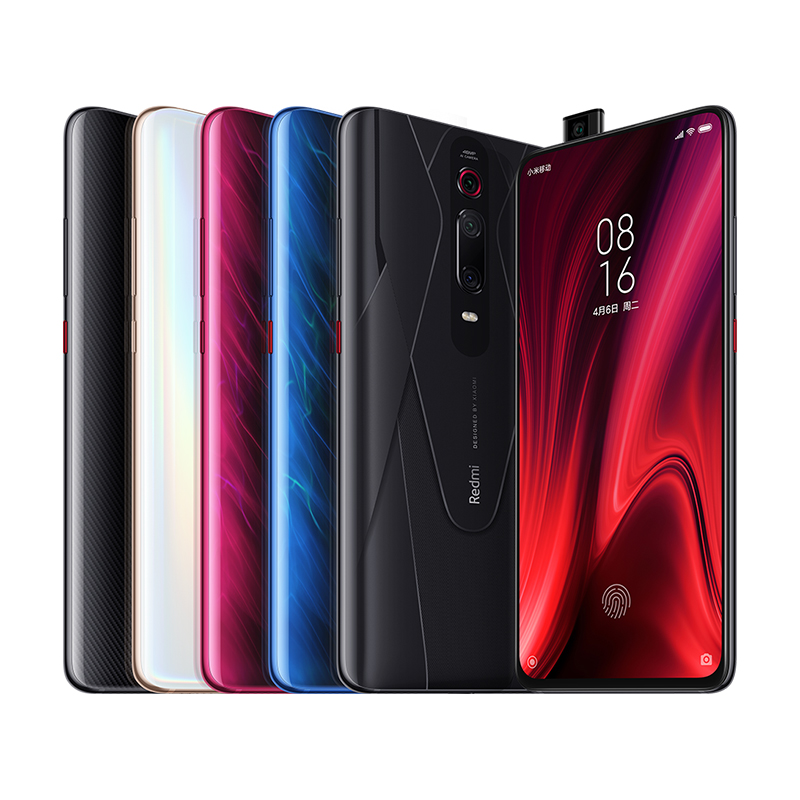
Earlier this year, Xiaomi-backed Redmi launched the Redmi K20 Pro flagship smartphone which comes with Snapdragon 855 SoC, 8GB RAM, and 128GB internal storage. However, since the SD855+ chipset has been launched, most smartphone manufacturers are upgrading their flagship devices and Redmi isn’t holding back.
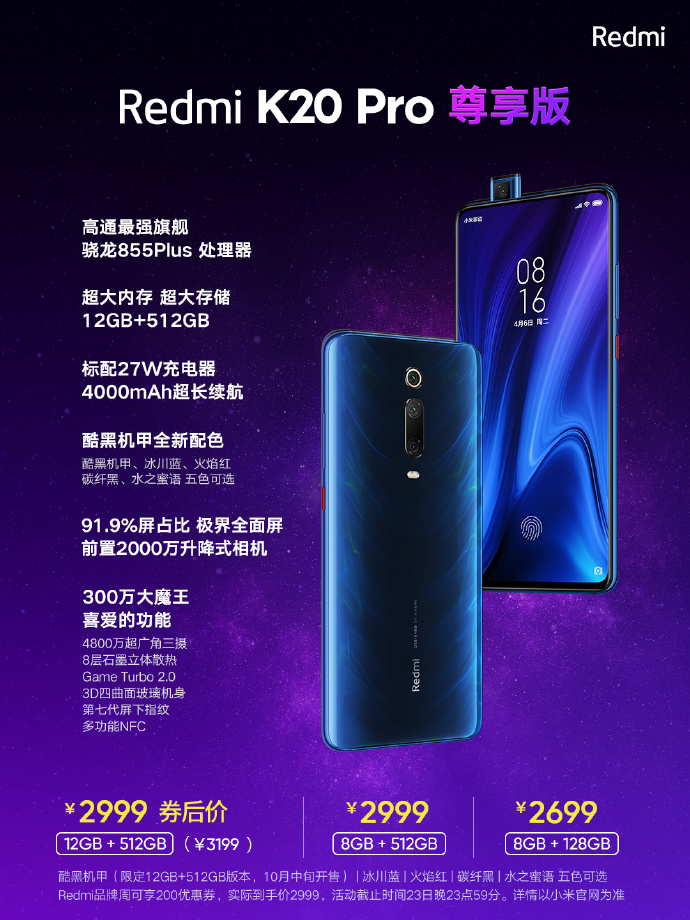
After teasing the smartphone for several days, the company has today officially launched the Redmi K20 Pro Exclusive Edition. As expected, the smartphone is powered by the Qualcomm Snapdragon 855 Plus octa-core processor clocked at 2.96GHz and the Adreno 640 GPU is now overclocked to 672MHz.
Another major upgrade for the smartphone comes in the form of memory configuration. The phone now comes with 12GB of RAM and 512GB of internal storage — the highest configuration that Xiaomi or Redmi has ever offered.
While the phone was expected to have upgraded camera specs, it retains the same specifications as the Redmi K20 Pro. It features a triple camera setup on the back consisting of a 48-megapixel rear camera with Dual LED Flash, f/1.75 aperture, 1/2″ Sony IMX586 sensor, 0.8μm pixel size, 6P lens, an 8-megapixel secondary 1/4″ telephoto lens with 1.12μm pixel size, f/2.4 aperture, and a 13-megapixel 1/3″ 124.8° ultra-wide sensor, 1.12μm pixel size, f/2.4 aperture.
On the front side, the smartphone comes with a 20-megapixel camera sensor for taking selfies and video calling. Connectivity options on the device include 4G VoLTE, WiFi 802.11 b/g/n/ac, Bluetooth 5, GPS + GLONASS, NFC, and USB Type-C port.
It also features Hi-Fi audio for an enhanced audio experience. The phone runs MIUI 10 based on Android Pie and is powered by a 4,000mAh battery with 27W fast charging technology and the phone comes with 27W charger inside the box.
As for the pricing, the 8GB + 128GB model is priced at 2,699 Yuan (approximately $380) while the 8GB + 512GB variant costs 2,999 Yuan (approximately $423). The top-end model with 12GB RAM and 512GB storage is priced at 3,199 Yuan, which roughly converts to $451. However, for the initial period, it will be available at an introductory price of 2,999 Yuan, roughly $423.
8GB RAM + 128GB storage: 2,699 Yuan (~$380)
8GB RAM + 512GB storage: 2,999 Yuan (~$423)
12GB RAM + 512GB storage: 3,199 Yuan (~$451) but for a limited time it will be sold for a price of 2,999 Yuan (~$423).
The Redmi K20 Pro Exclusive Edition is being offered in four color options — Carbon Black, Flame Red, Glacier Blue, and Water Honey. The phone is now available for purchase in China but its availability in other markets is not yet known.
Besides luxurious hotels and shopping malls, Dubai is also known for the Gitex Technology Week, the must-attend, world-class technology event. It is considered the biggest tech show in the Middle East, North Africa, and South Asia, and tech companies from all over the world are attending to showcase their present and future products and technologies. This year’s show is taking place from October 6th to October 10th and Chuwi will be present at the event.
During the event, the Chinese manufacturer is expected to demonstrate its full line-up of laptops and tablets and most people are eager to meet the new powerful 2in1 tablet UBook Pro. After all, the -back in 2004- established company has made great progress both in quality as well as performance. The company first started as an Android tablet manufacturer and eventually transformed into one of China’s biggest Windows laptop and tablet manufacturer. Nowadays, Chuwi has its own R&D, production, and merchandising departments that allows for innovative devices and affordable prices. You can visit their official website to see their product lineup and if you happen to visit the show, make sure to pay them a visit.
The whole smartphone ecosystem is evolving around the camera lenses. Especially, the ability to capture stunning photos even in a low-light environment is a new trend in the smartphone industry. Various smartphone manufacturers are working to make smartphone cameras effective even during the night. Already, companies like Samsung, Google, and Apple have integrated the Night Mode capability in their smartphone cameras to facilitate user with extra benefits.
Some manufacturers achieve better results either by improving on the hardware with better aperture value or by processing it software-wise. The OEMs like Samsung, Xiaomi, Huawei always try to improve Night mode capability by instilling better hardware, whereas Google relies more on the AI and software for improvements.
The major giants polish their high-end devices with flawless features but mostly forget to bring those feature on mid-range or low-end smartphones. Similarly, Night Mode camera ability is limited to some high-end and mid-range smartphones in the market. The under-budget device owner has to resort to the third-party apps or other MODs for similar functionality.
We have gathered a list of third-party Night Mode camera Apps for these devices. Any user can download and install these apps to capture better photos in the low-light environment.
List of best Third-Party Night Mode Camera Apps
Gcam MOD
It is dwelled out of the Google Pixel’s camera app which is the most advanced camera software. It is developed by Google to capture beautiful photos by fully utilizing hardware resources. The popularity of the Google Pixel camera app led developers to port it for other smartphones also.
The interested users can download the Gcam mod of your respective smartphone and can utilize the inbuilt night mode to capture stunning photos in low light. These mods always carry some bugs, so make sure to try the Gcam Mod which carries minimal bugs.
The Camera FV-5 is a professional camera app through which users can easily adjust ISO, Aperture, Focus and all other elements of the camera to shot a better photo. Along with manual controls, the viewfinder also shows important EXIF data including exposure time, aperture, etc.
To capture a photo during nighttime, the user can use its long exposure mode in the app. It can really capture detailed photos even in the low-light environment. The user can save photo in different formats including JPG, true 16-bit RAW DNG, or lossless PNG. The app comes in two different modes – Camera FV-5 lite (Free) and Camera FV-5 (Paid).
As the name suggests “A Better Camera” is designed to offer manual controls which are not available in the default camera app on most of the smartphones. It is the most useful camera app with HDR support making pictures look like a professional camera shot. It can also shot 360-degree panorama along with enhanced video recording. The app comes with support for a group portrait, sequence shot, removing unwanted objects with one click.
A Better Camera app also supports Night Mode which can capture detailed photos even in the night time. It can capture RAW photos with other manual tools such as ISO option, multi-focus, shutter speed, etc.
It is a free app and can be downloaded from the Play Store. It will carry in-app advertisements.
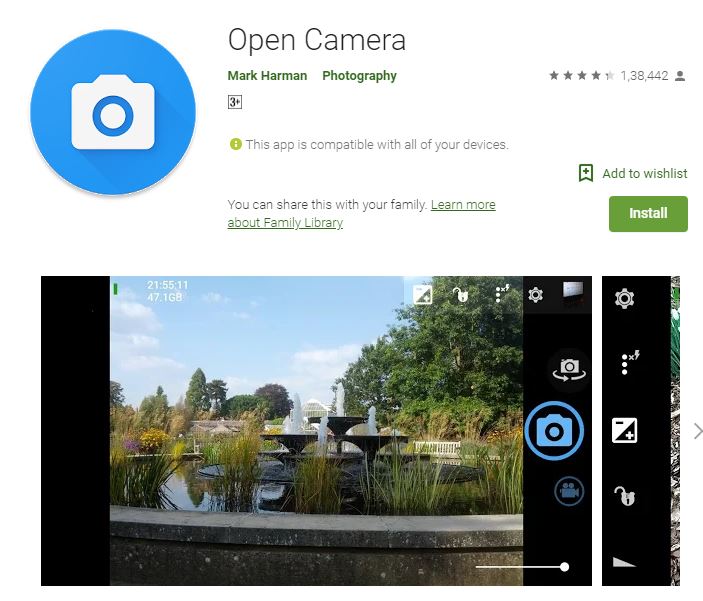
A fully-featured camera app engrossing all the major features of the camera app. It is an advanced camera app with the support for manual controls such as exposure, video recording, configurable volume keys, optional GPS location tagging, Panorama, HDR, etc. It is overwhelmed with support for Camera2 API which can manually control various aspects of the device.
It also comes with low light night mode with noise reduction and dynamic range optimization modes for quality. Other features are as follows:
Focus bracketing mode
Support for Mi Band Selfie
Small File size
support for external microphones
Zoom via multi-touch
Disable shutter sound
It is available for free without any advertisements in the app. It is an open-source camera app.
A purely simple and bloat-free camera app with manual exposure and ISO control. It also utilizes Android’s cmaera2 API for amazing photo and video quality while capturing burst mode and animated GIFs. It supports slo-mo video recording and timelapse interval of 10 seconds. It also includes HDR+ camera support for Pixel 2 devices.
A user can easily snap a detailed photo during nighttime by lowering the exposure time and making the smartphone stable. As per need, the user can adjust ISO to reduce graininess by degrading it.
It is available for free but offers in-app purchases. It is a good alternative for users to try.
Manual Camera app provides various DSLR based controls on your smartphone. It is the best app which harnesses the Camera2 API to aggregate manual powers of the smartphone’s camera hardware. It also features inbuilt customization features to refine the photos by giving the final touch.
Apart from the usual features, it also has the ability to shot detailed picture during the night time. Its user interface is loaded with all the manual controls.
These are some best camera app with Night Mode support. Any user with the low-end or high-end device can utilize the above camera apps to snap detailed photo even during the low-light environment.
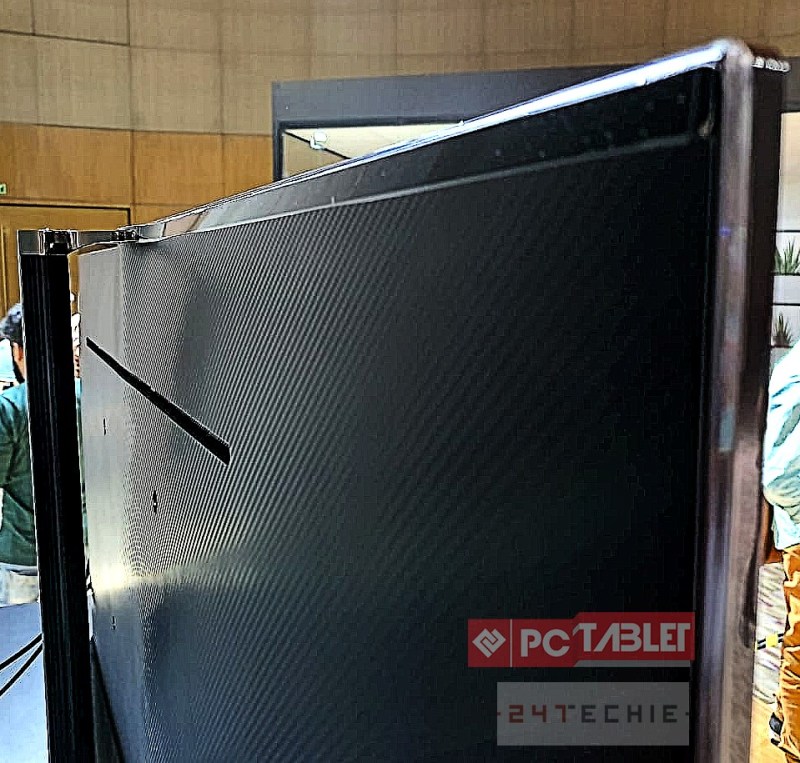
We are pretty excited about the upcoming OnePlus TV. OnePlus itself has been revealing details of its first TV. It already revealed an image of the TV’s remote and its rear.
Earlier today, Pete Lau also shared a feature from the TV’s User Interface which allows users to easily switch between their favorite apps on the TV using their phone.
Now, a new leak has surfaced that reveals a lot of fresh details about the upcoming TV including images and specs.
The sources of the leak are tech blogs 247Techie and PC-Tablet. According to them, OnePlus will announce two TVs – the OnePlus TV Q1 and the OnePlus TV Q1 Pro. It appears both TVs will differ with respect to screen size, design, and audio output.
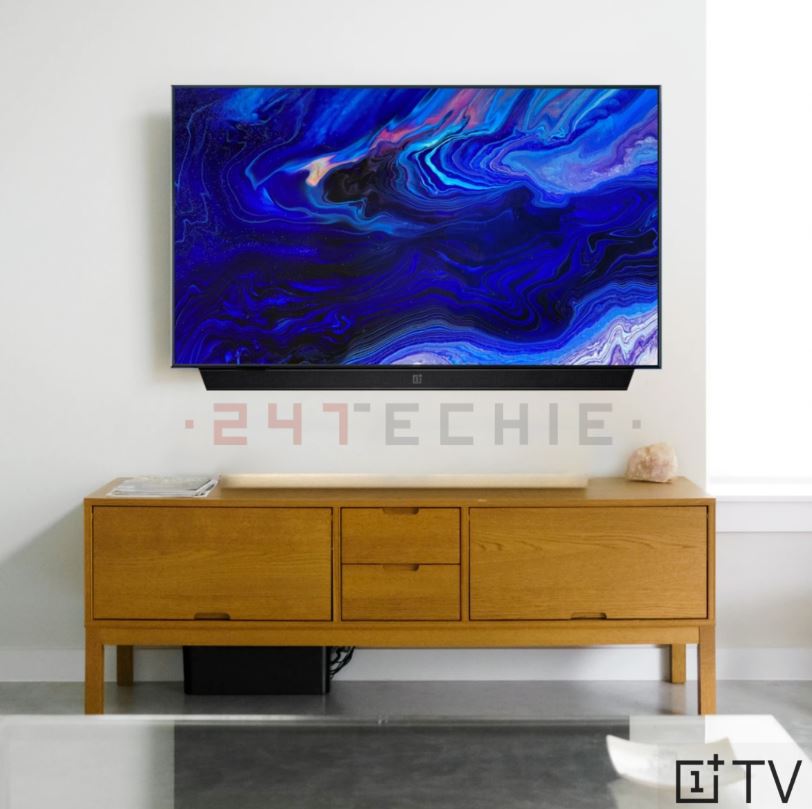
OnePlus TV Q1 and OnePlus soundbar
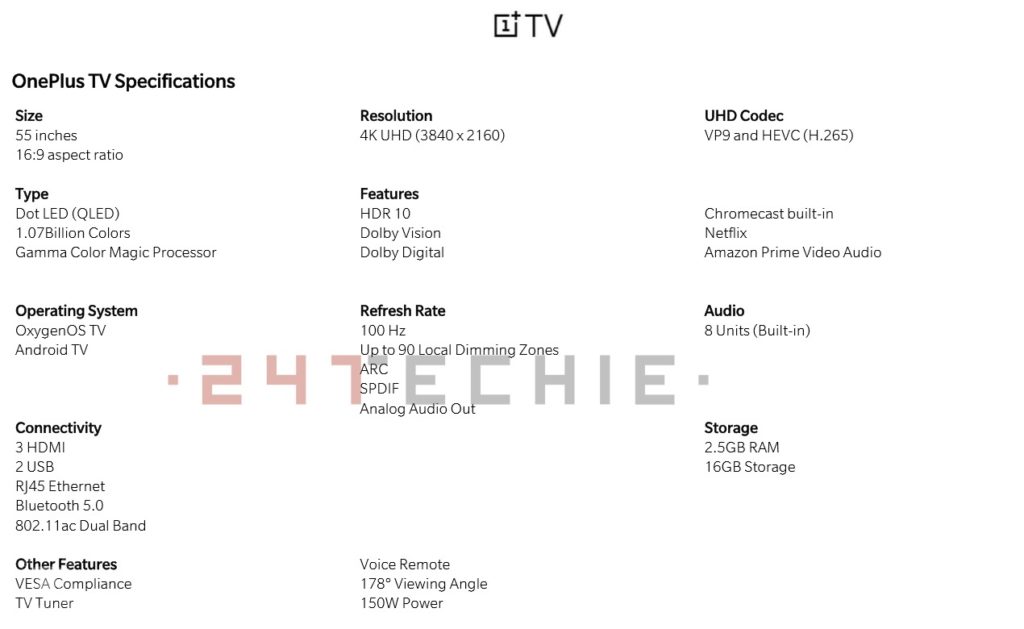
The OnePlus TV Q1 will come with a 55-inch QLED display while the Q1 Pro will have a 65-inch QLED display. Both are 4K panels with a 3840 x 2160 resolution and a 16:9 aspect ratio. The spec sheet says the TVs have a refresh rate of 100 Hz, up to 90 local dimming zones, and a 178° viewing angle. There is also HDR 10, Dolby Vision, and Dolby Digital support.
The OnePlus TV Q1 is said to have a 20-watt speaker. However, OnePlus will also launch a Soundbar for those who want better audio output. The Q1 Pro will have a 50-watt speaker which is integrated to the base of the TV like a soundbar.
OnePlus TV Q1 Pro
Both TVs will have a MediaTek MT5670 processor paired with 2.5GB of RAM and 16GB of storage. There is also a Gamma Color Magic image processor. The leak reveals the TVs will run OxygenOS TV on top of Android TV and will have Chromecast built-in, Netflix and Amazon Prime Video and Audio.
When it comes to connectivity, the OnePlus TV does not fall short. There are 3 HDMI ports including HDMI ARC, 2 USB ports, 1 RJ45 port, Bluetooth 5.0, and dual-band WiFi. There is also an S/PDIF port and analog audio out. The TV also has a TV tuner and is VESA compliant for mounting on the wall.
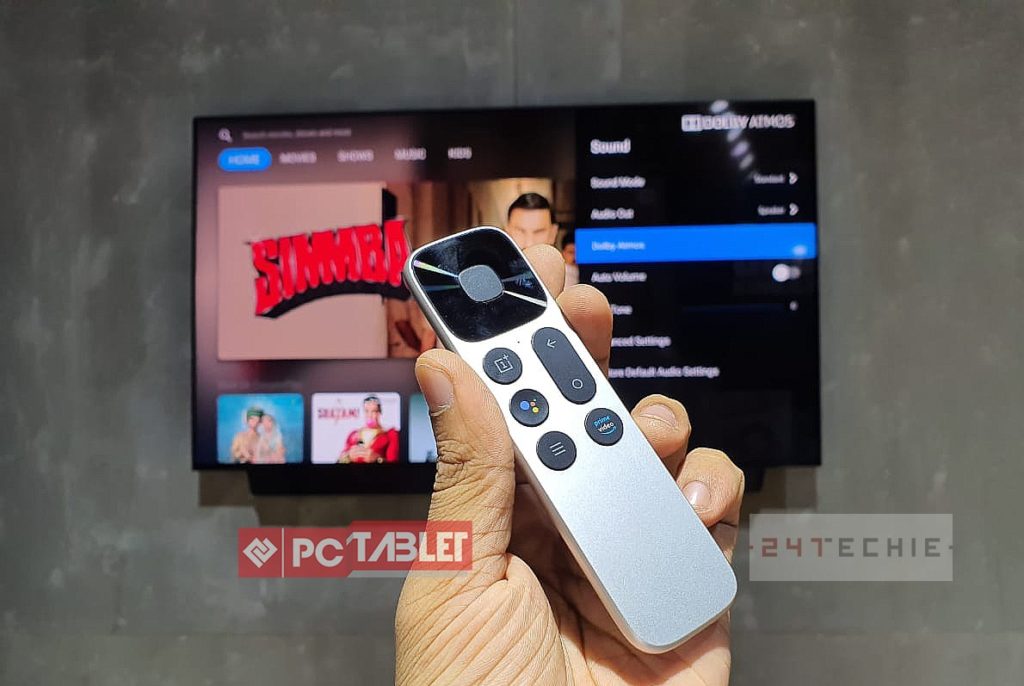
The images from the leak also give us another look at the remote and it reveals that the blank button from the official image shared is actually an Amazon Prime Video button. We are not sure but we think the function of that button may differ in other markets. So maybe Amazon Prime Video for India and Netflix for Europe and America. The remote has a dedicated Google Assistant button, so there is a microphone in it.
The source reports that the OnePlus TV Q1 and OnePlus TV Q1 Pro may be priced around INR 64,999 (~$911). It sure is pricey but OnePlus already said its TV is a premium product and won’t come cheap.
At that price, the OnePlus TV will surely be out of the reach of many but there are several other options too. Xaomi just announced a bunch of new TVs for the Indian market. The Mi TV 4X starts at INR 24,999 (~$350) for the 43-inch model and maxes out at INR 54,999 (~$766) for the 65-inch model. It also boasts a 4K panel with HDR, runs Android TV, and has Google Assistant built-in.
If you want something different, Motorola’s TV lineup even has a cheaper base price of less than $200 and even has specs similar to that of the OnePlus TV and better audio than the Mi TV 4X. Its most expensive model with a 65-inch UHD screen goes up to INR 64,999 (~$910), so it will compete well with the OnePlus TV.
A lot of folks may want to go with the OnePlus TV because of the software experience it will offer. However, not a lot of folks will be able to afford that which is why we hope OnePlus makes a TV box or stick in the near future that runs OxygenOS TV, so more people can enjoy its software experience without shelling out so much money.
Late last year, Huawei launched the budget-oriented Band 3 Pro fitness tracker which is packed with features like an AMOLED display and heart rate monitor. Falling into its footsteps, the company plans to announce its successor, the Huawei Band 4 Pro which will be unveiled alongside the Mate 30 Pro later today.
According to freshly granted patents (rendered by Letsgodigital), the Band 4 Pro will support ten new watch faces which will display the information in different layouts. For reference, all the new faces have been compiled into a single image which is listed below.
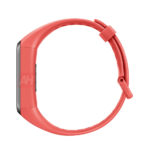
Besides, HD renders of the Huawei Band 4 Pro have also been leaked which reveal the device from all angles. Like its predecessor, it also features a tall AMOLED display on the front which is surrounded by narrow plastic bezels. It has a silicone strap with multiple adjustment holes which allow it to snugly fit on the user’s wrist.
The rear of Huawei Band 4 Pro house a SpO2 meter and a heart rate monitor which is also found on its preceding device. Noteworthy, instead of using a proprietary charging connector, the new fitness band has a built-in male USB port that stays concealed within the strap. The said connector can directly be plugged into any wall charger with a USB Type-A port.
While other details including the battery capacity, screen size, and price of the Huawei Band 4 Pro are currently unavailable, we won’t have to wait for long to obtain them, as the fitness accessory is set to launch in a couple of hours from now.
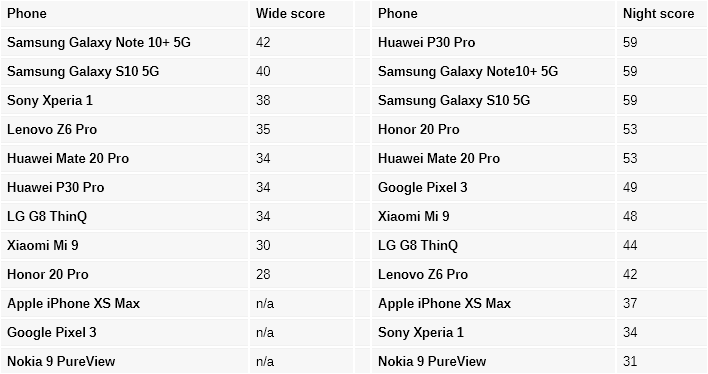
DXOMark has steadily come to be the major benchmark platform for phone cameras. The firm has updated its review process with the addition of two new scores. One of the scores is for ultra-wide-angle cameras and the second one for night mode.
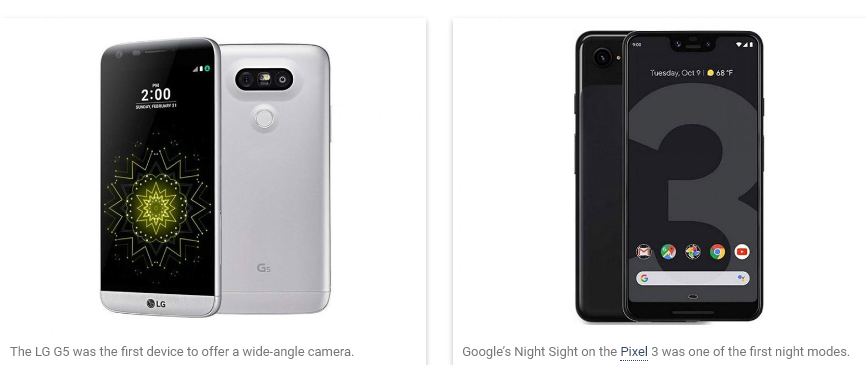
Night mode and ultra-wide-angle cameras are relatively new features onboard phone cameras. The first phone to feature a wide-angle camera is the LG G5 that was launched in April 2016. Since the G5, there have been several other phones with a wide-angle lens. The same thing applies to the Night mode which became popular on smartphones such as the Huawei P20 Pro and Google Pixel 3 even though the Samsung Galaxy Grand Prime released in 2014 features night mode.EDITOR’S PICK:Xiaomi’s bezel-less Mi TV Pro will come in 43”, 55”, and 65” models
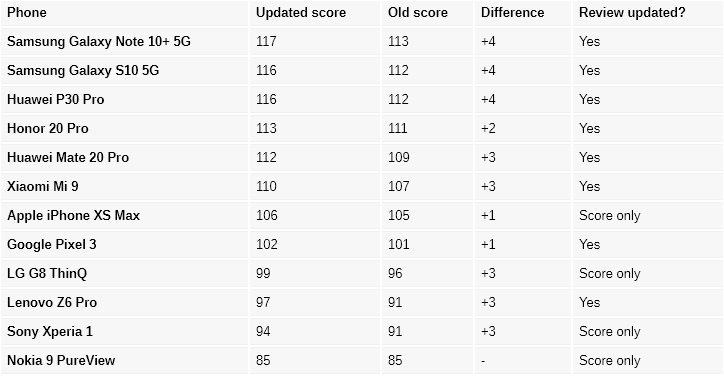
DXOMark has tested several phones using the new test protocols and as such, the reviews of phones with either of the features have been updated. The scores have also been recalculated, altering the standings. You can check out the updated scores from the table above. We should emphasize that the Samsung Galaxy Note 10+ continued its dominance of the top spot after the recalculation.It’s score sawan increase of 4 points from 113 pints to 117 points. In terms of specific score, it tied with the Huawei P30 Pro and Galaxy S10 in the Night mode test. For the ultra-wide-angle camera test, the Galaxy Note 10+ sood apart from the pack.
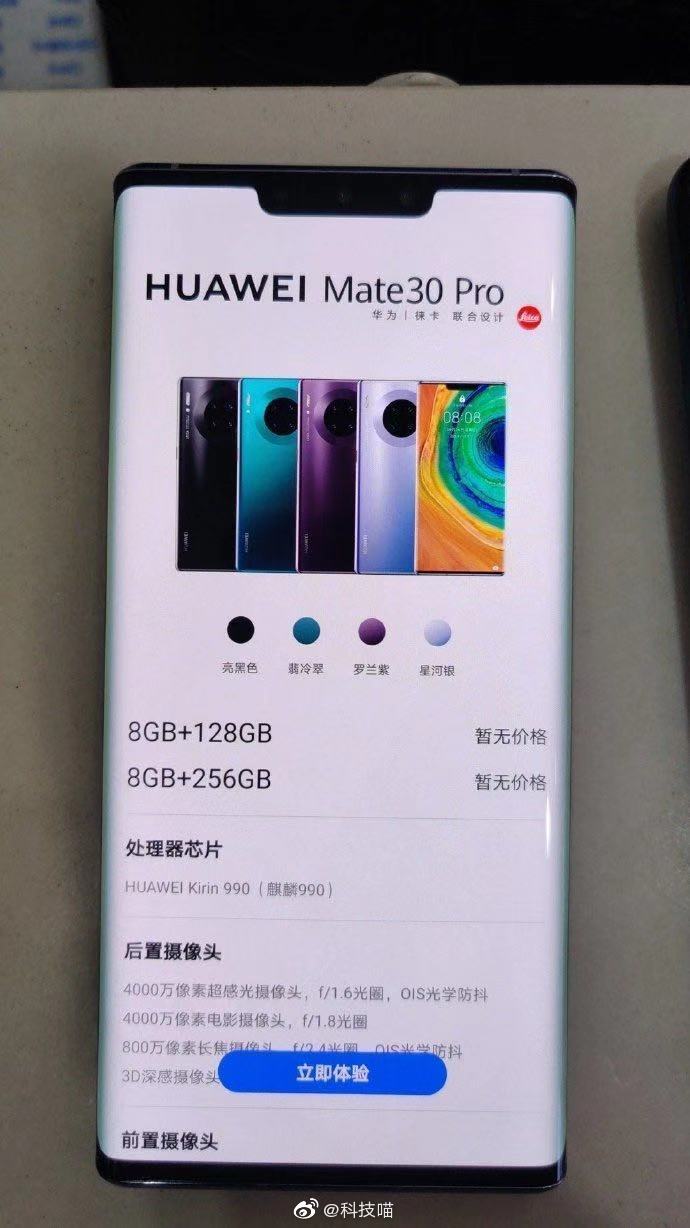
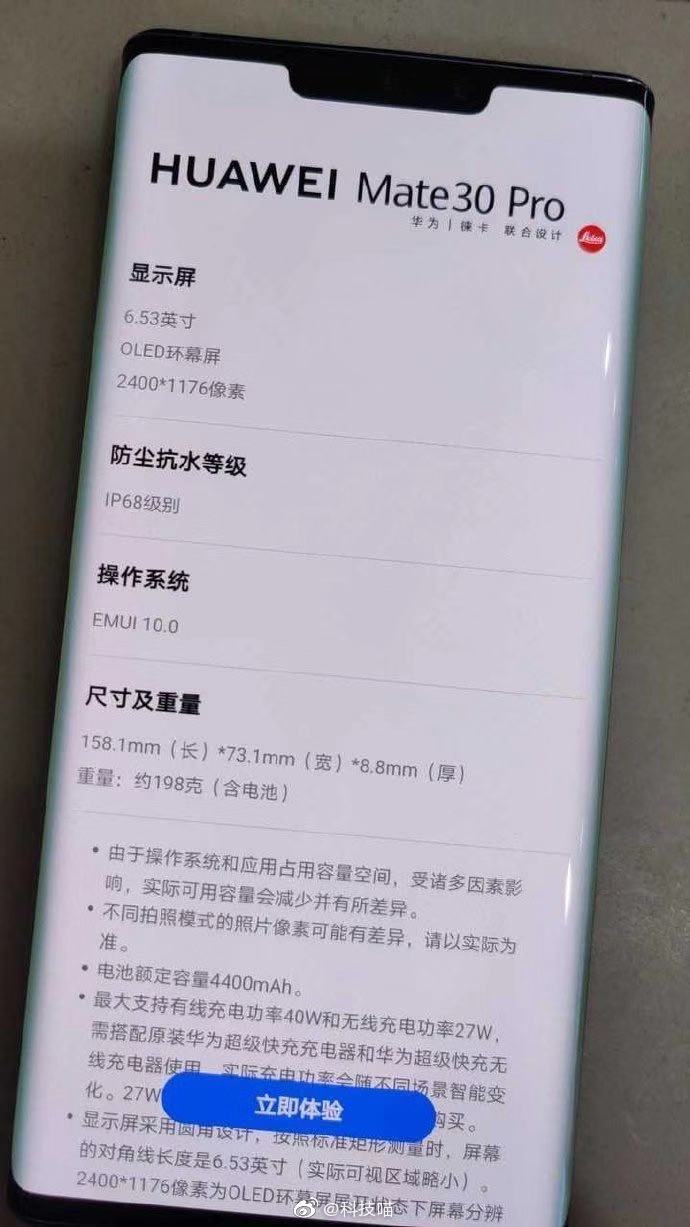
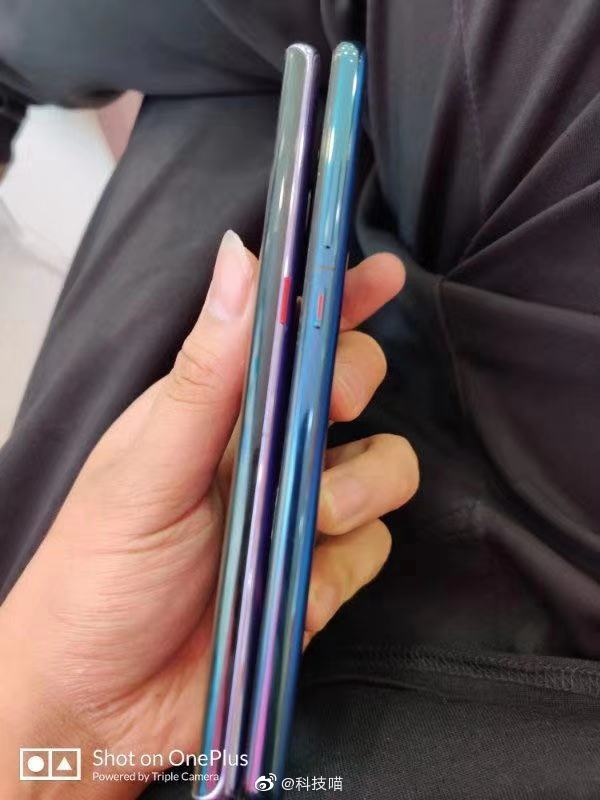
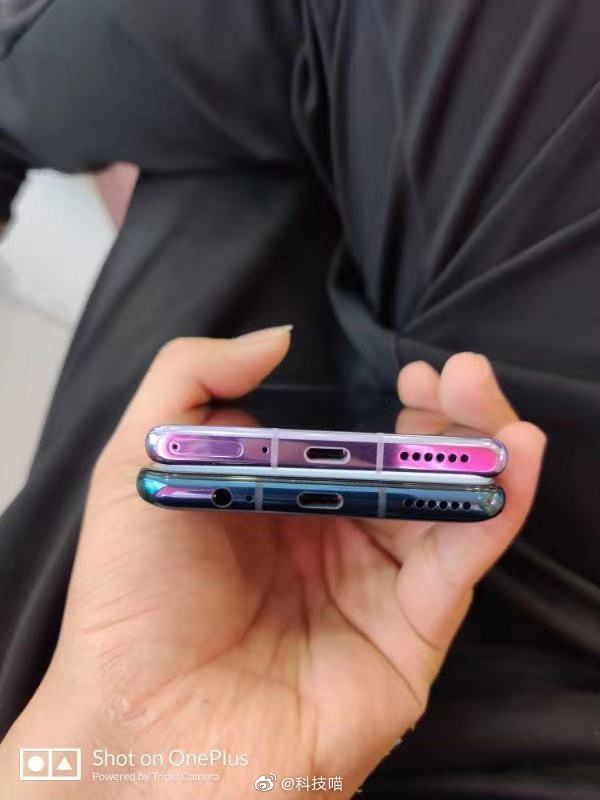
Huawei Mate 30 Pro is all set to meet us a couple of hours later in Munich, Germany. Just before its official launch, the phone has surfaced again in a bunch of beautiful hands-on images. These pictures not only reveals the wide notch on its display but also confirms a bunch of specifications.
We can see that the Mate 30 Pro comes with a pretty wide notch on top of its 6.5-inch display. The bezels aren’t very thick, which is a good sign. Also, the screen looks beautiful as the curve extends to the sides, which is a peculiar design of the waterfall display. These images also confirm most of the phone’s specifications.
The Mate 30 Pro will come with a 6.53-inch OLED display with 2400 x 1176 pixel resolution, 8GB + 128GB and 8GB + 256GB storages, Kirin 990 chipset, and a quad-camera setup consisting of two 40MP cameras, one 8MP ultra-wide-angle camera, and a 3D sensor. This image confirms that the primary f/1.6 40MP shooter, as well as the 8MP wide-angle camera, will have OIS. There will be a 4400mAh battery with 40W fast wired charging and 27W wireless charging. Other features confirmed by these pictures include an 8.8mm thick body, 198 grams weight, EMUI 10 right out of the box, and IP68 certification.
Xiaomi’s MIUI is already 9 years old. Next week, a new version called MIUI 11 will be unveiled alongside the Mi MIX 4/Mi MIX ALPHA and the Mi 9 Pro 5G. Today, MIUI’s product manager revealed a new feature that the new version of the custom Android OS will have.
The new feature that will come to the operating system is called Children’s Space. Xiaomi says it decided to add the feature since many of its earliest users may soon or already have a family. So in order to help with raising kids and keeping them entertained, they are adding a Children’s Space to MIUI.
MIUI 11’s Children’s Space will feature several high-quality educational and entertainment apps designed for kids. Parents will be able to customize app access and duration of use. According to Xiaomi, the Children’s Space will be completely separated from the parent’s own space.
Xiaomi also adds that the special space has a smart eye-protection mode to ensure that the child’s eyes are protected from harmful light. Another feature of MIUI 11’s Children’s Space is the Mi Bunny popping up on the screen and informing the child to take the phone to you when a call comes in.
[envira-gallery id=”277103″]
Children’s Space is a welcome feature for MIUI lovers. The idea is actually not unique as Samsung offers something similar on its devices. Prior to One UI, it was called Kids Mode and can be accessed via an app under the app drawer. Now, it is called Kids Home and can be accessed via the Quick Settings Panel.
Amazon also has a Kids Mode on its Fire Tablets though it also sells special Kids’ Edition Fire Tablets with a specially designed case. Stock Android itself doesn’t have a Kids Mode or dedicated space for kids but there are several apps for kids on the Play Store.
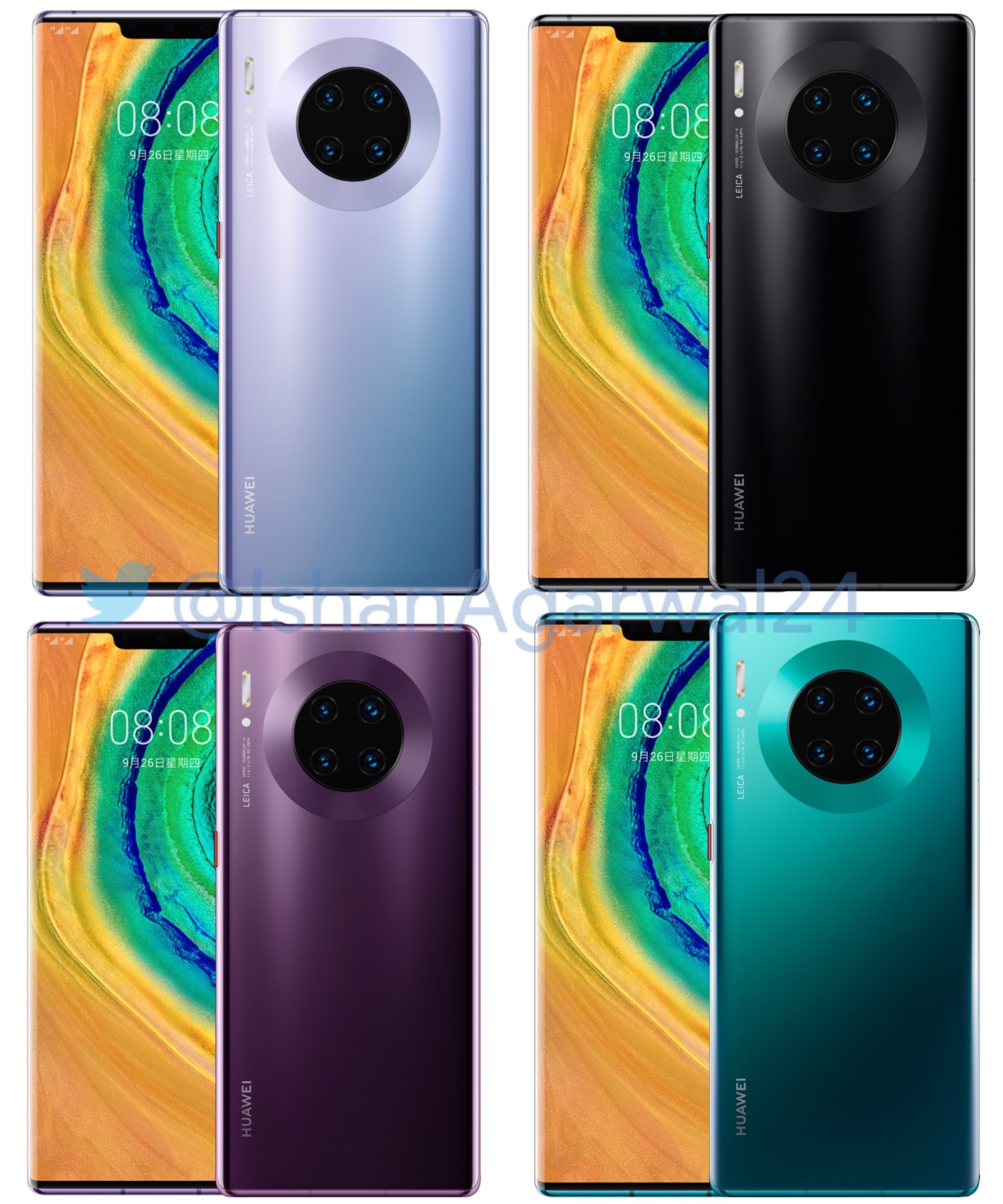
Chinese tech titan, Huawei is set to launch the highly anticipated Mate 30 smartphone lineup which will be unveiled at an event in Munich, Germany today. Like the Mate 20 lineup, Huawei is expected to launch three variants of the smartphone which could be the dubbed the Mate 30, Mate 30 Pro and Mate 30 Lite. Hours before the official announcement, Ishan Agarwal, a known tipster has revealed both the specifications and image renders of the Huawei Mate 30 Pro.
Huawei Mate 30 Pro Design and Specifications
According to the source, the front of the smartphone features a 6.53-inch FHD+ display that has a wide notch up top. Noteworthy, the display on the Mate 30 Pro has an unconventionally steep curvature at the sides which extends to the left and right edges.
The rear of the Mate 30 Pro seems to be made out of glass panel which houses the quad-camera module, an elongated flash, and vertically engraved company branding. As observed with the previously launched P30 and Mate 20 lineup, the rear of the upcoming device also has a gradient back. Going by the images, it will be offered in four color options which include Blue, Green, Black, and Purple.
Exclusive Full Renders of the #HUAWEI#Mate30Pro! Which colour do you like the most? And yes, Slow-Mo at 7680fps@720p and 960fps@1080p along with A LOT of Camera features, all detailed in the specification sheet attached below. Could this become the best camera/video phone? pic.twitter.com/ClBy3XWZll
Under the hood, the Mate 30 Pro will be equipped with the Kirin 990 SoC which succeeds the Kirin 980 released last year. In terms of memory and storage, it will be offered in two variants which are as follows:
In terms of optics, the Mate 30 Pro has an f/2.0 aperture equipped 32 MP selfie camera which is housed in the notch above the display. As previously mentioned, it features a quad-camera setup on the rear which is comprised of the following sensors:
40 MP (f/1.8), Super Wide Angle for video
40 MP (f/1.6), Wide Angle for image
8 MP, Telephoto
3D ToF
The smartphone will support a plethora of camera features, some of which include HDR, Panorama, Night mode, and high-speed photography.
Other key features of the device include 3D face unlock, IP68 rating, DCI-P3 colour gamut, and screen sound technology which, as the name suggests, allows it to emit sound from the display.
All in all, the alleged images and specifications of the smartphone seem legit. However, in order to confirm them and obtain other details including the price and availability information of the Mate 30 Pro, we will have to wait for the official launch which is set for later today. You can read our Mate 30 rumour roundup from here.
In July this year, Xiaomi launched the Redmi 7A budget smartphone in the Indian market. Now, just a couple of months later, the Chinese company is all set to launch its successor — Redmi 8A in India.
Xiaomi has today confirmed through a tweet that the Redmi 8A smartphone will get launched in India on 25th September. Further, the teaser image shared by the company also sheds light on some of its features.
The announcement poster has the front panel of the smartphone, which clearly shows that unlike the Redmi 7A, its successor will come with a waterdrop notch display which the company refers as Dot Notch.
The promotional landing page for the smartphone on the company’s official website highlights the phone’s features, which includes “immersive viewing experience” hinting at bigger display, “more power to you” which hints at bigger battery and faster charging. It is also highlighting the phone’s design philosophy, camera, and others.
The Redmi 8A has already been certified by TENAA, which has revealed some of the key specifications of this upcoming device. The phone will come with a 6.2-inch Dot Notch display with 1520 x 720 pixels screen resolution and will be powered by a 2.0GHz octa-core processor but the exact variant is not yet known.
Mi fans, India’s best-selling smartphones, the Redmi A series, is coming to create waves yet again. 😇
This time around, we've made it all the more dumdaar. 💪 Get ready for #Dumdaar#Redmi8A on 25th September. 😍
As for the memory configuration, it is expected to come in three variants — 2GB + 16GB, 3GB + 32GB, and 4GB + 64GB. It will also have a microSD card slot for expanding the storage capacity up to 512GB.
Coming to the camera configuration, the smartphone will be featuring a 12-megapixel camera on the back and an 8-megapixel snapper on the front side. Running on Android 9 Pie with MIUI 10 out-of-the-box, the device will be powered by a 5,000mAh battery.
The TENAA listing of the Redmi 8A reveals that it measures 156.3 x 75.4 x 9.4 millimeters and the weighs 188 grams. The listing says that the phone will come in eight colors — Black, Red, Blue, Pink, White, Green, Purple, and Grey. However, as usual, only three or four color variant will be made available.
After investigations on Huawei‘s alleged acts of cyberespionage, an authority chief from Malaysia claims that the country still has no qualms with Huawei providing equipment for their 5G network rollout. This takes place as Western countries continue to make accusations that Huawei’s equipment could bring about data leaks.
Malaysia has always sided with Huawei since the beginning of the entire US ban debacle. Malaysian Prime Minister Dr Mahathir claimed earlier this year that “Huawei’s research is far bigger than Malaysia’s capability. We will make use of their technology as much as possible,” he said, adding that Huawei had achieved tremendous advancement over American technology.
Ms Nur Sulyna of the MCMC said “Everyone is racing into 5G technology. In Malaysia, everyone wants to know about its potential – how are we going to use it to ease traffic, to enhance security, in agriculture and health,” at a panel at the 33rd Asia-Pacific Roundtable, a regional conference hosted by Malaysia’s Institute of Strategic and International Studies.
On security risks, said these are not just exclusive to Huawei technology but “any device that has Wi-Fi capability”. Do you share Malaysia’s views on the issue, or do you believe that the West is justified in taking the steps they have taken against Huawei? Tell us your thoughts and opinions down tn the comments section below.
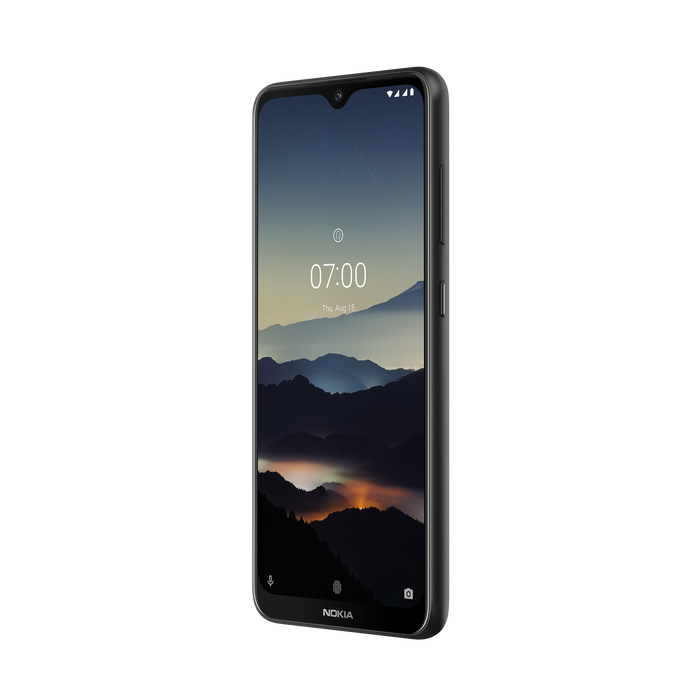
Since they’ve gotten back into the business of making Android phones, Nokia has been accepted as creating some pretty great affordable Android devices on the market. Now Nokia Mobile has officially announced the Nokia 7.2 for the Indian market.
The device touts a premium glass and metal design along with a new triple camera setup with Zeiss optics and a PureDisplay waterdrop screen. The smartphone is powered by Qualcomm Snapdragon 660 SoC along with up to 6GB RAM and 128GB storage. Other features include a 3500mAh battery, a USB-C port, a 3.5mm jack and Android 9 Pie.
One of the more unique things about the Nokia 7.2 — and also found in other recent Nokia devices — is a dedicated Google Assistant button. While not as convenient as having the Google Assistant just a squeeze away via the Active Edge, the dedicated button should still make for easy access to everyone’s favorite voice assistant.
There’s also a very nice photography setup on the Nokia 7.2 with a triple-camera arrangement on the rear including a 48MP main sensor, an ultrawide camera, and a depth-sensing camera for high quality bokeh effect shots.
While the Nokia 7.2 will ship with Pie-based Android One, HMD Global has assured us that the device is “Android Q ready.” No doubt, the phone will be seeing the Android 10 update as soon as Google makes it available to other Android One devices.
The device will go on sale next week, on 23rd September and will be available in Cyan Green and Charcoal colors, as well as two memory configurations. The Nokia 7.2 with 4GB of RAM and 64GB of internal storage will retail at Rs. 18,599 (€236, $261), which is far below the announced global price tag of €299 (Rs. 23,500). The version of the device with 6GB of RAM and 64GB of internal storage will cost Rs. 19,599 (€249, $275).
OnePlus is hosting a launch event on 26th September where the company is all set to launch its new OnePlus 7T series flagship smartphones as well as the all-new OnePlus TV for the first time.
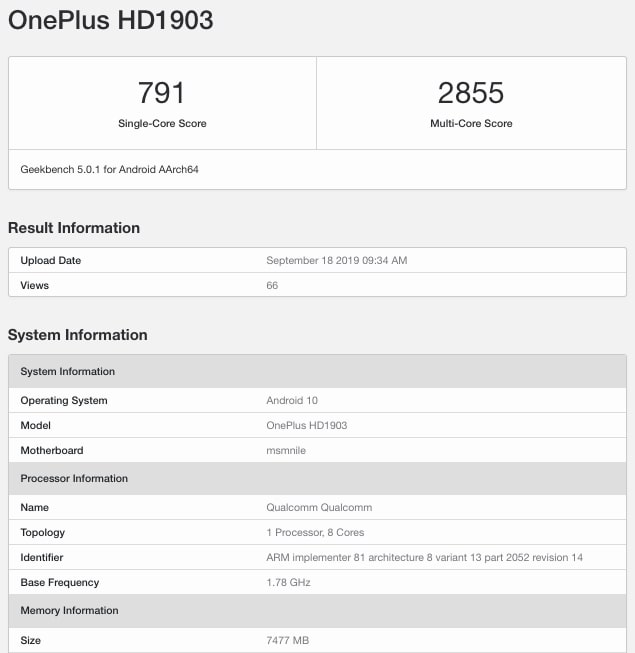
In a rare step, OnePlus CEO Pete Lau recently shared the renders of the OnePlus 7T smartphone on the community forum, revealing the smartphone’s design. Now, the OP7T has appeared on Geekbench with model number OnePlus HD1903.
The listing shows that the smartphone is powered by 8GB of RAM and is running the latest Android 10 operating system out-of-the-box. The phone is certainly running OxygenOS on top of the base Android, as usual.
The benchmark score of the OP7T is slightly higher than the OnePlus 7 given that the new device comes powered by the Qualcomm Snapdragon 855 Plus octa-core processor. The phone has scored 791 points in the single-core test and 2,855 points in the multi-core test. Do note that these scores are from the updated Geekbench version 5.0.1.
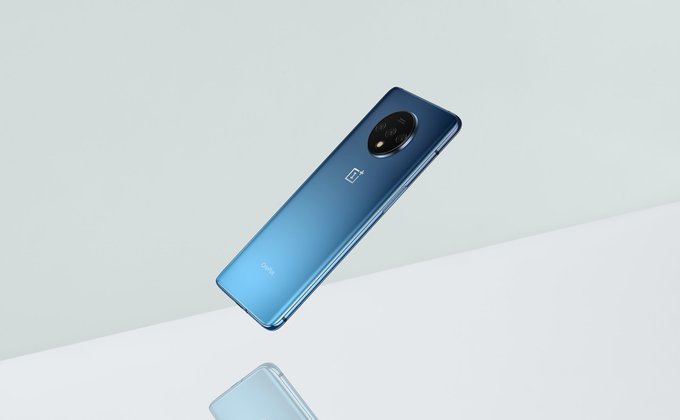
The design of the OnePlus 7T (Details) looks familiar given that it has popped online several times. The phone comes with a new circular camera module at the middle on the back side. The circular housing houses the triple camera setup with the three sensors making a perfect symmetry when viewed from any direction.
OnePlus CEO has also hinted that the design was selected after perusing over fifty design iterations. The rear panel is made from the 4th generation matte-frosted glass and the company has also showcased the “Haze Blue” color variant in the shared renders.
The OnePlus launch event is going to take place on September 26th in India and the United States while it’ll be held in London on October 10th. The company’s fans can also purchase tickets to attend the event.
Xiaomi is hosting a launch event on 24th September where the company will be launching the Mi 9 Pro 5G and Mi MIX 4 smartphones. Along with that, Xiaomi will also expected to launch its 8K Smart TV and MIUI 11.
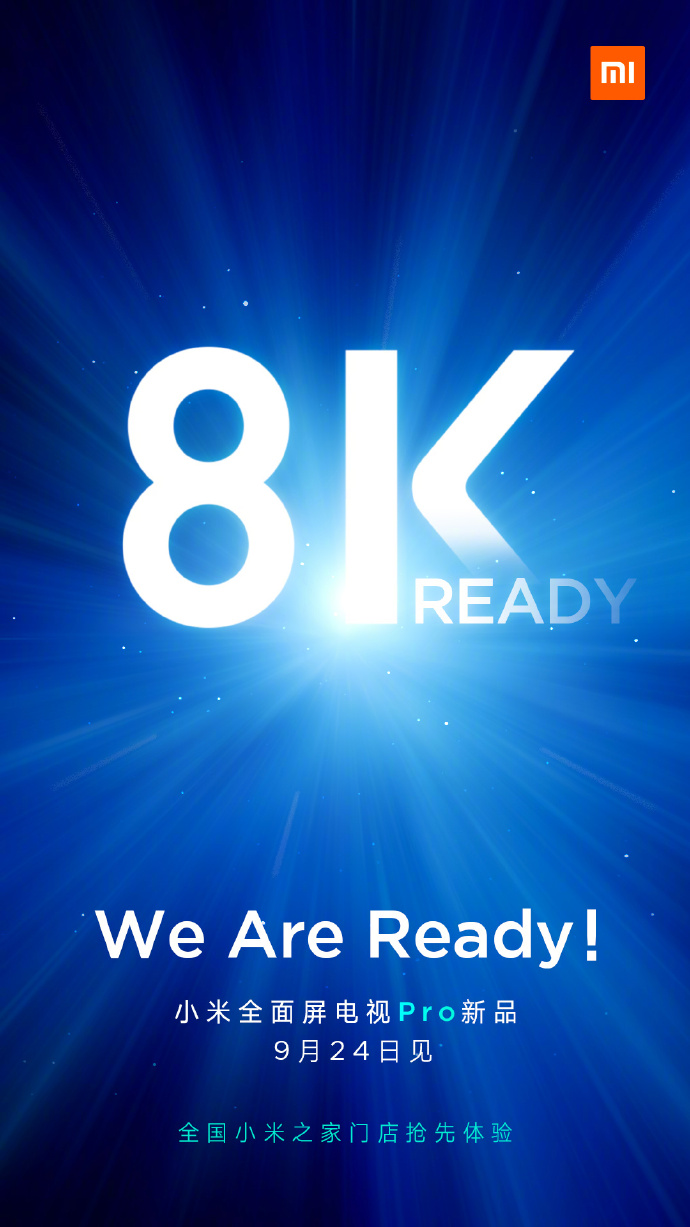
Now, the Mi TV’s official Weibo account has shared a new teaser poster which hints that the company is all set to unveil its 8K Smart TV in the market next week. The poster has a bold font in the center that reads “8K Ready” and below that it teases “We Are Ready!”.
Currently, the highest resolution that Xiaomi Mi TVs have is 4K resolution. If a new Mi TV Pro comes with an 8K resolution, then that firmly places the premium TV on the high-end of Xiaomi’s TV lineup.
Recently, during its ‘Smarter Living 2020’ event in India, Xiaomi launched four new TV models in the Indian market, including the Mi TV 4X 65-inch. Prior to that, its sub-brand Redmi launched its first Redmi TV in China with an aggressive pricing. A couple of days ago, Xiaomi announced a 70-inch model for its Mi TV 4A series.
However, Xiaomi’s won’t be the first company to launch 8K TVs in the market. TCL has already unveiled 8K TV but the device is not going on sale anytime soon. Other brands like Samsung and LG have also launched 8K TVs.
Samsung QLED 8K and LG OLED 8K have been announced by the companies but they are very expensive. While the Samsung’s TV is priced at around $5,000, the LG’s TV will soon go on sale with pricing as high as $30,000.
While Xiaomi has been very popular in the Smart TV category in its home country China as well as in India, the company’s popularity is now under threat given that many smartphone makers are now entering the Smart TV market.
Huawei’s sub-brand Honor has already launched Honor Vision TV powered by HarmonyOS at an aggressive price point while OnePlus is also set to enter this market with its OnePlus TV on 26th September. While the OnePlus TV will first be launched in India, it’s just a matter of time it makes way to the Chinese market.
Realme has already confirmed that the Realme X2 smartphone will be launched in China at a special launch event on 24th September. Hours after the announcement, Francis Wang, Chief Marketing Officer of Realme confirmed that the X2 is the re-branded version of the XT for Chinese market.
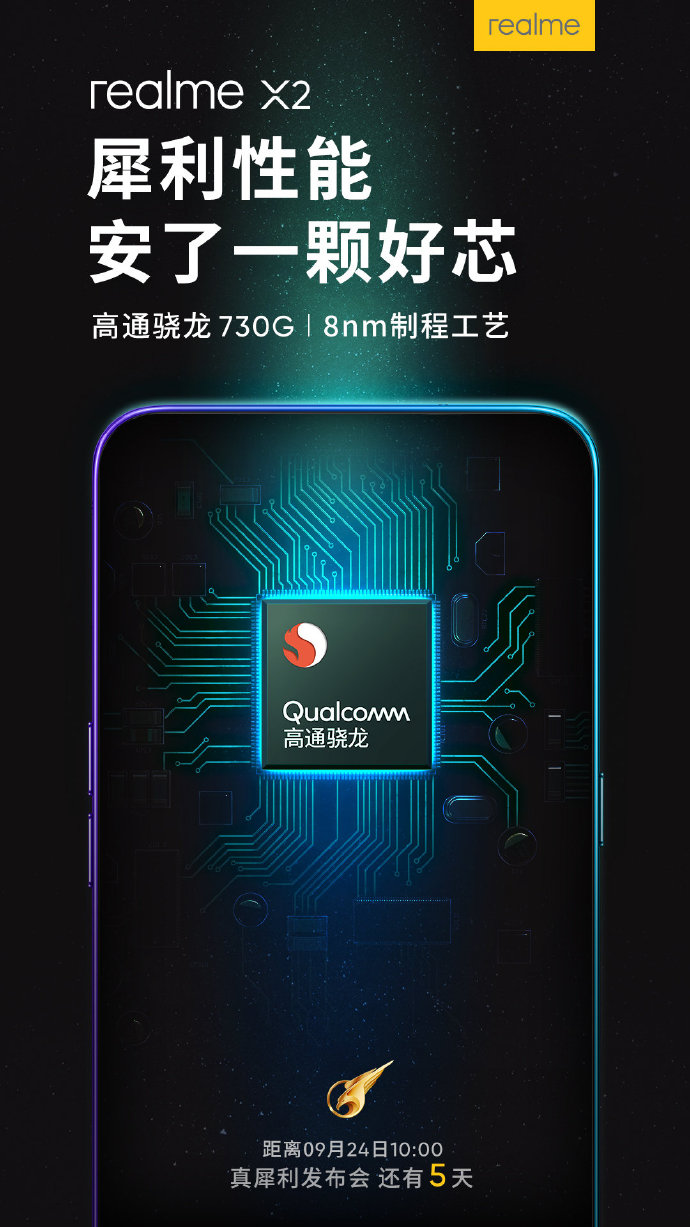
While the Realme X2’s design is similar to the XT recently launched in India, the smartphone will come with some major upgrades in terms of specifications. The company has today confirmed that the phone will be powered by Qualcomm Snapdragon 730G SoC.
For the uninitiated, the Realme XT comes powered by the Snapdragon 712 AIE processor. It seems that the variant launching in China is the Realme XT 730G which Realme India CEO Madhav Sheth revealed will launch in India in December this year.
Earlier, the company had also confirmed that the Realme X2 will be featuring a 32-megapixel camera sensor on the front side, an upgrade over the 16-megapixel snapper present in the Realme XT. It remains to be seen if the company uses the same waterdrop notch to house the camera sensor or adopts pop-up mechanism.
Apart from these changes, we expect that most of the specifications on the Realme X2 will remain the same as Realme XT. It will feature 6.4-inch S-AMOLED Full HD+ display with 2340 x 1080 pixels screen resolution, and 19.5:9 aspect ratio. It will come with up to 8GB RAM and 128GB internal storage.
The quad camera system on the phone comes with 64-megapixel Samsung GW1 primary camera sensor, an 8-megapixel ultrawide lens, a 2-megapixel dedicated macro camera and a 2-megapixel depth sensor. The smartphone will be running Android 9 Pie-based ColorOS 6.0.1 out-of-the-box and will be powered by a 4,000mAh battery along with 30W VOOC 3.0 fast charging support.
We use cookies on our website to give you the most relevant experience by remembering your preferences and repeat visits. By clicking “Accept”, you consent to the use of ALL the cookies.
This website uses cookies to improve your experience while you navigate through the website. Out of these, the cookies that are categorized as necessary are stored on your browser as they are essential for the working of basic functionalities of the website. We also use third-party cookies that help us analyze and understand how you use this website. These cookies will be stored in your browser only with your consent. You also have the option to opt-out of these cookies. But opting out of some of these cookies may affect your browsing experience.
Necessary cookies are absolutely essential for the website to function properly. This category only includes cookies that ensures basic functionalities and security features of the website. These cookies do not store any personal information.
Any cookies that may not be particularly necessary for the website to function and is used specifically to collect user personal data via analytics, ads, other embedded contents are termed as non-necessary cookies. It is mandatory to procure user consent prior to running these cookies on your website.





 Those who settle for low-priced headphones, on the other hand, usually end up compromising on quality. If you are in the market for inexpensive wireless noise-canceling headphones that do not disturb in terms of performance, we got good news for you.







 According to freshly granted patents (rendered by Letsgodigital), the Band 4 Pro will support ten new watch faces which will display the information in different layouts. For reference, all the new faces have been compiled into a single image which is listed below.