Advertisement

Oppo confirms K13 Turbo series India launch on August 11 under Rs 40,000

Oppo has confirmed that the K13 Turbo series will launch in India on August 11. The lineup, which includes the K13 Turbo and K13 Turbo Pro, marks the company’s first gaming-focused smartphones.

Oppo K13 Turbo key specifications

Oppo k13 Turbo series India launch date

The K13 Turbo Pro is powered by Snapdragon 8s Gen 4, while the K13 Turbo uses the MediaTek Dimensity 8450. Both models come with up to 16GB of LPDDR5X RAM, up to 1TB storage, and a 6.8-inch flat OLED display with 1.5K resolution and 120Hz refresh rate. They run Android 15 with ColorOS 15 and are IPX8 and IPX9 rated. The series features a 50-megapixel main camera, an 8-megapixel depth sensor, and a 16-megapixel front camera. A 7000mAh battery supports 80W fast charging.

For heat dissipation, the K13 Turbo series is integrated with Oppo’s Storm Engine, a built-in variable-speed fan that spins up to 18,000 rpm, a 7000mm² vapour chamber, and a duct system to maintain temperatures 2–4°C lower during intensive tasks. The K13 Turbo Pro gets RGB mist shadow LEDs around the camera, while the K13 Turbo features a luminous ring.

Oppo K13 Turbo series: Pre-orders info and India price

The K13 Turbo and K13 Turbo Pro will be available in Purple Phantom and Midnight Maverick shades. The standard model will have an extra White Knight option, whereas the Pro edition will have an additional Silver Knight variant. The series will be sold through Flipkart and Oppo India’s online store.

For those pre-ordering the K13 Turbo Pro via Oppo India website, the company is offering a launch gift box that includes a pair of Bluetooth wireless earbuds and six months of accidental and liquid damage protection. The K13 Turbo gift box will include Type-C wired earbuds along with the same six-month protection plan. These benefits will be redeemable upon purchasing the phones through authorised channels. Oppo has confirmed that both phones will debut in India with a sub Rs 40,000 (~$455) price tag, with model-specific pricing to be revealed at the launch.

For more daily updates, please visit our News Section.

Stay ahead in tech! Join our Telegram community and sign up for our daily newsletter of top stories.

Oppo Find X9 Ultra Display Downgrade Tipped, But Exec Shoots Down Rumor

Oppo‘s next top flagship smartphone has surfaced in rumors once again. The Find X9 Ultra, which is the brand’s next premier camera phone, is expected to get upgrades to the rear camera system; however, a new leak points to a possible downgrade in the display. But this might have already been debunked by an official source.

Oppo Find X9 Ultra Display Downgrade Rumor Dismissed by Exec

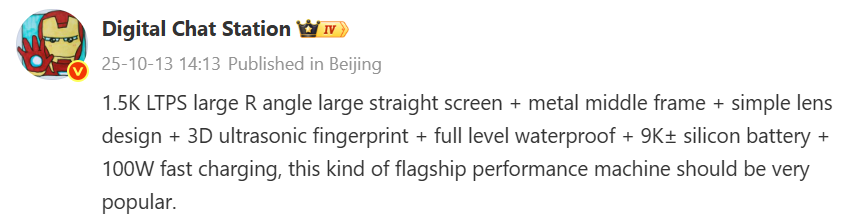
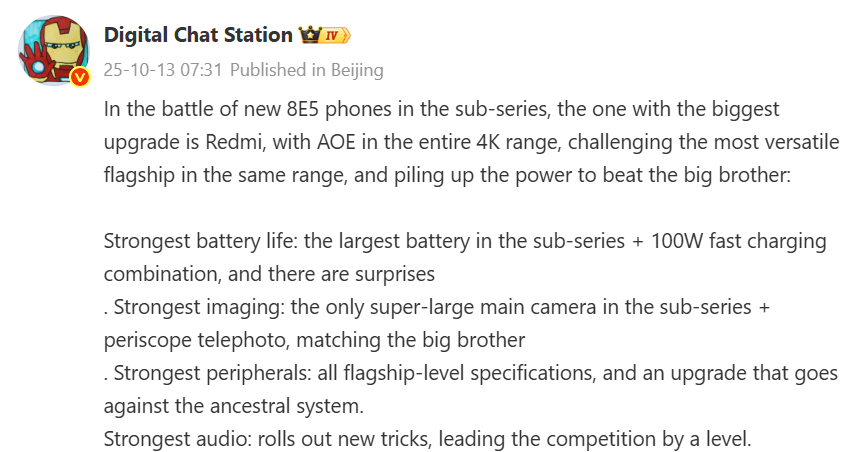
According to Digital Chat Station, the Chinese tech giant’x next flagship might be getting a drop in resolution. Oppo announced the Find X8 Ultra with a tall 6.82-inch LTPO AMOLED display with a 120Hz refresh rate, QHD+ resolution (3168 x 1440p), 2160Hz PWM dimming, and a peak brightness of 2500 nits.

Oppo Find X8 Ultra

In this recent post, DCS claims that the Find X9 Ultra will only have a 1.5K resolution (around 1200p). It will still feature LTPO tech for variable refresh rate support. This is a surprising downgrade for the Find X9 Ultra. Digital Chat Station is a known tipster who has had a decent track record with this leaks and tips. However, an Oppo executive denied this claim. As per Oppo’s Zhou Yibao, this rumor is fake.

Unfortunately, the senior official refrained from elaborating any further and didn’t reveal any other details. Digital Chat Stations adds that the smartphone will be equipped with Qualcomm’s SM8850 SoC, which is expected to be the Snapdragon 8 Elite 2 chipset. Keep in mind that this is still unconfirmed at the moment, so take this tip with a pinch of salt.

For more daily updates, please visit our News Section.

Don’t miss a thing! Join our Telegram community for instant updates and grab our free daily newsletter for the best tech stories!

(Via)

New Samsung Desktop Tower Breaks Cover with Intel’s High-End Core Ultra 9 285

A recent benchmark listing revealed a new Samsung PC with cutting edge specs, which was initially believed to be a new Galaxy Book Ultra laptop. However, this was later revealed to be a full fledged desktop computer. The new high-end PC was quietly listed online, along with its pricing, specs, and storage configuration. So is this Samsung Desktop Tower a new workstation PC? Read on to find out.

Samsung’s Powerful New Desktop Tower Just Got Fully Listed Online

The initial GeekBench listing was spotted by known tipster Abhishek Yadav, who later shared the retailer listing. Looking at the benchmark, Samsung’s new Desktop Tower carries the DM500TGZ-AD9A model number. But what made it noteworthy was its specs and performance results. Thanks to its Intel Core Ultra 9 285 CPU, Samsung’s PC managed to score 2702 points in the single core test and 12373 points in the multi core test. In the OpenCL graphics test, the integrated Intel Arc iGPU achieved 16426 points.

Samsung Desktop PC
Samsung Desktop Tower PC

Oddly enough, the high end processor is only paired with 8GB of DDR5 RAM. If you look at the online retailer’s listing, there are only 8GB or 16GB options. For storage, there are plenty of options, including 256GB, 500GB, 1TB, 2TB, and 4TB. Out of the box, the Samsung Desktop Tower runs on the Windows 11 Home OS. If you look past the memory capacity, one could assume this is a new workstation PC from Samsung.

The new Samsung Desktop Tower was spotted with a starting price tag of around 1,637,000 KRW, which is roughly around 1,180 US Dollars. It is unclear whether the brand will announce this computer in the global market, so stick around for more.

For more daily updates, please visit our News Section.

Tech enthusiast? Get the latest news first! Follow our Telegram channel and subscribe to our free newsletter for your daily tech fix! ⚡

Galaxy A17 5G retailer listing reveals much higher price than A16 5G

Samsung’s Galaxy A-series has long been popular with buyers looking for reliable performance at an affordable price. But with the upcoming Galaxy A17 5G, that budget-friendly image might be shifting. A recent leak hints at a notable price hike, raising questions about whether the phone’s upgrades are enough to justify the cost.

Galaxy A16 5G

A bigger price tag, familiar hardware

According to a listing from Italian retailer Epto, the Galaxy A17 5G is expected to launch in Europe starting at €299.90 for the 8GB RAM and 256GB storage model. That’s nearly €71 more than the base model of last year’s Galaxy A16 5G, which launched at €229. The official retail price is reportedly €319.90, though it’s possible Samsung will offer launch discounts. Even the 4G version of the A17 is listed at €289.90 for the same storage and RAM—an unusual pricing move for a non-5G model.

To be fair, Samsung is offering more storage out of the box—256GB compared to 128GB on the A16 5G. The A17 5G is also said to include a more premium build with Gorilla Glass Victus and a main camera with OIS, which should help deliver sharper photos and steadier videos.

That said, much of the rest remains the same. The phone still uses the Exynos 1330 chip, has a 5,000mAh battery with 25W fast charging, and retains an IP54 rating. The front display features the same dated waterdrop notch, which may feel underwhelming compared to newer designs from rivals.

With its higher price and modest upgrades, the Galaxy A17 5G could be a tougher sell—especially if the more affordable predecessor remains on shelves. Existing A16 users may also find little reason to upgrade. The A17 5G is rumored to launch in October 2025, but unless Samsung sweetens the deal with offers or further enhancements, its higher price might be a sticking point for the value-driven A-series crowd.

Don’t miss a thing! Join our Telegram community for instant updates and grab our free daily newsletter for the best tech stories!

For more daily updates, please visit our News Section.

(Source)
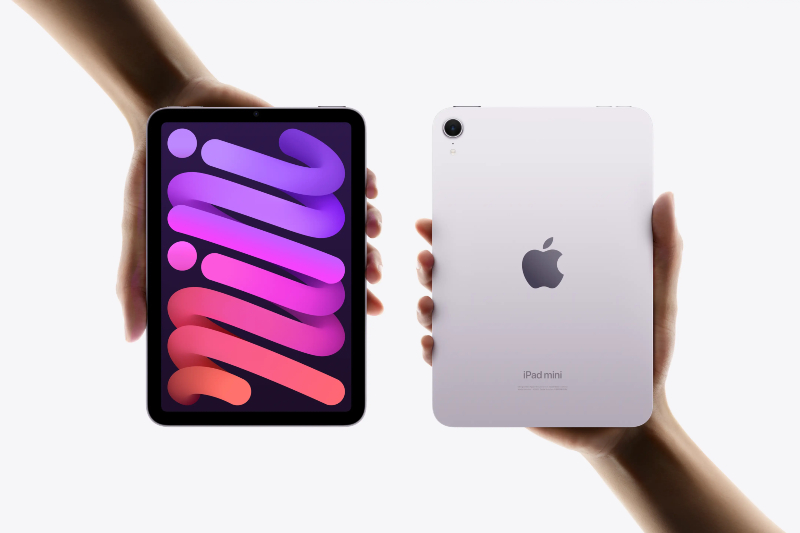
iPhone 17 Pro images reveal major internal redesign

Apple’s upcoming iPhone 17 Pro is still months away from launch, but new leaked images are already offering a closer look at what’s changing under the hood—starting with the battery. Shared by tipster Majin Bu, the images suggest Apple has made some significant changes to the internal design of the phone, with practical tweaks aimed at thermal efficiency and safety.

There are subtle differences in the internal layout depending on the region. The US variant, which relies solely on eSIM, uses the extra space (normally reserved for a SIM tray) to accommodate a slightly larger casing. The Chinese model, meanwhile, includes space for a physical SIM slot.

Despite this design difference, both versions are said to carry the same battery capacity. The steel casing is expected to help with heat management, particularly during resource-heavy tasks like gaming or high-resolution video capture.

The leaked photos also show a smaller logic board cutout at the top of the battery, which may allow more efficient use of internal space for other components. Another change worth noting is a new adhesive layer, reportedly designed to make battery replacements easier. This could be part of Apple’s broader effort to improve repairability, especially in light of recent EU regulations pushing for user-friendly designs.

As for the cameras, Apple is also rumored to be testing an 8x telephoto lens for the iPhone 17 Pro models. Combined with the steel casing and improved internals, these updates could make the iPhone 17 Pro not only more capable but also more durable and easier to service.

The iPhone 17 Pro is expected to launch in September 2025, likely during Apple’s usual second-week event. While the battery capacity itself may not see a major upgrade, these behind-the-scenes refinements suggest Apple is focused on improving the overall user experience with better thermals and more repair-friendly construction.

More details are likely to surface in the coming weeks, but for now, this leak offers an early glimpse into what Apple might be planning for its next Pro iPhone.

Don’t miss a thing! Join our Telegram community for instant updates and grab our free daily newsletter for the best tech stories!

For more daily updates, please visit our News Section.

(Source)

POCO F7 Gets OS2.0.102.0 Update with Camera Fixes, Performance Improvements, and June Security Patch

POCO has started rolling out the first software update for its POCO F7 smartphone in India. The updated version OS2.0.102.0 fixes camera issues and improves system performance based on user feedback.

Poco F7 Launch and Specs
POCO F7

Camera Fixes

The update makes several camera improvements that users requested:

Better portraits: The phone now captures more natural skin tones with improved facial contrast and accurate brightness levels.

Sharper photos: Images are now crisper with better detail across different lighting conditions.

Better HDR: The camera now handles bright areas like skies better, reducing overexposed shots.

More accurate colors: Outdoor photos, especially greens and landscapes, now look more realistic.

System Improvements

POCO has optimized thermal management to prevent overheating issues. The update also includes the June 2025 Android security patch.

User-Driven Changes

These improvements came directly from feedback collected from early POCO F7 users and the POCO community. The company focused on the most reported problems, particularly camera performance and heat management.

What’s Next

POCO is working on another update called OTA3, which should arrive by the end of August 2025. This update will bring more improvements and new features, though the company hasn’t shared specific details yet.

Don’t miss a thing! Join our Telegram community for instant updates and grab our free daily newsletter for the best tech stories!

For more daily updates, please visit our News Section.

(via: FoneArena)

Take a look at the Galaxy S25 FE color options

Samsung’s next FE smartphone—the Galaxy S25 FE—is already stirring interest, thanks to new leaks that offer a closer look at its design and key specs. While the phone hasn’t been officially announced yet, early details suggest a familiar but refined approach to Samsung’s mid-range flagship.

According to a leak from Dutch site NieuweMobiel.NL, the Galaxy S25 FE will be available in four colors: Black, White, Light Blue, and a darker Blue shade reminiscent of the “Blue Shadow” option recently seen on the Galaxy Z Fold 7 and Flip 7. That’s one less color than the Galaxy S24 FE, but the new hues still give it a new look.

The phone is also said to be thinner than its predecessor—measuring just 7.4mm thick, down from 8mm. This could be due to the use of a flexible OLED panel.

Flagship-grade specs for less

The Galaxy S25 FE will reportedly sport a 6.7-inch Dynamic AMOLED 2X display with a 120Hz refresh rate, HDR10+ support, and peak brightness of up to 2,600 nits—putting it in line with Samsung’s higher-end models. Under the hood, it’s powered by the Exynos 2400 chipset, paired with 8GB of RAM and either 128GB or 256GB of storage.

On the software side, the S25 FE is expected to ship with One UI 8.0 based on Android 16 and receive up to seven years of updates—a major plus for long-term users. A 4,500mAh battery and 45W fast charging should help it stay powered throughout the day. Other expected features include IP68 water and dust resistance and AI-powered enhancements, possibly using Gemini for tasks like photo editing or voice assistance.

The Galaxy S25 FE is likely to debut around September or October 2025. If the leaks pan out, it could be a strong alternative to Google’s Pixel 9a.

Don’t miss a thing! Join our Telegram community for instant updates and grab our free daily newsletter for the best tech stories!

For more daily updates, please visit our News Section.

(Source)

Samsung Launches 37-Inch 4K Odyssey G7 G75F with 165Hz, HDR10+ and FreeSync Premium Pro

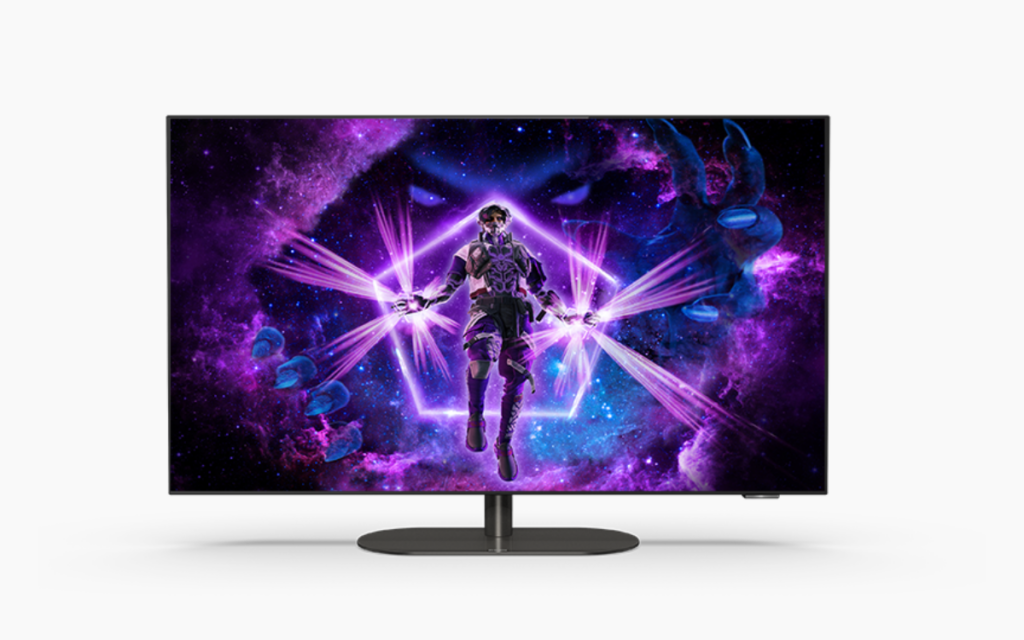
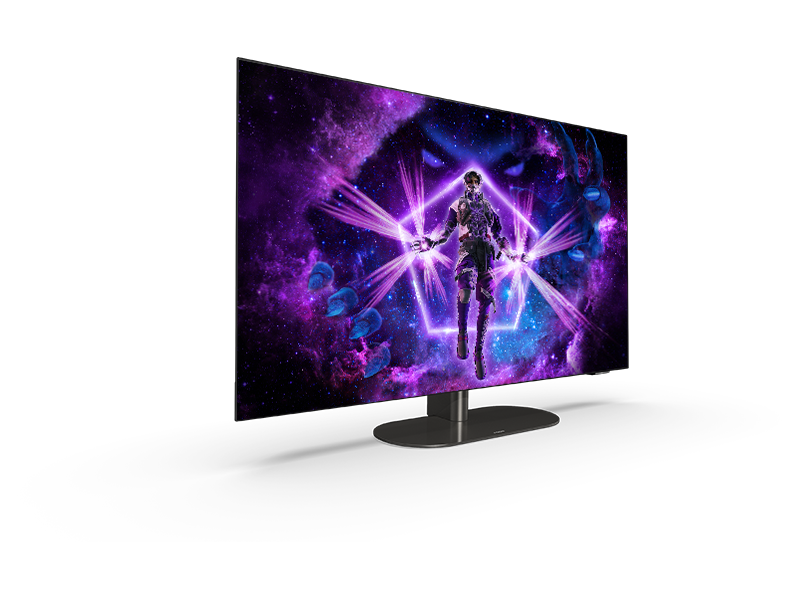
Samsung has released a new gaming monitor called the Odyssey G7 G75F. It is currently listed on the brand’s Malaysian website, priced at RM 4,399 (about USD 1,038). There is no update on a global release yet.

Samsung Odyssey G7 G75F

The Odyssey G75F comes with a 37-inch curved VA panel with a 1000R curvature and 4K UHD resolution (3840 x 2160). It has a 165Hz refresh rate and a 1ms response time (GtG). The panel supports HDR10+, VESA DisplayHDR 600, and has a static contrast ratio of 3000:1. It covers 99% of the sRGB color space and 90% of DCI-P3. The display supports up to 1.07 billion colors.

Brightness peaks at 350 cd/m², with a minimum of 280 cd/m². Viewing angles are 178° horizontal and vertical. The monitor is Windows 11 certified and supports features like Picture-in-Picture, Ultrawide Game View, Black Equalizer, and Virtual Aim Point.

The monitor includes AMD FreeSync Premium Pro for smooth gameplay. G-Sync is not supported. It has Auto Source Switch+ for faster input switching and Eye Saver Mode and Flicker-Free technology for comfort during long sessions. CoreSync and CoreLighting+ let the monitor match ambient lighting with on-screen content using 16.7 million colors.

The stand is height adjustable up to 120 mm and supports tilt (-5 to 20 degrees) and swivel (-20 to 20 degrees). The screen is VESA mountable (100 x 100). The monitor does not have built-in speakers.

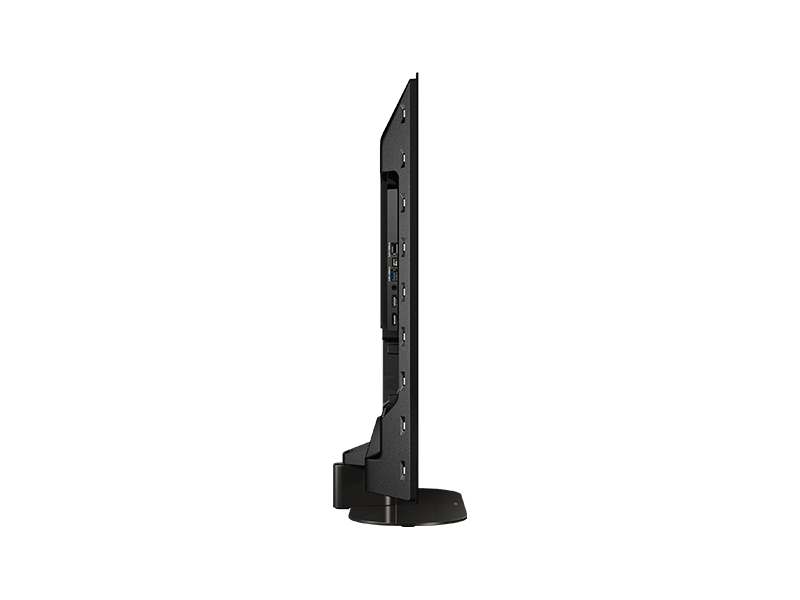
Ports include two HDMI 2.1, one DisplayPort 1.4, one USB-B upstream, two USB-A 3.2 Gen1 downstream, and a headphone jack. There is no USB-C port. The monitor weighs 11.2 kg with the stand and 7.2 kg without it. Dimensions with the stand are 816 x 674.4 x 303.8 mm. It ships with a 1.5 m power cable, DisplayPort cable, and USB 3.0 cable.

For more daily updates, please visit our News Section.

Stay ahead in tech! Join our Telegram community and sign up for our daily newsletter of top stories!

Apple quietly builds its own AI-powered search engine to rival ChatGPT and Google

Apple appears to be preparing its next big leap in artificial intelligence—this time taking aim at search. As tools like ChatGPT and Google’s Gemini begin reshaping how people find information online, Apple is reportedly developing its own “answer engine”, one that could redefine Siri, Spotlight, and search across its ecosystem.

Apple

At the heart of this initiative is a team Apple refers to internally as “AKI”—short for Answers, Knowledge and Information. The group is focused on building a proprietary generative AI search engine capable of delivering conversational results, rather than relying on Google or third-party chatbots like ChatGPT.

Unlike Siri’s current setup, which often defaults to web links or external services, this new tool would crawl the web and serve direct answers. Apple is reportedly working on both a standalone app and system-level integration, with plans to eventually expand the technology across iOS, iPadOS, and macOS.

Apple is facing pressure from all sides

The move comes at a critical time. Apple’s multi-billion-dollar deal with Google—which makes Google the default search provider on iPhones—is facing legal scrutiny from US antitrust regulators. If that deal were to fall apart, Apple could be left needing a backup plan for search.

At the same time, generative AI has made it easier than ever for smaller players to break into the search space. Companies like Perplexity AI have already gained attention with their answer-focused tools, and Apple is reportedly exploring partnerships and acquisitions to stay competitive. Still, Apple has challenges of its own. In recent months, four senior engineers from its Foundation Models team left the company to join Meta’s new AI division.

Ultimately, Apple’s goal appears to be offering an AI-powered search experience that aligns with its broader philosophy: privacy-first, tightly integrated, and completely under its own control. Whether that vision pans out—and when it becomes reality—remains to be seen.

Stay ahead in tech! Join our Telegram community and sign up for our daily newsletter of top stories!

For more daily updates, please visit our News Section.

(Source)
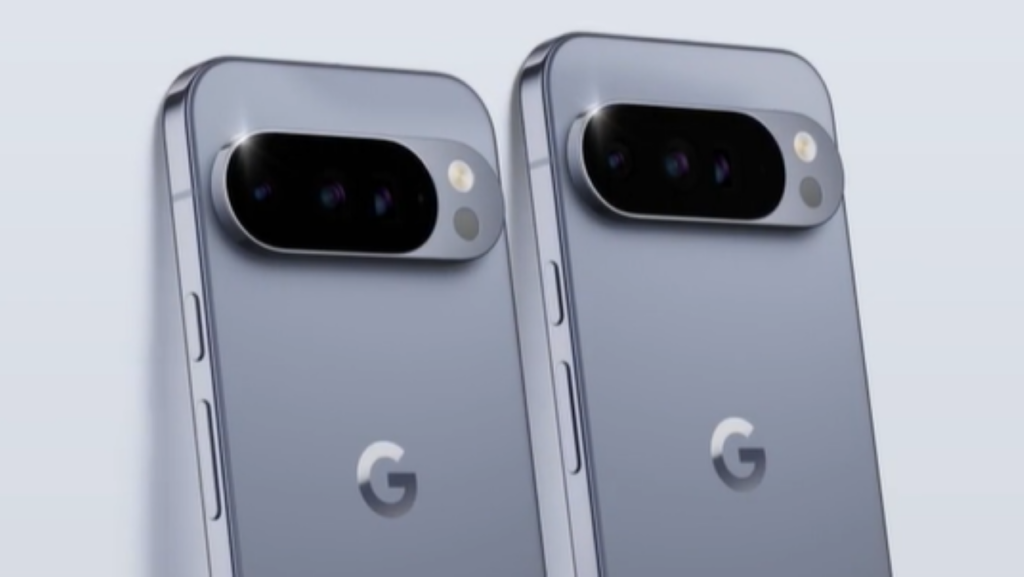
AGON Pro AG326UZD: AOC’s New 240Hz 4K QD-OLED Gaming Monitor

AOC has unveiled the AGON Pro AG326UZD, a 31.5-inch QD-OLED gaming monitor set to launch in 2025. Compared to its predecessor, the AG326UD, the new model brings improvements in refresh rate and color performance, targeting competitive and enthusiast gamers.

AOC AGON Pro AG326UZD features

The AG326UZD features a Samsung-made QD-OLED panel with a UHD resolution of 3840 x 2160, offering a 240Hz refresh rate and an ultra-fast 0.03ms response time. The display supports true 10-bit color depth, rendering over 1.07 billion colors. It covers 100% of the sRGB and 99% of the DCI-P3 color gamuts, with a pixel density of 139 pixels per inch and a pixel pitch of 0.181mm. The screen delivers a typical brightness of 250 nits and peaks at 1,000 nits. Its static contrast ratio stands at a notable 1,500,000:1, and it holds the DisplayHDR 400 True Black certification.

Connectivity is robust, with one USB 3.2 Type-C (DisplayPort Alt Mode), one USB 3.2 Type-B, two USB 3.2 Type-A (one offering BC 1.2 fast charging), two HDMI 2.1 ports, one DisplayPort 2.1, and a 3.5mm audio output. Adaptive sync technologies are included, supporting AMD FreeSync and Adaptive Sync, along with gaming-centric features such as crosshair overlays, specific game modes, shadow control, and AOC’s G-Menu software.

The monitor’s ergonomic stand provides 150mm of height adjustment, 90-degree pivot in both directions, 18-degree left/right swivel, and a tilt range from +5 to -23 degrees. It is VESA 100x100mm compatible and includes a Kensington lock slot for security. Viewing angles are 178 degrees both horizontally and vertically. The monitor is equipped with two 8W built-in speakers. AOC has not yet disclosed pricing or the exact release date for the AG326UZD.

For more daily updates, please visit our News Section.

Stay ahead in tech! Join our Telegram community and sign up for our daily newsletter of top stories!

(via: DisplaySpecifications & Notebookcheck)
This Mini 4K Projector from LG Can Turn Any Wall into a Theater

LG has just launched a compact 4K projector that’s designed for small spaces but delivers big-screen performance. The new CineBeam S Mini Ultra Short Throw Projector can project sharp 4K visuals from just inches away, making it perfect for anyone who wants a home theater experience without a massive setup. So here’s everything you need to know.

LG CineBeam S Mini UST 4K Projector: What Makes it Special?

To recall, the CineBeam S is LG’s smallest 4K Ultra Short Throw (UST) projector, boasting 4K UHD resolution (3840 x 2160) and 500 ANSI lumens brightness. The CineBeam S PU615U model was first announced during the CES 2025 event earlier this year. This is an ultra short throw projector, which allows it to project a screen size ranging from 40 to 100 inches despite being quite close to the wall.

LG Cinebeam Mini 4K Projector
LG CineBeam S PU615U Mini UST 4K Projector

The Cinebeam S arrives with a stylish metallic finish, offers a 154 percent DCI-P3 color gamut, and Dolby Atmos certified stereo sound. LG’s latest mini 4K projector runs on the webOS 24 out of the box, with support for apps like Apple TV, Disney+, and Netflix. All of this is packed in a tiny form factor, measuring just 6.3 x 6.3 x 4.3 inches in dimensions. Other notable features include Apple AirPlay 2 and MiraCast support, two USB-C ports, and an HDMI eARC port.

As of right now, the company plans to release the LG Cinebeam S UST 4K Projector in South Korea, Australia, and Canada. Pre-orders are currently live in Australia for 2,499 Australian Dollars, with shipments kicking off later this month. Meanwhile, the projector will go on sale in the UK for 1,099 Pounds Sterling.

For more daily updates, please visit our News Section.

Don’t miss a thing! Join our Telegram community for instant updates and grab our free daily newsletter for the best tech stories!

Galaxy Z Flip 7 durability test

Samsung’s new Galaxy Z Flip 7 has attracted significant attention with its larger outer display and slimmer middle frame. Now, a durability test from popular YouTuber Zack Nelson sheds light on the foldable’s strengths—and its lingering weaknesses.

During his hands-on test, Nelson put the Z Flip 7 through a series of challenges, starting with scratch resistance. The cover display, protected by Gorilla Glass Victus 2, started showing visible marks at Mohs level 6—a result that’s in line with most modern smartphones and means it’s safe from typical hazards like coins or nails. Even the camera lens covers managed to withstand scratching attempts from sharp tools.

However, like previous generations, the Z Flip 7’s main display scratched easily—even fingernails were enough to leave permanent marks. Damage began appearing at Mohs level 2, underscoring the fact that flexible screens are still far more delicate than their glass counterparts. For those wondering, the 50% thicker Ultra-Thin Glass (UTG) is apparently exclusive to the Z Fold 7.

Hinge proves to be the standout feature

Where the Z Flip 7 really impressed was its structural integrity. In Nelson’s signature bend test, the phone survived intense force without cracking or losing functionality. Its hinge also passed a dust test, continuing to operate smoothly even after being exposed to small debris. That matches Samsung Display’s claim that the Z Flip 7 (like the Fold 7) can withstand up to 500,000 folds at room temperature—roughly equivalent to years of use.

Despite concerns over the fragile screen, the Z Flip 7 is enjoying early success. Priced at $1,099.99, the phone has contributed to Samsung’s strong foldable momentum, with the company reporting a 50% sales jump for the Fold 7 compared to last year’s model.

The takeaway? While Samsung has made serious progress on durability—especially around the hinge—the inner display remains a sensitive spot. If you’re planning to pick one up, it’s best to enjoy the innovation, but handle it with a bit of care.

Don’t miss a thing! Join our Telegram community for instant updates and grab our free daily newsletter for the best tech stories!

For more daily updates, please visit our News Section.

Don’t Buy a Gaming Smartphone Without Considering These 7 Key Details

Smartphone gaming has come a long way. Mobile games used to be little more than time-killers, but now, you can find competitive esports titles like Call of Duty: Mobile and graphically intense games like Wuthering Waves. But not every phone is built to deliver smooth, lag-free gameplay. If you’re planning to buy a smartphone primarily for gaming, there are a few crucial things to watch out for. So read on to find out.

Asus ROG Phone 9 Series
ASUS ROG Phone 9 Series

1. Processor and GPU Performance

If you’re a regular smartphone user or even prioritize the photography experience, specs aren’t everything, and you’ll often need to find a perfect blend of hardware and software for the best experience. While this remains true for gaming smartphones in general, specs really matter here.

The heart of any gaming phone is its processor. For smooth gameplay, look for devices powered by flagship chips like the Snapdragon 8 series (Snapdragon 8 Elite, 8s Gen 4), Apple A-series (A16, A17, A18), or Dimensity 9000+ (Dimensity 9400/9400+). Some older models of these lineups are still quite capable, but these are the best chips on offer for Android devices and iOS devices. Having a flagship grade chip also ensures you get a powerful GPU, which helps render frames and ensure frame stability.

2. Ultra Smooth Display

A good display enhances immersion. For gaming, 120Hz or 144Hz refresh rates are ideal, as they provide fluid motion and responsiveness. AMOLED or OLED panels offer better contrast and punchy colors over LCDs. A higher refresh rate also helps reduce input latency, with a high touch sampling rate further improving the gaming experience.

3. RAM and Storage

With games getting bigger and more complex, one requires both high storage and RAM capacity. While 8GB is usually sufficient, a flagship/gaming smartphone can offer 12GB or even higher memory. 128GB was seen as standard for devices, but the higher 256GB is quickly becoming the norm on high end models. So definitely go for more storage, so you don’t have to deal with deleting pictures or videos later on. Additionally, consider phones with faster storage like UFS 3.1 and UFS 4.0, which also help load the games faster.

4. Battery and Charging Speed

Gaming can drain your battery fast. A phone with a 5000mAh or higher battery is ideal. Equally important is fast charging (like 60W or higher), so you’re not stuck waiting for too long between sessions. Another big bonus is the new bypass charging feature that lets your device get directly powered by the charger, avoiding battery charging and heating up while gaming.

5. Cooling System

A robust thermal dissipation system is often overlooked by many. Smartphones are getting more powerful every year, and your device needs a capable cooling system to combat heat. Now pair that with intense activities like gaming, and your device will quickly overheat and start throttling performance that may cause stutters while gaming. So, a vapor chamber cooling or large graphene layers can help prevent such an issue. Gaming phones like the Red Magic 10S Pro even house a physical RGB fan for active cooling.

6. Audio and Haptics

Stereo speakers with good volume and clarity make a difference, especially in FPS titles. Also, advanced haptic feedback engines add to the immersion when playing action-heavy games.

7. Gaming Features & Software Optimizations

Gaming-centric phones often include special features like shoulder triggers (eg: ASUS ROG Phone 9 Pro), customizable performance modes, and game-centric UI overlays. These can give you an edge in competitive titles like PUBG Mobile.

For more daily updates, please visit our News Section.

Tech enthusiast? Get the latest news first! Follow our Telegram channel and subscribe to our free newsletter for your daily tech fix! ⚡

Elista launches new QLED Google TVs in India, starting at ₹23,990

Indian electronics brand Elista is expanding its smart TV lineup with a new range of QLED Google TVs. The TVs come in three sizes, 32-inch, 43-inch, and 55-inch, and start at just Rs 23,990 for the base model.

Of course, the highlight of the TVs are QLED panels, which should deliver better color accuracy, contrast, and brightness over regular LED displays. The 55-inch model supports 4K UHD resolution and HDR10, while the 43-inch and 32-inch versions top out at Full HD. 

For audio, some variants of the TV have a 48W in-built soundbar with Dolby Audio support. All three models are wrapped in a slim, bezel-less design, and the brand says they’re made using “premium materials.”

Under the hood, these TVs run on Google TV, which merges content from apps like Netflix, Prime Video, YouTube, Disney+ Hotstar, and SonyLIV into a single interface. With Google Assistant and Chromecast built in, users get hands-free voice control, smart home integration, and seamless casting from phones or tablets.

Connectivity is also on par with other budget smart TVs: dual-band Wi-Fi (2.4GHz and 5GHz) ensures smoother streaming, and 2 HDMI ports allow for connecting consoles or sound systems.

Price and Future Plans

As for the price, the 32-inch model is Rs 23,990, the 43-inch is Rs 35,990, and the 55-inch QLED Elista TV is Rs 69,990.

Elista, founded in 2020, has grown quickly in India’s crowded electronics space. The company says its new TVs are part of a broader “Make in India” effort, supported by its manufacturing facility in Kadapa, Andhra Pradesh. It recently expanded into Tanzania and continues to push into other markets like the UAE, Africa, and CIS regions.

Don’t miss a thing! Join our Telegram community for instant updates and grab our free daily newsletter for the best tech stories!

For more daily updates, please visit our News Section.

Massive Samsung Foldables Heist in London: 12,000 Galaxy Z Fold 7, Z Flip 7 Stolen

Thieves in the UK have just pulled off a massive heist for Samsung‘s latest flagship Galaxy foldable smartphones. Thousands of Galaxy Z Fold 7 and Galaxy Z Flip 7 have just been stolen in London, so here’s everything you need to know.

12,000 Galaxy Z Fold 7 and Z Flip 7 Units Stolen in London Heist

Known tipster Ice Universe just shared some bad news regarding the South Korean tech giant’s recent foldable shipment in the UK. A truck that was carrying Samsung’s new Galaxy Z Fold 7 and Galaxy Z Flip 7 units was recently stolen near the London Heathrow Airport. Reportedly, the thieves got away with around 12,000 units of the new foldable.

Samsung Galaxy Z Fold 7 & Galaxy Z Flip 7
Samsung Galaxy Z Fold 7 and Galaxy Z Flip 7

Due to this big heist, Samsung Electronics is seeing an economic loss of about $10.6 million. To recall, the Galaxy Z Flip 7 carries a £1,049 price tag, while the Galaxy Z Fold 7 typically sells for an even more exorbitant price tag of £1,799. At the moment, there’s no info regarding the location of the truck, so the large number of premium phones from the brand are still at large.

Samsung is likely working with the UK law enforcement to find these missing devices, but we can expect the company to blacklist and lock all of the units. This would basically make them unusable and make them harder to sell in the black market. The massive Samsung heist might also impact the brand’s availability of its flagship Galaxy Z Fold 7 and Galaxy Z Flip 7 models in the region. This is all the information we have at the moment, so stick around for more.

For more daily updates, please visit our News Section.

Don’t miss a thing! Join our Telegram community for instant updates and grab our free daily newsletter for the best tech stories!

Samsung’s Galaxy Buds 3 FE Budget TWS Launching in India Soon

Samsung could be getting ready to expand its audio lineup in India with the upcoming Galaxy Buds 3 FE, a new pair of budget-friendly TWS earbuds. The upcoming truly wireless earbuds just surfaced on an Indian certification, so here’s what you need to know.

Budget-Friendly Galaxy Buds 3 FE Arriving Soon?

The South Korean tech giant’s new Galaxy Buds 3 FE just surfaced on the Bureau of Indian Standards (BIS) database, carrying the EP-QR420 model number. This basically confirms the availability of this bearable product in the region. To recall, Samsung first unveiled the Galaxy Buds FE model back in 2024, with the Galaxy Buds 2 FE expected to launch this year. However, later sightings hinted that the brand skipped the Buds 2 FE for the Buds 3 FE.

Samsung Galaxy Buds 3 FE Leaked Render

While it is unknown why this is the case, the brand could simply be making the Fan Edition model in line with the current lineup of its premium Galaxy Buds 3 series models. Just last month, the first image of the Galaxy Buds 3 FE surfaced online in a leaked render. A tipster offered us a look at this budget TWS, while also confirming some of its specs and features. Reportedly, the Galaxy Buds 3 FE will support passive noise isolation, along with ANC (Active Noise Cancellation).

Apart from this, you are also getting an Ambient Mode, better battery life, and maybe even the new Galaxy AI tools for features like real time translation. Based on early rumors, the Galaxy Buds 3 FE could go on sale for around 99 to 129 US Dollars. This is all the information we have, so stick around for more as teasers of this gadget should surface soon.

For more daily updates, please visit our News Section.

Tech enthusiast? Get the latest news first! Follow our Telegram channel and subscribe to our free newsletter for your daily tech fix! ⚡

(Via)

HUAWEI MatePad 11.5 (2025) PaperMatte Edition: A Week-Long Use Review

Introduction  

HUAWEI’s newest 11.5-inch tablet arrives as the 2024 version’s predecessor, with a brighter matte screen, longer battery life. I spent seven days using the PaperMatte edition as my primary tablet for work, note-taking and content consumption to find out whether it is a better option right now.

Design & Build  

The body is a single block of aluminium, colored in either Space Grey or the subtler Violet tone. At 6.1 mm and 515 g it is genuinely pocketable in a coat. HUAWEI says the new forging process adds 30% rigidity, so there is no flex when torqued. There is no IP rating and no headphone jack, so gym or poolside use feels risky.

The best thing is the case to go with the tablet, if you have read my other tablet reviews, I always stress that you much buy the official case with the tablet, as it is not only high quality usually, but also very custom fit. So does this case, it feels premium, and connects to the tablet smartly. The smart thing HUAWEI did is that, the tablet and the case is bundled together, which means you are encouraged to buy them together.

Display  

The 2456 × 1600 IPS panel is the top line specs, rated at 2.5K. 120 Hz refresh is adaptive, so it changes between 60/90/120Hz, to suit every occasion, and saves power. Peak brightness is 600 nits, outdoors at 11 a.m. under clear sky it is still very bright and I could still read white websites.

The PaperMatte coating is more than a film. Nano-etching diffuses reflections, cutting specular glare to 2% compared with 4.8% on other glossy models. Colour gamut is still 100% sRGB, yet saturation drops slightly, but nothing serious. The TÜV low-blue-light badge is earned through hardware (DC dimming), not software filters, so screen colour temperature doesn’t shift at night, this can be very useful if you dislike Night Mode.

Stylus Experience  

The third-generation M-Pencil snaps magnetically to the top edge and charges in roughly 90 minutes. There is almost no latency in HUAWEI Notes, which is still class-leading and can compete head to head with the Apple Pencil 2. This is because the hardware quality is pretty good, and the NearLink tech on board. Tip friction is closer to felt on paper than glass, and I found it is smoother than last gen, which means the manufacturing quality is again better. The gesture controls of the stylus is also very intuitive.

Battery & Charging  

The 10100mAh cell delivered about 12 hours of mixed use: 2h Zoom calls, 4h Chrome, 3h Netflix at 50% brightness, and intermittent note-taking. That is an excellent performance. The 40W charger (sold separately in the EU) took the tablet from 2% to 42% in 30 minutes and reached 100% in 1h 18min, respectable for a tablet with such battery. There is no wireless charging.

Performance  

There isn’t any information about the chip used in this tablet, it only says 8GB Ram, 128GB or 256GB Rom. Day-to-day use is pretty smooth, as it is the key advantage of HarmonyOS. In fact, this tablet is positioned as a productivity machine, so every feature is designed around this theme. You can fully utilize the Apps to do a lot of stuff.  

Software & Multitasking  

HarmonyOS 4.3 brings the same floating-window feature as before. You can pin two apps side-by-side and park a third in a resizable bubble. PC-level WPS Office is genuinely useful, spreadsheets open with desktop ribbons and trackpad shortcuts.

And of course, the GoPaint App has updated again, with more tools and canvas. GoPaint has really evolved as the best painting App for either real painters and also regular users. There are many tutorials and tools that allows you to draw better.

Audio & Connectivity  

Four speakers at both sides. Volume is very big, the quality of sound is also very good. Wi-Fi 6 throughput averaged 820Mbps on a 1Gbps symmetrical line two rooms from the router, a 25% bump versus last year’s model. Bluetooth 5.2 paired instantly with any headphones or other devices.

Cameras  

HUAWEI barely mentions imaging. The 8MP front camera sits along the long edge, ideal for landscape video calls, the quality is adequate under office lighting but noisy in a dim living room. The rear 13MP camera is better, daylight shots are quite competent for document scanning, or videos.

Keyboard & Accessories  

The detachable smart keyboard weighs 435g. Key travel is 1.5mm, similar to a low profile keyboard already, the flex feels good. The single-angle kickstand is sturdy on desks, and it connects the keyboard via magnet. The keyboard can also be separated, if you want to create a certain space between the tablet and the keyboard.

Verdict  

The HUAWEI MatePad 11.5 PaperMatte edition is a really good productivity tool, even as an entry-level product in HUAWEI’s lineup. The PaperMatte screen is a nice touch for such tablet at this price point. The battery is bigger than before also, it should support a longer use. If you live inside HUAWEI’s ecosystem and value a matte, eye-friendly display, the 2025 refresh is a sensible upgrade.

$10.6 million worth of Galaxy Z Fold 7 and Flip 7 stolen in major heist

In a major theft that’s grabbed headlines across the tech world, around 12,000 of Samsung’s latest foldable smartphones were stolen in transit near London’s Heathrow Airport, dealing a blow to the company just weeks after launch.

Samsung Galaxy Z Fold 7

Truck carrying Z Fold 7 and Flip 7 hijacked

According to well-known tipster @UniverseIce, the heist took place late last week, involving a truck carrying a large shipment of Galaxy Z Fold 7 and Z Flip 7 units. The stolen cargo is estimated to be worth around $10.6 million (approximately £7.9 million), making it one of the UK’s largest electronics thefts in recent years.

The phones were reportedly on their way to a warehouse after arriving in the UK when the truck was hijacked. Alongside the foldables, the shipment also reportedly included other newly launched products such as the Galaxy S25 series and Galaxy Watch 8.

With the Z Flip 7 priced at £1,049 and the Z Fold 7 starting at £1,799, the shipment was clearly a high-value target. The incident is likely to impact Samsung’s supply chain in the UK and delay retail availability for customers awaiting pre-orders following the global launch on July 9.

Heathrow’s ongoing security issues

Heathrow has been a frequent target for organized electronics theft, with its position as a key logistics hub making it vulnerable. UK police say up to 75% of stolen smartphones are smuggled out of the country within 72 hours, making recovery difficult.

Earlier this year, 1,000 smartphones were recovered near Heathrow in a separate case, highlighting ongoing security concerns. Devices stolen in such heists often resurface on the grey market with blocked IMEI numbers, rendering them ineligible for official support or warranty, and posing a risk for buyers.

Samsung has yet to release an official statement as of writing, but is expected to work closely with logistics partners and authorities going forward. Customers are advised to be cautious when purchasing devices from unofficial sources and verify IMEI numbers to ensure their phones are not blacklisted.

Don’t miss a thing! Join our Telegram community for instant updates and grab our free daily newsletter for the best tech stories!

For more daily updates, please visit our News Section.

Samsung is testing One UI 8 on these devices

Samsung One UI 8 testing

One UI 8 debuted earlier this month with the 7th-gen Galaxy foldables, Galaxy Z Fold 7, Galaxy Z Flip 7, and Galaxy Z Flip 7 SE. The stable rollout should soon go live for older Galaxy phones and tablets. Samsung hasn’t announced a timeline yet, but the update will likely roll out to Galaxy devices first that are currently under testing for One UI 8.

We’ve prepared a list of Samsung phones and tablets that are currently under One UI 8 testing. If your Galaxy device is on the list, it will likely get One UI 8 sooner than most devices.

One UI 8 is currently under testing for these Galaxy devices

  • Galaxy S25, S25+, S25 Ultra, S25 Edge
  • Galaxy S24, S24+, S24 Ultra, S24 FE
  • Galaxy S23, S23+, S23 Ultra, S23 FE
  • Galaxy S22, S22+, S22 Ultra
  • Galaxy Tab S10, S10+, S10 Ultra
  • Galaxy Tab S9, S9+, S9 Ultra
  • Galaxy A56, A55, A54, A53
  • Galaxy A36, A35, A34, A33
  • Galaxy Z Flip 6, Fold 6
  • Galaxy Z Fold 5, Flip 5
  • Galaxy Z Fold 4, Flip 4
  • Galaxy M36, M35
  • Galaxy F34
  • Galaxy F15

While the One UI 8 testing has begun for all these devices, only the Galaxy S25 series has access to the public One UI 8 beta. For the remaining devices, testing is being conducted internally, which is not accessible to the public.

Related:
1. These Galaxy devices are eligible for One UI 8 upgrade
2. Samsung makes significant changes to One UI rollout strategy

When will Samsung start rolling out the One UI 8 update?

With the One UI 8 debut earlier this month, Samsung became the first non-Google brand to release the Android 16 update. That speedy release is a result of two major changes to Samsung’s software rollout strategy (read more about it here). However, the stable rollout to older Galaxy devices is yet to kick off.

Samsung hasn’t announced an exact date when it will begin the rollout. However, it has already confirmed that the rollout will begin “this summer”. That means the stable rollout is right around the corner. It’ll likely begin later this month.

We’ve compiled all the information about One UI 8 in this post, including eligible devices and new features. Give it a read for more clarity on when it’s coming and what to expect from it. Also, be sure to visit our One UI 8 section regularly for the latest information.

Also read:
1. One UI 8 will be the last big upgrade for these Samsung devices
2. Here are the top six features in One UI 8

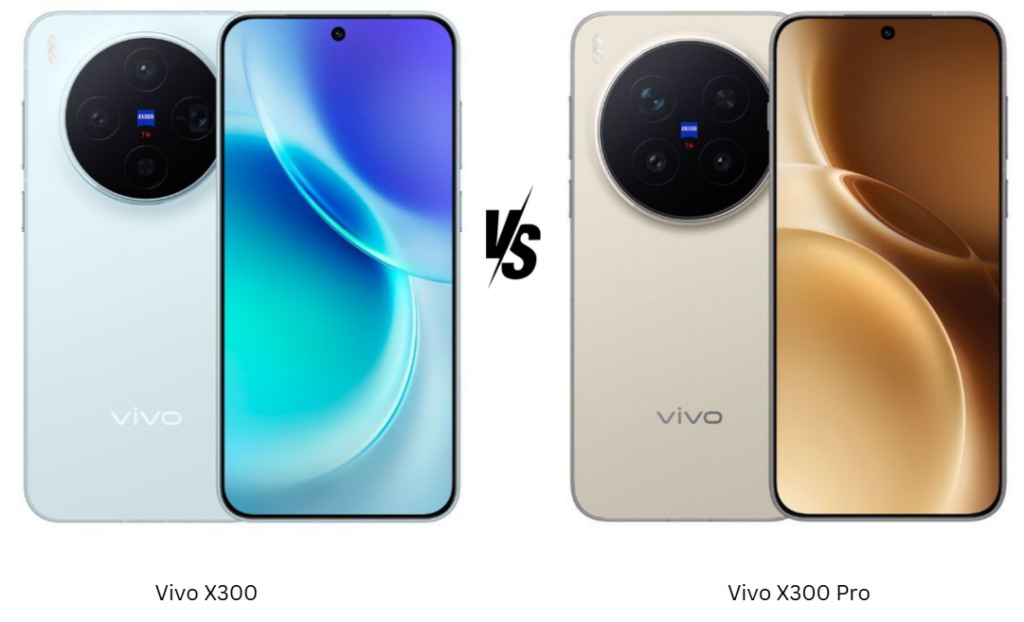
Vivo X300 Tipped to Bring a Bigger 200MP Main Samsung Camera

Vivo‘s next standard flagship could be getting a notable upgrade in the camera department. The base Vivo X300 is getting a new camera sensor, which could be sourced from Samsung. So here’s everything you need to know.

Is Vivo X300 Getting a 200MP Telephoto as its Main Camera?

The latest rumor was shared by a tipster on X (formerly Twitter), who goes by @nakajimegame. In the tweet, he claims that the Chinese tech giant plans to launch its next base flagship model with a new Samsung ISOCELL camera. The sensor in question is reportedly called the ISOCELL HBP. This shooter has a 200MP resolution and a 1/1.4-inch sensor size. So it is larger than the Vivo X200‘s Sony IMX921 camera, which had a 50MP resolution and a 1/1.56-inch sensor size.

Vivo X200 5G
Vivo X200

In other words, we can expect better low light performance and better details in the next gen model. It is worth noting that the ISOCELL HBP branding is quite similar to the ISOCELL HP9 (200MP, 1/1.4-inch), which is the 200MP periscope telephoto shooter on the Vivo X200 Pro. Meaning, Vivo could be working on a modified telephoto shooter for the main camera of the Vivo X300.

Apart from this, the tipster believes that the Vivo X300’s telephoto shooter could be a 50MP periscope lens with a 1/1.95-inch sensor, which is likely the same Sony IMX882/LYT600 camera that was also found in the last gen model. Lastly, the Zeiss partnership would likely continue in the next flagship lineup. Keep in mind that this is still just an unconfirmed report, so take this news with a pinch of salt for now, and stick around for more.

For more daily updates, please visit our News Section.

Don’t miss a thing! Join our Telegram community for instant updates and grab our free daily newsletter for the best tech stories!

(Via)